How Local Conditions Play In
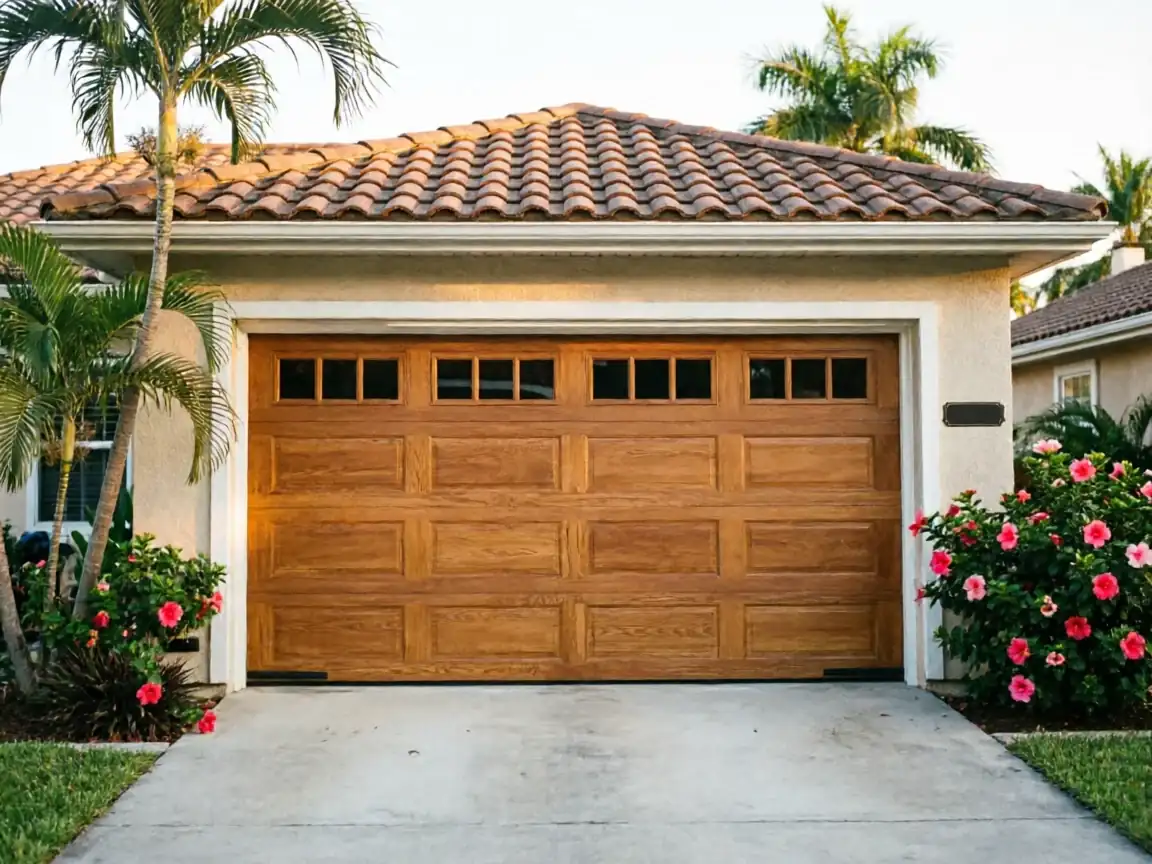
Most houses in Melbourne went up between 1966 and 2003, with the median landing around 1977. That's the number that matters more than people think, because it falls well before garage doors carried any insulation requirement. A door installed in 1977 was a single skin of steel or a slab of wood, nothing behind it, nothing sealing the bottom corners against the kind of heat buildup you get in a closed garage here.
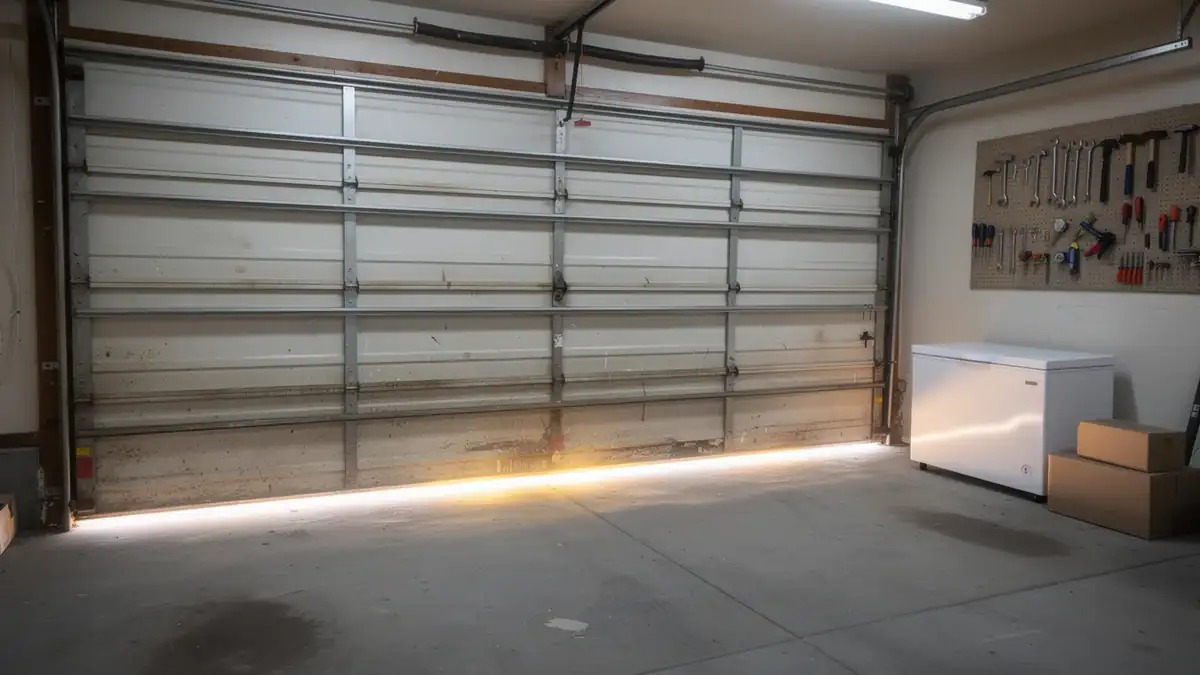
Melbourne sits in a mild temperate climate band. That's a mixed blessing for garage doors. You don't get the hard freeze-thaw cycling that cracks seals and warps tracks in colder markets, so a lot of original hardware from the 60s and 70s has simply outlasted its design life without the abuse that would have killed it elsewhere. But mild and humid also means steady moisture exposure on uninsulated panels, which is a slower kind of wear - rust at the bottom panel seam, swelling on old wood doors, hinges that have loosened from decades of thermal expansion and contraction even without freezing.
Across the 16 named areas that make up this service area, the bulk of the stock is 1960s-70s construction. If your house falls in that window, the door you're looking at was built to a standard that doesn't exist anymore.
What Most People Get Wrong
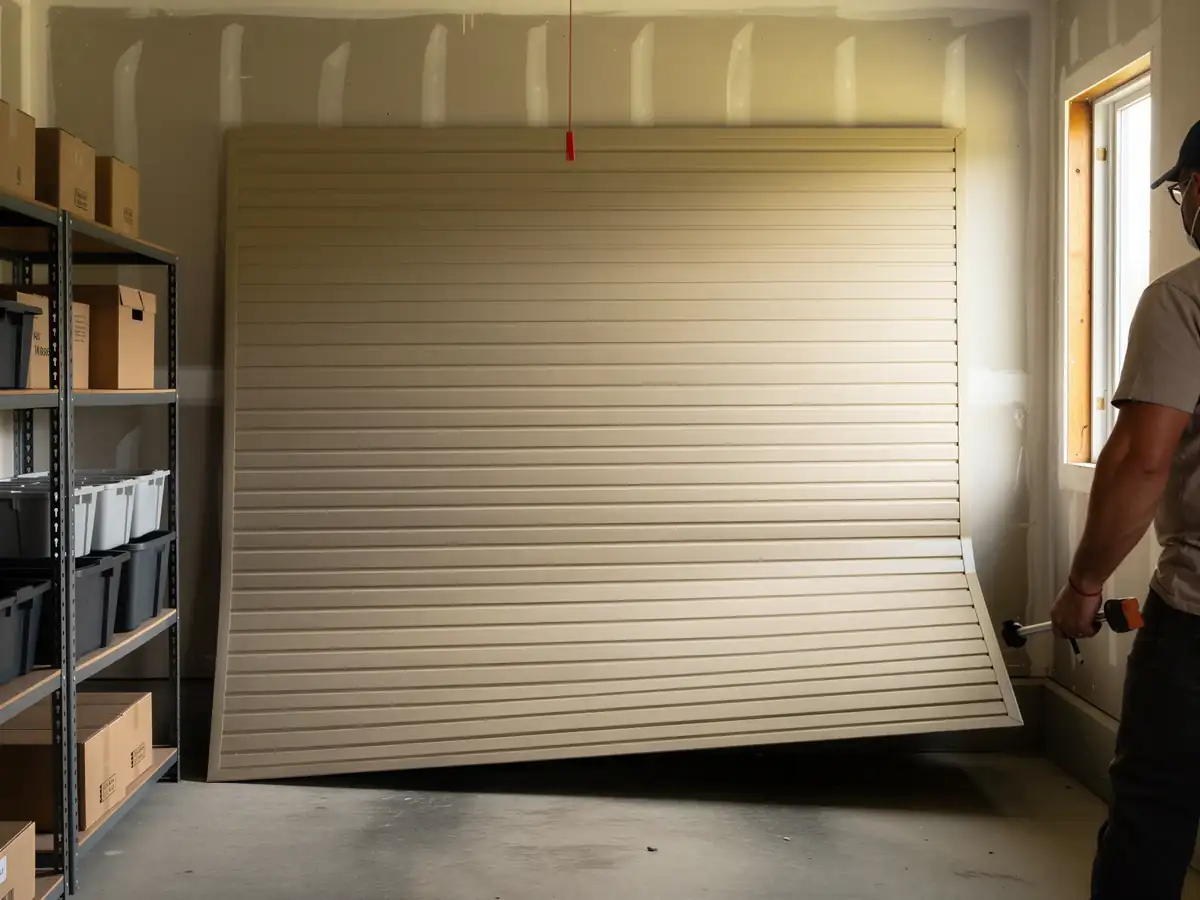
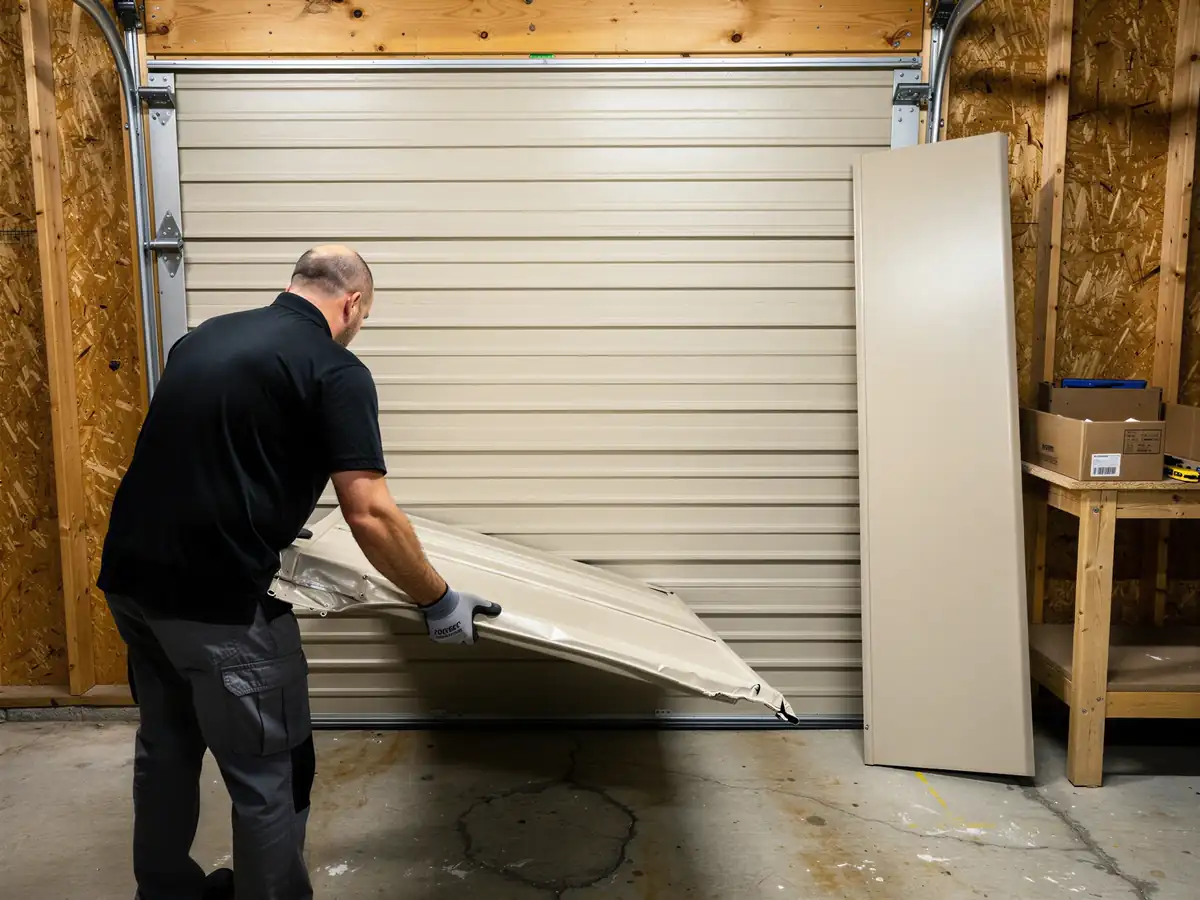
The most common mistake is assuming a door built in the 1970s or 80s has the same bones as anything sold today. It doesn't. There's no insulation layer, no thermal break, often no reinforcement strut on the top panel. When owners call about a door that feels heavy or sags in the middle, they usually expect a quick spring adjustment. Sometimes that's it. Often the real issue is that an uninsulated steel or wood panel from the median-era 1977 build has simply sagged under its own weight after forty-plus years, and no amount of spring tensioning fixes a bowed panel.
The second mistake is treating all old doors the same. A door from a house built right at the start of the 1966-2003 window has different hardware than one from the tail end. Torsion spring sizing, track gauge, and drum style all shifted over those decades, and matching parts to the actual door in front of you matters more than matching parts to the year on the permit.
The honest limitation here: some replacement parts for the earliest doors in that range, particularly original wood panel sections, aren't something we can source quickly. For those, a full door swap is often more realistic than a patch repair, even though that's not what people want to hear on the phone.
When to Get Help
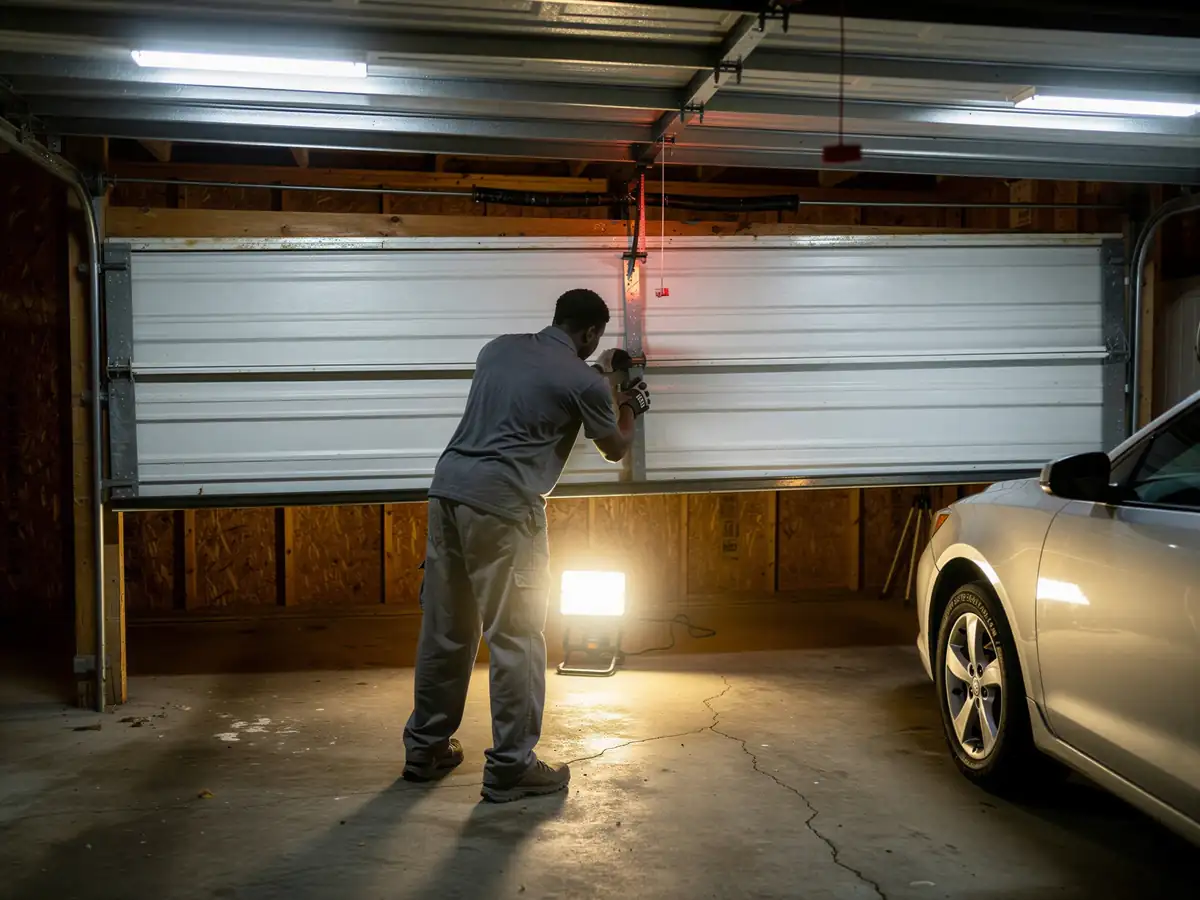
Call when the door is uneven side to side, when it drops suddenly partway through a cycle
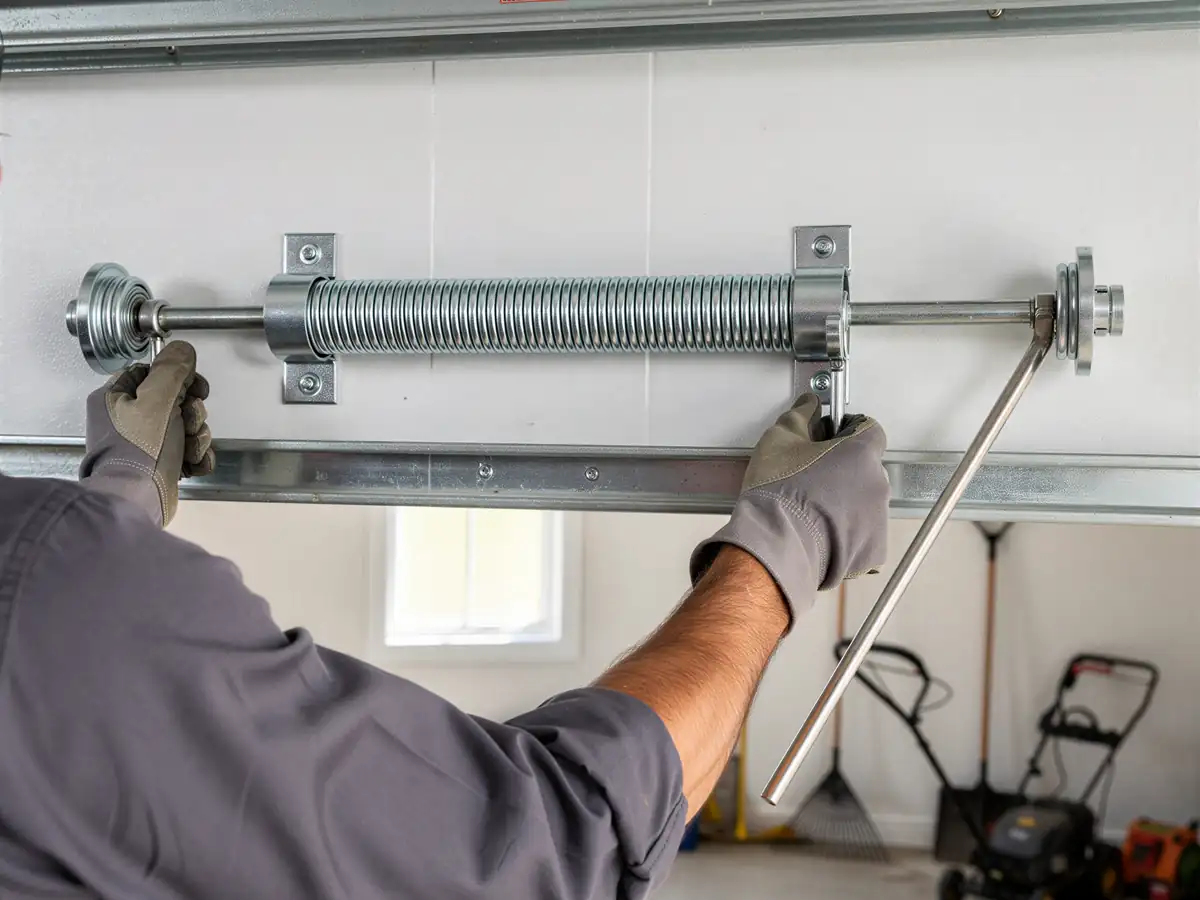
Or when you hear a loud bang from the spring area - that's usually a torsion spring letting go, and on a door this old the spring may be original. Don't try to open a door manually after a spring failure; the weight of an uninsulated steel or wood panel from this era is more than it looks like standing next to it.
Also worth a call: visible rust pitting at the bottom panel seam, hinges with elongated screw holes
Or a track that's pulled slightly away from the frame. On houses built in the 1960s and 70s, these show up together more often than not, because the hardware has been doing its job quietly for decades without anyone touching it.
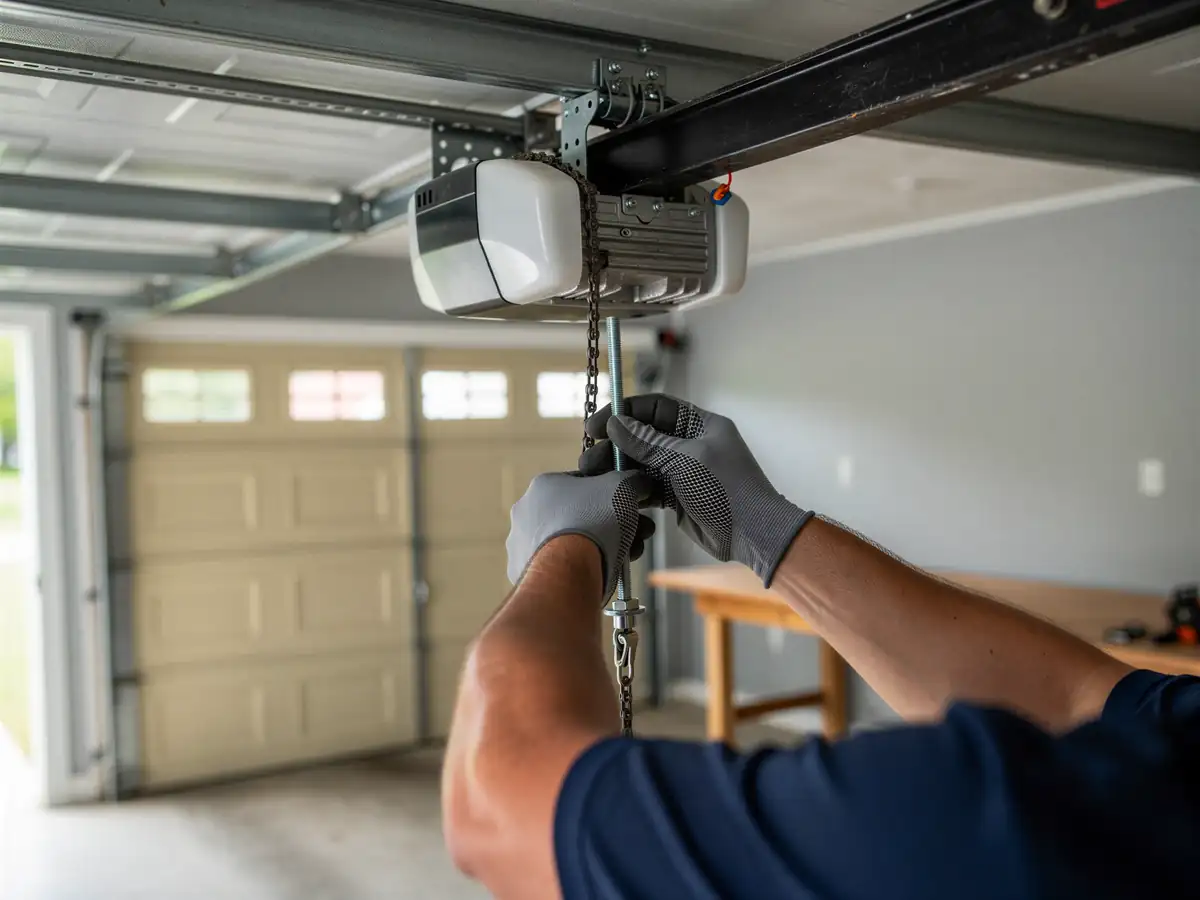
If the door still opens and closes but feels sluggish or noisy, that's a maintenance call
Not an emergency. Given how much of the stock here dates to the median 1977 build year, a once-over on rollers, cables, and hinges catches problems while they're still cheap to fix.
What Is Going On
A garage door built in the median year of 1977 was engineered for a different set of expectations than a door built today. No insulation core, thinner steel or solid wood panels, torsion springs sized for that specific weight and no more. Over forty-plus years in a mild temperate climate, the parts don't fail dramatically very often - there's no deep freeze to crack a seal overnight - but they do wear steadily. Rollers wear oval instead of round. Cables fray one strand at a time. Hinges stretch their mounting holes.
With 45,988 owner-occupied houses among the 82,524 households across this service area, a large share of them sit inside that 1966-2003 build window, and a lot of that stock is concentrated in the 1960s and 70s end of it. That's not a guess about any one house - it's the shape of the housing itself, and it's why a repair call here so often turns into a conversation about a panel or a spring that's simply reached the end of what a 1970s-era part was built to do.