How Local Conditions Play In
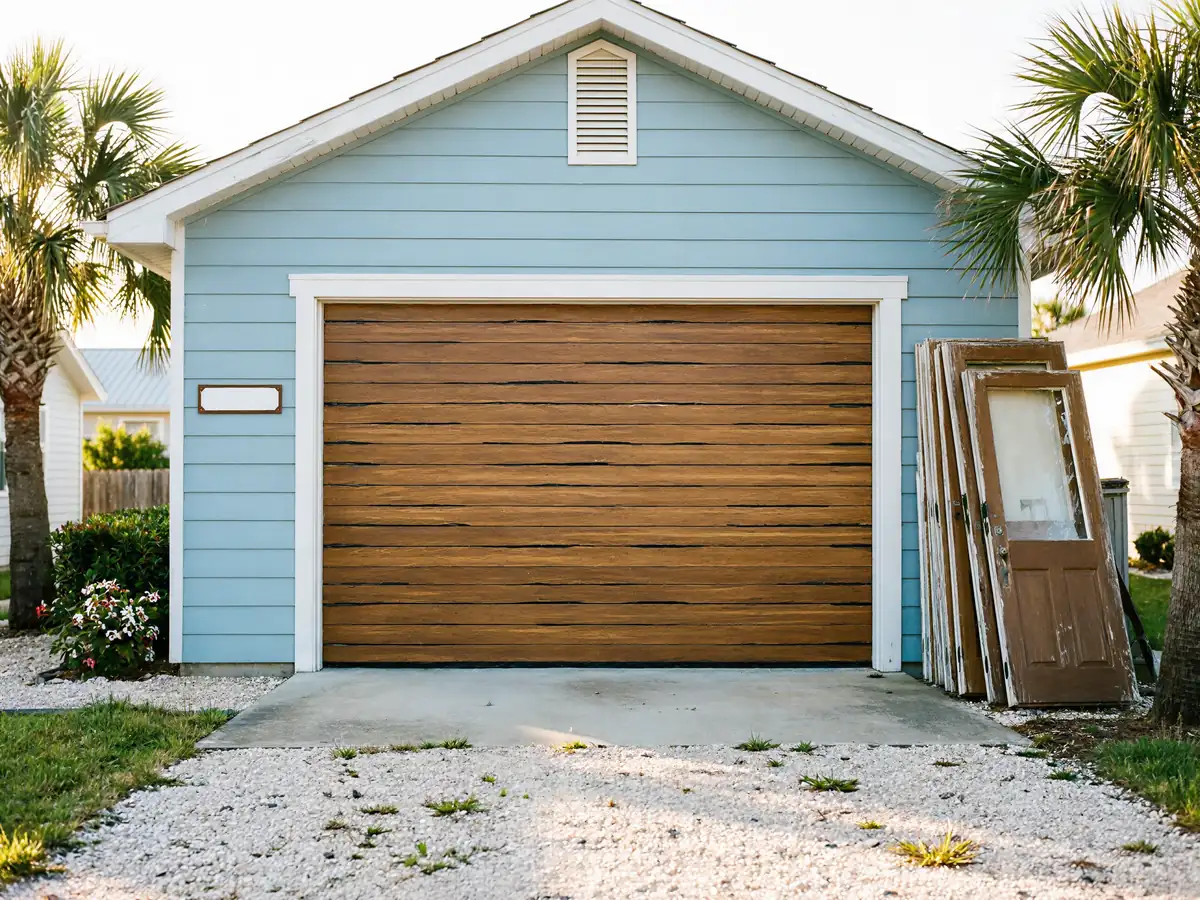
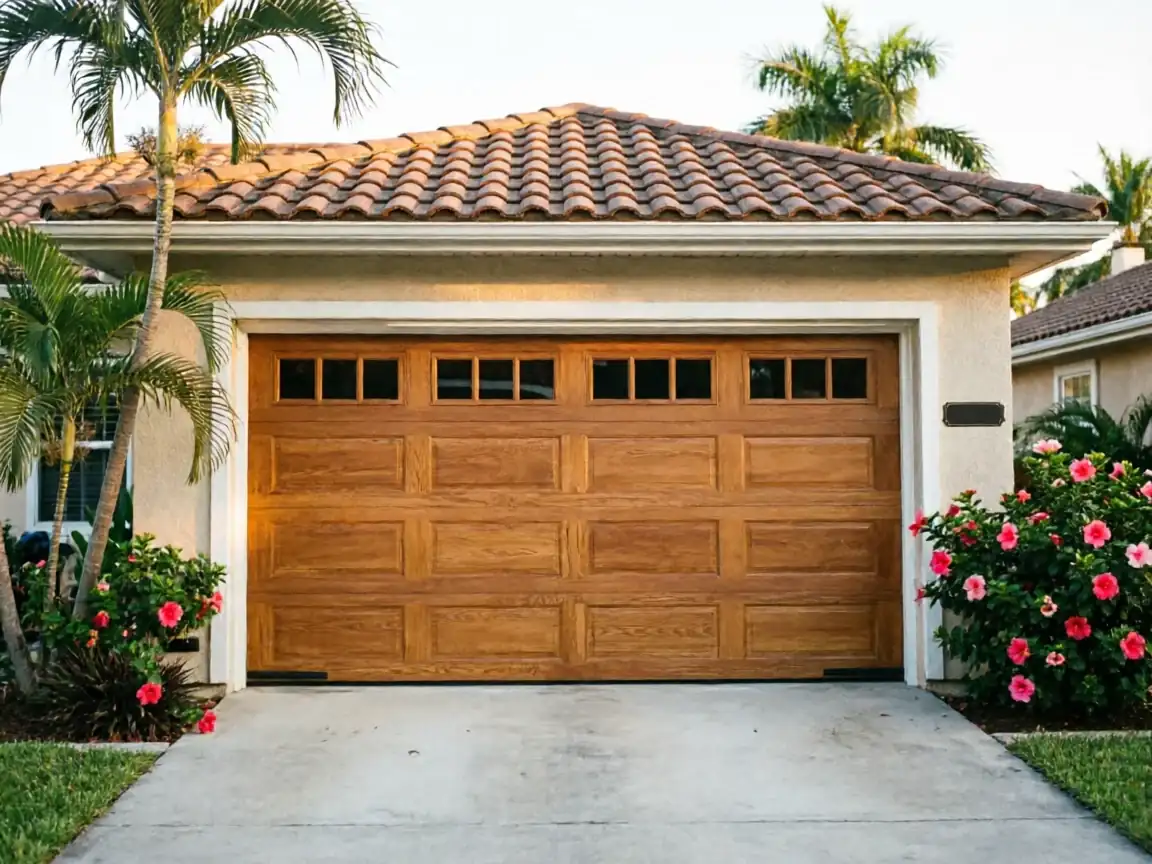
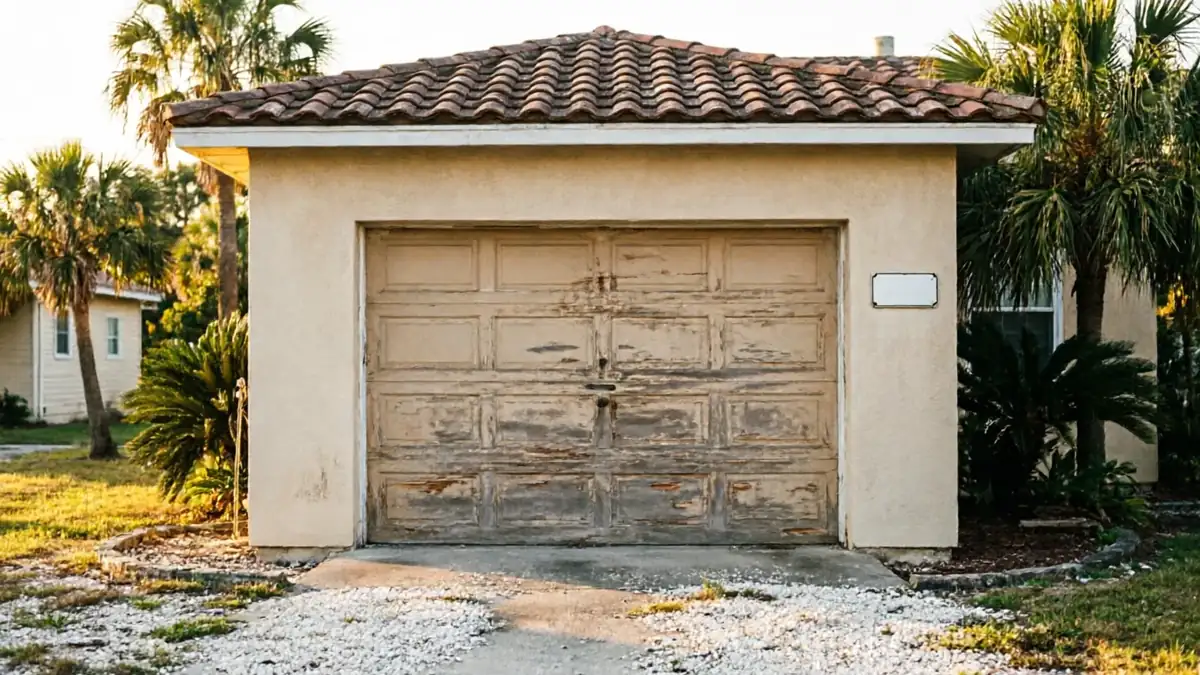
Most houses in this part of Brevard County, including the stretch of neighborhoods from here out toward June Park and West Melbourne, went up between 1966 and 2003, with the median build year landing around 1977. That matters more than people think. A door from the late 1970s or early 1980s is running on hardware nobody carries on the truck anymore - different track width, older drum styles, spring winding cones that don't match current stock. The climate band here is mild temperate, so we're not fighting the frost-heave problems that crack slab foundations and rack door frames up north. Salt air off the coast is the real wear factor for anyone within a few miles of the beach towns - Indian Harbour Beach, Satellite Beach, Indialantic - and it eats at unprotected hardware and springs faster than inland neighborhoods ever see. A door built for this area in the 1970s or 80s was spec'd for that mild climate, not for corrosion resistance, so the failure pattern tends to be rust-seized rollers and pitted springs rather than warped panels from freeze-thaw. Knowing which decade your door came from tells you more about what's about to fail than anything else.
What Most People Get Wrong
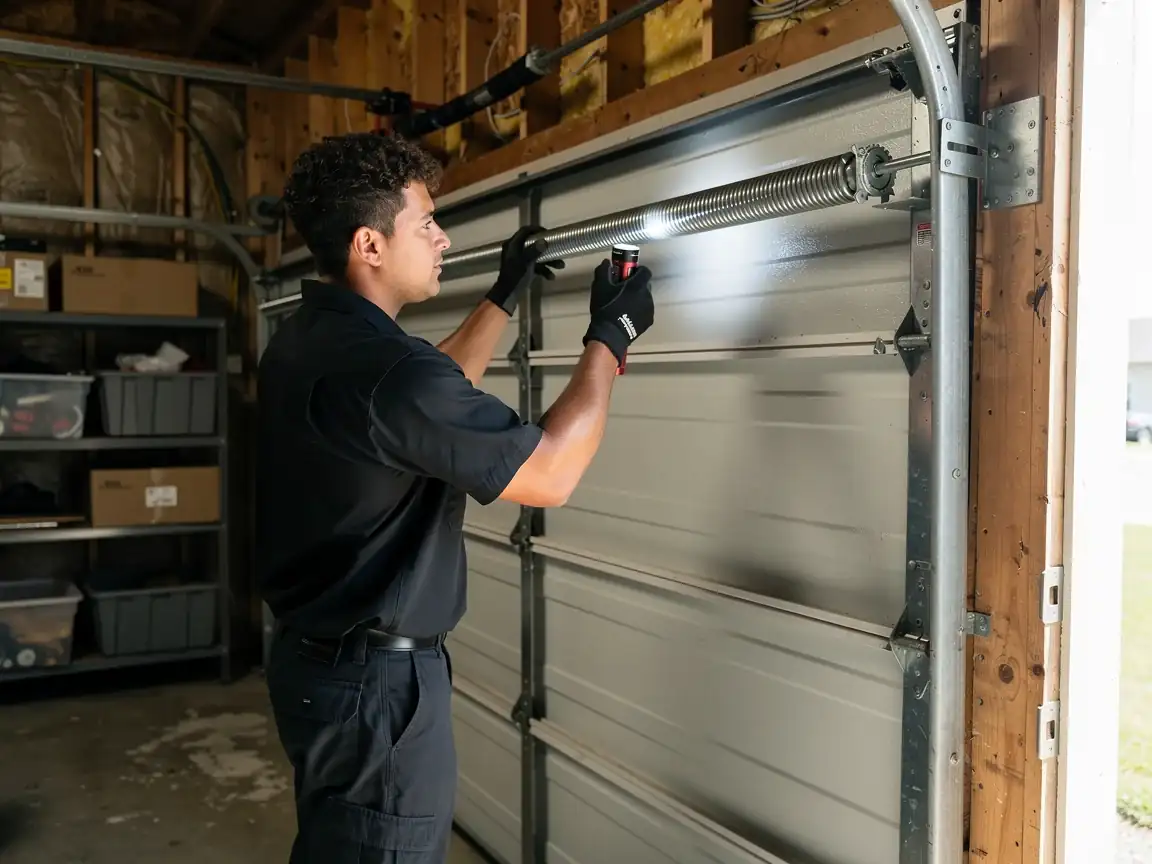
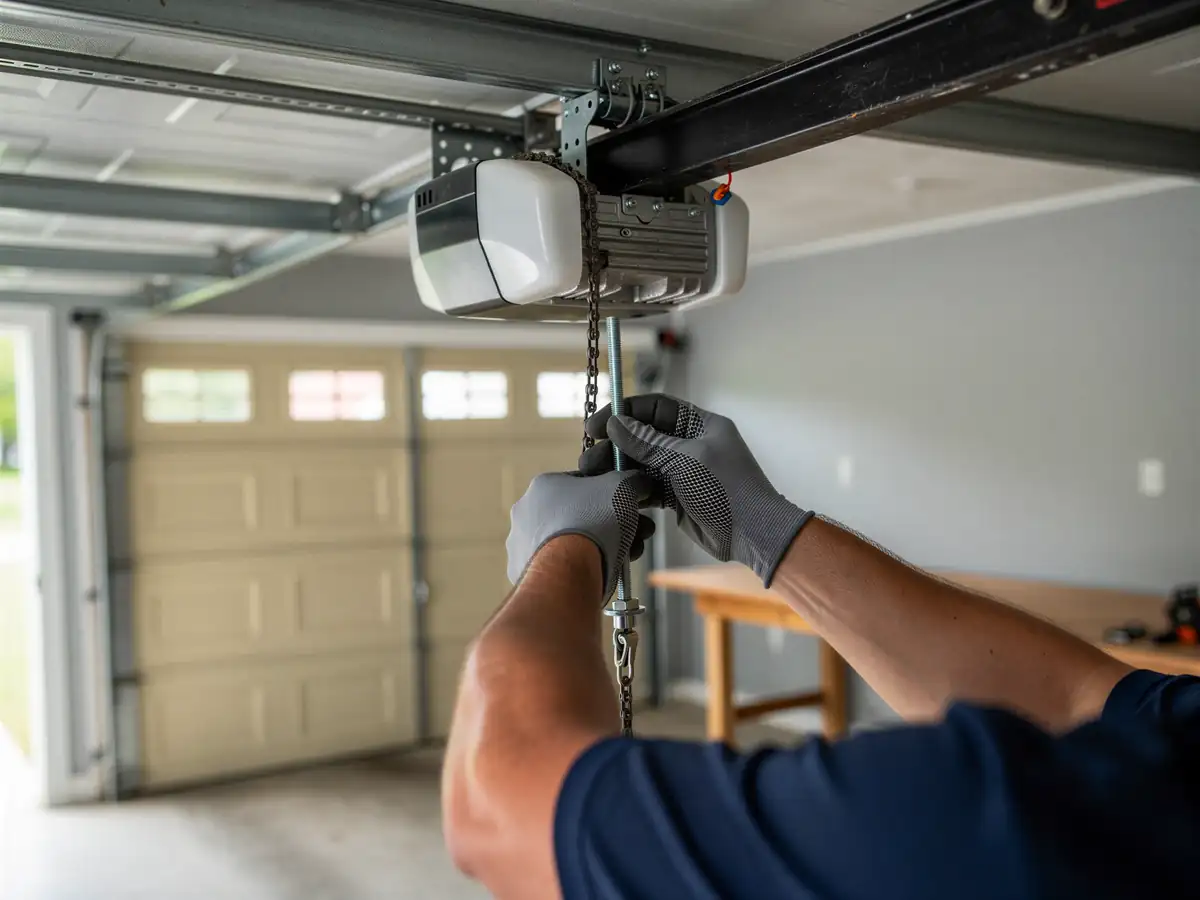
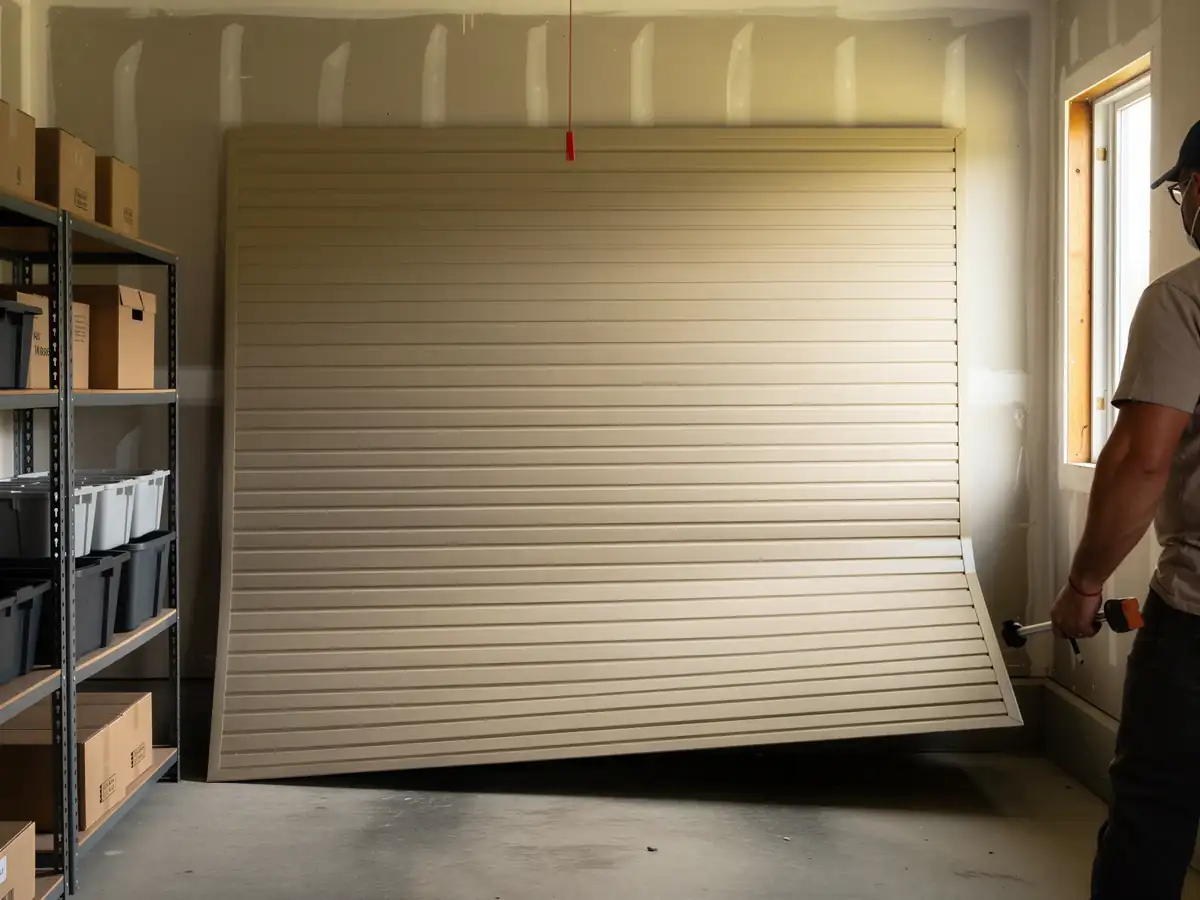
The common mistake is treating every stuck or noisy door the same way, regardless of age. On a door built in the 1990s or 2000s, most of what breaks is a worn roller, a frayed cable, or a relay in the opener - all repairable, because the parts are current and the frame geometry matches what's on the shelf. On a door from the 1970s stock that makes up a big share of homes here, the same symptom often means the whole track and spring system is obsolete, and chasing one part leads to chasing three more within a year. People also assume a working opener means the door itself is fine. It doesn't. An opener from any era will force a door that's binding on an old track, and that strain shows up as a burned-out motor months later, not as an obvious door problem today. If your house falls in that 1966-2003 window, the age of the door matters as much as what's actually making the noise.
What Is Going On
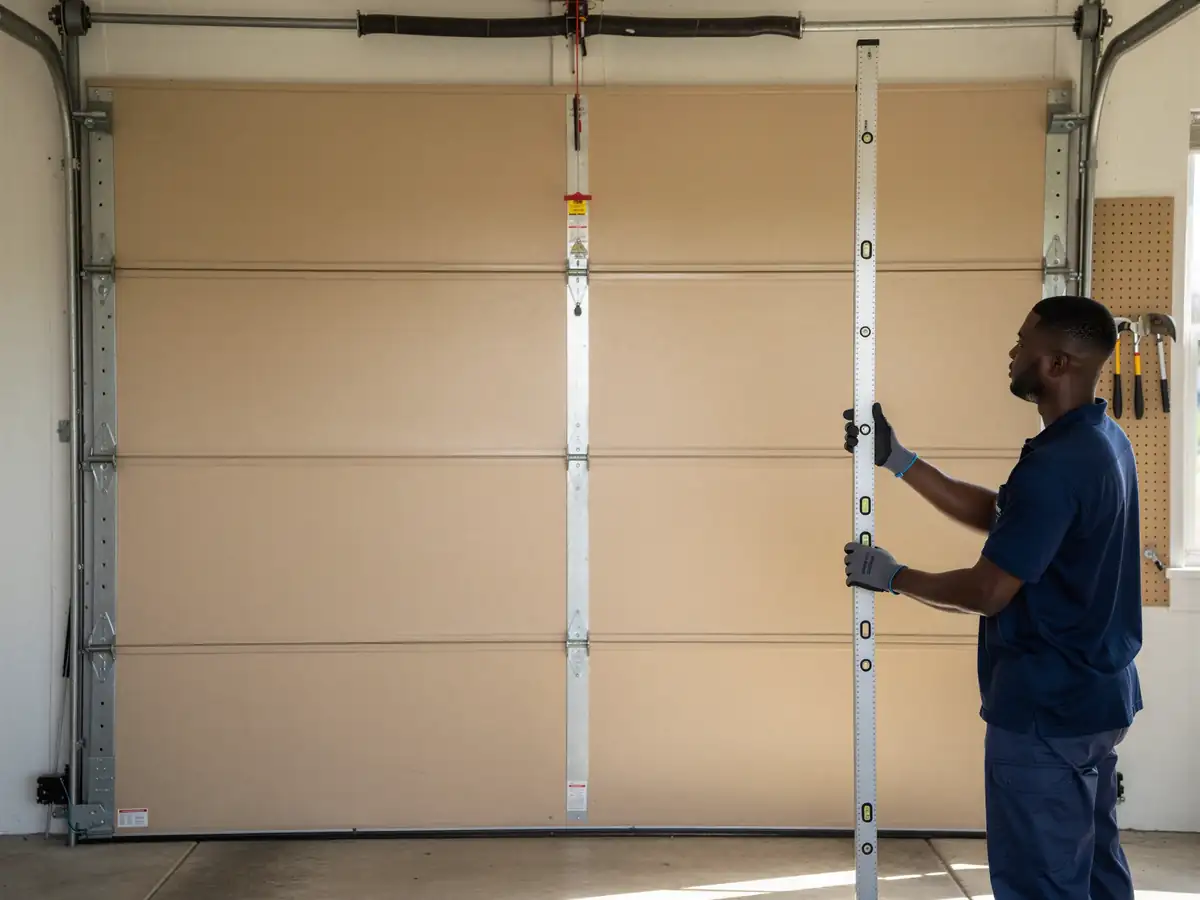
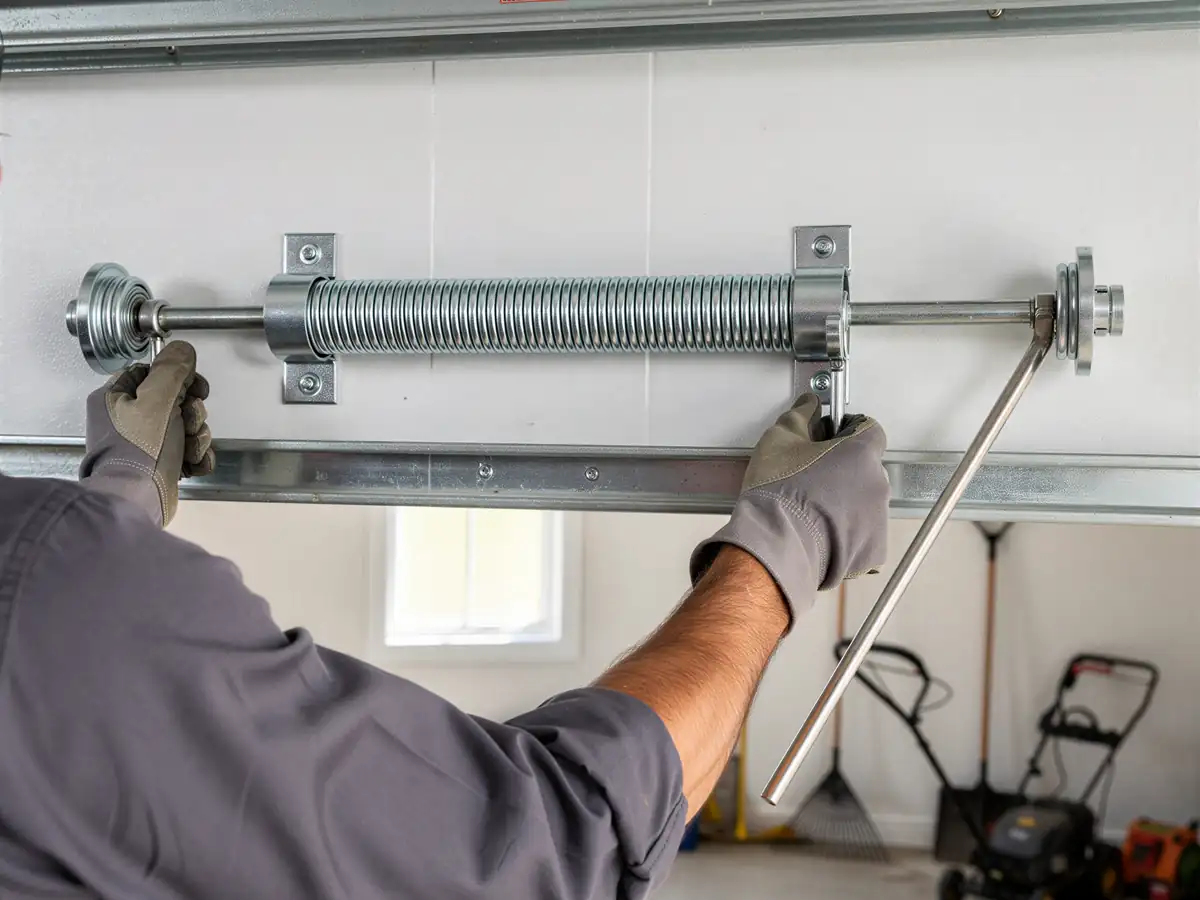
With roughly 46,000 owner-occupied houses across this service area and a median household income north of $86,000, a lot of owners here are weighing a few hundred dollars in repair against a few thousand in replacement, and that math changes by decade. A door original to a 1970s-era house has usually outlived its spring's rated cycle life and often its track alignment too, so a repair buys you a short stretch before the next failure. A door from the 1990s or later, still on its original hardware, usually has years left in it and a repair is the right call. We look at the build era, the spring type, and how the track is wearing before we tell you which side of that line your door is on - not just whether it's making noise today.