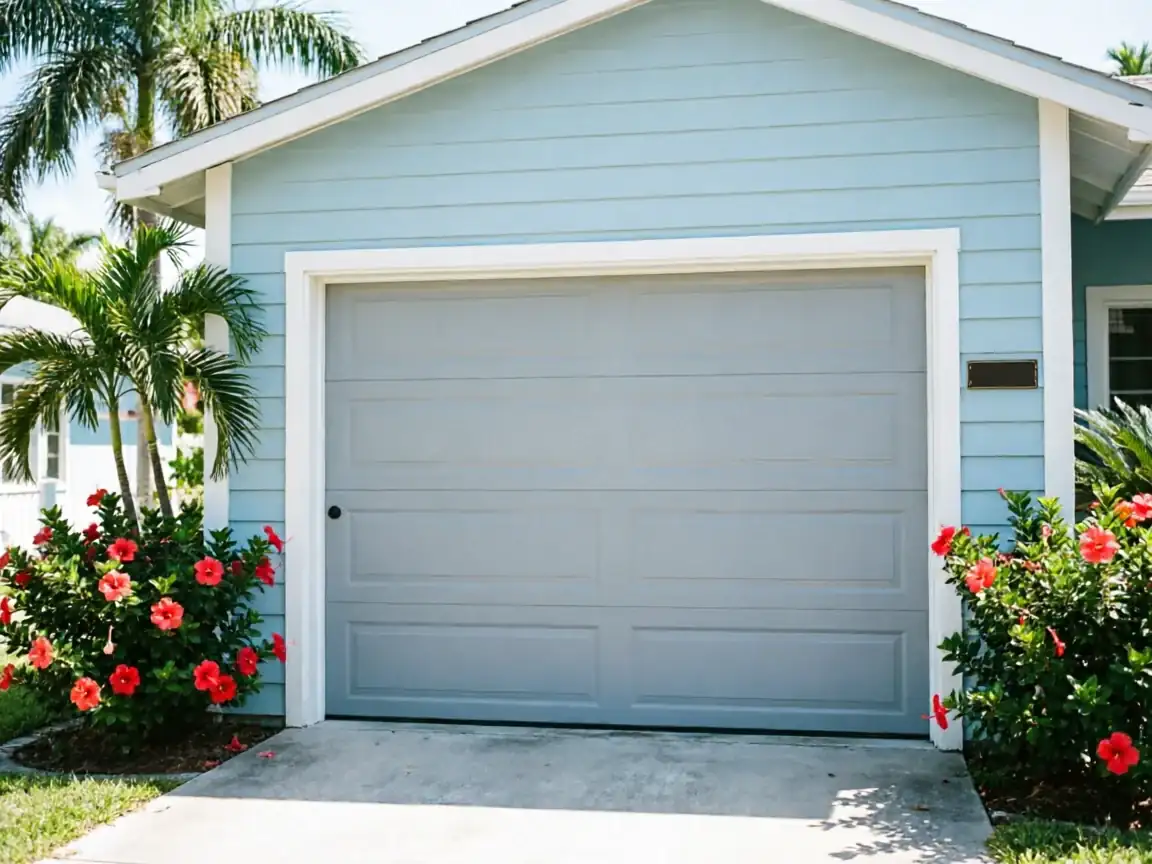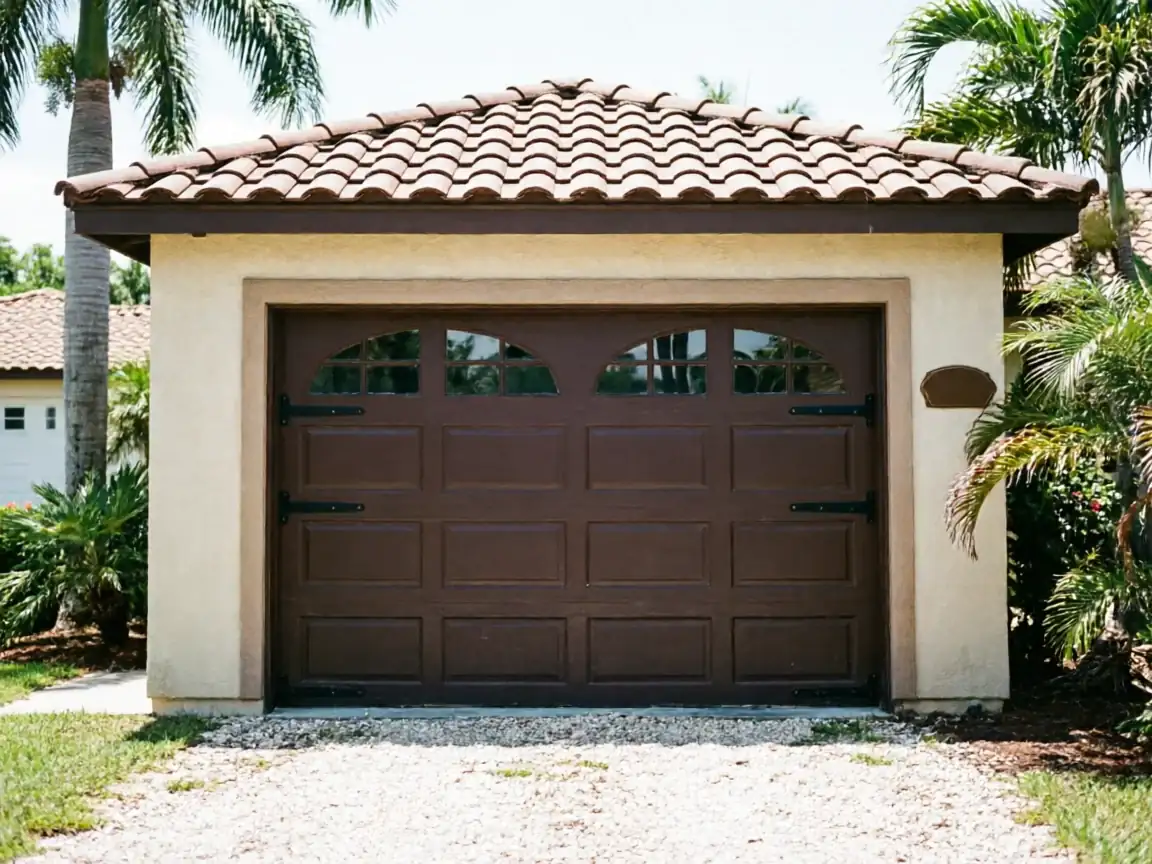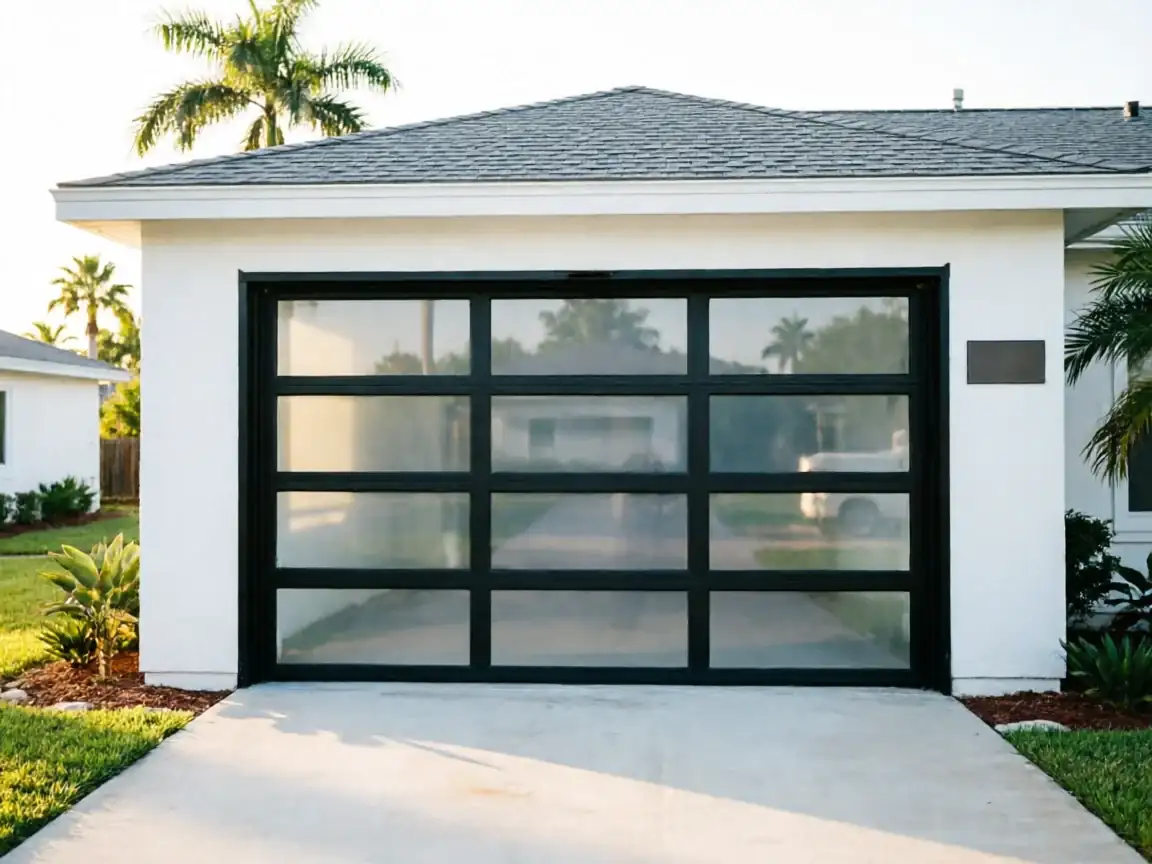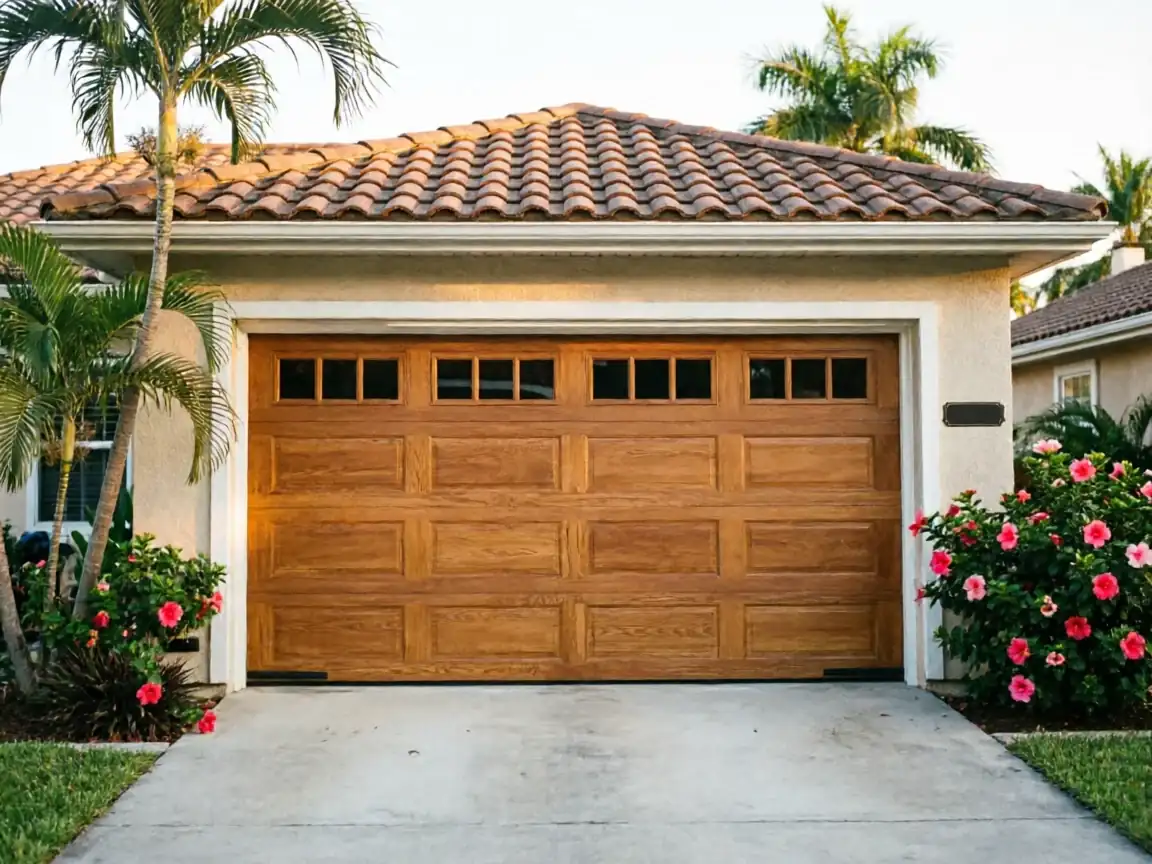
What the Fix Involves
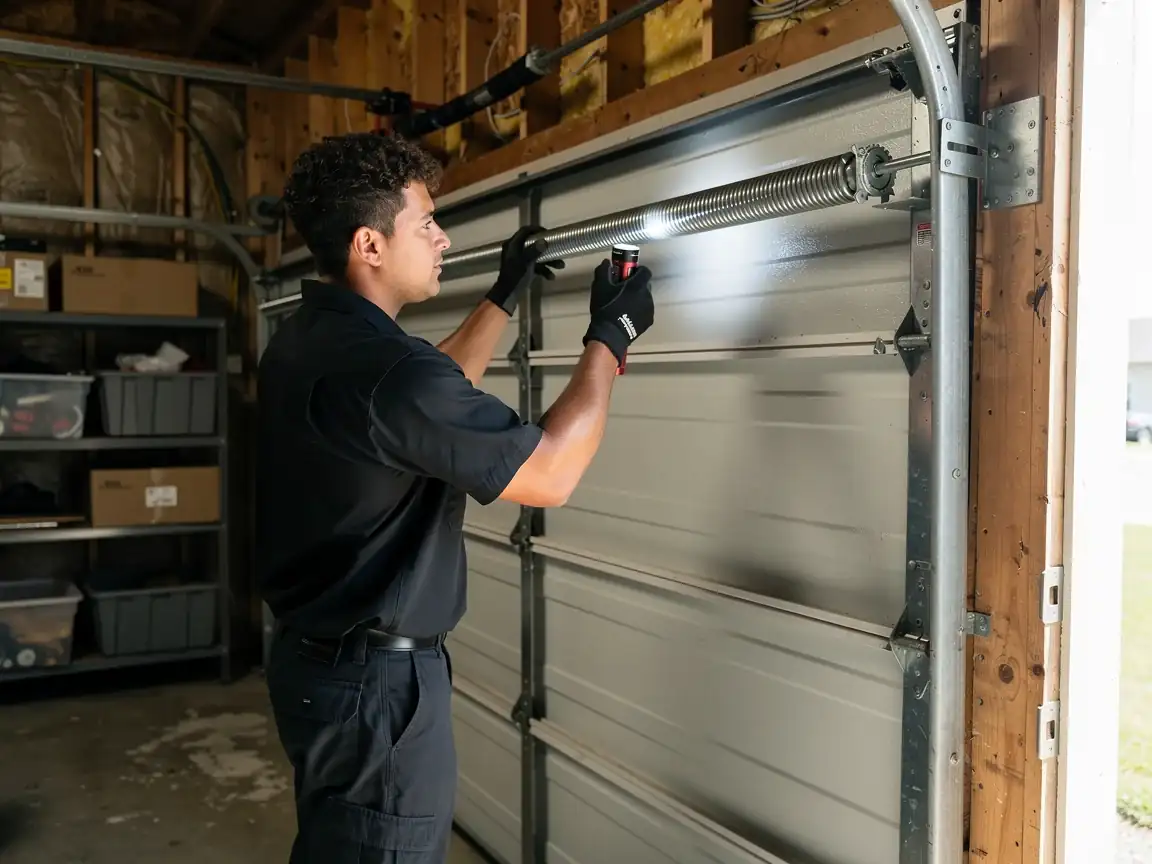
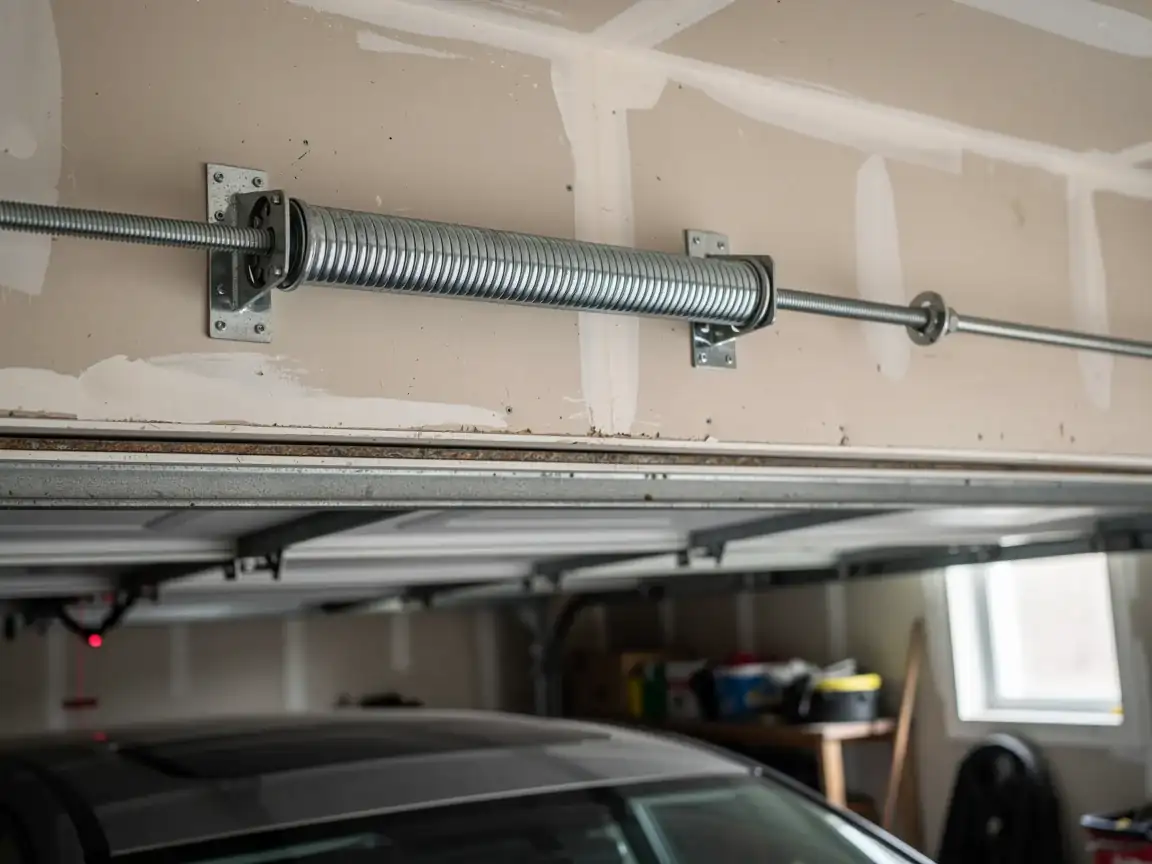
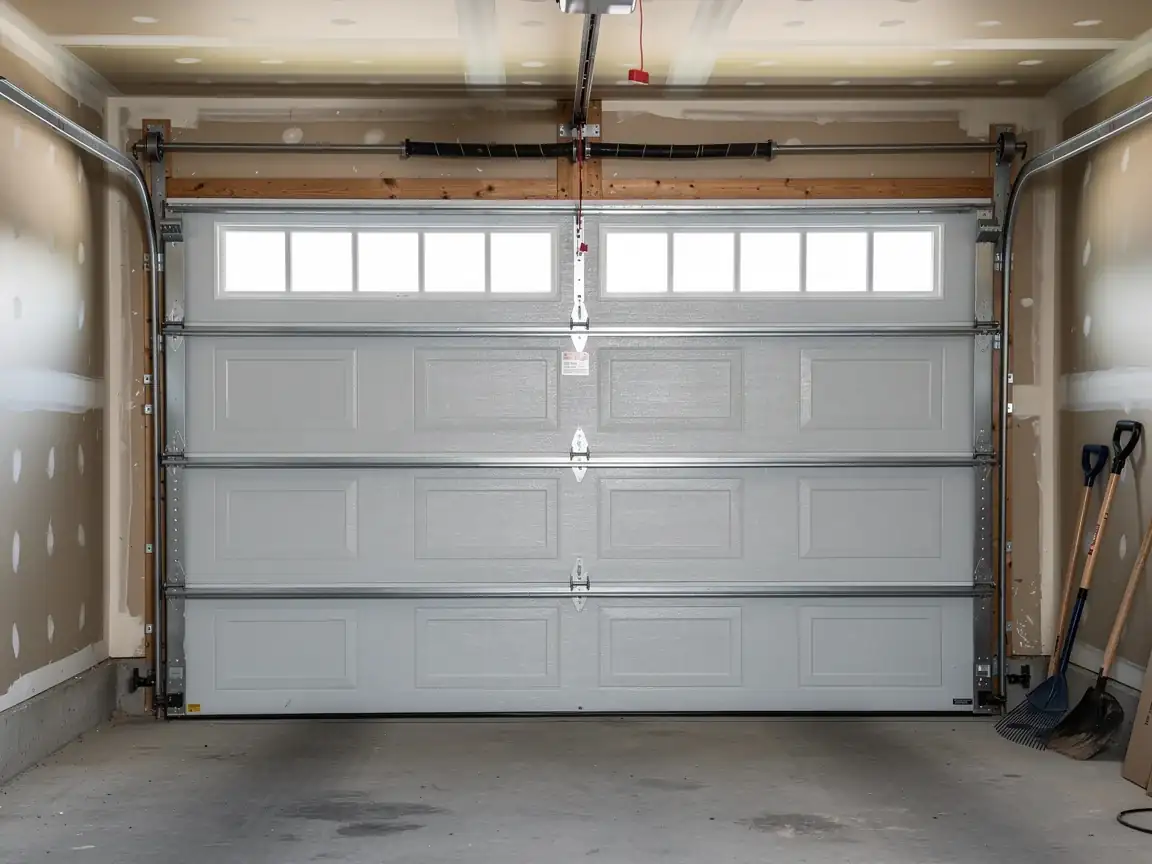
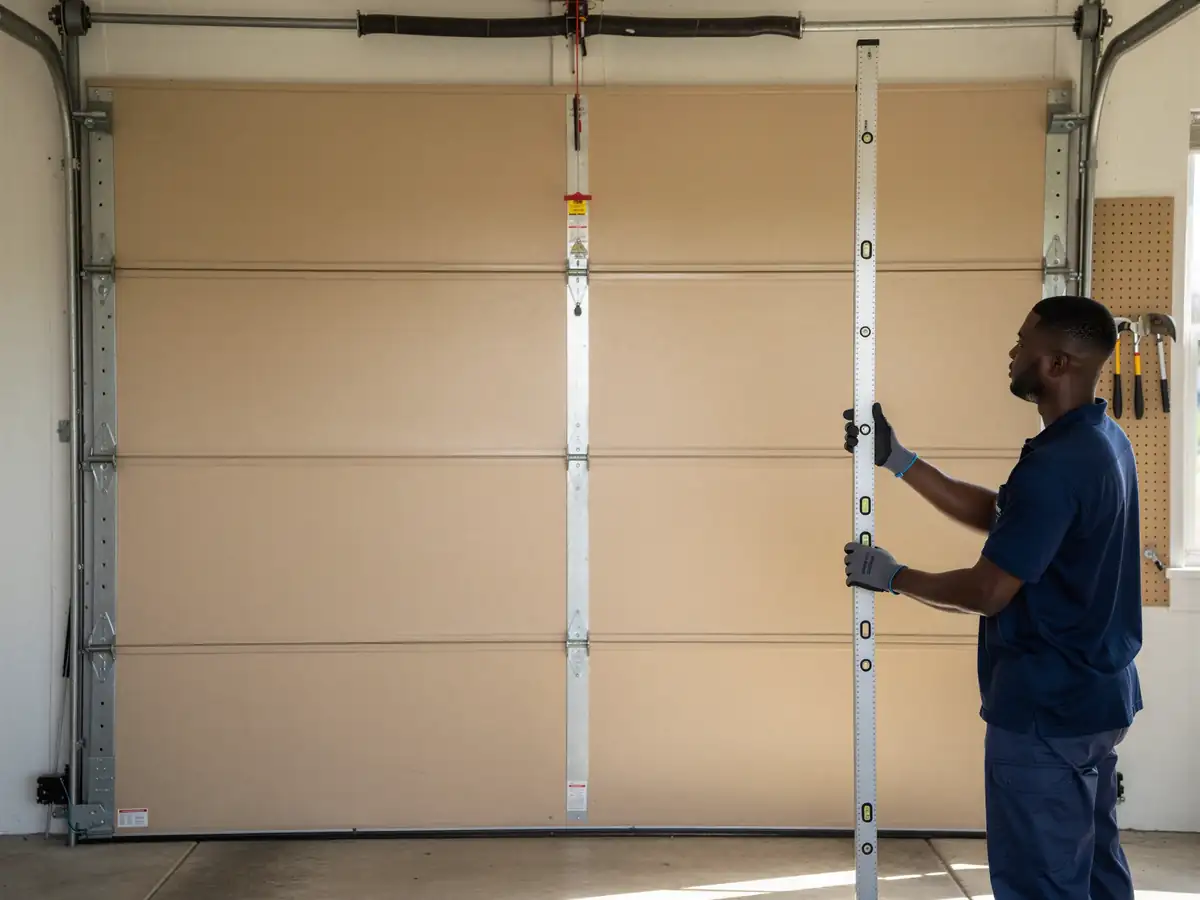
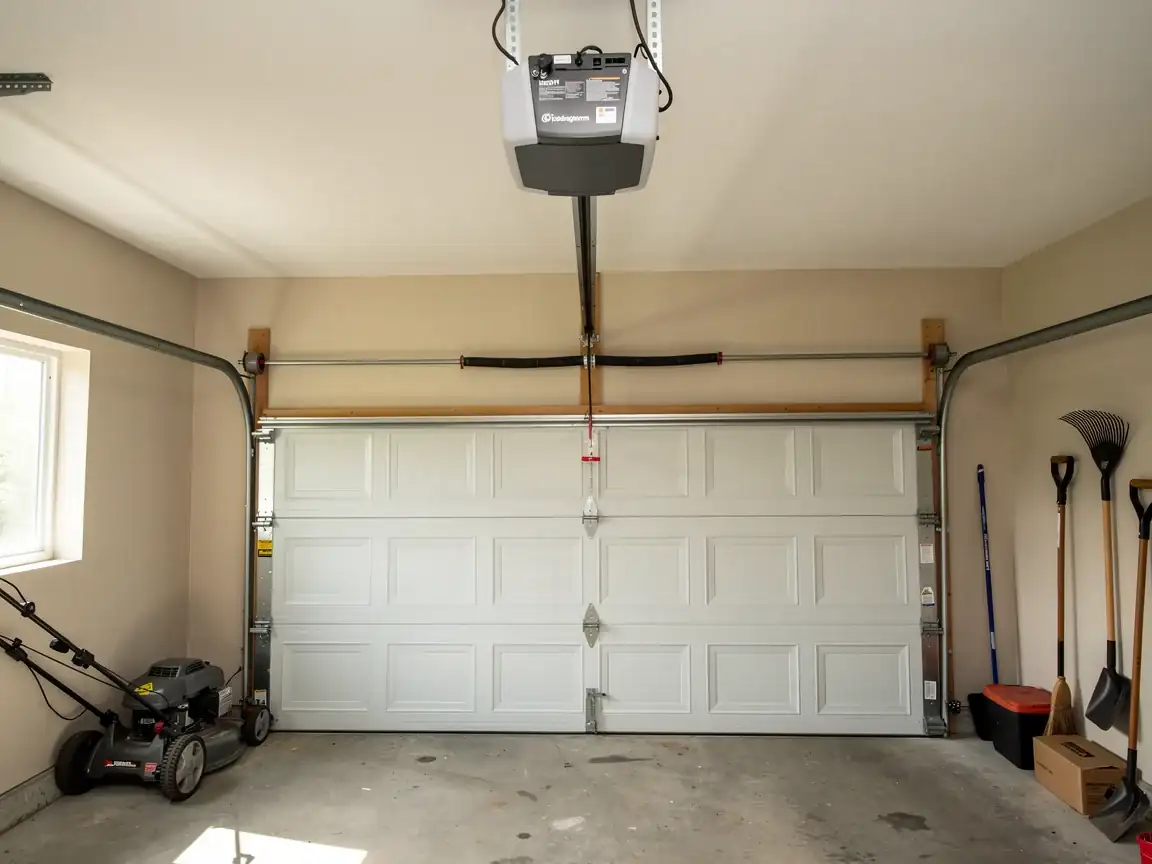
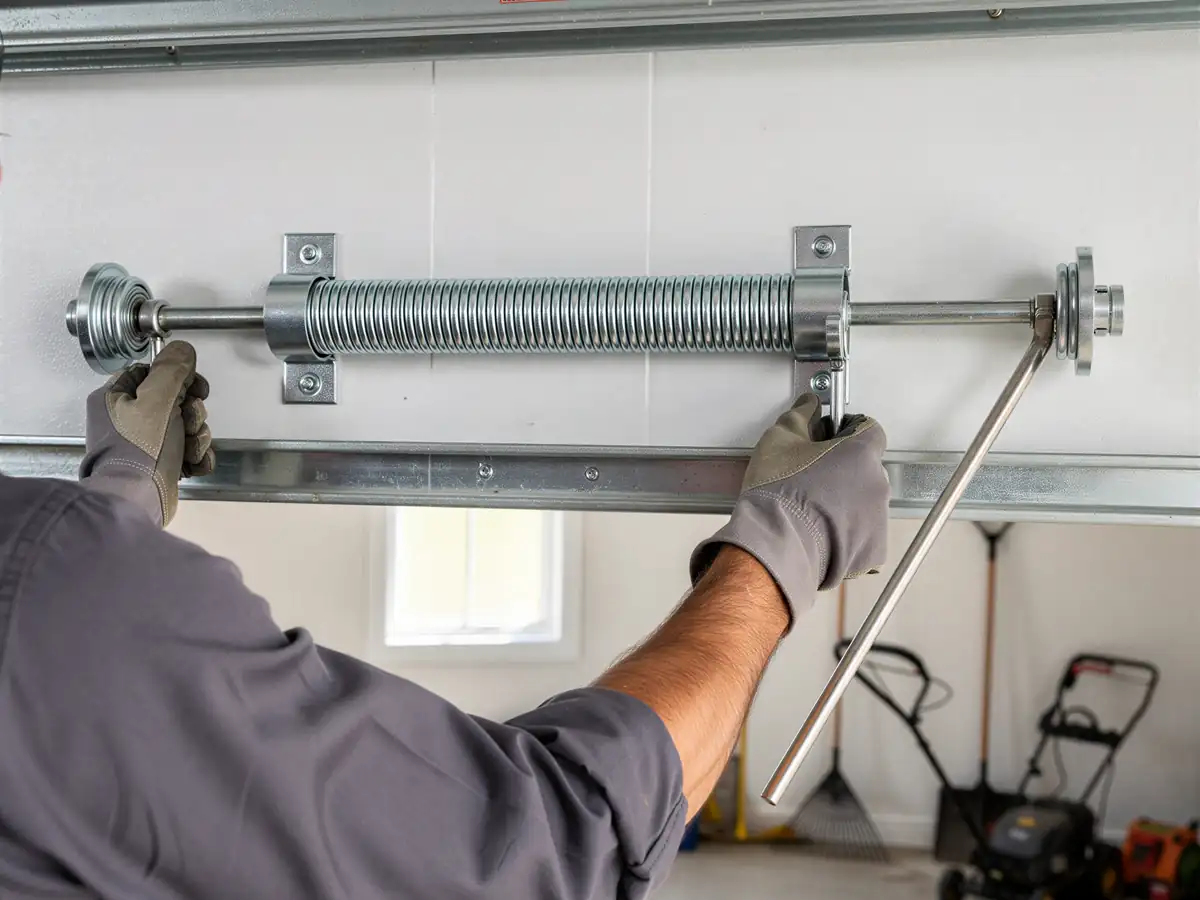
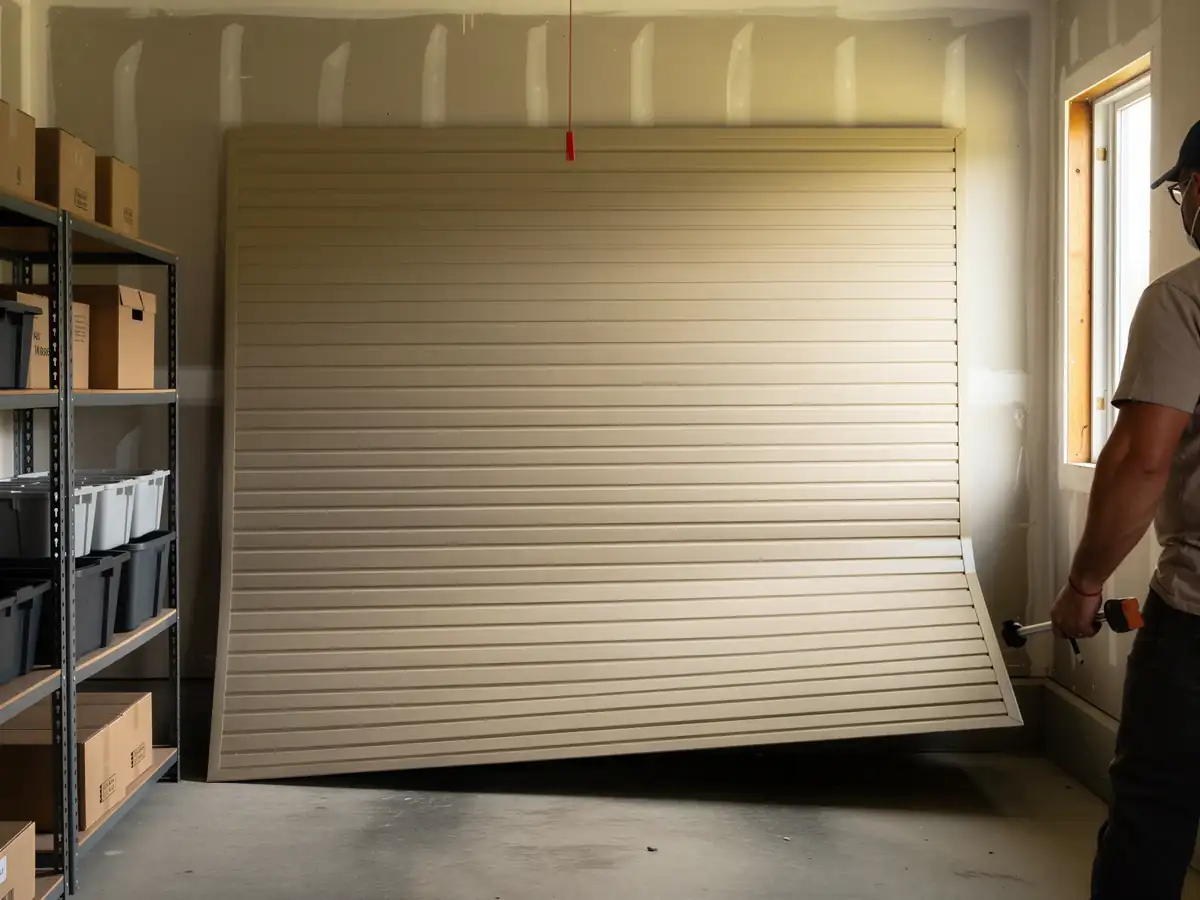
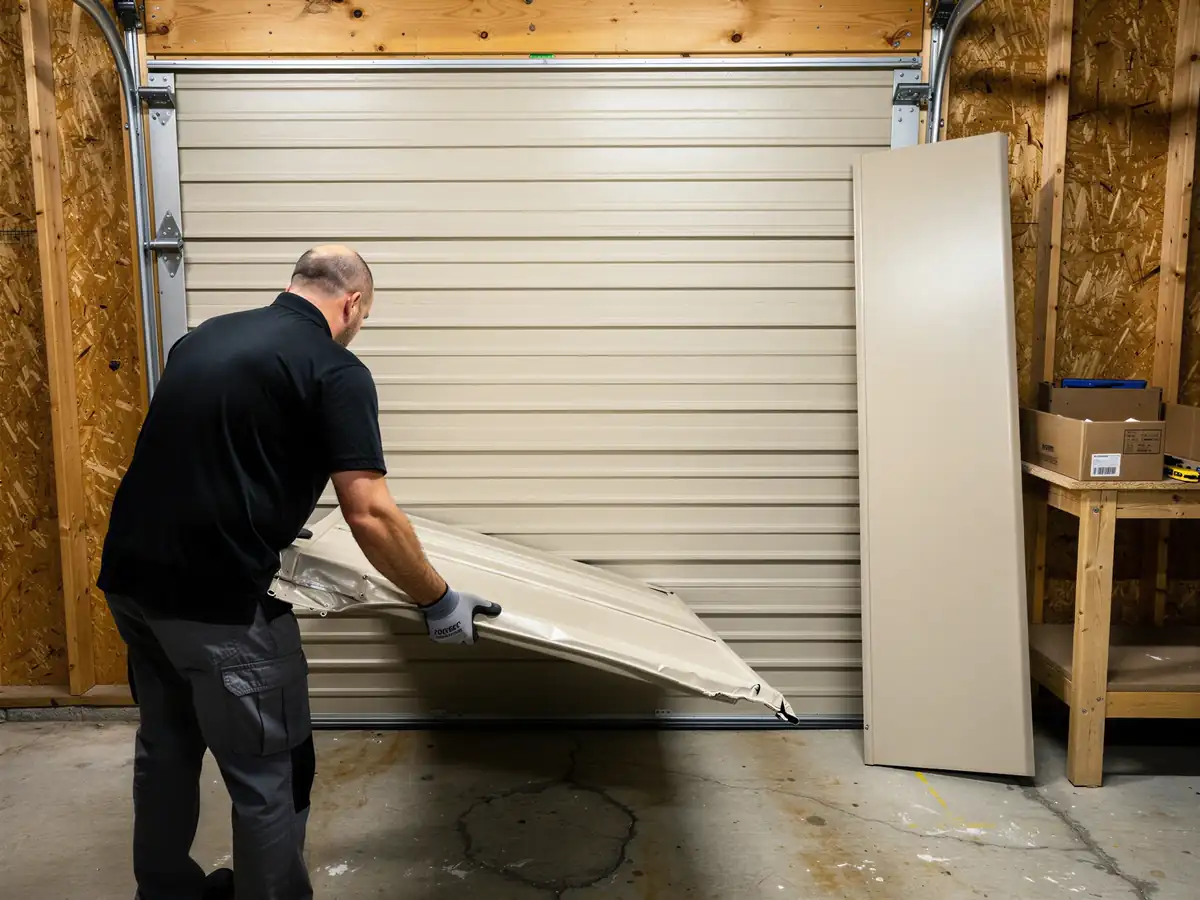
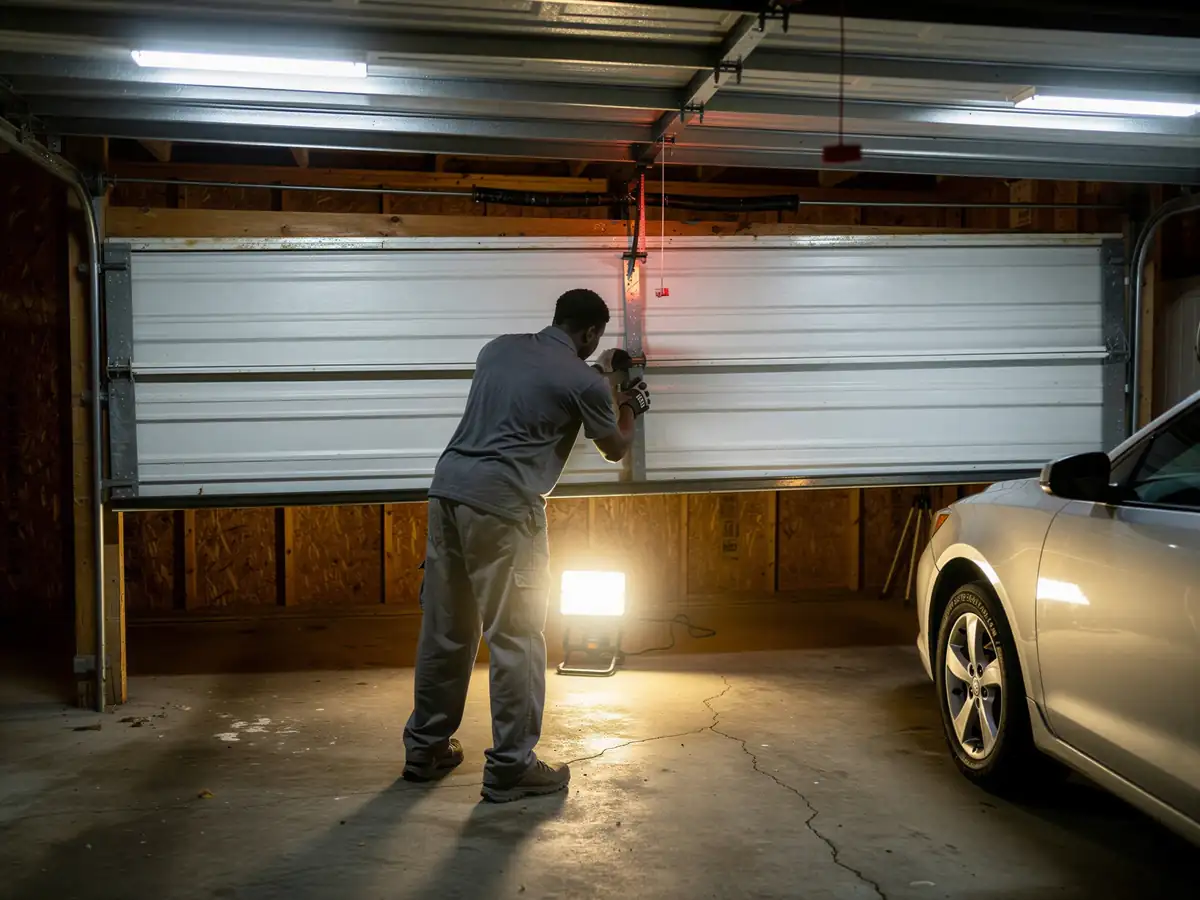
A proper installation starts with measuring the existing opening, not assuming a standard size. Most of Melbourne's housing stock went up between 1966 and 2003, with a median build year around 1977, and openings from that era were framed to whatever door width a builder had on the truck that week. We pull the old door and track off the jamb, check the header for square, and set new vertical tracks, a torsion spring sized to the door's actual weight, and hardware rated for the panel material you're putting up. For double-wide openings common in that 1970s-80s tract housing, we also check whether the header can carry a heavier insulated door or needs reinforcement first. Spring sizing isn't a guess - it's based on the door's measured weight and the drum size, and getting it wrong is the single biggest reason a new door feels heavy or won't stay open on its own.
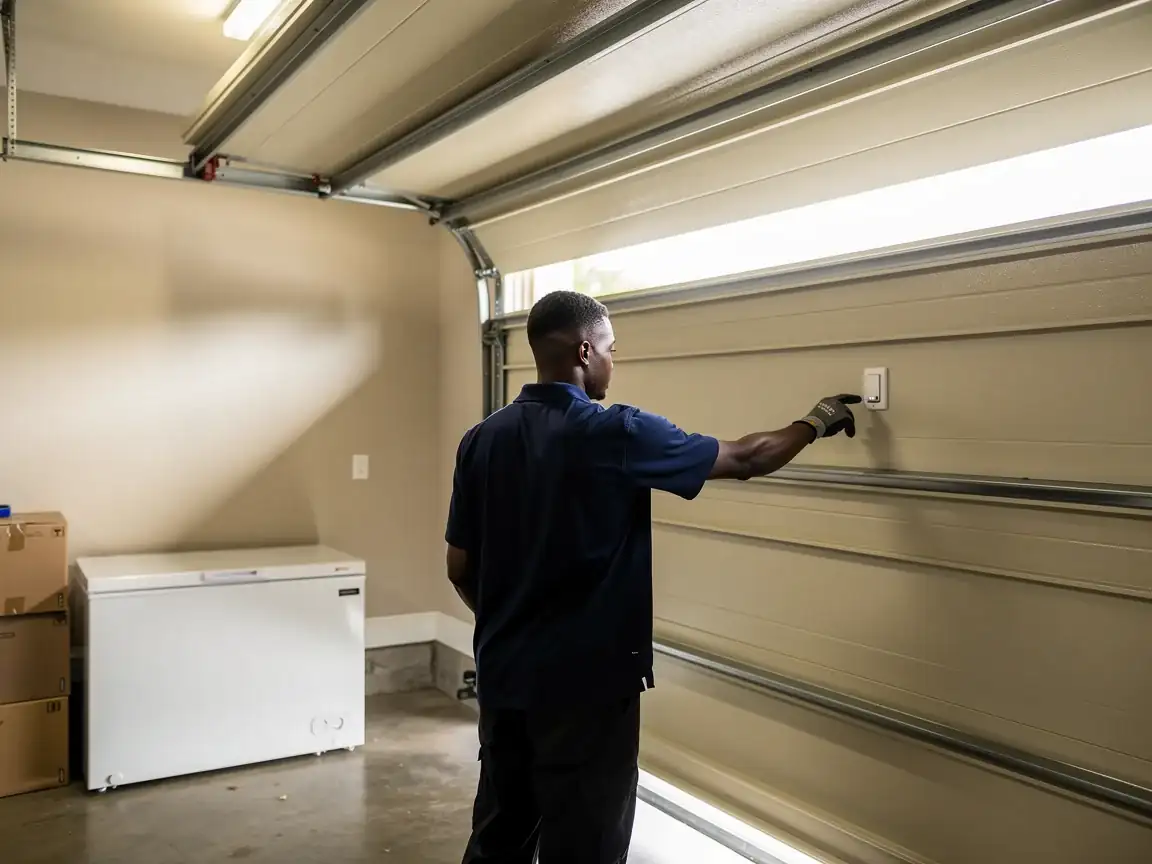
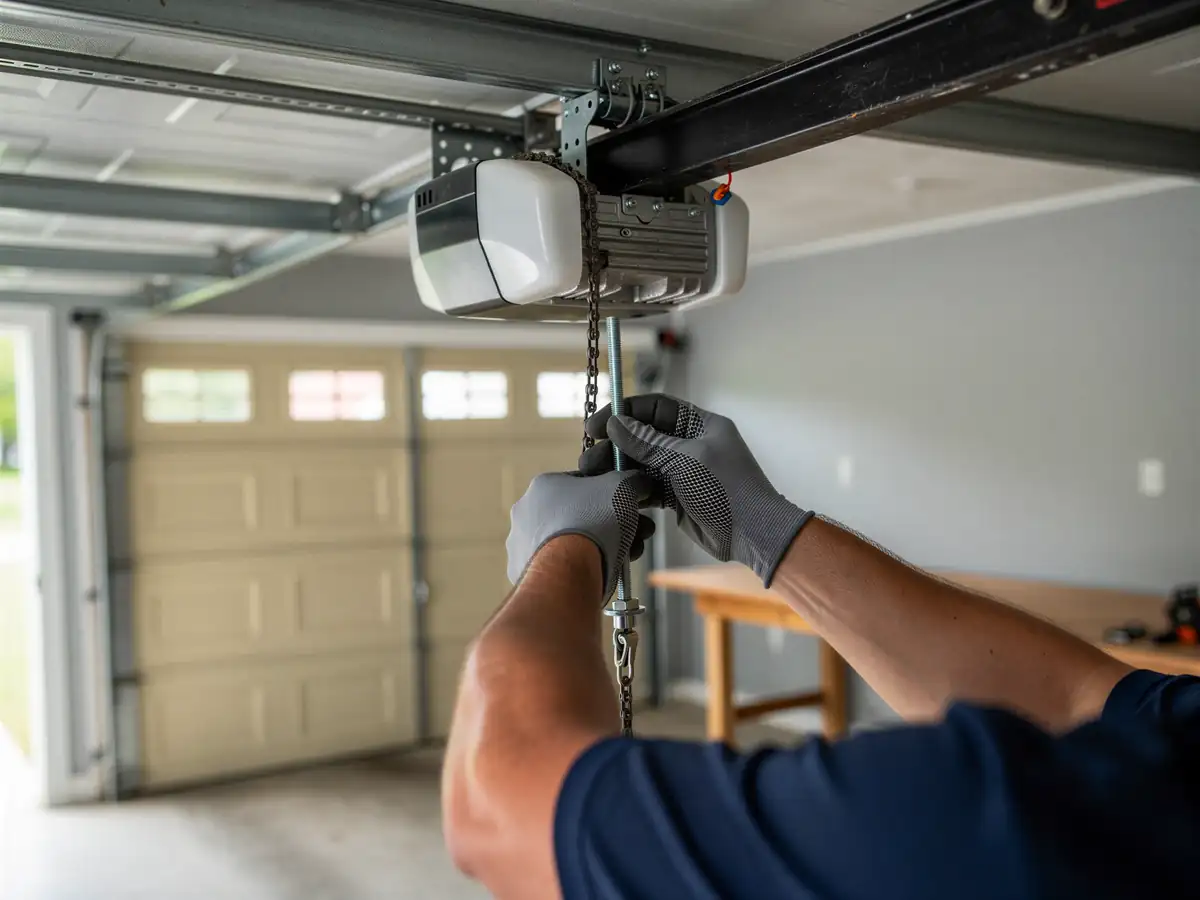
We also swap the opener if the old one is chain-drive and worn, matching travel limits and safety reversal to the new door's exact weight and balance. One limitation worth saying plainly: if the framing has shifted or rotted from age, that's carpentry work outside a straight door swap, and we'll tell you before we quote the install, not after.
What Causes It Around Here
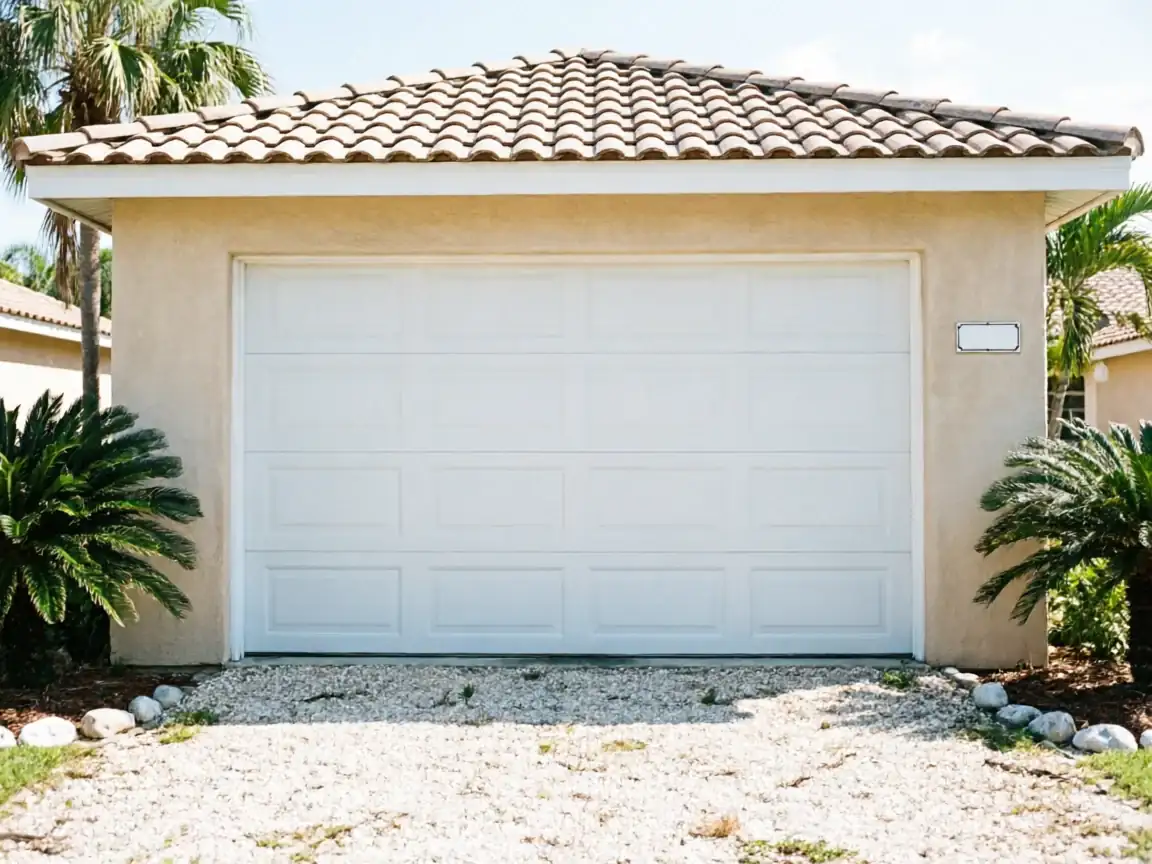
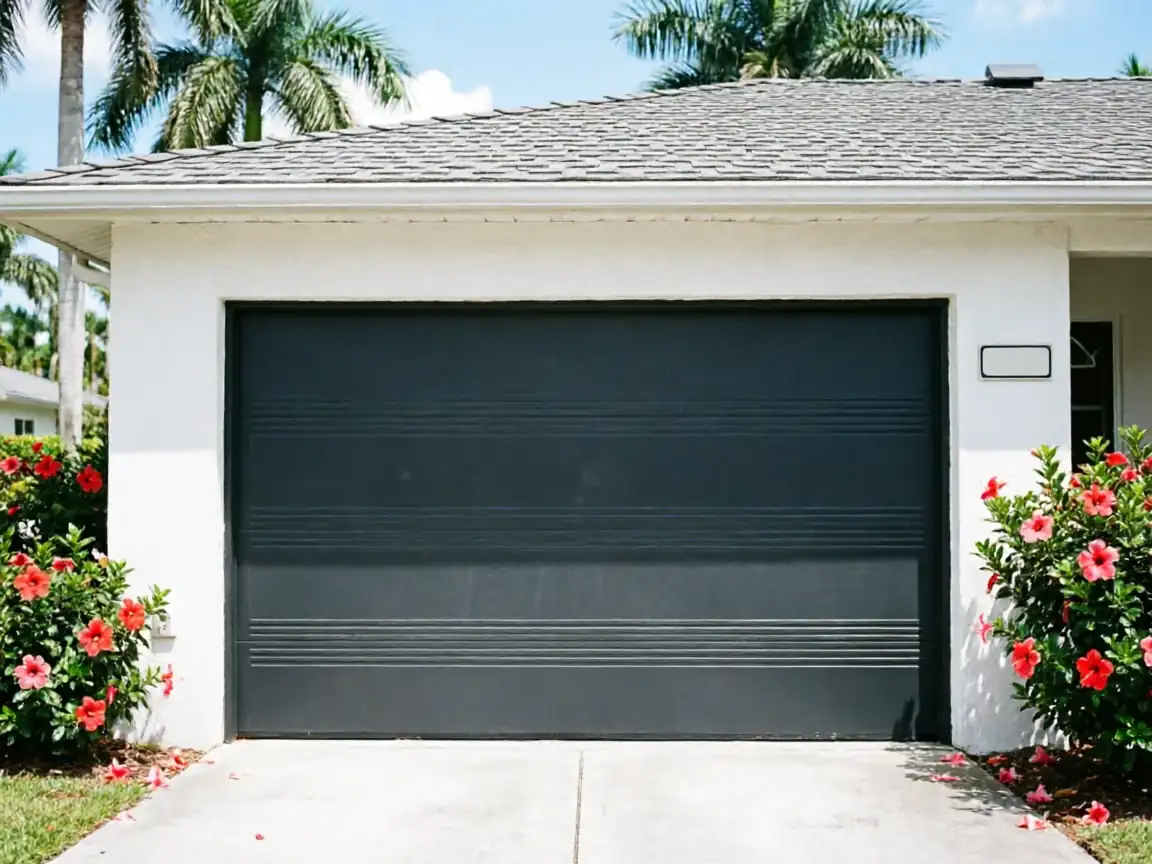
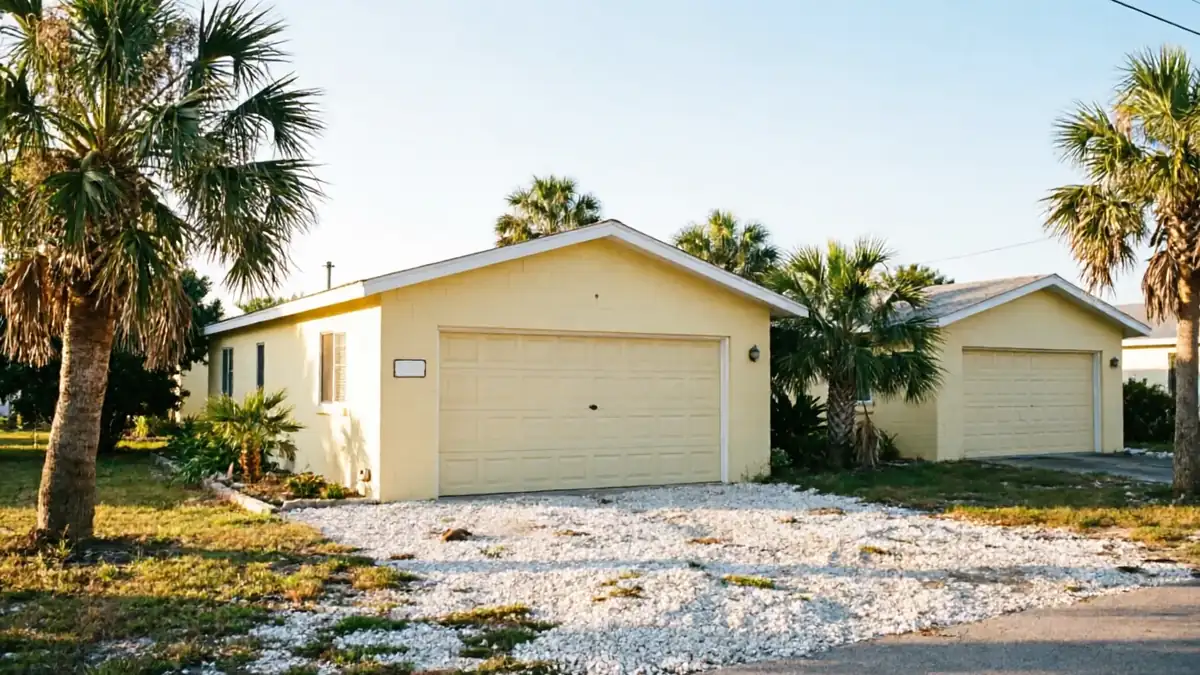
The reason installation jobs run heavier here than a simple swap is the age of the stock. Across the 16 named areas that make up this part of the county, most garages were built in the 1960s and 70s, meaning original steel is often thin-gauge, single-layer panel with no insulation and hardware that's been painted over more times than it's been serviced. Melbourne sits in a mild temperate band - we don't get hard freezes that crack old seals, but we do get sustained humidity and salt air off the nearby coast, and that works steel hardware and unprotected springs harder over decades than people expect from a place without winter.
Household income here runs a median of $86,305, and a good share of owner-occupied houses - 45,988 across the wider service area - are the original owner or a second owner who never touched the garage door. That combination means a lot of installs aren't upgrades by choice; they're replacements of a door that's finally failed after 40-plus years of coastal air doing slow work on galvanized coating and spring wire.
How It Shows Up
On a house from the 1966-2003 build window
The signs that it's time for a new door instead of another patch are pretty consistent. The bottom panel has rust blooming along the seam where water sits after rain, even though Melbourne's climate doesn't bring freeze-thaw cracking. The track is pitted rather than bent, which tells you it's corrosion, not impact damage. Springs on original hardware from this era are usually unpainted and exposed, and after decades in humid coastal air they show rust along the coil before they show a visible crack.
Owners in neighborhoods toward June Park and West Melbourne
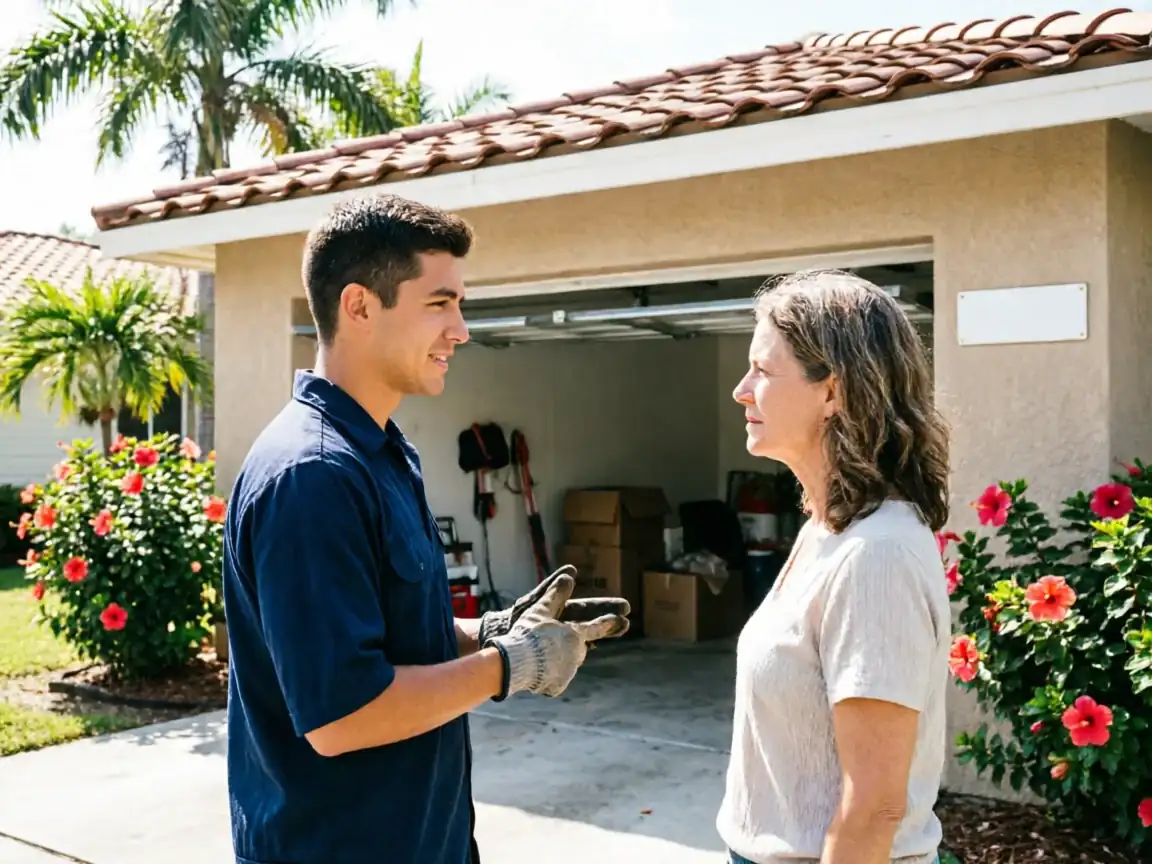
Where a lot of that mid-century tract housing sits, often call us after noticing the door is noticeably heavier to lift by hand than it used to be - a sign the spring has lost tension gradually rather than snapped outright. Other times it's an opener strain complaint: the motor labors or reverses partway up because it's fighting a door and spring setup that were never matched to begin with, a mismatch original builders sometimes left in place.
What Can Go Wrong
The most common mistake we see on older Melbourne homes is installing a new door on old track and old brackets to save money. The track from a 1970s install wasn't built for a heavier insulated door, and running mismatched components leads to a door that binds, an opener that strains, or a spring that fails again within a year or two. If the jamb or header has any rot or movement from decades of coastal humidity, bolting new hardware to it just transfers the problem - the hardware holds, the framing doesn't.
Another risk is sizing the opener's force settings to the old door's weight instead of the new one's. Insulated doors weigh more than the single-layer steel common in 1960s-70s construction, and an opener left on old settings will either strain the motor or fail the safety reversal test, which is a real injury risk around kids and pets. We won't leave a job with the opener on default settings - it gets tested against the actual door weight before we call it done. The honest tradeoff: full insulated doors cost more upfront than matching the old single-layer style, but on a house this old, patching a worn opening instead of replacing track and hardware together usually just moves the failure a year down the road.