The Usual Work Here
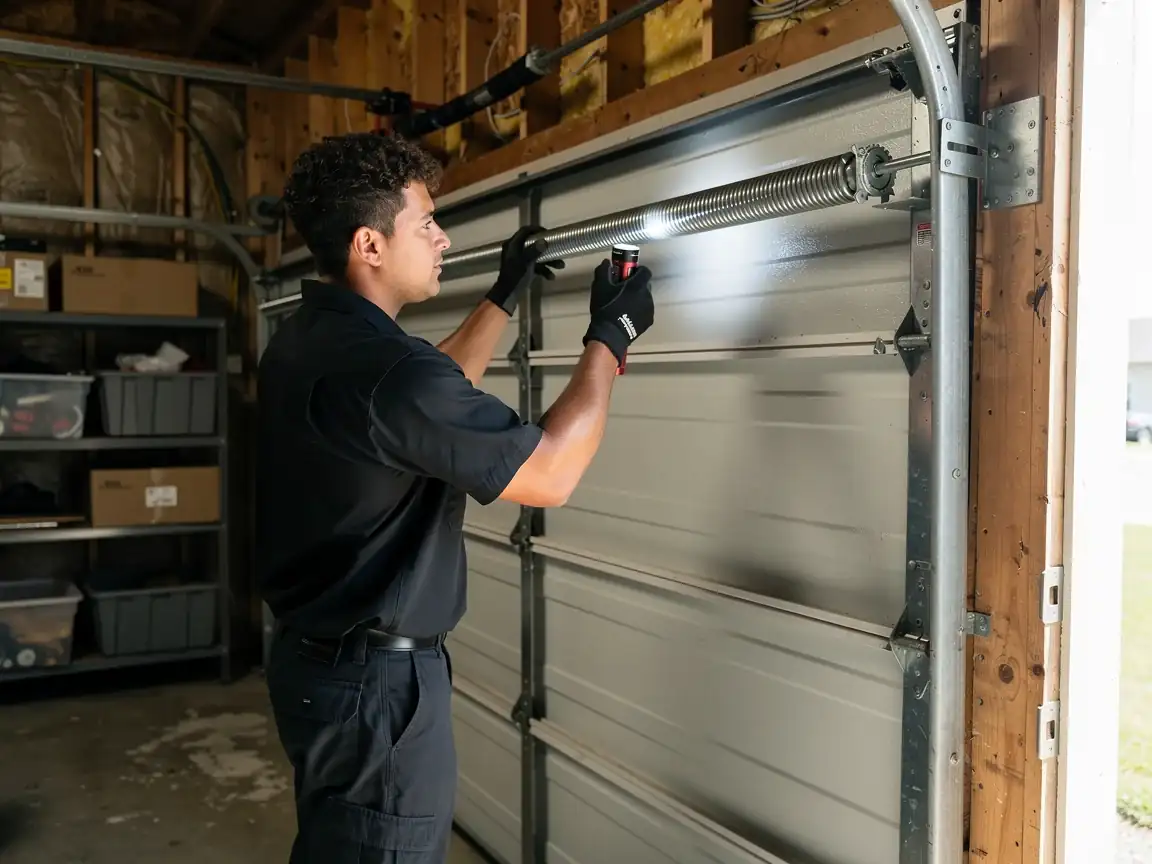
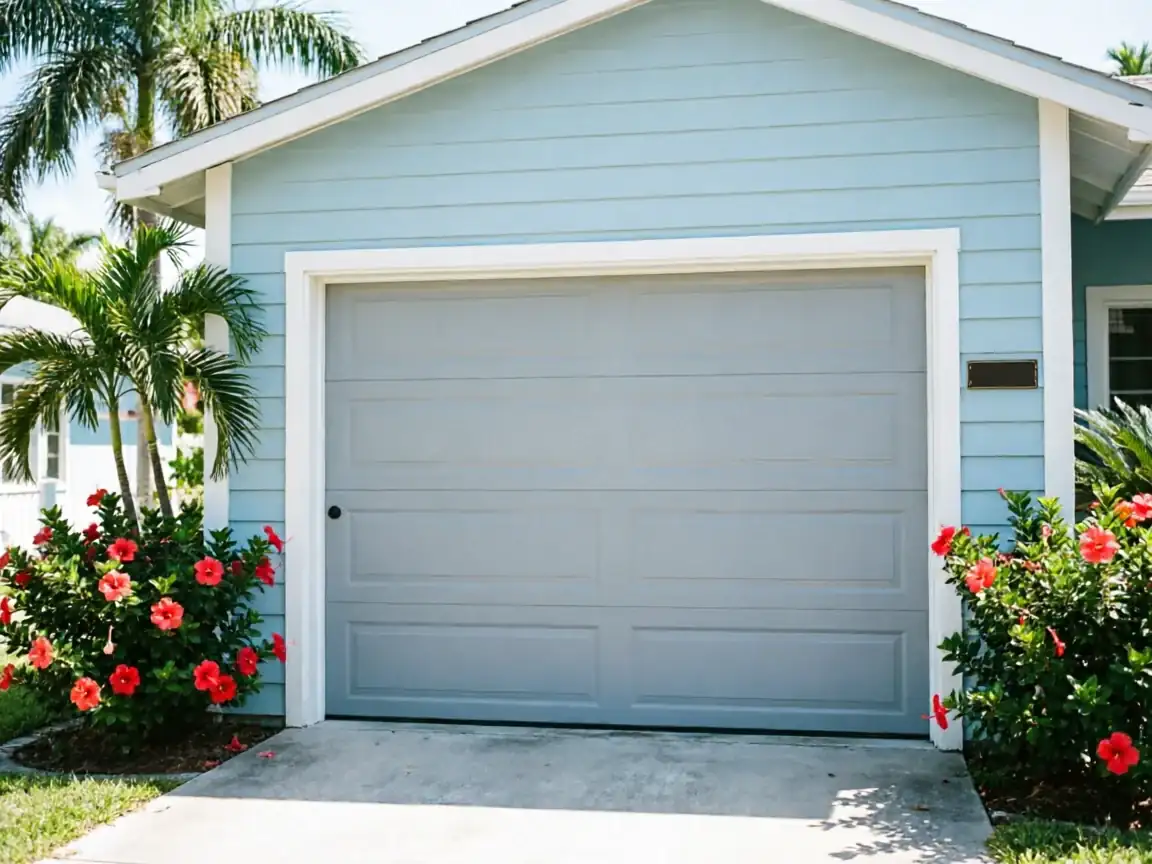
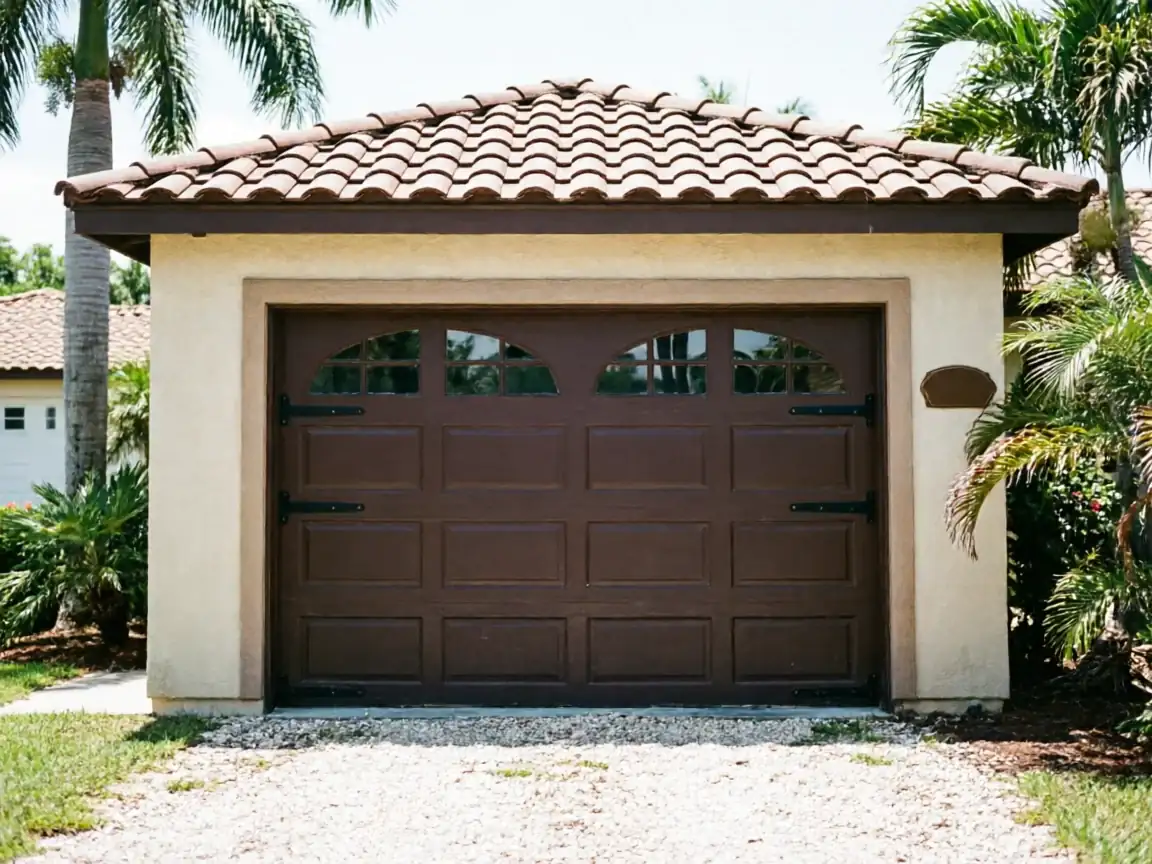
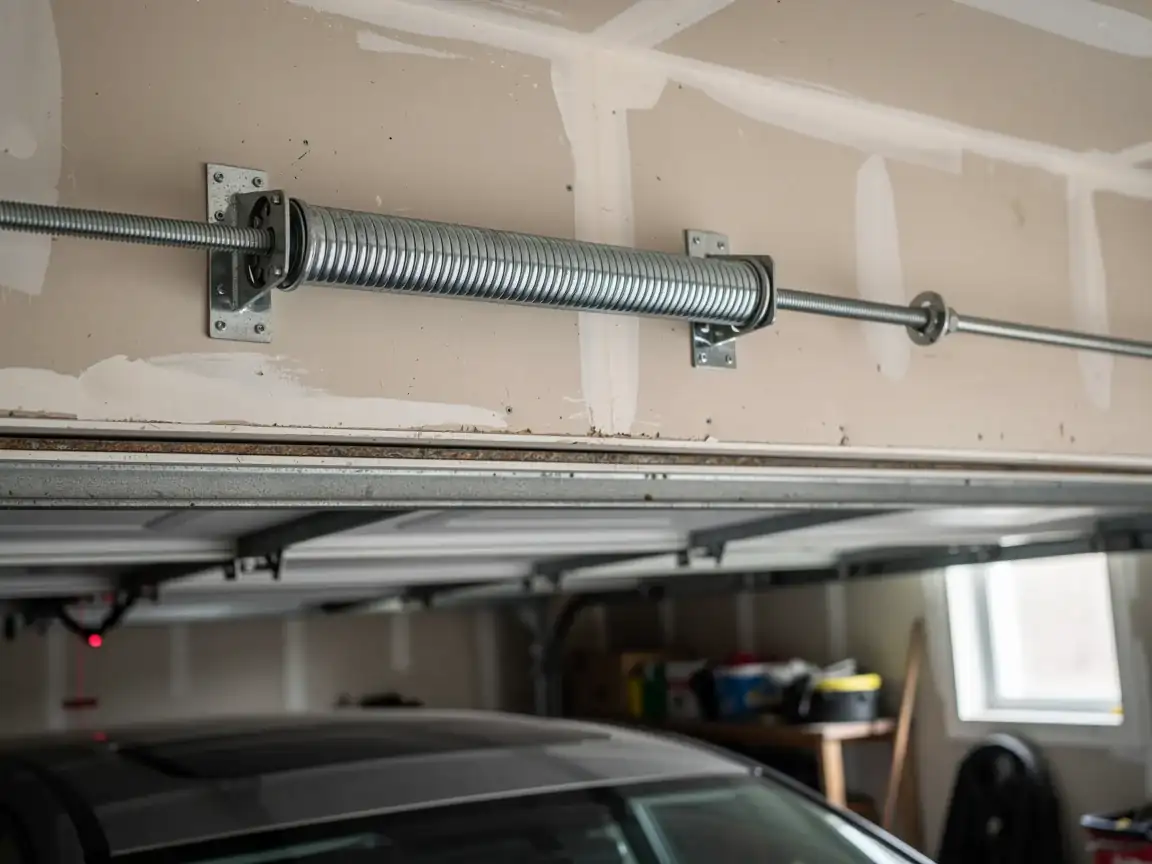
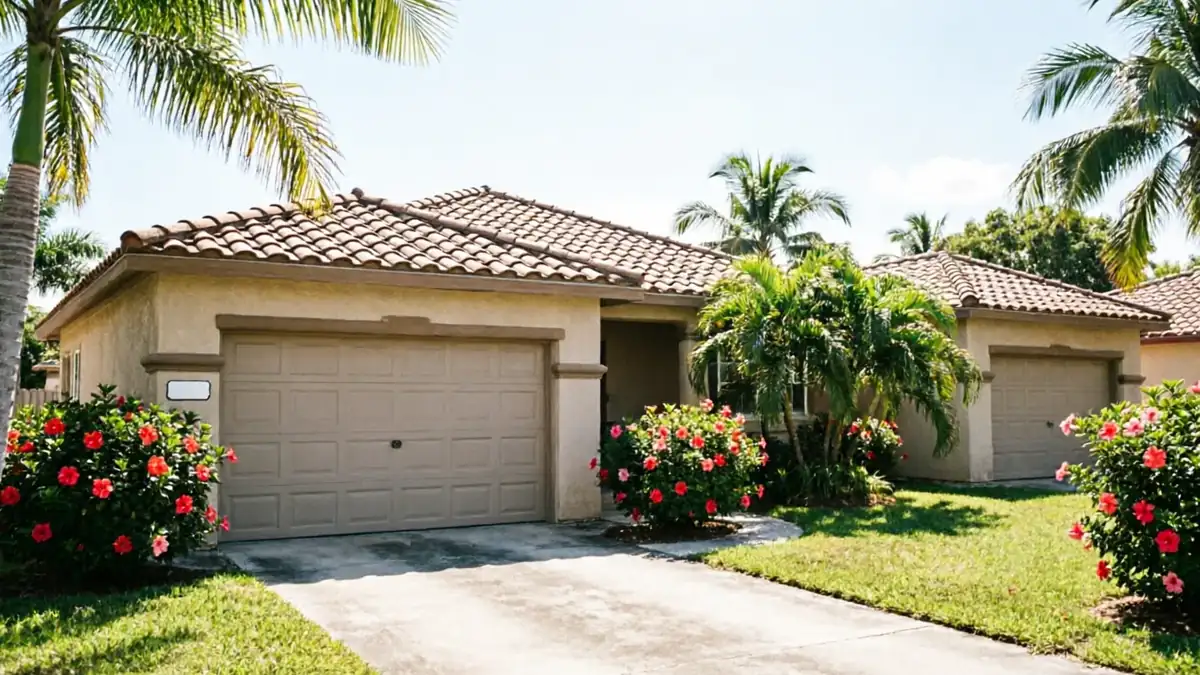
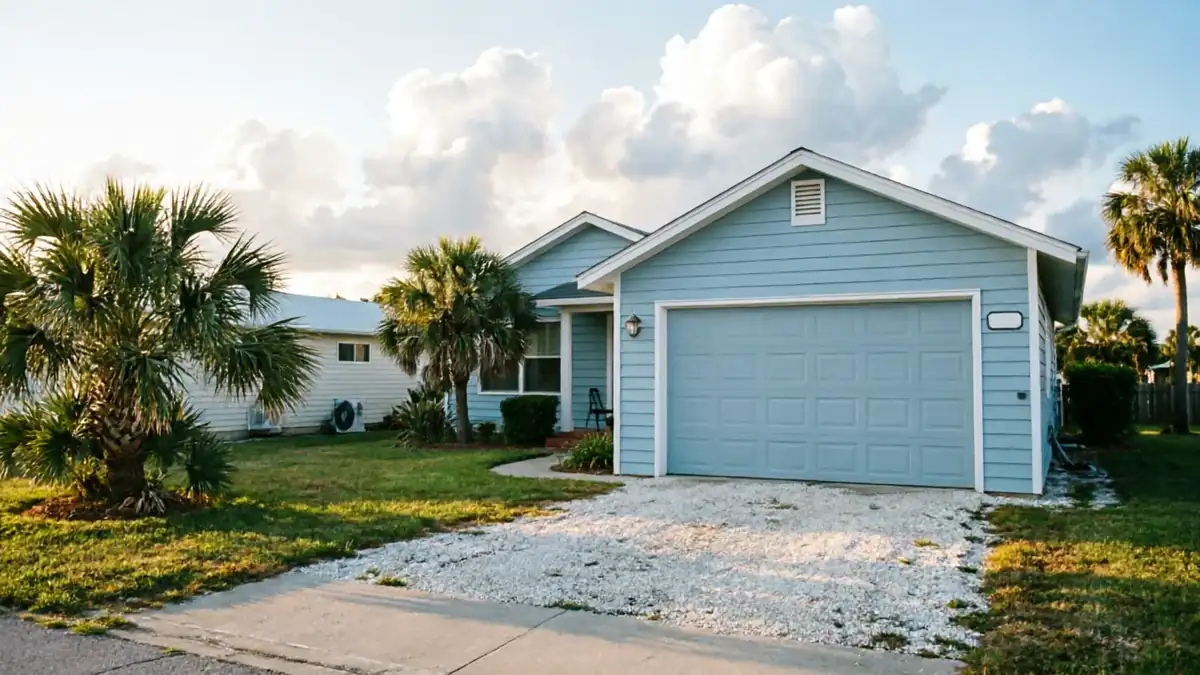
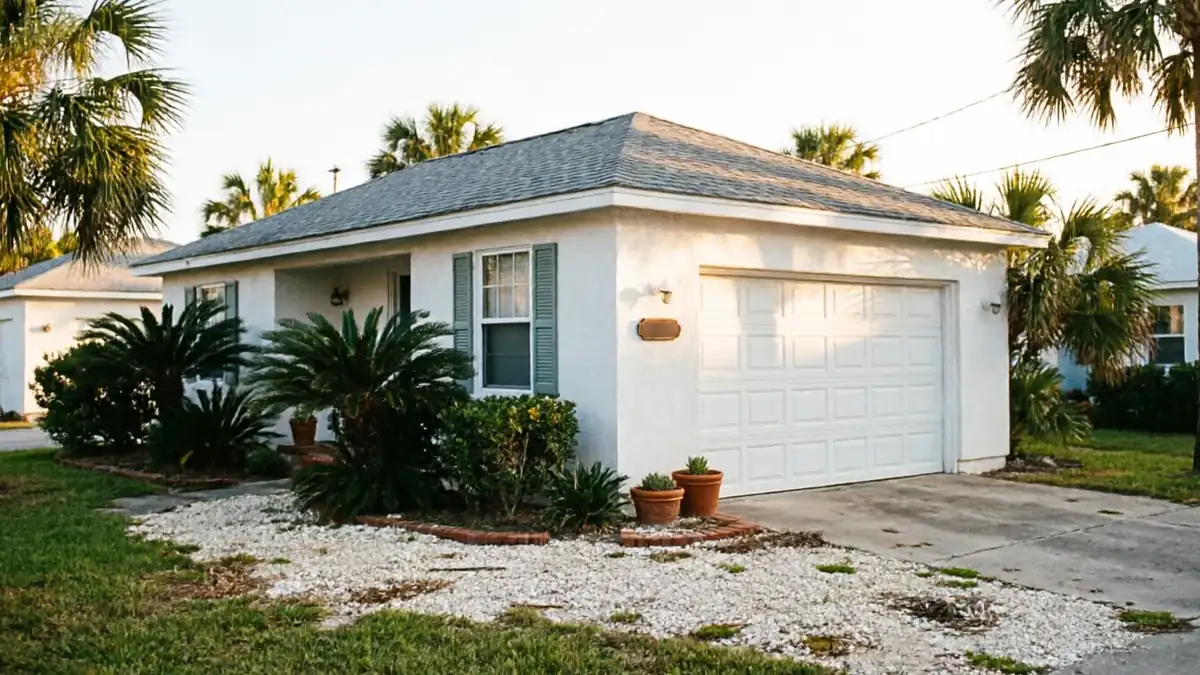
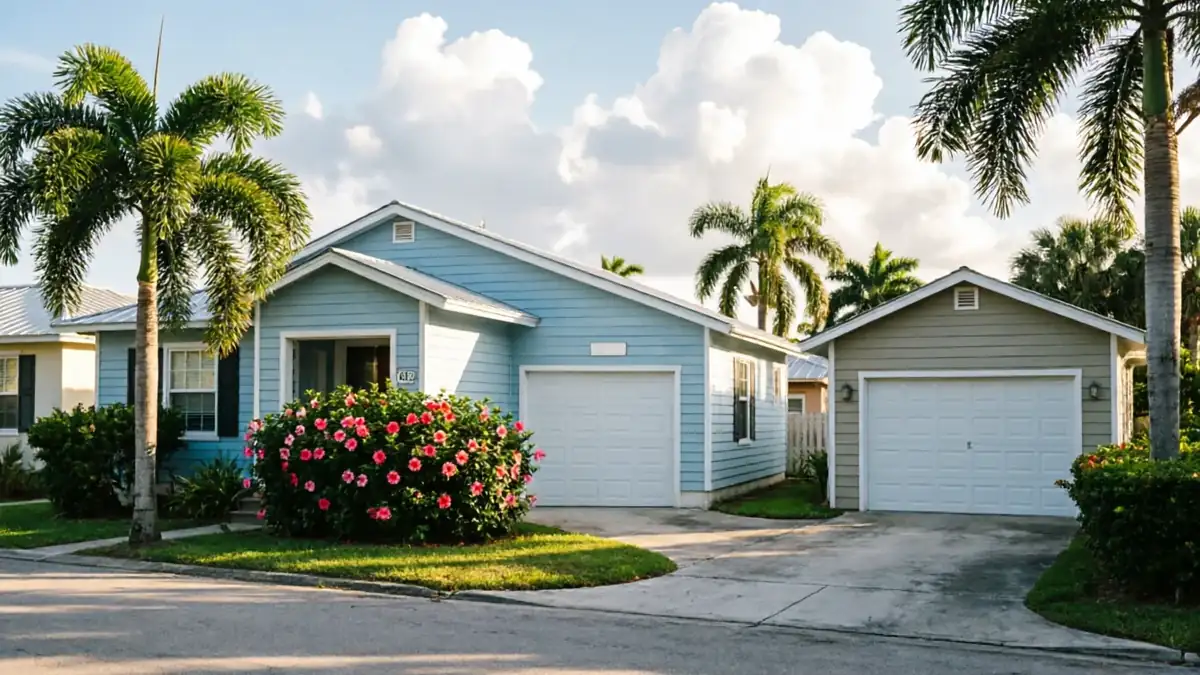
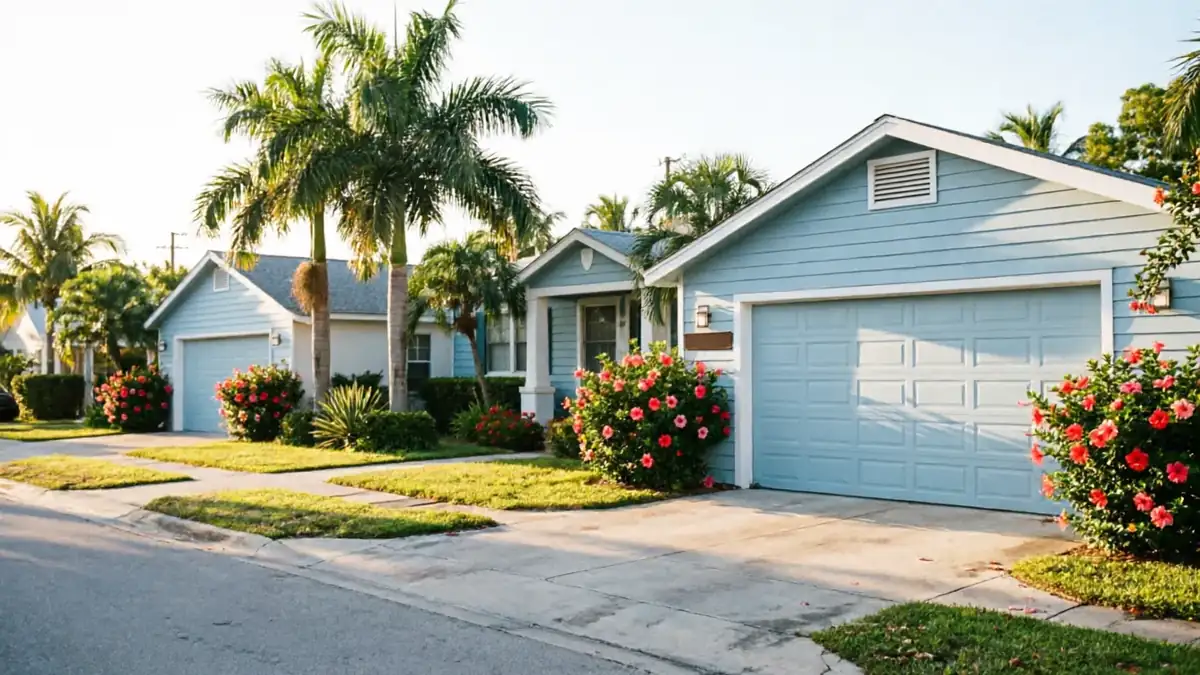
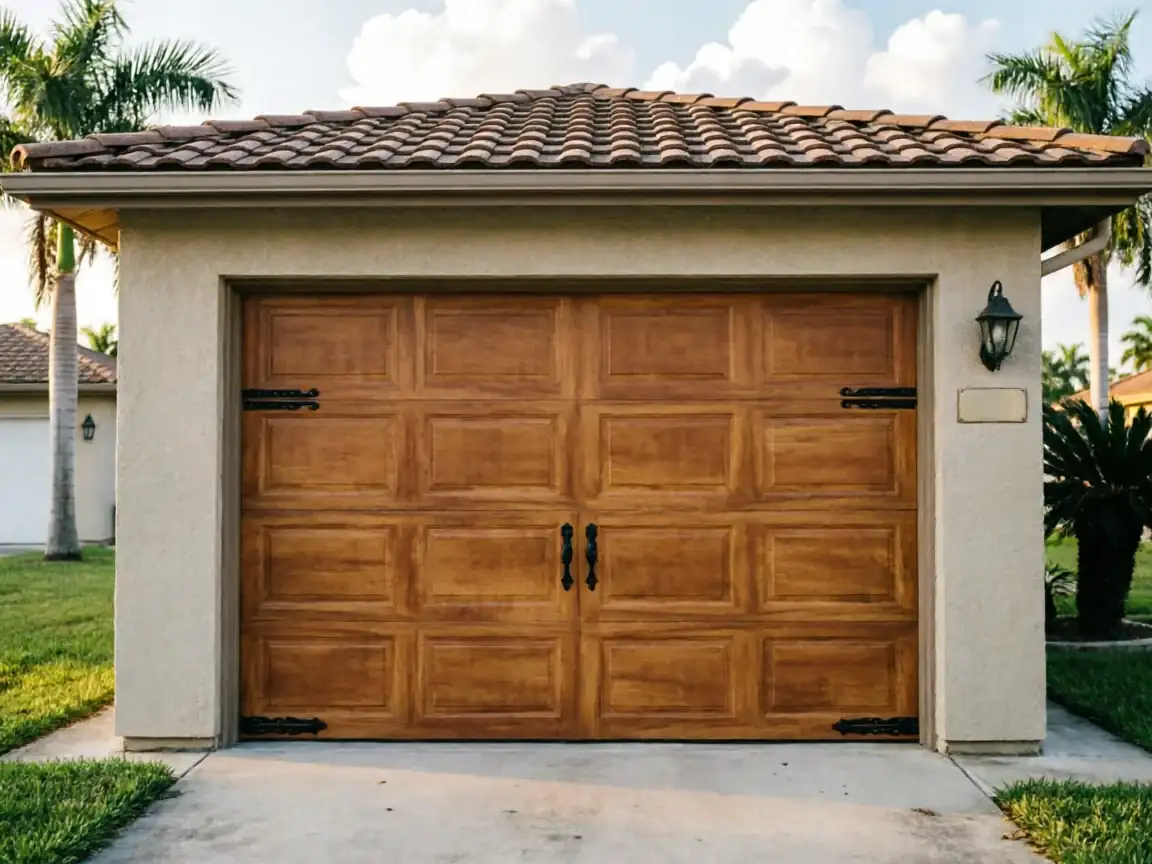
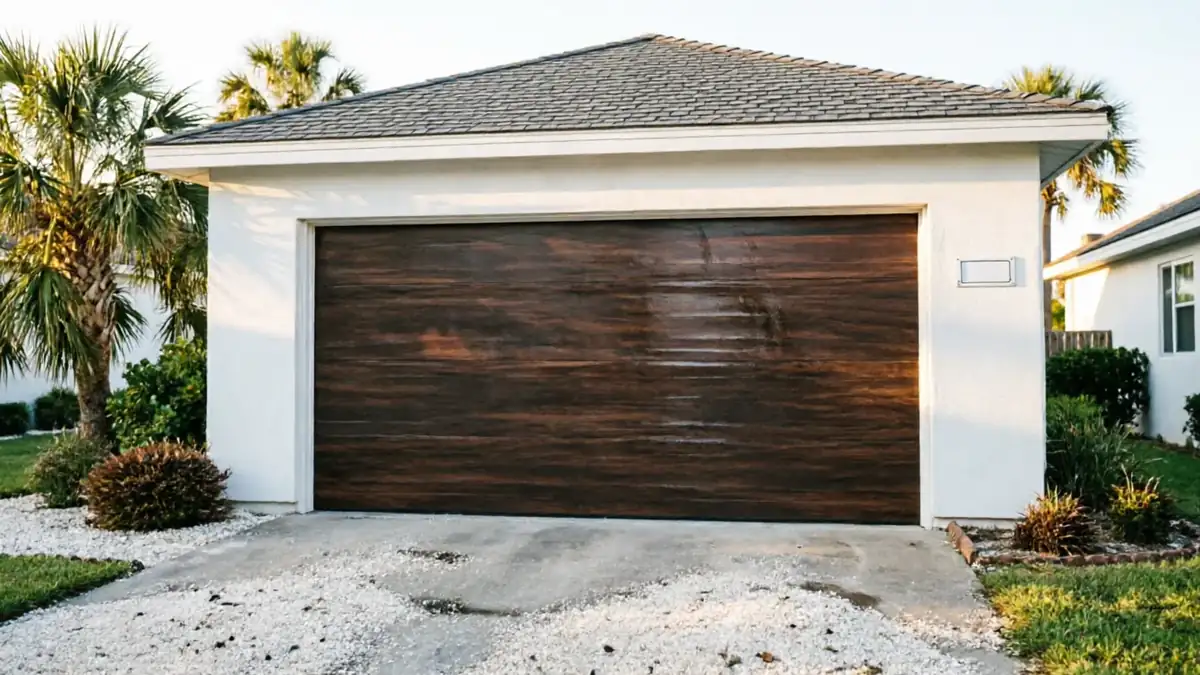
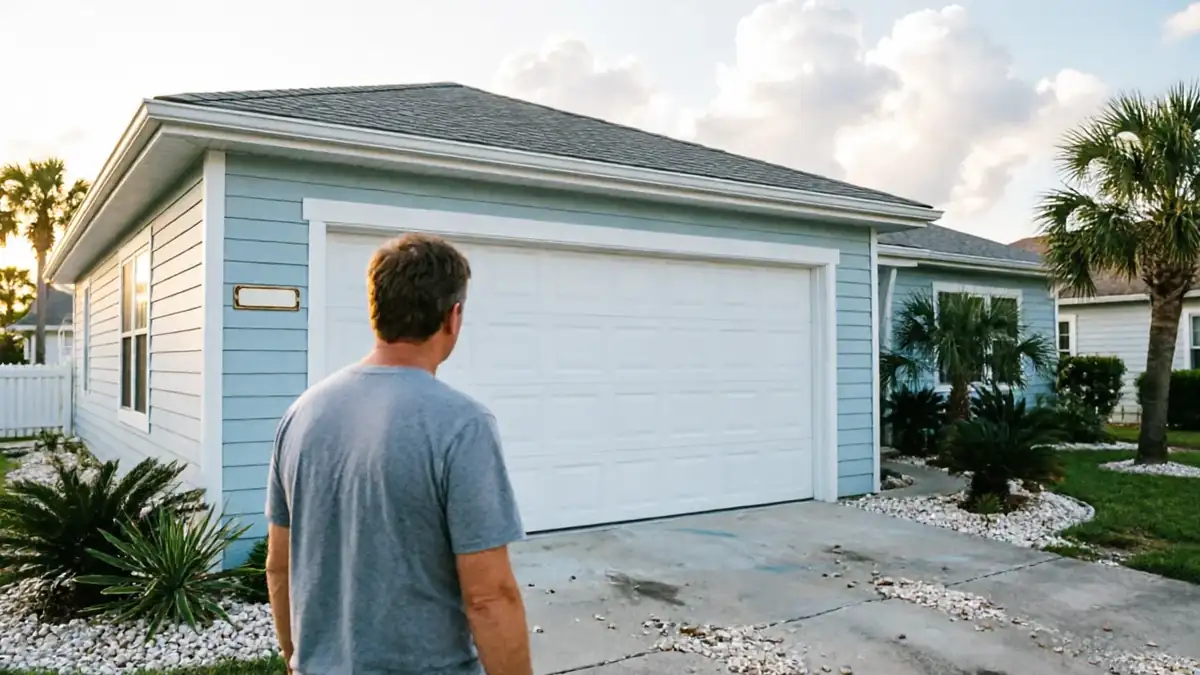
Indialantic's housing stock centers on 1966, which puts a lot of these garages a decade or more ahead of the median house across the wider Melbourne service area (1977). That decade matters. Doors from this era were often installed with extension spring setups rather than the torsion systems that became standard later, and the openers that got bolted on afterward are frequently second or third replacements on original track. We see more cable fraying and pulley wear out here than in the newer subdivisions closer to Melbourne, simply because the doors have had more years of salt air and daily cycles to work through. Panel sections on these older sectional doors also tend to be a lighter gauge steel, which dents easier and doesn't always match what's on the shelf at a big box store. None of this means these doors are failing - a lot of them are still running fine - but when something does go, it's usually a spring, a cable, or an opener that's outlived its gearset, not a brand-new part with a warranty card still in the garage.
Getting Here
Indialantic sits about 6 miles from our Melbourne base, out along the barrier island side of the service area near Indian Harbour Beach and Melbourne Beach. It's a straightforward run, not a dispatch zone we have to think twice about. We don't keep a separate depot on the island and don't want to overstate that - every job out here is a truck coming from Melbourne, not a local crew already around the corner. For most repairs that's a non-issue; springs, cables, and opener boards don't care how far the truck drove. Where it can matter is on a same-day request late in the afternoon, since island jobs get stacked against whatever else is already on the route that day.
The Houses Here
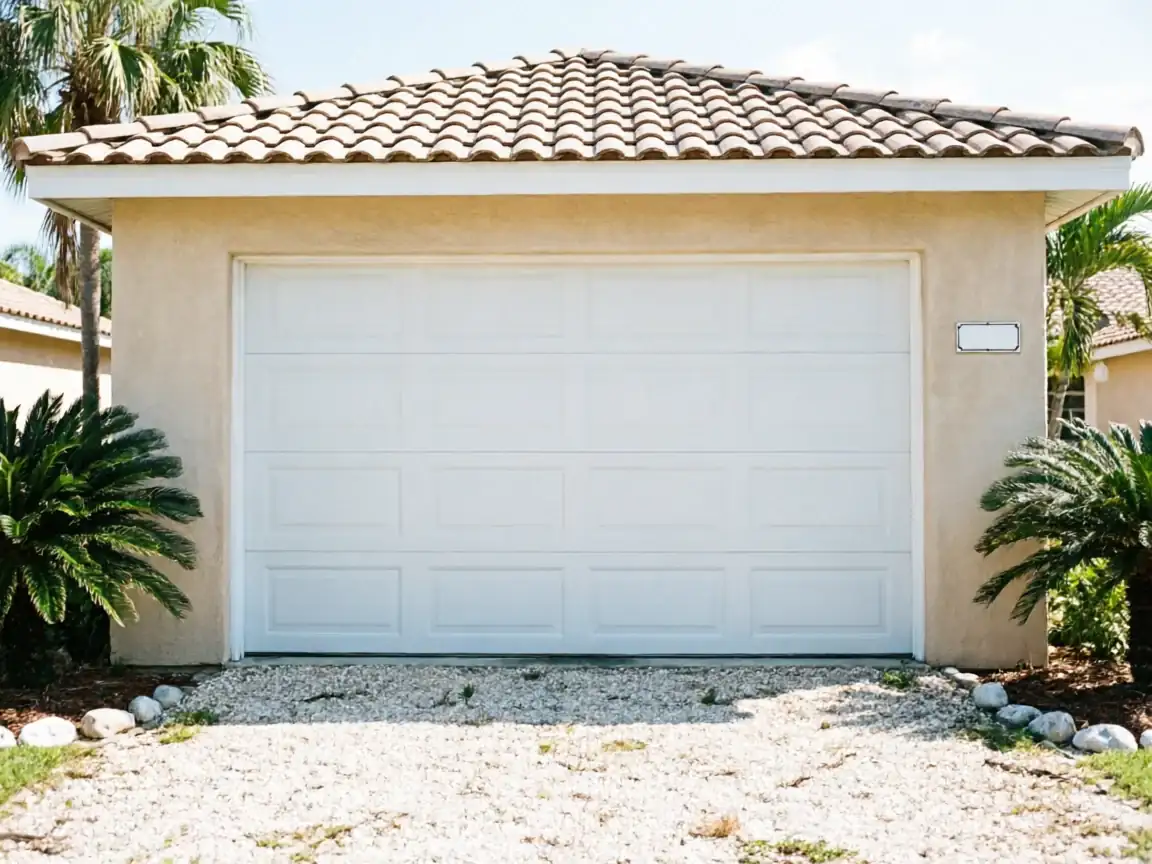
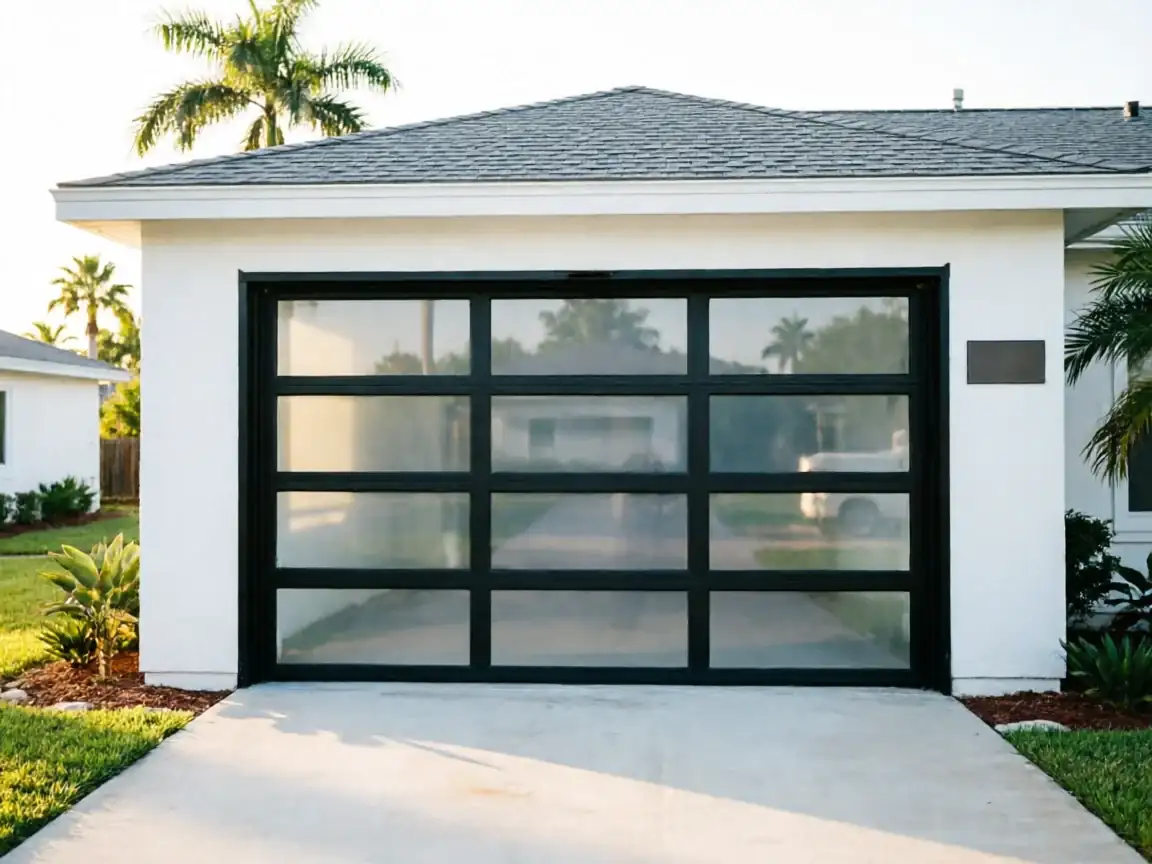
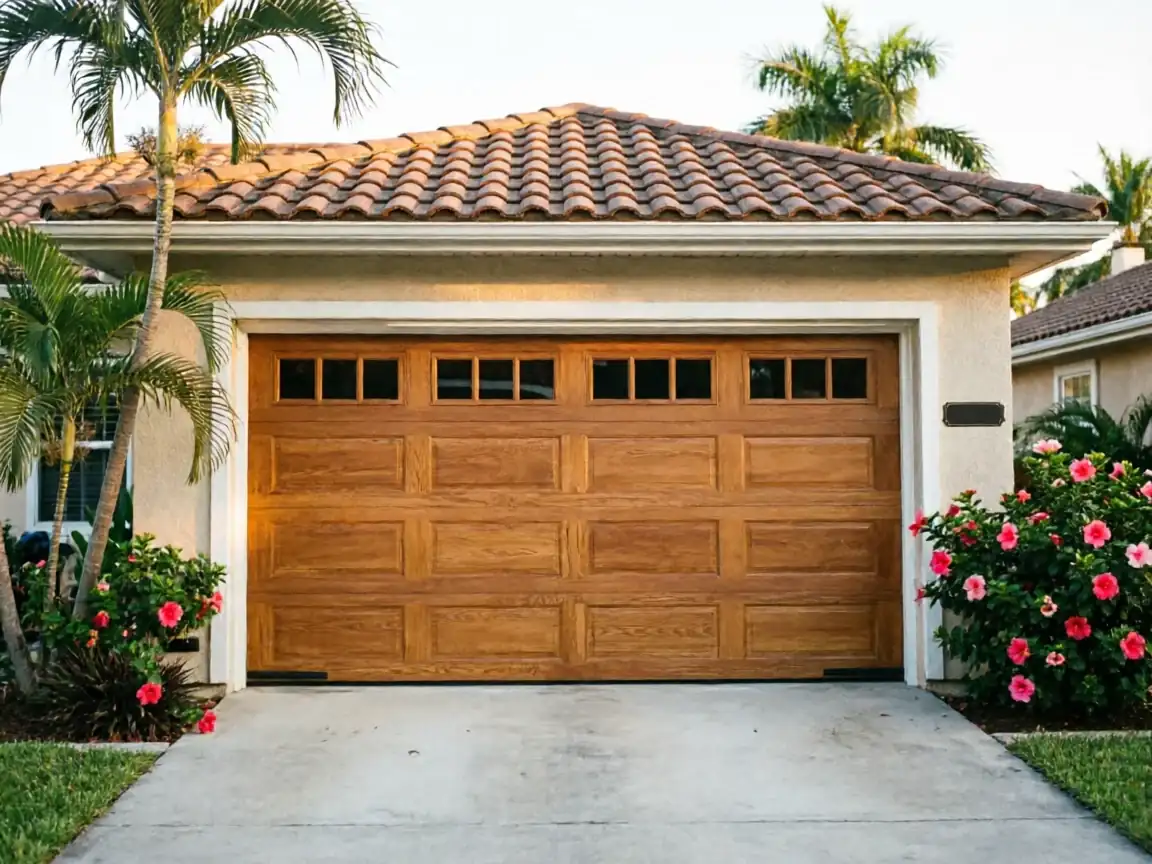
Indialantic is a small area - about 1,475 households - and a well-off one, with median household income around $90,991, noticeably higher than the roughly $86,305 median across the full Melbourne service area. That income level shows up in the work: more owners choosing to replace an aging door outright with an insulated steel or composite unit rather than patching an original one through another decade, and more interest in quieter belt-drive openers over the chain-drive units that came standard in the 1960s and 70s. It's a smaller customer base than the newer, denser subdivisions closer to Melbourne, but the homes are more consistent in age, which makes diagnosing a 1966-era door here a more predictable job than guessing at hardware vintage house to house.