What Can Go Wrong
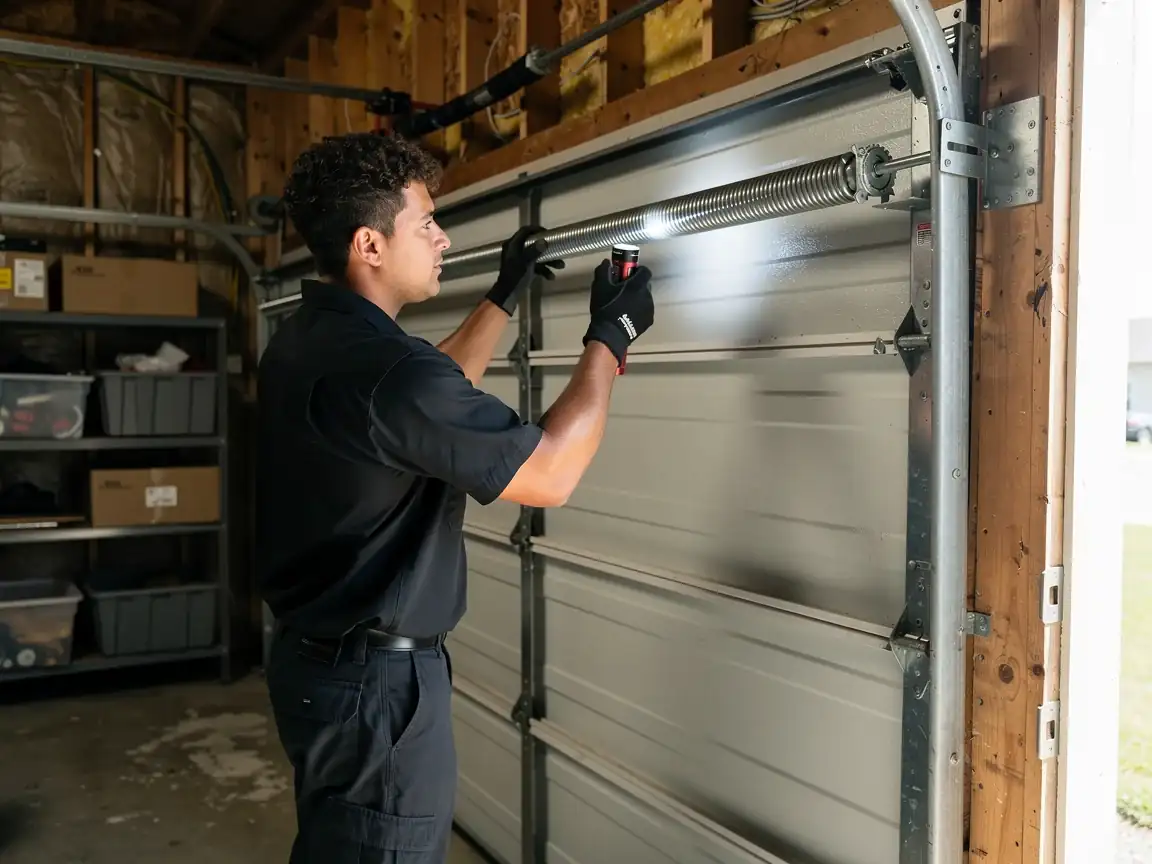
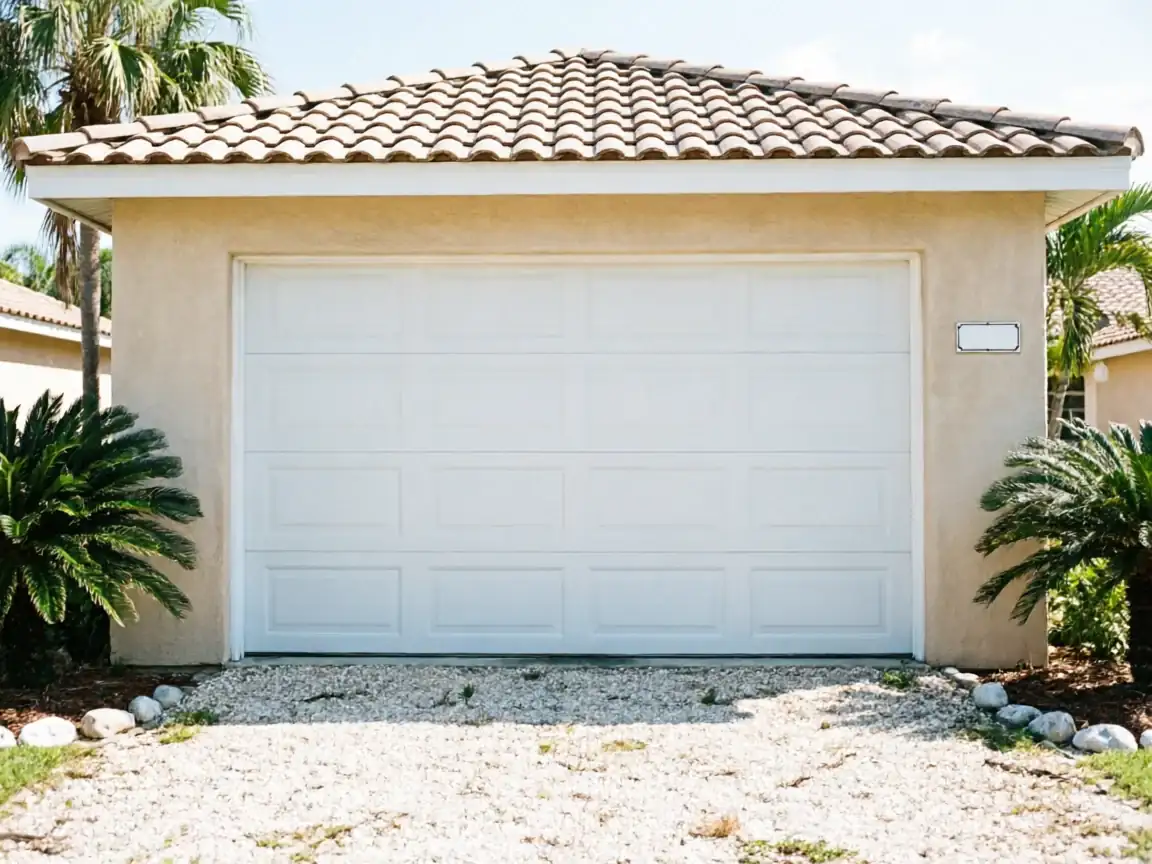
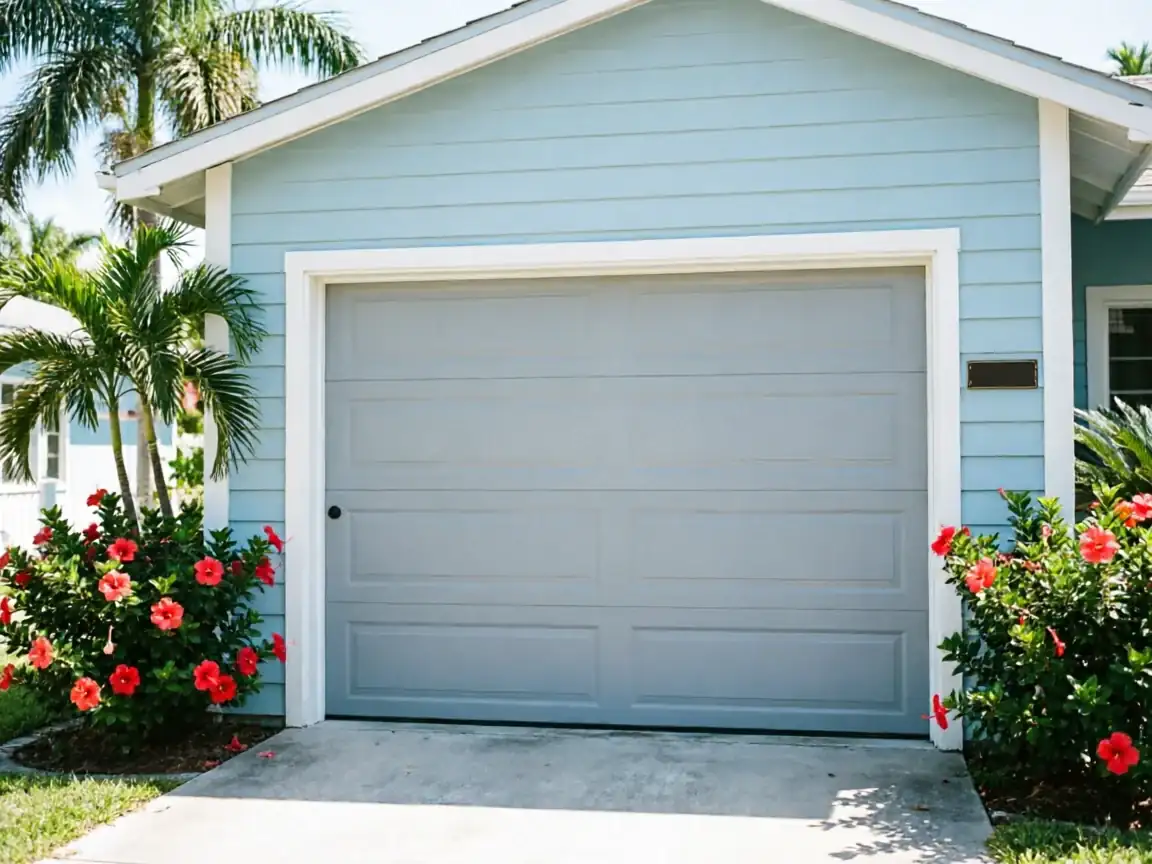
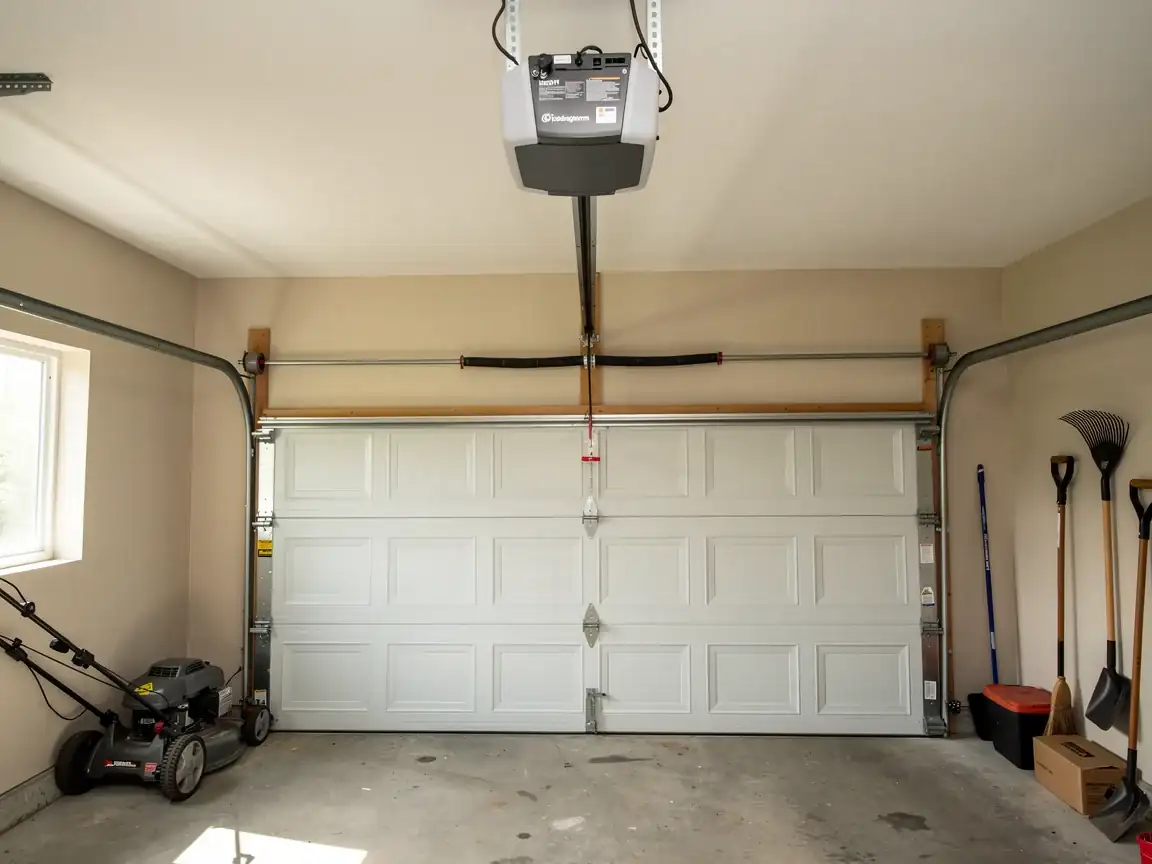
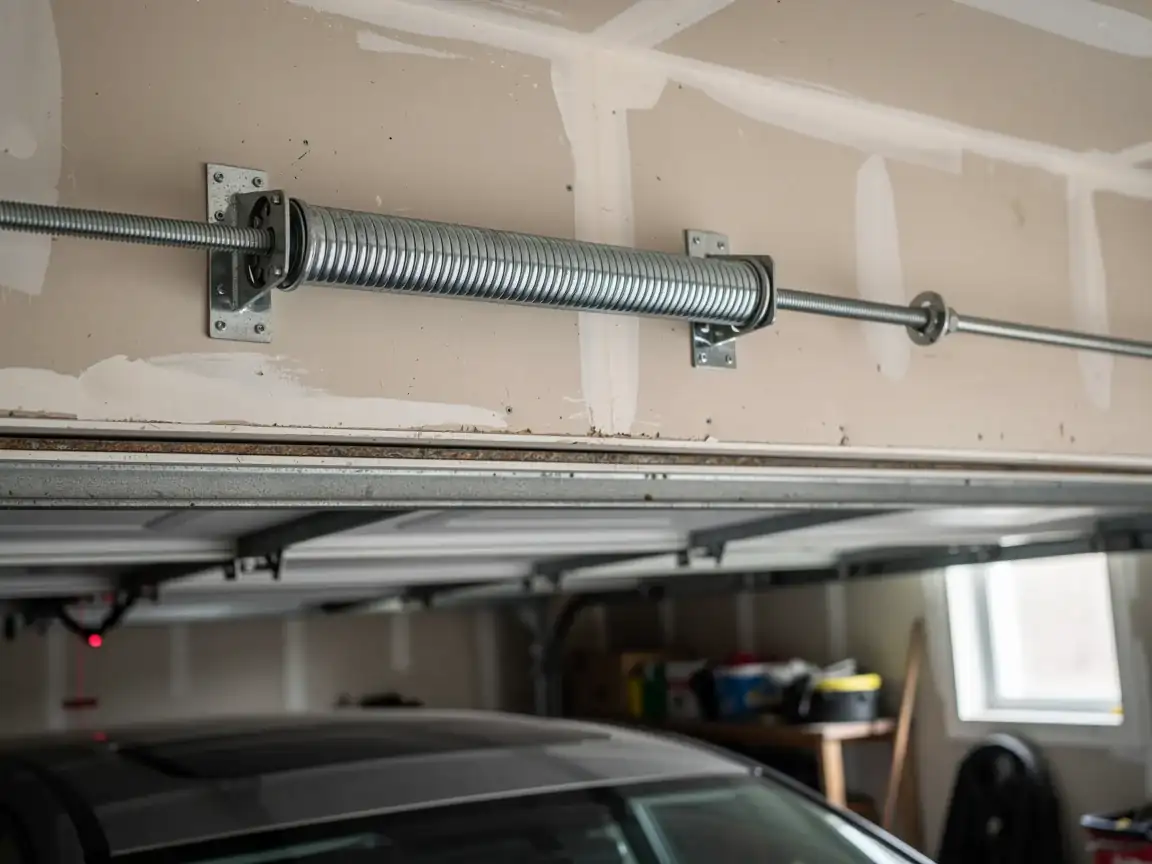
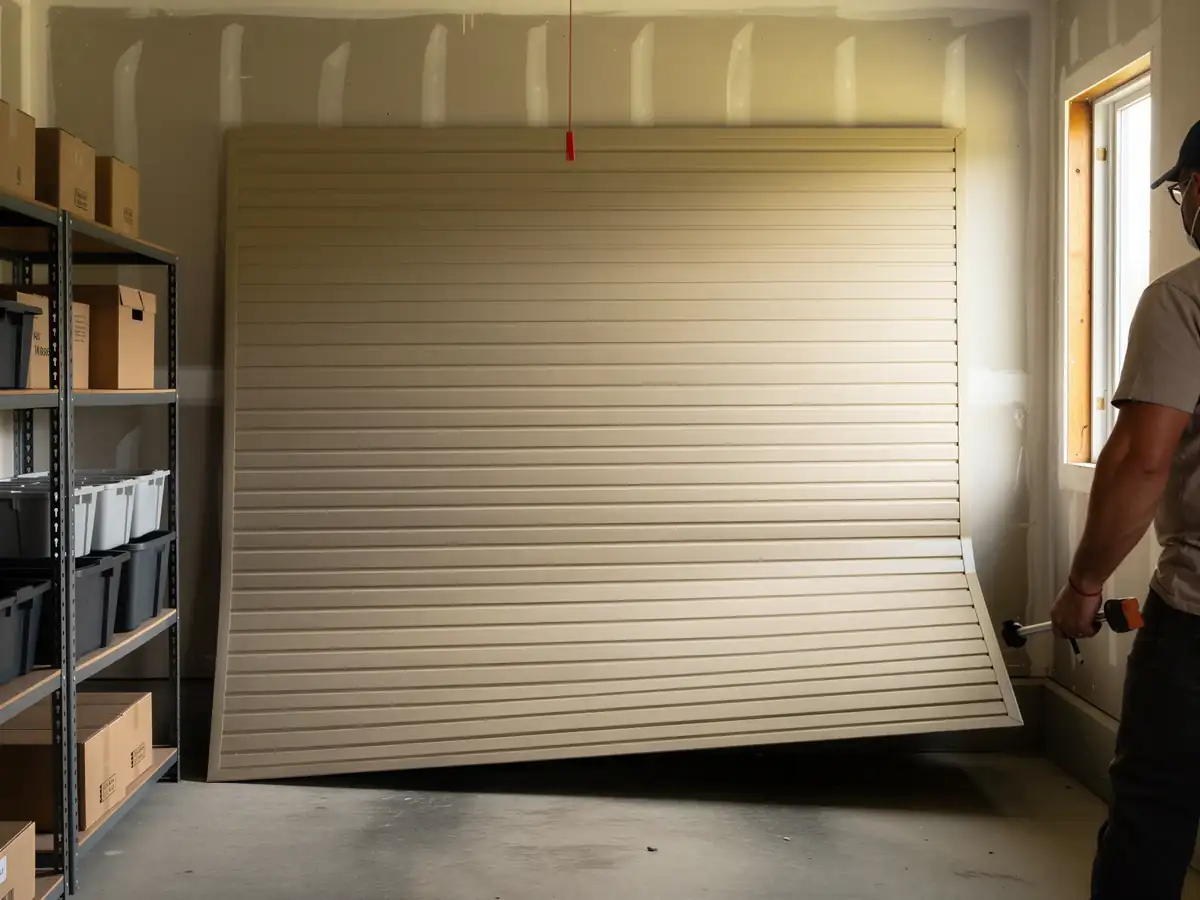
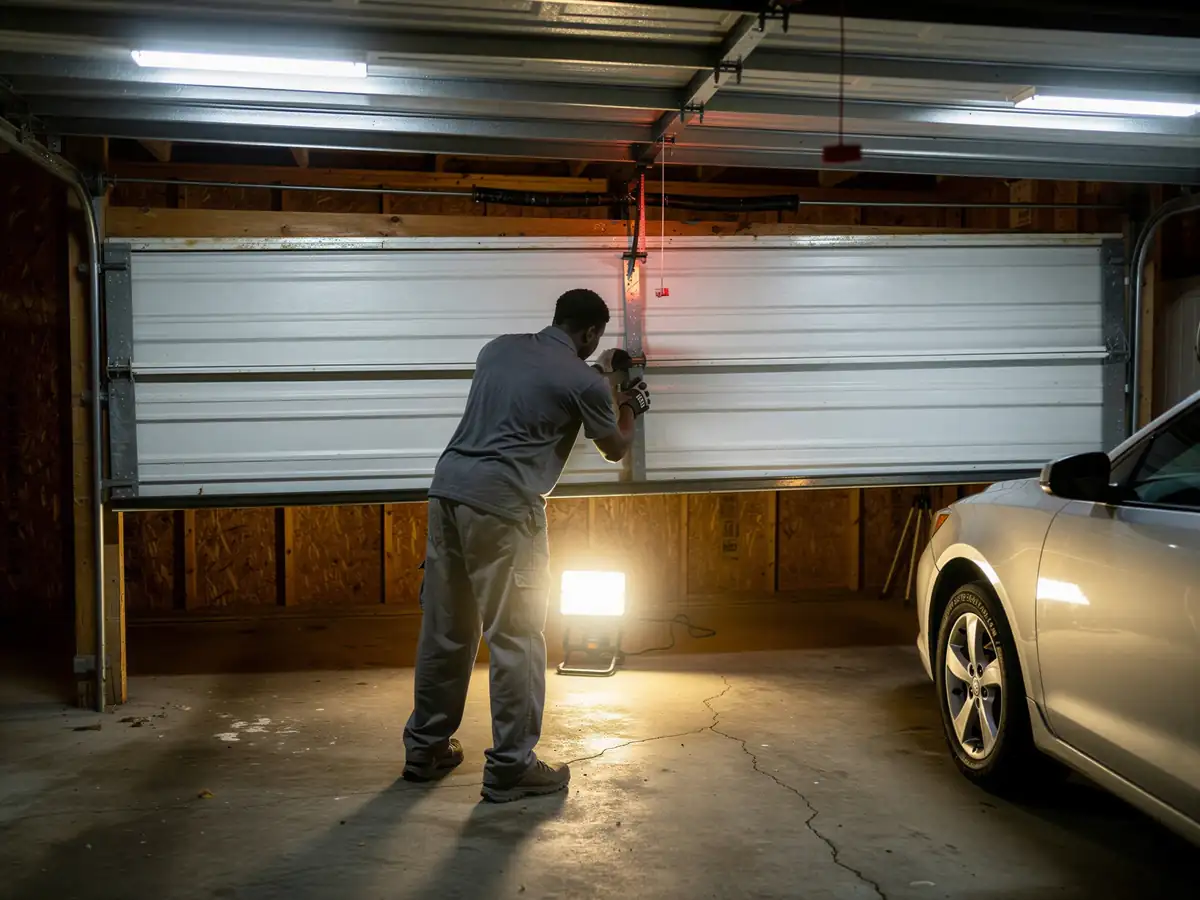
Indialantic's median build year sits at 1966, while the broader Melbourne service area this company covers runs closer to 1977. That ten-year gap matters more than it sounds. A door and track set built for a mid-1960s opening was framed to different rough-opening tolerances than the ones that came later in the area's building boom, and a lot of original openings here were never widened when steel sectional doors replaced the old single-panel swing-up styles. When a homeowner in Indialantic calls about a new installation, the first issue usually isn't the door itself - it's that the existing frame, header, and track spacing were never built to modern sectional door standards. Jambs can be out of square after six decades of settling, and the header may not carry the dead load of an insulated door without reinforcement. The area sits in a mild temperate climate band, which is kind to wood and steel compared to harsher regions, but age still does its work - hinges seize, track brackets pull loose from softened wood, and the opener bracket (if there's one left at all) often predates anything compatible with a current opener unit. None of this shows up until someone measures the opening for a new door and finds it's not the size the catalog assumes.
What the Fix Involves
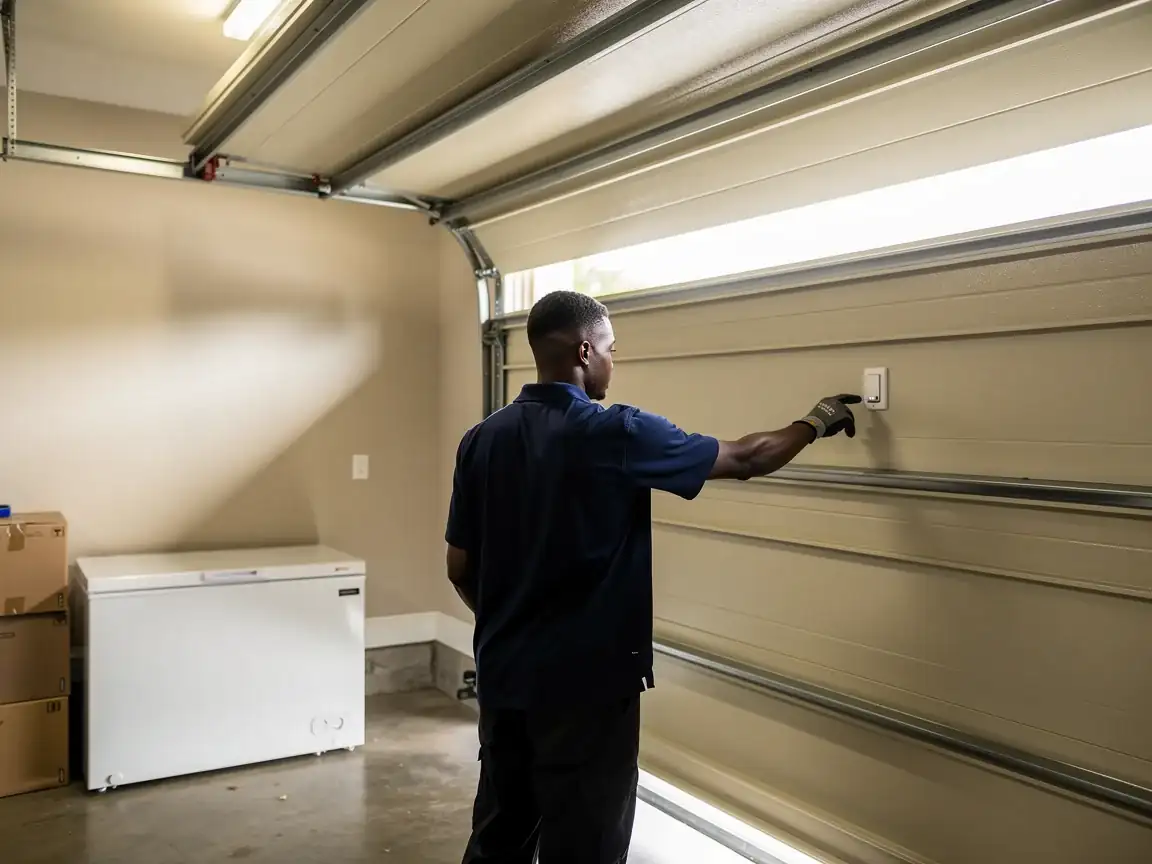
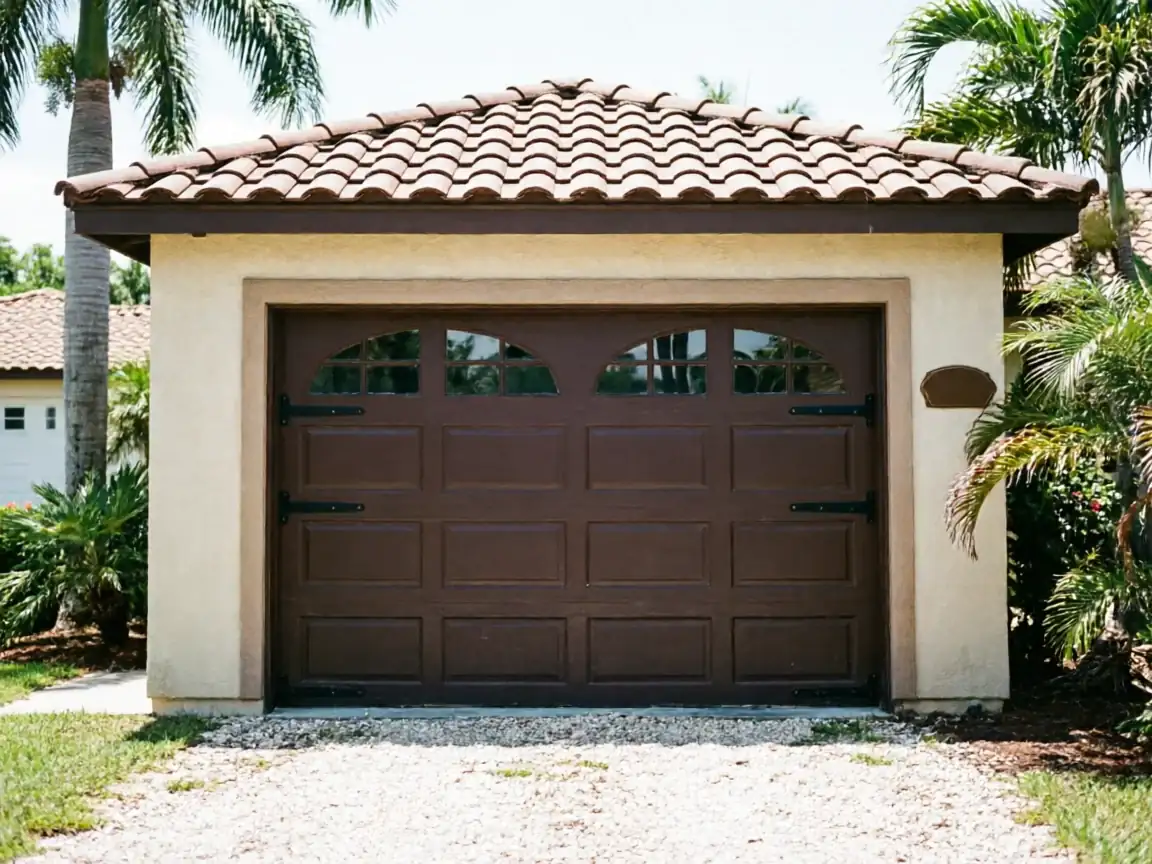
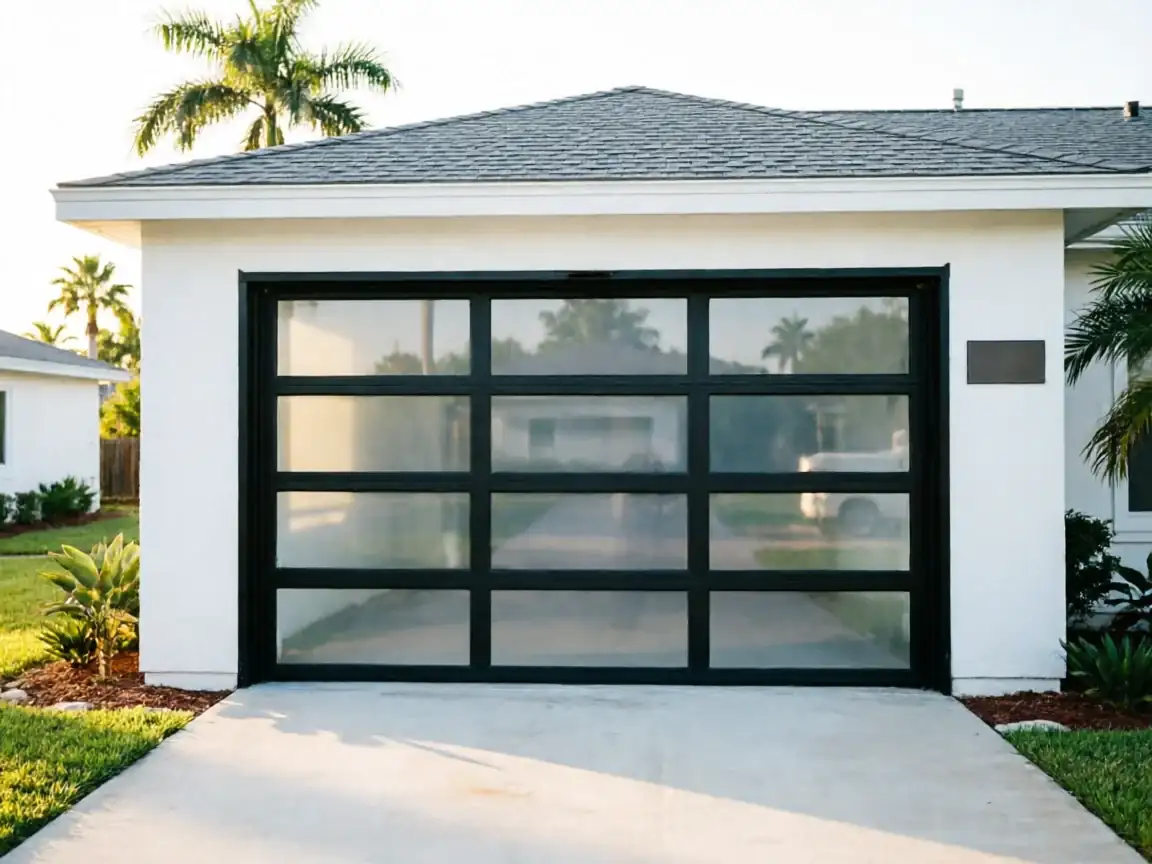
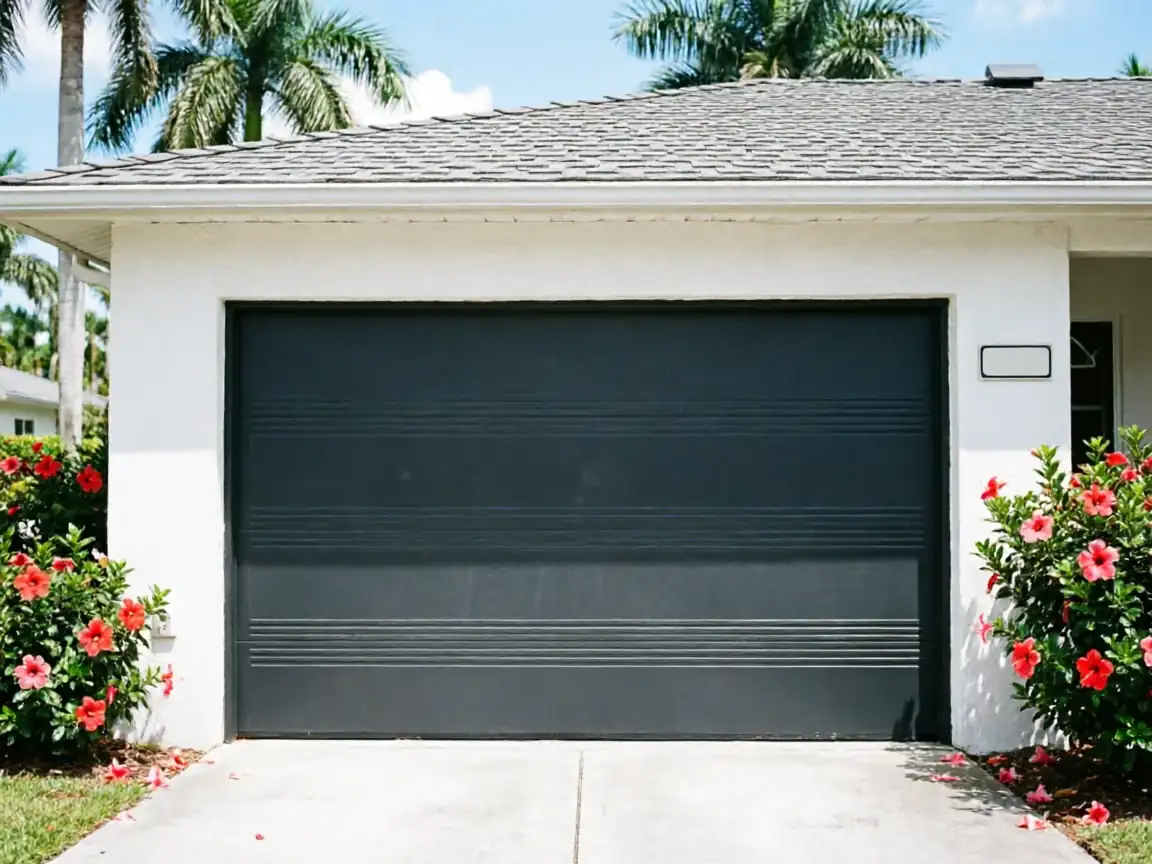
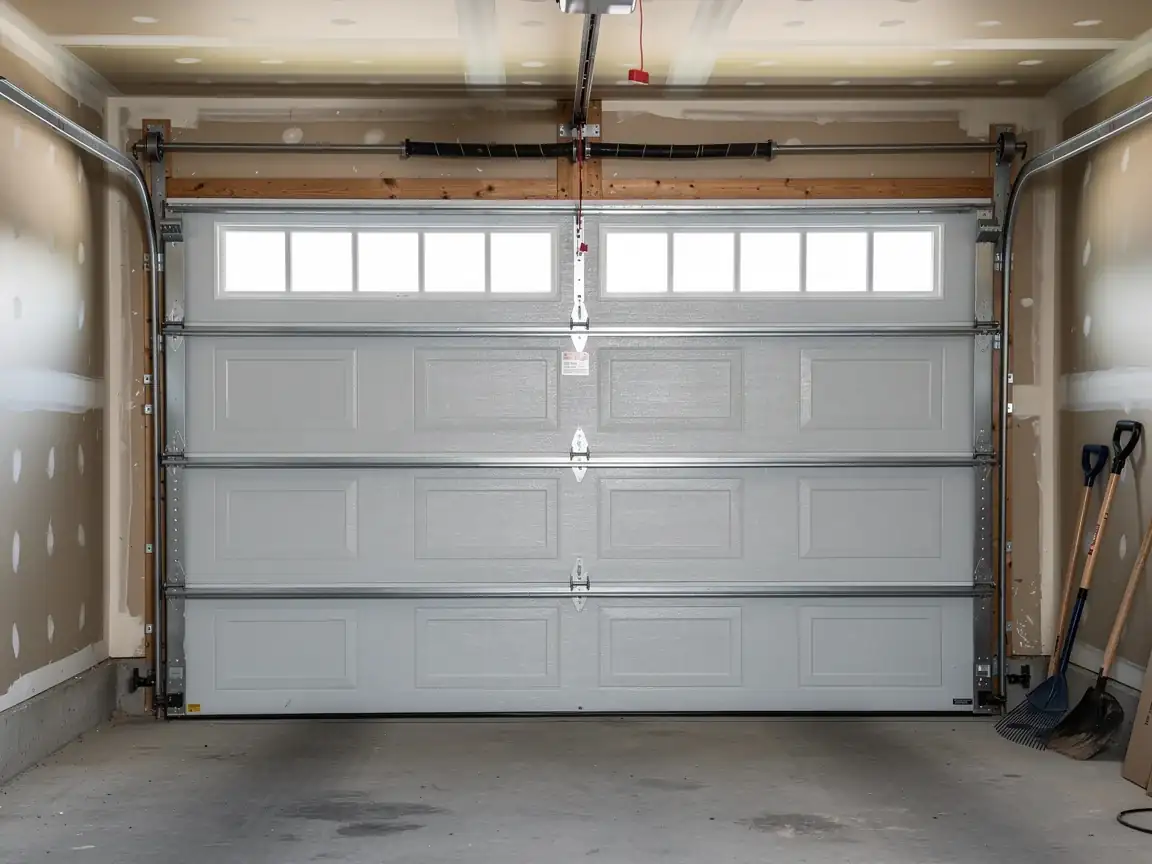
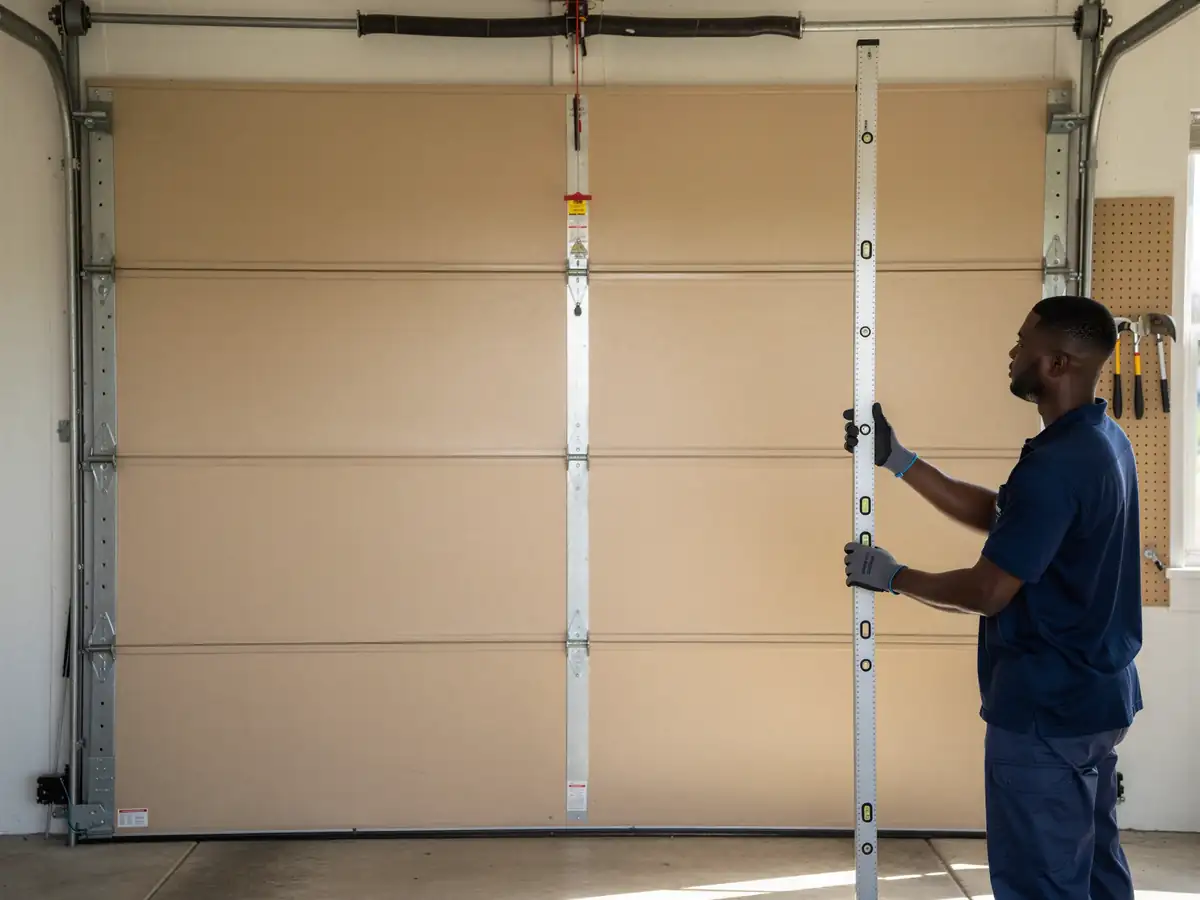
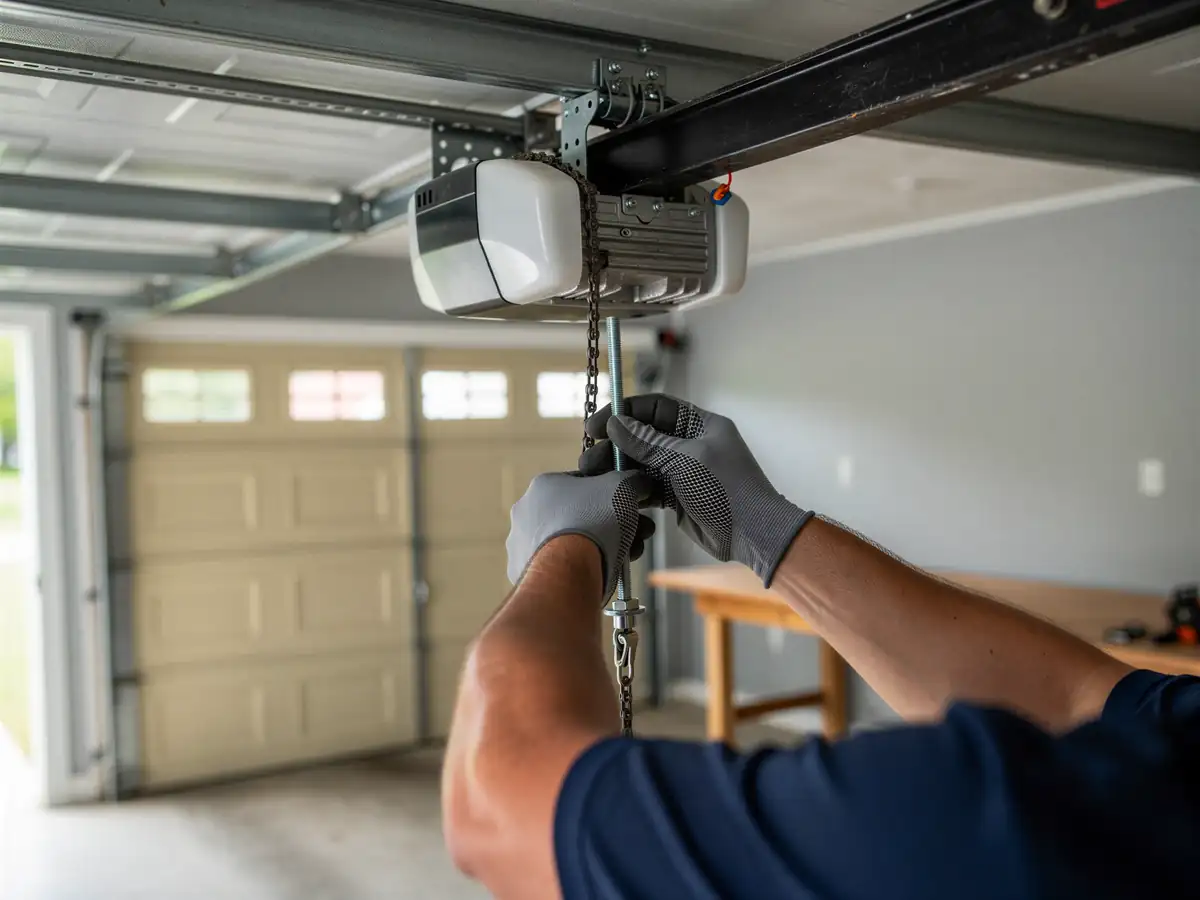
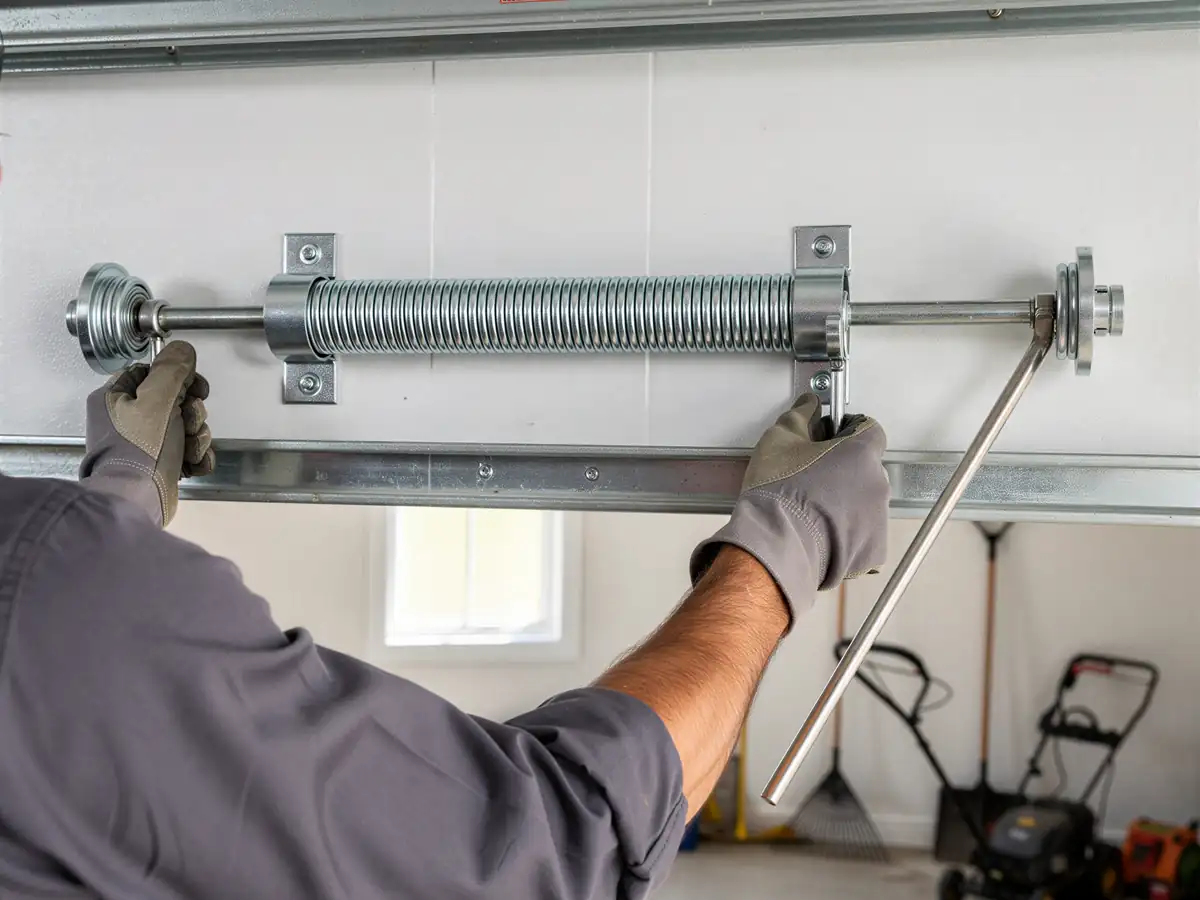
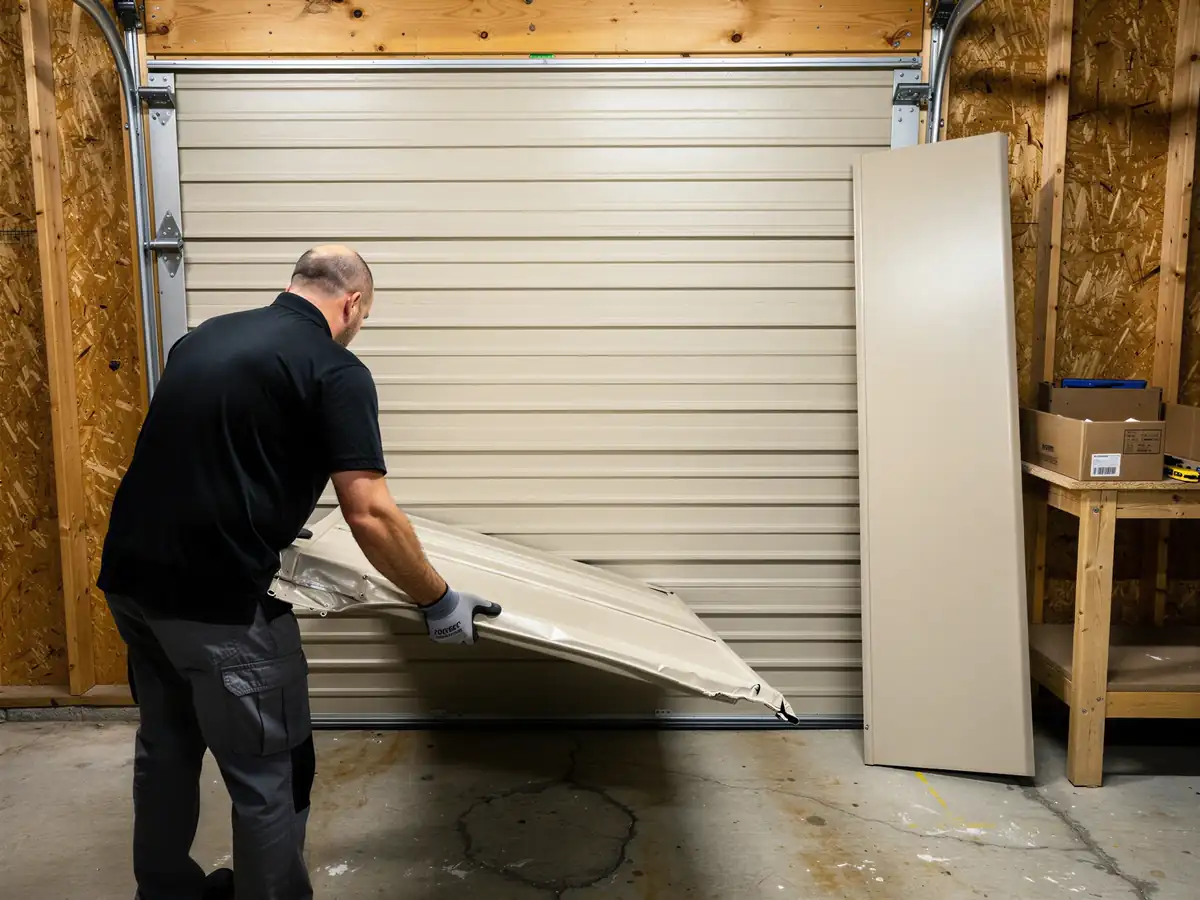
A new installation on a house from Indialantic's 1966-era stock starts with measuring the actual opening, not trusting what the original builder's plan would have called for. If the jambs are out of square or the header needs reinforcing to carry an insulated door, that framing work happens before the door goes in - skipping it means a door that binds or fights the opener within a year. From there it's standard sectional door work: new track, new rollers, torsion or extension spring sized to the door's actual weight, and an opener mounted to a bracket rated for it. Where this differs from a newer-stock install elsewhere in the service area is mostly in the framing step and in matching trim to an opening that was never standardized to begin with. The honest limitation here: if the header or jamb has rotted past the point of simple reinforcement, that's carpentry beyond a garage door install, and the right call is to say so rather than hang a new door on a frame that can't hold it. The mild climate band this area sits in means moisture-driven wood failure is less common than in wetter regions, but it still happens on older framing, especially where a door has been out of alignment for years and been forcing water into the jamb.
What You Pay
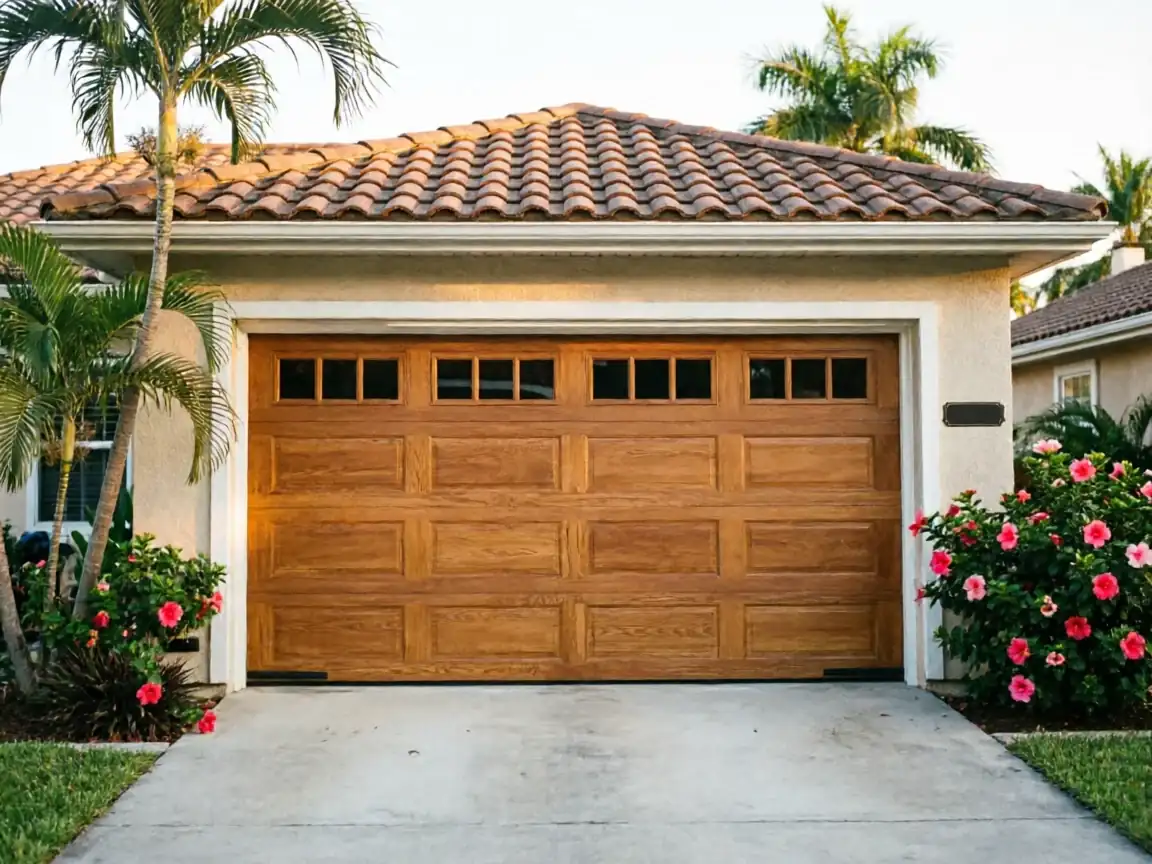
Pricing for a new door install depends on the door size, the insulation level, and - as covered above - whether the opening needs framing work before the door goes in. Indialantic's older housing stock makes that framing check more likely to turn something up than it would on a newer build, so it's worth budgeting for the possibility rather than assuming the quote for the door alone is the whole job. Higher household income in this part of the service area ($90,991 versus the area's $86,305, per F7) doesn't change what the door costs, but it does mean more owners here opt for better insulation ratings and heavier-duty openers rather than the base model. No set price belongs on this page, because it varies with what's actually behind the opening - the only honest way to get a number is to have it measured.