How Local Conditions Play In
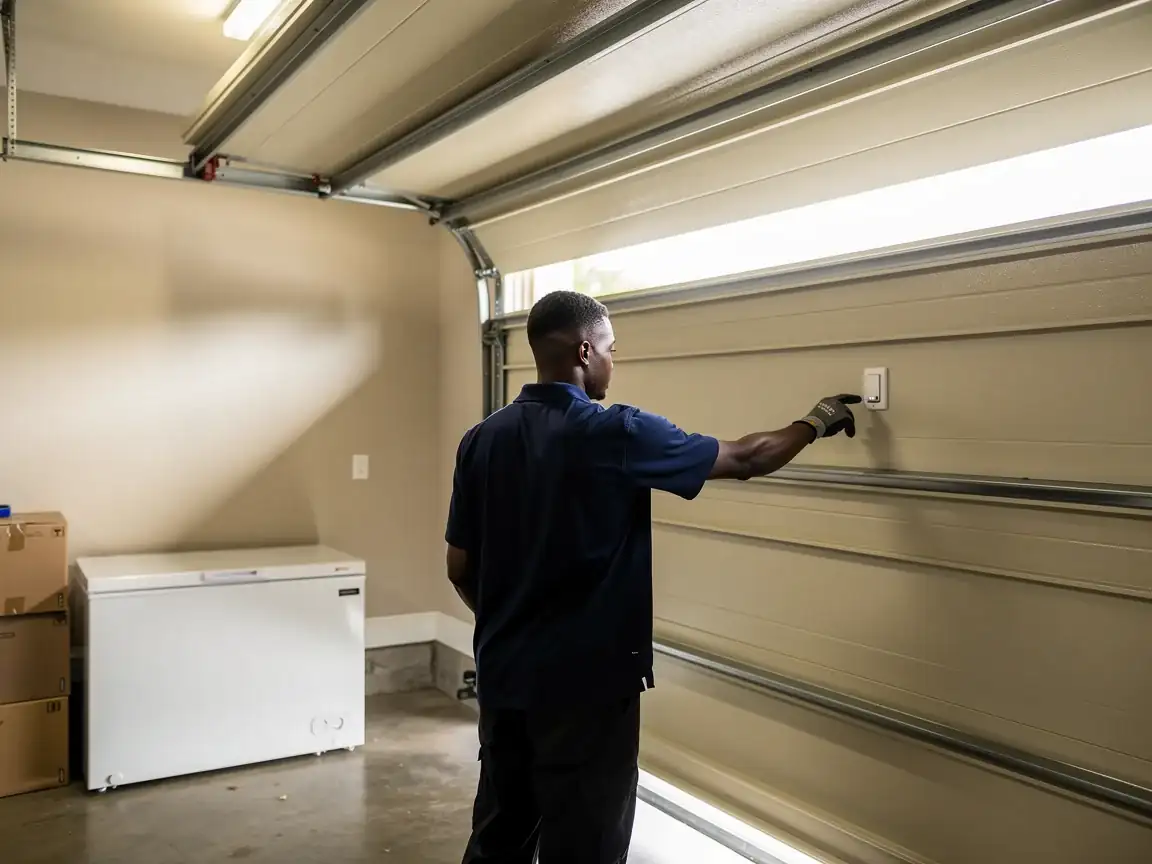
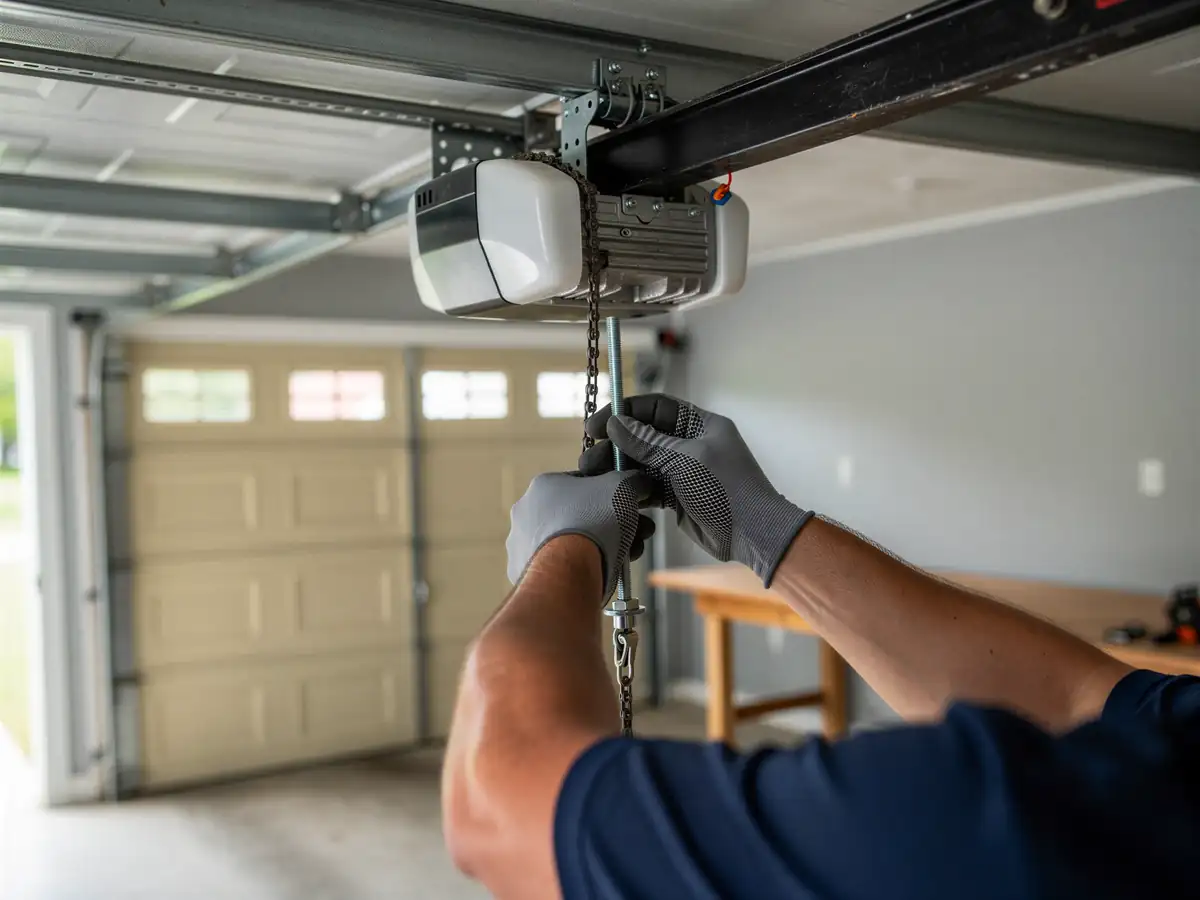
Most houses on this stretch of the coast, from June Park to were built between 1966 and 2003, with the median landing right around 1977. That's the number that matters more than the thermometer. Melbourne sits in a mild temperate band, so your opener isn't fighting the kind of deep winter cold that drags down chain-drive motors in other parts of the country, and it isn't baking in desert heat either. What it is dealing with is age. A house built in 1977 that's never had its opener replaced is running hardware two or three generations behind what's on the shelf now - no battery backup, no rolling code security, sometimes no safety sensor at all. Across the 16 named areas that make up this service area, the stock skews 1960s and 70s, which means a lot of garages still have the original wall-mounted switch wiring and nothing newer bolted on. When the power drops, whether from a breaker trip or a utility outage, these older openers just stop - no battery to fall back on, no way to get the door moving except the manual release. That's the local condition that actually shapes the job: not storm intensity, but how old the box on your ceiling already is.
What Most People Get Wrong
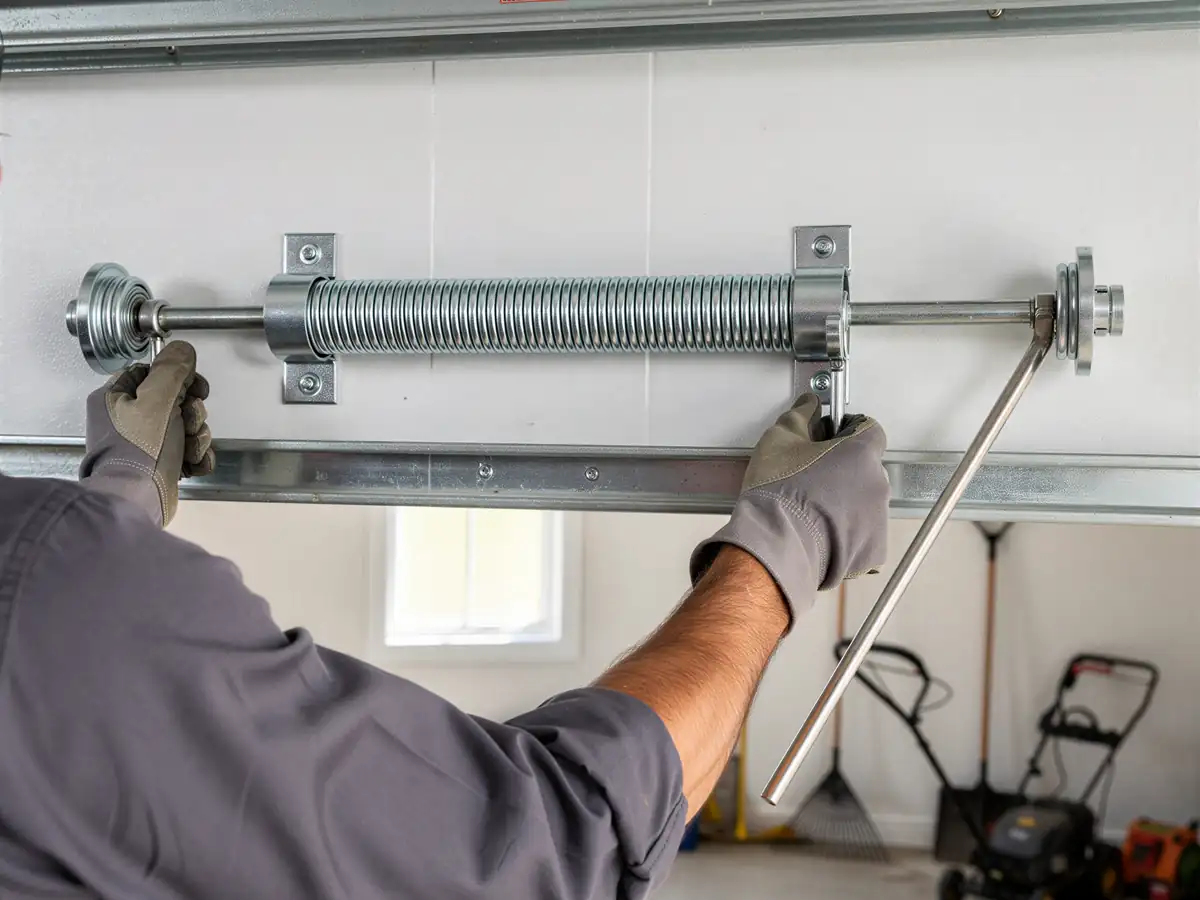
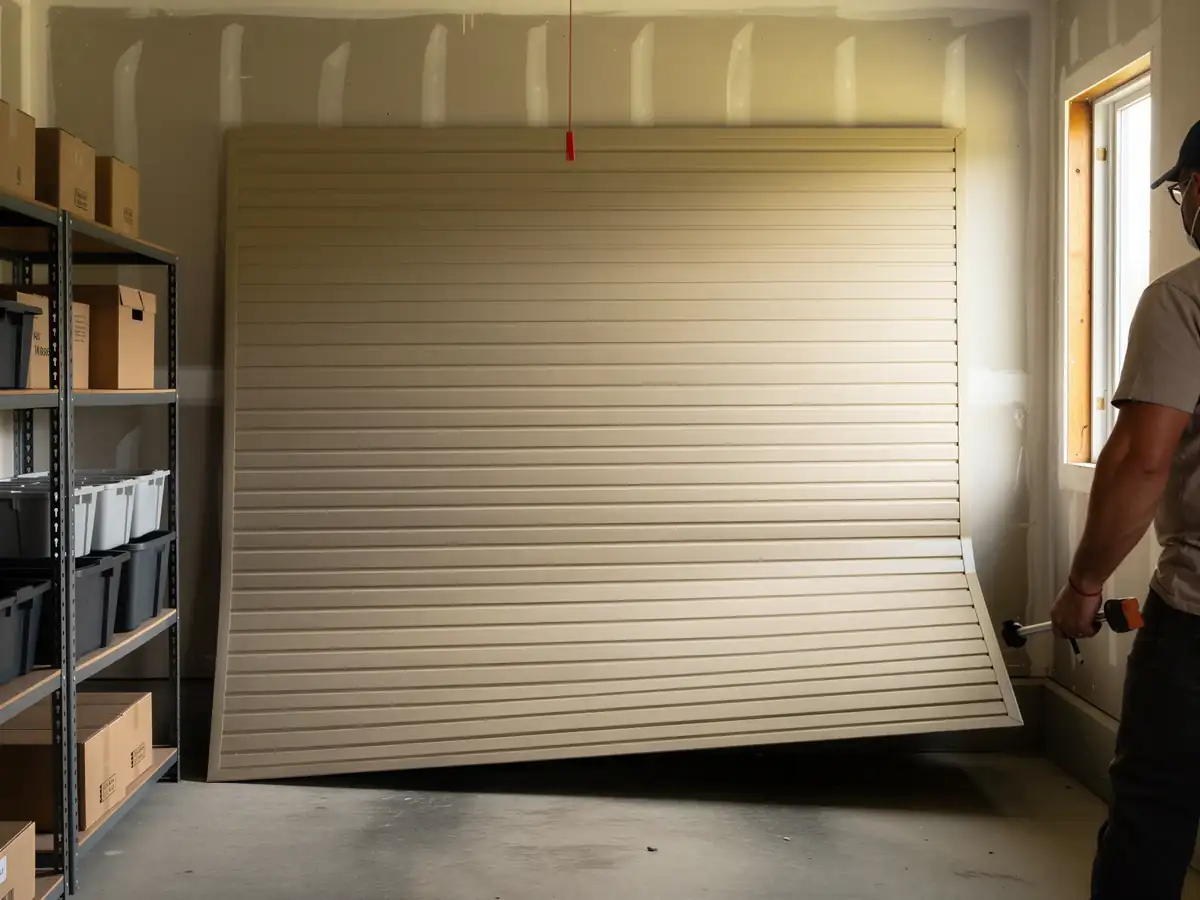
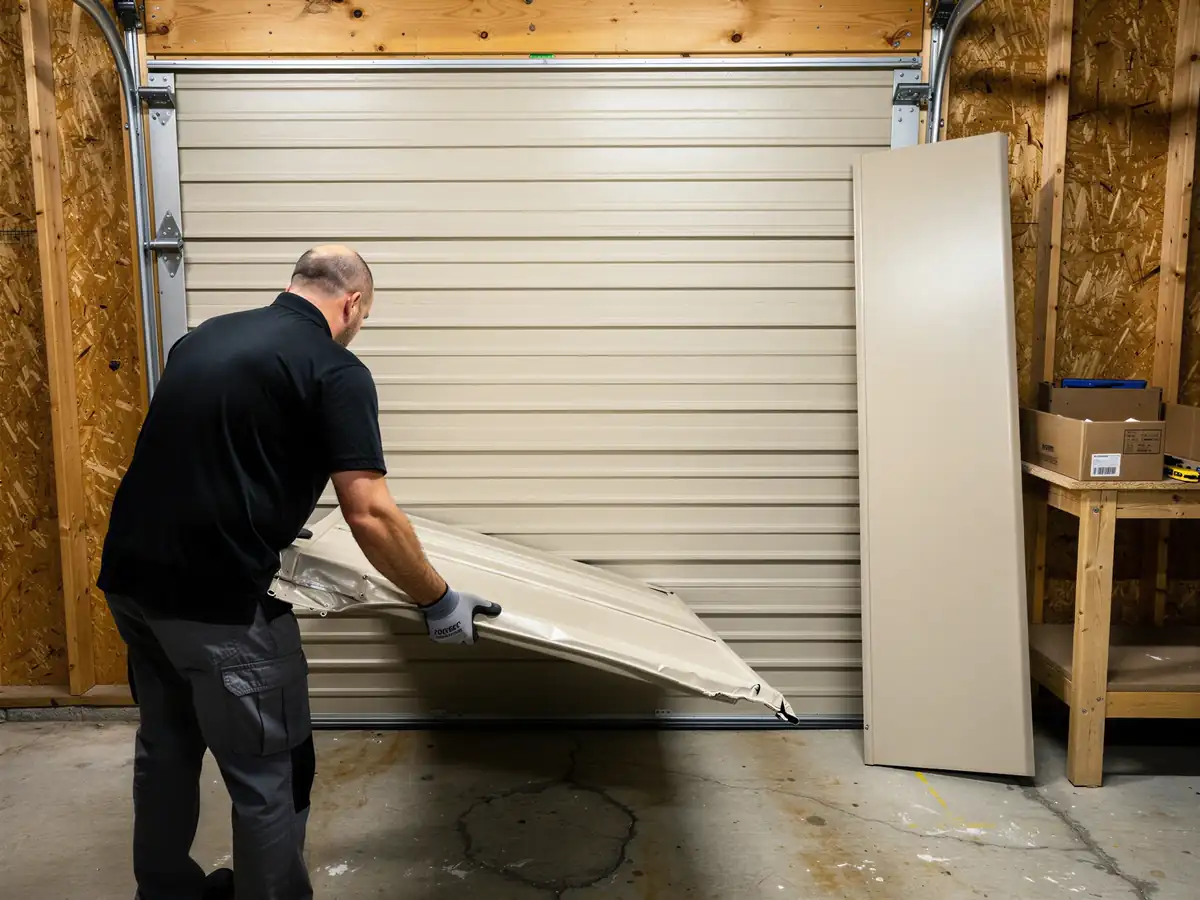
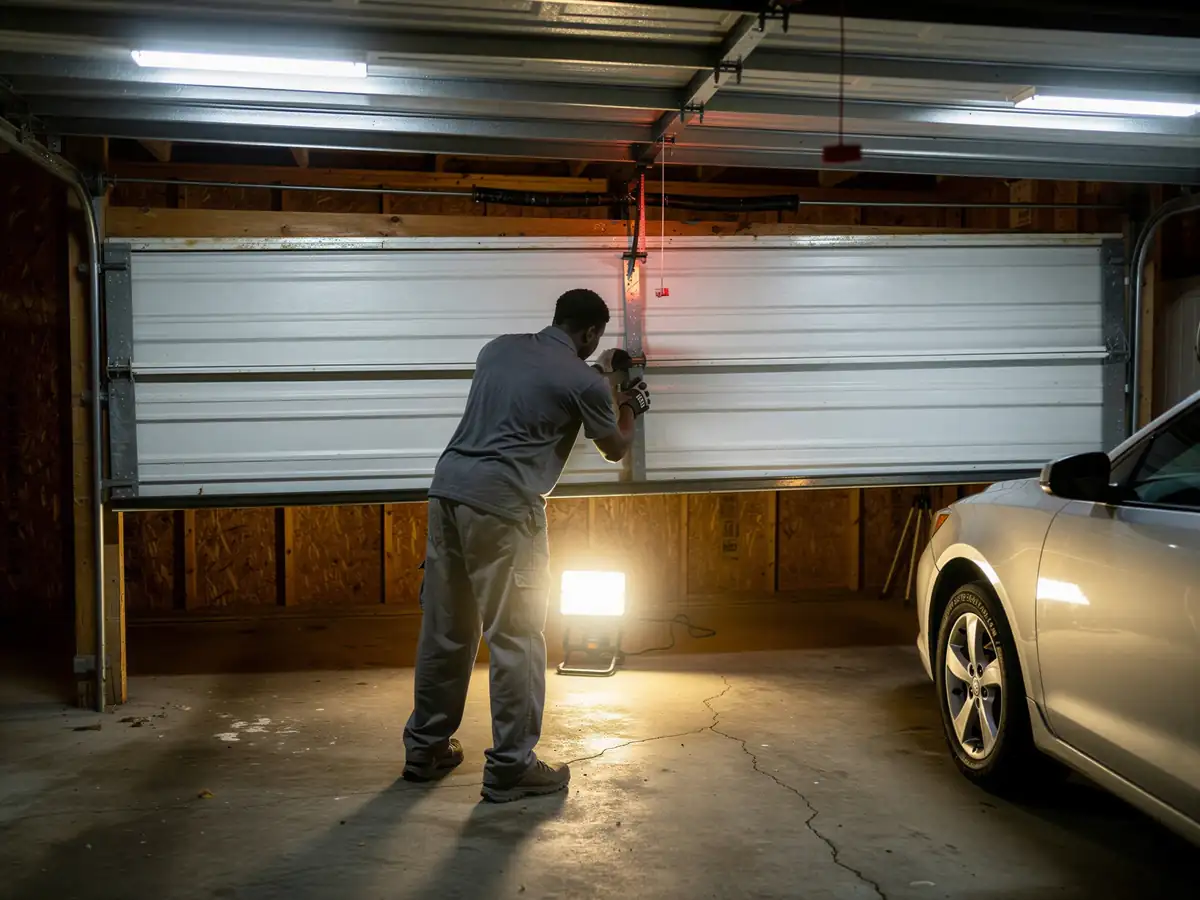
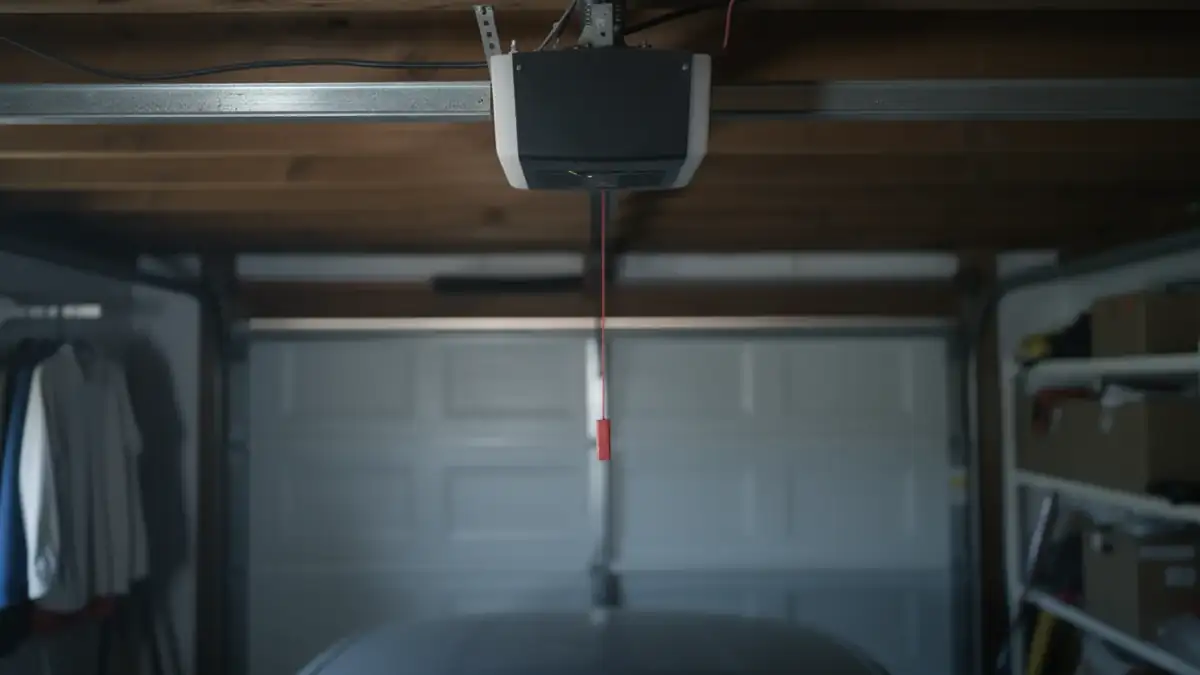
The most common mistake is assuming a stuck door means a broken opener. In homes from this era - built 1966 to 2003, median 1977 - the opener and the door hardware are two separate systems that fail for different reasons, and people troubleshoot them as if they're one thing. When the power goes out and the door won't budge, most folks start calling about the opener. Half the time the opener's fine; it just has no power, and the house never had a battery backup unit added. The manual release cord - that red handle hanging from the trolley - disconnects the door from the opener so you can lift it by hand, but in a lot of these older garages nobody's pulled it in years and it's stiff or the spring tension is wrong for a one-person lift. Another thing people assume: that any new opener will bolt onto their existing hardware. Across 45,988 owner-occupied houses in this area, a good share still run torsion springs and track sized for the original door, and a new opener motor doesn't fix a track that's been fighting a misaligned roller for twenty years. Fixing the box on the ceiling without looking at what it's lifting is a half job.
What Is Going On
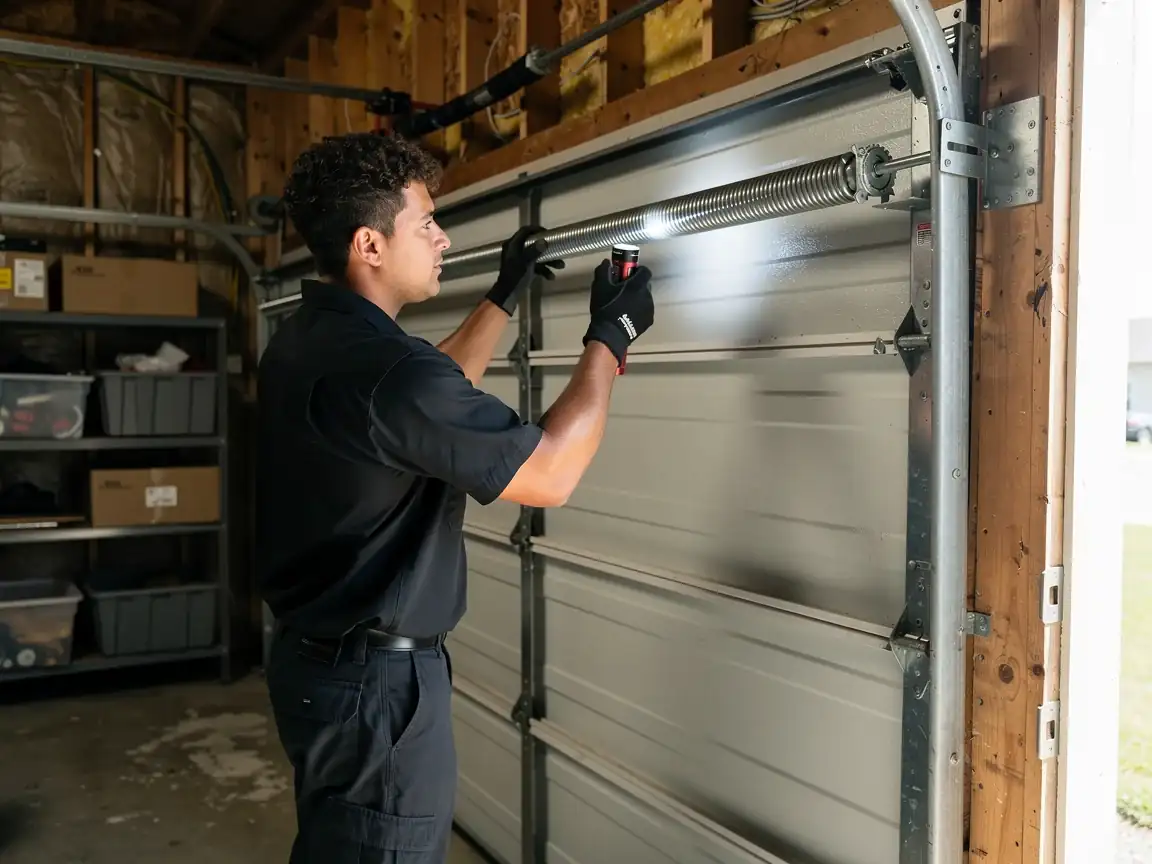
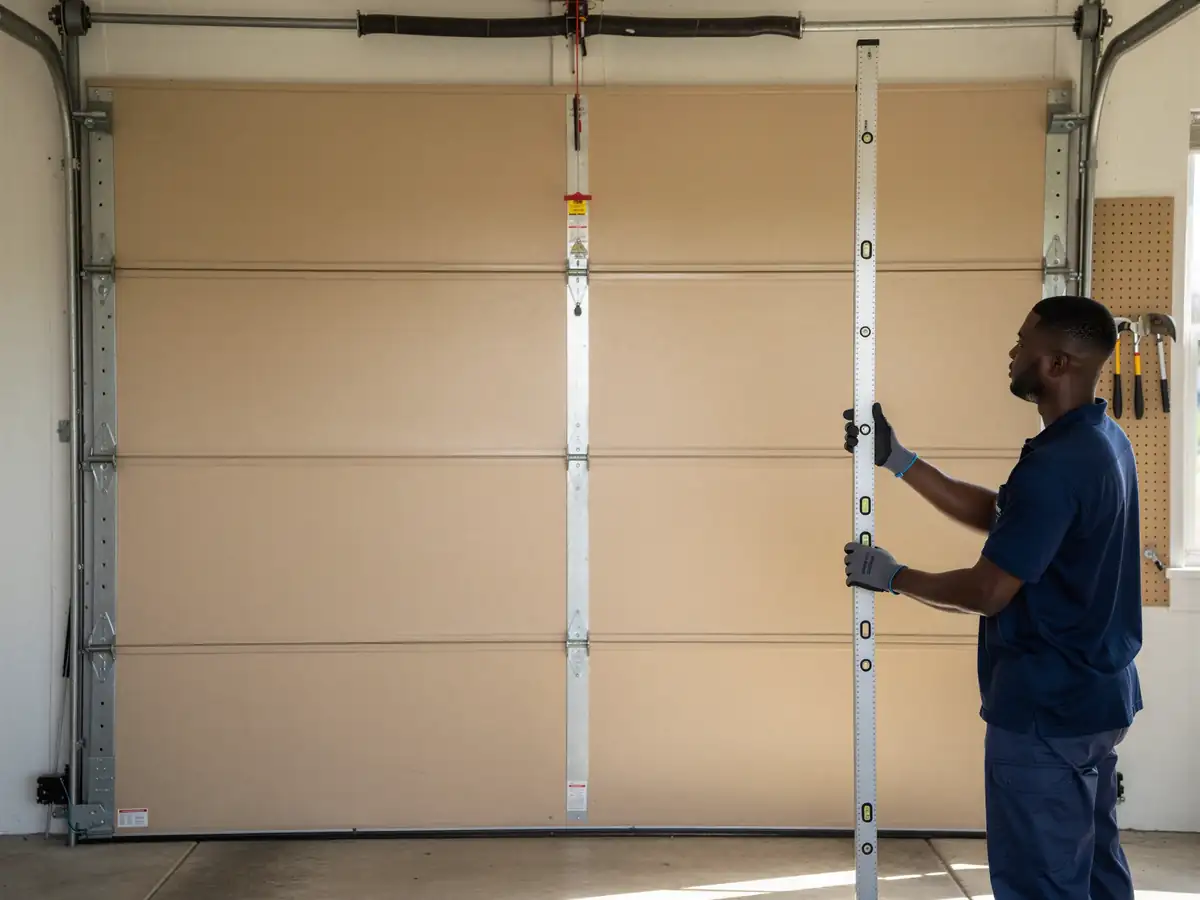
Here's the mechanical reality behind most of these calls. A house built in the median year of 1977 likely got its opener replaced once, maybe twice, since then - garage door openers don't last fifty years, but owners often don't know when theirs went in. What that means in practice: you've got a newer motor on an original track and spring setup, or an original-era chain drive that's outlived three remotes. Neither is wrong, but they fail differently. The motor side - gears, capacitor, logic board, battery backup if there is one - handles the power cuts and the electronics. The mechanical side - torsion spring, cable, rollers, track - handles the actual lifting, and it doesn't care if the power's on or off. When a call comes in about "the opener not working," it's often really a mechanical bind that's making the motor strain and trip its own safety reversal, which looks like an electrical fault but isn't one. With median household income here at $86,305, a fair number of these houses have had at least one upgrade - a newer opener with a battery backup unit bolted on - but the older mechanical hardware underneath it is still doing the original job from decades back.