The Usual Work Here
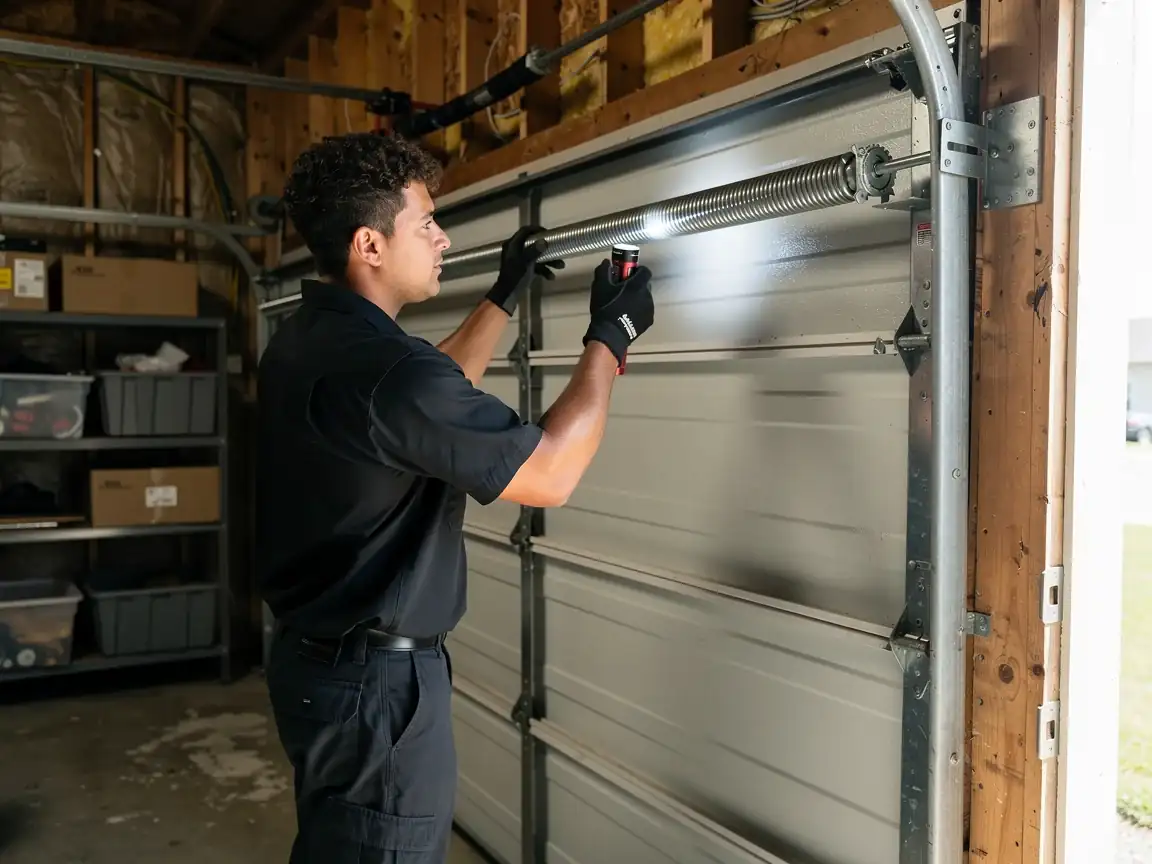
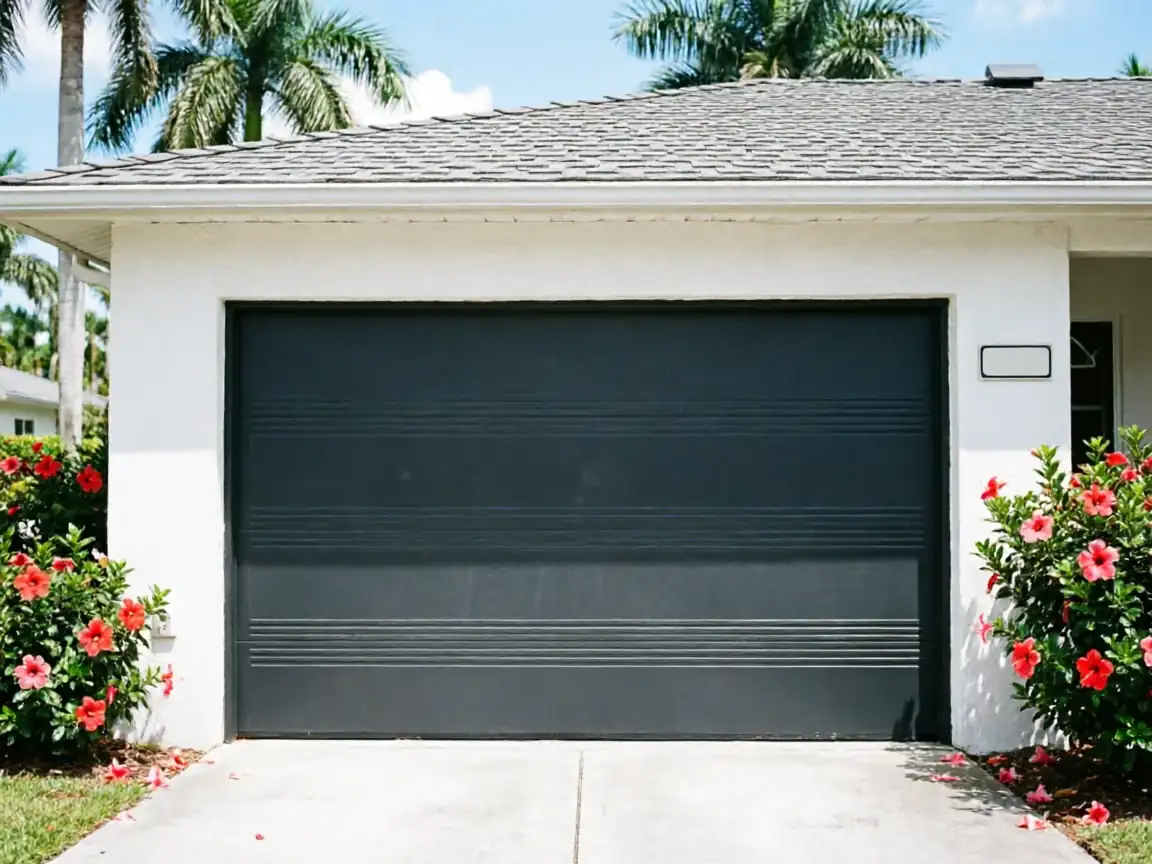
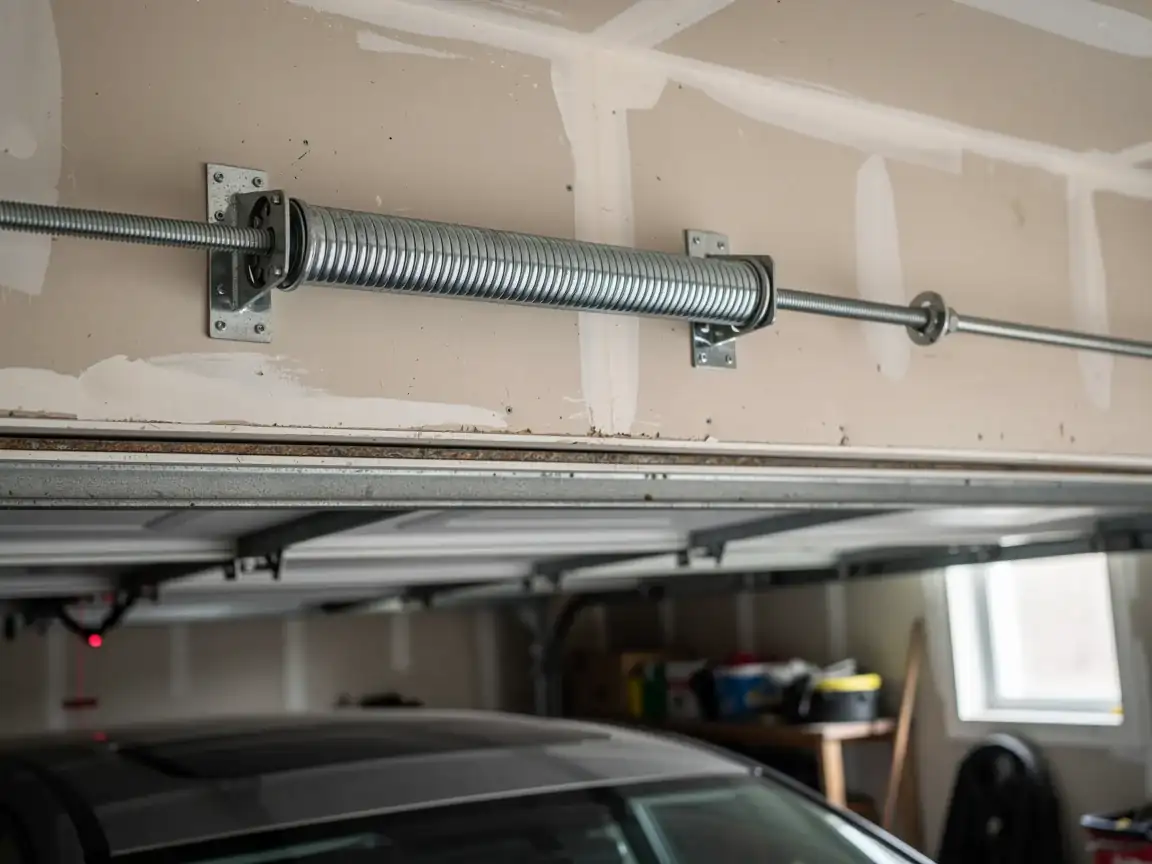
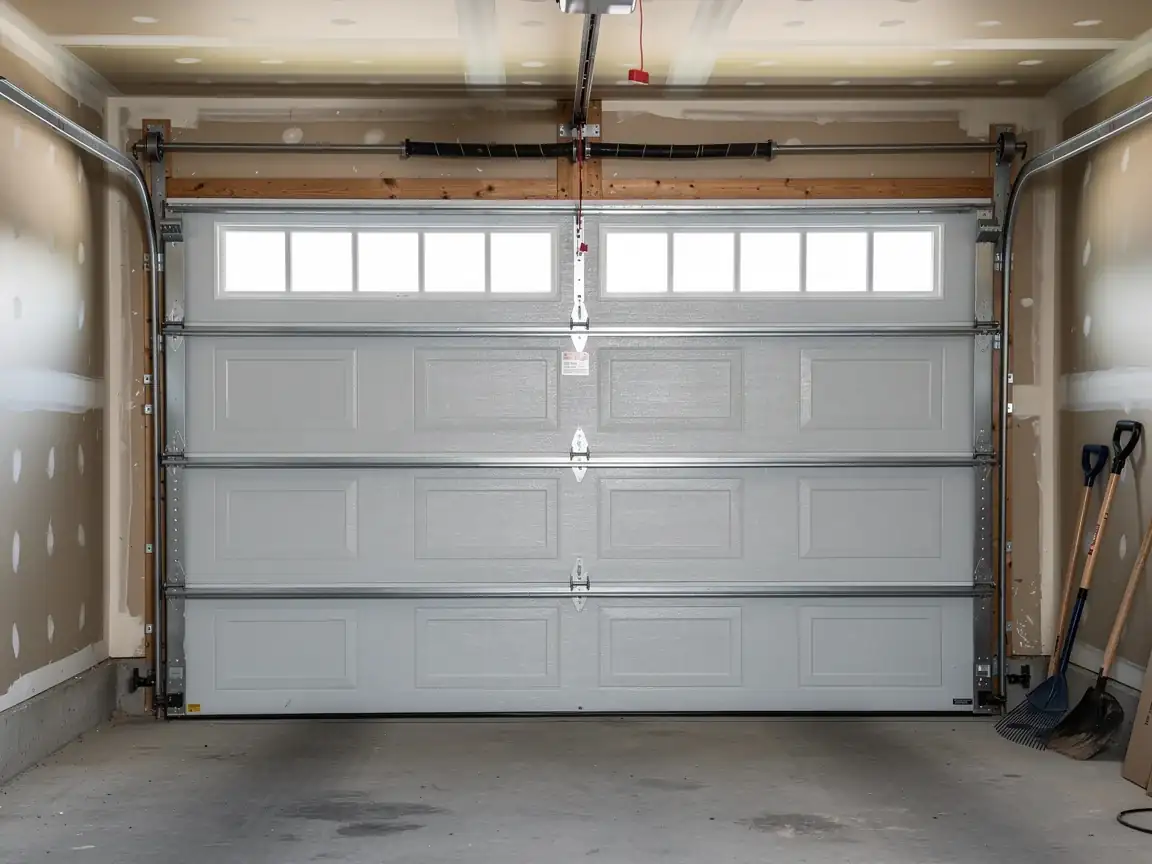
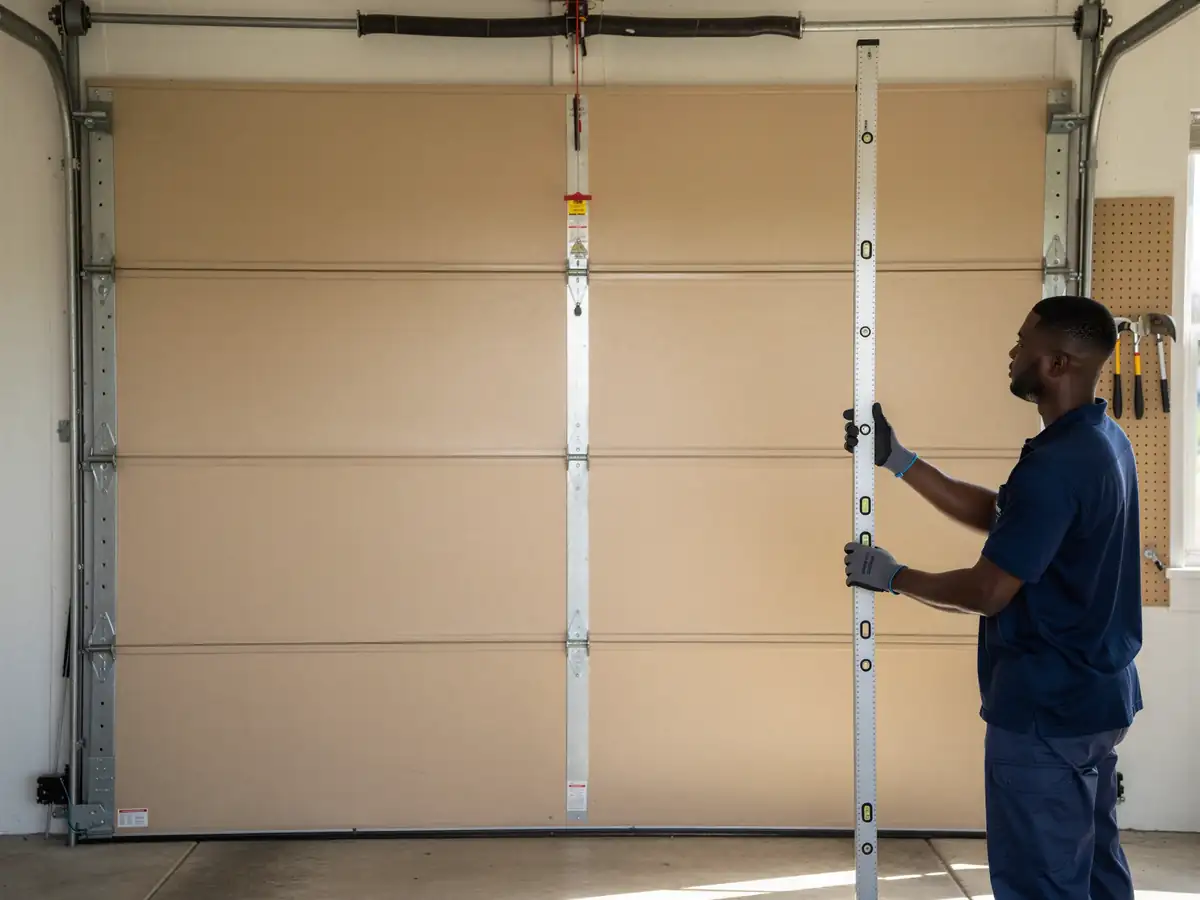
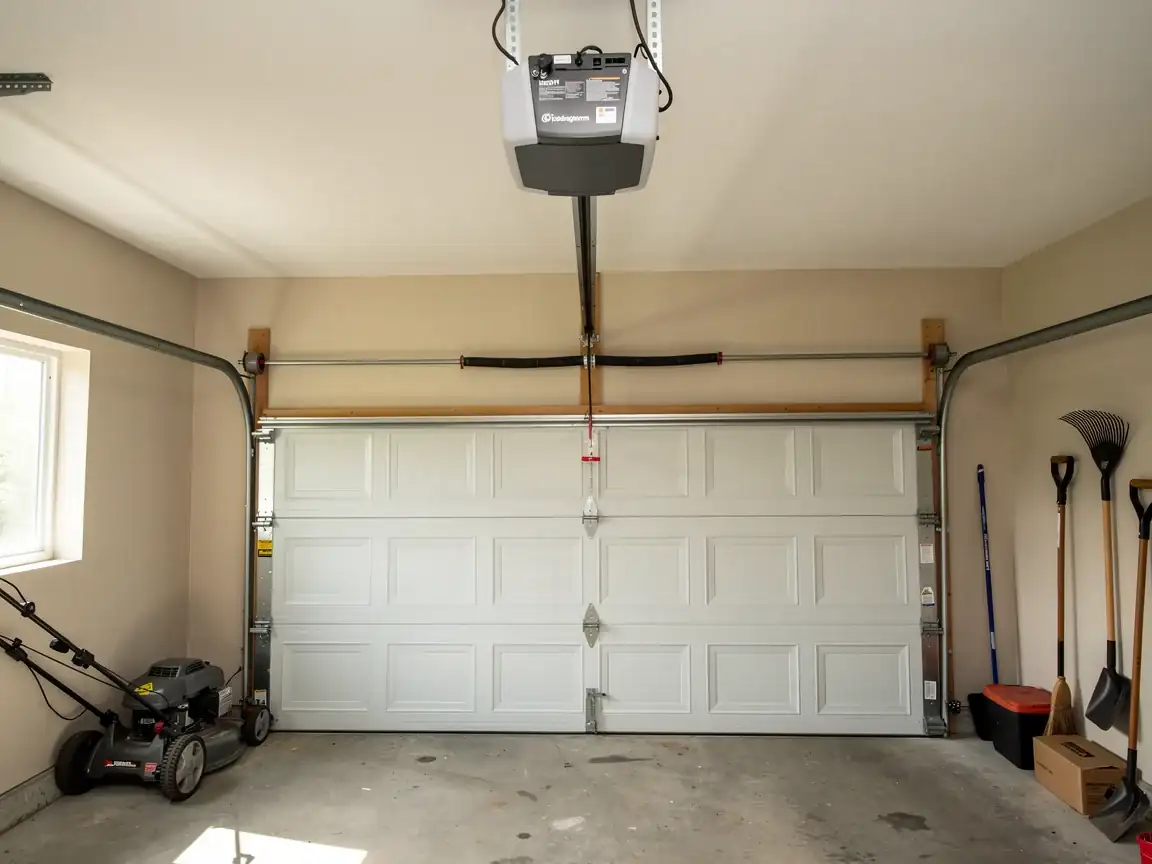
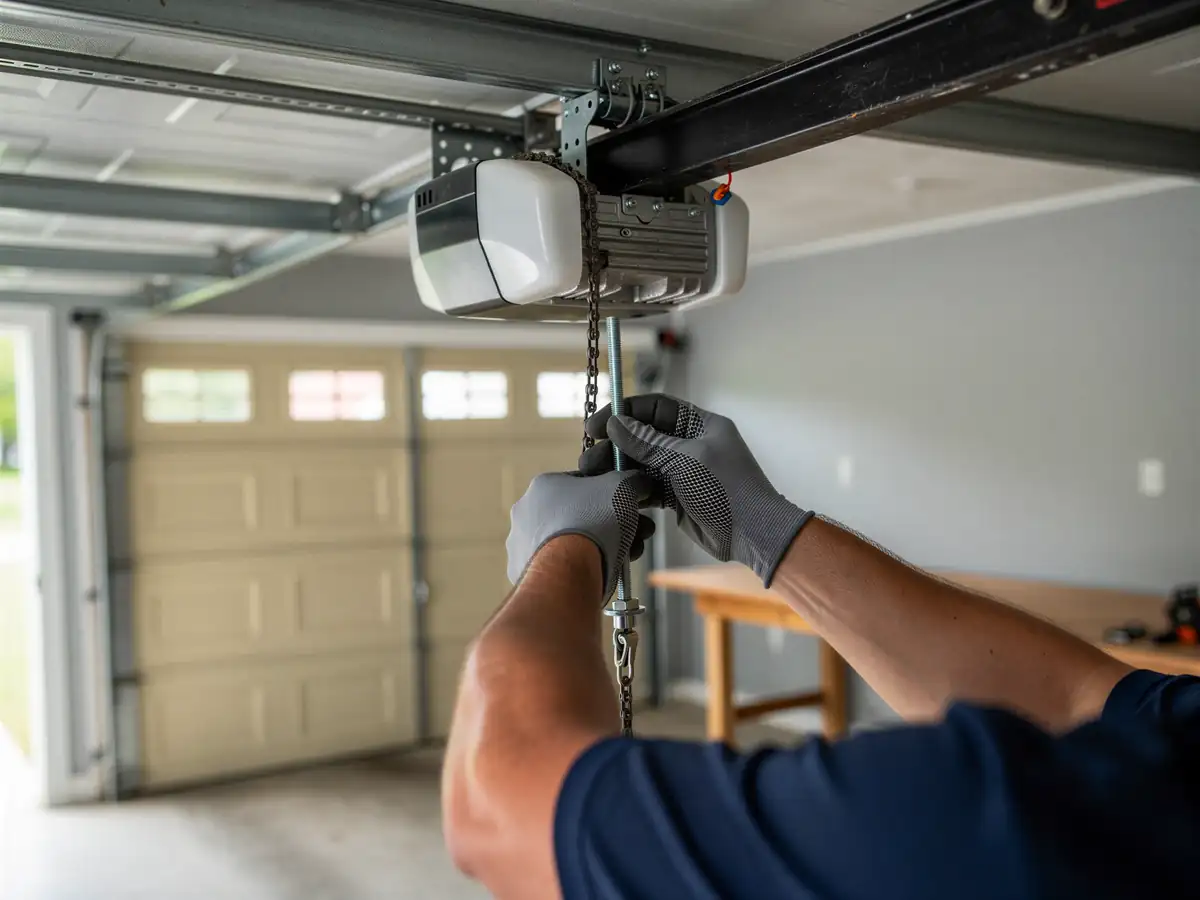
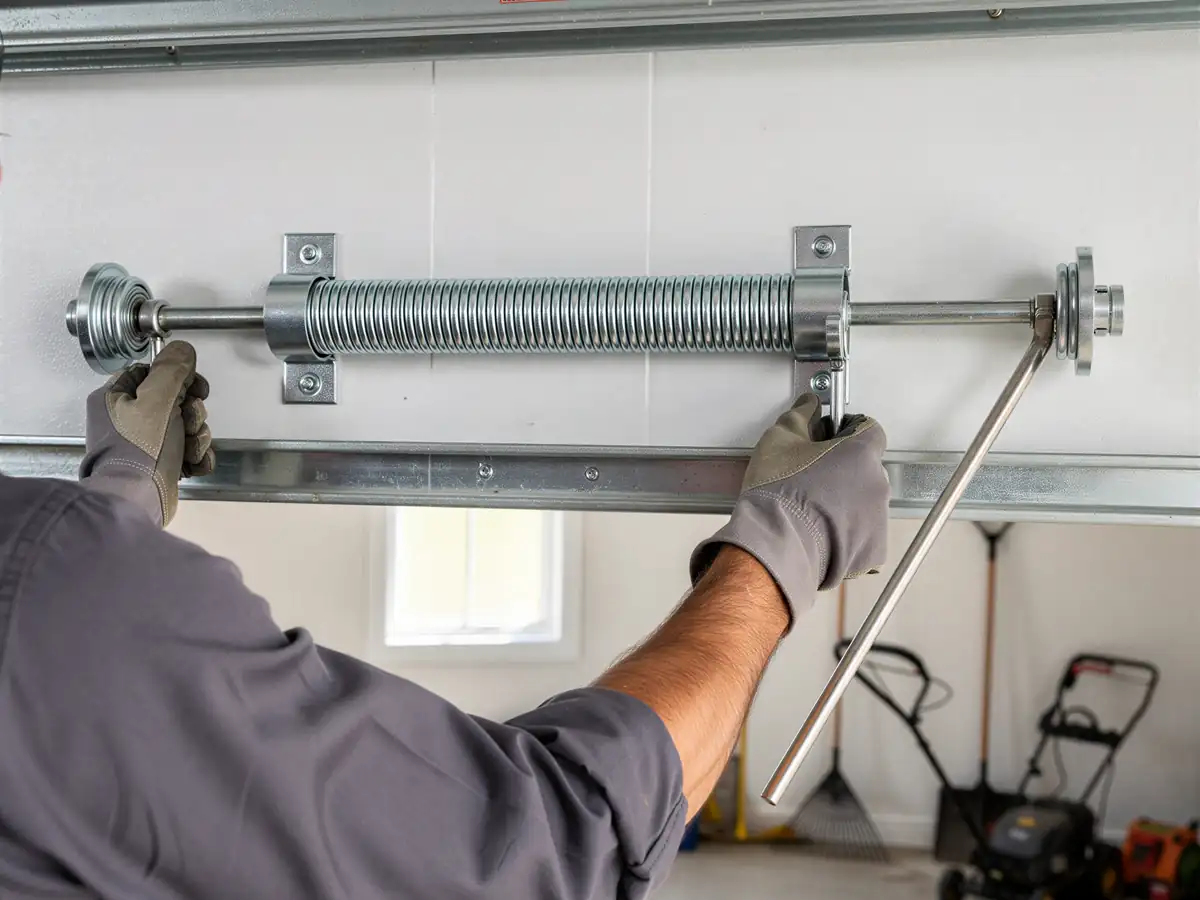
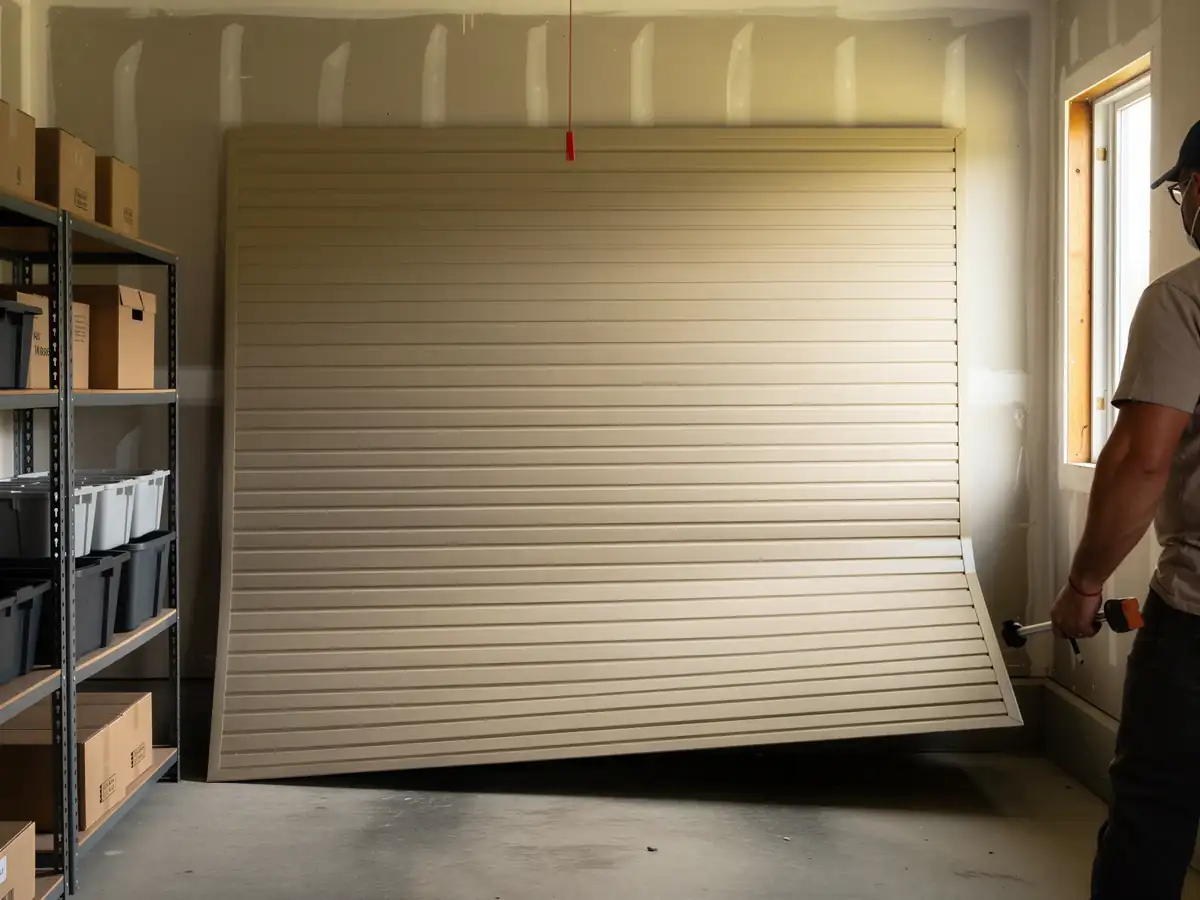
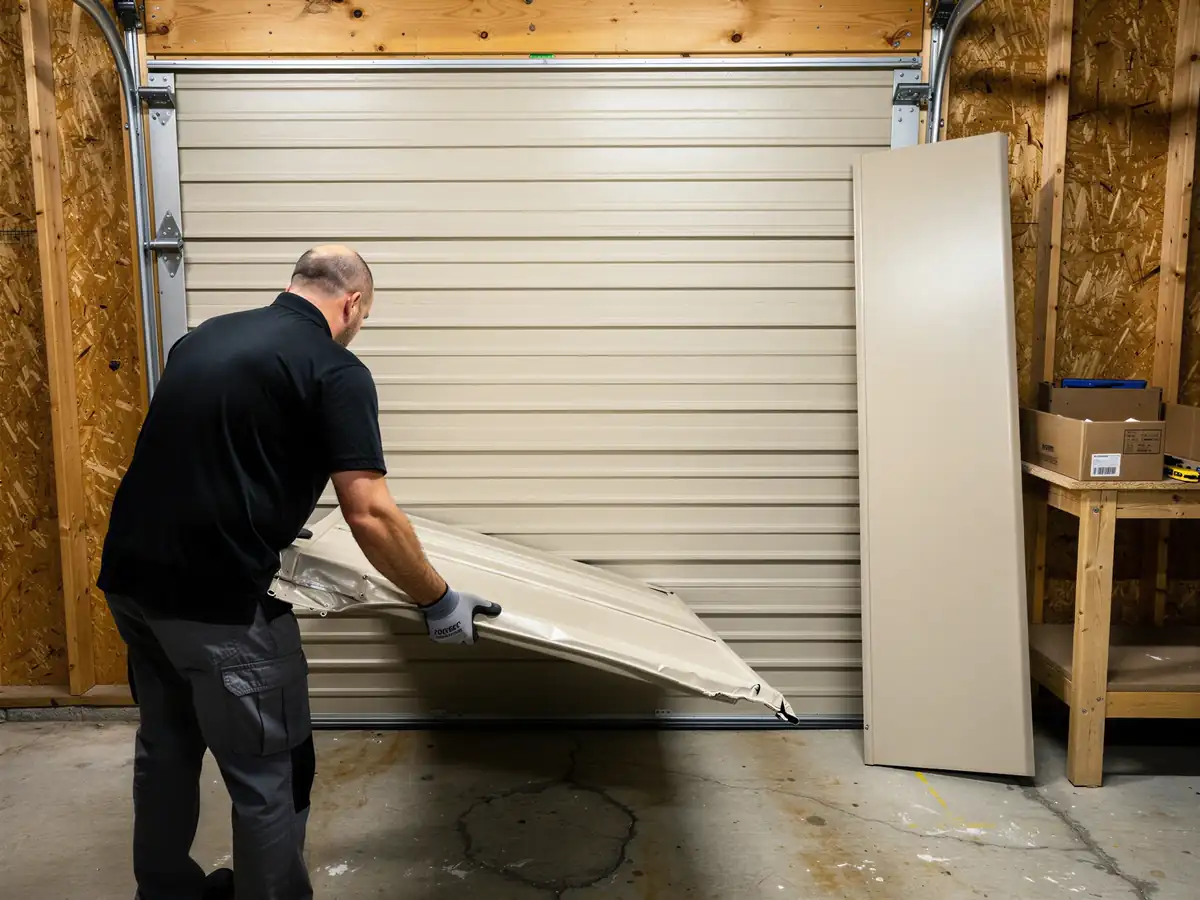
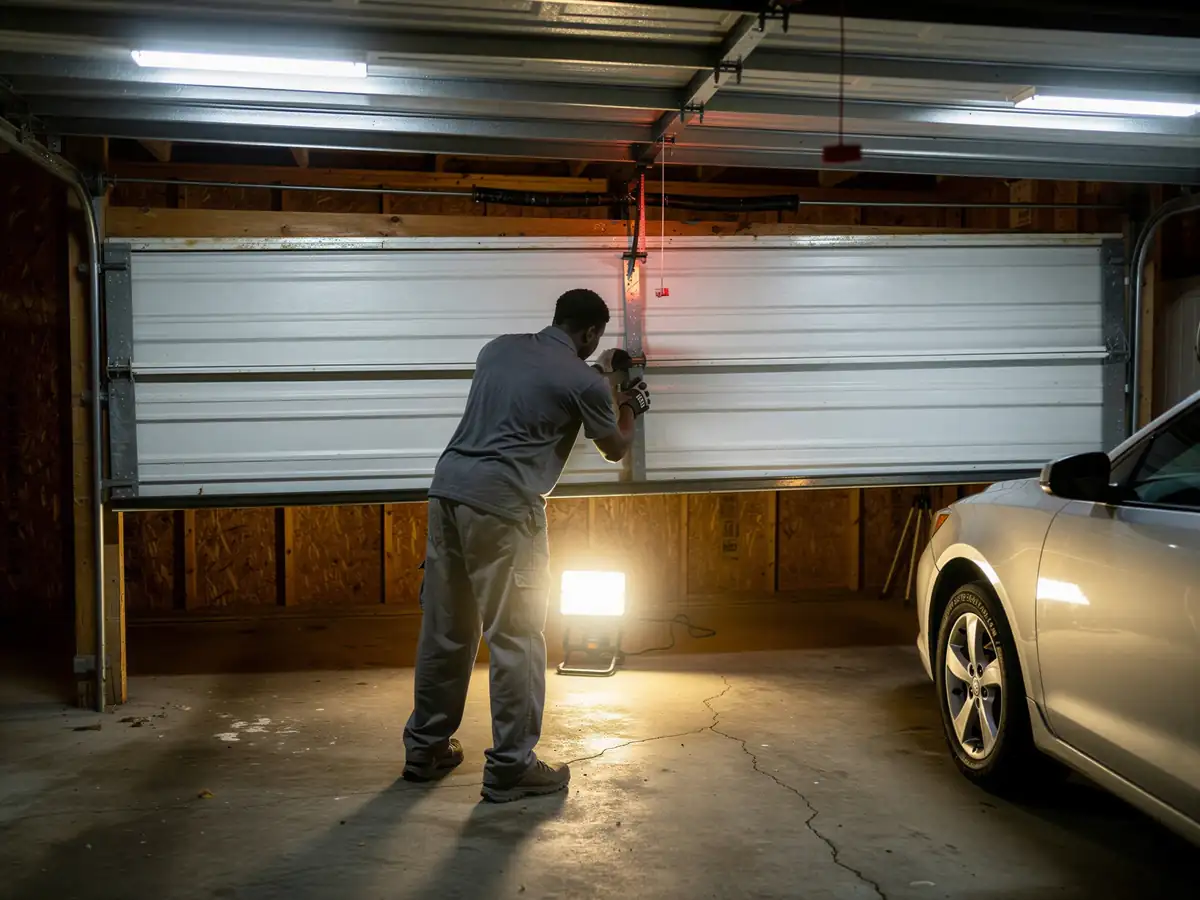
Merritt Island's housing stock centers on 1973, which puts most garage doors here a full generation past their original hardware. That's different from newer stretches of our coverage area where doors are still on factory springs and openers. By 1973 standards, a lot of these doors were built with galvanized torsion springs sized for the door weight of that era, and many owners have already swapped at least one spring or opener since move-in. The jobs we see most on the Island are torsion spring replacement, worn rollers on steel track that's flexed out of alignment, and opener units that have outlived their circuit boards. We also see cable fraying on doors where the drum and cable were never matched correctly during a prior repair - a common issue on homes this age where parts got swapped piecemeal over 50 years. We don't do fence or window work, just the door, the opener, and the hardware that makes them move. If a door's frame has shifted enough that the track won't hold alignment, that's a carpentry problem first, and we'll tell you that straight instead of forcing a fix that won't hold.
Getting Here
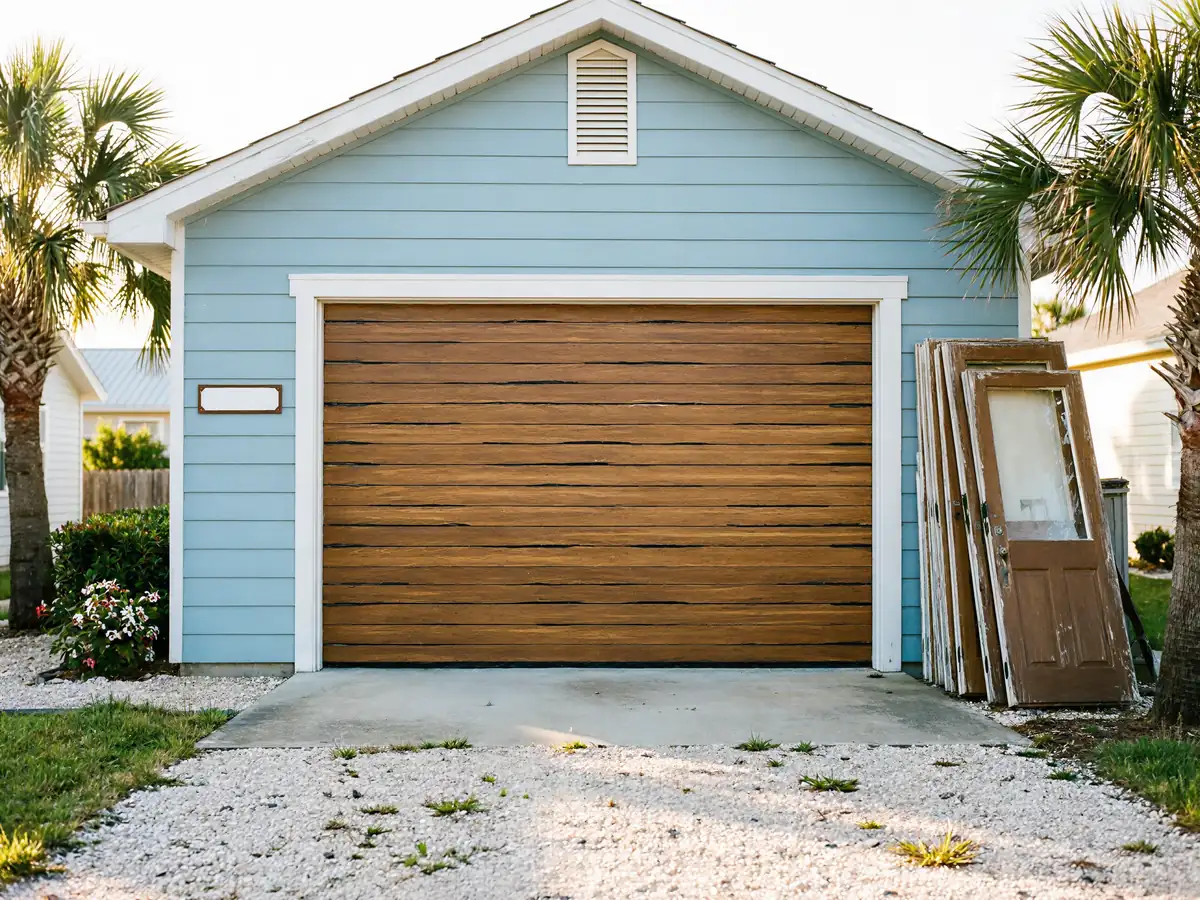
We run the truck out to Merritt Island from our Melbourne location, about 14 miles. It's not a same-day guarantee and we're not posting a crew on the Island itself, but it's a regular run for us, not a special trip. Merritt Island sits inside the same mild temperate climate band as the rest of our coverage area, so you're not dealing with the freeze-thaw cycling that cracks door panels and seizes springs up north. What you do get here is salt air off the water, which is harder on exposed hardware - hinges, rollers, and spring coils - than people expect from a place with mild winters. We check for pitting on steel parts during every service call out this way, since corrosion shows up faster here than it would on a door 14 miles inland.
The Houses Here
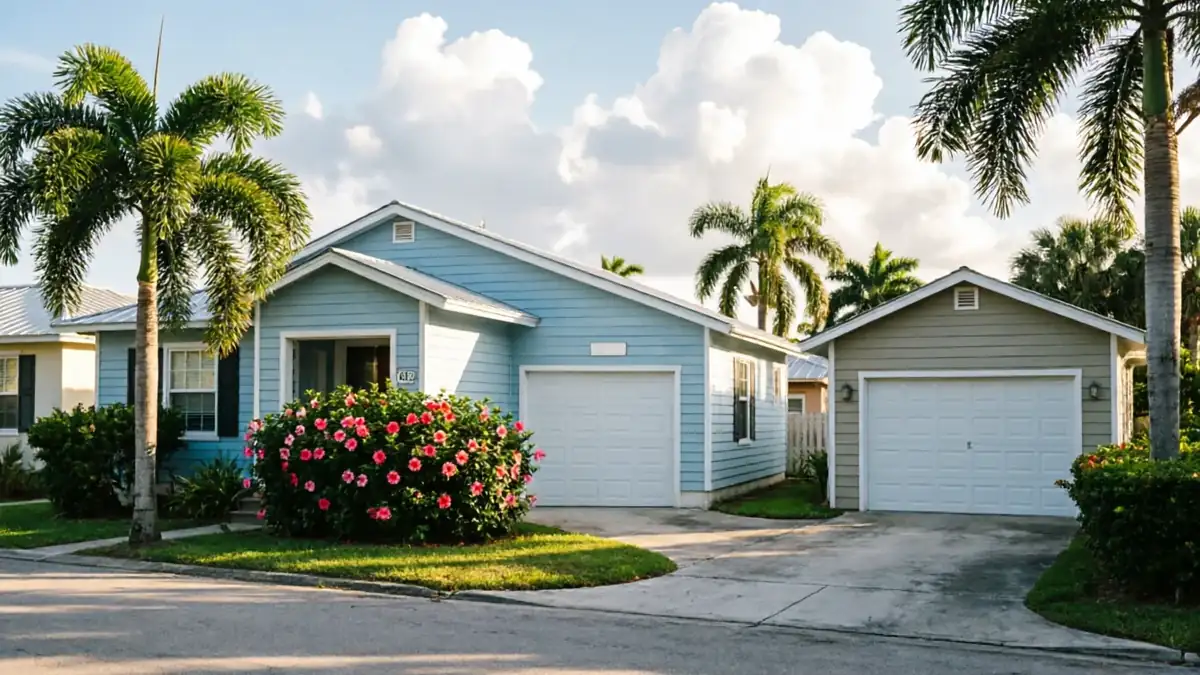
Merritt Island has about 13,867 households, with a median income of $91,020 - noticeably higher than the broader service area's median of $86,305. That income level tends to show up in how people maintain these doors: more owners here replace an opener before it fully dies, and more call for a spring swap at the first sign of noise rather than waiting for a snapped cable at 6am. We don't see a lot of builder-grade doors from the 1990s and 2000s here the way we do in newer sections of our coverage - the Island's housing stock skews older, closer to that 1973 median, which means heavier steel doors on simpler torsion or extension spring setups rather than the lighter composite doors common in newer construction. That's a different repair profile than a lot of our other stops, and it's why we bring different spring stock out to the Island than we would to a newer subdivision.