Serving Melbourne, FL & nearby
(321) 534-7032
Melbourne, FL

Garage Door Service for Merritt Island's 1970s-Built Homes

Merritt Island homes mostly date to the early 1970s, which means specific door types and spring setups. Service from Melbourne, 14 miles out, built around that.

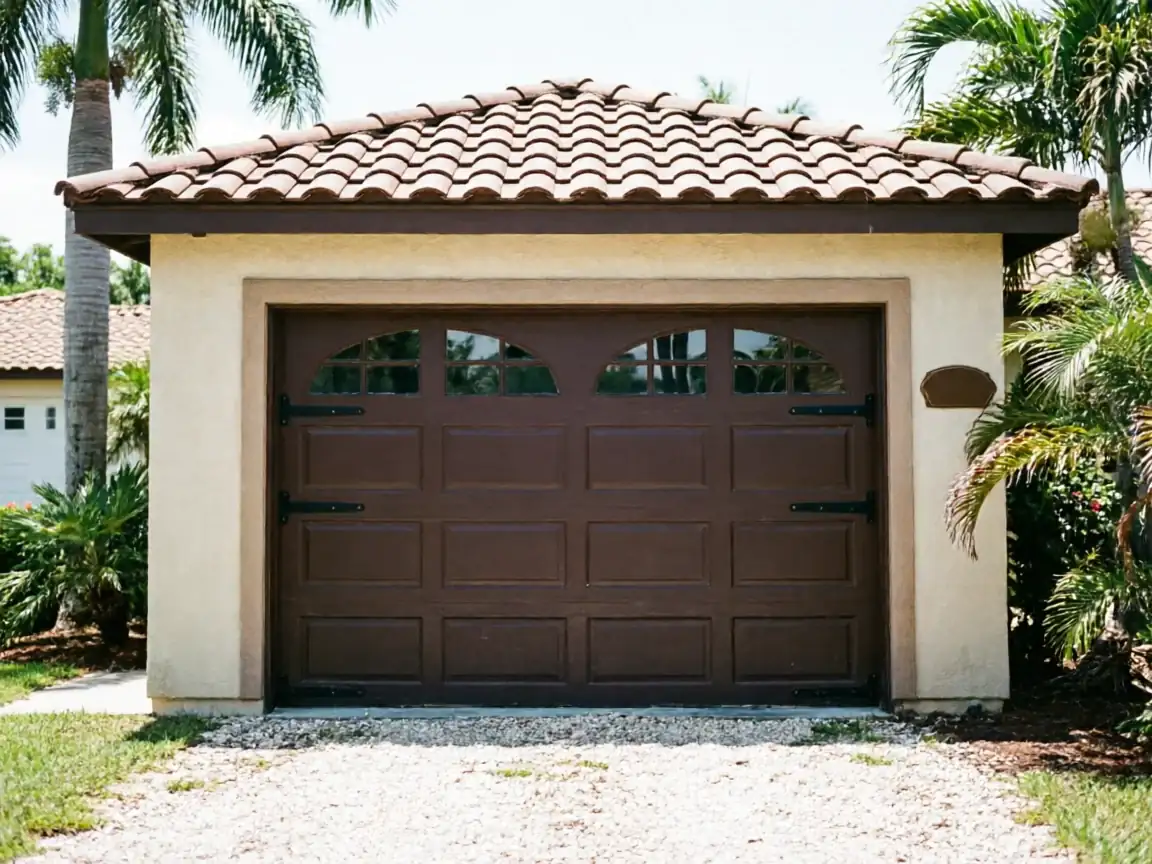
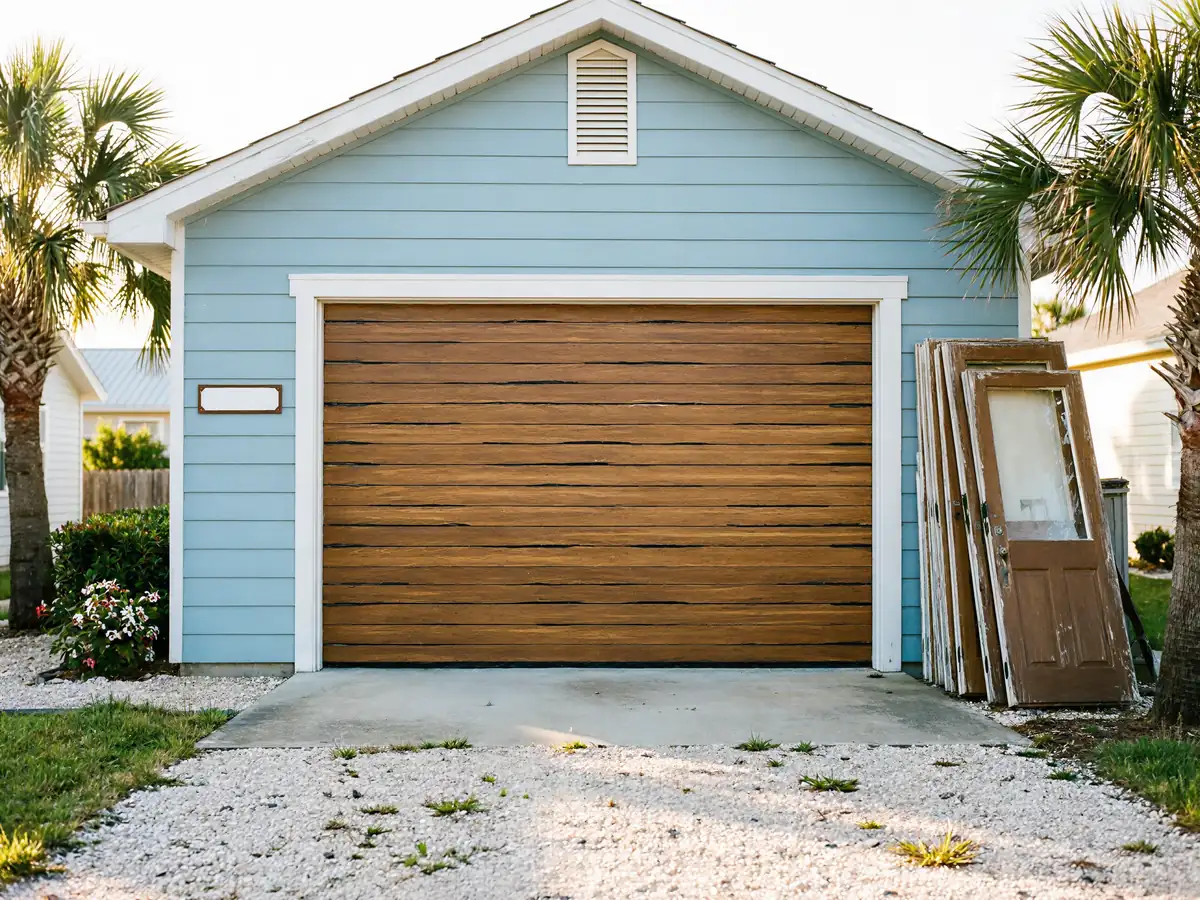
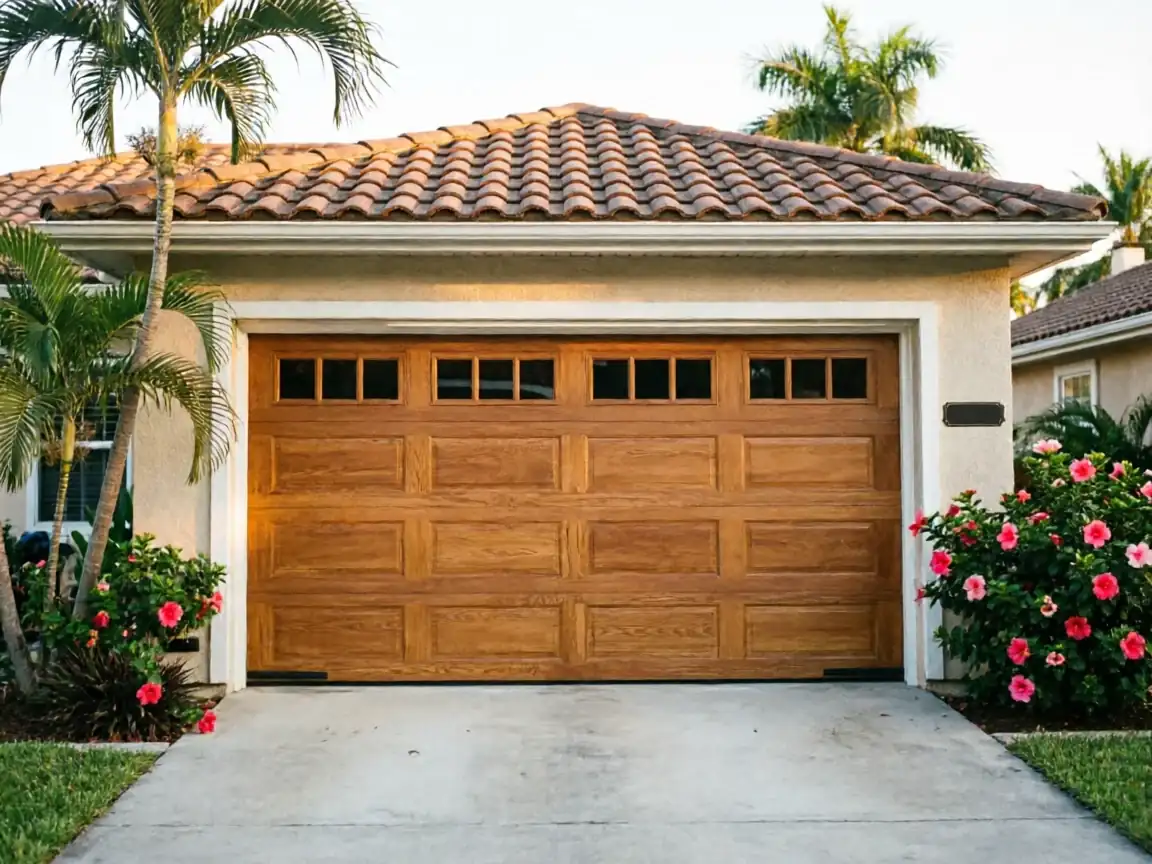
A wooden garage door with windows is on a house with a tiled roof.
Melbourne, FL
8 services
8 service areas
Diagnosis first, then the fix

How It Shows Up

Most houses on Merritt Island went up around 1973, which puts the typical garage door here a step different from newer construction elsewhere in the service area. That era leaned on thin-gauge steel panels, often non-insulated, hung on extension springs running along horizontal tracks rather than the torsion setups you'd find on later builds. The doors are lighter than what gets installed today, and the hardware is simpler - fewer pulleys, smaller brackets, less margin before something gives. When a door from this period starts failing, it usually shows up as sag in the middle of the panel, a track that's pulled slightly away from the frame, or a door that drops fast the last foot before the floor because an extension spring has lost tension. None of that is dramatic. It's slow, and it's the kind of wear you get used to living with until the day the door doesn't move at all. The mild coastal climate here doesn't put the stress on these doors that cold-climate freeze-thaw cycles do elsewhere, but it does mean decades of salt-tinged humidity working on exposed steel hardware, hinges, and the spring coils themselves.

Doing It Yourself

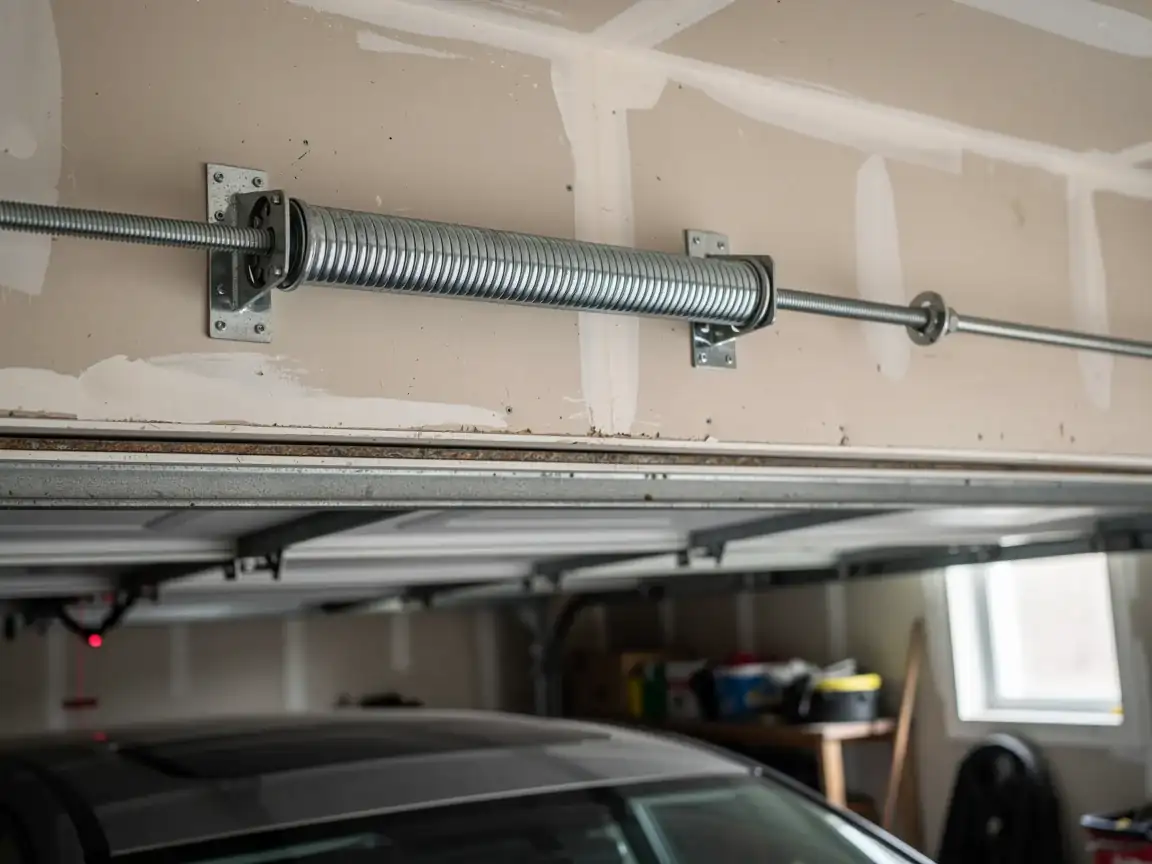
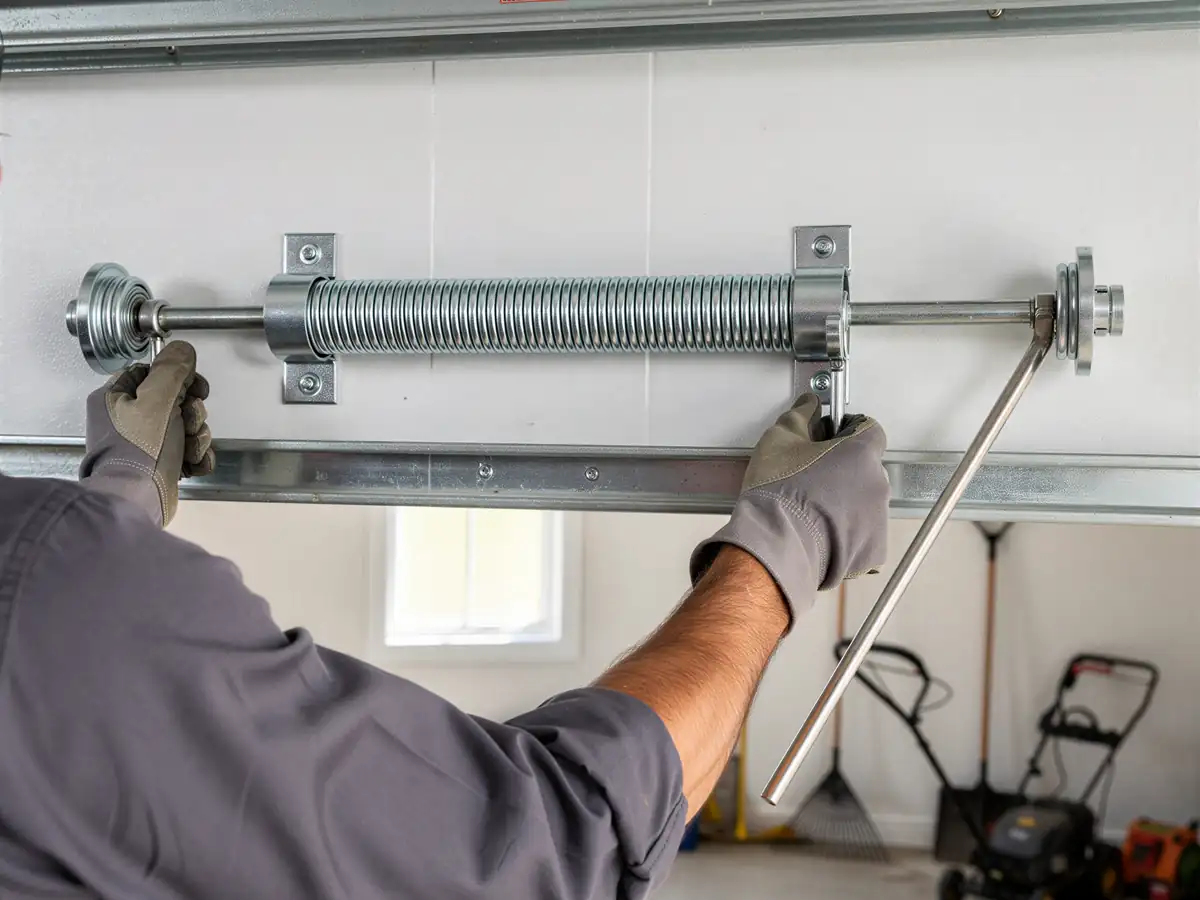
An extension spring is not a torsion spring, and the two don't get fixed the same way. Extension springs run along the horizontal track and stretch when the door opens; they're lower-tension than torsion springs and more forgiving to look at, but they still store enough force to do real damage if a cable slips while you're working near it. If your door is dropping fast or banging down the last few inches, that's usually a worn or snapped extension spring, and it's a job most homeowners can at least diagnose themselves by watching which side moves faster than the other. What you can safely do: check that the tracks are still bolted tight to the frame, clear any rust or debris off the rollers, and listen for which spring is making a different sound than its pair. What you shouldn't do is disconnect or re-hook an extension spring under tension, or try to replace one without the right stretch tool. We don't recommend DIY spring work here, full stop - it's one of the few places in this trade where a mistake puts you in the ER, not just back on the phone with us.

What Can Go Wrong

On a door built around 1973, the failure points cluster in a few predictable places. The spring itself wears out from thousands of stretch cycles and eventually a coil snaps, usually without warning. The lightweight steel panels common to that era dent and bow more easily than today's thicker stock, and once a panel buckles, the track alignment goes with it. Cables fray where they loop around the pulley, especially on doors that have never had the pulley replaced. And on a household budget - median income here runs close to $91,020, a bit above the wider Melbourne service area's $86,305 - we see plenty of owners who'd rather replace the whole door than keep patching a 50-year-old one, which is often the right call once the frame itself starts to warp. The one thing we're honest about: if the opener and door are both original to the house, parts for the opener motor may simply not exist anymore, and replacement beats repair every time in that case.

What Causes It Around Here

The root cause traces back to when this stretch of the island got built. A cluster of homes going up in the early 1970s (median year built 1973) means a cluster of garage doors hitting the same age-related failure points at roughly the same time - springs fatigue on a schedule, and that schedule started fifty-some years ago. Add the coastal air that comes with being minutes from the water, and steel hardware corrodes faster here than it would thirty miles inland, even under the area's generally mild temperate climate. We travel out from Melbourne, about 14 miles, to work these calls, and the pattern holds across the roughly 13,867 households on the island: original door, original spring, original opener, all aging out within a few years of each other.

How it works

From “it’s stuck” to “it’s fixed”

A man stands in a driveway looking at his phone, with a partially open garage door behind him.

Tell us what’s wrong

Describe the symptom - won’t open, loud bang, opener runs but the door won’t move.

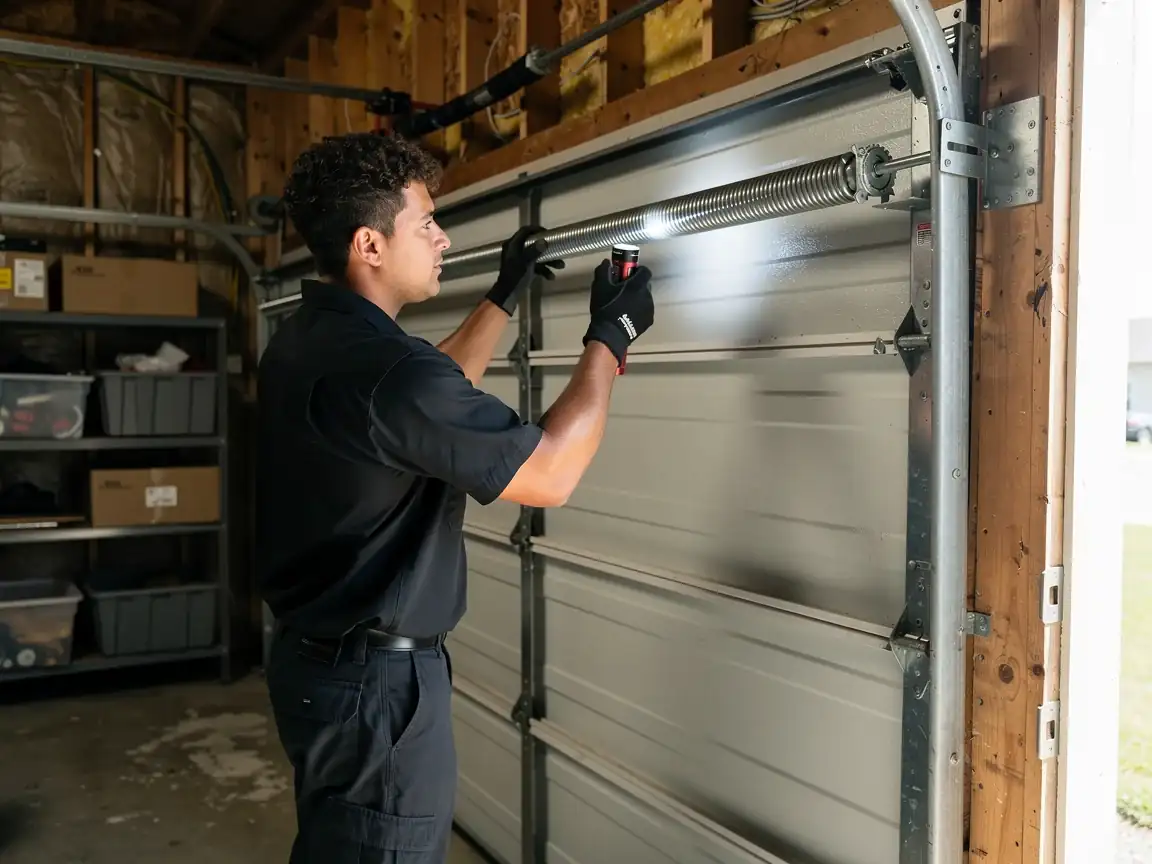
A technician inspects a garage door torsion spring with a flashlight.

On-site diagnosis

A technician tests the door under power and by hand and finds what actually failed.

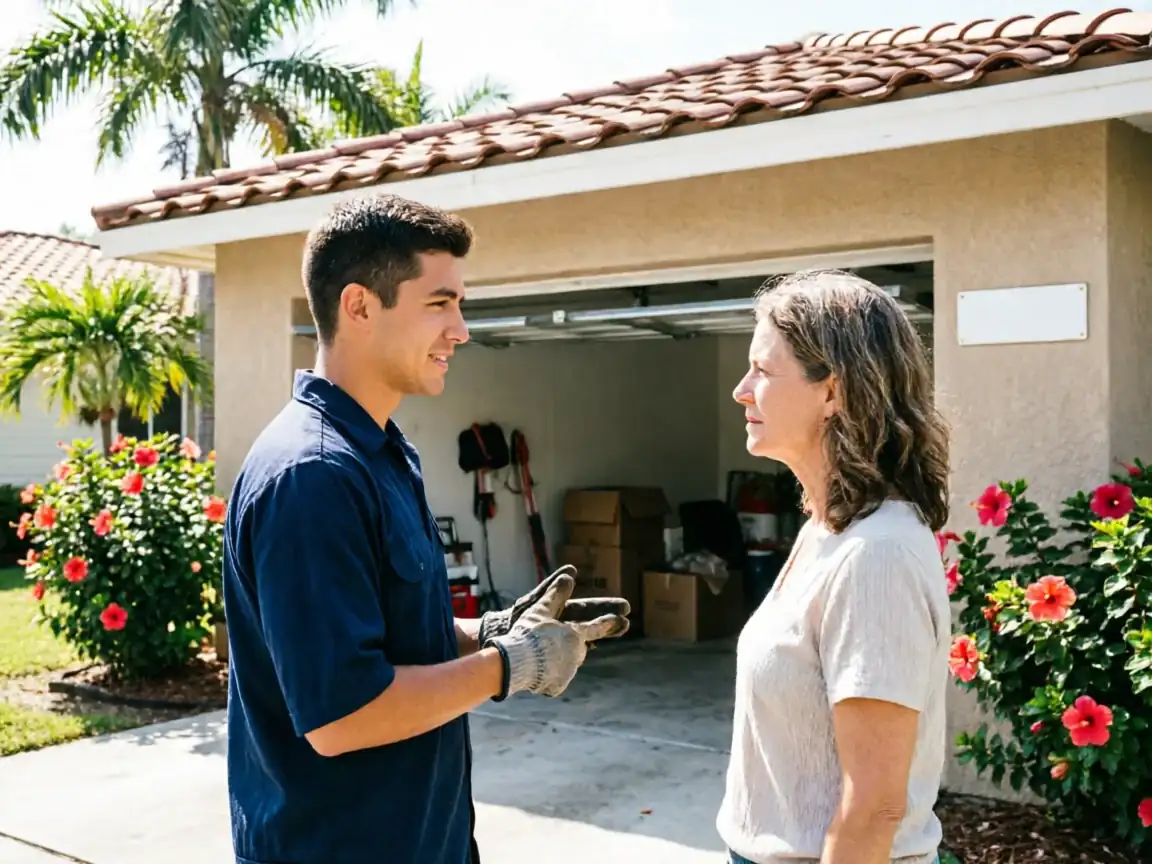
A technician in work gloves talks to a woman in front of a garage.

Clear, up-front plan

You get the fix that’s needed and what drives the cost - before any work starts.

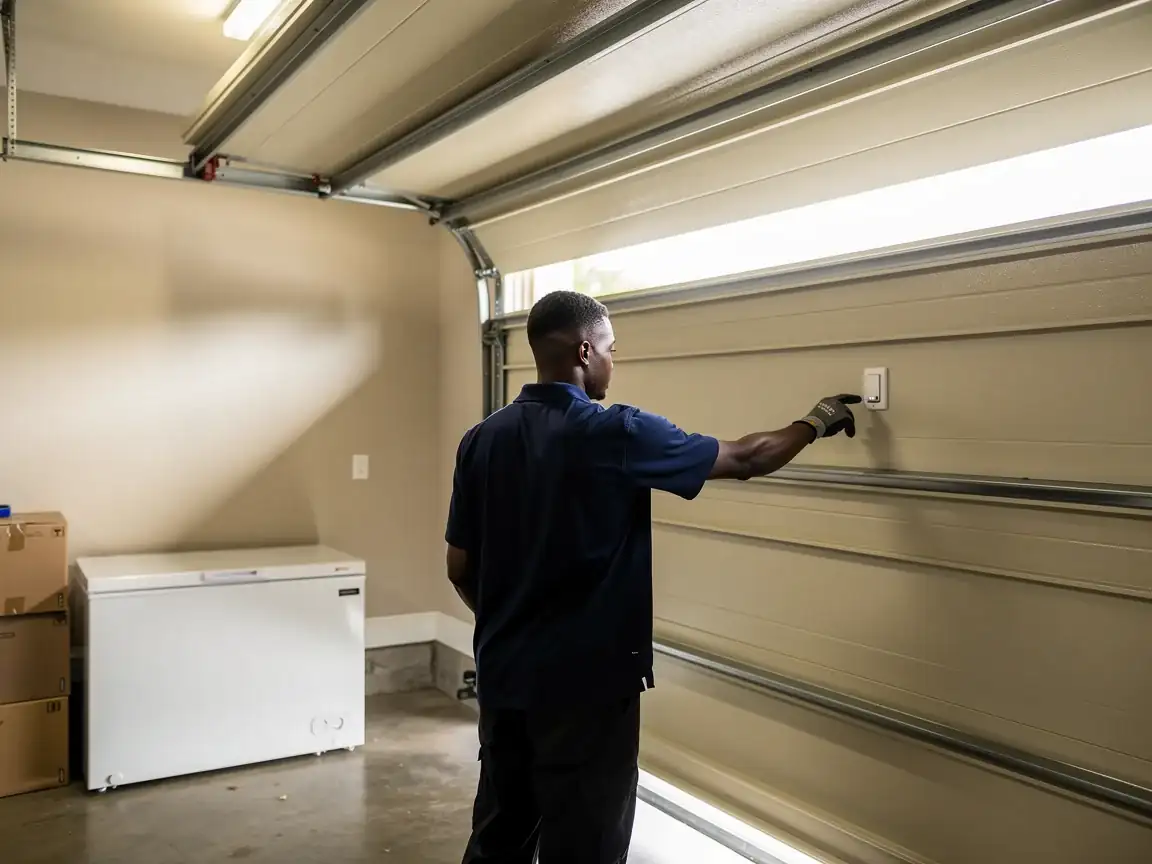
A technician presses a button on the wall next to an open garage door.

Repaired & tested

The repair is done, the door is set true and tested, and the work area left clean.

Next step

Not sure which repair your door needs in Melbourne, FL? Describe what it’s doing - every job starts with a diagnosis.

How we work

What to expect

A straight, honest approach on every Melbourne job.

Diagnosis first

Every visit starts by finding what actually failed - not a pre-written parts list.

The right part for the door

Springs and openers matched to the door’s weight and age, so the fix holds up.

Straight answers

When a repair makes more sense than a replacement - or the reverse - you hear it plainly.

Clean, careful work

Tension released safely, hardware set true, the door tested under power before we leave.

84,678Residents in Melbourne
8Garage door services
8Neighborhoods & suburbs
FLServing Melbourne, FL
Questions

Frequently asked

Straight answers about garage door repair in Melbourne. Still unsure? Ask us directly.

Is my garage door's spring a torsion or extension type?

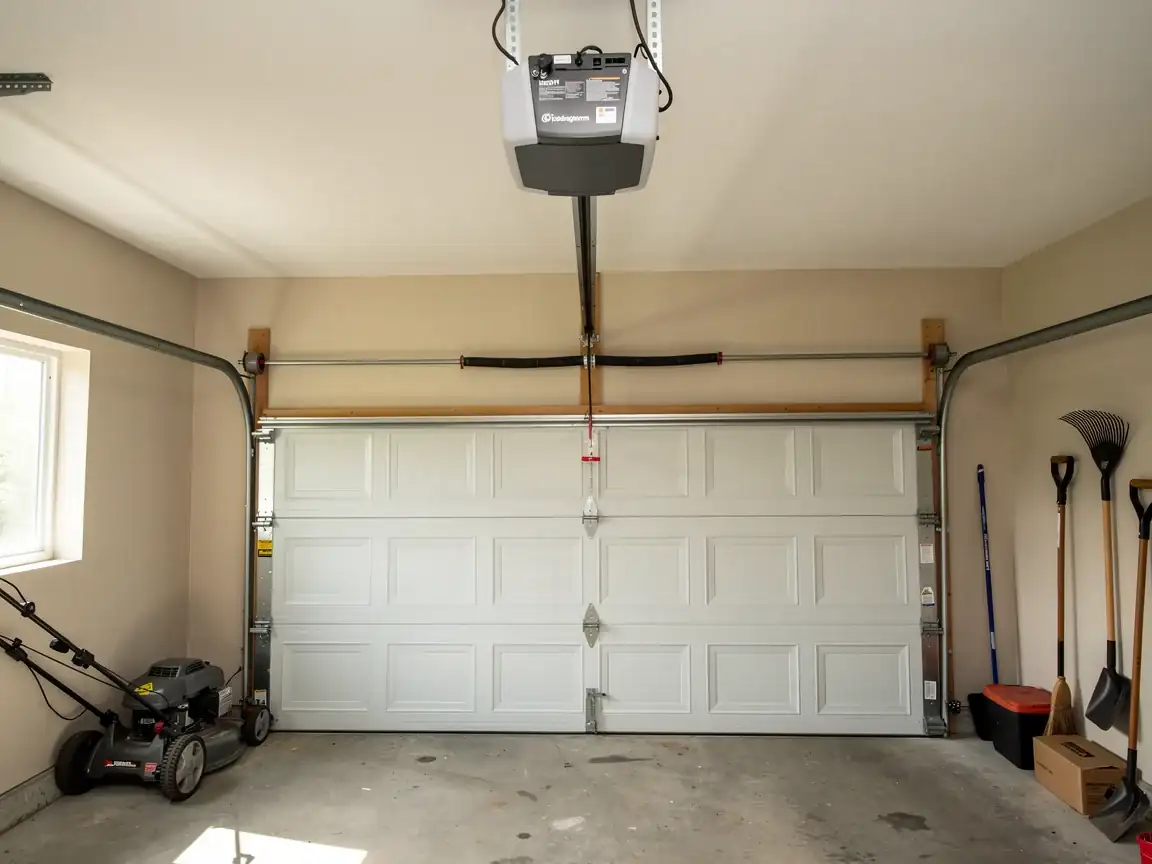
If your house dates to the early 1970s like most of Merritt Island, it's very likely an extension spring - look for a stretched coil running along the horizontal track above the door, rather than a single spring mounted on a shaft above the opening. That's the torsion style, more common in newer construction.

Do you have a crew based on Merritt Island?

No. We run out of Melbourne and cover the island as part of our service area, about 14 miles out. We don't keep a depot or branch here, so we schedule the trip rather than promising a same-hour drop-in.

Why does my door feel heavier than it used to?

A fatigued extension spring loses tension gradually, so the opener or your arm ends up doing more of the lifting than it should. On doors built around 1973, that's the single most common complaint we hear, and it's almost always the spring, not the opener motor.

Is it worth repairing a door this old or should I replace it?

Depends on the panel and frame condition. If the steel is still straight and the track is true, a spring and cable job makes sense. If the panel has bowed or the opener parts are no longer made, replacement usually costs less over time than repeated patch repairs.

Ready to get your garage door sorted?

Tell us what it’s doing and where you are in Melbourne - we’ll take it from there.

Request a QuoteCall