How It Shows Up
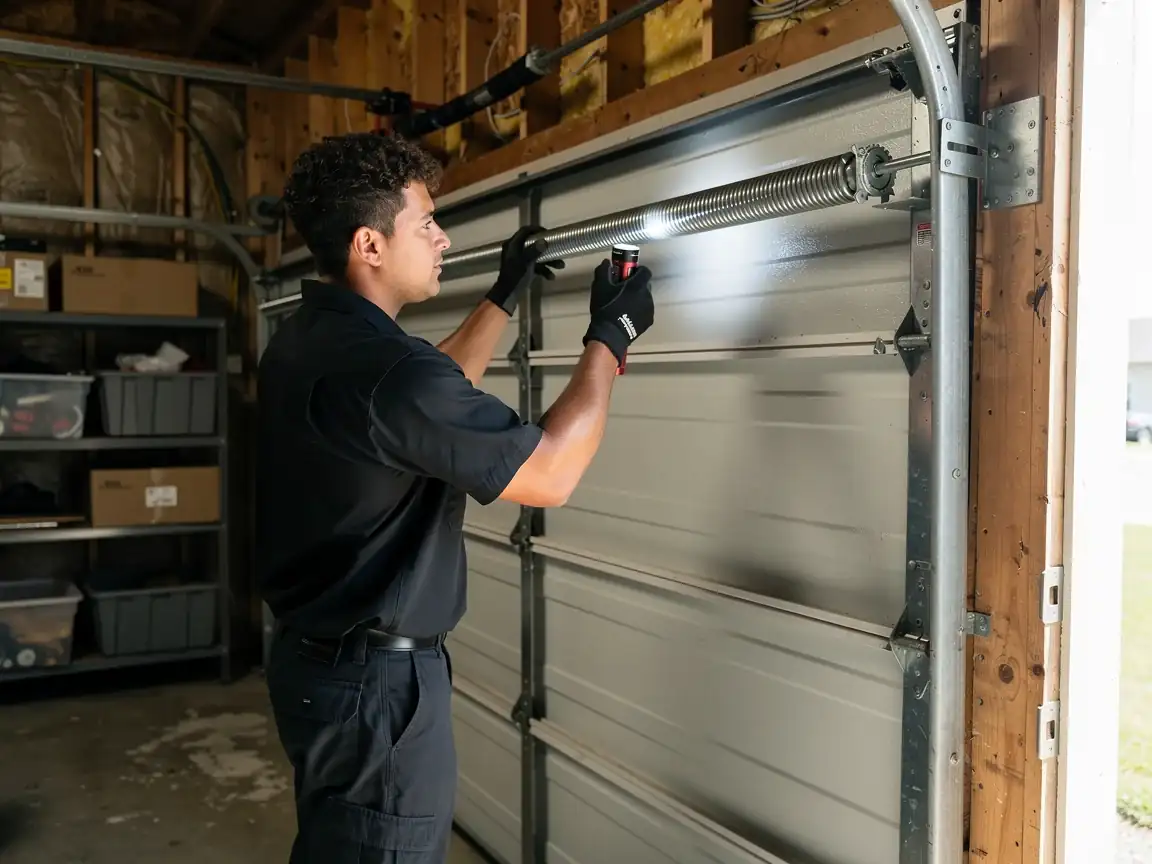
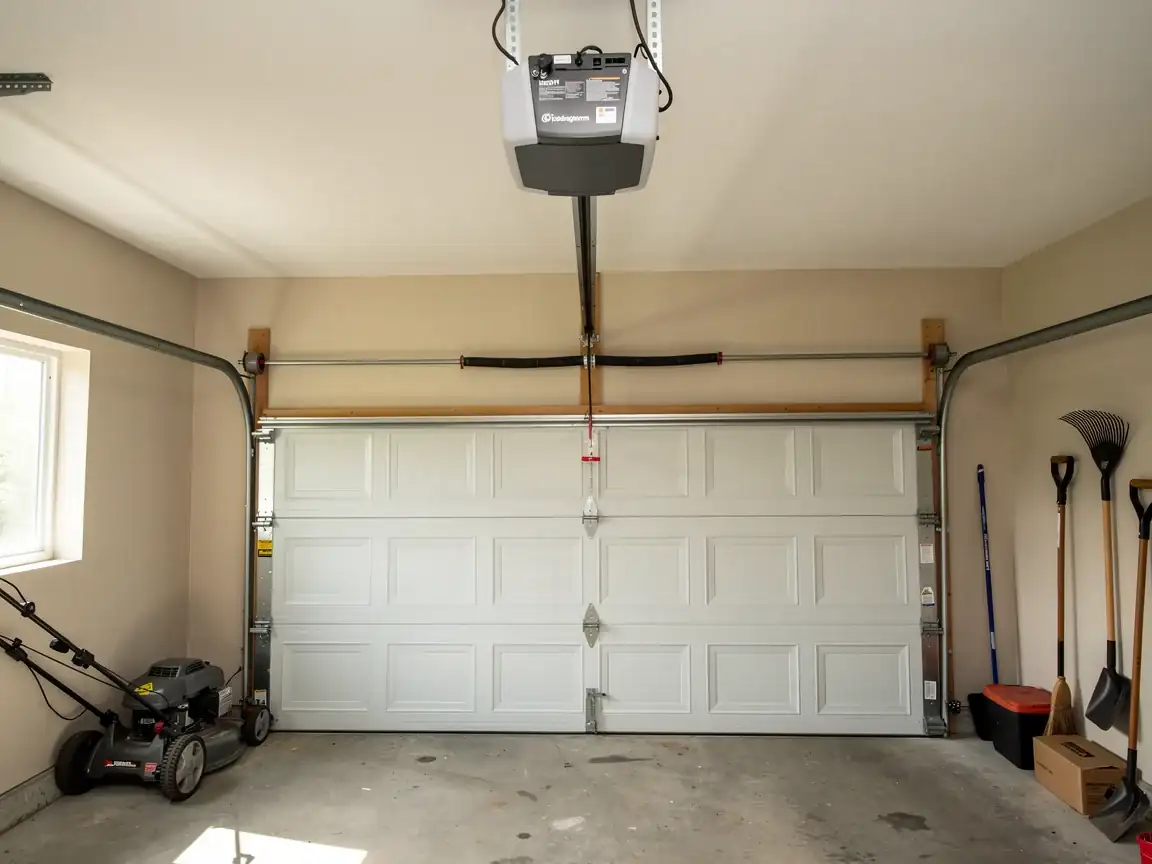
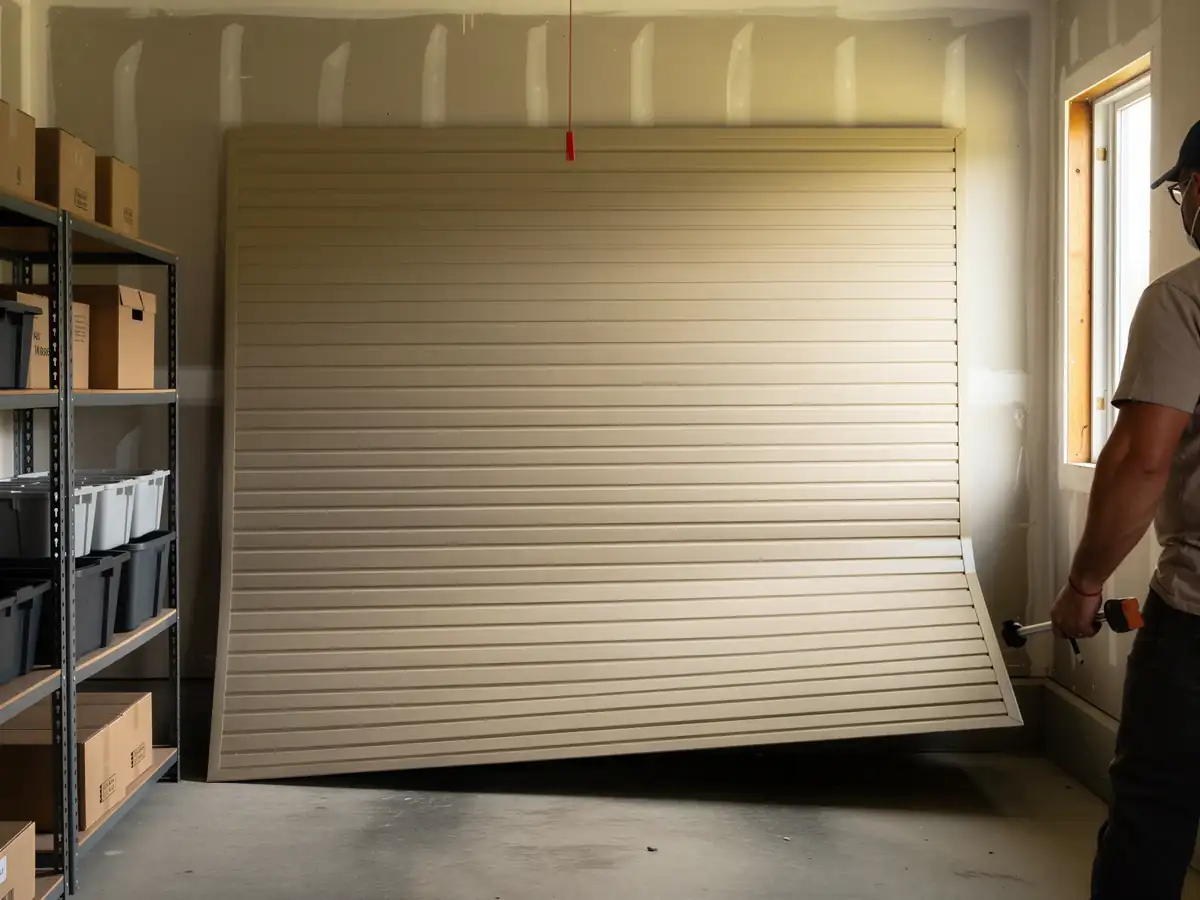
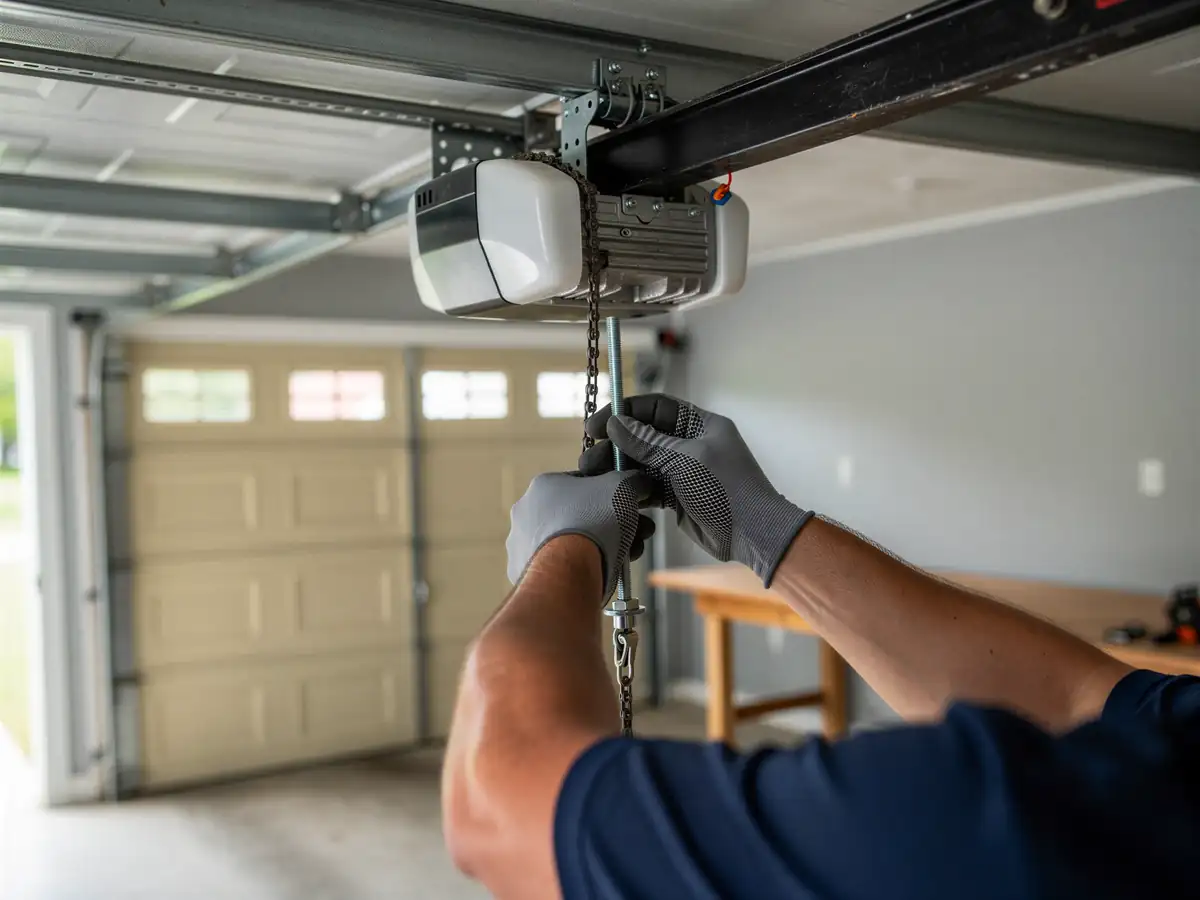
Merritt Island's median household income sits at $91,020, noticeably above the $86,305 median across the rest of the service area we cover. That number matters here more than most places, because it's close to the line where replacing a dead opener outright, instead of nursing it along, starts to make financial sense for a lot of homeowners. On a house with a median build year of 1973, you're usually dealing with the second or third opener that unit has seen, and when it starts to go, it shows up the same handful of ways: the light blinks a code instead of just turning on, the chain or belt grinds but the door doesn't move, the remote works from the driveway but not from the street, or the door reverses itself halfway down for no reason you can see. Sometimes it's just a dead capacitor. Sometimes the logic board behind that blinking light has given out for good. We can't tell you which from a phone call - that's a truck call, not a guess.
Doing It Yourself
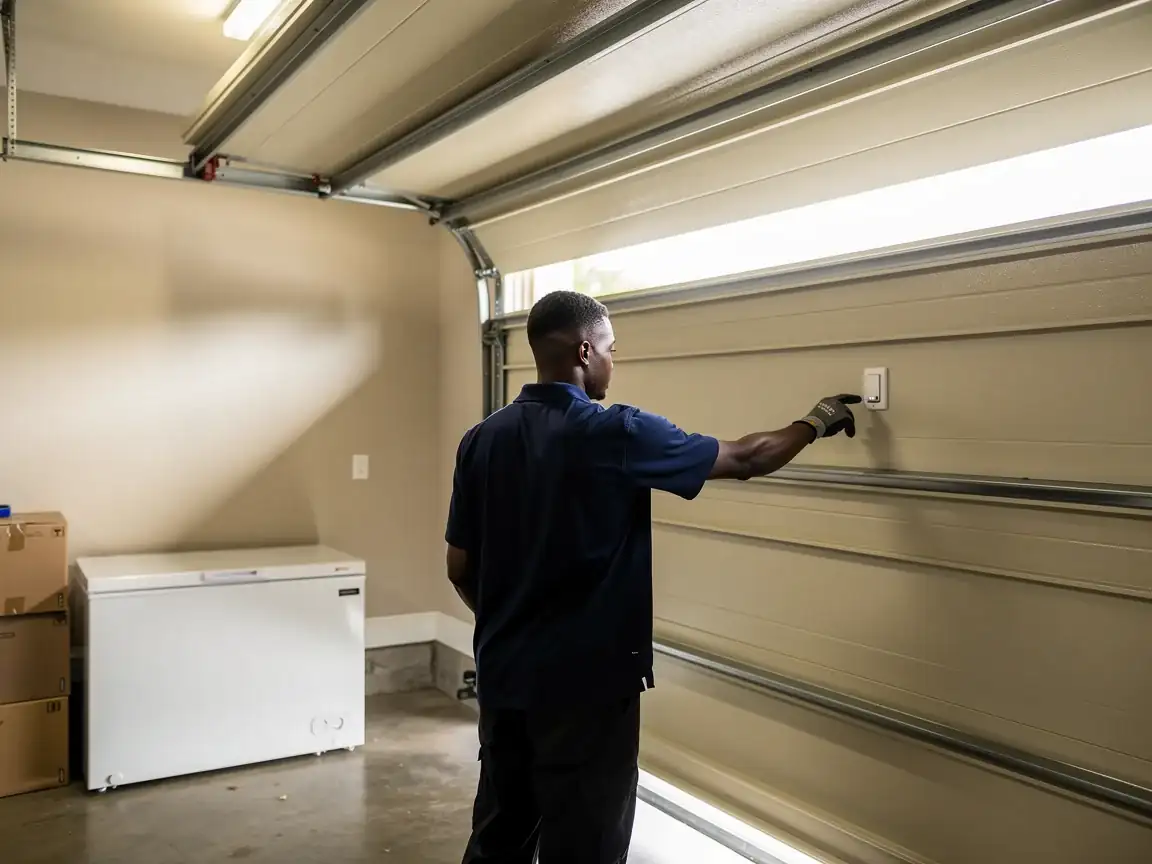
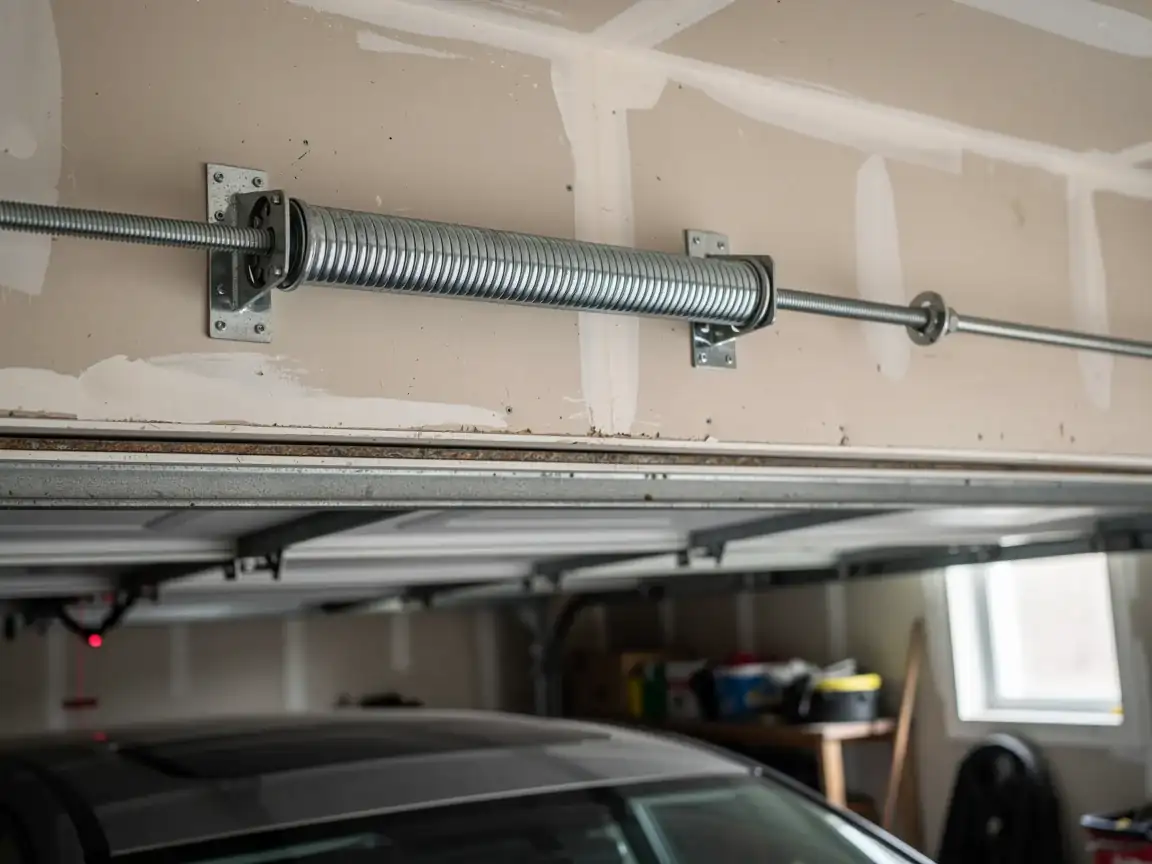
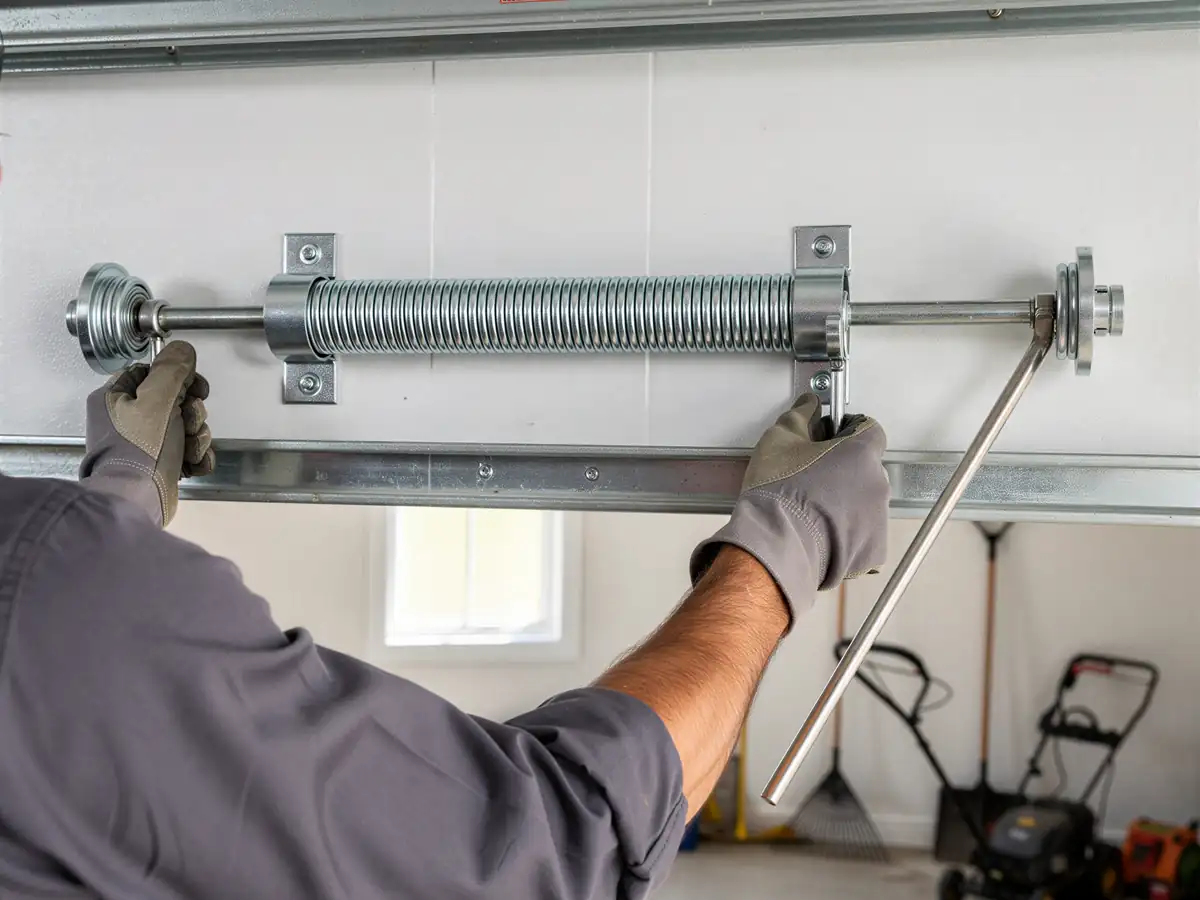
Before you call anyone, there are a few things worth fifteen minutes of your time. Check the wall switch for a loose wire - it rattles loose more than people expect. Wipe down the photo-eye sensors near the bottom of the track; a smear of dust or a spider web is enough to make the door refuse to close. Swap the remote battery. Check the breaker, since a tripped circuit looks identical to a dead opener from the driveway. None of that costs you anything and it rules out the cheap fixes first. What we'd ask you not to do: don't open the opener housing to poke at the circuit board, and don't touch anything near the torsion spring assembly above the door - that's not opener work, that's spring work, and it's a different kind of dangerous. If the unit is original to a house built in the early 1970s, there's also a real chance the part that's failed just isn't made anymore, and no amount of troubleshooting changes that.
What Causes It Around Here
Merritt Island's housing stock runs a median build year of 1973, which puts it right in the thick of the 1960s-70s construction that makes up most of the houses across the 16 communities we cover from Melbourne. That era of opener is mechanically simple - chain drive, a handful of gears, basic logic board - and simple doesn't mean it lasts forever. After five decades, the motors that are still original are well past any reasonable service life, and even a replacement unit installed twenty years ago is getting old now. With roughly 13,867 households on the island, that's a lot of garages running hardware from the same two or three decades, which is why the failure pattern here tends to cluster: gear wear, worn drive sprockets, and circuit boards that finally give out after years of coastal humidity cycling through the garage. We make the 14-mile drive out from Melbourne for these calls regularly, and the fault we find is rarely a surprise once we know the age of the house.