How It Shows Up
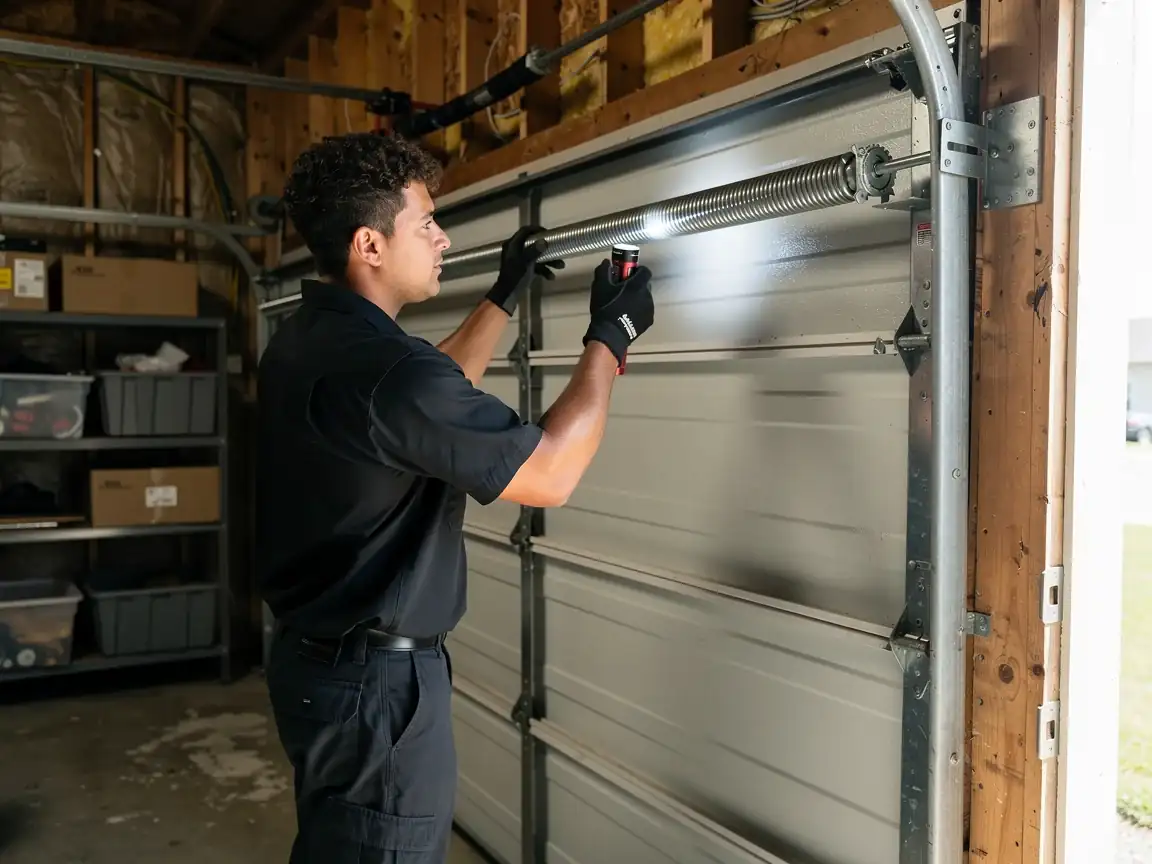
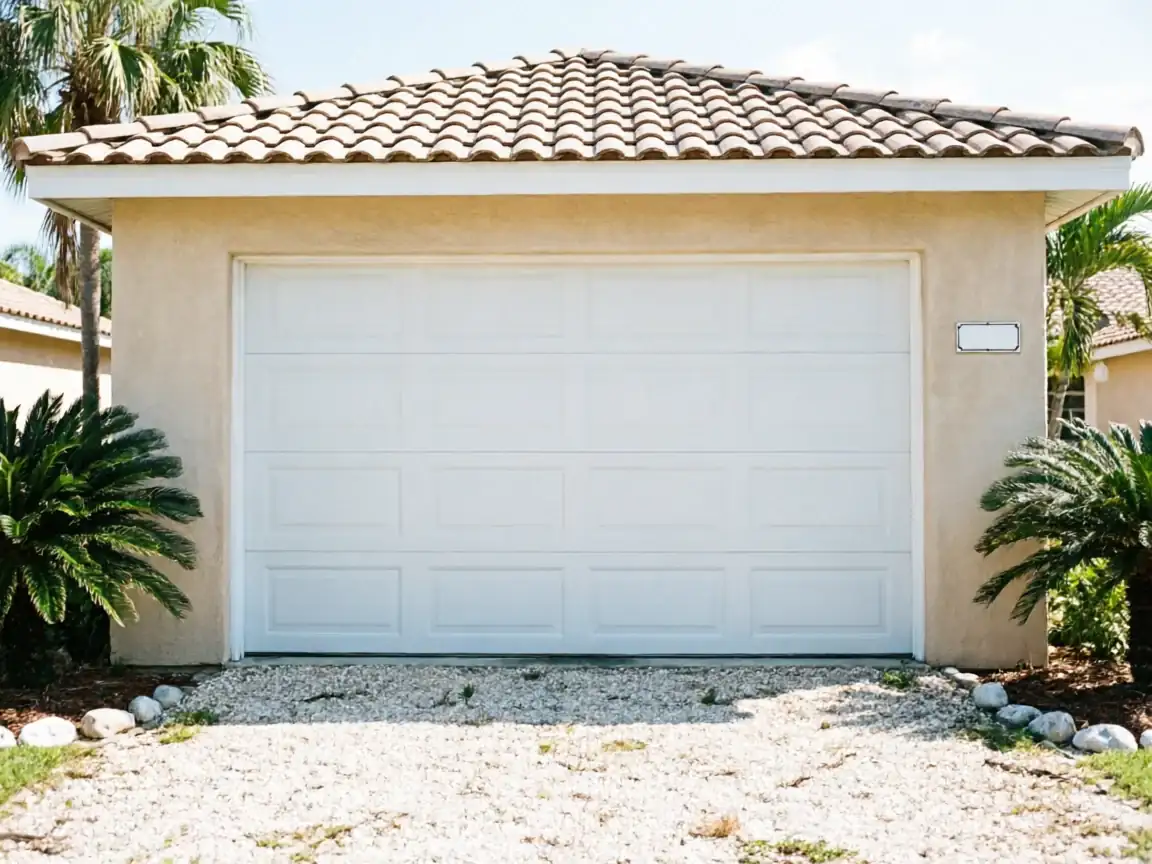
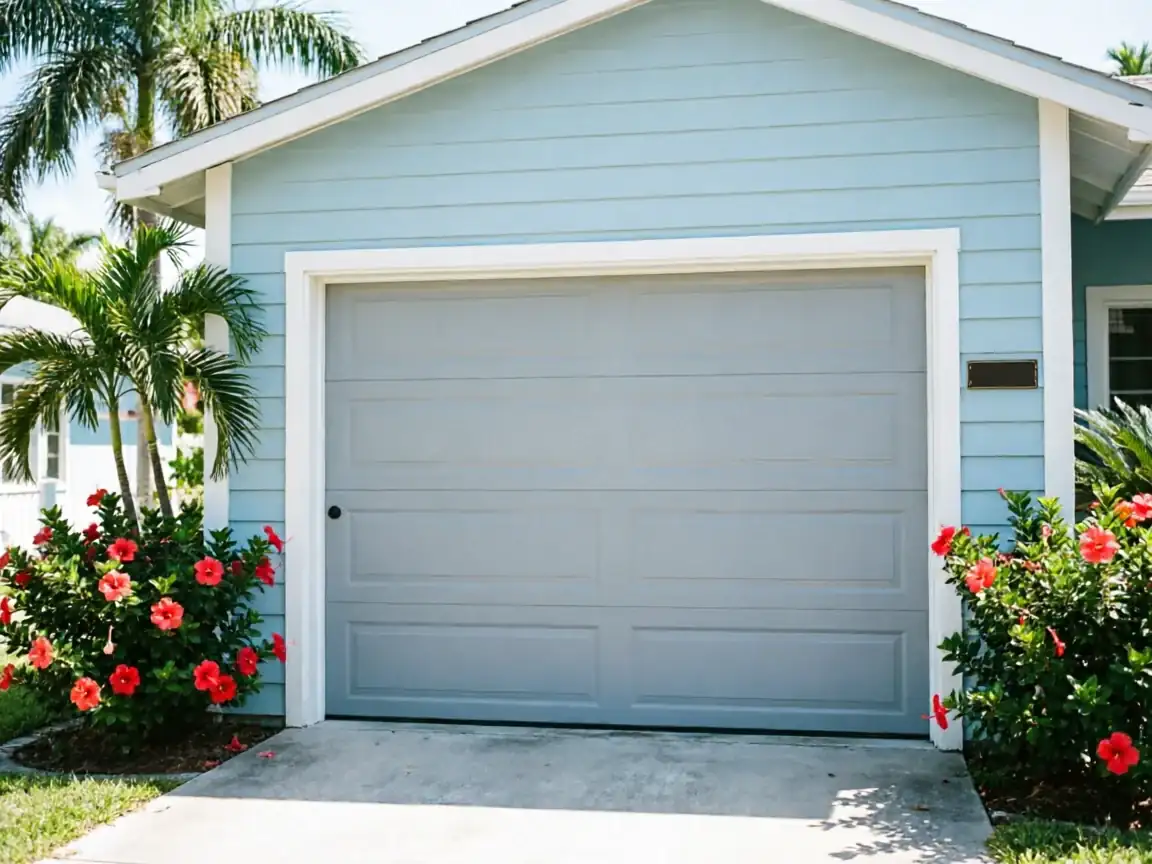
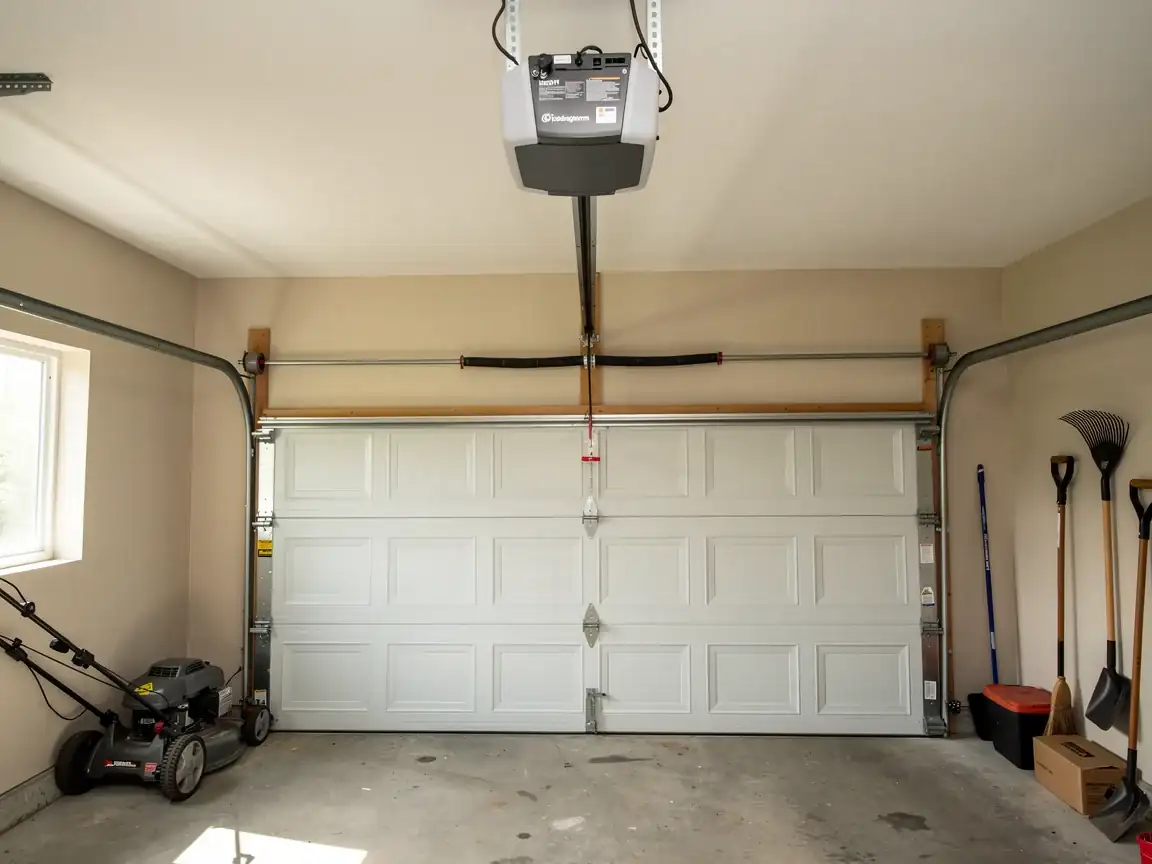
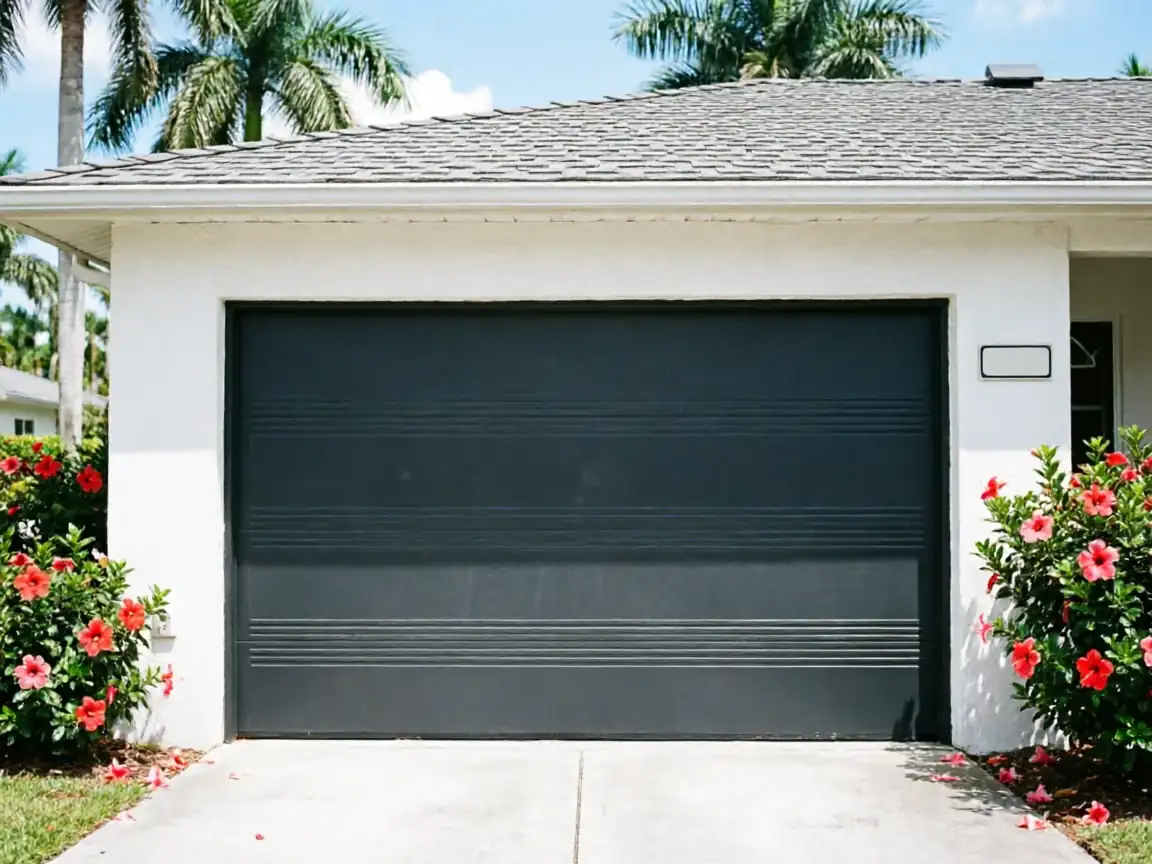
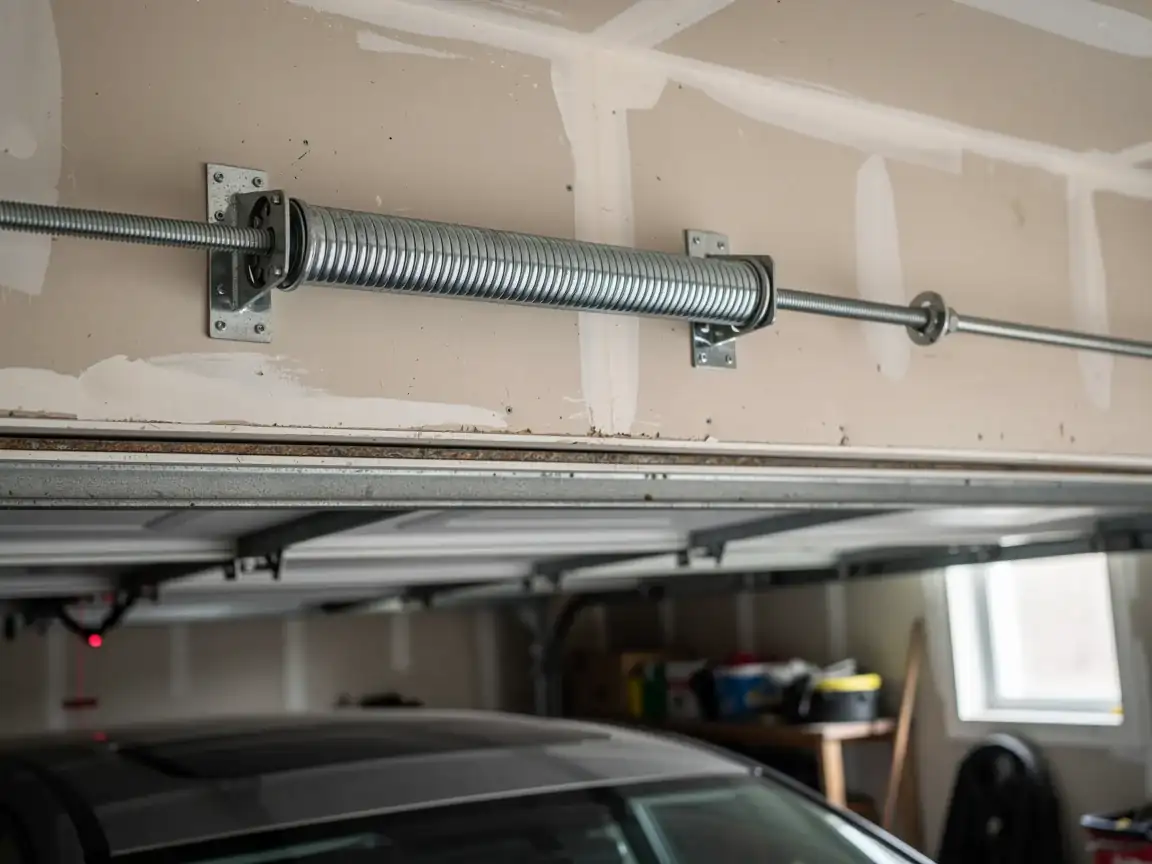
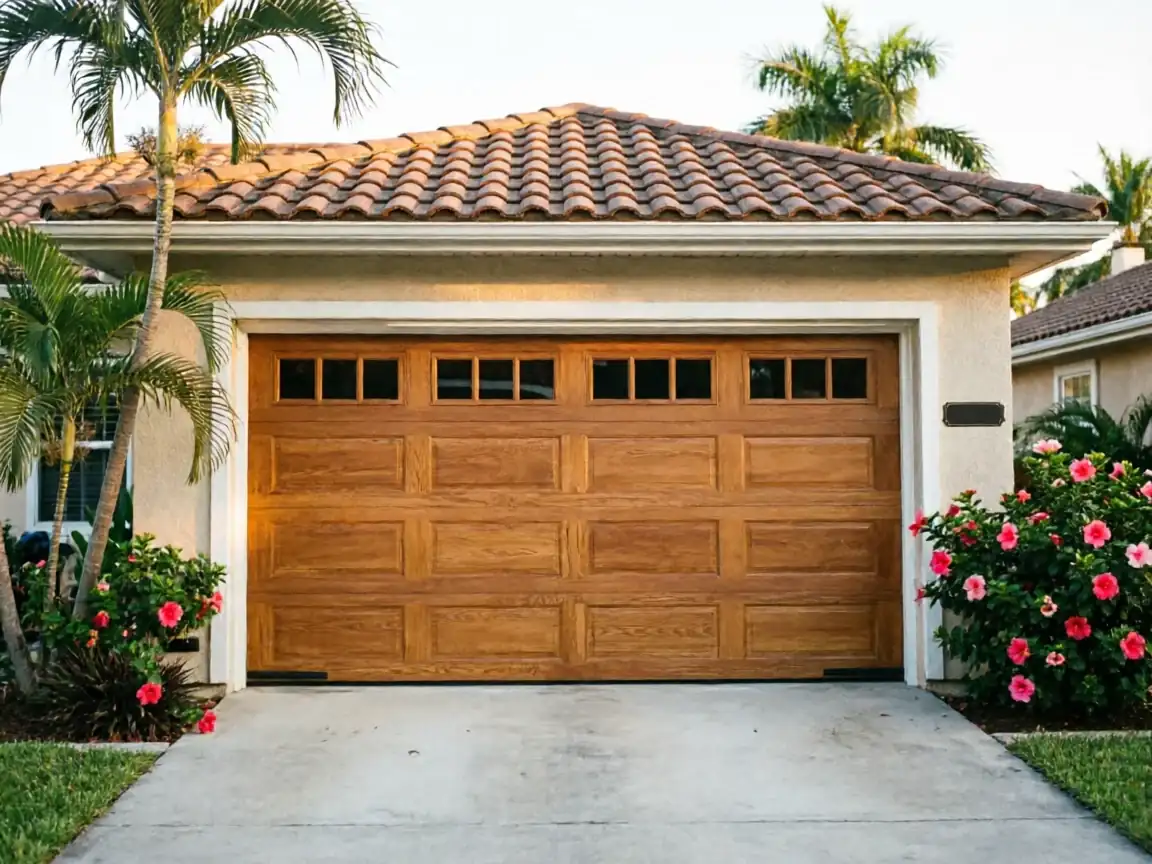
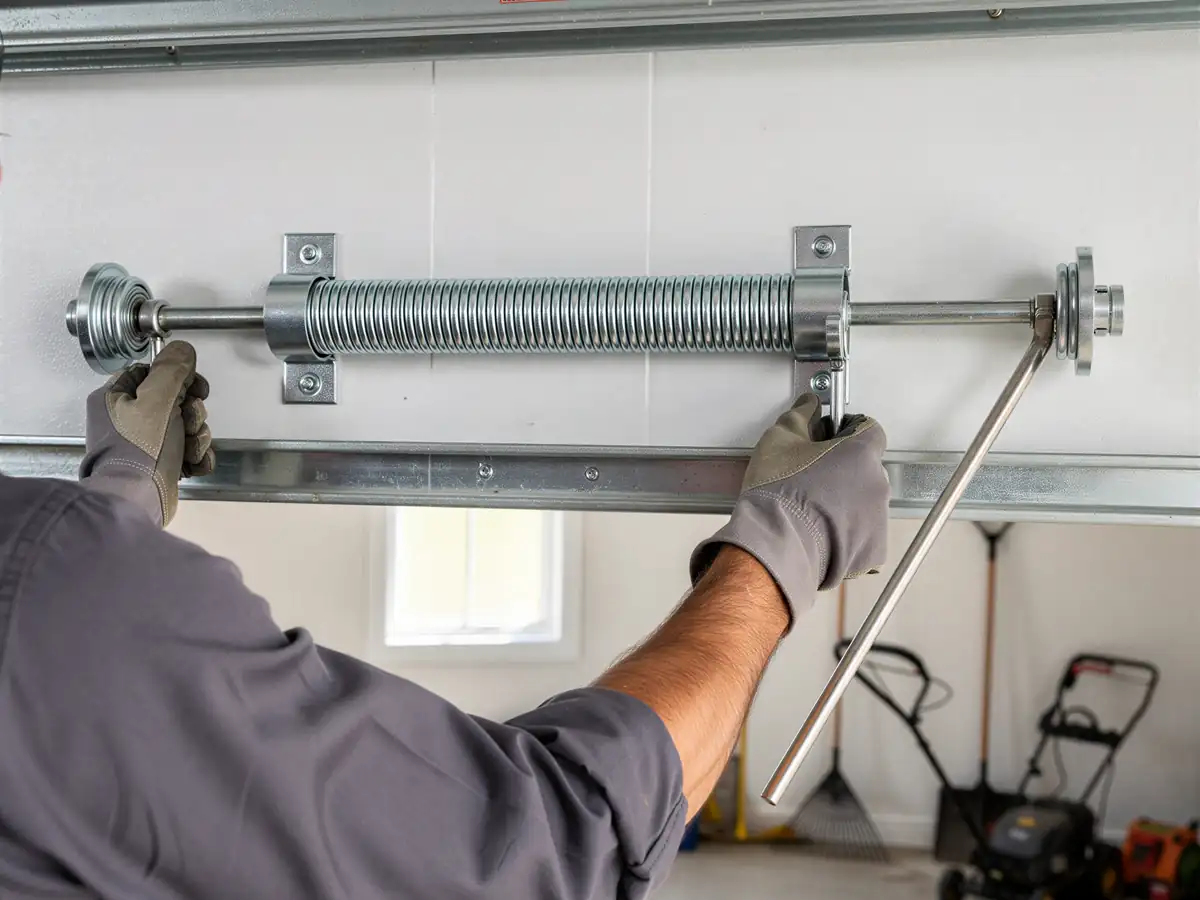
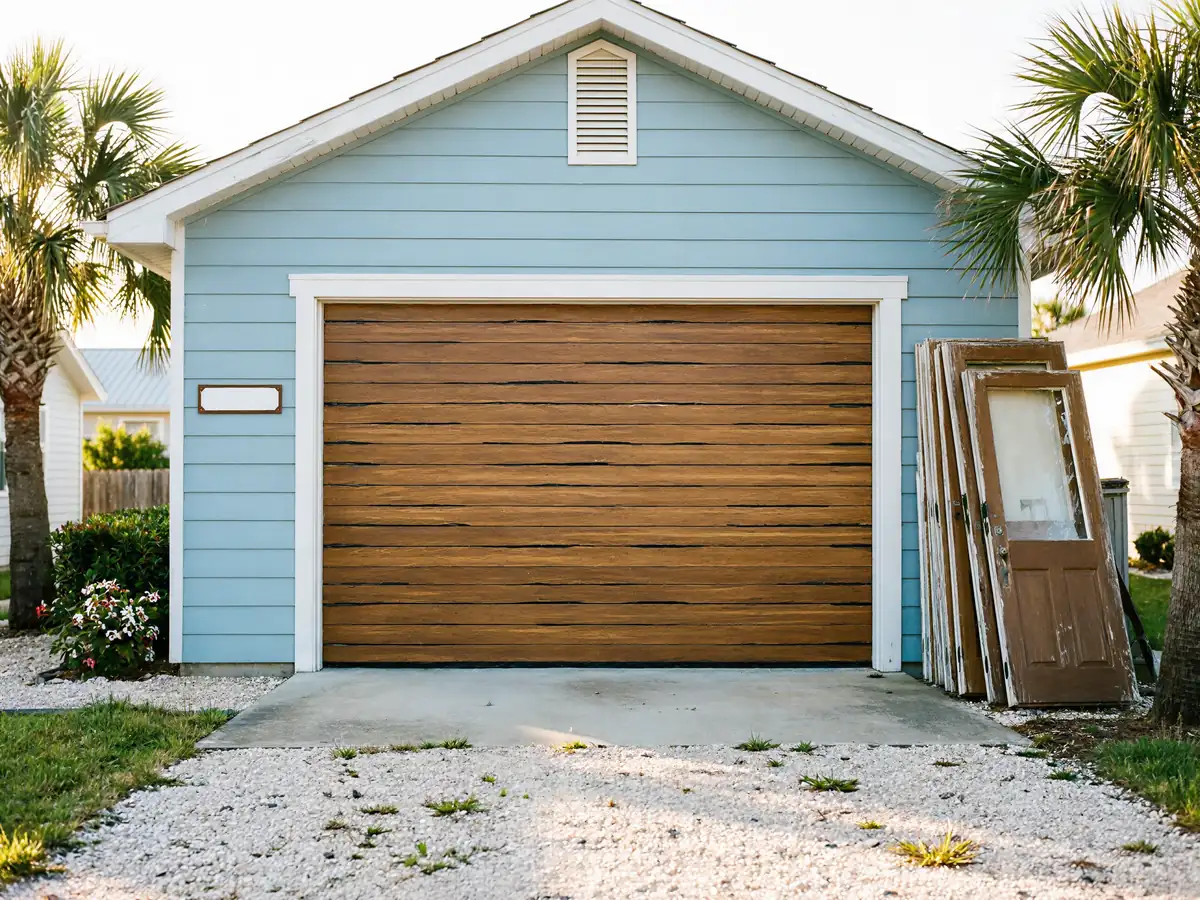
Drive the loops on Merritt Island and the age shows in the driveways before it shows in the doors. The island built out hard around 1973, four years ahead of the median for the rest of the service area, and that one fact decides what kind of garage door hardware is sitting over most of these driveways right now. A door installed in the early 1970s almost always ran on extension springs stretched along the horizontal tracks, not a torsion bar overhead, and the door itself was a lightweight steel panel with no insulation layer, because nobody specified that then. Fifty-some years in, those extension springs are long past any reasonable service life, the steel has usually dented or rusted at the bottom panel where water sits, and the track hardware wasn't built for a heavier insulated replacement door without some adjustment. The climate here runs mild year-round, which keeps the island from the freeze-thaw cycling that cracks door sections further north, but humidity still works on unprotected steel and worn seals. When a homeowner here calls about a new door, it's rarely a cosmetic choice - it's a door that's finally failed, or hardware that's one broken cable away from failing on someone standing underneath it.
Doing It Yourself
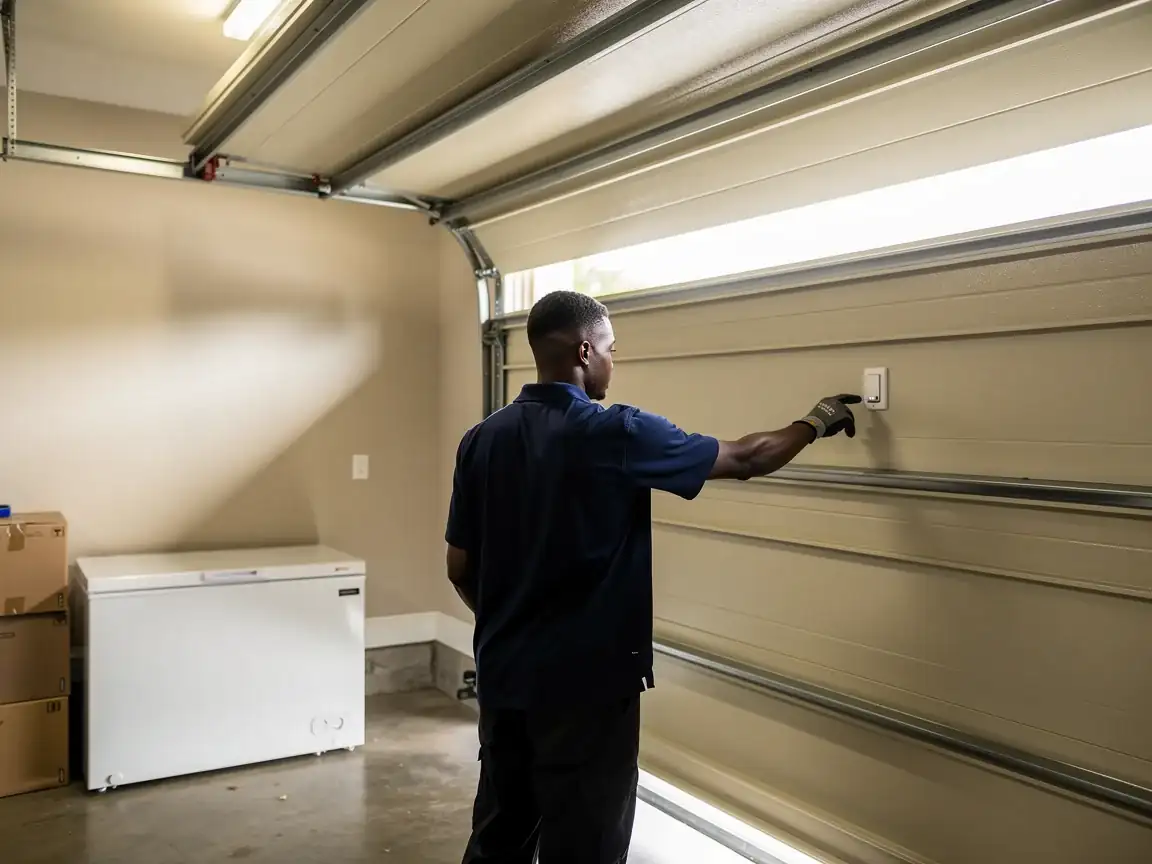
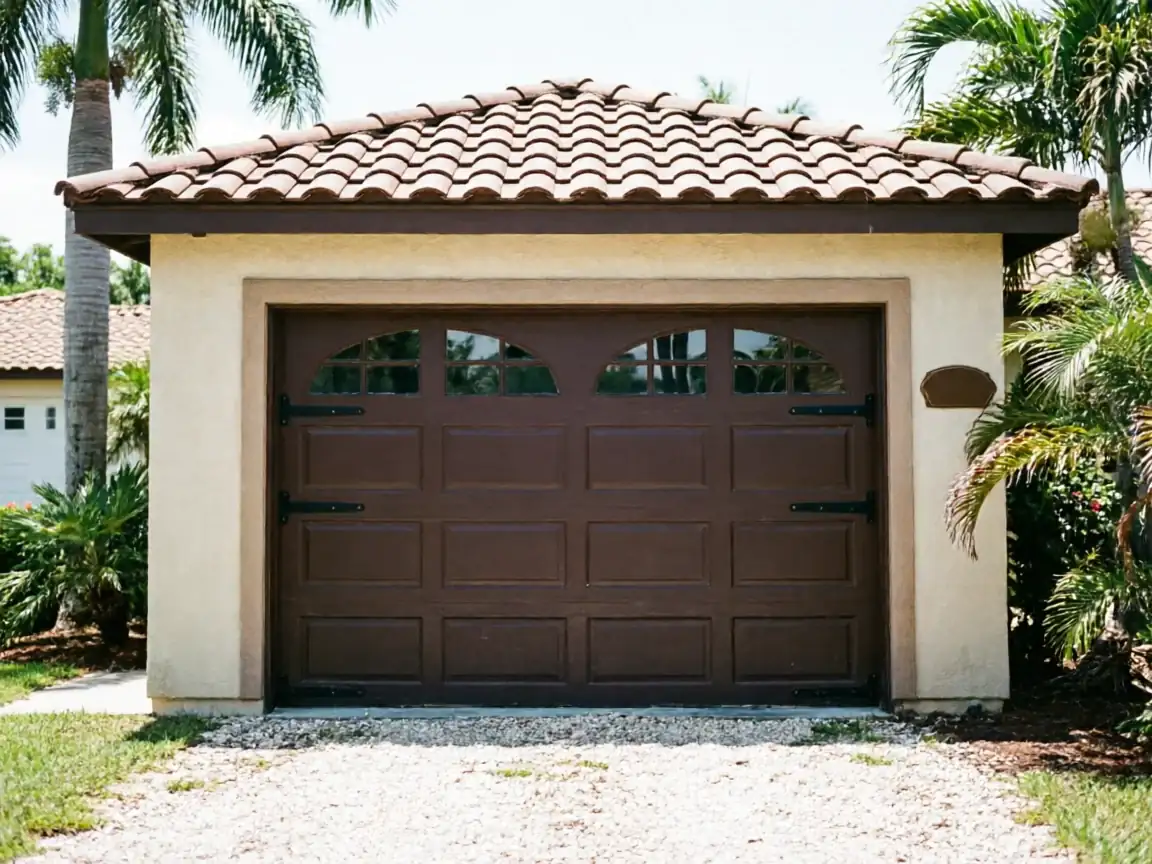
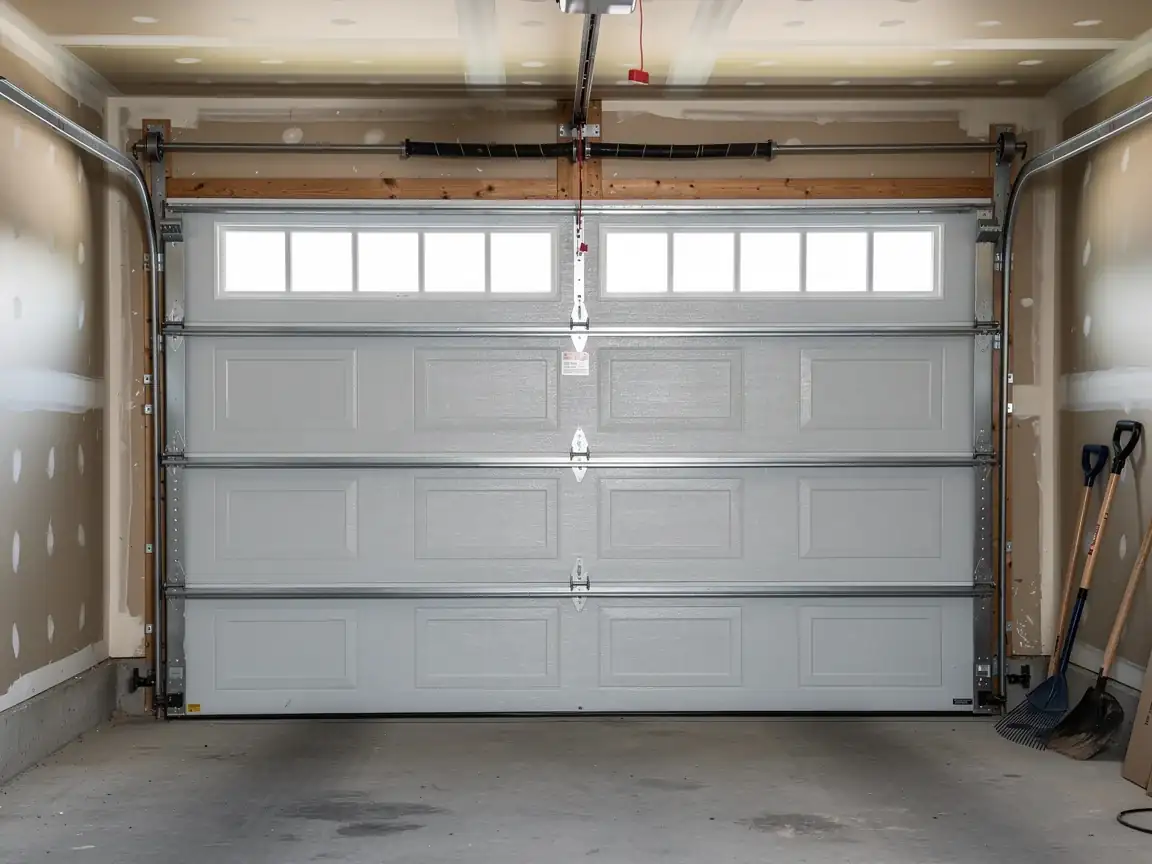
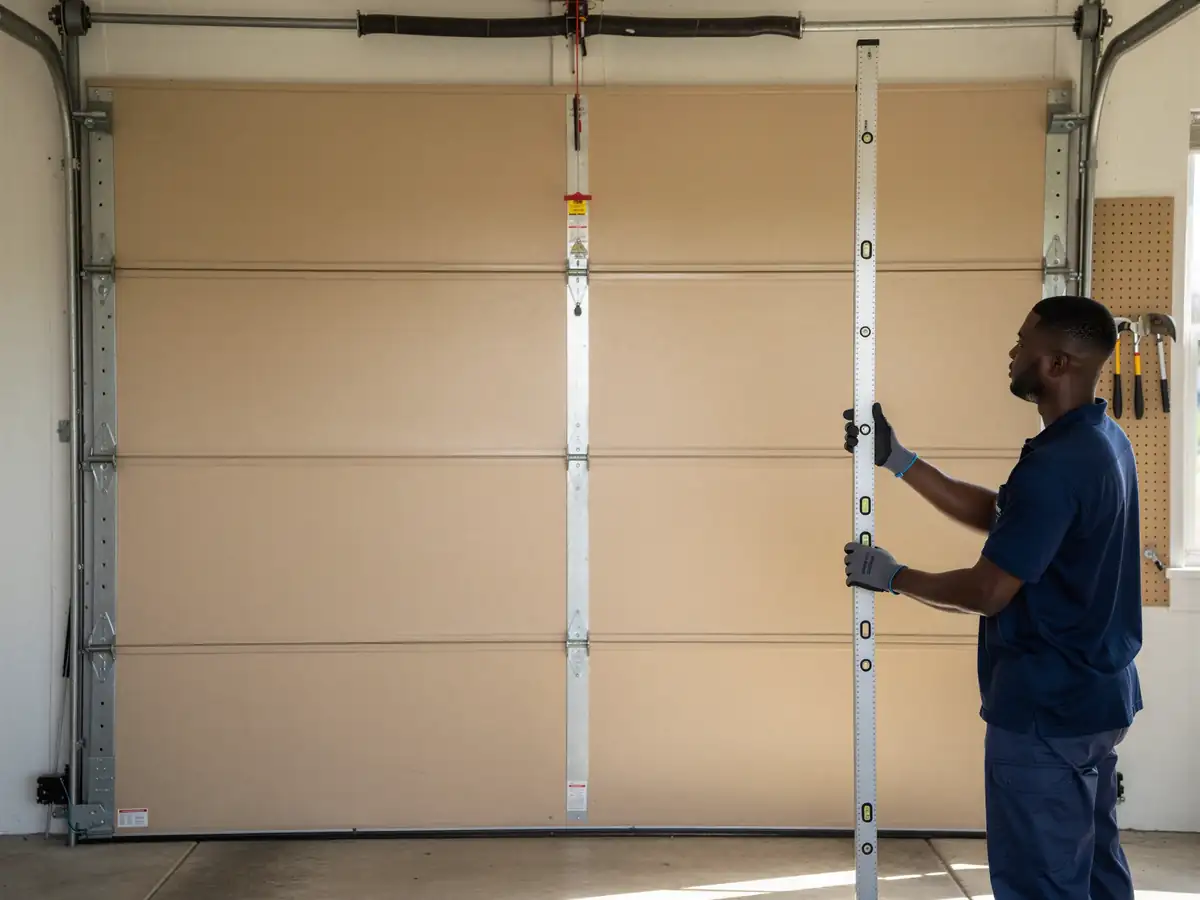
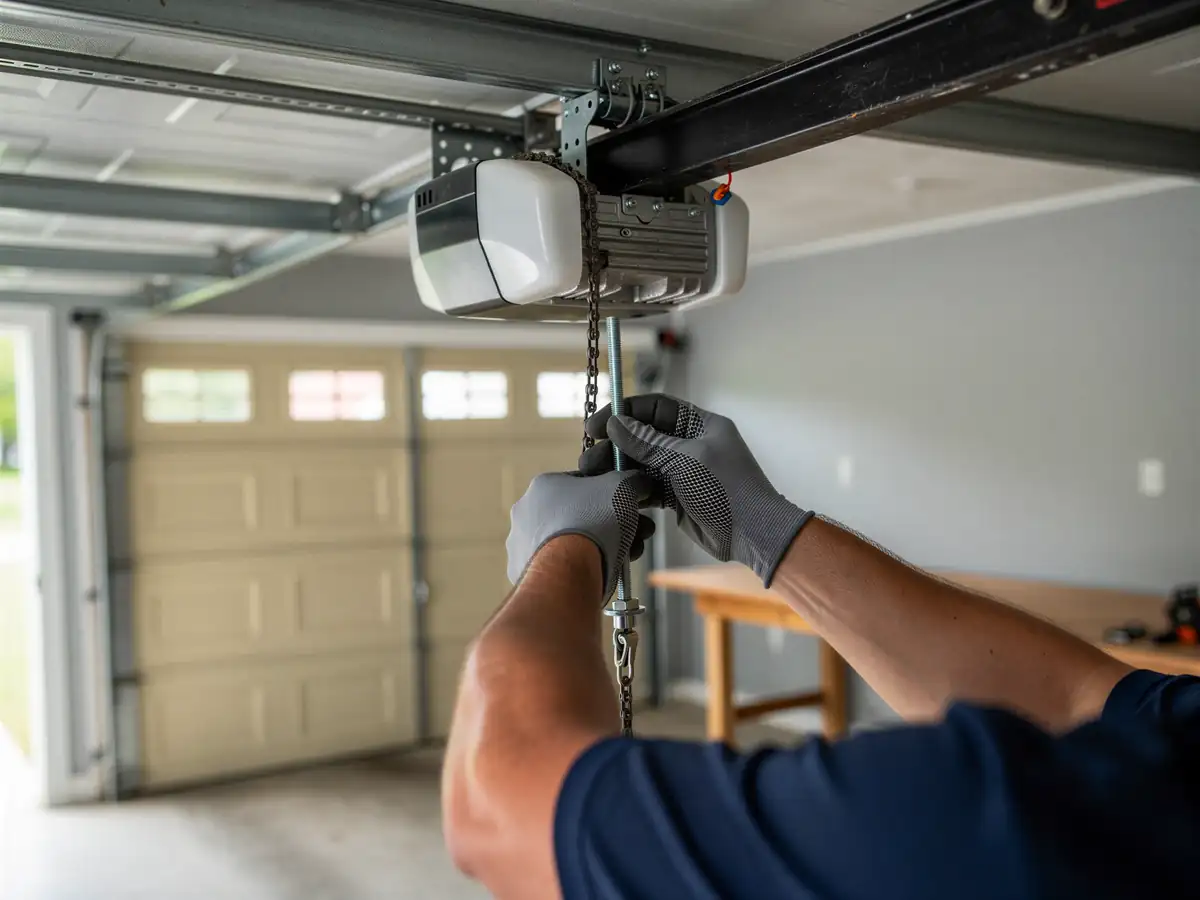
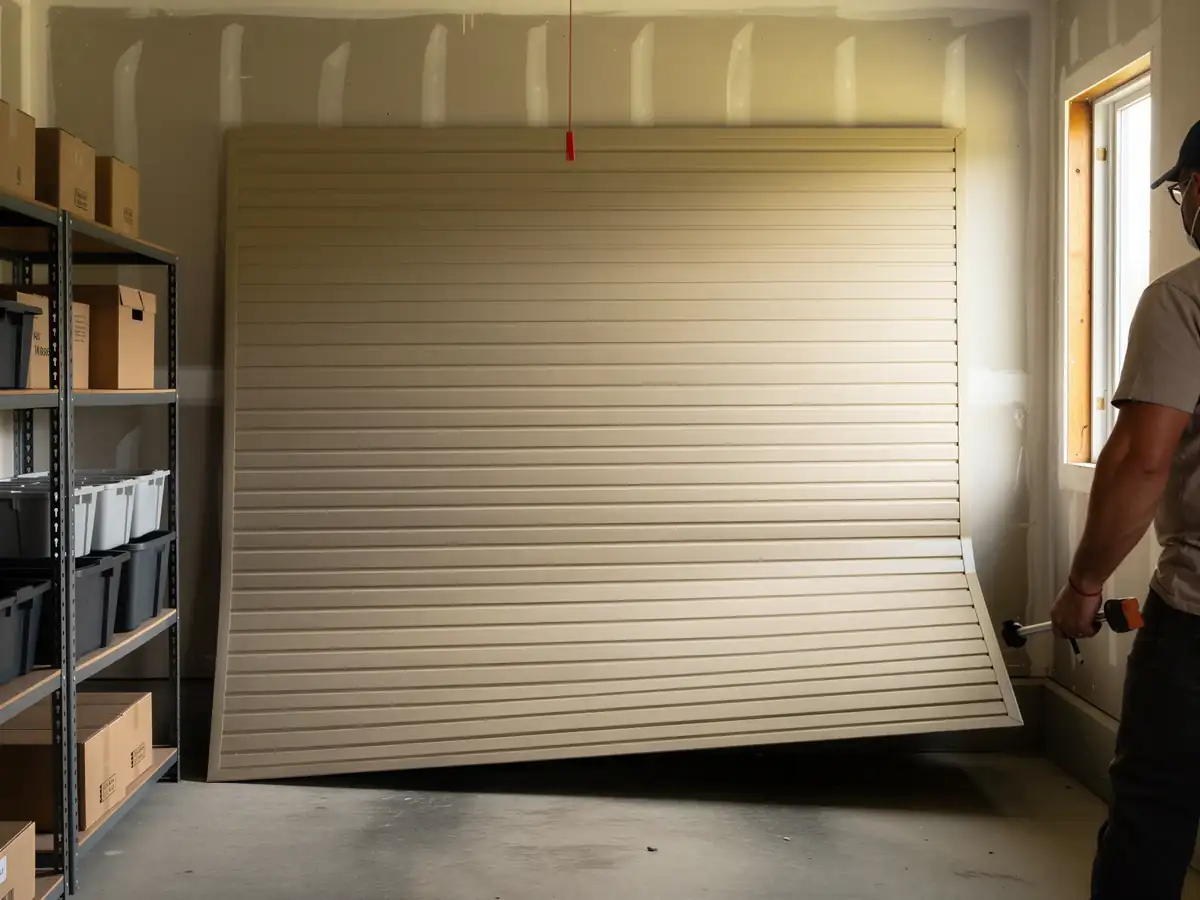
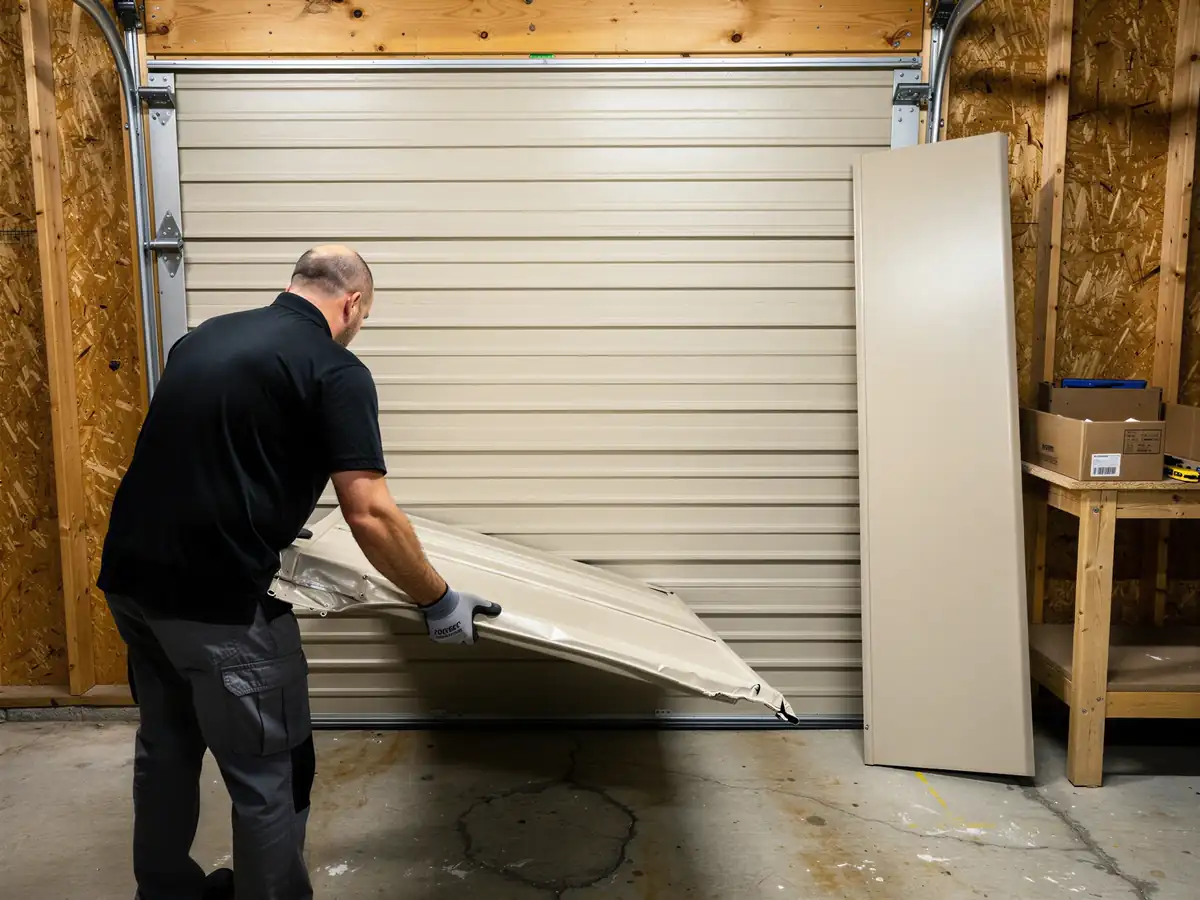
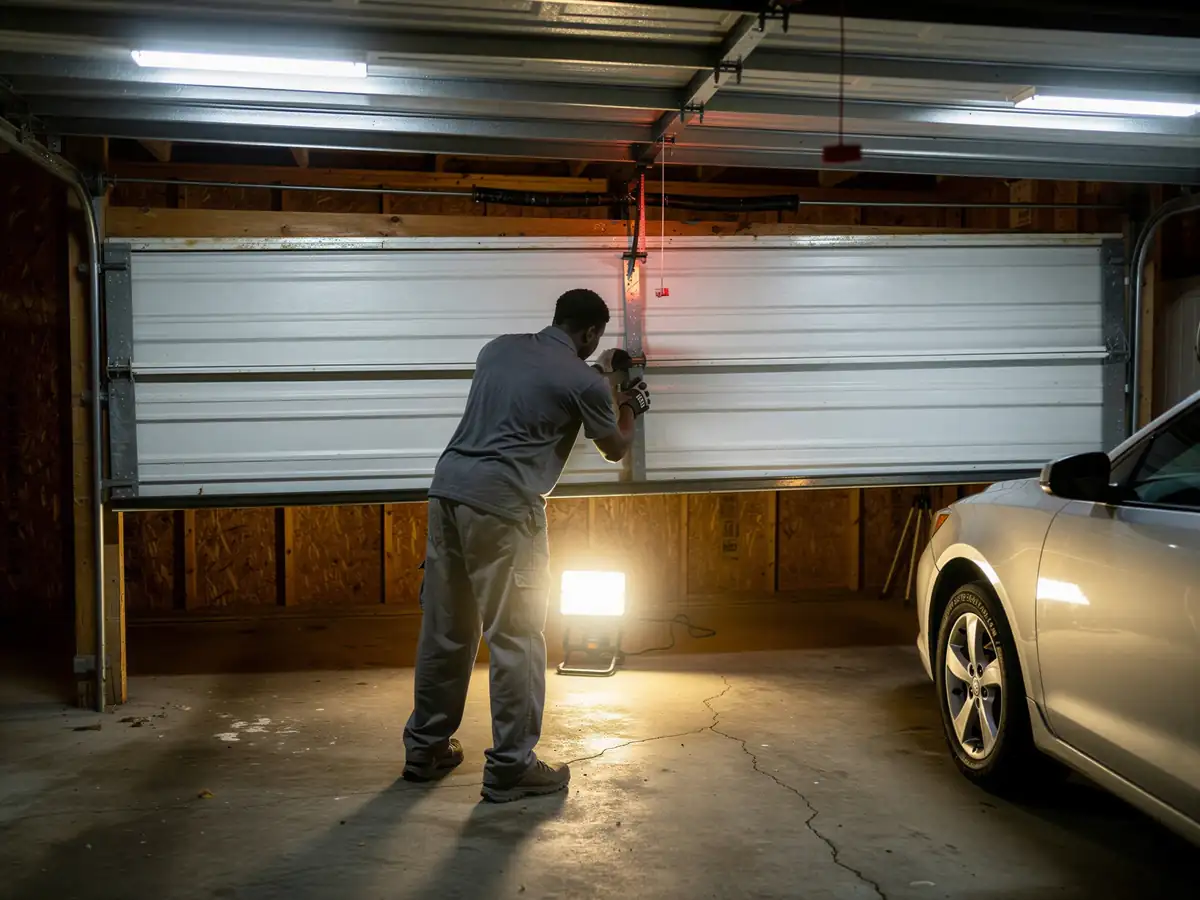
A new garage door is not the project to learn on, and we'll say that straight. The panels on a double door run heavy, the torsion or extension springs store enough energy to break a wrist or worse if the winding bar slips, and getting the track plumb on both sides matters more than it looks like it would from a video. Where a motivated homeowner can genuinely save money is in the groundwork before the install crew shows up: clearing the opening, pulling the old door and track off if you're comfortable with a reciprocating saw and a ladder, and confirming the header and jamb are square so there's no surprise framing work added to the quote. What we don't recommend doing yourself is the spring system, the track alignment, or the opener wiring - those are the three places where a close-enough job turns into a return visit, or an injury. One honest limitation: specific door panel styles and insulation packages sometimes have to be ordered, and that lead time isn't something we control once the order's placed. If you want a specific look, ask about current lead times before you commit to an install date.
What Causes It Around Here
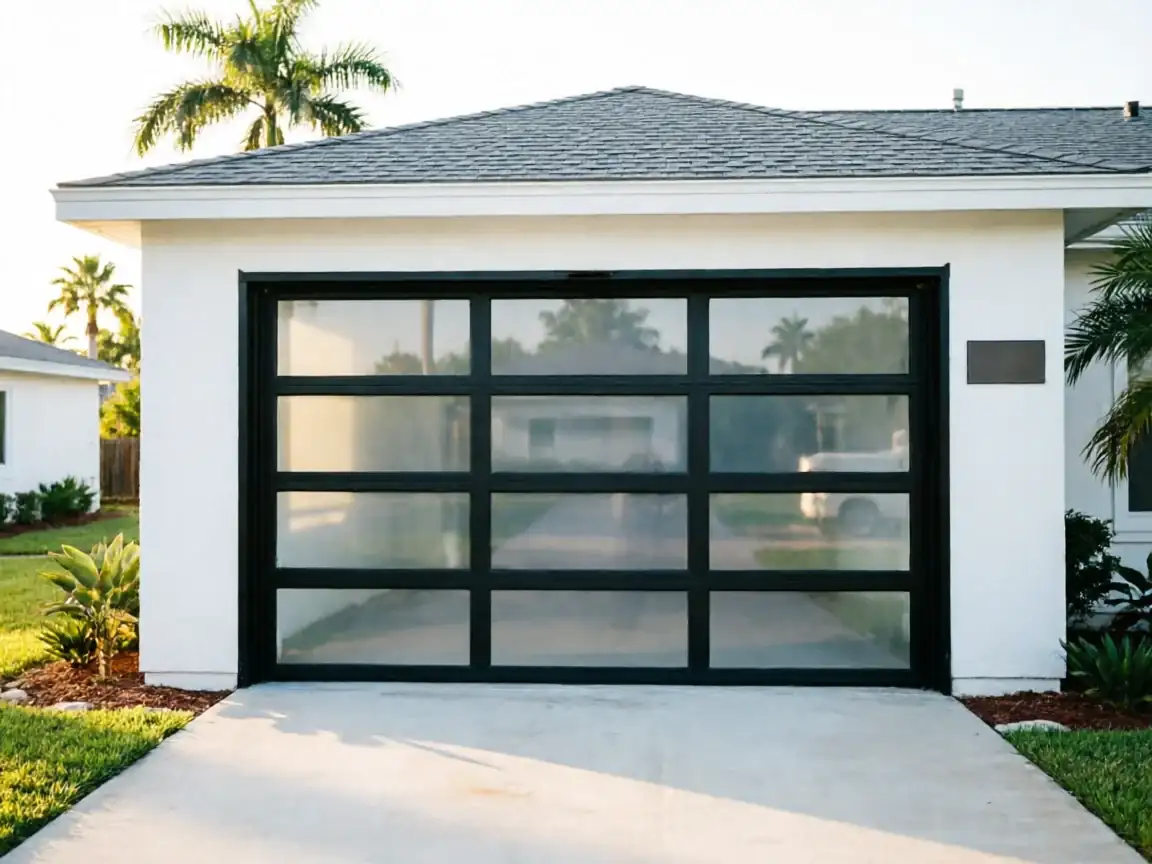
The island's growth years cluster tightly around 1973, which means a big share of garage doors here are reaching the end of their working life at roughly the same time, not spread out over decades like a neighborhood built in stages. That's different from the pattern across the rest of the service area, where the median build year runs closer to 1977 and the housing stock is spread across sixteen distinct pockets built at different points between the 1960s and the early 2000s. On Merritt Island specifically, with its roughly 13,867 households, the door most commonly being replaced right now is the same door the builder installed the first time - nobody's done it since. Income here runs a bit higher than the service-area median, just over $91,020 against $86,305 area-wide, and that shows up in the calls: more homeowners asking about a full replacement with an insulated door and a new opener in the same visit, rather than patching the existing one and hoping it holds another year. Fourteen miles out from Melbourne, it's not a same-day drop-in stop, so if timing matters, it's worth building that into when you book the install.