How It Shows Up
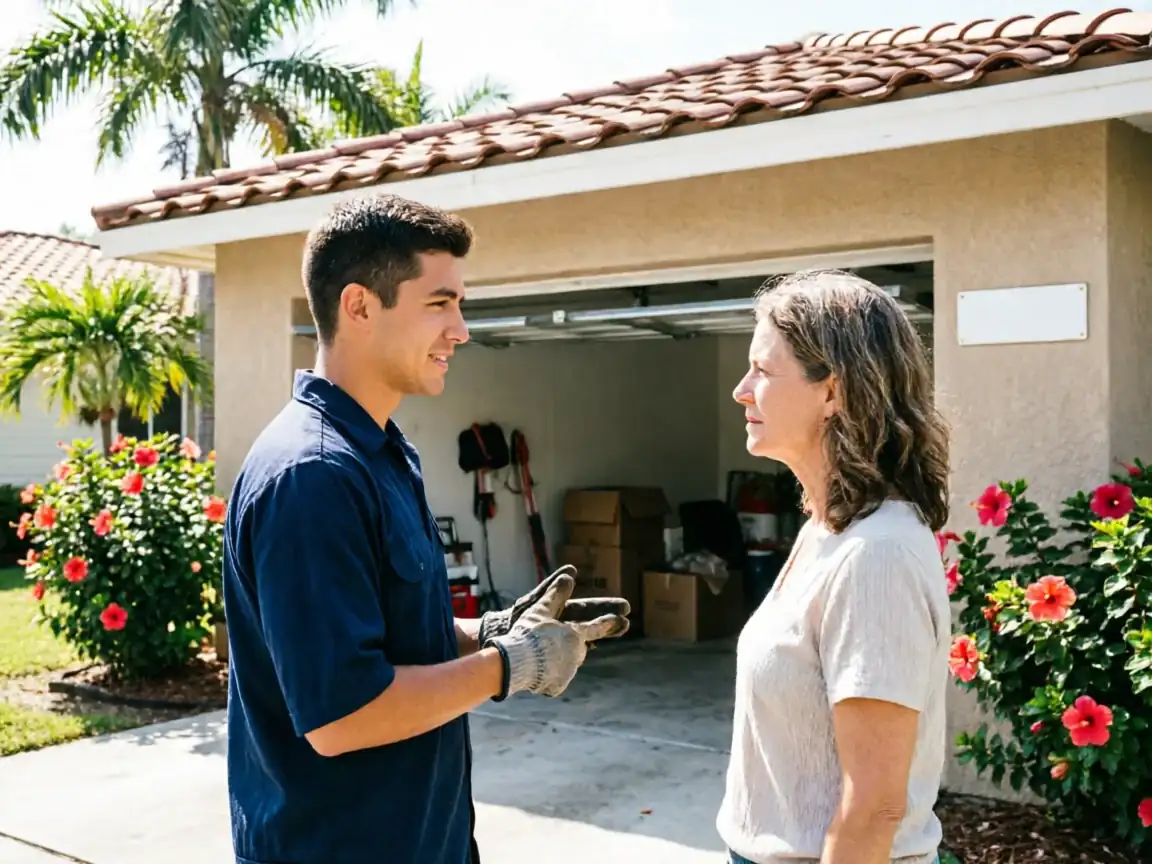
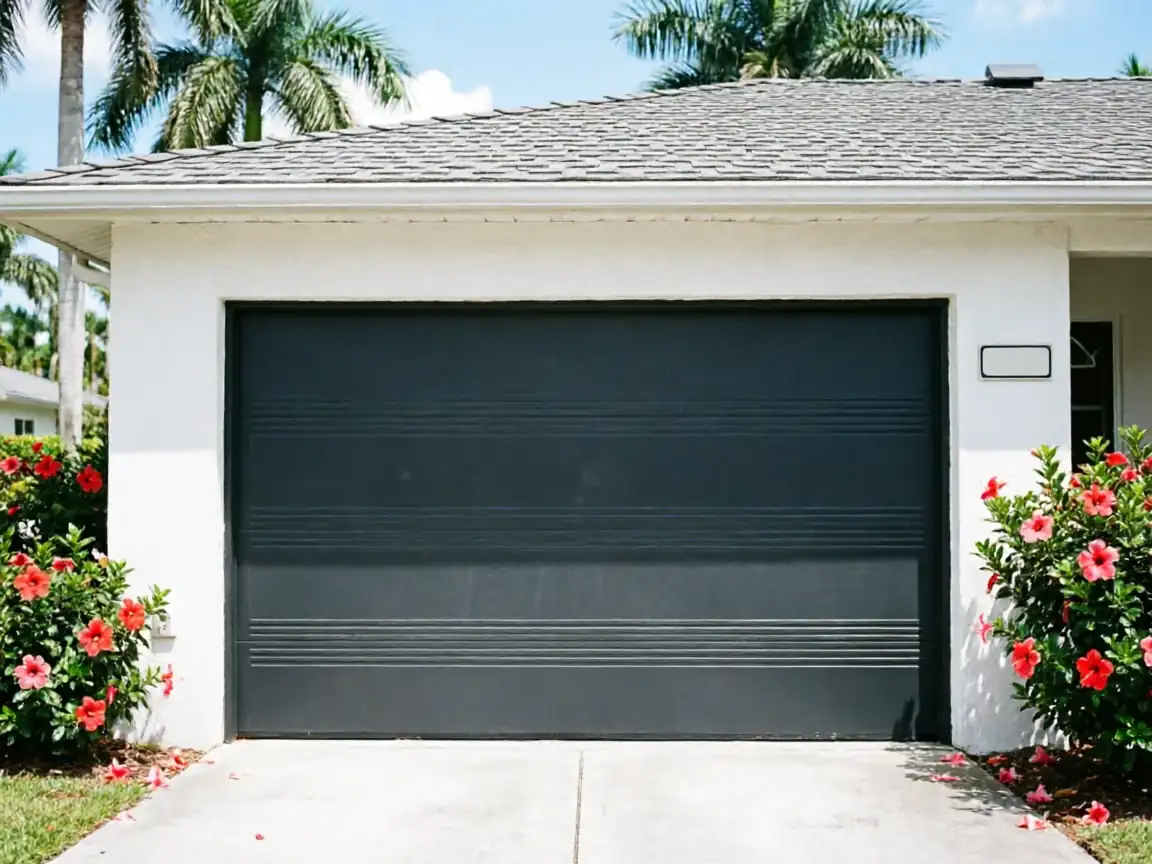
Merritt Island sits 14 miles from our shop in Melbourne, which changes how an emergency call here actually plays out. There's no branch truck sitting on the island waiting for a dispatch - every job rolls out from Melbourne, so when you call about a door that won't budge, you're waiting on a drive, not a walk down the street. That's worth knowing before the spring snaps at 7pm on a Friday: tell us what you're seeing and whether the car's trapped inside or out, because that changes what gets loaded on the truck before it leaves.
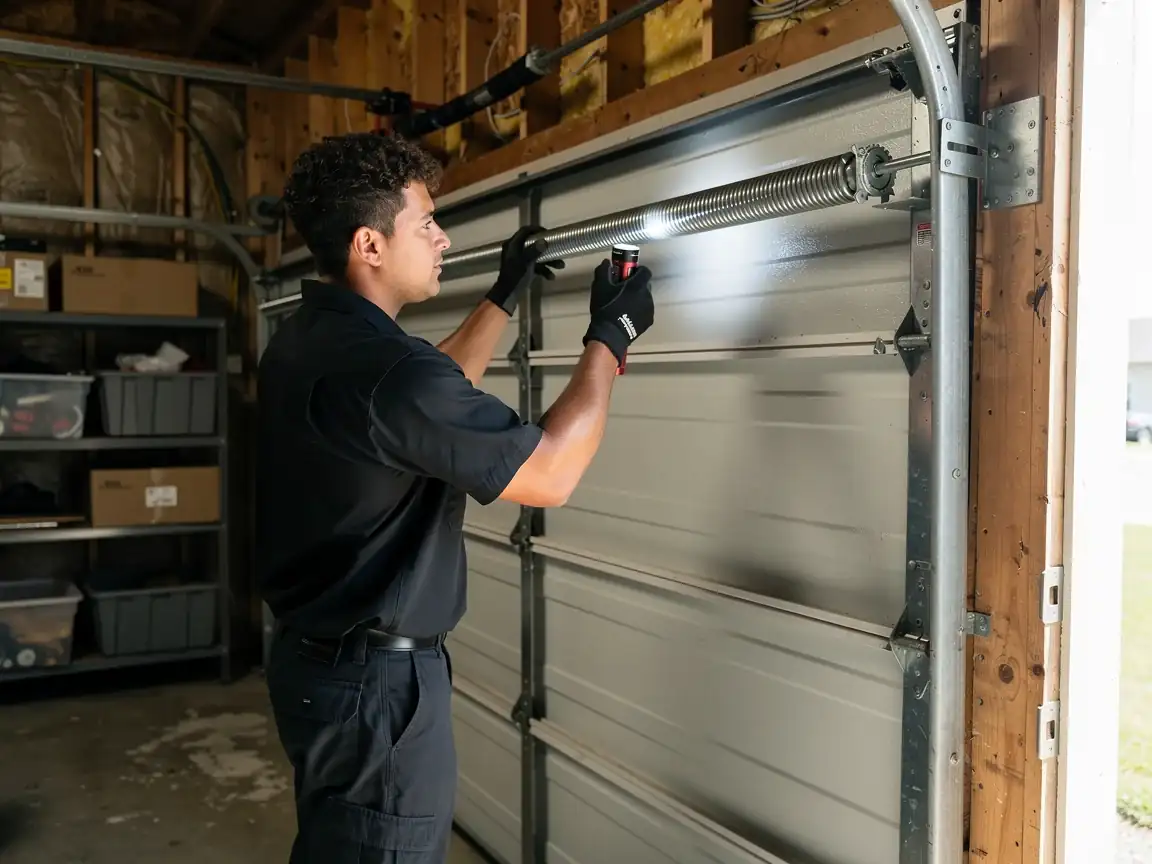
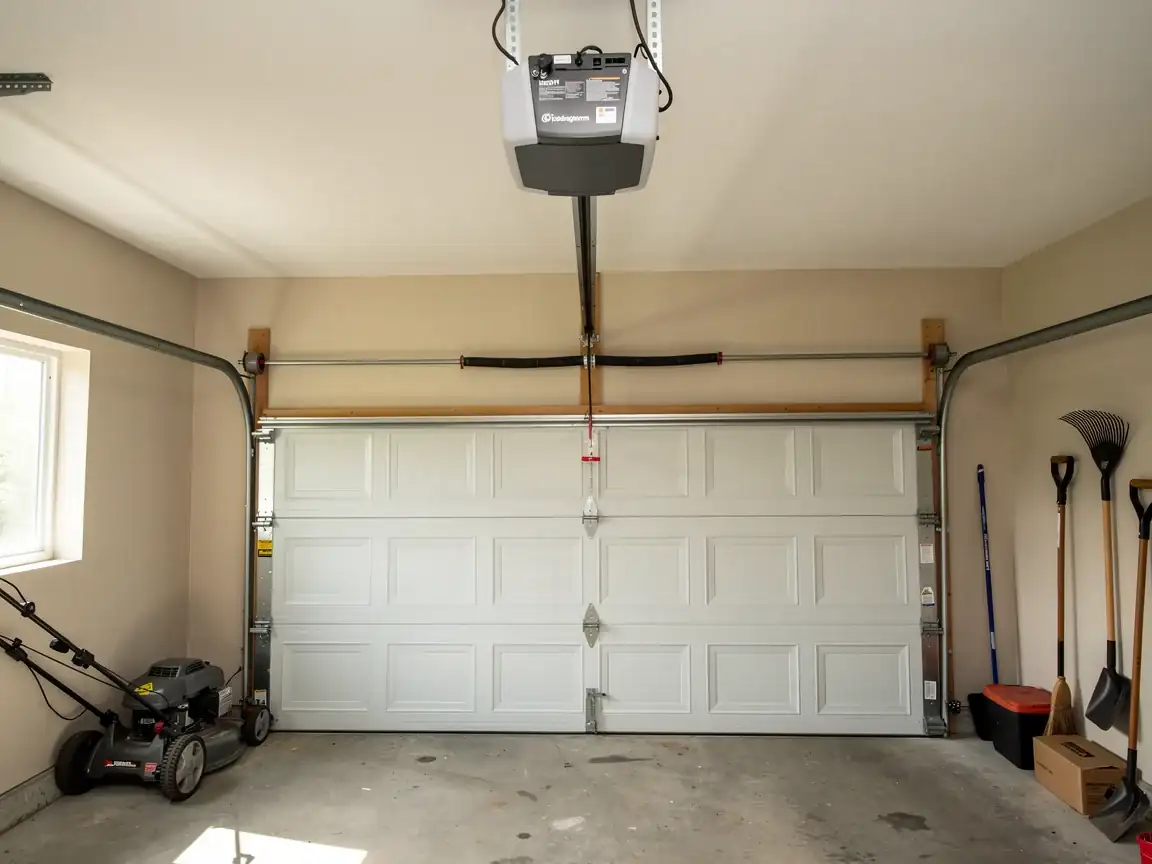
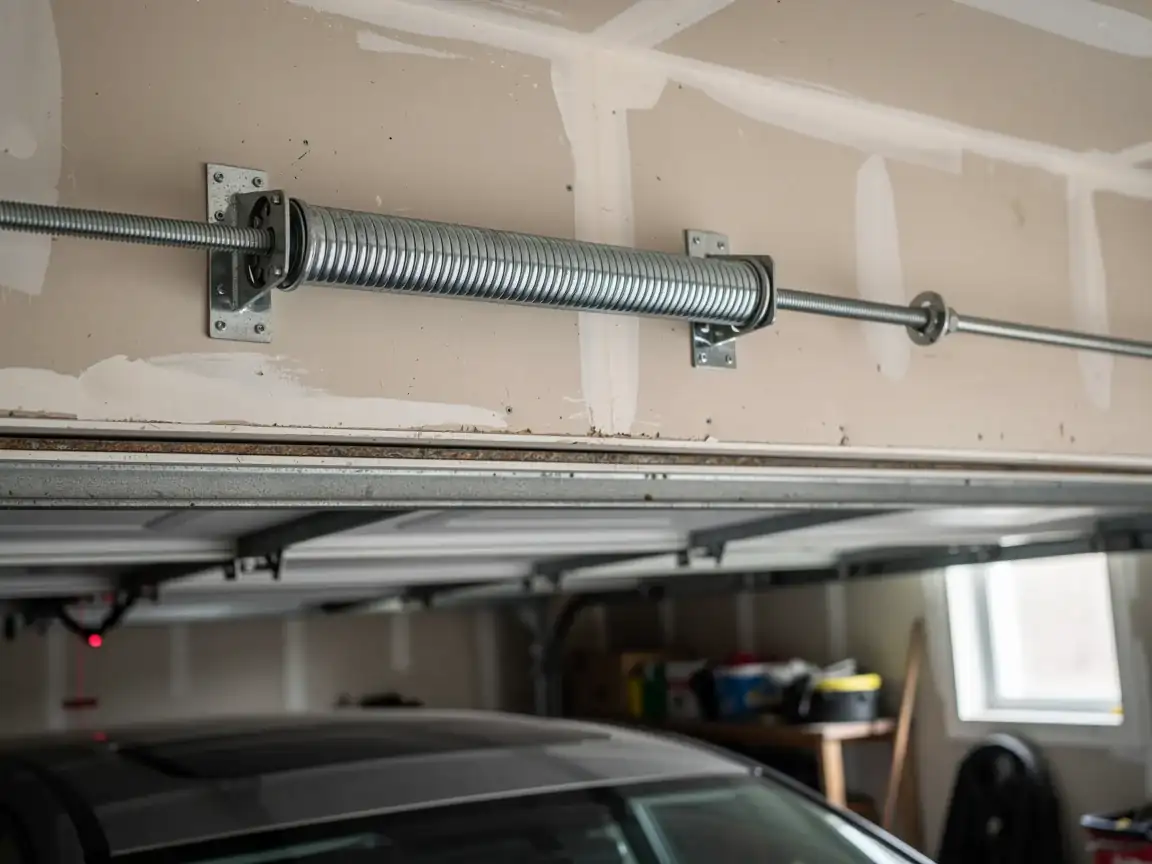
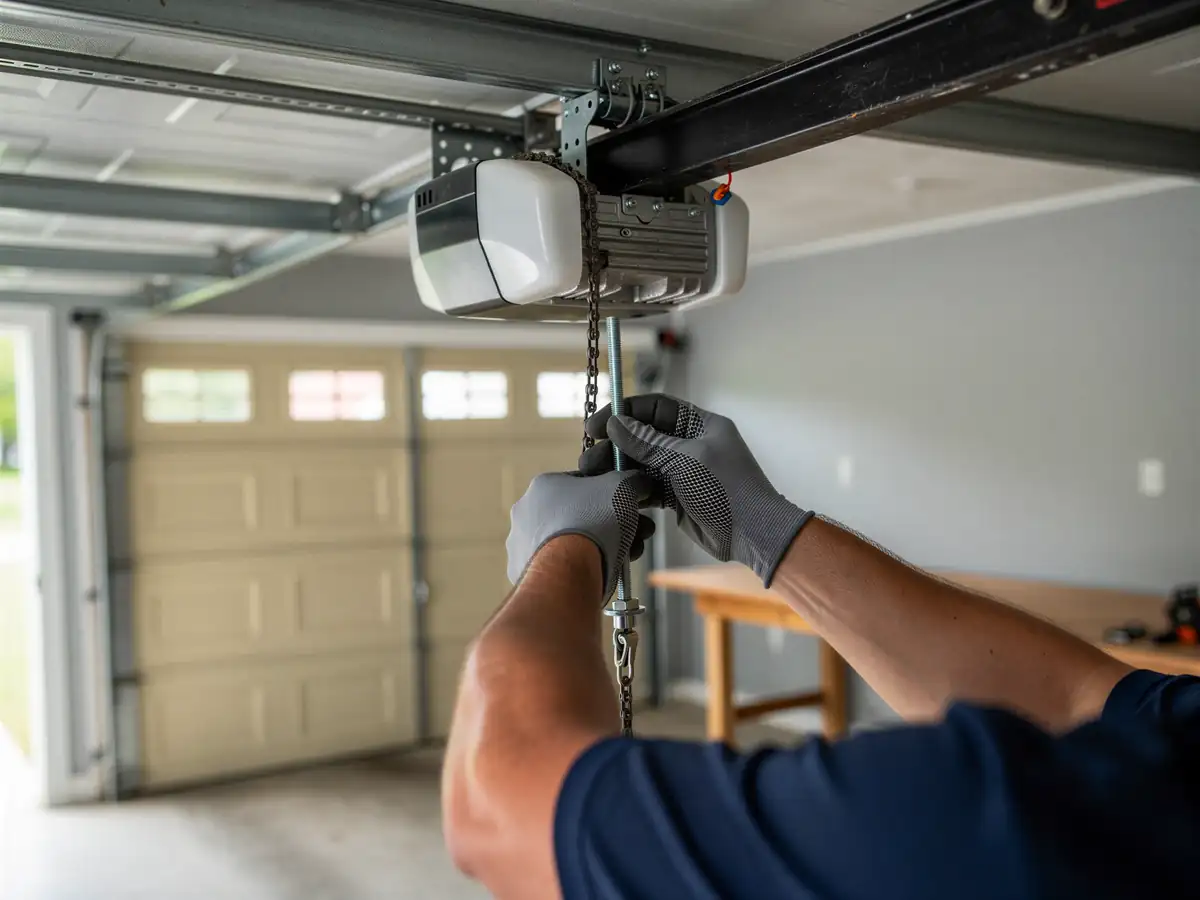
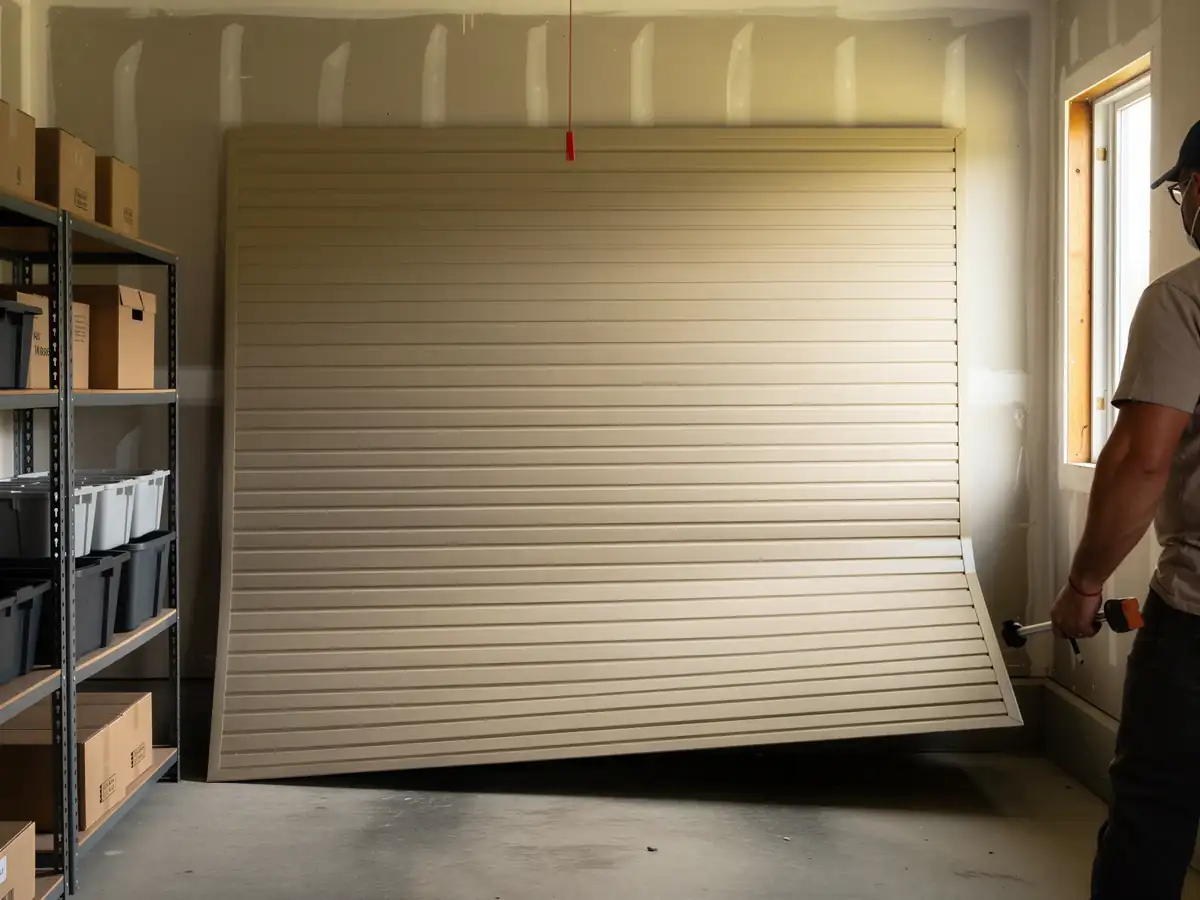
Most emergency calls out here sound the same: a loud bang and then the door won't move, or it drops fast and uneven on one side. Cables fray at the drum, torsion springs fatigue and let go, and openers grind trying to lift a door that's lost its spring tension entirely. None of that is unique to this stretch of road, but what's behind the wall often is, and that's worth getting into before you touch anything.
Doing It Yourself
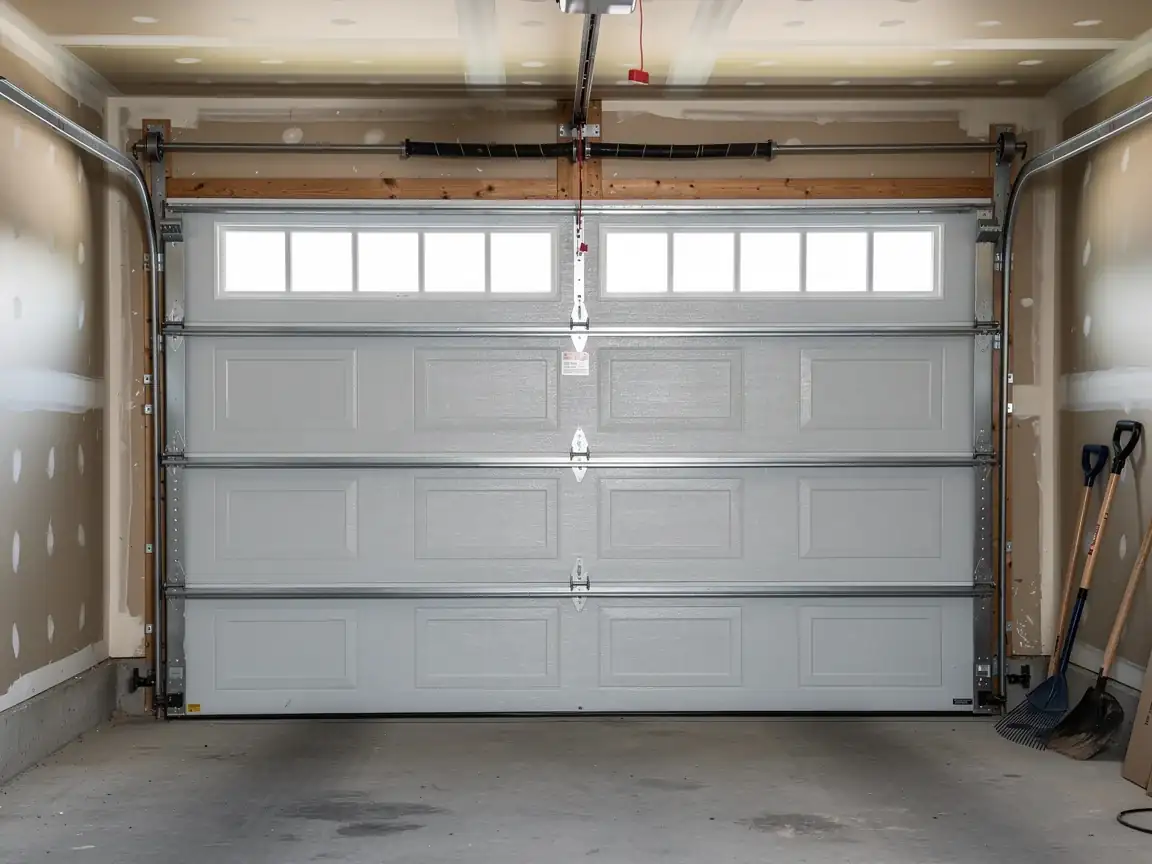
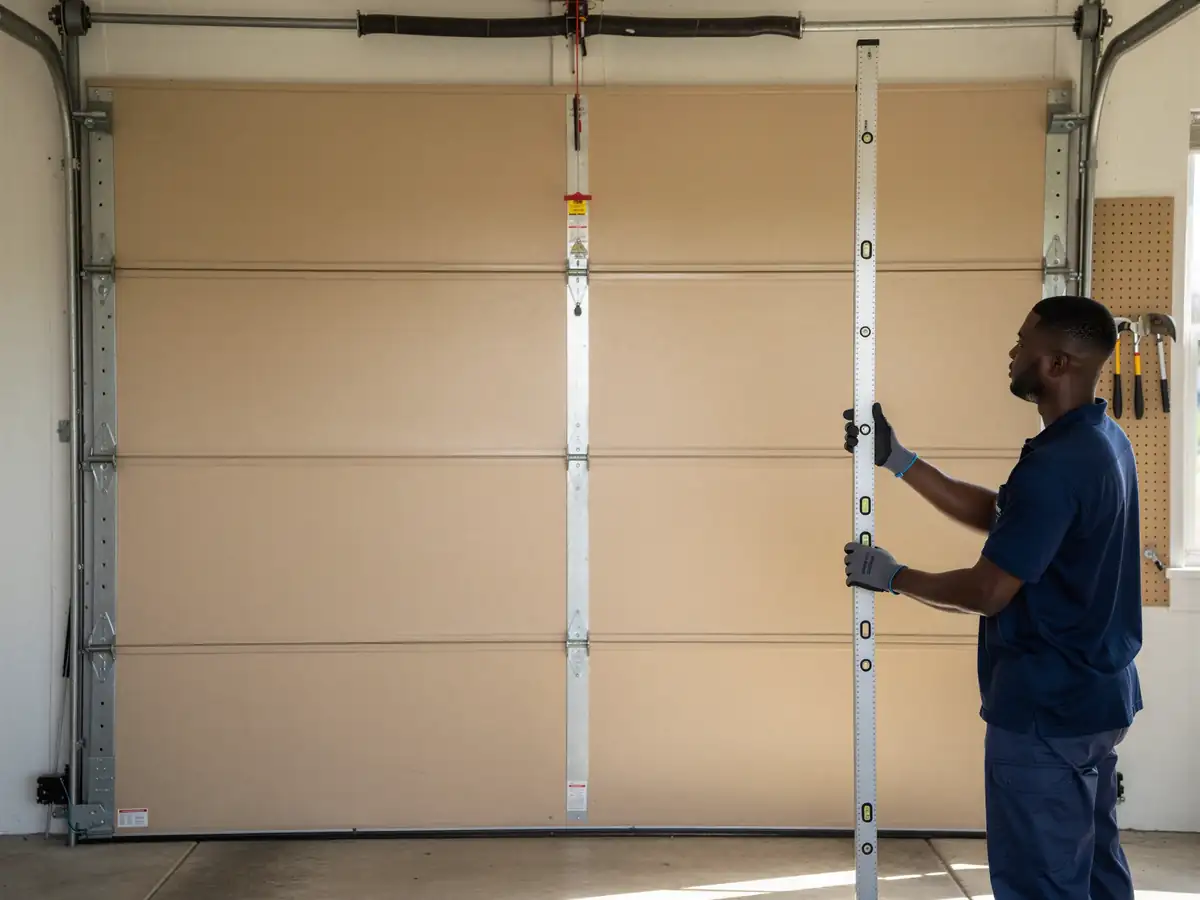
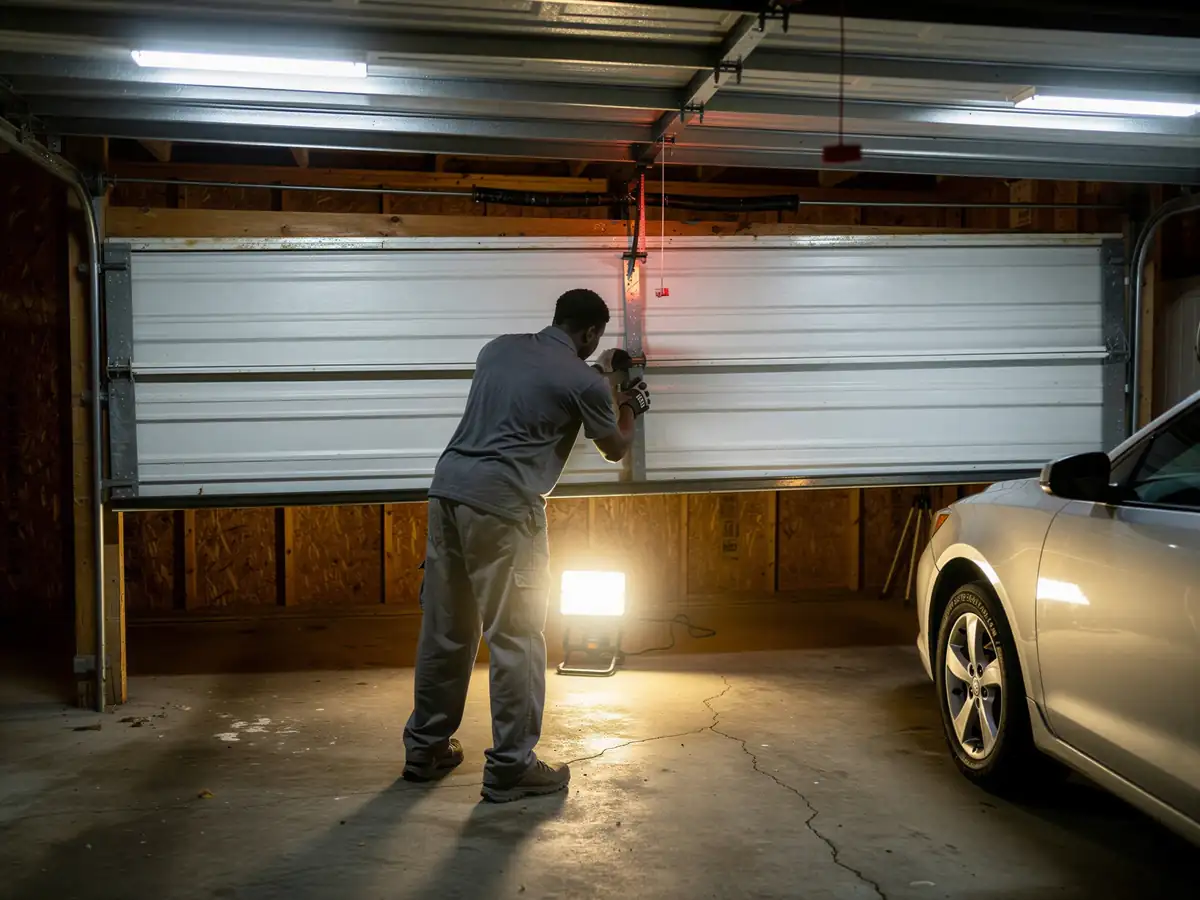
If the door's down and the opener still hums but the door won't lift, stop pulling the emergency release cord and trying to muscle it by hand. A door under full spring load, even a dead one, can drop its full weight if you release it wrong. What you can safely check: whether the track has a visible bend or the rollers have jumped the rail, and whether a cable has come unspooled from the drum rather than snapped clean. Photos of either help us bring the right parts instead of guessing on the drive over.
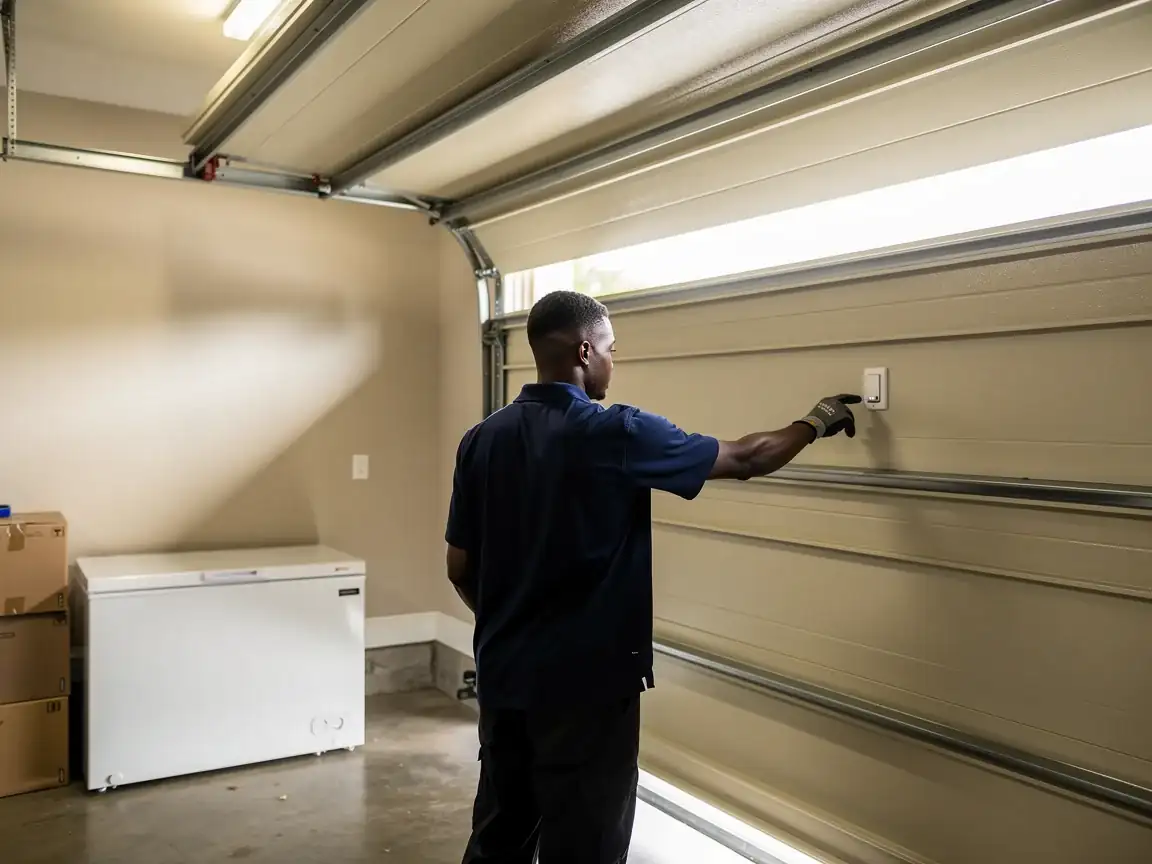
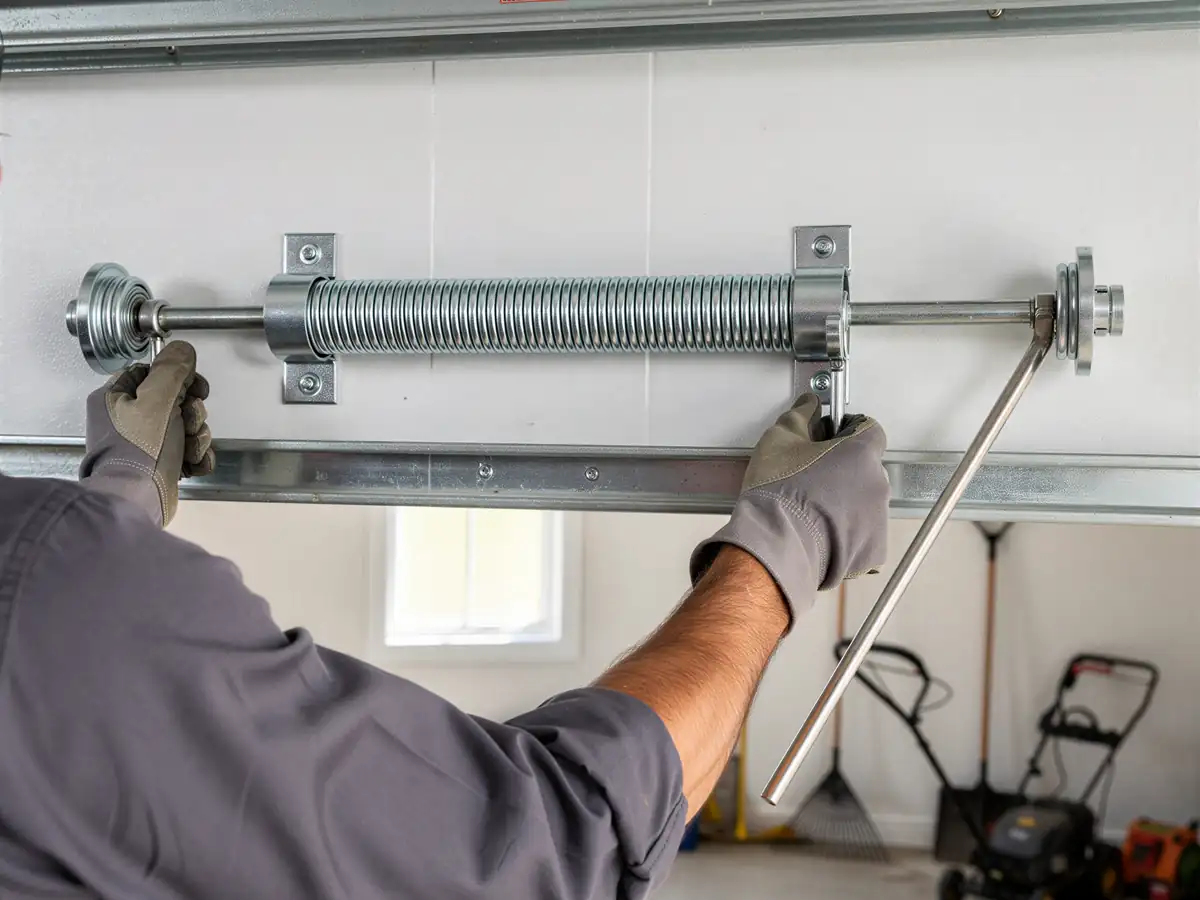
We'll say plainly what we won't do over the phone: walk you through spring replacement. A torsion spring under tension has put people in the ER, and it's not a repair we'll talk you through remotely no matter how simple a video makes it look. If the issue is a dead opener remote or a sensor knocked out of alignment, that's a five-minute fix most owners can do themselves - check the little LED lights on the two sensors near the floor and make sure nothing's blocking the beam between them.
What Can Go Wrong
Median household income on Merritt Island runs higher than the service area average of $86,305
And we mention that because it shapes what repair conversations look like here - owners more often ask for the door to be fixed right the first time rather than patched to last another season. That doesn't change the physics of a broken spring, but it does change which repairs we recommend versus which ones we'd only suggest on a tighter budget.
The honest limitation
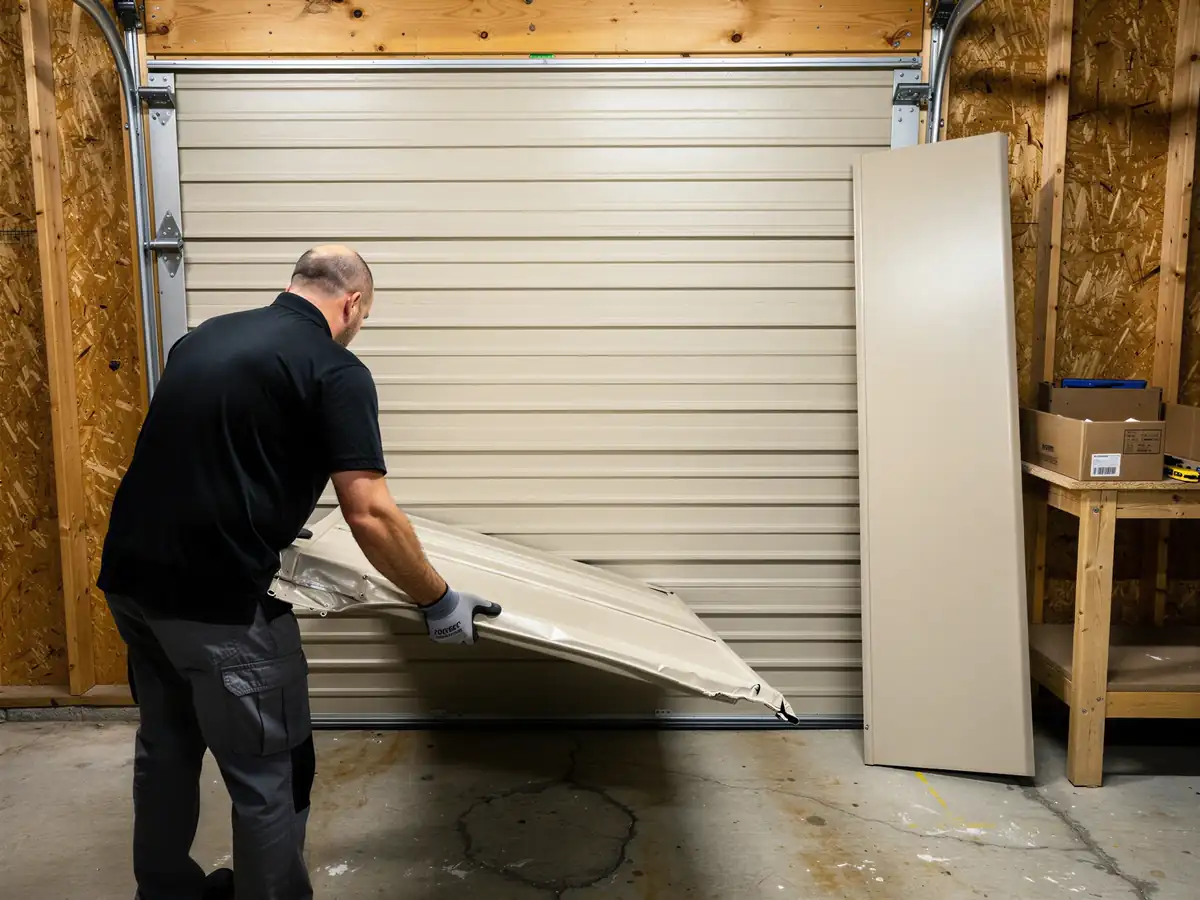
If a torsion spring has been replaced with a mismatched size before, or the drum and cable are rusted enough from salt air that one side won't spin free, a same-visit fix isn't always possible. Sometimes the part on the truck doesn't match what's on the door, and we have to order it. We'd rather tell you that up front than pretend every emergency call ends the same afternoon.
What Causes It Around Here
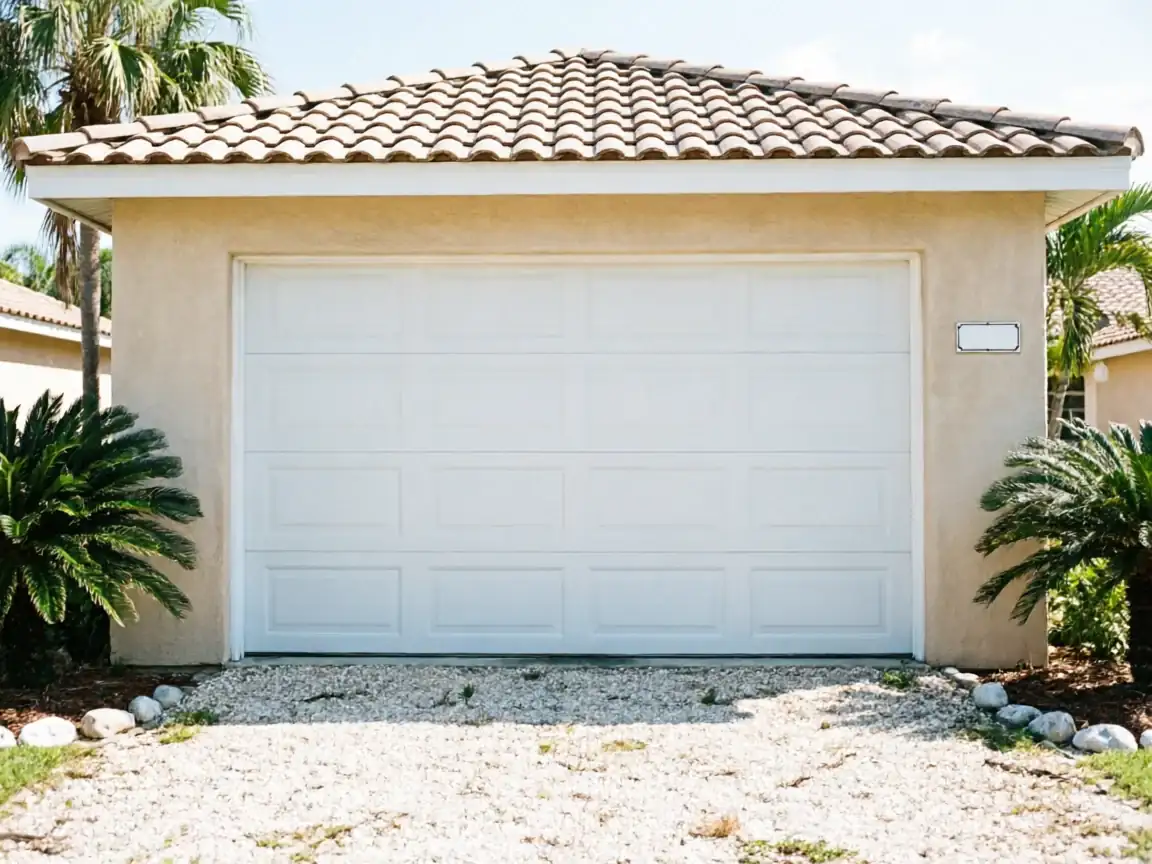
Housing across the wider Melbourne service area went up mostly between 1966 and 2003, median year 1977, and Merritt Island's own stock centers closer to 1973 - a few years earlier, which matters because it's right at the edge of when steel torsion hardware started replacing the older extension-spring setups. A lot of doors out here are still running original torsion assemblies that are now fifty years old, well past any manufacturer's expected spring life, even if the door itself still looks fine.
The climate band here is mild temperate, so we're not dealing with the hard freeze-thaw cycling that cracks hardware up north, but the flip side is constant humidity and salt-laden air off the water, which corrodes springs, cables, and track bolts from the inside out long before they look bad on the surface. That's the real story behind most of these sudden failures: not one storm, just decades of slow rust finally giving way.