How It Shows Up
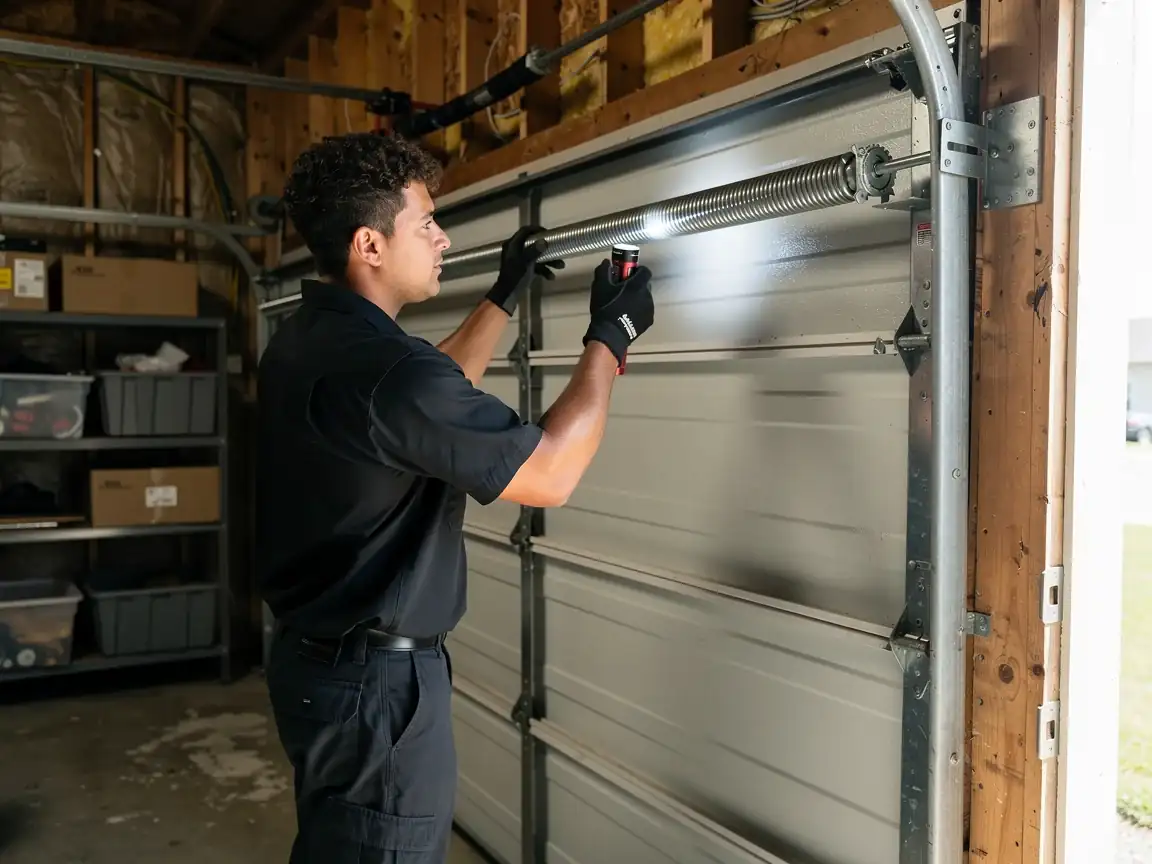
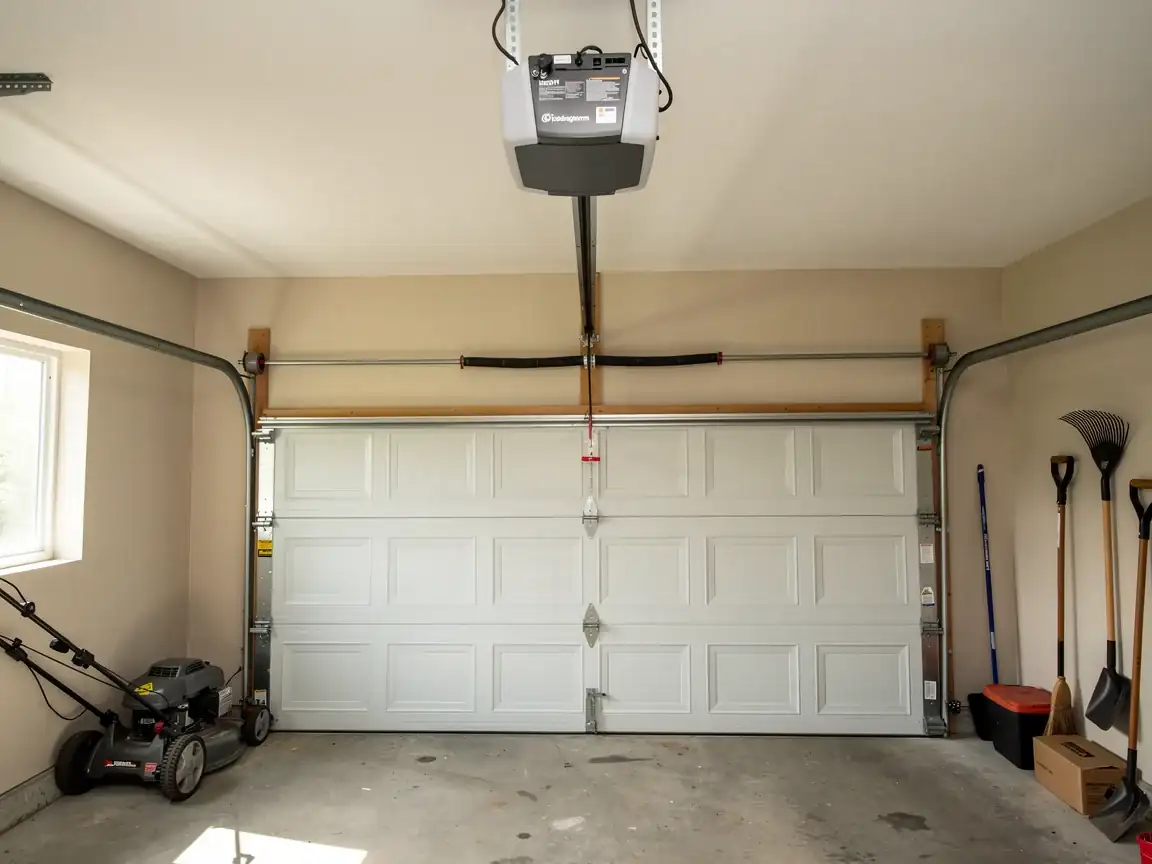
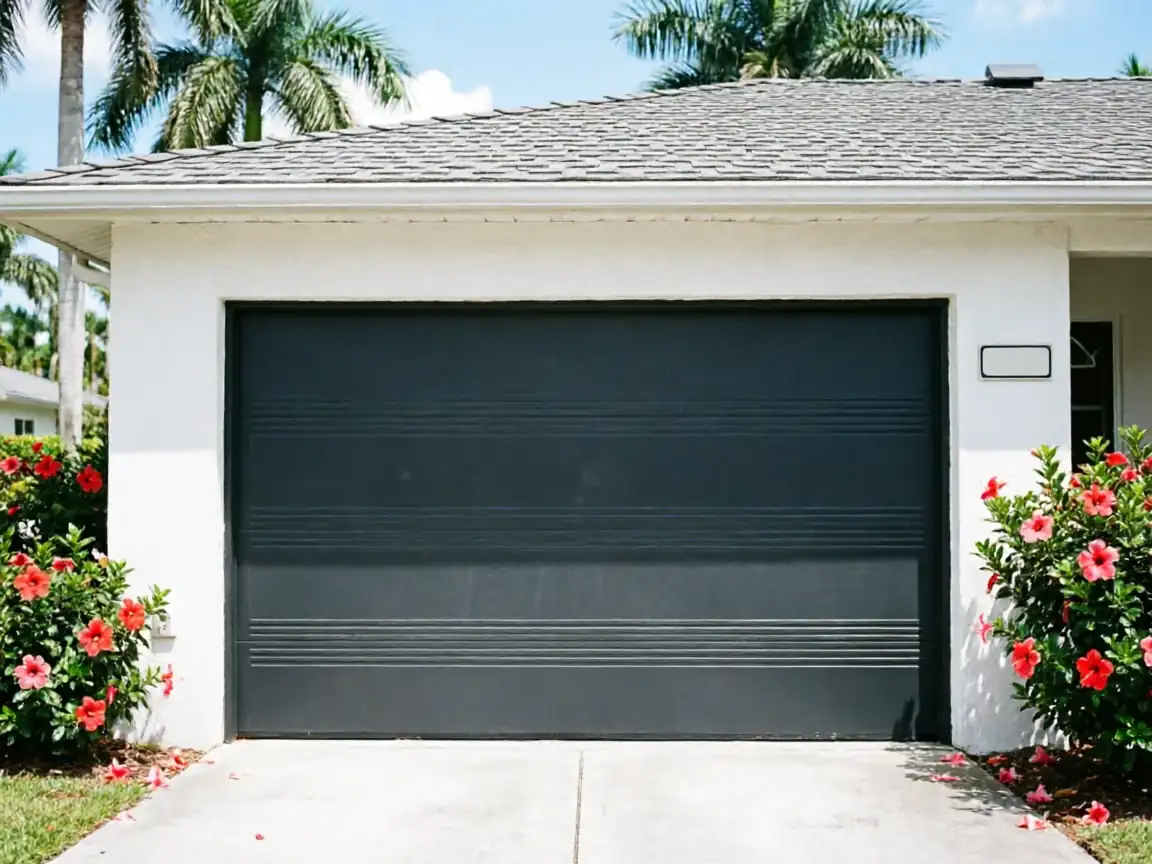
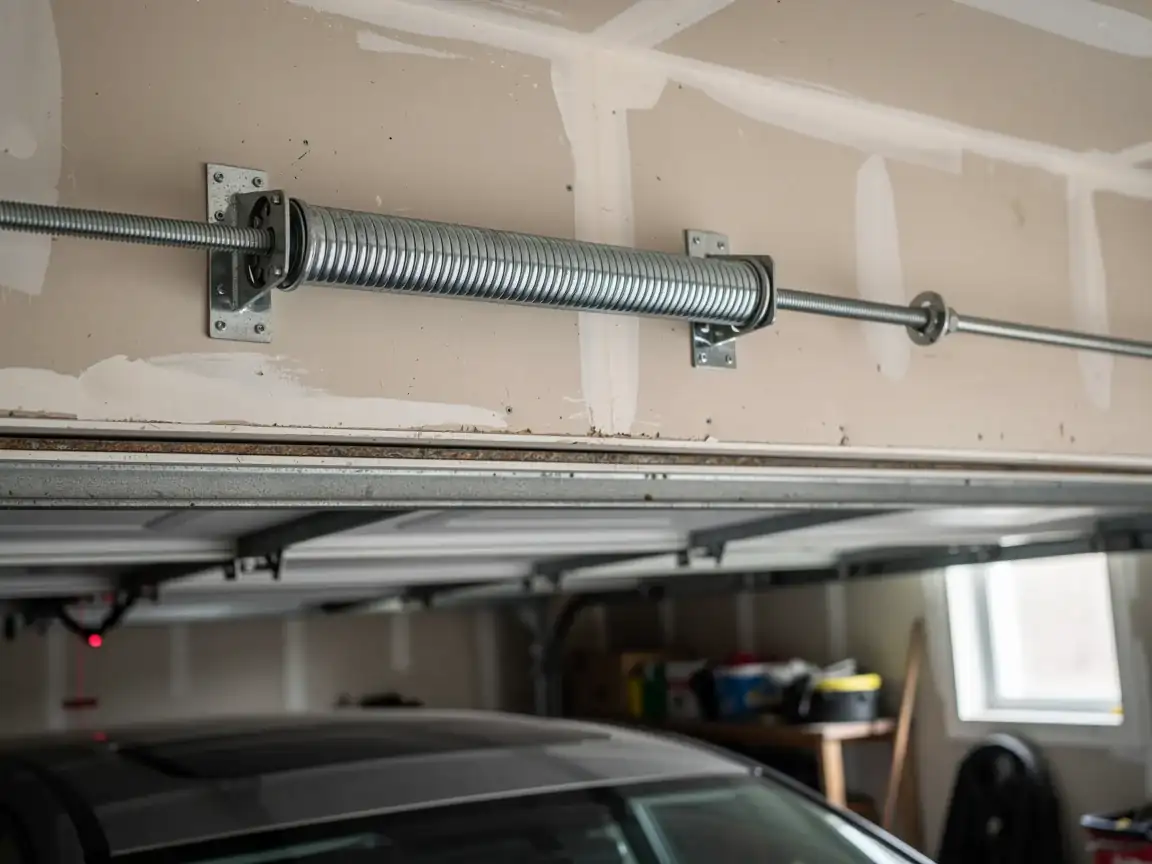
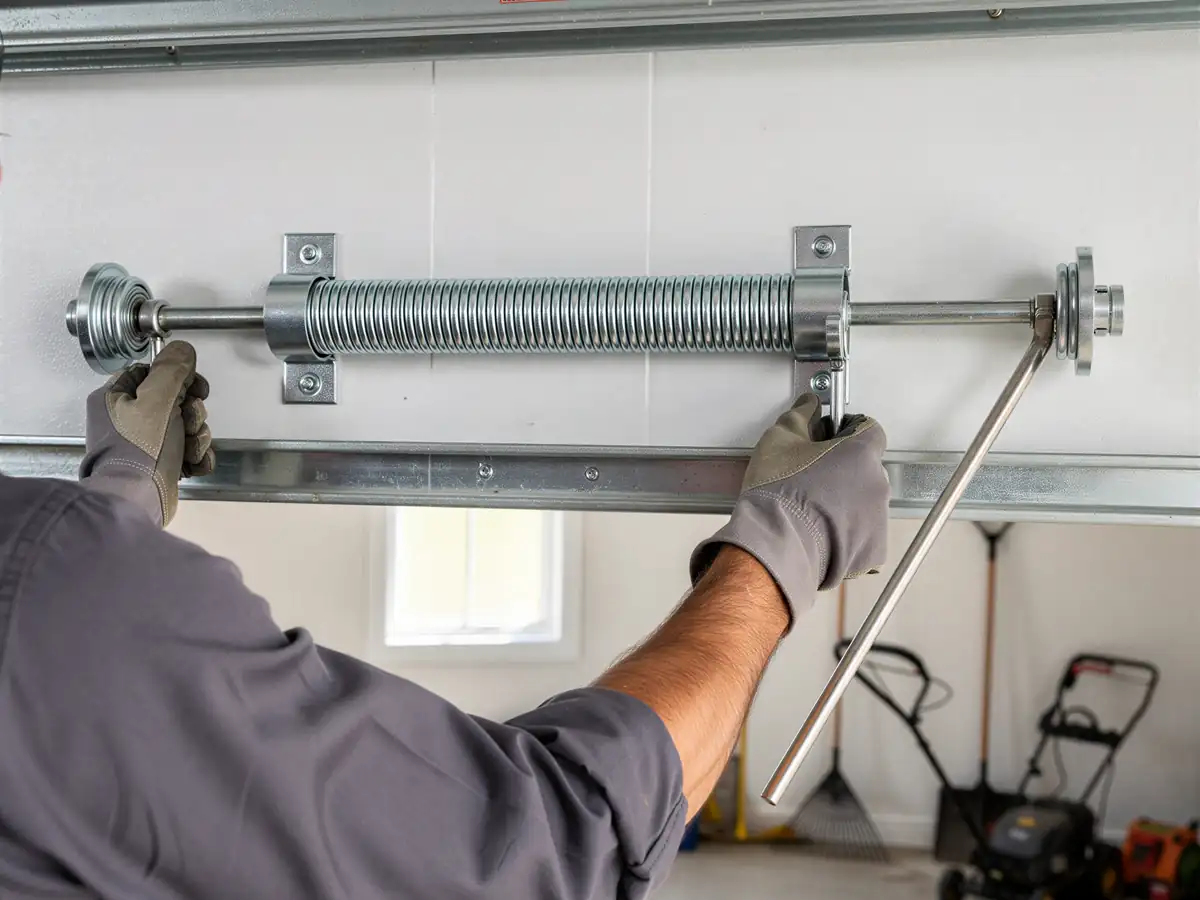
A lot of Merritt Island was built out around 1973, which puts most garage doors here at close to fifty years on the original torsion spring, if that spring has never been swapped. That's well past the design life of the coil itself, and it's usually the first thing to go. The symptom is almost always the same: the door sounds fine for months, then one morning it won't lift past knee height, or it drops hard the last foot on the way down. Sometimes you hear a loud bang in the garage and the door just sits there - that's the spring letting go, not the opener failing.
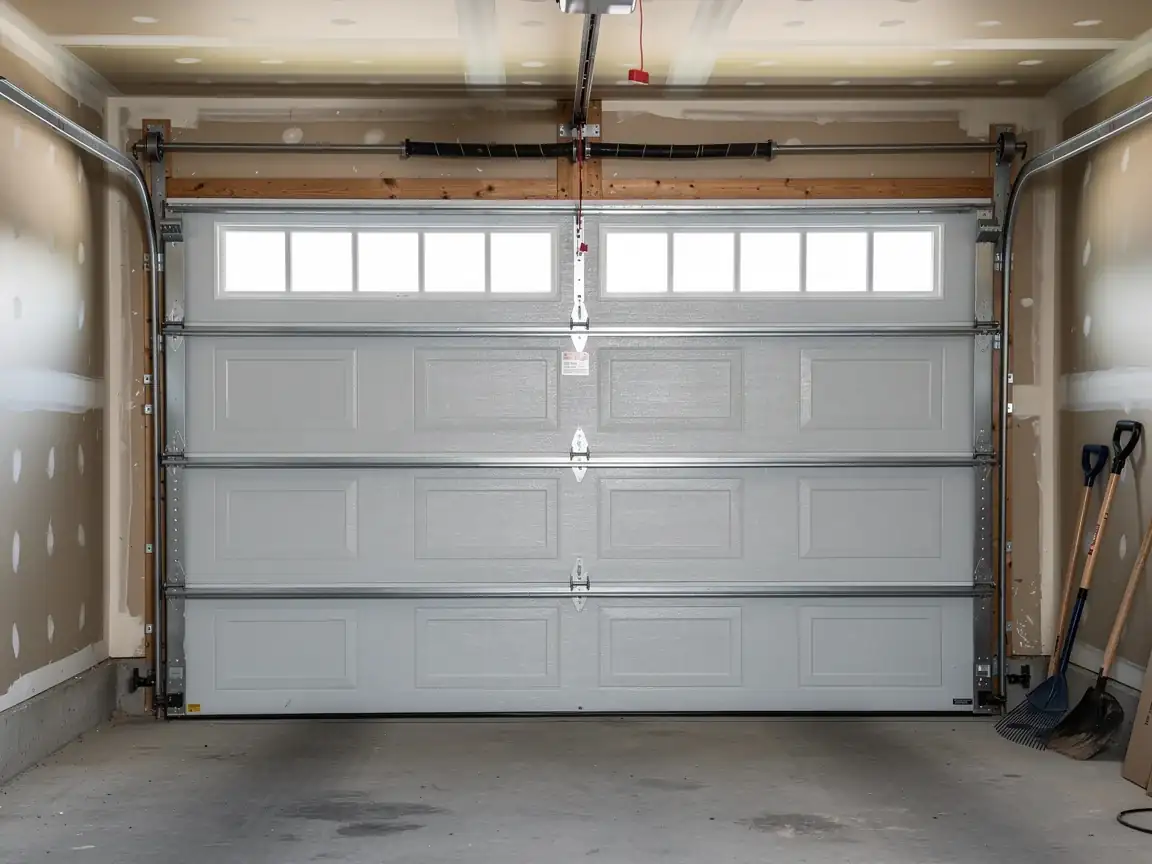
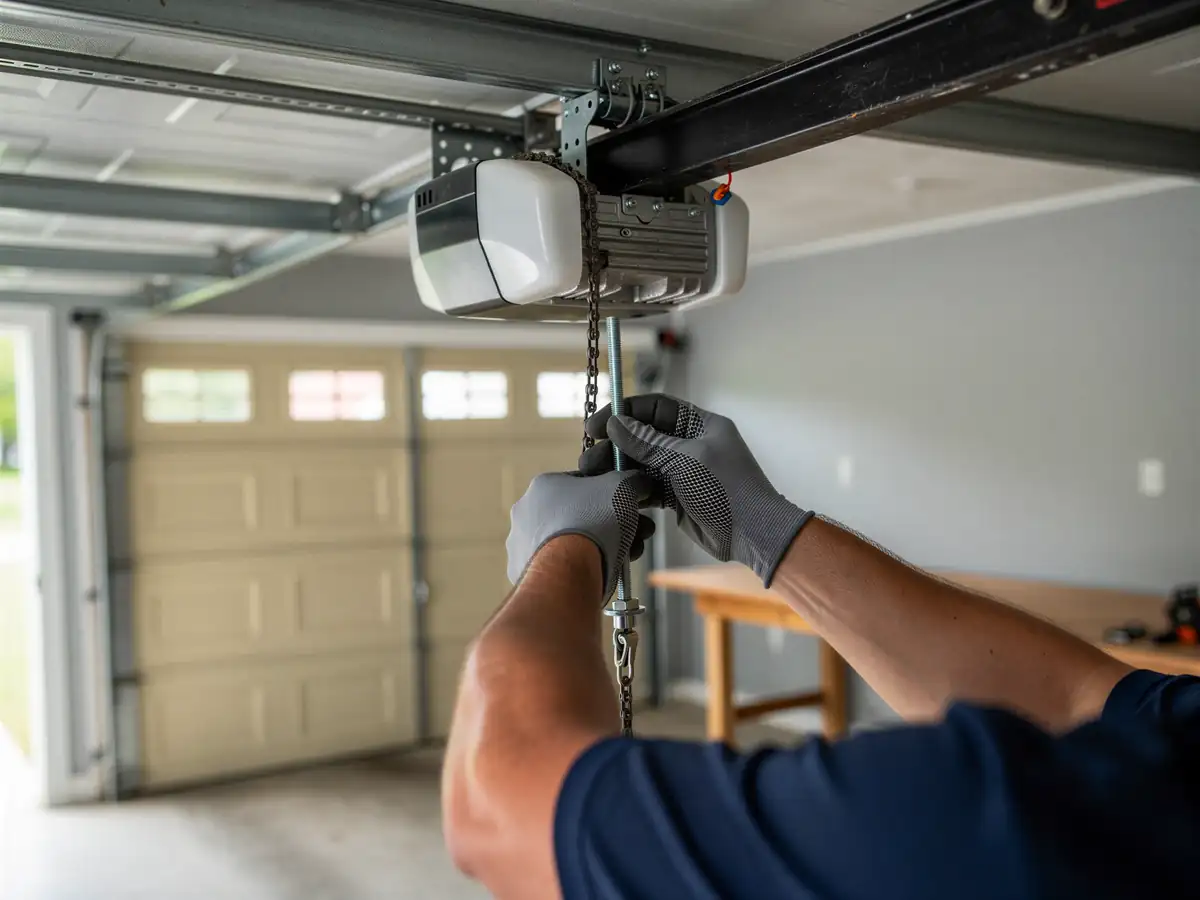
On doors this age, the opener has often been replaced once already, but the spring, the drums, and the track brackets are frequently still the parts that went up with the house. Rollers get noisy and start grinding metal-on-metal if they were never upgraded from steel to nylon. Cables fray at the bottom bracket where road salt in the air and humidity have had four-plus decades to work on them. None of this is dramatic until the day it is, and on a 1973-era door that day tends to arrive without much warning.
Doing It Yourself
Lubricating hinges and rollers with a garage-door-specific spray is reasonable DIY, and it's cheap insurance on hardware this old. Tightening loose bolts on the track brackets, as long as the door is down and the opener is unplugged, is also fine.
What isn't fine is touching the torsion spring itself. These springs store enough tension to break a wrist or worse, and on a door from the early 1970s the mounting hardware holding that spring has had fifty years to corrode, which makes it less predictable under load, not more. If your opener is straining, reversing partway up, or the door feels heavier on one side than the other, that's a hardware problem, not a settings problem, and it's not a weekend project. We'd rather you call before you're mid-repair than after.
What Can Go Wrong
The honest limitation first
If the spring, drums, and track on your door are all original to a 1973 build, replacing just the broken part sometimes isn't worth it. Once one component fails on hardware that old, the parts next to it are usually close behind, and patching one at a time ends up costing more than doing the torsion system once, properly.
Short of that, the common failures we see on Merritt Island calls are a snapped torsion spring, a cable that's jumped the drum
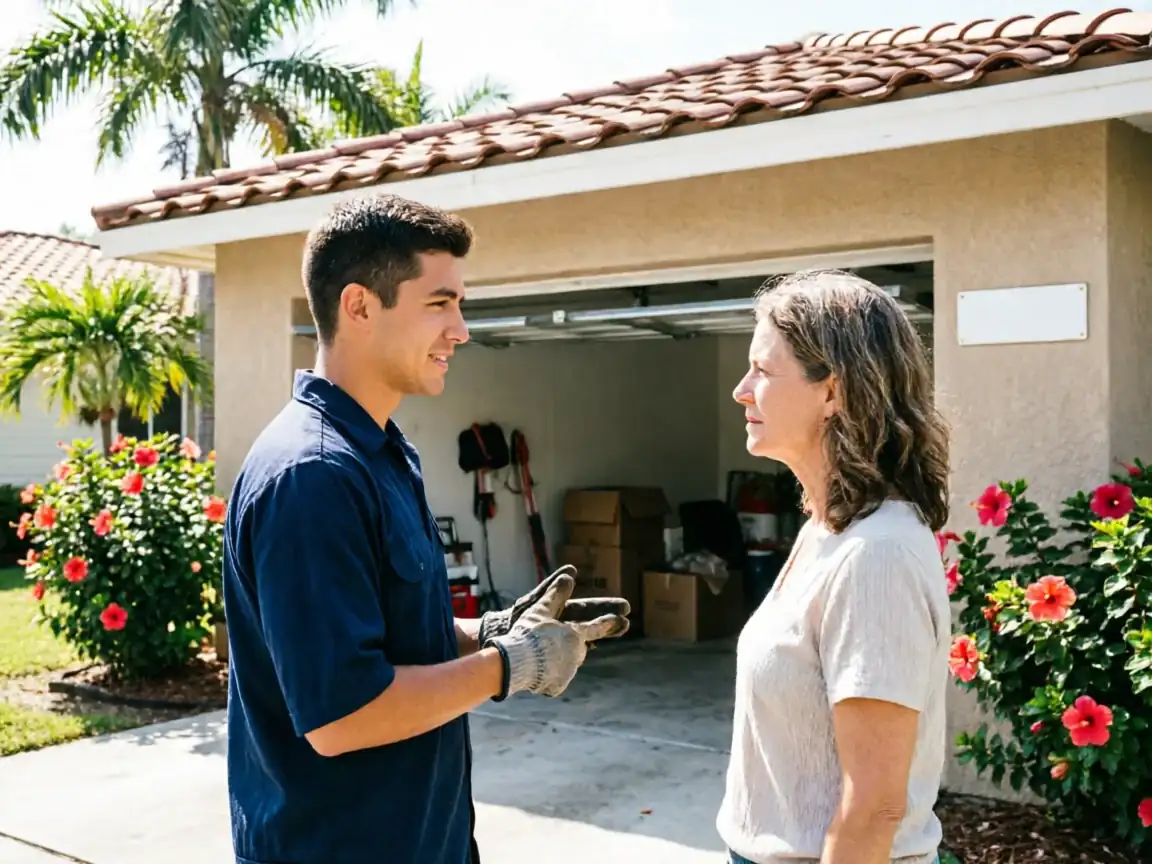
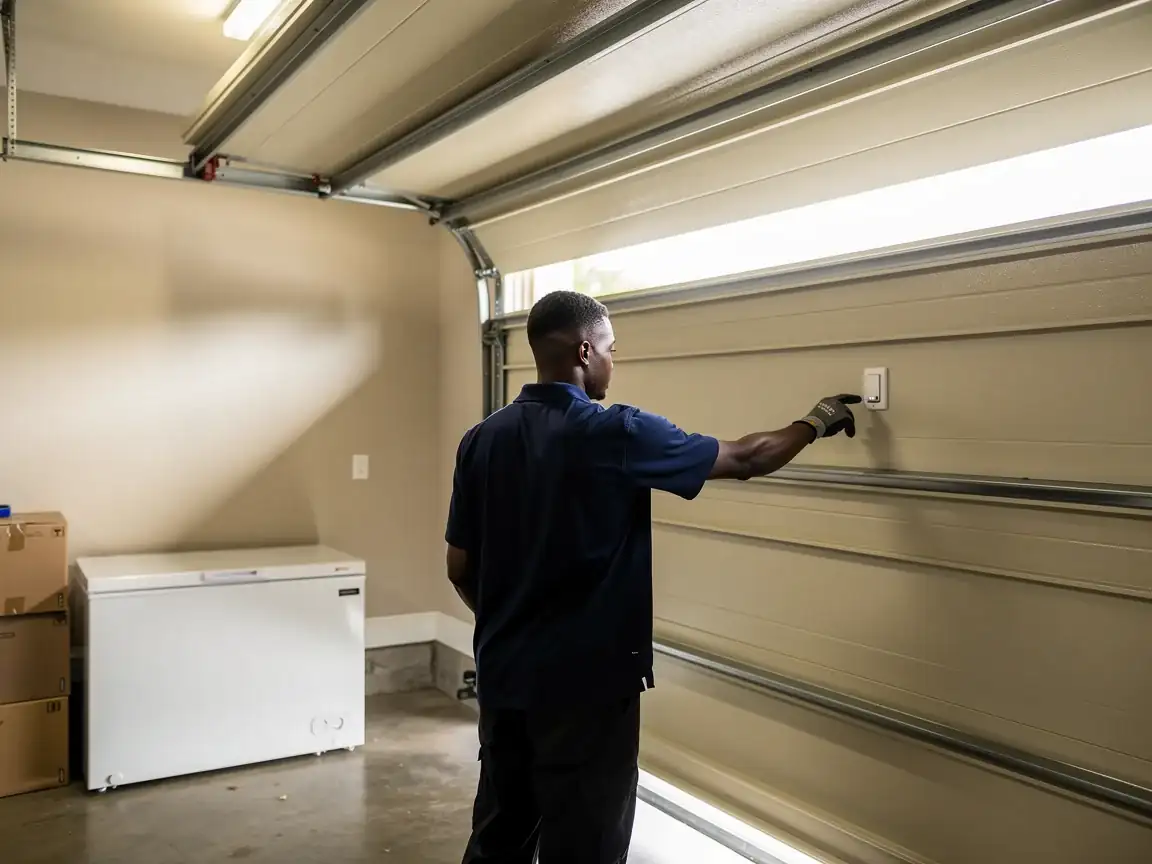
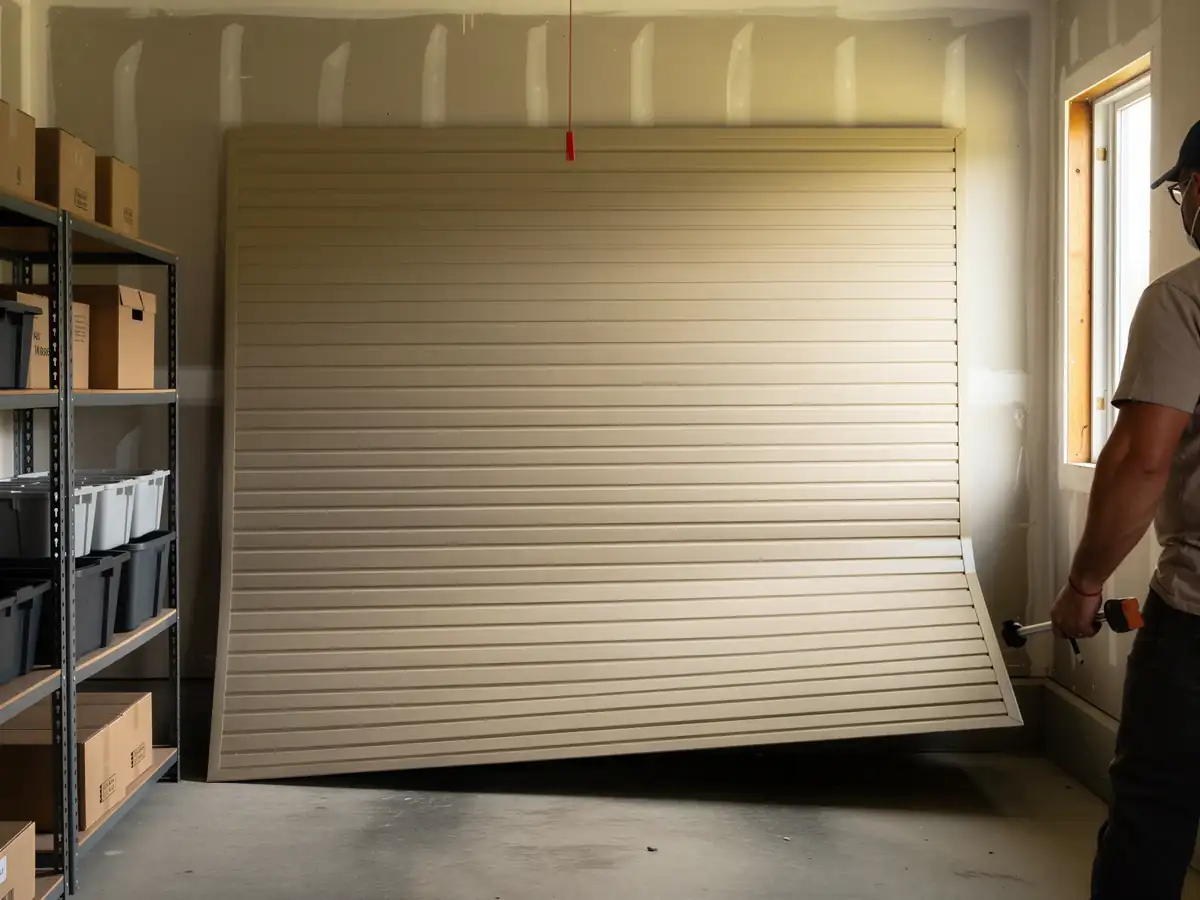
And bottom brackets worn enough that the door racks sideways in the track. Openers from a mid-life replacement sometimes outlast the mechanical hardware they're bolted to, which confuses people - the motor runs fine, but the door it's lifting is the problem. We diagnose on site rather than quoting blind over the phone, because on a door this age the failure that shows up isn't always the failure that started it.
What Causes It Around Here
Merritt Island sits in a mild temperate climate band, so you're not dealing with freeze-thaw cycles cracking hardware the way colder regions do. The wear here is steadier and less dramatic: humidity and the salt air off the water corrode springs, cables, and bottom brackets gradually, year after year, rather than any one storm doing the damage.
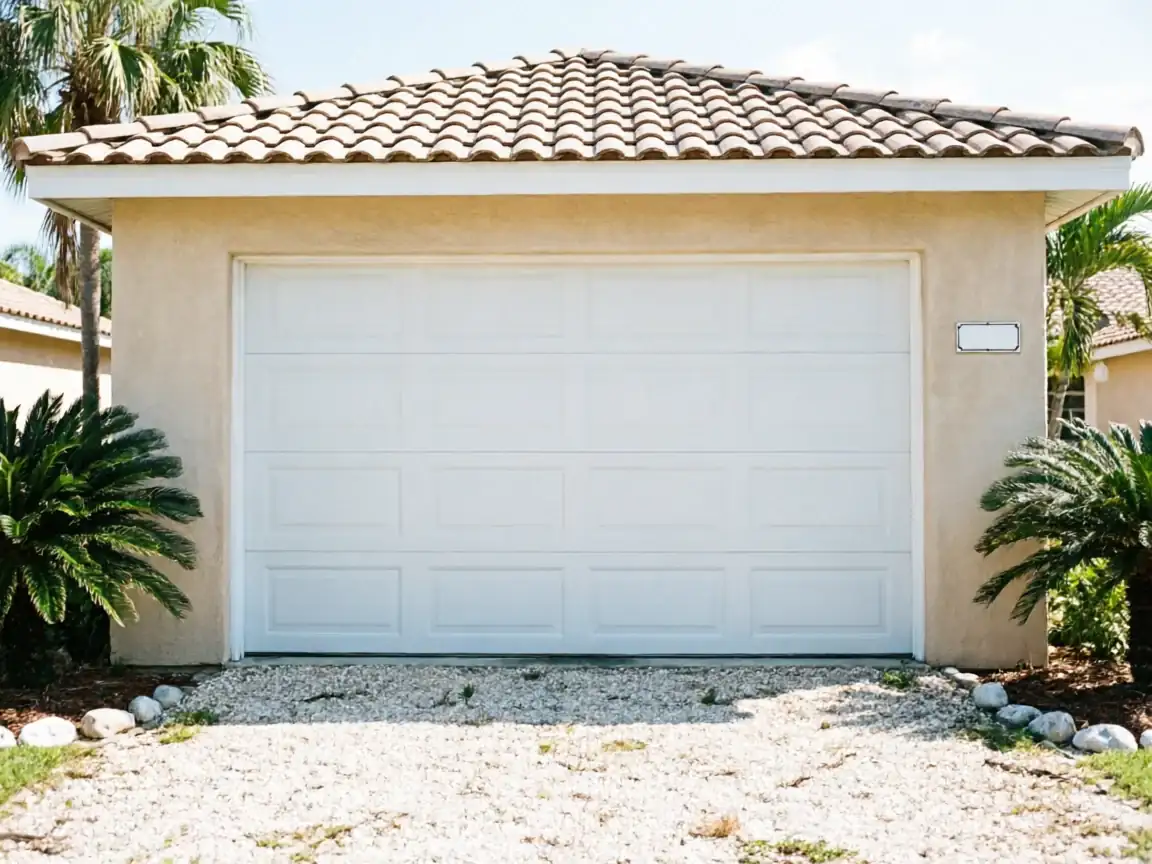
With roughly 13,867 households on the island and a median household income of $91,020, a fair number of these homes have had at least one opener upgrade over the decades, but the heavier mechanical parts - spring, drums, track - often stay original because nobody thinks about them until they fail. We cover Merritt Island from Melbourne, about 14 miles out, and across the wider service area of 82,524 households we see the same pattern: it's the parts built for the house, not the parts bolted on later, that finally give out.