The Usual Work Here
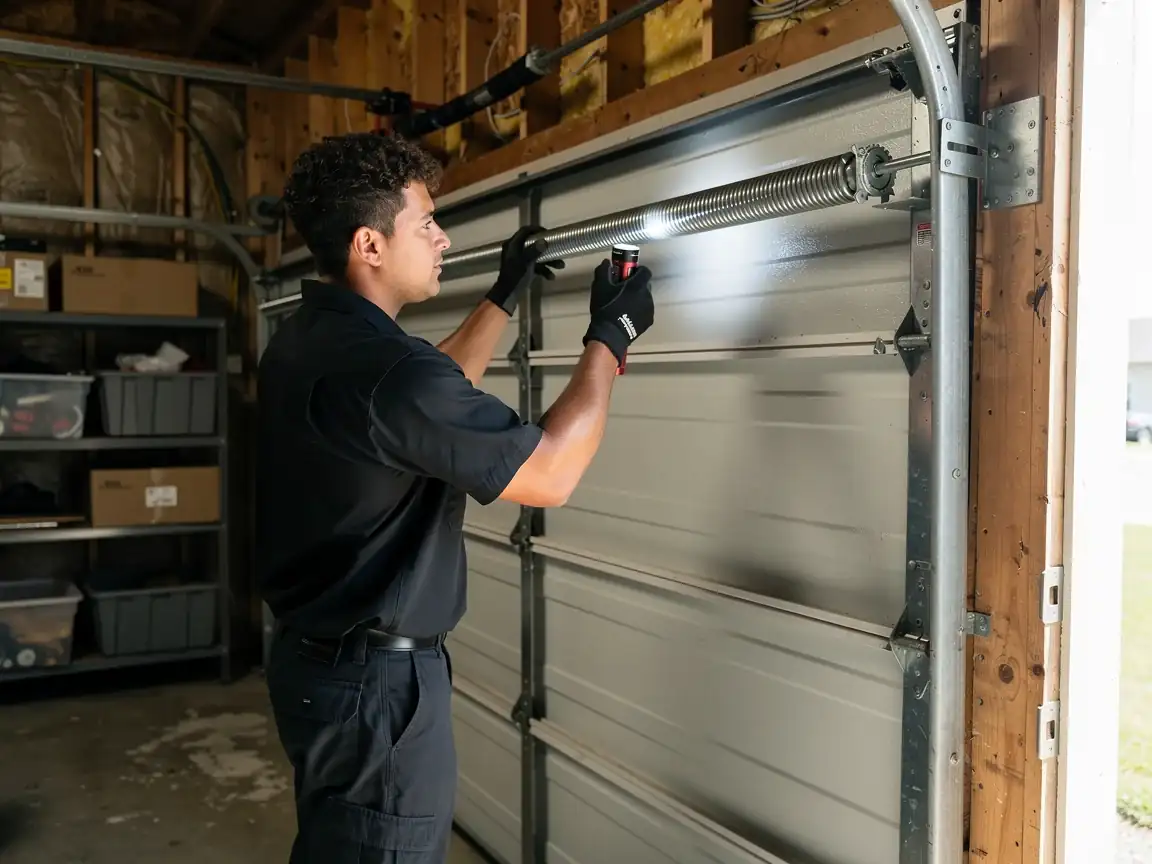
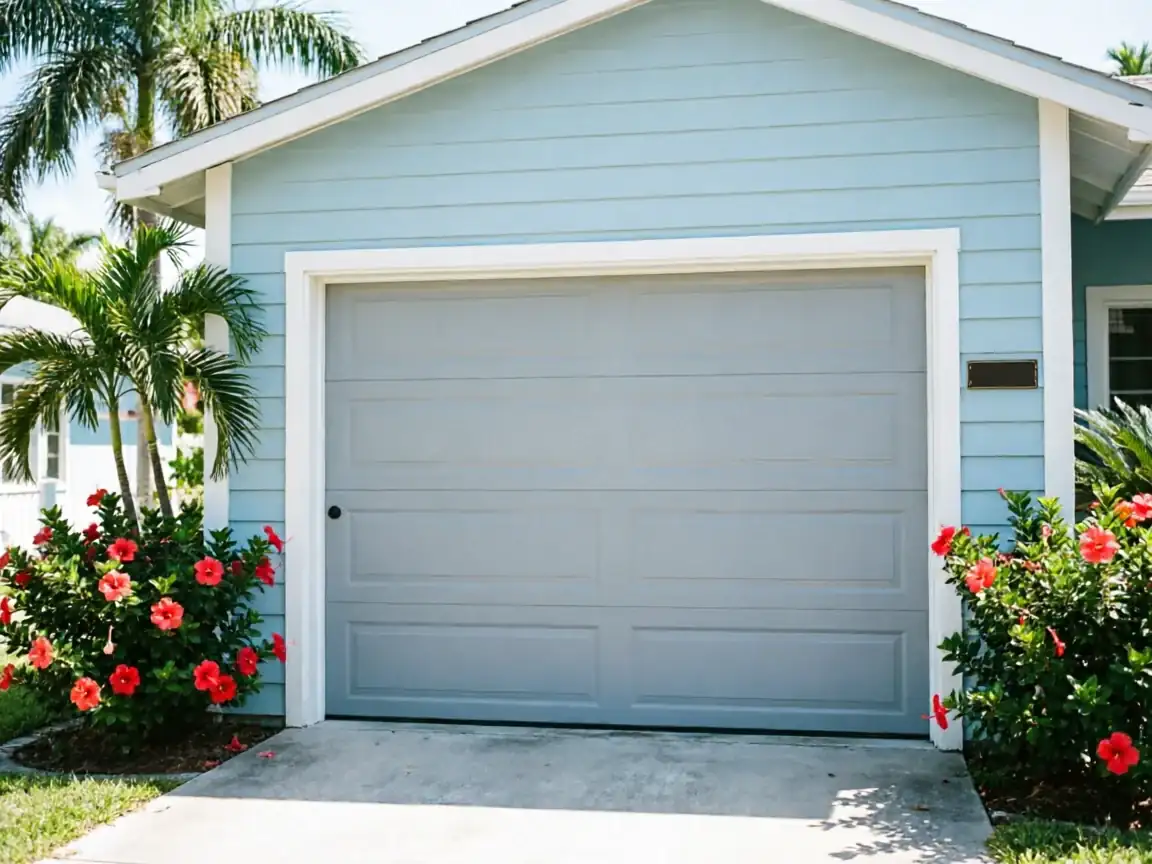
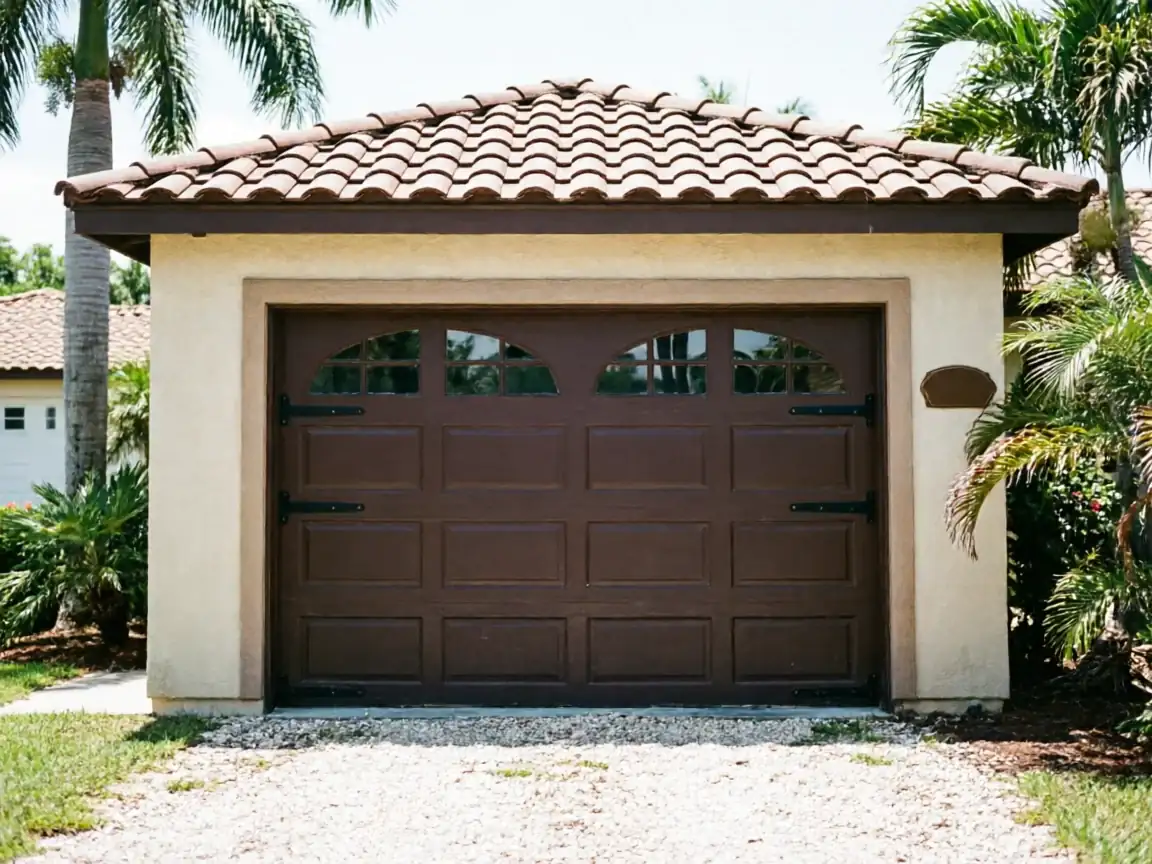
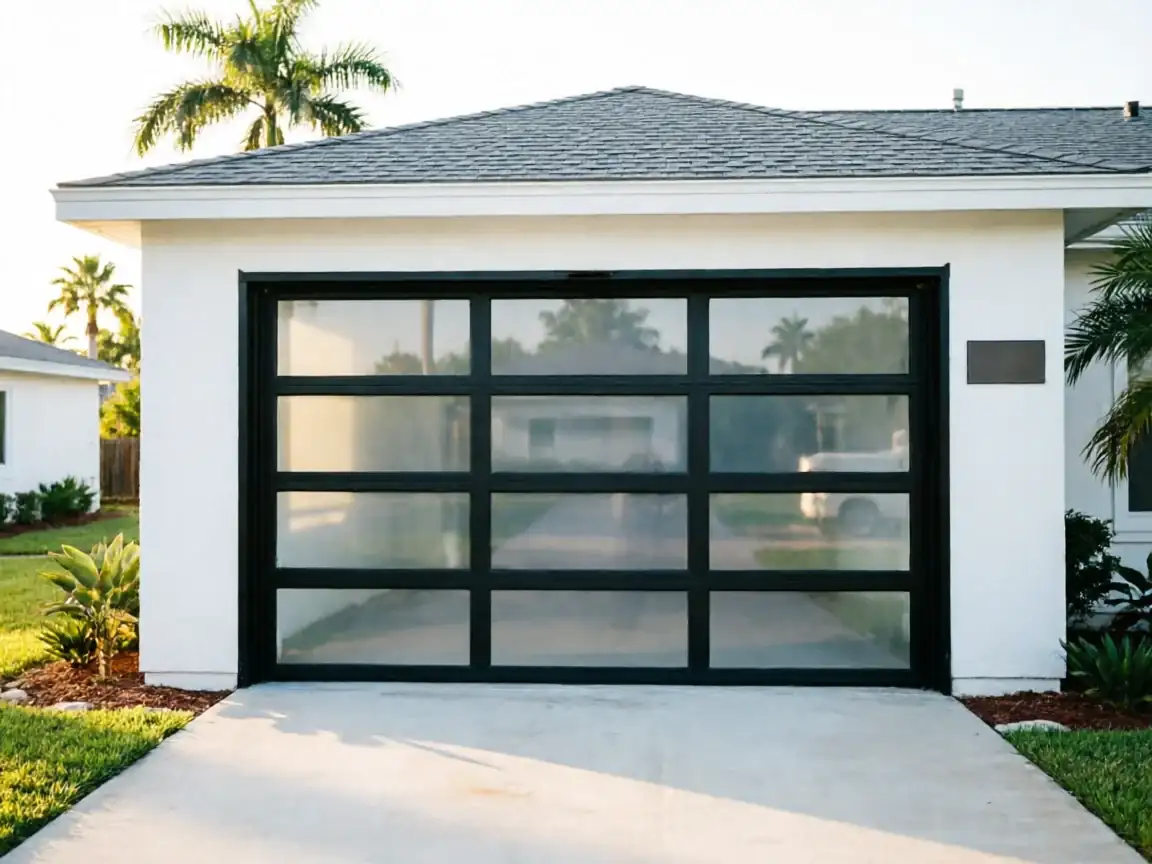
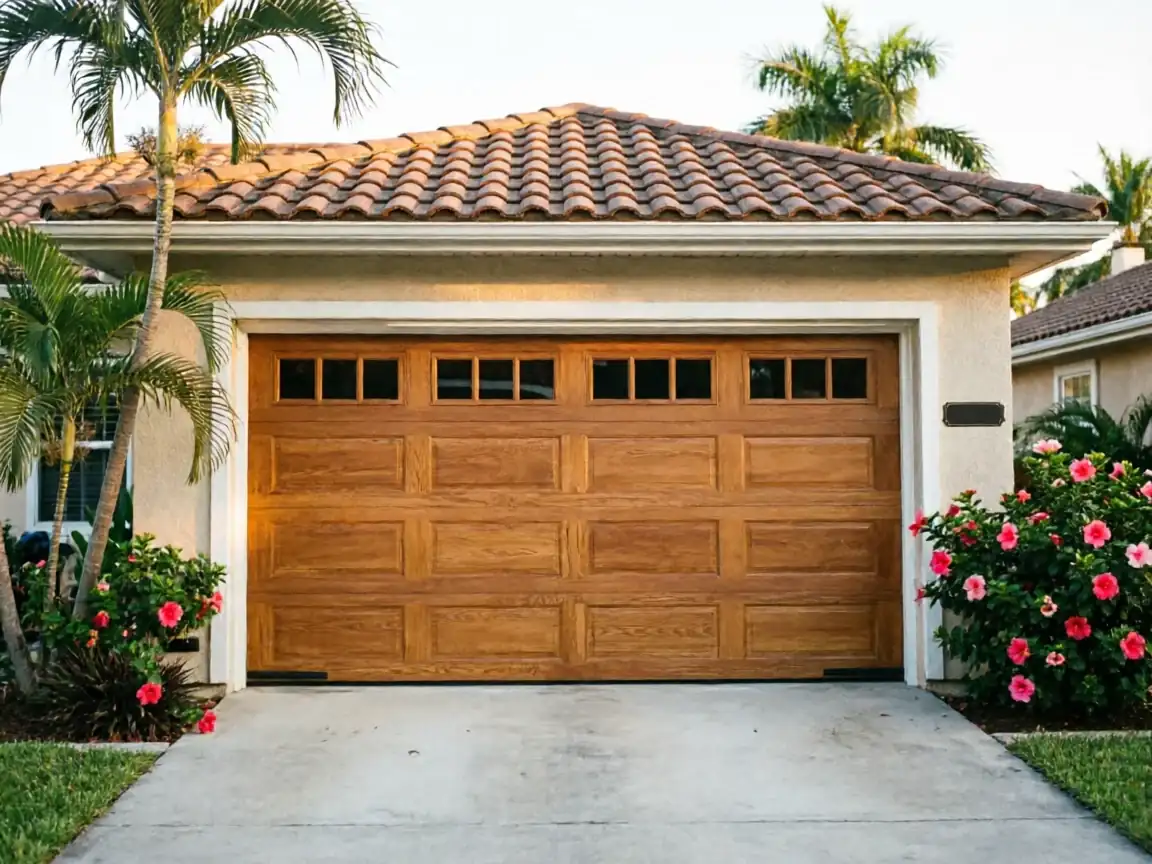
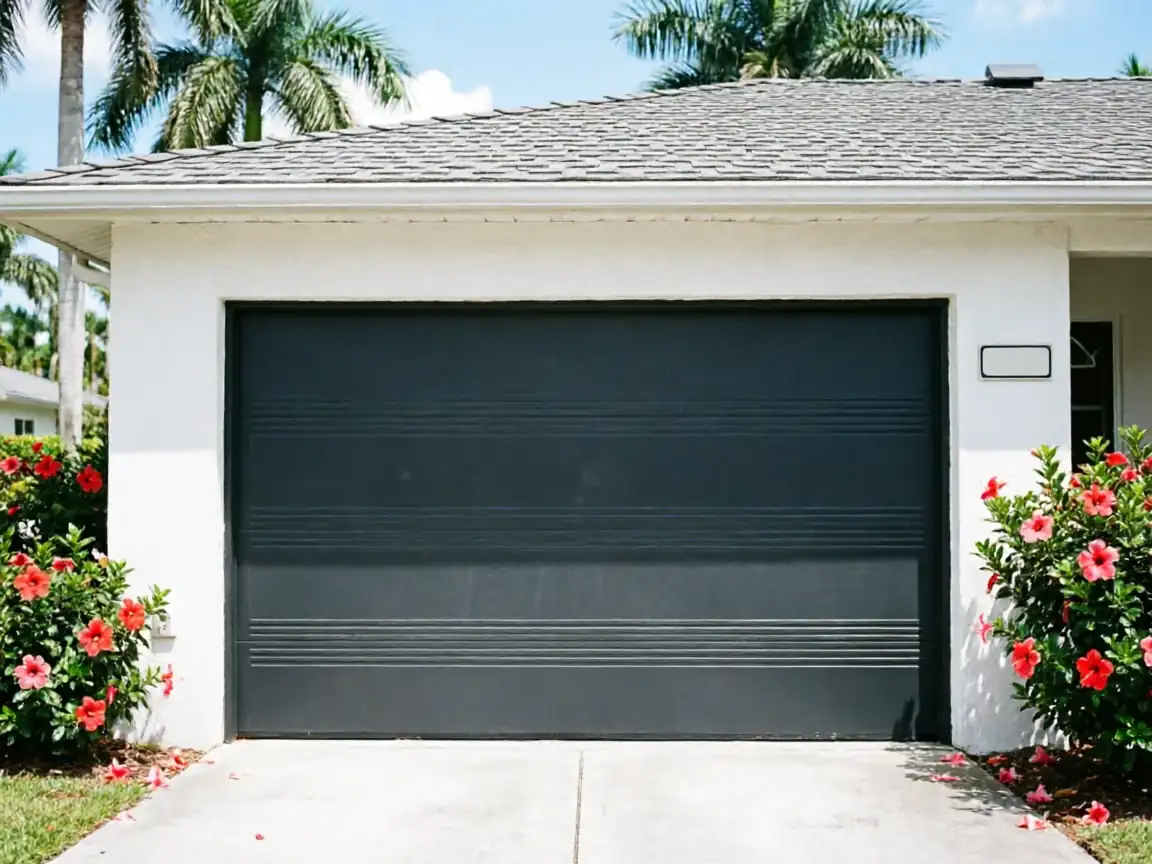
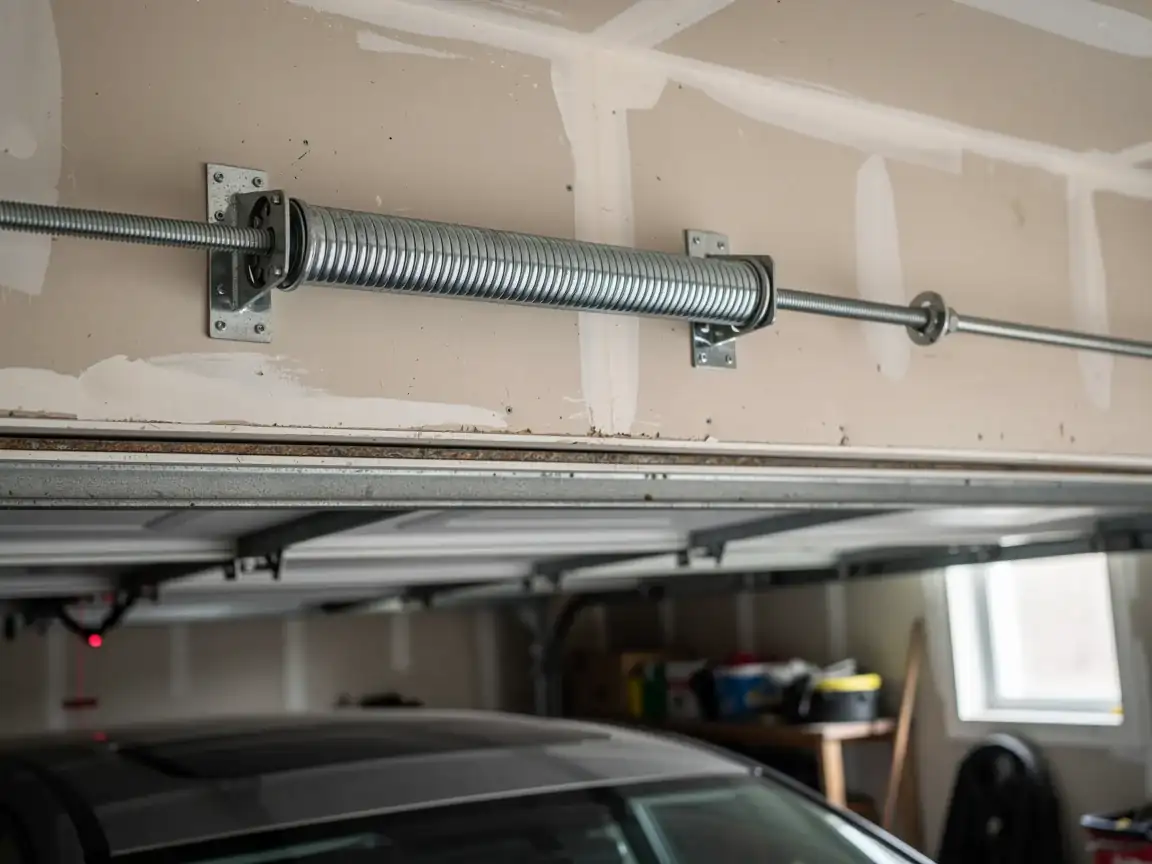
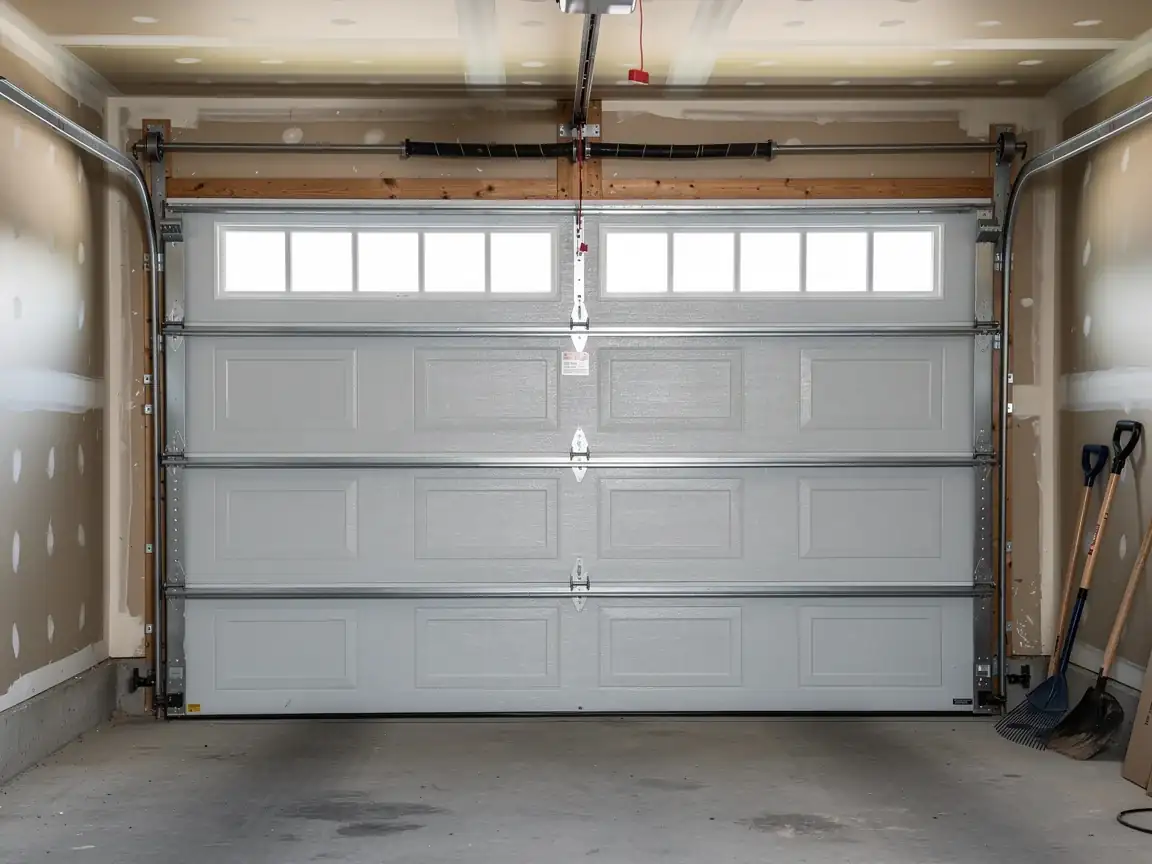
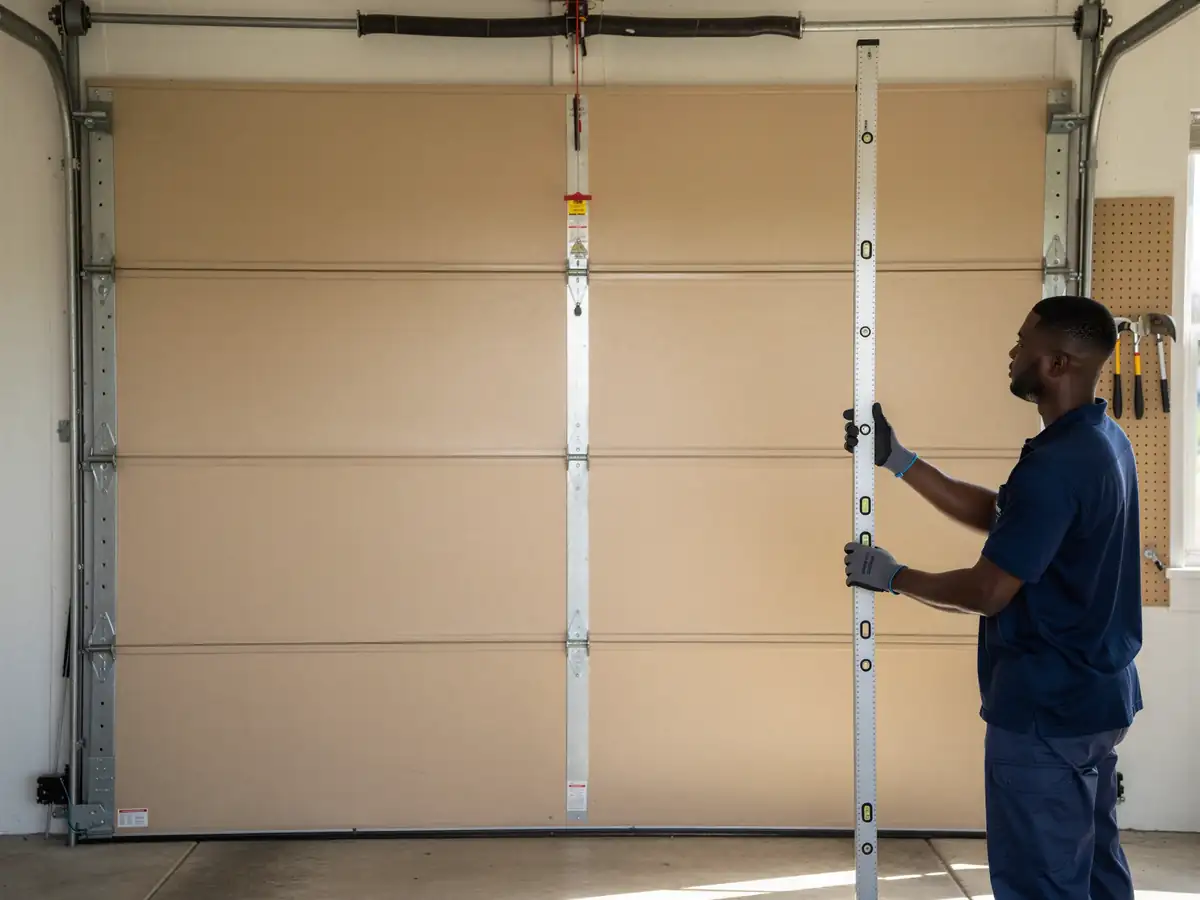
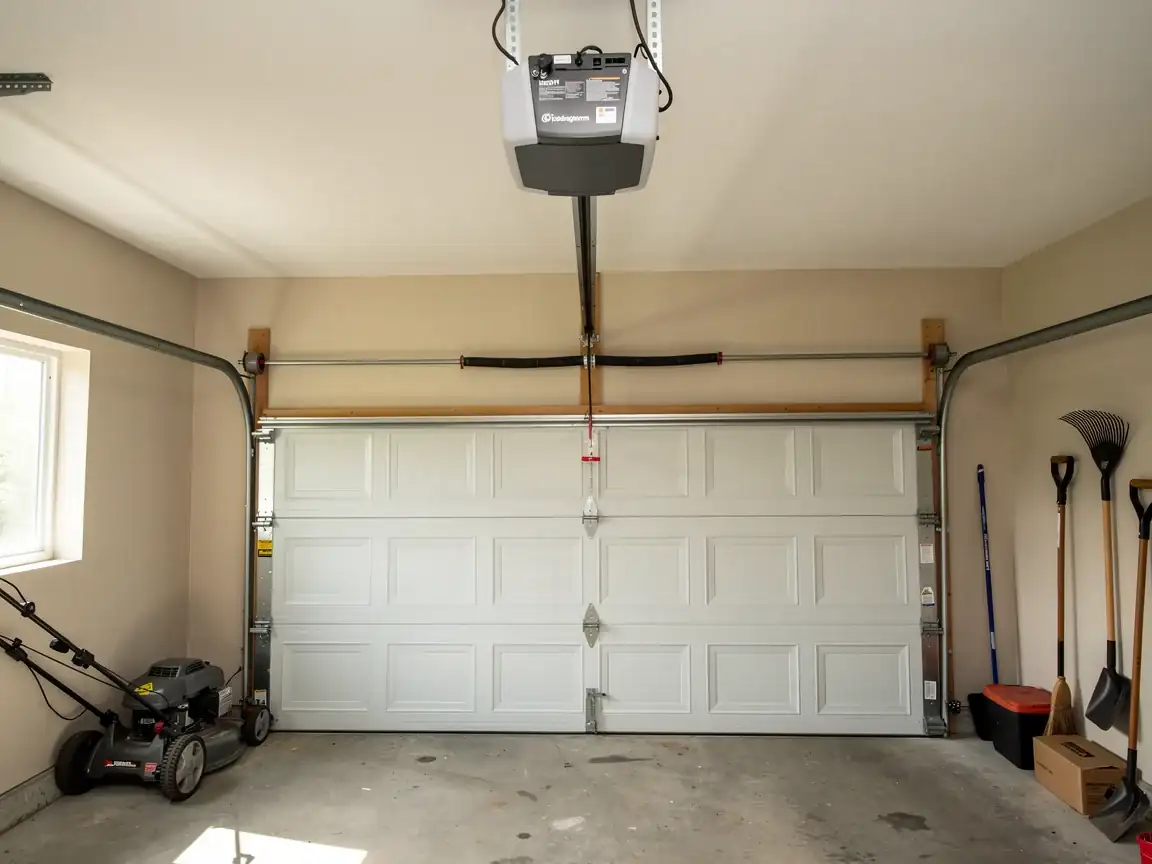
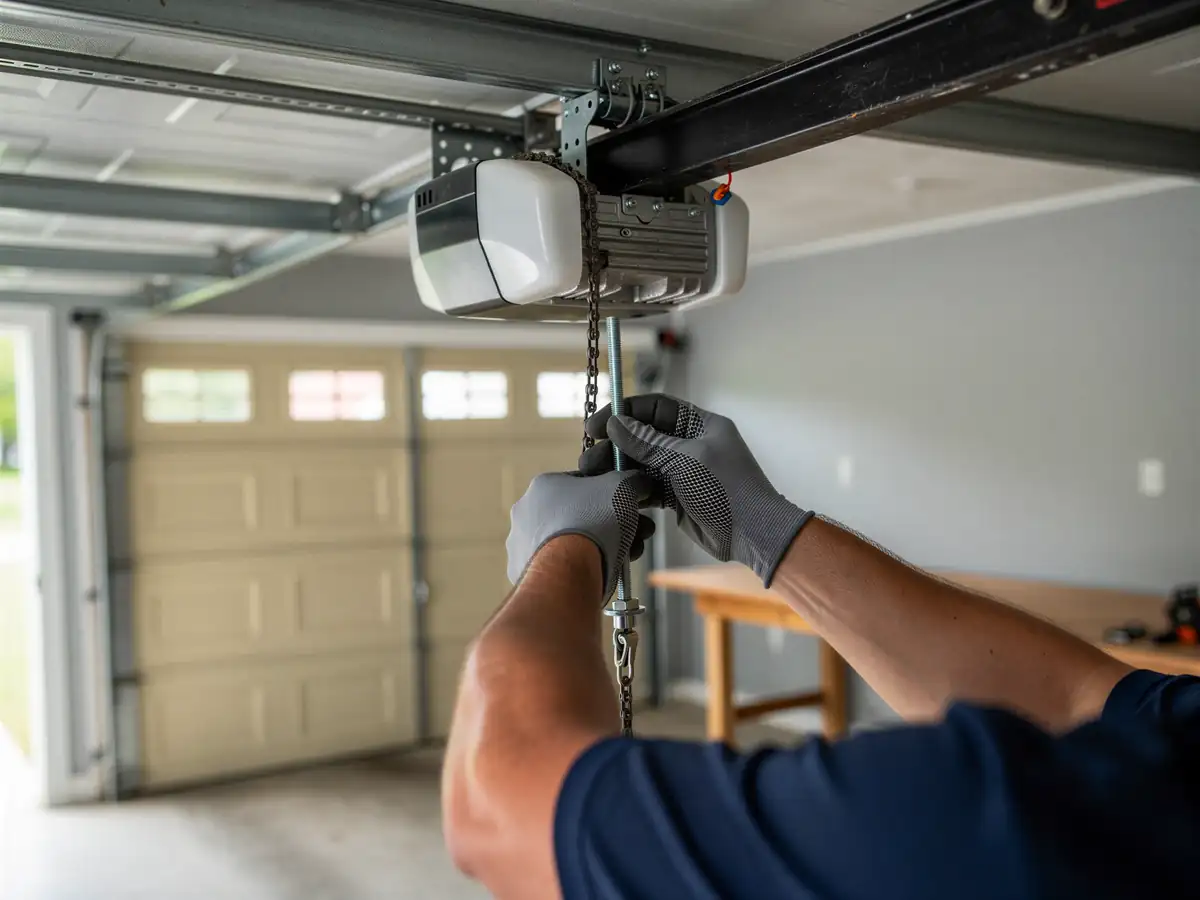
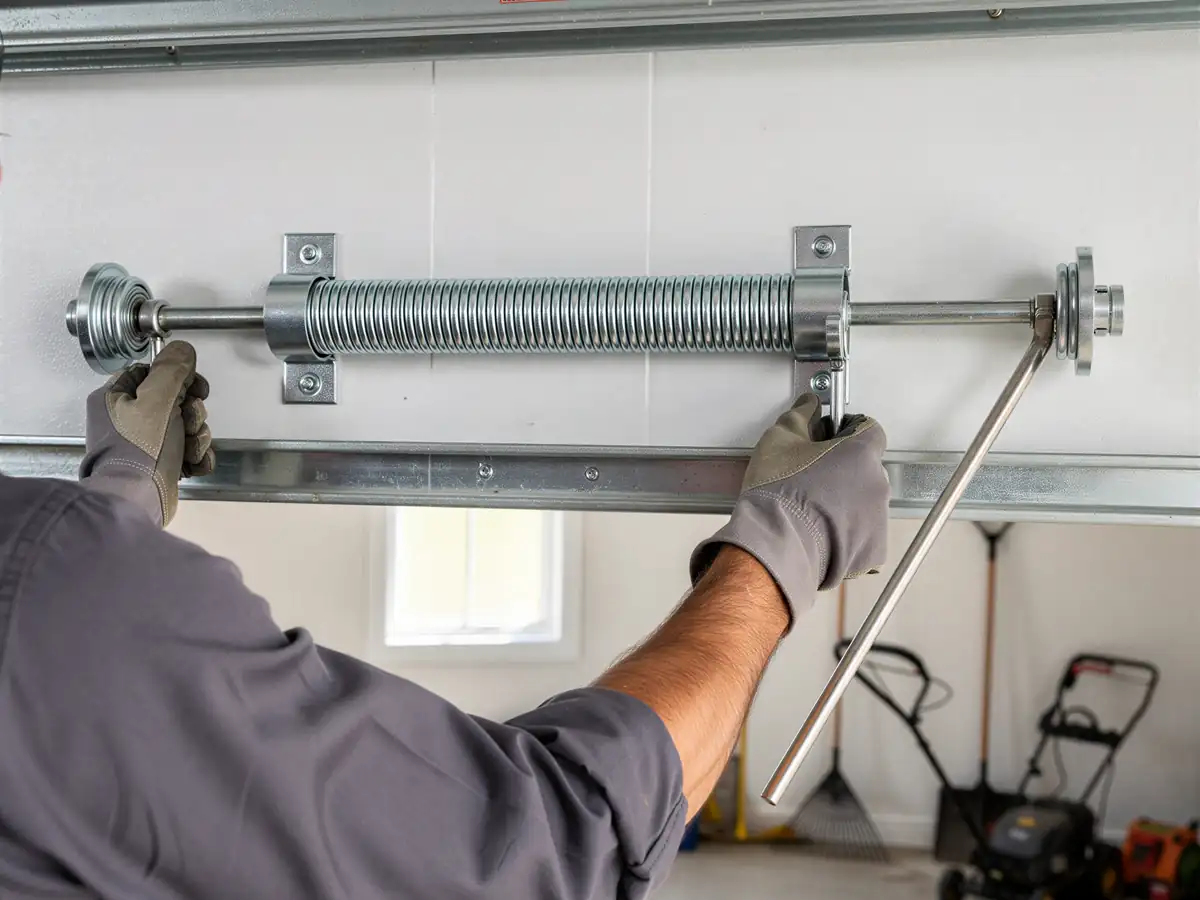
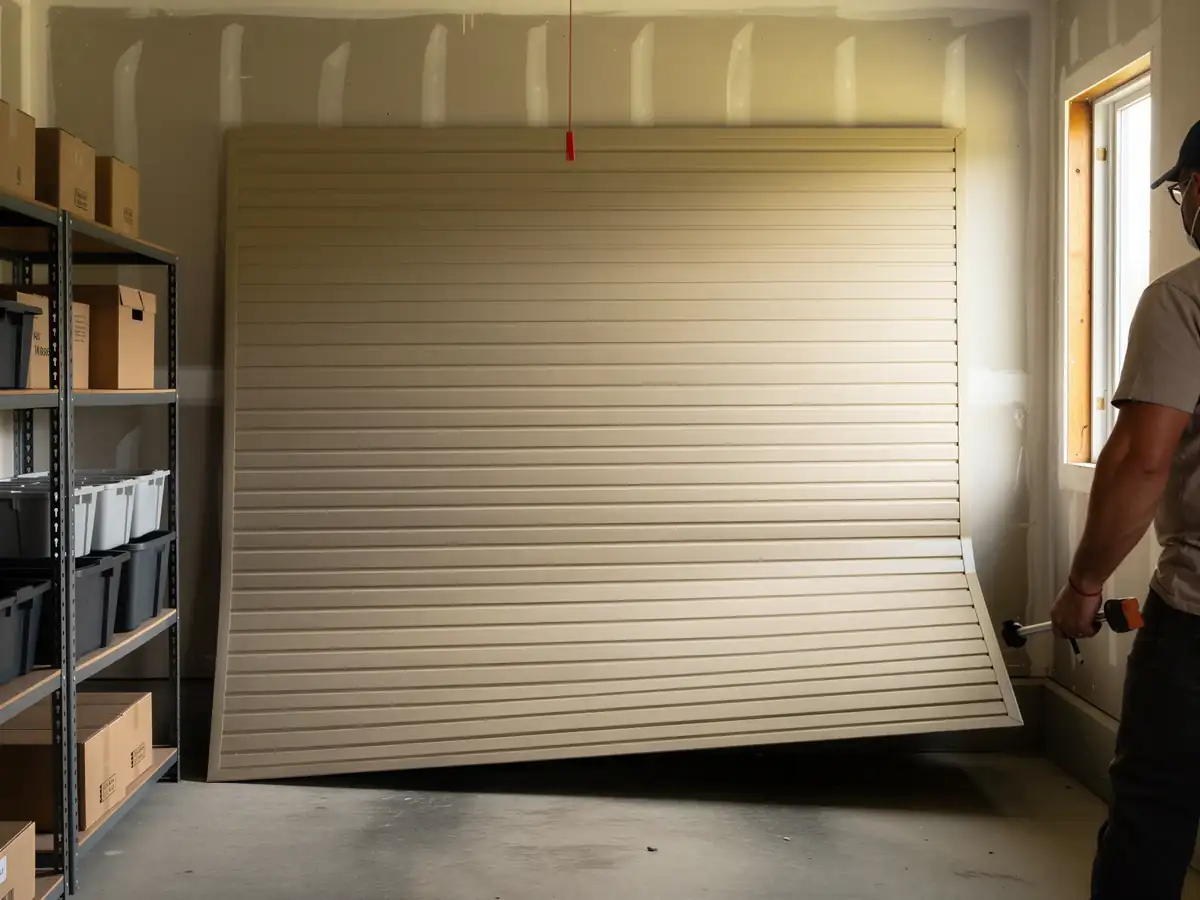
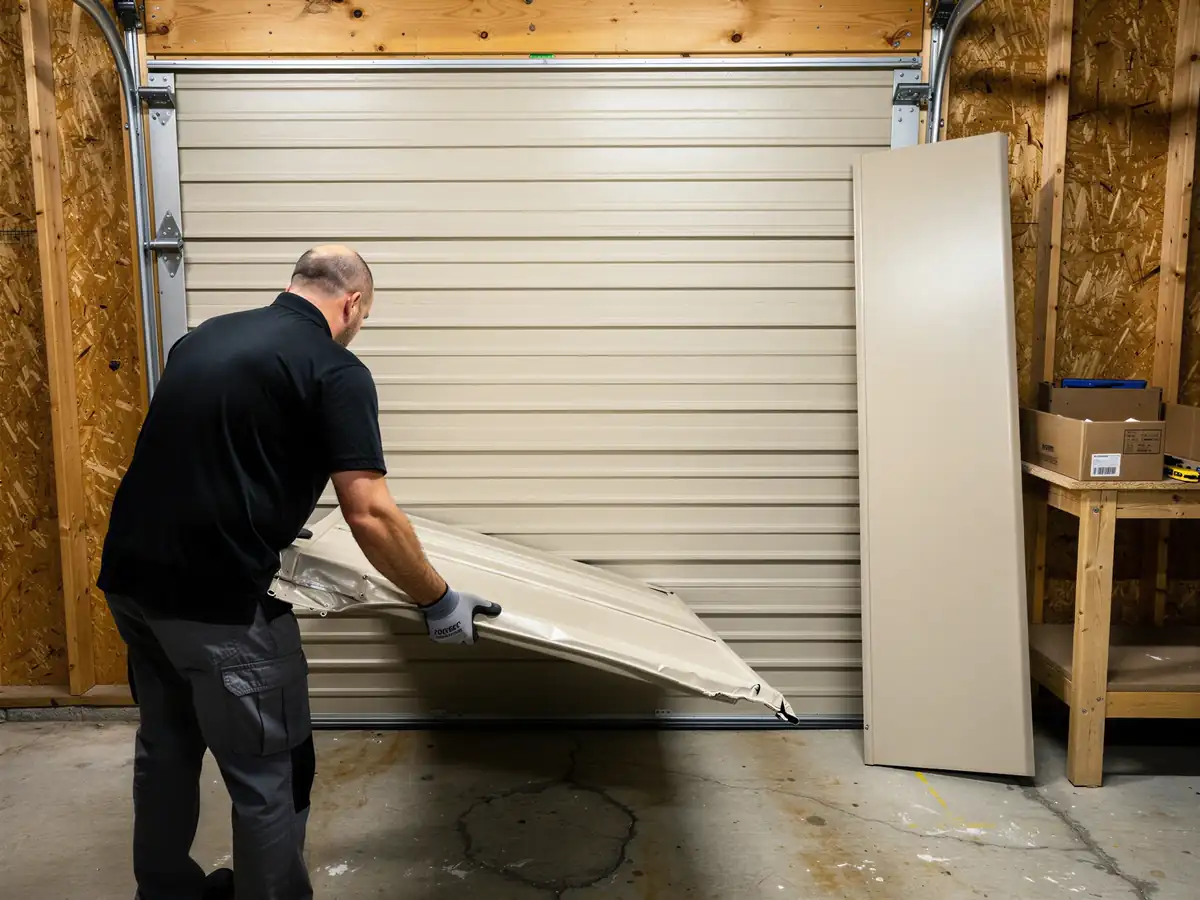
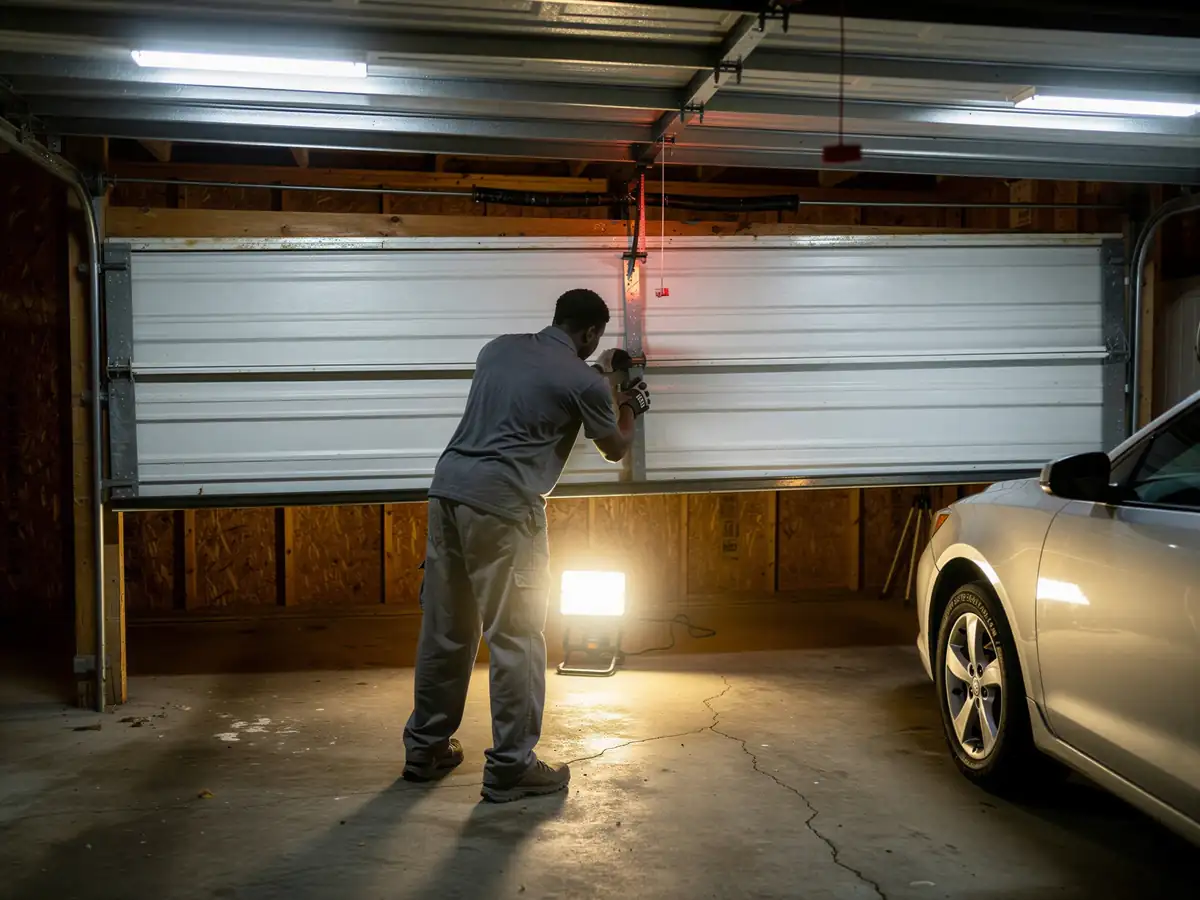
Indian Harbour Beach's housing stock centers on 1979, which puts most garage doors here a full generation past the original torsion springs and openers they shipped with. That's the work we see most: springs that have cycled out, openers from the chain-drive era grinding instead of lifting, and steel sections showing the pitting that comes with years near the coast. A door installed when a house went up in the late 1970s has usually had one replacement cycle already, sometimes two, and whoever did that second job may not have matched the original track width or drum size. We check that before we touch a spring, because a mismatched part is how a cable jumps the drum. We don't push full replacements on doors that just need a spring and a service call - if the panels are sound and the track is straight, a repair is the honest answer more often than not.
Getting Here
We run out of Melbourne, about 5 miles from Indian Harbour Beach. That's a short haul down to the barrier island side, not a special trip, so there's no separate dispatch fee tacked on for being here versus closer to the shop. We don't keep a depot or a crew stationed in Indian Harbour Beach itself - every job starts with a truck leaving Melbourne, loaded for whatever the call describes. For same-day work that means we plan the route around what's already on the board for the day, same as any town in the area. If a job needs a part we don't carry on the truck, the 5-mile distance back to Melbourne for a part run is nothing - it's a non-issue compared to towns farther down the list.
The Houses Here
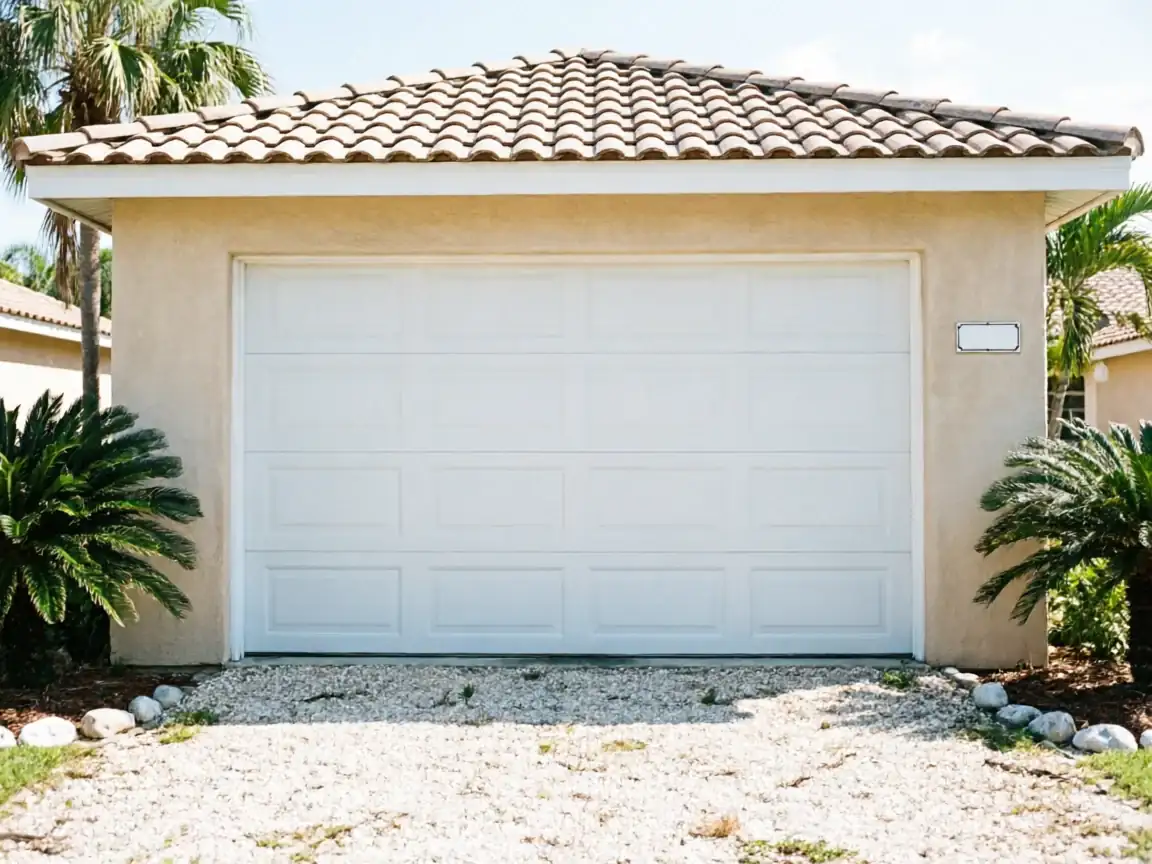
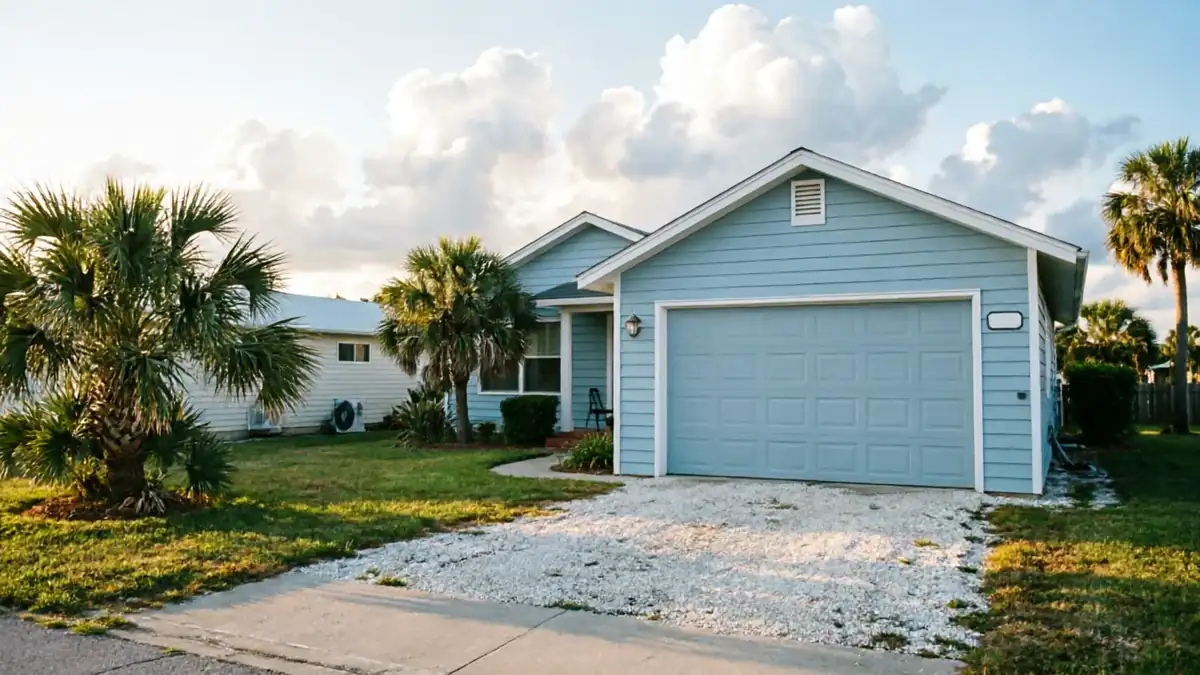
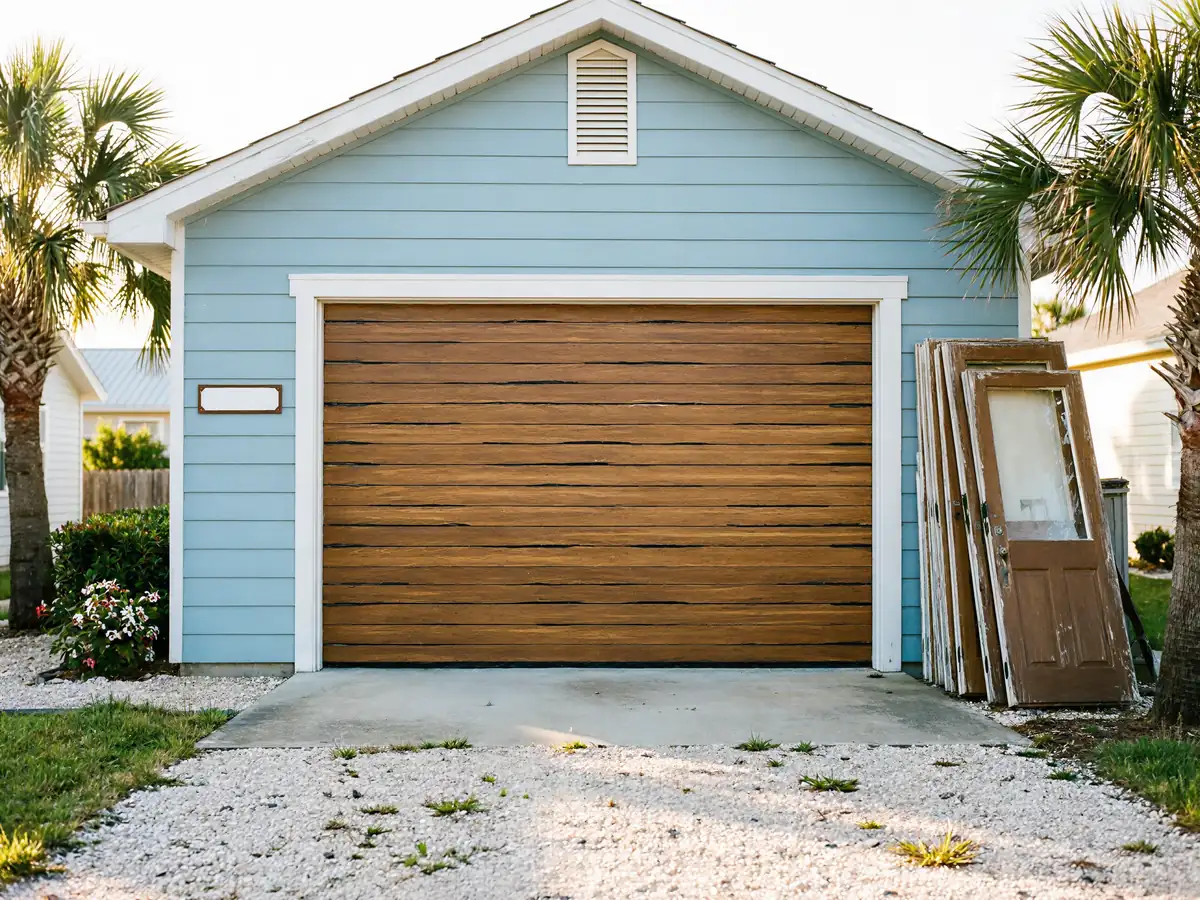
With 3,769 households and a median income of $98,046, Indian Harbour Beach skews toward owners who maintain rather than defer, and it shows in the calls - more tune-up and spring-replacement requests than full-door emergencies. Houses built around 1979 in this stretch were generally built to the codes of that era, not the stronger wind-load standards that came later, so a double-wide garage door here is more likely to be the original single door width split into two, or a single oversized panel that's heavier than what current code would call for on new construction. We don't retrofit every door to current wind-load spec unless the homeowner asks for it or the door's beyond repair anyway - matching the existing opening is usually the right call, and we'll say so.