How Long You Are Without the Door
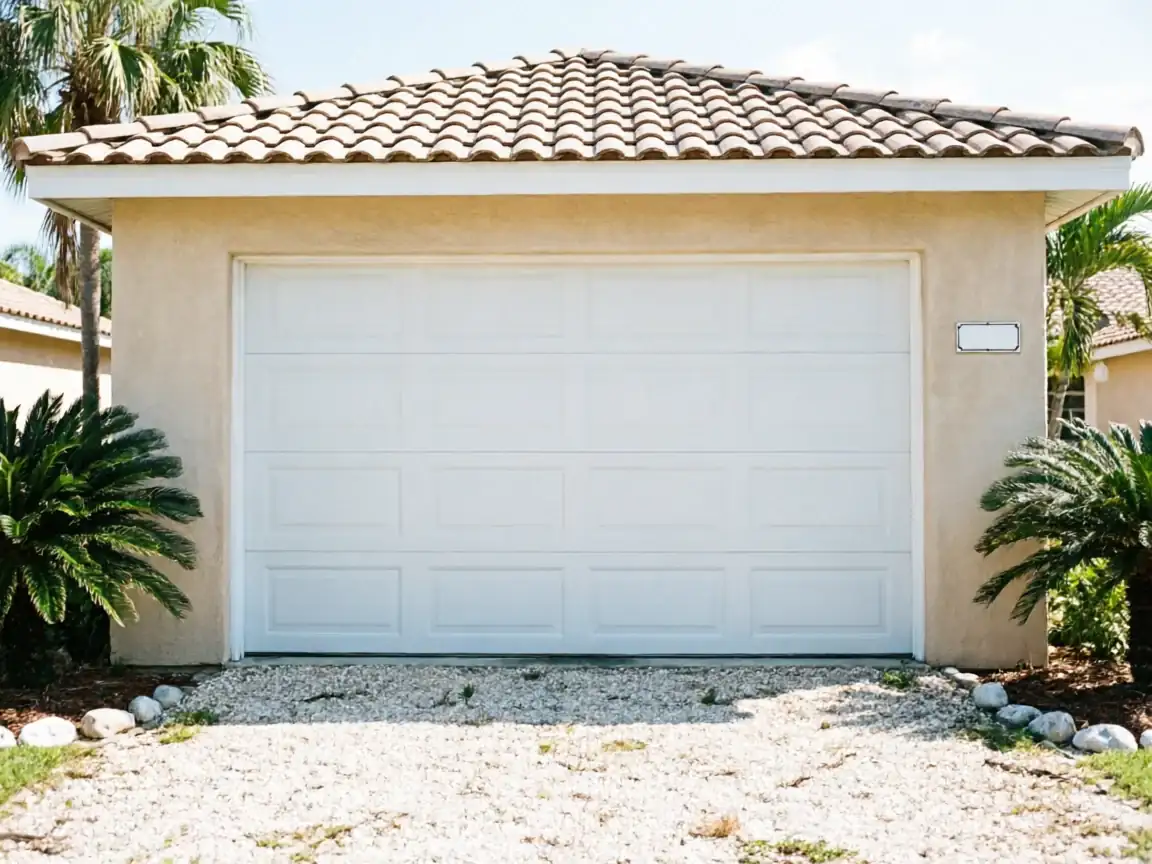
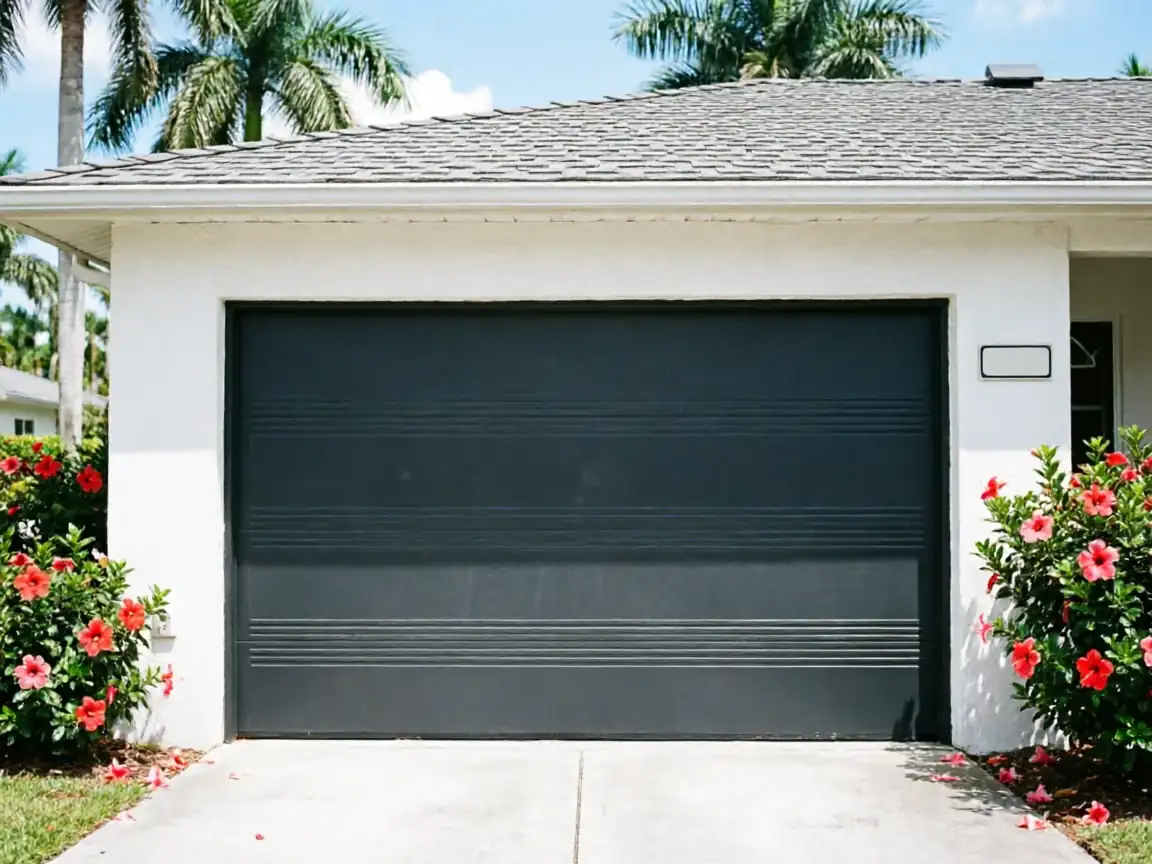
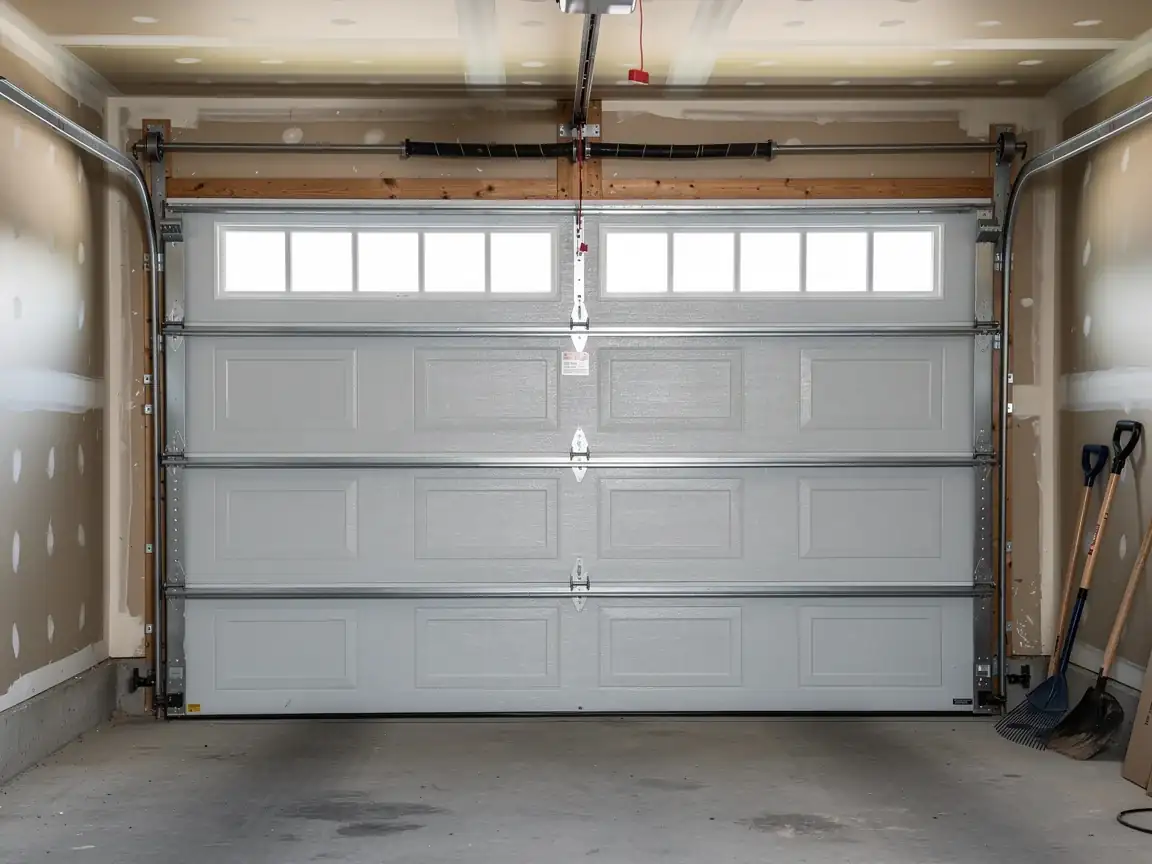
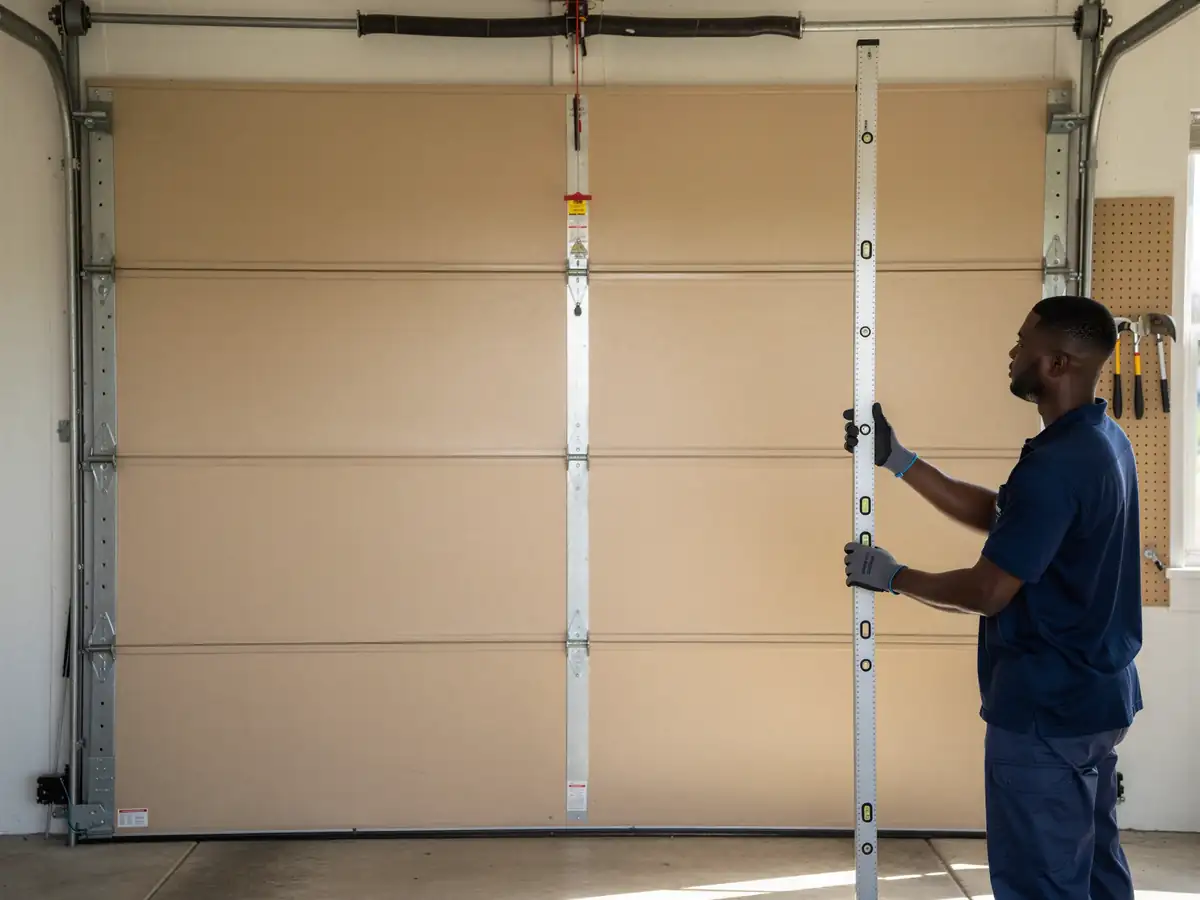
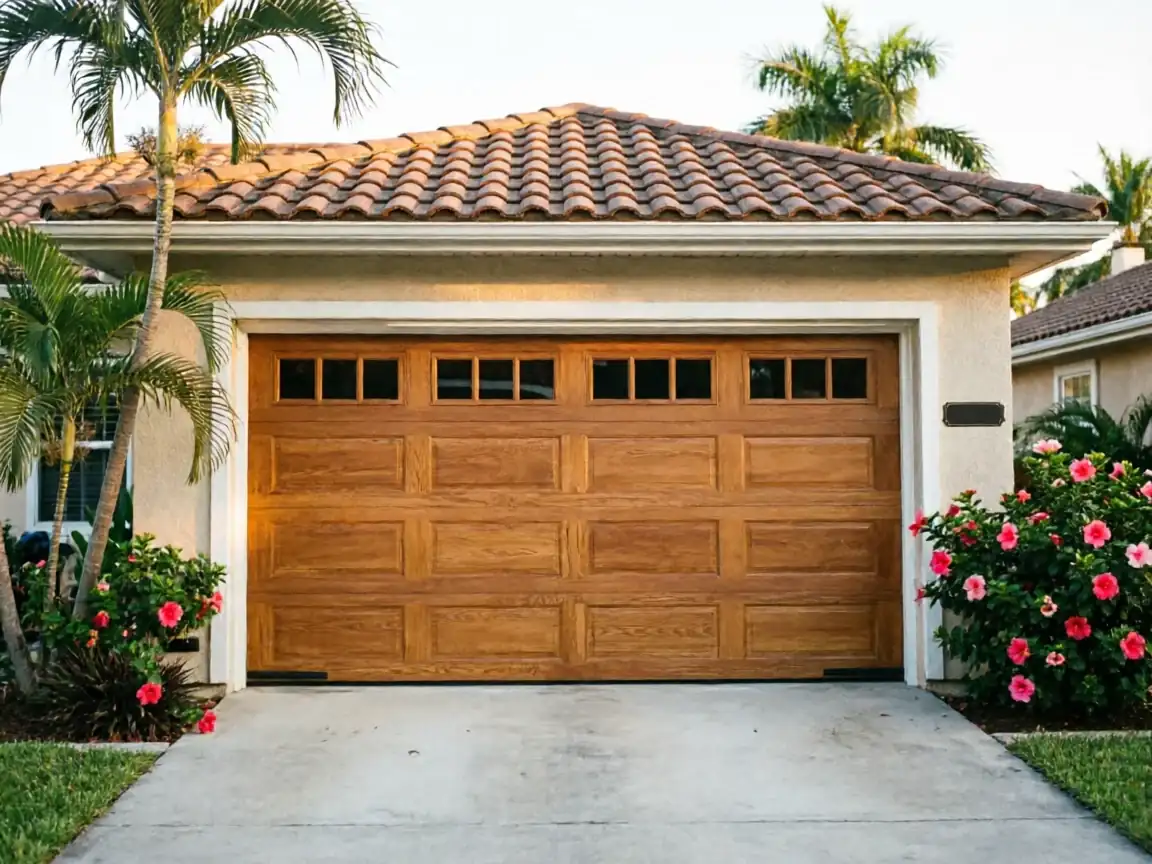
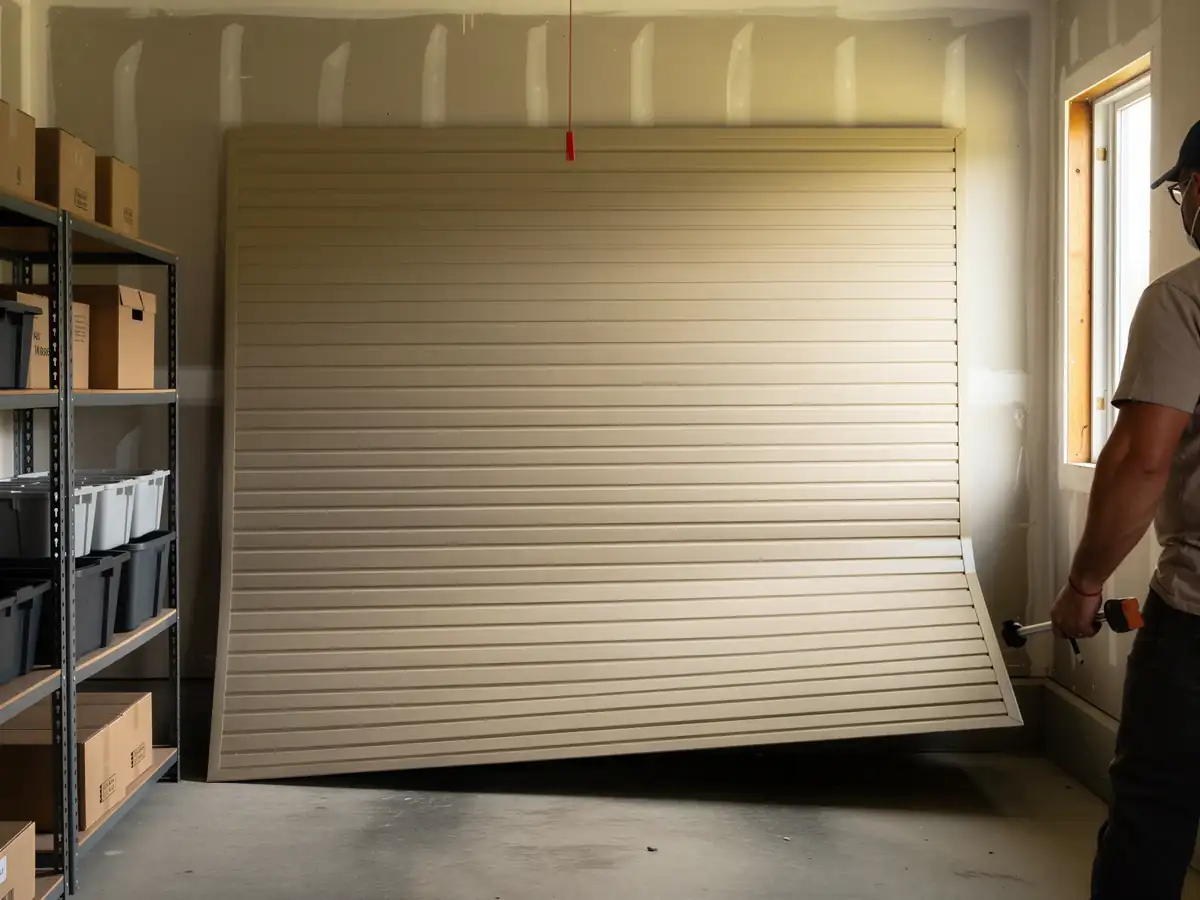
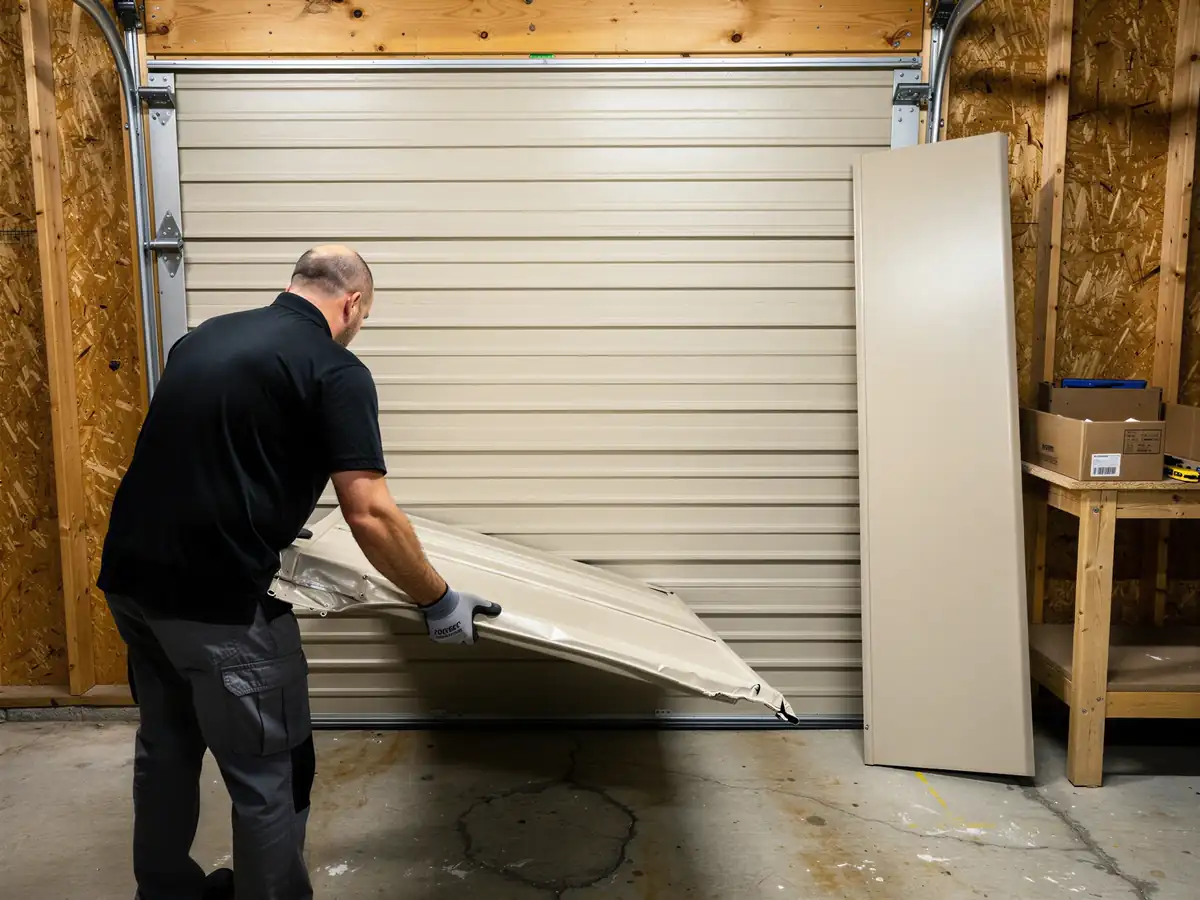
Most houses in Indian Harbour Beach were built around 1979, which means the garage opening itself is usually original - same rough framing, same header height, same track clearance the builder poured. When you're replacing rather than repairing, that opening dictates a lot: a new door has to match dimensions that haven't been touched in over four decades, and sometimes the jamb has settled just enough that a stock-size door needs trimming or shimming to seat right. We come from Melbourne, 5 miles out, so we're not working from a local yard or staging a door onsite ahead of time - the door arrives with the crew on install day. For a straight swap with no framing surprises, that's usually a one-day job. If the opening's out of square from 45 years of settling, plan on it taking longer, and we'll tell you that before we start cutting anything, not after.
How It Shows Up
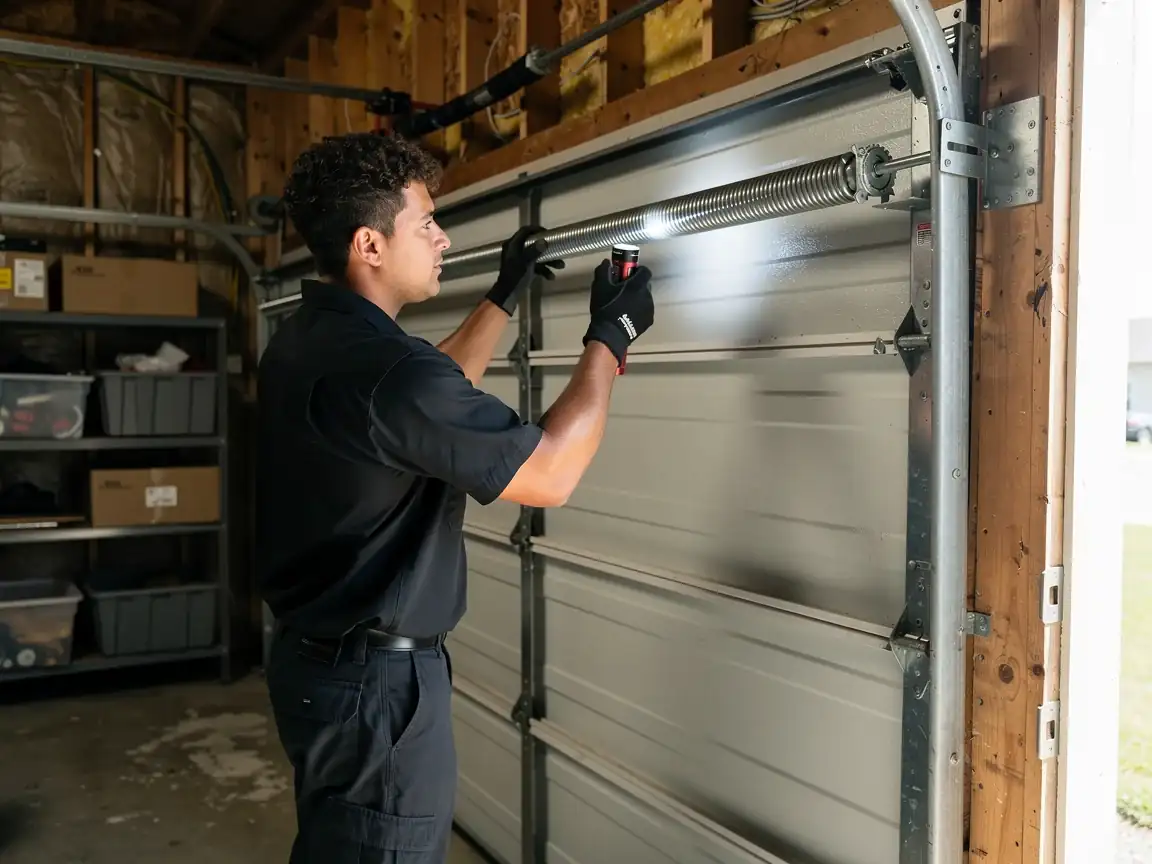
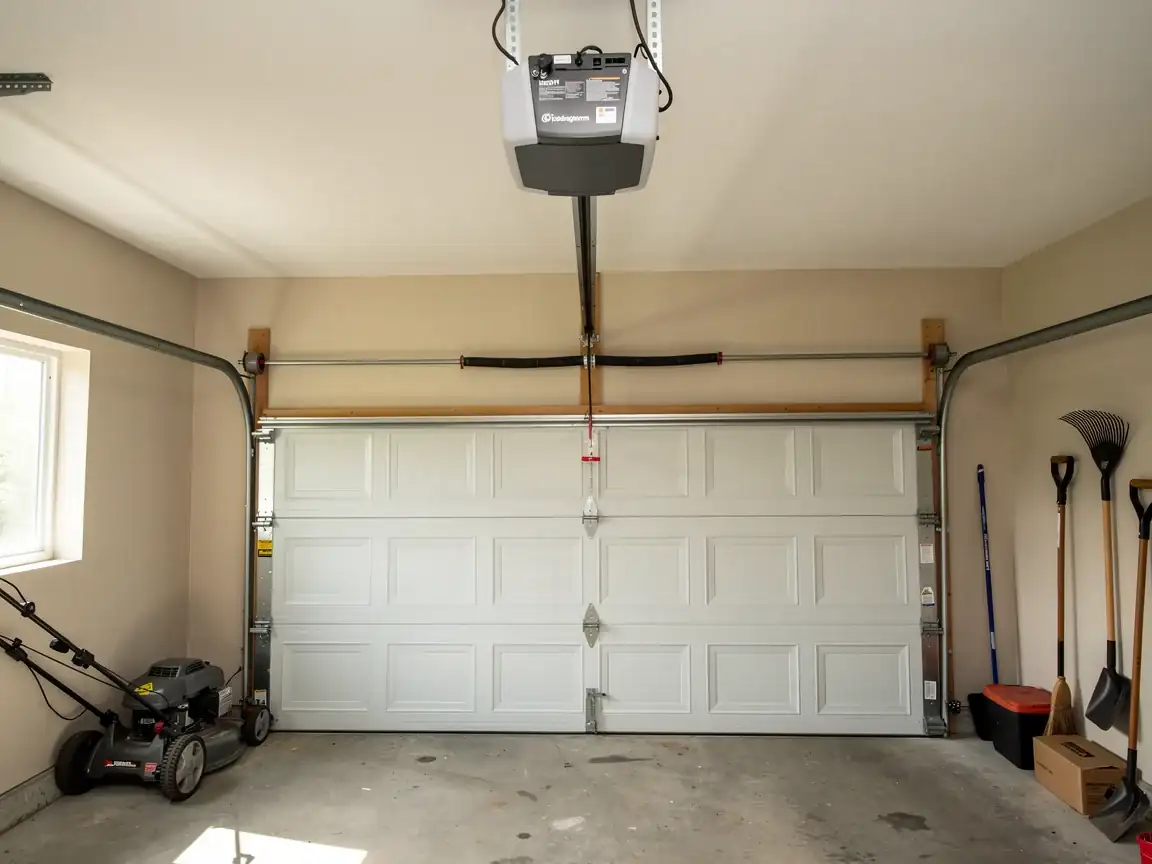
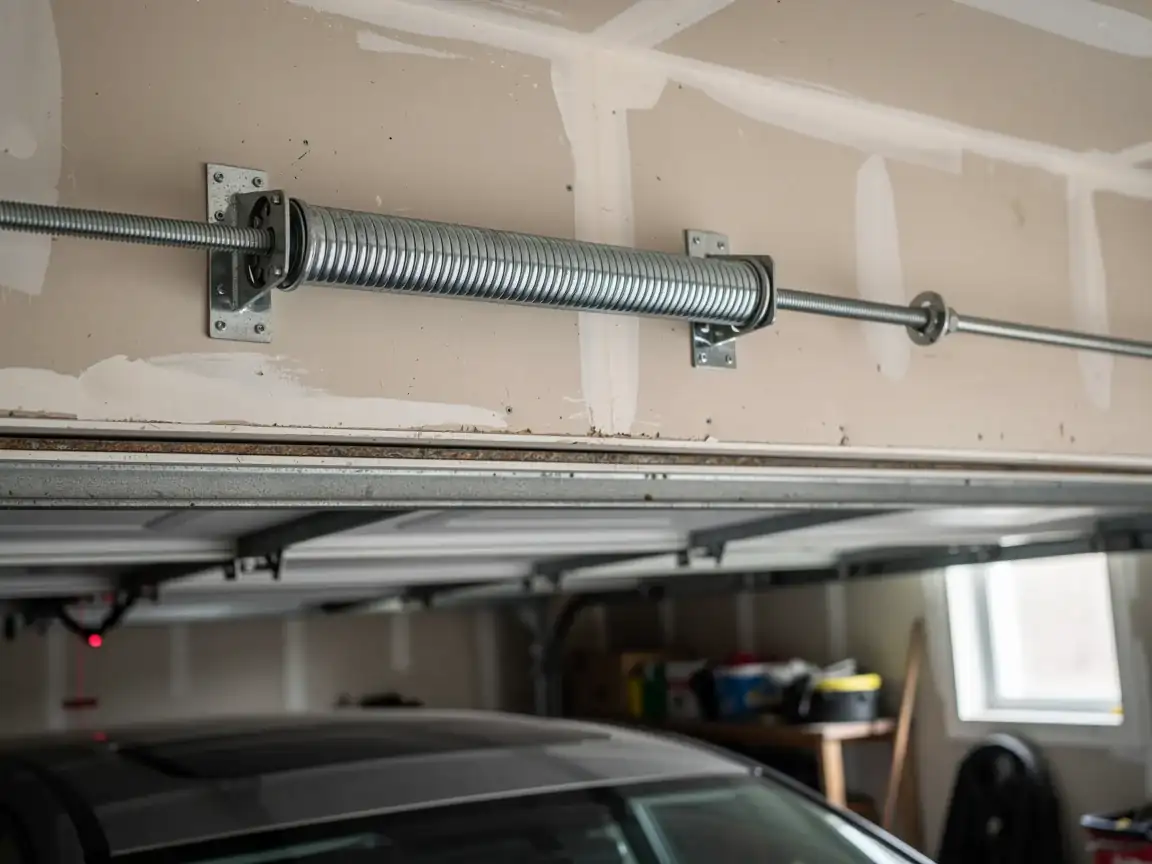
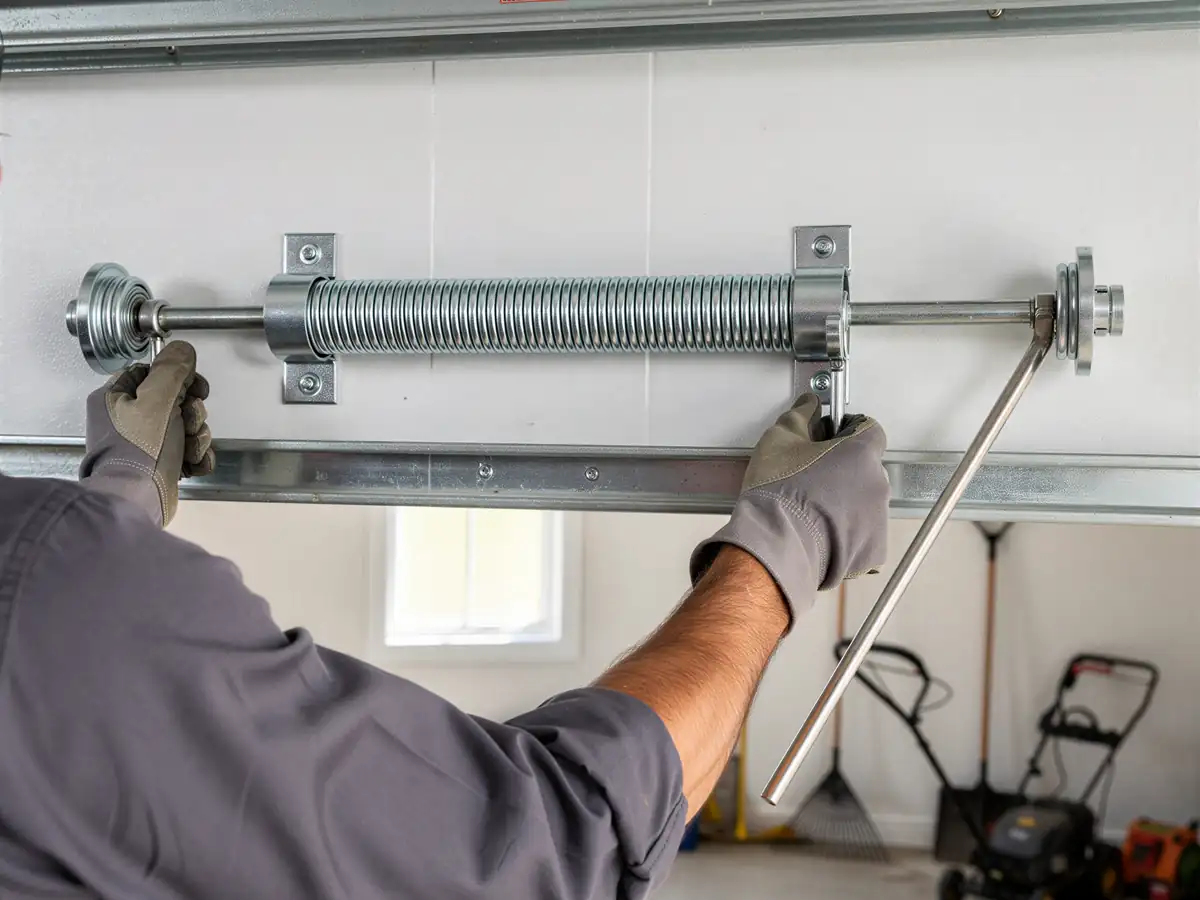
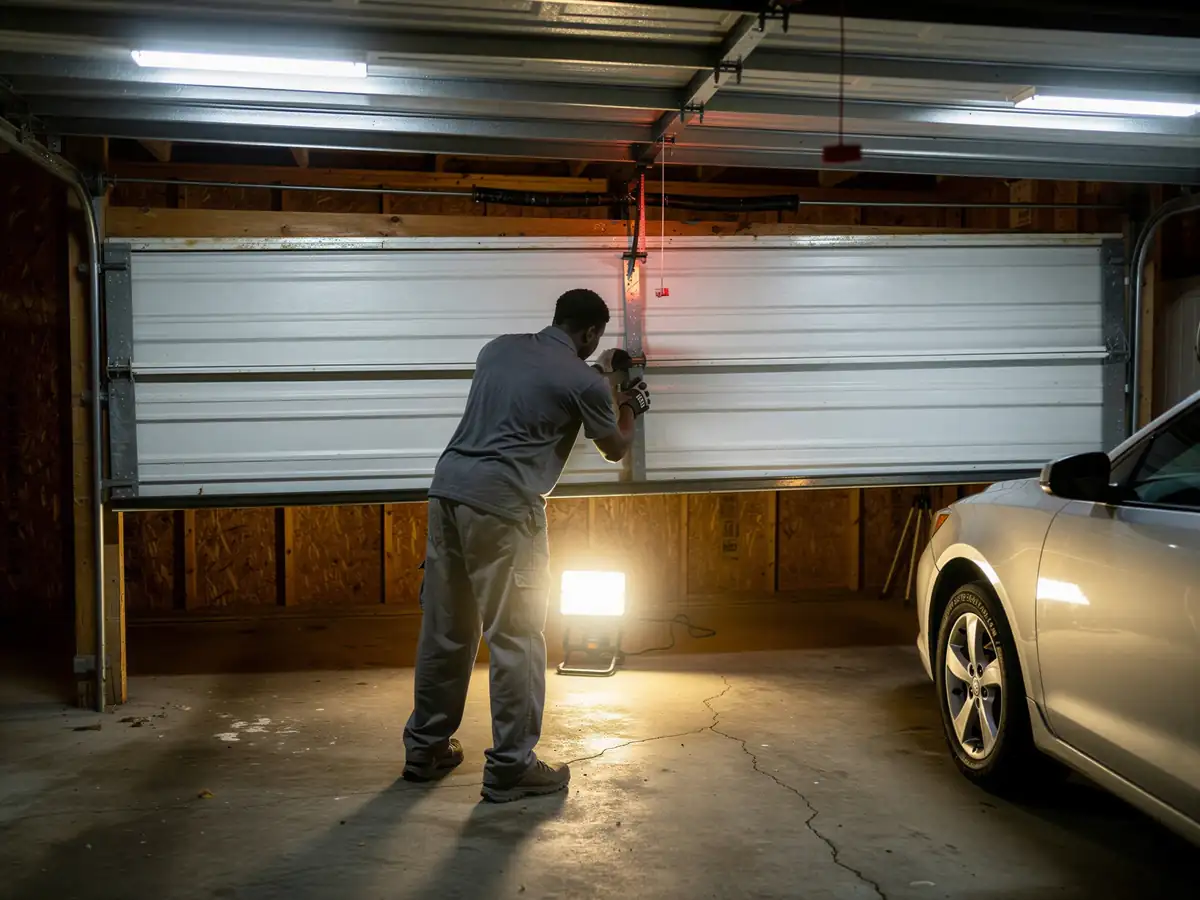
The tell is almost always the old door itself. A single-layer steel door from the late 1970s doesn't fail dramatically - it just gets heavier to lift, the seams start to show daylight at the corners, and the extension springs (common on doors from that period, before torsion setups became standard on every build) stretch out and lose their snap. Homeowners usually call us not because the door broke, but because they're tired of babying it, or because they're re-doing the driveway and garage at the same time and want a door that matches the house's current look instead of its 1979 one. With 3,769 households in Indian Harbour Beach, a fair number of these original doors are still in service, just getting tired in the same places at the same time.
What Causes It Around Here
The root cause is simply age and the hardware standards of the year the house went up. A home built in 1979 almost certainly started with an extension-spring door, not torsion - torsion setups didn't become the default on new construction until later, and plenty of these original systems are still hanging on the same springs, just stretched and tired. That's different from what you'd find in a neighborhood built in the 1990s or 2000s, where torsion was standard from day one and the failure mode is usually the opener or a bent track, not the whole spring system. In Indian Harbour Beach specifically, with a median build year of 1979 across roughly 3,769 households, new installations are often less about fixing a broken part and more about retiring hardware that was never built to last this long in the first place.