What the Fix Involves
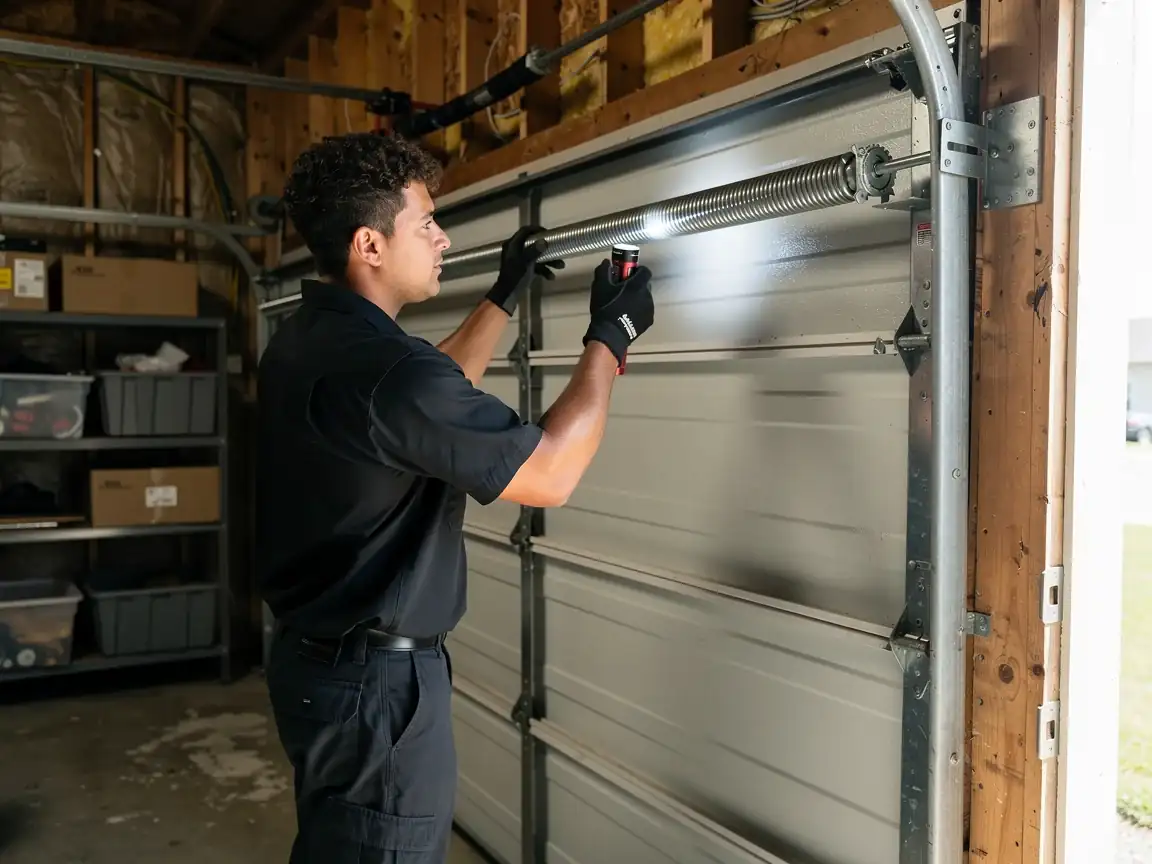
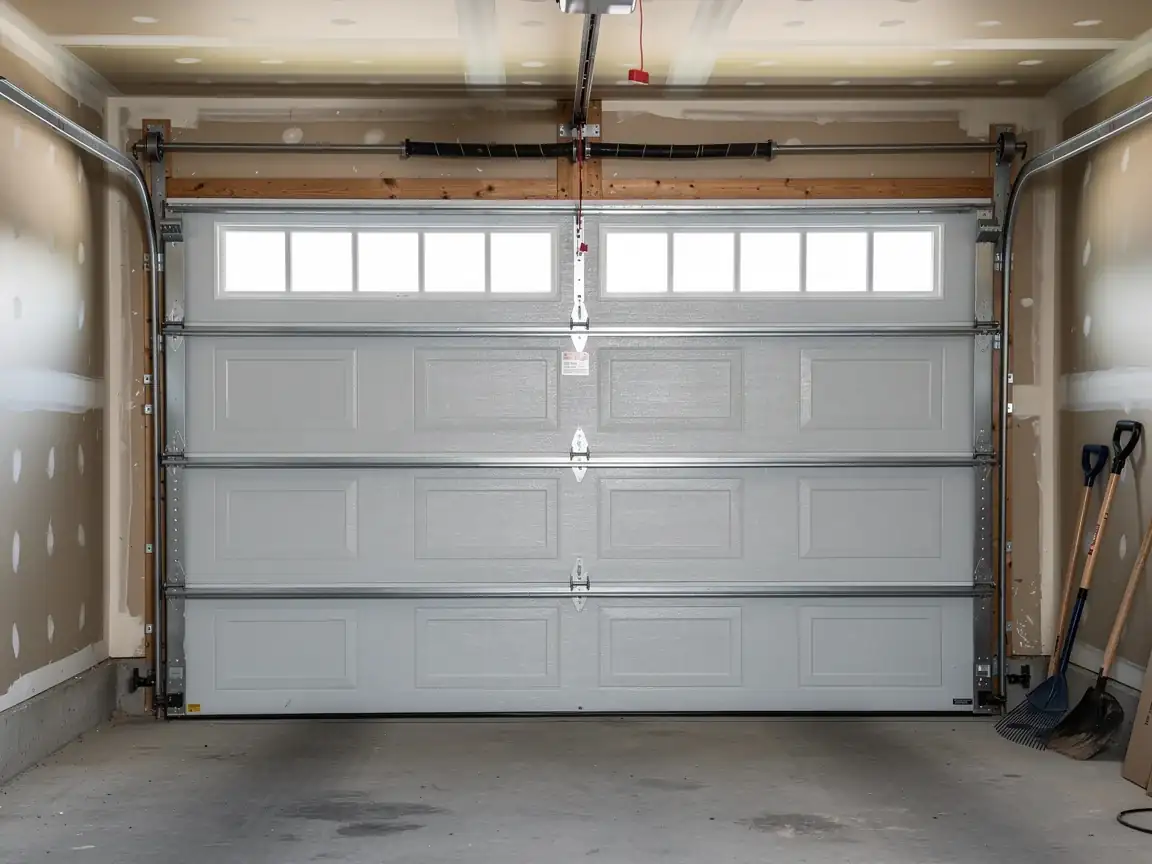
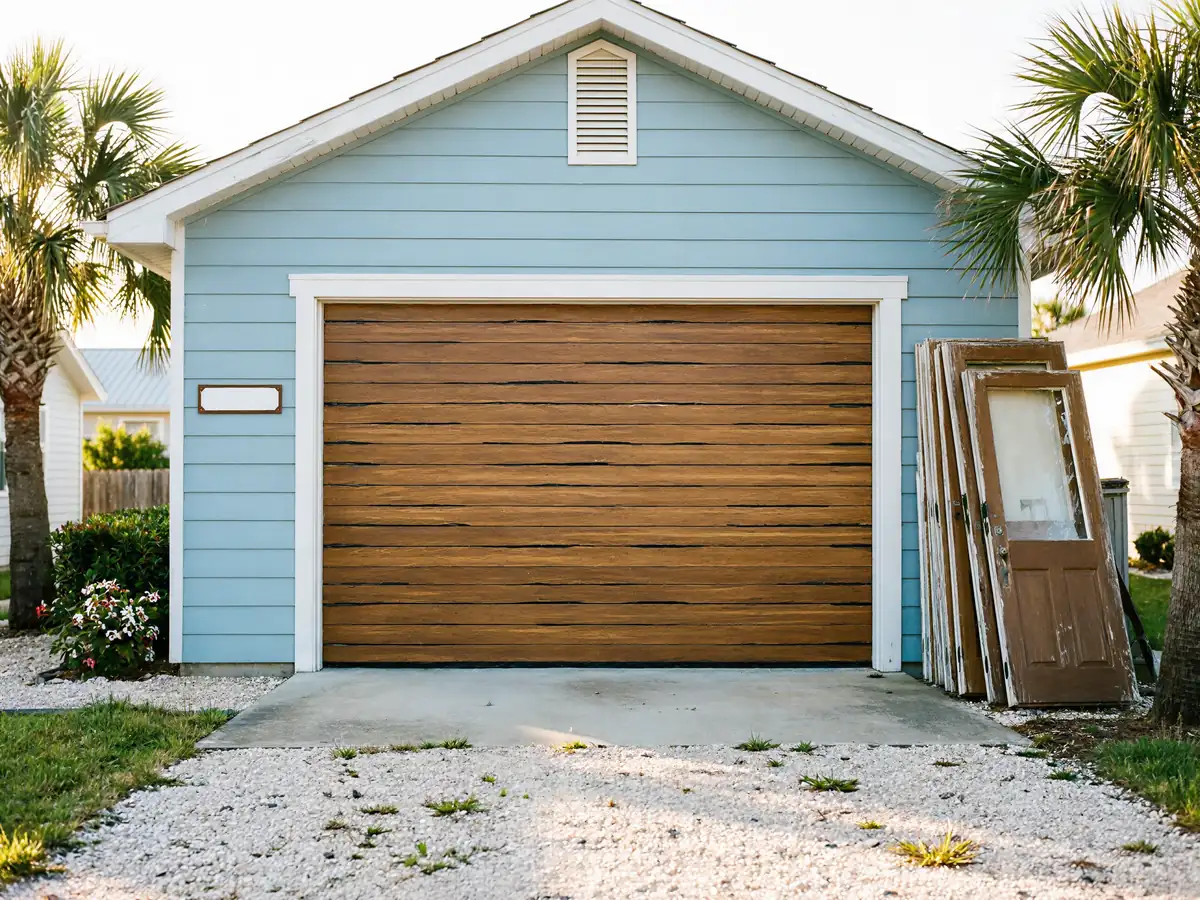
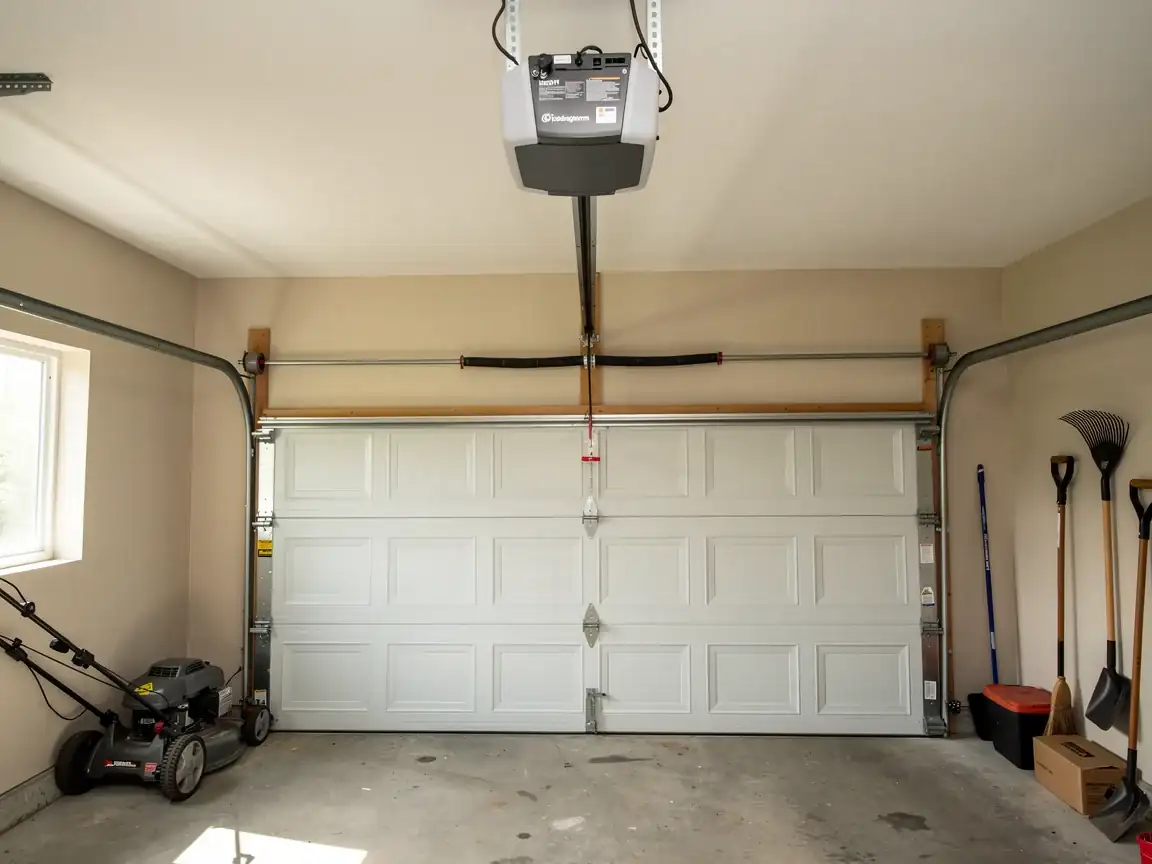
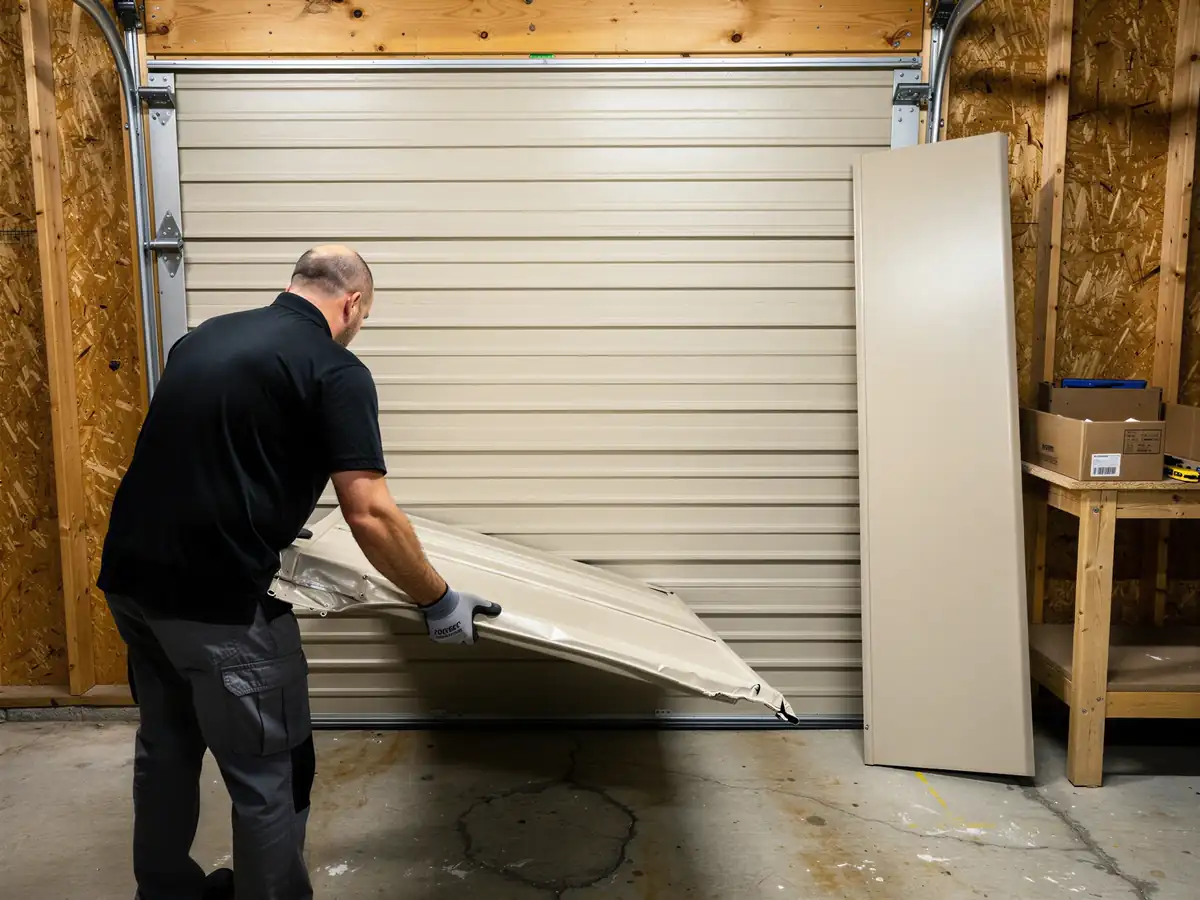
Panel replacement means pulling the damaged section off the door and bolting in a matching one, not replacing the whole door. On a sectional door that's usually one or two panels out of four or five. The hinges, rollers, and track stay put if they're in good shape, which keeps the job to a few hours instead of a full-day install.
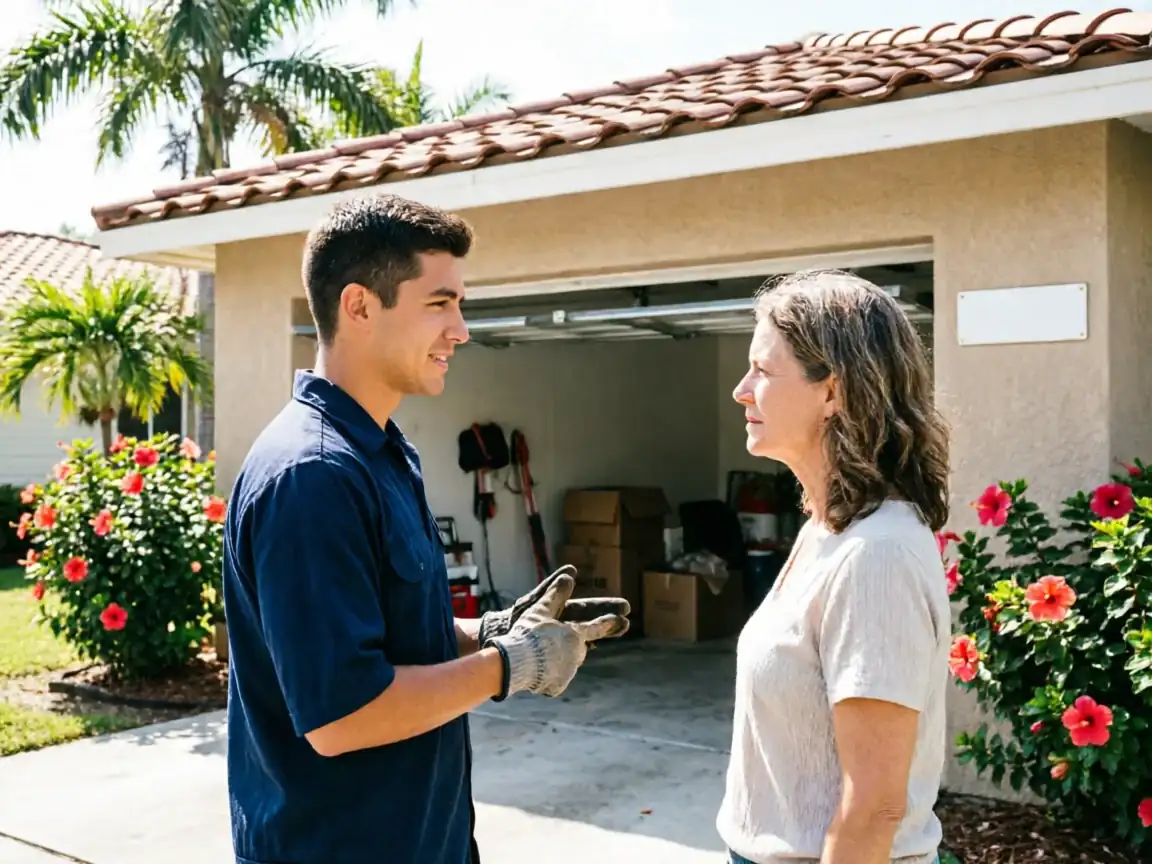
The hard part is the match. Melbourne's housing stock runs from the mid-1960s through the early 2000s, with a lot of it dating to the late 1970s, so we're often pulling panels for doors that the original manufacturer stopped making years ago. If we can source a same-profile panel, great. If the model's discontinued and the color or panel ridge pattern won't line up, we tell you that up front rather than bolting on something that'll look patched.
One limitation worth saying plainly: we don't stock every discontinued panel style on the truck. Some orders take a week or more to come in, and on a handful of older doors the panel simply isn't made anymore, which means the conversation shifts to a full door replacement instead.
What Causes It Around Here
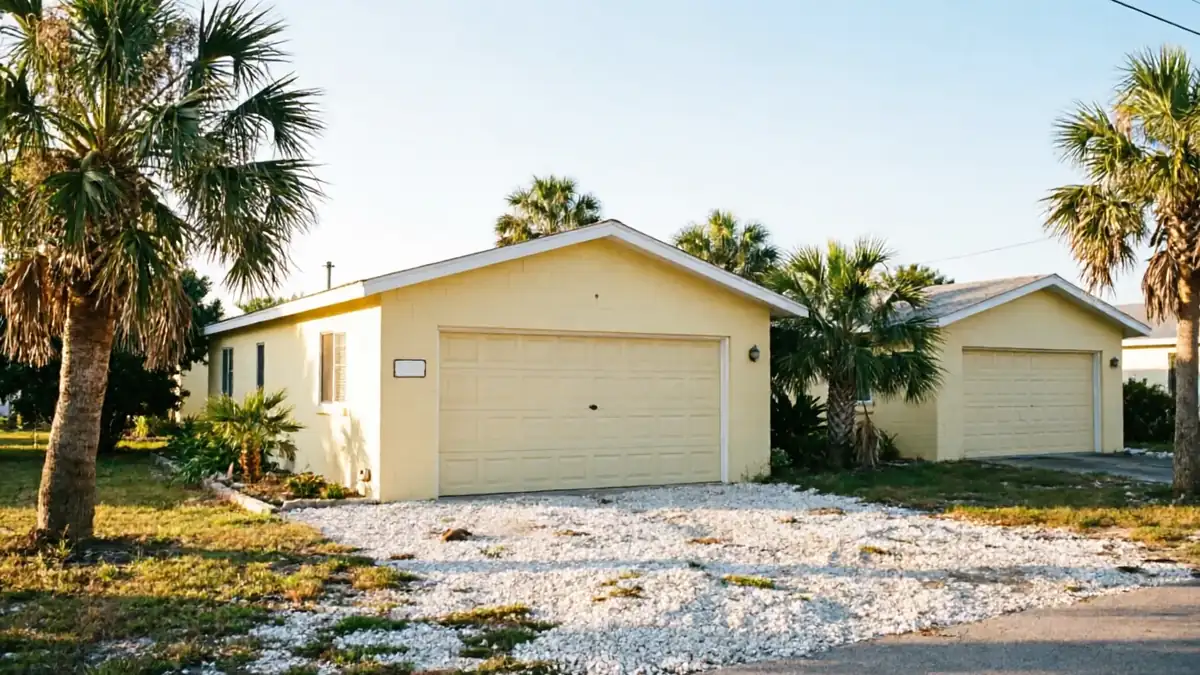
Most of the damage we see isn't storm-related - it's everyday wear on doors that are older than the people driving into them. With median construction year around 1977 across the service area, a lot of these doors are on their original panels, and aluminum and early steel panels from that era dent and crease more easily than what's sold today.
The mild temperate climate here doesn't put doors through the freeze-thaw cracking you'd get further north, so when a panel fails in Melbourne it's almost always physical impact - a car bumper, a bike, a basketball - or metal fatigue from decades of the door opening and closing on the same hinge points. Heat and humidity do their part too, working at paint seals and seams over enough years that a panel edge starts to bubble or rust through from the inside, which is a different repair than a dent but shows up in the same spot.
How It Shows Up
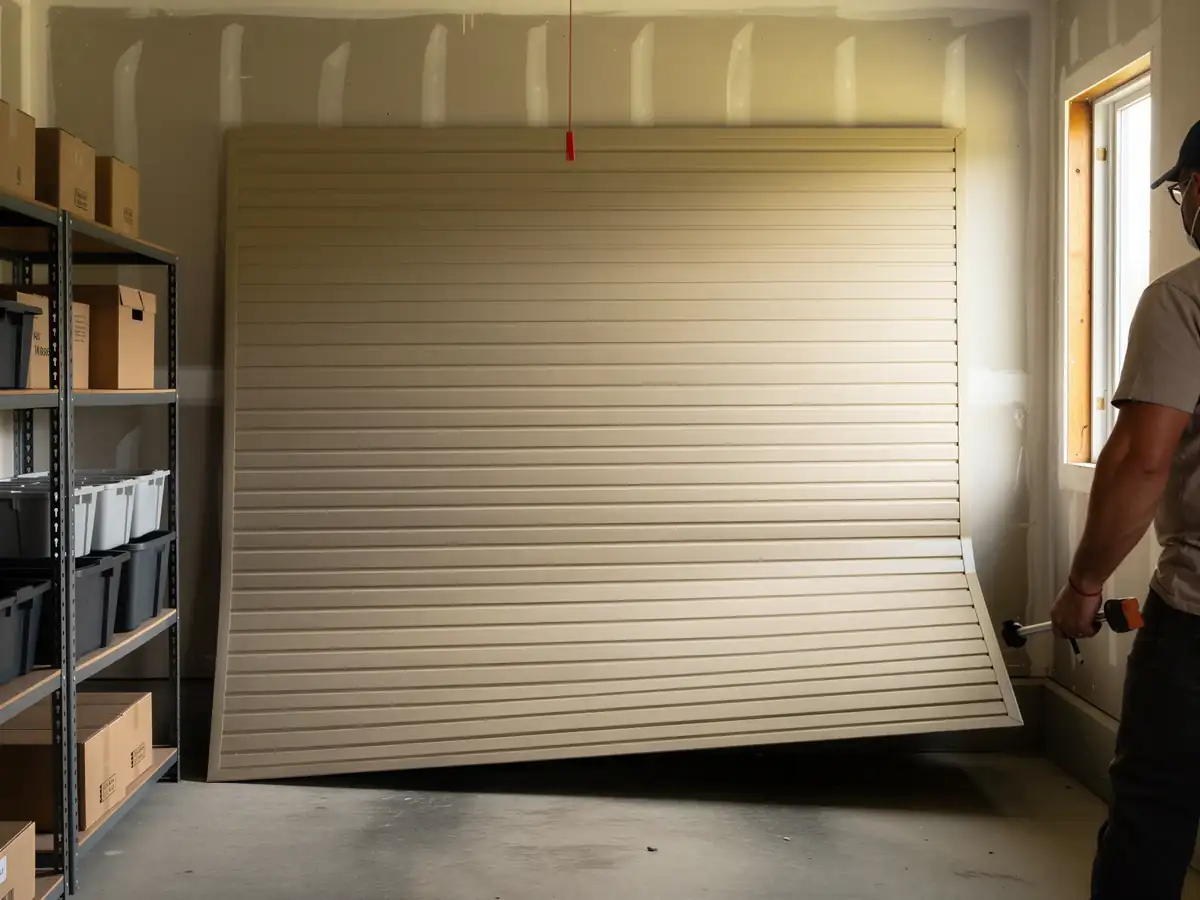
The most common call is a dent or crease in the bottom or second panel
Usually from something backing into the door. On steel doors you'll see the paint crack along the crease even if the metal underneath still holds its shape. On older aluminum panels, a hard enough hit can actually fold the panel rather than just dent it.
The other pattern we see on houses from the 1960s and 70s stock is panel edges that have started to bow or separate at the seam
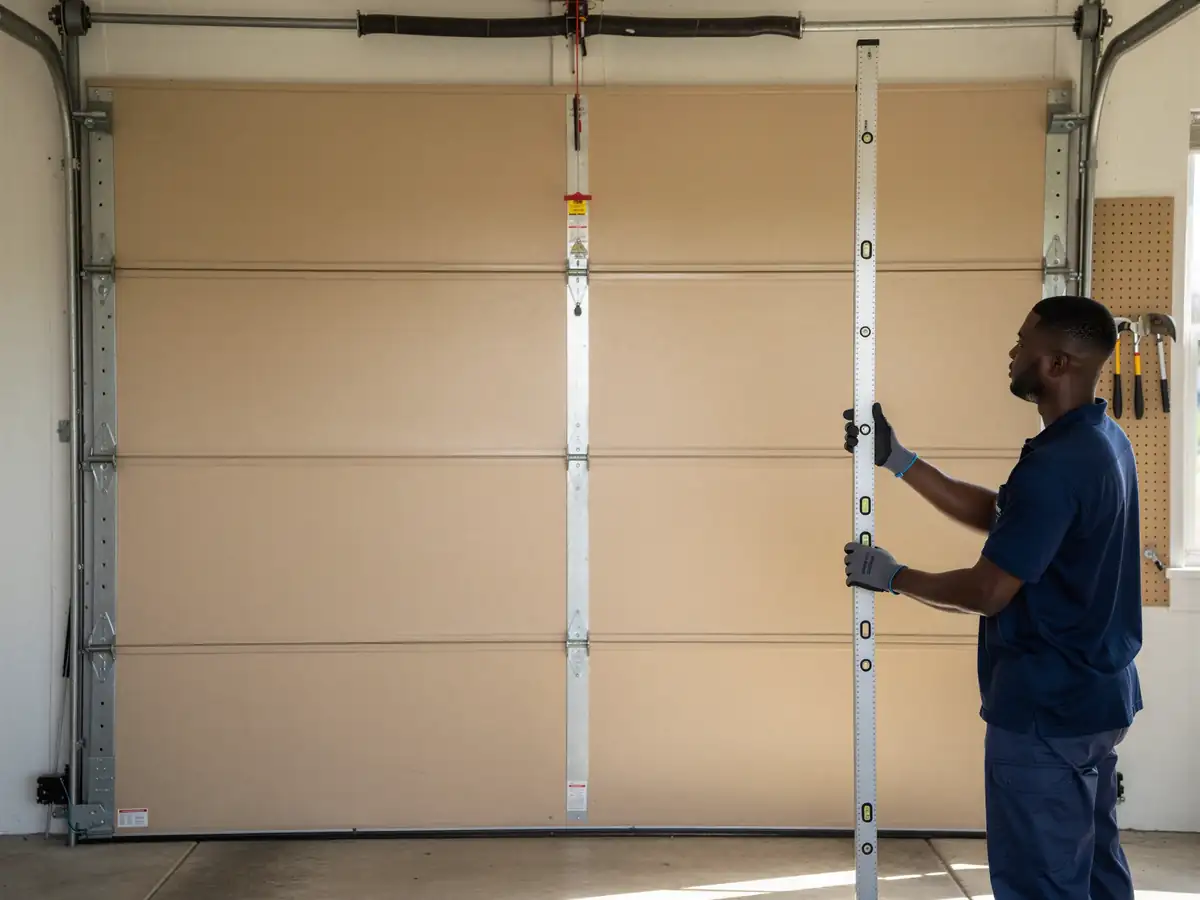
Not from impact, but from age and years of the door running on tracks that have shifted slightly out of plumb. That shows up as a panel that doesn't sit flush with its neighbors anymore, even with the door fully closed.
Rust-through at the bottom panel is the third pattern
Usually on doors that sit close to grade without much of a gap for water to clear. It starts as a small bubble in the paint and eventually opens into a hole, at which point the panel needs replacing rather than patching.
What Can Go Wrong
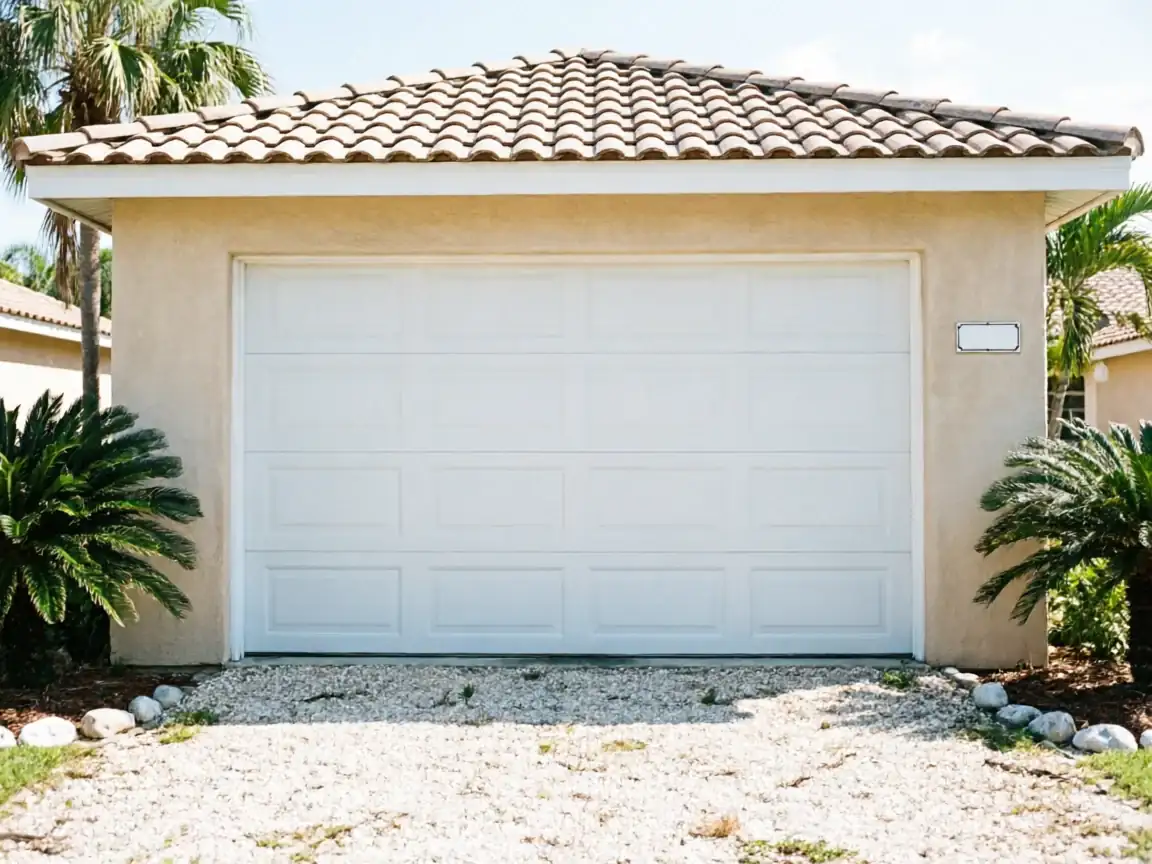
A mismatched panel is the most visible problem - different ridge spacing, a slightly off color, or a panel that's a half-inch narrower than the rest. On a door that's over 40 years old in a market with 45,988 owner-occupied houses across this area, we've seen plenty of these original doors, and getting an exact match sometimes just isn't possible.
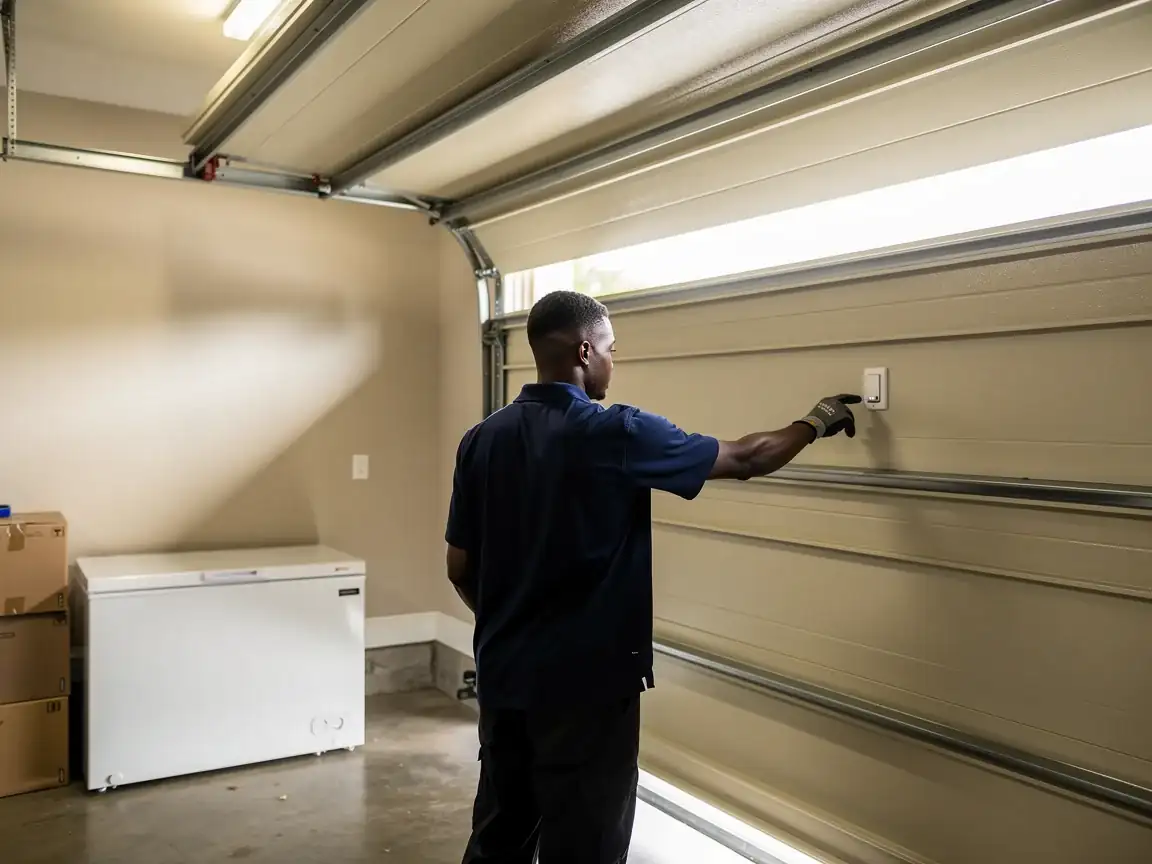
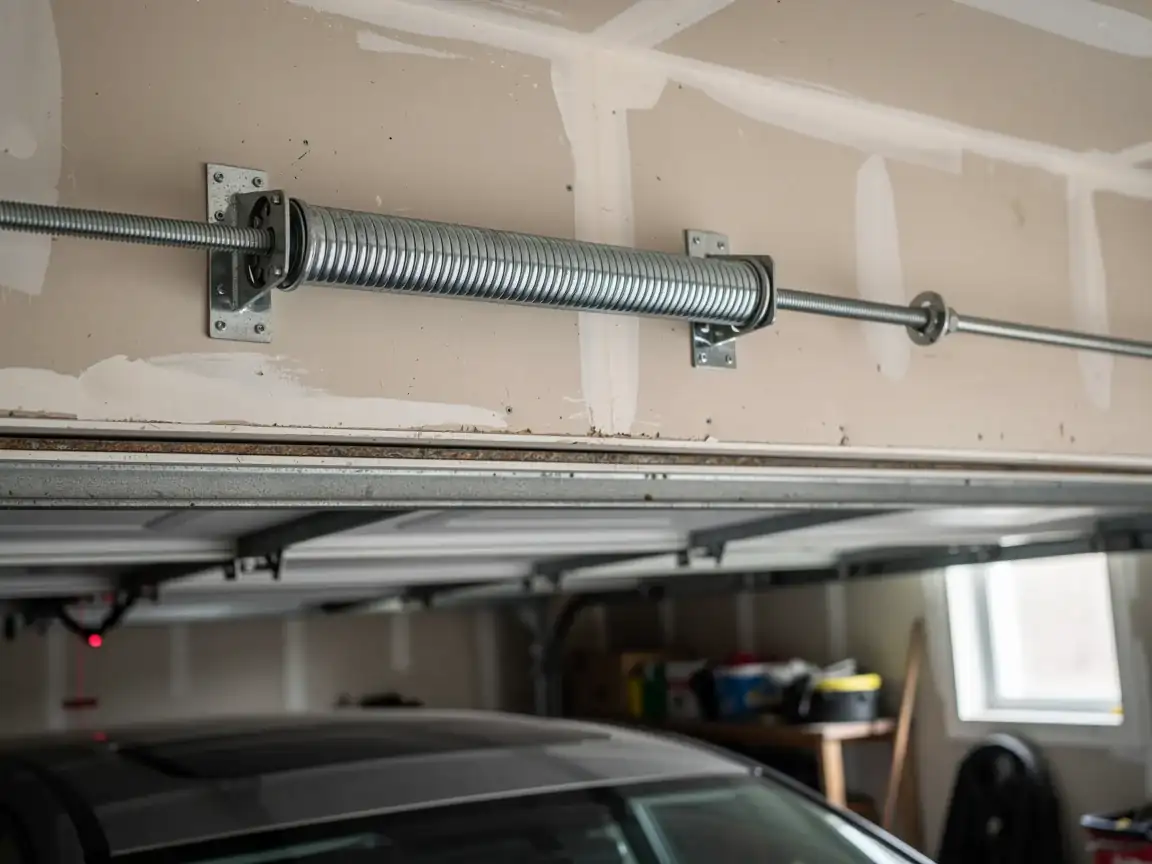
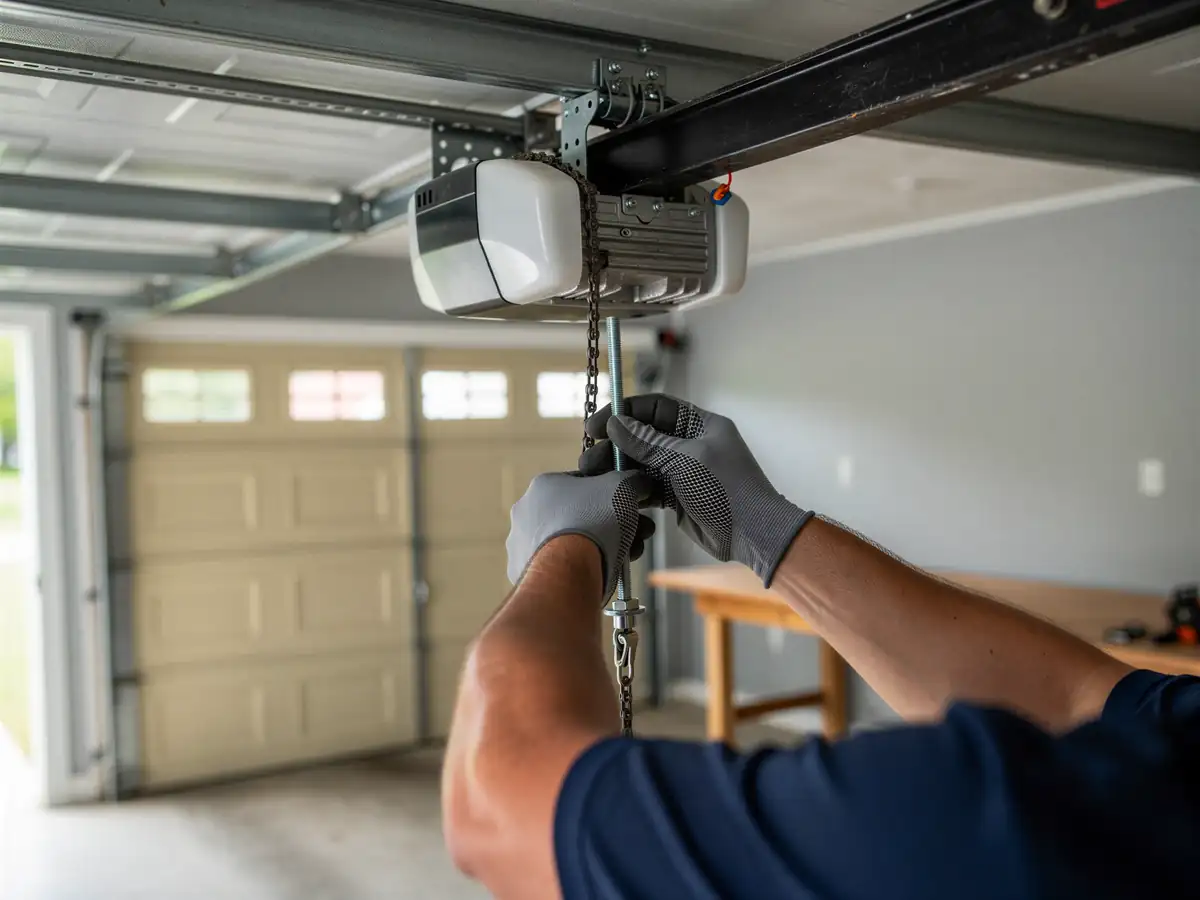
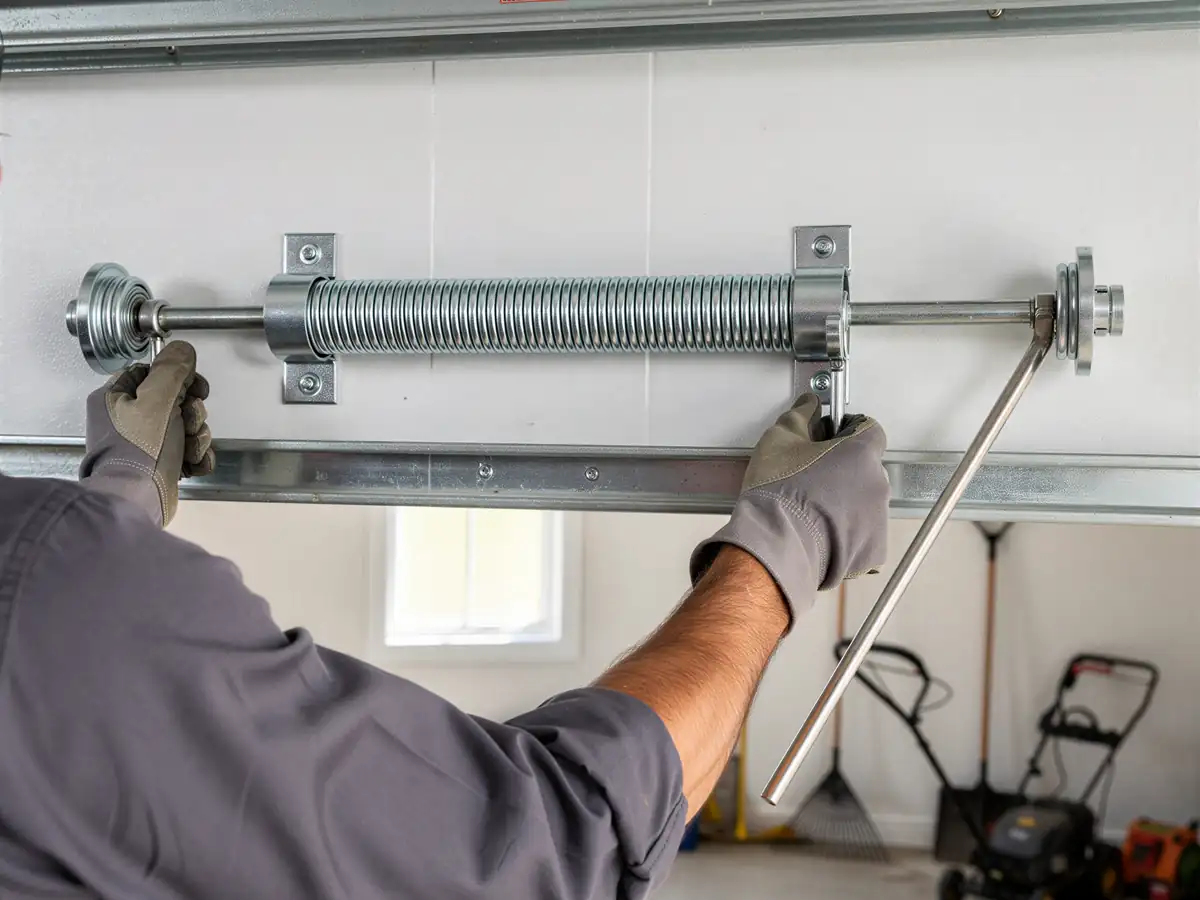
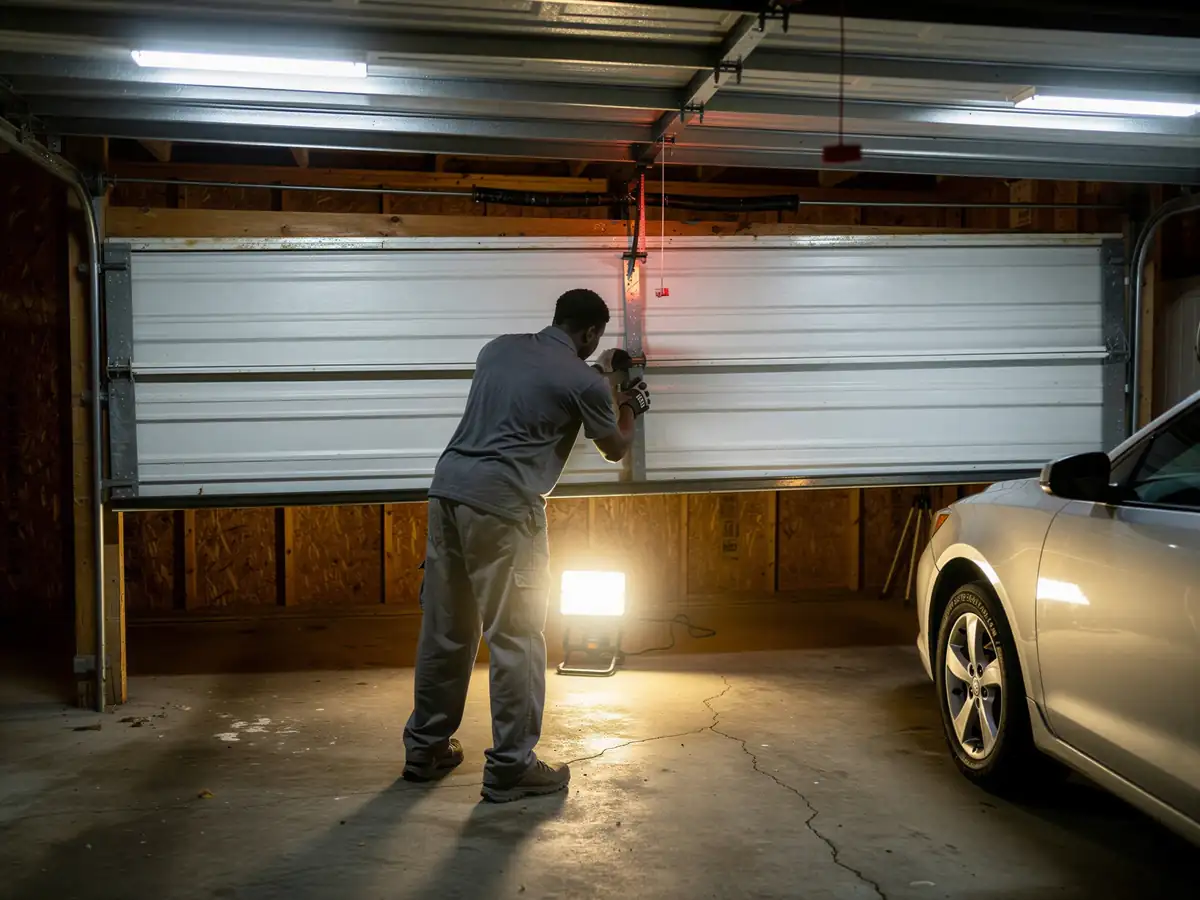
The less visible risk is weight and balance. Swap a panel for one that's a different gauge of steel or a different foam-fill than the originals and you throw off how much the springs have to lift. On a double-wide door that imbalance shows up fast as extra strain on the opener and faster spring wear. We check the door's balance after any panel swap for this reason, not just screw it on and leave.
The last thing worth knowing: if more than two panels on a four or five-panel door are damaged or mismatched, we'll usually tell you a full door replacement costs less than chasing panels one at a time, especially on a model where parts are getting hard to find.