What the Fix Involves
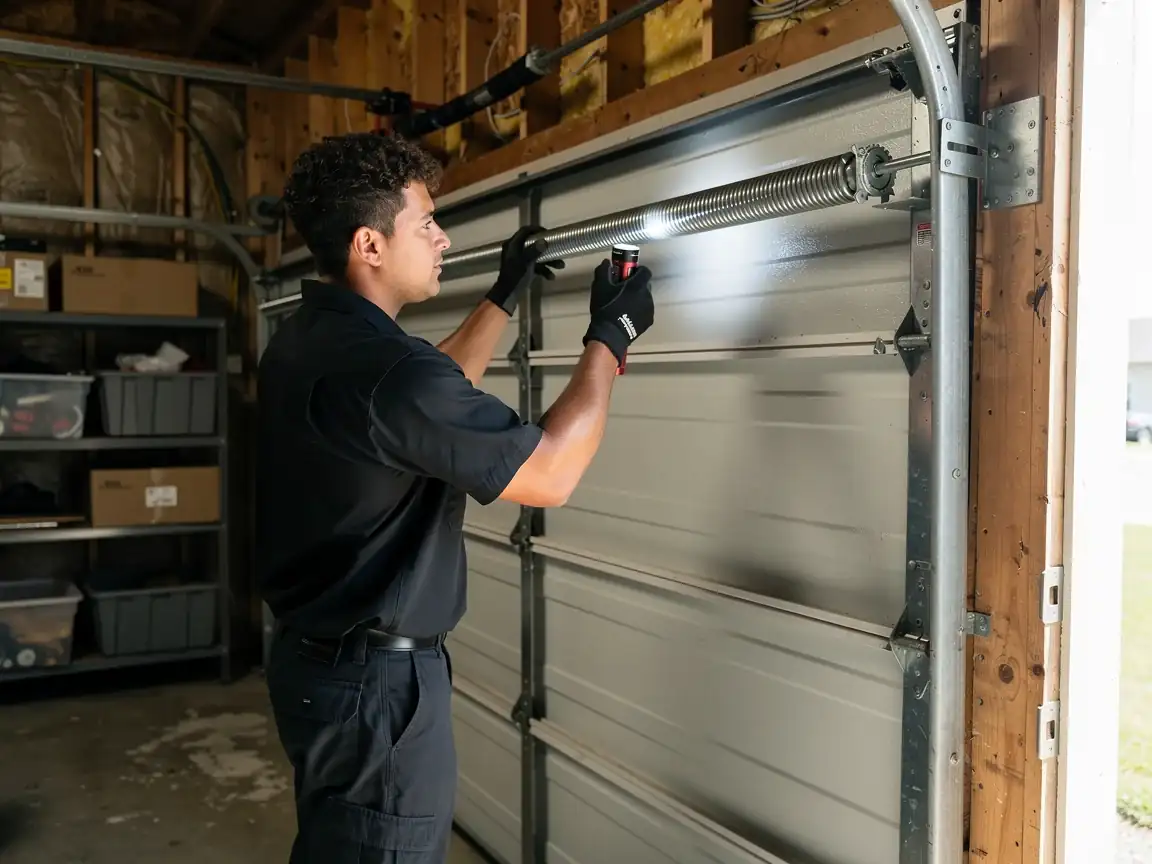
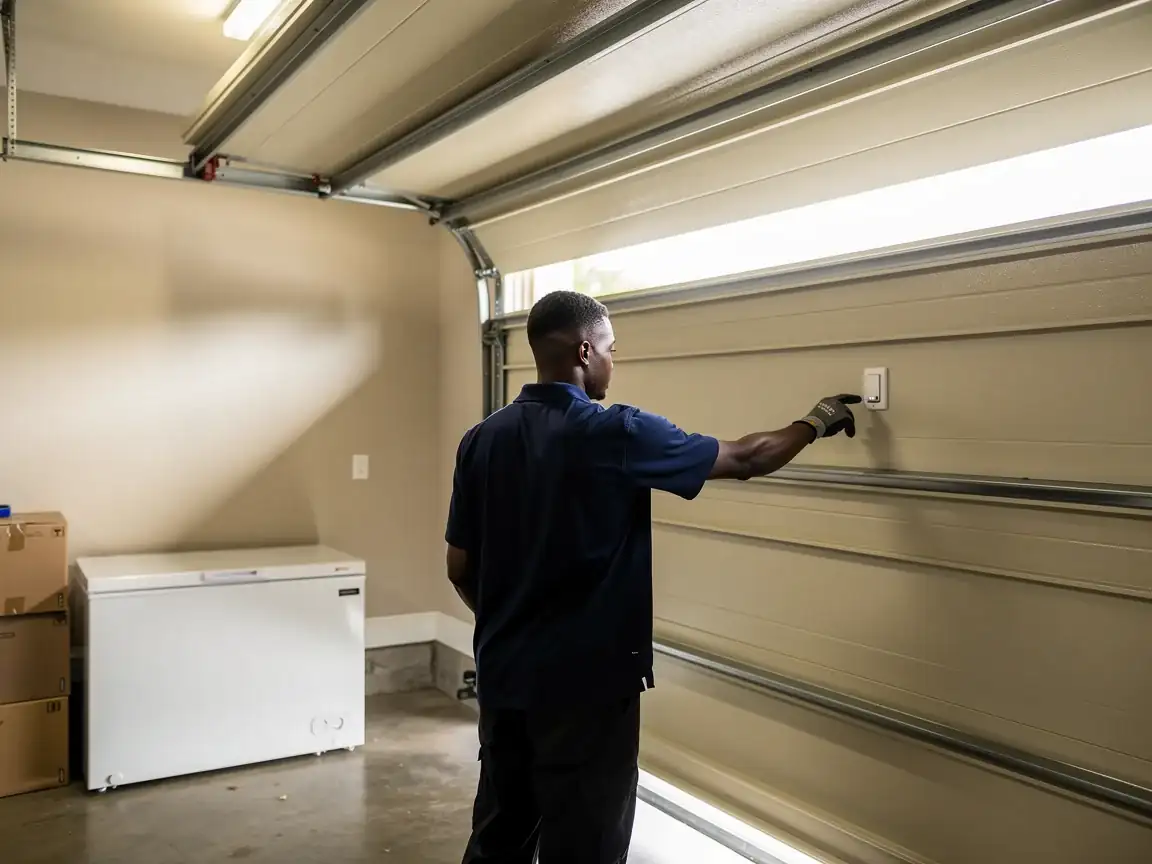
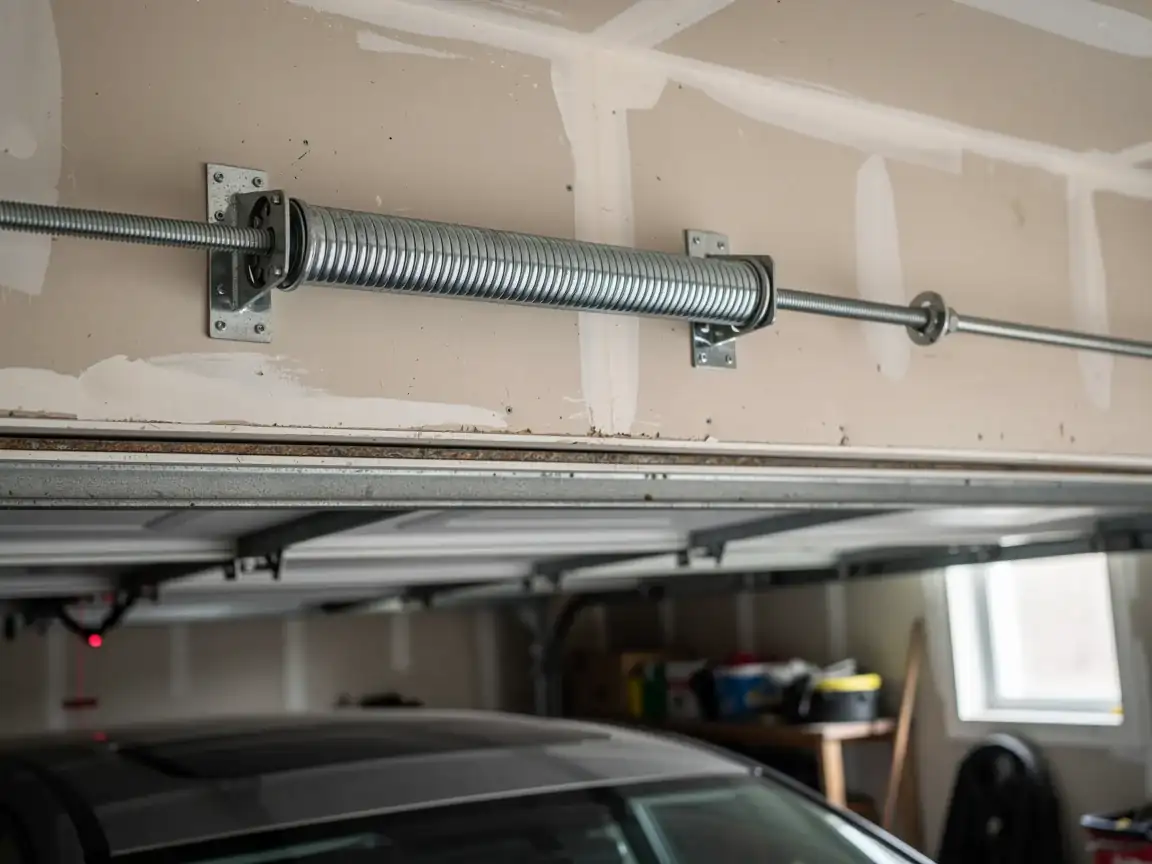
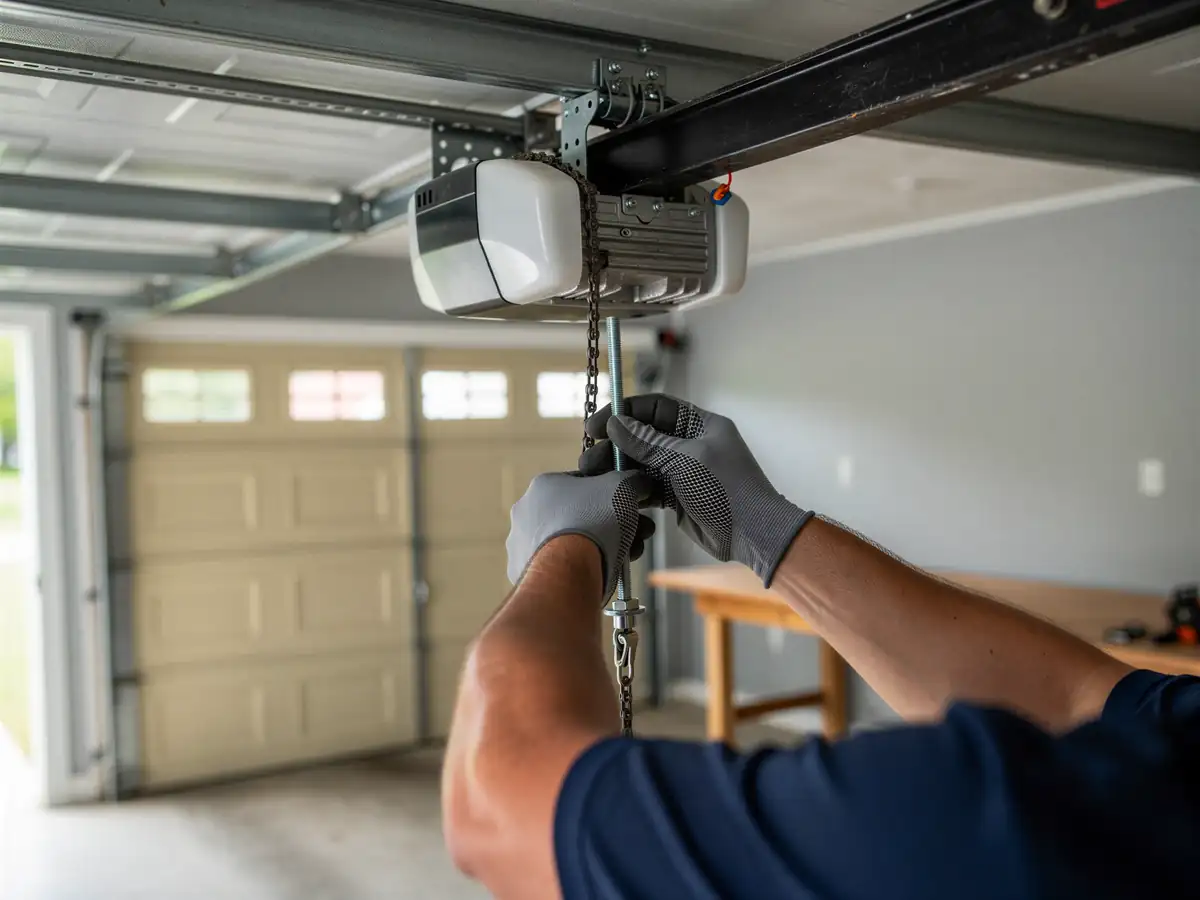
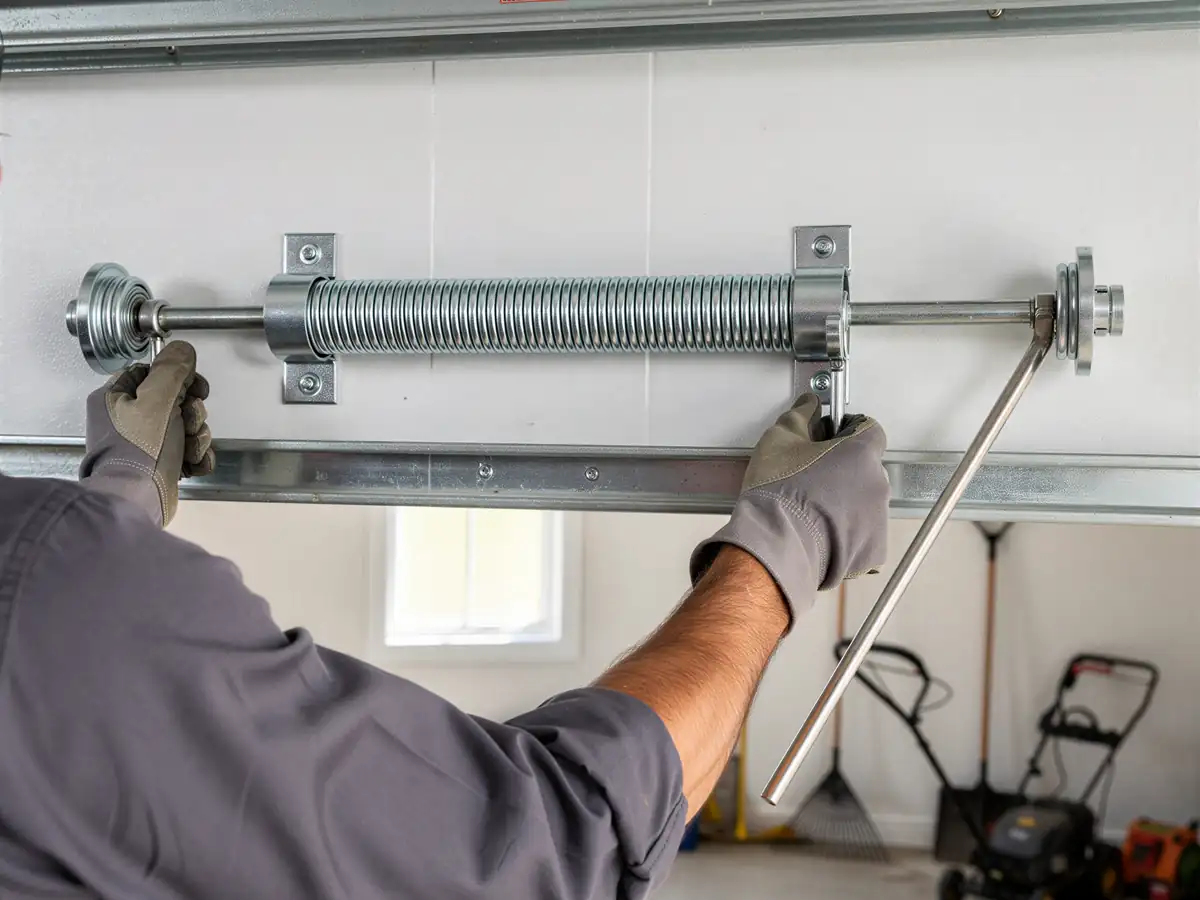
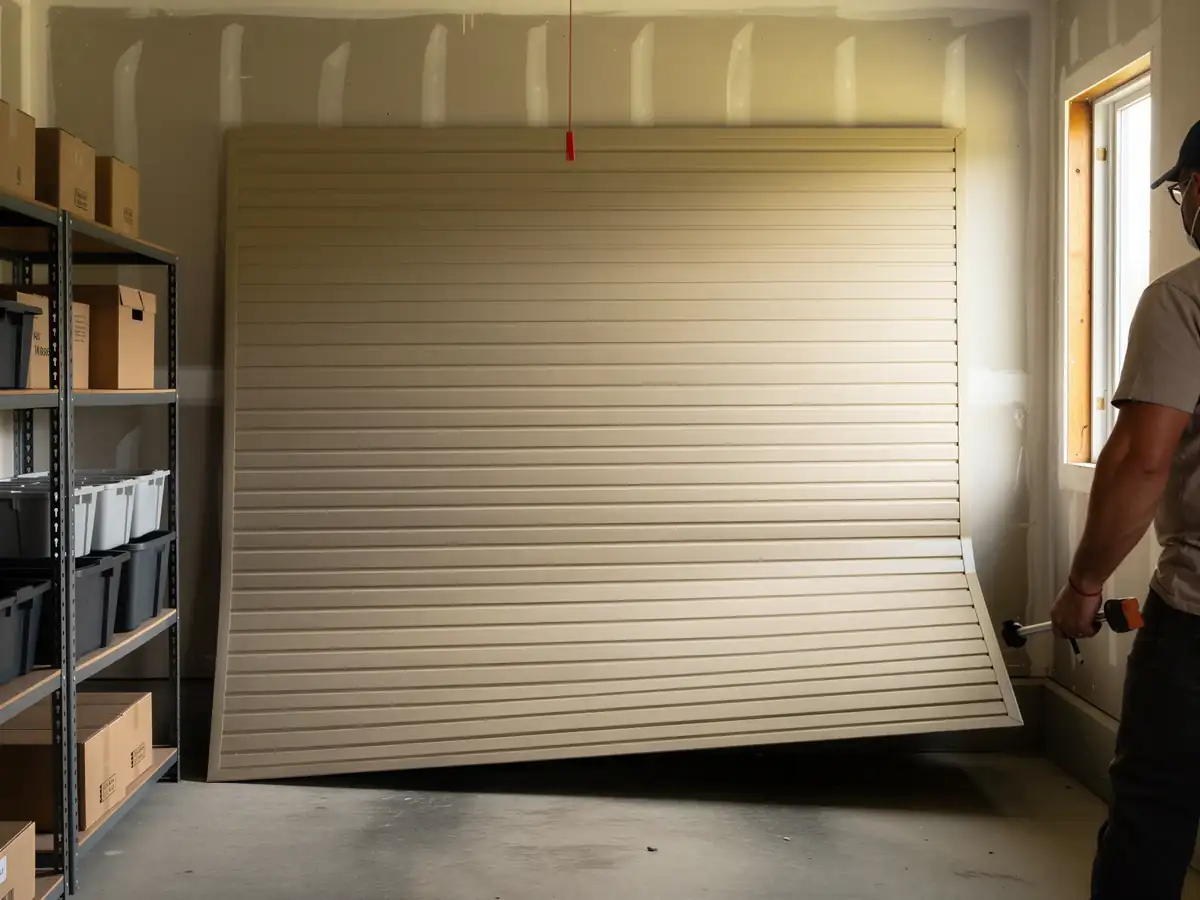
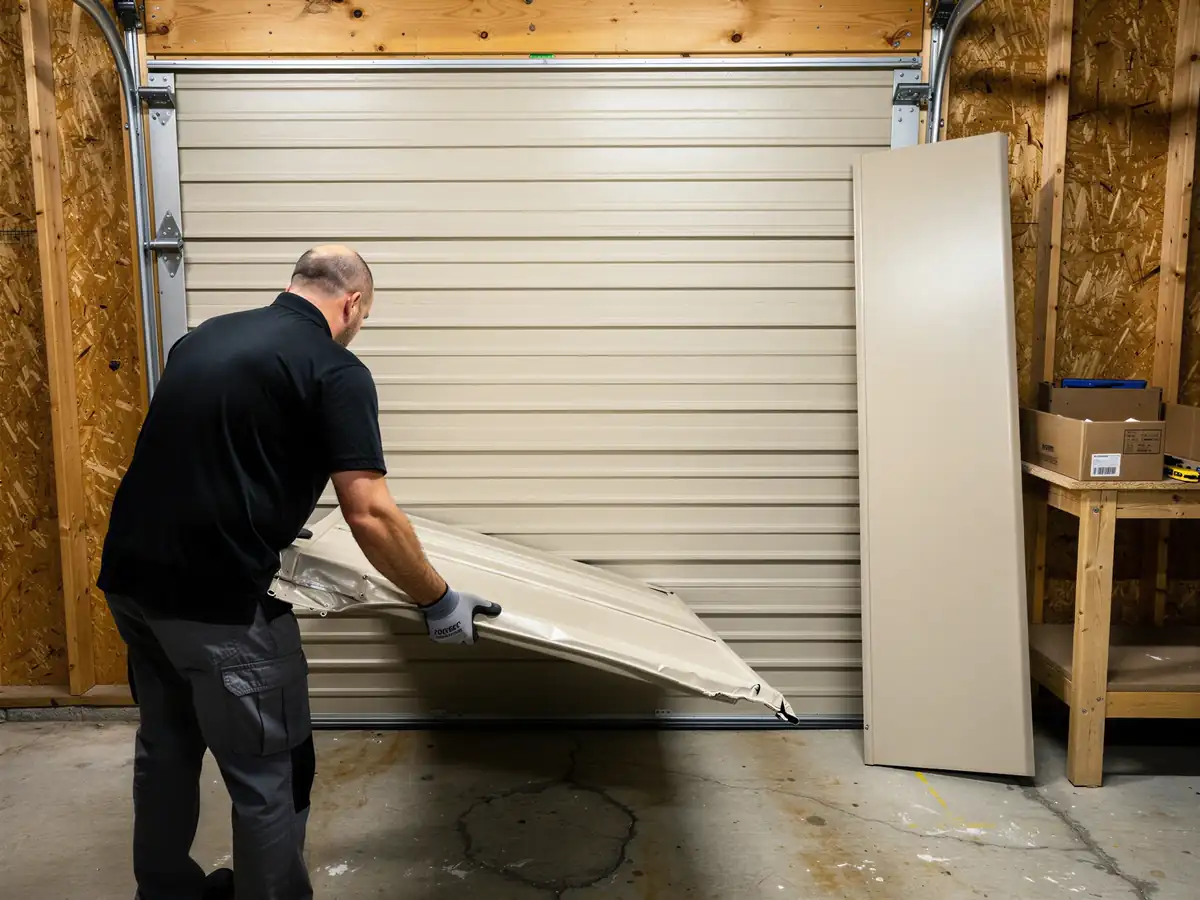
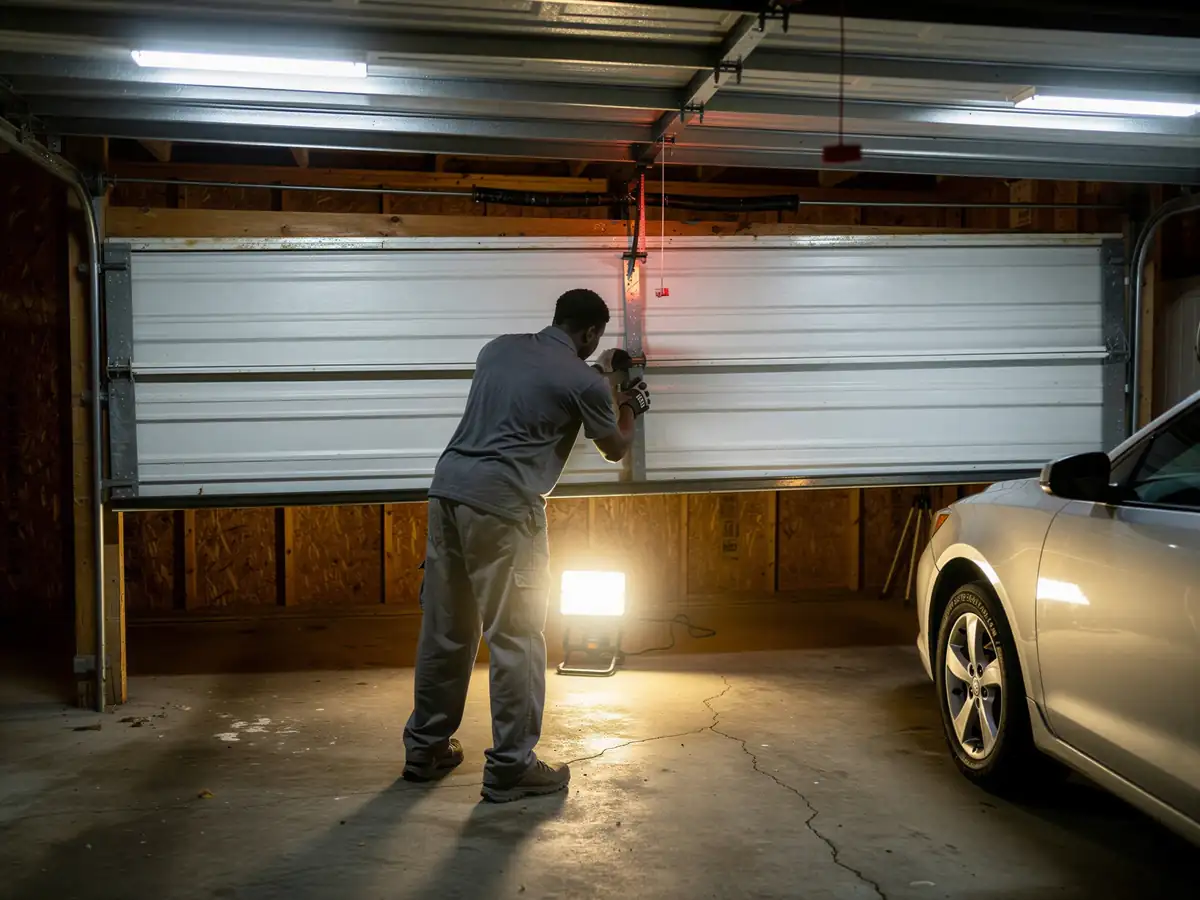
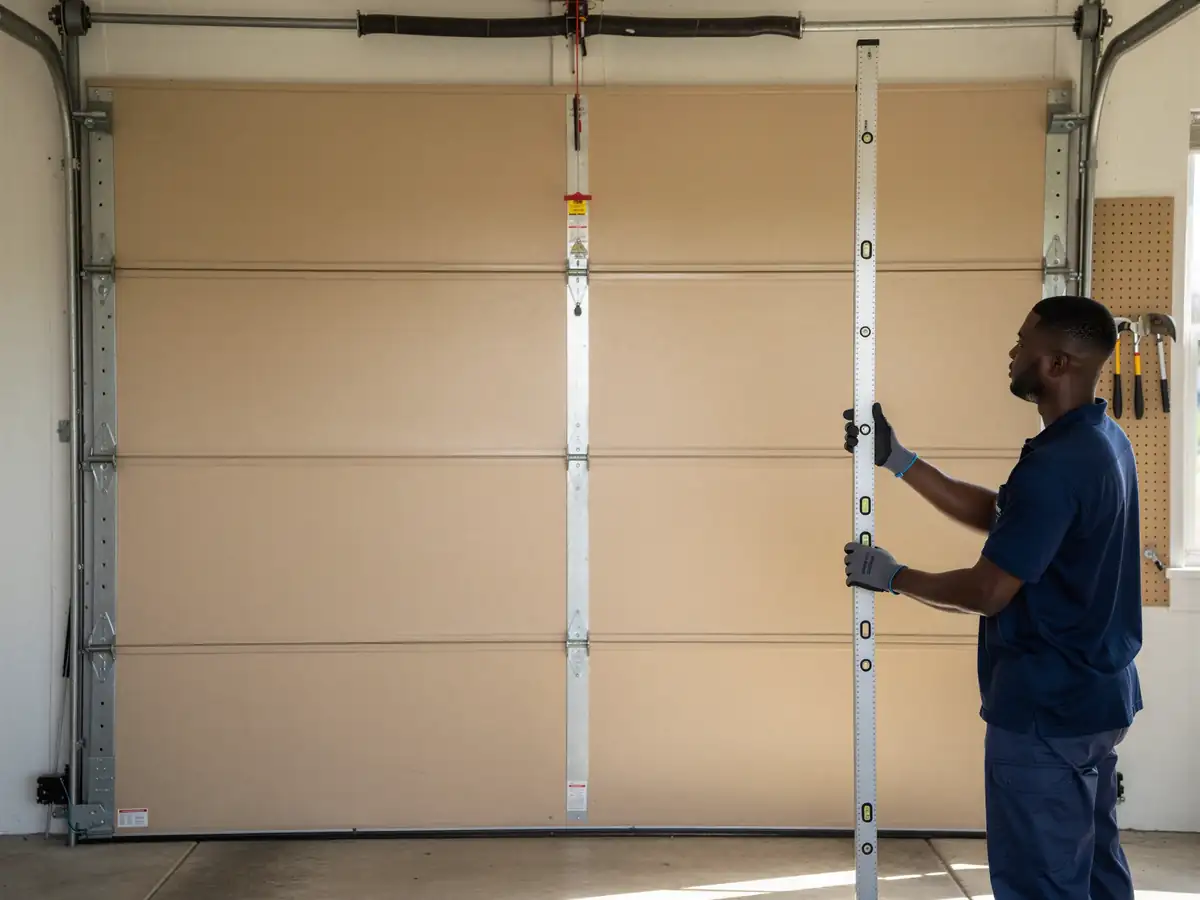
Most garage door calls here break down into three jobs: a torsion spring that's lost its temper, a cable that's jumped the drum, or an opener logic board that's finally quit after years of use. We pull the door panel by hand first to check balance before touching anything electric - a door that's out of balance will just eat the next spring too. On homes with original hardware, that means swapping the spring for a correctly sized replacement rated for the door weight, not just grabbing whatever's on the truck. If the track is bent from the door being forced while a cable was off the drum, we straighten or replace that section rather than letting a crooked track chew through new rollers in a year. One limitation worth saying plainly: if the opener model is old enough that the circuit board is no longer made, we'll tell you straight that full replacement is the better dollar-for-dollar move rather than hunting for a part that may not exist anymore.
What Causes It Around Here
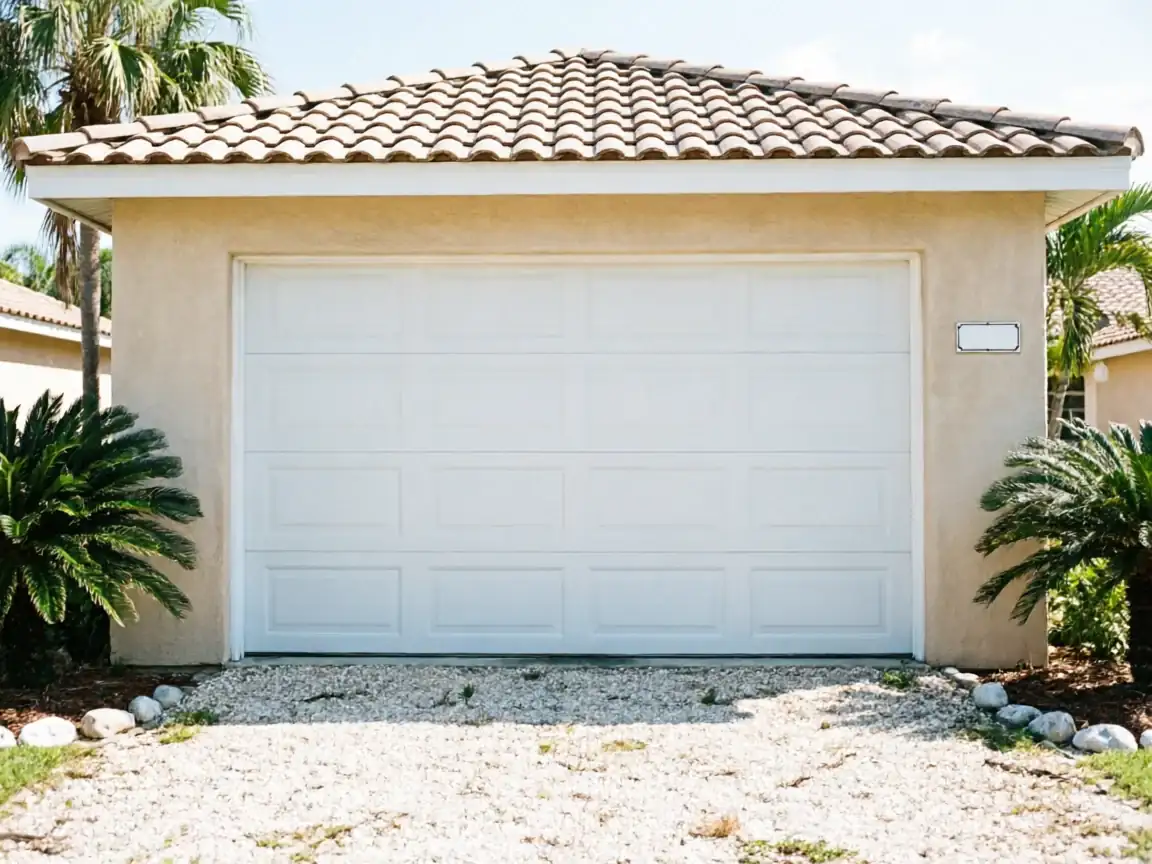
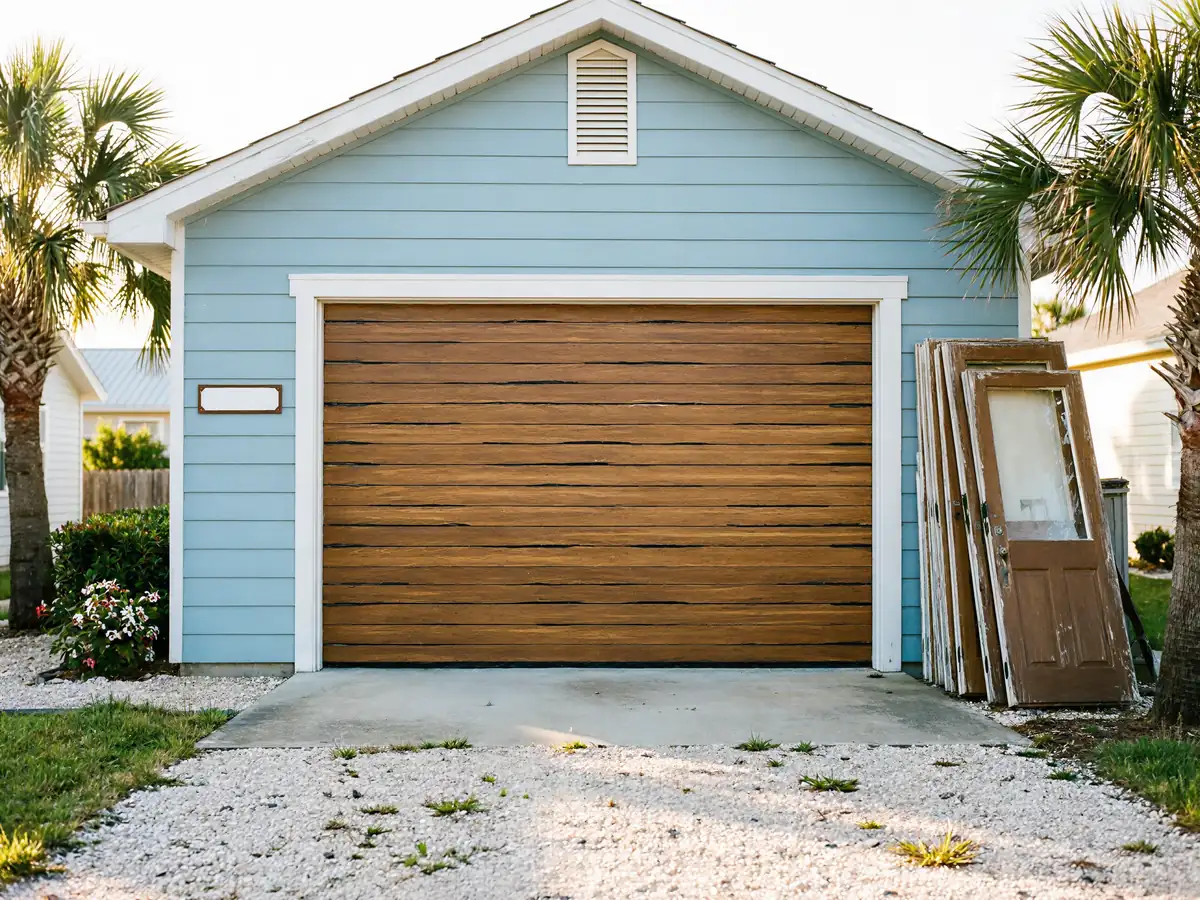
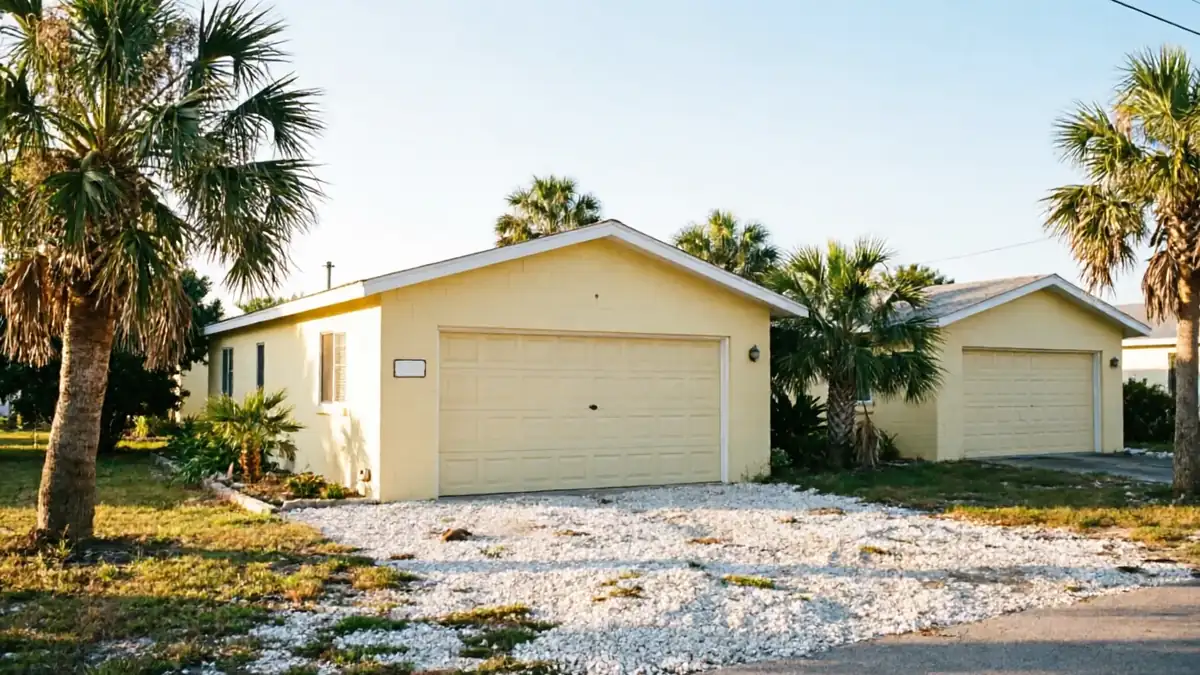
Housing across Melbourne's service area mostly went up between 1966 and 2003, with a median build year of 1977, and the 16 named areas we work in - June Park, West Melbourne, Indian Harbour Beach, and the rest - are largely 1960s and 70s construction. That means a lot of torsion springs and openers that are original to the house or are the first replacement, now well past the cycle count they were rated for. Melbourne sits in a mild temperate band, so we don't see the freeze-thaw cracking that tears up concrete and hardware in colder regions - but steady decades of use still fatigue steel. A spring doesn't care that the weather's been gentle; it cares how many times it's been wound and unwound. On a 1977-built house, that's roughly fifty years of daily cycles on hardware never designed to last that long without replacement.
What Can Go Wrong
Leave a broken spring alone and the opener tries to do the spring's job - lifting the full weight of the door on its own gears. That burns out the motor fast, turning a spring repair into a spring-plus-opener replacement. A cable that's slipped but not snapped can still let the door fall if someone tries to force it open by hand, and with doors this old the drums and bottom brackets are often original too, so one failed part tends to reveal others nearby in the same condition. We also see owners in the 45,988 owner-occupied houses across this area try to re-tension a spring themselves, which is the one repair here that genuinely isn't a DIY job - torsion springs store enough force to cause real injury, and that's not a risk worth the money saved.