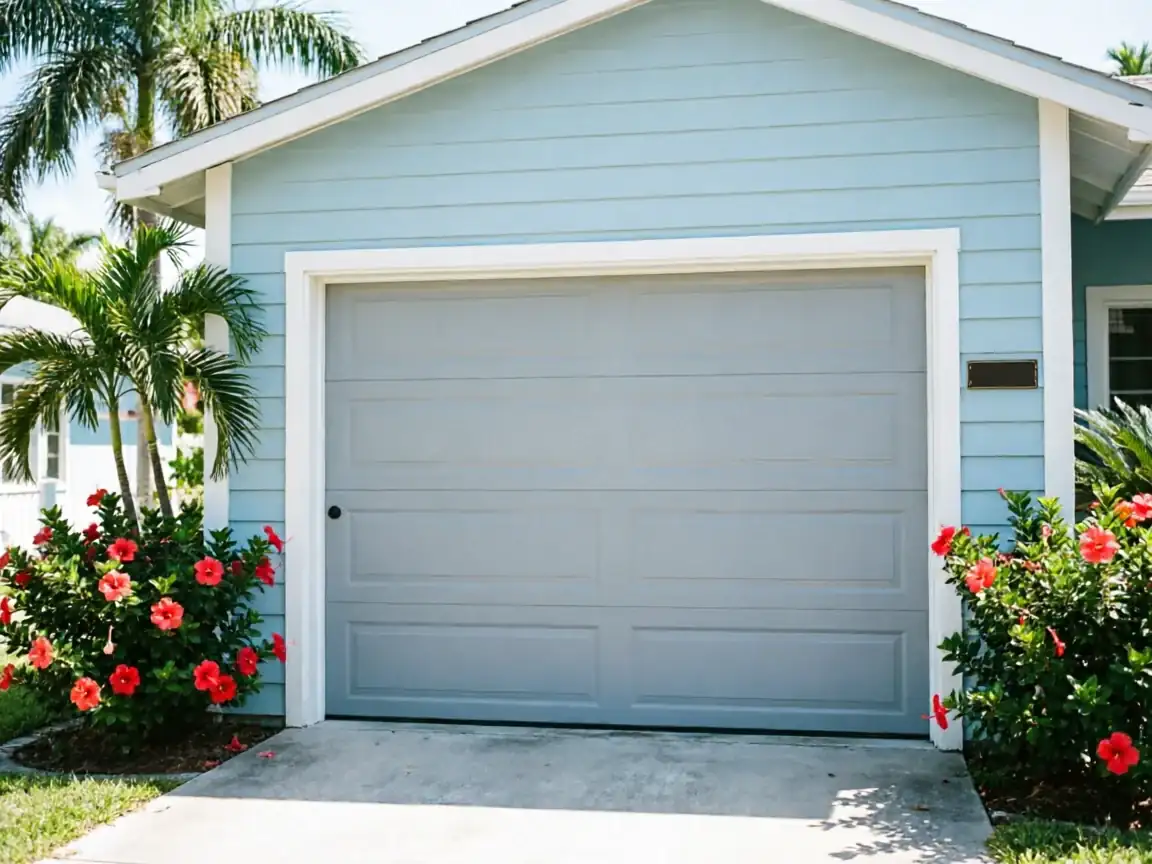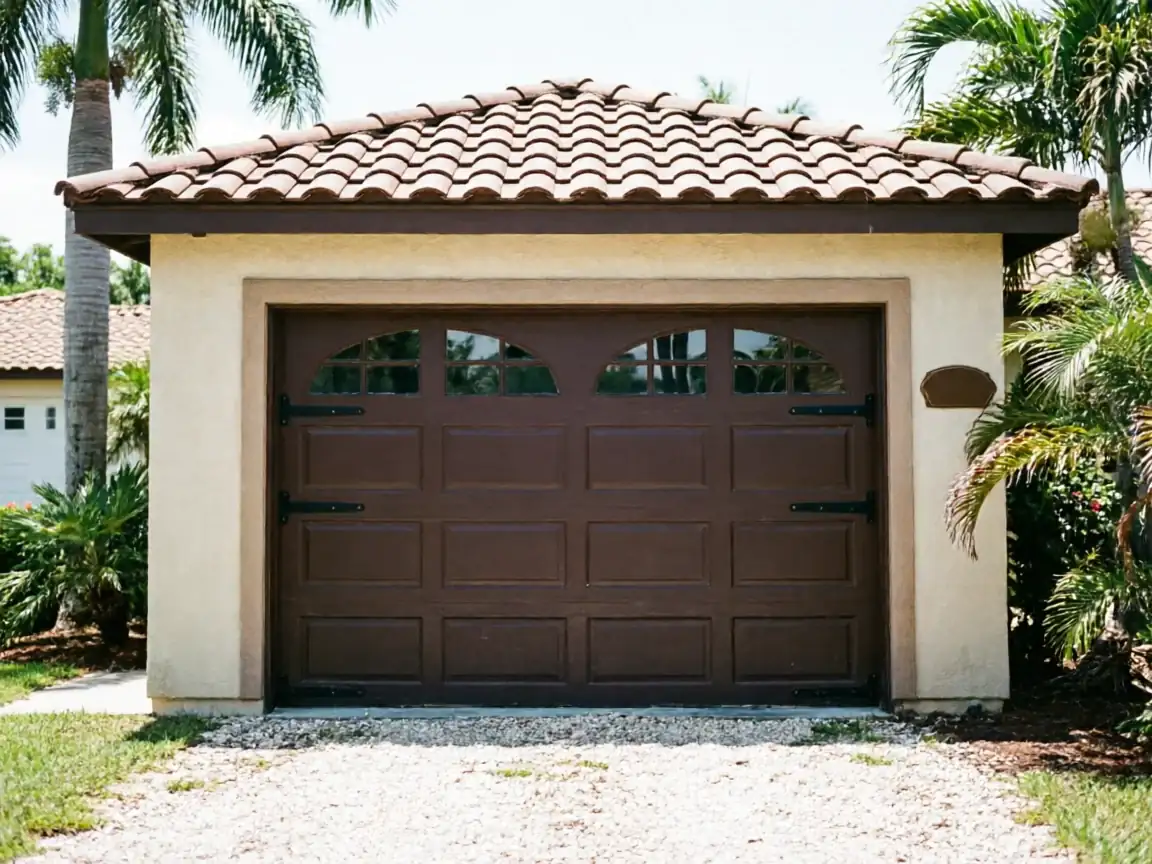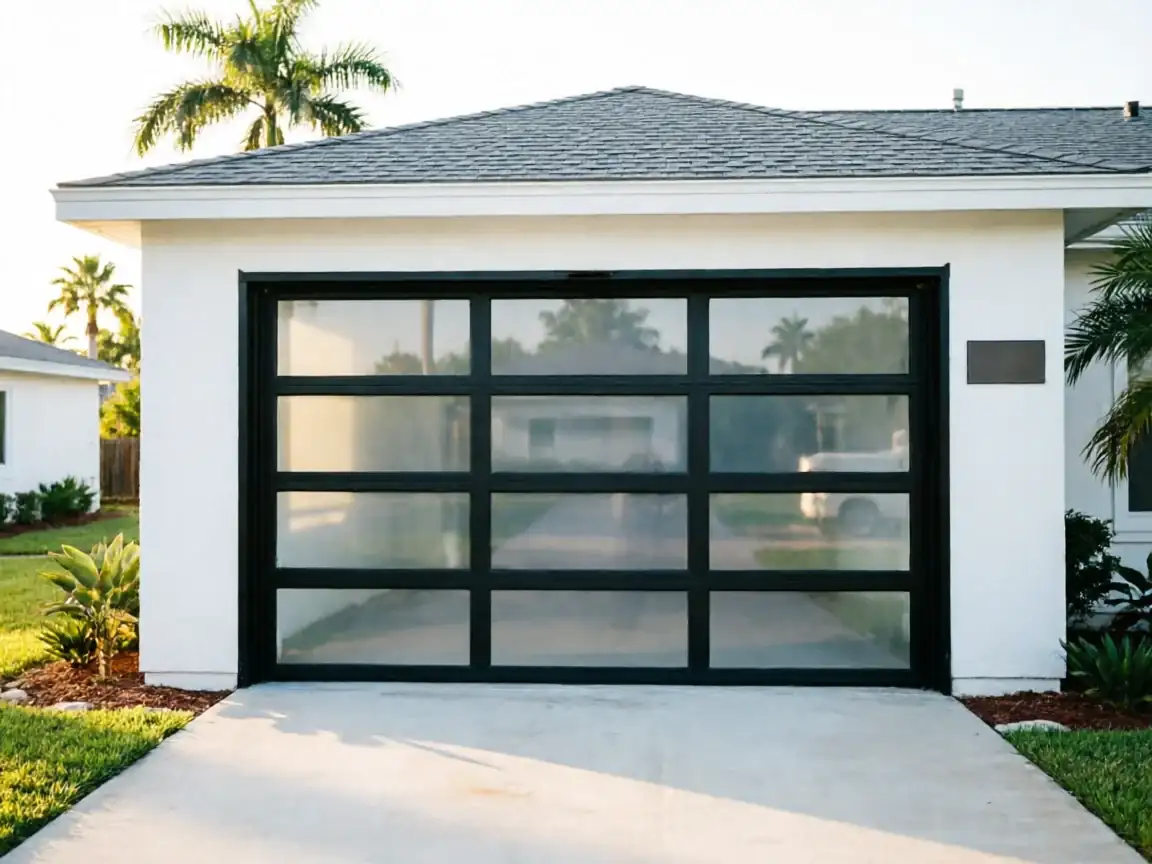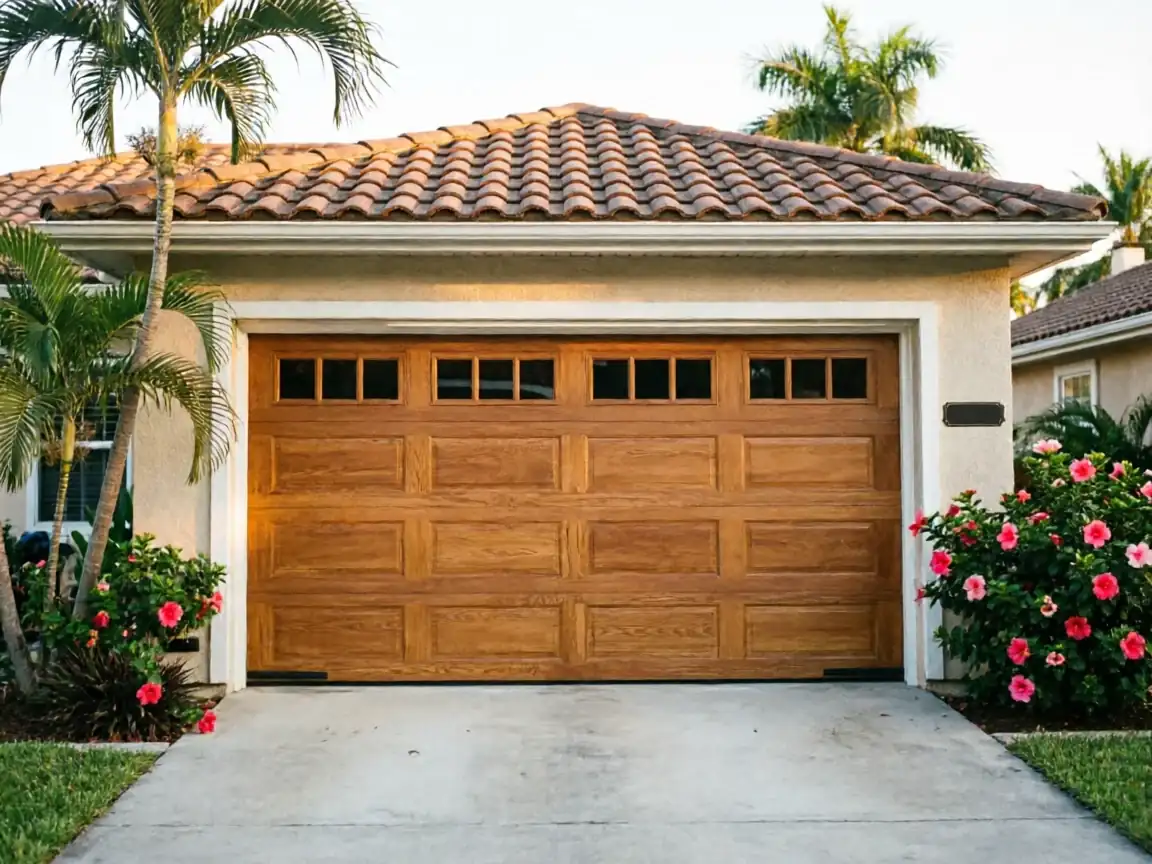
What the Fix Involves
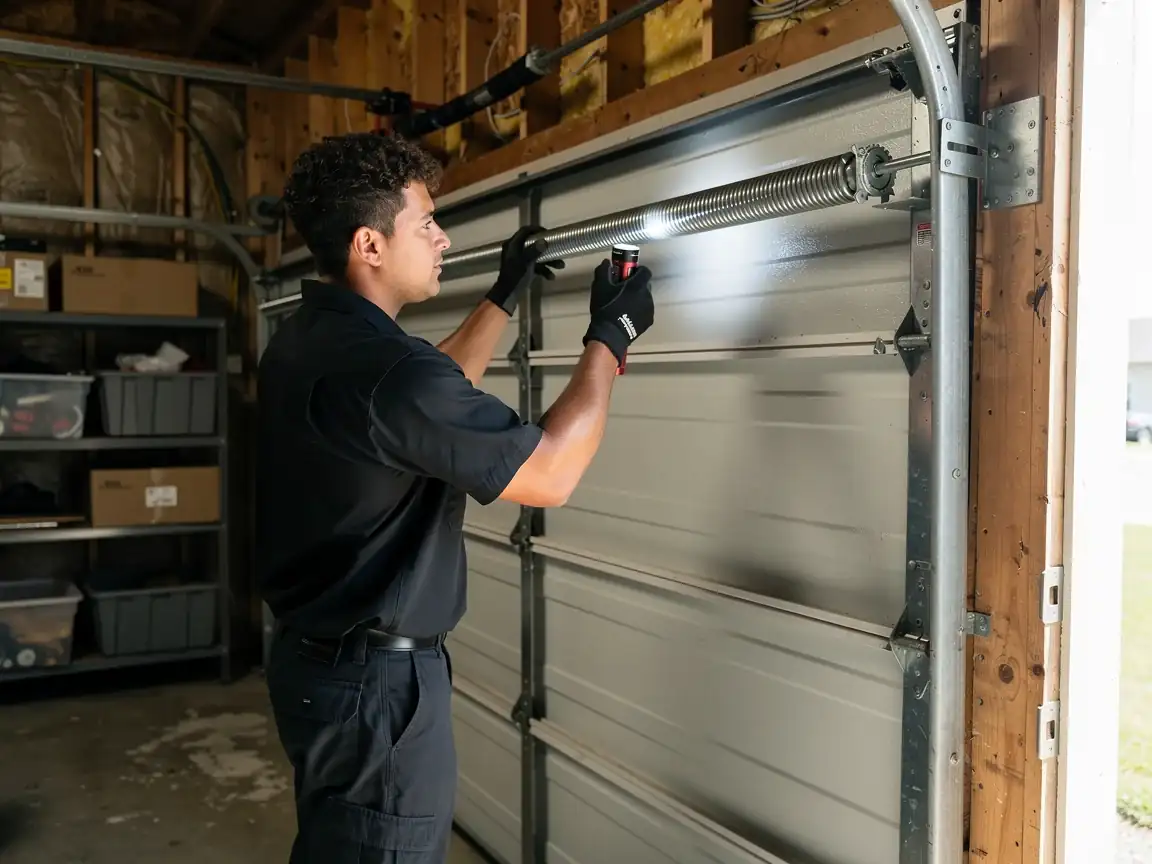
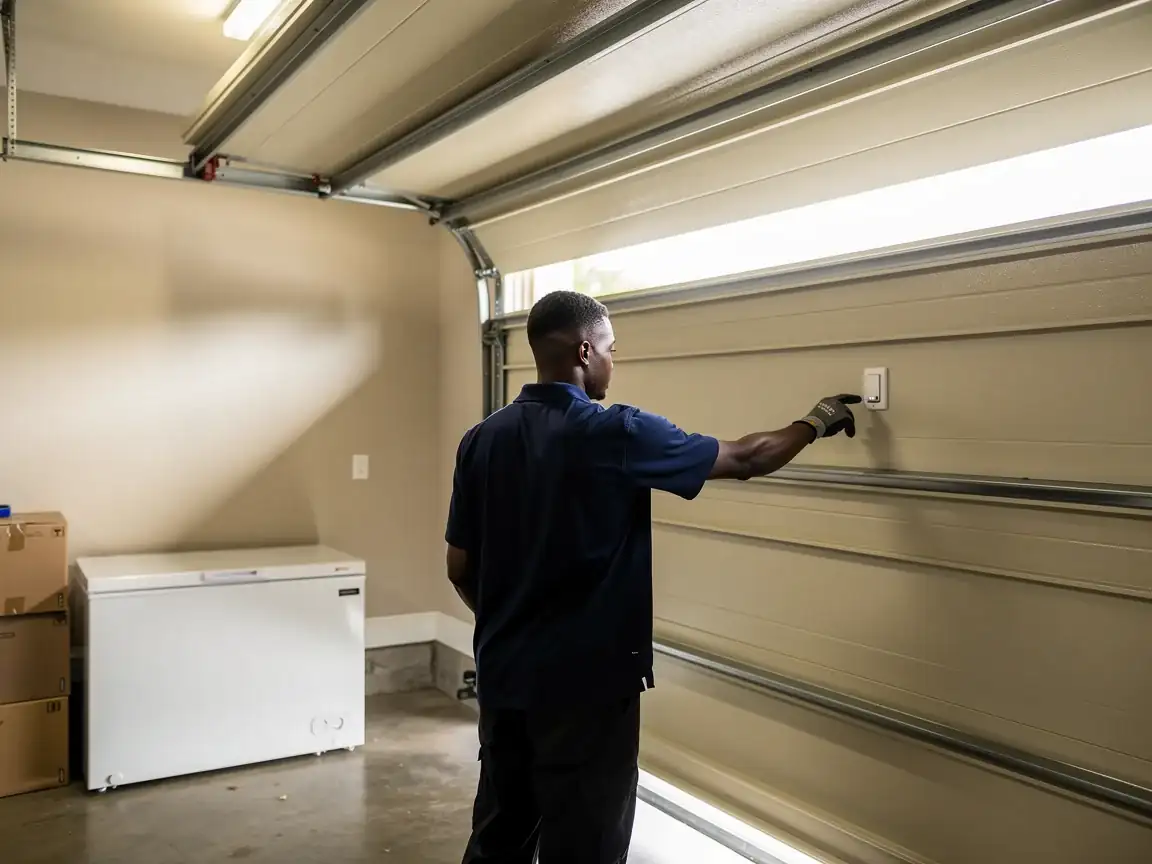
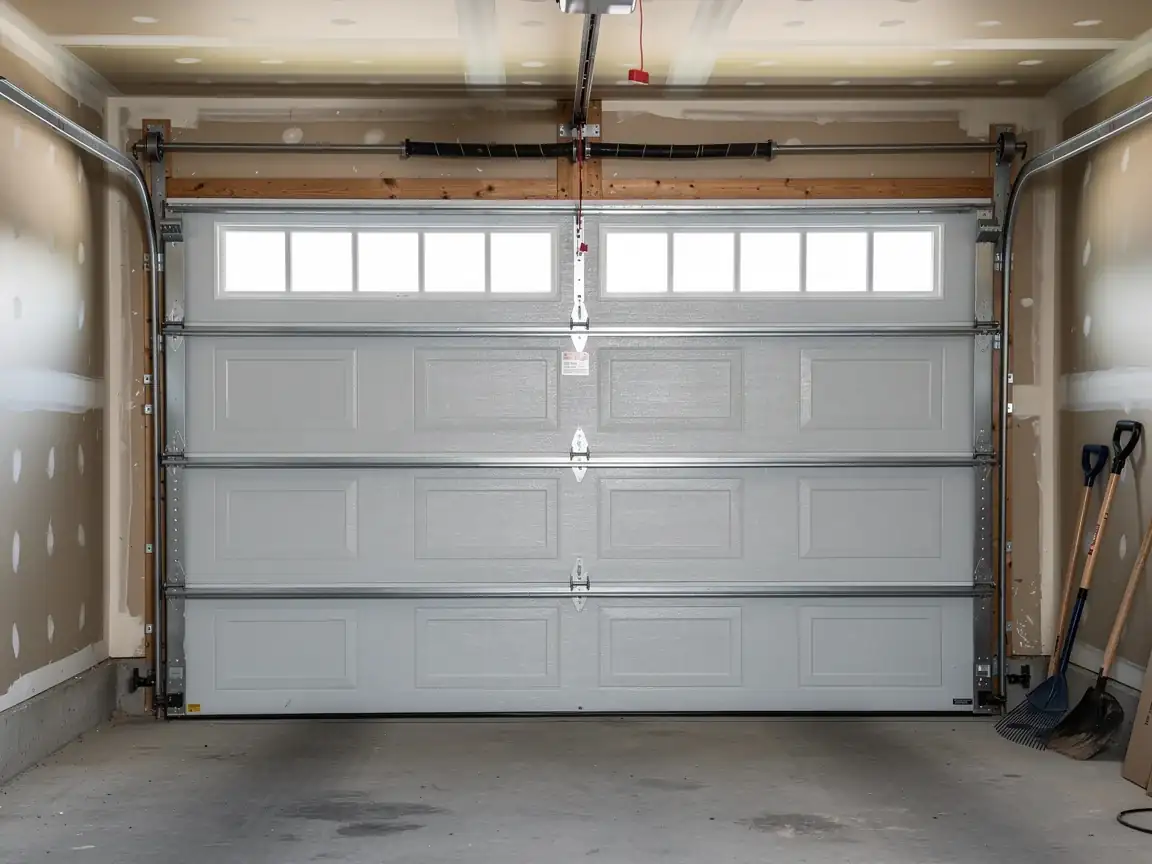
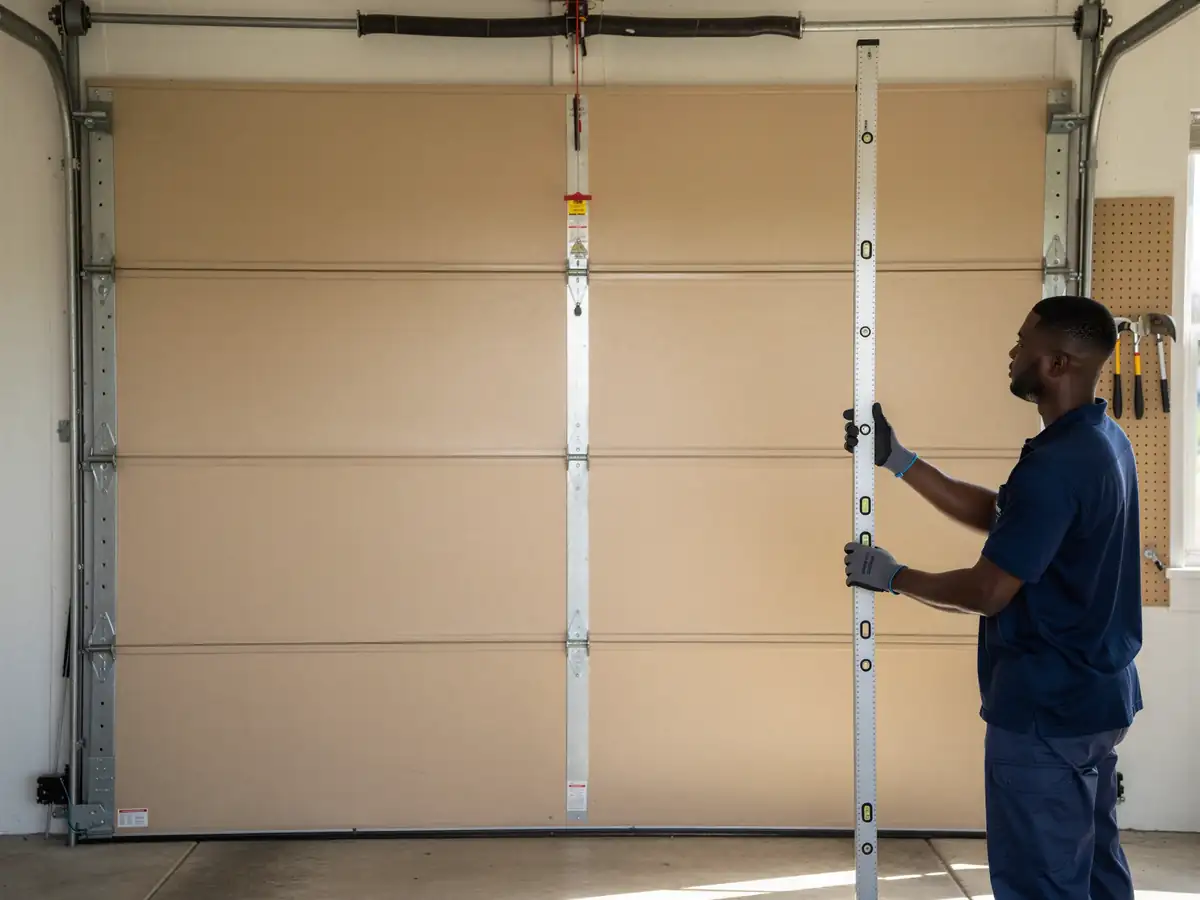
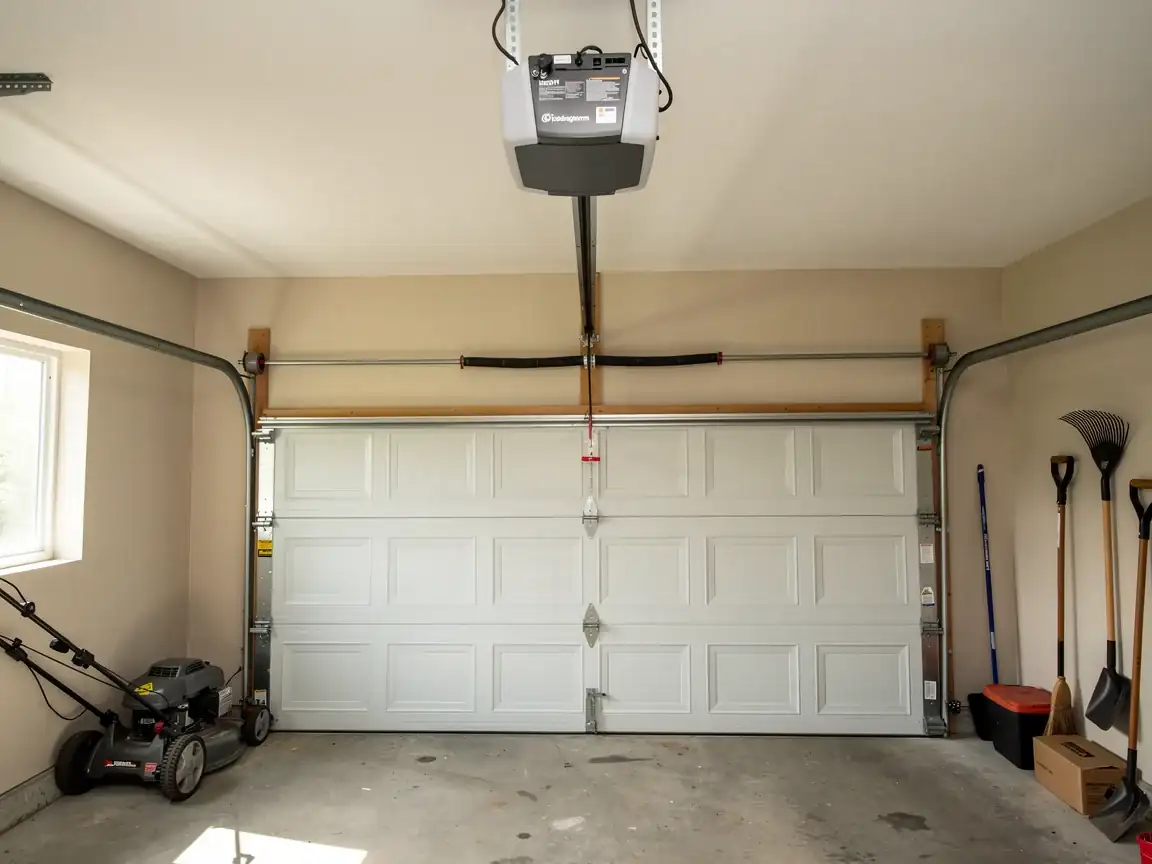
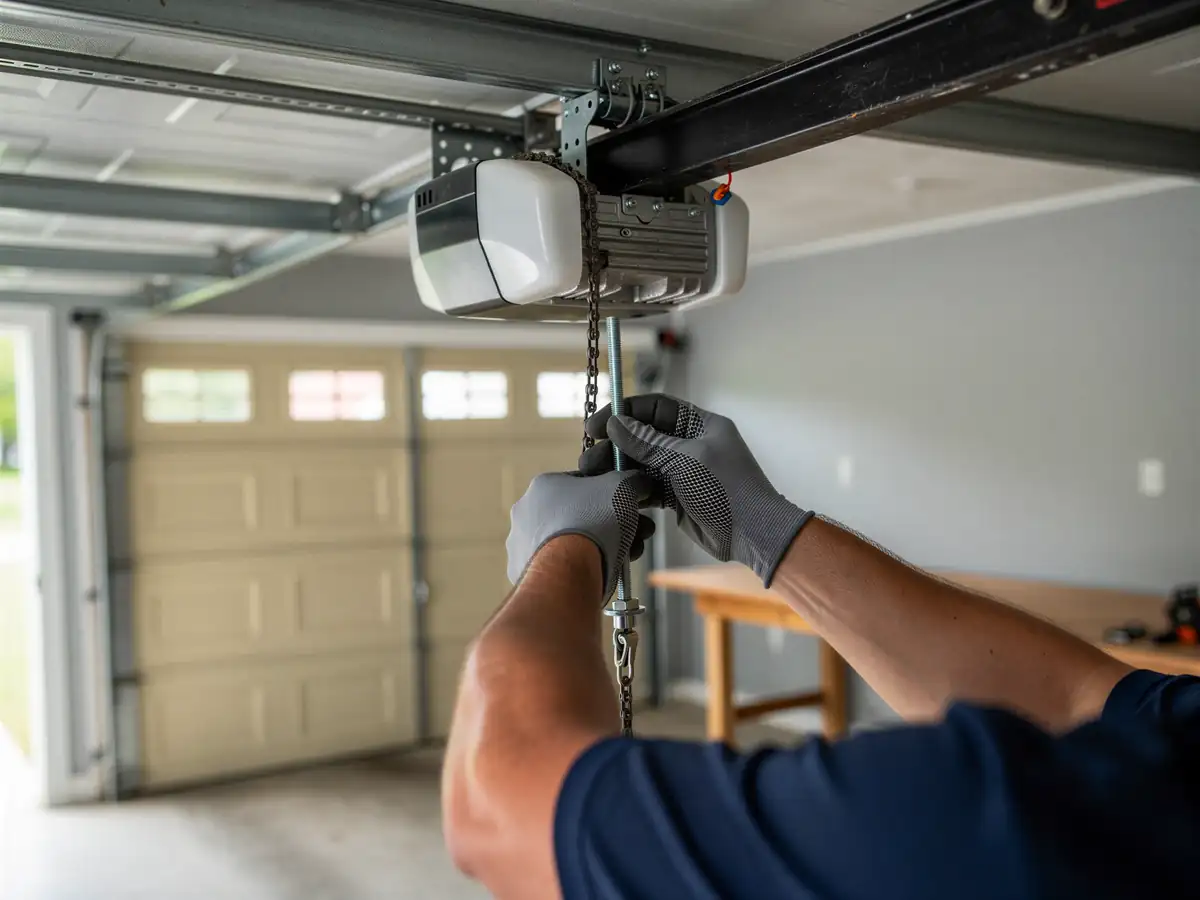
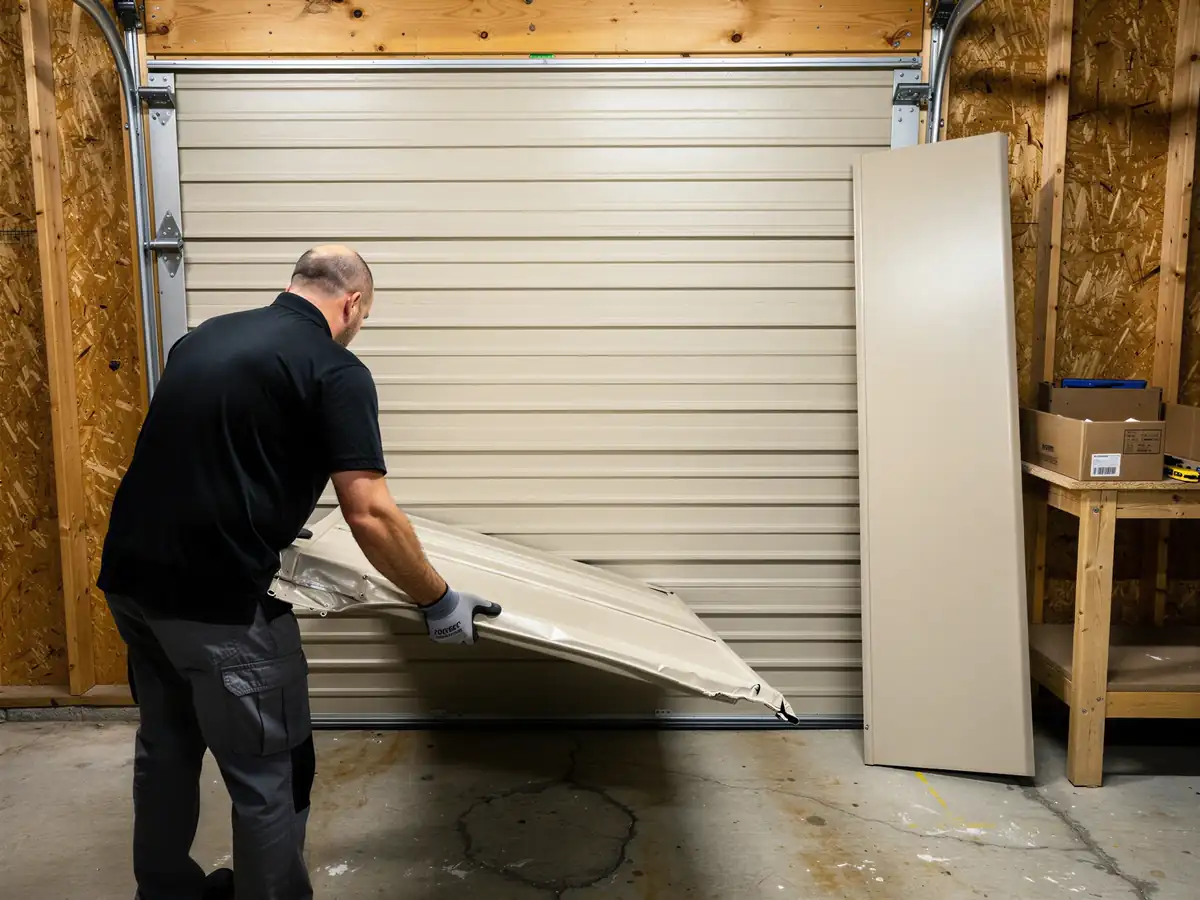
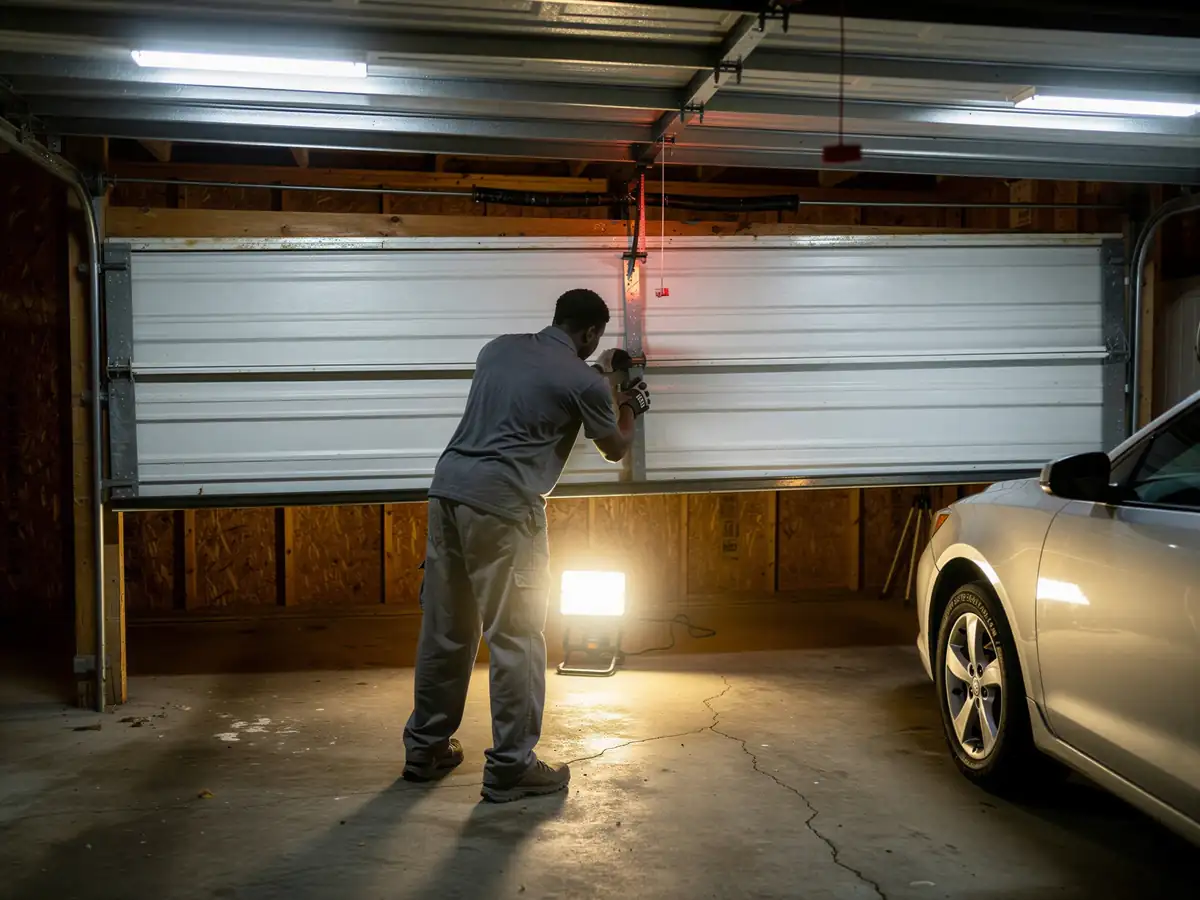
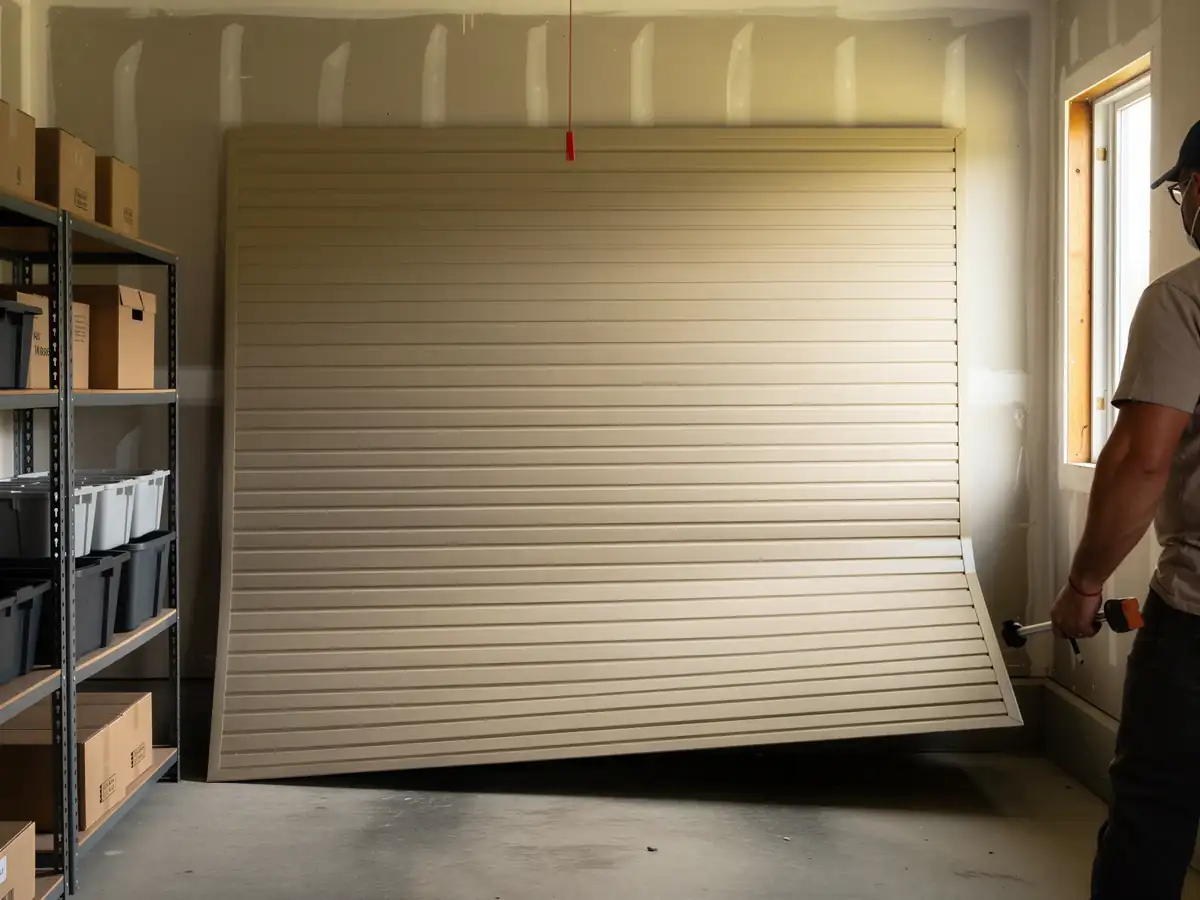
An off-track door means the rollers have come out of the track channel on one or both sides, or the track itself has pulled away from the frame. The fix depends on which happened. If it's just a roller that jumped the rail, we can often walk the door back into alignment, check the track for bends, and replace the roller if it's worn or cracked. If a bracket has torn loose from the jamb - common once lag screws work loose in older framing - we re-secure the bracket, check the track is plumb top to bottom, and test the door through a full cycle before we leave. We also check the opener's force settings afterward, since a door that's been fighting a bent track often has the opener compensating with extra force, which just speeds up the next failure. One limit worth saying plainly: if both tracks are bent and the door panels have racked out of square, track repair isn't the answer - that's a replacement conversation, and we'll tell you that instead of patching something that'll be back off the rail in a month.
What Causes It Around Here
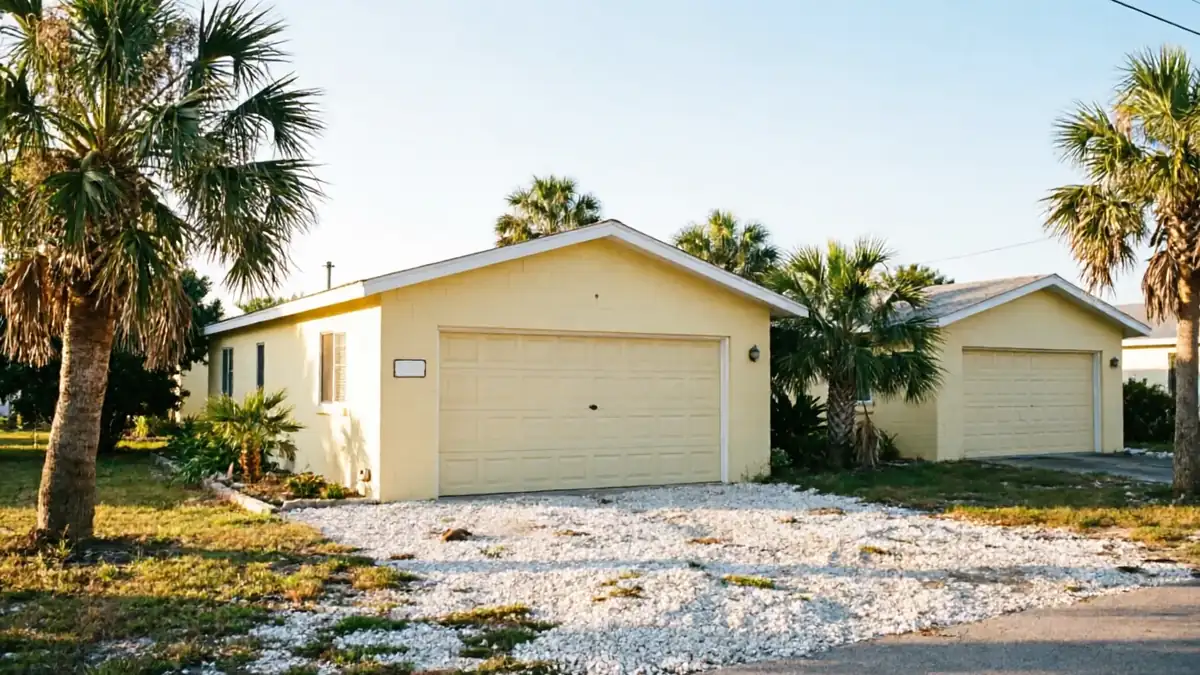
Across the service area, most of the housing stock went up between 1966 and 2003, with a lot of it clustered in the 1960s and 70s. That matters here specifically: doors installed during that build-out are running on original or early-replacement track brackets, many fastened straight into framing that's had forty-plus years to shift and settle. Lag screws back out a fraction of a turn at a time, brackets loosen, and eventually a track edges out of alignment enough that a roller pops free on a hard stop or a gust against the door. The mild temperate climate here doesn't bring the freeze-thaw cycling that cracks concrete and racks door frames in colder regions, so when we see a track problem in this area it's almost always age and hardware fatigue rather than weather-driven movement. That's actually good news for repair - it usually means the fix is mechanical (re-securing, realigning, replacing a roller or bracket) rather than chasing a structural shift in the opening itself.
What Can Go Wrong
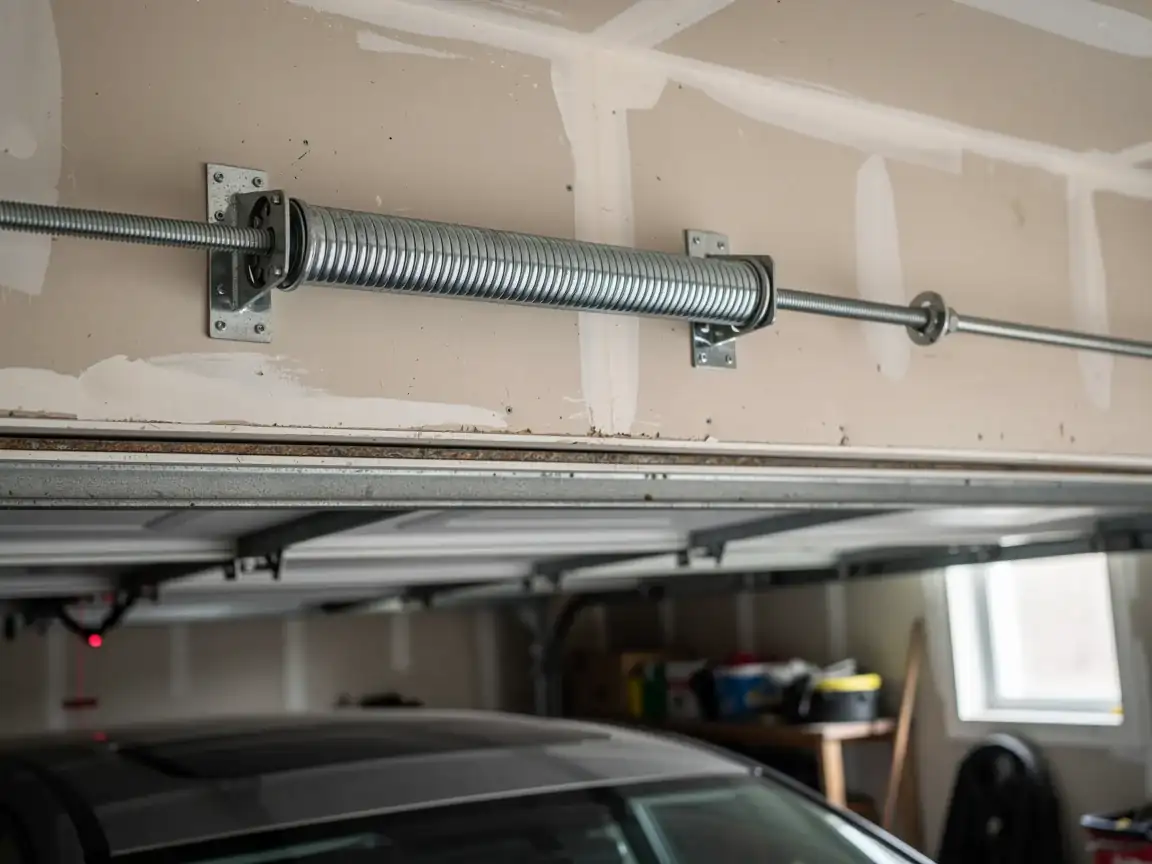
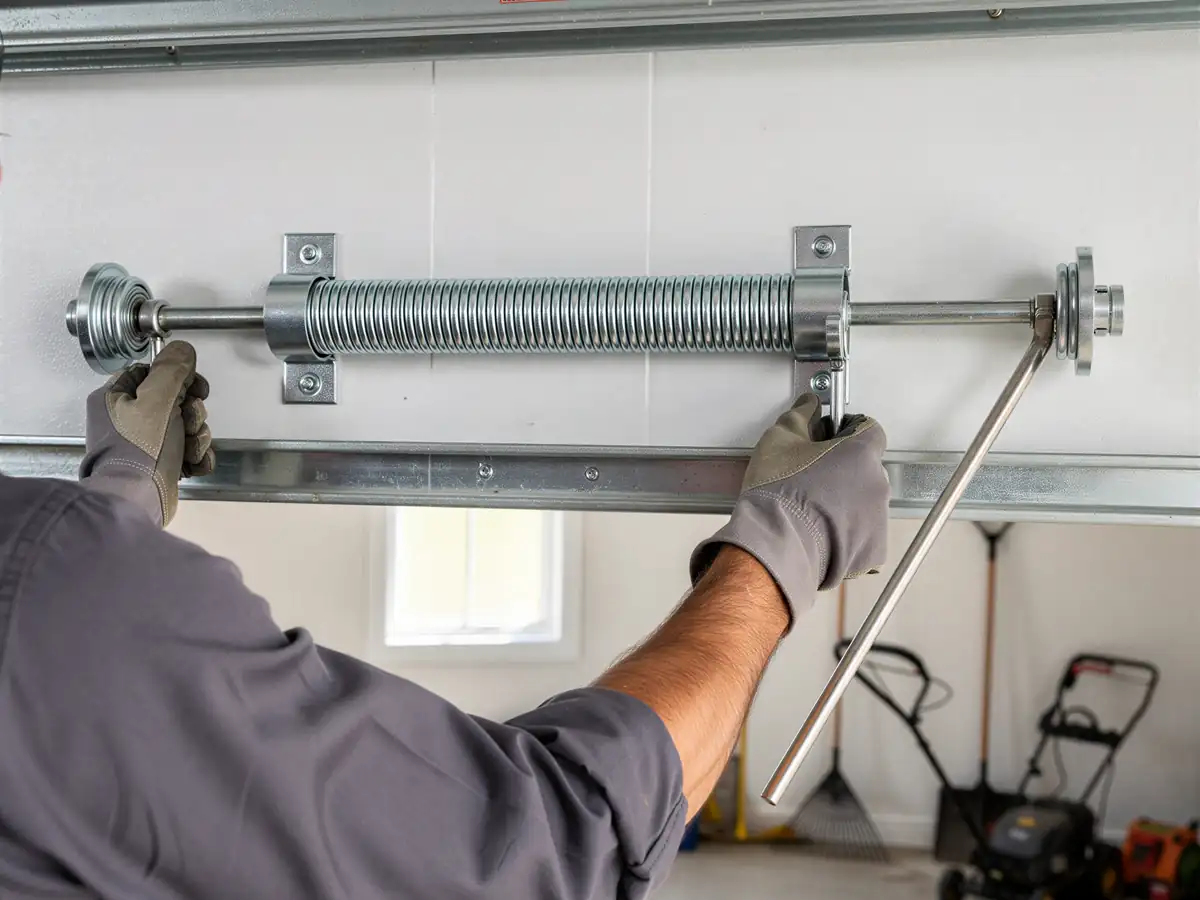
A door that's off track is still under spring tension, and that tension doesn't care that the rollers aren't where they should be. Forcing the door up or down by hand, or running the opener repeatedly trying to "power through" it, is how a minor track issue turns into a bent track, a torn panel, or a cable that jumps its drum. We'd rather get a call for a door that's merely rough-running than one that's been forced for three days straight. Left alone, an off-track door also puts extra load on the opener's drive gear, since the motor is working against resistance it wasn't built for - that's a second repair stacked on top of the first. And if the track separated because a bracket tore out of the framing, that framing damage doesn't fix itself when the track goes back up; it needs to be re-secured properly or the same failure happens again within weeks.