What the Fix Involves
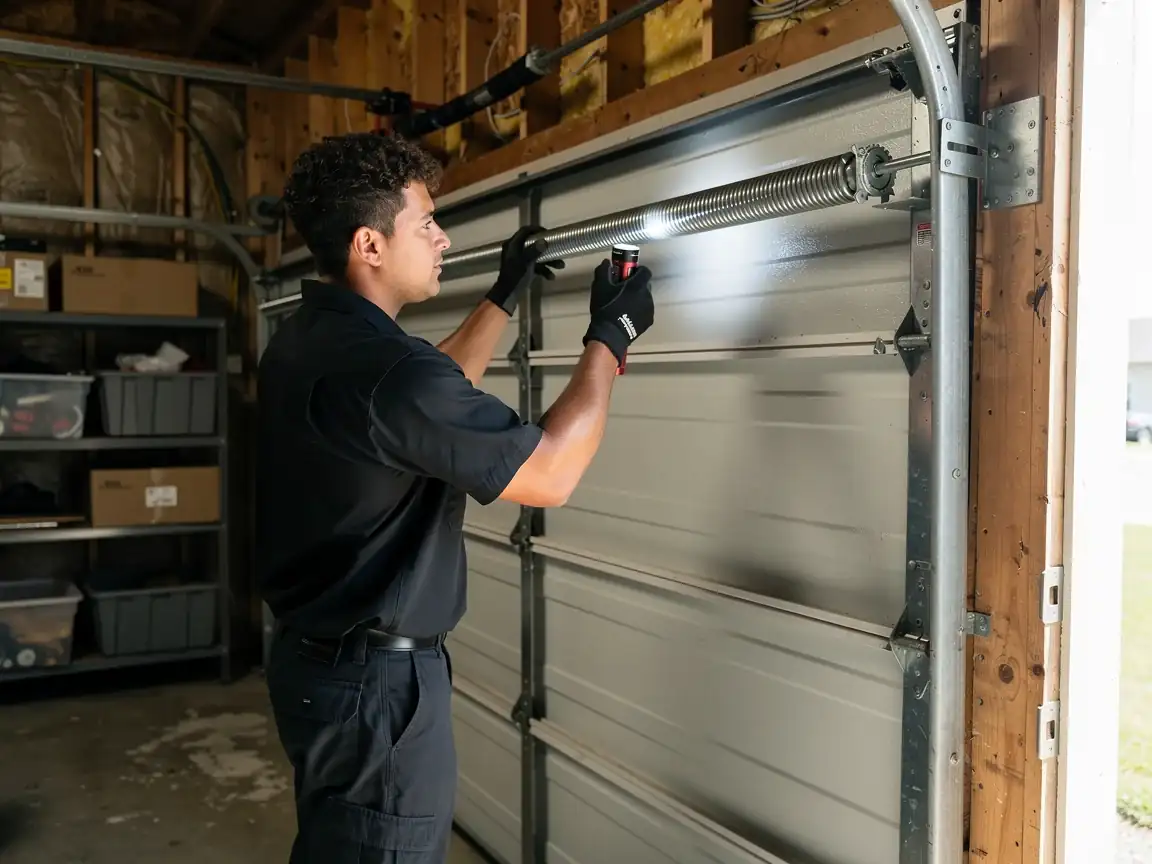
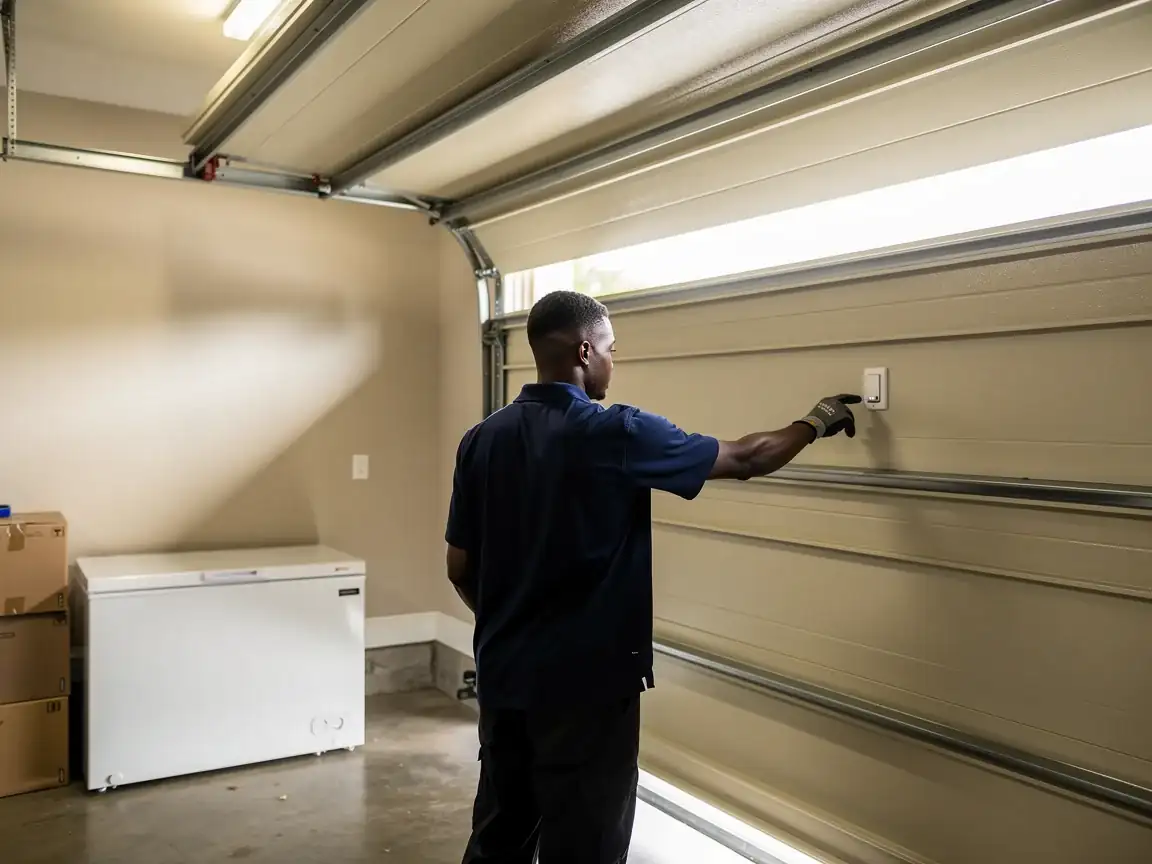
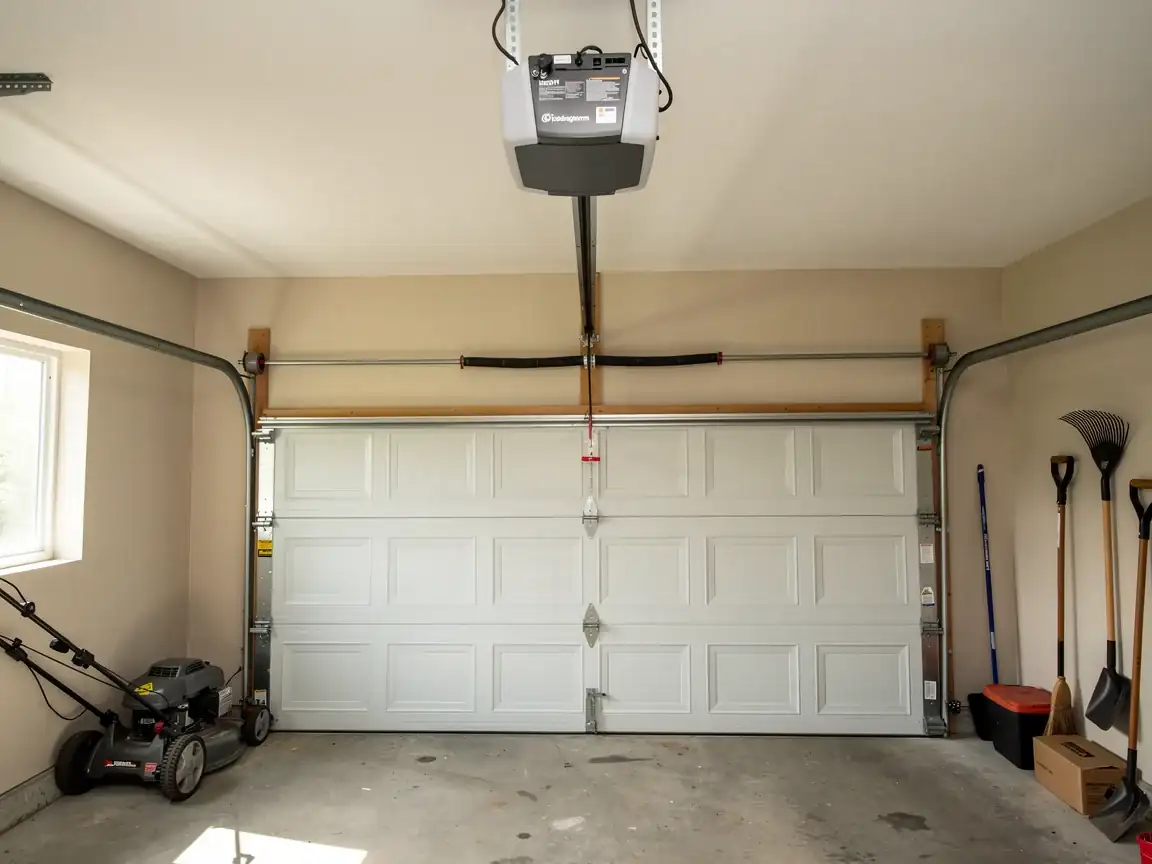
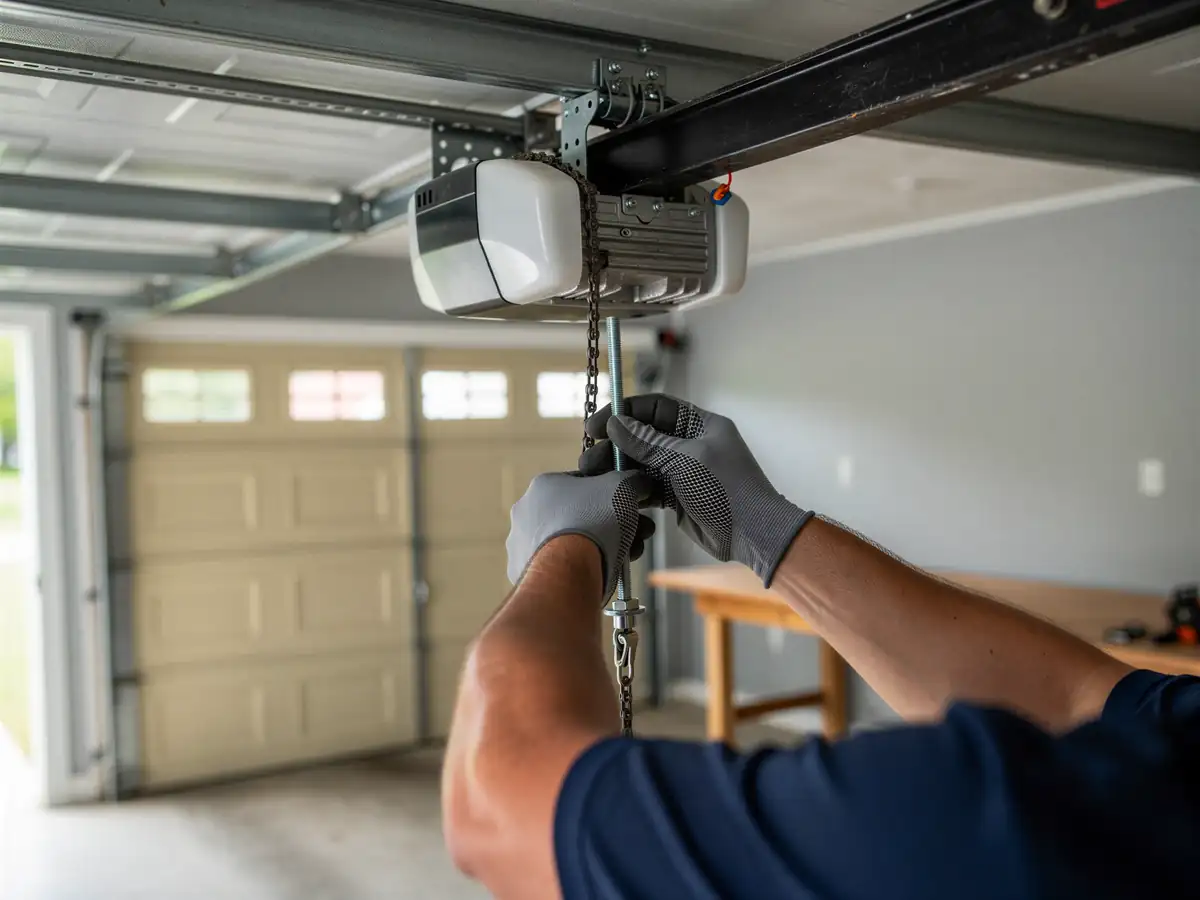
Opener repair means figuring out which part of the system quit and deciding whether it's worth fixing or swapping. That usually comes down to four things: the motor and gear set inside the head unit, the logic board that reads your remote and wall button, the safety sensors mounted near the floor on each track, and the drive itself, whether chain, belt, or screw. We test the board first because a bad capacitor or a corroded relay can mimic a dead motor, and we don't want to sell a motor job when the fix is a ten-dollar part. If the internal gear is stripped, which we see a lot on openers from the 1980s and 90s still running their original drive, replacing the gear is often cheaper than a new unit, but only if the motor itself hasn't burned out too. One limitation worth saying plainly: once a circuit board is more than a couple decades old, manufacturers usually don't stock a replacement board for that exact model, so the honest call at that point is a new opener head rather than a patched one. We'd rather tell you that up front than sell parts that won't outlast the visit.
What Causes It Around Here
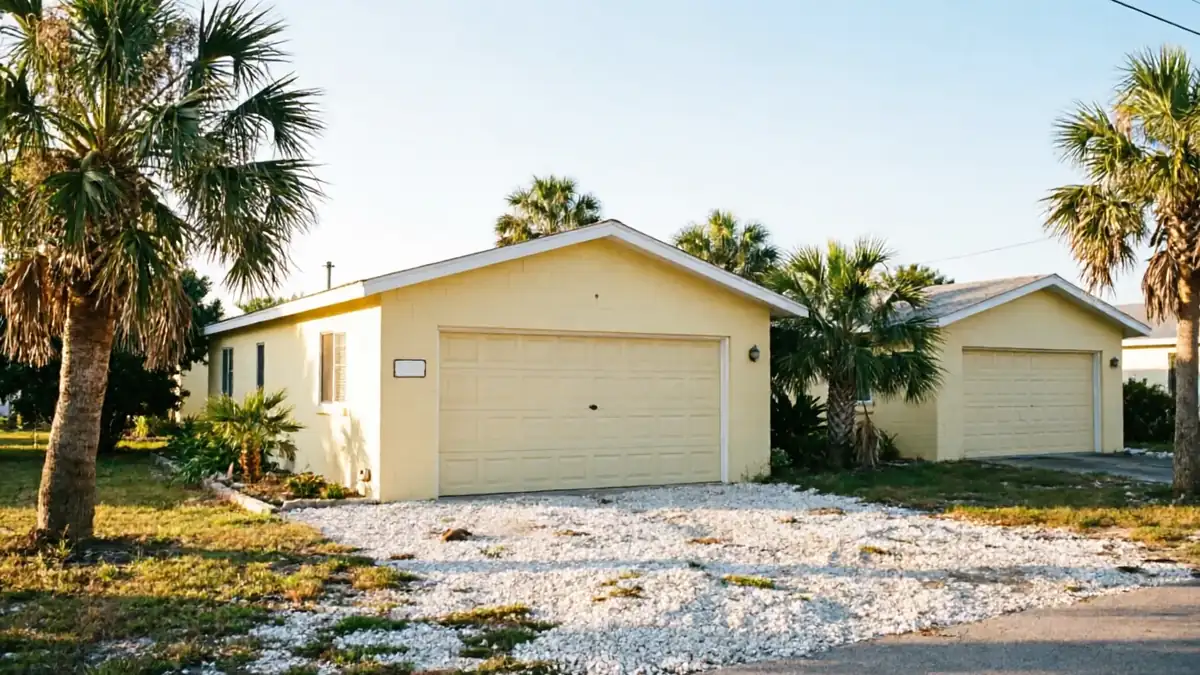
Most of the opener units our dispatch sees were installed between 1966 and 2003, the decades when this part of Florida was built out, and the median build year across the area sits at 1977. Across the 16 named communities we work in, the housing stock skews heavily toward 1960s and 70s construction, which means a lot of original or first-replacement openers are now well past their expected service life. A gear set rated for ten or fifteen years of use doesn't know it's supposed to retire, it just keeps grinding until the nylon teeth shear off. The mild, temperate climate here doesn't freeze gears solid the way a northern winter would, but the humidity and salt air corrode sensor wiring and circuit board contacts just as reliably, just slower and quieter. We find more corrosion-related failures on these openers than cold-weather failures, which changes where we look first on a service call. Capacitors also run hotter and die younger in garages that sit in full sun most of the year, since a hot garage never really gives the motor a chance to cool fully between cycles.
What Can Go Wrong
The real risk isn't inconvenience, it's the auto-reverse safety feature quietly failing while everything else still looks normal. If the sensors are misaligned or their wiring has corroded, a door can close on something in its path without stopping, and you won't know the safety feature is gone until the day you need it. A stripped gear left alone doesn't stay a small problem; it keeps grinding until metal-on-metal wear damages the motor housing, turning a gear repair into a full head-unit replacement. Logic boards that are failing intermittently tend to fail completely at the worst moment, usually mid-cycle, which can leave the door stuck half open or half closed. With 82,524 households and 45,988 owner-occupied houses across the service area, we see enough of these failures to know the pattern: the ones that get expensive are the ones where a customer waited through two or three months of odd behavior before calling. Catching a worn gear or a drifting sensor early is almost always the cheaper outcome.