What the Fix Involves
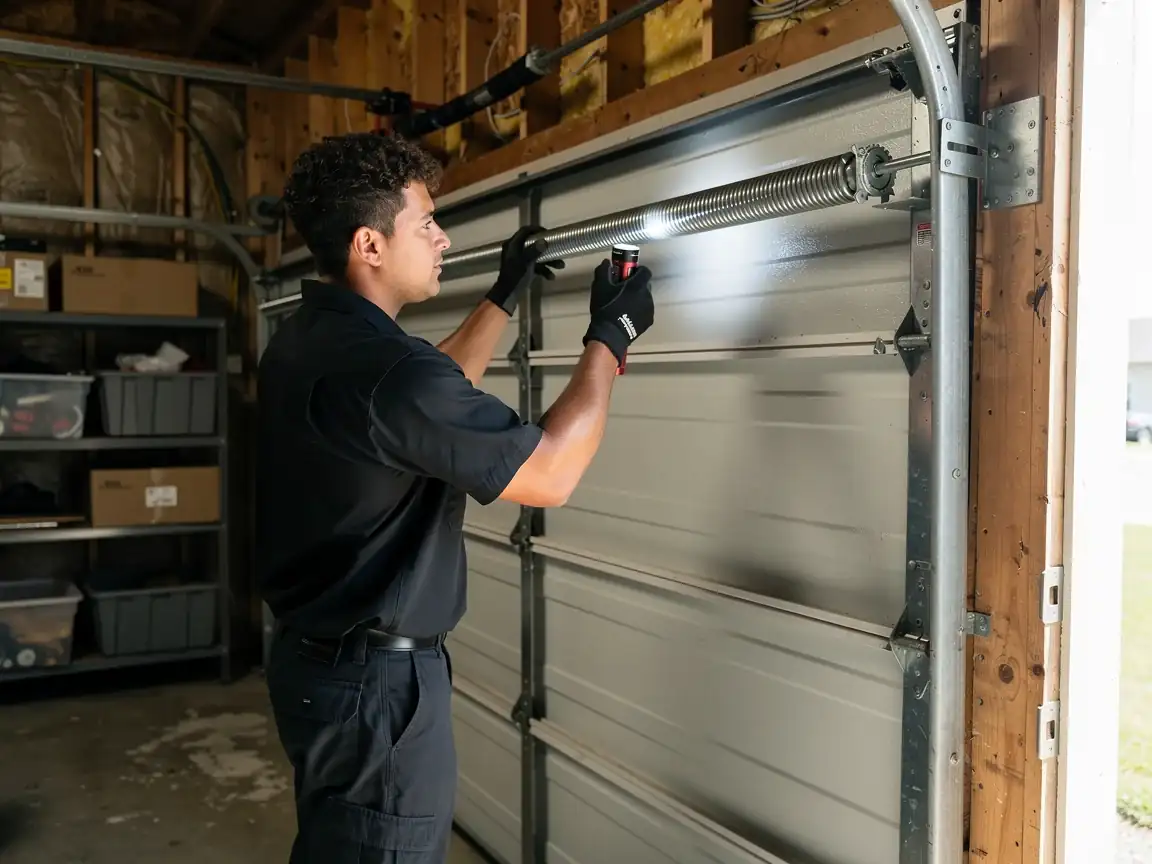
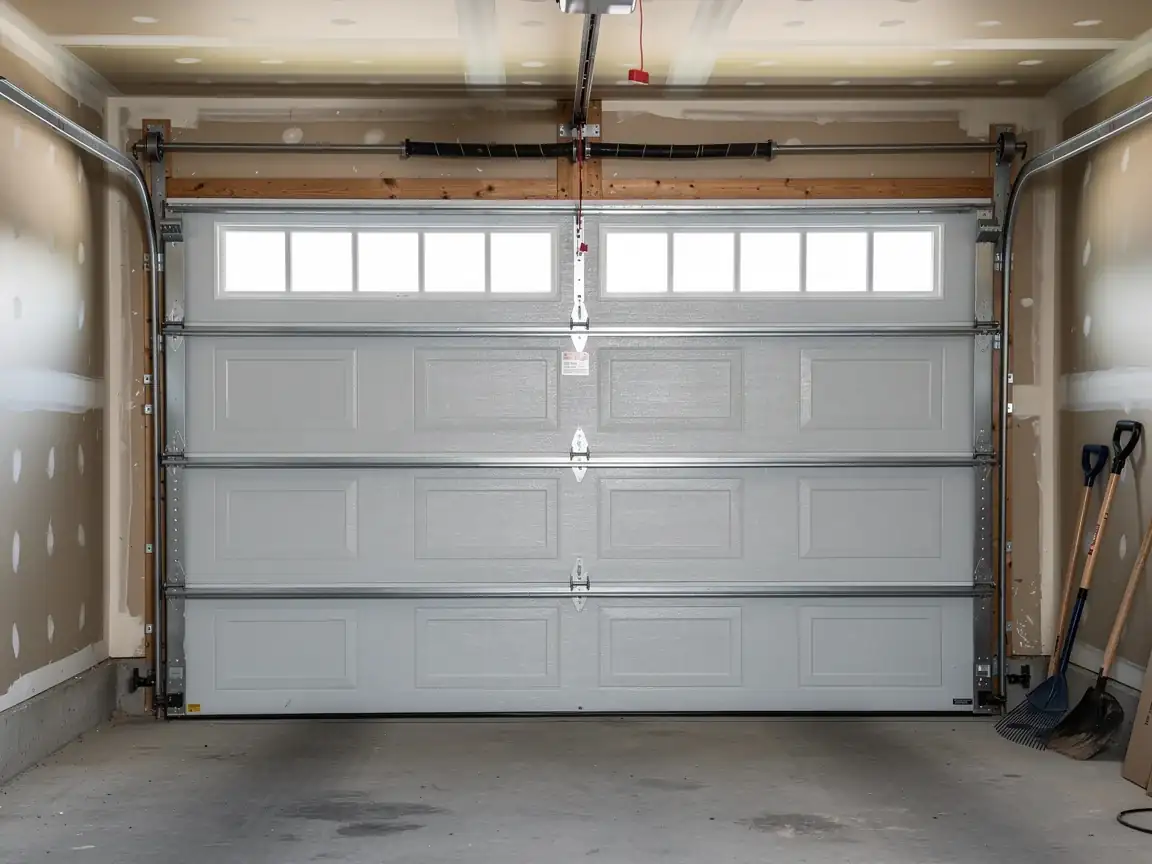
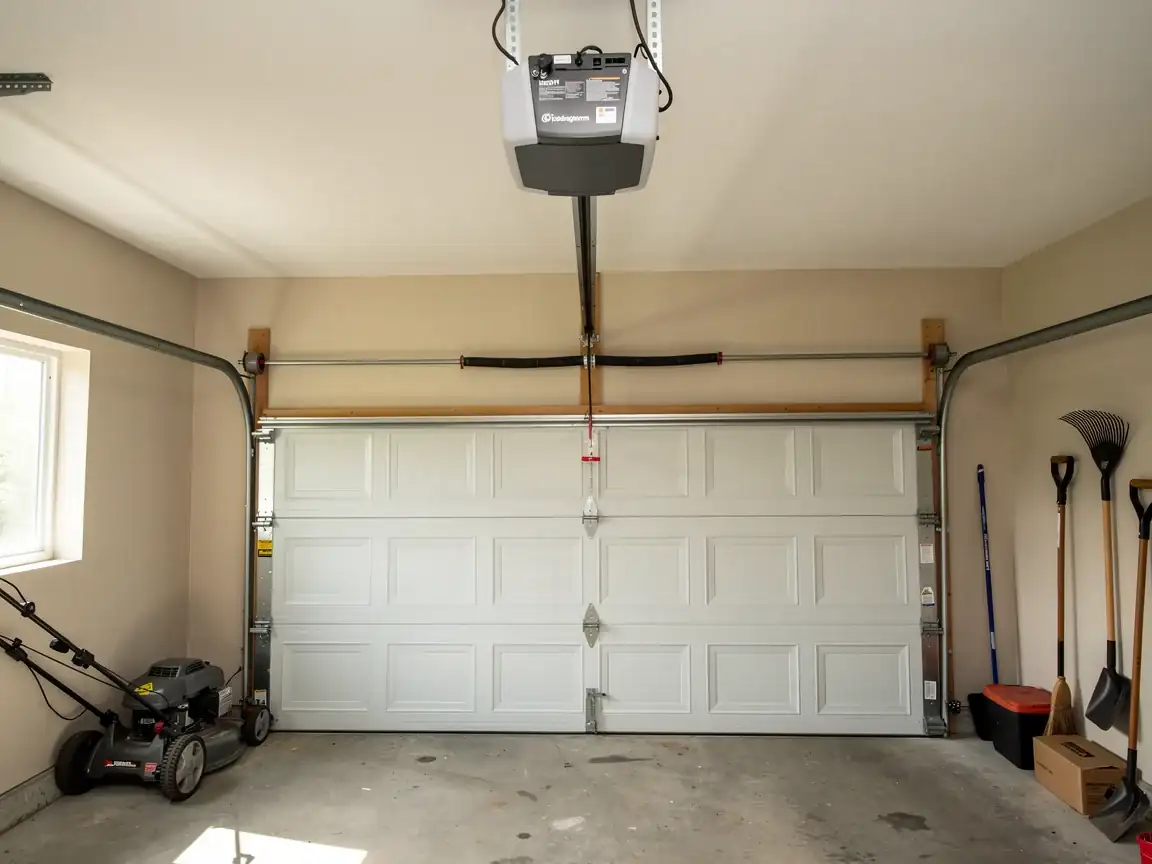
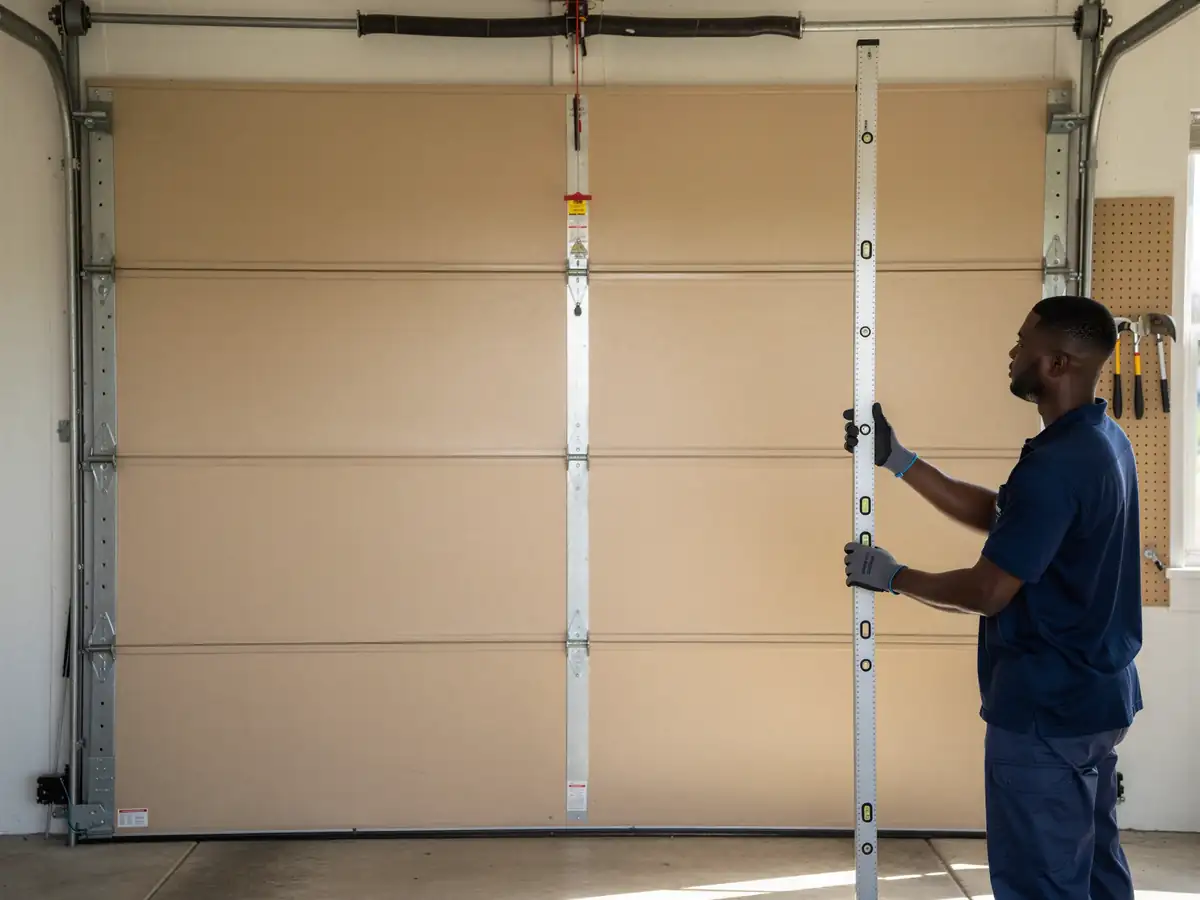
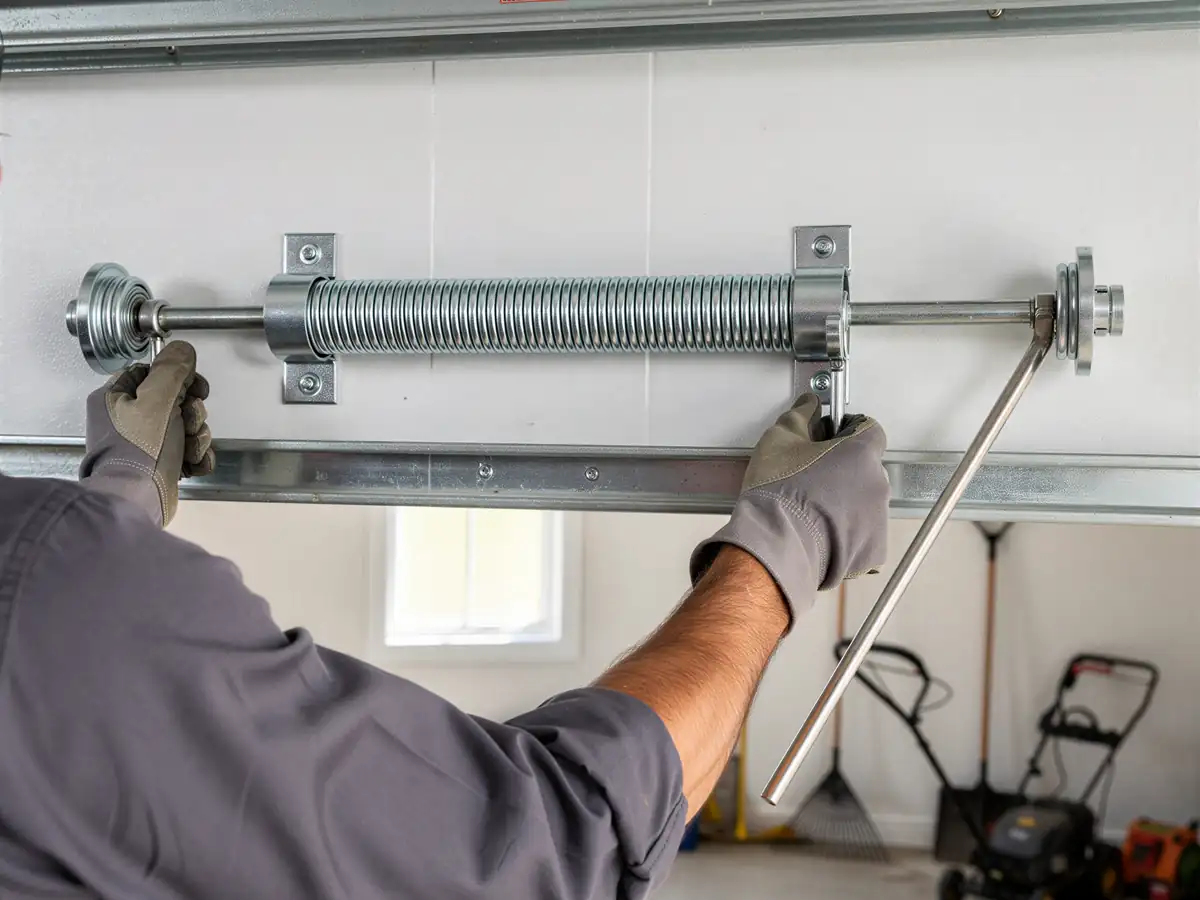
Most calls we take boil down to one of three jobs: a torsion spring that's lost its tension or snapped outright, an opener that's grinding through its last few cycles, or cables and rollers that have stretched and worn past safe use. The fix starts with pulling the door off its spring load safely, checking the drum and shaft for wear, and deciding whether the track and hardware underneath are still square or whether decades of use have racked them out of alignment.
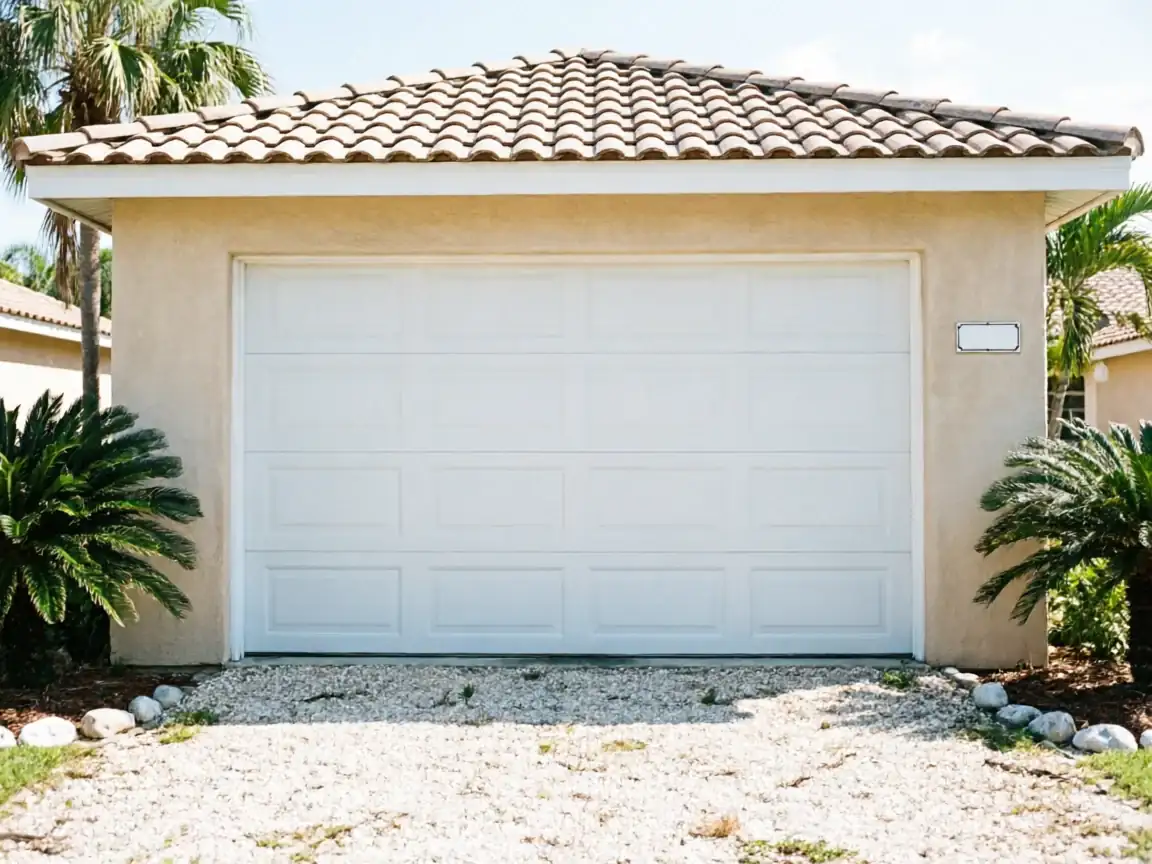
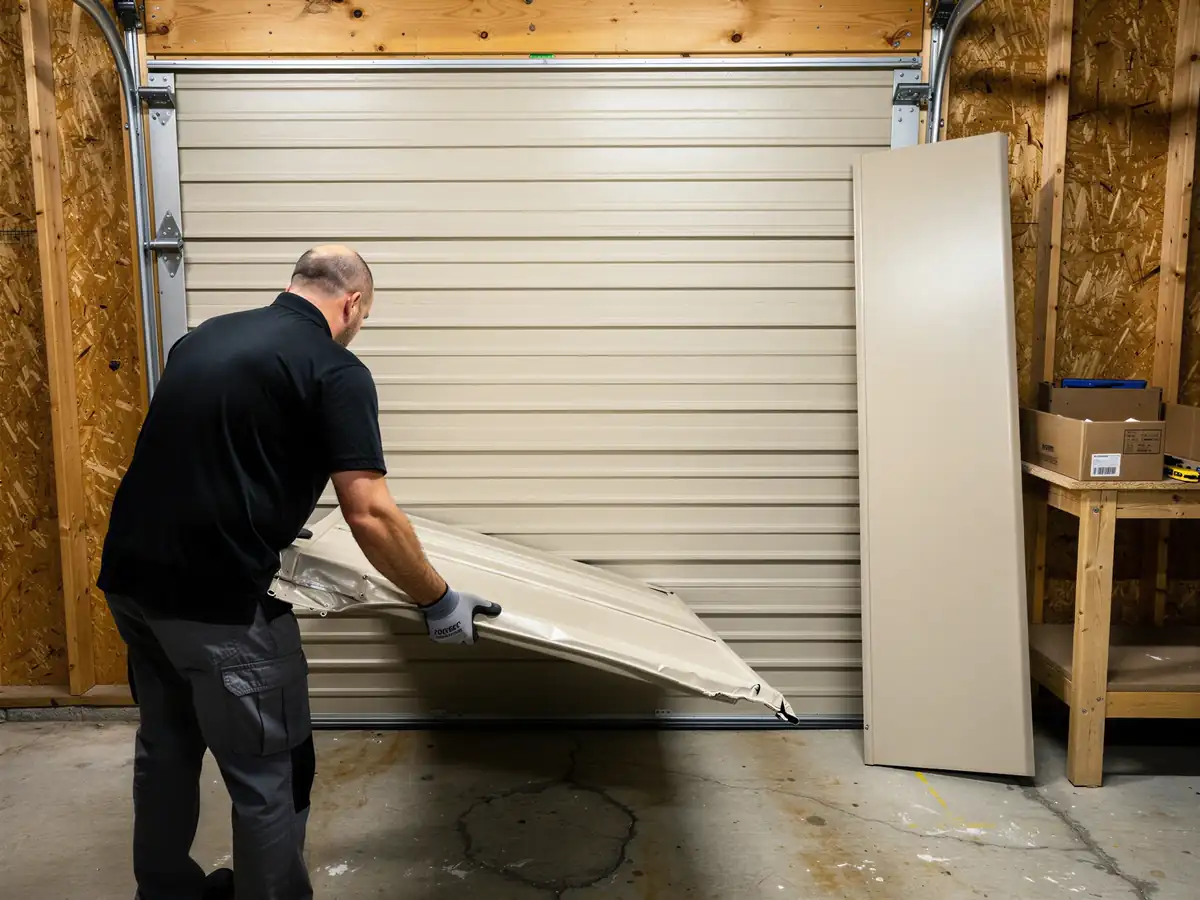
On a lot of Melbourne houses, that hardware is original or close to it - side-mounted torsion systems and single-panel doors that match a build era running from 1966 into the early 2000s, with the median house here going up around 1977. A spring swap on a door that age usually means also replacing the end bearings and sometimes the drums, because the whole assembly has been cycling on the same shaft since the house was framed. We don't just hang a new spring on old bearings and call it done - that's a callback waiting to happen.
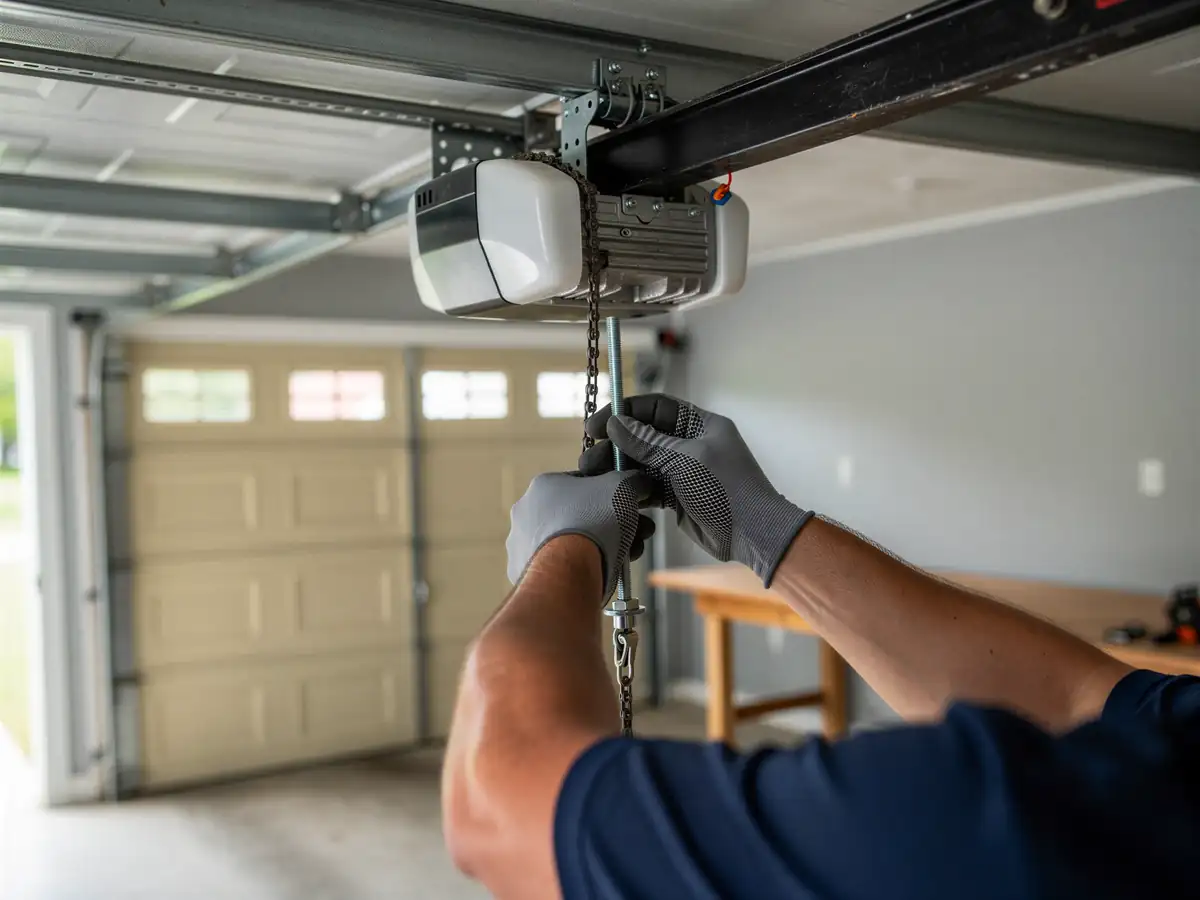
Opener service is similar: if the unit is original to a 1970s or 80s build, we're not chasing a part for a motor that's been out of production for twenty years. At some point the honest answer is a new opener, not a repair.
What Causes It Around Here
Melbourne sits in a mild temperate band - no hard freeze-thaw cycle, no ice splitting seals or locking up tracks. That actually works against garage door hardware in a different way: without a cold season to remind anyone to check things, springs and rollers run on the same lubrication and the same tension settings for years longer than they would somewhere with a real winter.
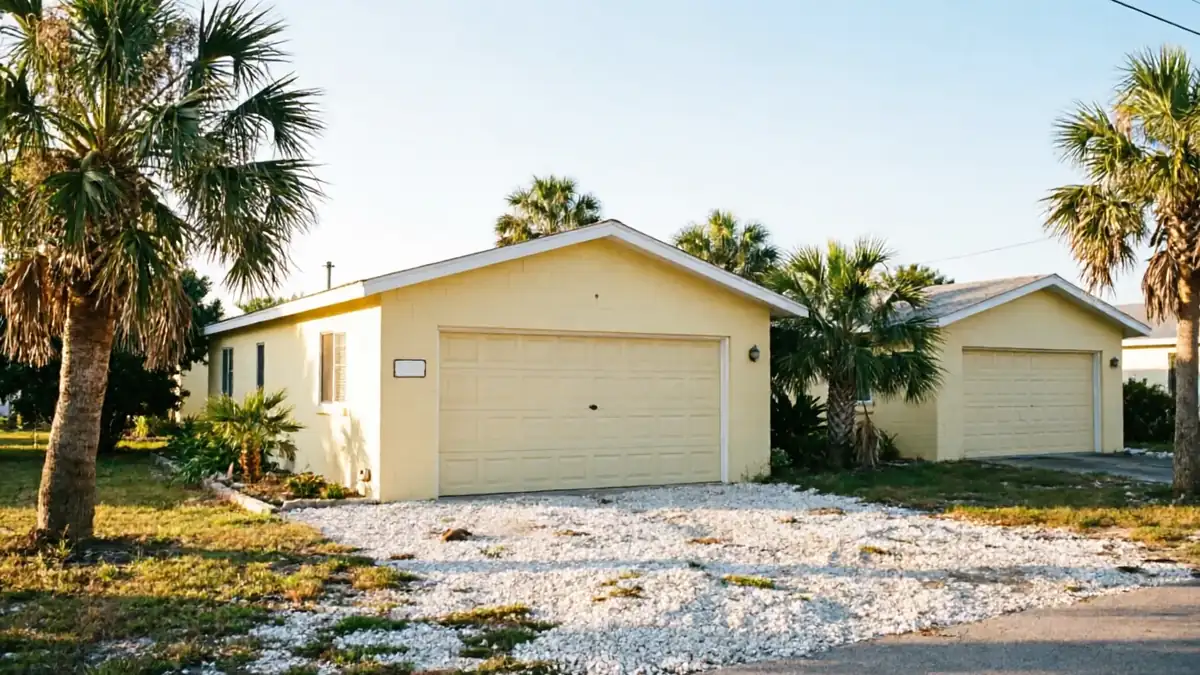
The bigger driver is simply age. Housing across the service area - June Park, West Melbourne, Indian Harbour Beach, and the dozen or so other communities we work in - is mostly 1960s and 70s stock, with construction continuing out to the early 2000s. A torsion spring is rated in cycles, not years, and a door that's opened and closed several times a day since 1977 has been through a lot more cycles than its age in years suggests. Combine that with heat - Melbourne's mild-but-warm climate keeps metal expanding and contracting through most of the year - and you get fatigue failure on a schedule that has nothing to do with how well the door was maintained.
We also see a fair number of builder-grade openers that were adequate when installed but were never built for 40-plus years of daily cycling.
How It Shows Up
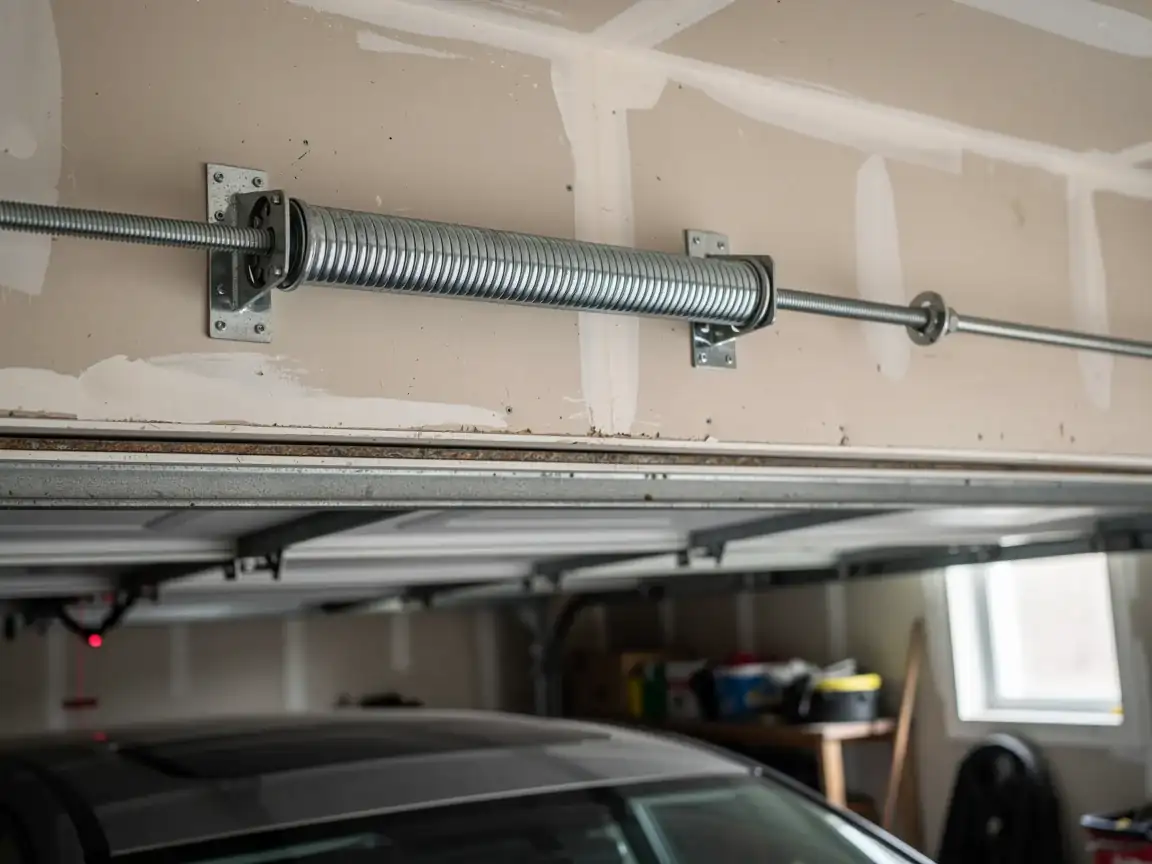
The classic sign is a door that won't budge and a visible gap in the coiled spring above the opening
That's a clean break, usually loud enough that people hear it from inside the house. Short of a full snap, you'll notice the door getting harder to lift by hand, or an opener that strains, reverses partway, or stalls before it reaches the top.
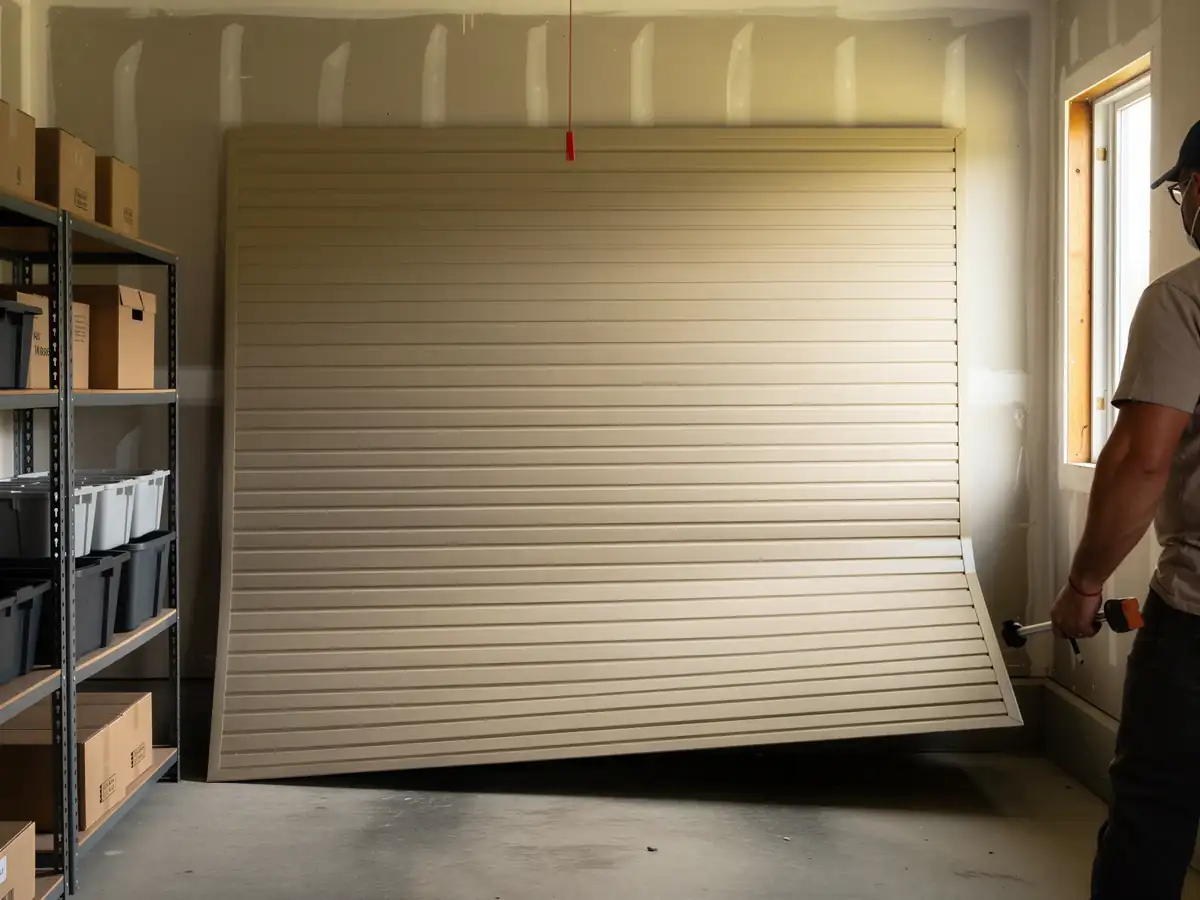
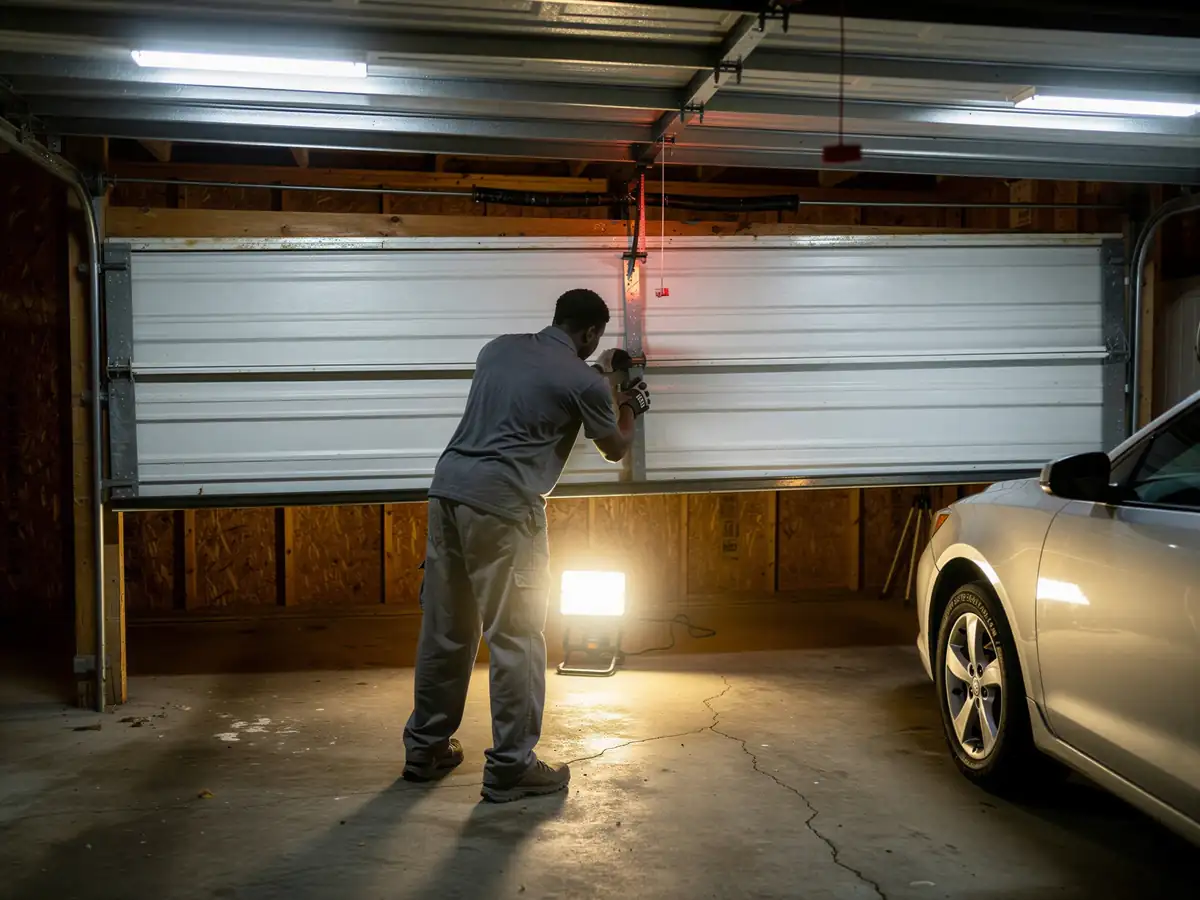
Cable fraying shows up as a door that hangs crooked, dropping faster on one side than the other
Or a visible kink in the cable near the bottom bracket. Worn rollers tend to announce themselves with noise first - a grinding or popping sound as the door travels - before they bind up the track completely.
On older openers, the warning is often just hesitation
A delay between pressing the button and the motor engaging, or a unit that runs but doesn't fully open or close the door anymore. None of these are things to wait out. A door running on a failing spring puts extra load on the opener's drive gear, and a worn gear is a more expensive part to replace than the spring that caused the problem.
What Can Go Wrong
A broken torsion spring under load is dangerous to work on without the right bars and clamps - it's not a job for a ladder and a pair of pliers, and we won't pretend otherwise. Beyond the immediate safety issue, ignoring a failing spring long enough usually means the opener's drive gear or motor takes the damage next, turning a straightforward spring job into an opener replacement too.
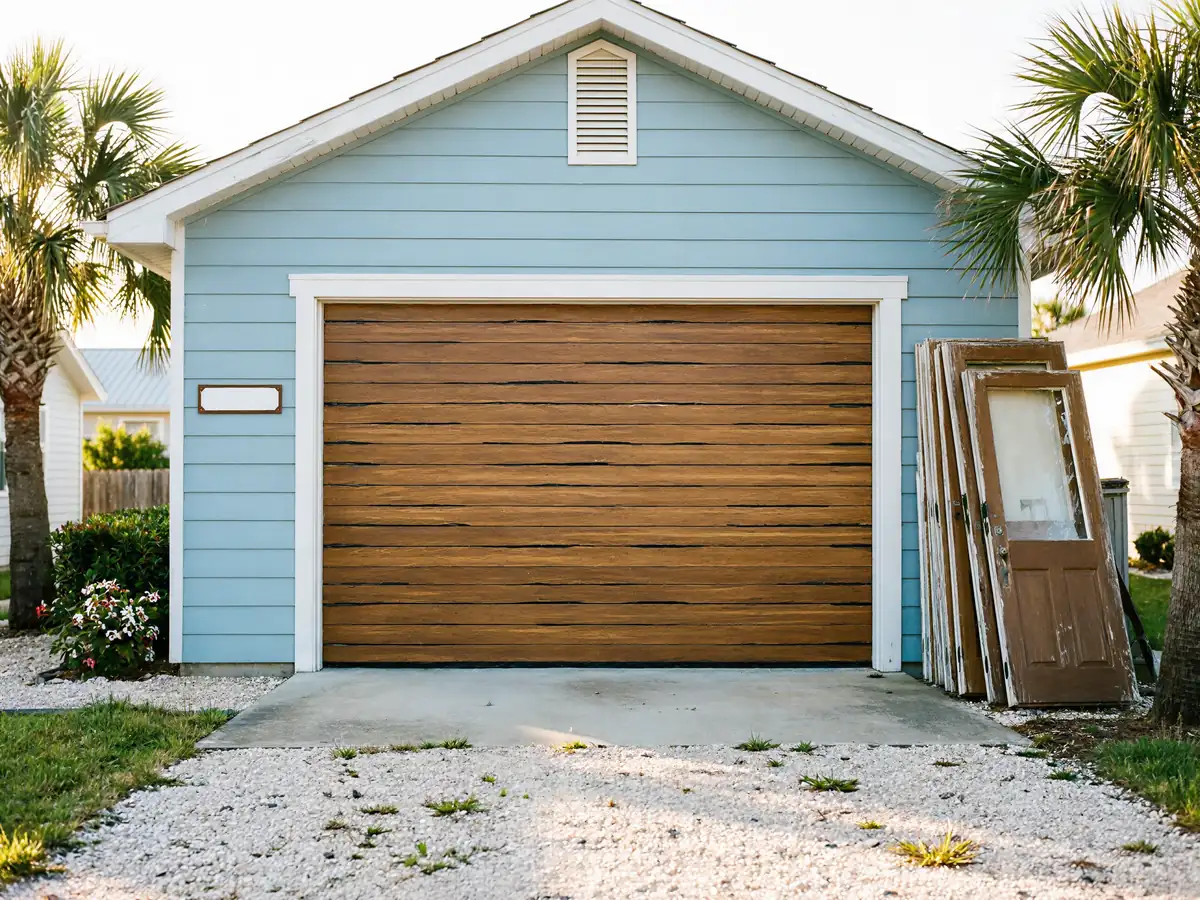
Here's the honest limitation: if the door and track are original to a house built in the 1960s or 70s, parts for that specific hardware are often no longer made. We can usually find a compatible spring or roller, but matching an original panel or an obsolete track profile isn't always possible, and at that point patching the old system stops making sense next to replacing it outright. With a median household income of $86,305 across this service area, replacement is a realistic option for a lot of owners here rather than a last resort - but we'll tell you plainly when a repair will hold and when it won't, instead of selling a patch job on a door that's done.