What the Fix Involves
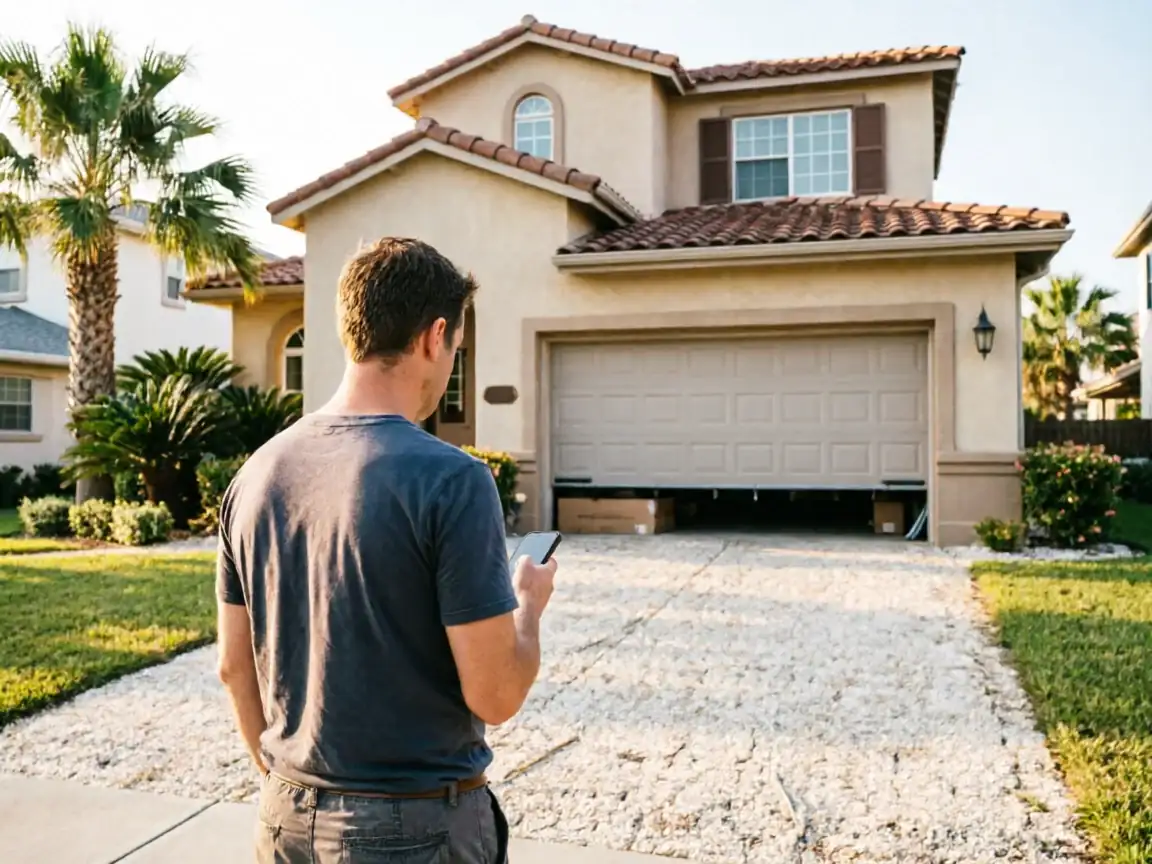
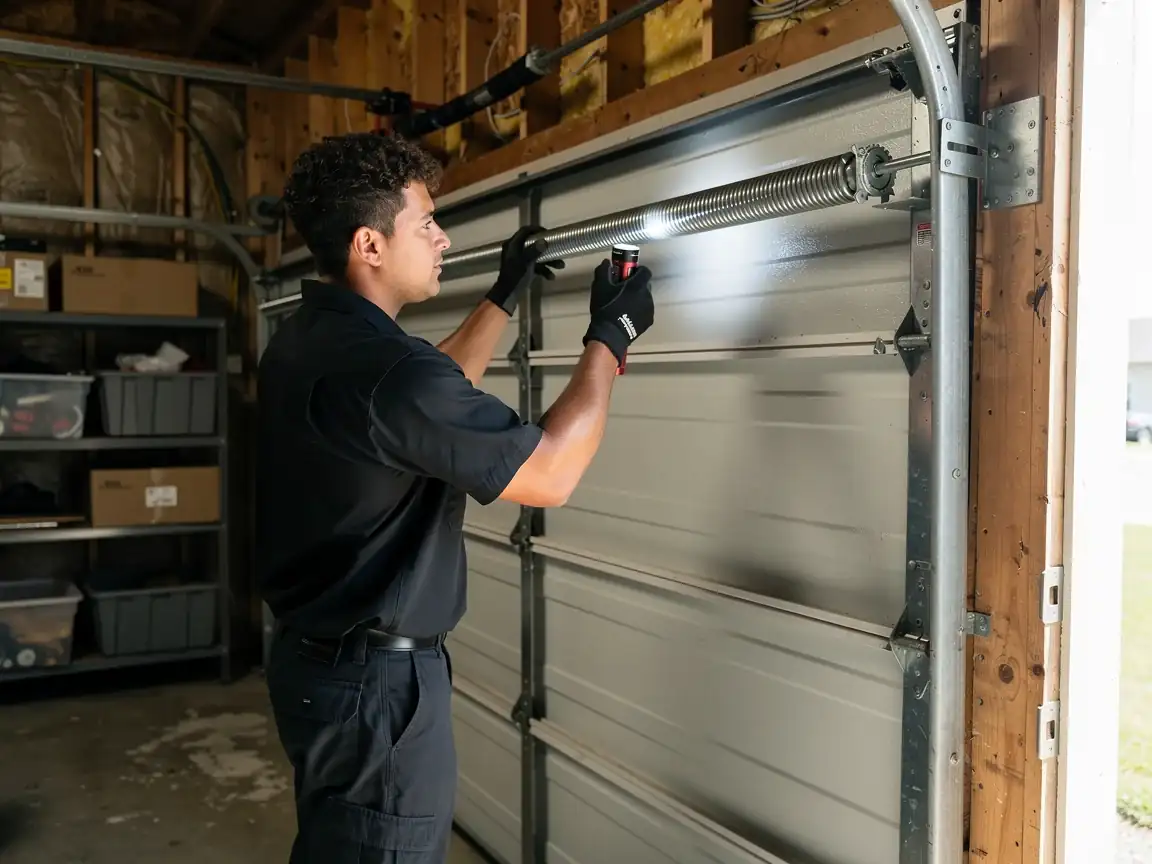
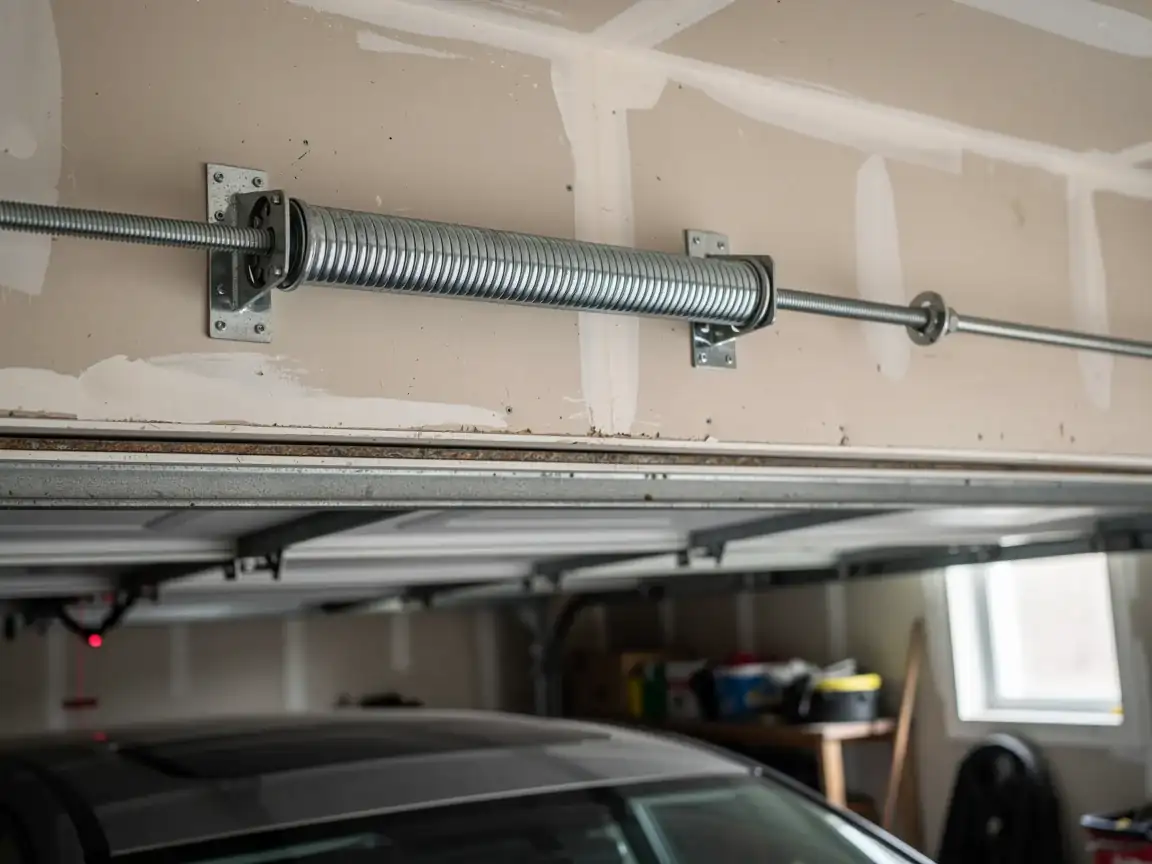
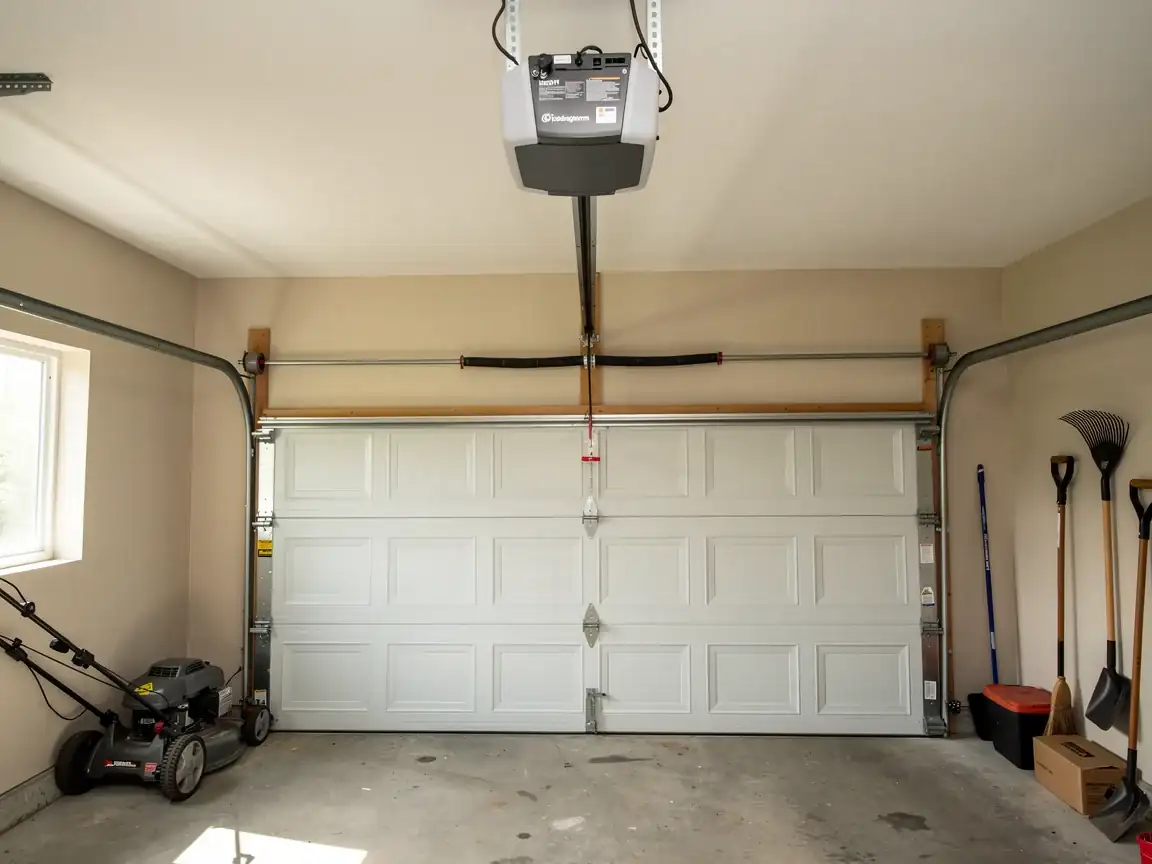
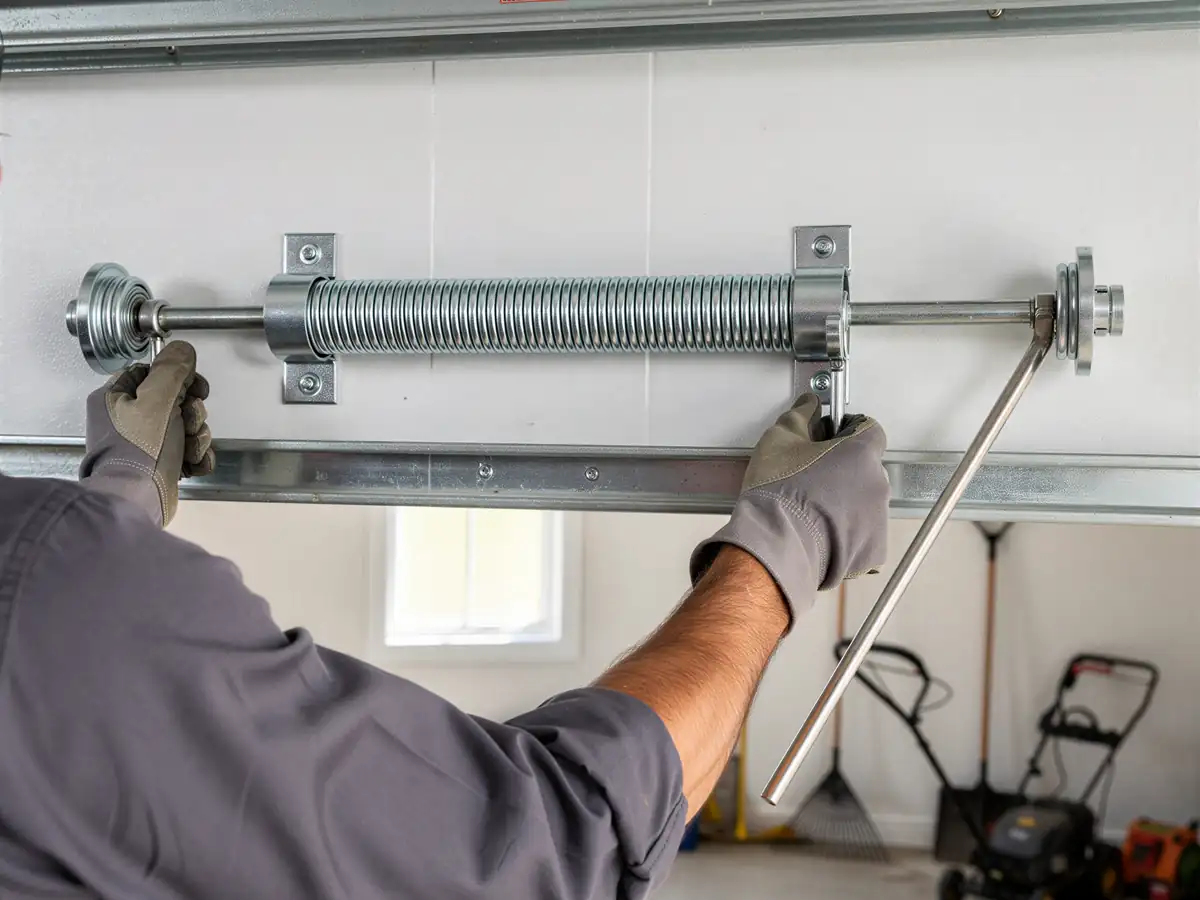
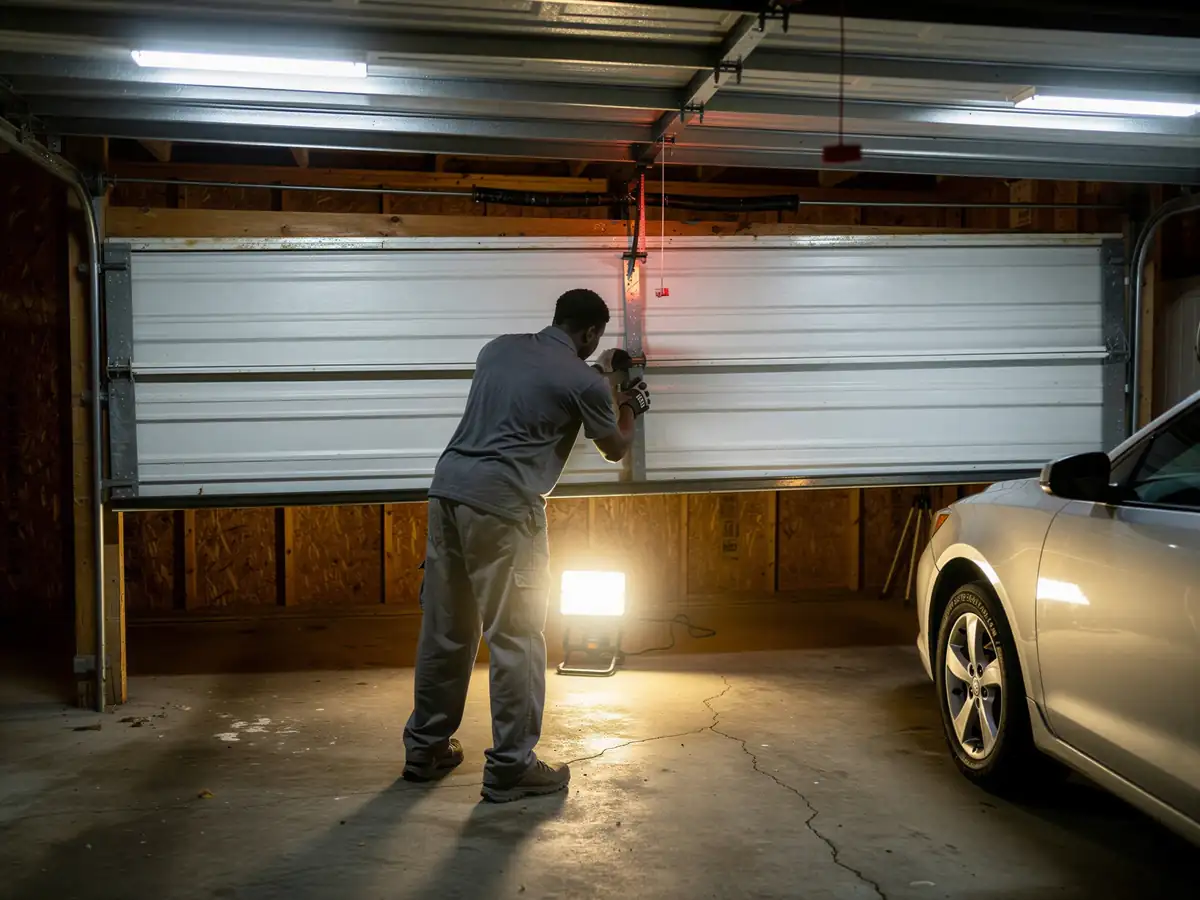
An emergency call usually means one of four things: a snapped torsion spring, a cable that's come off the drum, a door sitting crooked on its tracks, or an opener that quit mid-cycle with the door half up. We show up, find which one it is, and fix that - not sell you a whole new system when the problem is a forty-dollar part.
Most emergency jobs are a spring swap or a track realignment, done the same visit. If the opener motor is burned out, that's a separate repair and sometimes a replacement call, since we don't carry every discontinued motor model on the truck.
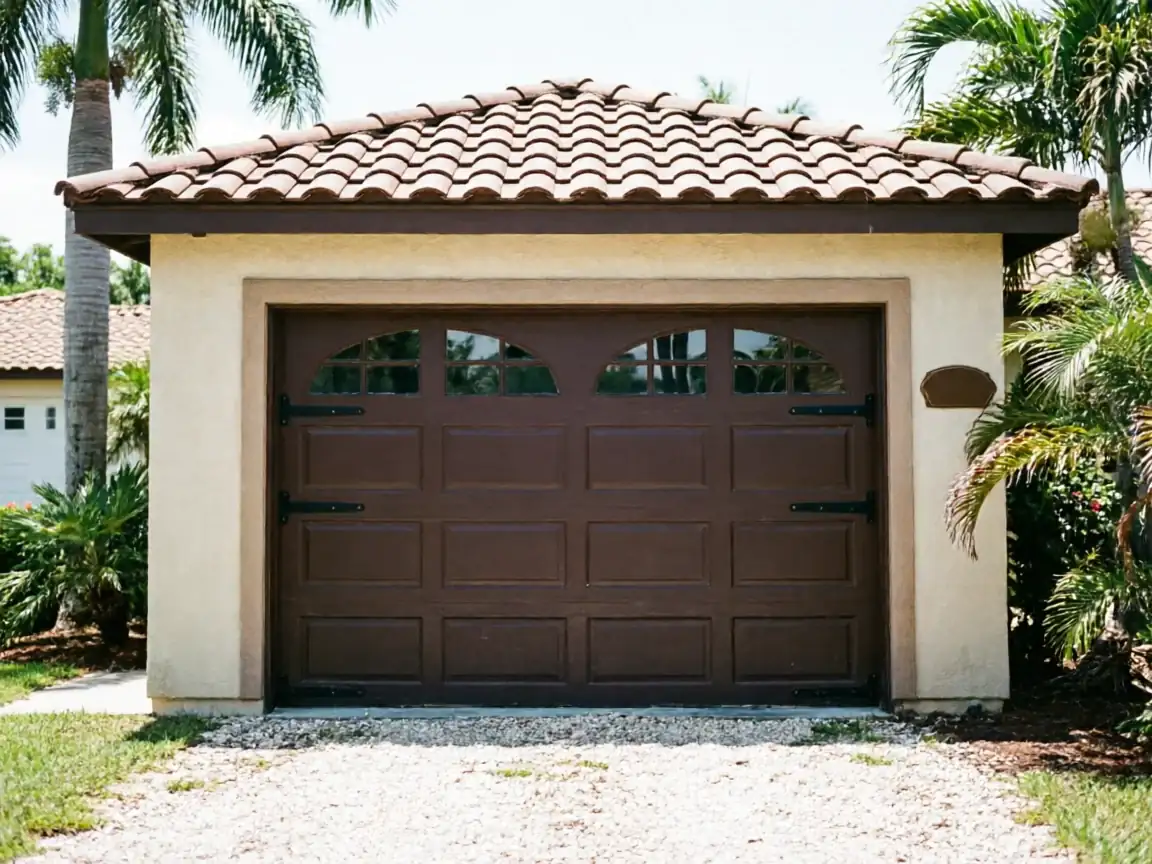
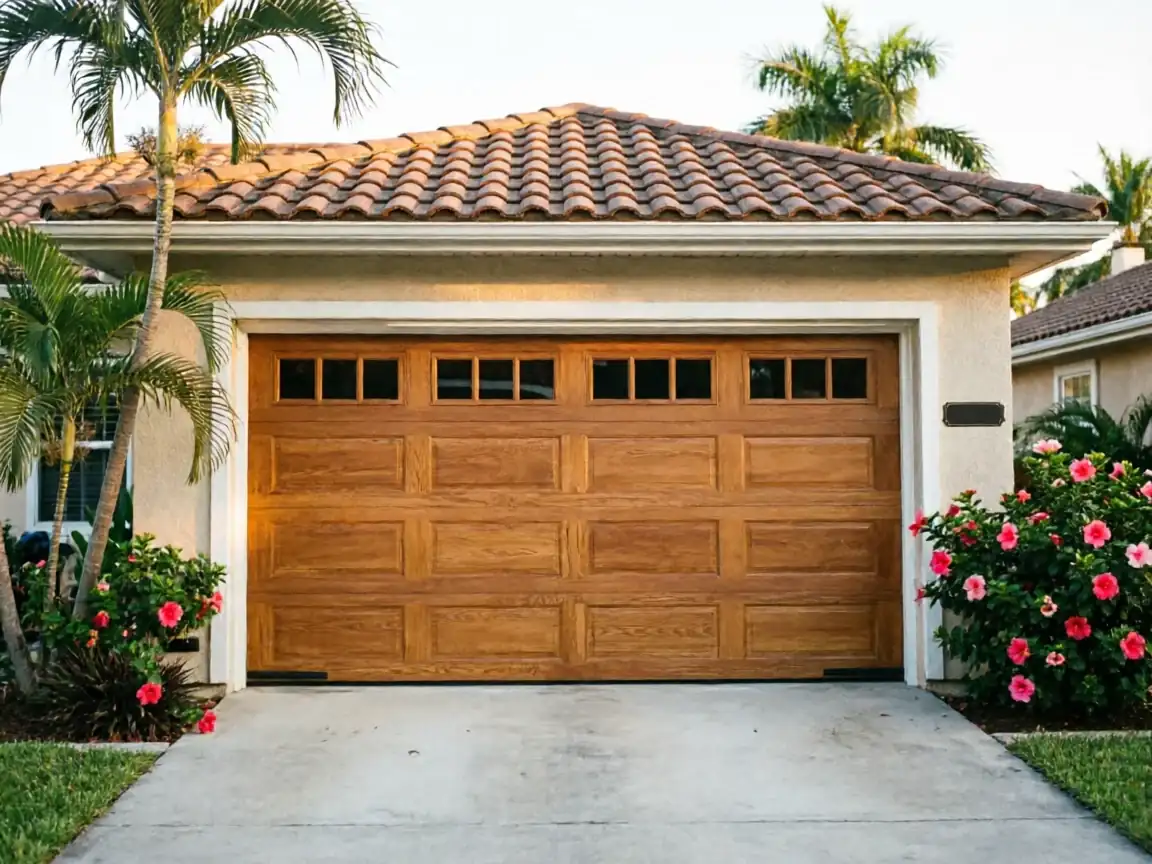
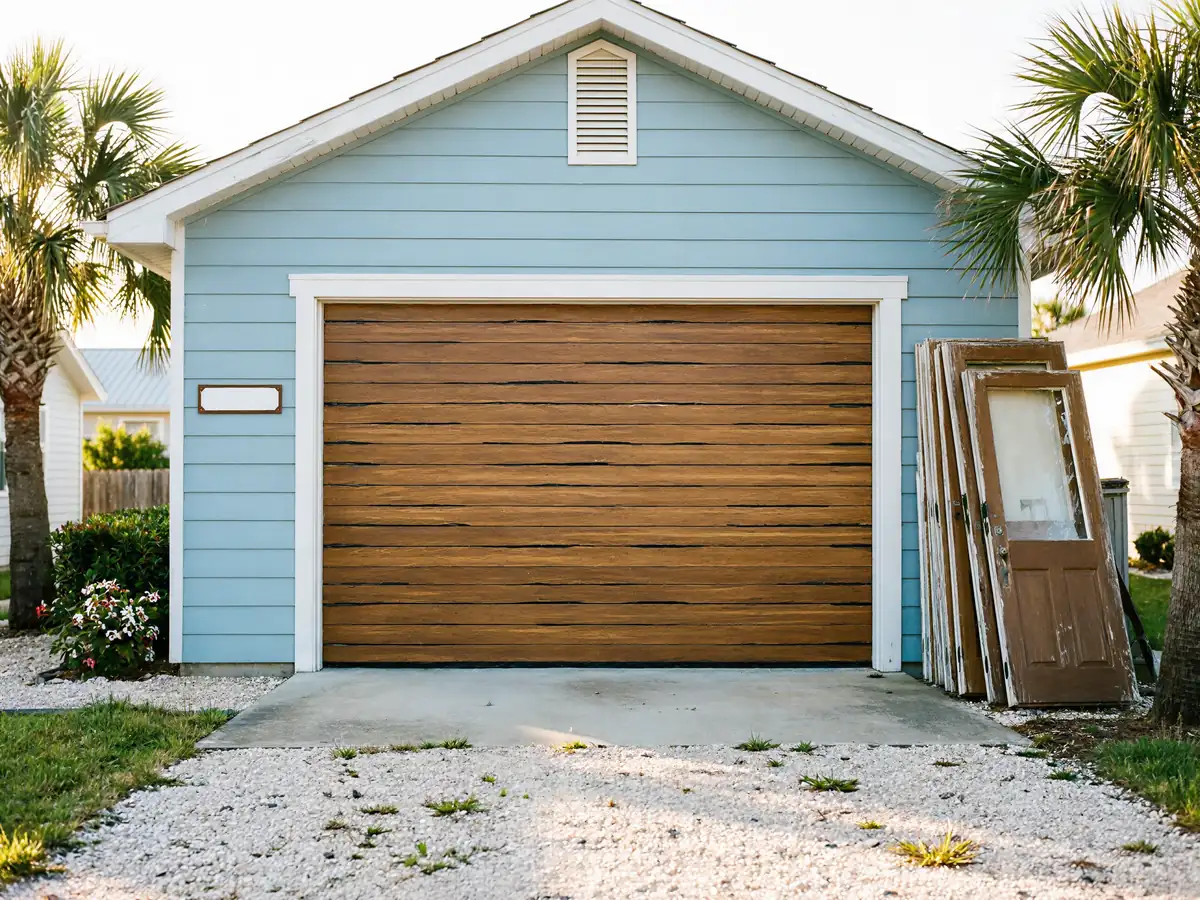
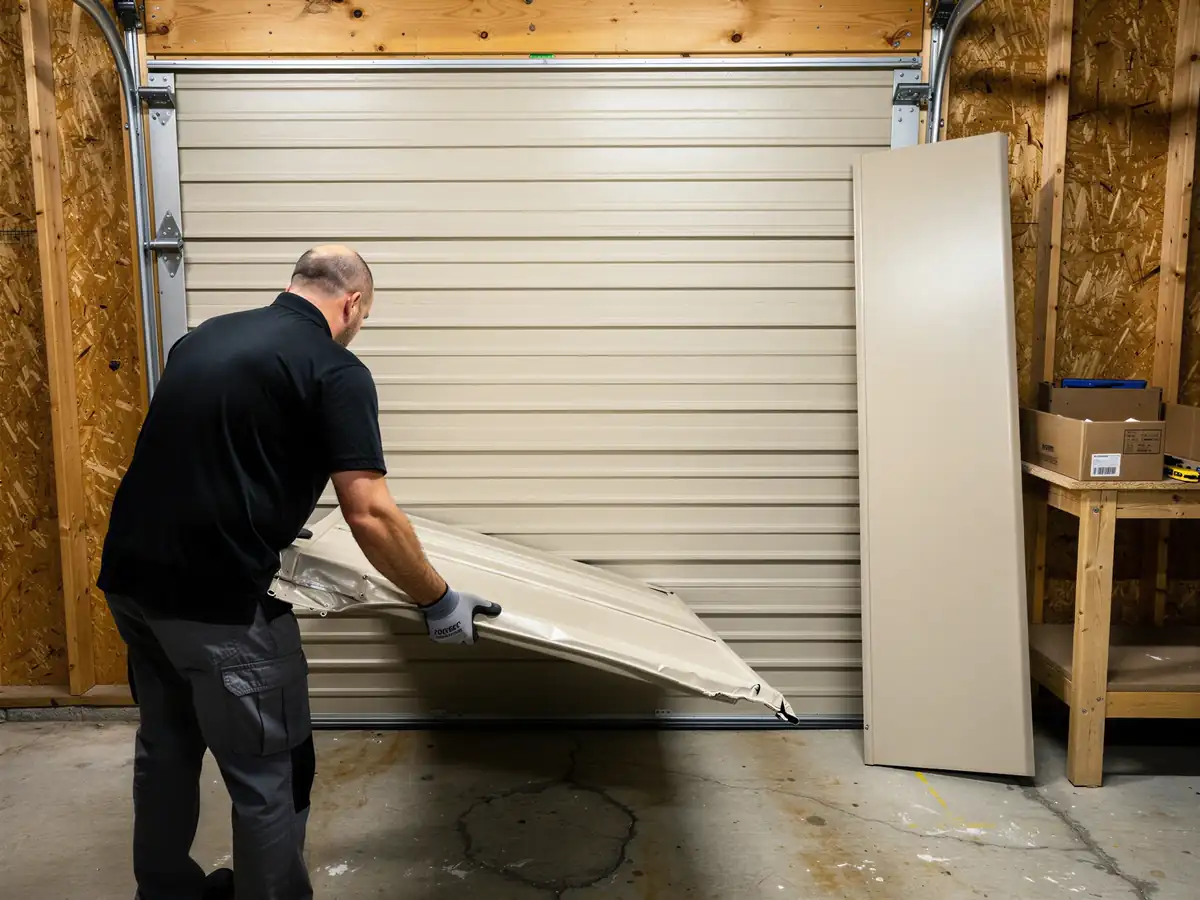
One honest limit: if your door is wood-panel and the panel itself has rotted or delaminated, that's not a same-day emergency fix. We can get the door safe and closed, but matching or rebuilding a damaged wood panel takes a follow-up visit and parts that aren't sitting in the van. We'll tell you that on-site instead of pretending otherwise.
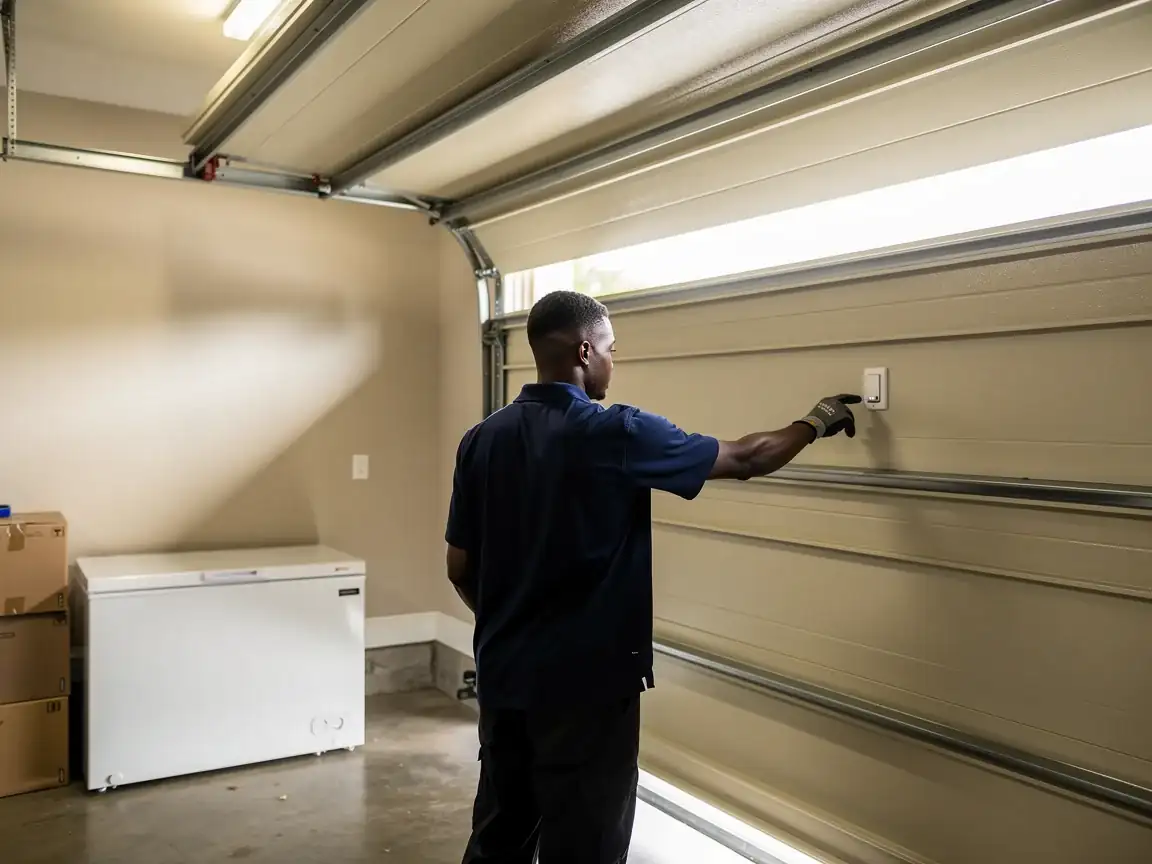
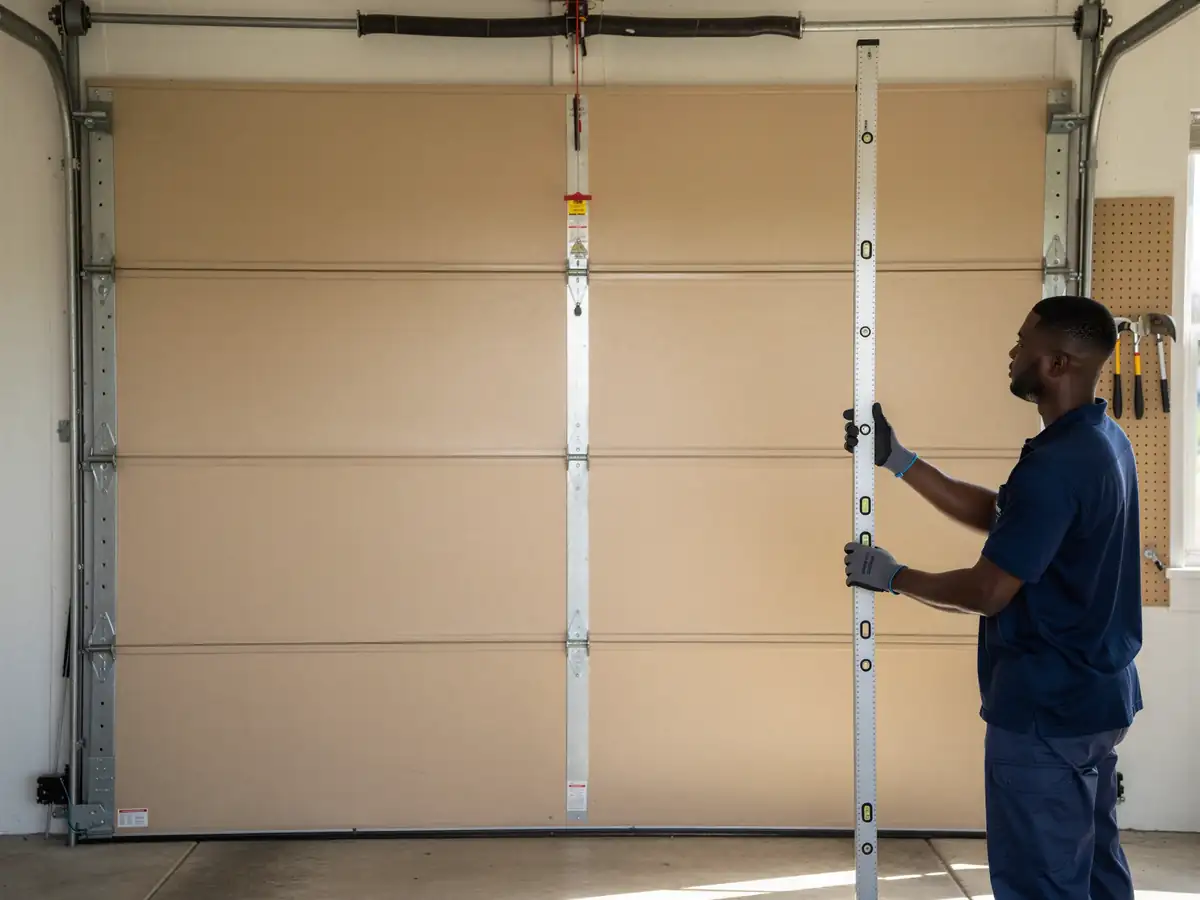
For steel doors, which make up most of what we see, panel dents and bent tracks are usually a same-visit repair. The goal on any emergency call is simple: get the door operating safely before we leave, then talk through whether it needs more work later.
What Causes It Around Here
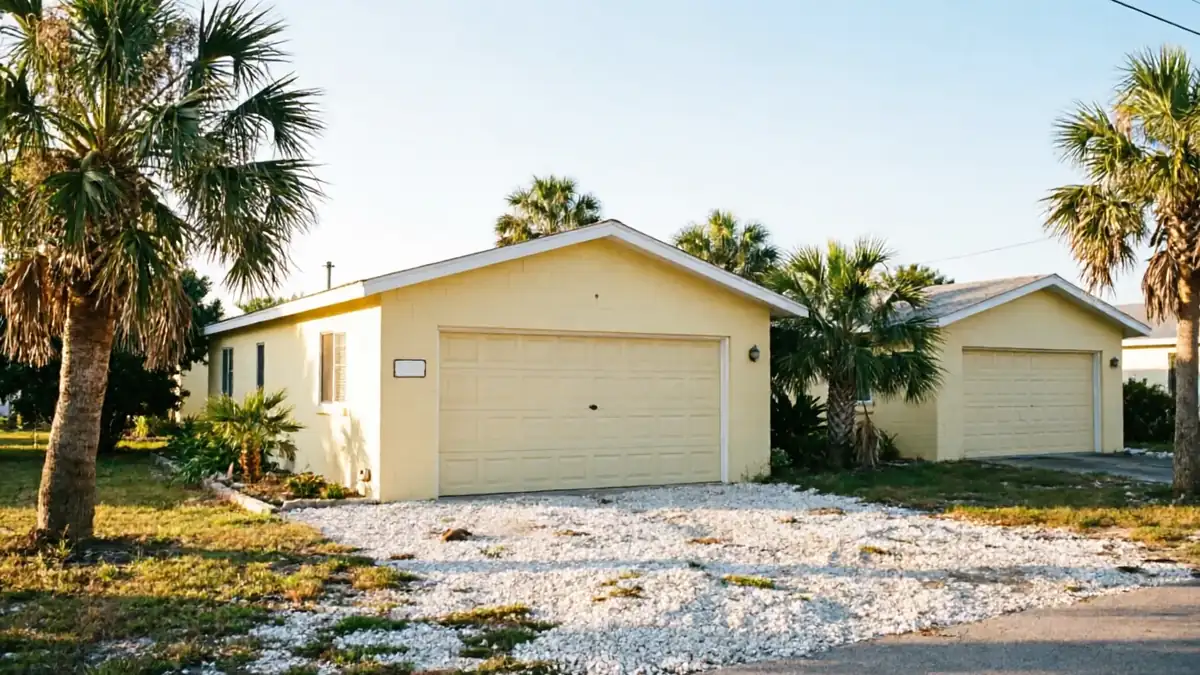
Housing across the Melbourne service area was mostly built between 1966 and 2003, with the median build year landing around 1977. That means a huge share of the doors we're called out to are original torsion spring setups from an era when springs were sized differently and openers, if there's one at all, are older chain-drive units nobody services anymore.
Across the sixteen named areas we cover, construction is concentrated in the 1960s and 70s, so the hardware failing right now is hardware that's been cycling for forty-plus years. Springs have a rated life in cycles, not years, and a lot of these doors are well past it.
Melbourne sits in a mild temperate band, so we don't get the freeze-thaw cracking that ages hardware up north. What we get instead is steady humidity and salt air working on galvanized coatings, cables, and rollers year-round. Corrosion doesn't announce itself with a bang - it just quietly weakens a cable or a spring coil until the day it lets go, usually during the stress of a full open-close cycle, which is exactly when you get the emergency call.
How It Shows Up
The call almost always starts the same way
The door won't go up, won't go down, or stopped halfway with a bang. If it's a torsion spring, you'll usually hear the snap first - a loud crack from the garage even if nobody's touched the door. After that the door feels impossibly heavy if you try to lift it by hand, because the spring that was supposed to carry that weight is gone.
Cable failures look different
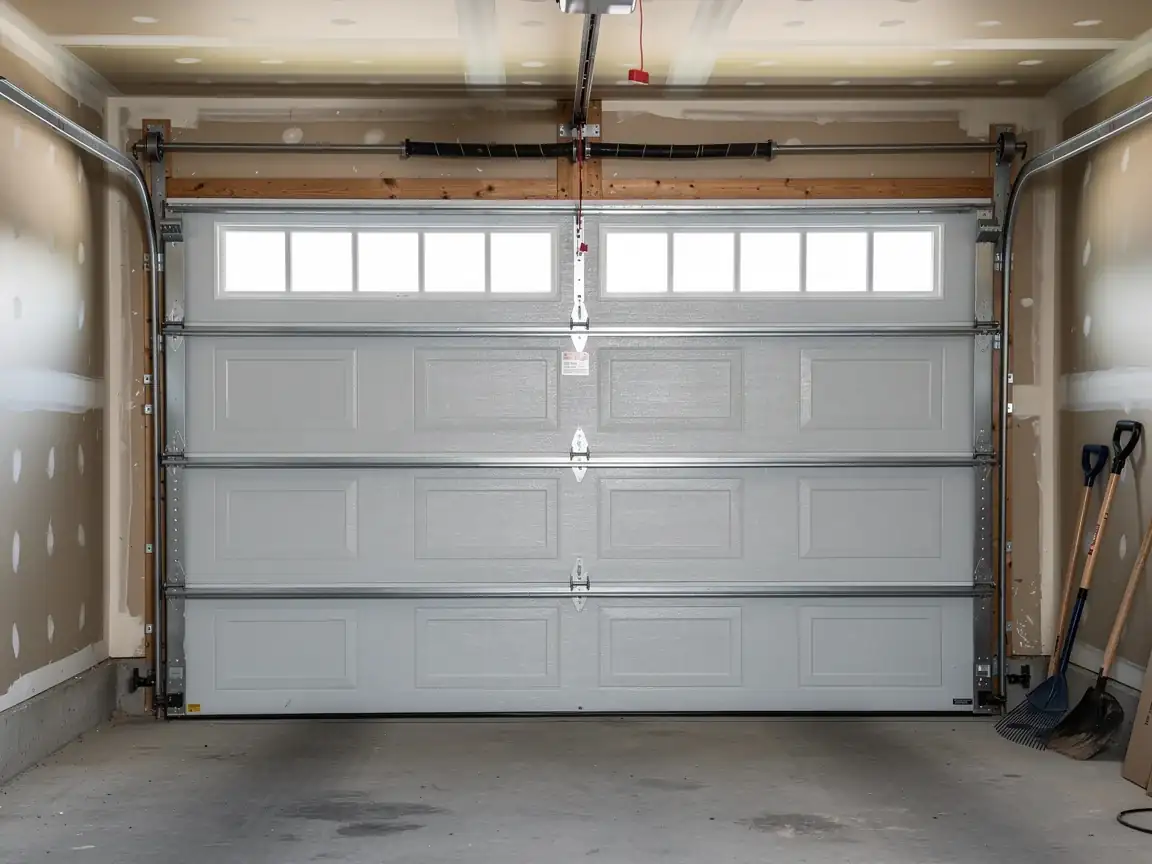
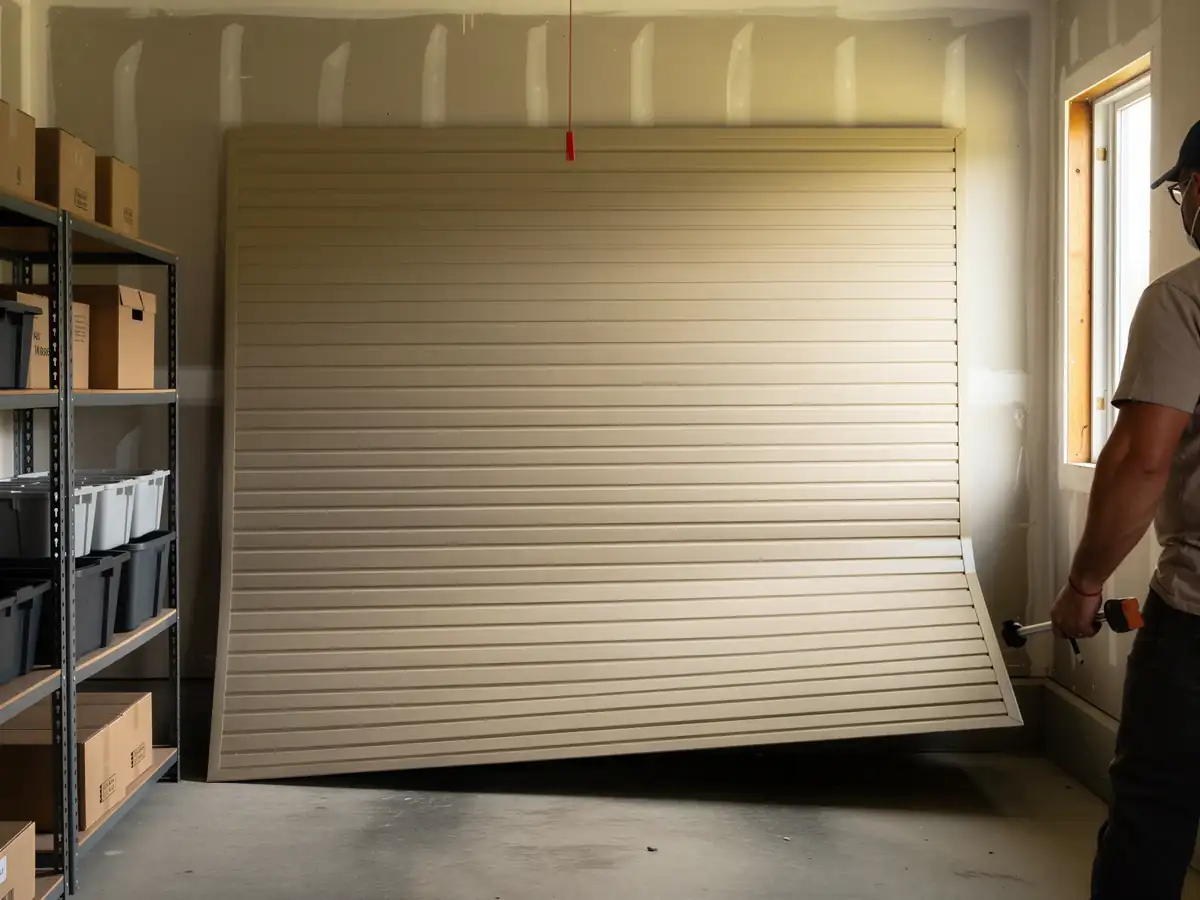
The door drops unevenly, one side lower than the other, or it comes off the track entirely on one side. With the amount of older hardware still in service across this area, we see a fair number of frayed cables that finally give out on a normal cycle, not during a storm or any dramatic event.
Opener failures show up as a light that blinks but no motor sound
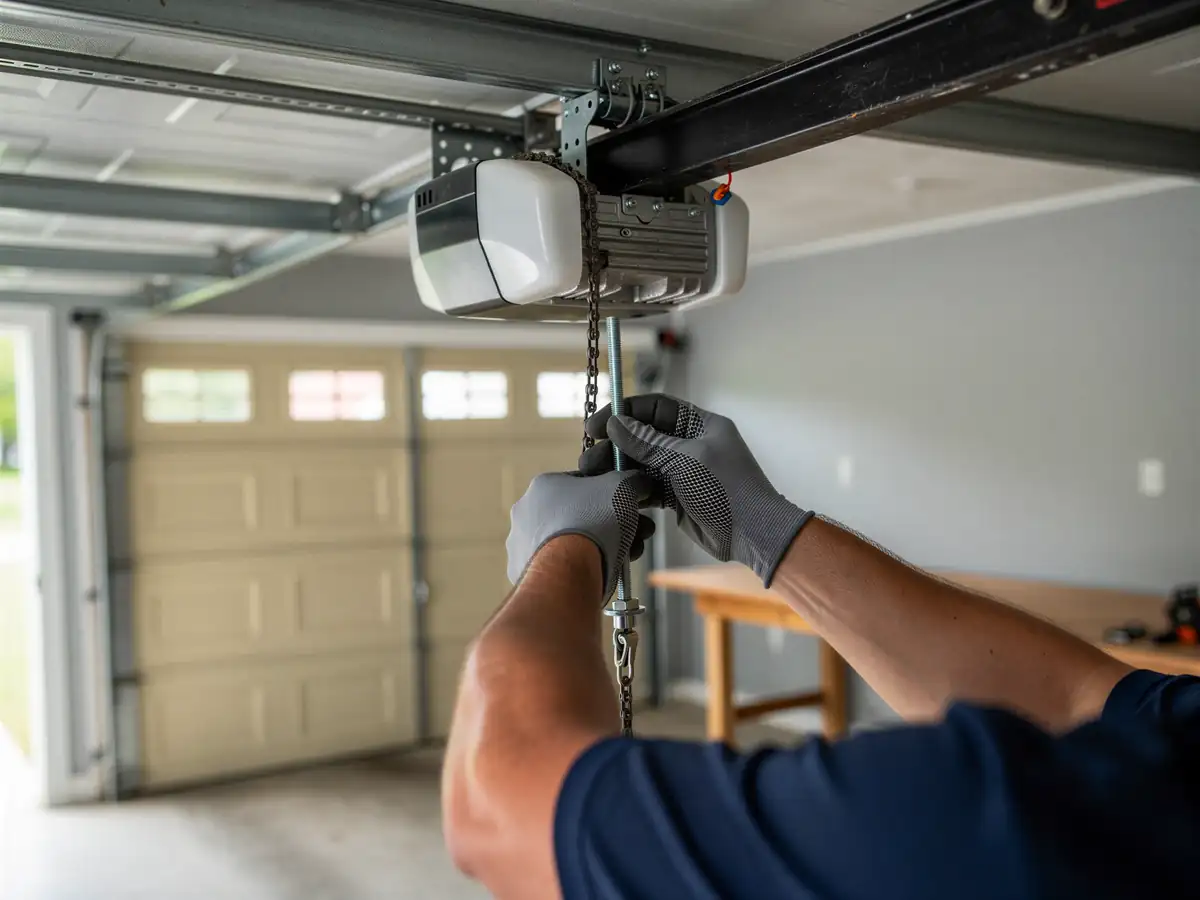
Or a motor that hums and strains without moving the door. On the aging chain-drive units still common in homes from this build era, that humming sound often means the gear inside the unit has stripped, which is a part swap, not a quick fix.
What Can Go Wrong
A broken spring is not just an inconvenience - it's the thing holding up roughly 150 to 400 pounds of door. Once it's gone, the only thing stopping that door from dropping fast is whatever's left of the cable system and the opener's gears, neither of which is built to carry that load long-term. Keep opening and closing the door on a dead spring and you risk snapping a cable too, and a cable under that kind of sudden load can whip.
We also see people try to force a door past a jammed track, which bends the track further and turns a twenty-minute roller fix into a full track replacement. On the older steel doors common across this service area's 1960s-70s housing stock, forcing a stuck door can also crack or buckle a panel that was already thinning from years of salt-air corrosion.
The real risk with any of this is someone getting under the door, or a kid, pet, or car being under it, when a weakened cable or spring finally lets go completely. That's the actual emergency in an emergency call - not just the inconvenience of a door that won't move.