How Long You Are Without the Door
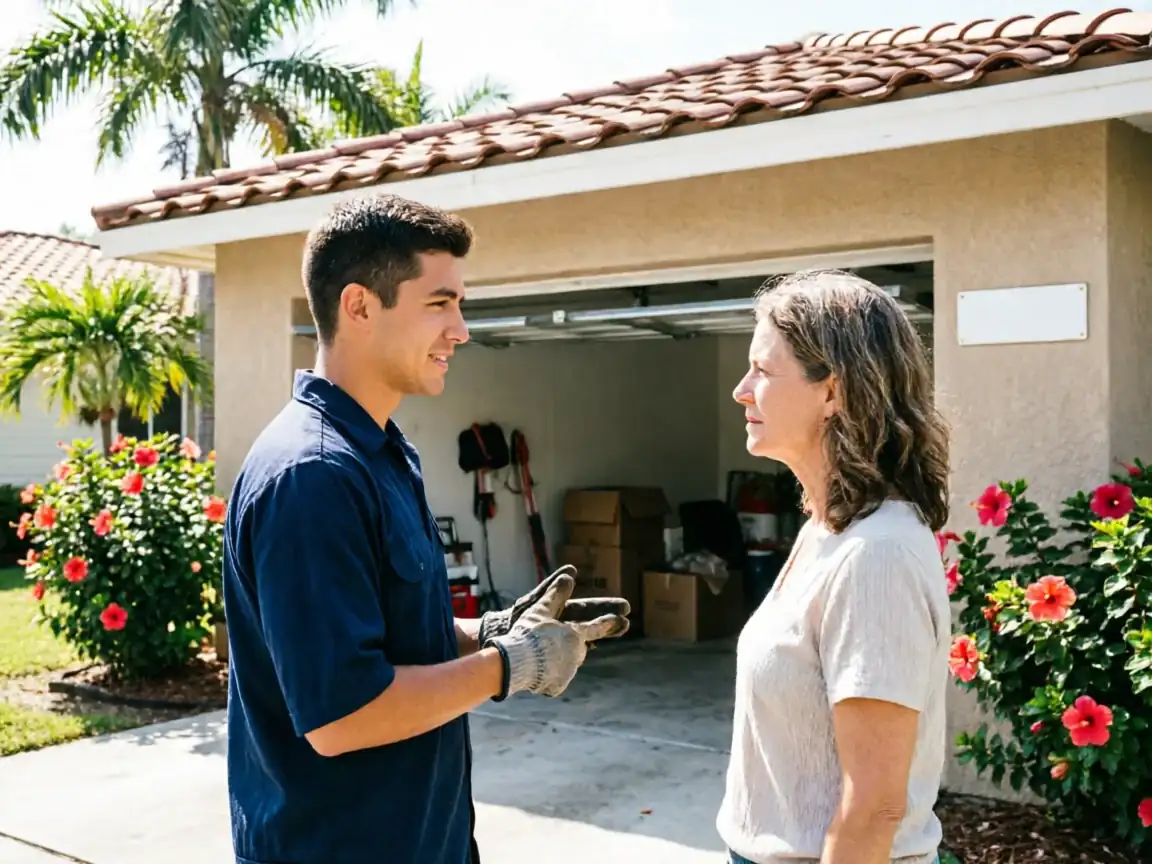
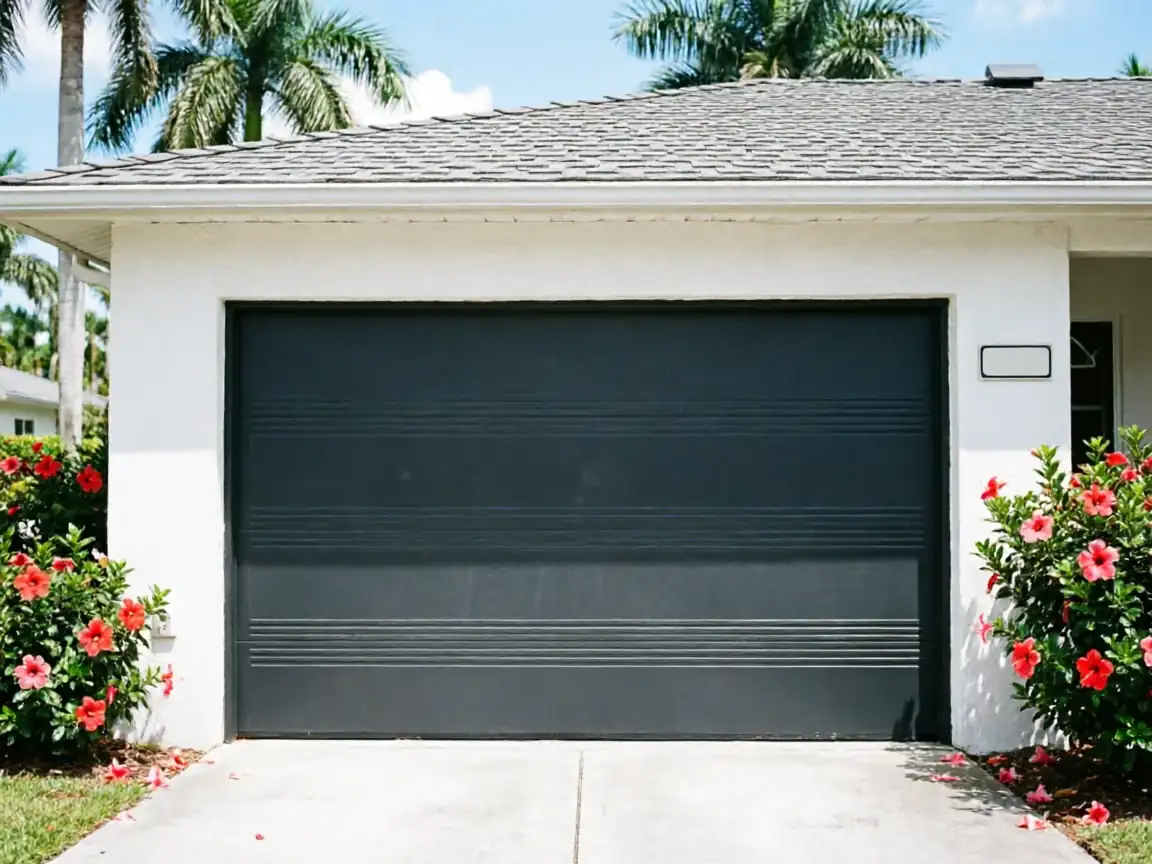
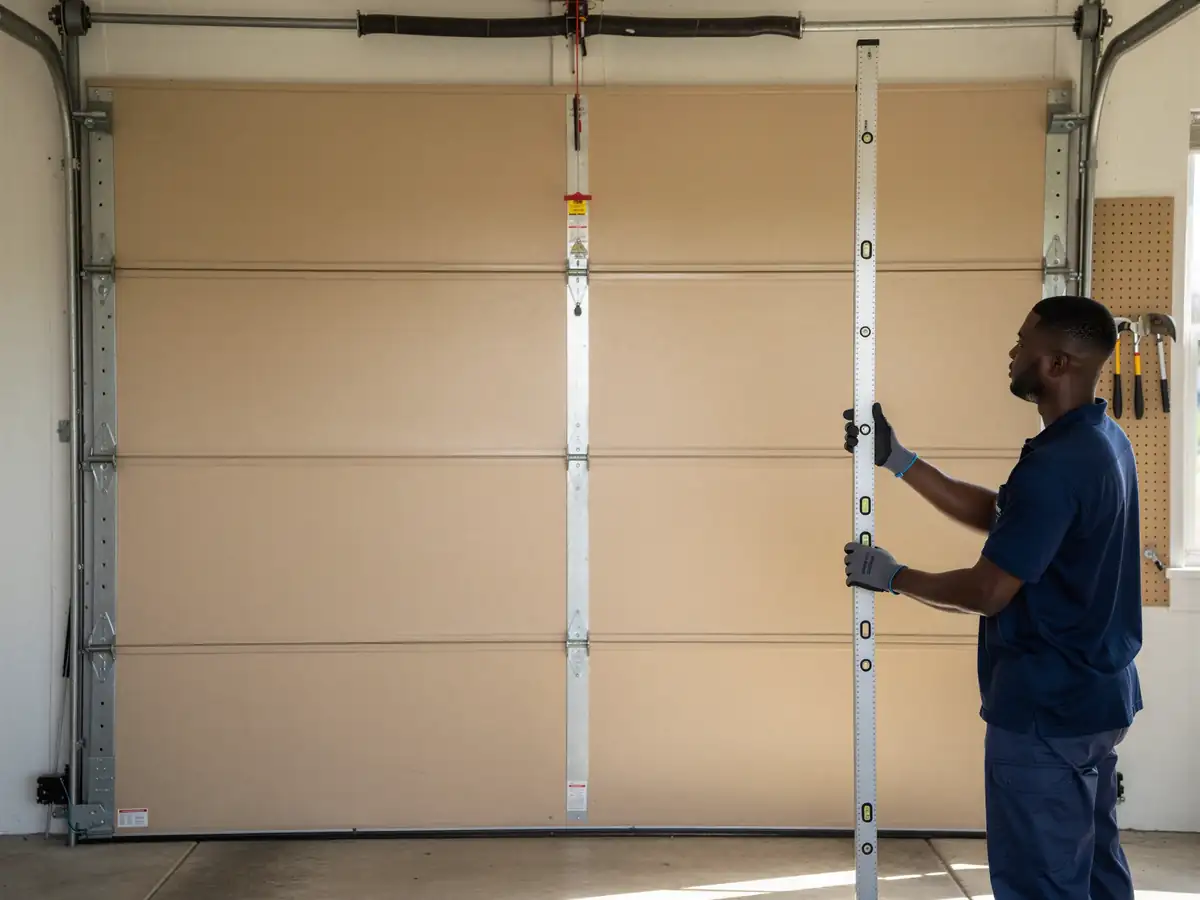
Indian Harbour Beach sits about five miles from our shop in Melbourne. That's close enough that the drive itself isn't what slows a call down - what slows it down is whether we're carrying the right spring or cable on the truck when we get there. This is a small town, 3,769 households by the latest count, tucked between the barrier island suburbs, and it doesn't see the call volume of a bigger city, so we're not running a dedicated route through here the way we might through denser parts of the service area. We come when you call. The honest part: if your door needs a part we don't stock - an odd-width track section or a discontinued opener board - that part has to come from a supplier, and that can push a full fix out a day or two even after we've been out to look at it and gotten you safe in the meantime.
How It Shows Up
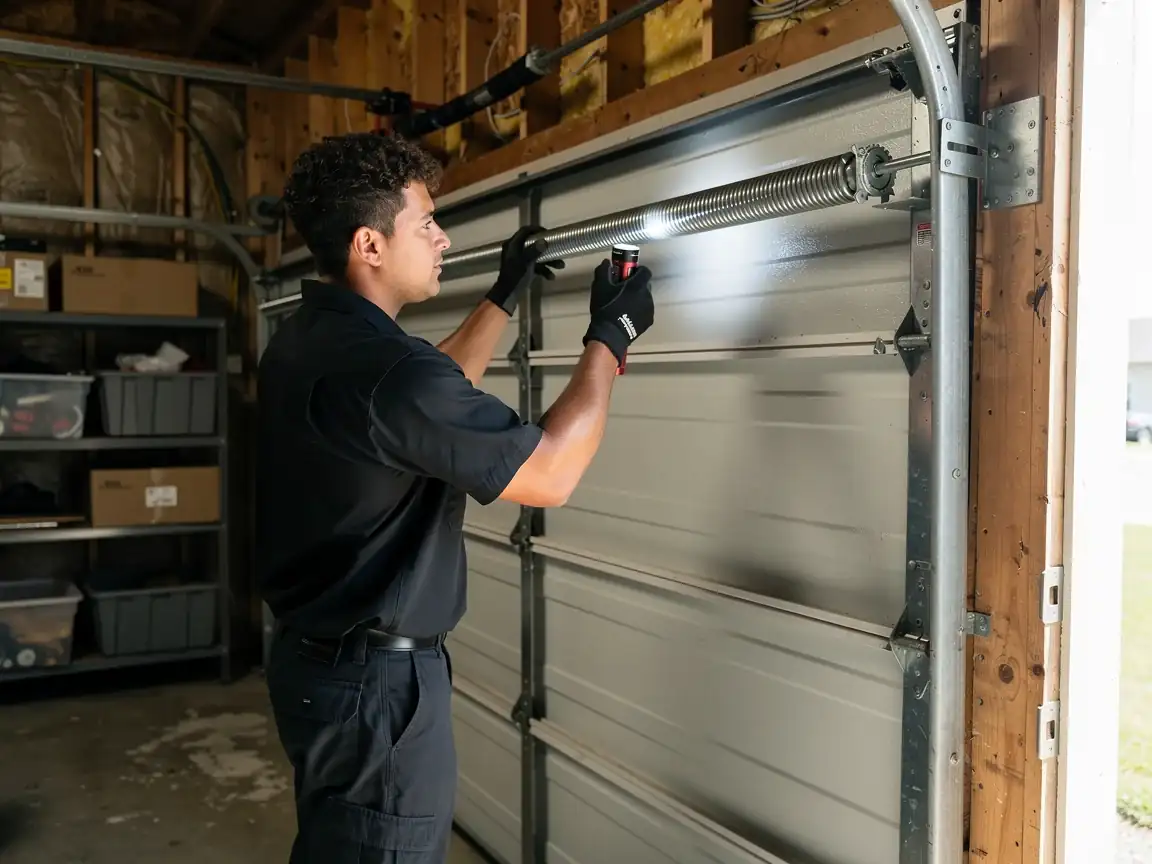
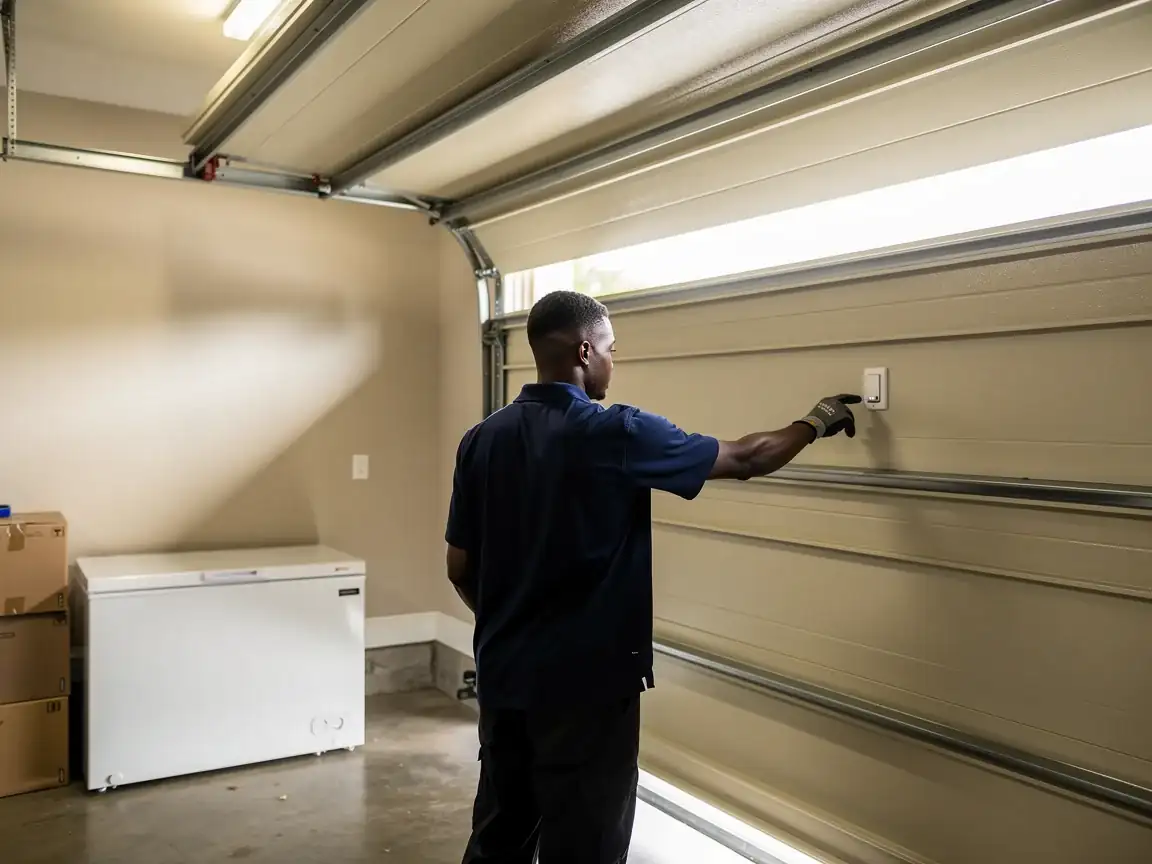
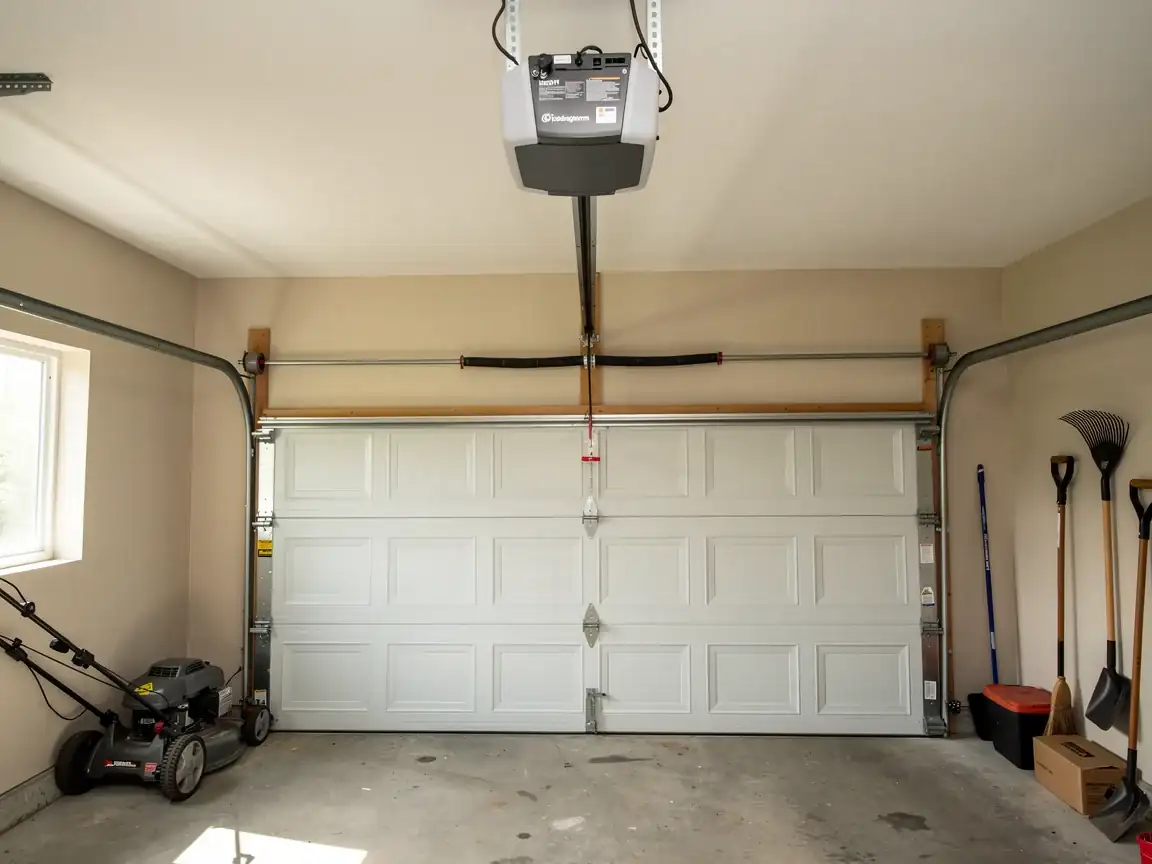
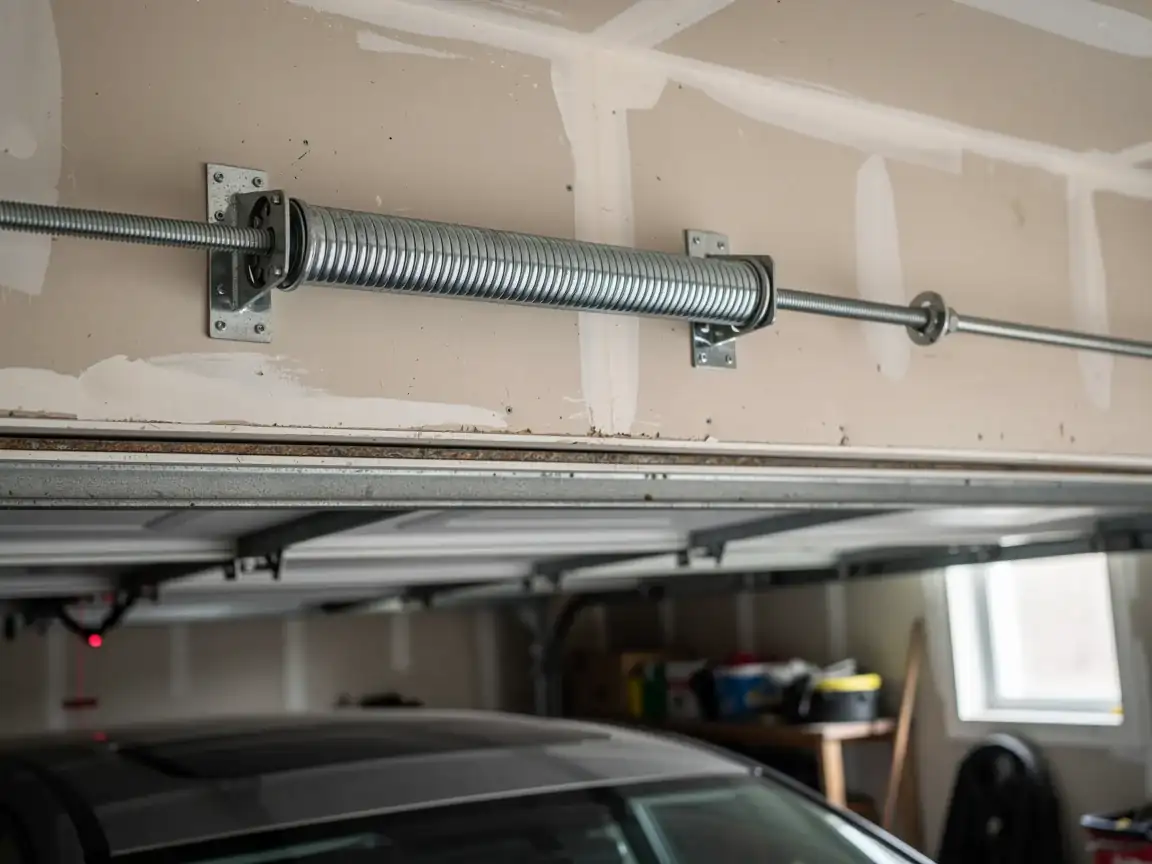
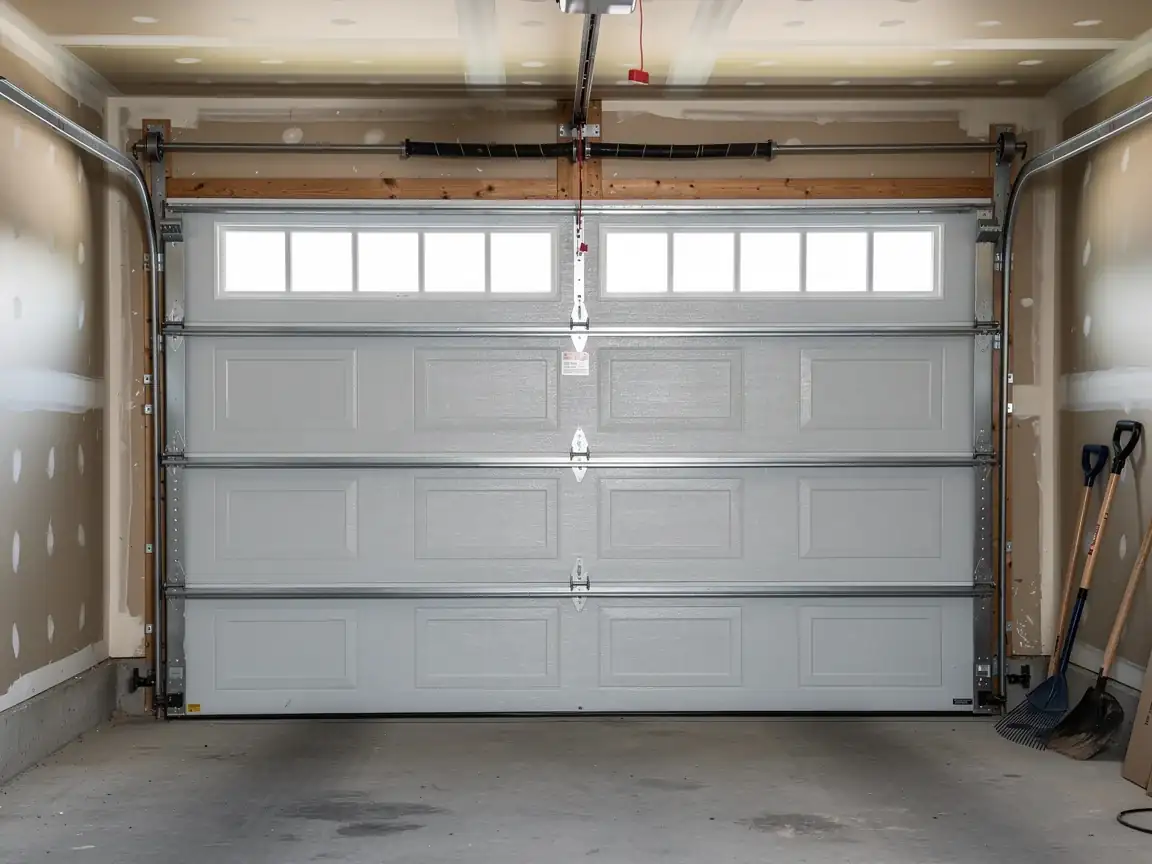
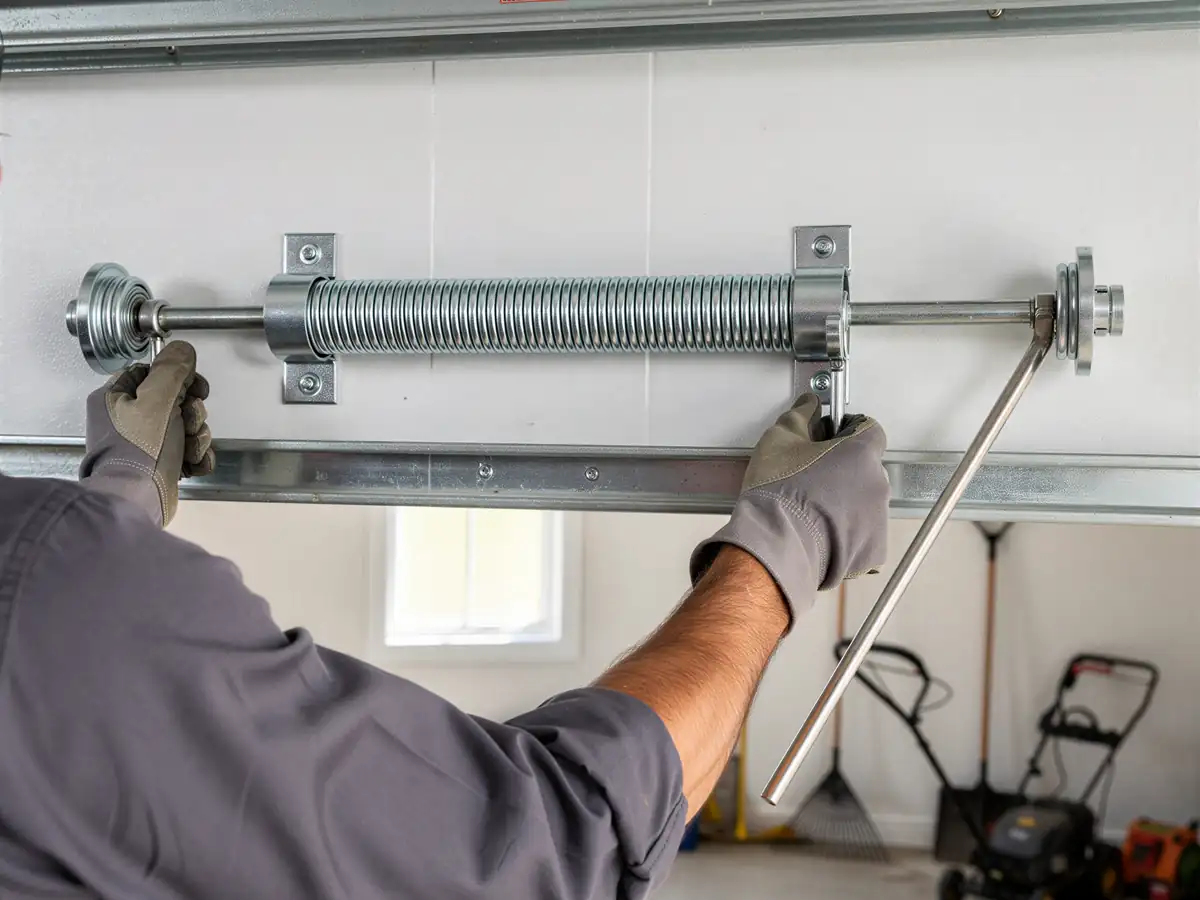
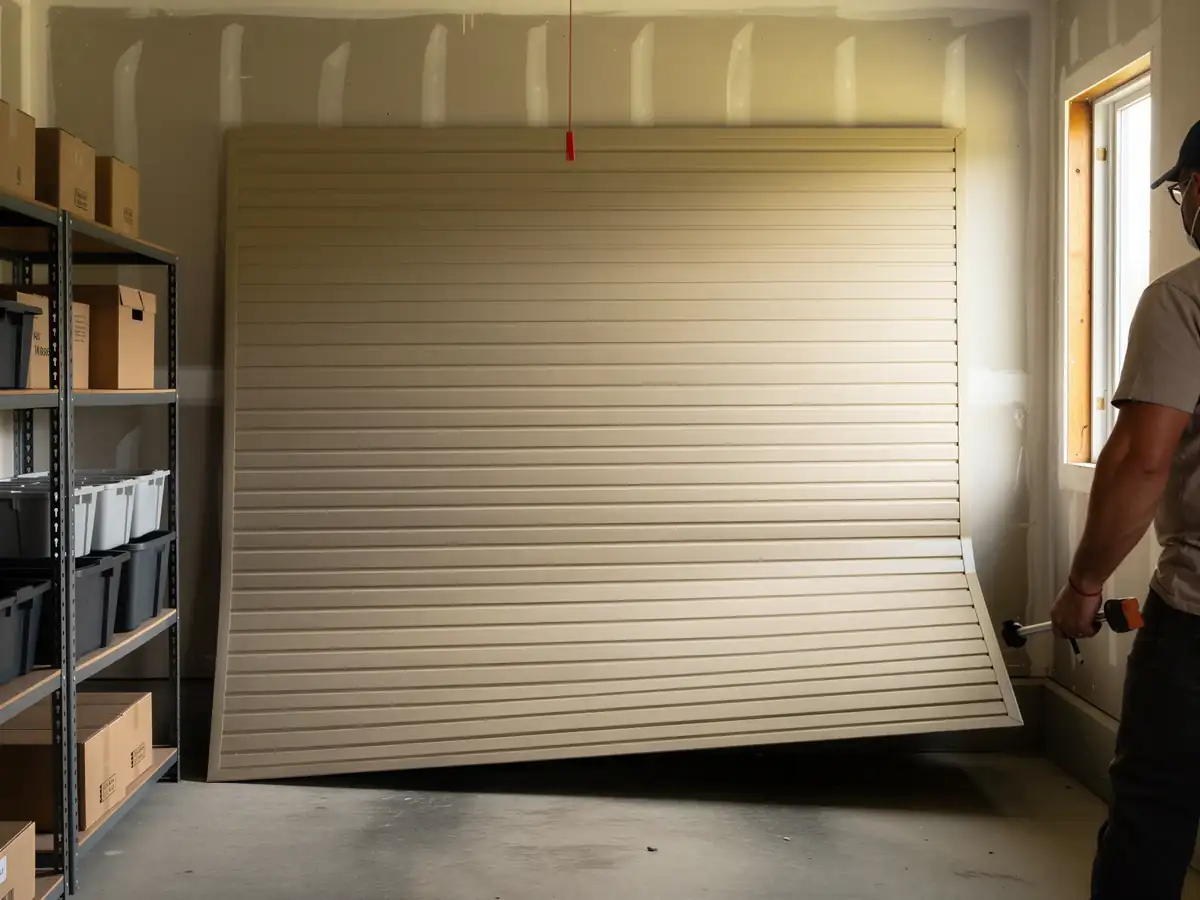
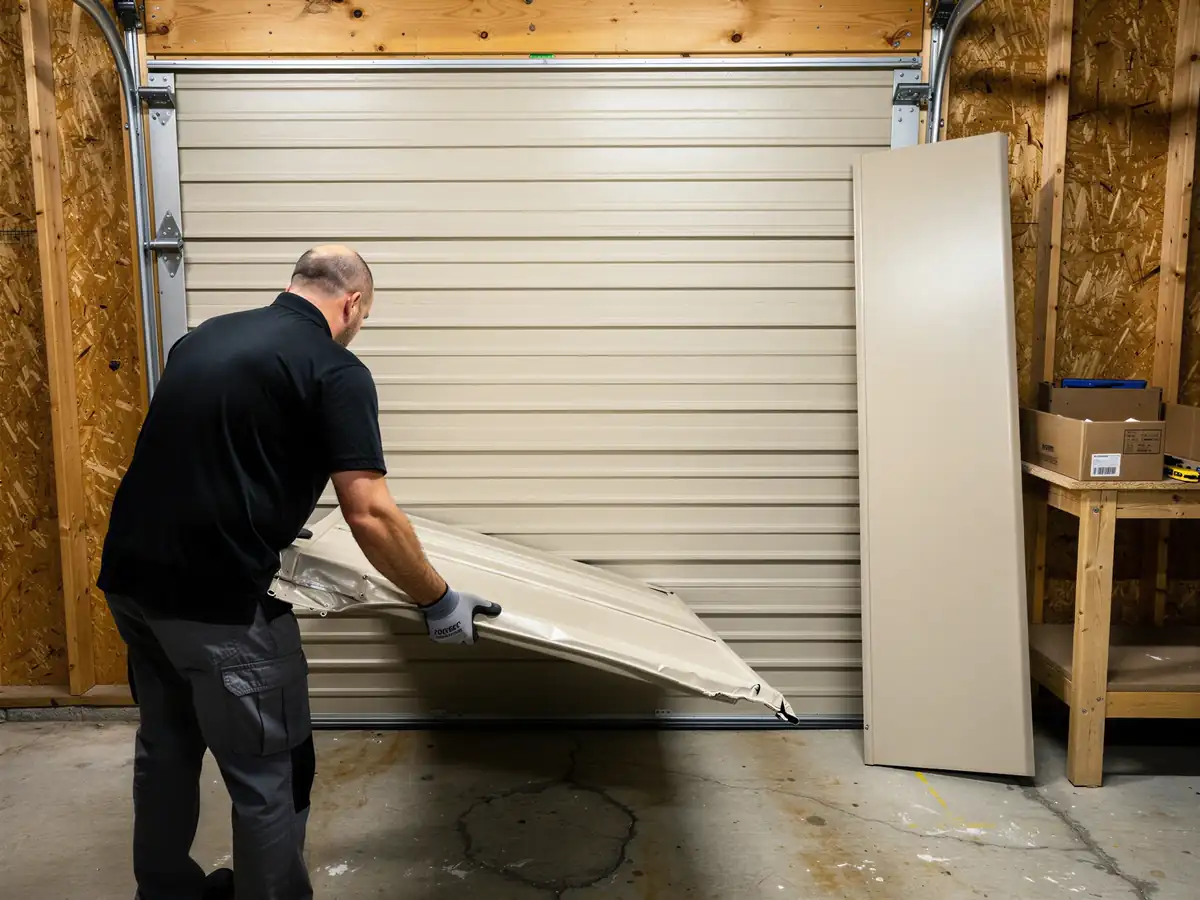
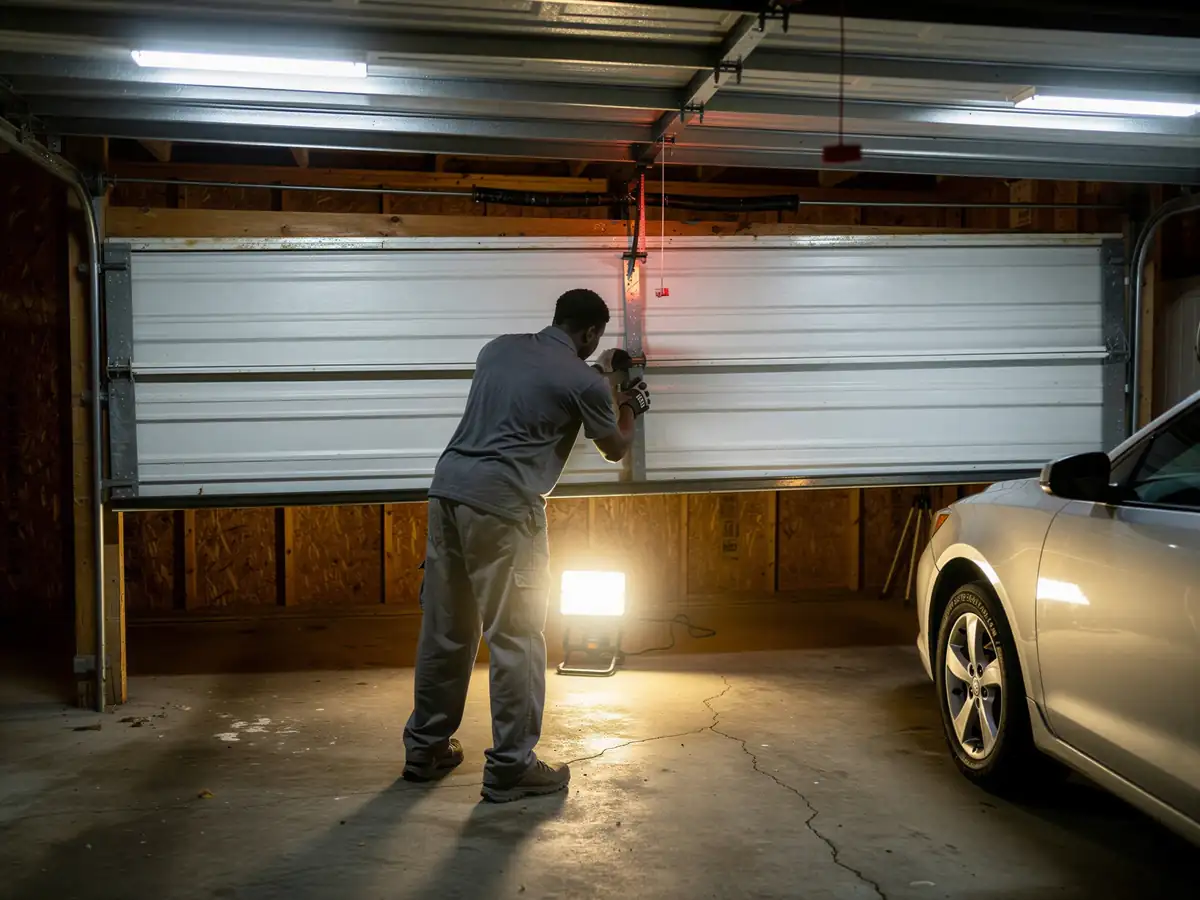
The typical house here went up around 1979, a few years newer than the 1977 median across the wider service area but still squarely in the same build window - steel sectional doors, torsion springs mounted on a single shaft above the opening, and openers that have likely been swapped out once or twice since. A door that age shows trouble the same handful of ways: it starts slow and noisy, then one morning it won't lift at all, or it lifts halfway and stalls. Sometimes it's a snapped spring - you'll hear it, a loud bang from the garage, often overnight when the shaft is cold. Sometimes it's a cable that's frayed and finally let go on one side, which cants the door sideways in the track. Either way, the door is heavy, the spring is under real tension, and this isn't a job for a ladder and a YouTube video.
What Causes It Around Here
The area sits in a mild temperate band, nothing like the freeze-thaw cycles that crack hardware up north, so the climate itself isn't what's wearing these doors out. Age is. A torsion spring is rated for a set number of open-close cycles, and a door installed when this neighborhood was first built has been through decades of them. Add in houses that sat empty or lightly used for stretches - second homes and seasonal rentals aren't unusual this close to the beach suburbs - and you get springs that look fine sitting still but fail the first time they're worked hard, like during a week of guests in and out. The fix for an aging spring isn't maintenance, it's replacement, and there's no WD-40 trick that buys you more than a few extra weeks once a spring is actually fatigued.