How Long You Are Without the Door
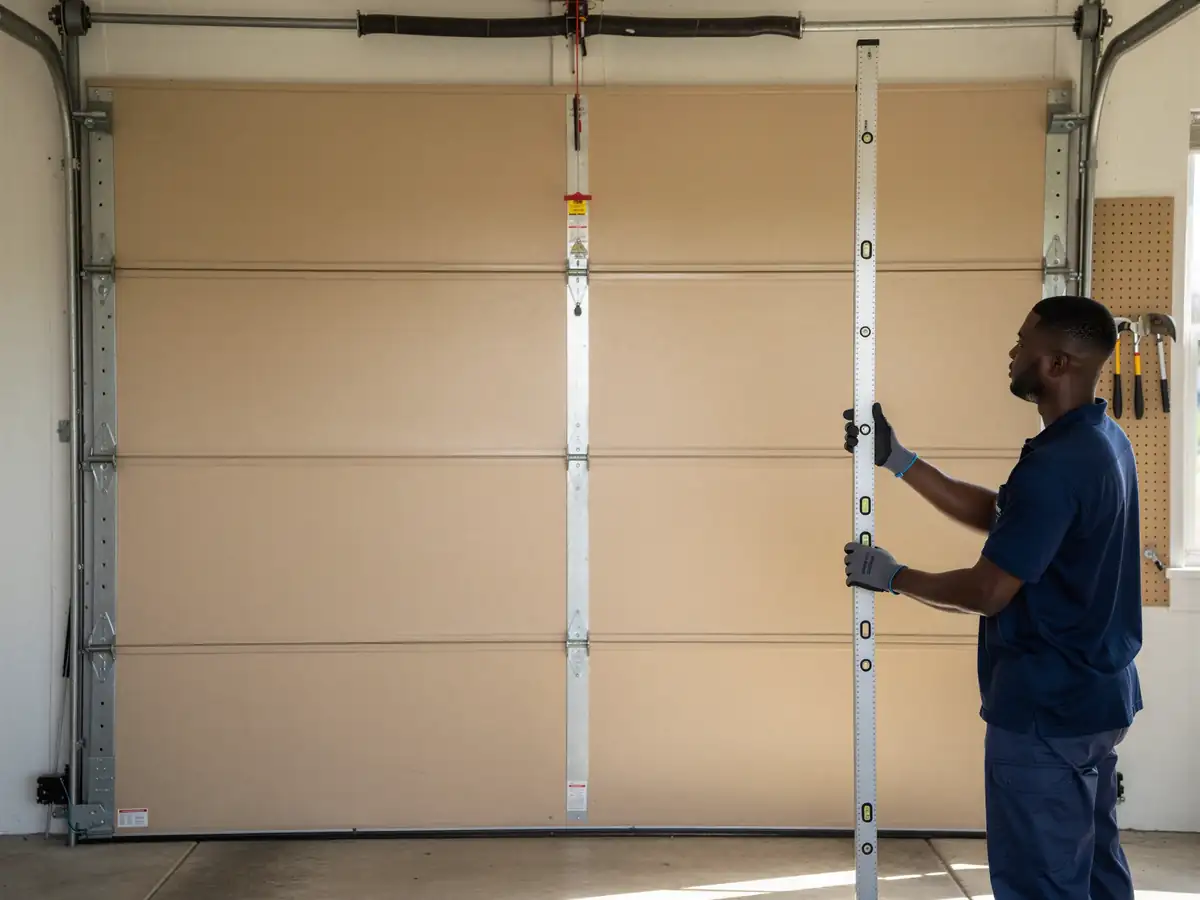
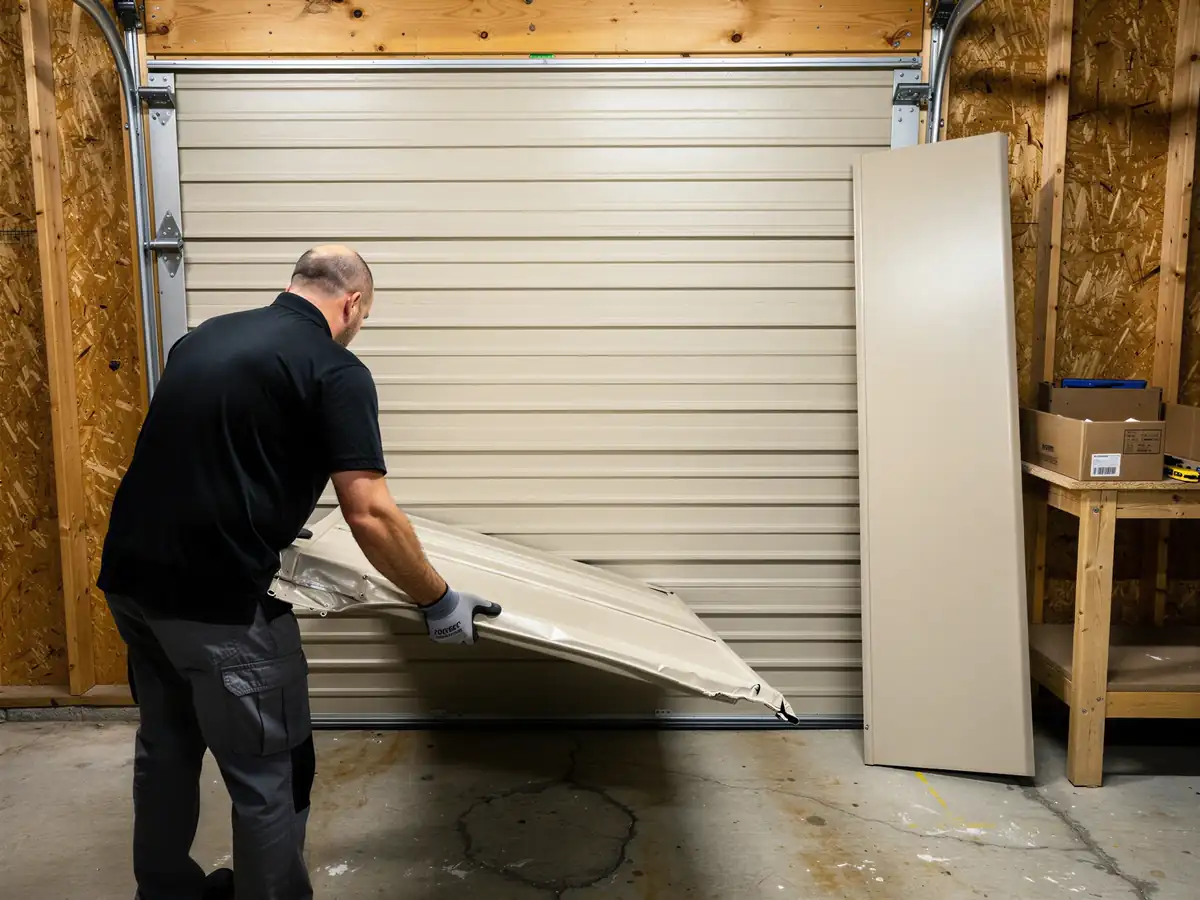
We run this job out of Melbourne, about 5 miles away, so the first thing to settle on the phone is what panel your door actually needs and whether it's still made. Indian Harbour Beach's housing stock runs a touch newer than the service area's overall median of 1977 - most of this suburb went up around 1979, which puts a lot of doors right at the tail end of an older panel generation and the start of a different one. That two-year difference sounds small, but it's often the line between a door where we can source a matching single panel and one where the whole section has to be swapped because the old profile isn't stocked anymore. We won't quote a door as a drop-in fix until we've confirmed the panel actually matches what's on the track now - guessing costs you a second trip and a mismatched section that never sits right. If the panel is sourceable, it's usually a same-visit repair once we're on site. If it's an obsolete profile, we'll tell you straight that full-door replacement is the honest answer, not a patch that looks wrong and fails early.
How It Shows Up
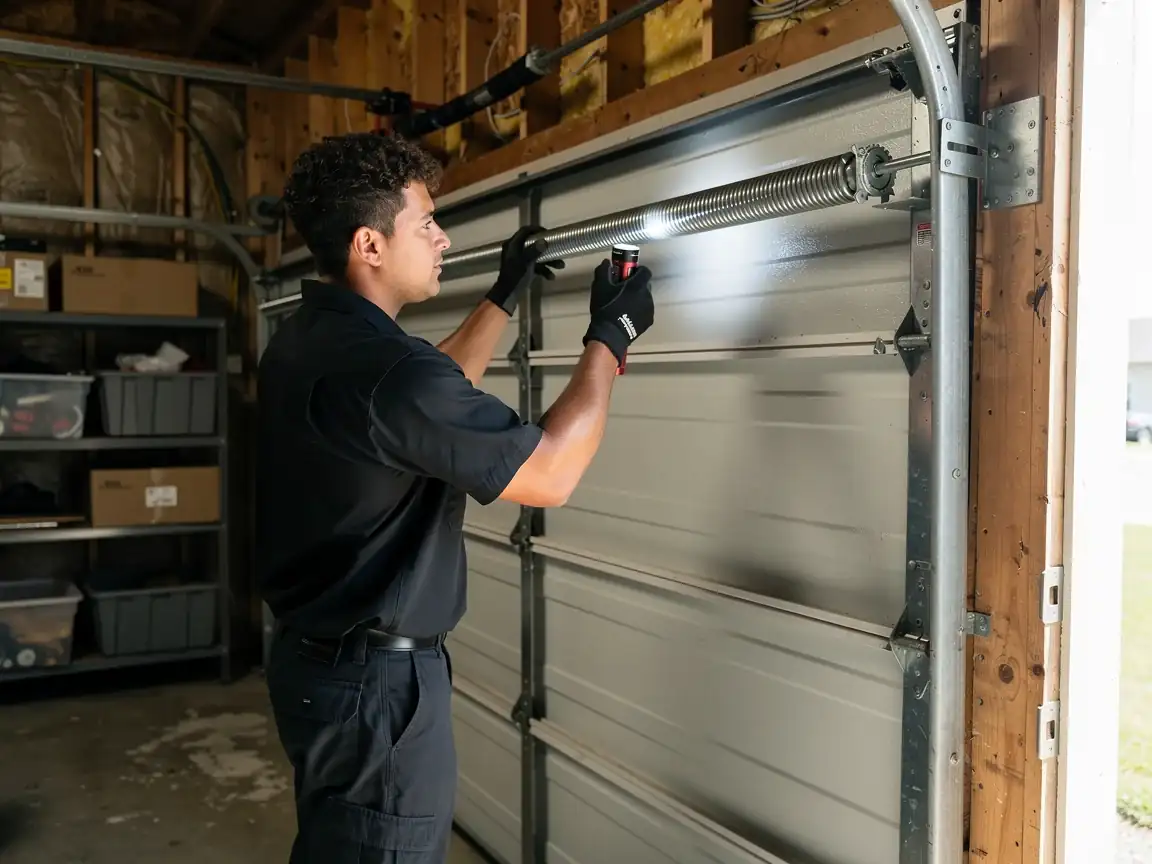
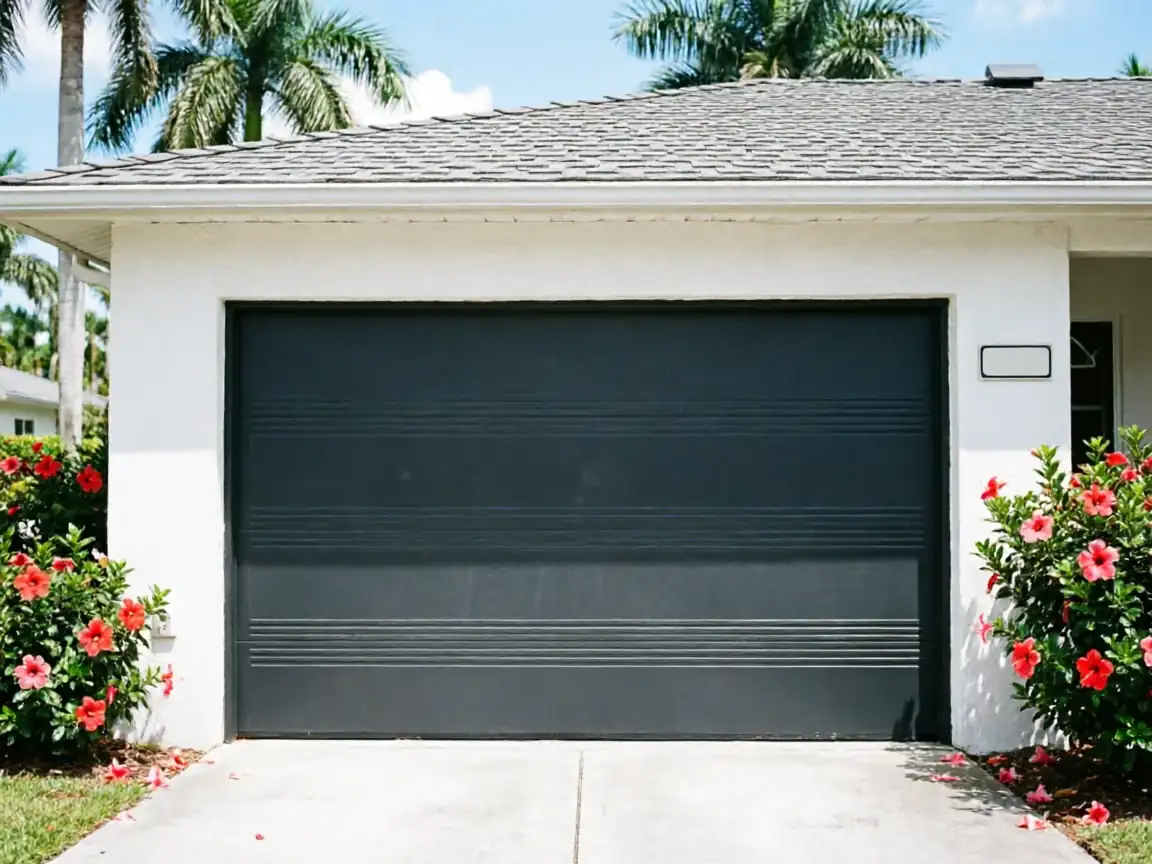
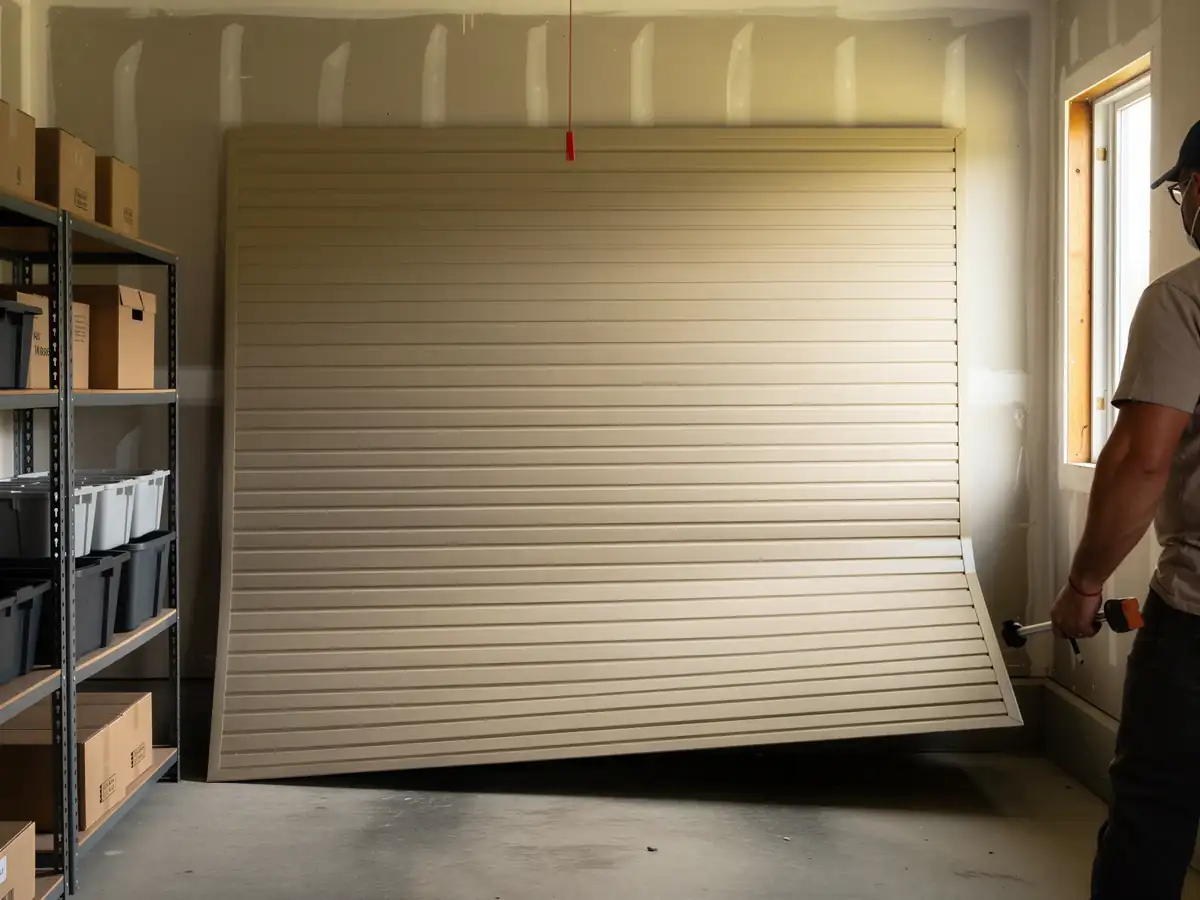
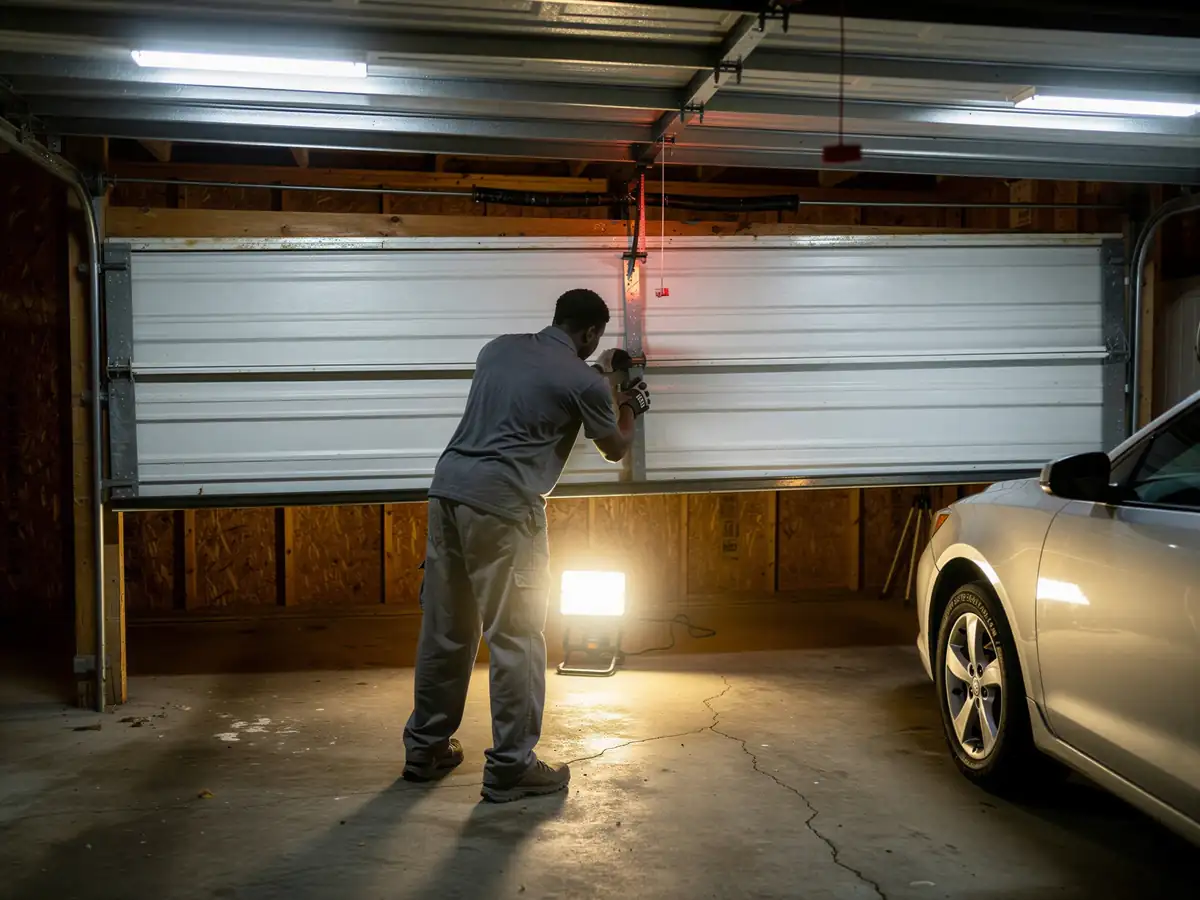
On a 1979-era door, panel damage tends to show up as a dented or bowed section low on the door - the spot that takes the hit from a car bumper, a trash can, or a stray basketball. Because household income in this suburb runs higher than the broader service area (median around $98,046 against $86,305 across the service area), we see more owners catch this early and call before the dent spreads into the track or pulls a hinge loose, rather than living with it for years. That's good, because a fresh dent is a clean panel swap. Left alone, the bent metal starts rubbing the track on every cycle, which wears the roller and can bend the track itself - turning a one-panel job into a panel-plus-track job. The other common pattern here is a panel that's intact but delaminated or rusted along the bottom edge, which in this climate band shows up as bubbling paint before it shows up as a hole. Either way, the panel is rarely the only thing we check - we look at the hinges and rollers bolted to it too, since a damaged panel often means they've been forced out of alignment.
What Causes It Around Here
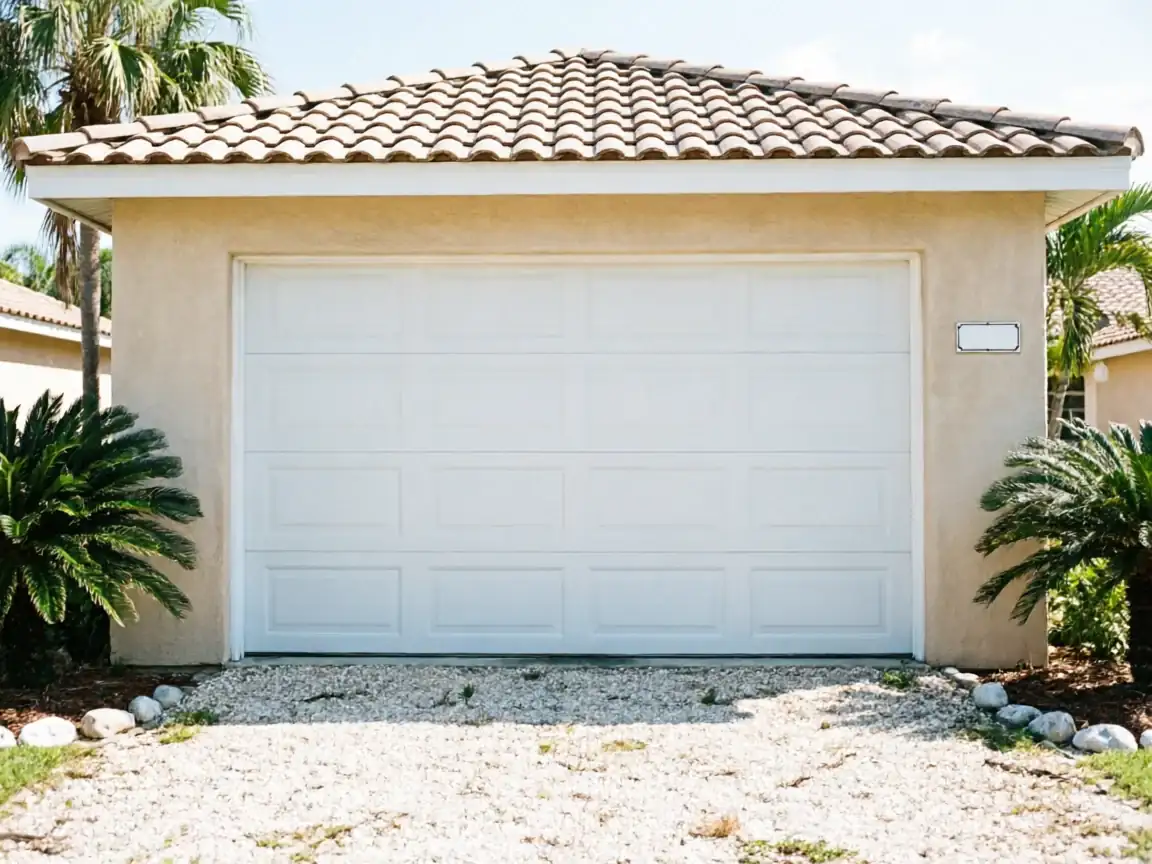
Indian Harbour Beach sits in the same mild, temperate band as the rest of the Melbourne-area coast, so panels here aren't fighting hard freeze-thaw cycles the way they would farther north. What they are fighting is humidity and salt air working steadily on seams and fasteners, plus the ordinary wear of driveway contact over 40-plus years on a door built around 1979. With 3,769 households in this suburb, most on original or first-replacement doors from that same build era, the pattern repeats: steel panels that have held up structurally but show rust blooming at the bottom edge where water sits after rain, and hinges that have loosened enough to let a panel flex more than it should. We don't see the ice-related warping that colder climates deal with, but we do see panels that have simply outlasted their paint and seals. None of this is urgent until a panel is actually dented or rusted through - a cosmetic fade on an otherwise sound door isn't worth replacing, and we'll say so rather than sell you a panel you don't need yet.