How Long You Are Without the Door
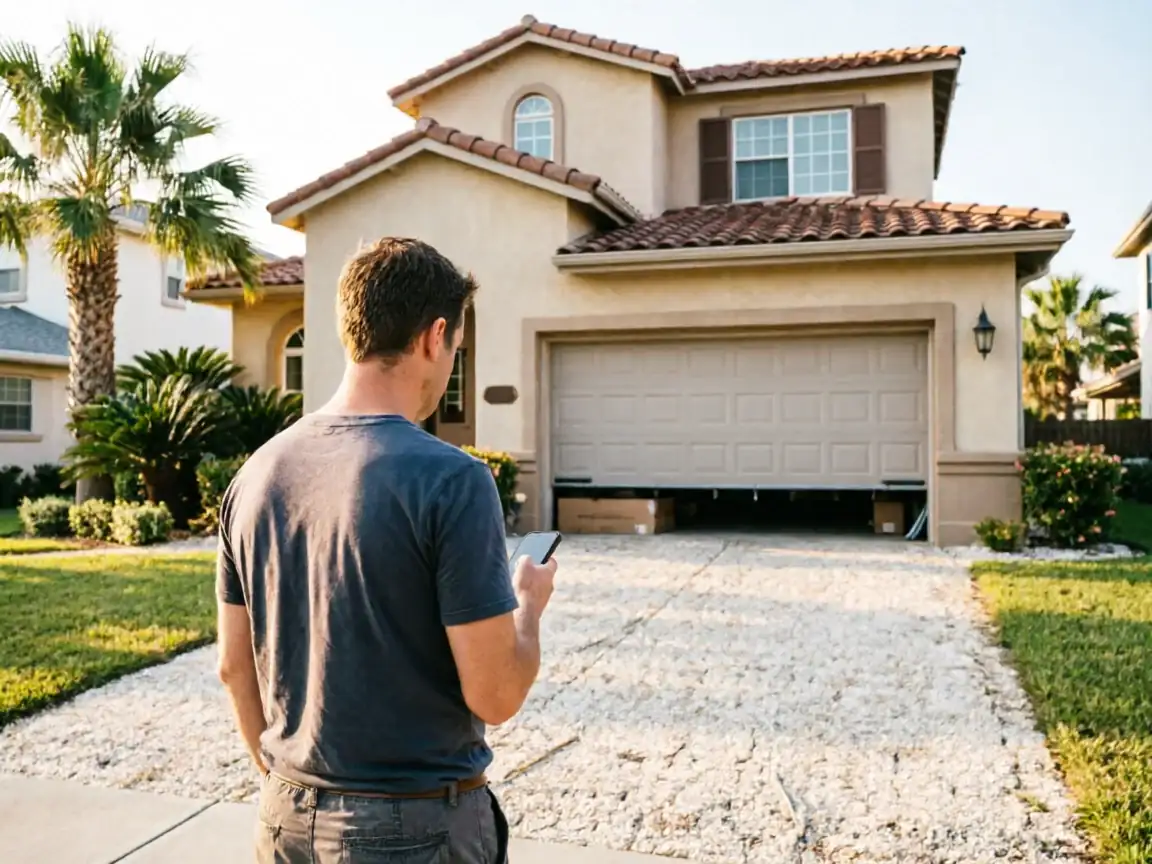
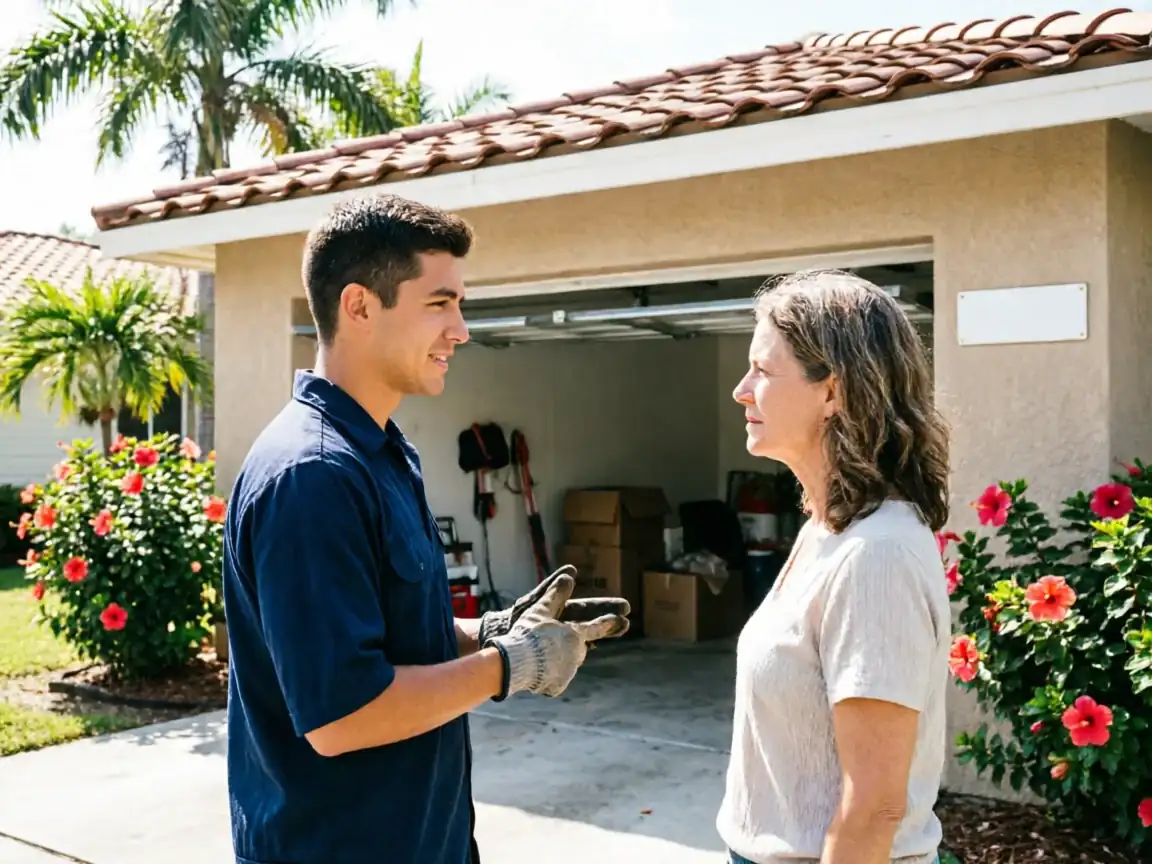
We run this call out of Melbourne, about 5 miles away, so there's no branch sitting in Indian Harbour Beach itself and we won't pretend there is. What that means for you: a truck has to cross the bridge before anyone touches your door. We don't have a posted response time to give you here, because we're not going to promise a number we can't hold to on a barrier-island street versus one closer to the mainland. What we can tell you is that most of the doors we pull off in this town are original or close to it - houses here cluster around a median build year of 1979, which puts a lot of them on their first or second opener and sometimes their first spring set, 45 years in. That's old enough that the part that failed is rarely something we carry blind; it's usually something we confirm on the call, then bring on the truck or chase down before we come back out.
How It Shows Up
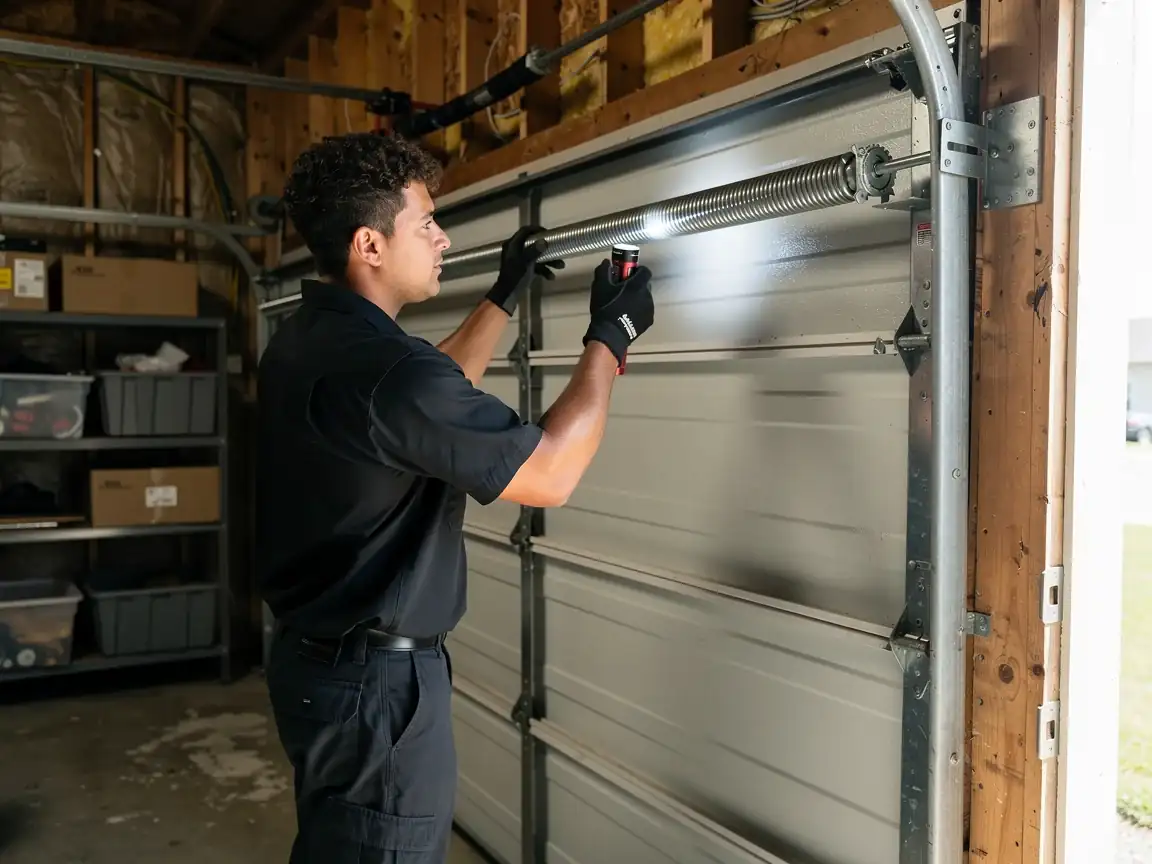
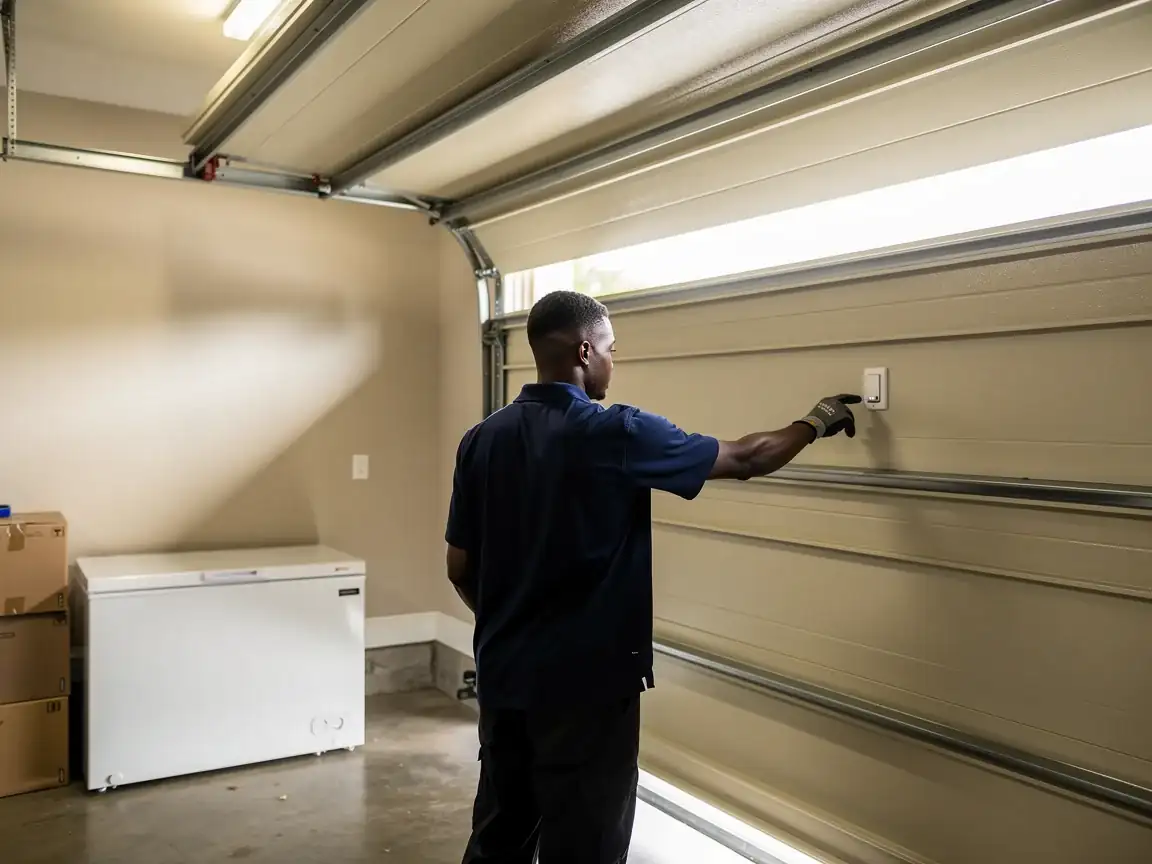
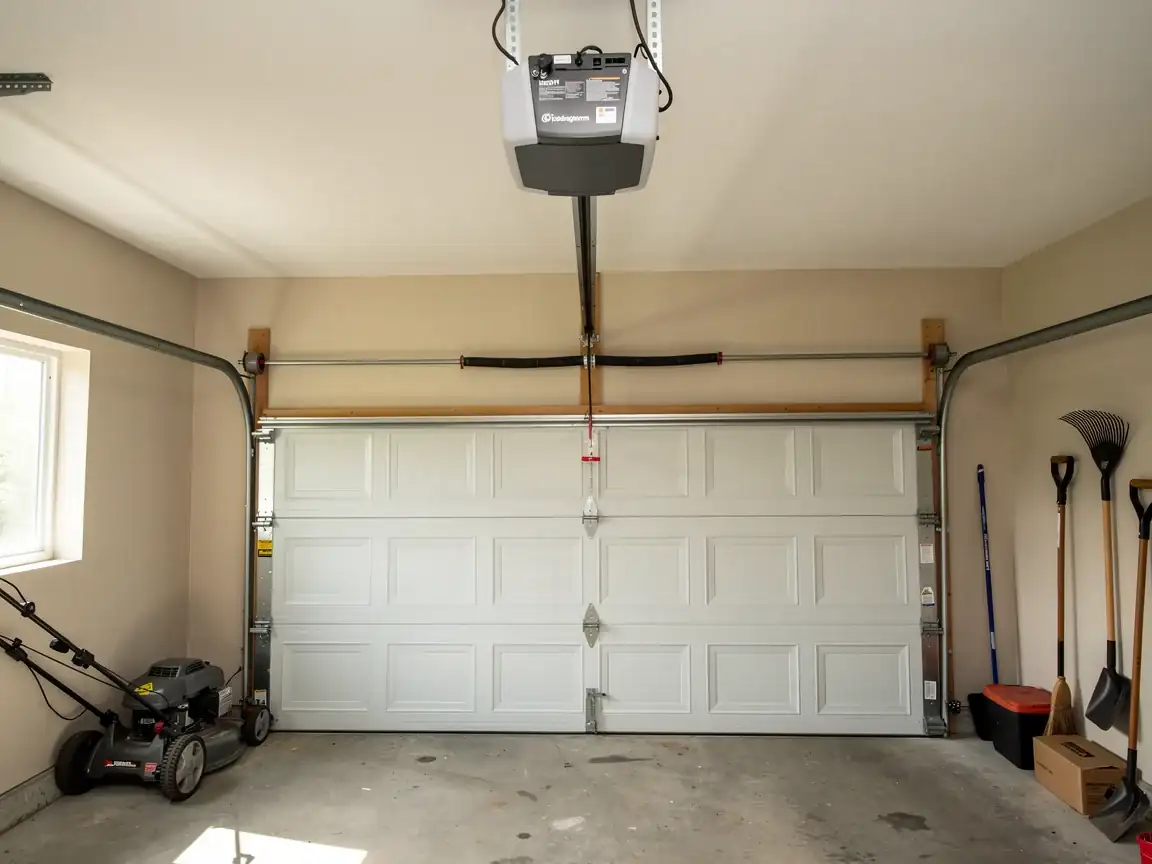
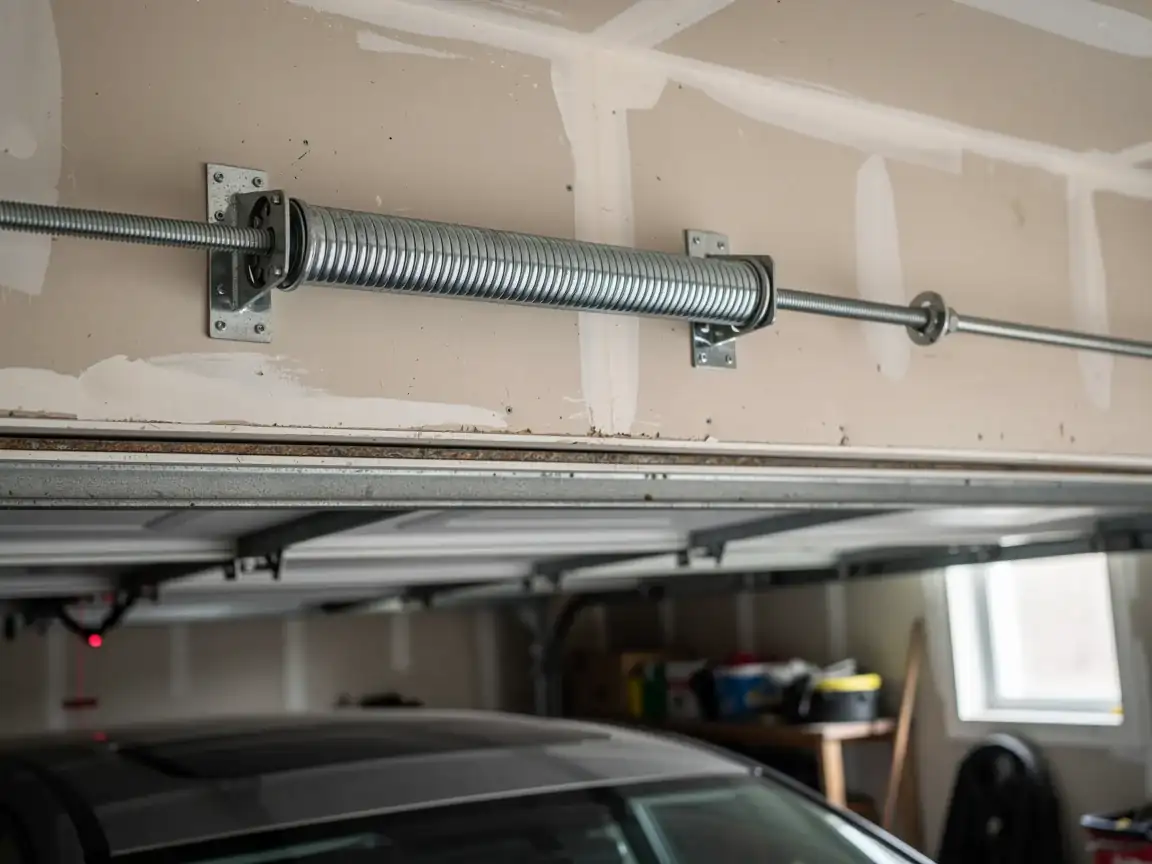
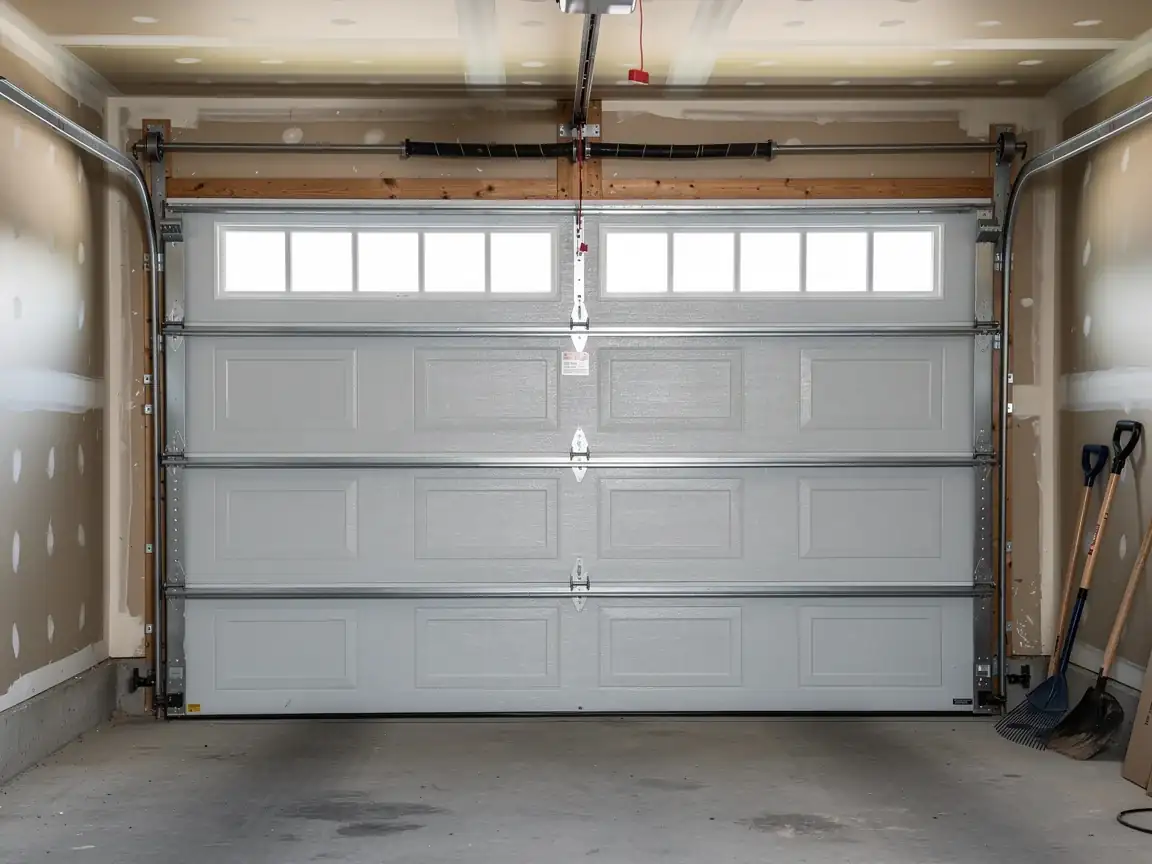
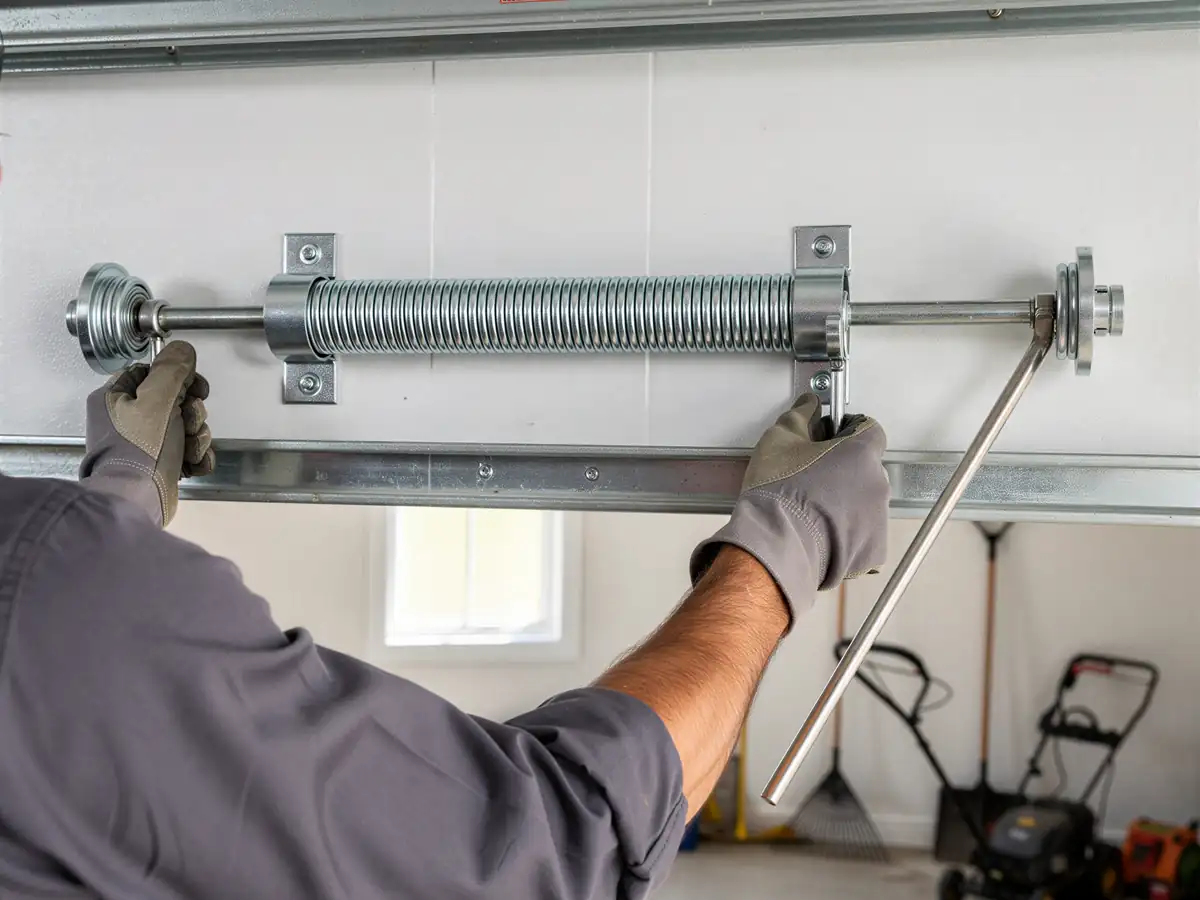
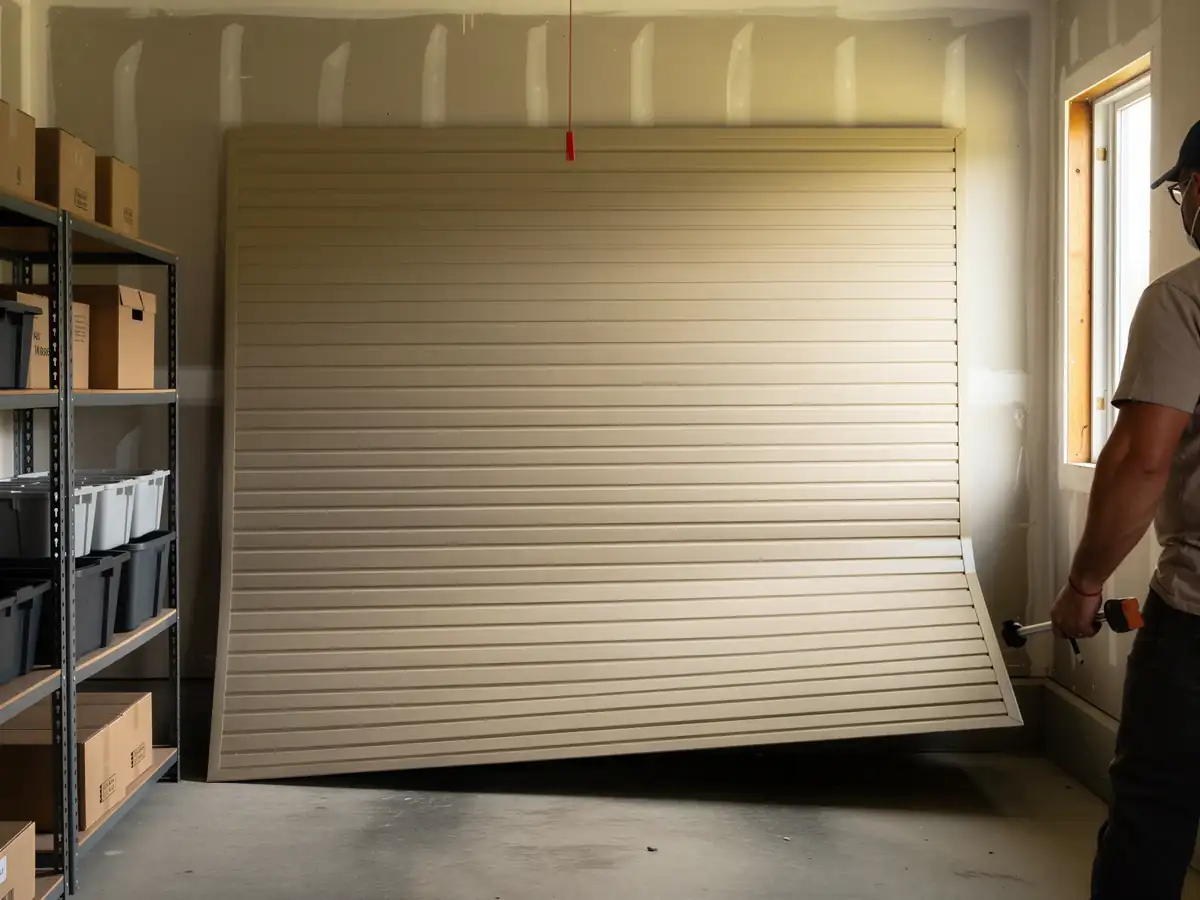
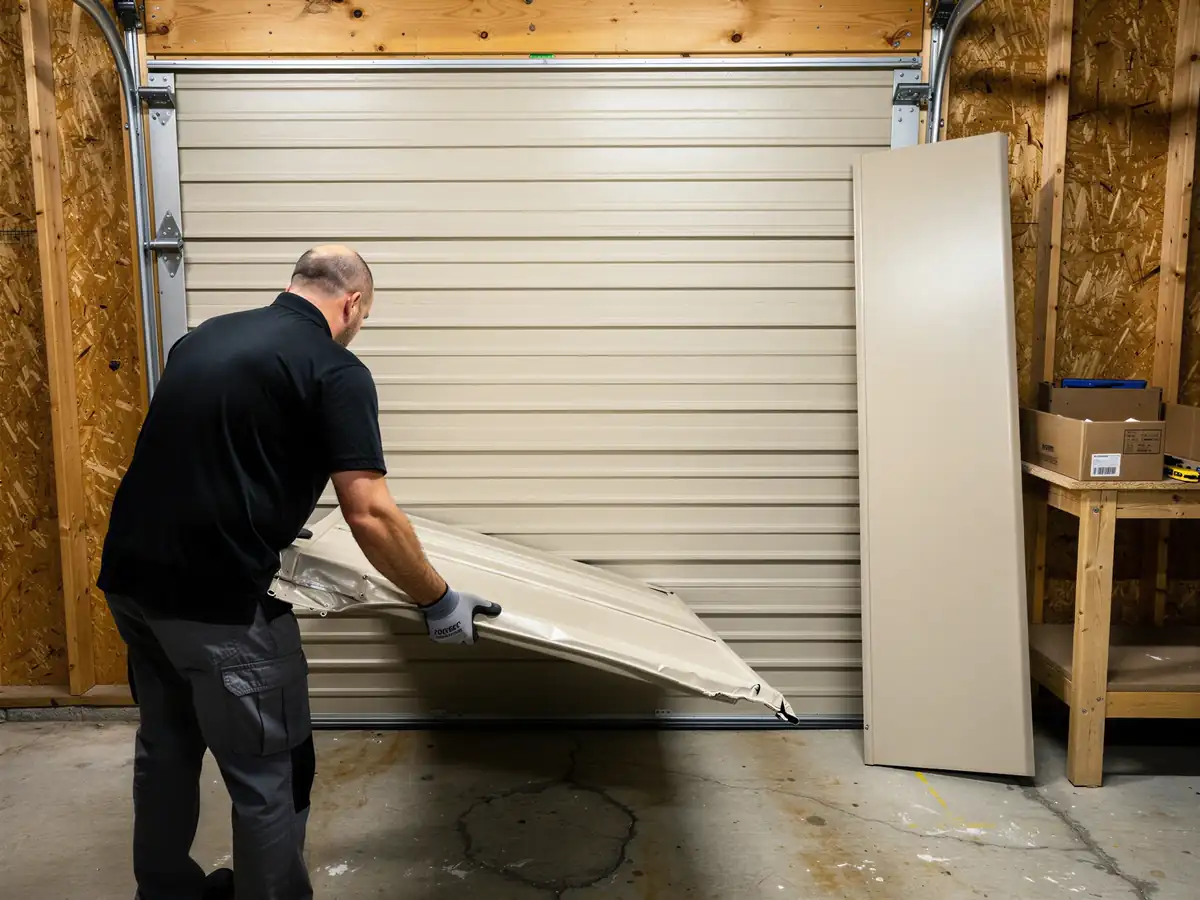
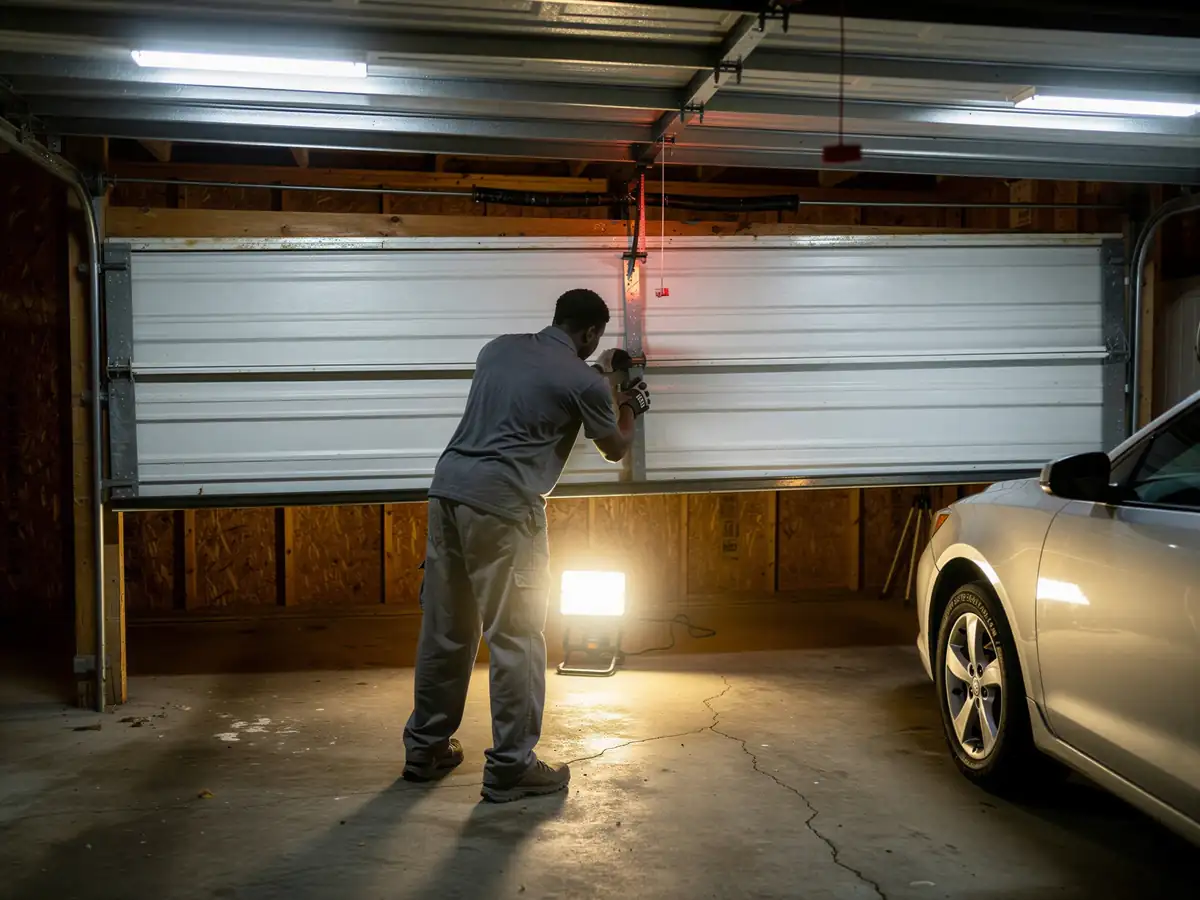
A door built when this neighborhood went up is steel, single-layer or thin double-layer, on a torsion spring mounted over the header rather than the older side-mount style. At 1979, Indian Harbour Beach houses mostly got one of two door widths - a single-car 9-footer or a double at 16 feet - and the double is the one that strains a spring set fastest because it's heavier and the spring has to be sized for it. Across roughly 3,769 households in this town, we see the same handful of signs: the door starts dropping unevenly on one side, the opener strains and reverses partway up, or the whole thing refuses to lift past a foot and sits there humming. On a mild coastal climate like this one, you don't get the freeze-crack failures some regions see - what you get instead is slow corrosion on hardware that's spent four and a half decades near salt air, and springs that fatigue on schedule rather than snapping from cold.
What Causes It Around Here
The driver here is age lining up with income and upkeep patterns specific to this pocket. Indian Harbour Beach runs a median household income around $98,046, noticeably higher than the broader service area's $86,305, and houses at that income level more often get the opener replaced or serviced proactively rather than run until it fails outright - which means when we do get the call, it's often a spring or a cable, not a dead opener nobody noticed dying. The mild temperate climate here doesn't stress a door the way a freeze-thaw region does, so most failures are mechanical fatigue, not weather damage: a spring that's cycled tens of thousands of times since 1979, a cable with fraying strands, a roller track that's racked slightly out of square from decades of normal use. None of that is dramatic. It's just a door built the year it was built, doing exactly what parts from that era do this far into their life.