How It Shows Up
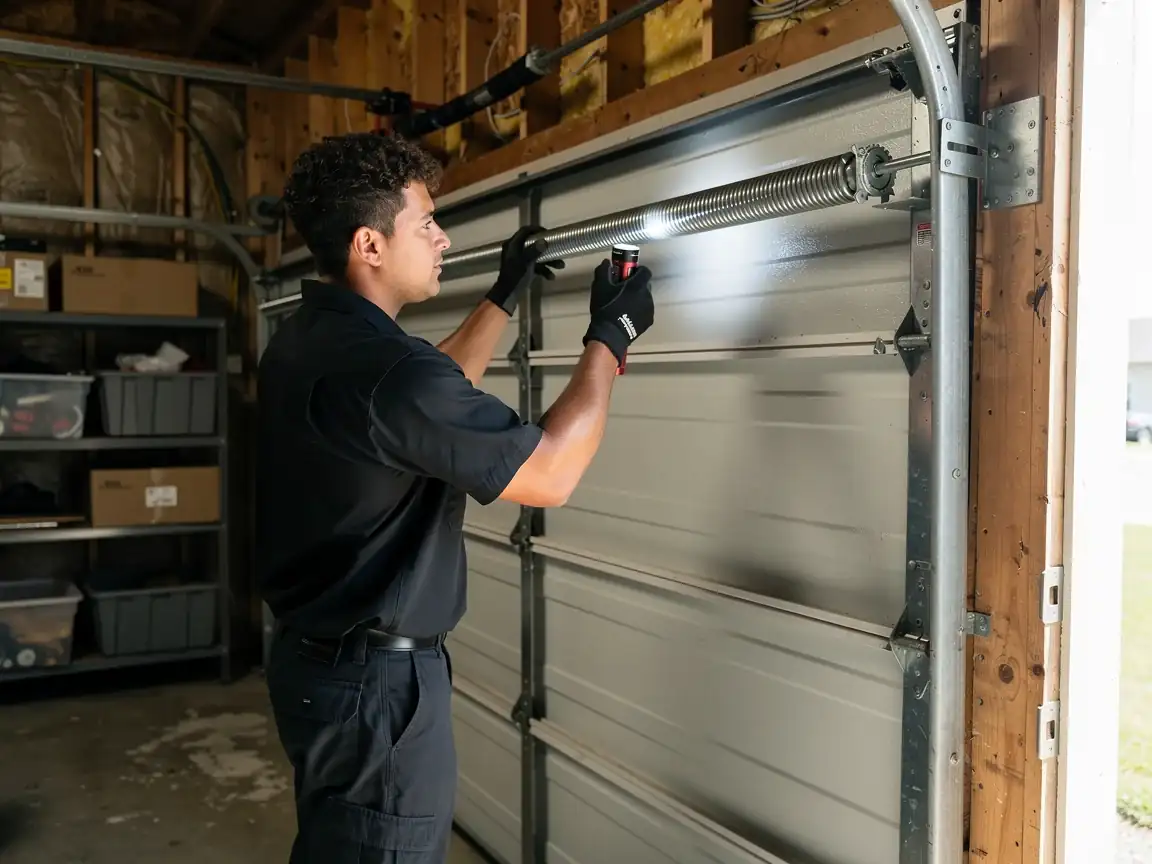
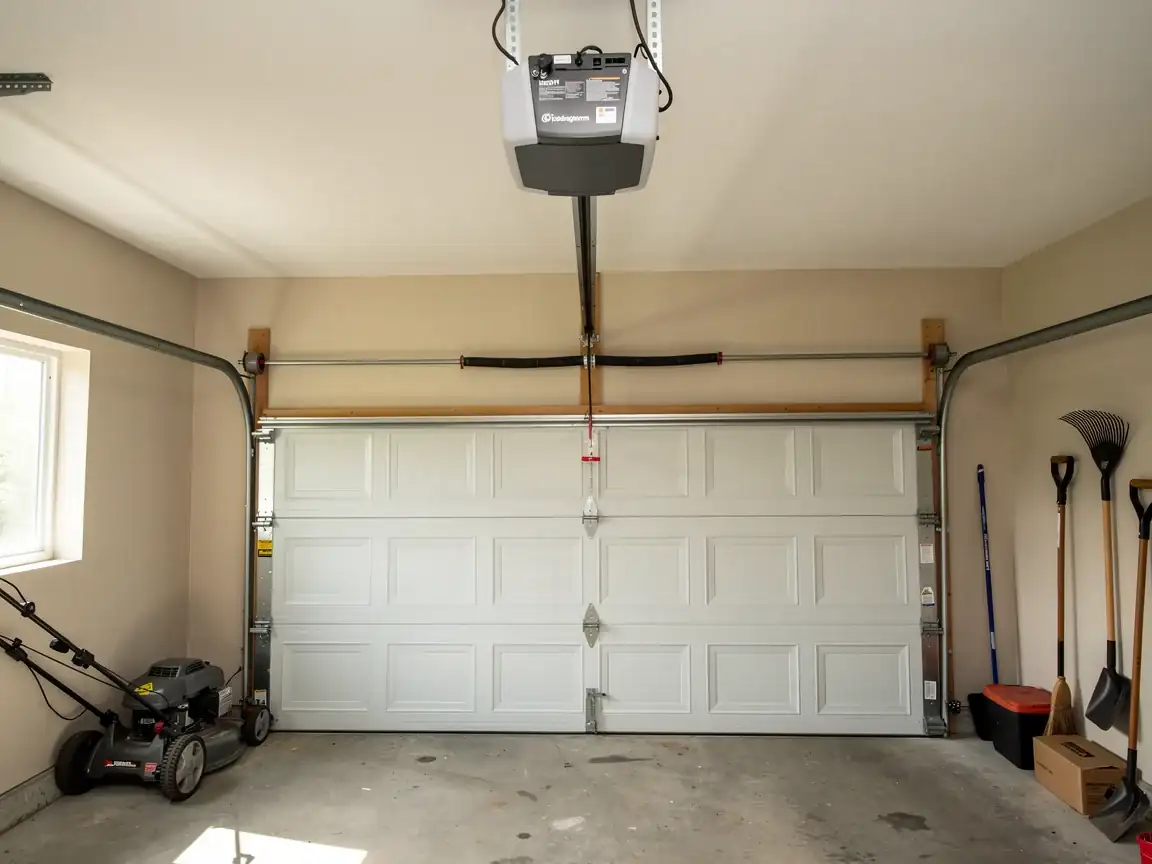
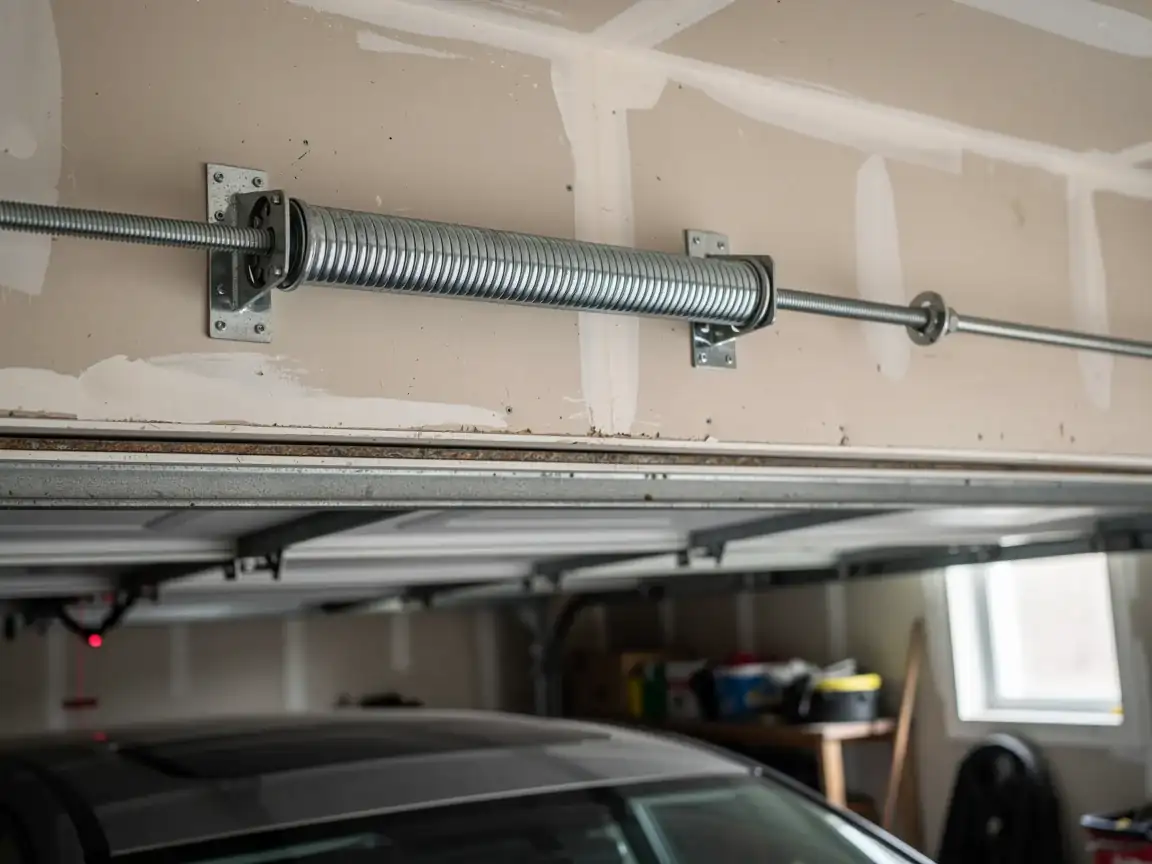
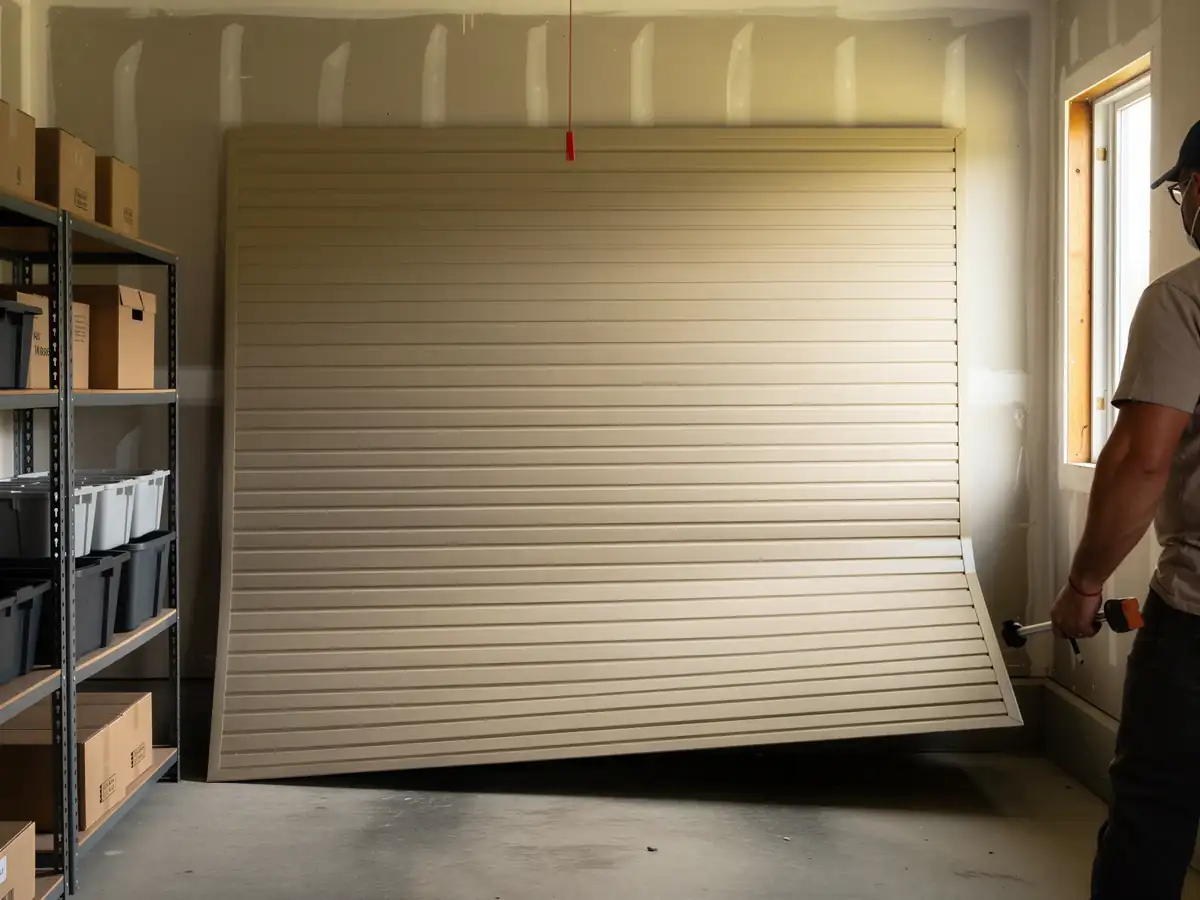
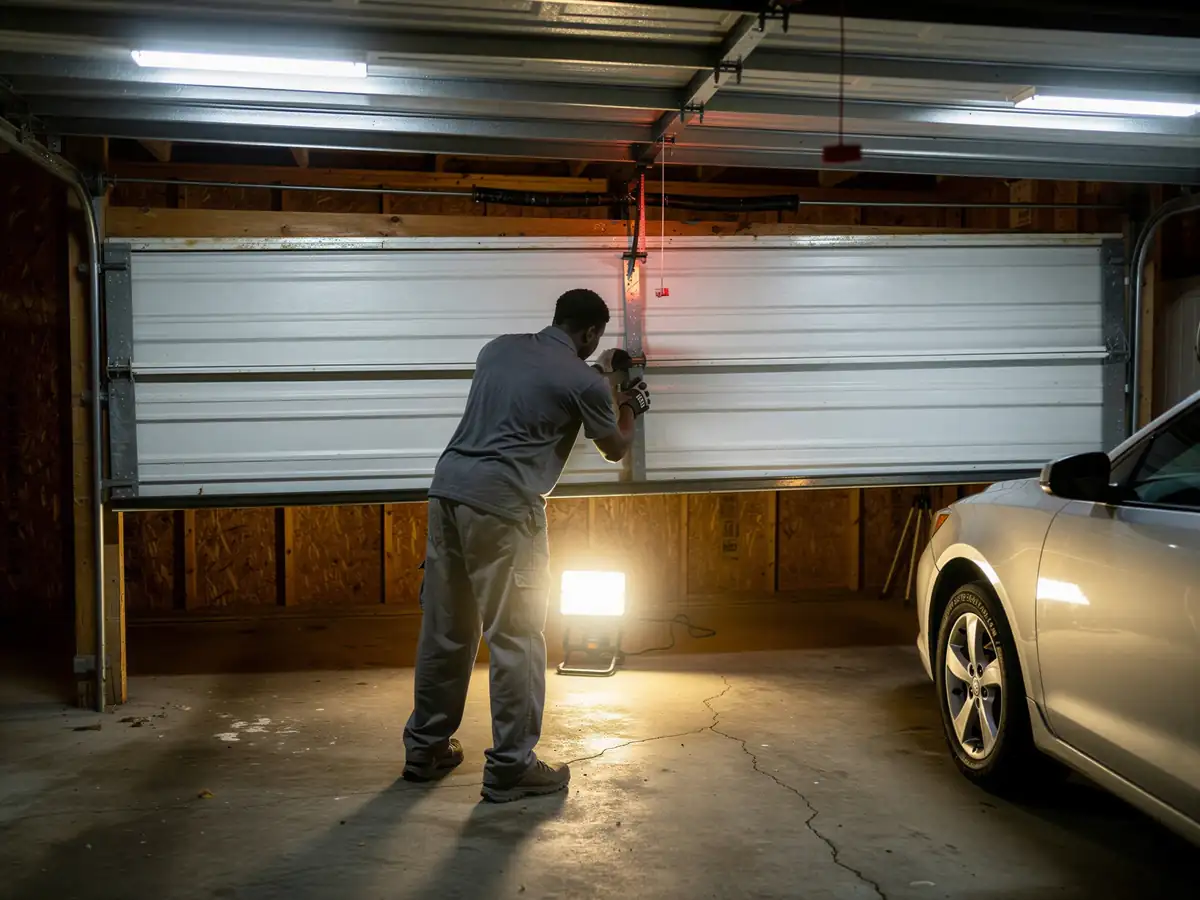
The call we get from this side of the island almost always starts the same way: the door won't budge, or it slams down the last foot of track instead of settling. That's a broken torsion spring, and on a house built around the median year here - 1973 - it's usually the original spring or a replacement nobody logged. A spring is rated for a number of open-close cycles, not years, but a door opened twice a day for fifty years has run through that count a long time ago.
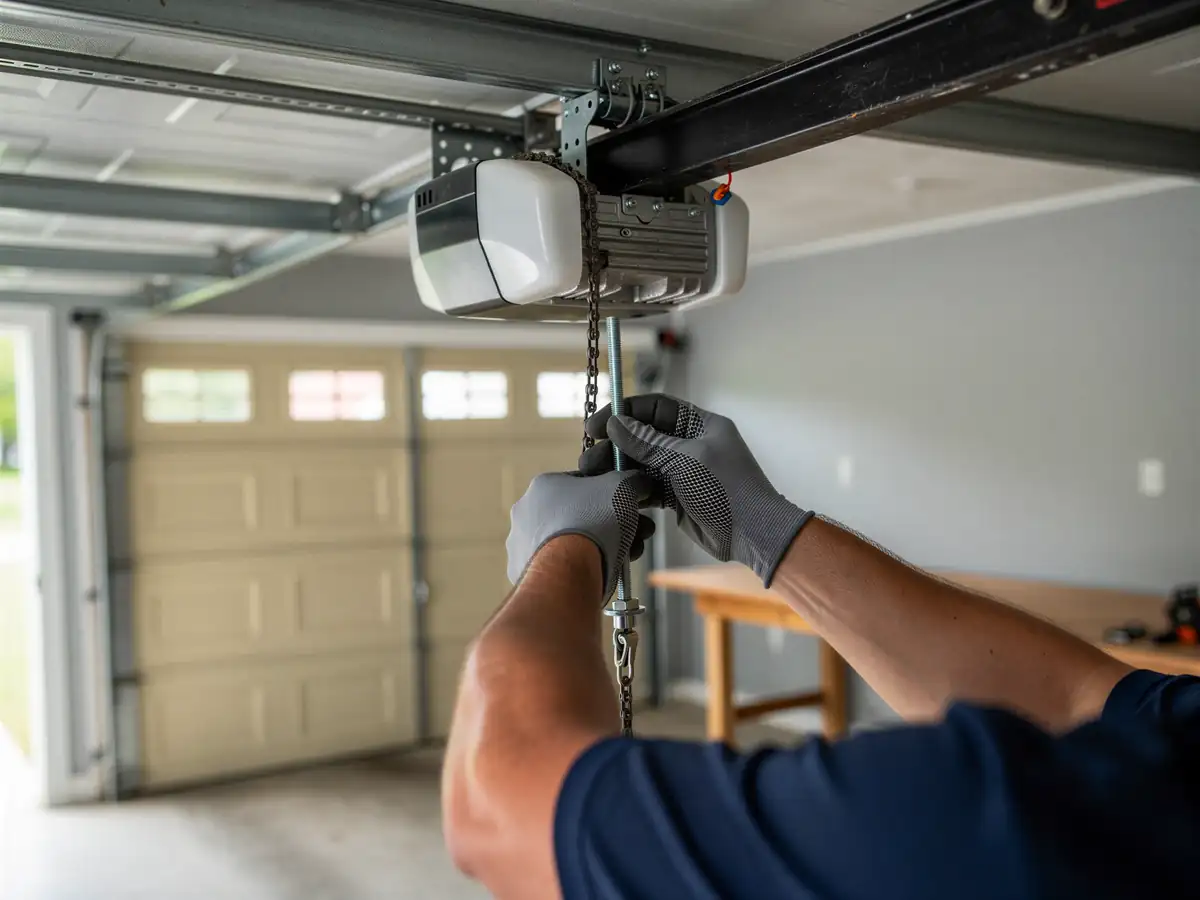
Sometimes it's quieter: the opener strains, grinds, or reverses halfway up because the spring is carrying less of the door's weight than it used to. People assume the opener motor is dying. Most of the time the motor is fine and the spring is doing none of its job. On the wider stock this area sits in - built mostly through the 1960s and 70s before newer construction filled in later - that pattern repeats block after block, which is why we don't treat it as a one-off when we hear it from Merritt Island.
Doing It Yourself
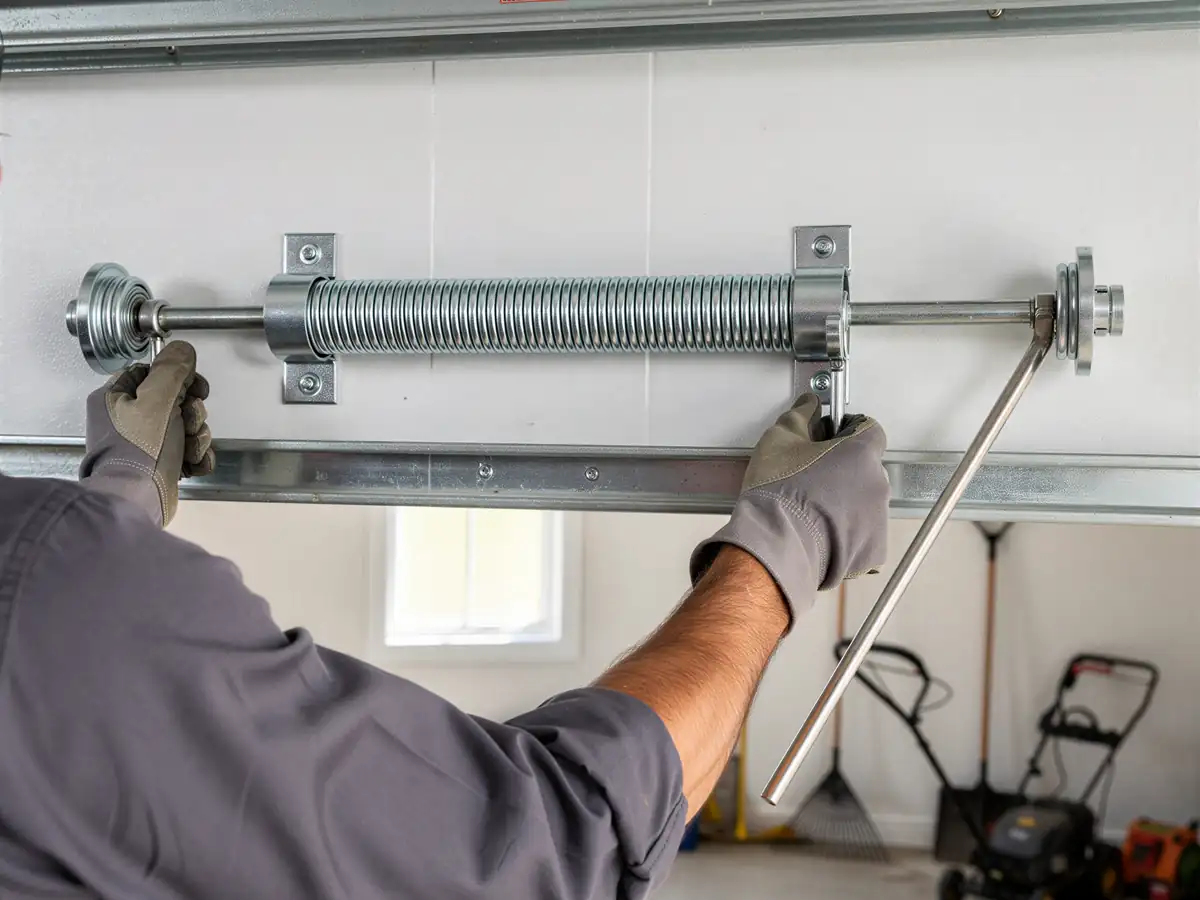
We'll say this plainly: don't. A torsion spring on a standard double door holds enough stored tension to break fingers, and the winding bars and cone sizes vary by door weight and track setup, not just by spring length. If you've already pulled the broken spring off the header to measure it, you've done the one safe step in the whole job - stop there.
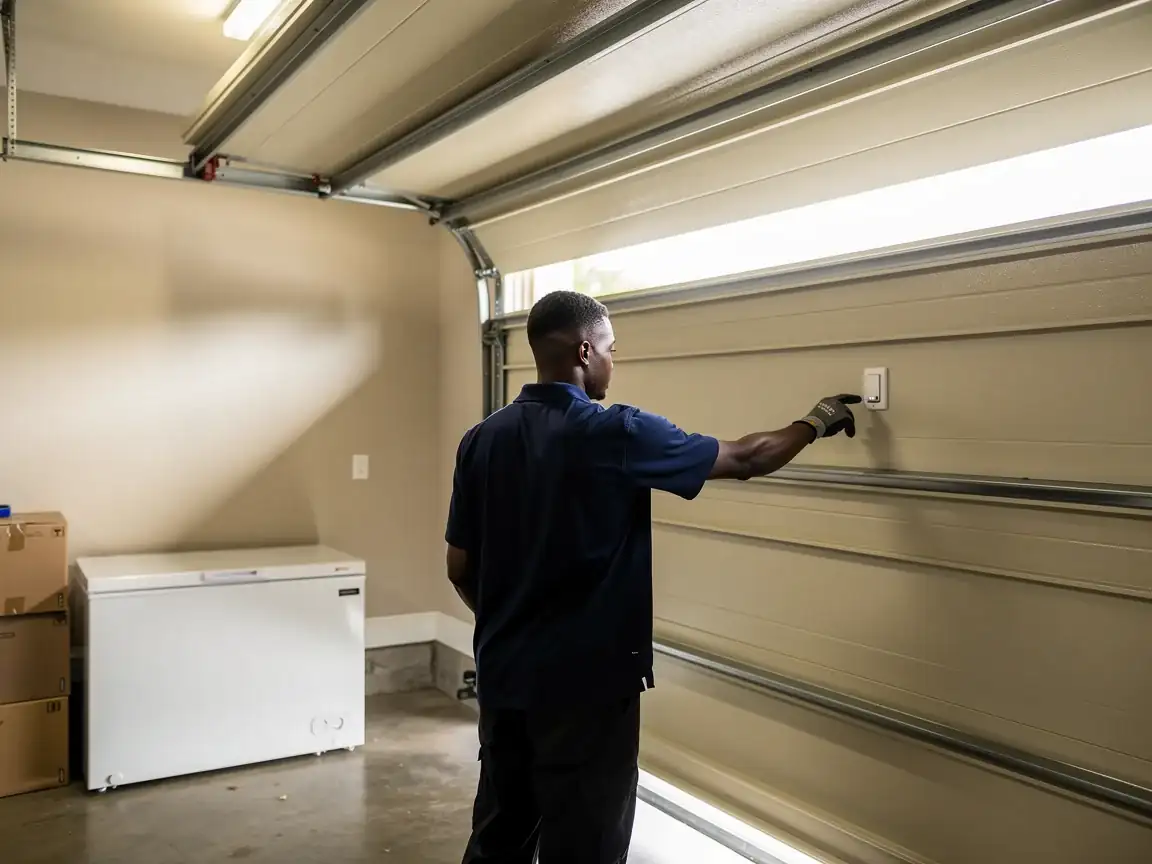
What you can check without touching the spring: whether the opener reverses or strains, whether the door is noticeably heavier to lift by hand with the opener disengaged, and whether the cables look frayed near the bottom bracket. None of that costs you anything and all of it is useful information for whoever shows up with a torsion bar. Replacing a spring yourself with the wrong wire gauge is also how a correctly-functioning door becomes one that drops without warning.
What Can Go Wrong
A spring that snaps under tension can kick the winding cone off the shaft
And on older doors with worn end bearing plates, that sometimes takes the plate or the bracket with it. We also see cable damage that follows a spring failure rather than causing it - when the spring goes, the drum can spin unevenly and the cable jumps its groove. If that's happened, replacing just the spring and leaving a chewed-up cable is a repair that fails again in a few months.
One honest limitation
If the spring failure took out the bottom bracket or warped a track, that's no longer a same-visit spring swap. We're honest about it when a job turns into something bigger instead of quoting the easy fix and hoping the rest holds.
What Causes It Around Here
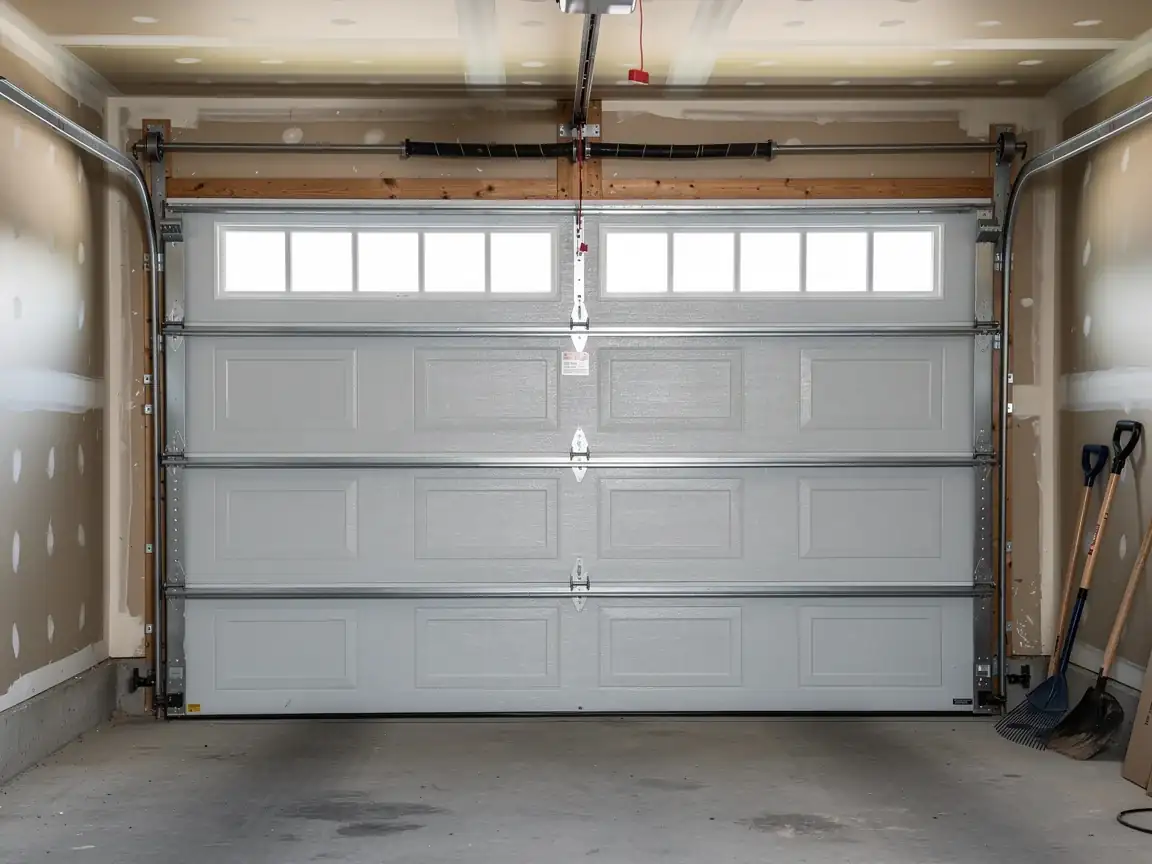
Merritt Island's housing sits at a median build year of 1973, squarely in the 1960s-70s band that covers most of the wider Melbourne service area. Doors from that era were built lighter than today's insulated steel doors, but the springs installed on them, original or swapped once since, are still running on cycle counts from decades of daily use. With roughly 13,867 households on the island and a median income of $91,020, we see a mix of original single-car doors on older ranch homes and double-door setups on homes that got garage additions later - different spring sizes, same age problem.
Climate here is mild temperate, so you're not dealing with the freeze-thaw cycling that snaps springs cold in northern states. What ages springs here instead is straightforward: humidity, salt air proximity, and sheer years of cycles. We drive the roughly 14 miles out from Melbourne for these calls; it's not a same-day dispatch from a local depot, so if the door is fully stuck, it helps to call with some notice.