What Can Go Wrong
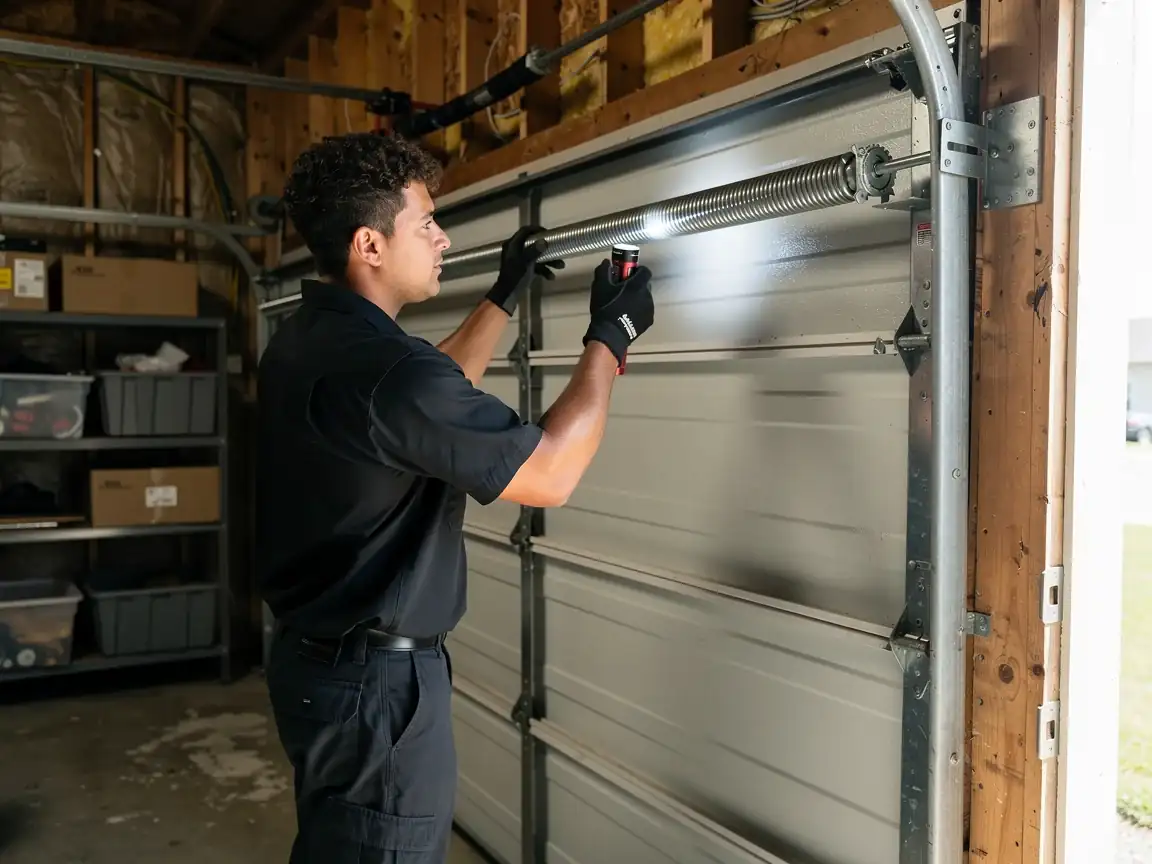
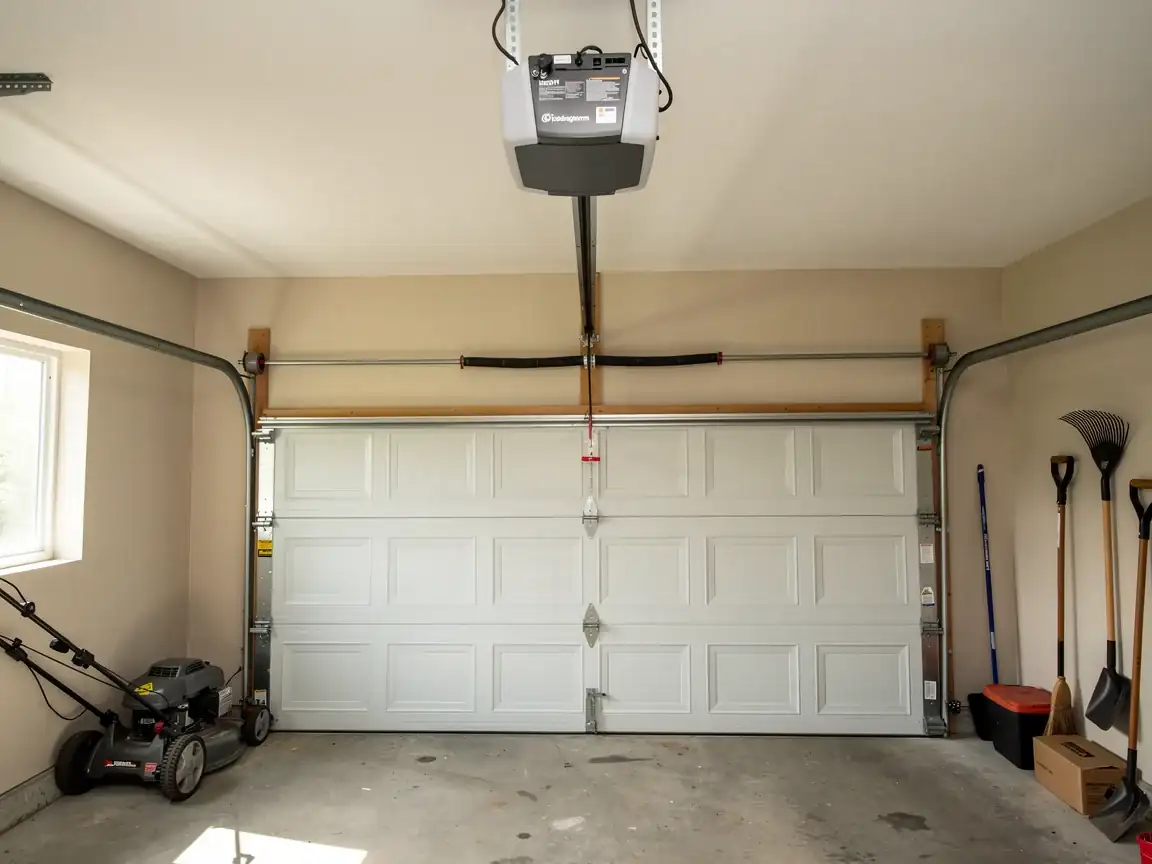
Indialantic is a small town - about 1,475 households - and most of the houses here went up around 1966, earlier than the median across the wider Melbourne service area, which runs closer to 1977. That earlier build date matters for what breaks. Doors from that era were sized and hung for lighter steel and older spring systems, and a lot of them are still running original torsion hardware that's now pushing sixty years old. Springs lose tension gradually, so a door that worked fine for years can snap a cable or seize a drum with no warning. Rollers on these older tracks tend to be steel, not nylon, which means more noise and faster wear on the track itself.
Because the town is compact, a repair truck covers the ground fast, but that doesn't change the hardware waiting on the other end. Salt-tinged, mild coastal air - this stretch of Florida doesn't get the freeze-thaw cycles that crack steel up north - still corrodes exposed springs and hinges over decades, especially on doors that face the ocean side. We see more rust-seized rollers and pitted torsion springs here than you'd expect from the mild climate alone, simply because the hardware is that much older.
What the Fix Involves
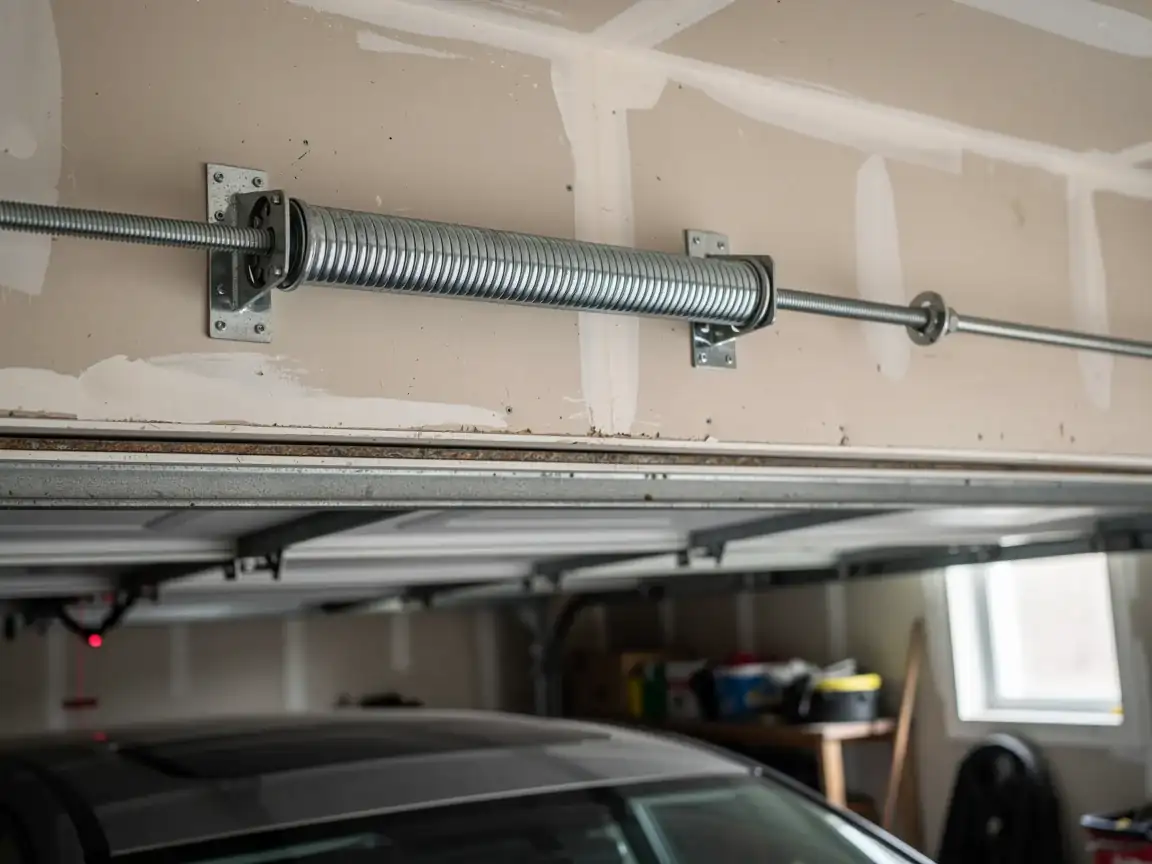
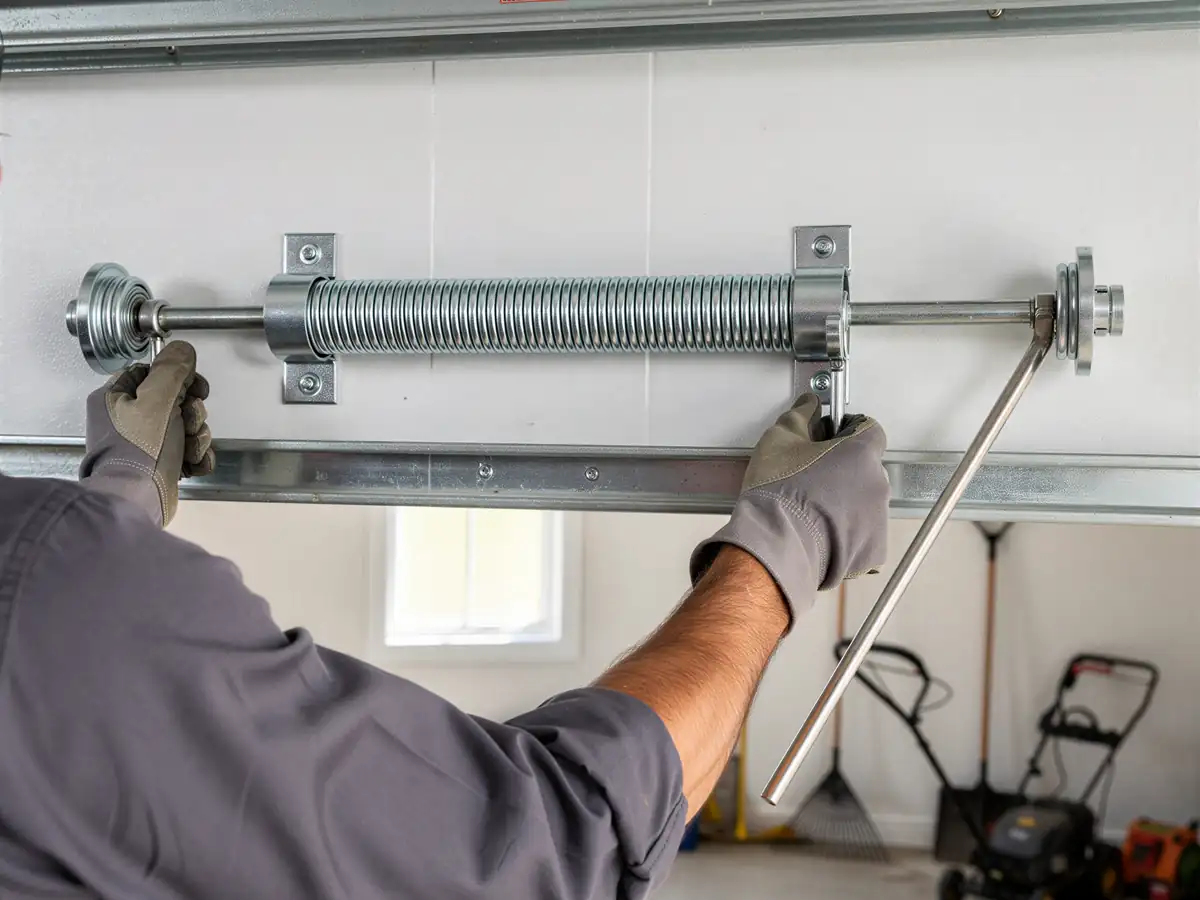
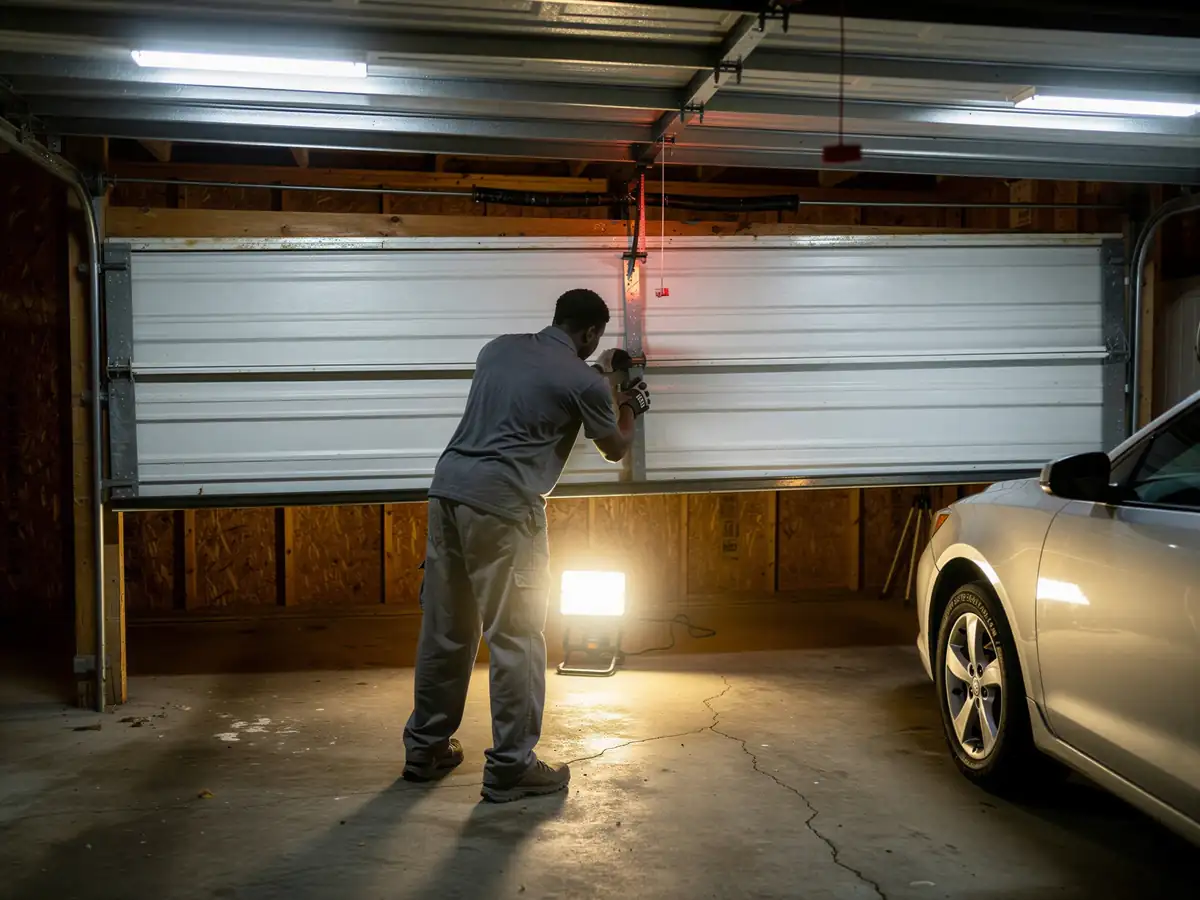
On a house built in the mid-1960s, the first question is whether the opener and track were ever upgraded, or whether it's all original. Original torsion springs on these homes are usually undersized for today's heavier insulated panels if a previous owner ever swapped the door without swapping the spring to match - that mismatch is one of the more common calls we get from this part of town. The fix is matching new spring wire size and wind to the actual door weight, not just dropping in whatever was there before.
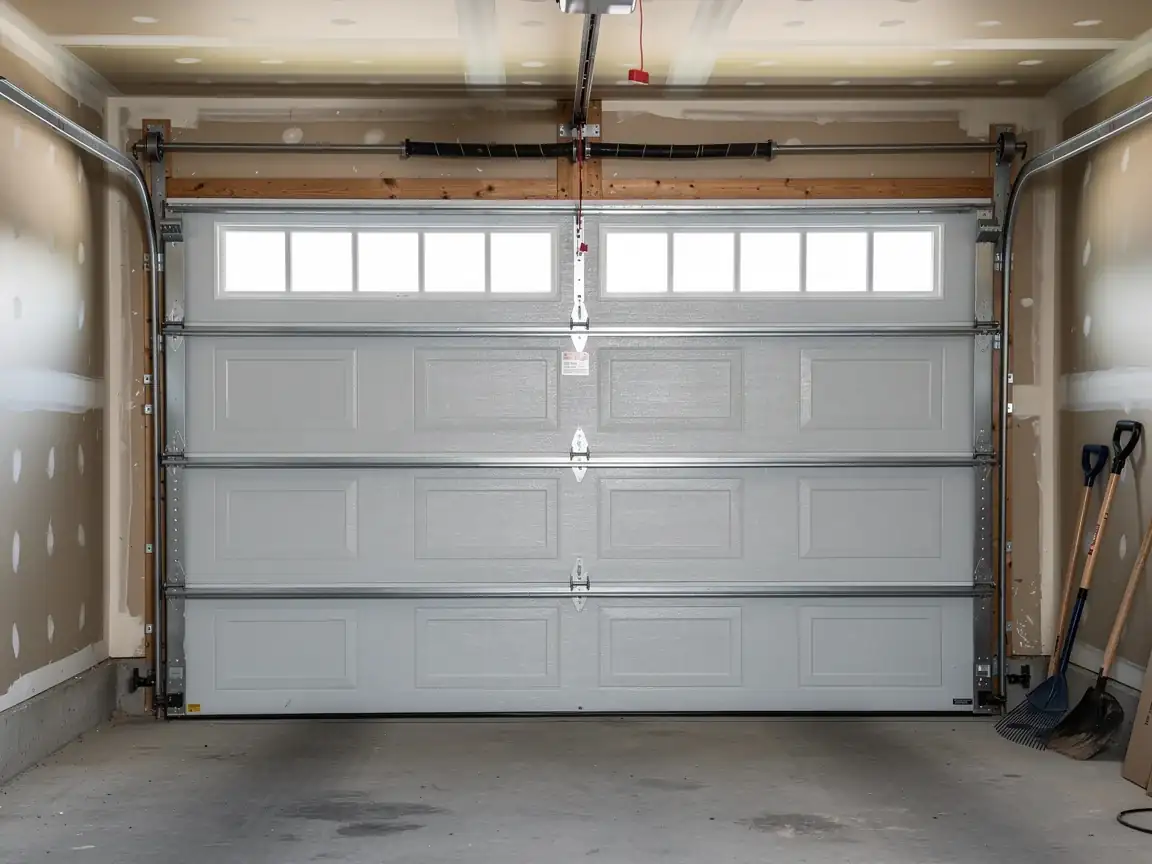
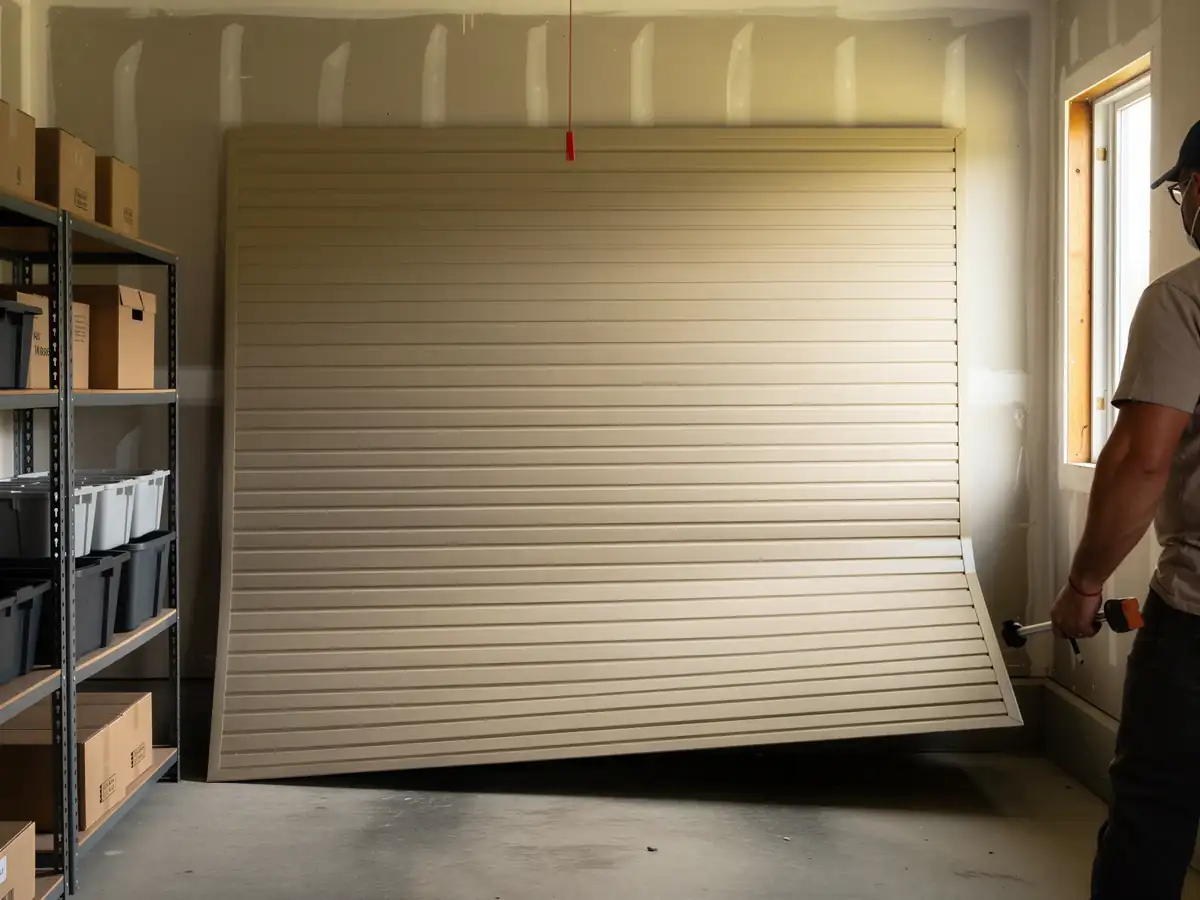
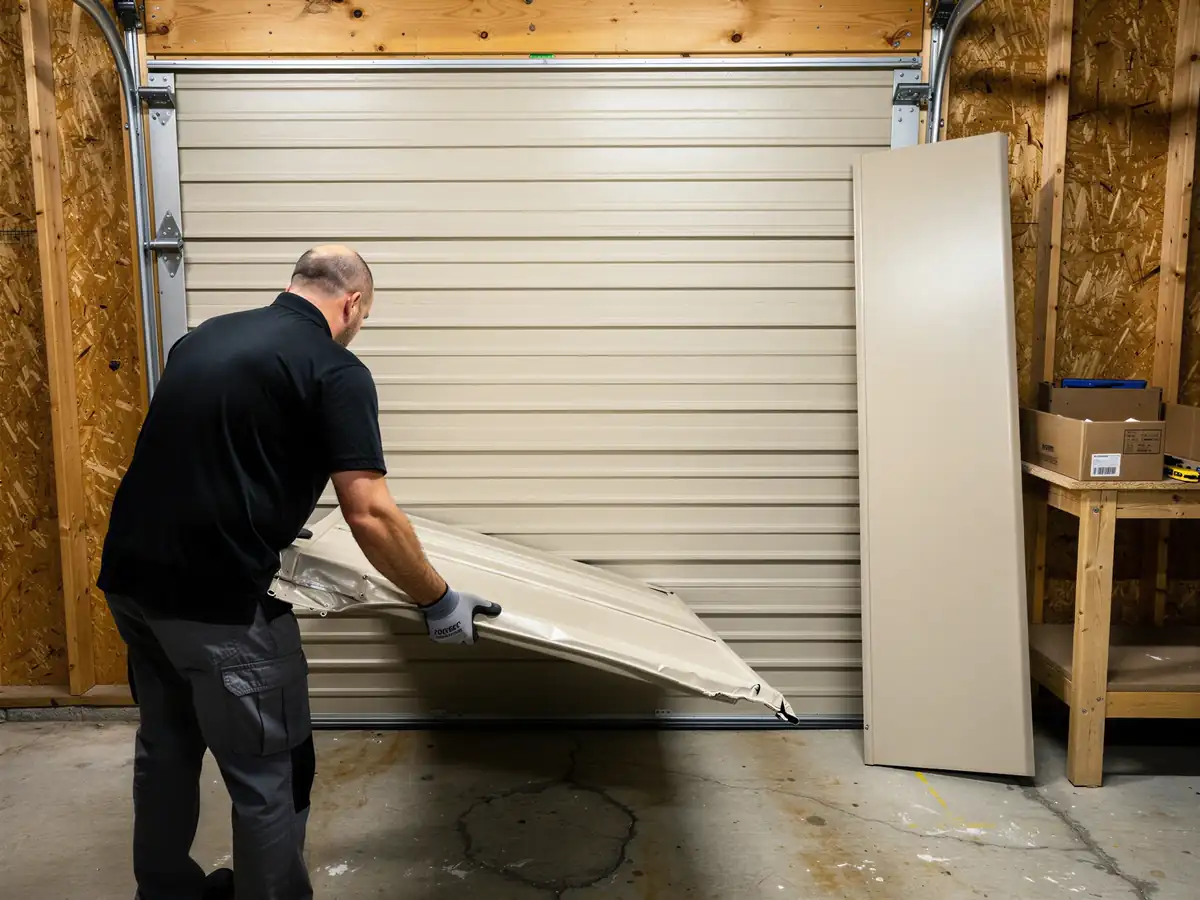
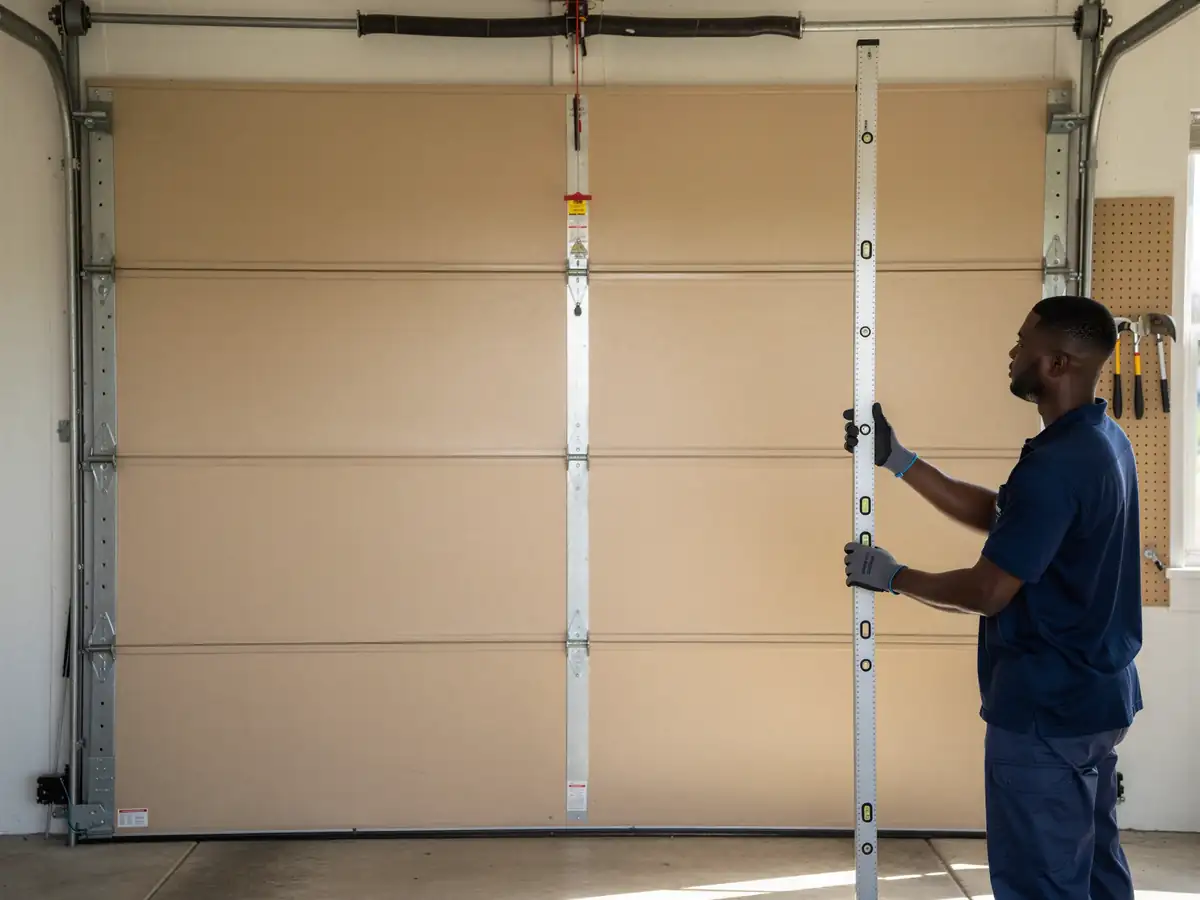
Track alignment is the other recurring issue. Decades of settling on an older slab can throw the vertical tracks out of plumb by enough to cause binding, and on a steel roller system that shows up as grinding before it shows up as a jam. We true the track, replace what's rusted through, and swap steel rollers for nylon where the budget allows - it's quieter and it lasts longer in this climate. One honest limit: if the door panel itself has rusted through at the bottom corners, which happens on some of the oldest doors still in service here, patching it isn't worth your money. Replacement is the better call at that point, and we'll say so.
How It Shows Up
The first sign is usually noise
A grinding or popping on the way up that wasn't there a month ago. On a 1966-era door with original hardware, that's often a spring starting to fatigue, not just a roller needing grease. A door that reverses halfway, or one side that drops faster than the other, points to uneven spring tension or a cable starting to fray on its drum.
Because Indialantic households tend toward higher income than the Melbourne-area average
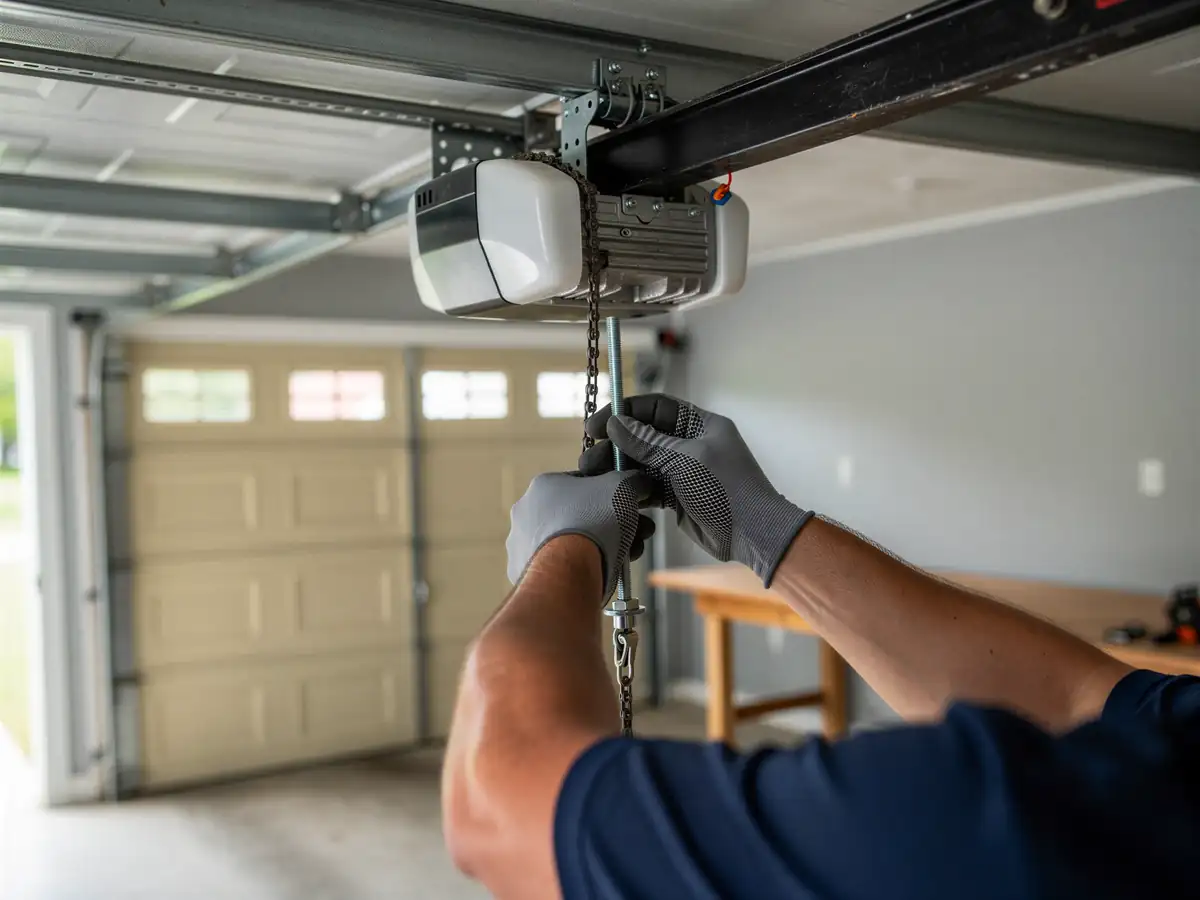
Median household income here runs around $90,991, above the roughly $86,305 figure across the broader service area - a fair number of these calls come after someone's already tried a DIY lubricant fix that didn't hold. That's fine as a stopgap, but it won't fix a spring that's lost its wind or a track that's bent. If the door won't open at all and the opener motor is straining or humming, stop trying to force it with the wall button; that's usually the spring, and running the opener against a dead spring can burn out the motor.
What You Pay
We don't have a price list to quote here, and I'd rather tell you that than make one up. What a job costs depends on whether it's a spring swap, a full torsion system replacement, track work, or a new door entirely, and that gets priced after we've actually looked at what's hanging in the opening. What I can tell you is that for a town this size - under 1,500 households - we're not running a standing crew out of Indialantic itself. The job travels from Melbourne, about 6 miles up the road, so there's no separate dispatch fee or local surcharge baked in for being here instead of there. You get a quote for the work, not for the drive.