What Can Go Wrong
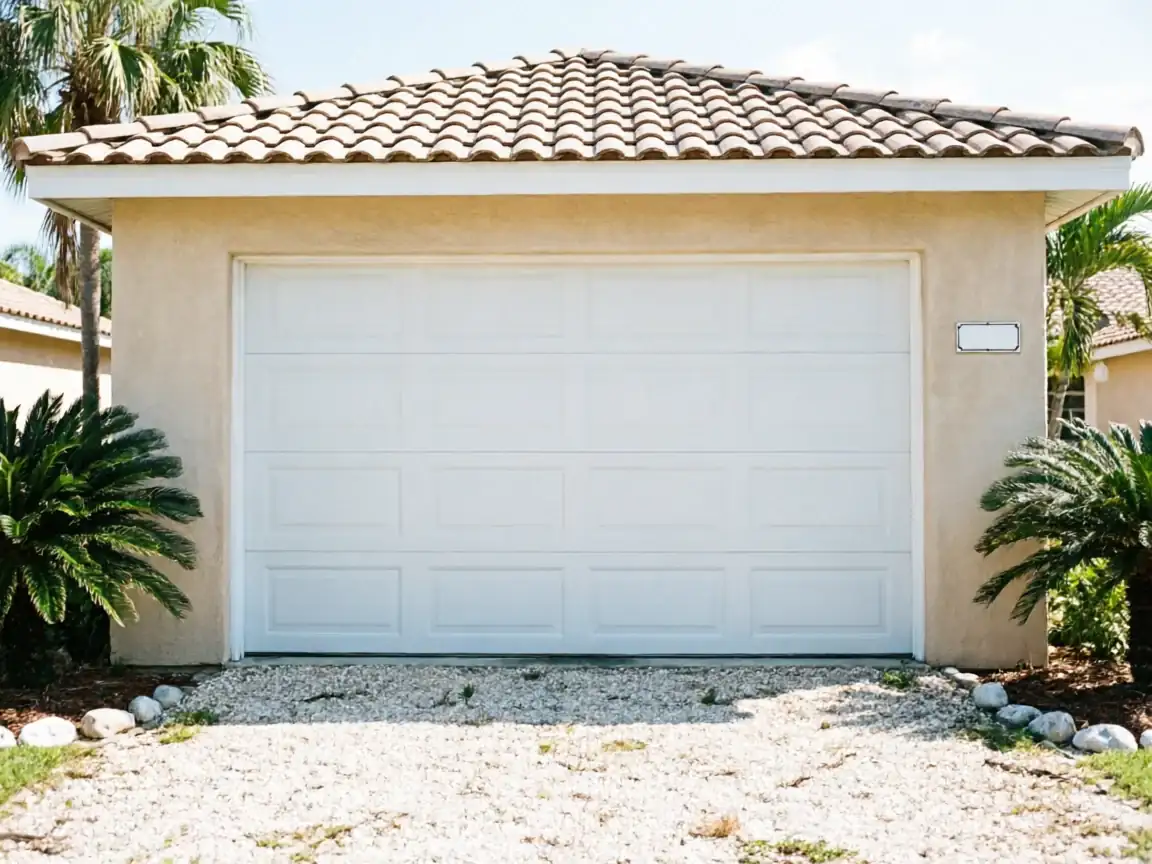
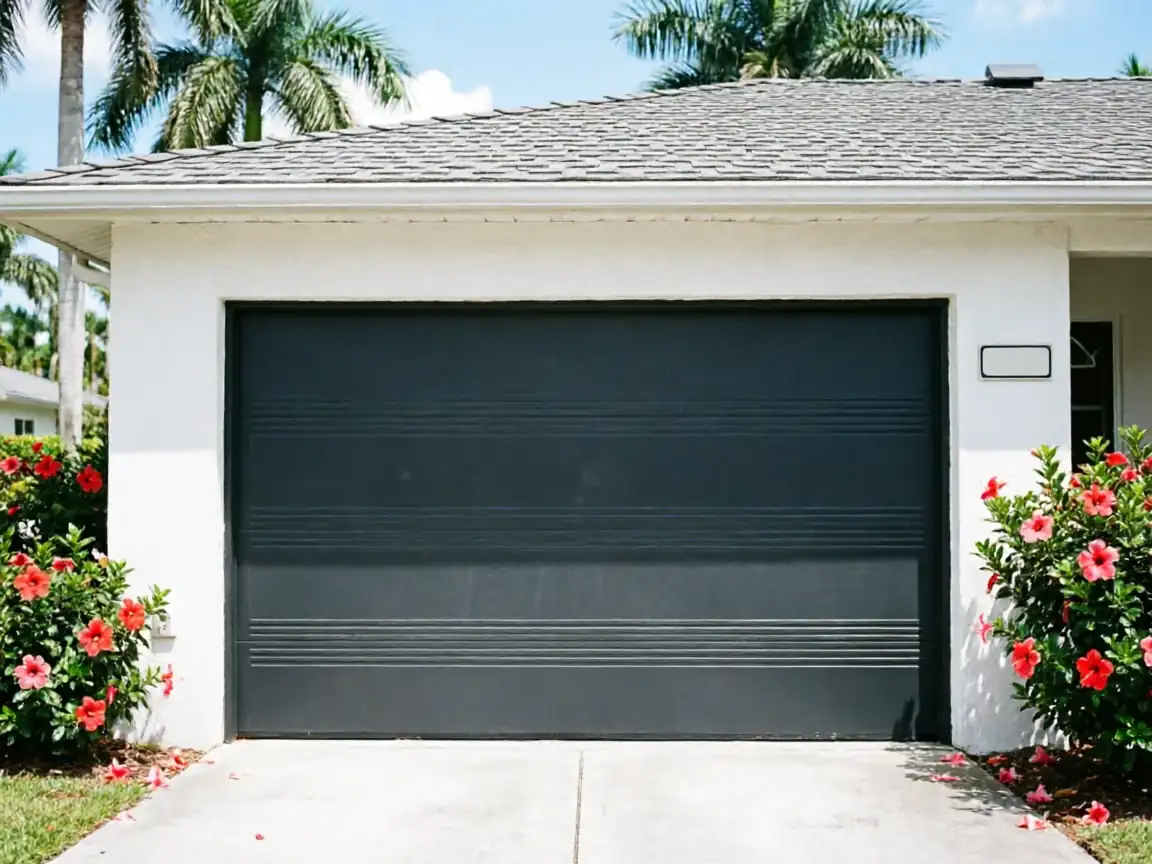
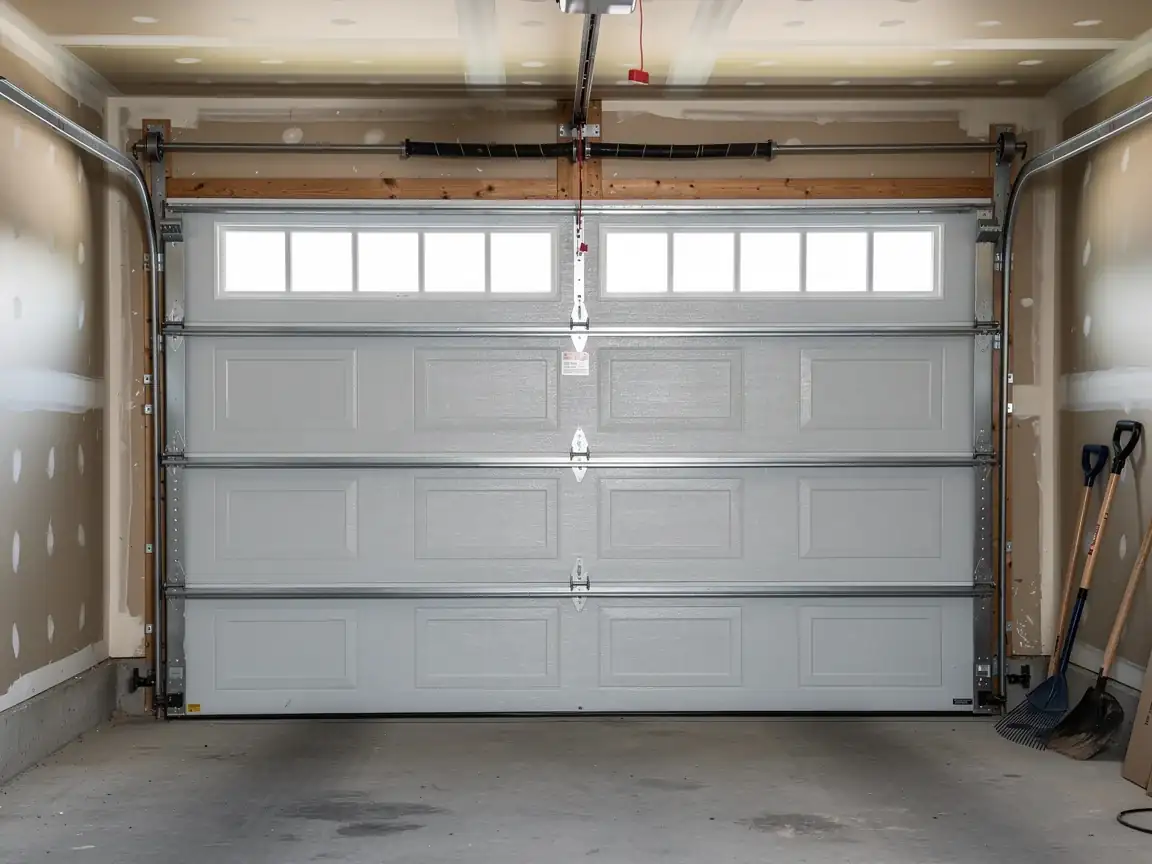
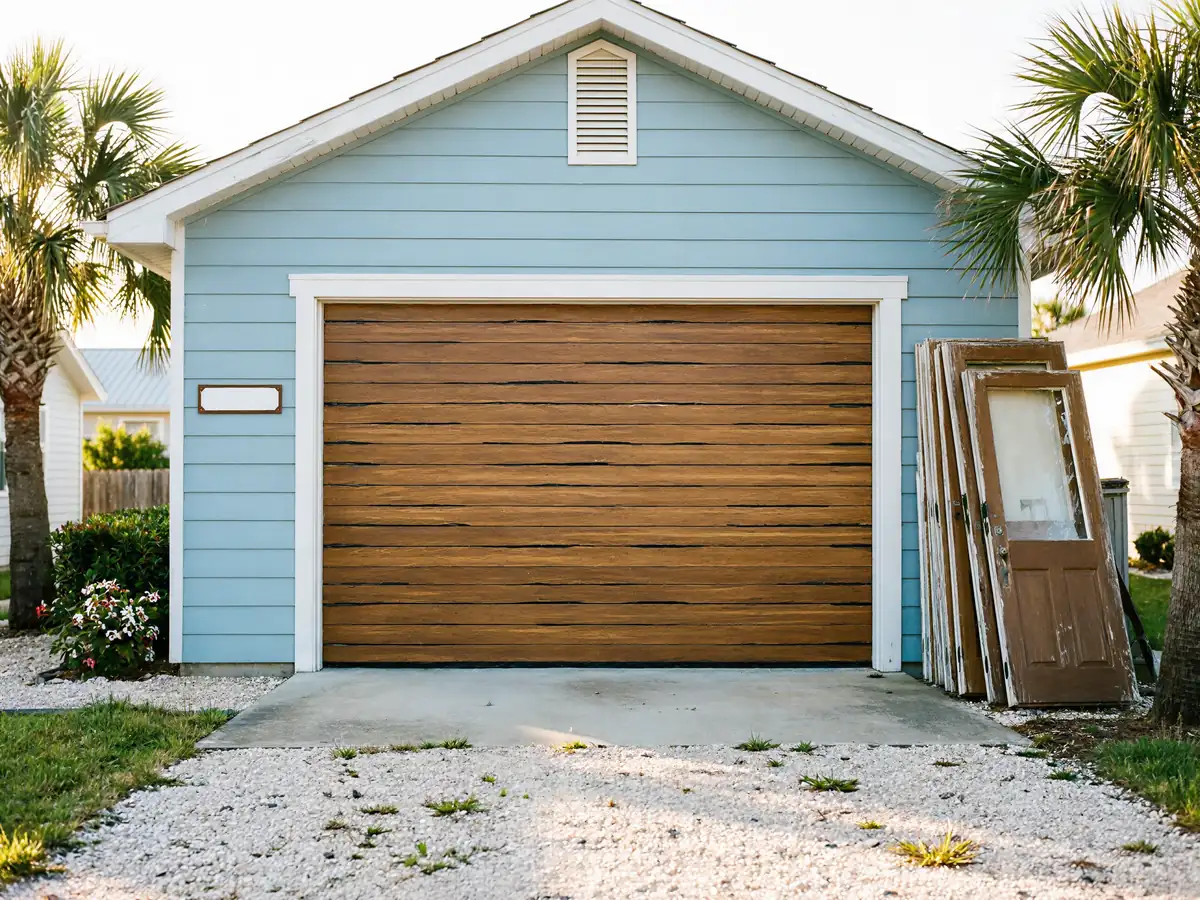
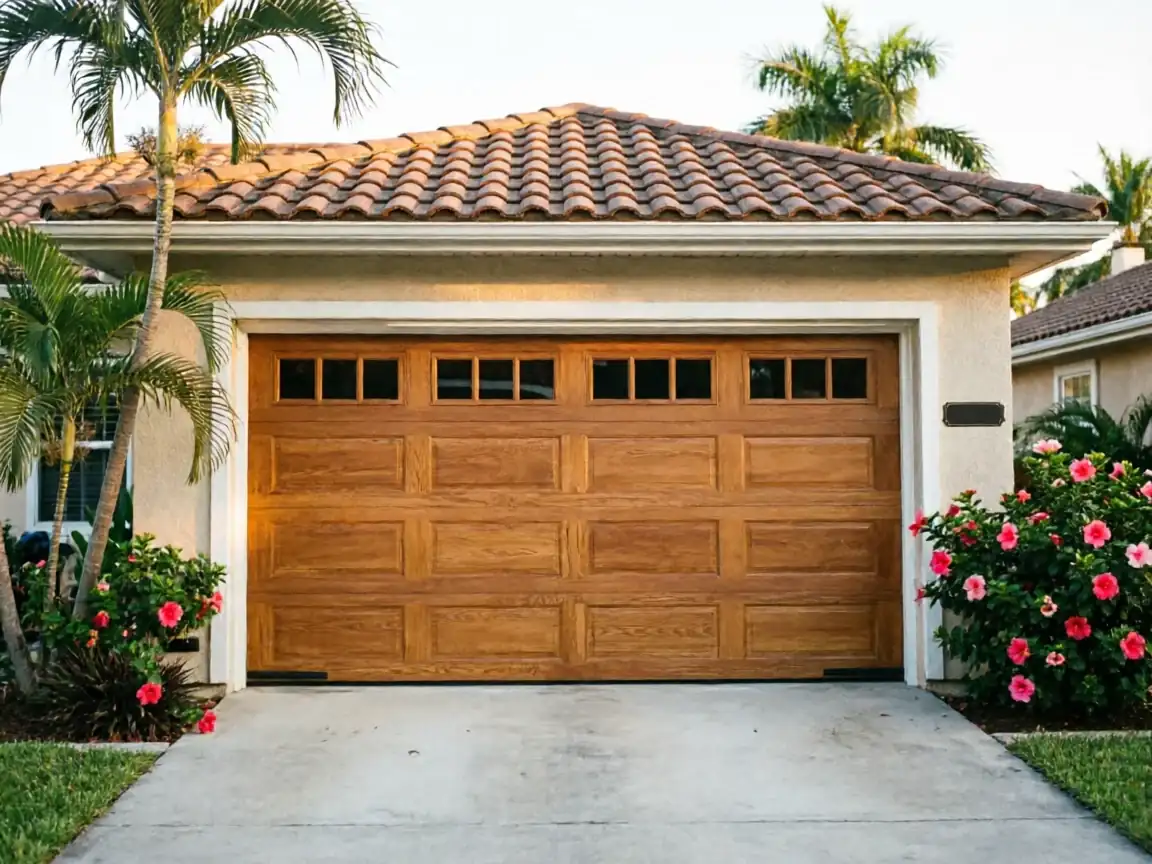
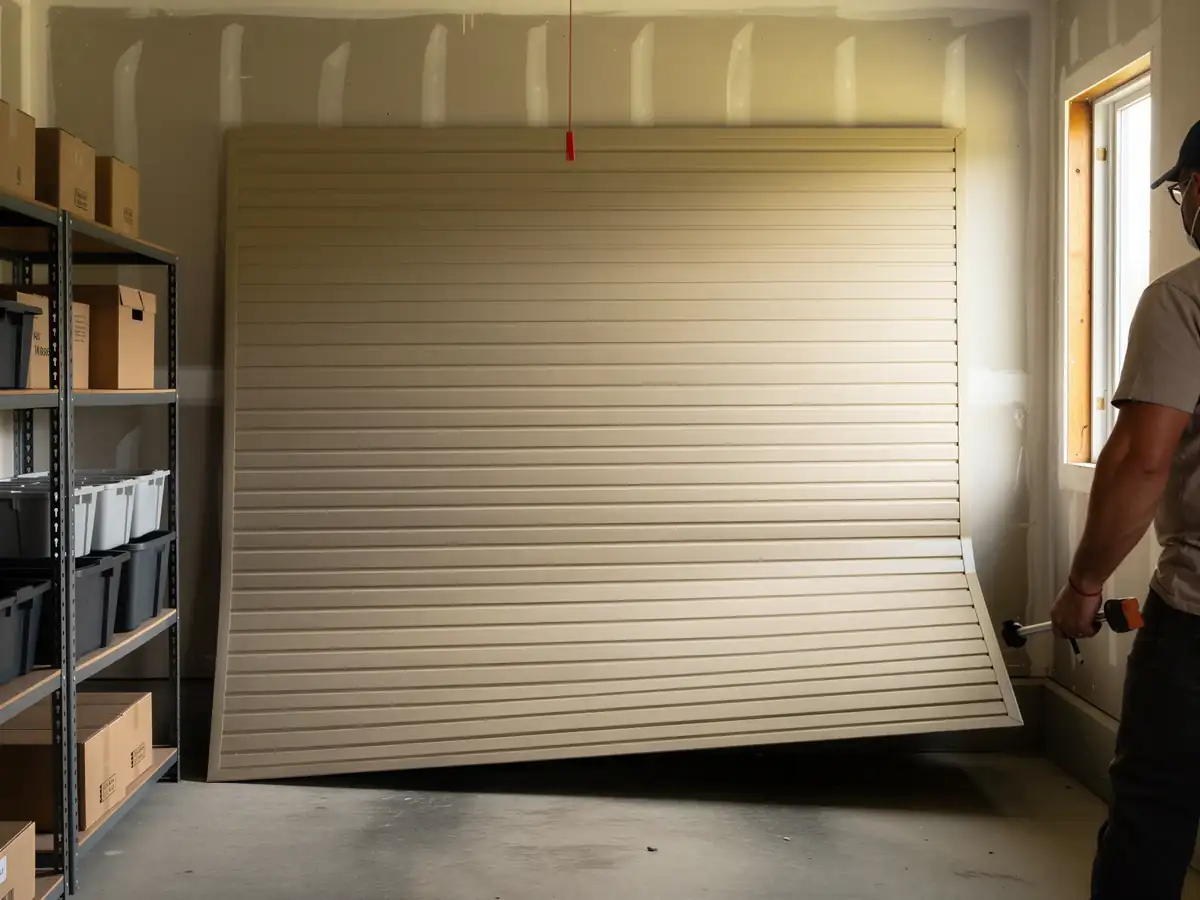
Most houses in Indialantic went up around 1966, close to a decade before the median build year across the rest of our service area. A door from that period usually means steel panels in section heights that aren't common on the shelf today, or in some cases a wood door that's been painted over so many times you can't tell what's underneath the finish. The failures we see track with that age: a bottom panel rusted through from years of lawn sprinklers hitting it, a middle section caved in from a car bumper tap, or hardware so brittle the screws strip out the first time you try to remove a hinge. With only about 1,475 households in Indialantic, this isn't a market where suppliers keep a deep stock of matching parts on a shelf nearby - panel sourcing takes planning, not a same-day swap. If a single section is bent but the rest of the door tracks straight and true, replacing that one panel is usually the right call. If the whole door is racked or the steel has thinned across multiple sections, we'll tell you straight that panel work stops making sense and full replacement is the better dollar.
What the Fix Involves
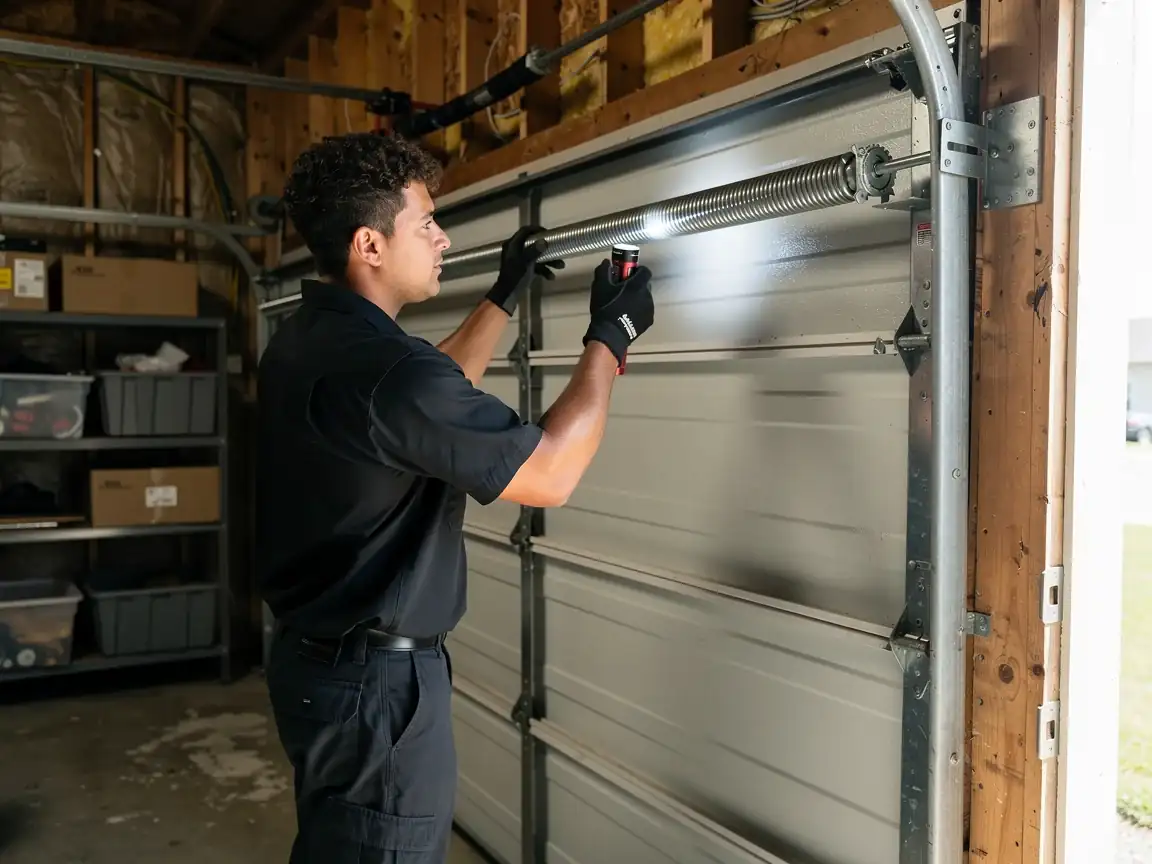
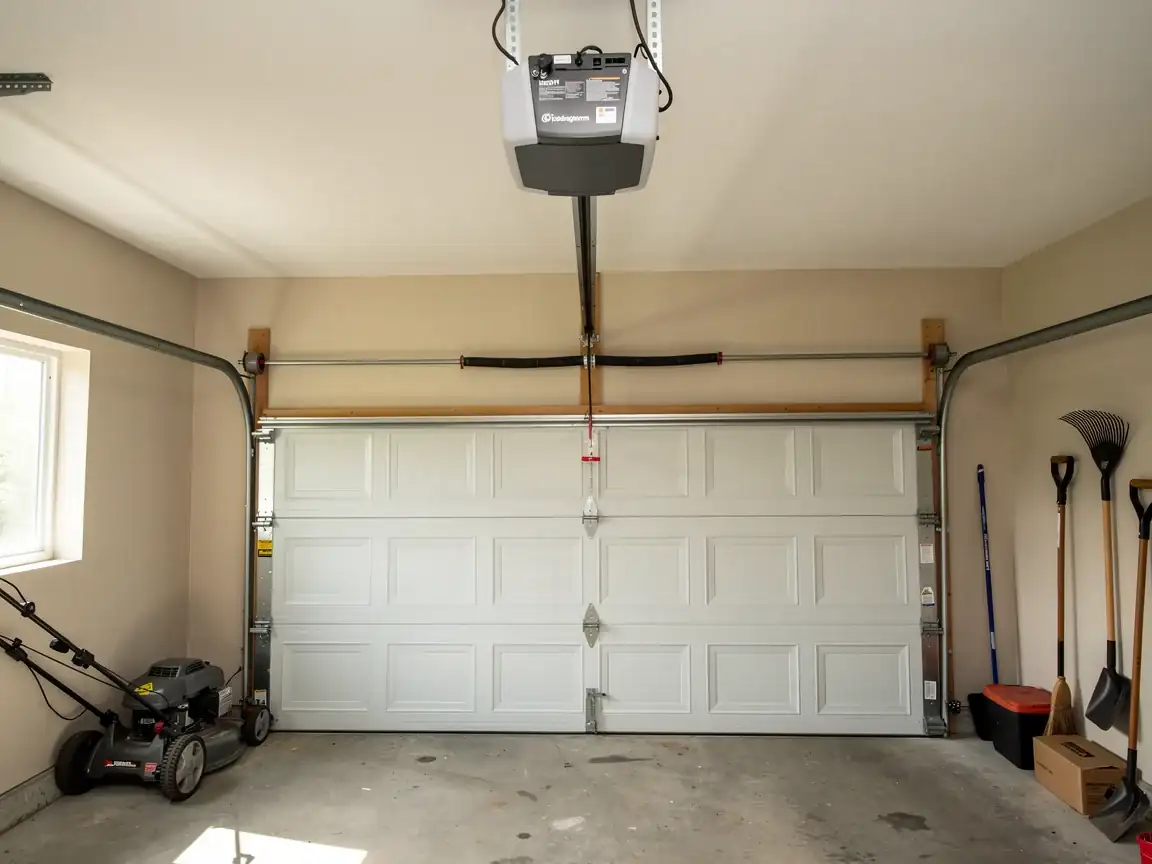
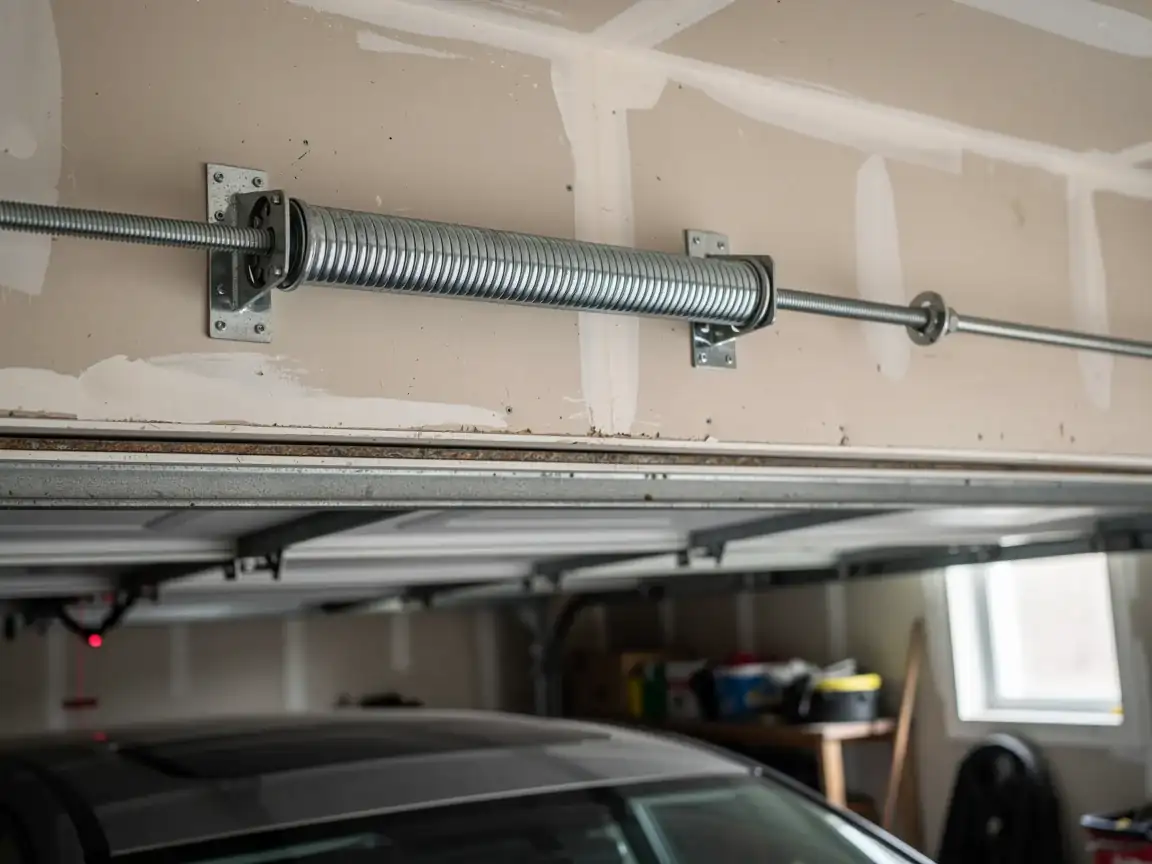
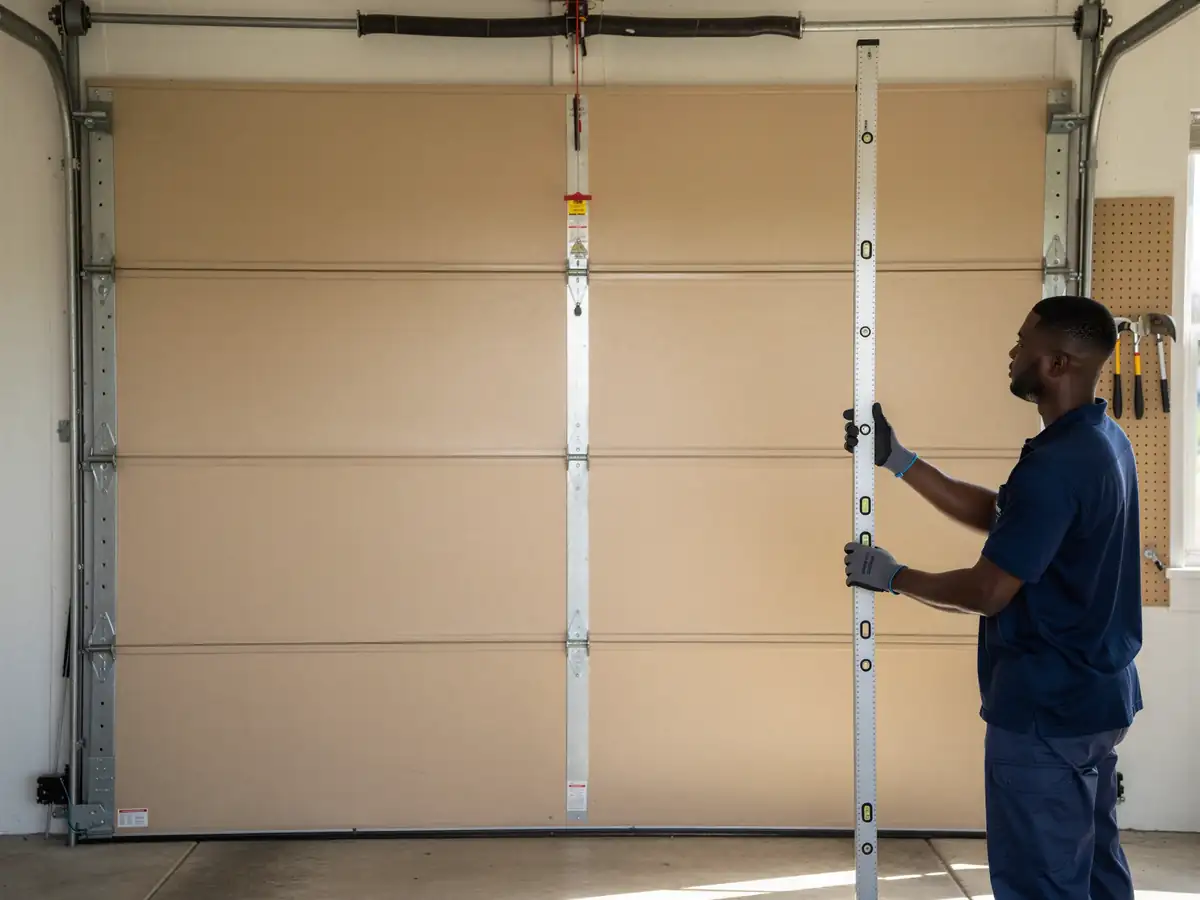
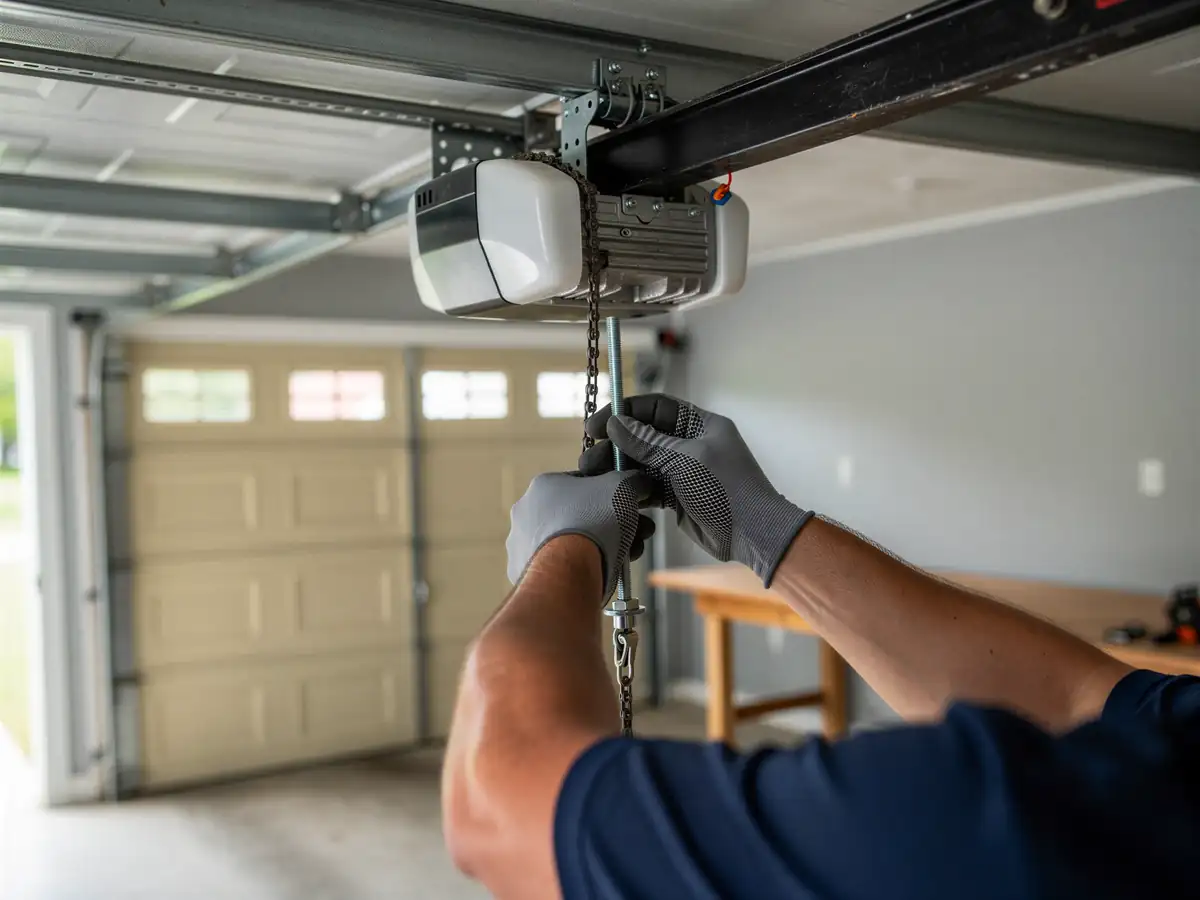
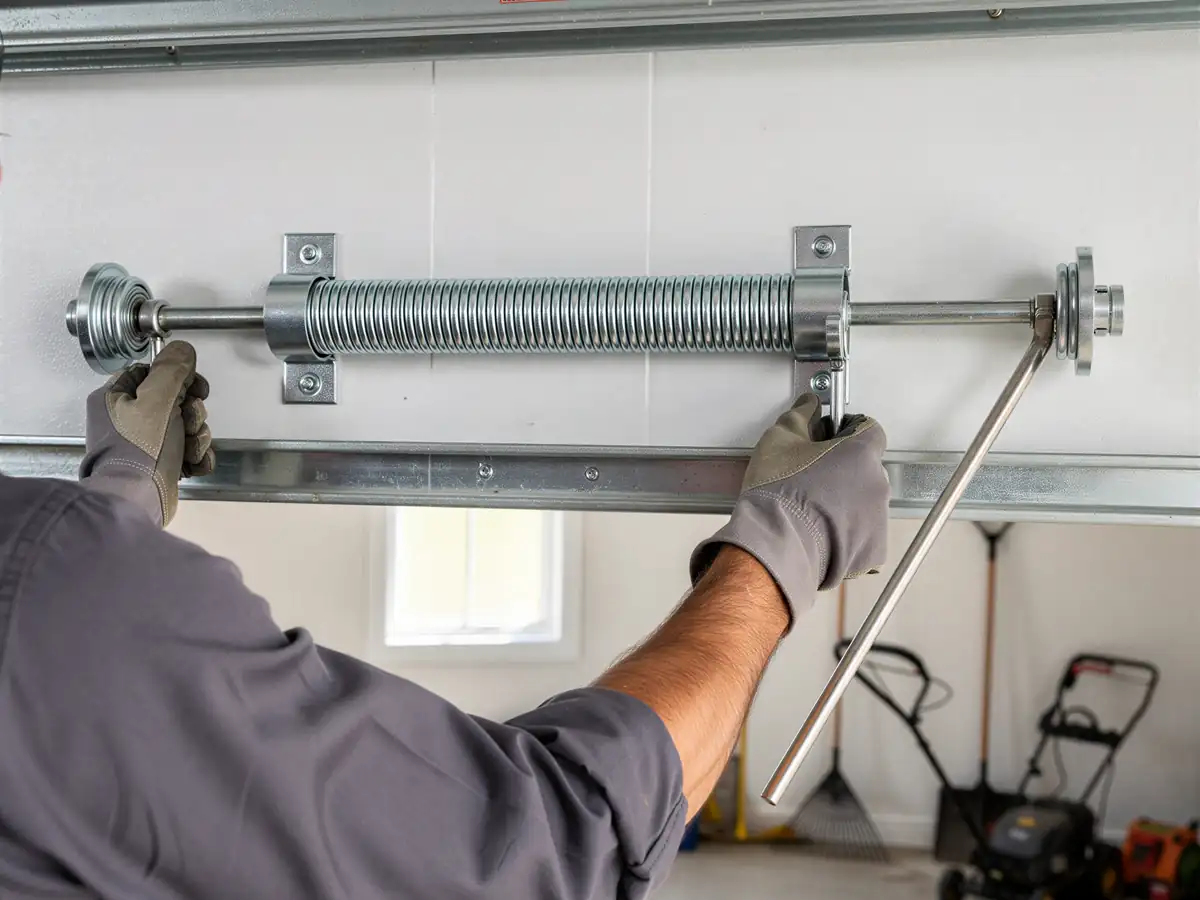
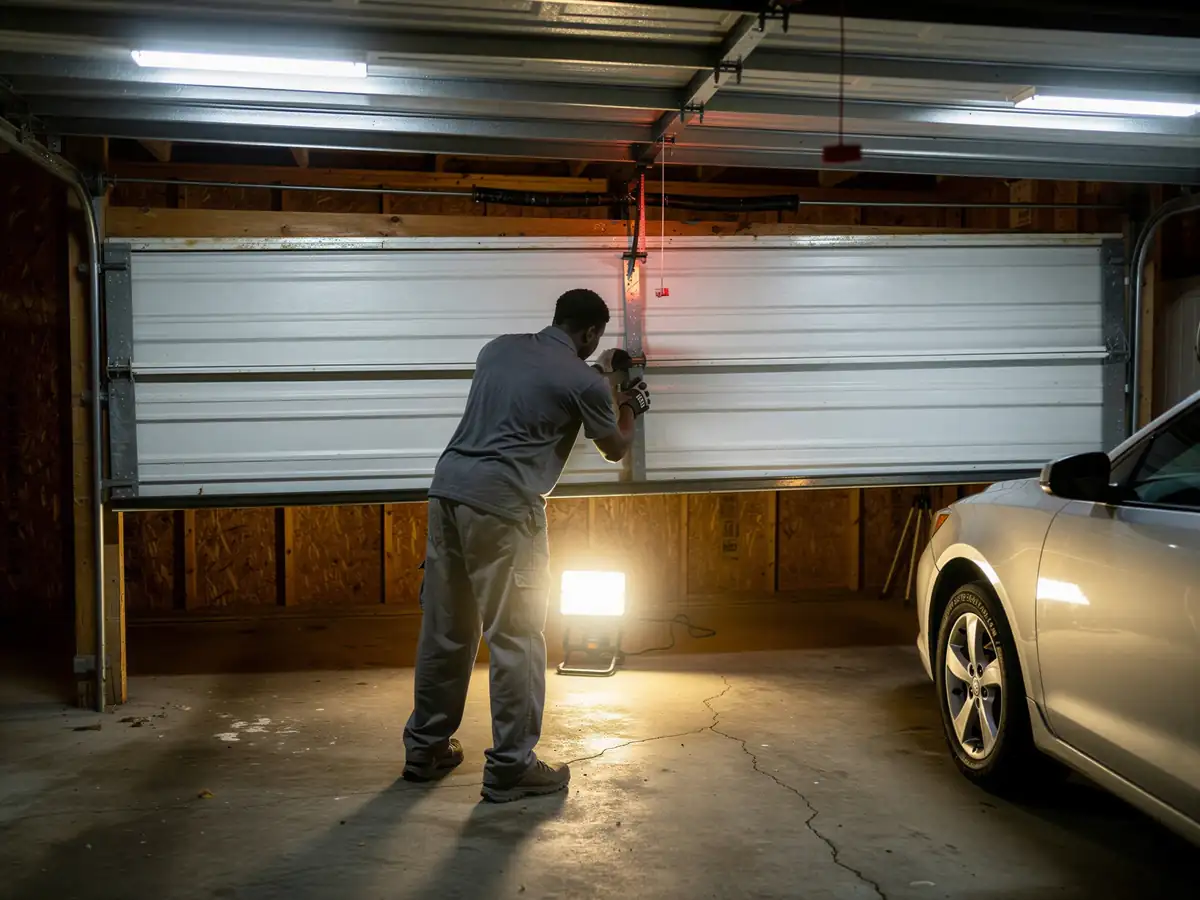
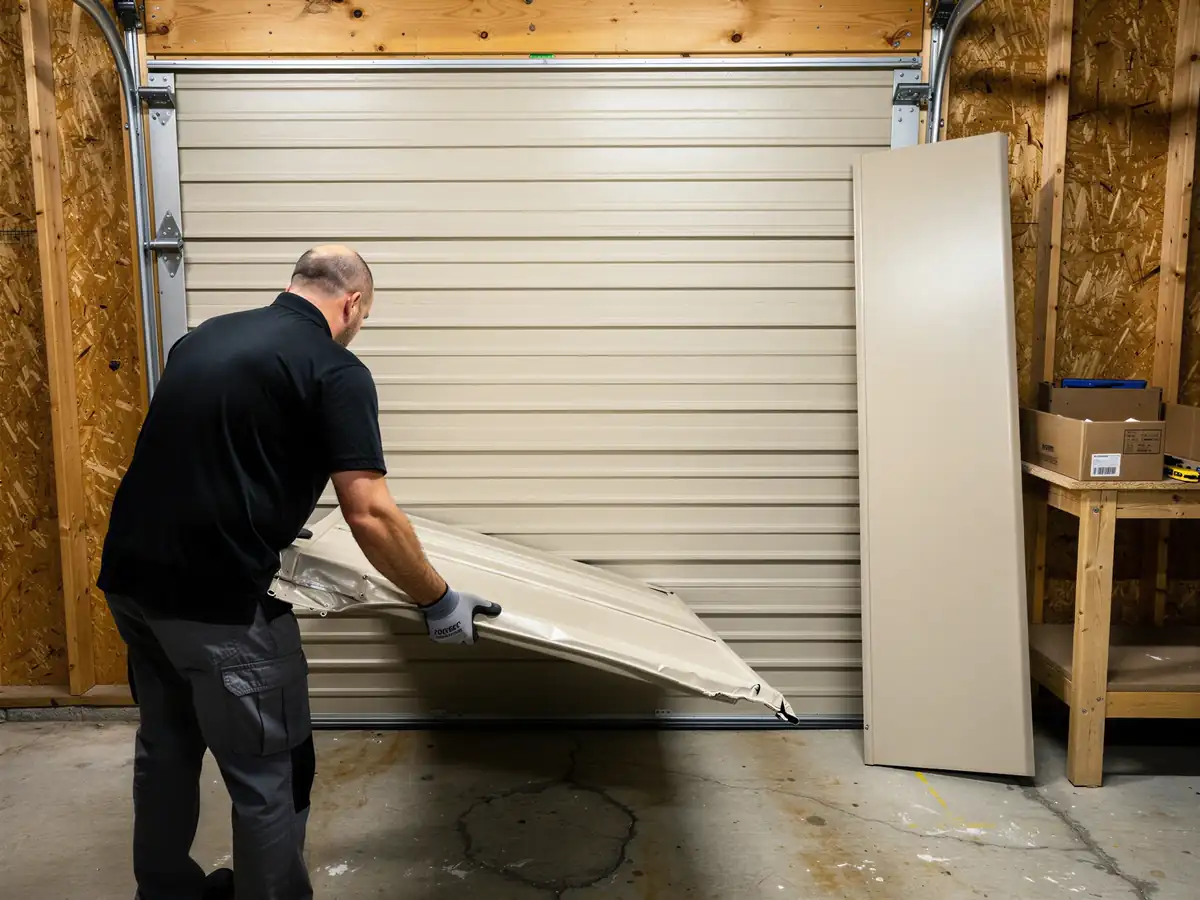
We start by pulling the model and section height off the door itself, not guessing from the outside. On a door this old, that often means special-ordering a panel rather than pulling one off a truck, since the section widths and hinge spacing from 1966 don't always match current standard runs. Once the panel's in hand, we disconnect the opener, back off spring tension so the door won't pull itself off the track mid-job, pull the end hinges and roller brackets off the damaged section, and swap it in. We check the track alignment after, because an older door that's been running slightly bowed for years will sometimes reveal a second problem - a bent track or a roller that's worn oval - only after the panel comes off. We won't put a new panel back on a door whose rollers or hinges are shot; that's a quick way to have you calling again in six months. If the frame itself has shifted over the decades, that's a separate repair, and we'll flag it before we touch the panel.
What You Pay
Panel replacement cost on a door this age depends mostly on whether we can source a matching section off the shelf or have to special-order one sized to a 1966-era opening. Median household income in Indialantic runs $90,991, above the $86,305 figure for the broader area we cover, but that doesn't change what a part costs to source - older panel sizes simply take longer to track down and that affects the bill more than anything else. We'll give you the number for your specific door and section before we order anything, not after. One honest limit: if a panel has to be custom-matched to an older profile, lead time runs longer than a stock part, and we'll tell you that up front rather than let you assume it's a same-week job.