What Can Go Wrong
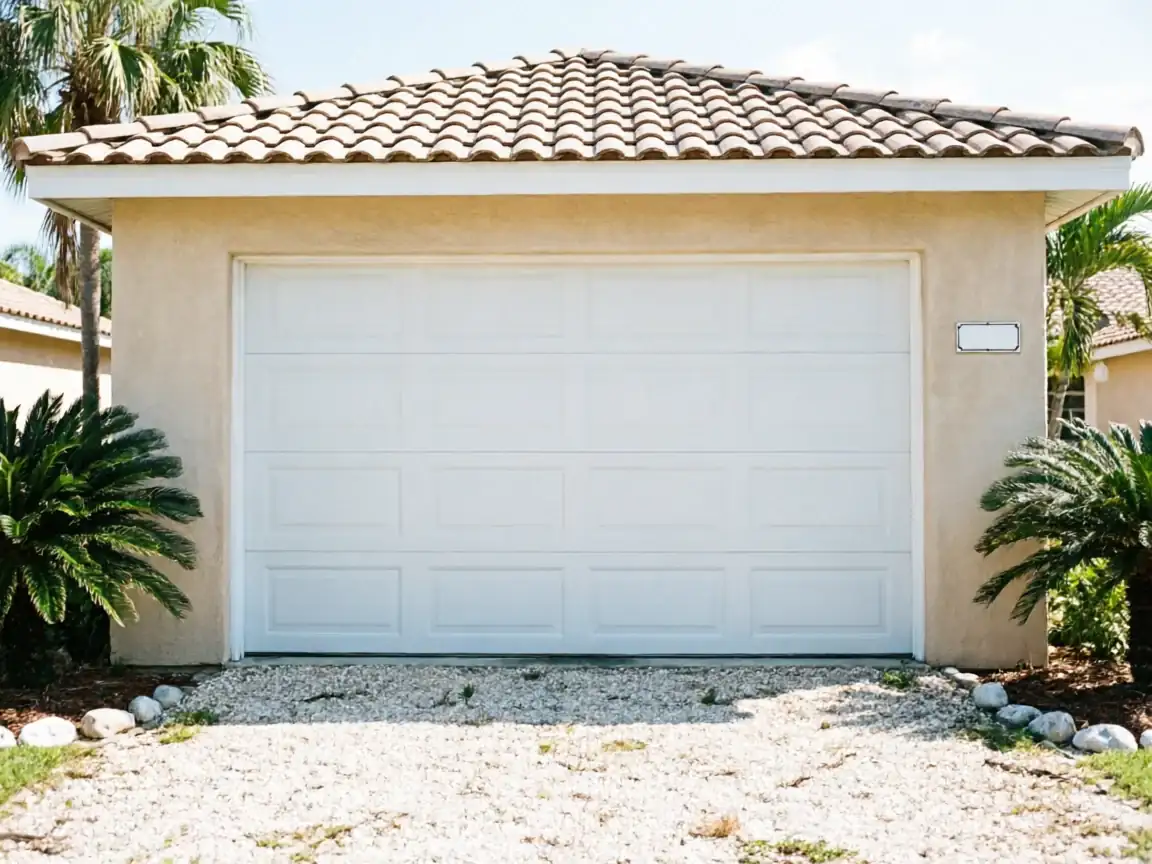
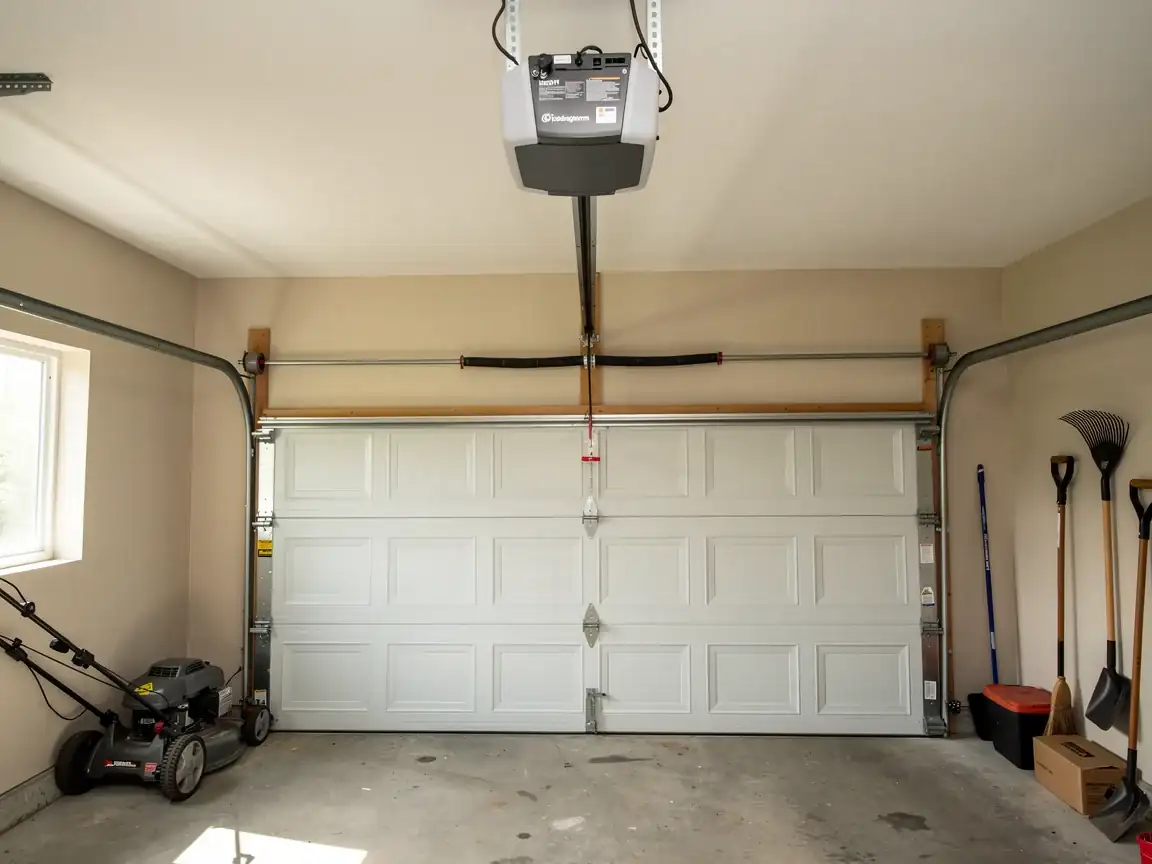
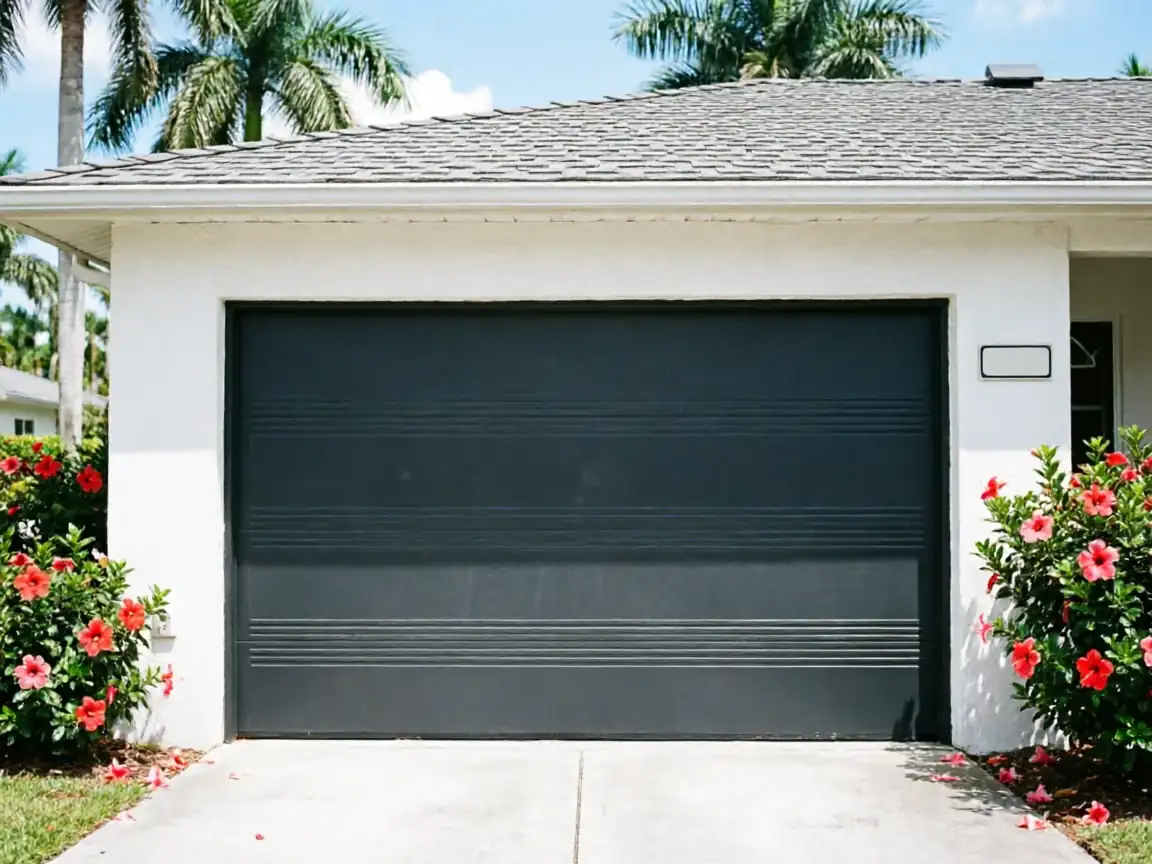
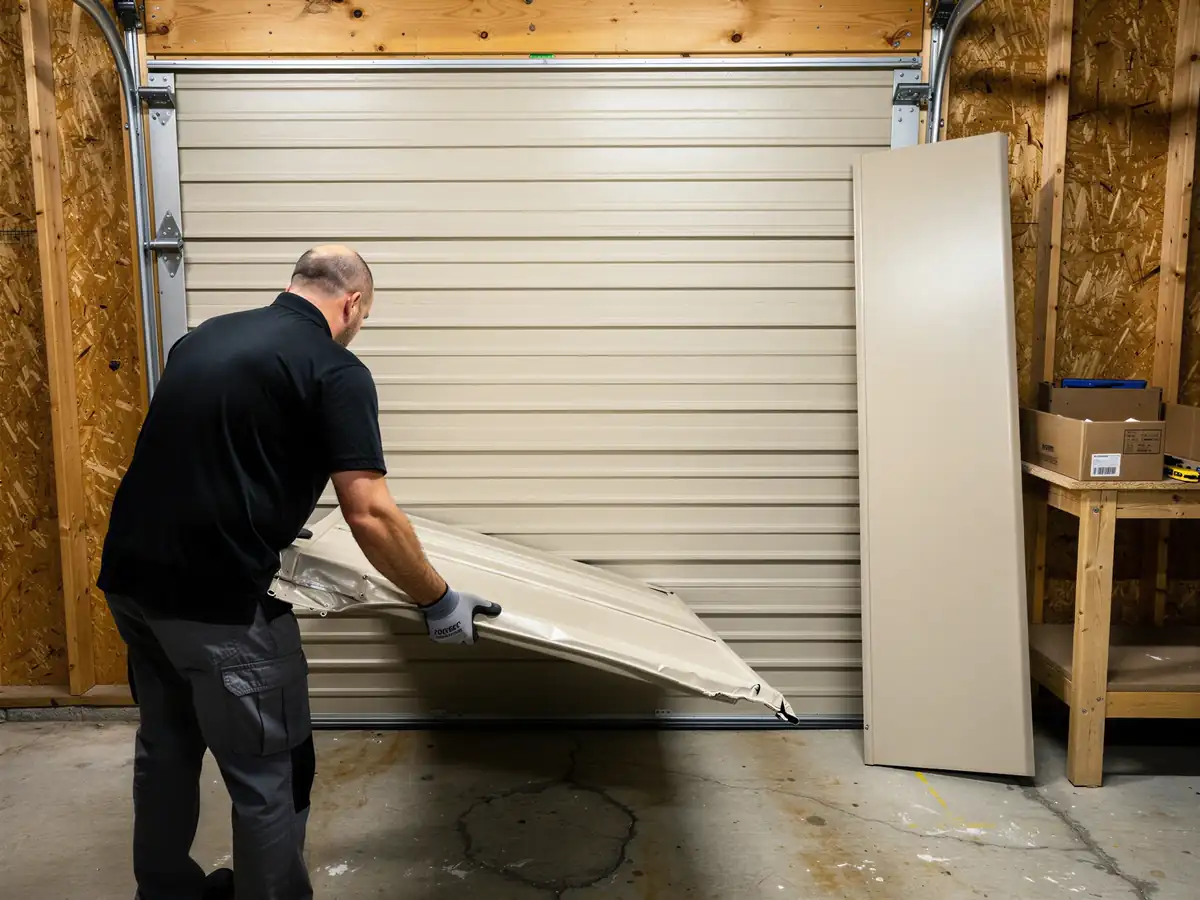
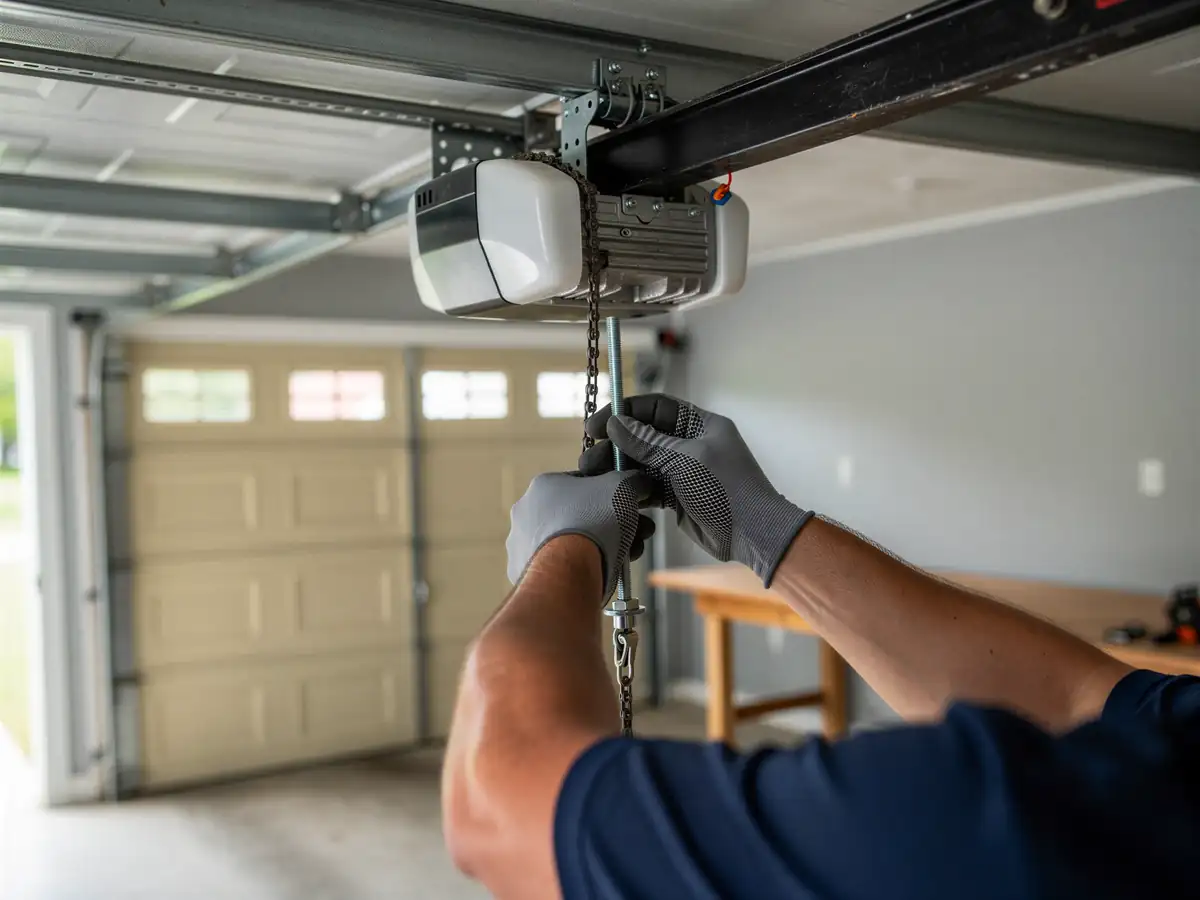
Indialantic's housing stock runs older than most of the towns we cover out of Melbourne - the median year built here is 1966, which puts a lot of these garages ahead of the broader service area's 1977 median. A door built around then was sized for the single-car and narrow two-car bays common to that era, often a lighter steel or wood-composite panel than what goes up today. The opener bolted to it has usually been swapped at least once, sometimes twice, since a chain-drive unit from the 60s or 70s wasn't built to run 50 years. What fails now is rarely the original motor - it's whatever replaced it, paired with mounting brackets, header boards, and a rail length that were never updated to match. We see stripped gears on units that are 12-15 years old, logic boards that won't hold a program, and safety sensors wired to code that predates the photo-eye requirement, which means a retrofit, not a straight swap. With only 1,475 households in Indialantic, this isn't a high-volume stretch for us, but the age pattern is consistent enough that we know what we're looking at before we open the panel.
What the Fix Involves
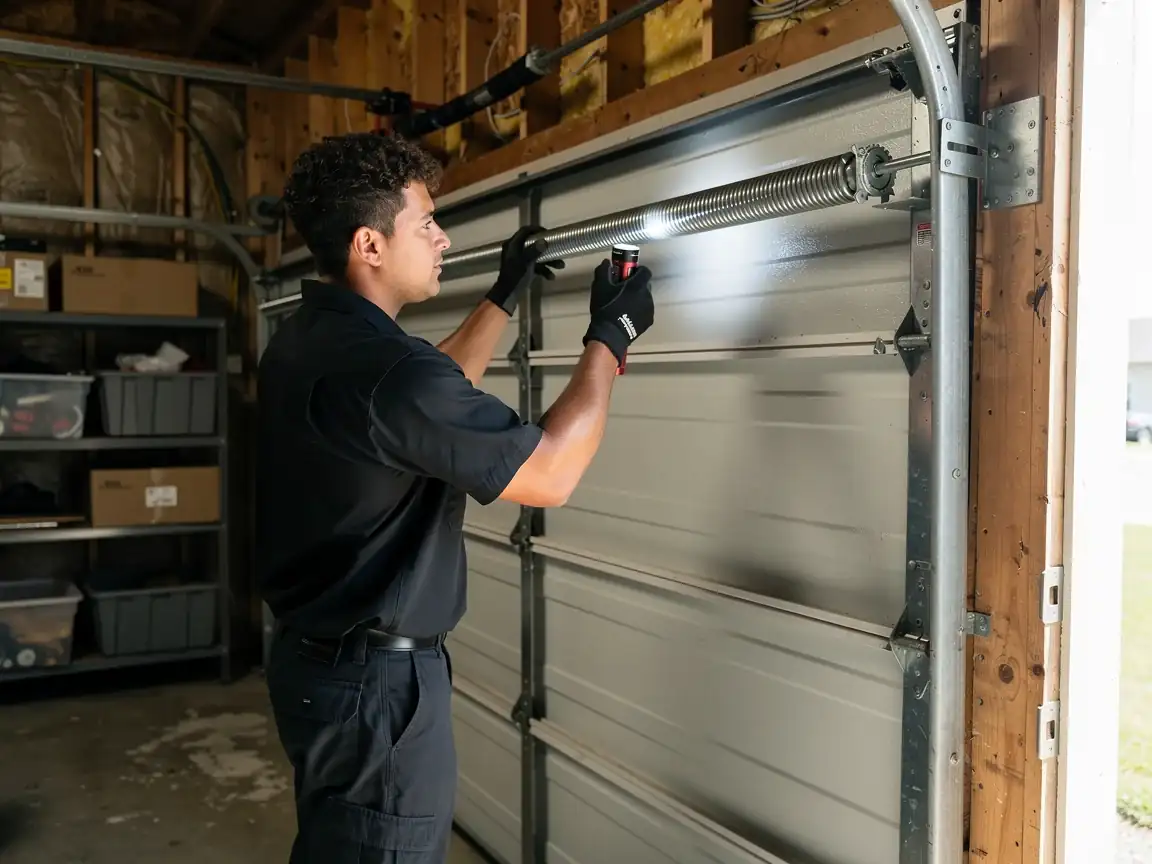
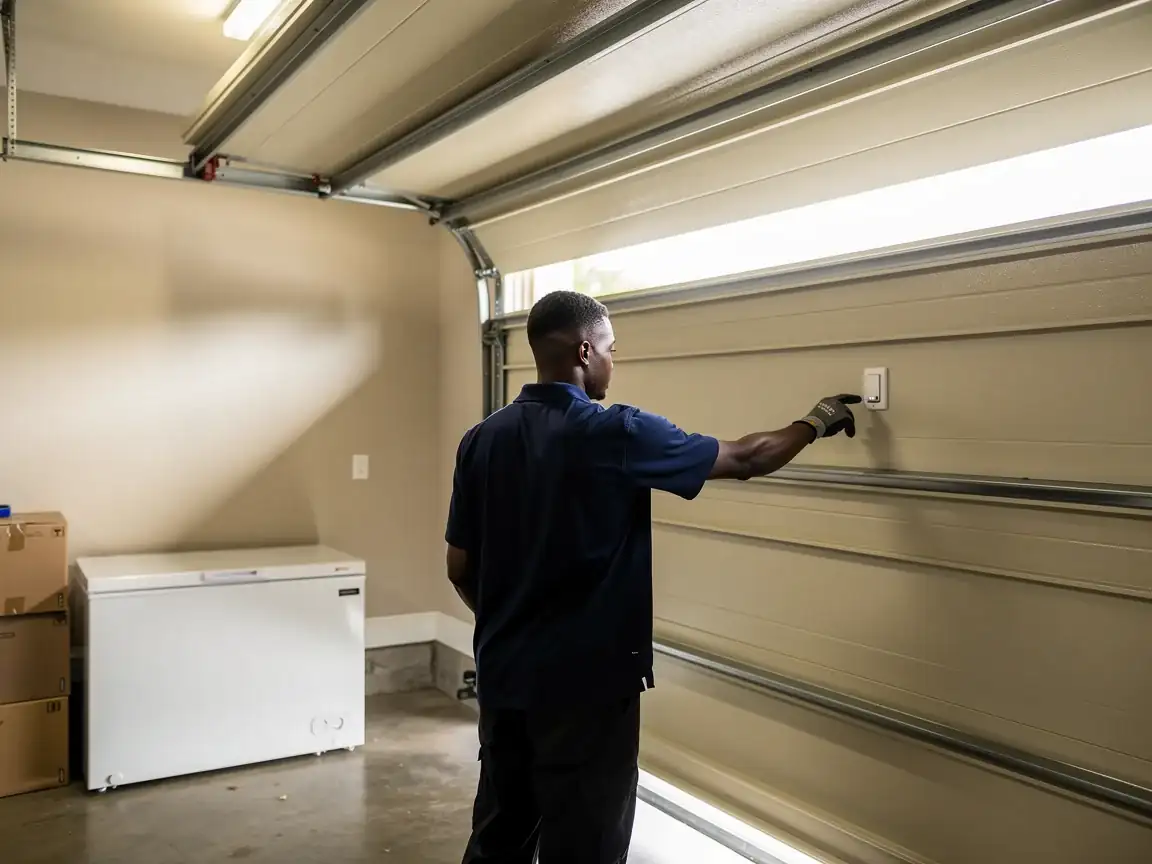
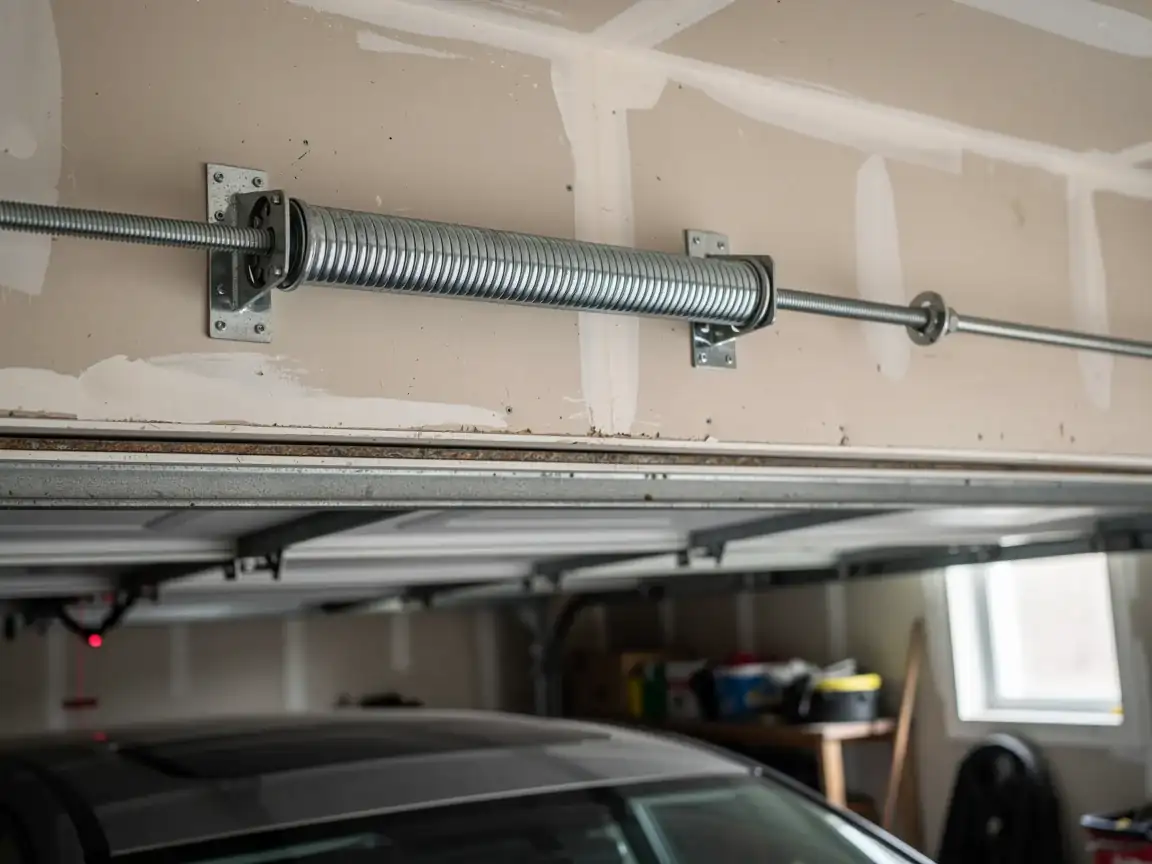
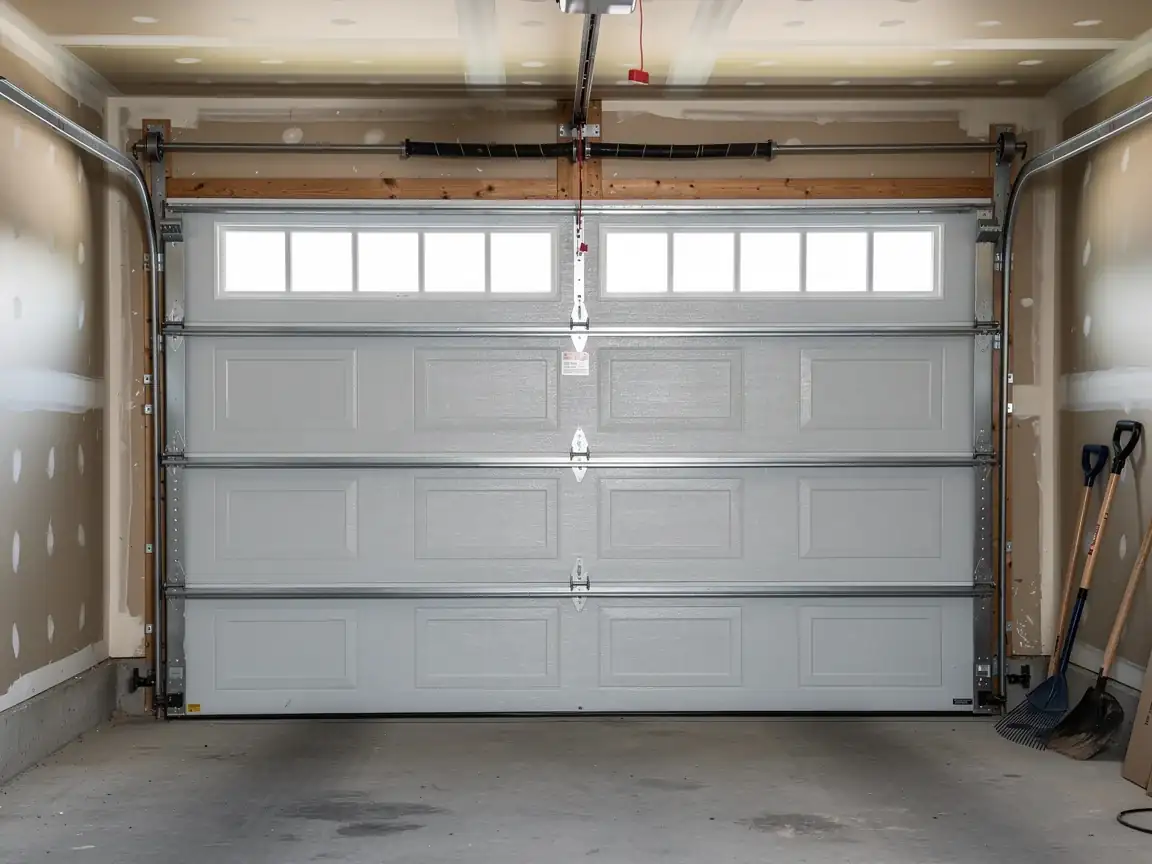
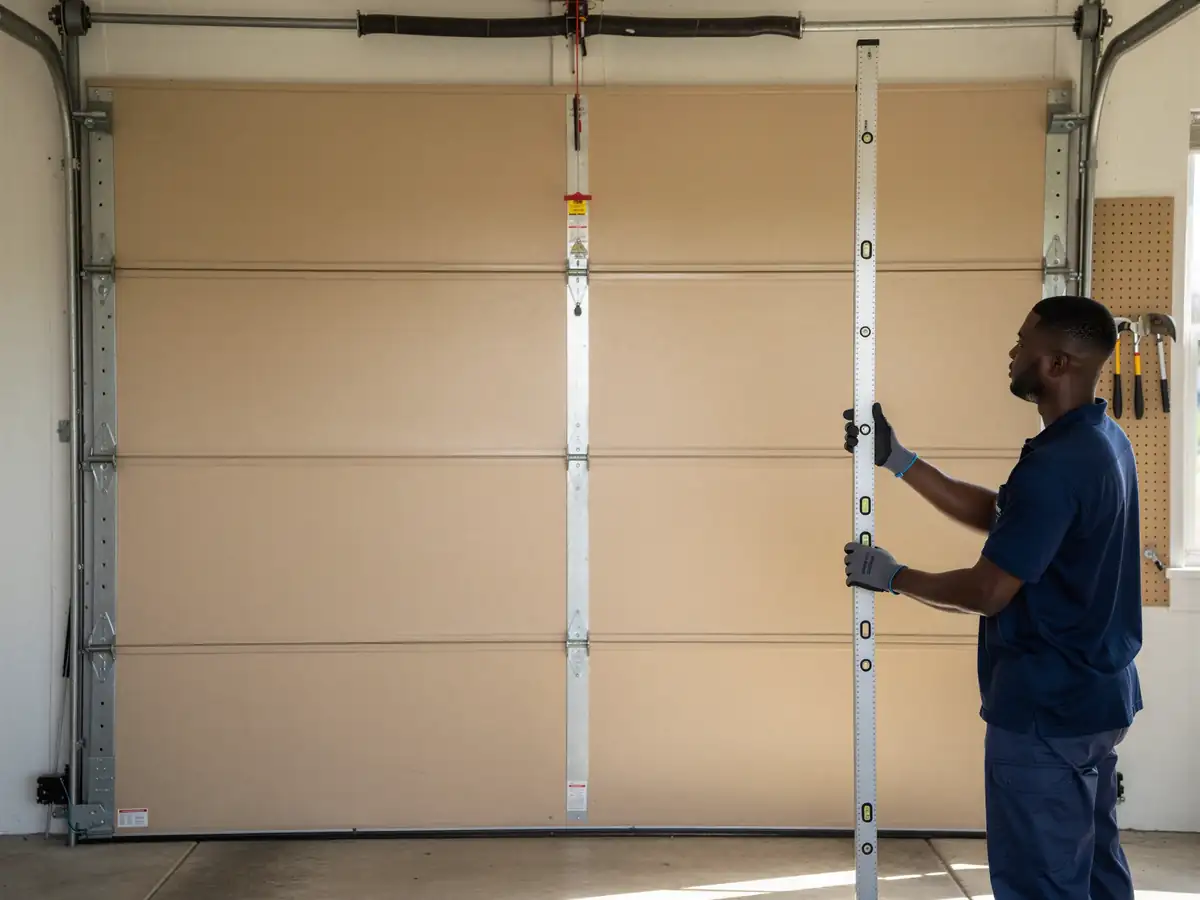
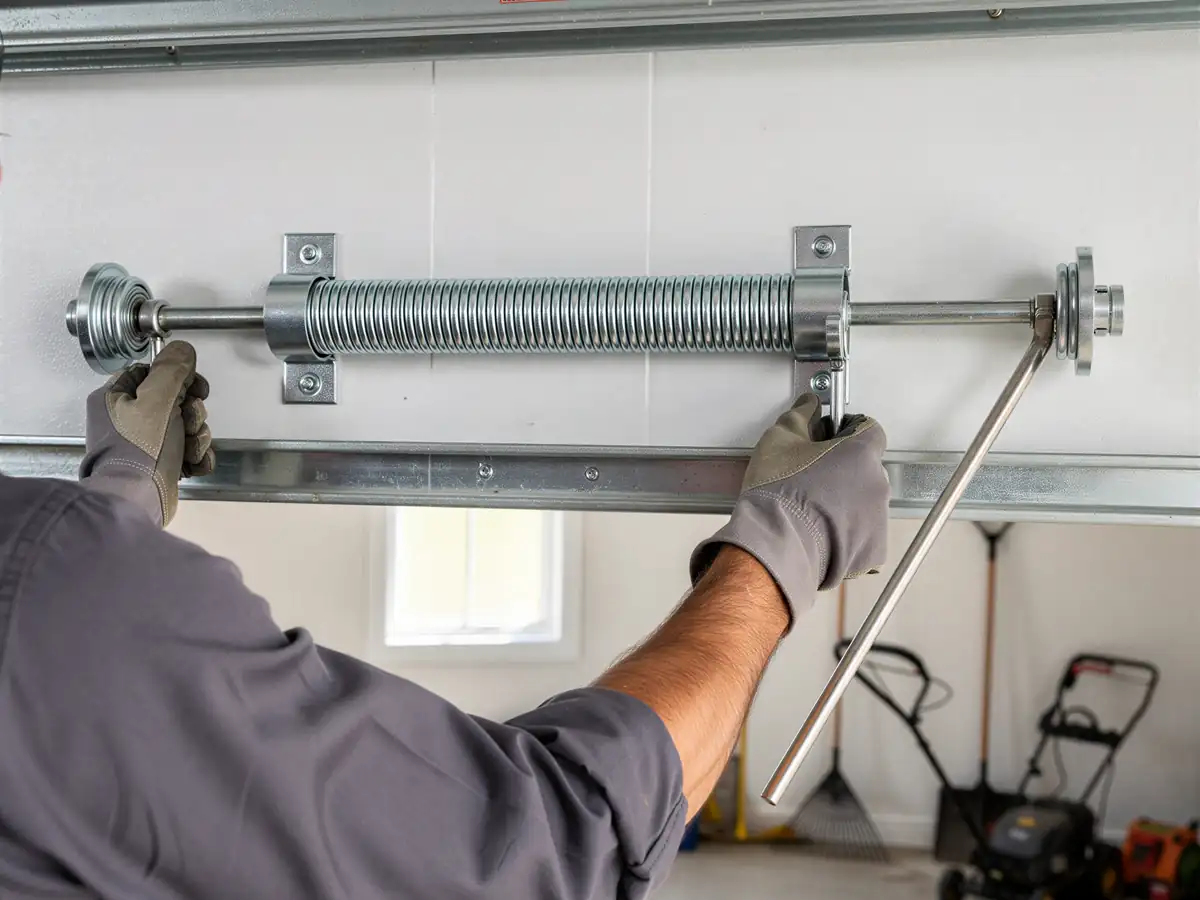
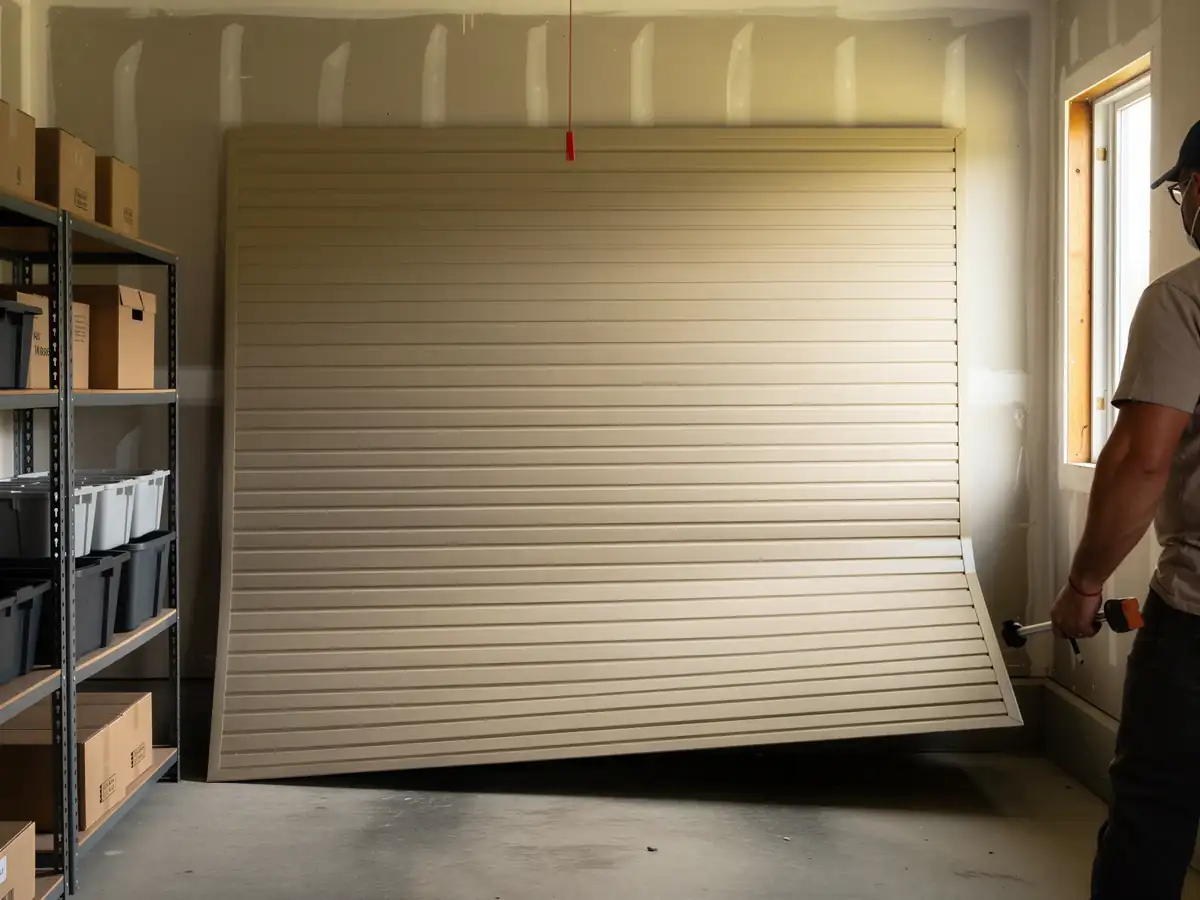
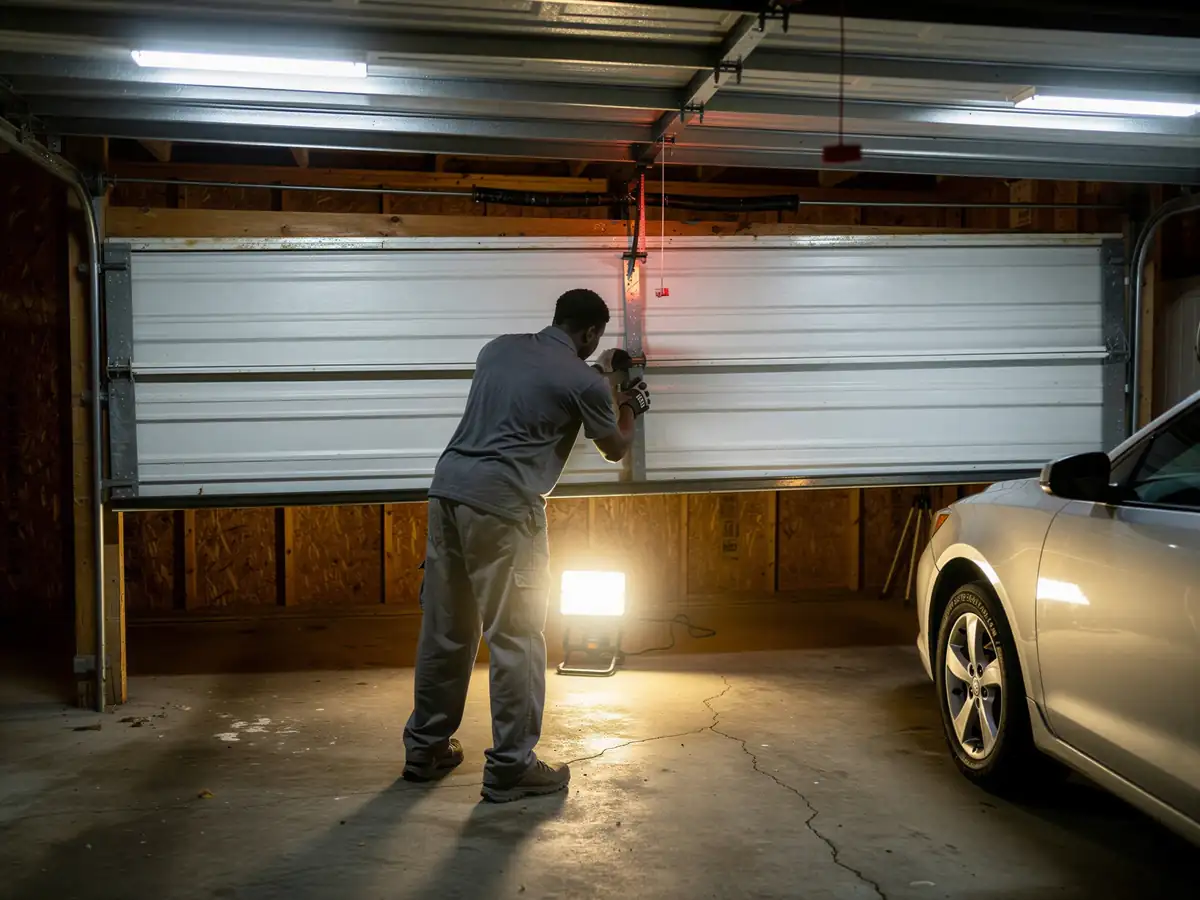
First step is figuring out whether the opener itself is the problem or whether it's compensating for something upstream - a door that's gone heavy on one side, worn rollers binding the track, or a spring that's lost tension and is making the motor do work it shouldn't. On a house built in 1966, we also check the header the opener bracket is lagged into; six decades of humidity in this mild coastal climate can soften or shift that wood enough that the unit shakes loose under normal cycling. If the motor and logic board test fine, we look at the travel limits, the force settings, and whether the safety sensors are aligned - a lot of intermittent 'it won't close' calls turn out to be a sensor knocked a few degrees out of true. Where the fix is a straightforward part swap - capacitor, gear kit, sensor eye - we carry common ones on the truck. Where the opener itself is original equipment from decades back, replacement parts for it don't exist anymore, and we'll say so rather than quote a repair we can't actually deliver.
What You Pay
We don't have a published price list for opener repair, and we're not going to invent one here. What we can tell you is that households in this part of the coverage area report a median income of $90,991, above the service-area median of $86,305, which tends to track with homeowners choosing a newer belt-drive replacement over patching a unit that's already outlived its expected run. That's a call every owner makes differently - sometimes the honest answer is that a 15-year-old chain-drive opener with a failing board costs more to keep alive than to replace outright, and we'll tell you that straight rather than run up a repair bill on borrowed time.