What Can Go Wrong
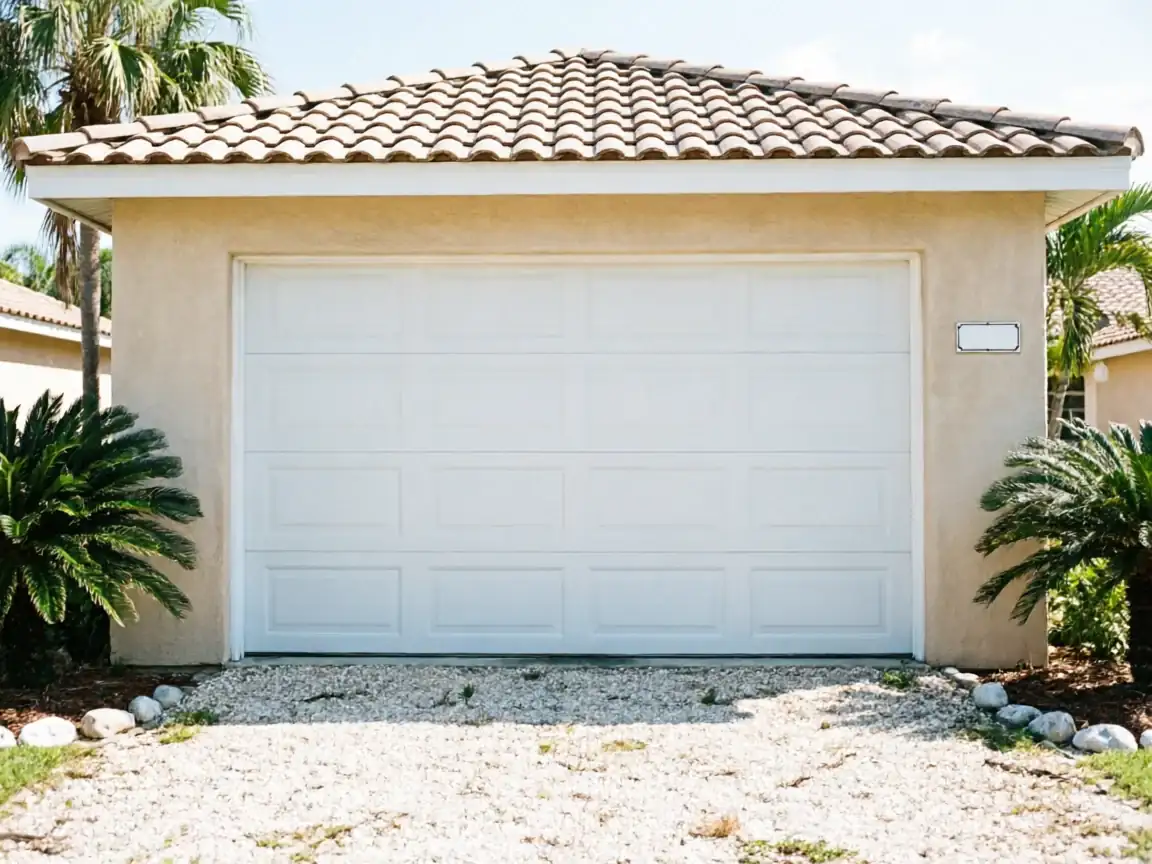
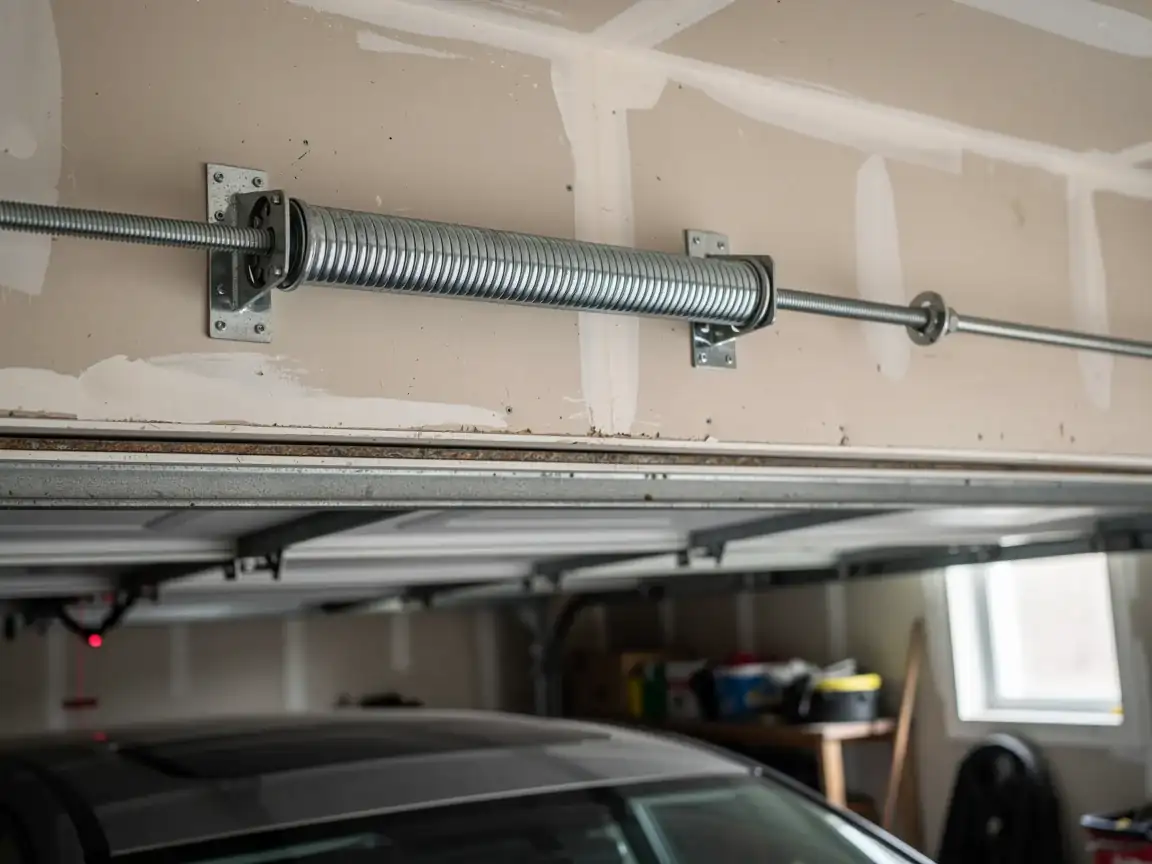
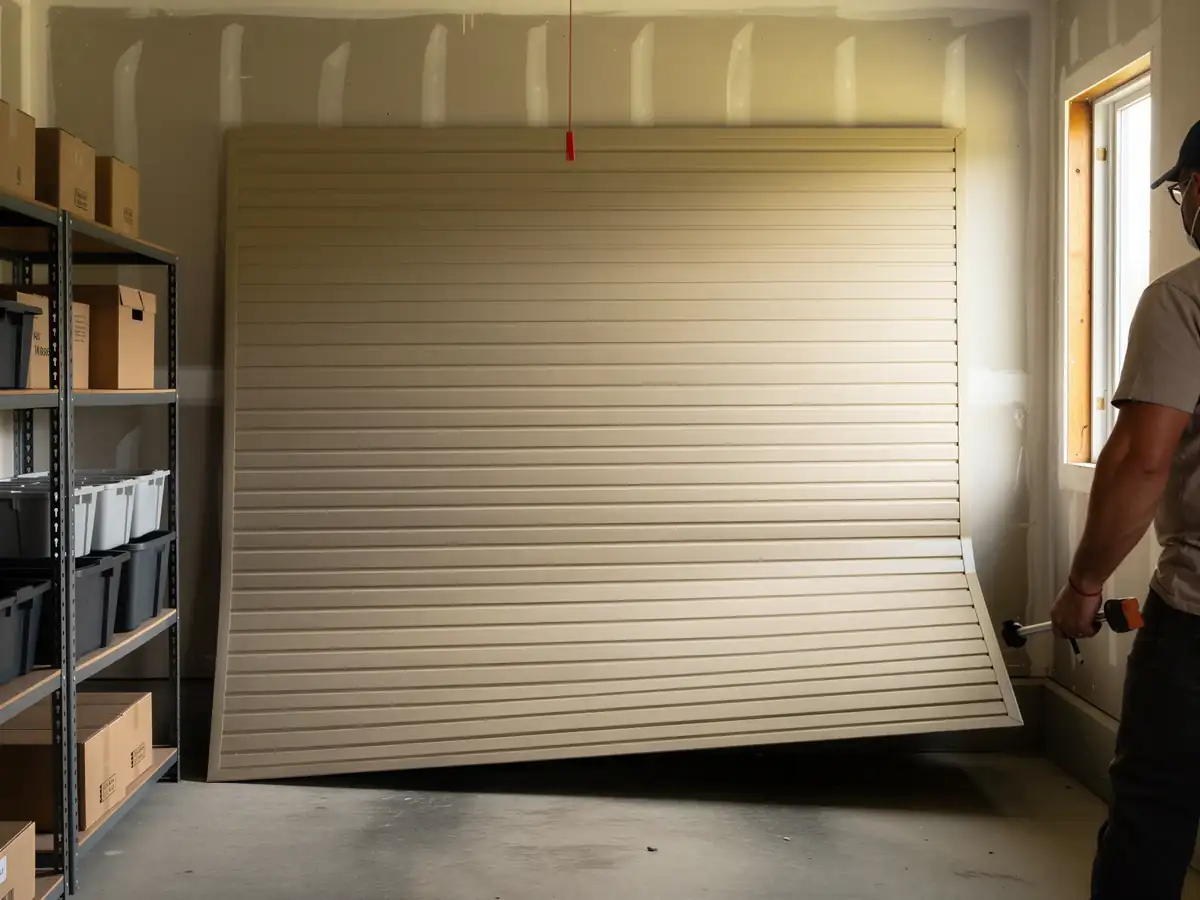
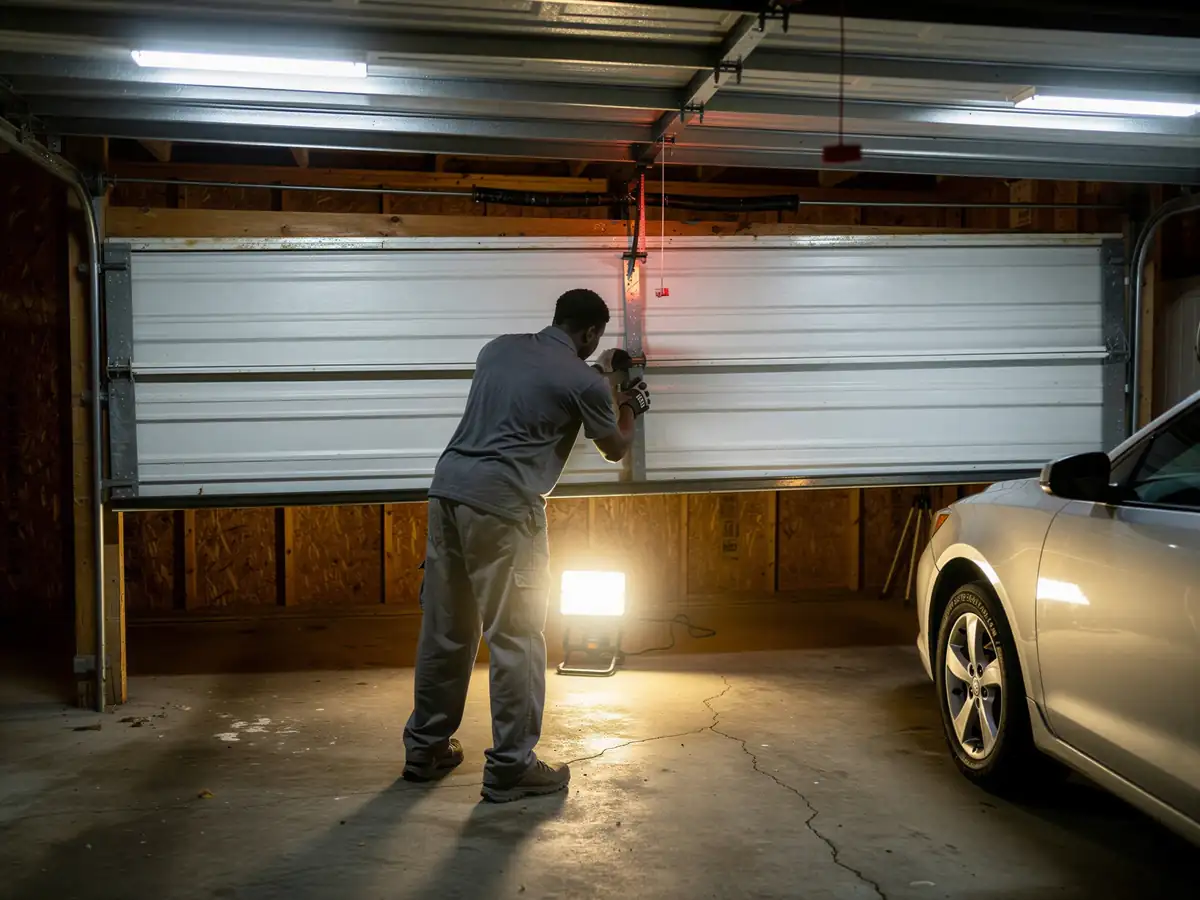
The drive from Melbourne to Indialantic is short, about six miles, which matters more than it sounds like it should. On a job that short, there's no time to double back for a part, so the spring that's on the truck when we leave has to be the right one. That's easier here than it might be elsewhere, because Indialantic's housing stock is unusually consistent: the median year built is 1966, a decade ahead of the 1977 median across the wider service area, and most of the 16 named communities we cover share that 1960s-70s build pattern. A torsion spring on a door that old has usually been cycled tens of thousands of times past what it was rated for, and it breaks the way old springs always break: suddenly, usually in cold snaps or after a long stretch of heavy use, with the door either locked shut or slamming down if someone tries to force it. Extension springs on older setups fray at the coil ends before they ever snap clean. Either way, the failure point tends to be original hardware that's outlived its design life by a wide margin.
What the Fix Involves
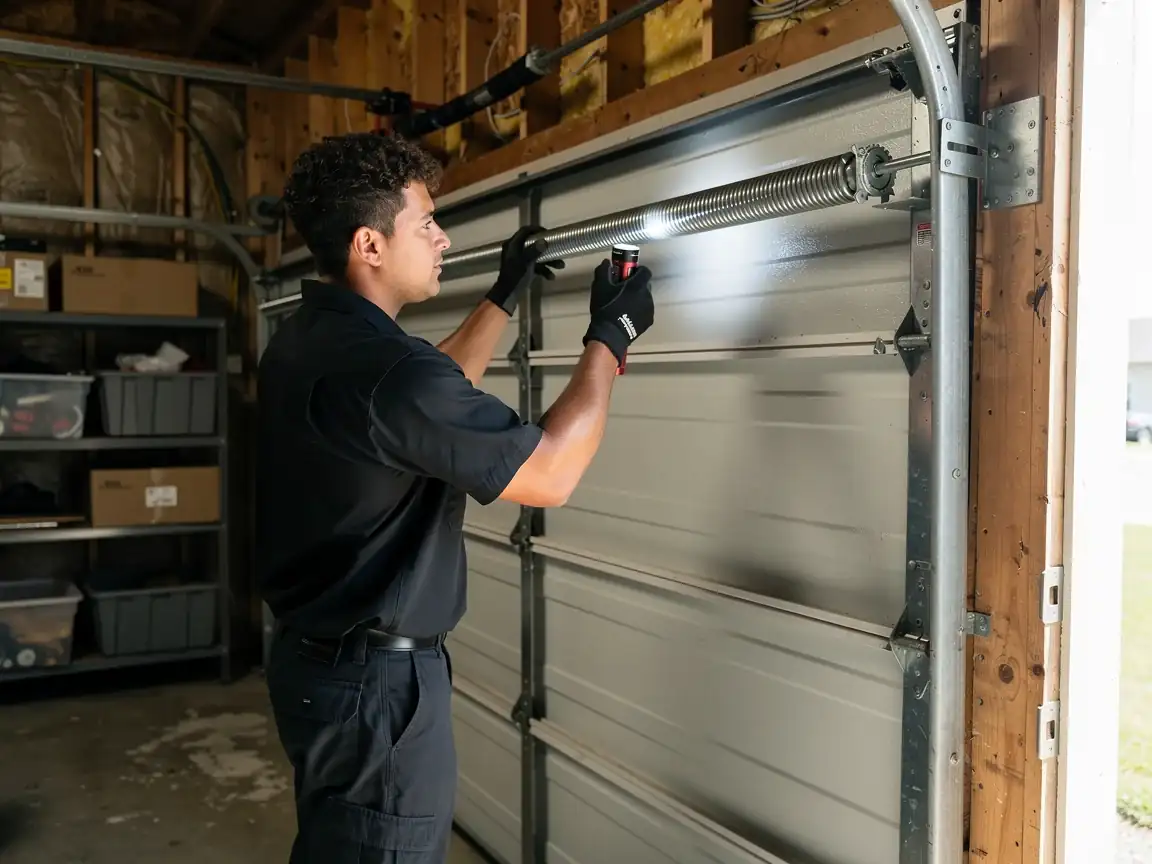
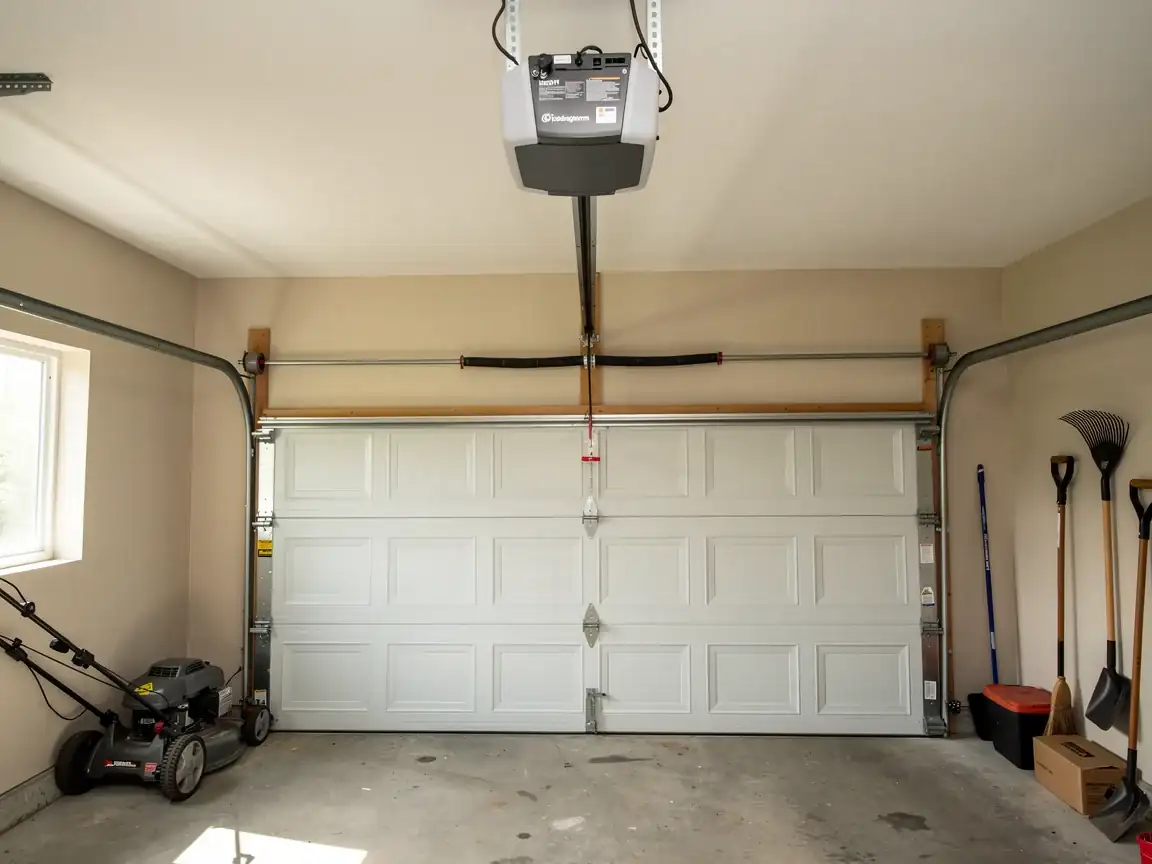
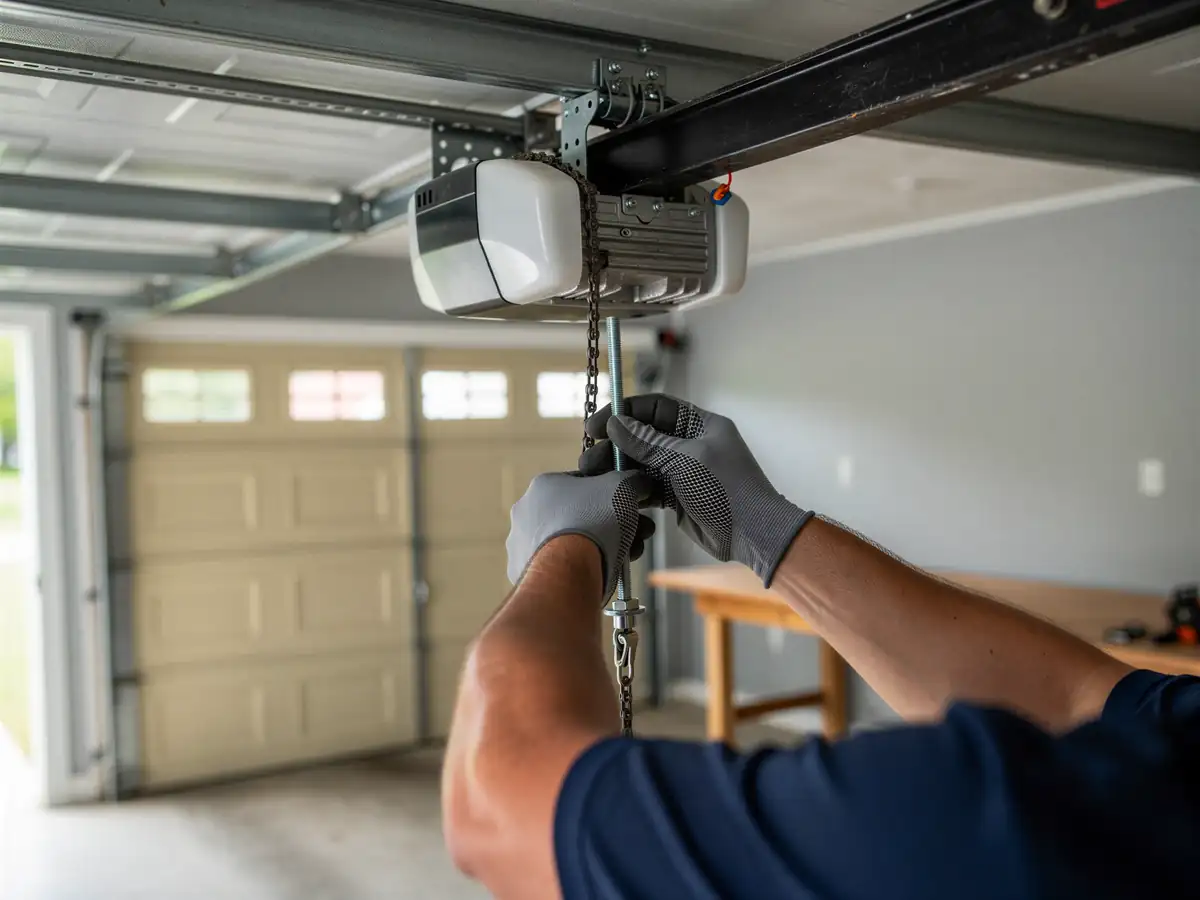
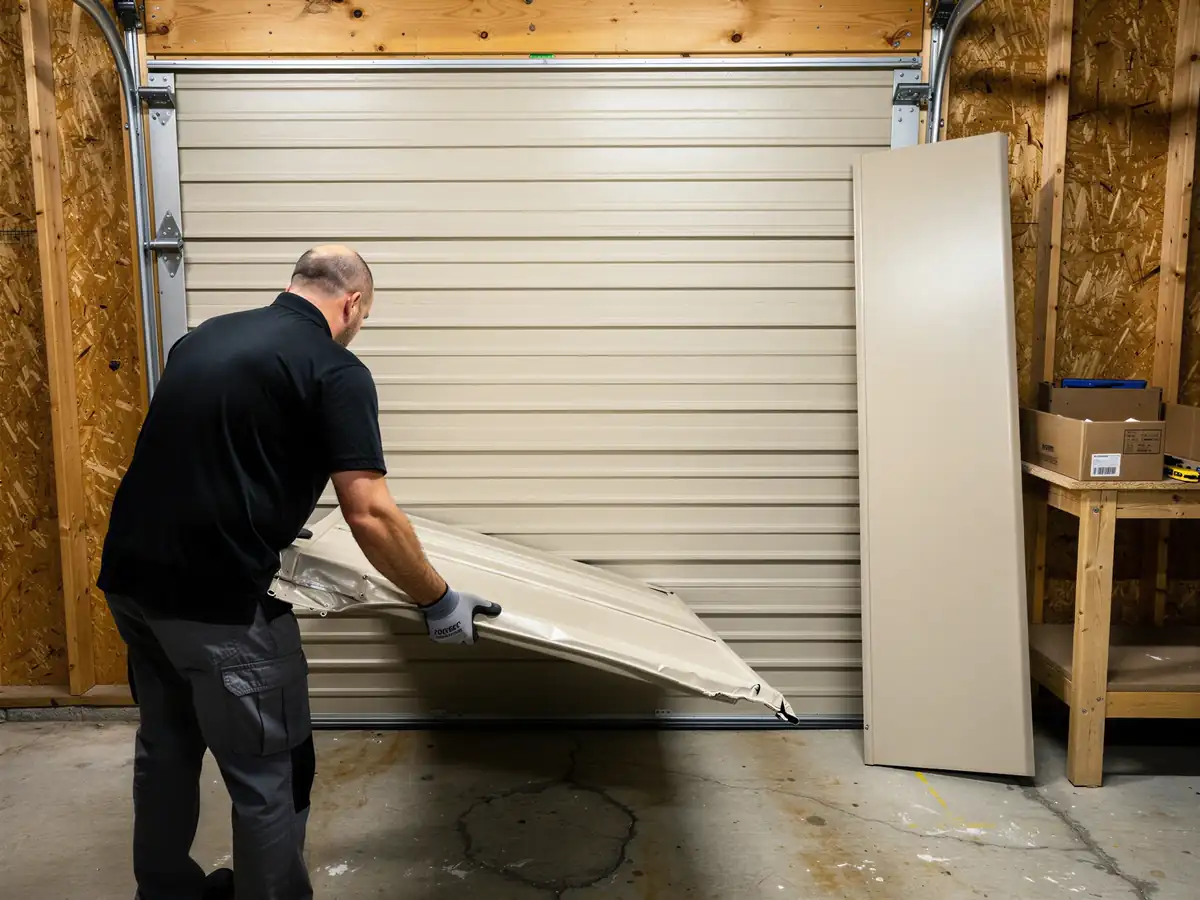
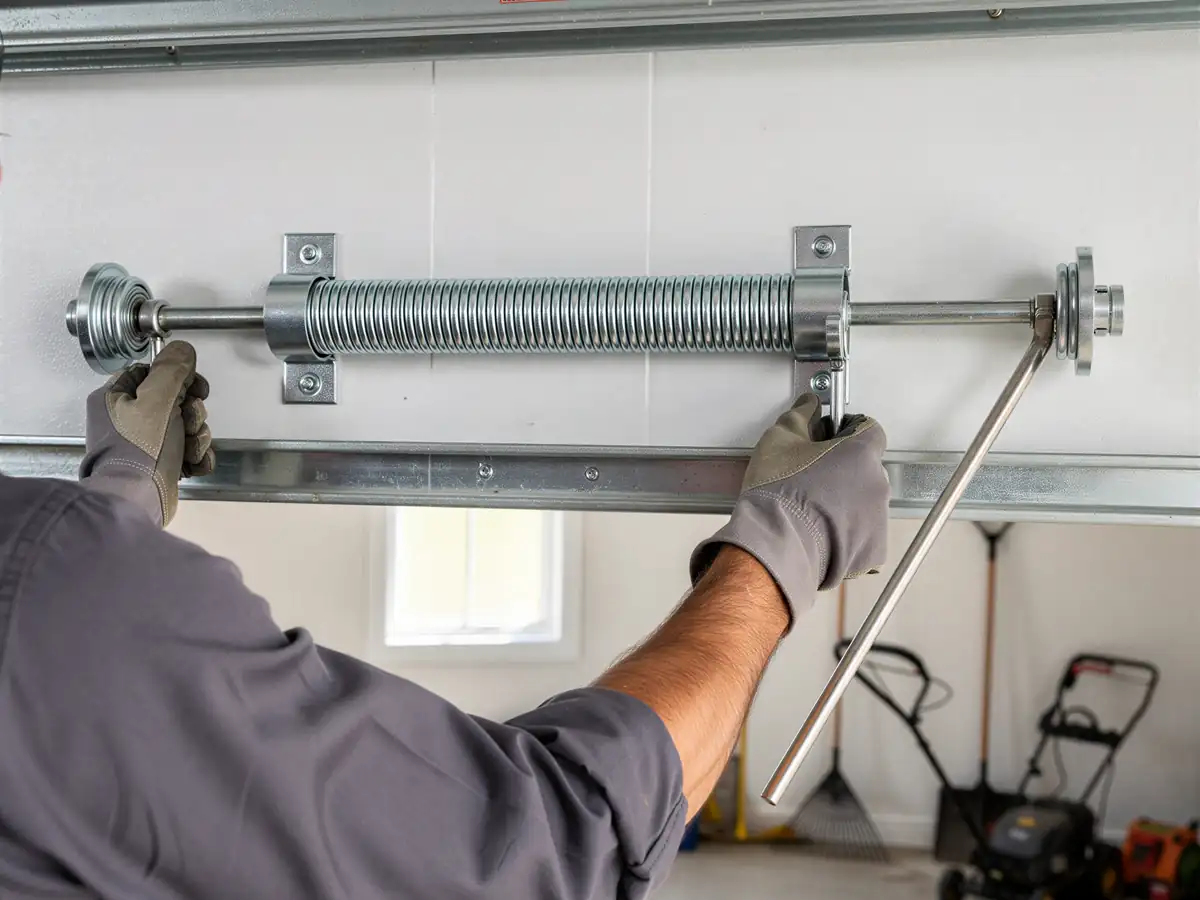
Most Indialantic calls are straight torsion spring swaps: measure the wire gauge, coil diameter and wind, then replace both springs even if only one let go, since the other is on the same clock. Houses built around 1966 sometimes still run one-piece doors on side-mounted torsion hardware rather than the overhead torsion bar that became standard later. That setup takes a different spring and a different approach to tensioning it, and not every generic repair kit fits it. We carry stock for the common wind patterns in this area's housing, but a non-standard side-mount occasionally means a short wait on a part that isn't a shelf item. We'll tell you up front if that's the case rather than force a fit that won't hold. Cables, drums and bottom brackets get checked at the same time, since a spring failure that's been ignored for a while often stresses those parts too, and replacing a spring without catching a frayed cable just means a second call.
What You Pay
Indialantic's median household income sits at $90,991, higher than the $86,305 average across the service area, and in practice that shows up as more owners opting to replace both springs as a pair rather than patch the broken one and leave its twin to fail next season. That's a judgment call we'll walk through with you rather than push. With only 1,475 households in Indialantic, there isn't enough volume here to justify stocking a dedicated local inventory, so pricing reflects the same torsion and extension spring parts we run out of Melbourne, plus the trip. We don't have a flat number to quote without seeing the door, since wire gauge and wind direction vary even within the same build year, but we'll give you the figure before any work starts, not after.