What You Pay
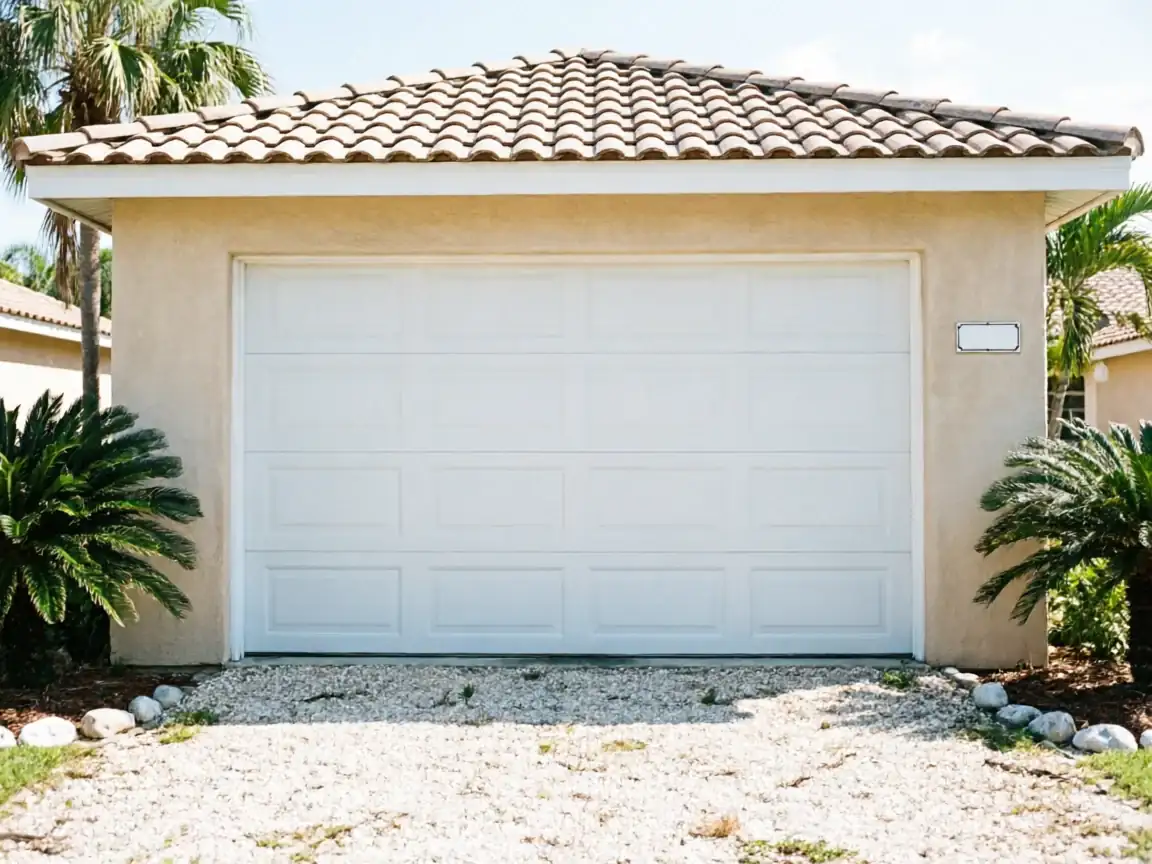
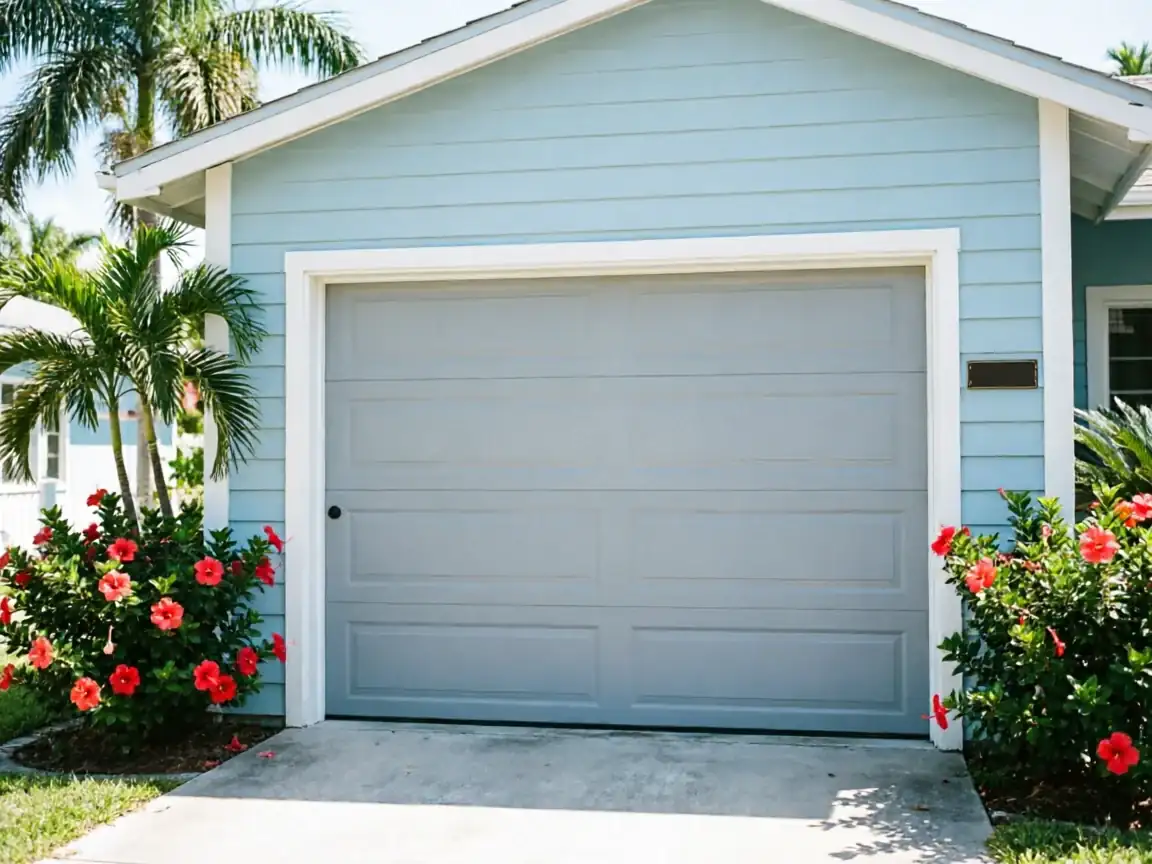
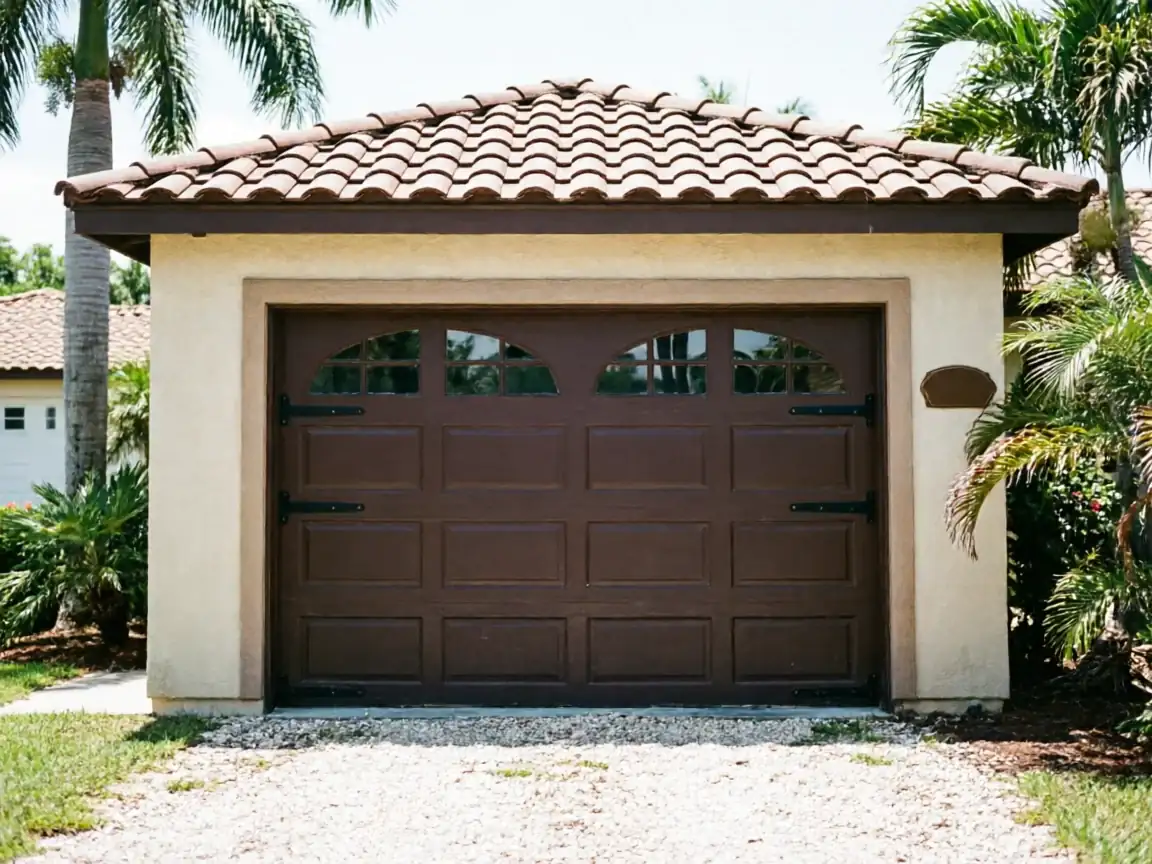
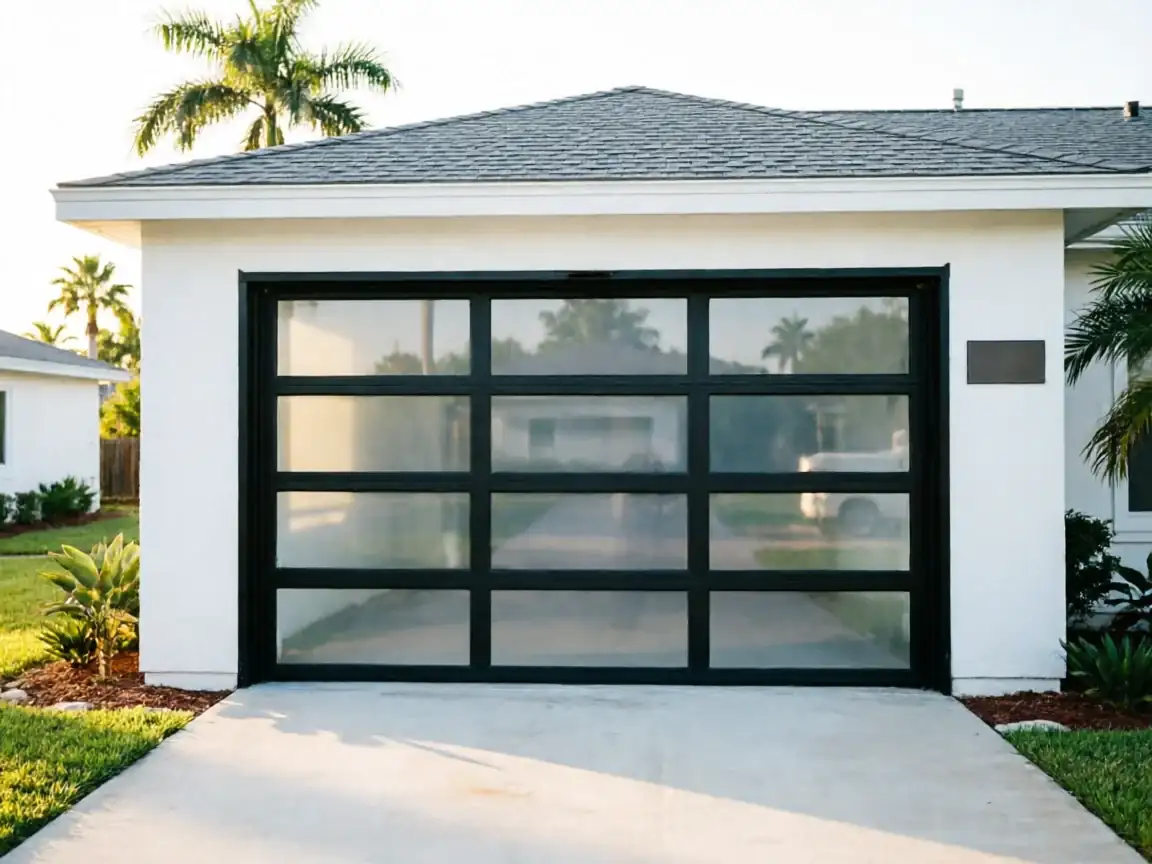
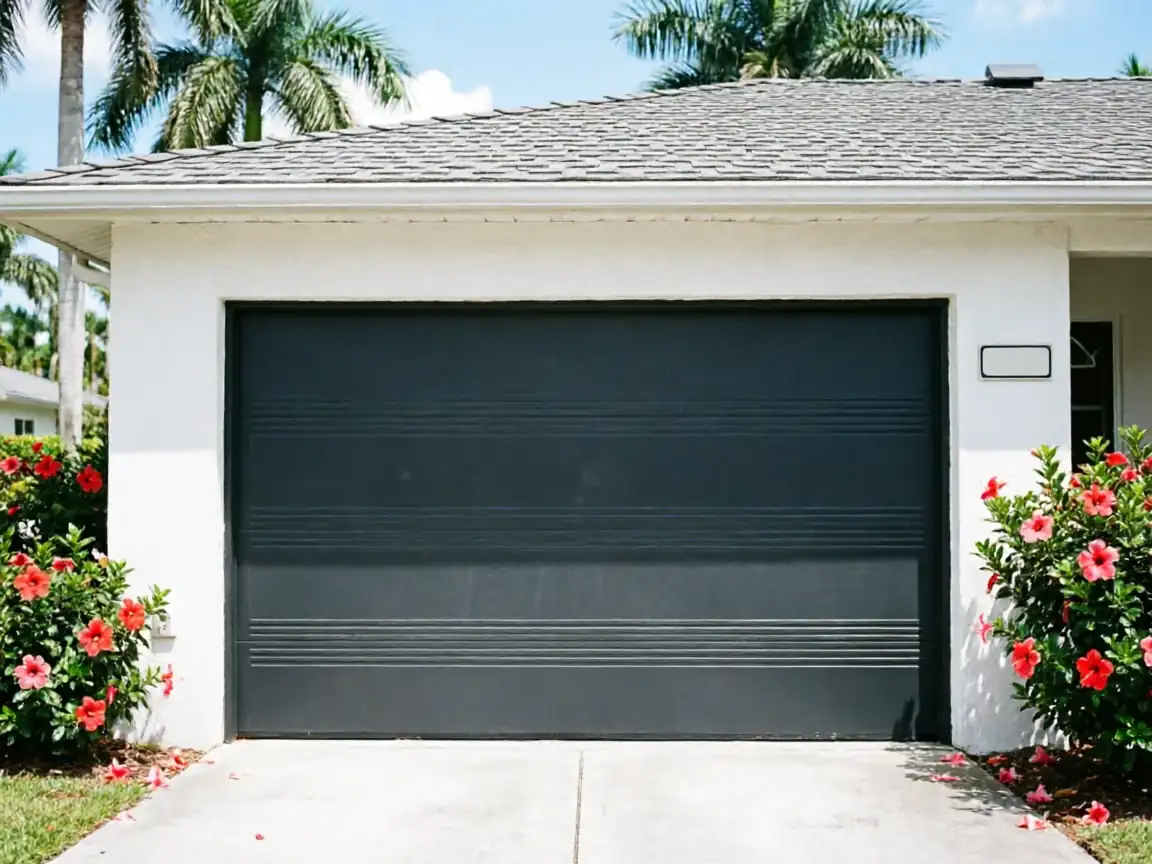
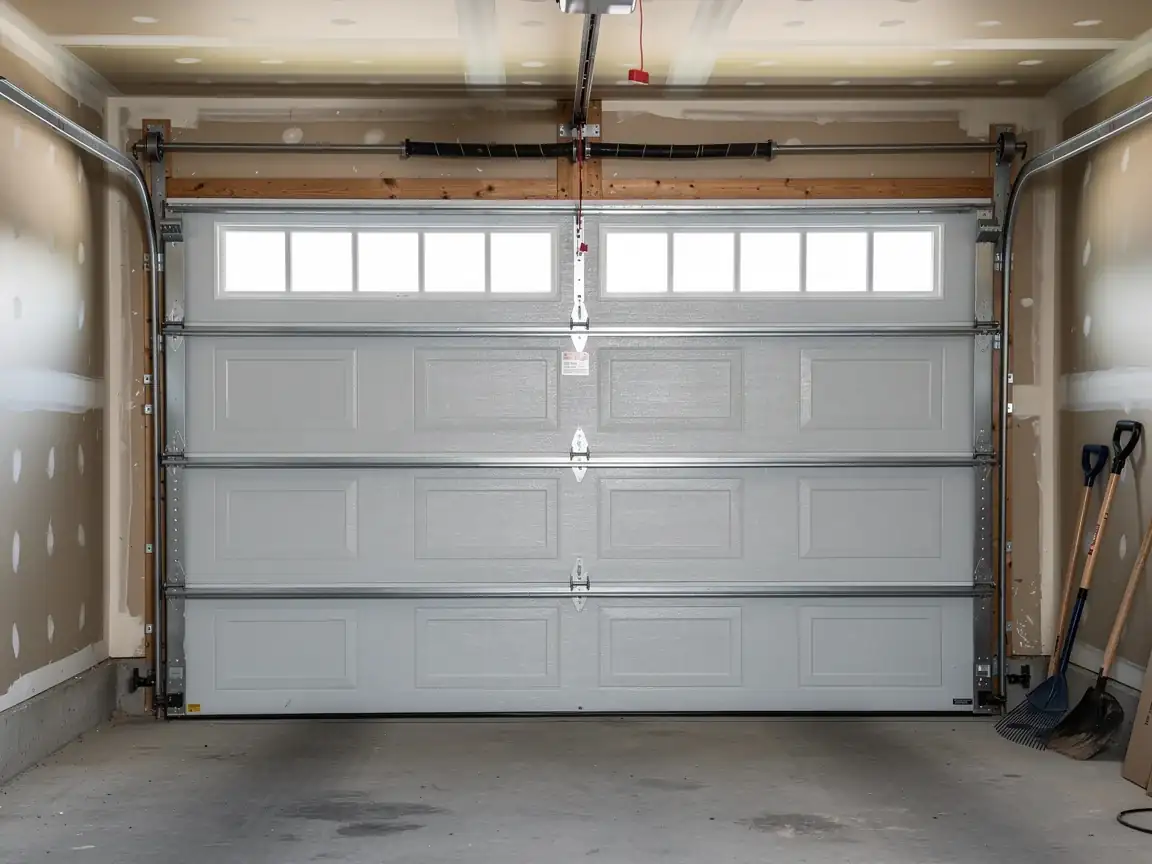
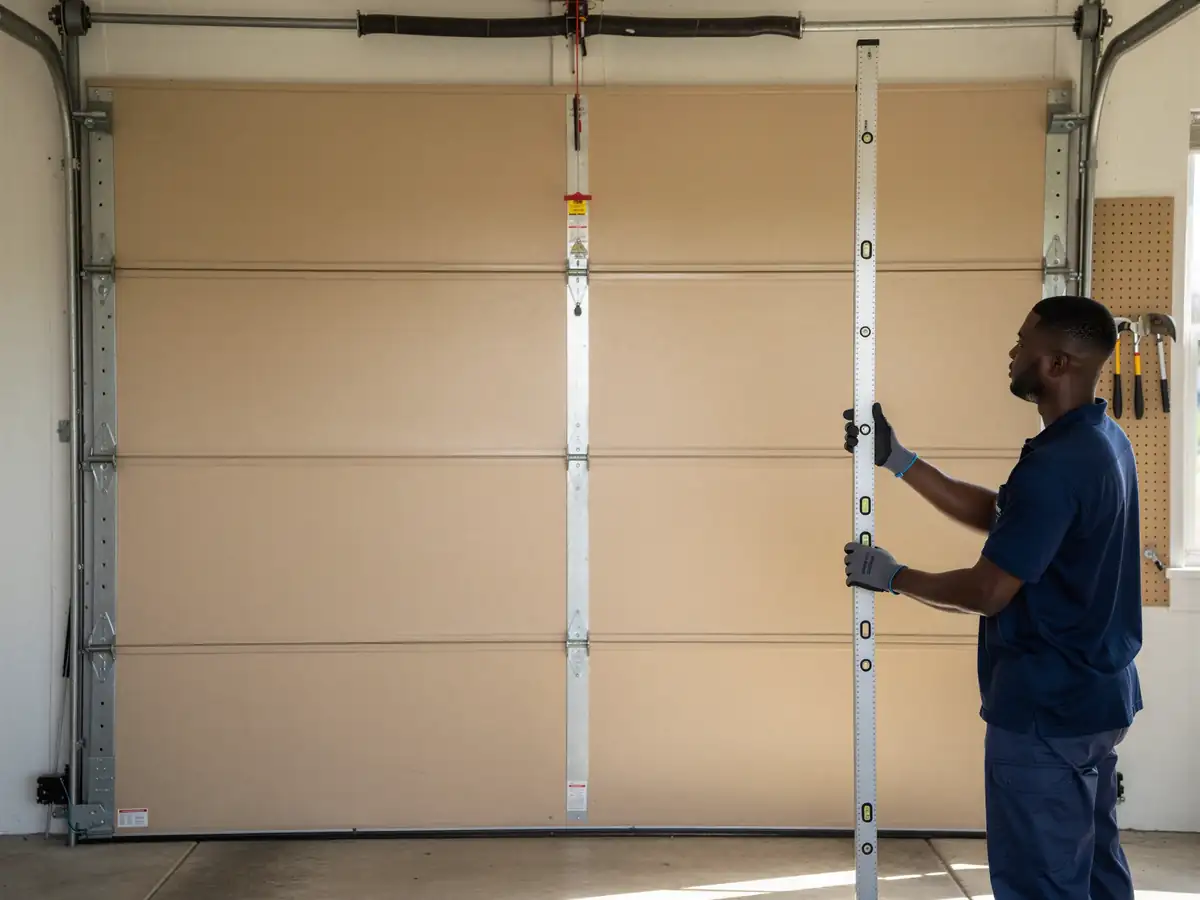
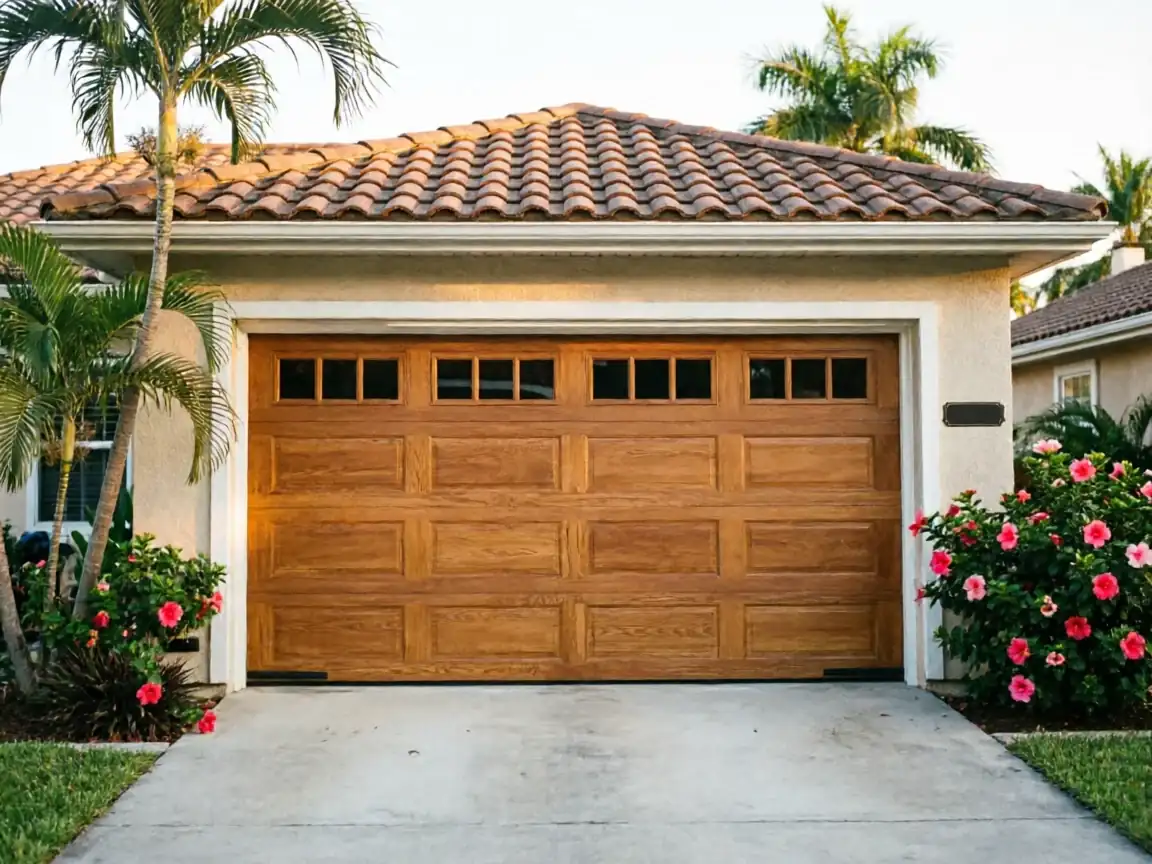
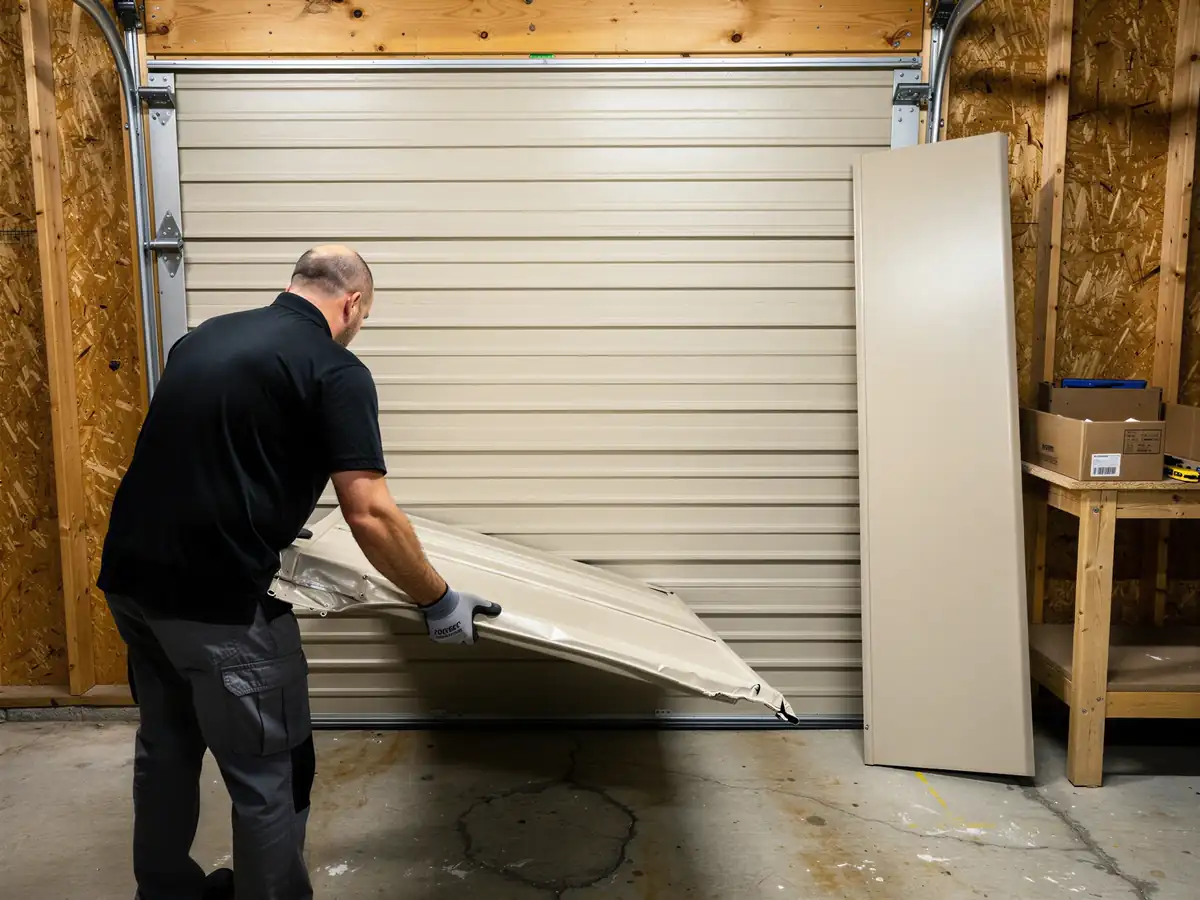
The cost of a panel job in Cocoa Beach comes down to what's actually on the house, and most houses here were built around 1975. That means a plain steel sectional door, usually in a standard width, with panels sold by the section rather than custom-cut. Matching an existing panel on a door this age is usually straightforward because the sizing was common for the period - it gets harder only if the original run has been discontinued, which happens on some older colors and surface textures. We quote the job after we see the door, not over the phone, because a hairline crack from a car bumper costs a lot less to fix than a panel that's bowed from a spring failure pulling on it unevenly. Median household income across this stretch sits a bit under the wider service area's number, and in practice that shows up as more owners asking for a single panel swap instead of a full door replacement - the math works out cheaper when the rest of the door is sound. We don't carry every discontinued finish on the truck, so if yours is an older color run, expect us to tell you that up front rather than promise a perfect match we can't deliver.
How It Shows Up
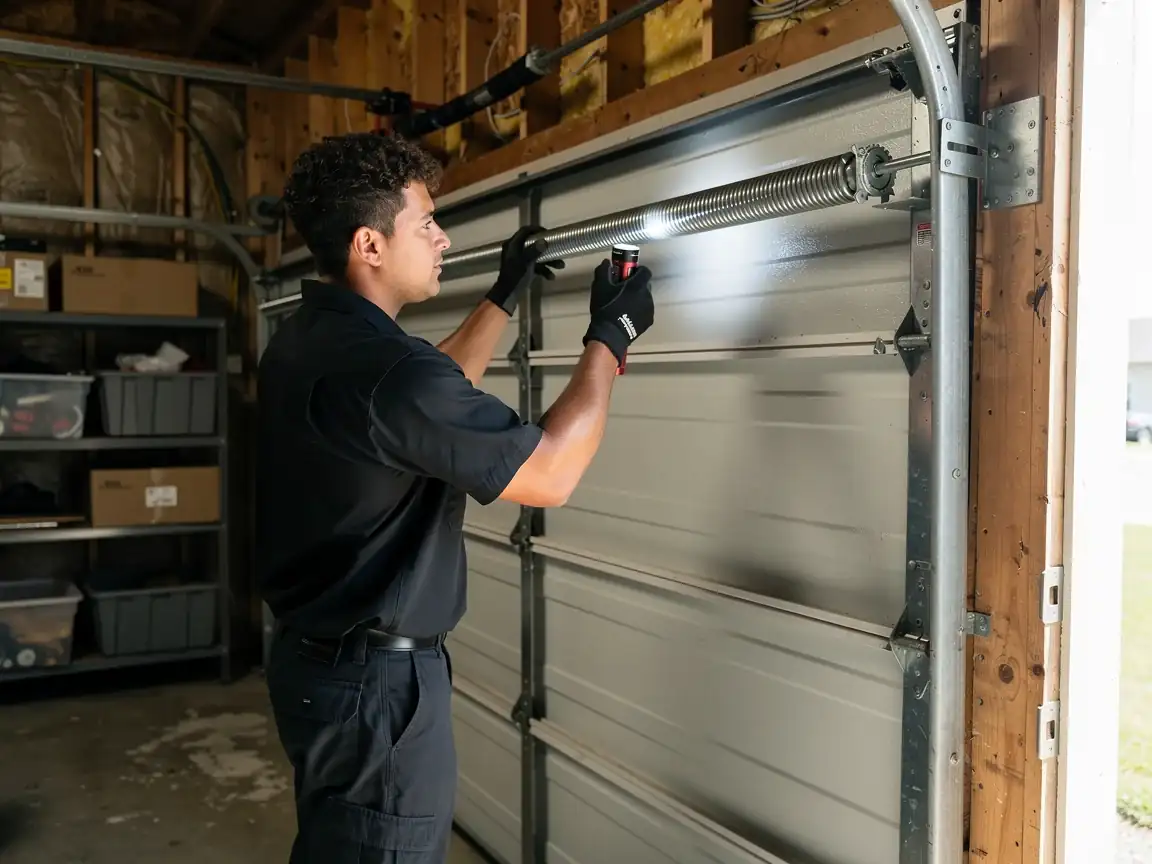
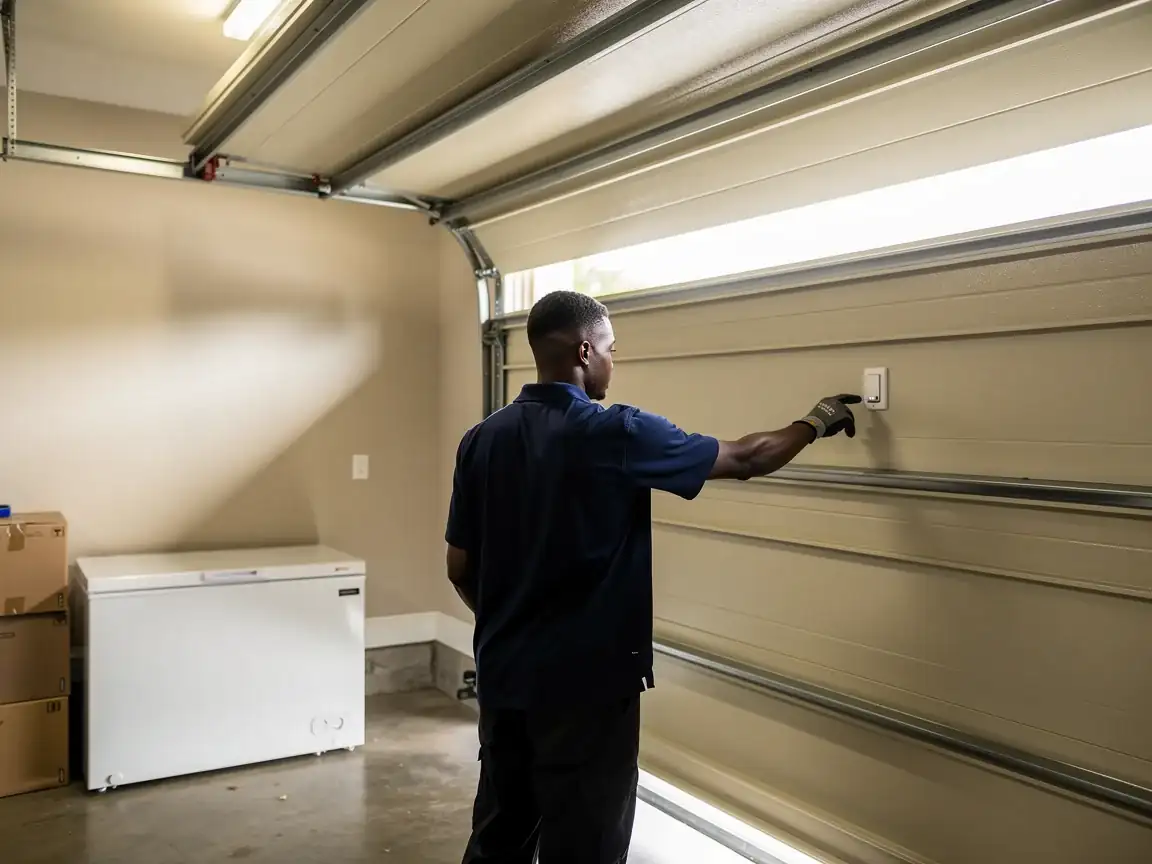
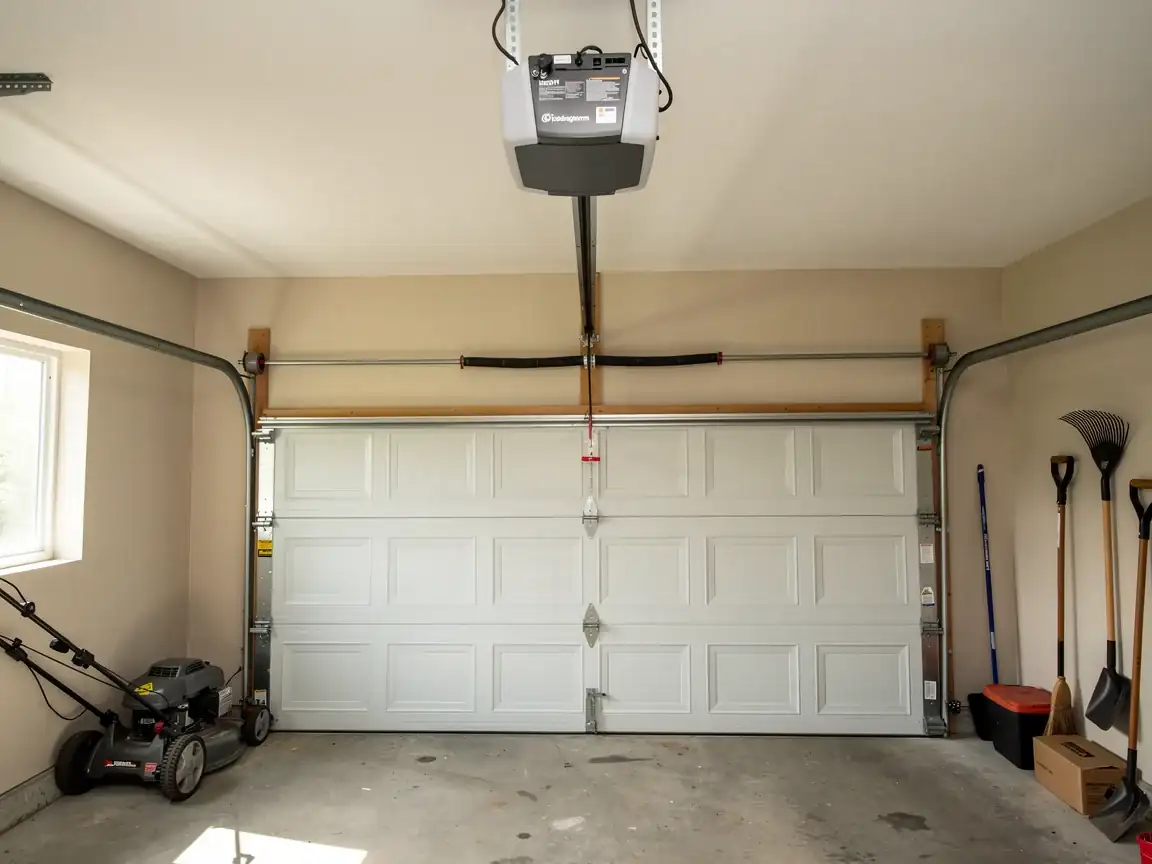
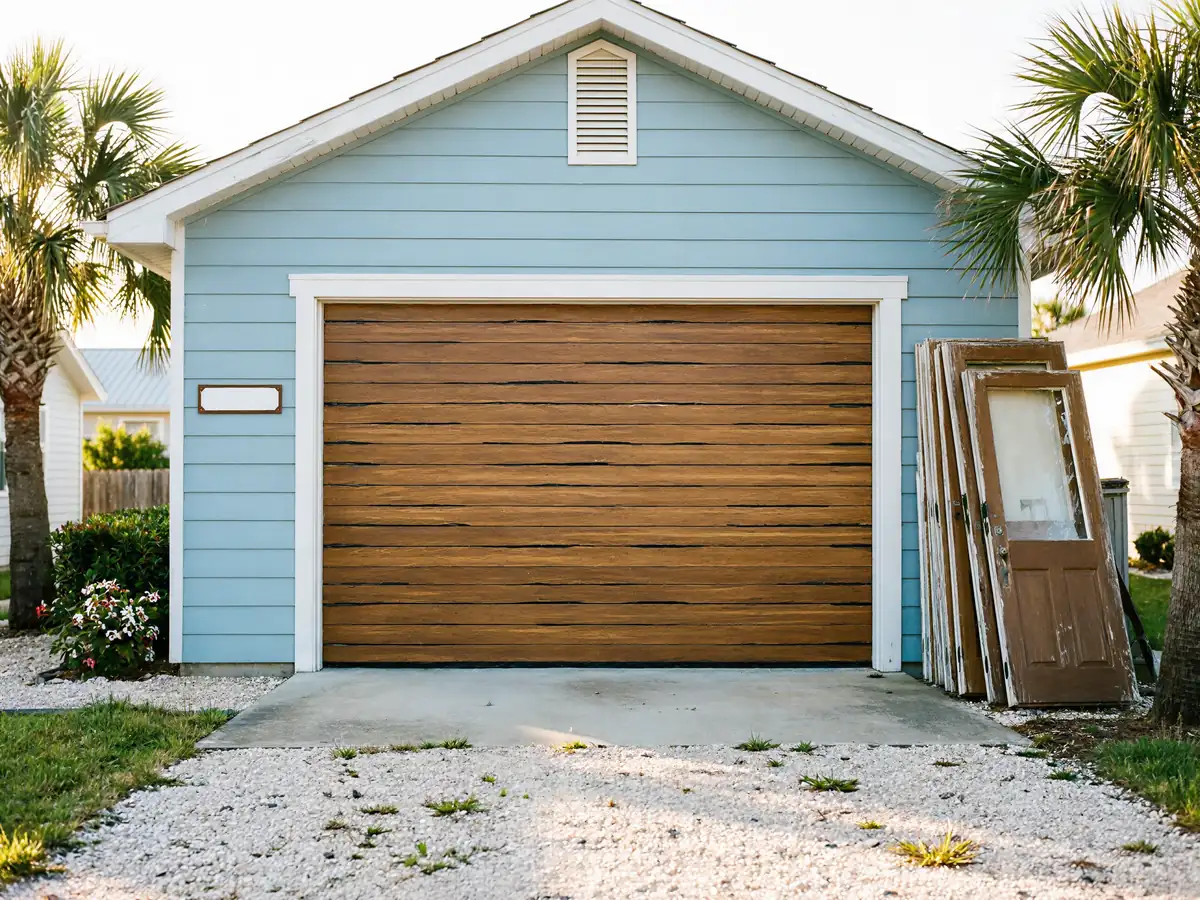
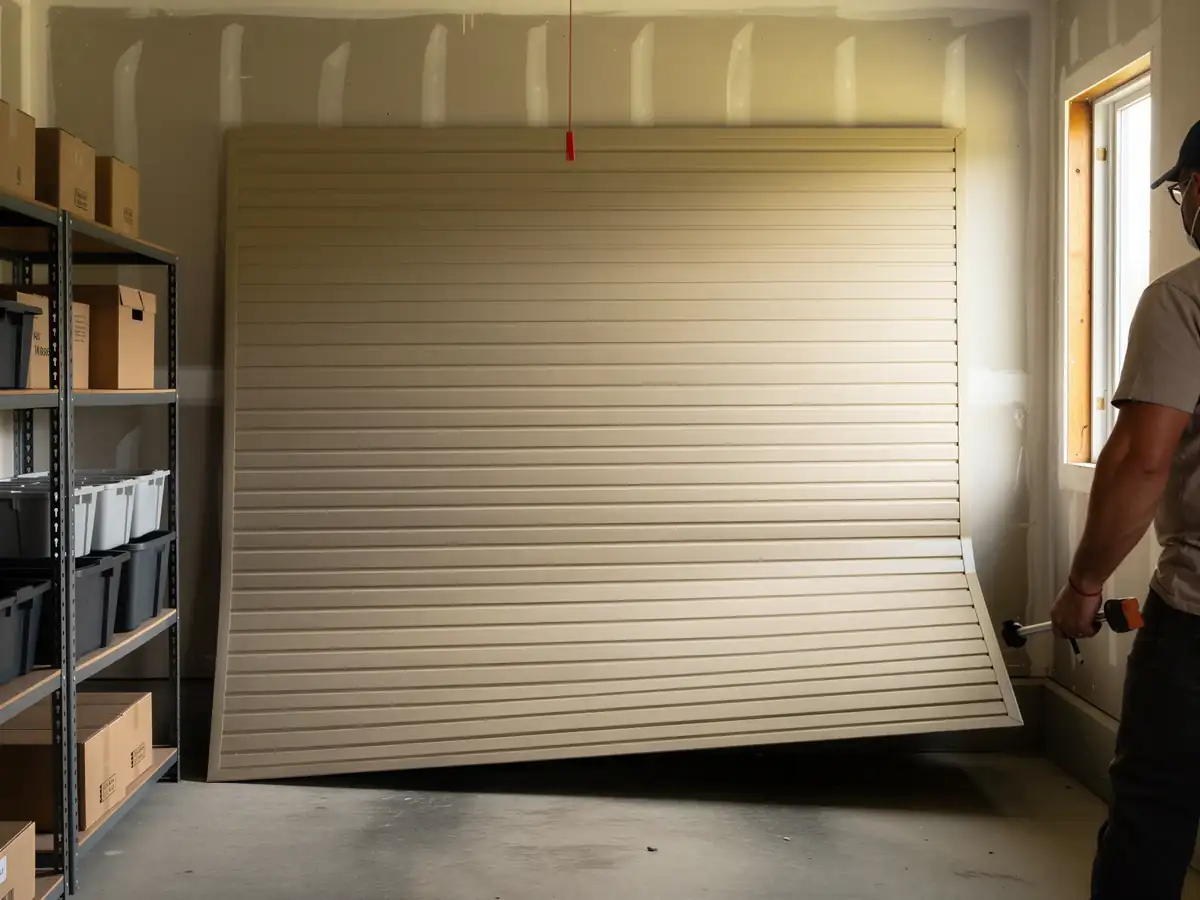
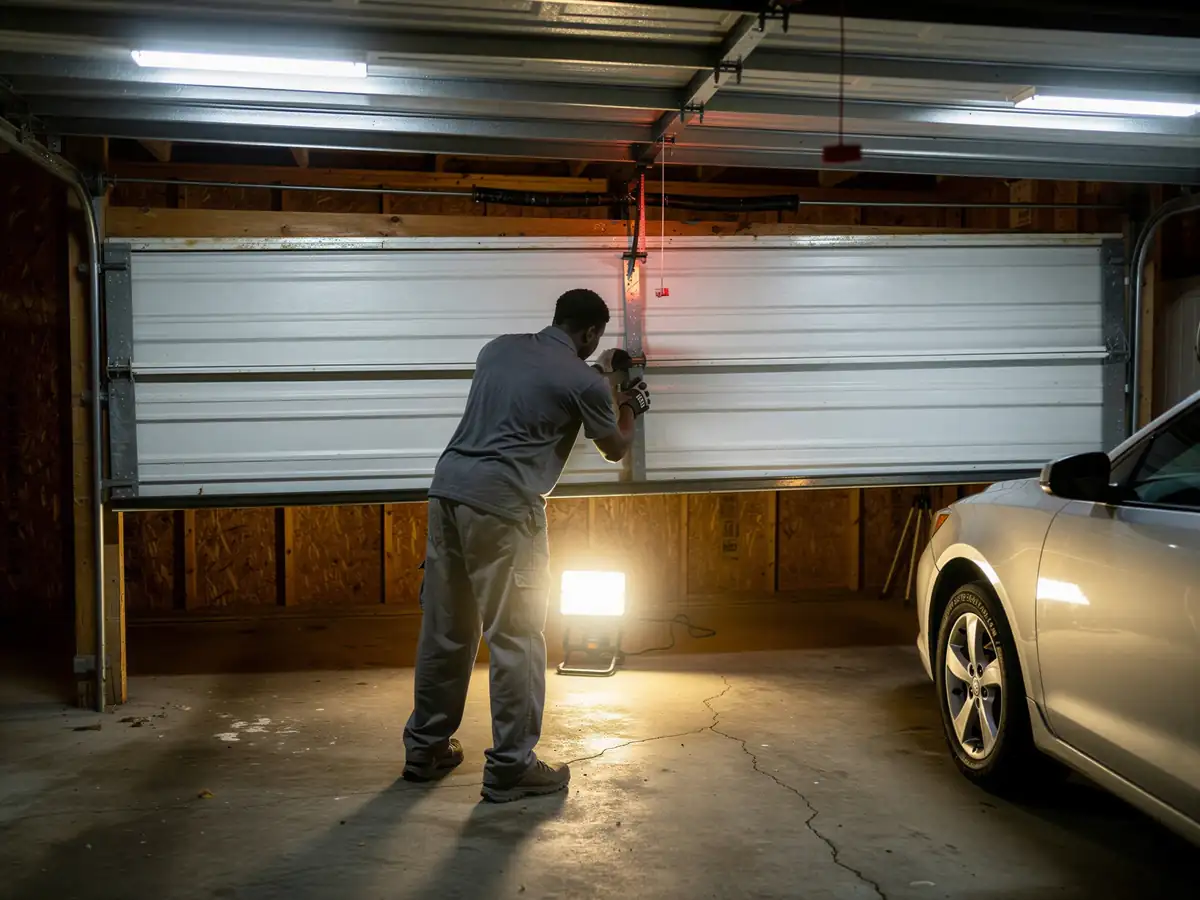
On a door built to 1970s specs, panel damage tends to show up as a dent low on the bottom section - that's the panel a car bumper or a trash bin actually reaches - or as a crack along a seam where the steel has thinned from age. Because so much of the stock here dates to the mid-70s, we see the same failure pattern on a lot of these doors: one bent bottom panel, hardware otherwise intact. You'll notice it before the door stops working right - a visible crease, a gap at the weatherstrip, maybe the door catching slightly as it travels because the track is no longer straight at that section. Sometimes the damage is cosmetic only and the door still runs fine; sometimes a bent panel has knocked the roller out of its track, and that's a different, more urgent problem. Either way, the panel itself rarely fails on its own - something hits it. We look at the whole door, not just the dent, because a bent panel that's also pulled a roller out of alignment needs more than a panel to fix right.
What Can Go Wrong
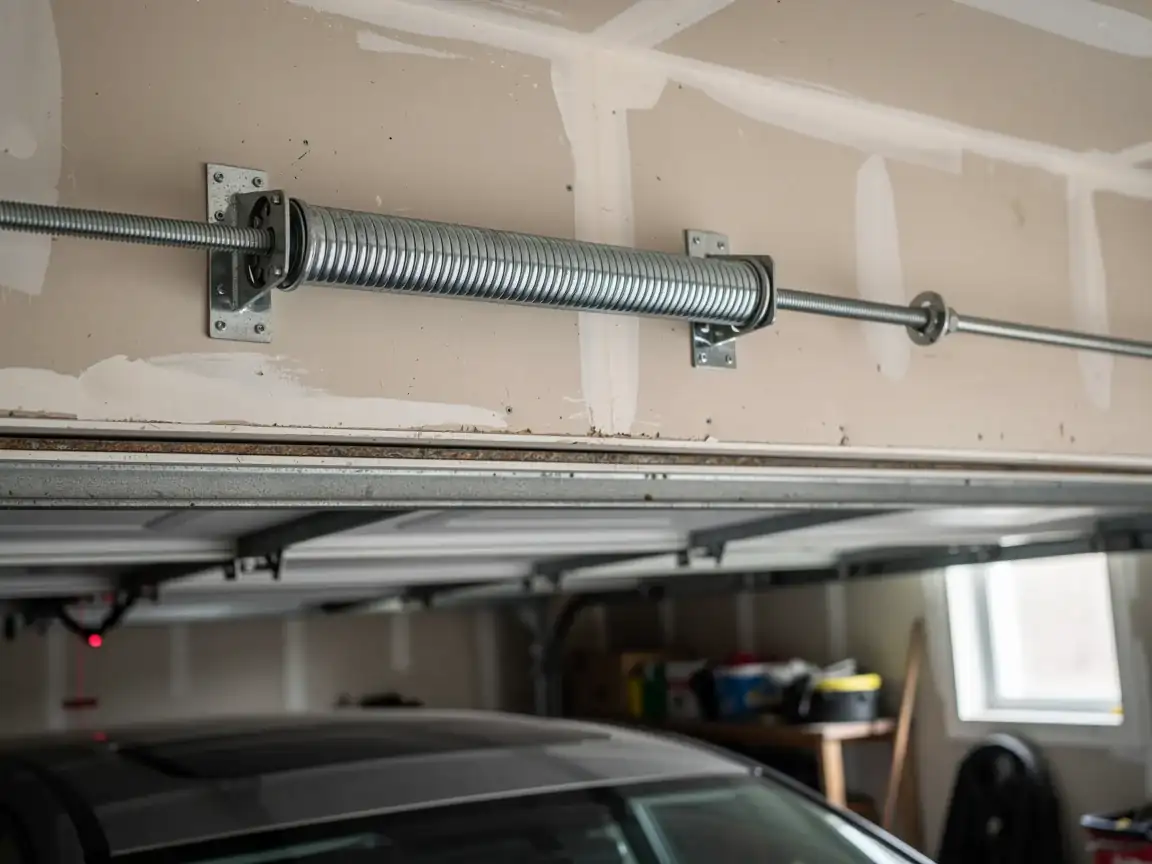
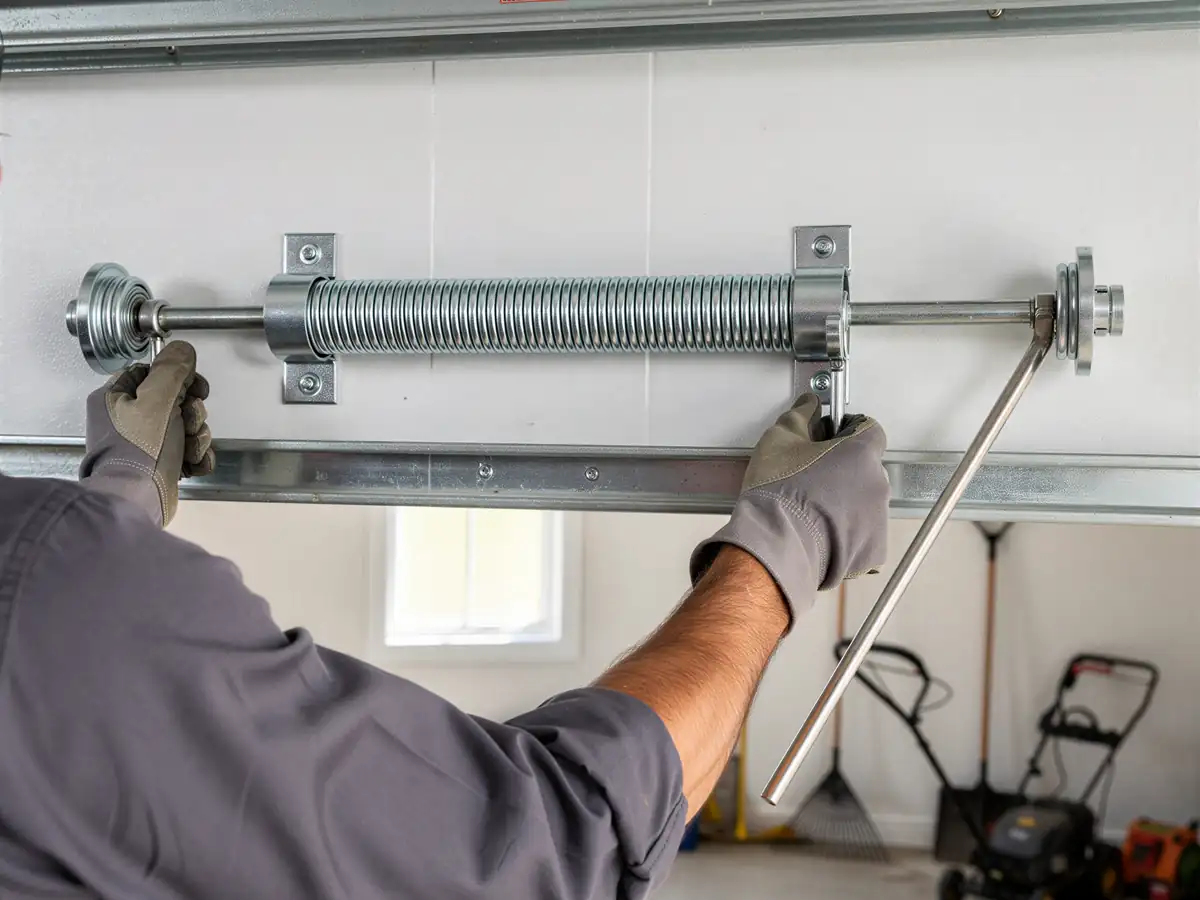
The biggest risk on a 1975-era door is mismatch - an owner orders a panel online that's close but not exact, and it sits visibly different from the rest of the door once it's hung. The second risk is treating a panel dent as cosmetic when it's actually bent the track or thrown the door out of square; forcing the opener to keep running against that wears the opener and the remaining panels faster than the dent alone ever would. We also see doors where one panel swap turns into a bigger job because the spring tension was never rebalanced after the original hit - the door runs, but it's working harder than it should, and that shortens everything else's life. Our honest limit here: if the door is old enough that replacement panels aren't made anymore and a patch would look worse than the dent, we'll say so and talk about a full door instead of pretending a mismatched panel is a win.
Getting It Booked In
Tell us the panel's position on the door - top, bottom, which side - and roughly how old the door is, and we can usually narrow down whether it's a standard stock part or something we need to track down first. A photo helps more than a description; steel finishes from the 1970s vary enough that we'd rather see it than guess. We travel the 15 miles from Melbourne for this work, so we schedule it rather than treat it as a walk-up job, and we'll give you a real window before we load the truck. If you're not sure whether the fix is a panel or the whole door, say that too - we'd rather look at it once and tell you straight than have you buy a part that doesn't solve the actual problem.