Stocked Parts
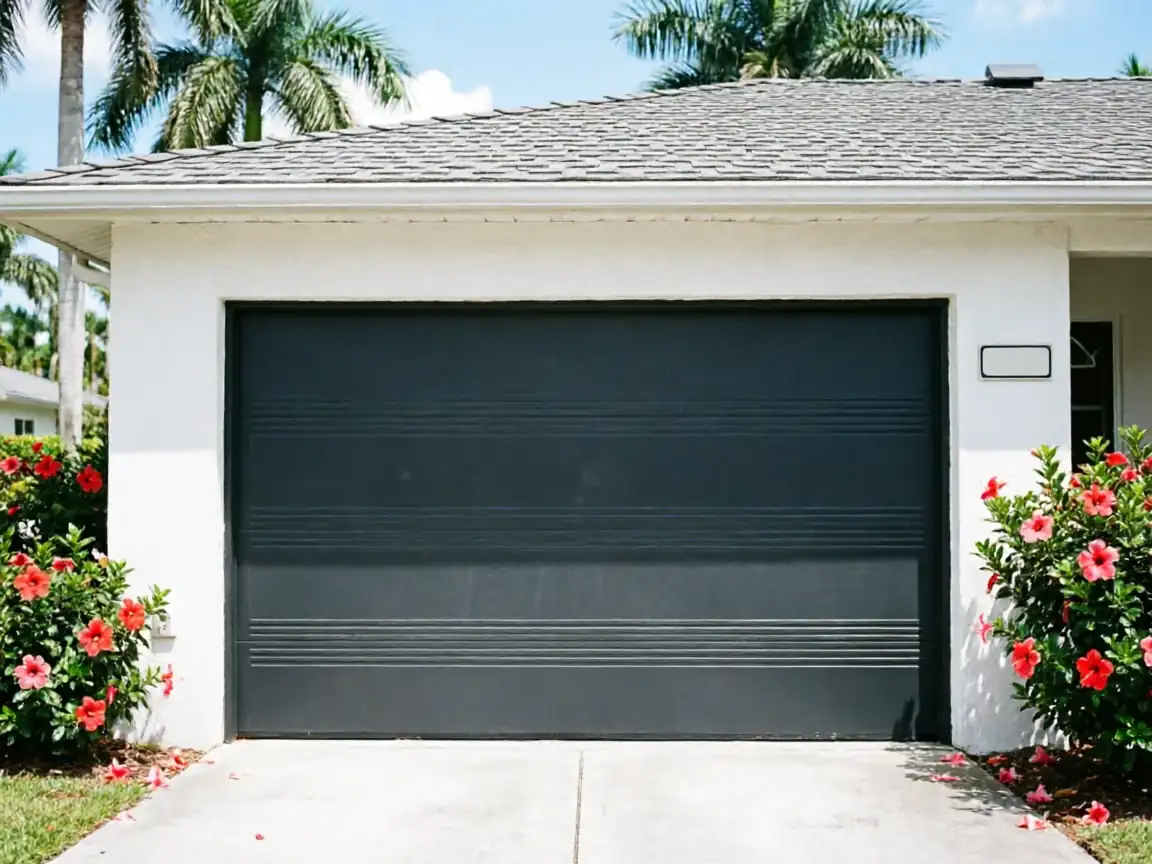
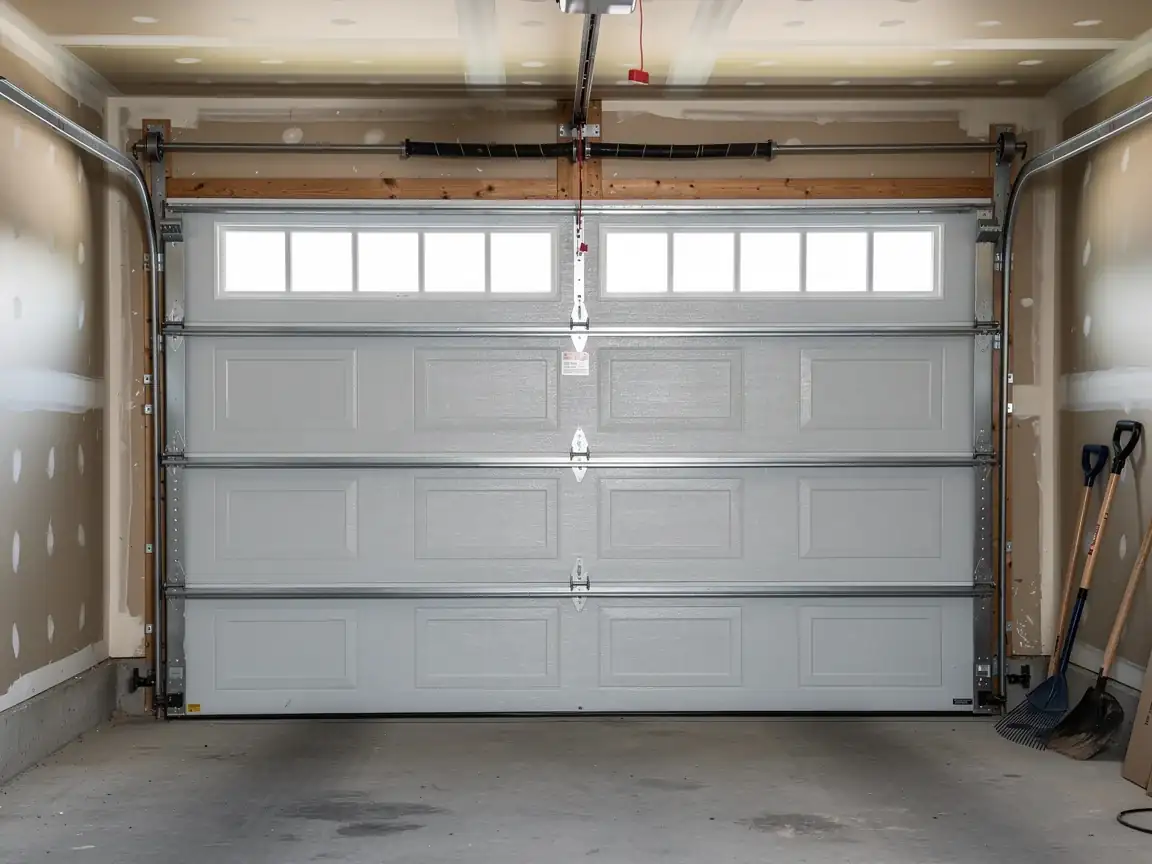
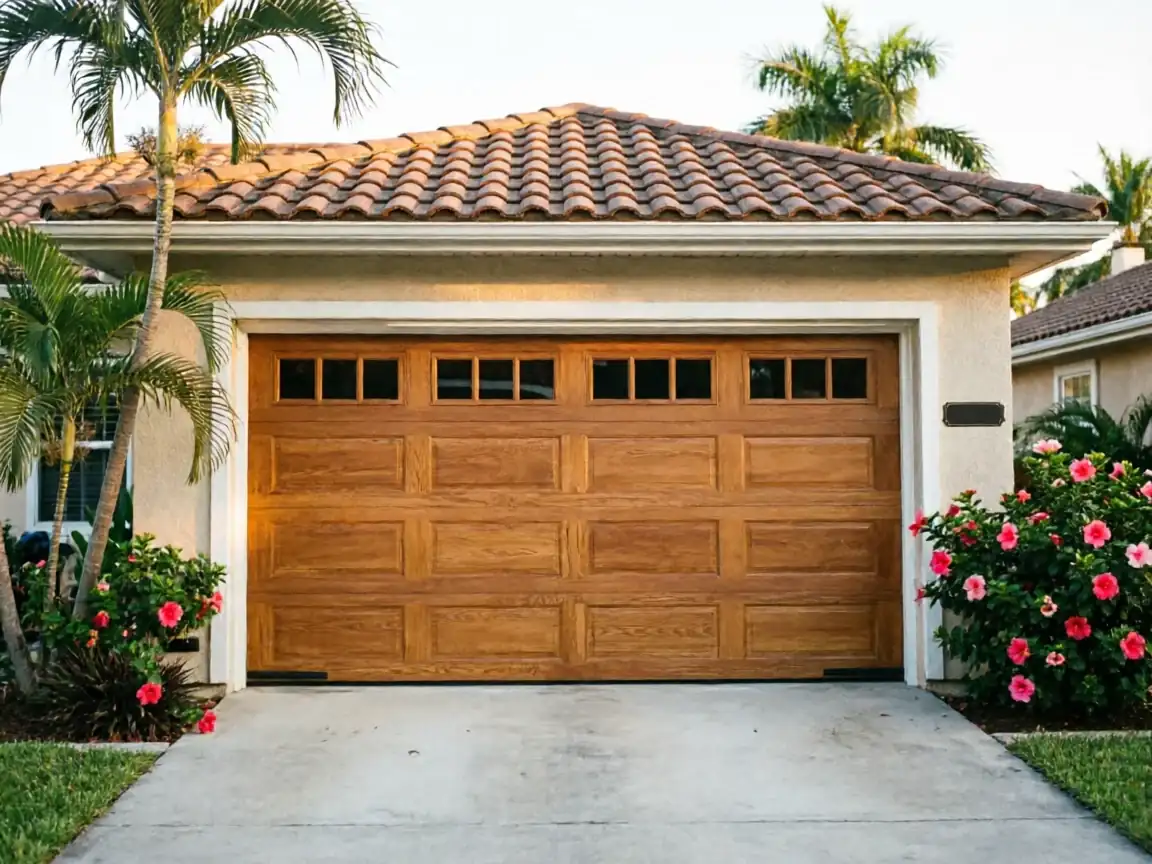
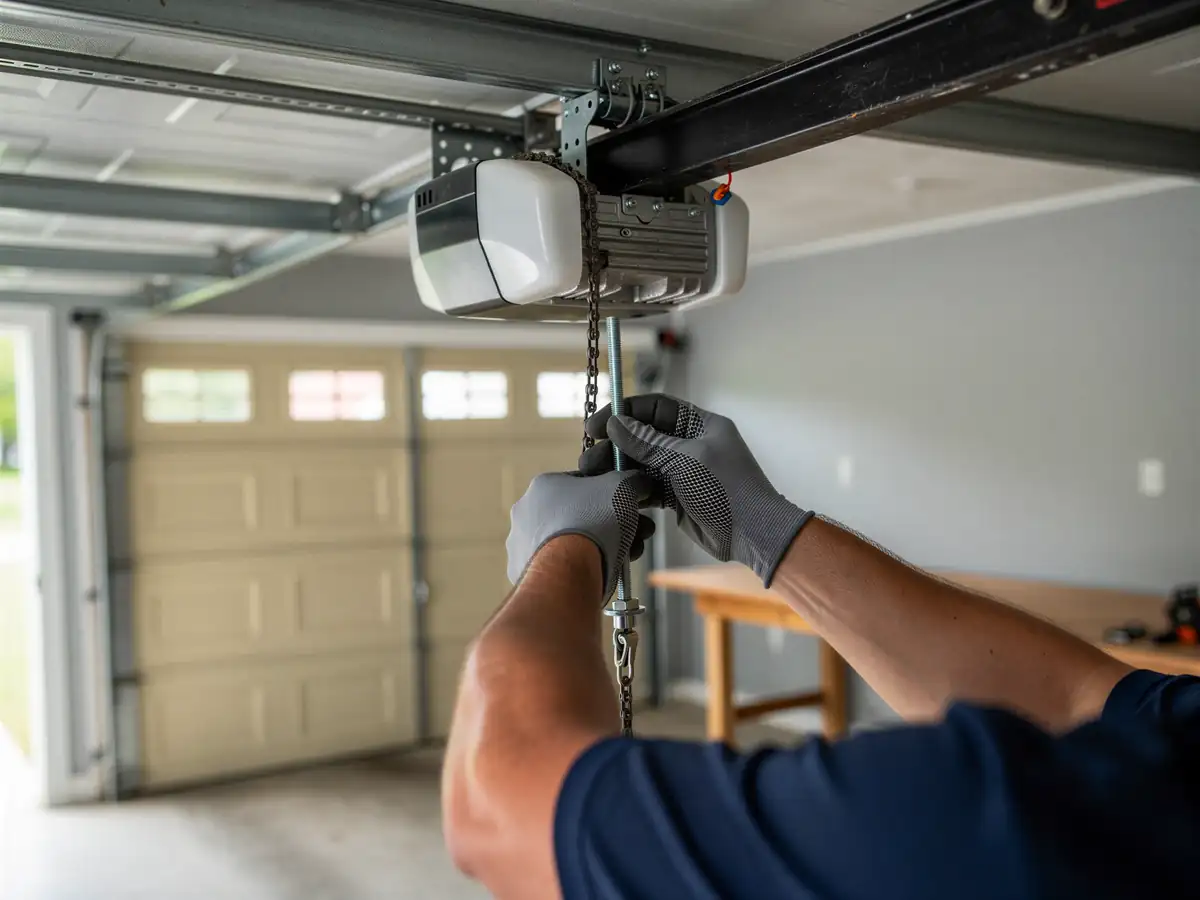
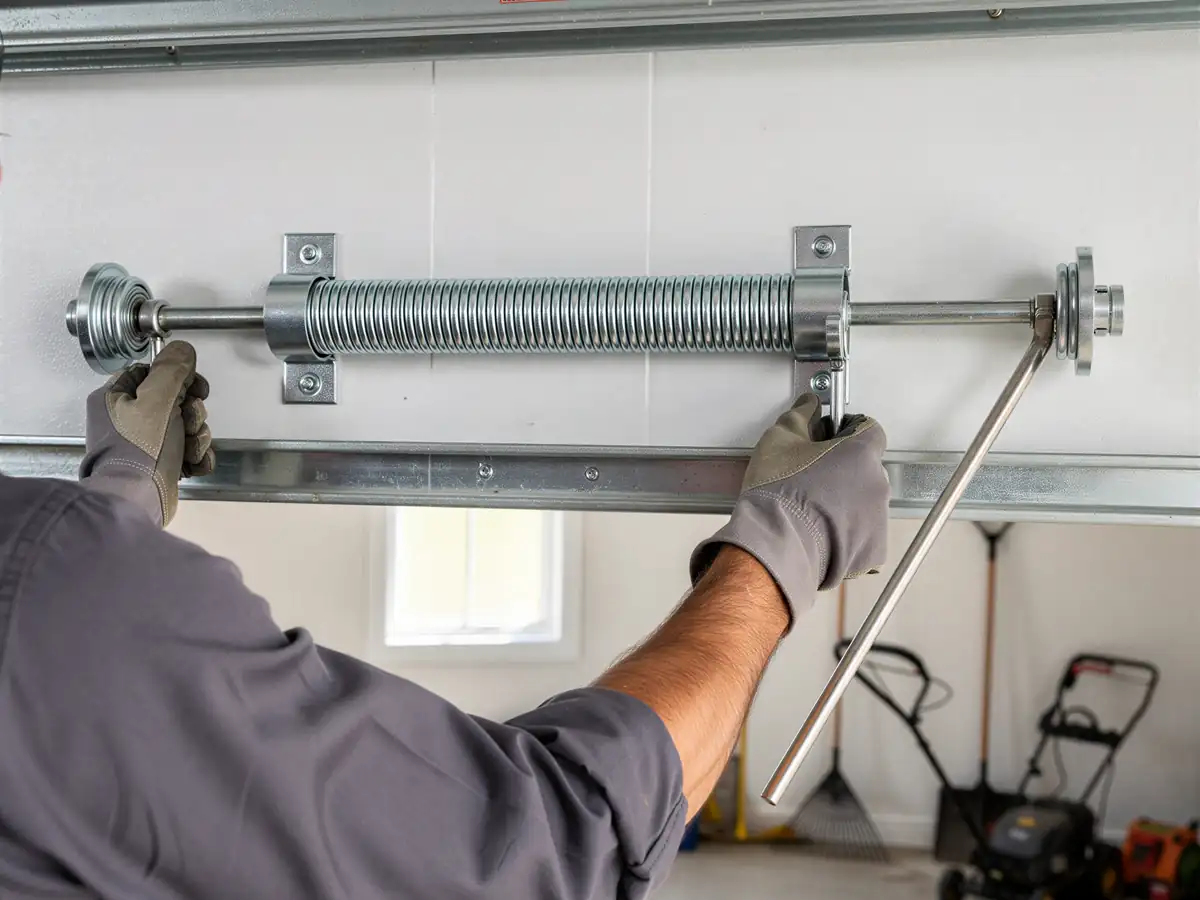
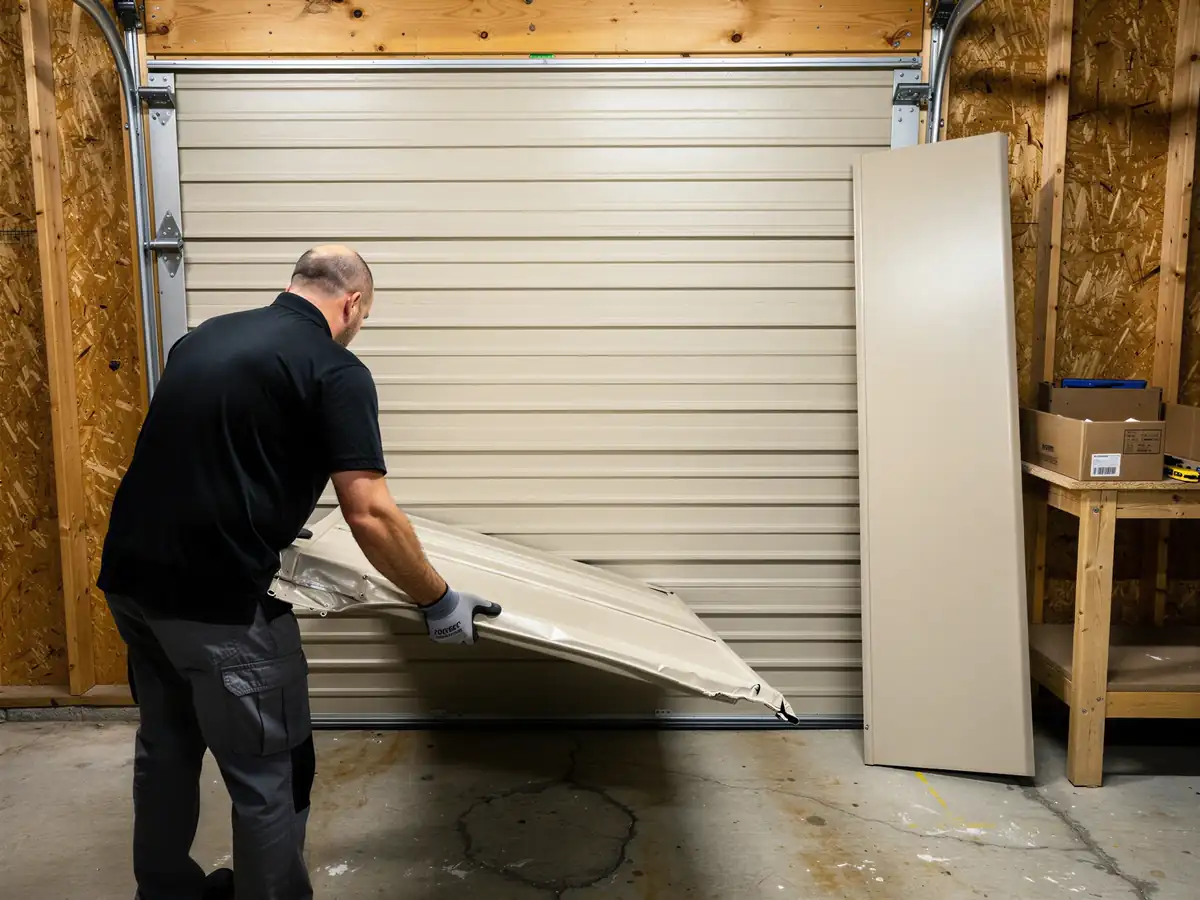
June Park sits three miles from Melbourne, close enough that a truck can carry the parts for your door's era without a special order run back to the shop. That matters here because June Park's housing mostly dates to around 1988, which puts it a decade or so ahead of the 1960s-70s stock that makes up a lot of the wider service area. Doors from that period usually mean steel raised-panel sections, torsion springs sized for a lighter door than the older stock, and openers from the first wave of chain-drive residential units. We carry springs, rollers, and cable in the sizes that era of door actually uses, plus the logic boards and safety sensors for openers from roughly that vintage. What we don't carry on the truck is parts for a door that's been swapped out for something newer or older than the neighborhood norm - if your house got a replacement door at some point, tell us the age when you call, not just the address, so the right parts are on the truck before the drive even starts.
What You Pay
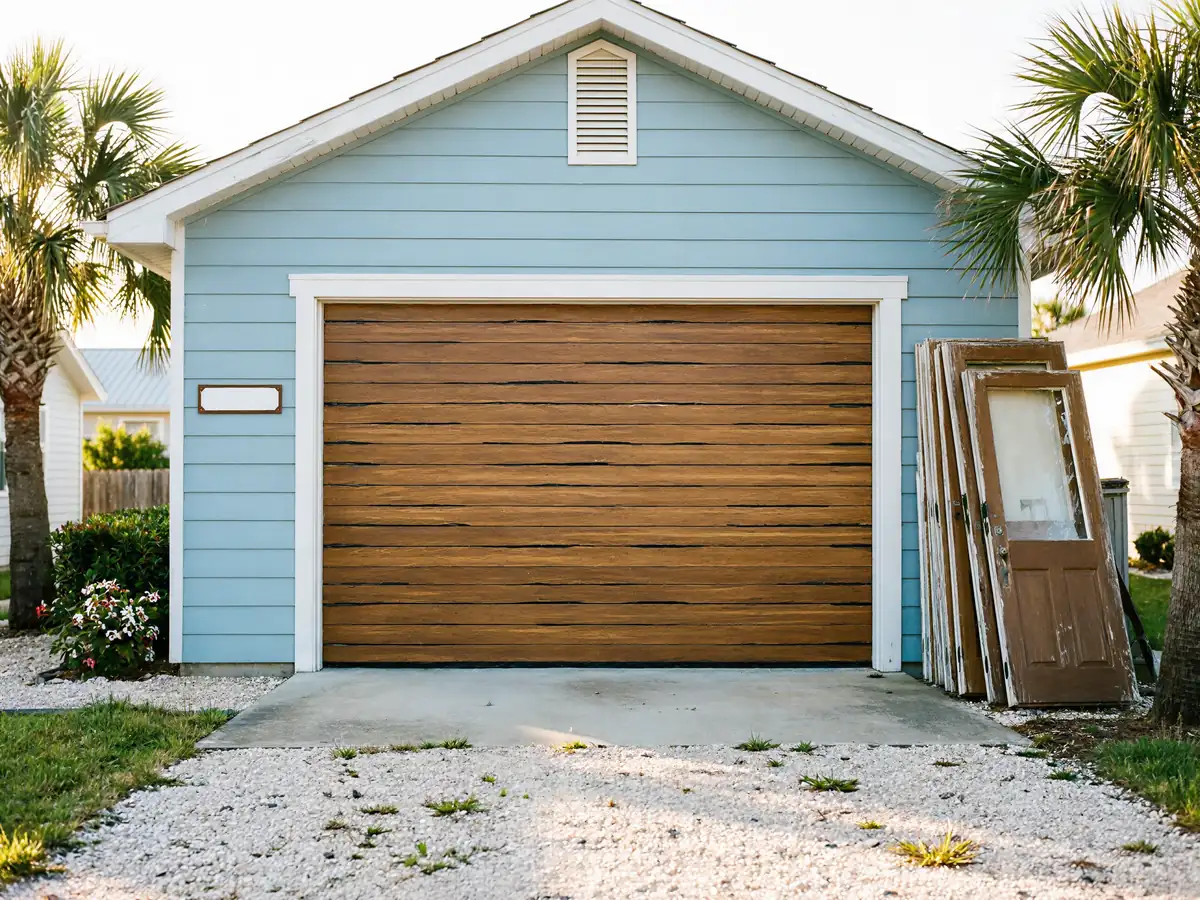
We don't publish a flat rate here because the job itself drives the cost - a roller replacement and a broken torsion spring on a double door are not the same bill, and we're not going to pretend otherwise. What we can tell you is that June Park's median household income runs about $80,575, a bit under the $86,305 median across the broader service area, and that shows up in how people decide between a repair and a full door replacement. For a 1988-era door, a lot of the hardware is still serviceable, which usually tips the decision toward fixing what's there rather than starting over. We'll walk you through parts and labor before anything gets touched, and if the repair cost starts closing in on what a new door runs, we'll say so plainly instead of running up a bill on a door that's past the point of being worth saving.
How It Shows Up
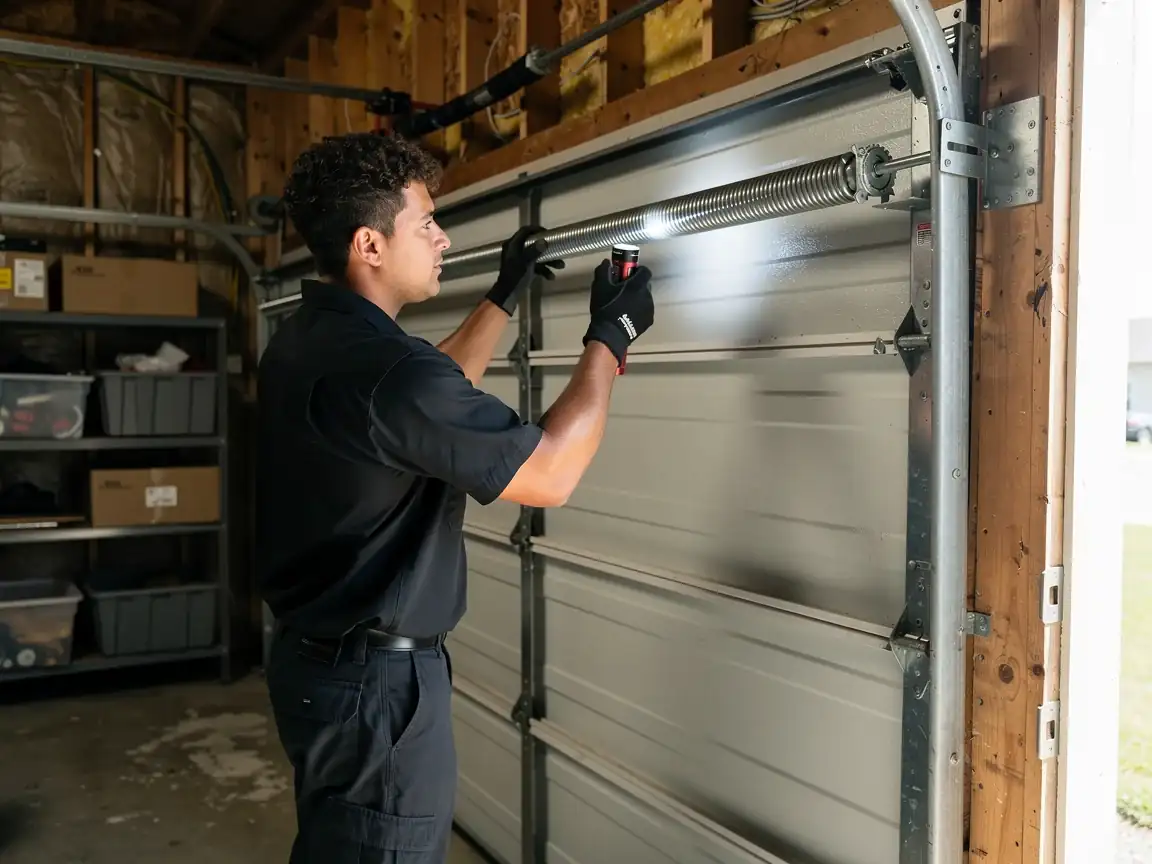
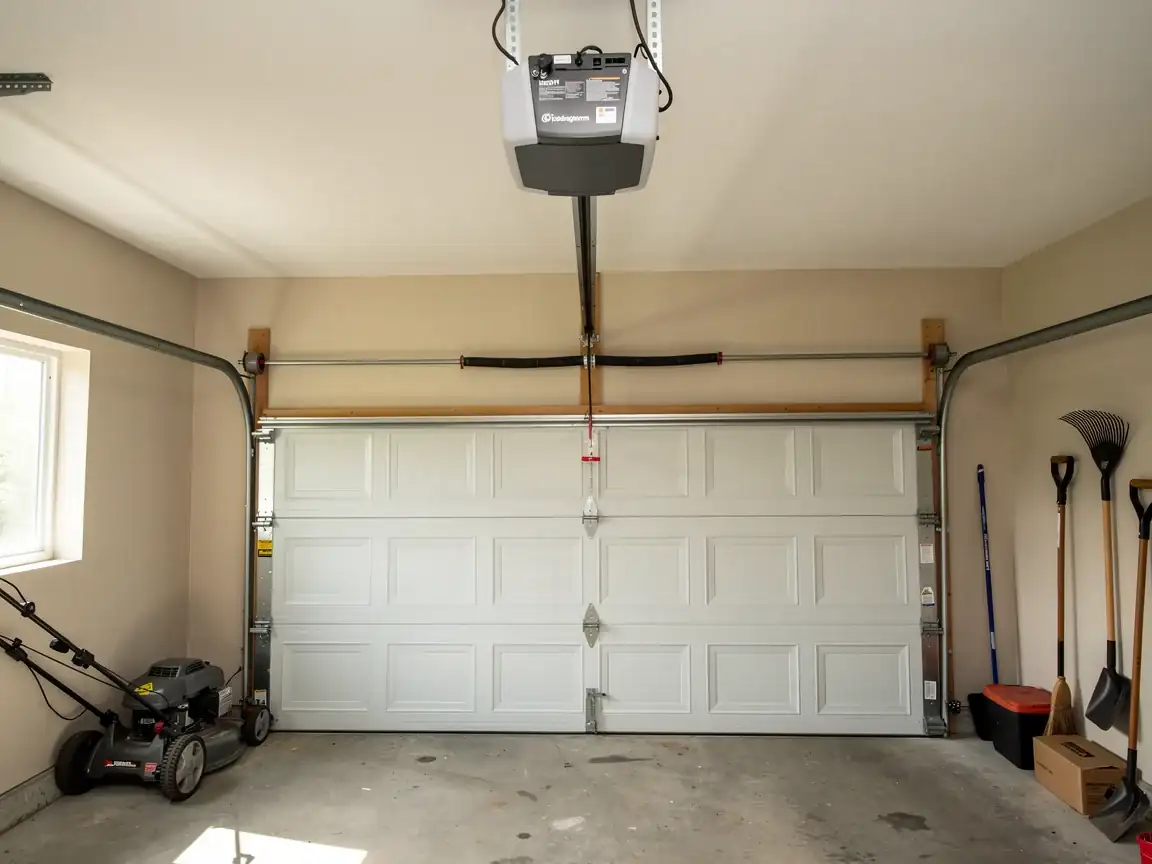
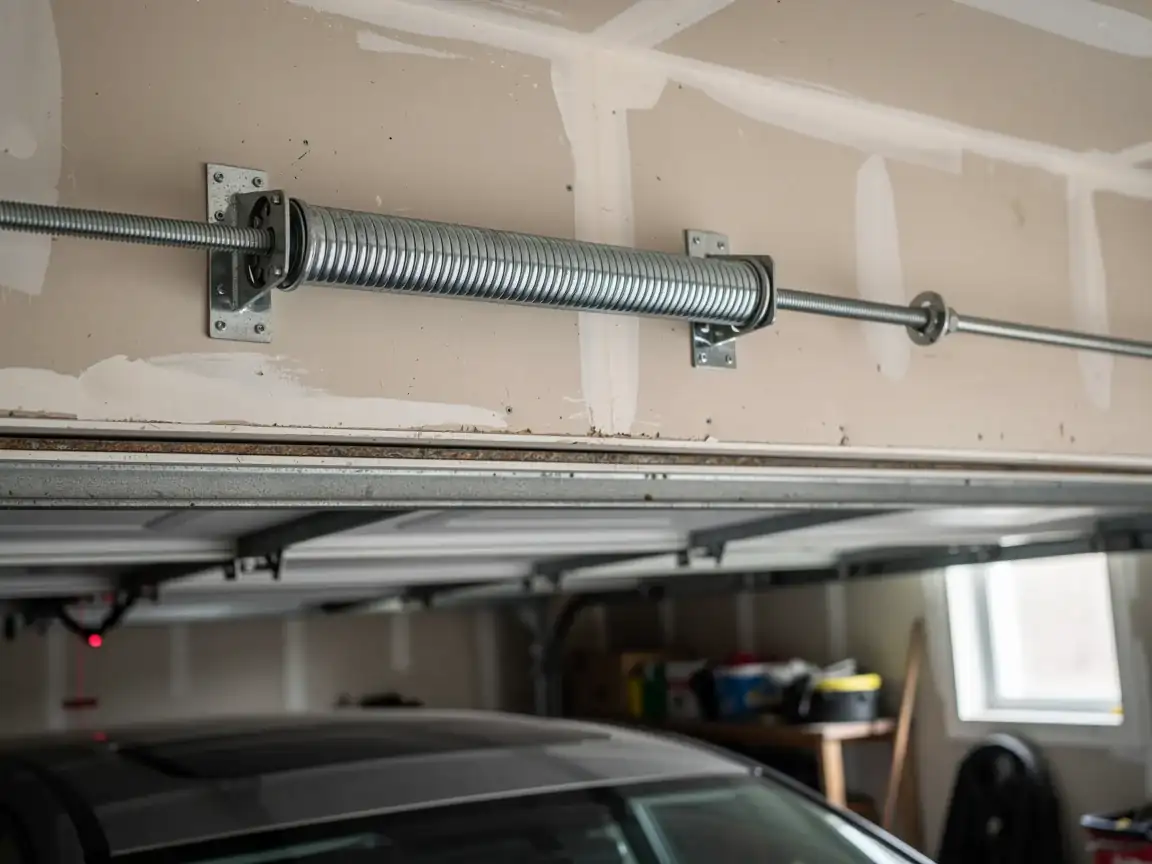
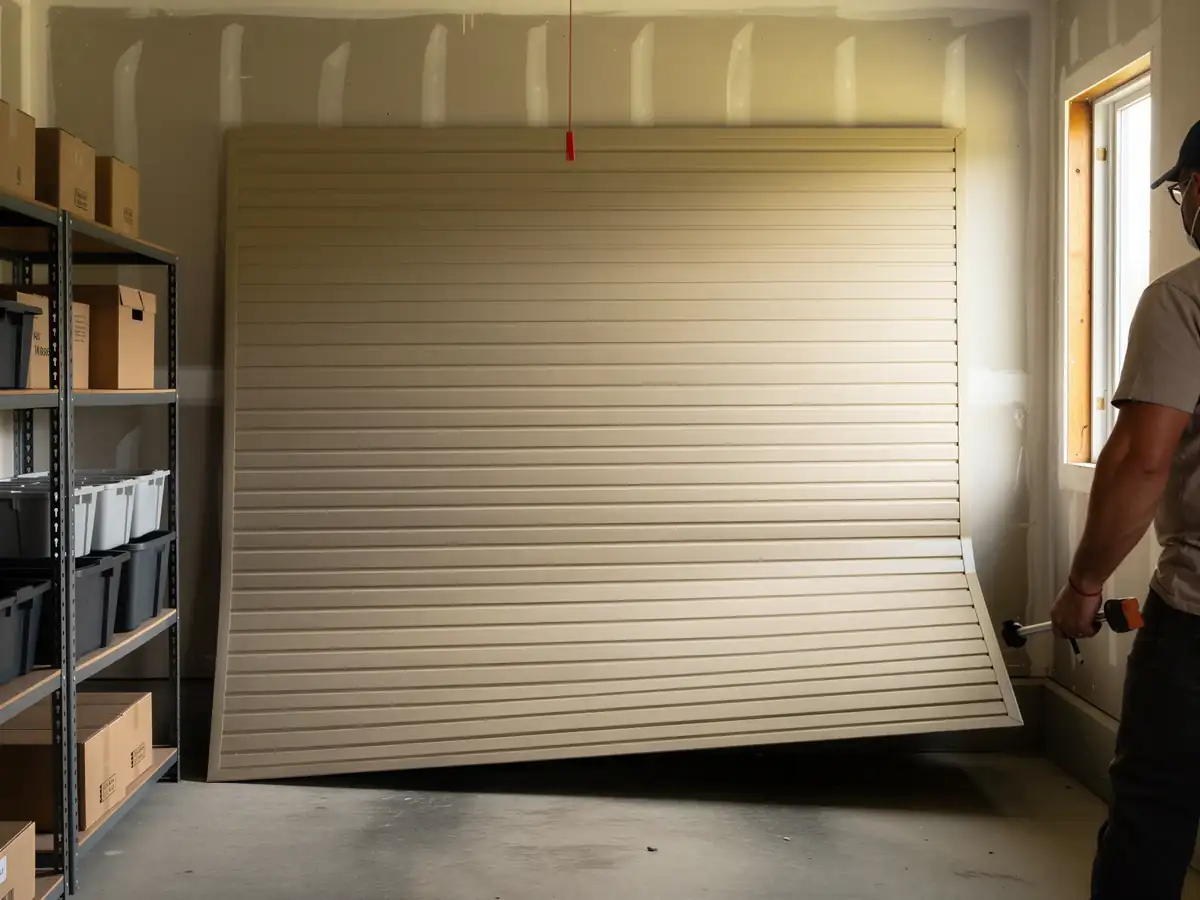
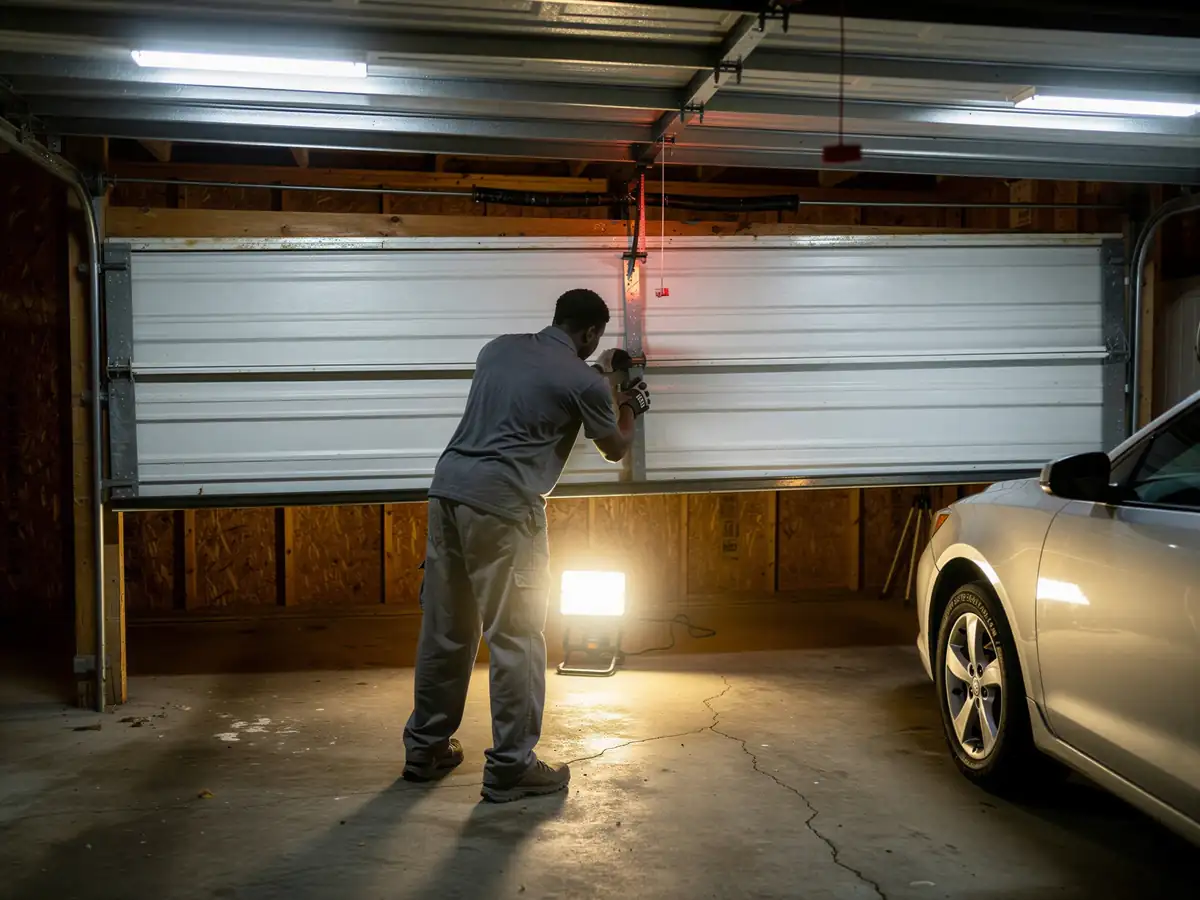
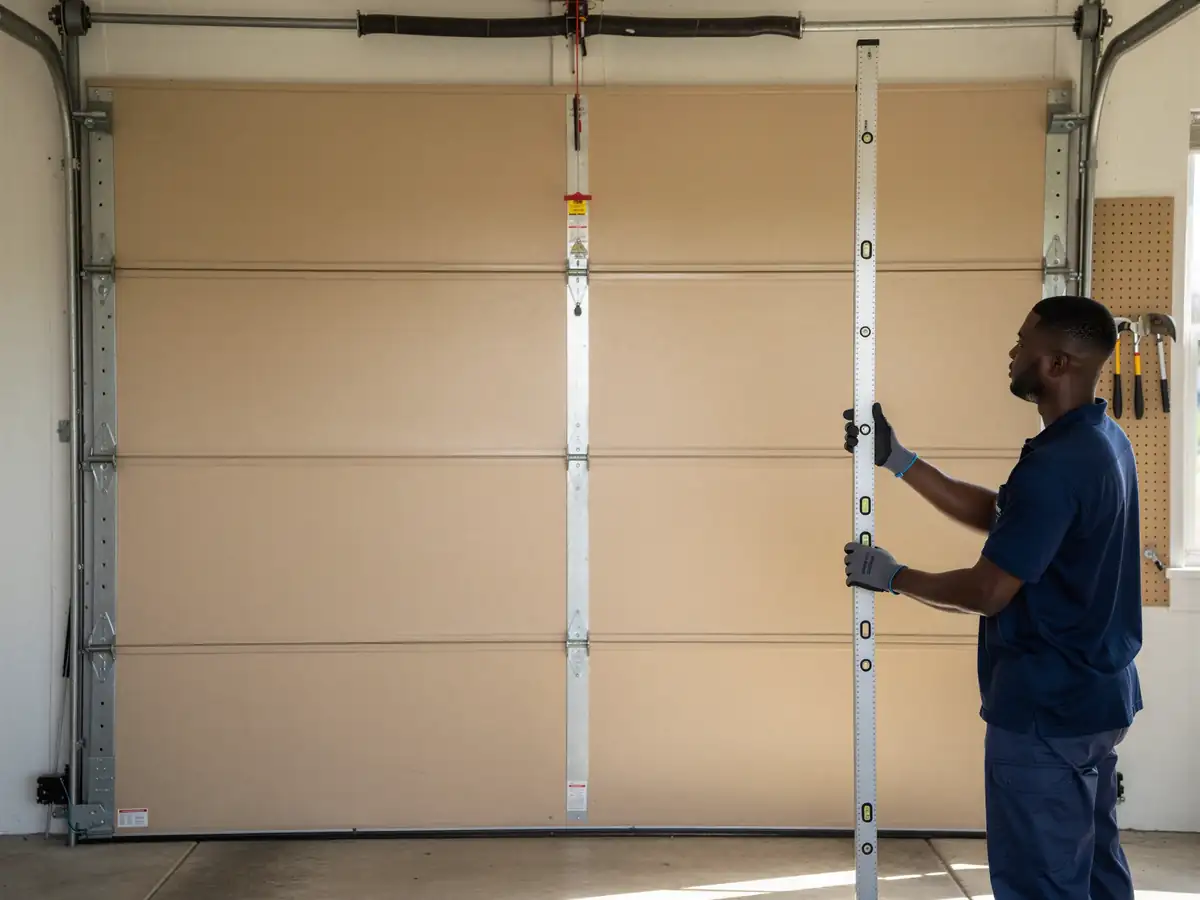
The most common sign is a door that won't budge, with the opener motor humming but the door staying put - that's usually the torsion spring, not the motor itself. Some owners notice it building up over weeks first: the door starts sagging on one side when it opens, or it takes a visible jolt partway through the cycle where the spring used to carry it smoothly. On the opener side, the symptoms are different - a remote that works intermittently, a door that reverses for no reason, or a unit that runs but doesn't engage the chain. Noise is another tell. A door from this era that's starting to grind or squeal on the way up is usually down to rollers that have worn past their nylon coating, not a structural problem with the door itself.
What Can Go Wrong
A torsion spring under tension that lets go without warning is the main safety issue, and it's the reason we don't recommend DIY spring work on any door, regardless of age. Beyond that, a door that's been limping along on a failing spring puts extra strain on the opener motor, which can turn a $200 spring job into a spring-and-opener job if it's left too long. Cables fraying near the drum is the other failure mode we see paired with original hardware from the late 1980s - the cable looks fine until it isn't, and when it goes, the door can come down unevenly. None of this is unique to June Park, but the timing is: a door built in 1988 is now old enough that these failures cluster together rather than happening one at a time.