Stocked Parts
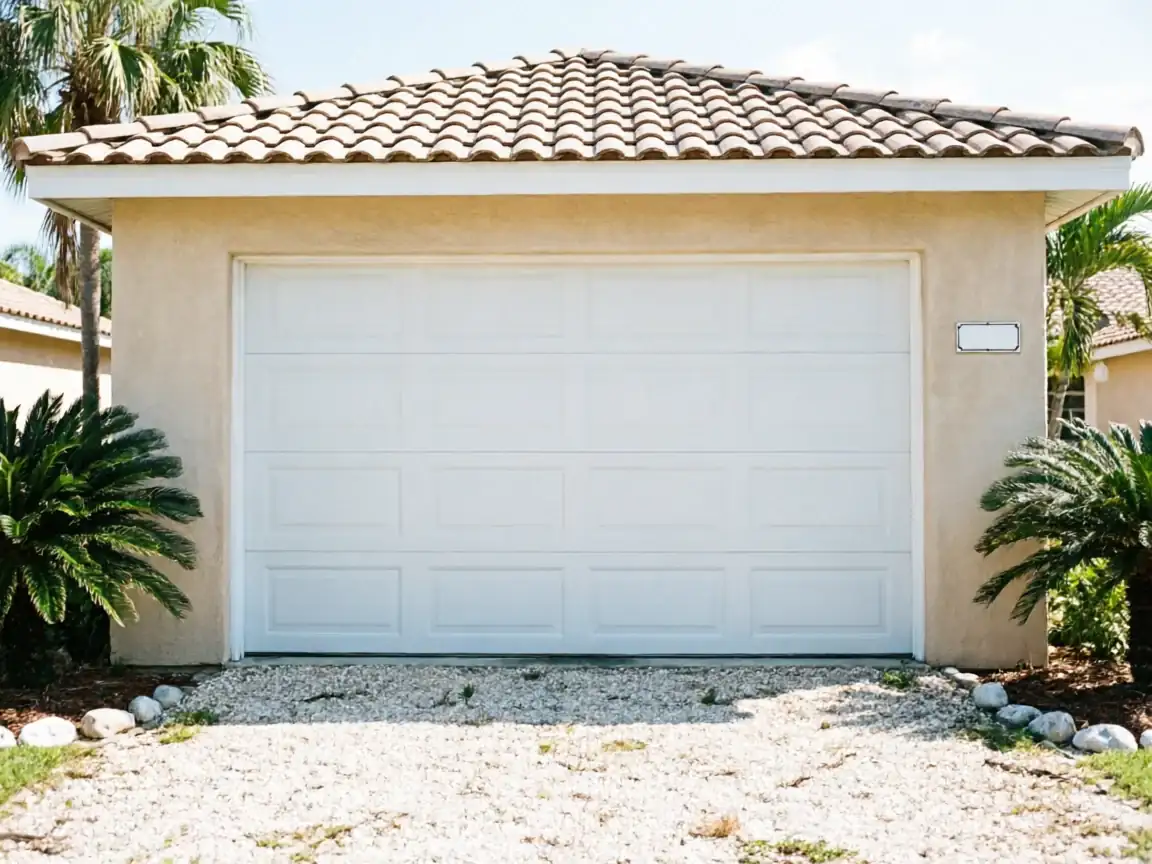
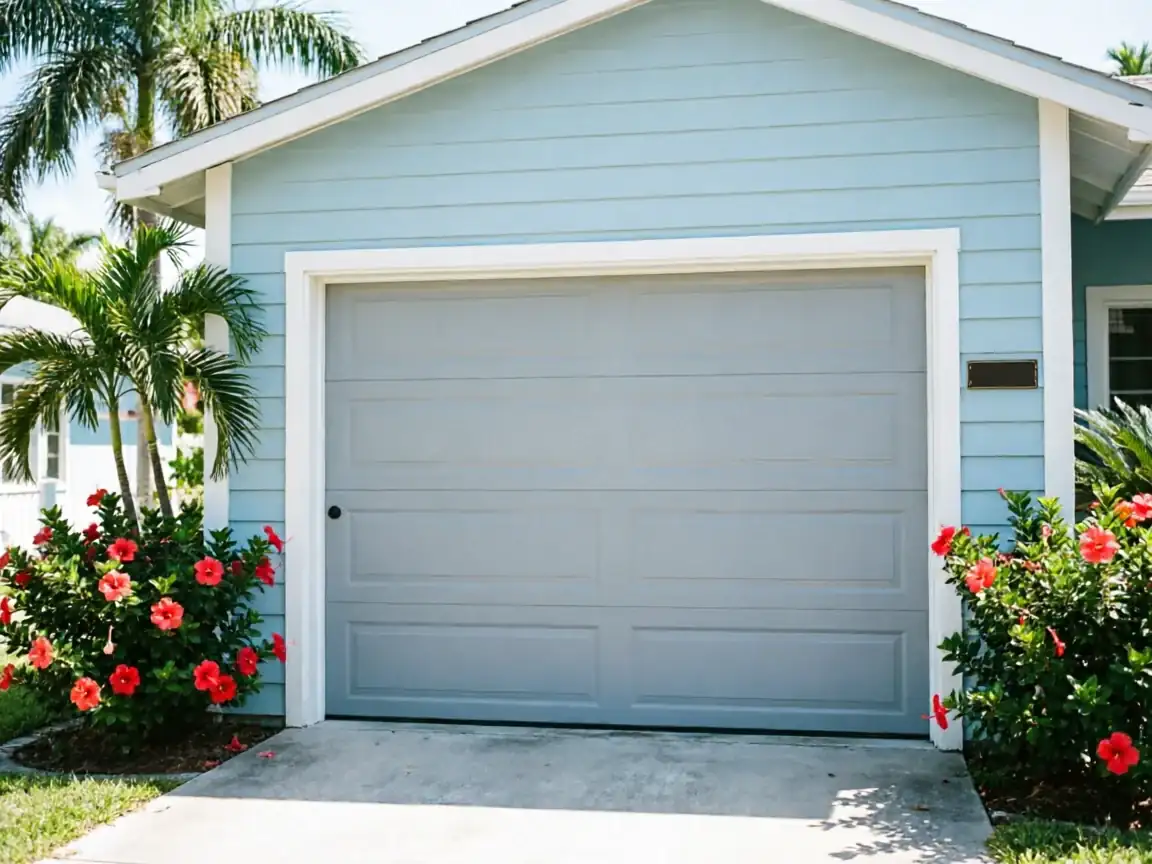
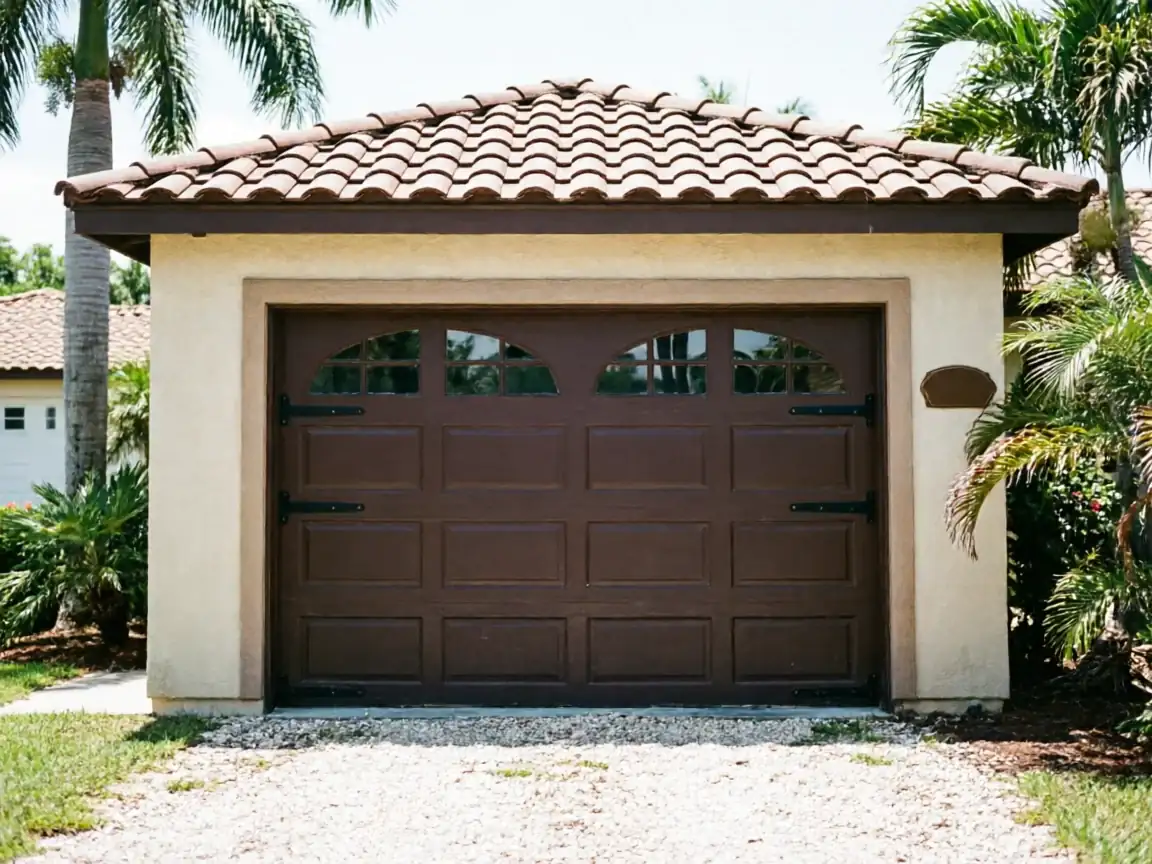
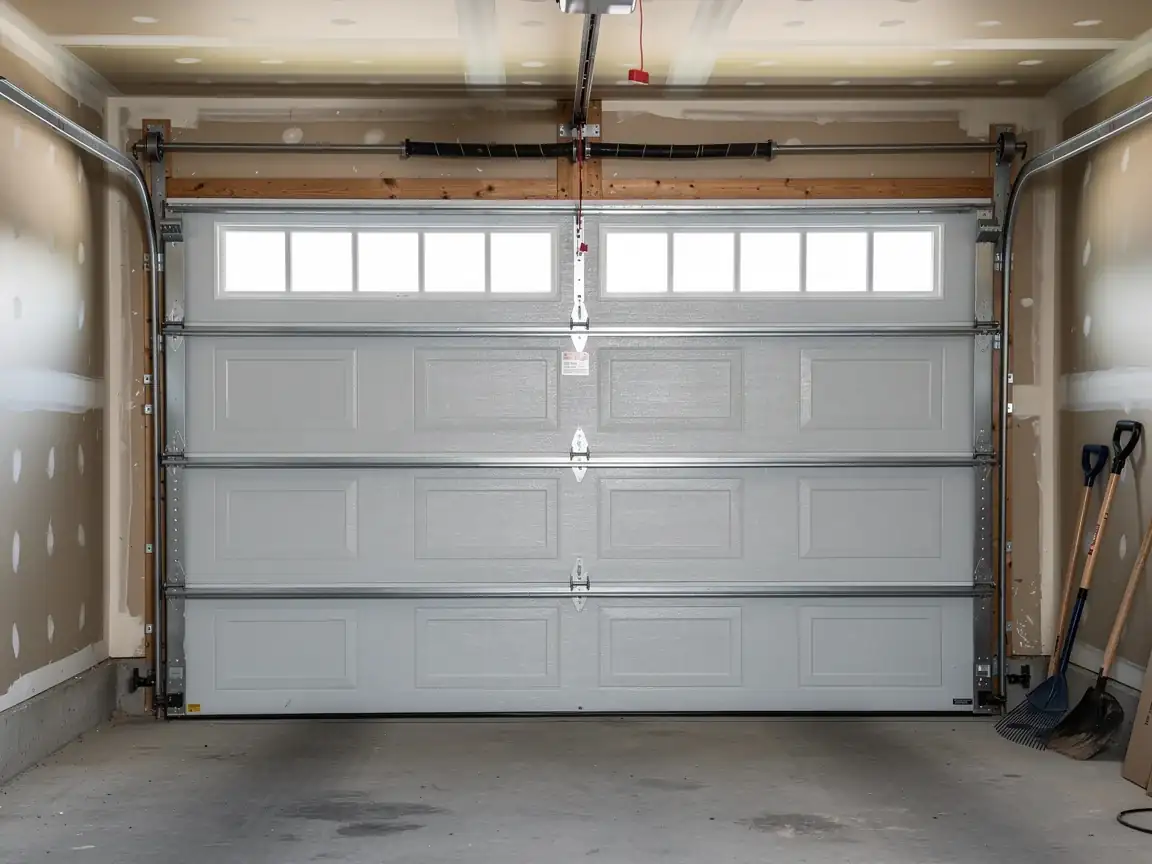
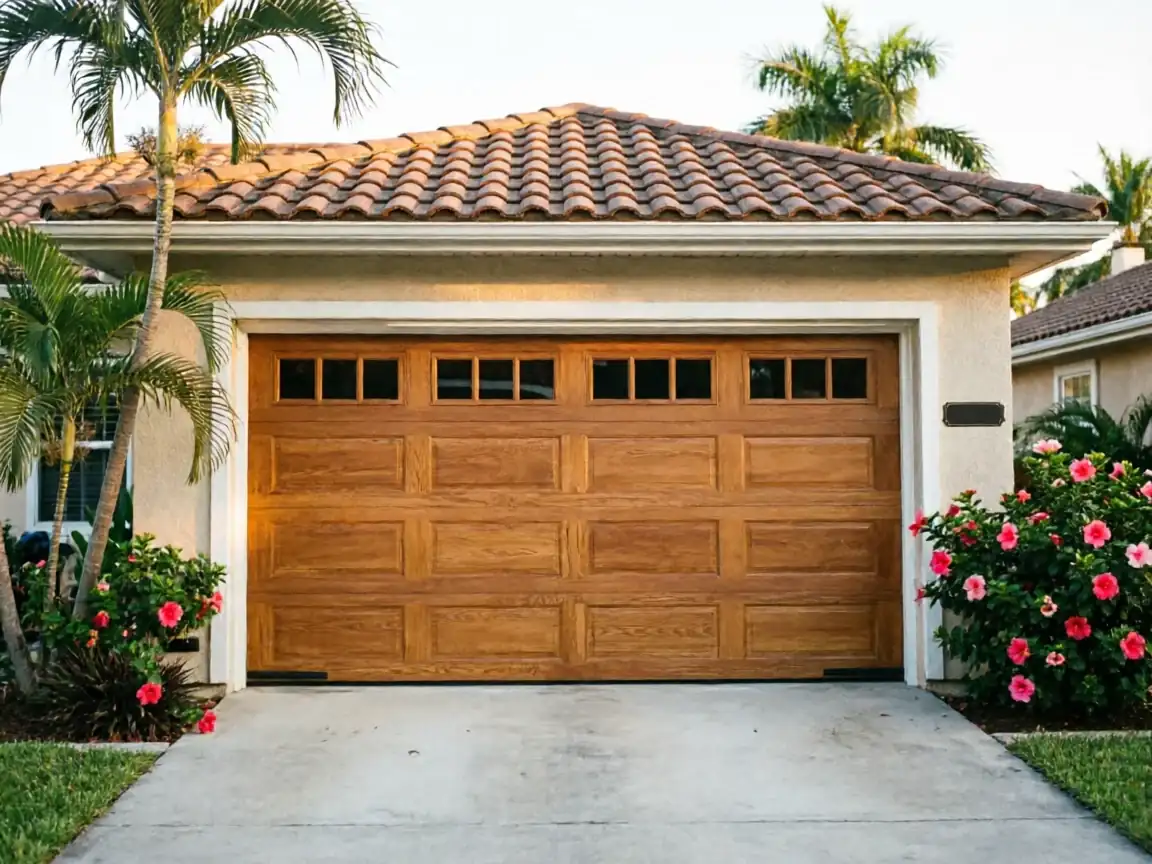
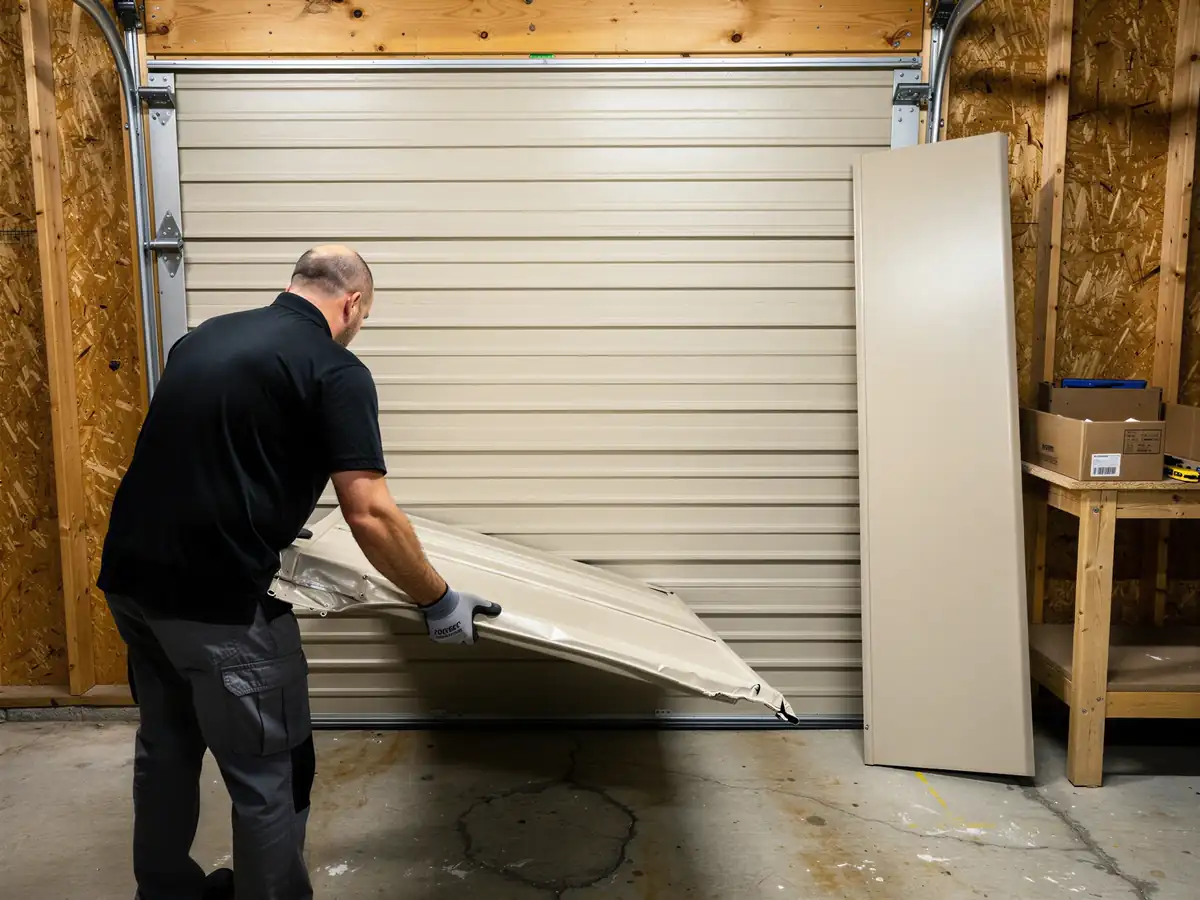
Most houses in June Park went up around 1988, roughly a decade later than the median year of 1977 across the wider Melbourne service area. That gap matters for panel work: doors from this era are almost always steel sectional units, usually long-panel or short-panel raised designs on 7-foot or 8-foot double openings, with lighter-gauge steel than what you'd find on an older 1960s or '70s build elsewhere in the coverage area. The track and hinge spacing on these doors is standard enough that we carry matching panel sections for the common widths in stock rather than special-ordering for every job. Where we run into trouble is color and embossing pattern - builders in the late '80s used a handful of steel suppliers, and a panel that's faded or sun-worn for twenty-plus years rarely matches a fresh one straight off the shelf, even if the profile lines up. We'll tell you up front if a seam is going to show rather than pretend it won't. For a smaller pocket like this one, with 1,719 households total, the door models repeat enough that we usually know the fit before we unload the truck.
What You Pay
We don't post panel pricing here because it depends on the door's width, the panel style, and whether we're matching an existing color or replacing a full section run top to bottom. What we can tell you is what drives the number up or down: single-panel swaps on a standard double door cost less than matching a whole run across a non-standard width, and doors where the original manufacturer discontinued that embossing pattern cost more because we're working with a close match instead of an exact one. June Park's median household income sits at $80,575, a bit below the $86,305 figure for the broader service area, and we factor that into recommending repair over full replacement whenever the door frame and hardware are still sound. If a panel repair would cost close to what a new door runs, we'll say so instead of pushing the smaller job.
How It Shows Up
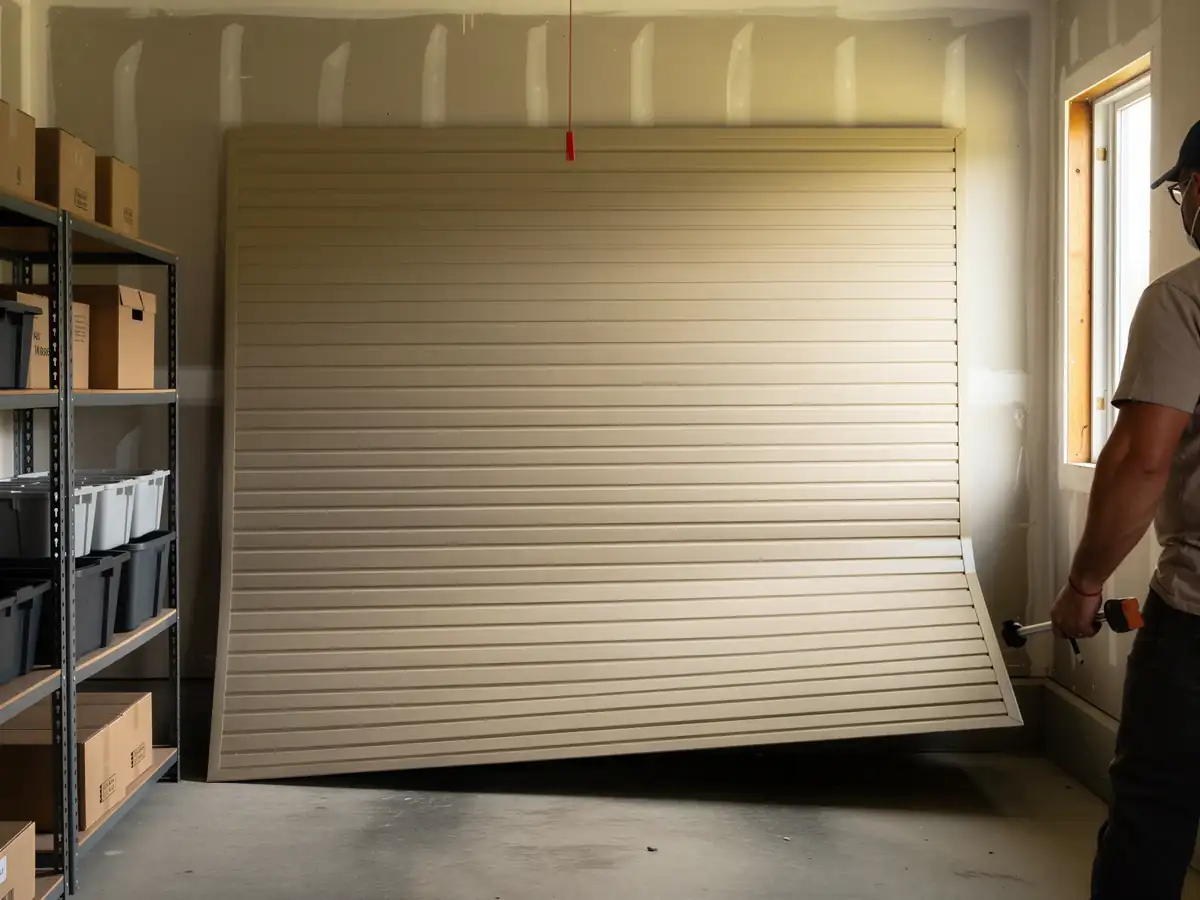
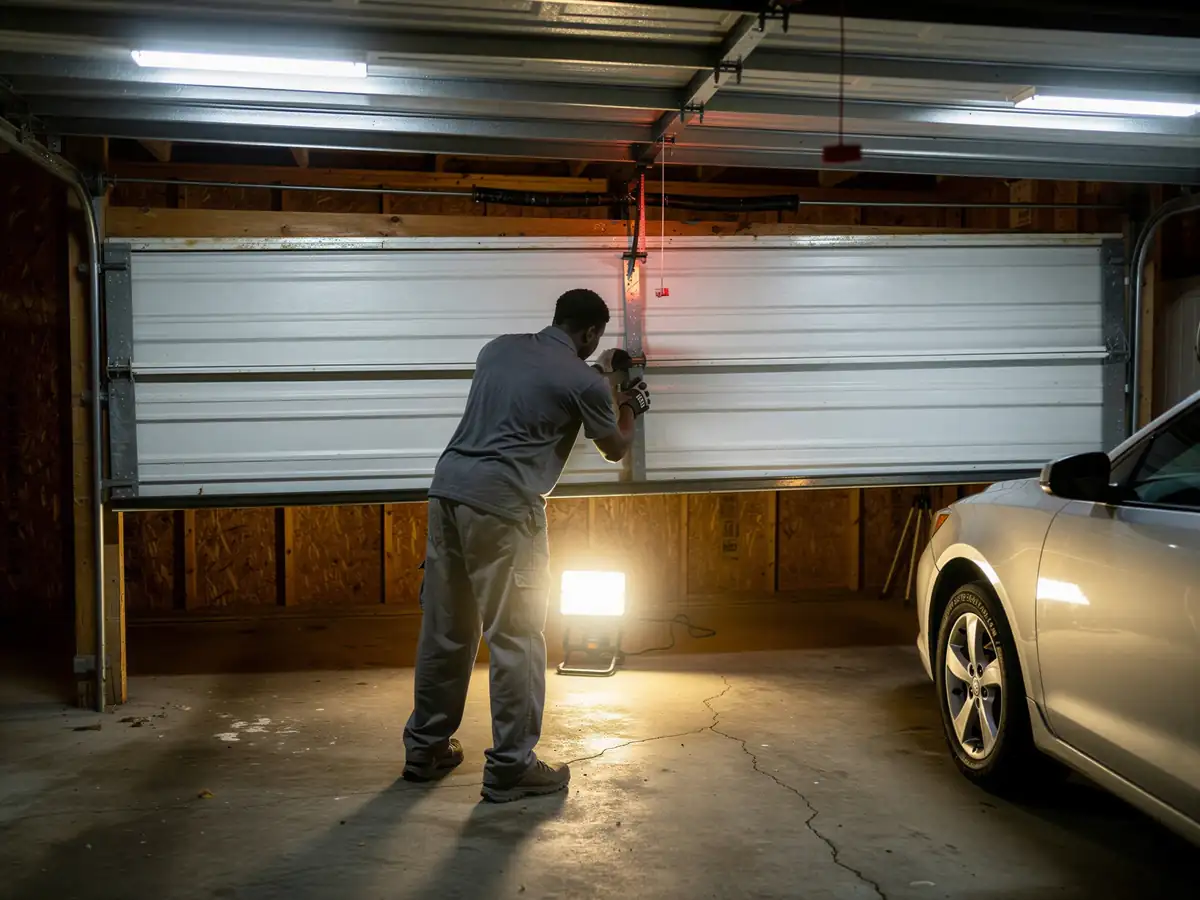
On a lot of June Park calls, the first sign isn't a dent - it's a bottom panel that's visibly lighter or chalkier than the panels above it, from decades of ground-level moisture and sun that the upper sections didn't get as badly. Dents tend to cluster around the bottom two panels too, since that's the section most often clipped by a bumper, a trailer hitch, or a bike leaned against the door. Because the steel gauge on these 1988-era doors runs lighter than newer stock, a dent that would barely mark a modern door can crease all the way through here. You'll also sometimes see a panel that's pulled slightly away from its neighbor at the seam - that's usually a sign the hinge behind it has worked loose over the years, not that the panel itself is failing.
What Can Go Wrong
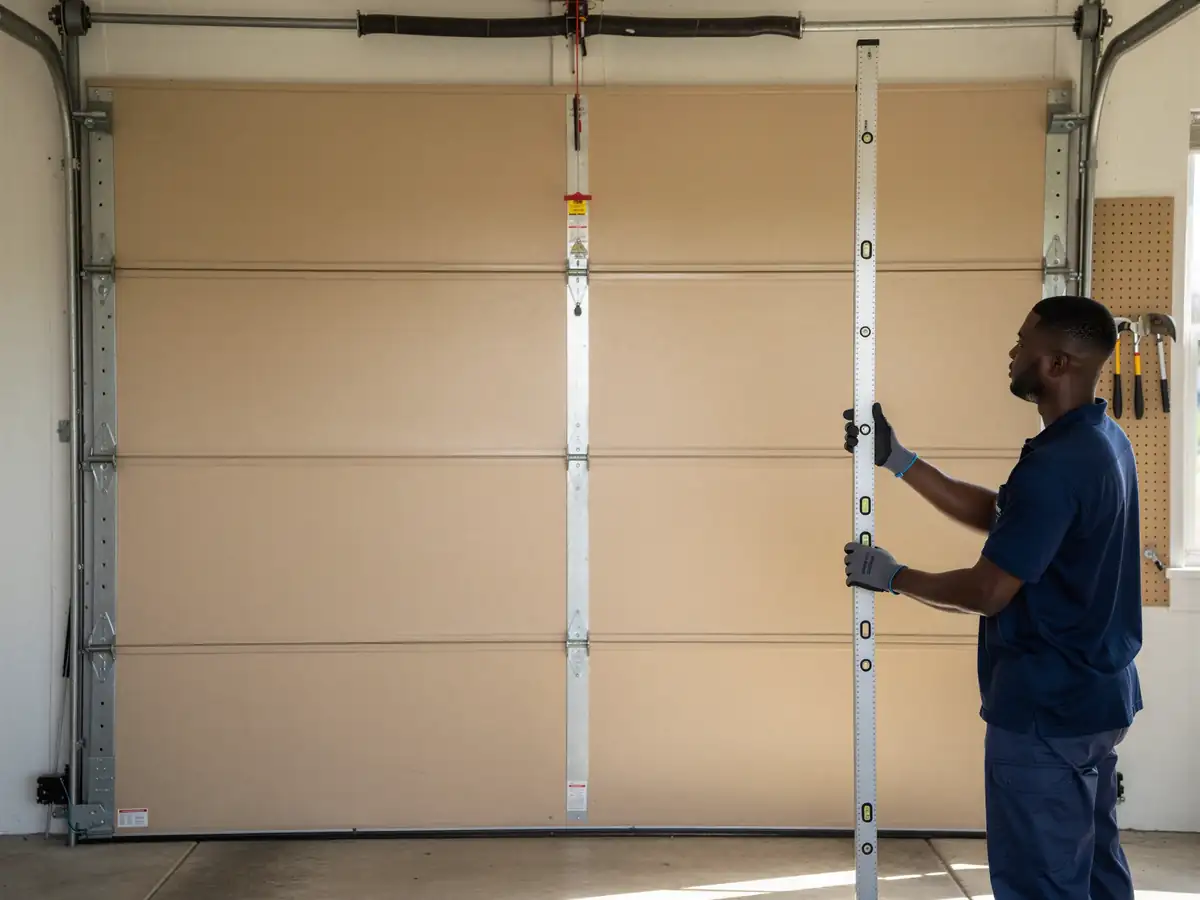
The biggest risk on a door this age is replacing one panel and discovering the rest of the door doesn't track straight anymore once the new section is stiffer than the thirty-five-year-old steel around it. We check alignment before we commit to a single-panel fix for that reason. The other common issue is color and texture mismatch - a new panel next to faded original steel will show a visible seam no matter how close the paint match is, and we'd rather tell a June Park homeowner that upfront than have them notice it in daylight after we've left. We don't carry every discontinued embossing pattern from the late '80s, and sourcing an exact match can take longer than the repair itself. In a few cases, that lead time alone makes full door replacement the more practical call.