Stocked Parts
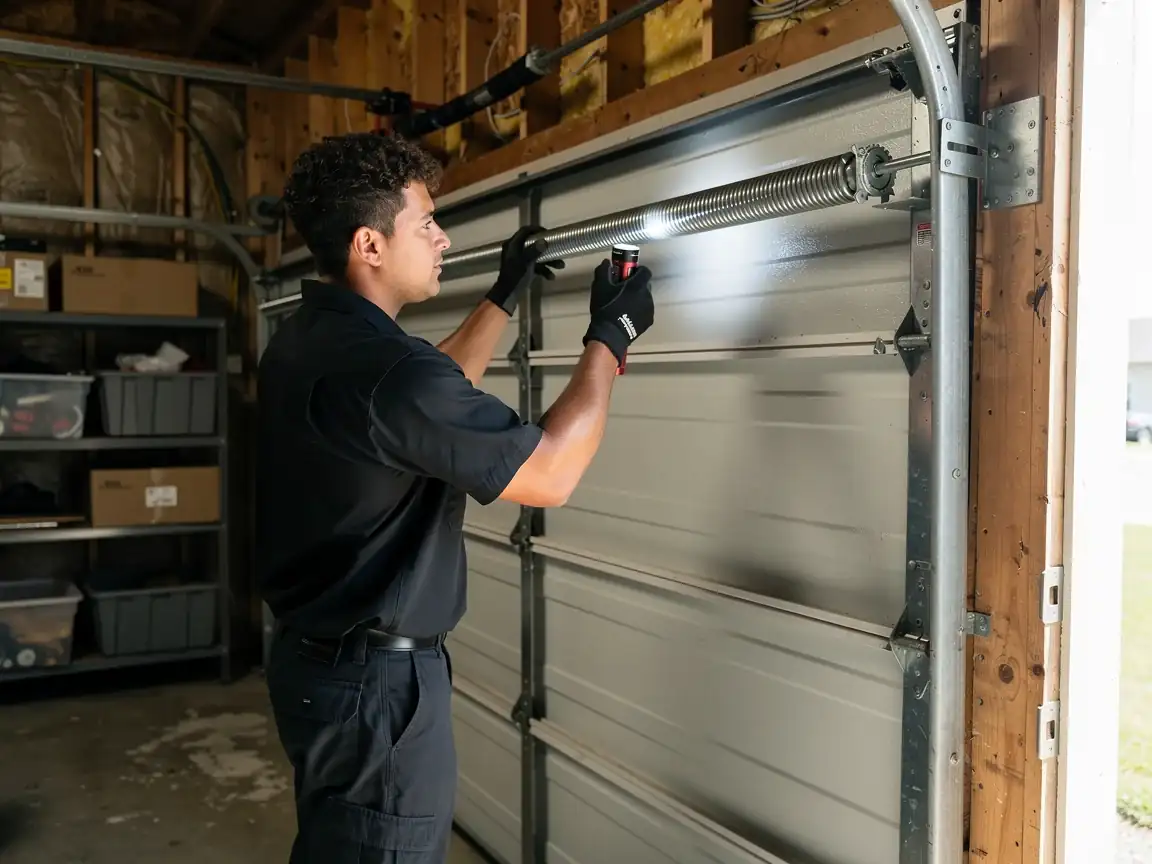
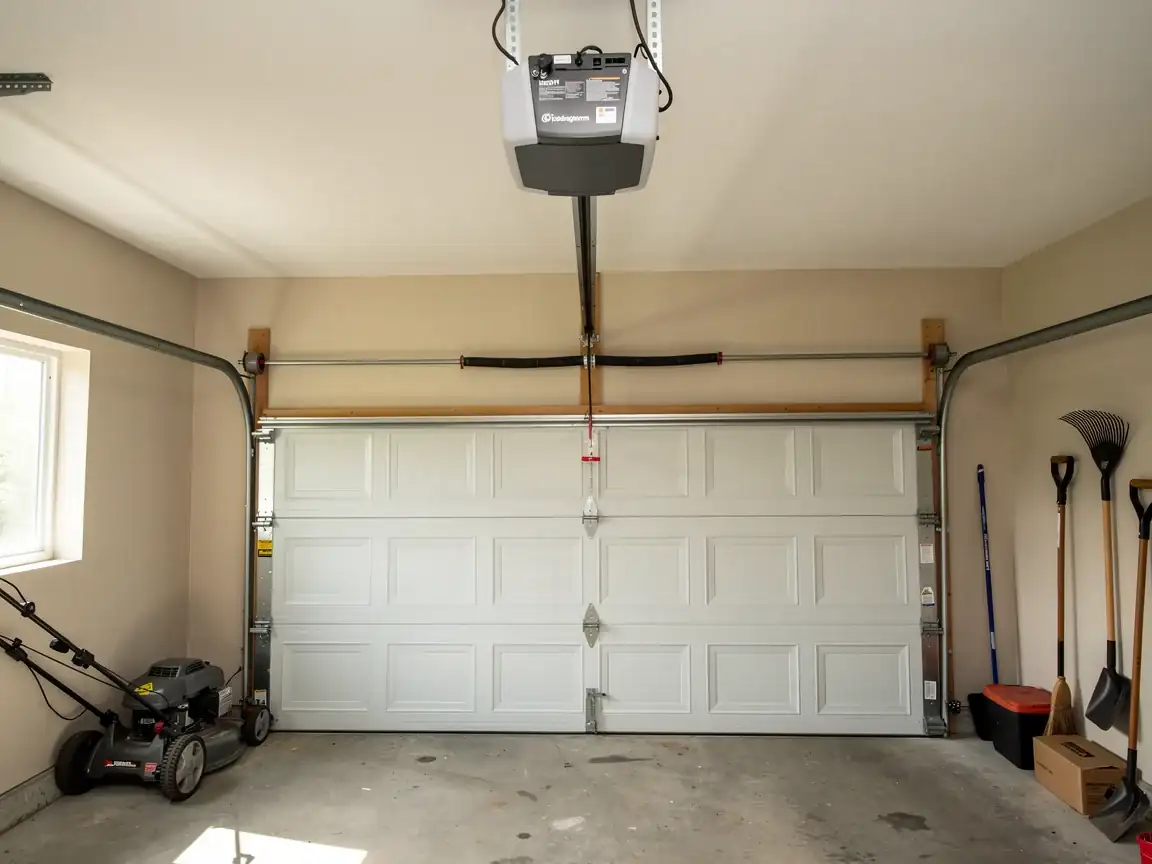
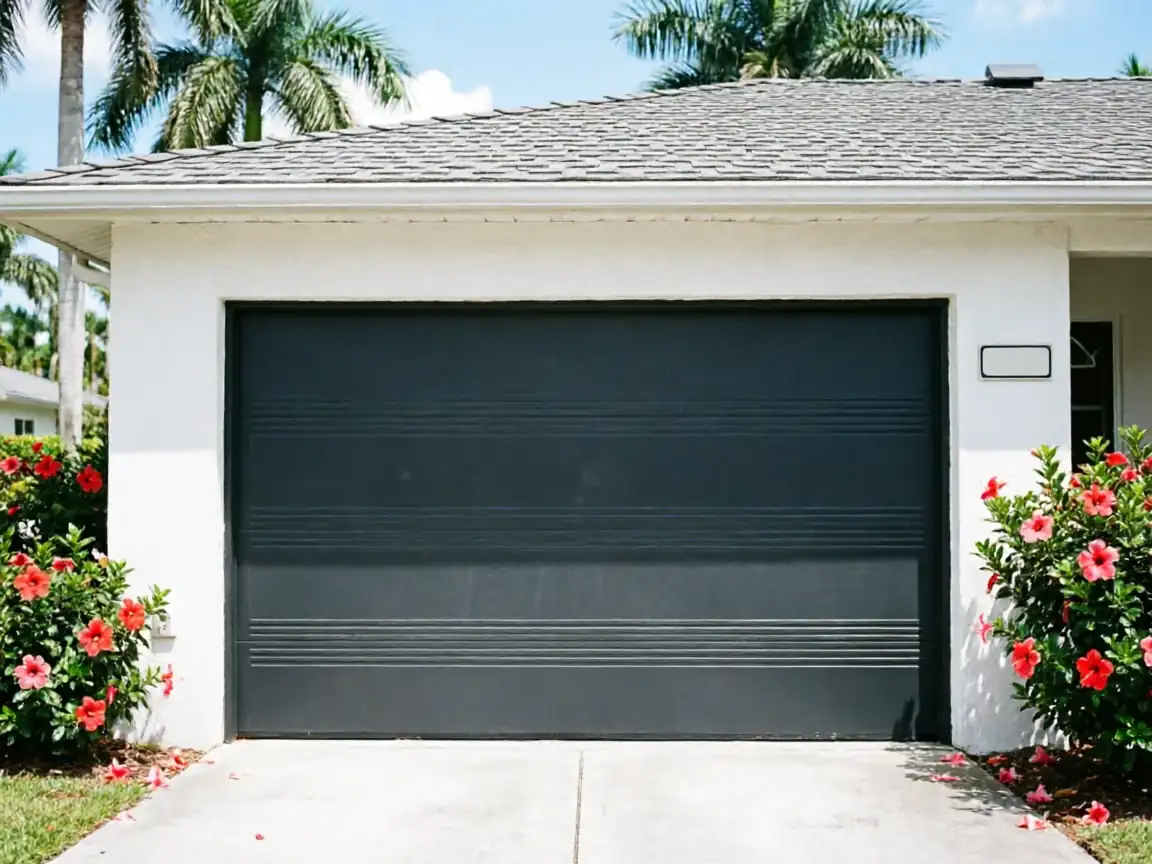
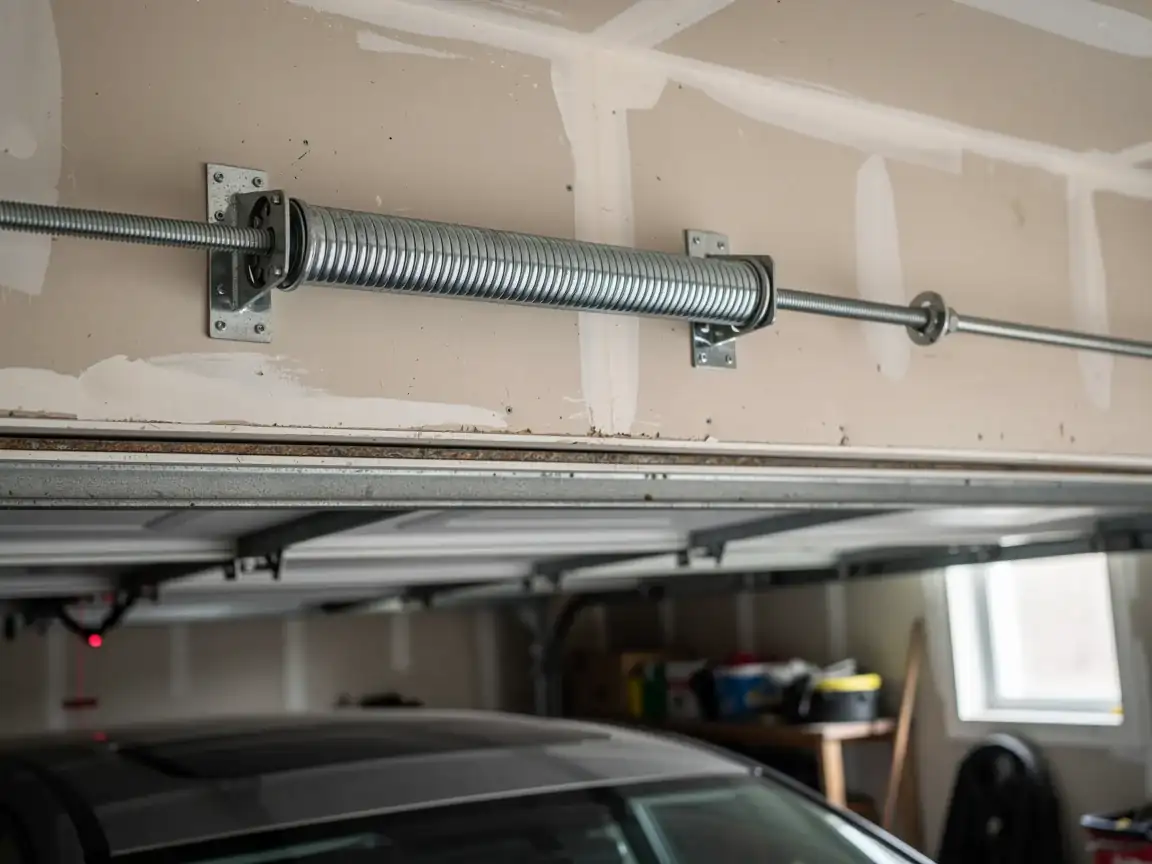
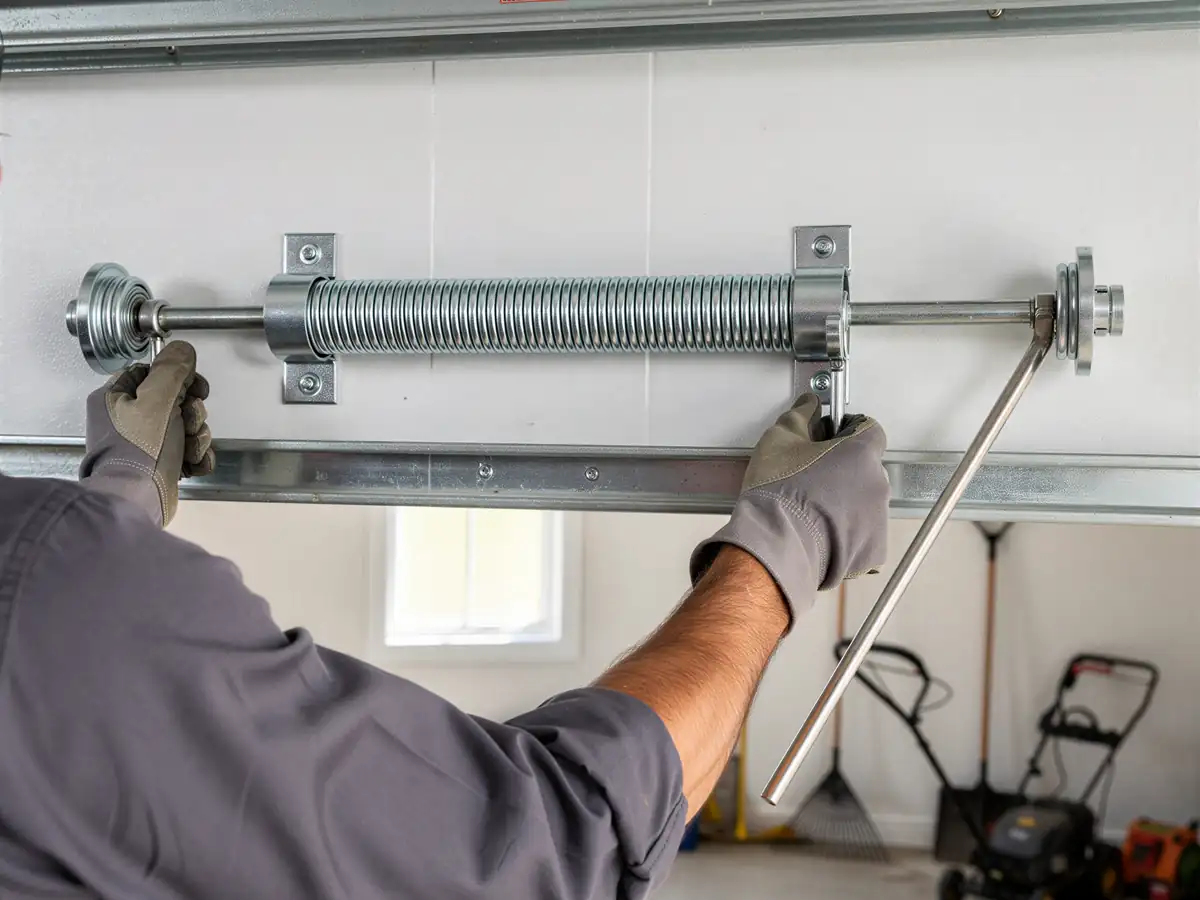
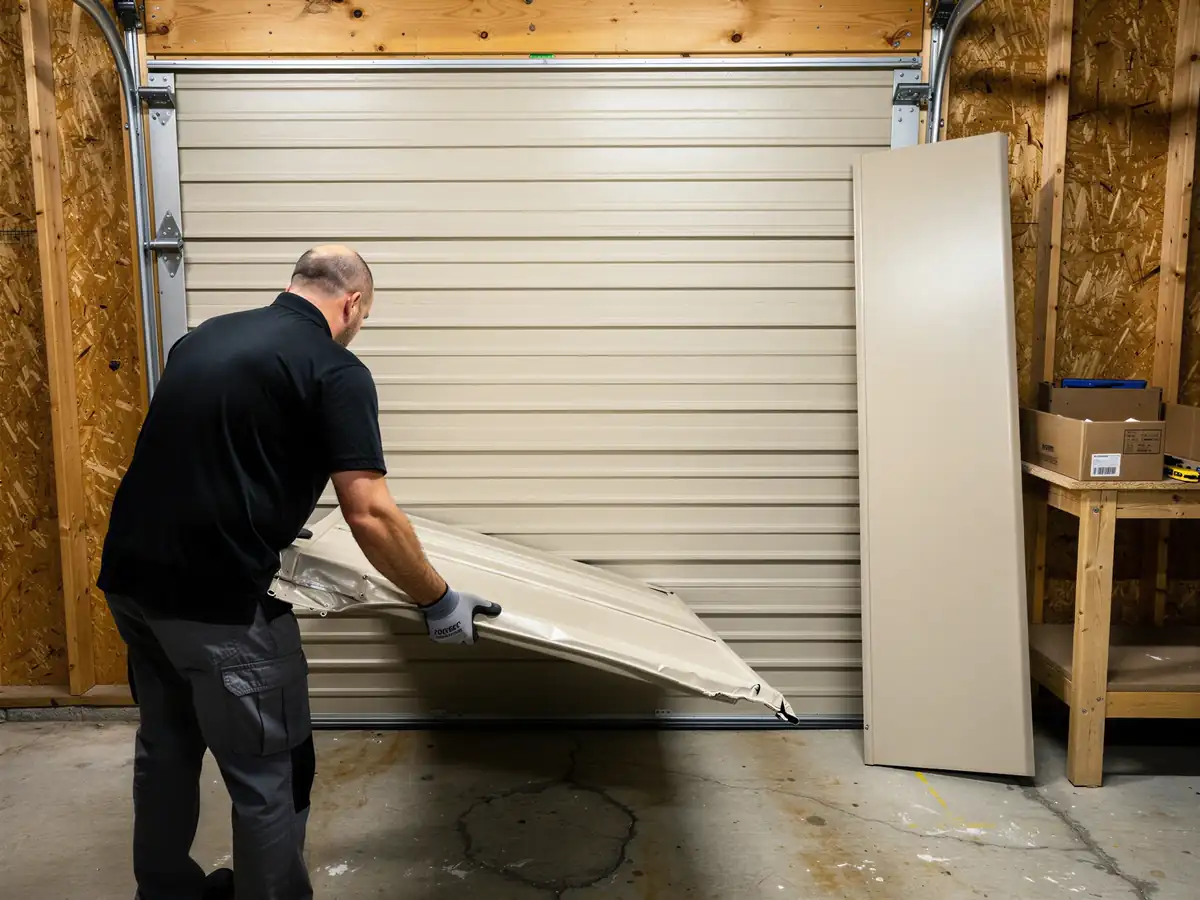
June Park's median household income sits at $80,575, a step below the $86,305 median across the wider Melbourne service area. That gap matters here because it sets where the repair-or-replace line actually falls. On a door under ten years old, a $300 torsion spring job is obviously worth it. On a door original to a 1988-built house, now pushing 35 years old, a single spring swap can turn into opener, track, and bottom panel work inside a year - and at that point the math shifts toward full replacement rather than feeding an old door one part at a time. We stock standard torsion springs, steel rollers, and cable sized for the sectional doors that went into homes this age, since that's what most of June Park is running. What we don't carry on the truck is anything custom - oversized or oddly proportioned openings need an order, and that's a lead-time conversation we have up front, not a surprise at the door.
What You Pay
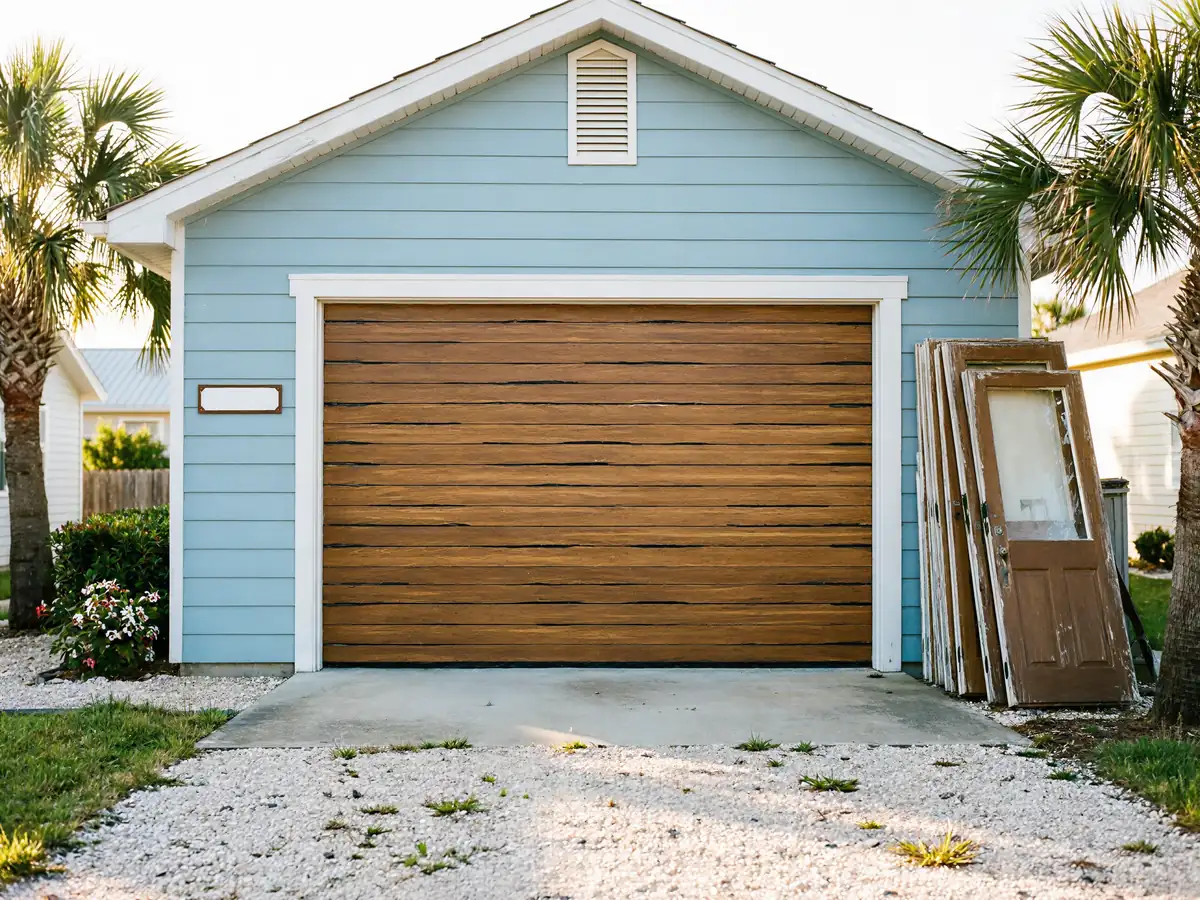
We don't quote a flat number for June Park because door width, insulation, and opener choice move the price more than the address does. What we can tell you is how the housing stock here shapes the decision. June Park's median year built is 1988, which puts most garage doors in the neighborhood at or near the end of their realistic service life - springs, rollers, and openers from that era weren't built for 35 years of daily cycles. With 1,719 households in the area, a good number of them are hitting that same wall around the same time. If your door is original to the house, a repair estimate that creeps past a few hundred dollars is usually the sign to get an installation quote instead, not another repair quote.
How It Shows Up
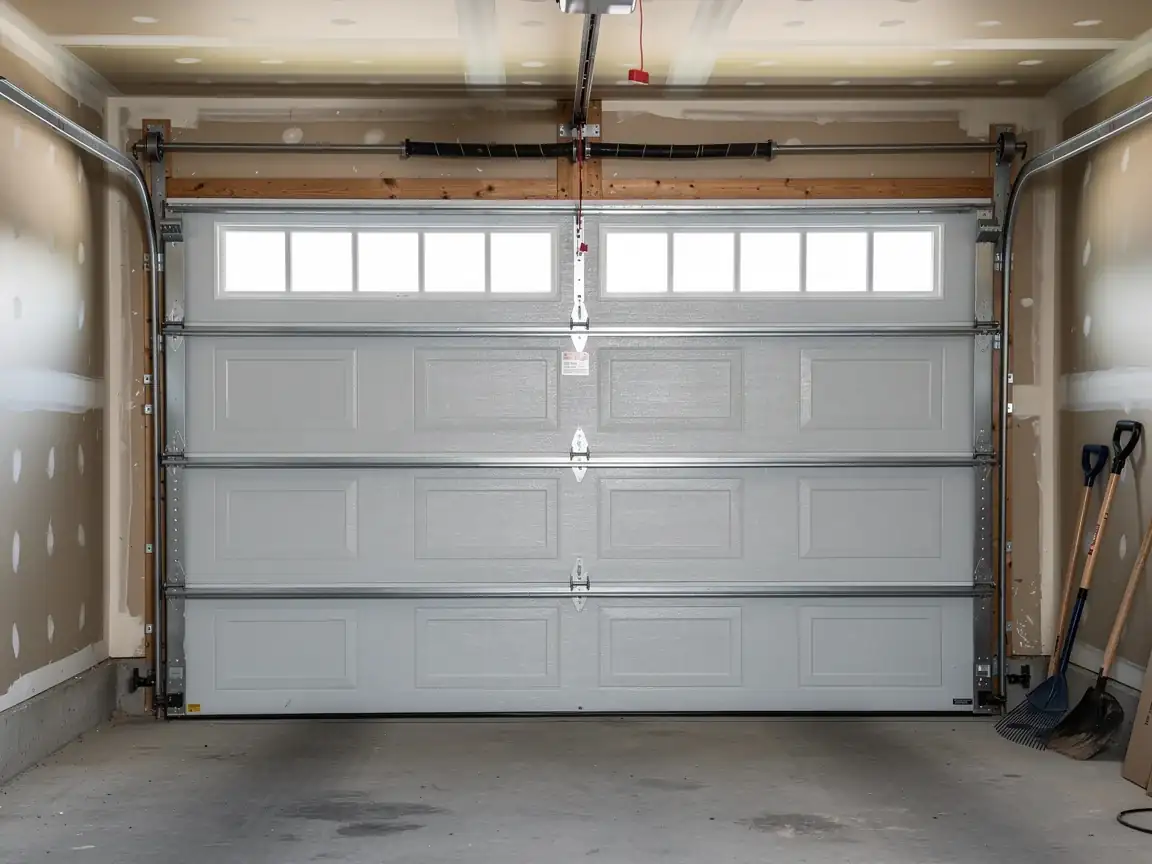
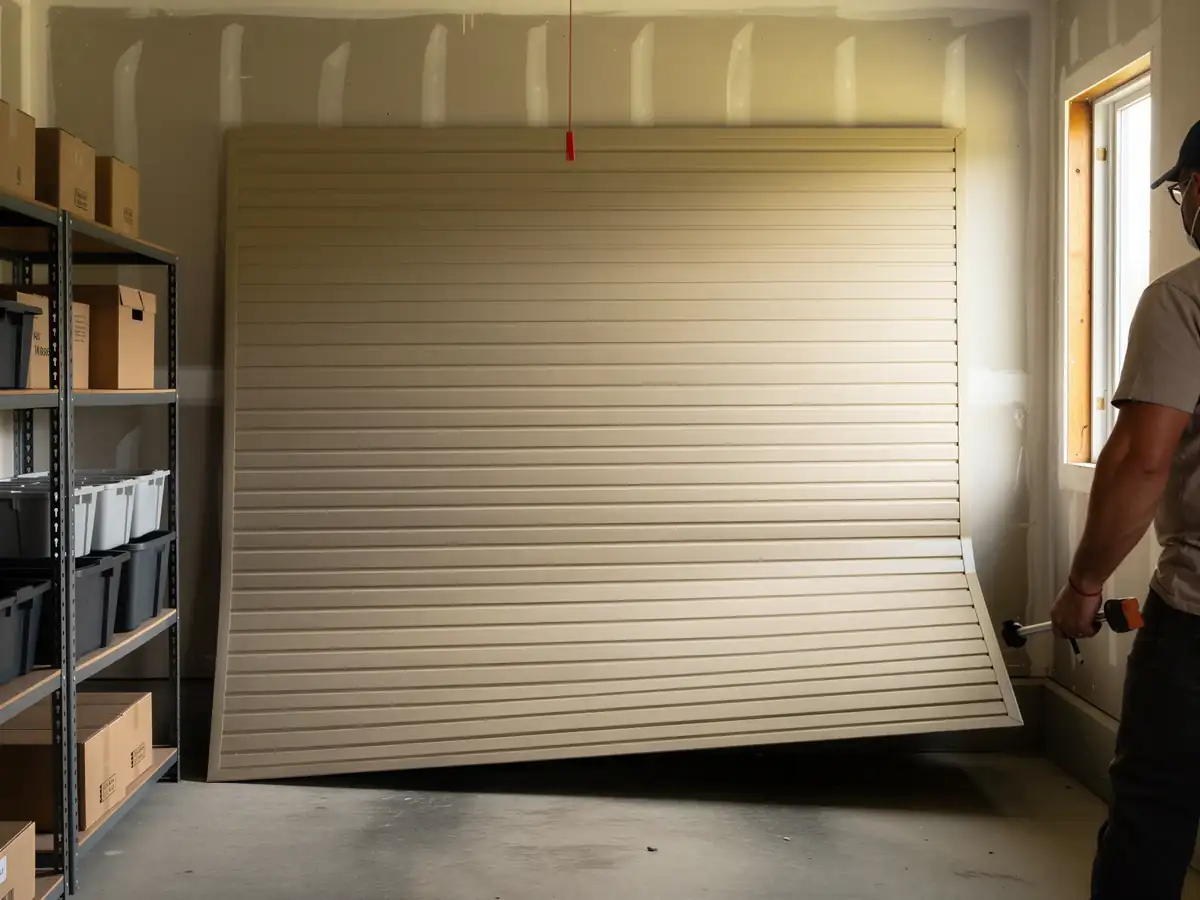
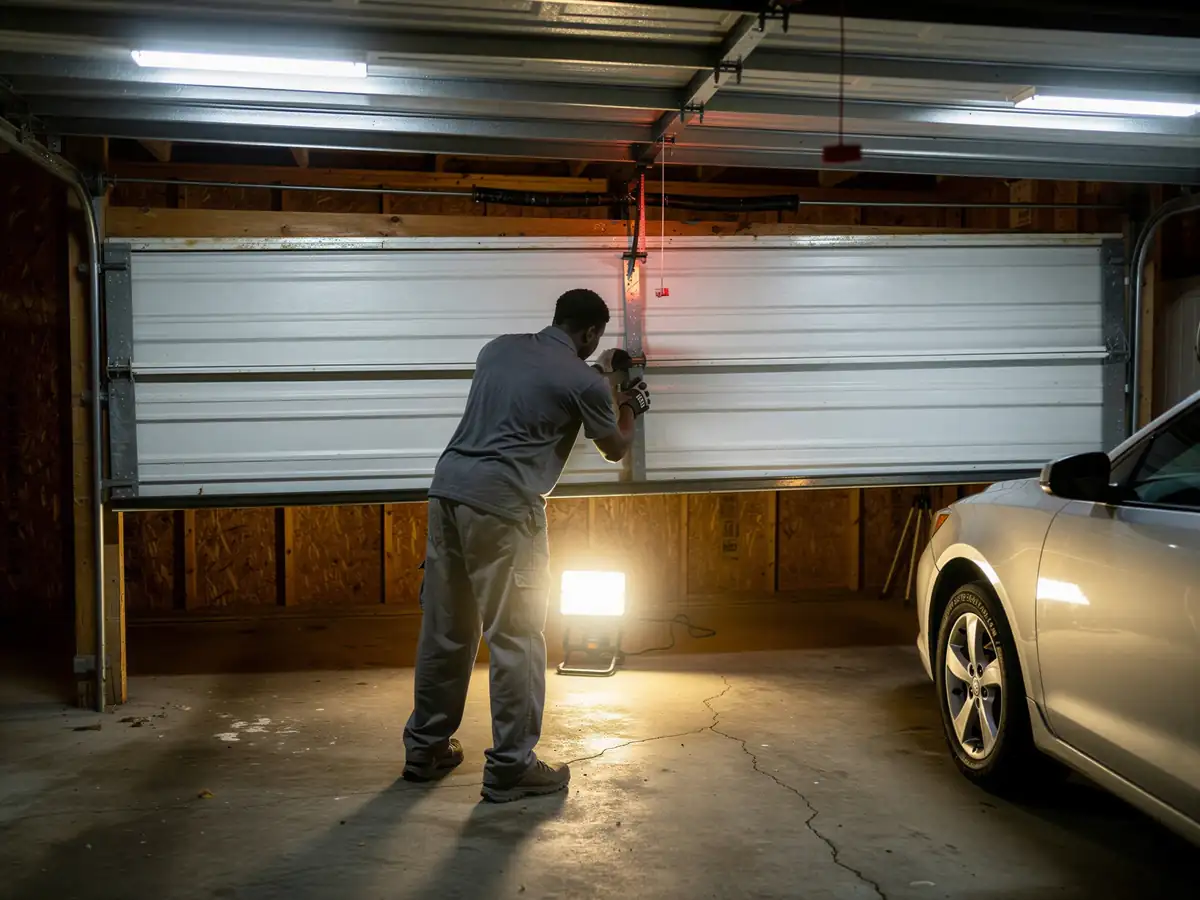
Owners usually notice the opener working harder before they notice the door itself failing - a motor that used to lift the door in three seconds now takes five, or it reverses partway up. Sometimes it's a panel that's started to bow at the bottom corner, or a track that's pulled slightly away from the wall where the lag screws have worked loose over the years. On a 1988-era door, galvanized rollers often look fine from the ground but are worn oval instead of round, which is what causes the grinding noise on the way down. None of these on their own mean you need a new door. Together, on a door this age, they usually mean the hardware has reached the point where patching one thing just exposes the next.
What Can Go Wrong
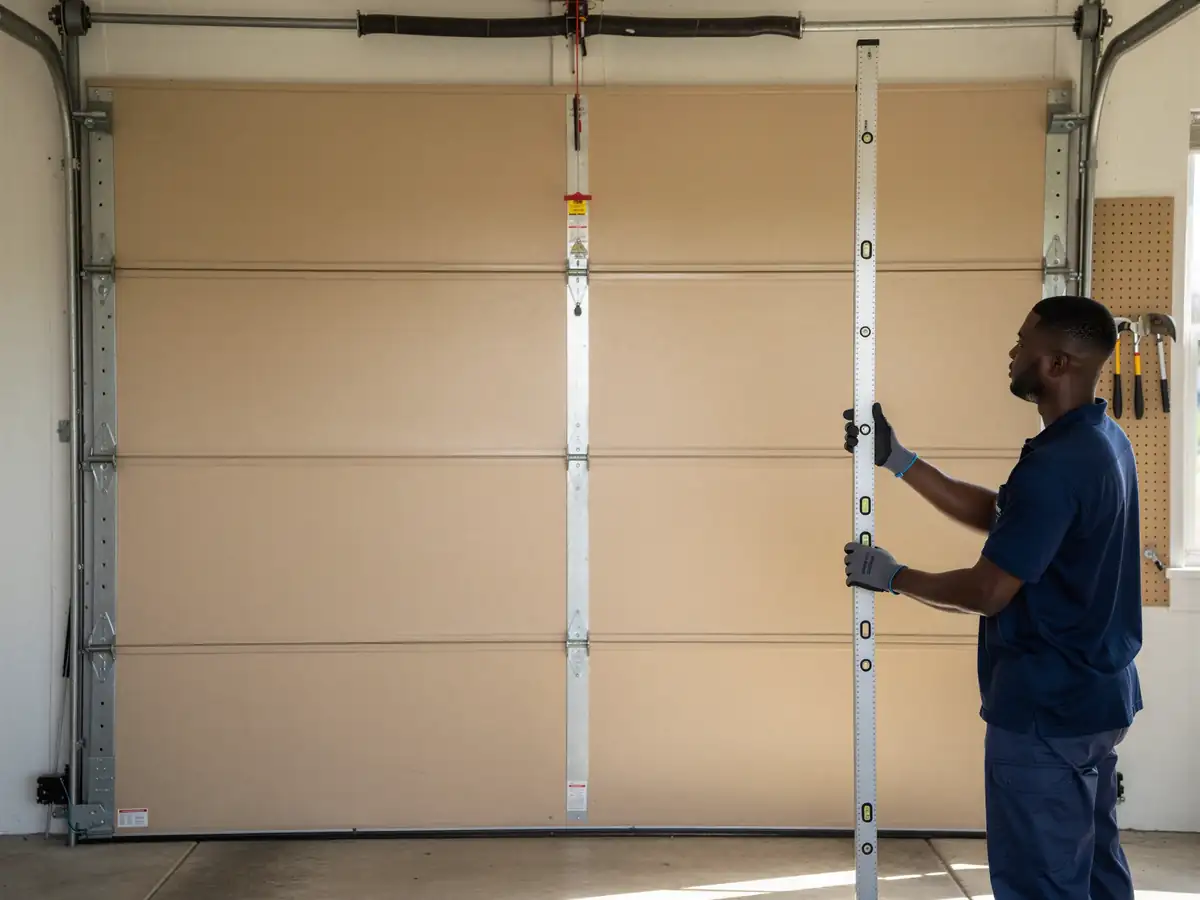
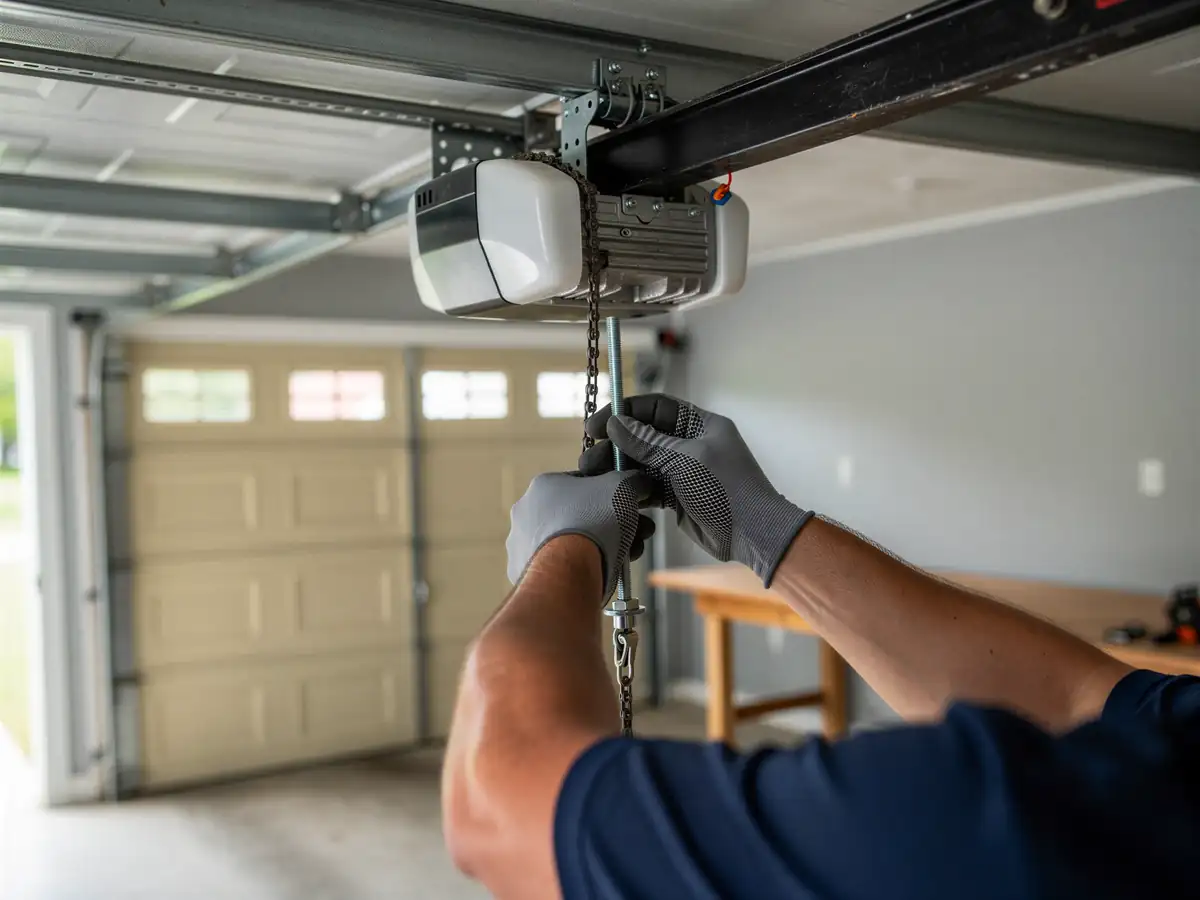
The biggest risk on a door this age is mixing new parts onto old hardware that wasn't engineered for them - a modern high-cycle opener bolted to a track and spring system from the 1980s can overdrive the door and snap the top panel or pull the header loose. We've seen owners try to save money by replacing just the opener and leaving the rest, only to call back a few months later when the original spring finally gives out under the new motor's stronger pull. The other failure mode is cosmetic: ordering a door that doesn't match the opening's actual width or doesn't clear the garage's ceiling track run, which then sits in a warehouse until it's remeasured. We measure before we order, every time, because a mismeasured door is a lost week, not a quick fix.