What the Fix Involves
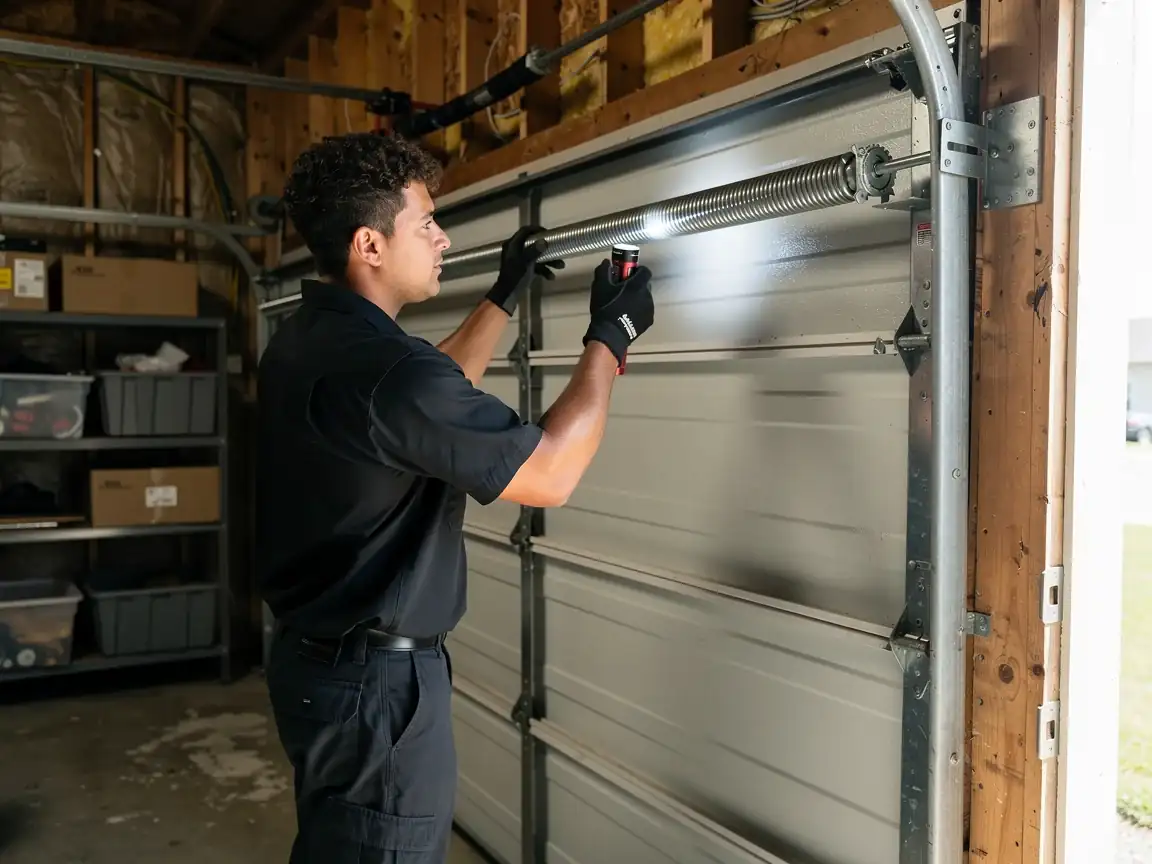
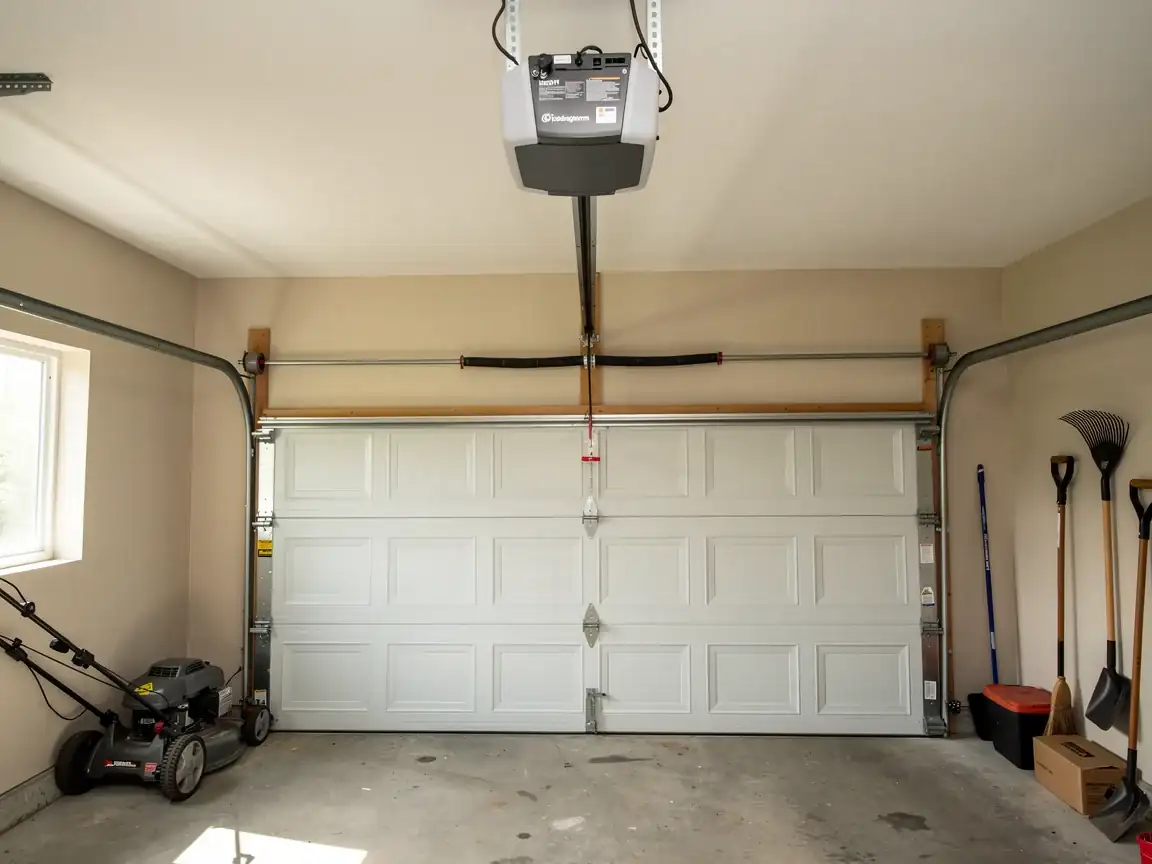
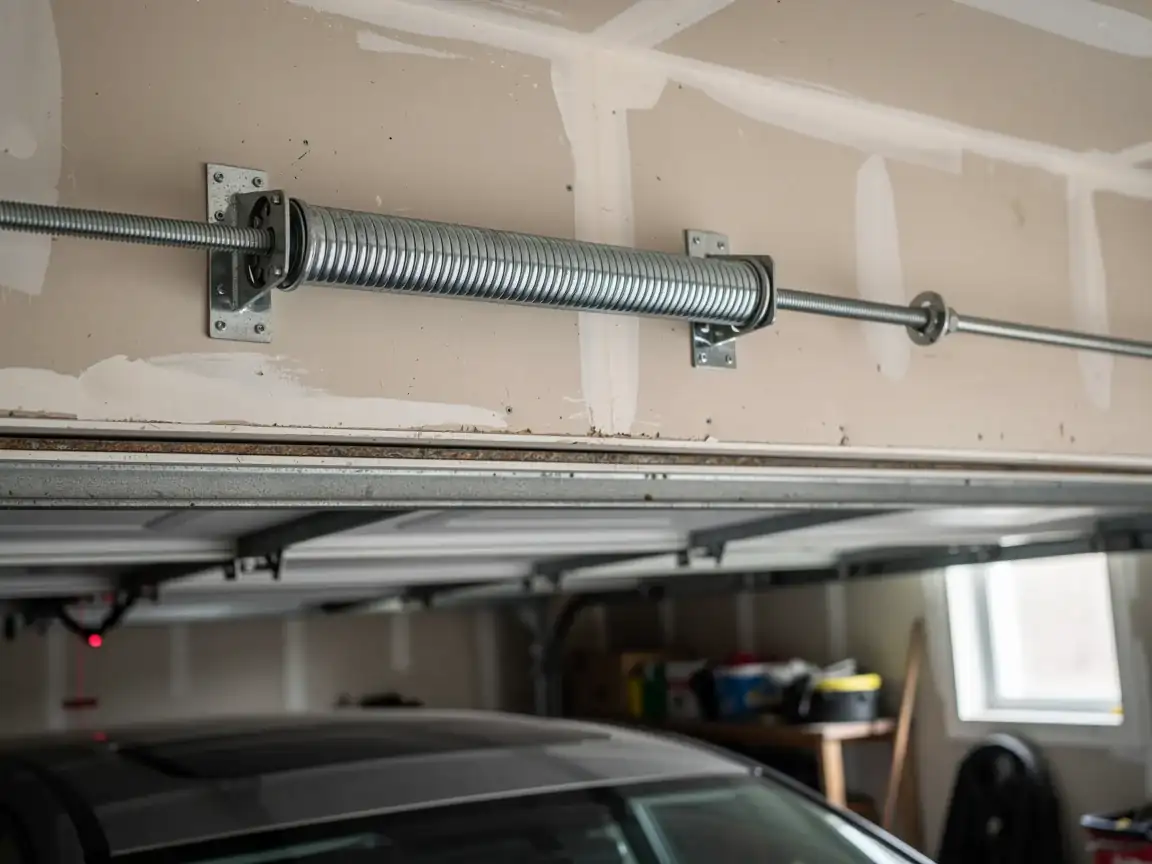
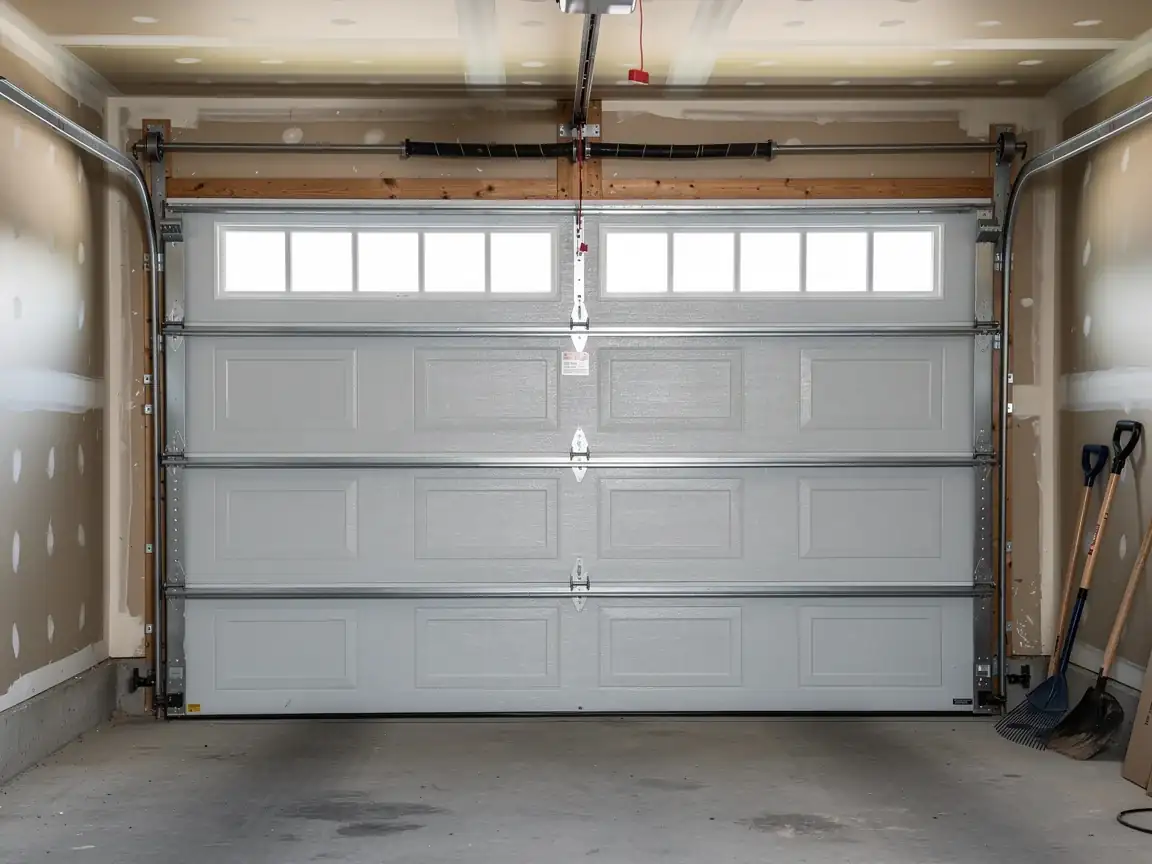
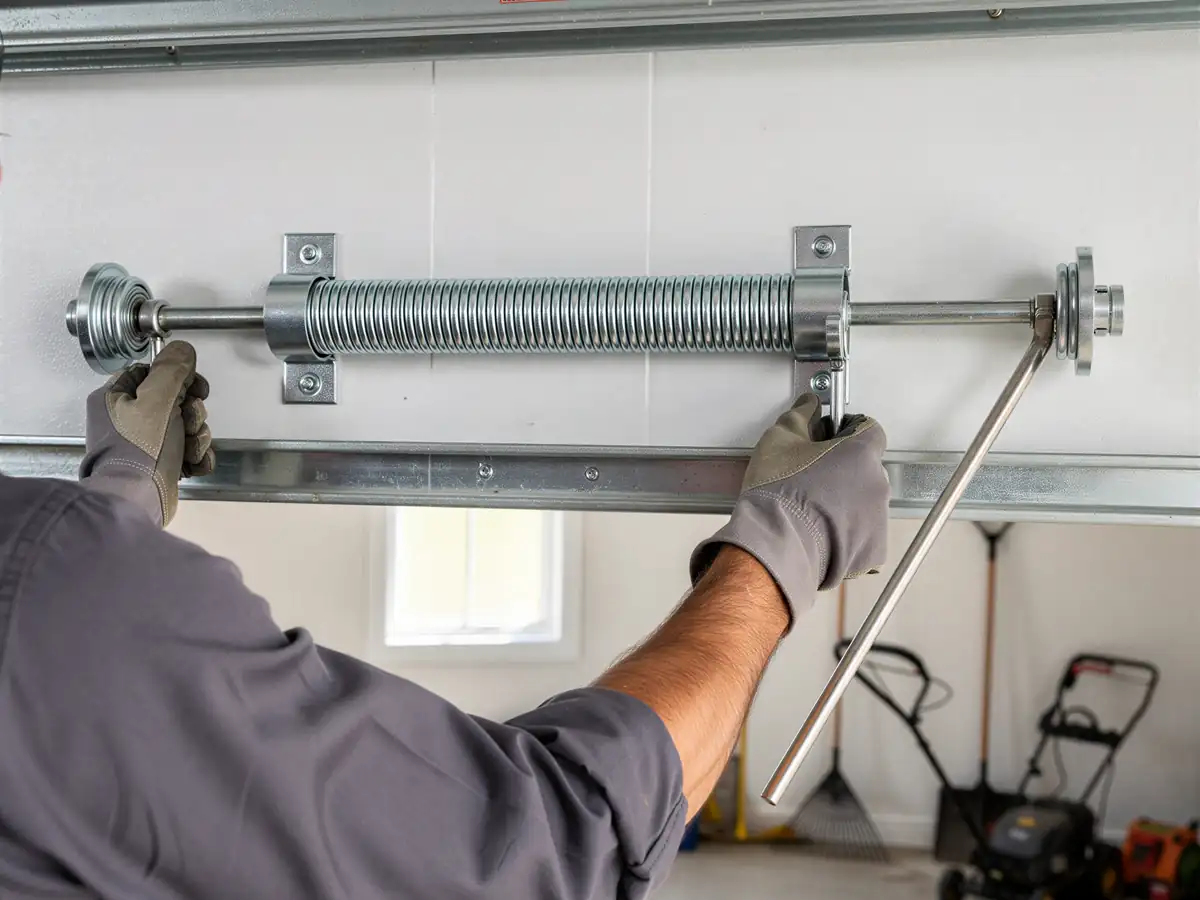
Most houses in South Patrick Shores went up around 1968, which puts this neighborhood squarely in the mid-century wave that shows up across the service area. Doors from that era typically ran on extension springs stretched along the horizontal tracks rather than a torsion spring centered over the door, and the steel panels were thinner than what's sold today. When a cable snaps or a spring lets go on one of these setups, the fix isn't a quick universal part swap - we're matching old mounting brackets and track spacing that newer kits don't always fit cleanly.
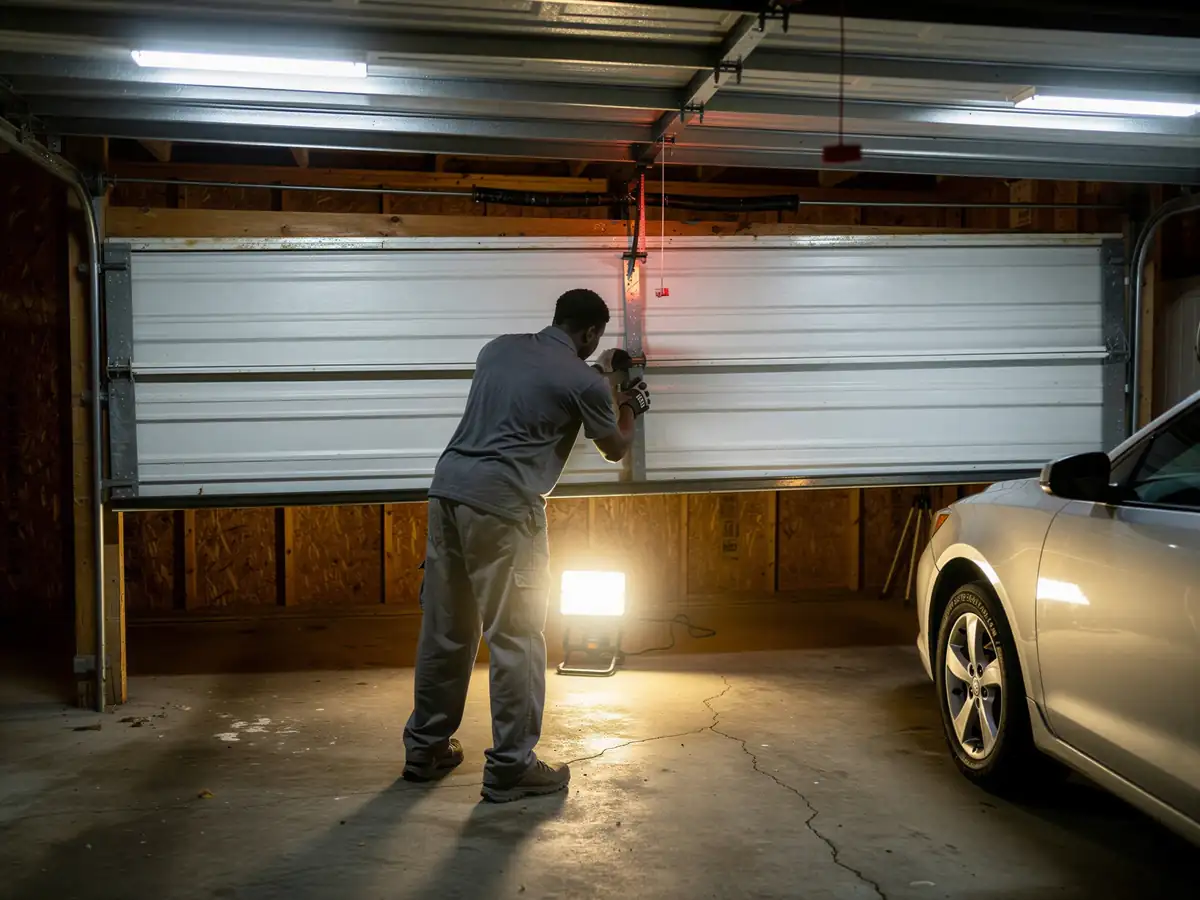
We come from Melbourne, about 7 miles away, to handle these calls. That distance doesn't change what the job needs: on an emergency call the first thing we do is get the door safe - off the opener, blocked if it's half-open and unsupported - before we touch springs or cables. Mild coastal temperate conditions here mean we're not dealing with the ice or extreme heat cycling that stresses hardware elsewhere, but salt air and humidity still work on exposed steel and old fasteners faster than inland climates. On a 50-plus-year-old door, that combination of original hardware and coastal air is usually what's actually failing, not the opener itself.
What Can Go Wrong
On houses built around 1968, the failures we see most are mechanical, not electronic. Extension springs that have stretched past their rated cycles snap without much warning, and because they're mounted along the track rather than overhead, a broken one can let the door drop unevenly on one side. Cables fray at the drum from decades of use, especially if they were never replaced when the springs were. Rollers on these original tracks are often steel-on-steel rather than nylon, so they wear the track itself, not just the roller.
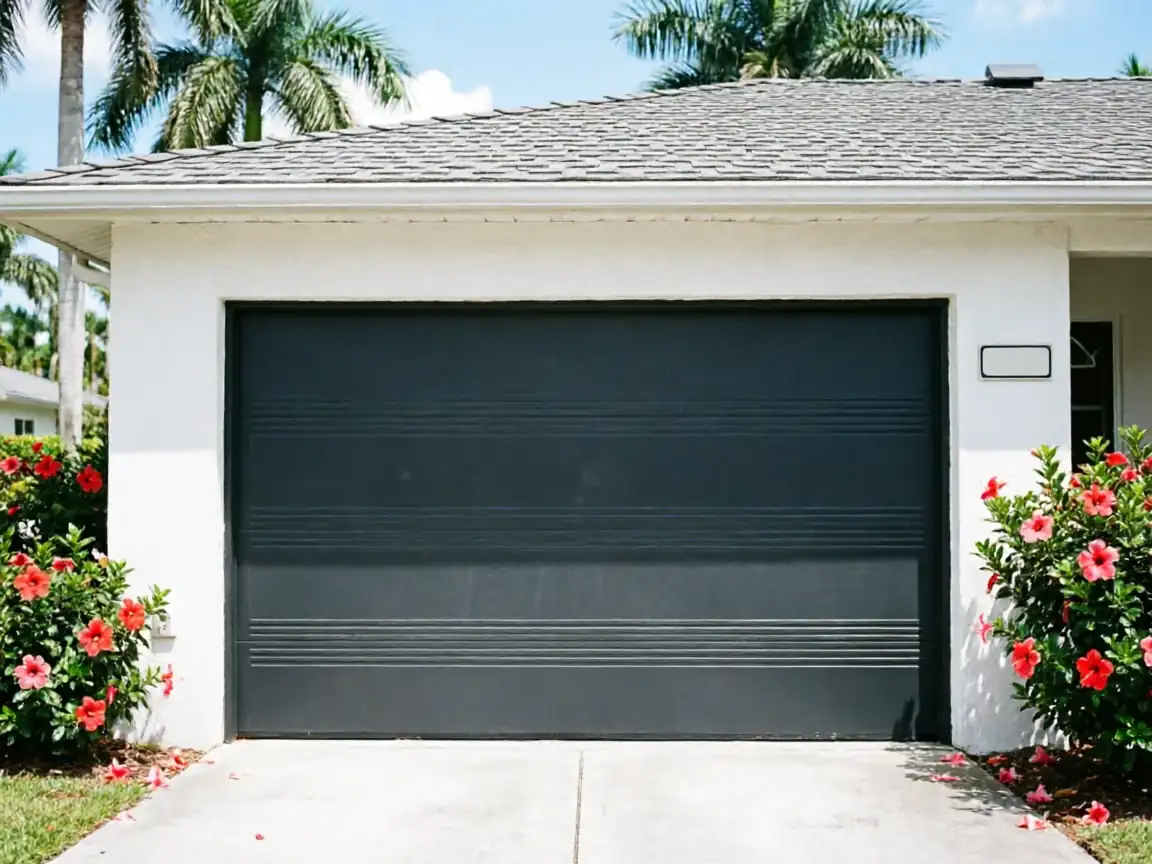
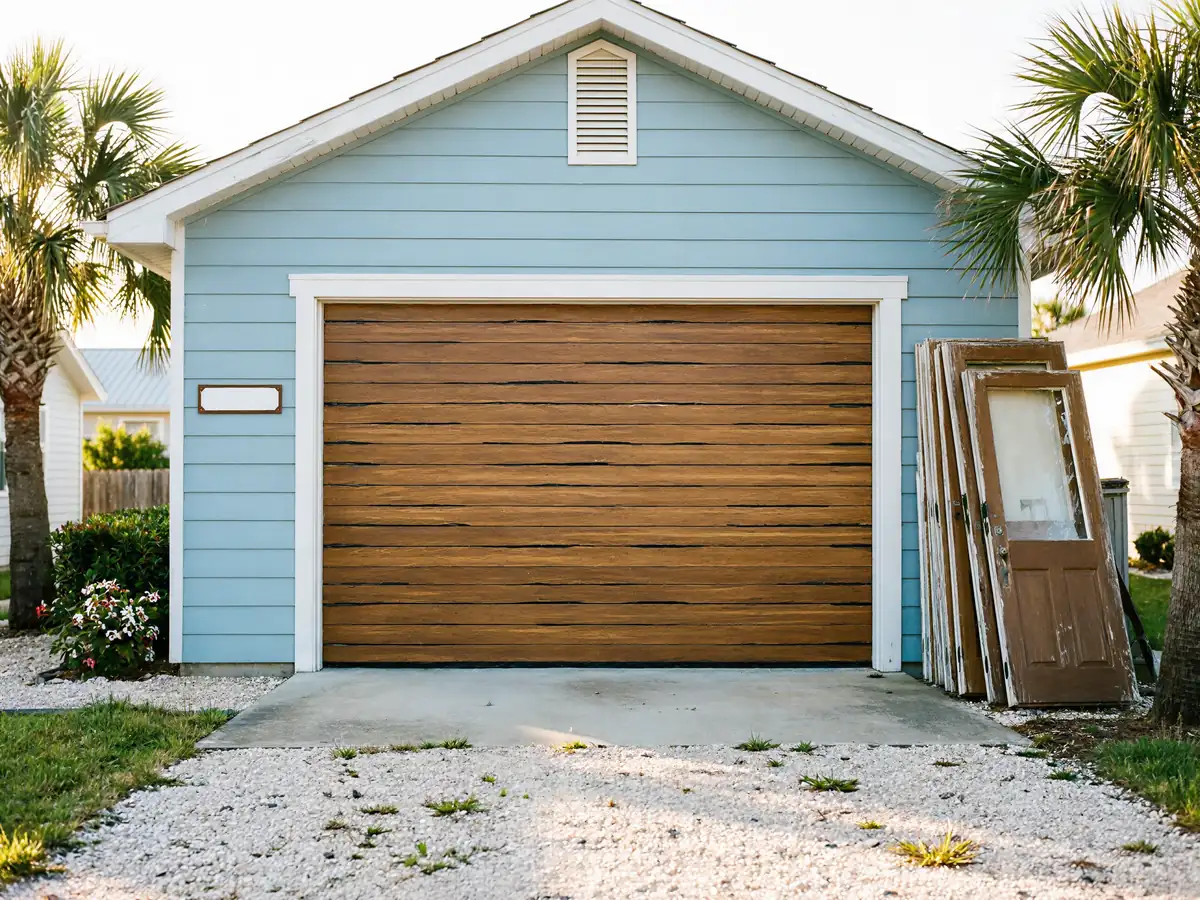
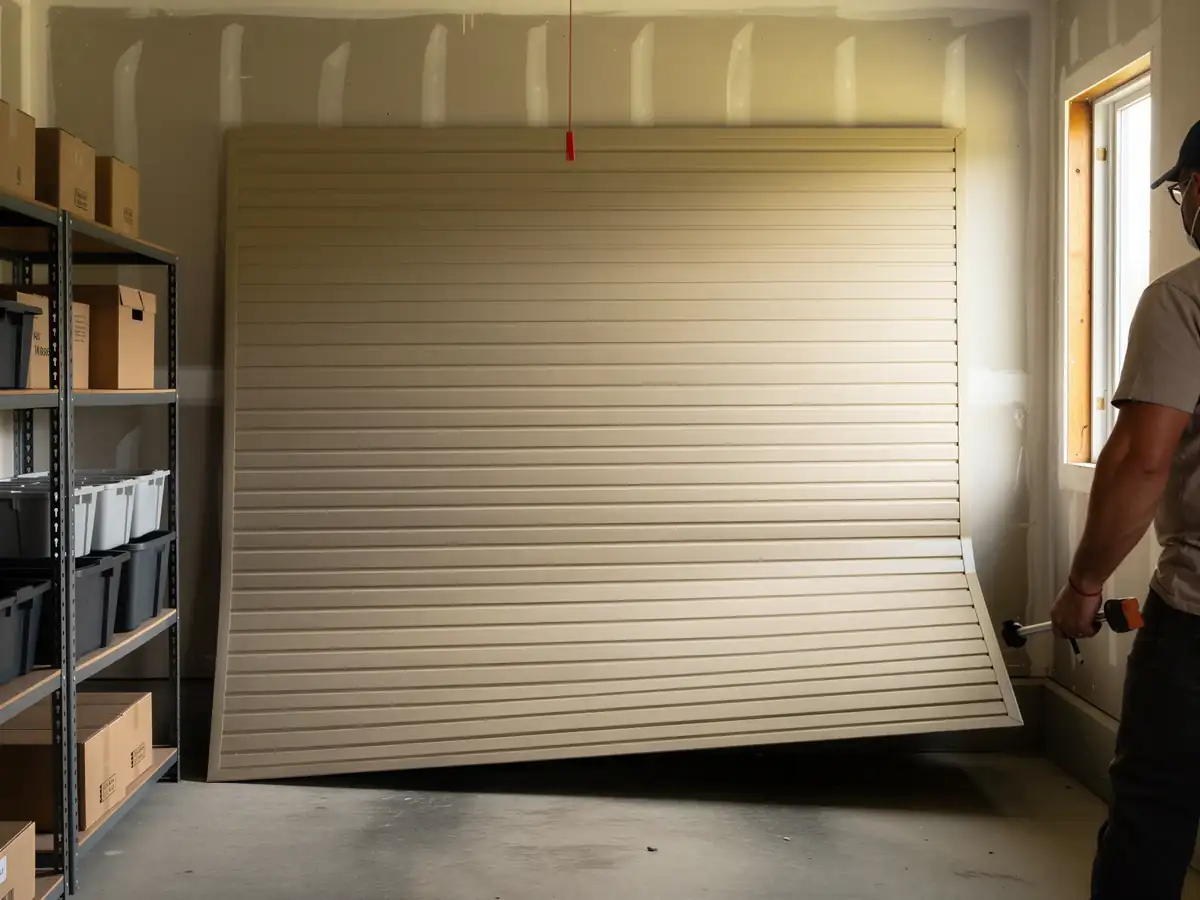
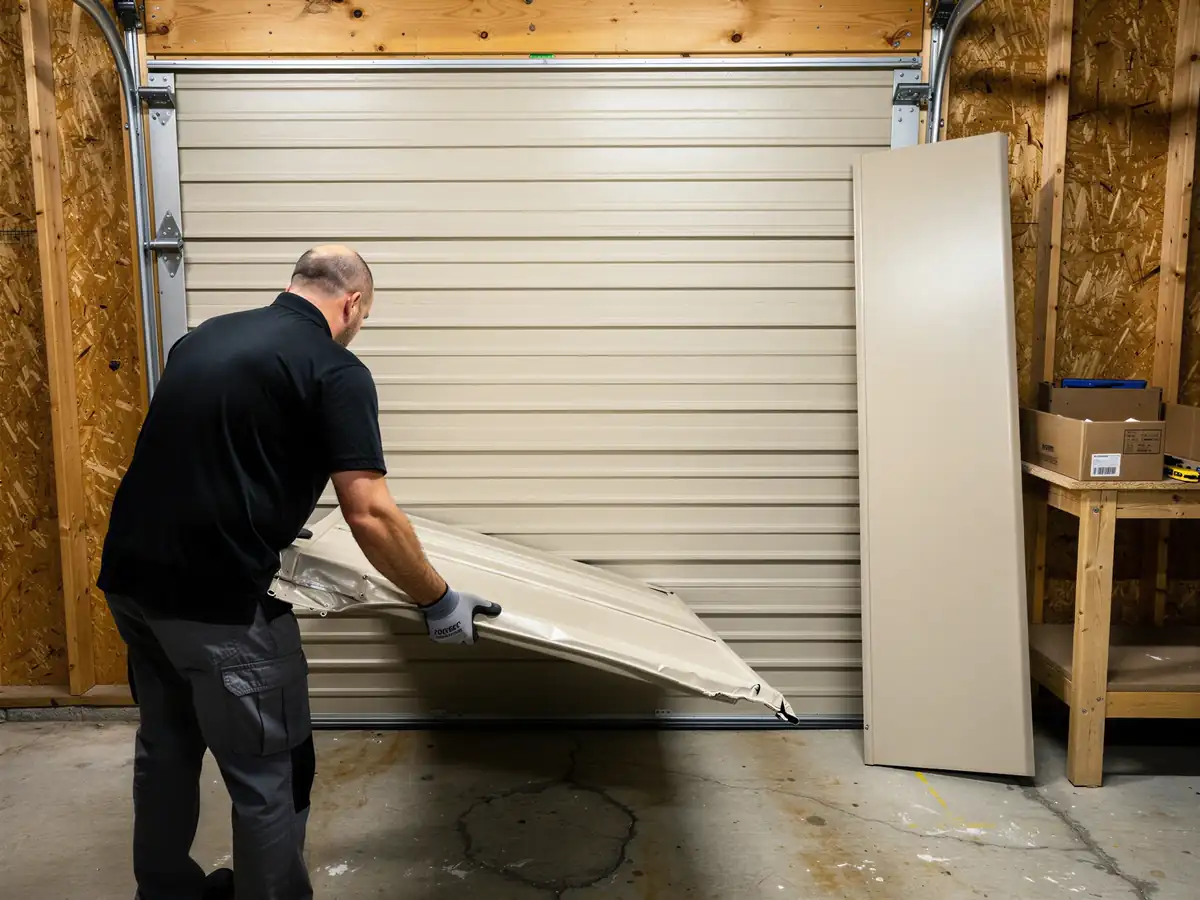
With roughly 2,988 households in South Patrick Shores and median income around $86,048 - close to the wider service area's $86,305 - a lot of these homes have had one or two owners and the original door hardware, upgraded maybe once. That means the panel itself can be original steel, thinner than current stock and more prone to denting or rust-through at the bottom corners where water sits. A door that looks fine from the driveway can have a bottom panel that's structurally soft, and that's not something worth patching twice.
How It Shows Up
The most common emergency call is a door that won't move at all
The opener runs but the door doesn't budge, which usually means a broken spring taking the load off the system. You'll also hear it: a loud bang from the garage, often mistaken for something falling, is almost always a spring letting go.
A door that drops suddenly partway down
Or one side that sags lower than the other while moving, points to a cable failure or a roller that's jumped the track - both more likely on the older track hardware common in this neighborhood's 1968-era housing stock. Grinding or scraping that wasn't there last month is usually a track that's bent slightly or rollers that have worn the rail. None of these are safe to keep opening and closing through - each cycle under load makes the next failure bigger, and extension-spring systems without secondary containment cables can let a spring come loose with real force.
Doing It Yourself
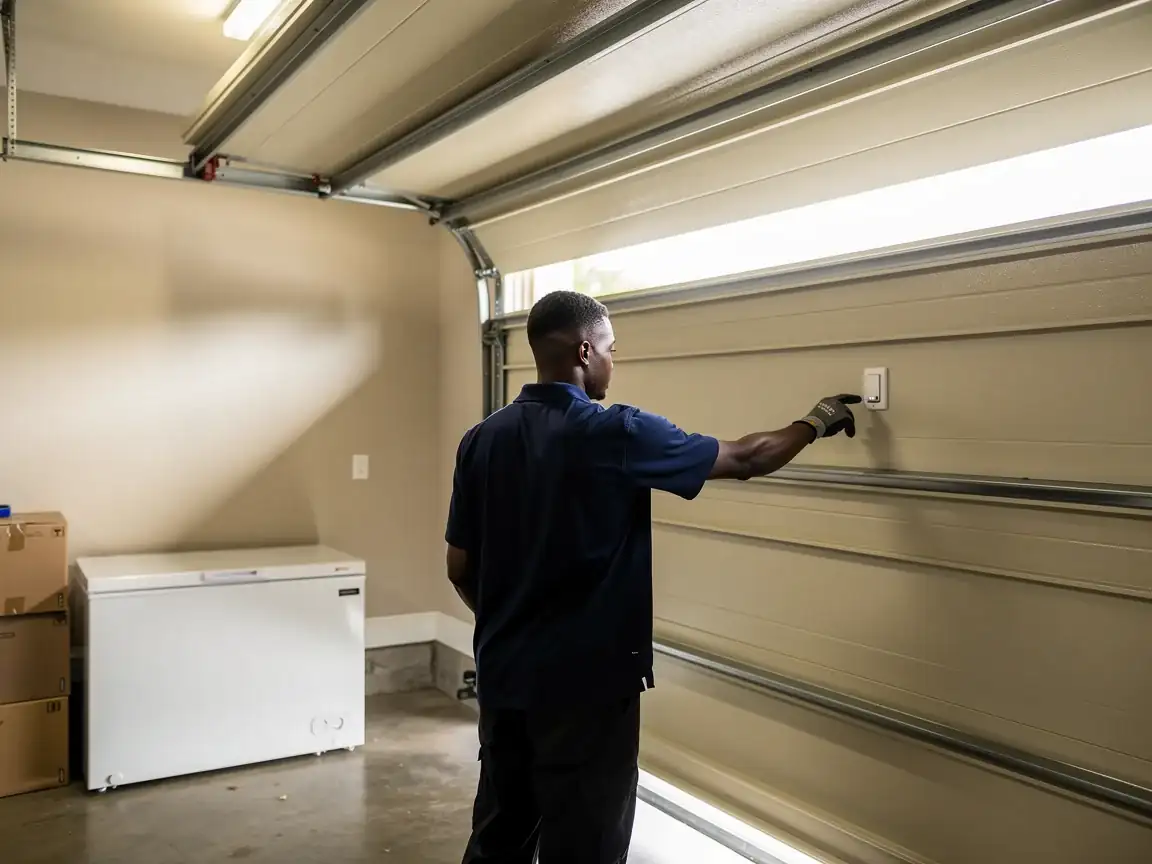
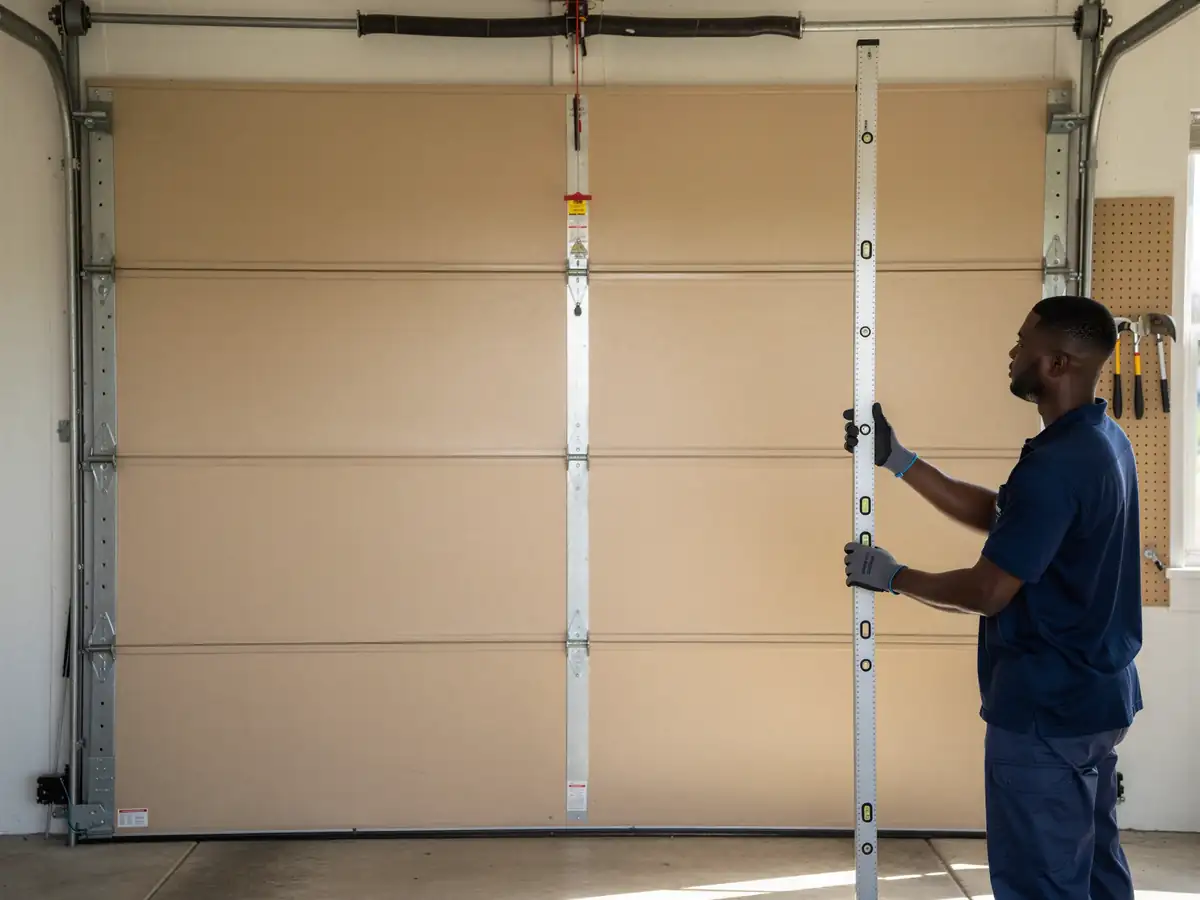
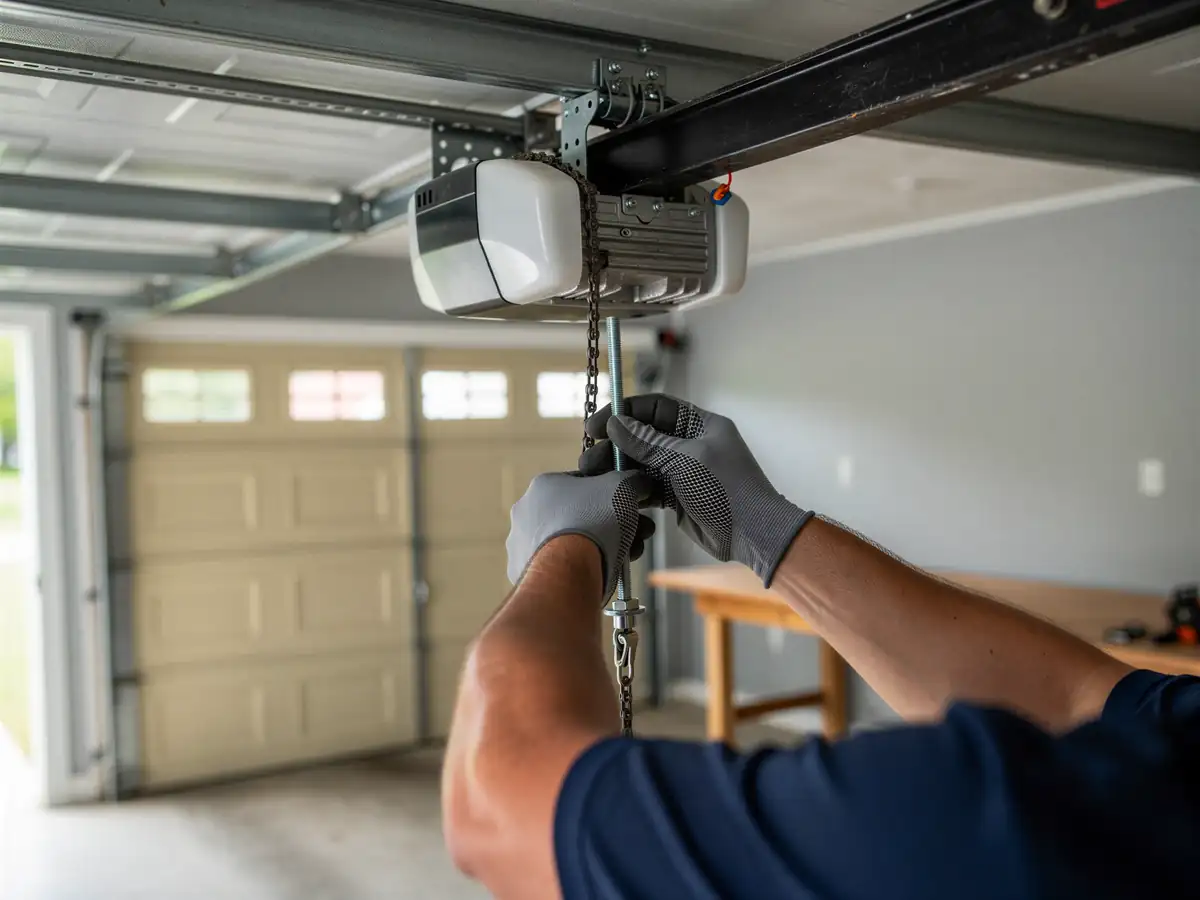
Some things are worth checking before you call. If the door won't respond at all, check the opener's power cord and reset the breaker - it sounds obvious, but it happens. If it responds to the wall switch but not the remote, it's probably batteries or a misaligned sensor eye, not the spring system. Clear anything blocking the track and make sure nothing's binding the door by hand with the opener disconnected.
What we don't recommend doing yourself: touching the springs, cables, or anything under tension. On a 1968-era extension spring setup without a safety cable running through the spring, a failure under load can snap back hard enough to cause real injury. We also won't pretend every call is a quick fix - if the track is badly bent or the panel is rusted through at the bottom, replacing that section (or the whole door) is usually more honest than patching it, and we'll tell you that straight rather than billing for a repair that won't hold.