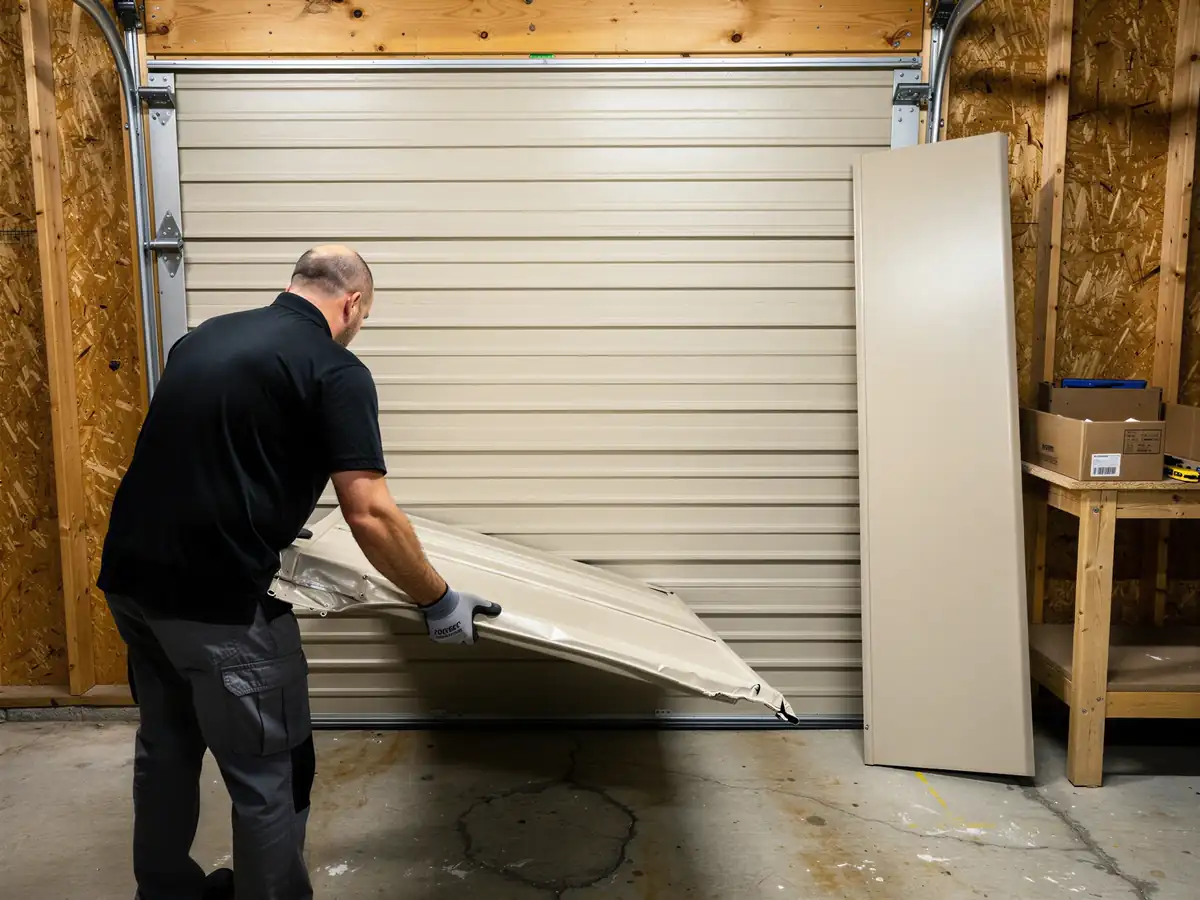
What the Fix Involves
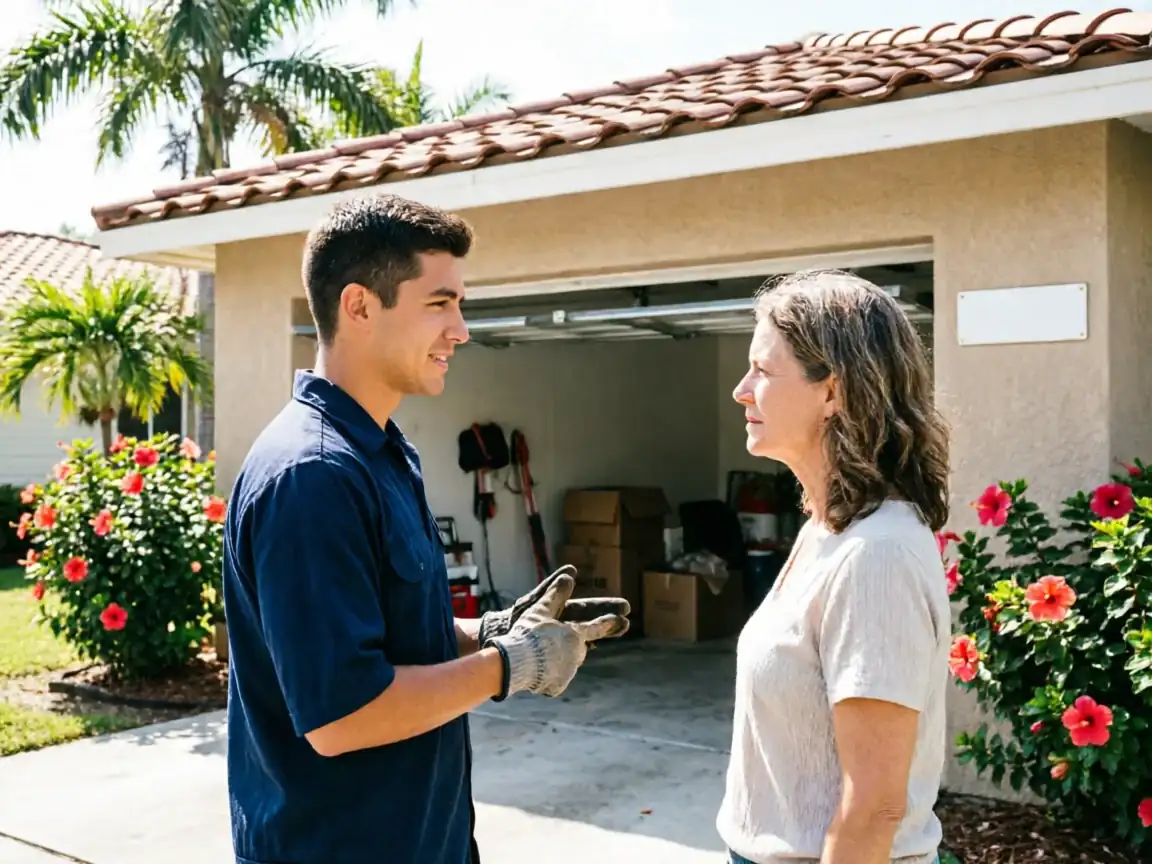
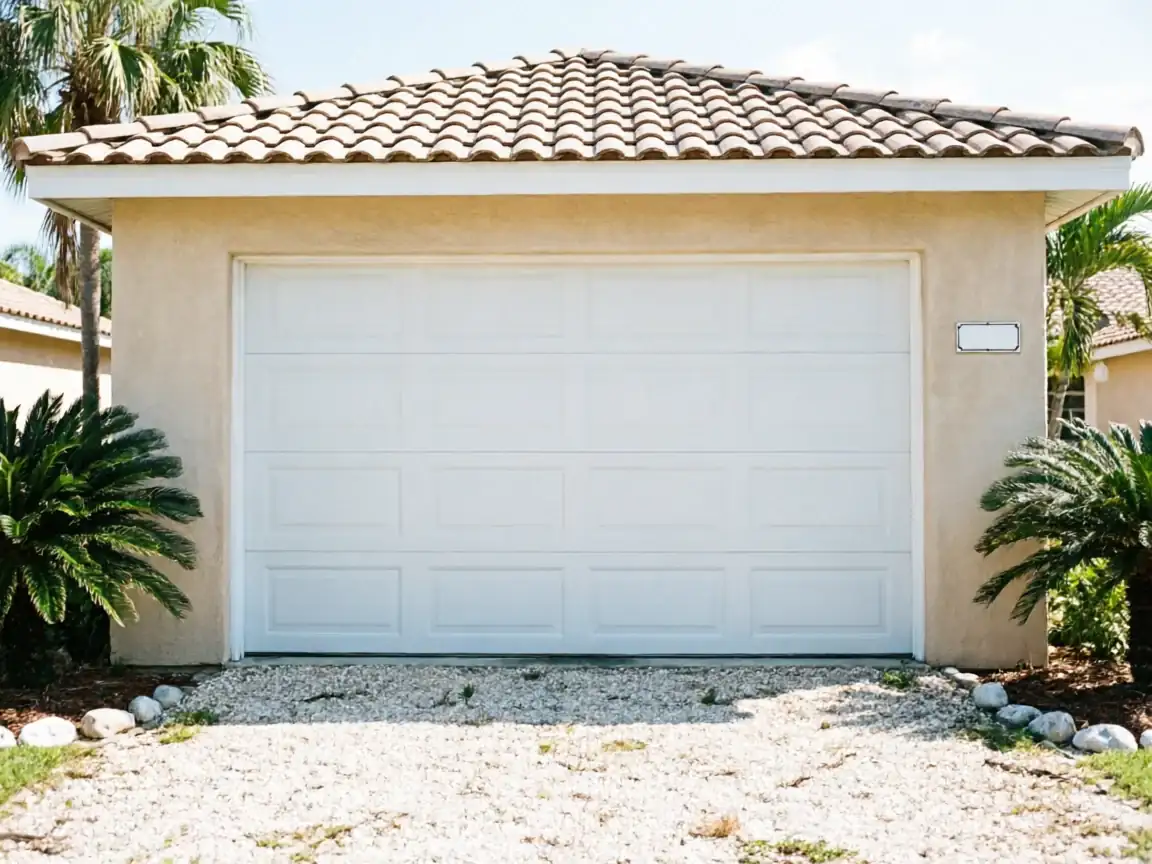
Melbourne Garage Door Pros covers South Patrick Shores from Melbourne, about 7 miles away, so there's no local branch or depot here - just a truck that comes out when you call. That matters less for the fix itself than the timing of when you call, because the housing stock here runs a bit older than the city median. Across the wider service area the median build year sits around 1977, but South Patrick Shores homes went up closer to 1968, nearly a decade earlier. That earlier construction window usually means the garage door and its spring hardware have already been through one or two replacement cycles, or they're still running original torsion hardware well past its rated cycle count.
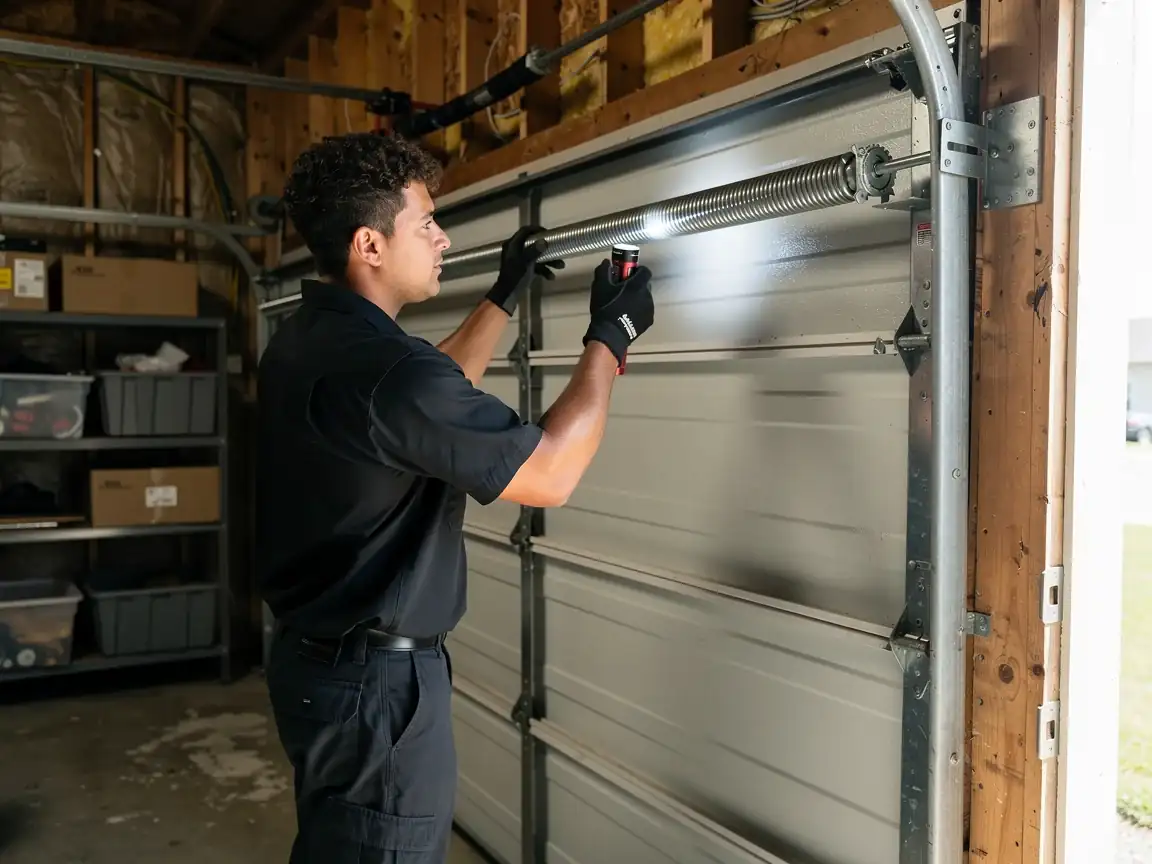
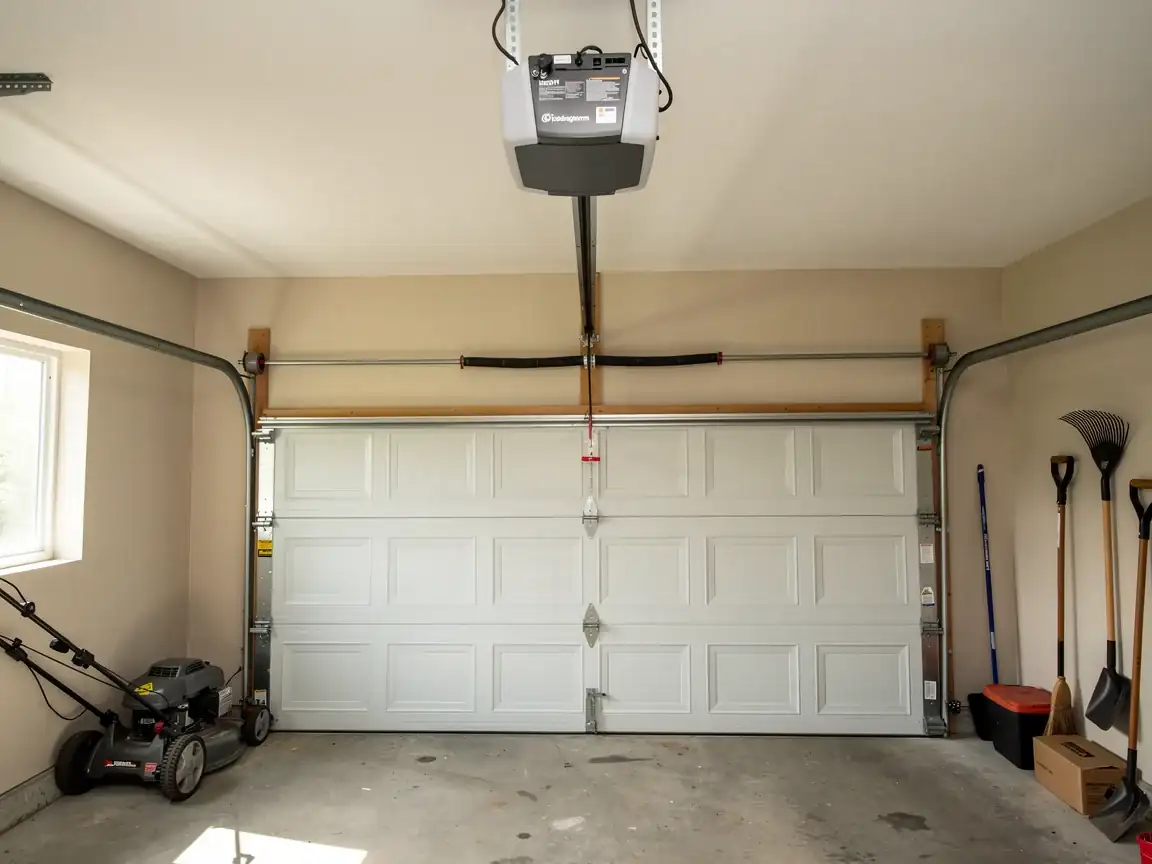
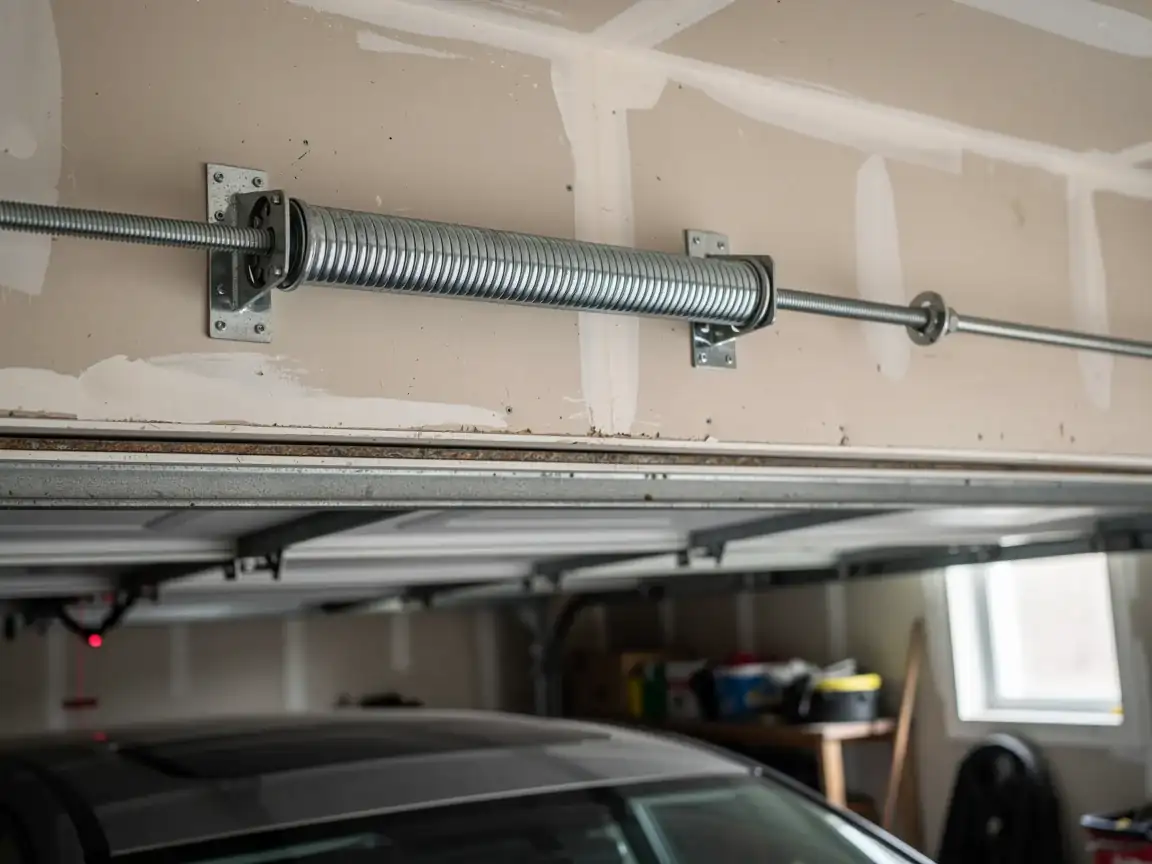
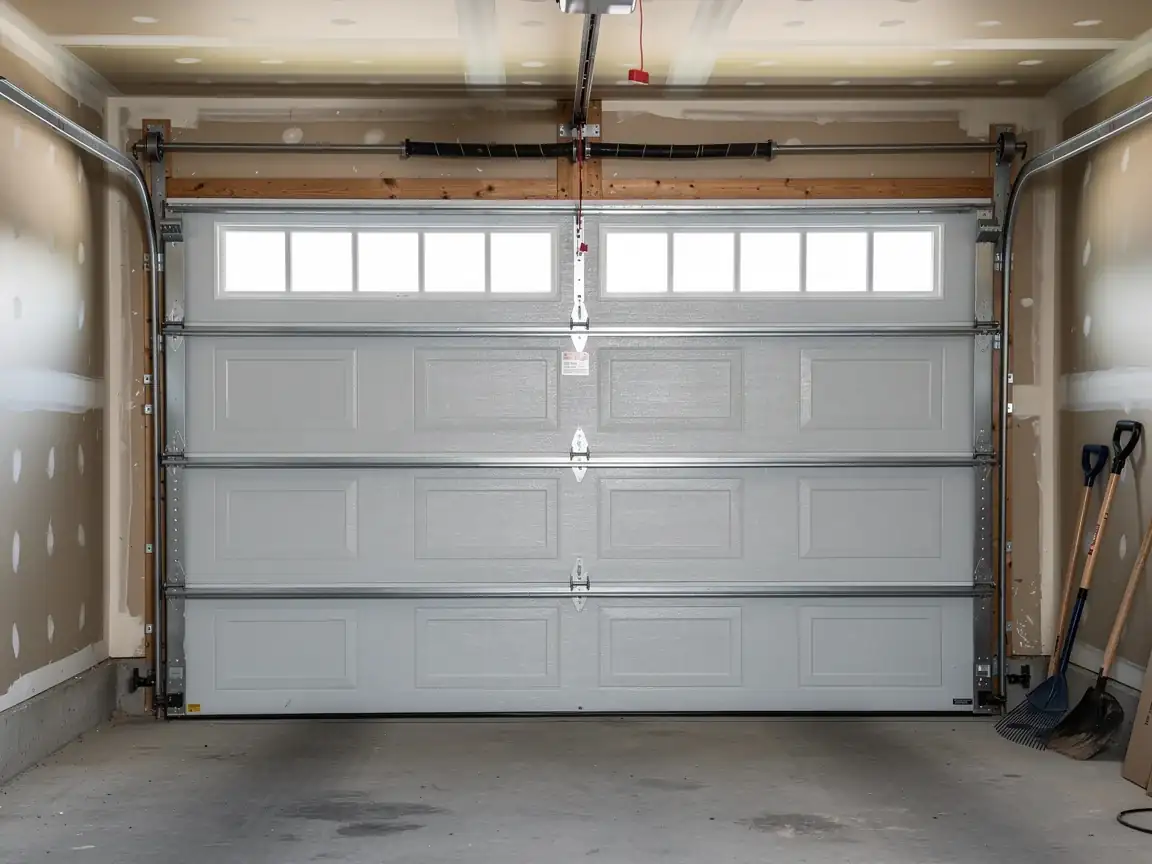
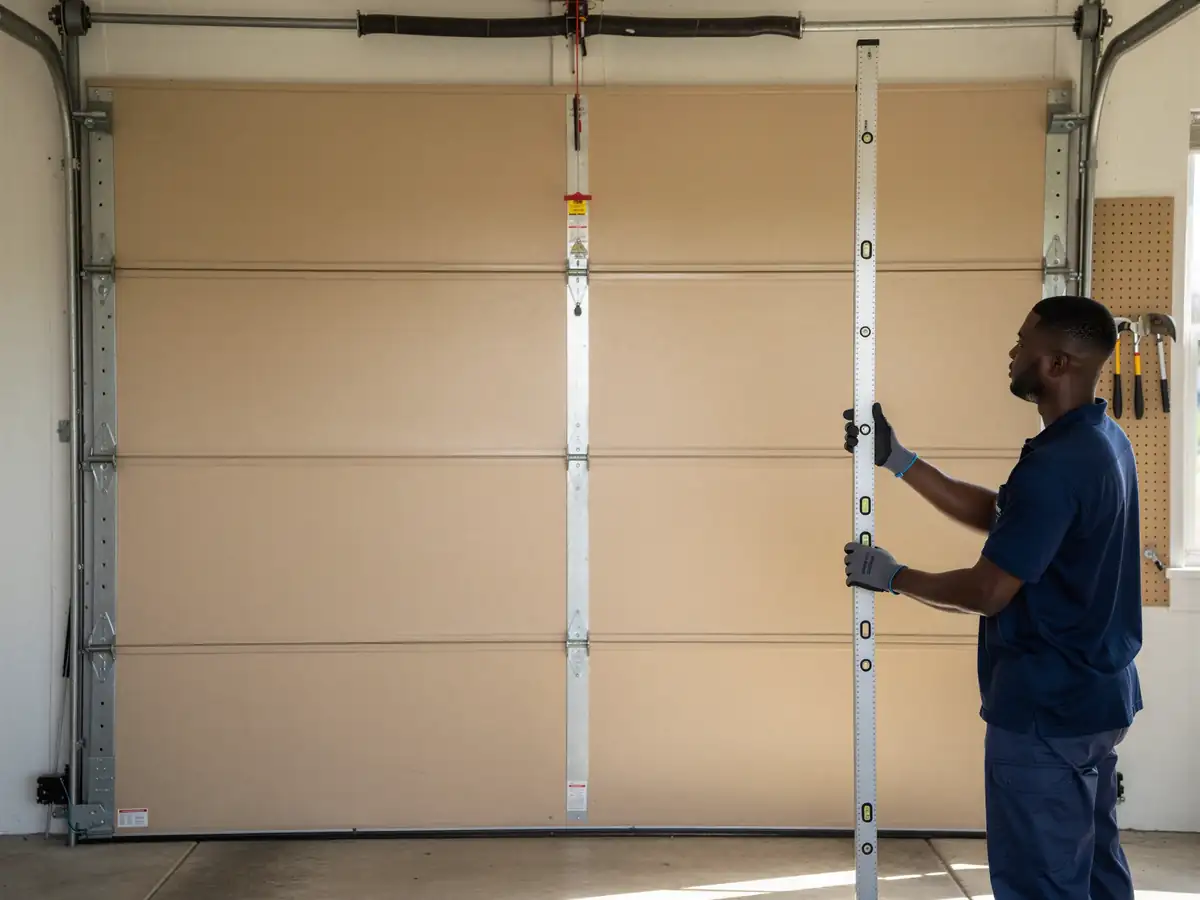
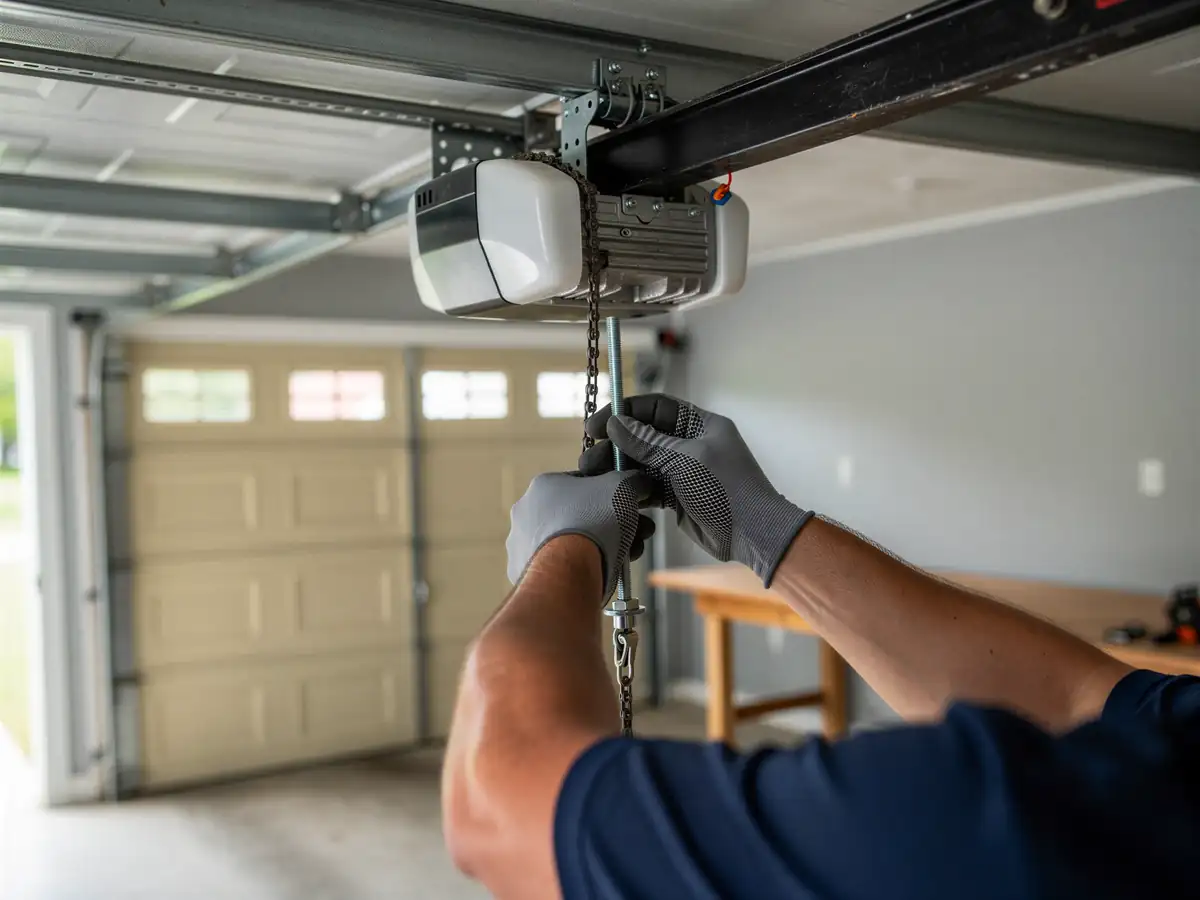
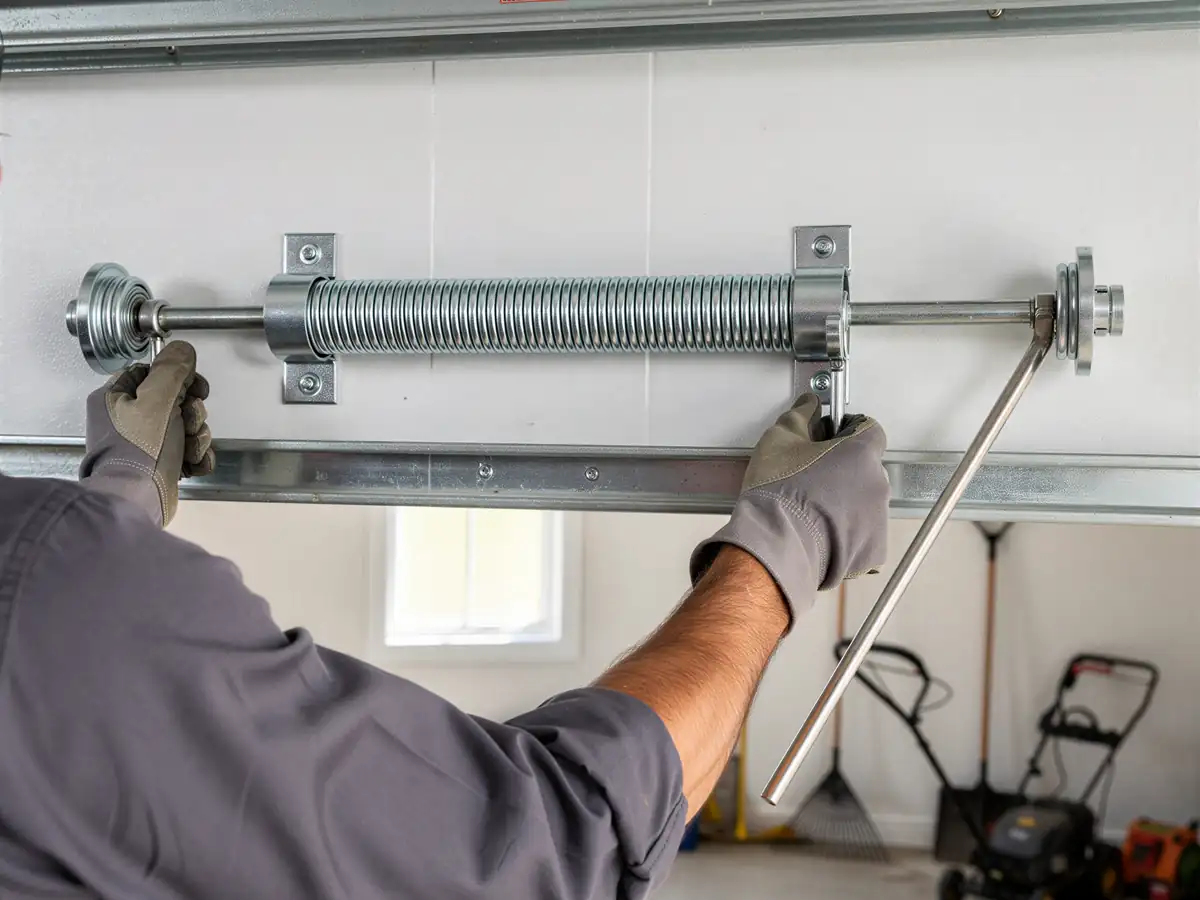
A spring repair here starts the same way it would anywhere: we measure the door's weight and the drum size, match spring wire diameter and length to the opener and track configuration already on the house, and replace the broken spring under tension with the correct one - not just a same-length swap, which is a common mistake on older setups that have been patched once already. On a standard double door we're usually dealing with two torsion springs that get replaced as a pair, even if only one has broken, because the other is close behind it on cycle life. We check cables, rollers, and the center bearing plate at the same time since a snapped spring often takes a cable with it.
What Can Go Wrong
On a house built in the late 1960s, the biggest risk isn't the spring itself - it's what's attached to it. Torsion bars and end bearing plates from that era were sometimes installed with hardware that's been resized or re-drilled over the years as panels or tracks got swapped out piecemeal. If the mounting isn't square or the bearing plate has worn oval instead of round, a new spring will wear unevenly and fail again within a year or two, which looks like a bad part but is really a bad surface it's bolted to.
The other thing we watch for on older stock: non-matching spring pairs. If a previous repair only replaced one side, the two springs are carrying mismatched tension, and the door will pull to one side as it opens. Fixing just the broken one again repeats the same problem. We're honest about this one upfront - if the opposite spring is near the end of its life, we'll say so rather than let you pay for a second call in six months.
How It Shows Up
The most common sign is a door that won't lift at all
Or one that an opener strains against and then reverses - the motor isn't broken, it's just fighting a spring that's no longer doing its share of the lift. You might also notice the door feels heavier than normal for a day or two before it fails outright, a slow weakening rather than a sudden snap, especially in Florida's mild temperate climate where big temperature swings aren't stressing the metal the way they would up north.
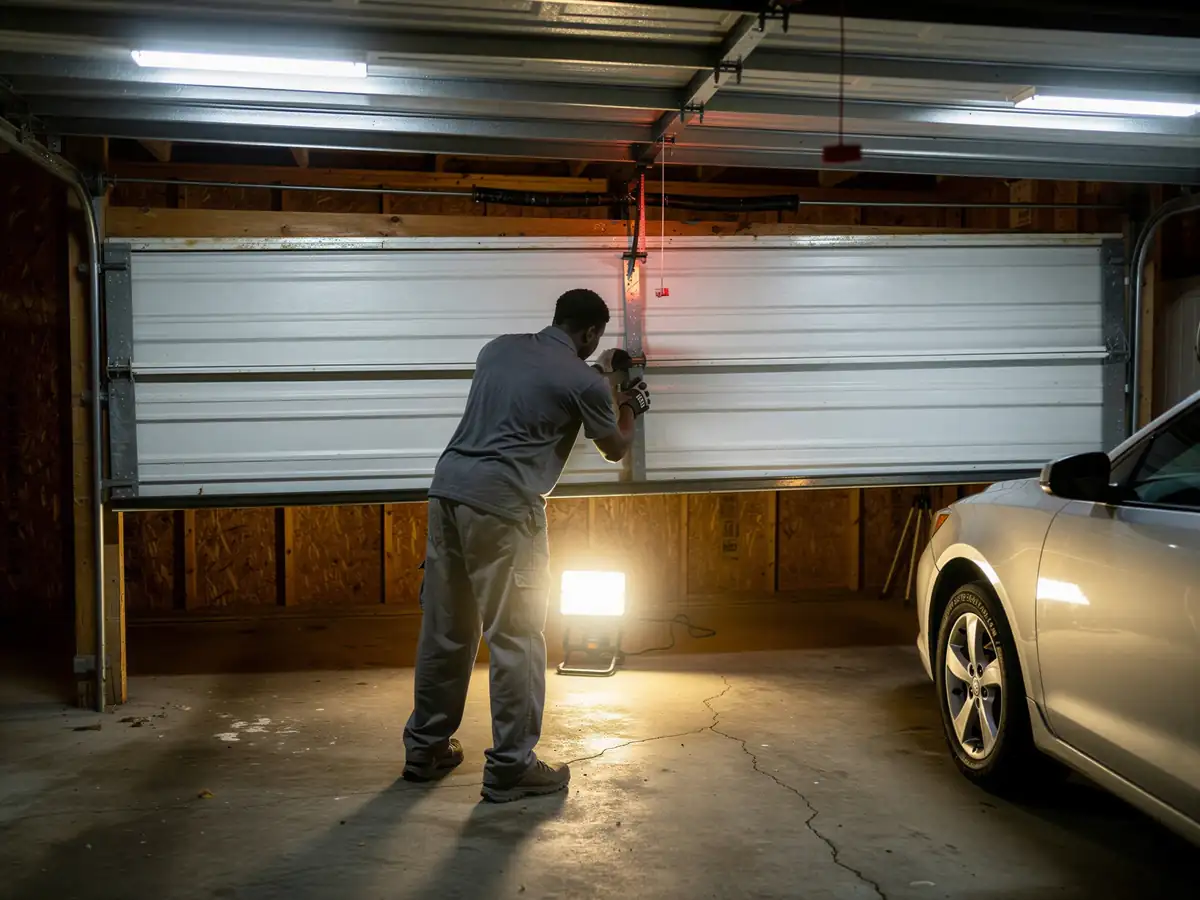
A loud bang from the garage, usually when no one's using the door
Is the classic sign of a torsion spring letting go on its own under stored tension. If you hear that, don't run the opener again - a broken spring under a motor's pull can let the door drop hard enough to bend track or damage the opener's drive gear, turning one repair into two.
Doing It Yourself
We'll say this plainly: torsion spring replacement is not a weekend project, and it's not a safety corner worth cutting. These springs are wound under hundreds of pounds of tension, and the winding bars and clamps needed to do it safely aren't something most homeowners have sitting in the garage. We don't recommend it, and we won't walk someone through it over the phone.
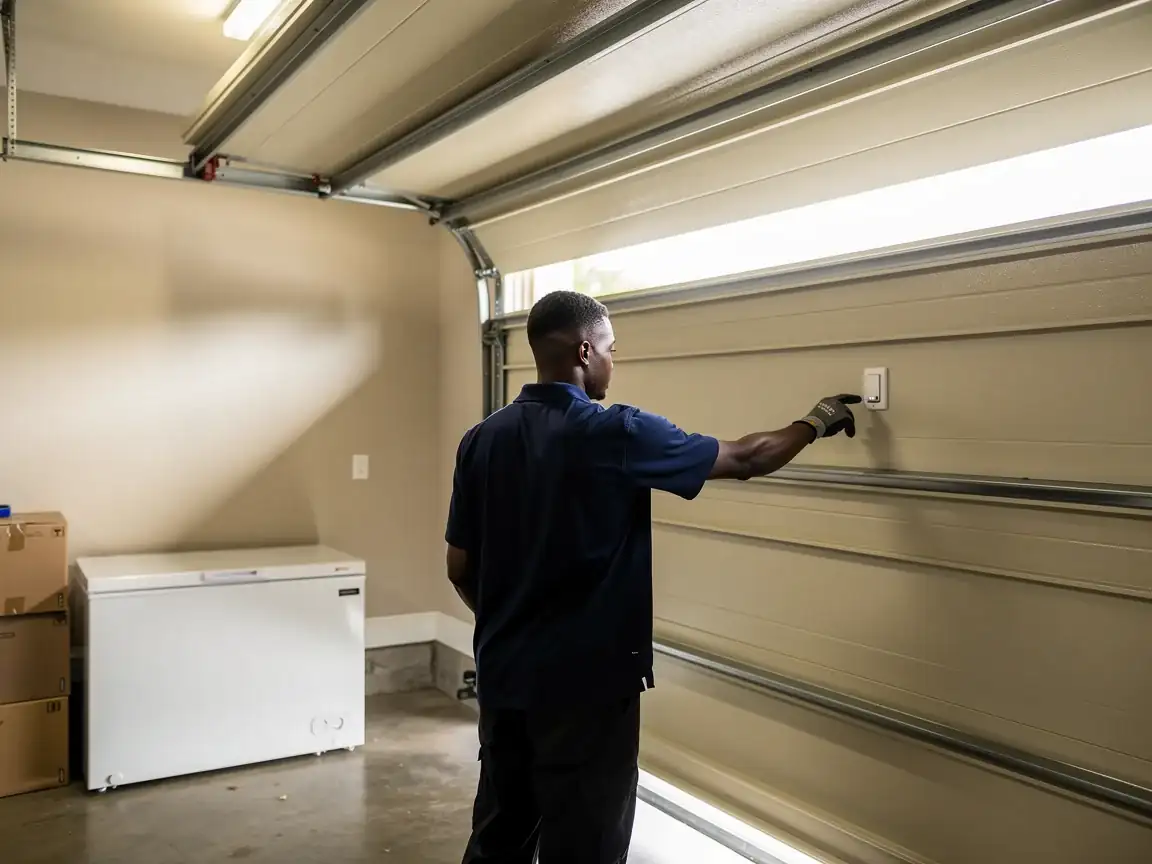
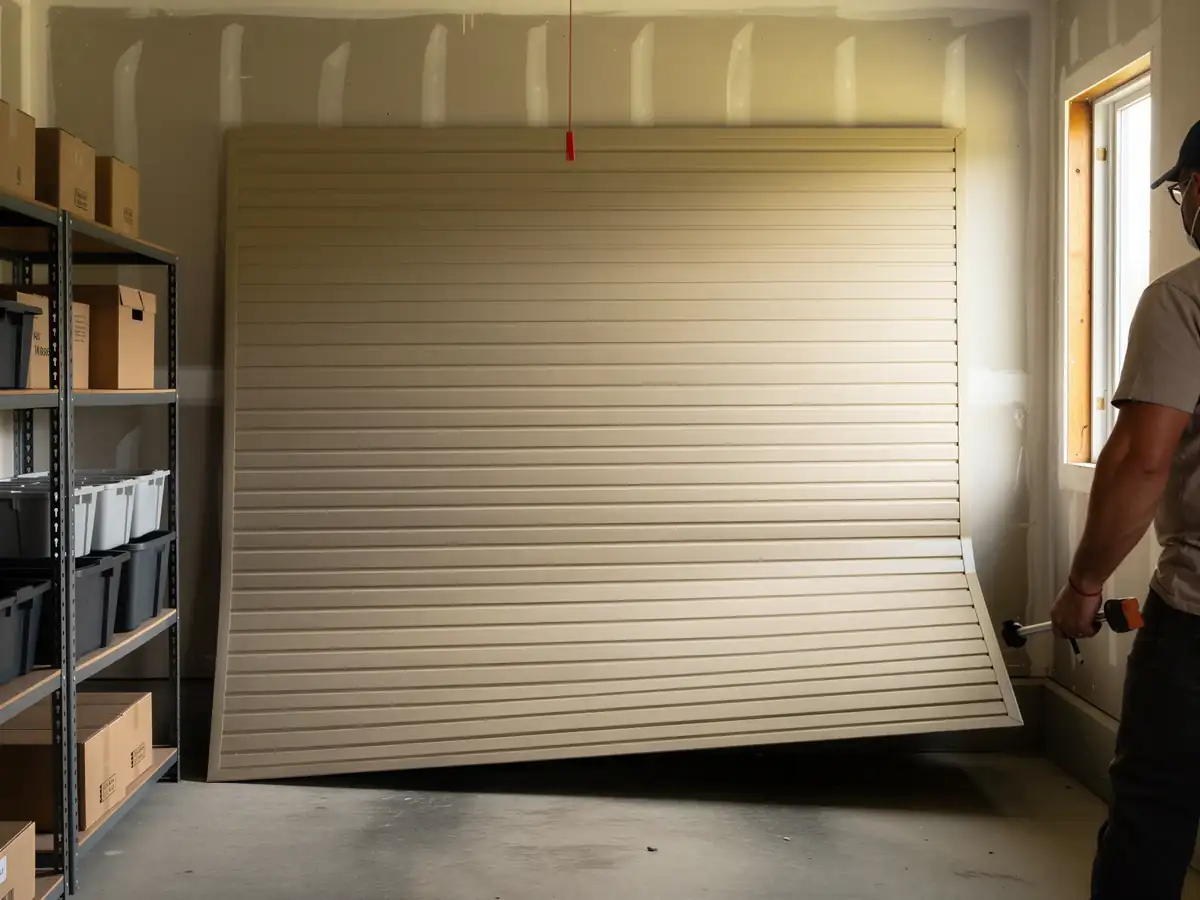
What you can safely do yourself: pull the emergency release cord so the door is disconnected from the opener, and leave it closed until someone can look at it. Don't try to force the door open or closed manually against a broken spring - on a heavier door, especially an older one without a current-spec counterbalance, that's a strained back or worse. If you're not sure whether what you're hearing is the spring or something else - a bad roller, a bent track - a quick call to size it up costs you less than a guess that turns into a bigger repair.