What the Fix Involves
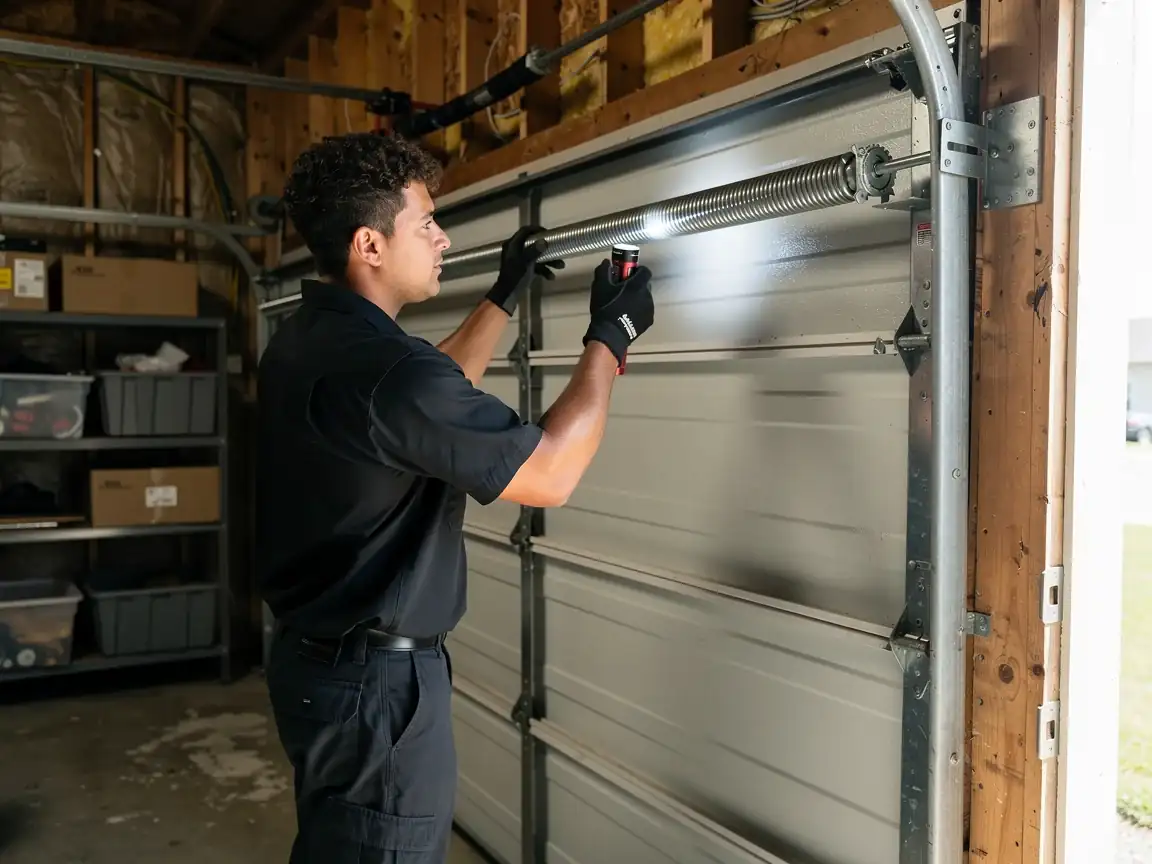
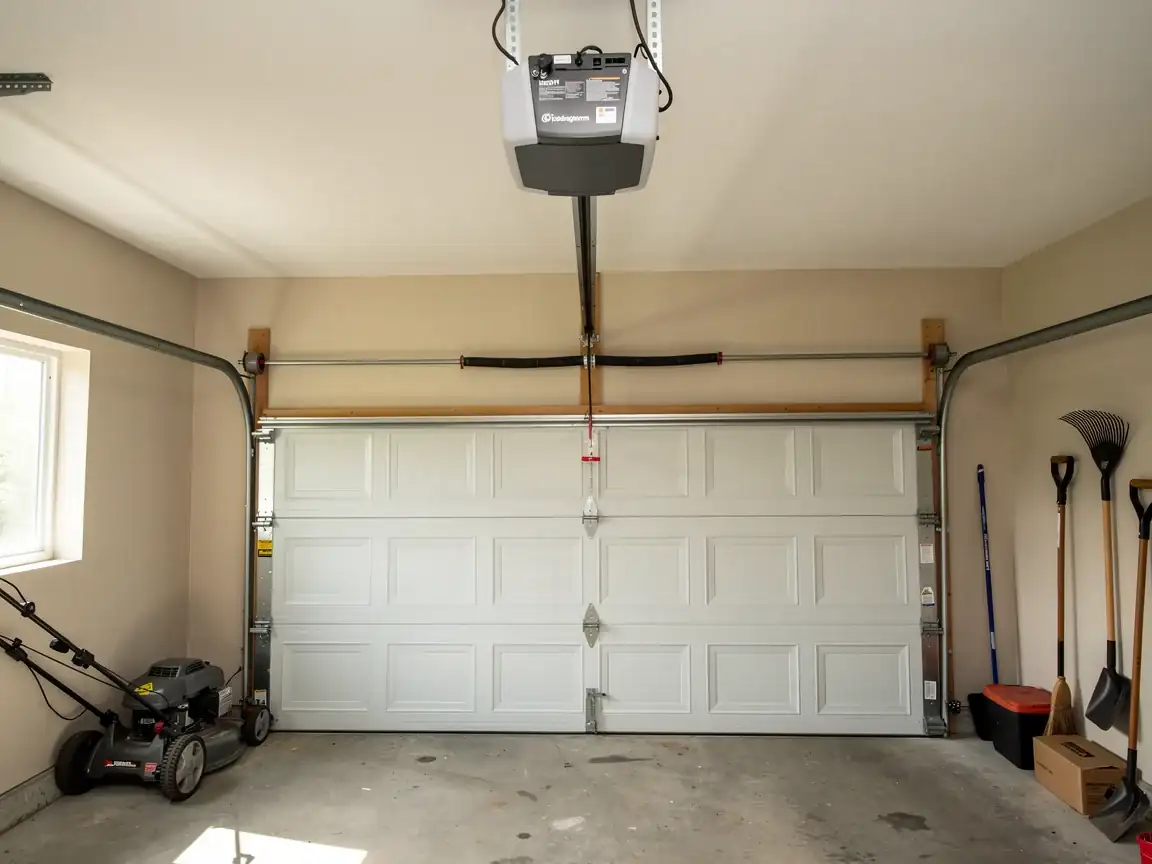
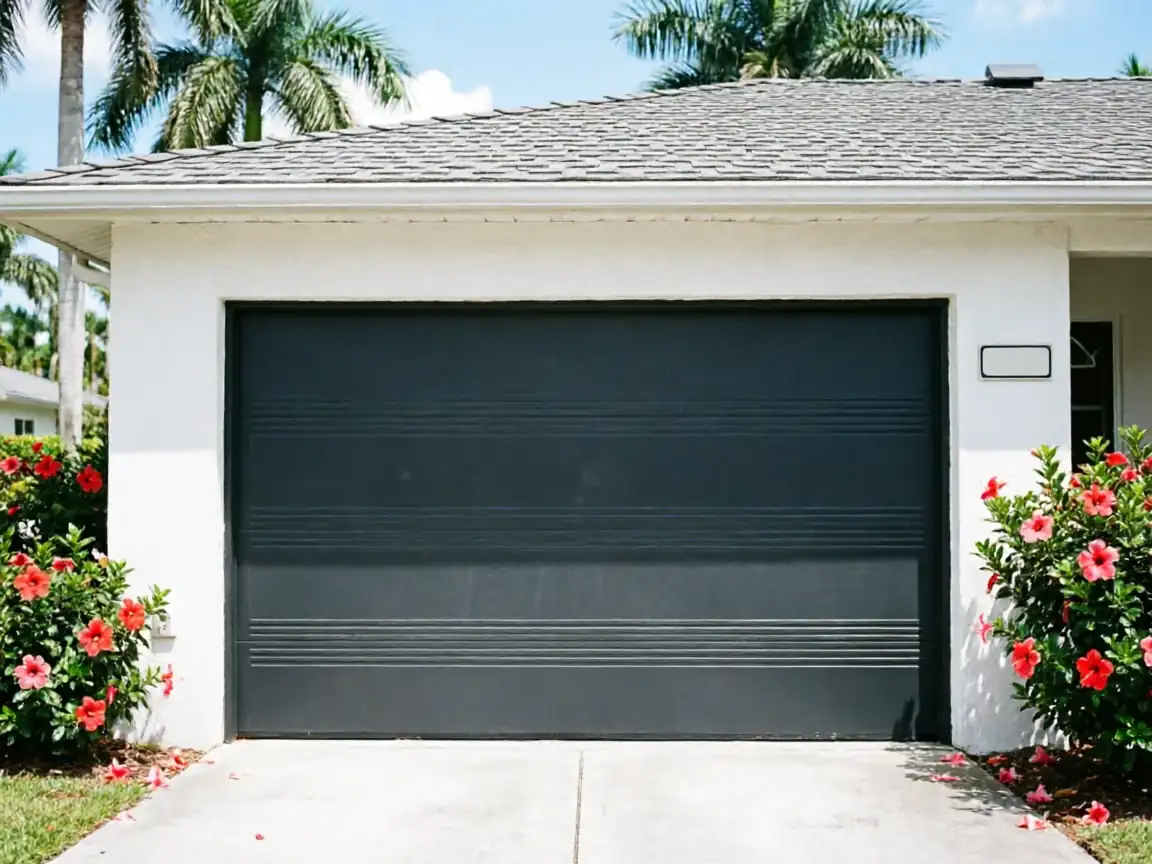
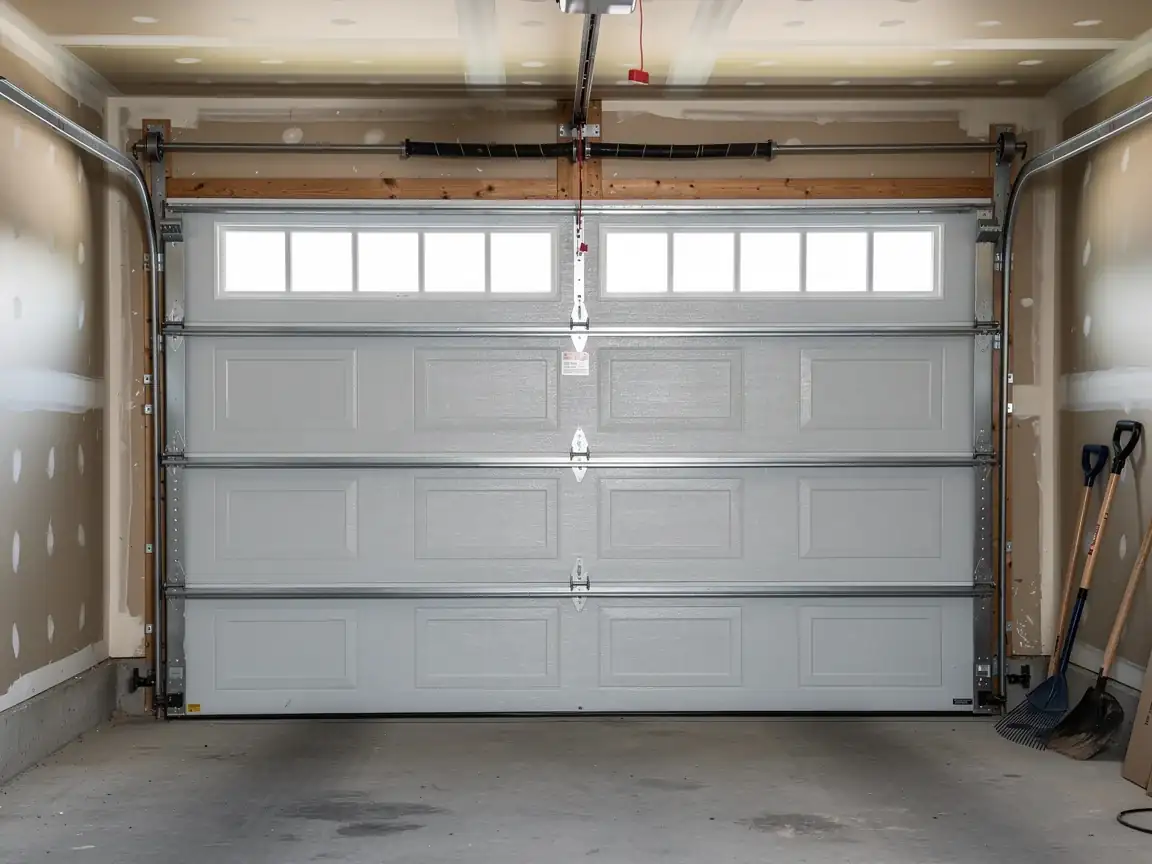
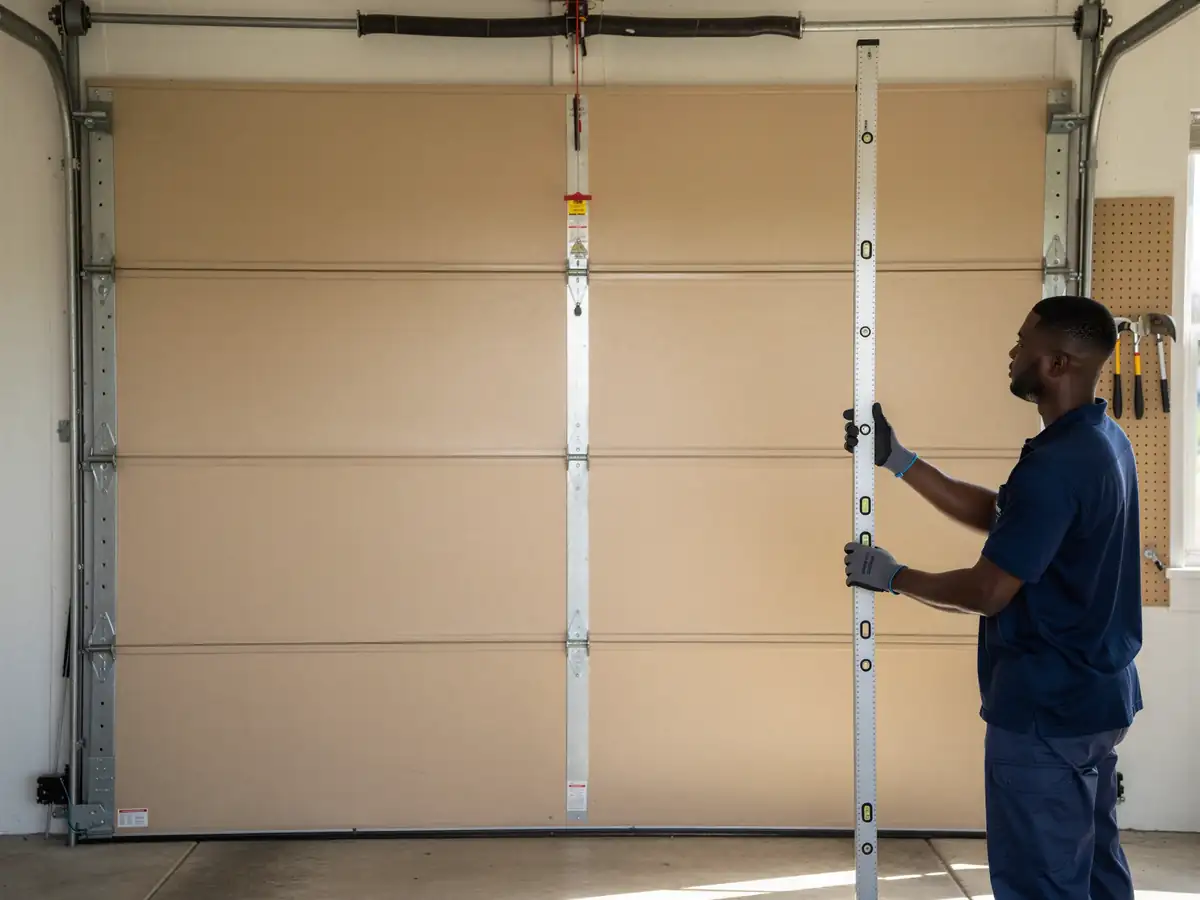
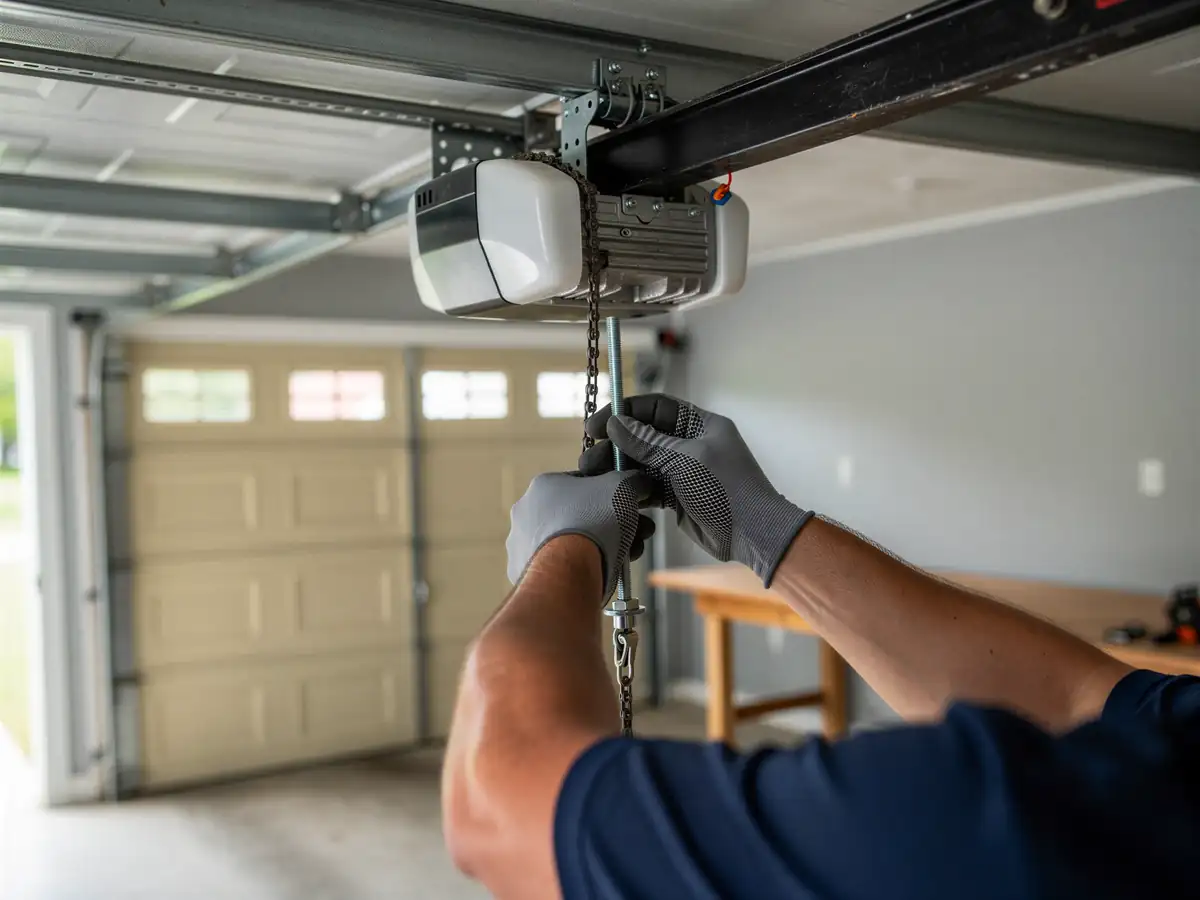
South Patrick Shores has about 2,988 households, a small footprint next to the roughly 82,524 across the whole service area we cover out of Melbourne. That size matters: in a suburb this compact, the openers we get called about cluster around one construction era instead of spreading across forty years of different hardware. Most houses here went up around 1968, right in the middle of the 1966-2003 build window that defines this stretch of the coast. That means a lot of chain-drive units installed or replaced during the 1980s and 90s retrofit wave, bolted to joists that were never meant for a belt-drive's mounting bracket. A fix usually starts with pulling the cover off the head unit to check the logic board, the capacitor, and the drive gear before touching anything electrical. If the opener is original to a 1970s build, parts for it stopped being made a long time ago, so the real decision is whether we're repairing a gear or replacing the whole head. We carry common gear kits and sensor pairs on the truck for the 7-mile run from Melbourne, but a board specific to a long-discontinued model sometimes means a short order wait before the job finishes.
What Can Go Wrong
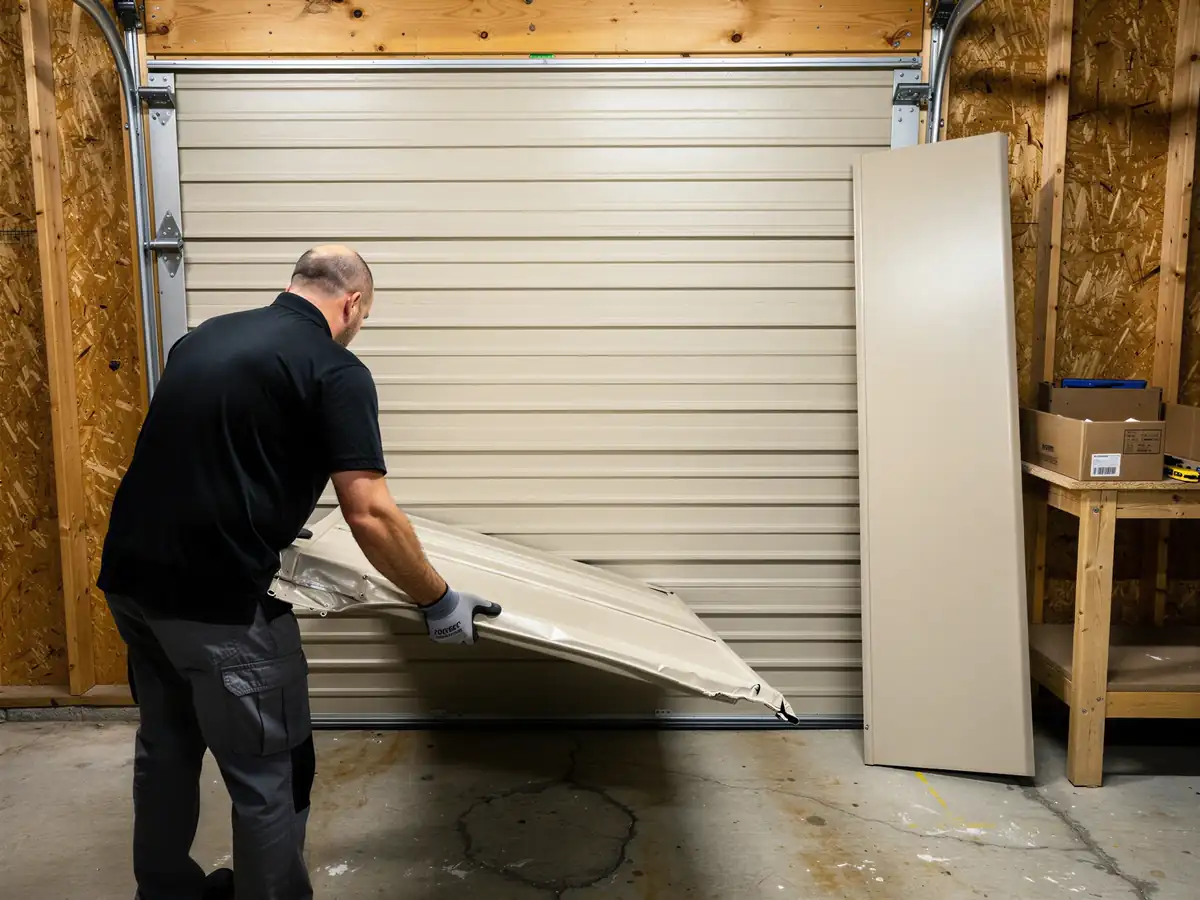
The drive gear is the part that fails most in openers from this era - it's a nylon piece that wears down slowly, so the door starts to stutter or reverse before it finally stops moving altogether. Circuit boards in units installed through the 80s and 90s retrofit period are the second common failure, especially after years of South Florida humidity working into the housing. Capacitors dry out, relays stick, and the opener either hums without moving the door or runs the motor with no chain movement at all. Safety sensors get knocked out of alignment more than people expect, usually from a bumped shelf or a stored bike leaning against the bracket, and that alone will stop a door from closing even though nothing is actually broken. Limit switches drift out of adjustment on older chain-drive units too, so the door reverses a few inches from the floor or stops short of fully open. None of this is dramatic, but it adds up: a 1968-era garage with its original opener header is carrying forty-plus years of small wear points that eventually fail together rather than one at a time.
Doing It Yourself
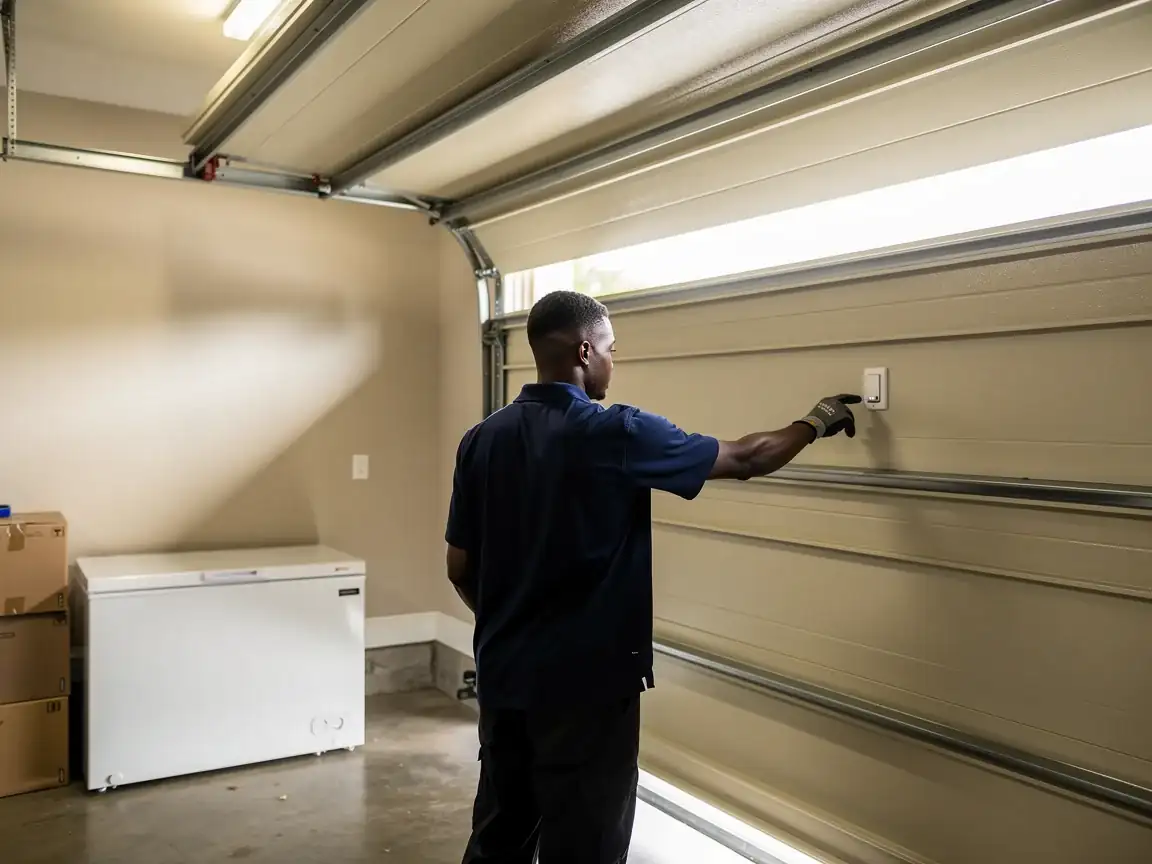
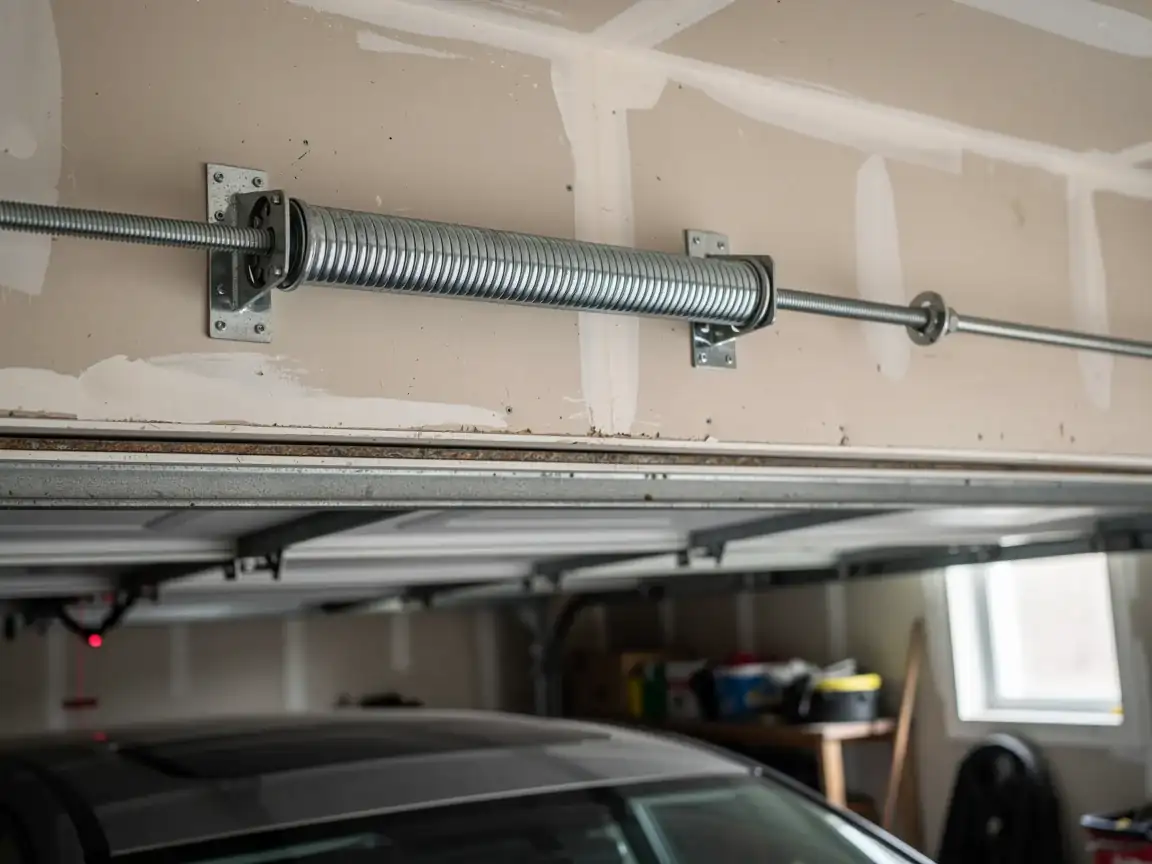
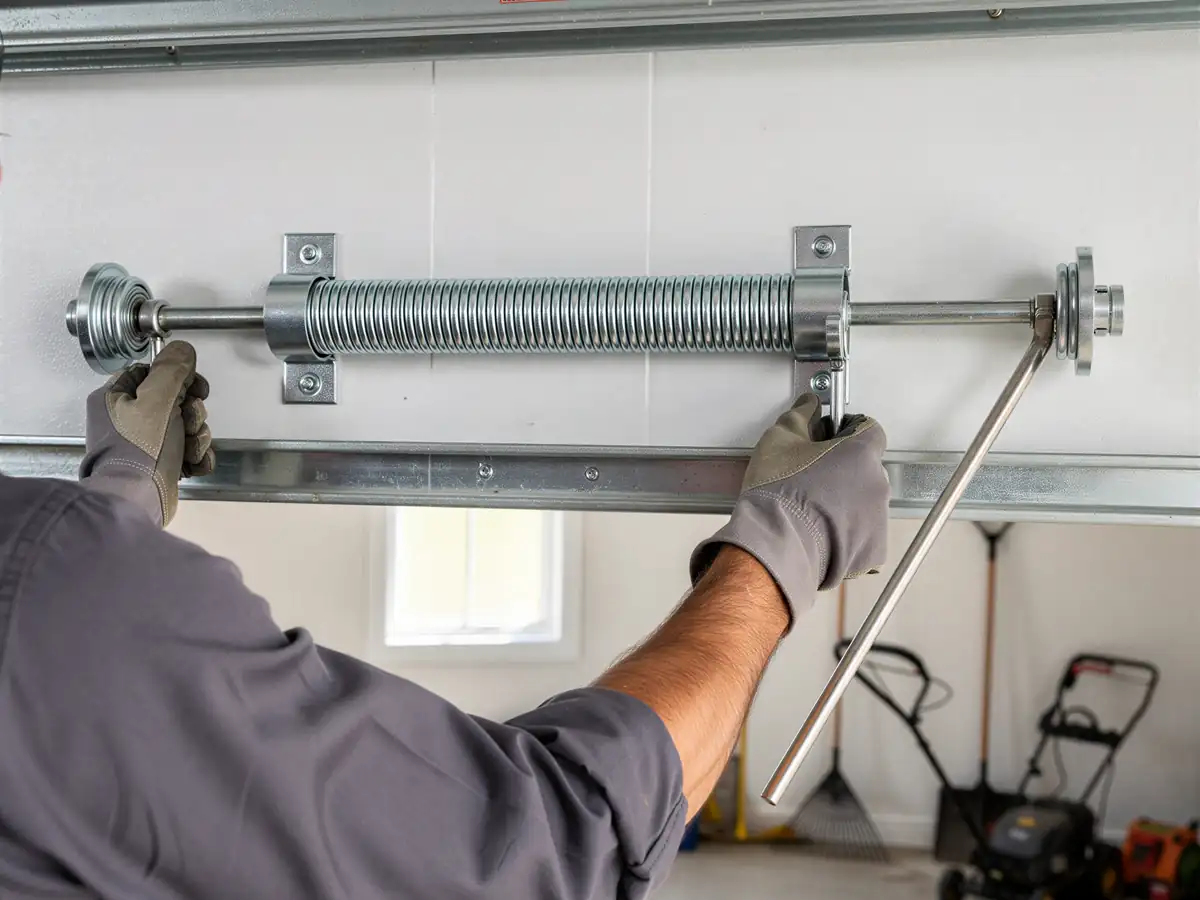
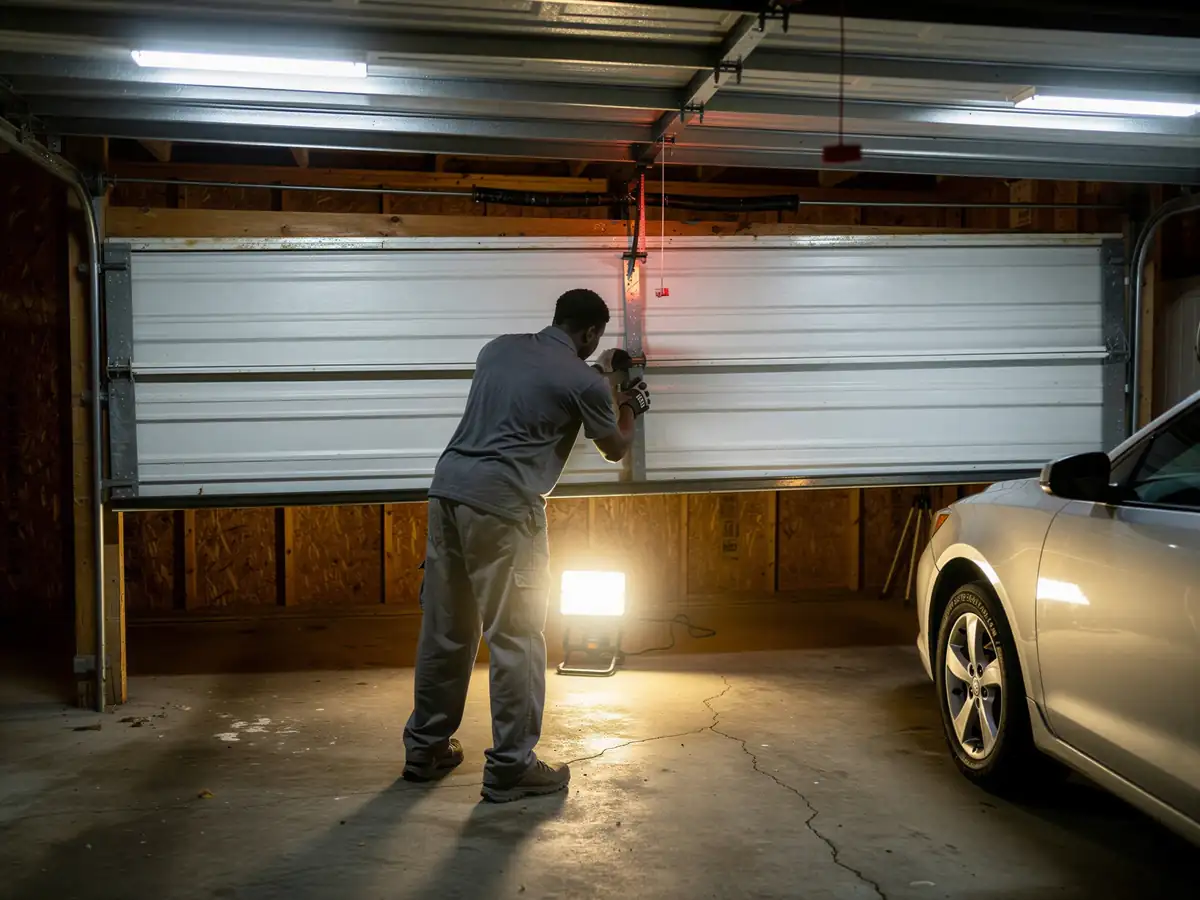
Check the obvious first: make sure the opener is plugged in, the breaker hasn't tripped, and the sensors at the bottom of the track are clean and facing each other dead-on. Wipe the sensor lenses with a dry cloth and nudge them gently if the door won't close - that fixes more calls than people expect. Replacing the remote battery or reprogramming it from the owner's manual is safe to try yourself. What isn't worth attempting: opening the opener's logic board housing, adjusting the force or limit screws without knowing what they control, or working anywhere near the torsion spring above the door. On a 1968-built garage, the opener and the door hardware are often both original or close to it, and guessing wrong on a force adjustment can put real stress on a tired spring. If the drive gear is stripped or the board is dead, that's a parts-and-tools job, not a weekend one. Replacing the opener outright is usually the better call once a unit from this era needs more than one part.