What the Fix Involves
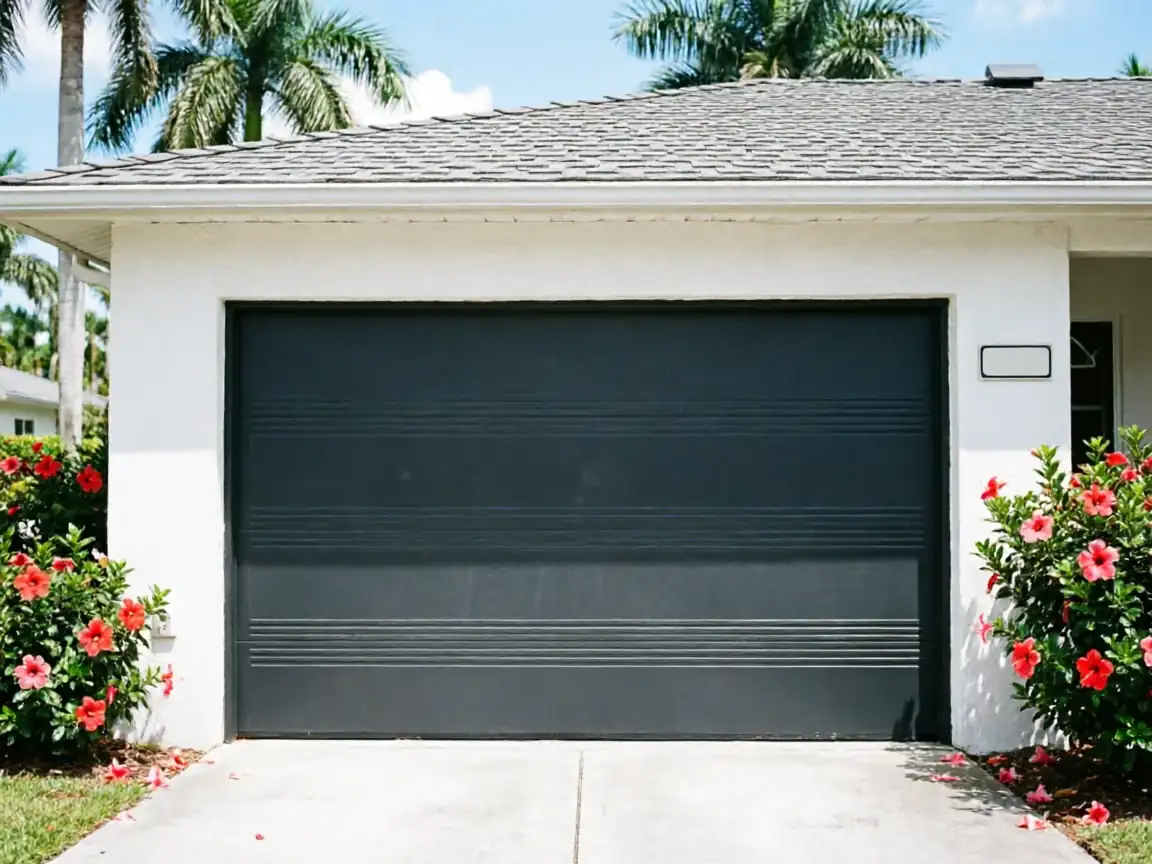
The math on a panel job in South Patrick Shores starts with the income line, not the door. Median household income here runs $86,048, close to the $86,305 median across the wider Melbourne service area but the houses behind those incomes are older than most of that service area's stock. Housing across the broader area was built between 1966 and 2003, with a median year of 1977. South Patrick Shores itself centers closer to 1968 - original construction, original door openings, and in a lot of cases original steel sections that nobody has made in the current profile for years.
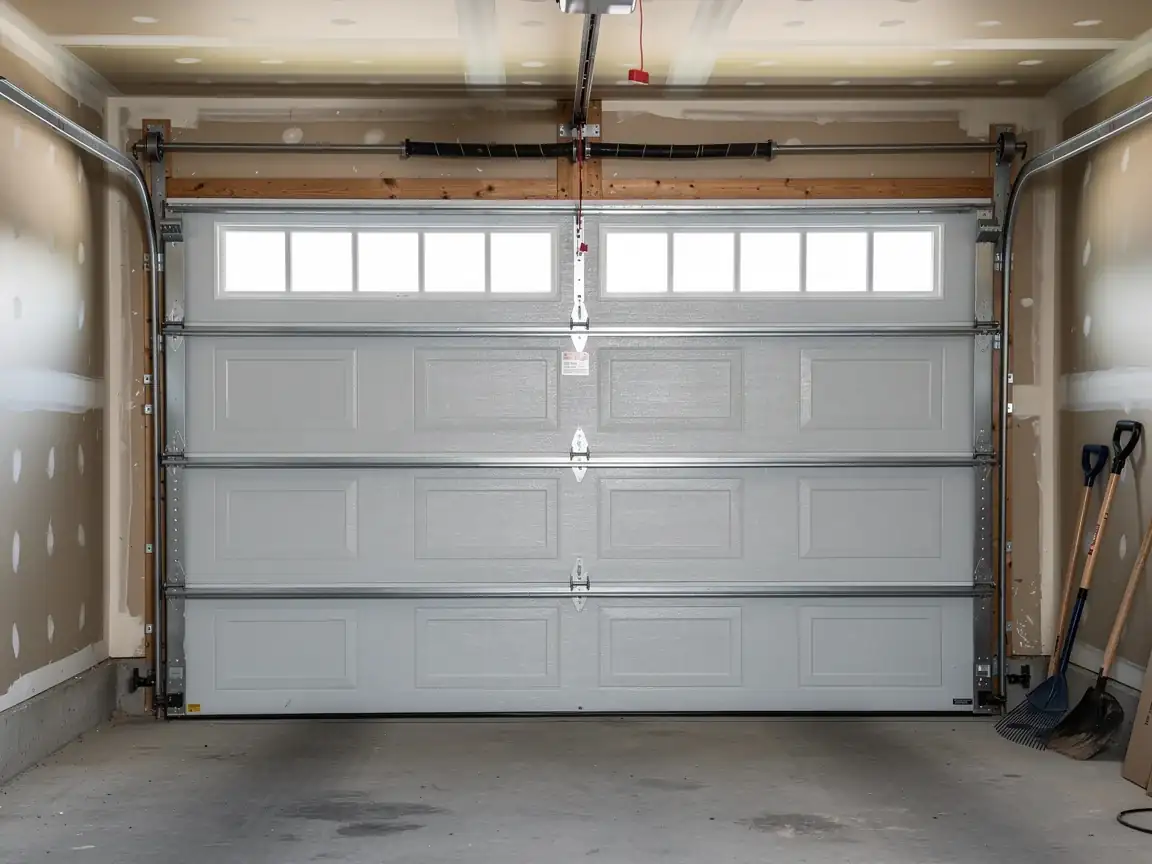
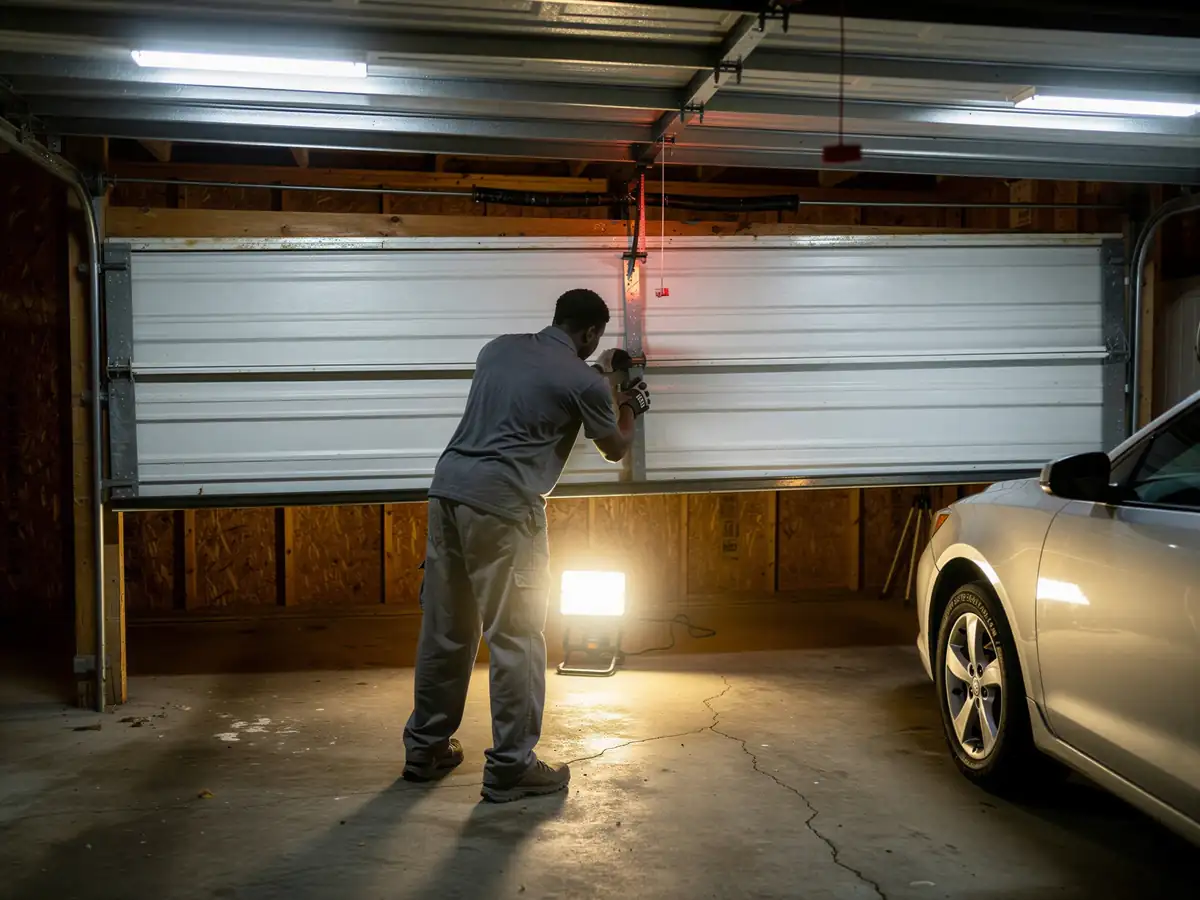
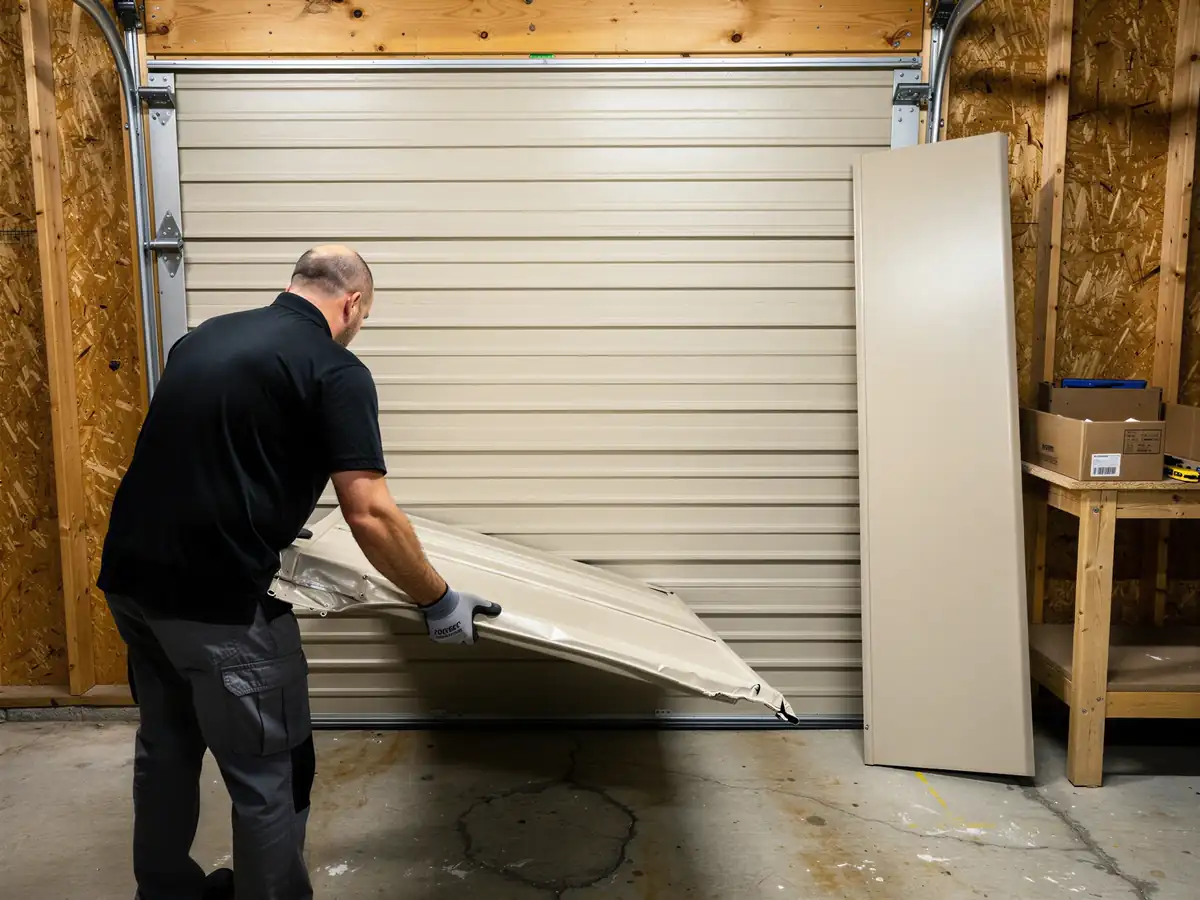
At this income level, a single damaged panel on a door that's otherwise sound is almost always worth fixing rather than replacing whole. We pull the damaged section, match gauge and rib pattern as close as the door allows, and reset it into the existing track and hardware. Where the door is a multi-panel steel unit from that late-1960s run, we're hunting a panel that fits an opening nobody standardized the way builders do now. That search is the real labor on these jobs - not the install.
We travel to South Patrick Shores from Melbourne, about 7 miles out, so we schedule the panel match before we're on site rather than guessing at the door and hoping the piece fits.
What Can Go Wrong
The most common miss on a house this age is treating panel replacement as a parts-catalog lookup. A door built around 1968 often doesn't match anything currently stocked - not in panel height, not in the screw pattern, sometimes not in the steel gauge. Force a modern panel onto an old frame and you get a door that looks fixed and runs rough: binding rollers, a track that fights the new section, hinges torqued because the panel doesn't sit flush.
The other failure is cosmetic mismatch nobody warns you about. Paint and finish on a 50-plus-year-old door has usually faded or chalked in a way a brand-new panel won't match, even in the same nominal color. If the whole door hasn't been repainted recently, a single new panel can end up a visibly different shade than the rest - not a defect, just the honest limit of matching old finish with new material. We'll tell you up front if that's likely before we order anything.
We also see panels bent from the inside out - someone backed a car into the bottom section - where the frame or track twisted along with the steel. In that case a panel swap doesn't fix the real problem, and we'll say so rather than sell a part that won't solve it.
How It Shows Up
On houses from the 1968 era in South Patrick Shores
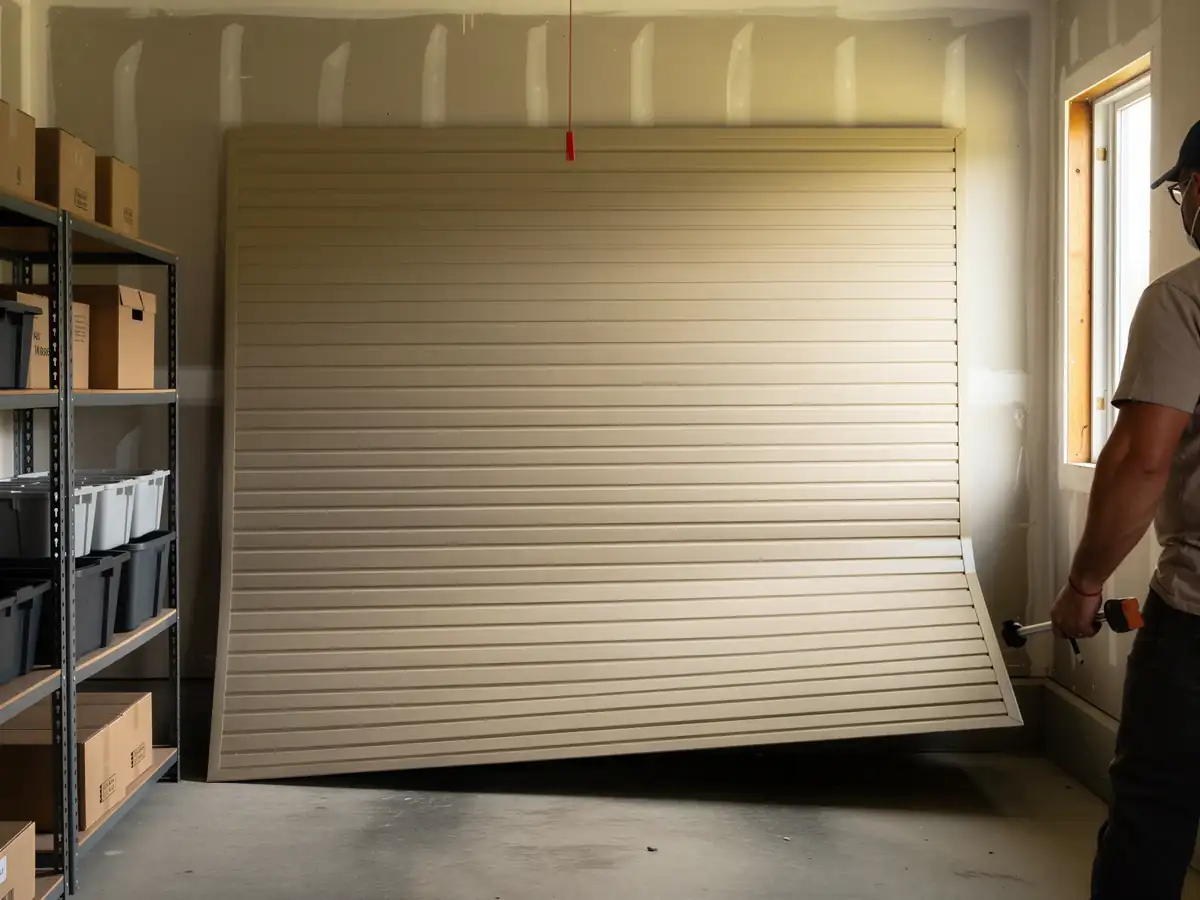
Panel damage usually shows up as a visible dent or crease on the bottom one or two sections - the ones at bumper height and the ones that take the brunt when the door doesn't fully clear a car or a bike. Because the original steel on these doors tends to be a heavier gauge than what's sold today, a dent here often stays a dent rather than spreading, which is actually in your favor: it narrows the job to the one section instead of the whole door.
You'll also see it as a door that runs but drags
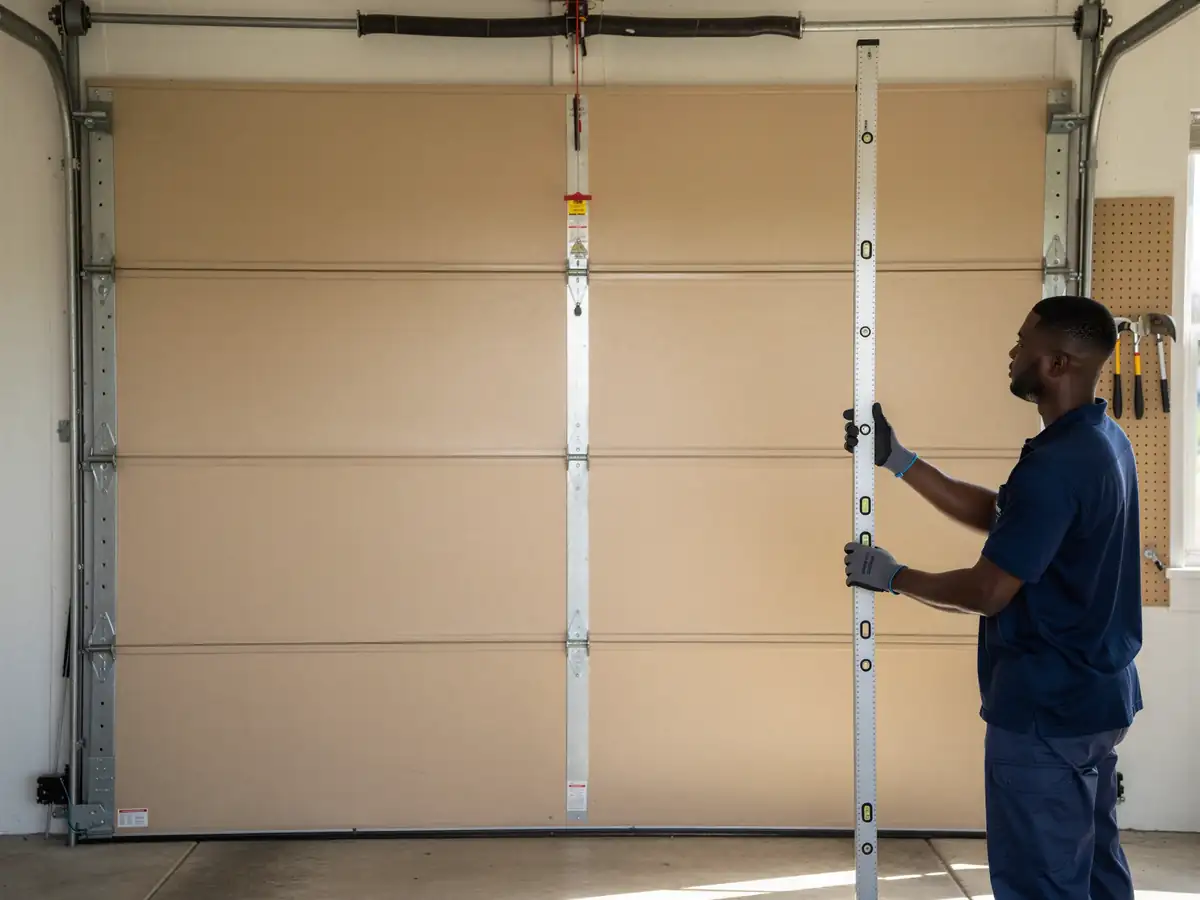
A panel pushed slightly out of plane catching the track on the way up or down. That's a sign the section needs to come out and get reset or replaced before the track itself takes damage.
Less obvious: rust blooming along a seam where an old panel's edge coating has worn through
On a door this age, rust at a seam is often the first visible sign that a panel's structural edge is going, well before it looks bent from across the yard.
Doing It Yourself
If you're handy and the damage is cosmetic - a shallow dent with no crease, no binding, door still running smooth - you can sometimes pull it out yourself with a plunger and patience, and skip replacement altogether. That's the cheapest fix there is, and we'd rather tell you to try it than sell you a panel you didn't need.
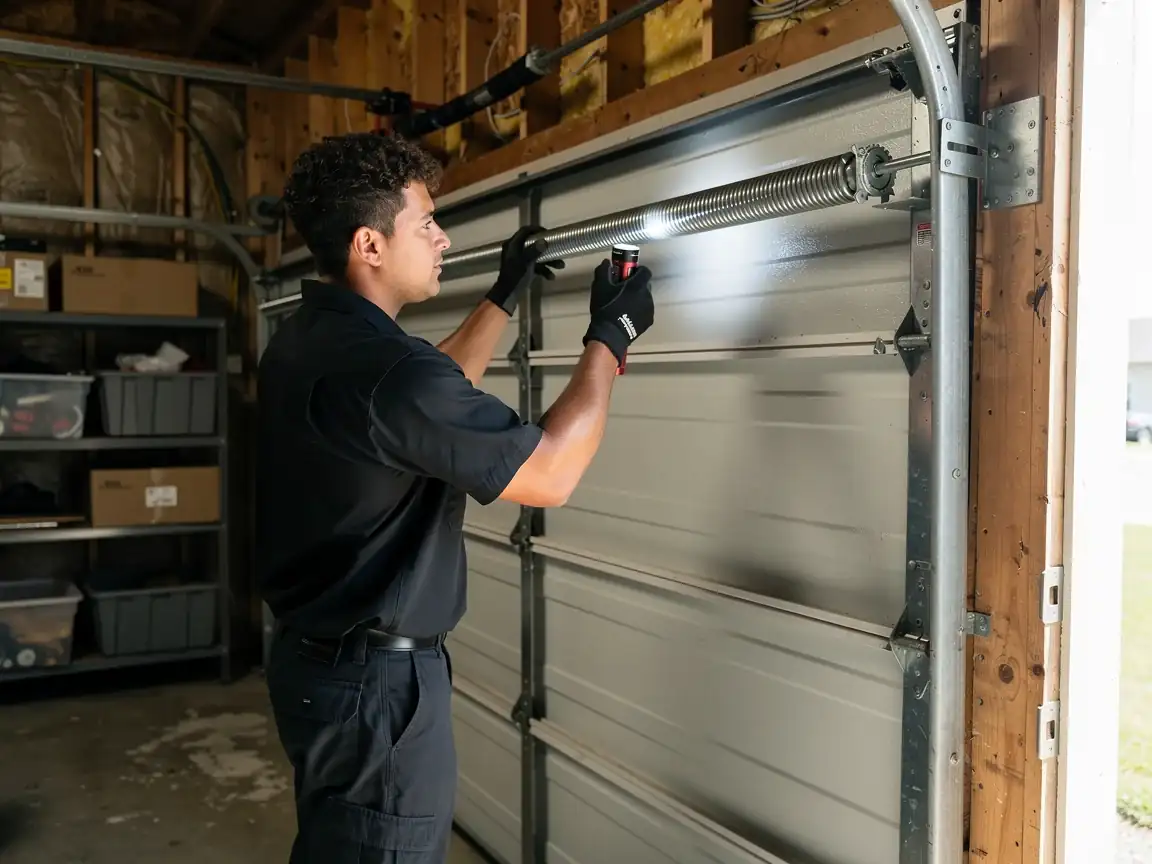
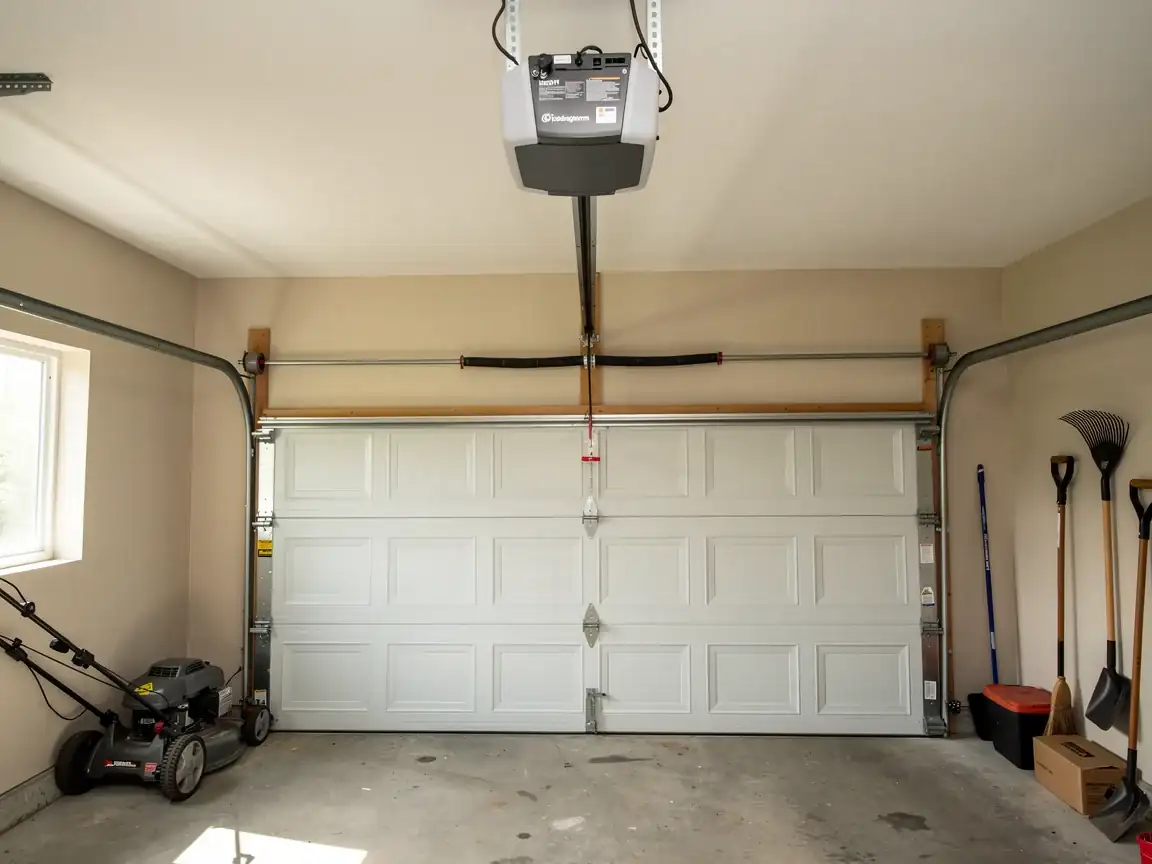
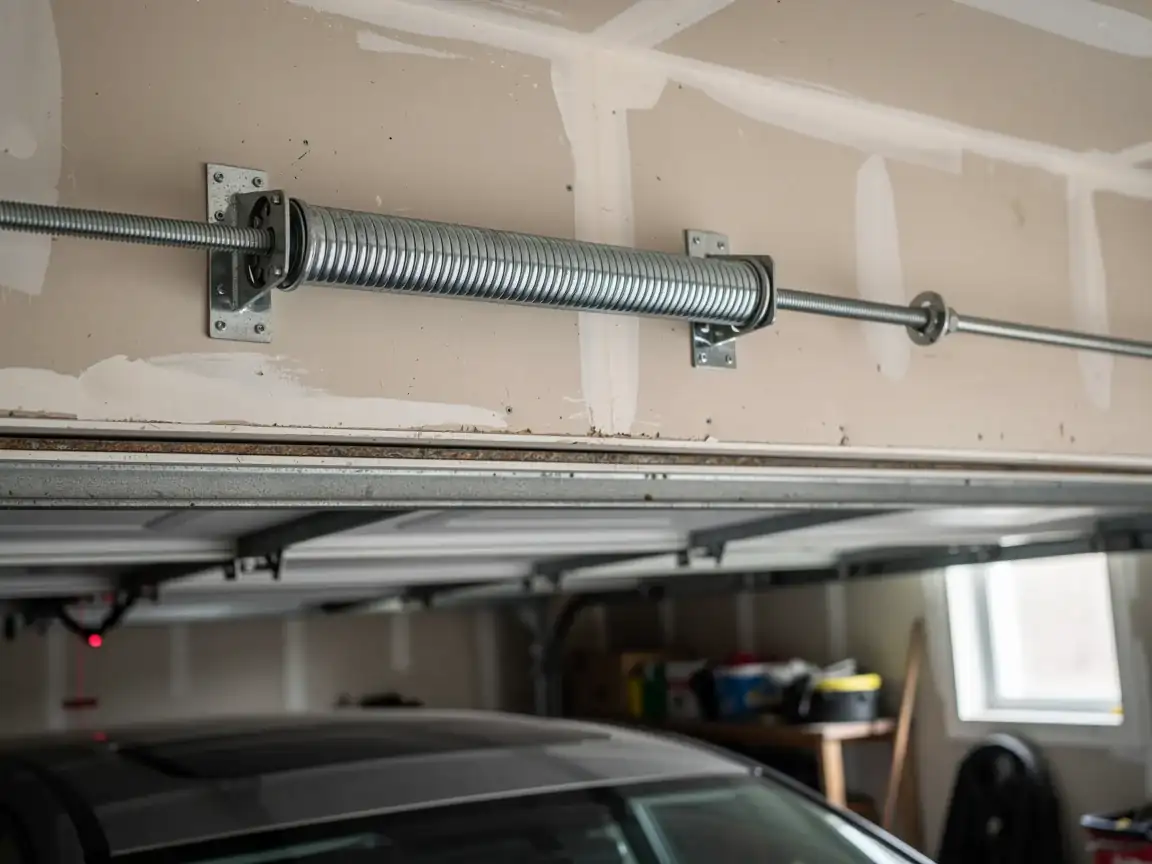
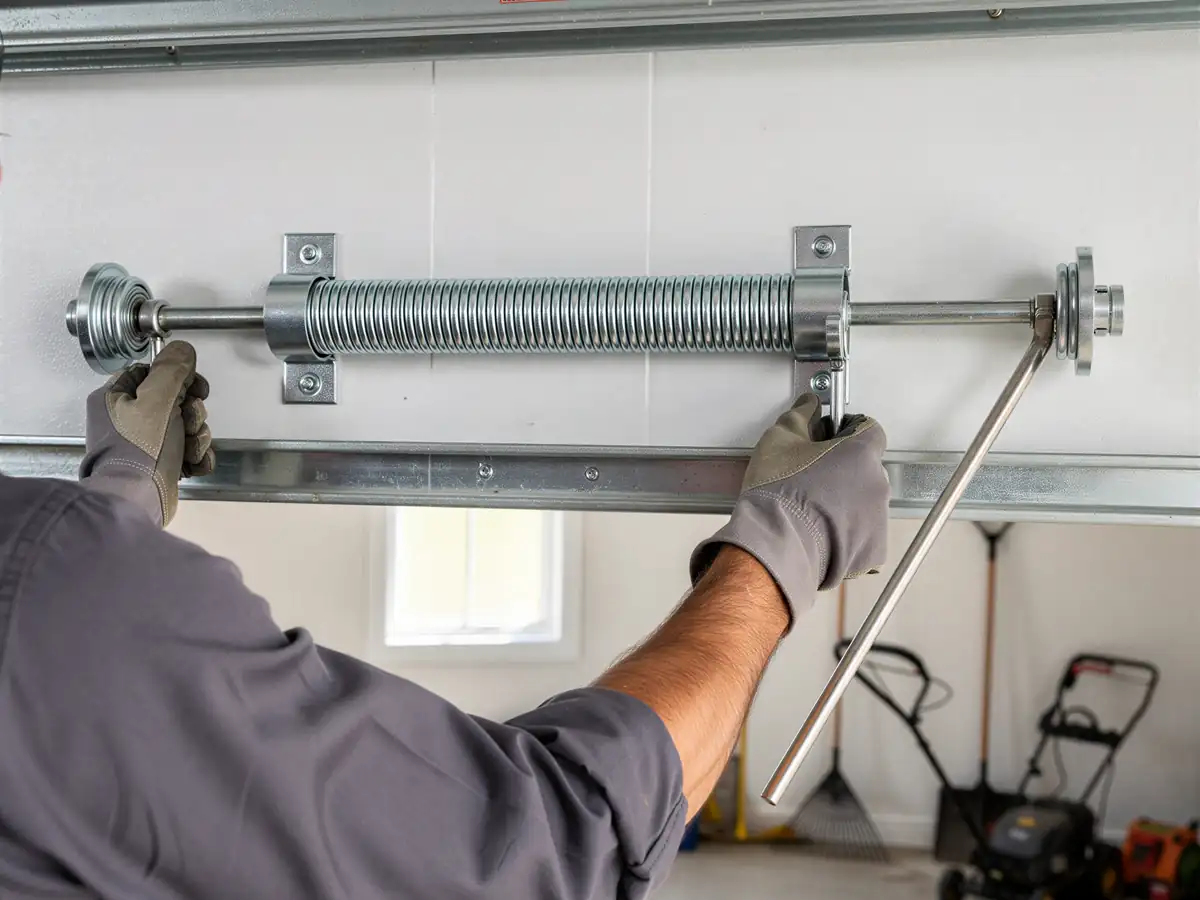
Where we'd stop you: matching a panel on a door built around 1968 means tracking down stock that fits an opening and screw pattern from that era, which isn't something you can eyeball at a home center. Order the wrong gauge or the wrong panel height and you'll spend more fixing the fit problem than the original dent ever cost. There's also real risk working around a torsion spring or cable near the section you're swapping - that part of the job isn't worth doing solo.
Our honest limit here: if the door's frame or track got bent along with the panel, or if more than one or two sections are damaged, a panel swap stops making sense and full door replacement usually costs less in the long run than chasing discontinued parts. See our coverage area page for how we schedule out here, or the Melbourne panel replacement page for the full service rundown.