What the Fix Involves
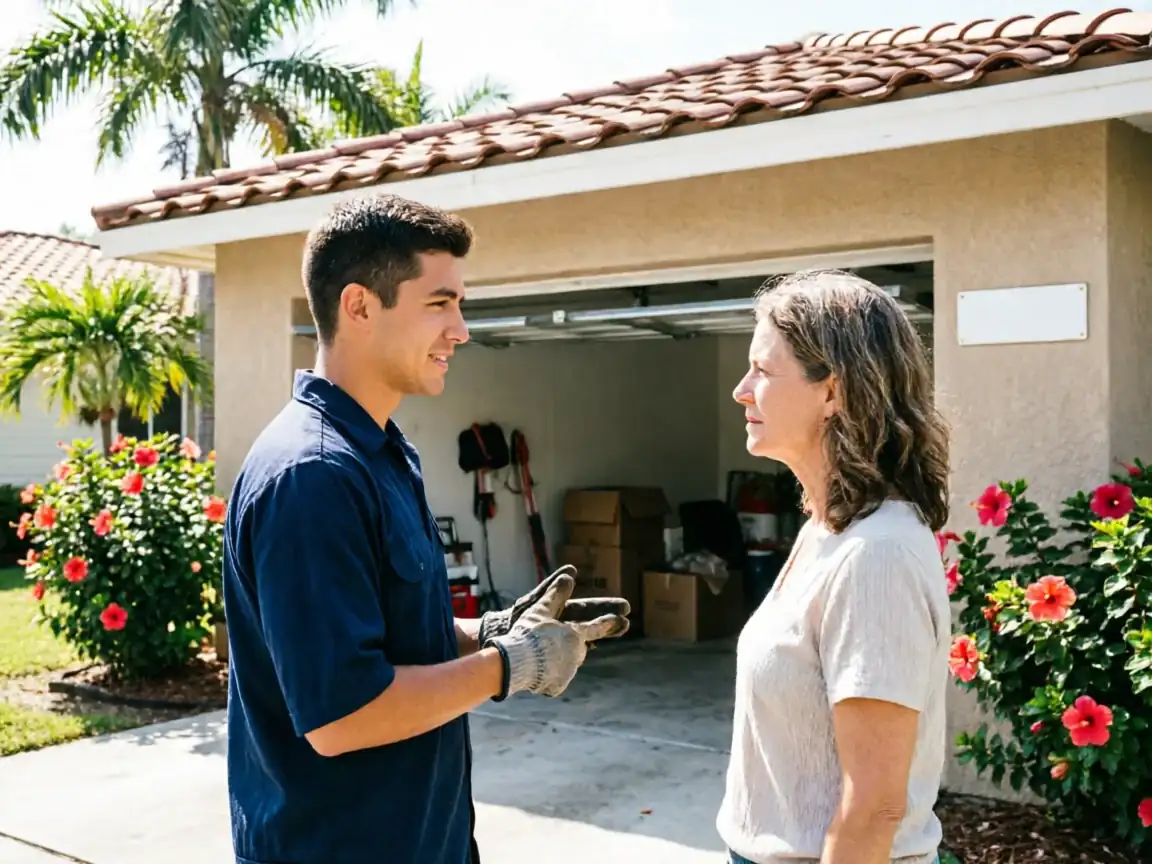
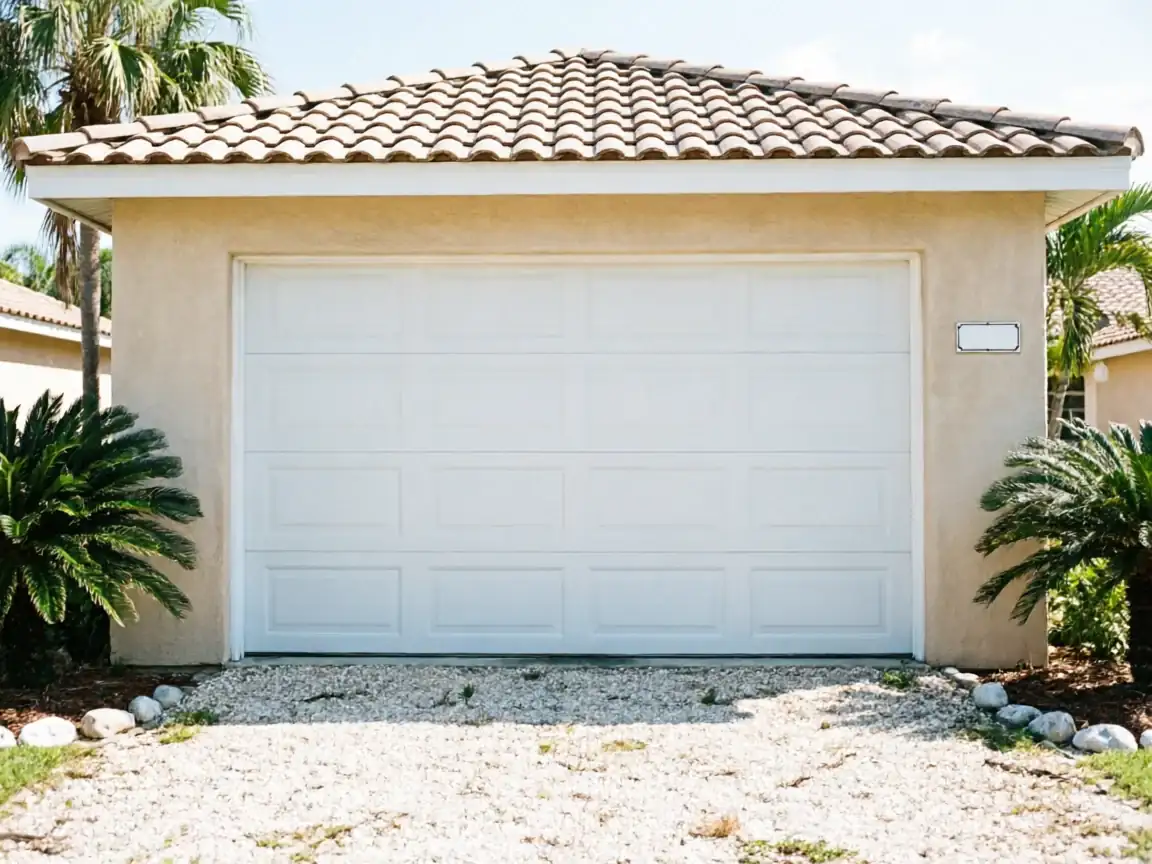
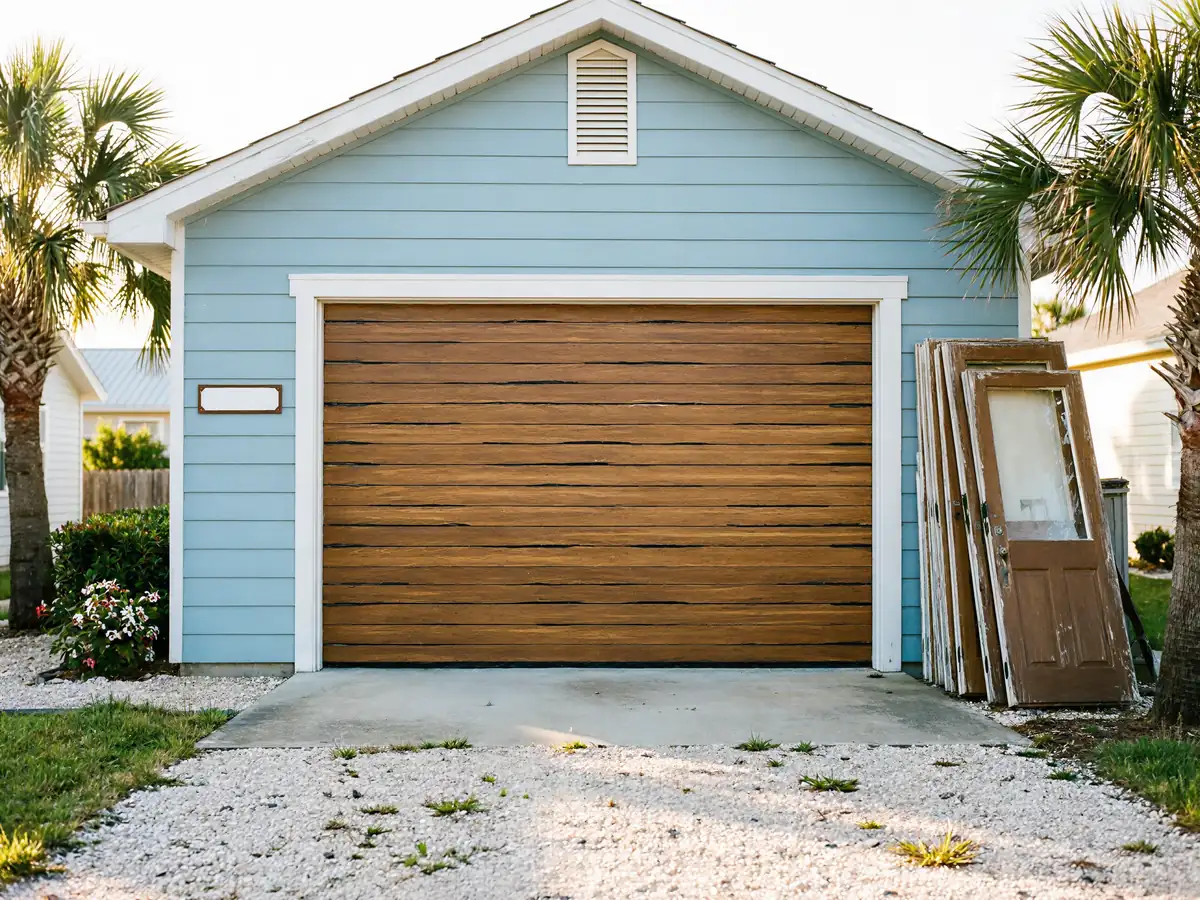
Most houses in South Patrick Shores went up around 1968, and a lot of what's holding the garage door together has never been swapped out. That's not a guess - it's just what happens when a neighborhood gets built in a tight window and nobody has a reason to touch the hardware until it fails. We're coming from Melbourne, about 7 miles over, and what we find on these jobs tends to be different from what we see on newer stock closer to town.
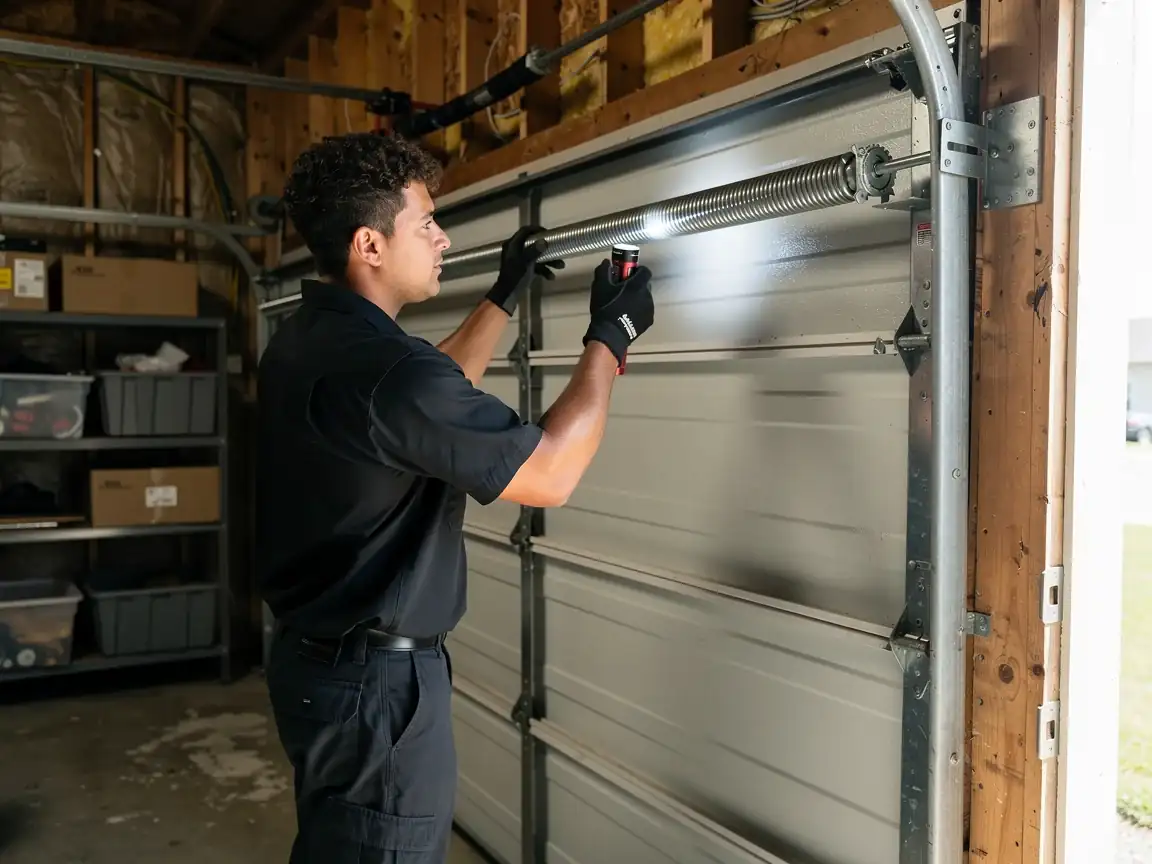
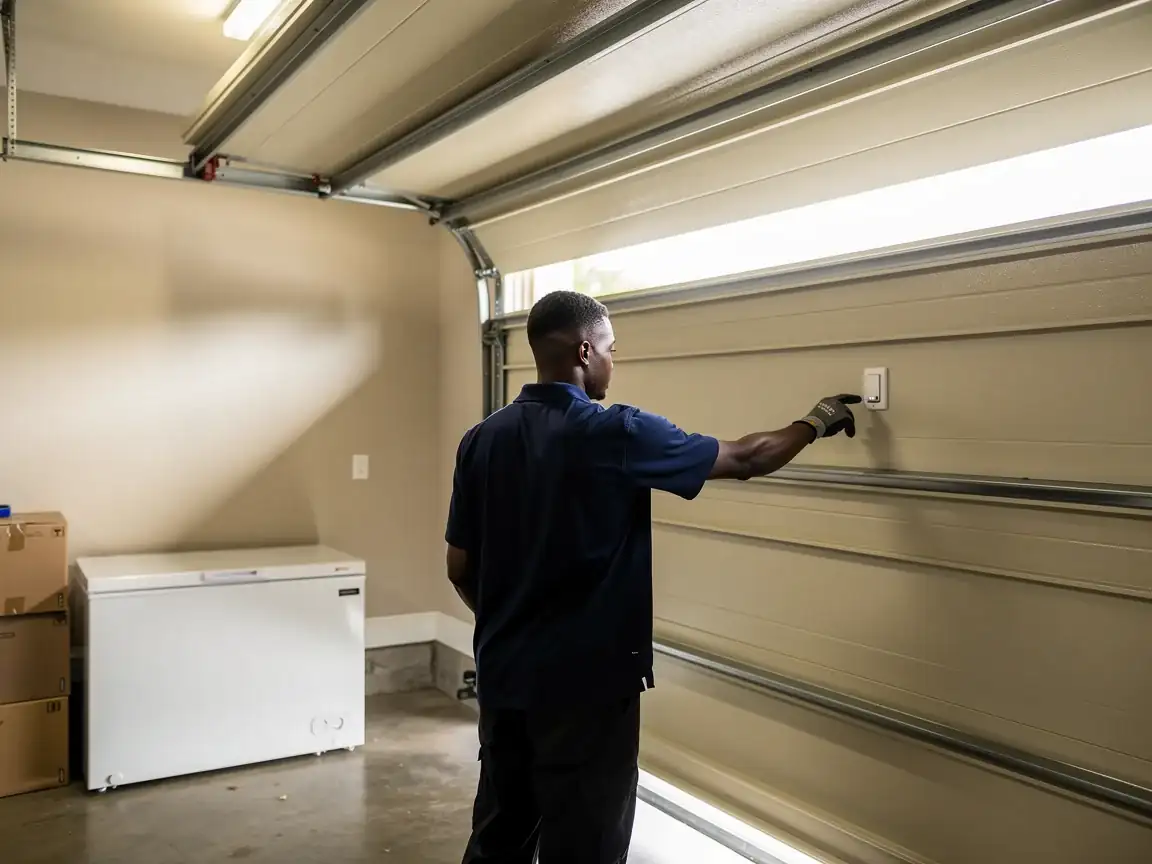
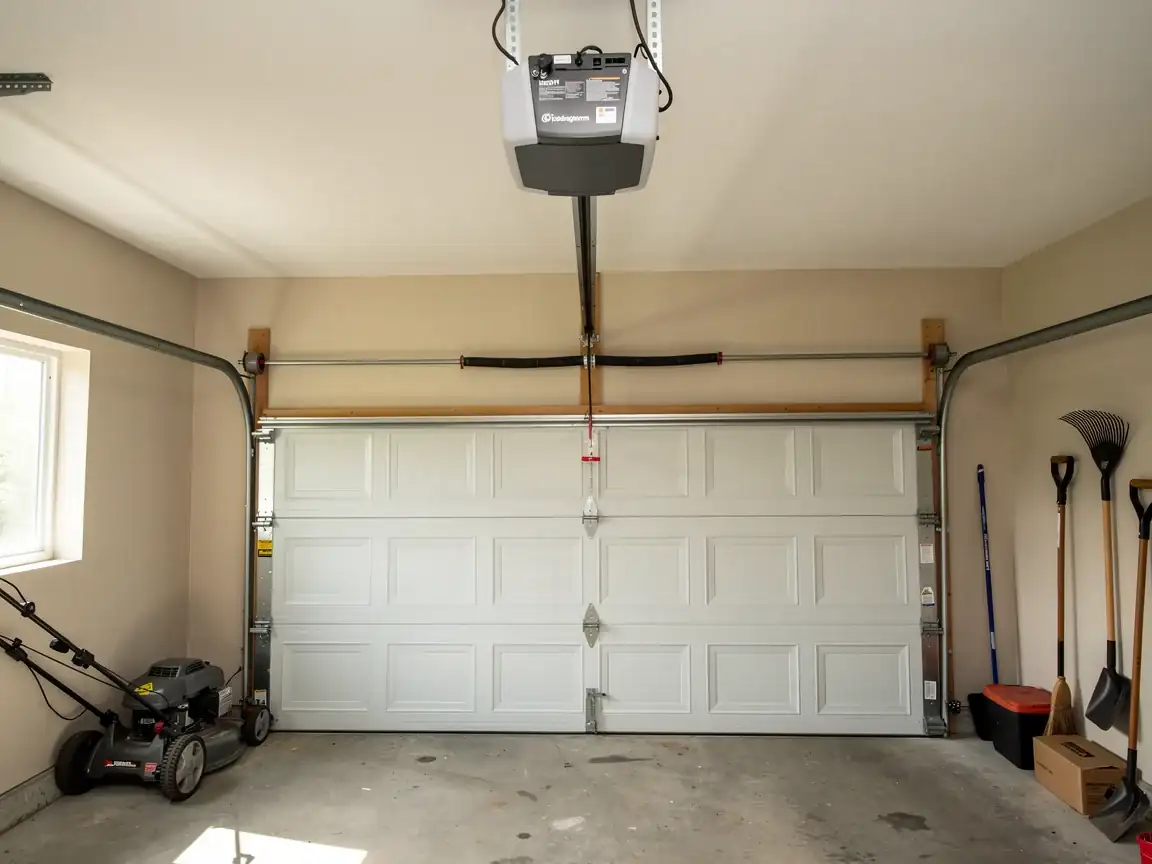
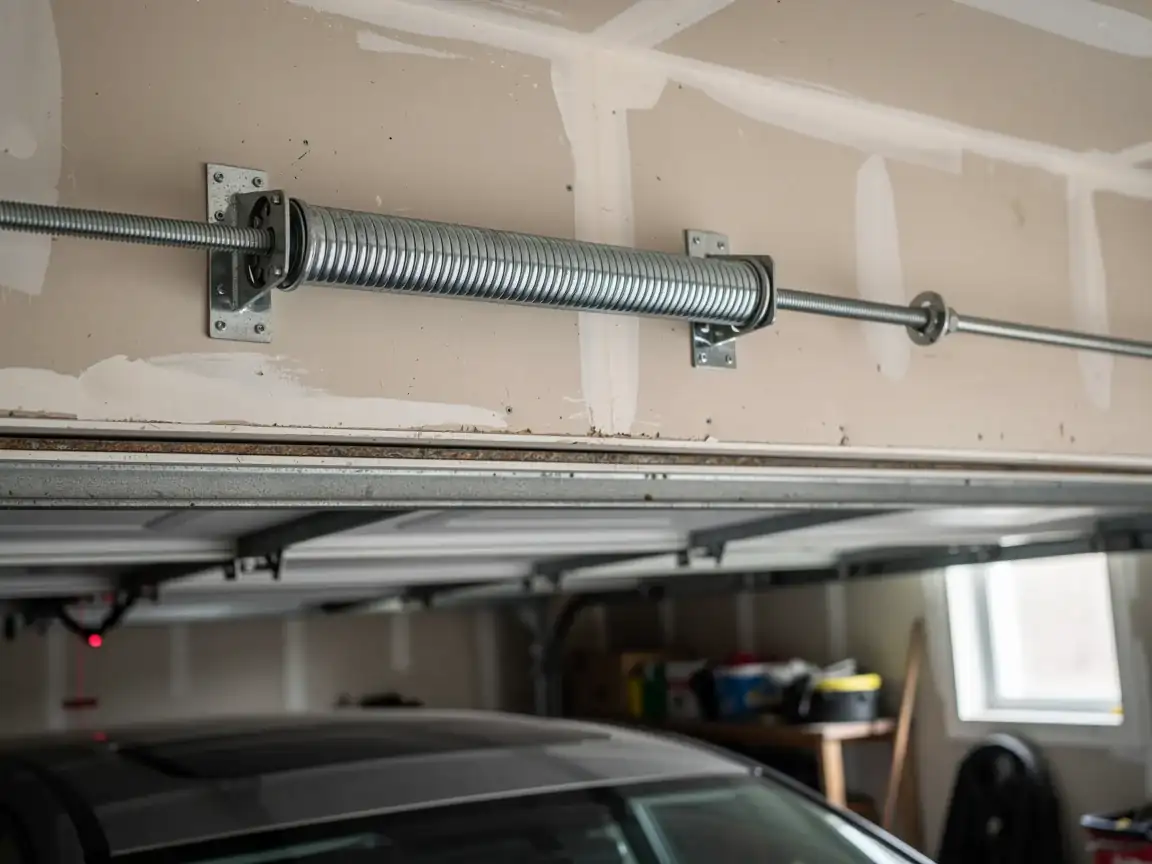
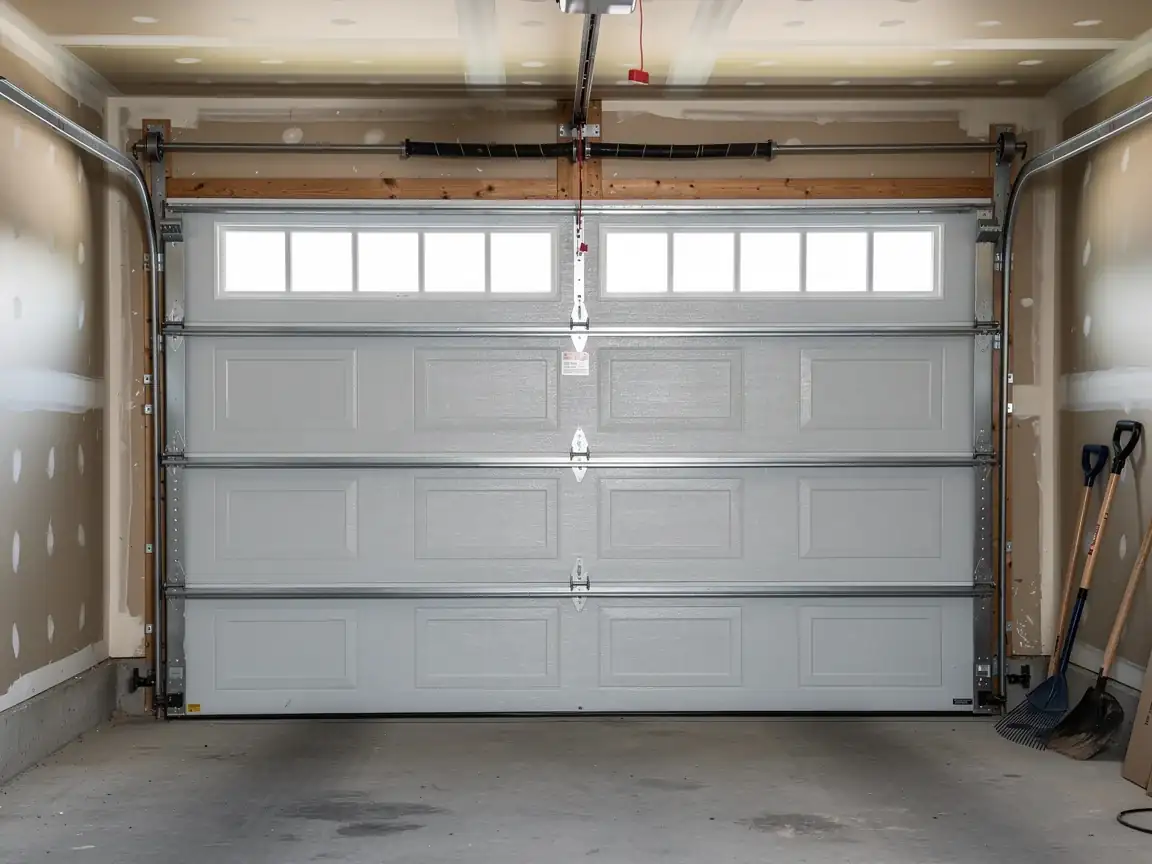
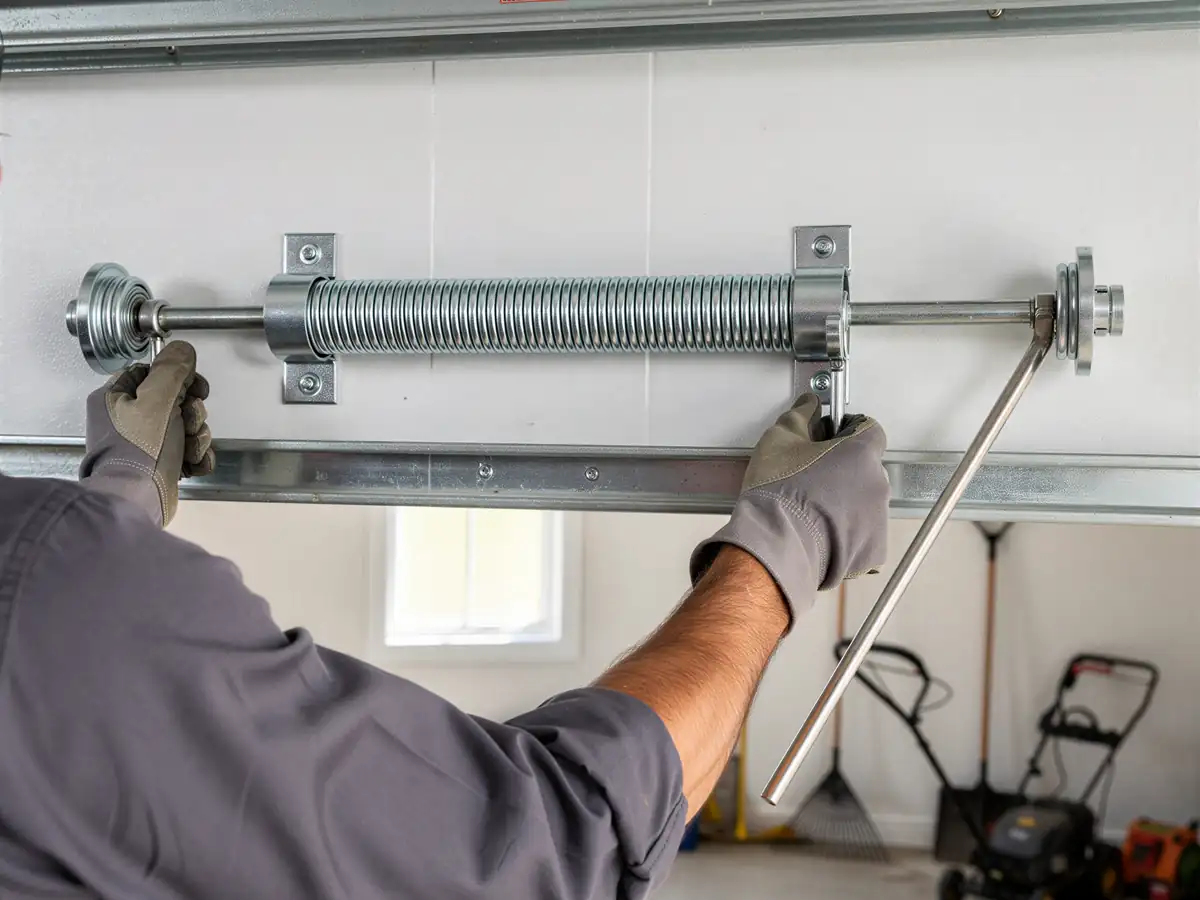
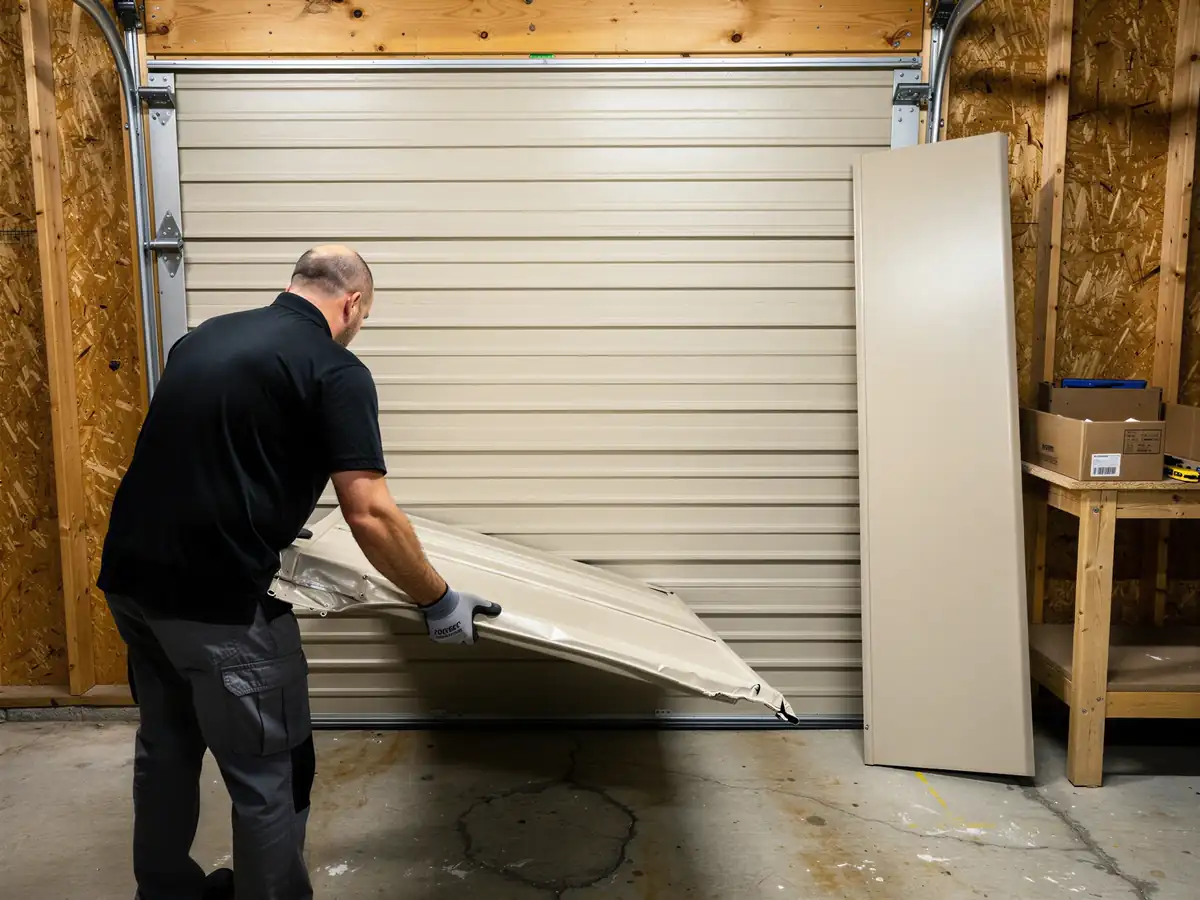
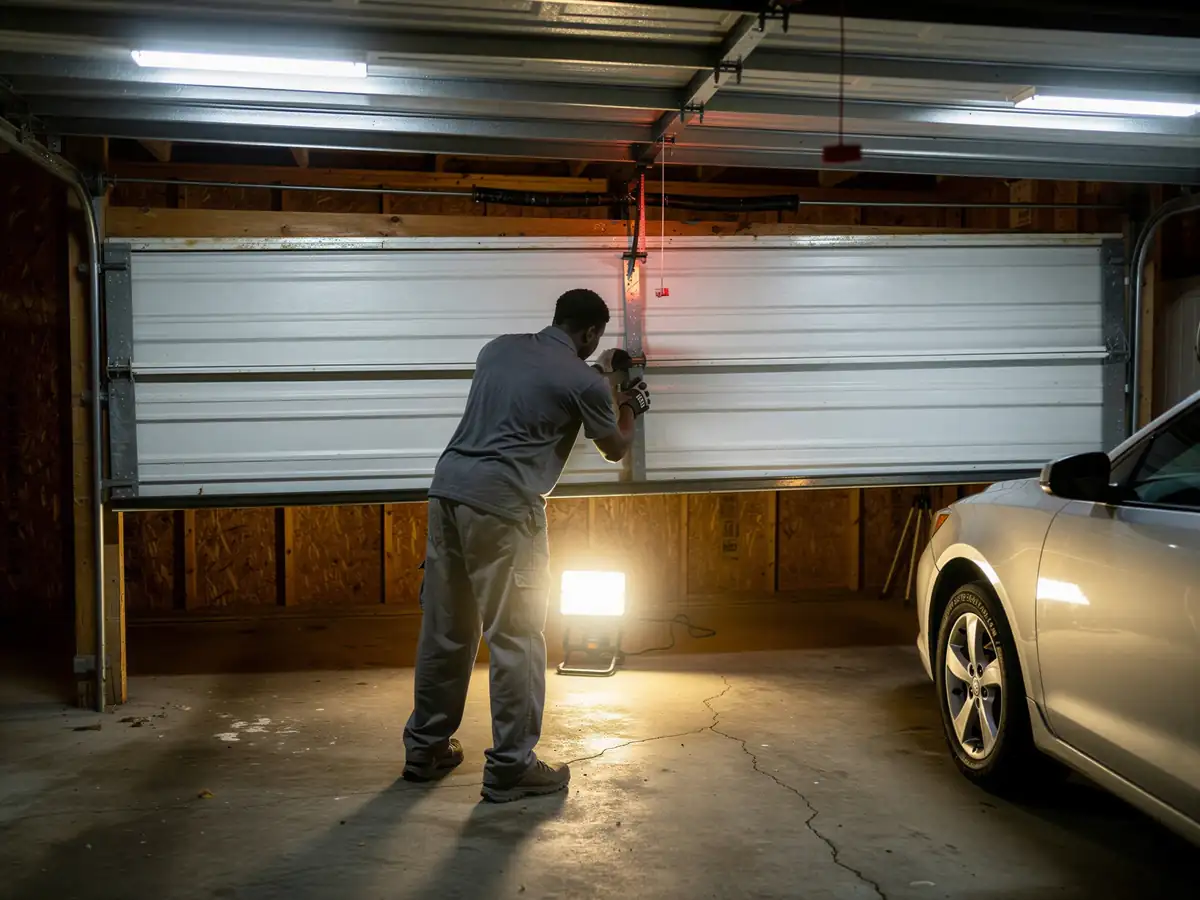
The fix usually starts with figuring out what's original and what's been patched. A torsion spring from the late 1960s wasn't rated for the door weight codes assume today, and if a previous owner swapped the opener without touching the spring, you've got a mismatch that wears the opener out early. Track from that era is often narrower than current stock, which matters if you're replacing a single roller instead of the whole run. We check hinges, end bearing plates, and the lift cable before we touch anything else, because on a door this age those three fail in a predictable order.
What Can Go Wrong
The mild climate here is kind to garage doors in one sense - no deep freeze, no snow load - but it doesn't stop steel from fatiguing over 55-plus years of cycles. On original 1968-era hardware, the two failures we see most are torsion springs that have simply used up their coil life, and galvanized cable that's frayed at the drum from decades of the same wrap point taking the load.
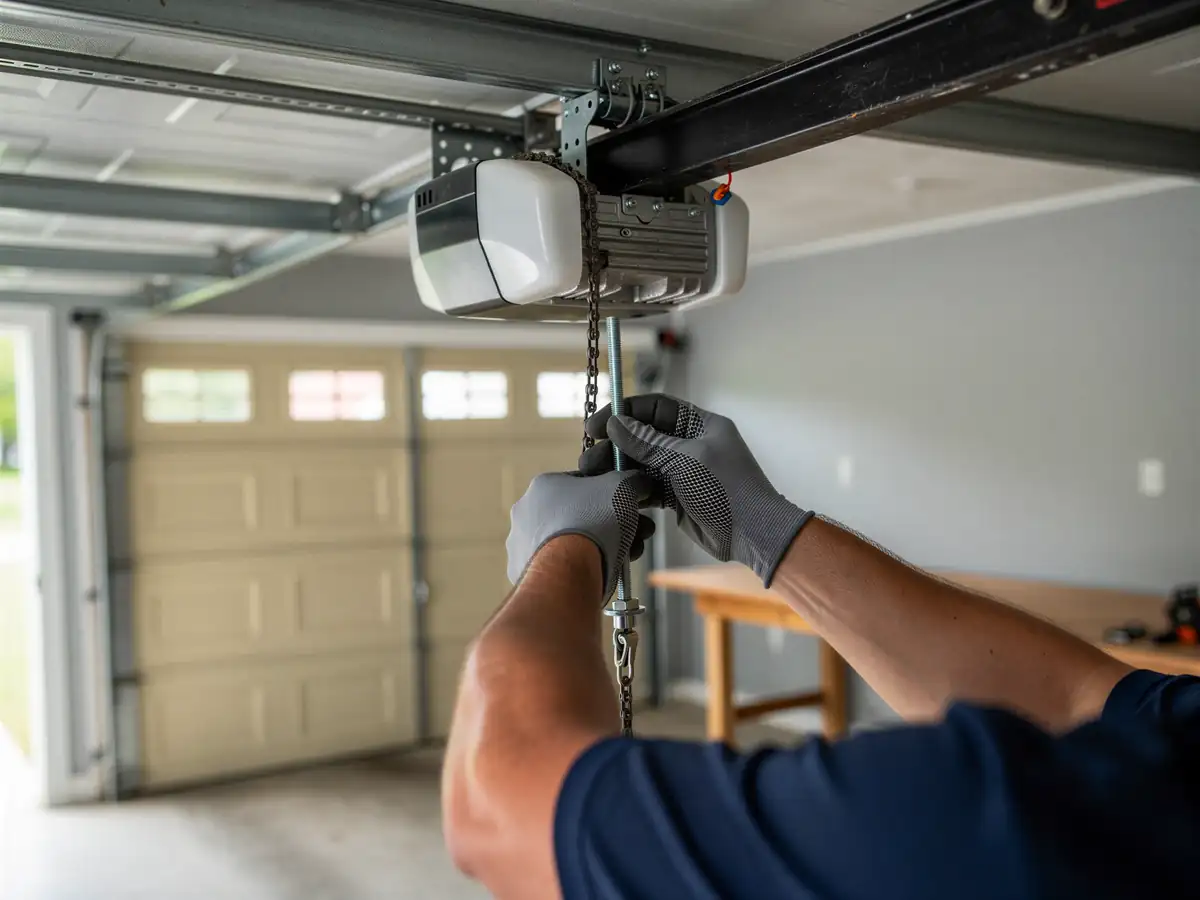
Openers are usually not original - chain-drive units from that era rarely last this long - but the bracket and rail they're mounted to sometimes are, and that mismatch shows up as grinding or a door that reverses for no clear reason. We also see track that's been bent back into shape more than once instead of replaced, which holds until it doesn't.
One honest limit: if the spring is original and the drum or bearing plate it's mounted to is pitted or warped, replacing just the spring is a short-term patch. We'll tell you when that's the case instead of selling a quick fix that fails again in a year.
How It Shows Up
On a door with original 1968 hardware, the warning signs are usually slow, not sudden
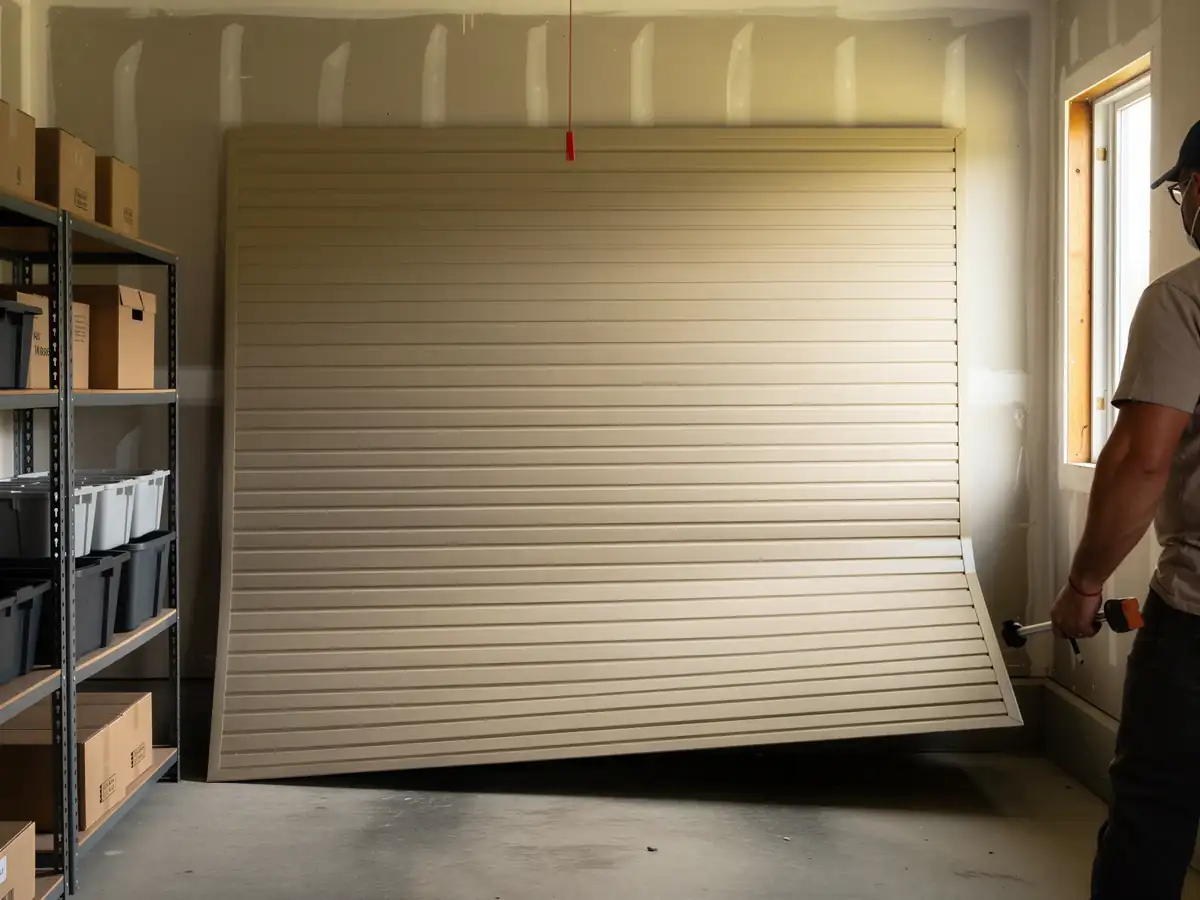
The door starts taking an extra second to catch when you hit the opener. It sags slightly on one side when it's halfway open, because the spring on that side has lost tension faster than its match. You hear a scrape near the top of the track that wasn't there a few months back.
Sometimes it shows up as noise instead of movement
A popping sound right as the door starts to rise, which is usually the spring working harder than it should to get the door moving. On houses where the opener's been replaced but the track and spring haven't, you'll often get a door that reverses on the way down for no obvious reason, because the newer opener's force sensors are picking up resistance from old, stiff rollers.
Doing It Yourself
There's a short list of things worth checking before you call anyone. Look at the spring itself - if you see a visible gap in the coil where it's separated, stop opening the door by hand and get it looked at; that's a broken torsion spring, not a lubrication issue. Check whether the track bolts are tight, since on original hardware this old they can work loose over the years.
What you shouldn't do yourself: touch the torsion spring under tension. On hardware this age, the spring's condition is often worse than it looks, and the wind tension on a 1960s-era spring is not something to guess at. Lubricating hinges and rollers with a garage-door-specific lubricant is fine and worth doing twice a year in this climate. Beyond that, if the door's original to a 1968 build, the smart move is getting someone to look at the whole system at once rather than chasing one symptom.