What the Fix Involves
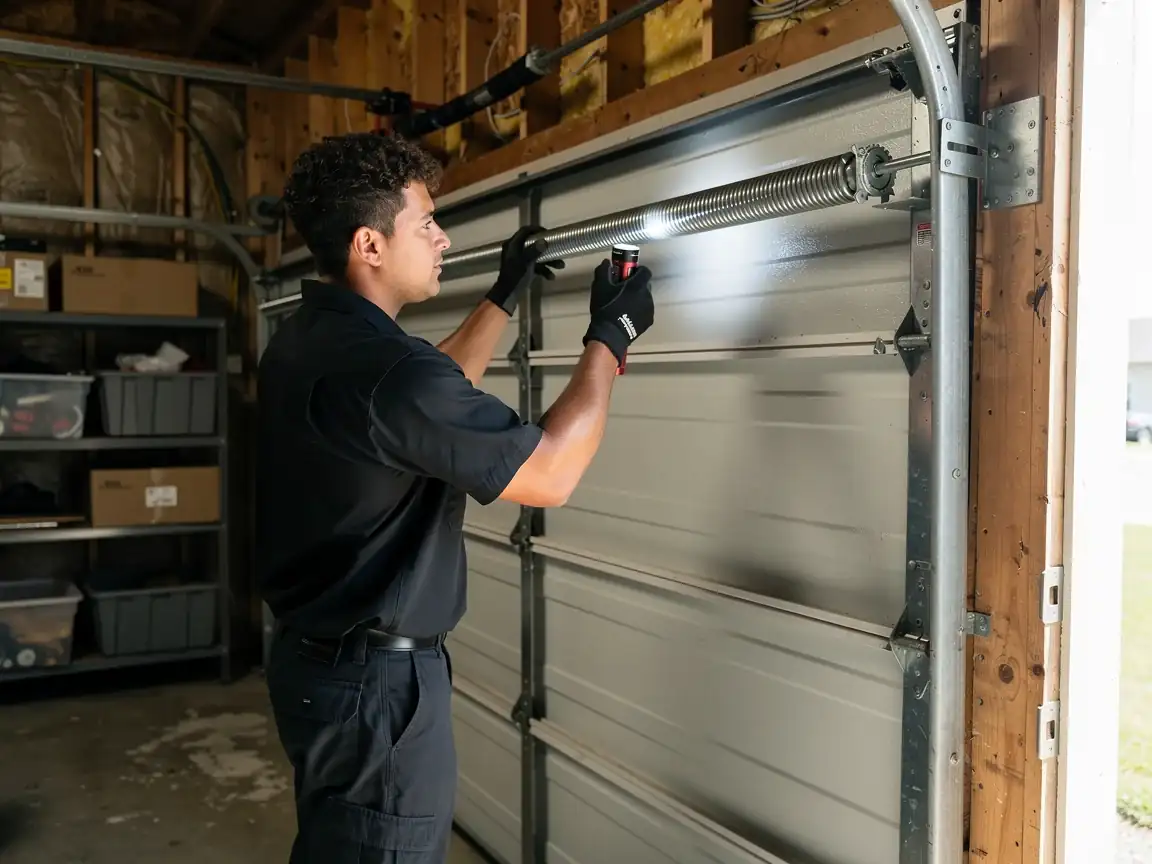
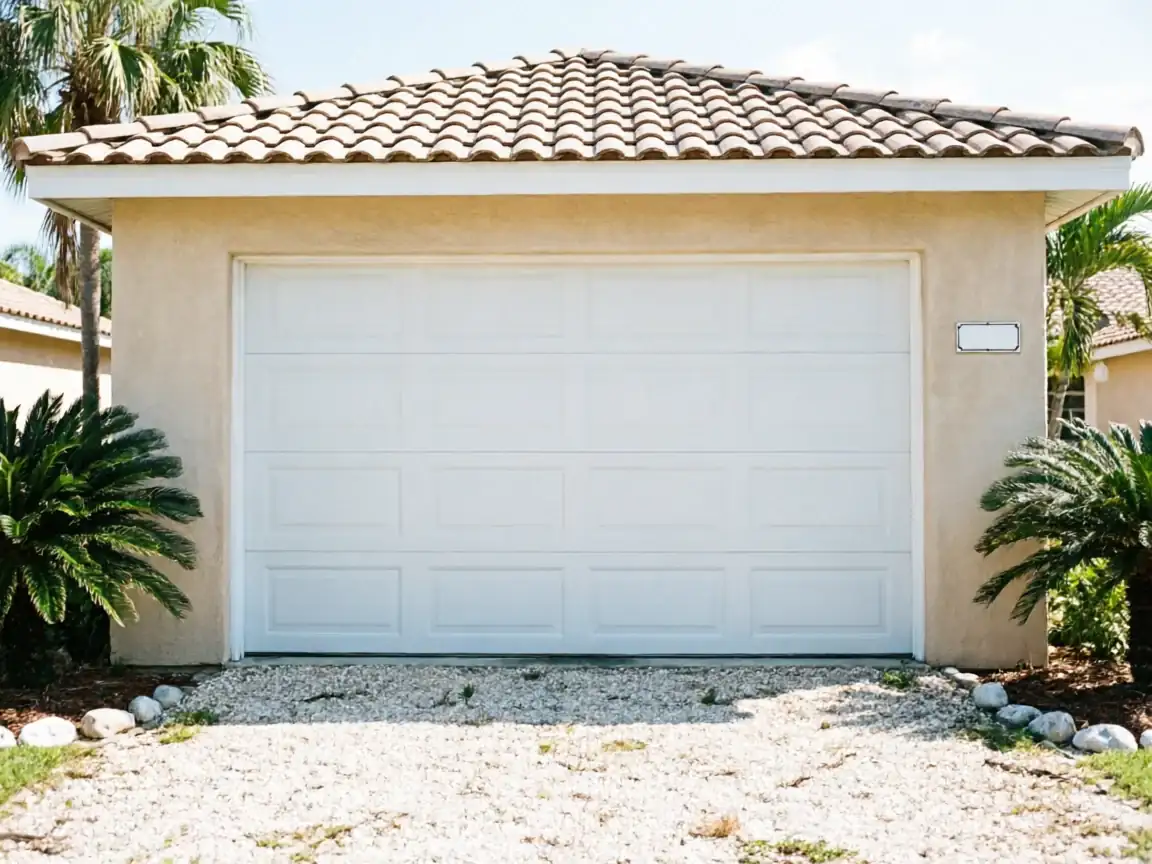
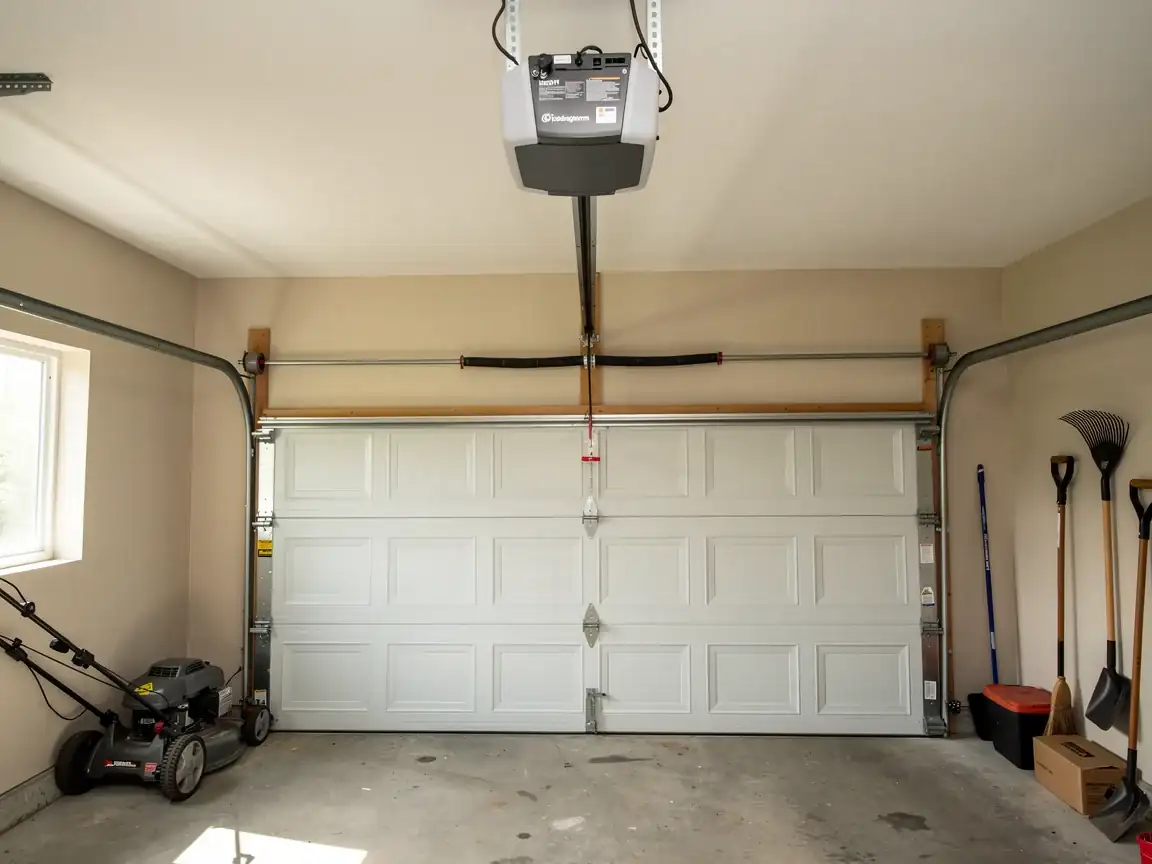
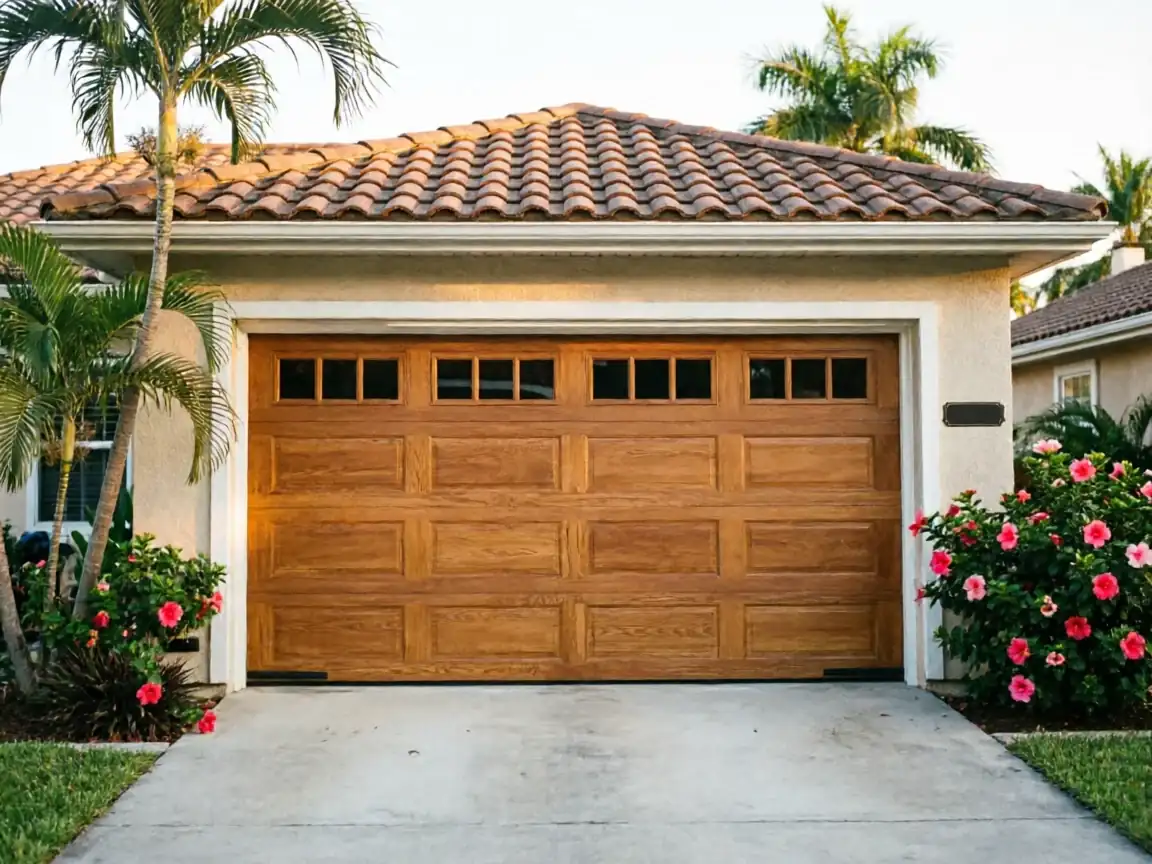
Most of what we see in South Patrick Shores traces back to one thing: the house is old enough that the garage door hardware has never been touched. The median home here was built around 1968, which puts a lot of these garages at 55-plus years on their original torsion springs, steel panels, and the center hinges that were standard for that era. That's older than the broader service area median of 1977, so when we get a call from this stretch of homes, we expect to find factory-original parts, not a prior repair somebody did in the 2000s.
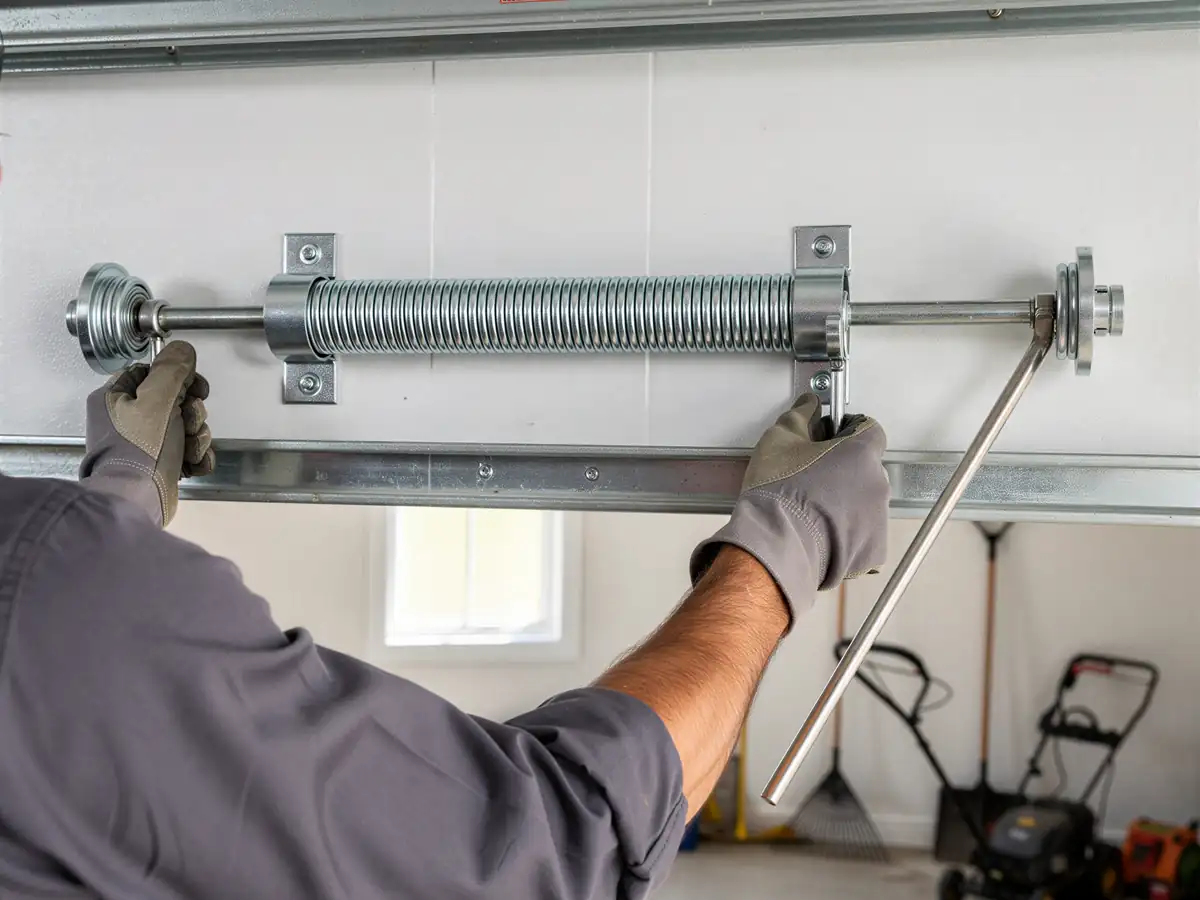
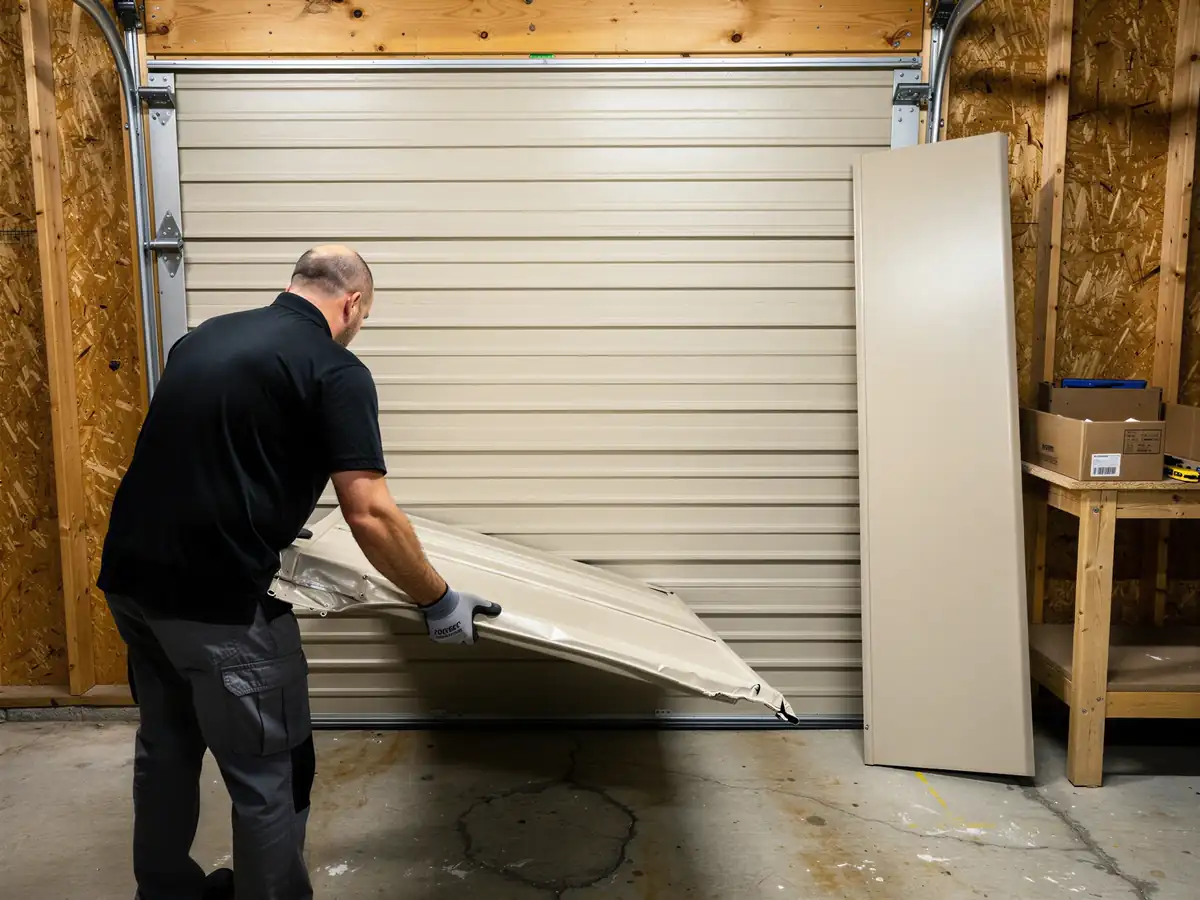
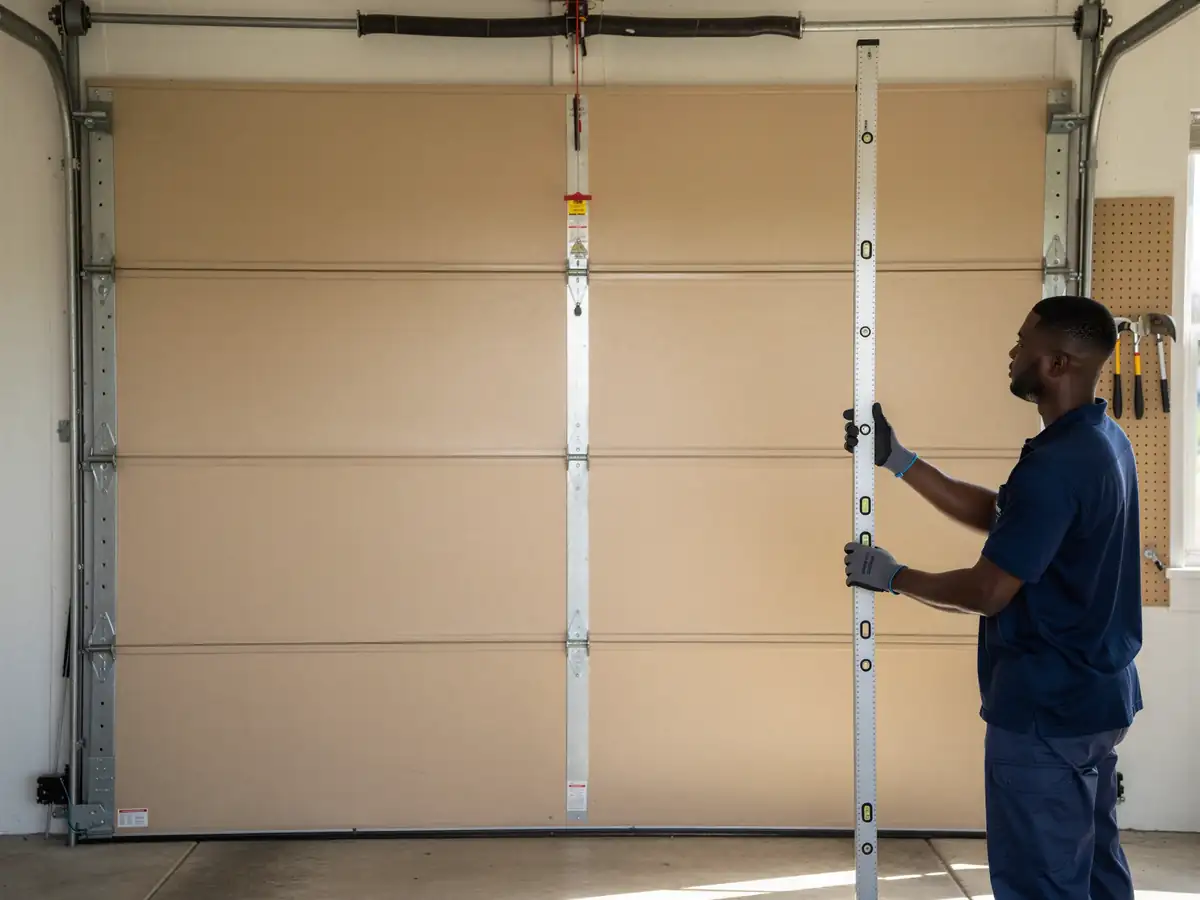
The fix itself is usually straightforward once we're on site: swap the spring, true up the track, replace a cracked panel section. What takes the time is sourcing hardware that matches a door built to late-1960s dimensions, since current stock doors and torsion kits aren't always a drop-in match. We carry what we can and order what we can't, and we'll tell you up front if a part has to come in rather than promising same-day on something we don't have in the truck.
What Can Go Wrong
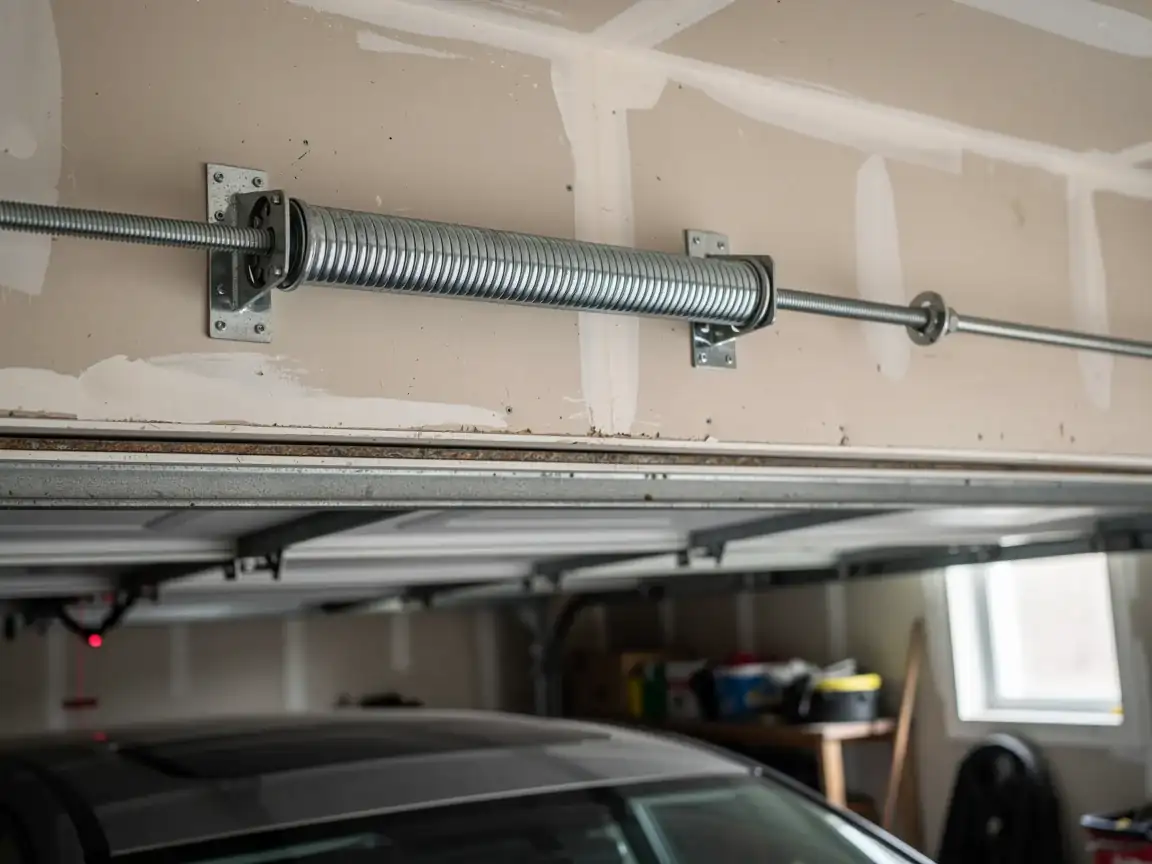
The mild coastal climate here is easy on people and hard on steel. It doesn't freeze, so you don't get the ice-jam failures some regions deal with, but the humidity and salt air work steadily on unpainted spring coils, exposed cable ends, and the bottom corners of panels where moisture sits. On a door pushing fifty-plus years, that shows up as pitted springs that look fine until they let go, and bottom brackets that have thinned enough to tear loose under normal tension.
The other common failure is simpler: wear. A torsion spring is rated for a cycle count, and a door original to a 1968 build has been opened and closed tens of thousands of times since. When it snaps, it's not a surprise, it's arithmetic. We also see rollers that have gone from steel to nylon somewhere along the way as a prior owner's patch job, which changes how the door sounds and tracks even when nothing is technically broken yet.
How It Shows Up
Usually it starts quiet
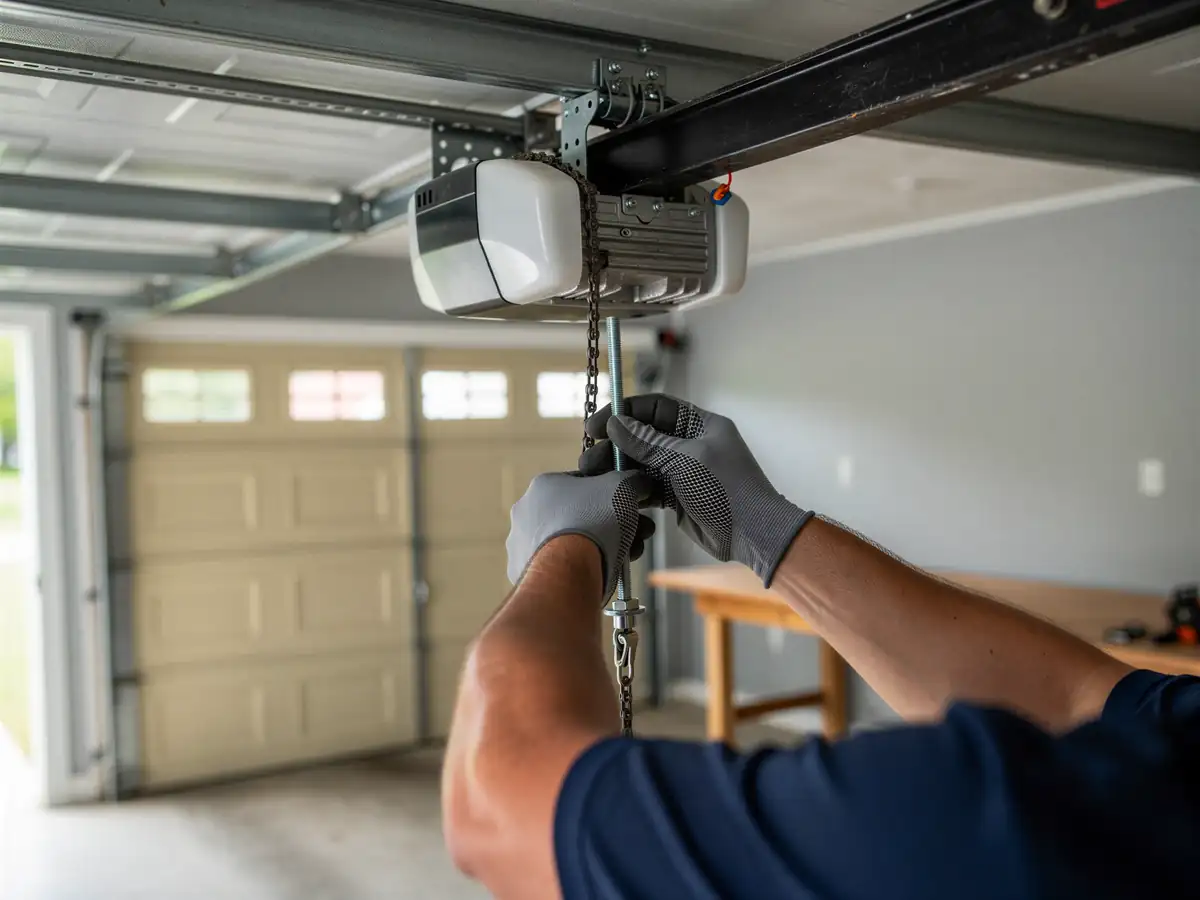
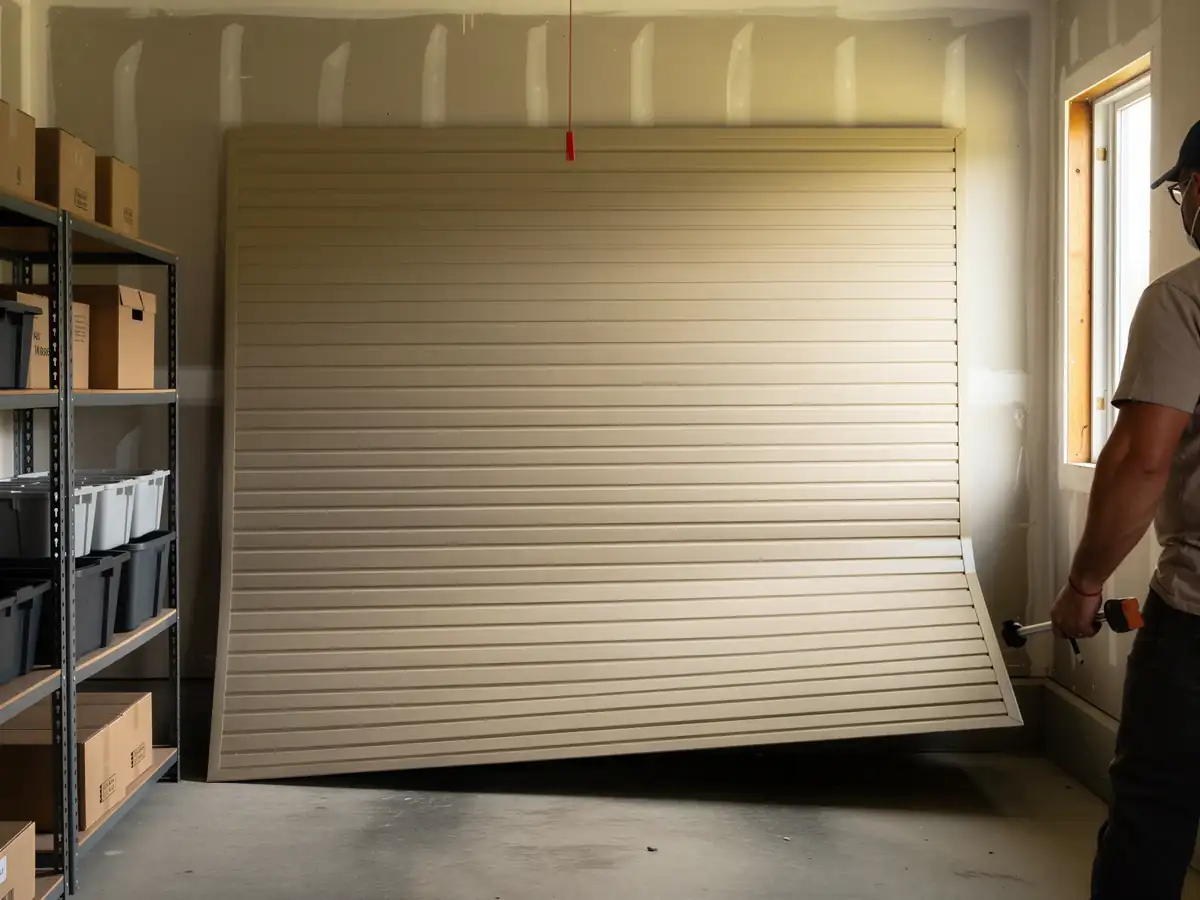
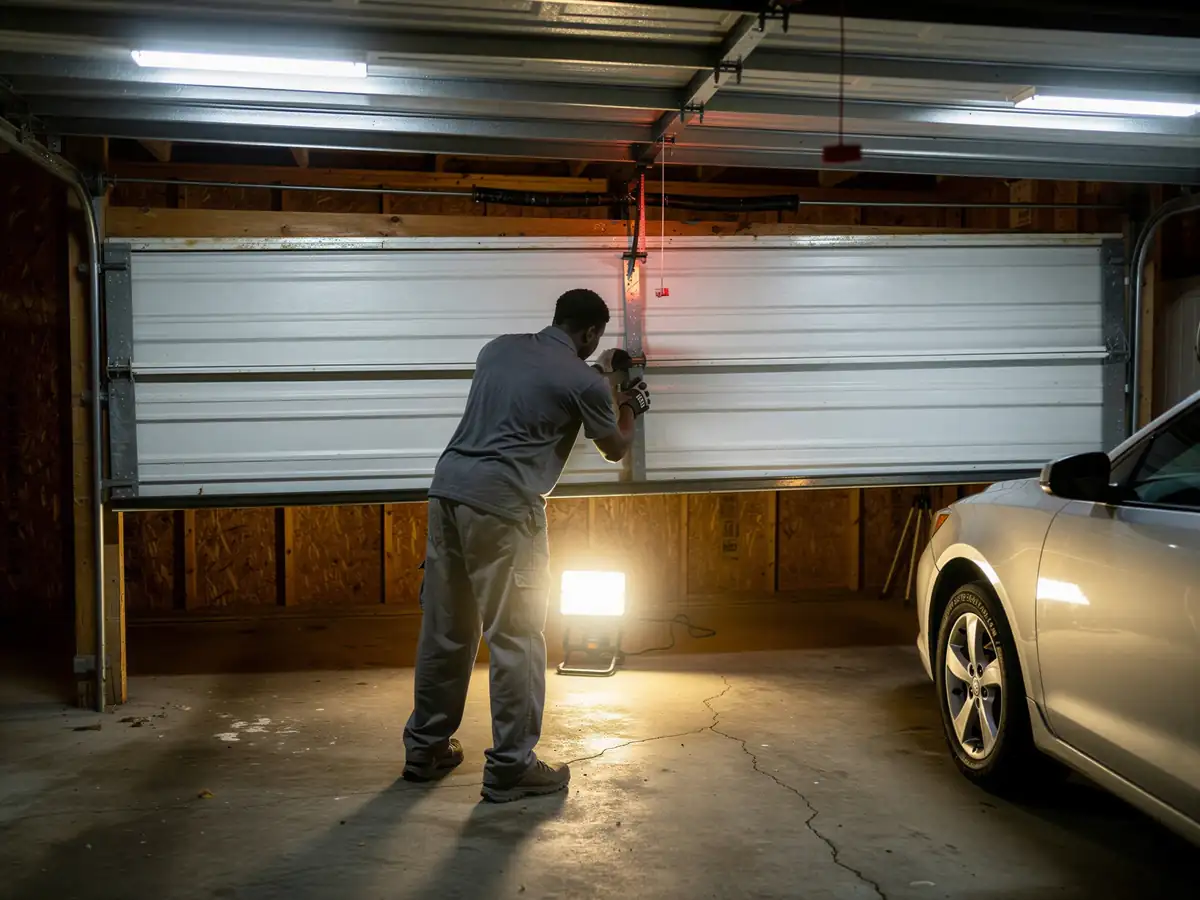
The opener strains a beat longer than it used to, or the door drops the last foot instead of settling. On a spring that's failing rather than fully broken, you'll often hear a slight grind or see the door sit slightly crooked when it's halfway up. Full failure is unmistakable - the door won't lift at all, or it lifts a few inches and the opener stalls out trying to pull against a spring that's no longer doing its share of the work.
In the roughly 2,988 households that make up this pocket of South Patrick Shores
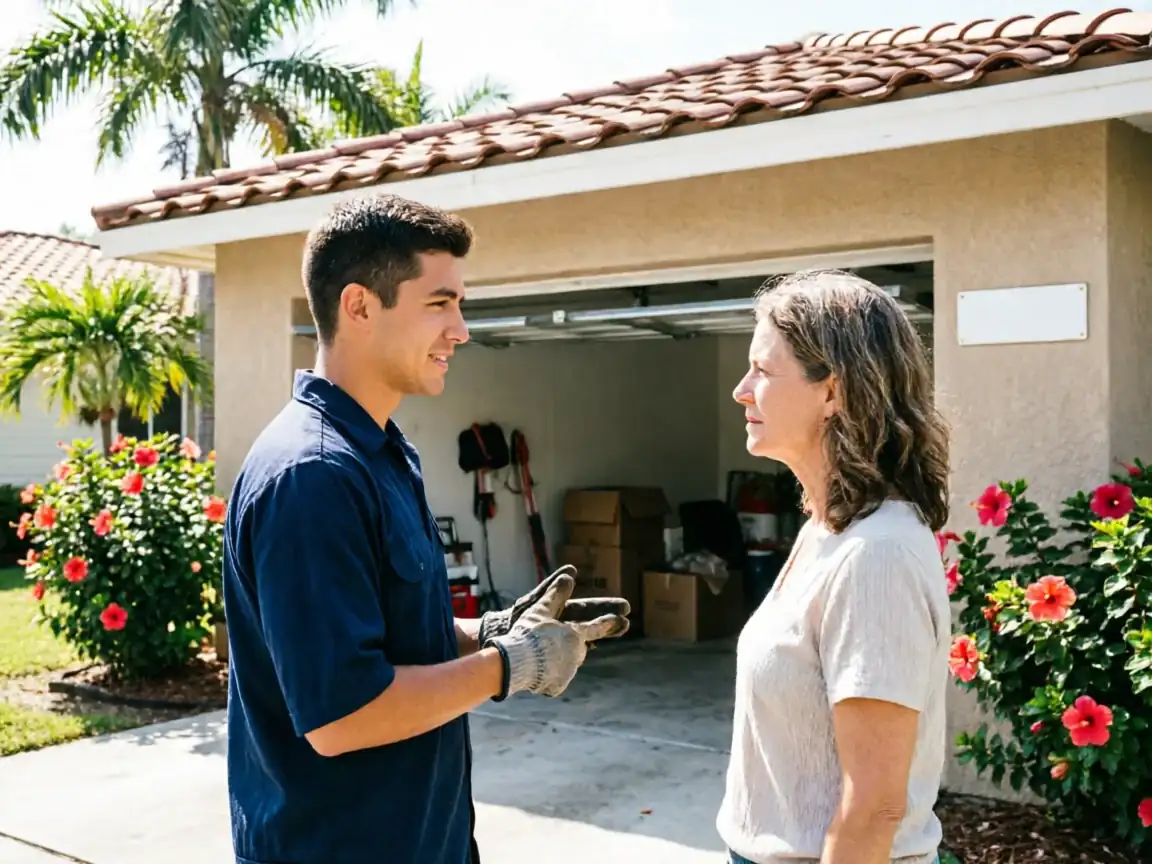
The pattern we see most is an older couple or long-time owner who's dealt with the same door for decades and knows something's off before it fails outright. That instinct is usually right. Catching a worn spring before it snaps under load is cheaper and safer than an emergency call after it lets go.
- 2,988 households
Doing It Yourself
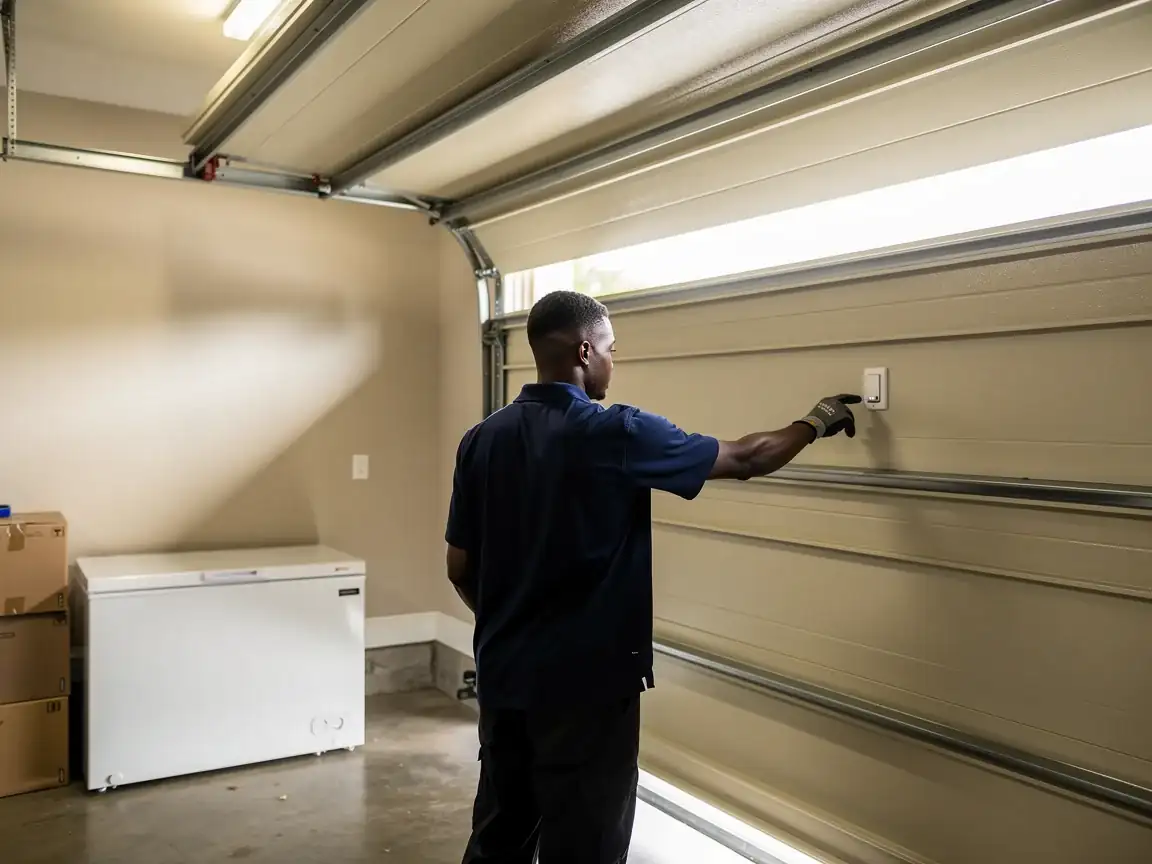
There's real DIY territory here - tightening loose hinge bolts, lubricating hinges and rollers, clearing track debris, and testing the auto-reverse safety feature are all things an owner can do with basic tools. We'd rather you do those than call us for them.
Torsion springs are not on that list. They're wound under enough tension to break a hand or worse if the winding bars slip, and on a door this old, the spring, cable, and drum are often all original and all fatigued together - pulling one part can reveal that the rest needs attention too. That's the honest limit of a self-repair here: once you're past lubrication and bolt checks and into the spring and cable system, the risk outweighs what you'd save. We're 7 miles out from our Melbourne base, which isn't a same-block response, but it's close enough that a spring job doesn't mean a long wait once we're scheduled.