Doing It Yourself
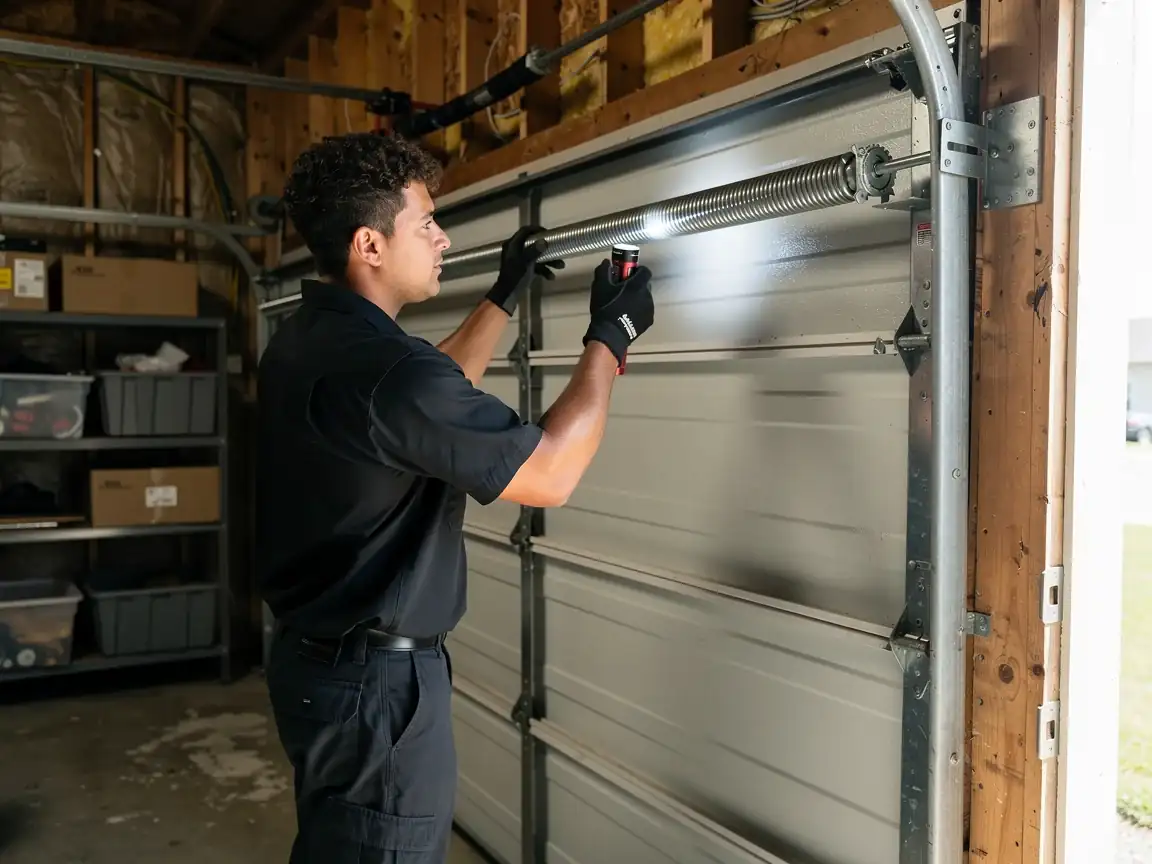
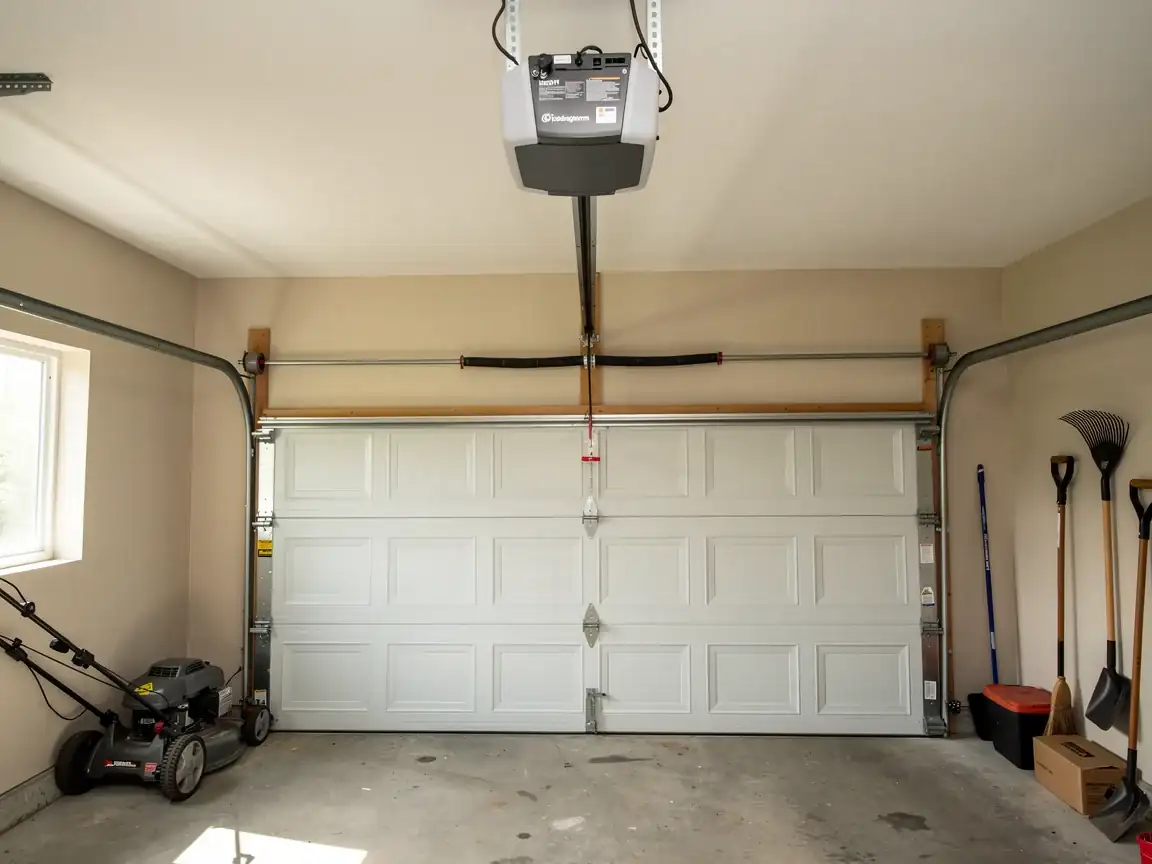
A garage door that won't move is not a weekend project, and we'll say that even though it costs us a call. If the door is stuck because a torsion spring let go, the shaft is still under load on the other side and a lot of people get hurt trying to free it with a ladder and a screwdriver. If the issue is just a sensor knocked out of alignment, or a track rail with a bent bracket, that's safe to look at yourself: check that the two photo-eye sensors near the bottom of the tracks are pointed at each other and not blinking, and check that nothing is pinching the rail. Beyond that, if the door won't budge, won't stay up, or came off a cable, leave it closed and leave it alone. Houses in this part of the county went up mostly through the 1970s, and a lot of that original hardware is still in service - which means springs and drums that are decades past when they should've been swapped, and that's exactly the hardware that fails without warning. We'd rather talk you through what's safe to check over the phone than have you find out the hard way which parts are still under tension.
What the Fix Involves
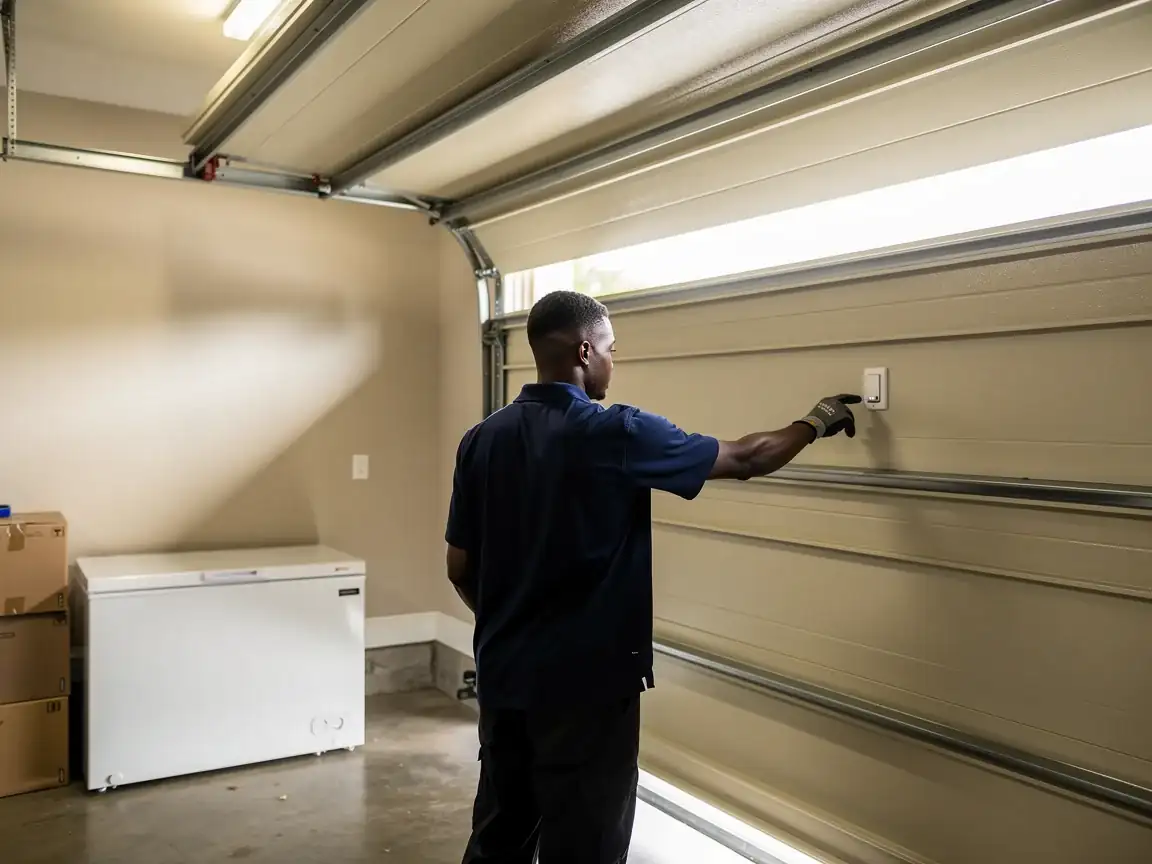
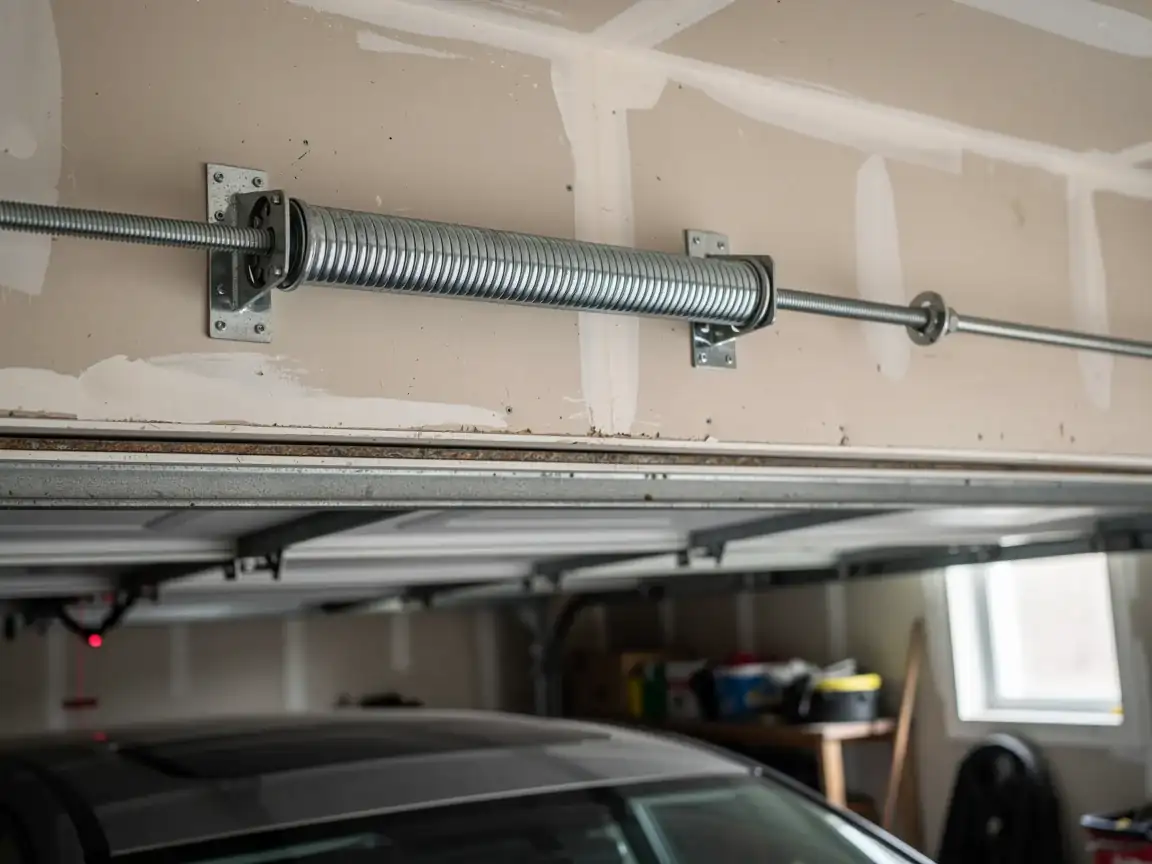
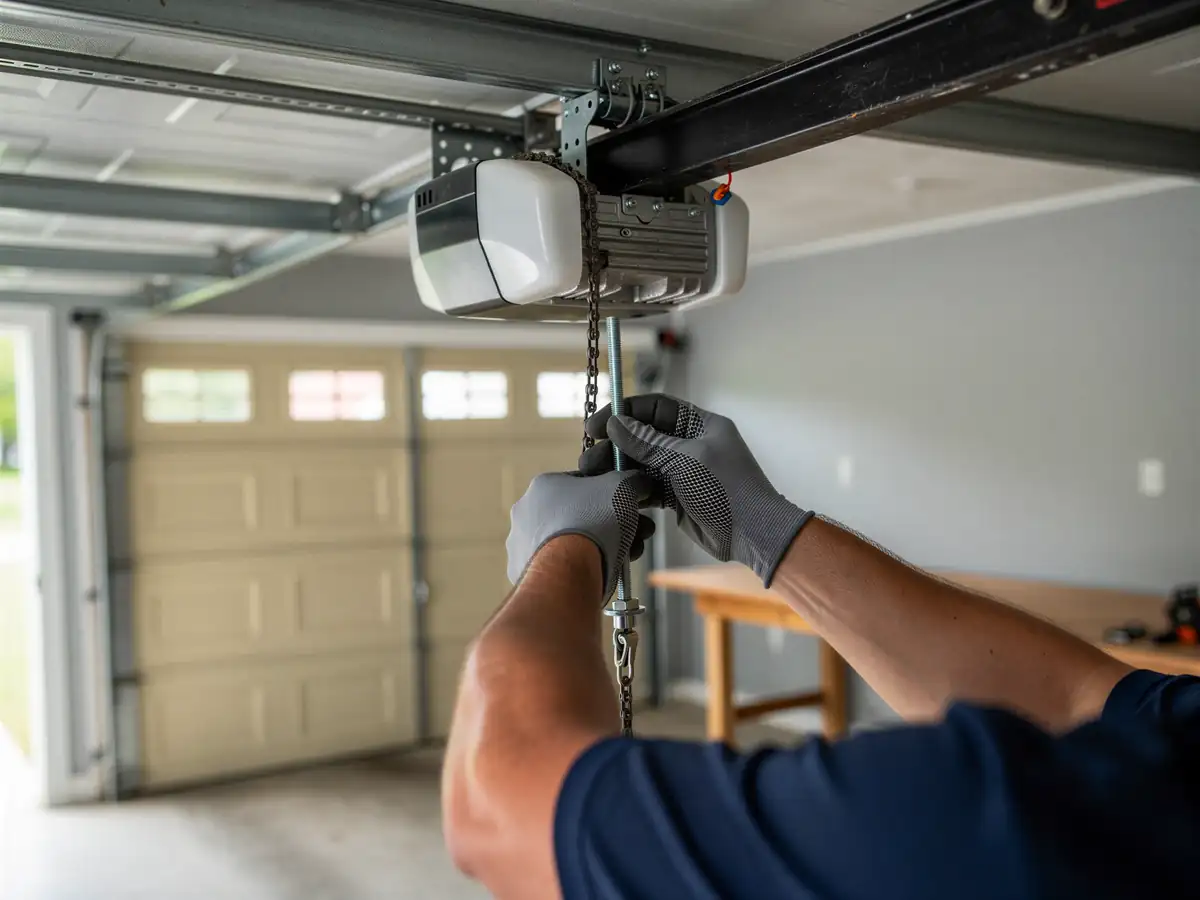
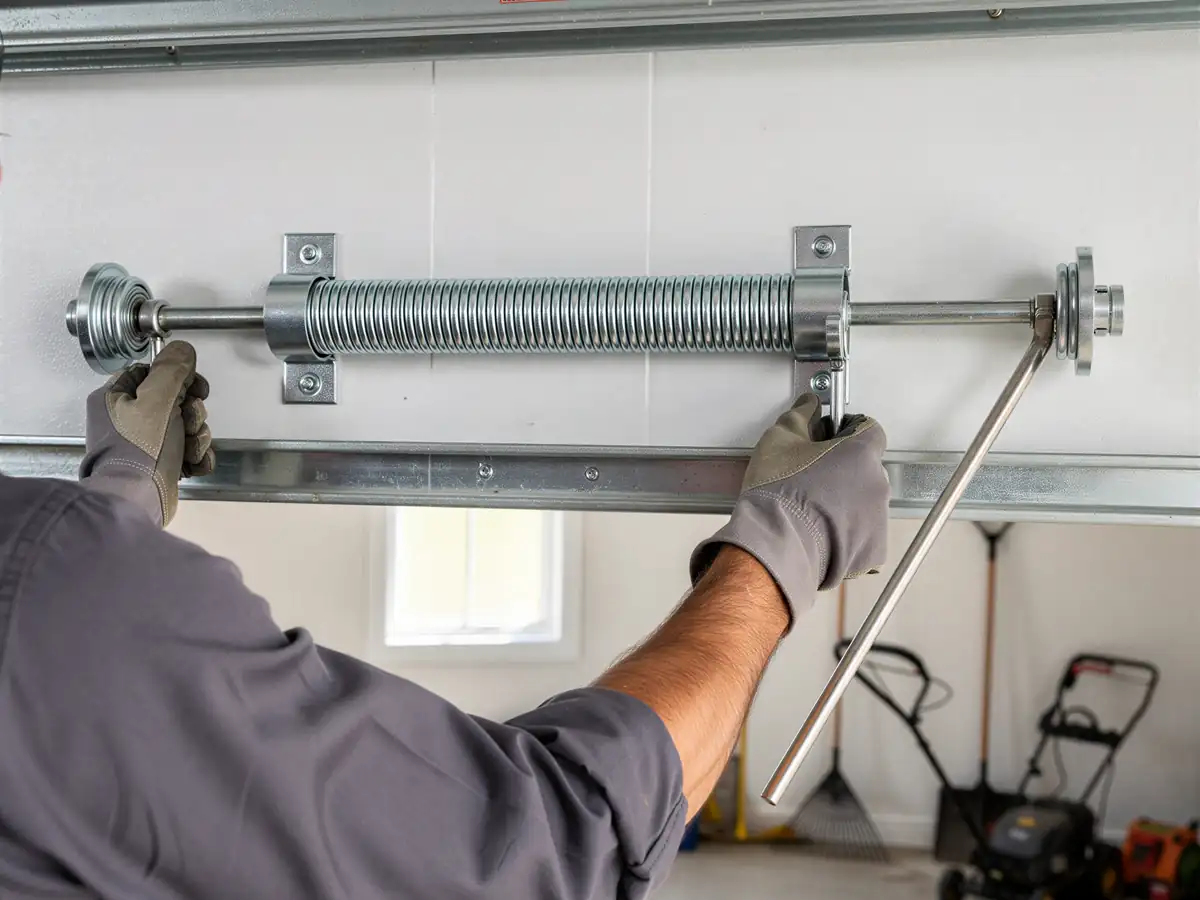
Most Satellite Beach calls come down to one of three things: a broken torsion spring, a cable off the drum, or a opener that's lost its grip on the chain or belt. With a median build year of 1975 for houses in this stretch, a good number of these doors are either original single-car units on torsion hardware from that era, or a replacement installed sometime in the last two decades on the same track width. The fix for a broken spring means matching the wire gauge and wind direction to the drum size already on the shaft - guess wrong and the door either won't lift or slams down. A cable off the drum usually means the drum grooves are worn from age, not just a frayed cable, so we check both before calling it done. If the opener's the problem, we test the logic board and the travel limits before swapping any part, since a bad limit switch can look exactly like a dying motor.
Stocked Parts
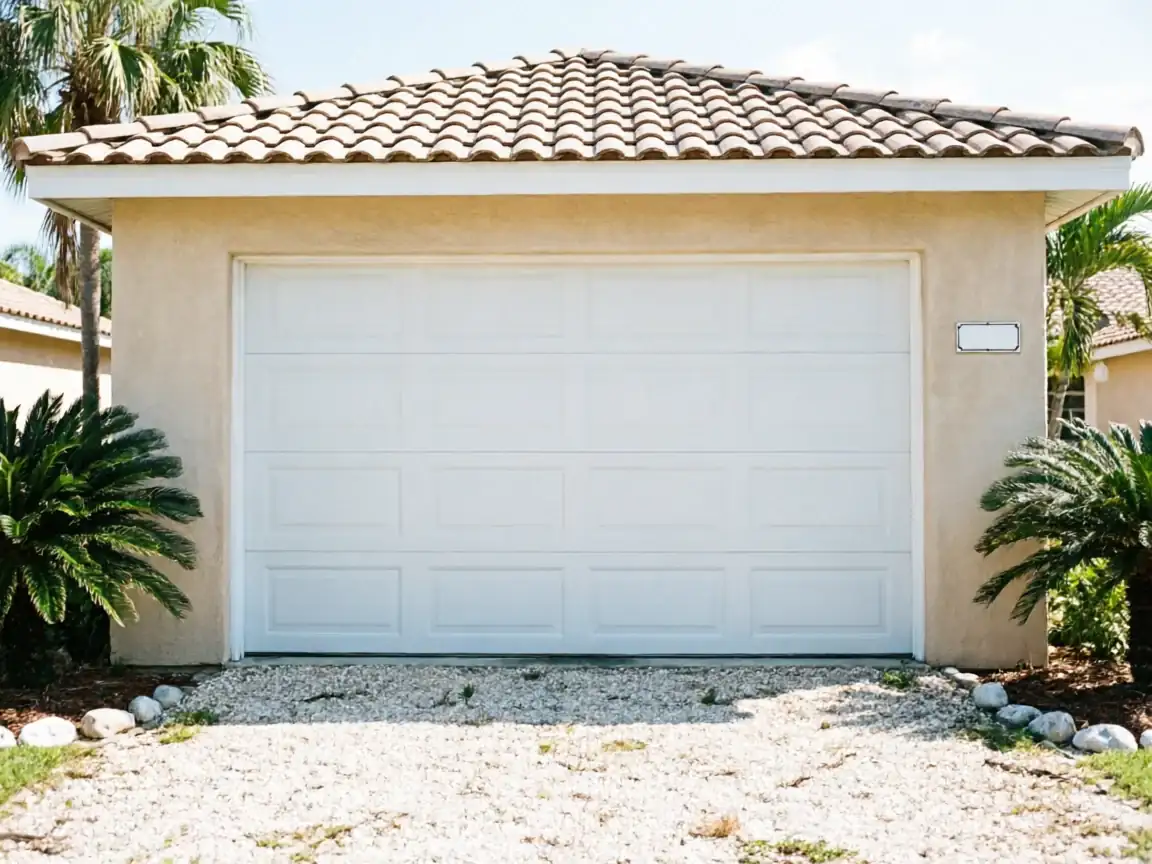
Because so much of the housing stock in this pocket of the county dates to the mid-1970s, the truck carries torsion springs and drums sized for that era's standard single and double door openings, not just whatever's newest off the shelf. That covers the bulk of what breaks here. What we don't stock is anything custom - a discontinued panel profile, an odd-width track, or a decorative insert from a door model that hasn't been made in years. If your door needs one of those, we'll tell you straight that it's a special-order part and give you a real timeline instead of a guess.
What Causes It Around Here
This stretch of the coast sits in a mild temperate band, which actually works in your favor compared to inland climates with hard freeze-thaw cycles that stress spring steel and crack old rollers. Here, the wear is slower and steadier: the same spring doing the same number of lift cycles for forty-plus years, the same nylon rollers going brittle from age rather than cold. With the housing median landing around 1975, a lot of that original hardware simply reaches the end of its cycle count around now, regardless of how well it was kept up. We don't see much weather-driven failure here - we see fatigue failure, which looks sudden but was years in the making.