Doing It Yourself
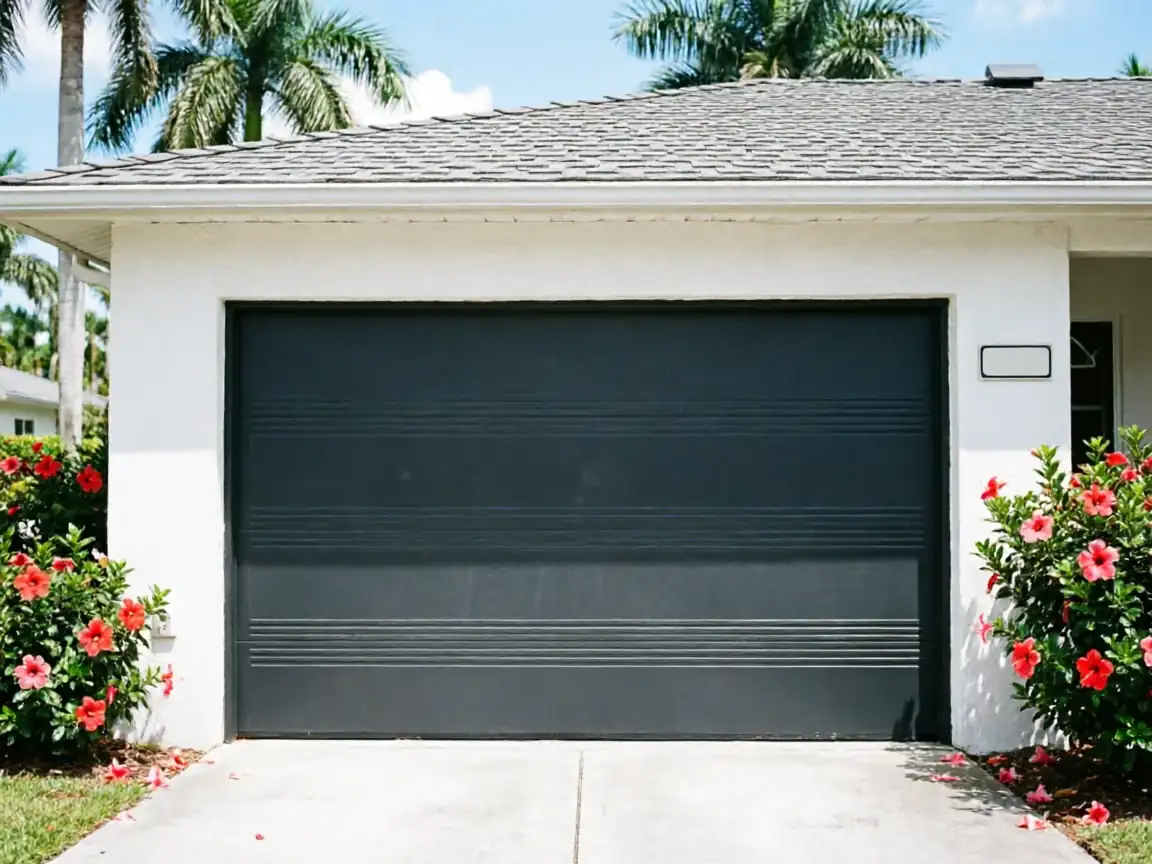
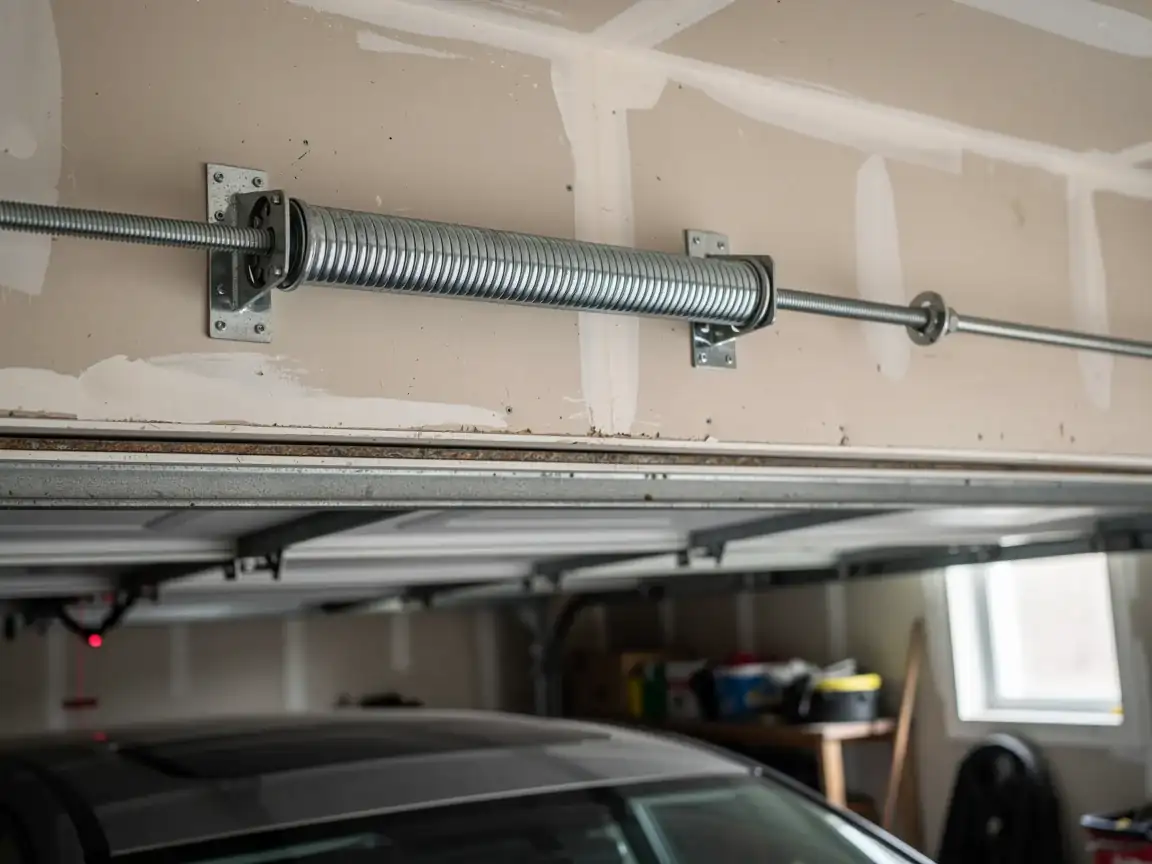
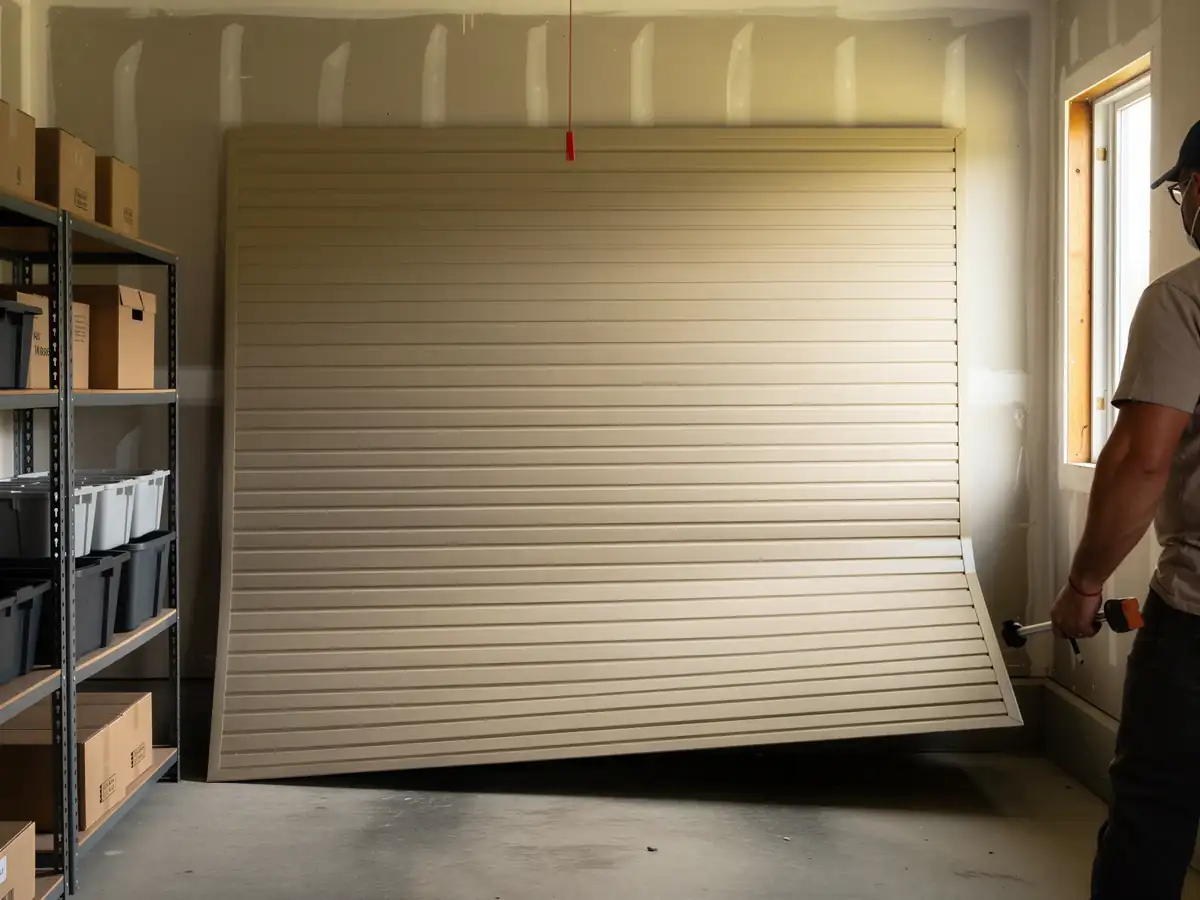
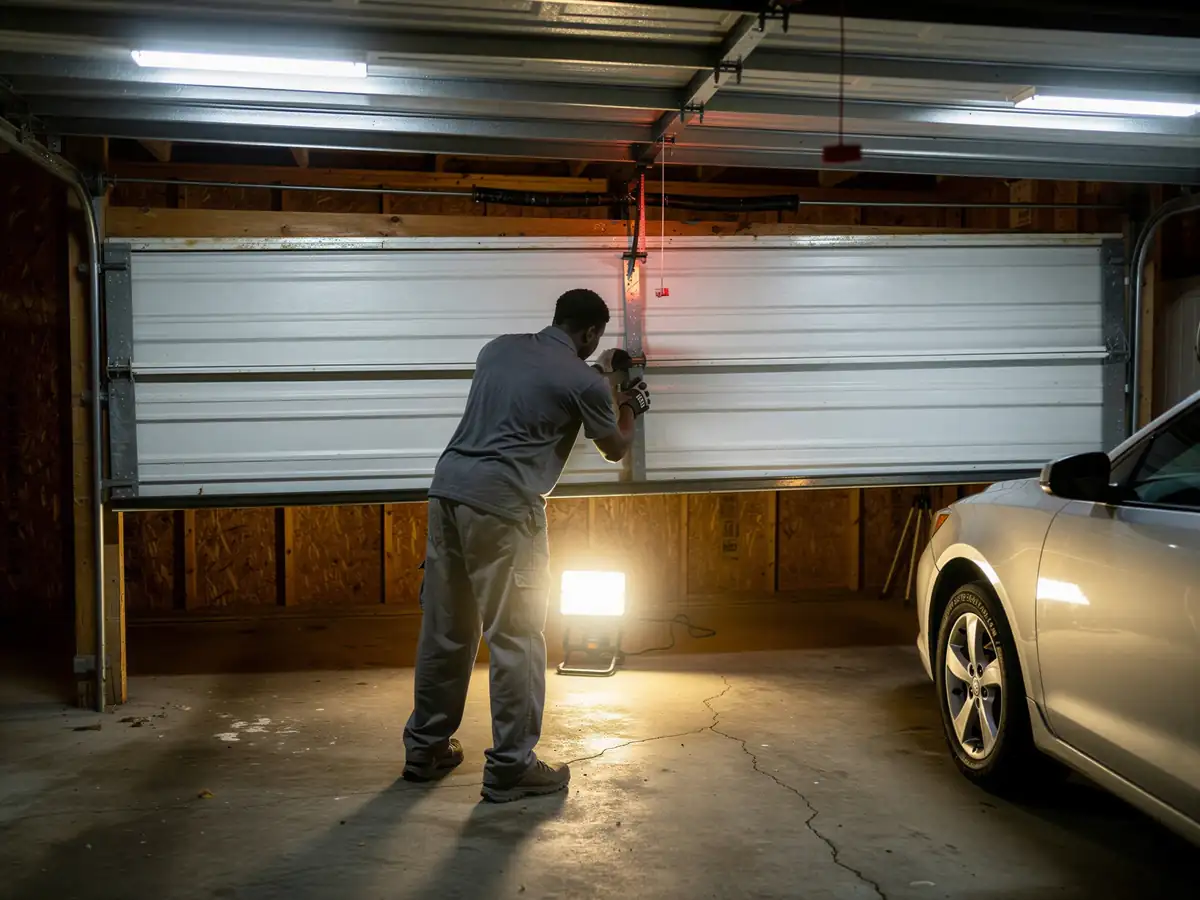
At a median household income of $115,684, most Satellite Beach homeowners calling about a dented or cracked panel aren't choosing between fixing it and living with it - they're choosing between a single panel swap and a full door, and that decision is where people waste money. A single damaged section on a door from the mid-1970s can often be matched and swapped without touching the rest of the door, but only if the track alignment and spring tension are sound. If you're tempted to pull the bad panel yourself: don't disconnect the opener first and assume the door is safe to work on. A door off its spring tension can slam, and sectional panels are heavier than they look once you've got one half-off the hinges. If the dent is cosmetic and the door still runs true on the track, that's a case where a homeowner with the right hex driver can manage it. If the panel is cracked through, or the door binds when you move it by hand, that's a sign the track or hinge took the hit too, and that's not a solo job.
What the Fix Involves
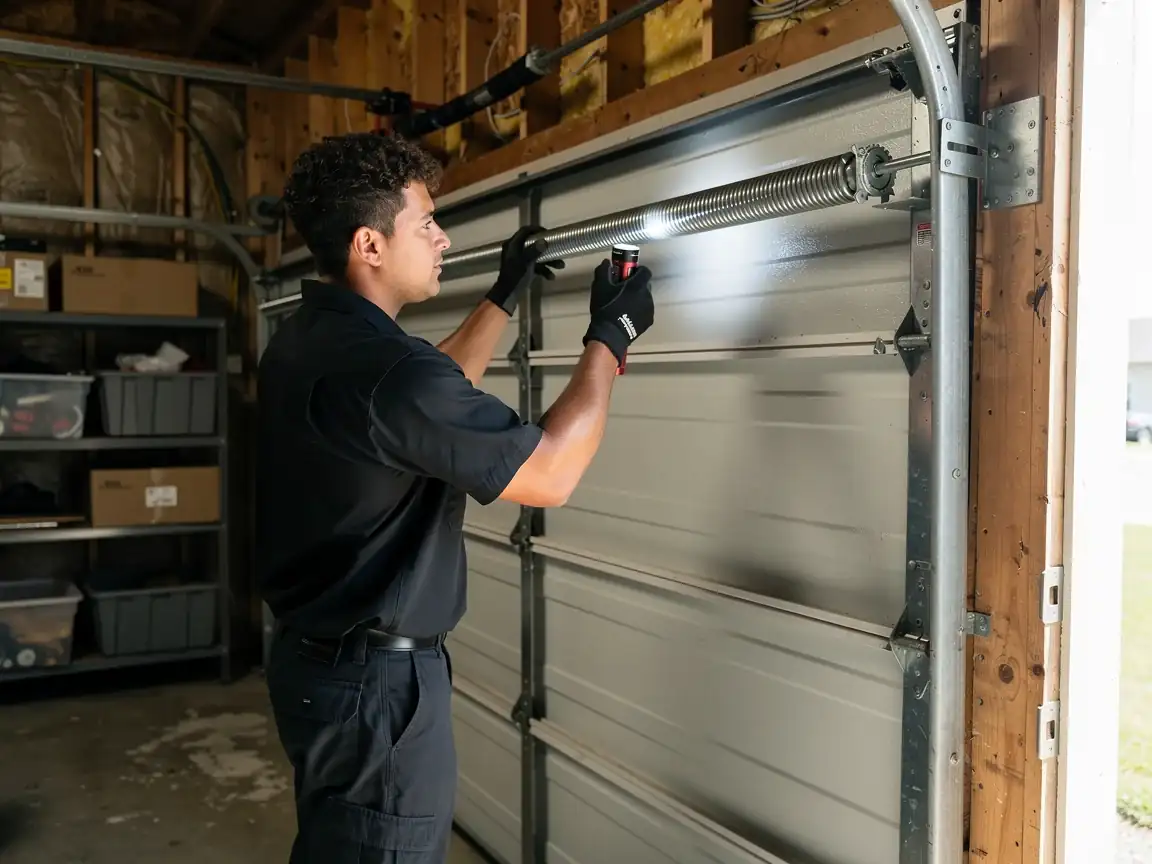
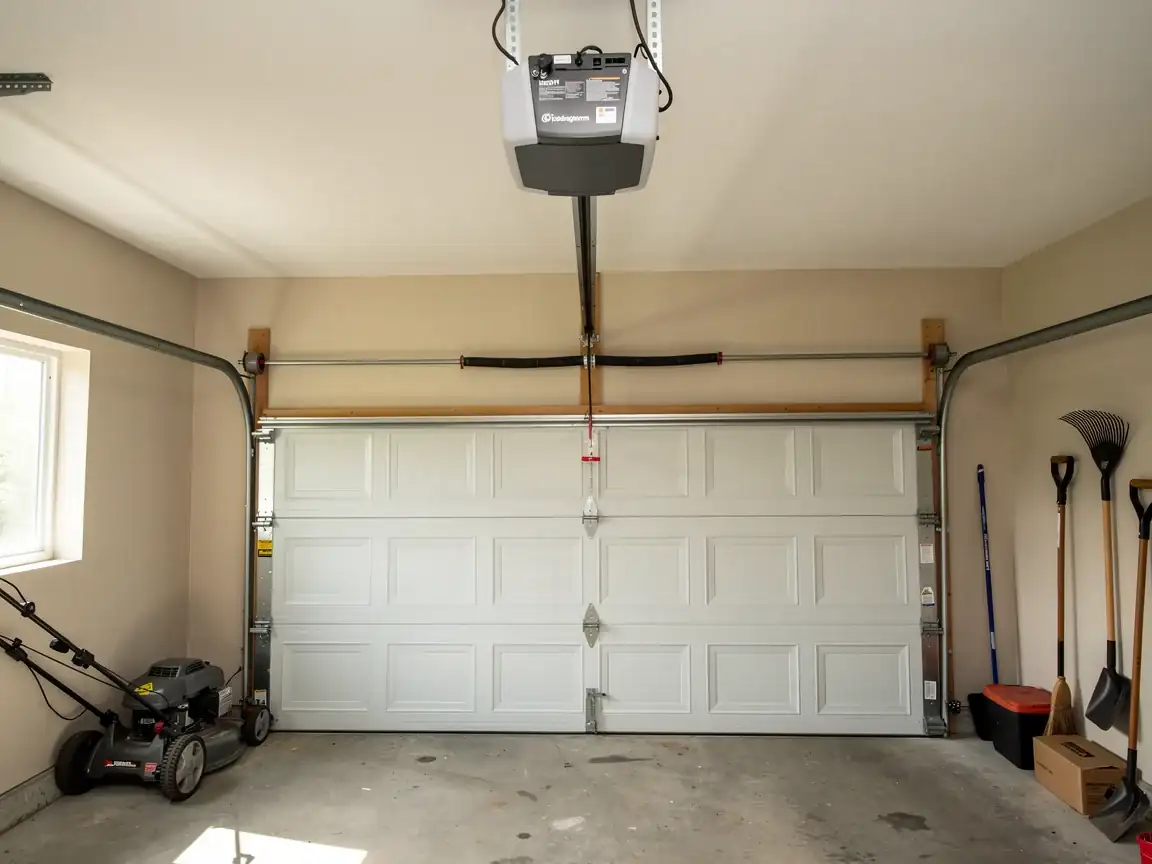
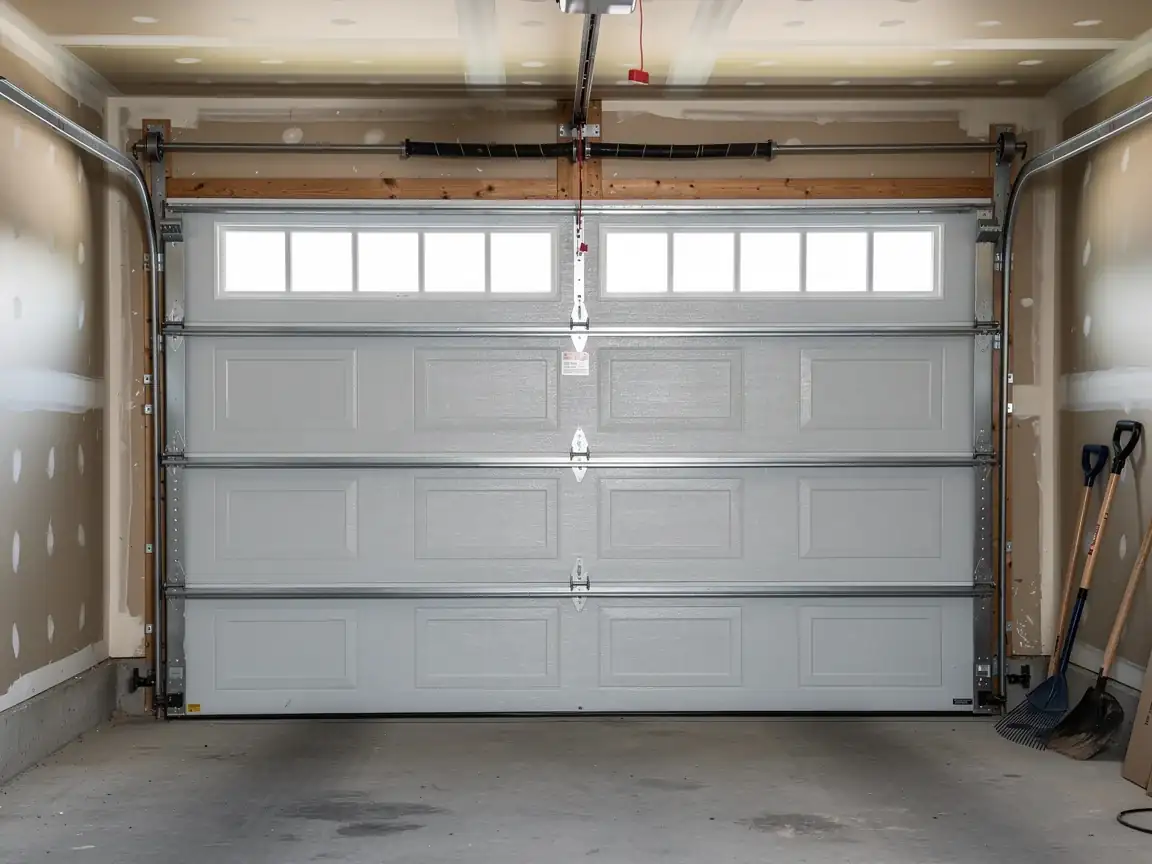
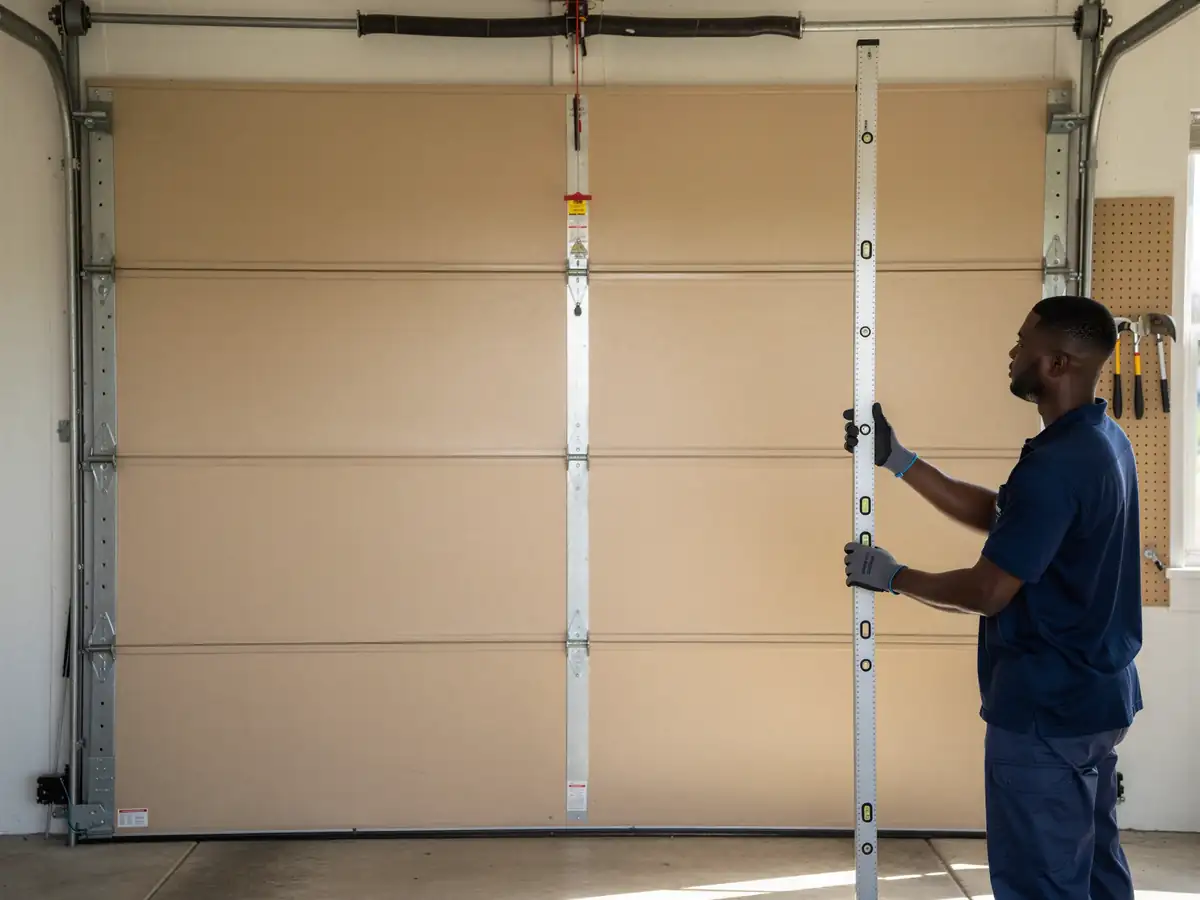
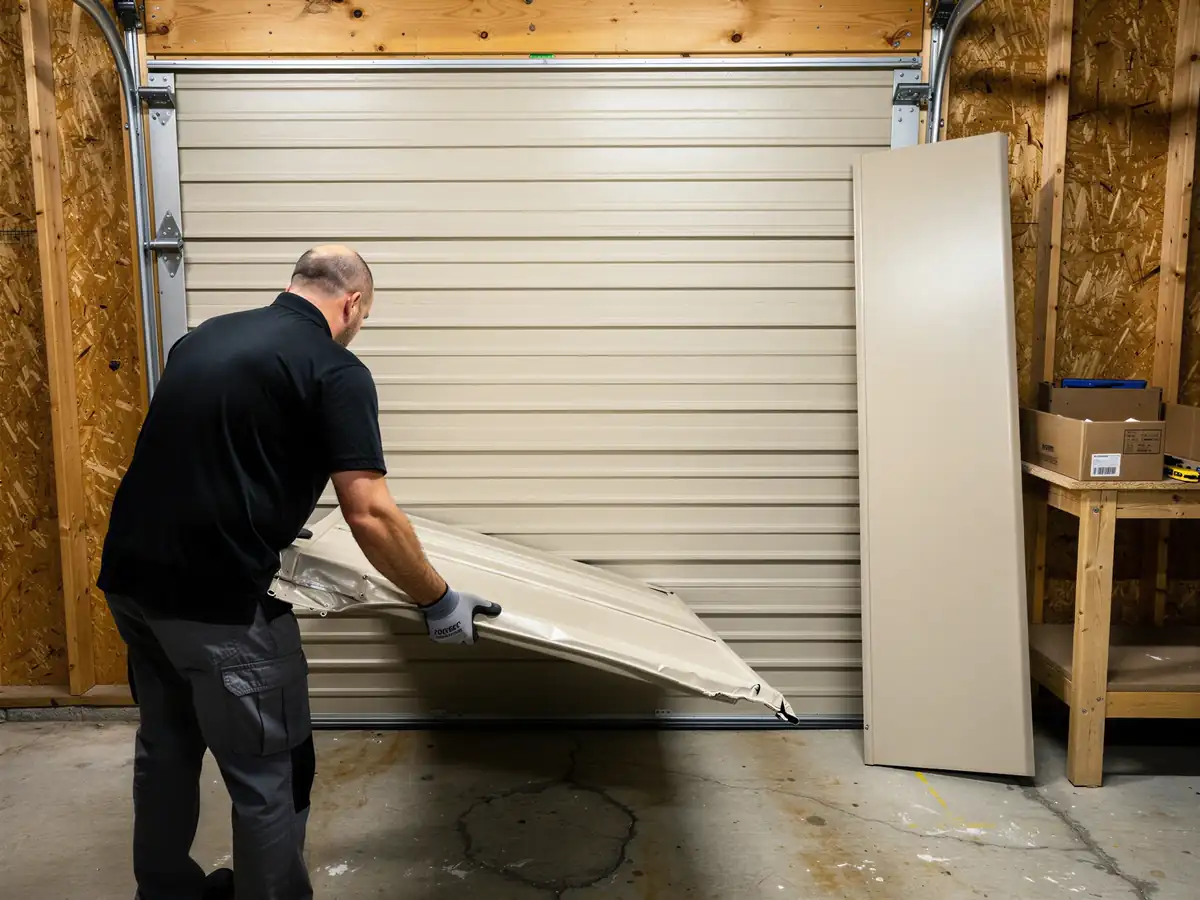
We pull the hardware off the damaged section - hinges, rollers, and any cable guides attached to it - check the adjoining panels for play, and set the replacement section in without disturbing spring tension on a balanced door. On houses built in the 1966-2003 window that makes up most of this area's stock, panel profiles are common enough that matching isn't usually the hard part; keeping the door square afterward is. If the track has shifted from the original impact, we true that up before reinstalling, because a panel bolted into a bent track will bind again inside a season. Doors here don't fight ice or freeze-thaw cracking the way they would somewhere with real winters, so panel failure in this climate is almost always impact, corrosion at the bottom section, or sun-brittled plastic inserts, not weather stress on the steel itself.
Stocked Parts
We carry common panel profiles and hardware on the truck out of Melbourne, six miles from Satellite Beach, which covers most jobs on doors from the area's typical 1966-2003 build range without a special order. Exact color or finish matches, discontinued panel styles, and wider commercial-grade sections sometimes need to be ordered in, and that's the honest limitation here - we won't tell you a rare match is on the truck when it isn't. If your door needs an ordered part, we'll tell you that at the quote, not after we've started pulling hardware.
What Causes It Around Here
Most of the panel calls we get from this side of the service area trace back to the same few things: a car bumper or trailer tongue catching the bottom section, salt-air corrosion eating at the bottom panel edge and hardware on older unsheltered doors, and sun exposure embrittling the plastic window inserts on doors that have sat in the same spot since the 1970s building boom that put up most of this housing stock. The mild temperate climate here means we're not dealing with the freeze-crack panel failures you'd see up north - when a panel goes bad in Satellite Beach, it's almost always mechanical damage or slow corrosion, not weather stress on the steel itself.