Doing It Yourself
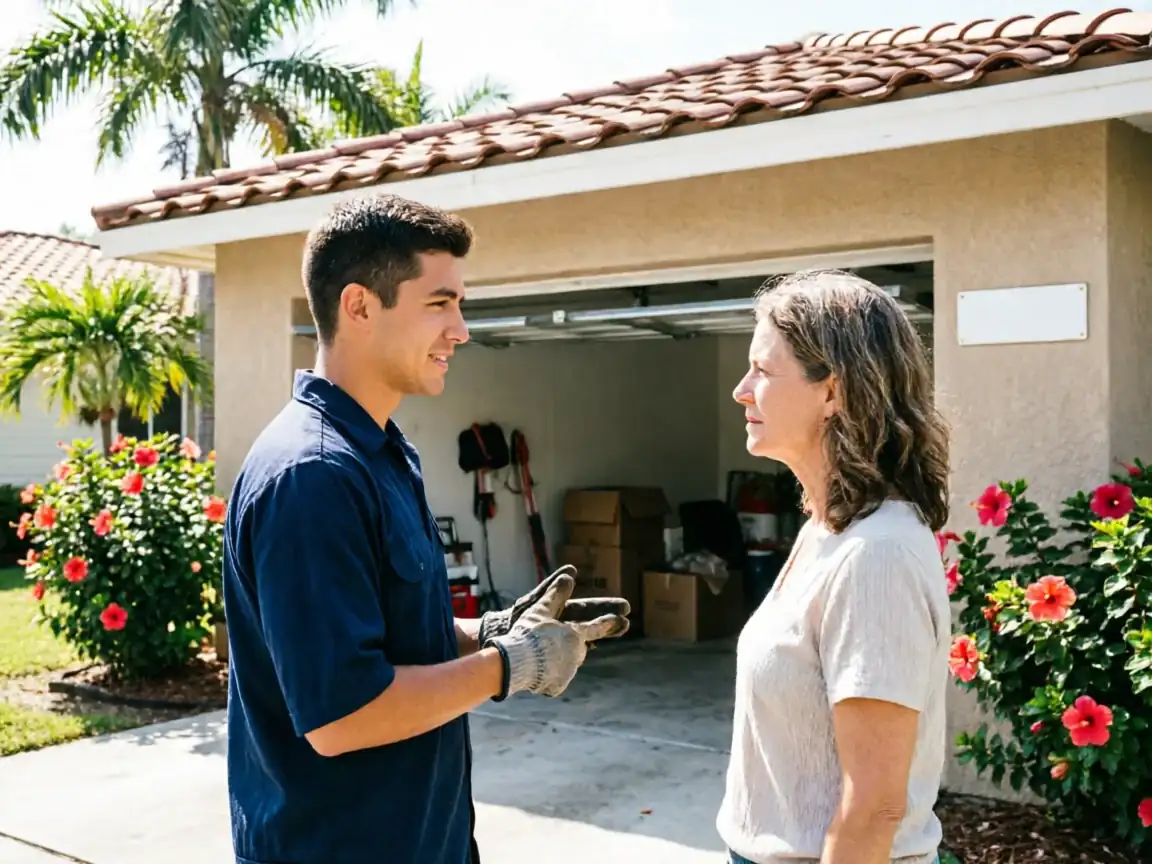
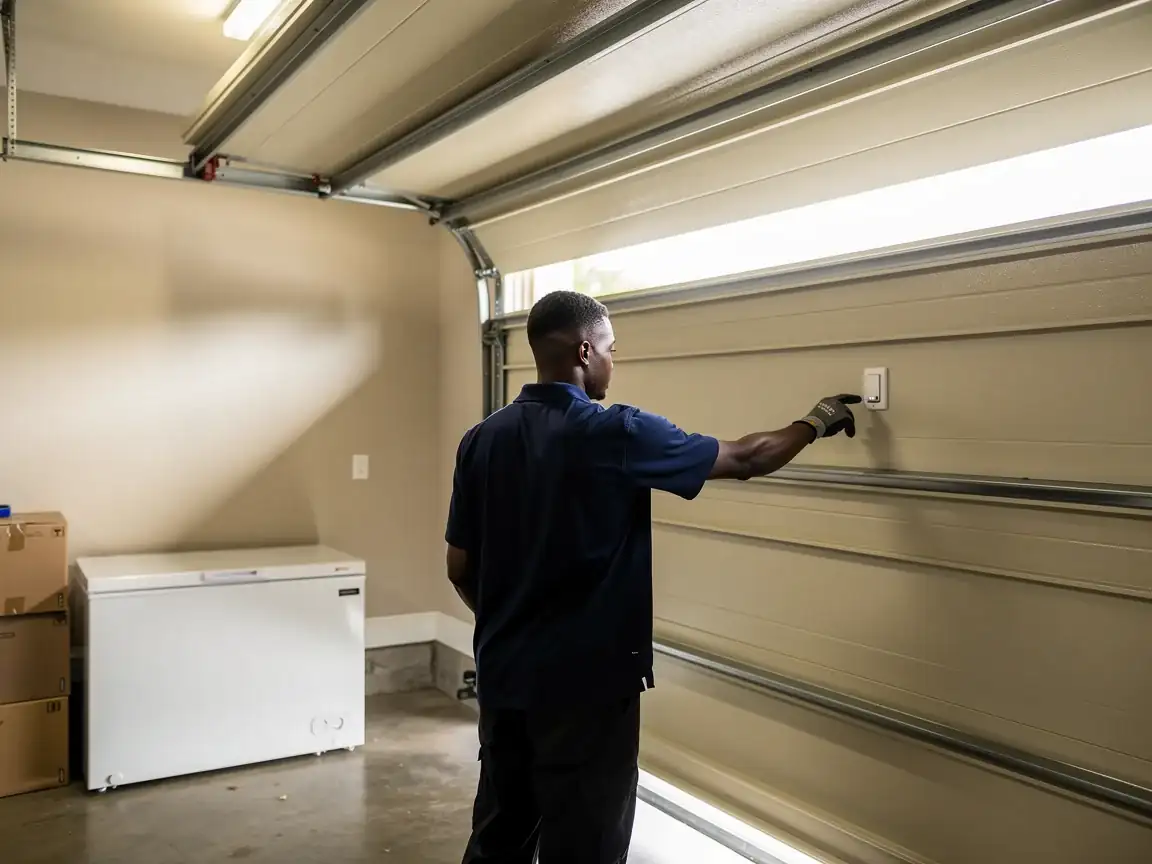
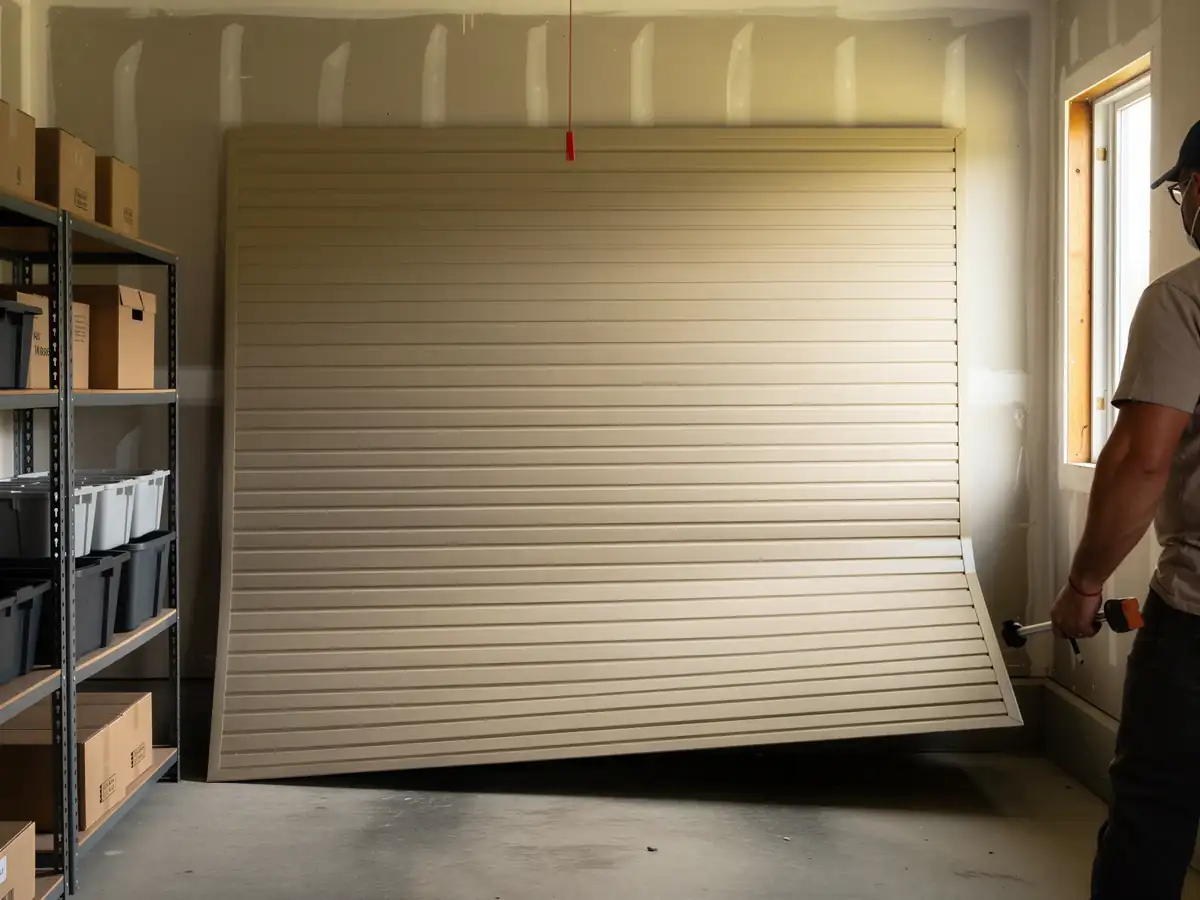
Satellite Beach sits about six miles from our shop in Melbourne, which matters more than it sounds like it should. A door that's jumped the track isn't a same-minute fix we can walk to - it's a truck that has to be loaded right the first time, because a wrong guess on roller size or track gauge means a second trip across that same six miles. That's the honest limitation: we can talk you through getting the door down and the opener unplugged so nobody gets hurt, but we won't talk you through re-seating a panel on bent track over the phone. If the door is off far enough that you can see daylight between the roller and the track, or the cable has slipped, stop pulling on it. Forcing it usually turns a $200 call into a bent track and a cracked panel, and that's a different, bigger job. What you can safely do yourself is kill power to the opener and leave the door where it sits. Everything past that is a judgment call that needs eyes on the actual track, not a guess made from a driveway six miles away.
What the Fix Involves
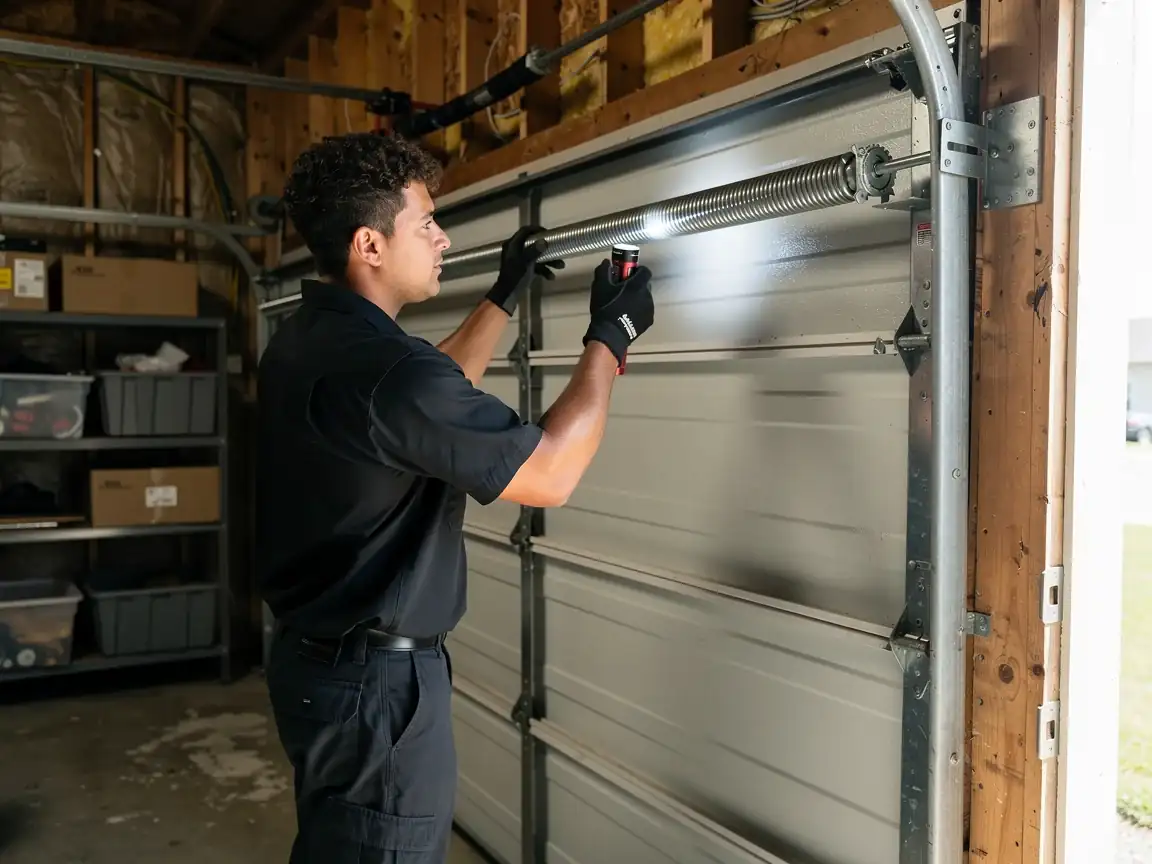
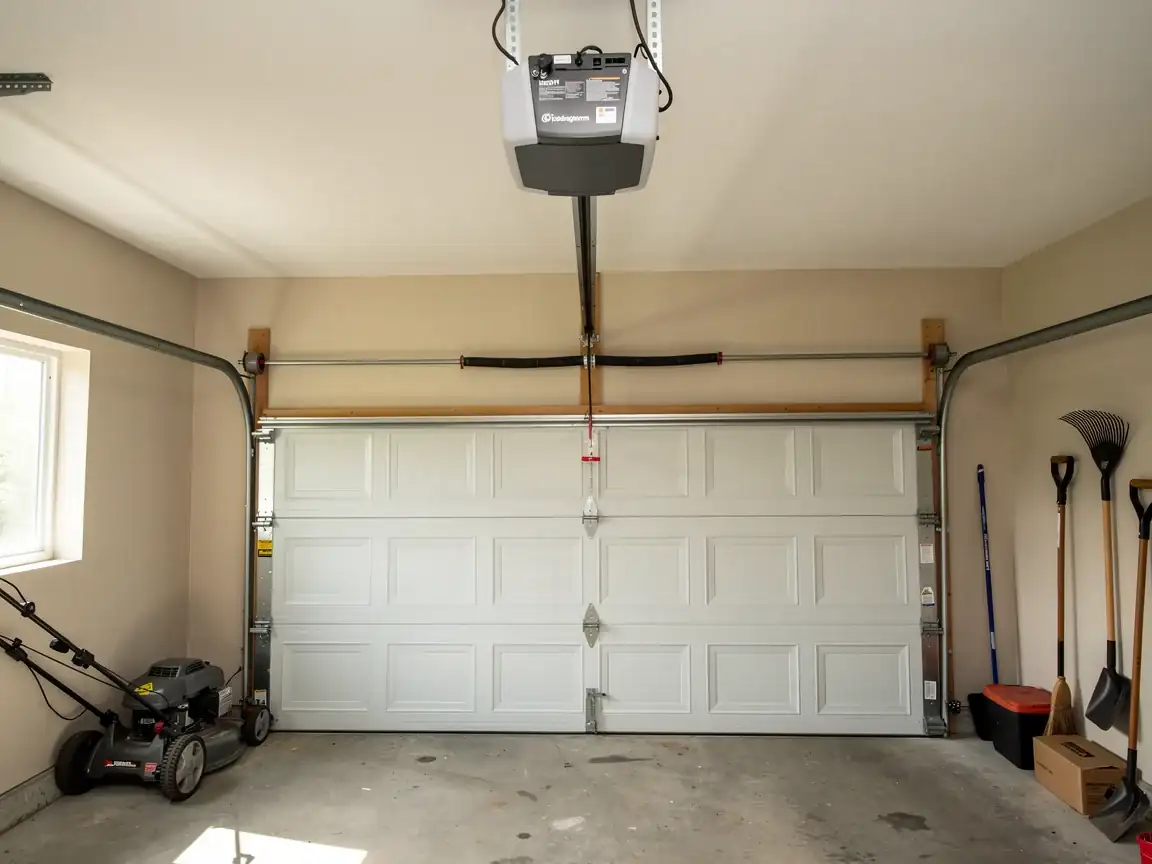
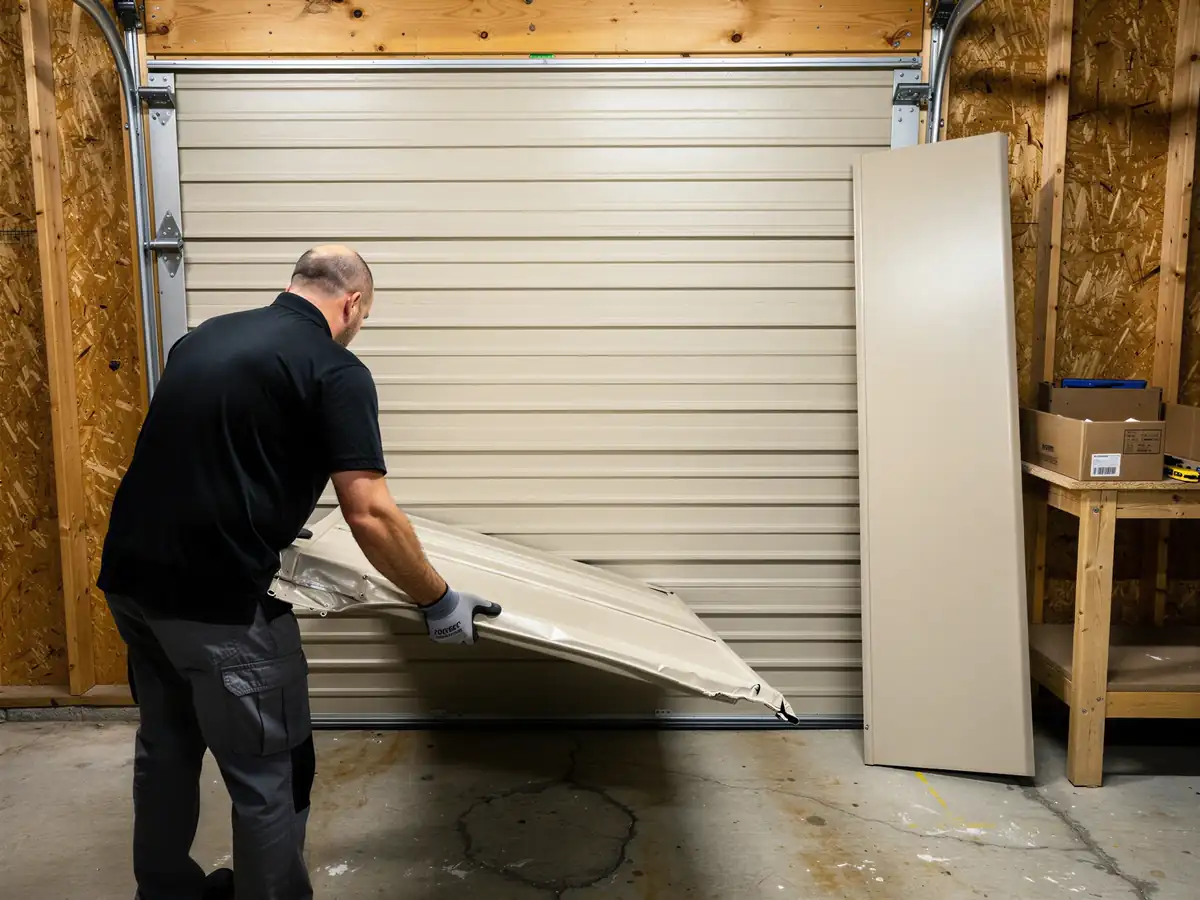
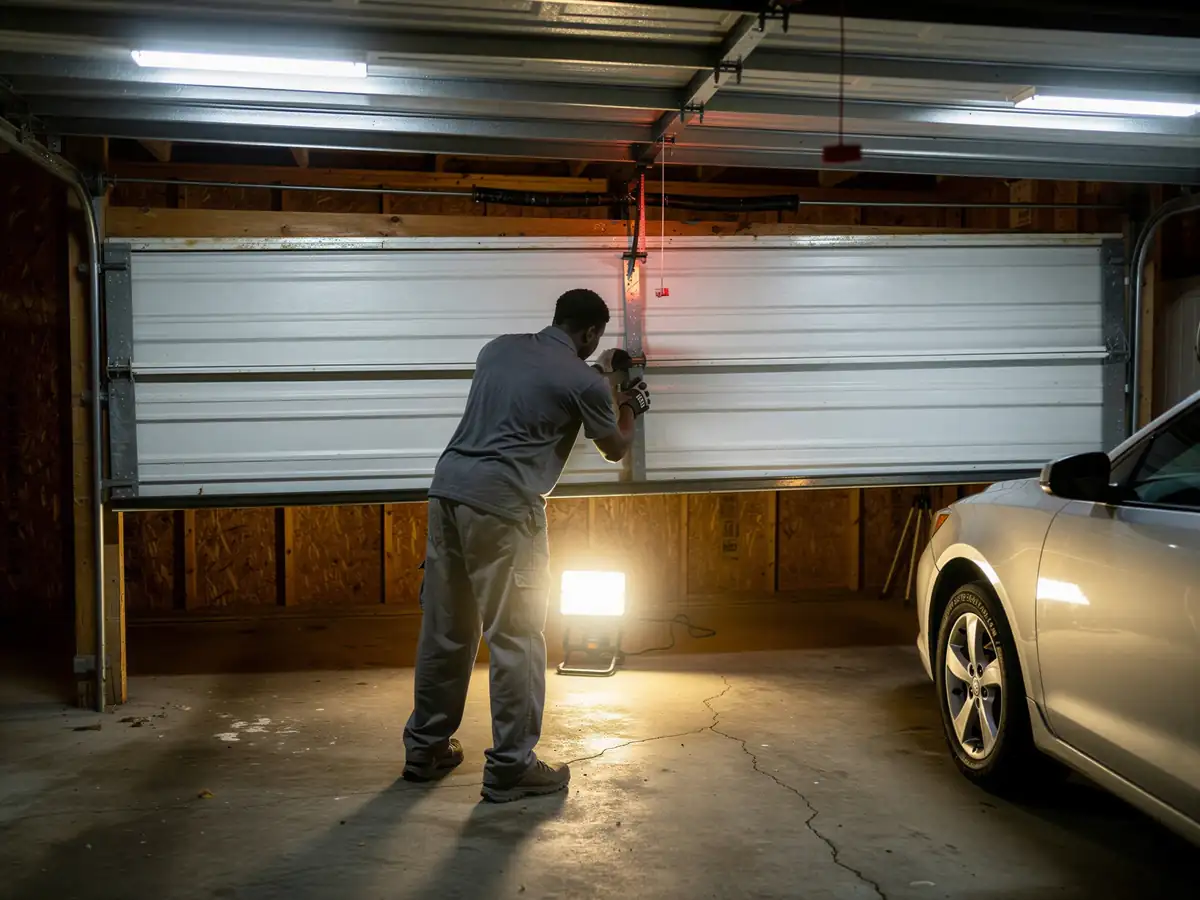
Most of the off-track calls we get from this stretch of the barrier island trace back to houses built around the mid-1970s - Satellite Beach's housing stock centers on 1975, which is a touch newer than some of the inland parts of the Melbourne service area but still old enough that original track brackets have worked loose over four decades of salt-air humidity cycling. The fix is rarely just pushing the door back onto the track. We check the track-to-jamb bolts first, because loose lag bolts are what let the whole rail rack sideways under a snapped cable or an off-balance spring. Then we check the rollers themselves - on a house this age they're usually the original steel rollers, which wear a groove into the track over time and ride loose long before anyone notices. We re-square the track, replace the rollers if they're grooved, and run the door through a full cycle by hand before we ever power the opener back up. Skipping that hand-cycle check is how a door goes back off-track within a week.
Stocked Parts
The truck carries standard-gauge track sections, replacement rollers in both nylon and steel, and the lag hardware for re-anchoring a bracket, because those are the parts that fail on the 1966-2003 housing stock across this service area, and Satellite Beach's 1975 median build year sits right in that window. What we don't carry on the truck is anything custom - a discontinued track profile from a door manufacturer that's stopped making parts, or an odd-width door that needs a special order. Those jobs mean a second visit once the part's in hand, and we'd rather tell you that up front than have the truck sit here working through it. For a mild coastal climate like this one, we also check for surface corrosion on hardware before reusing it rather than assuming four-decade-old steel is still rated for the load.
What Causes It Around Here
Off-track doors on this side of the county come from one of two things: a cable or spring failure that yanks the door sideways as it drops, or hardware that's simply loosened over time. Given the mild temperate climate here, we're not dealing with freeze-thaw cycling like colder regions - the failure mode is slower and more about salt-air corrosion on brackets and fasteners than sudden cracking. With roughly 4,219 households in Satellite Beach and most of that housing dating to the mid-1970s, a good share of these doors are on their second or third set of rollers already, and track brackets that were torqued down in 1975 have had fifty years of humidity working the lag threads loose. We see it less on newer builds closer to West Melbourne or Rockledge, where the housing stock skews later.