Doing It Yourself
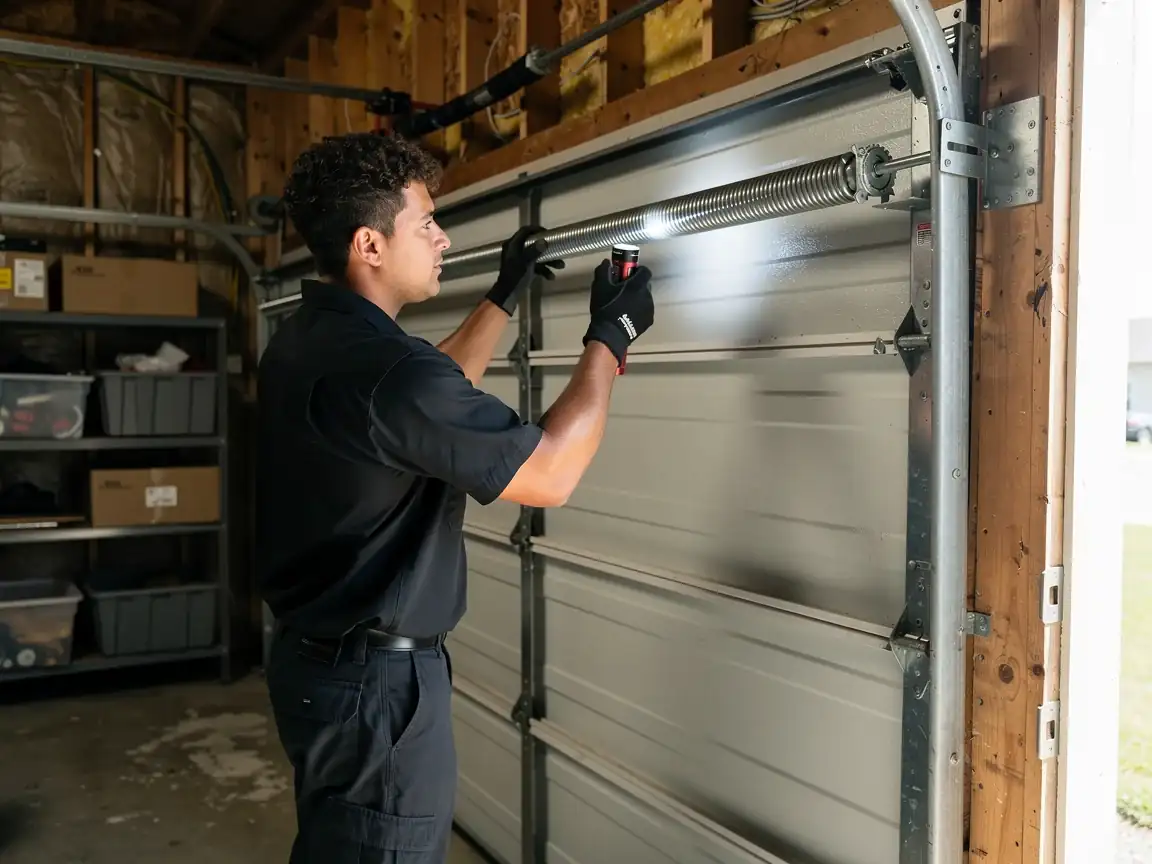
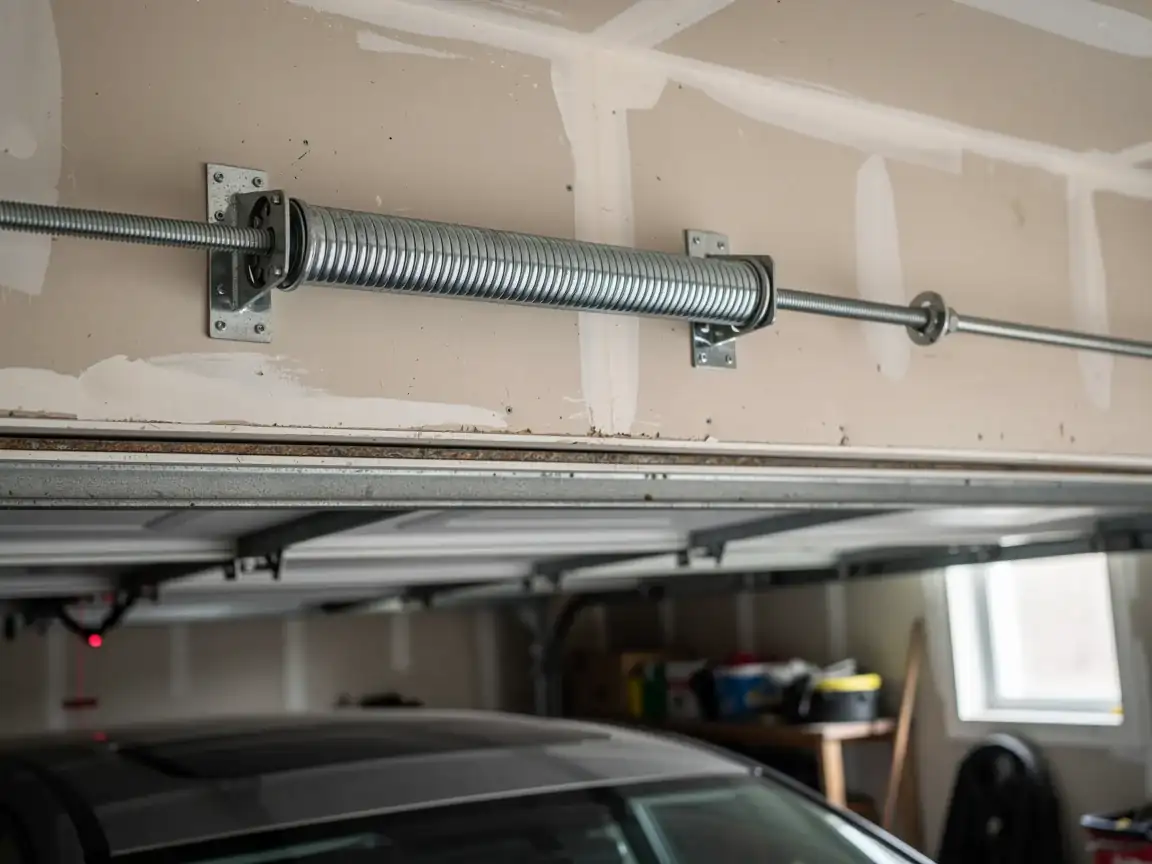
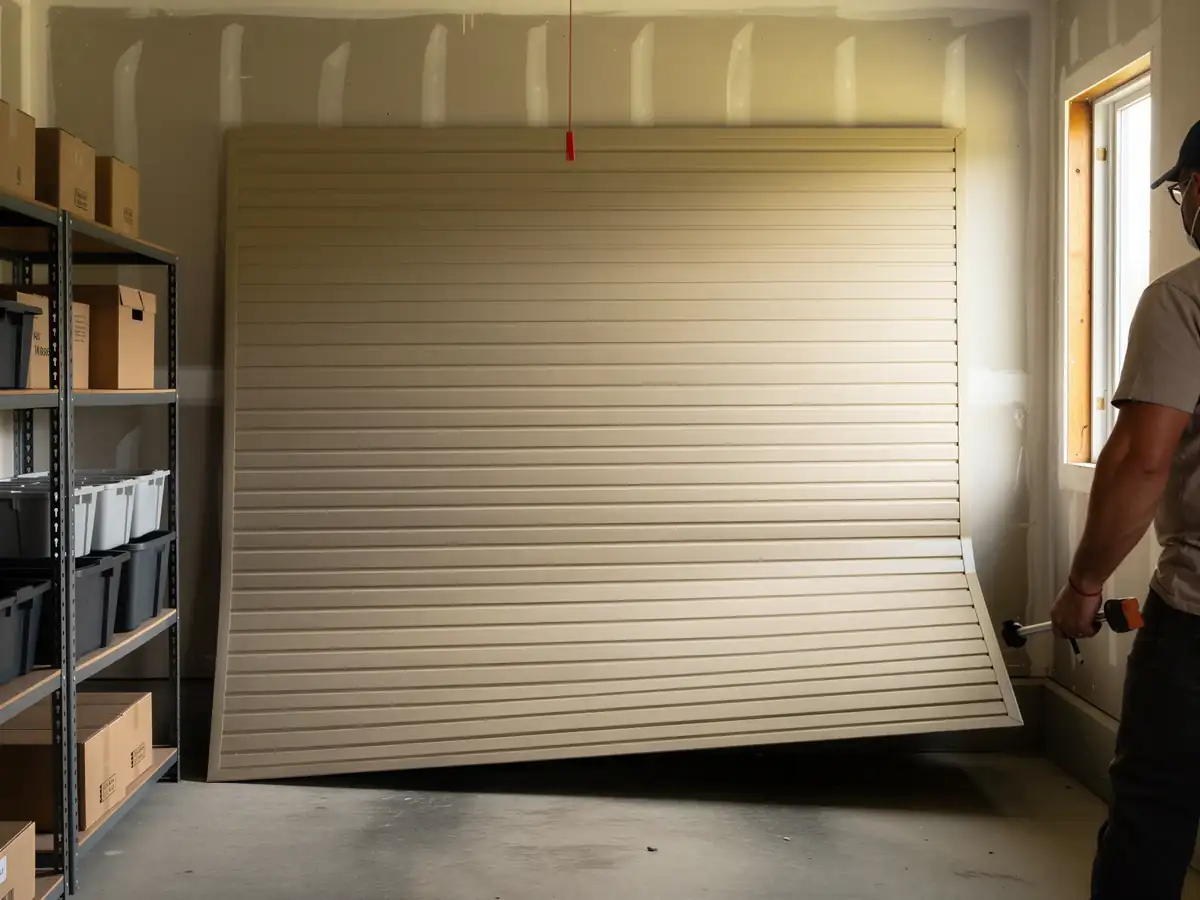
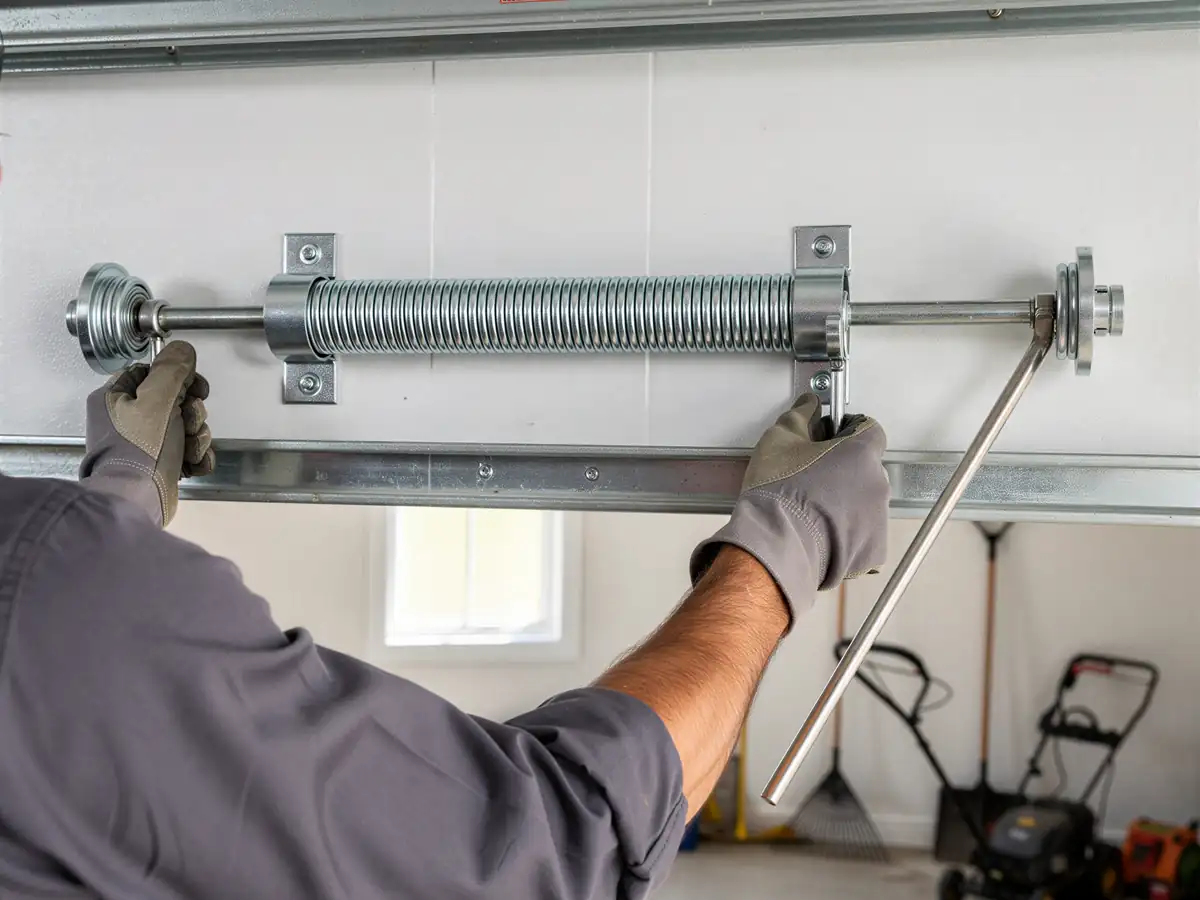
A torsion spring under tension can take a finger or worse, and the winding bars and clamps that do it safely aren't something most garage shelves have. If your door won't budge, or it slams down the last foot of travel, that's a spring doing what a worn spring does - don't try to wind it yourself. What you can safely check first: look at the spring itself. A visible gap in the coil means it's broken and the job is a straight swap. No gap, but the door feels heavy and the opener strains or reverses - that's often a spring that's lost tension gradually, which still needs replacing but isn't an emergency you have to solve tonight. Either way, the fix itself is a two-person, right-tool job, and we're honest that this isn't a YouTube-Saturday project if you want the door to still be square afterward.
What the Fix Involves
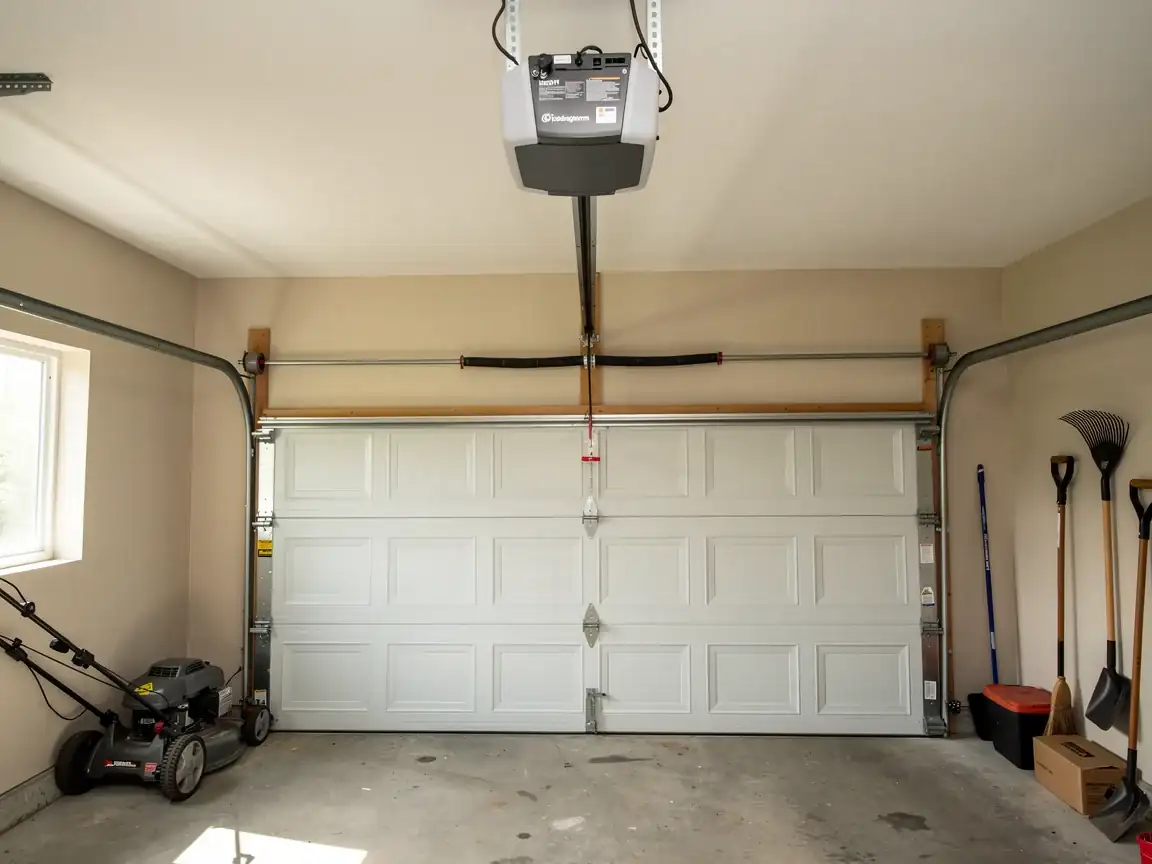
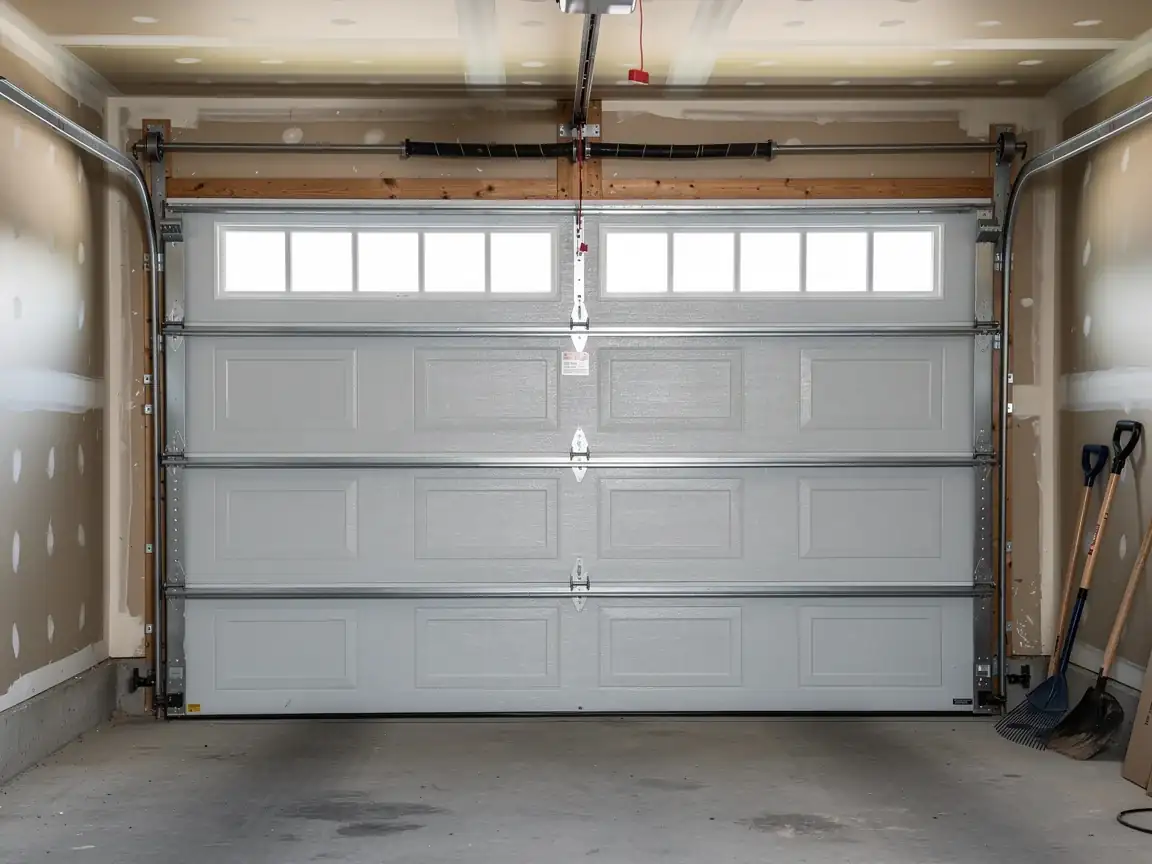
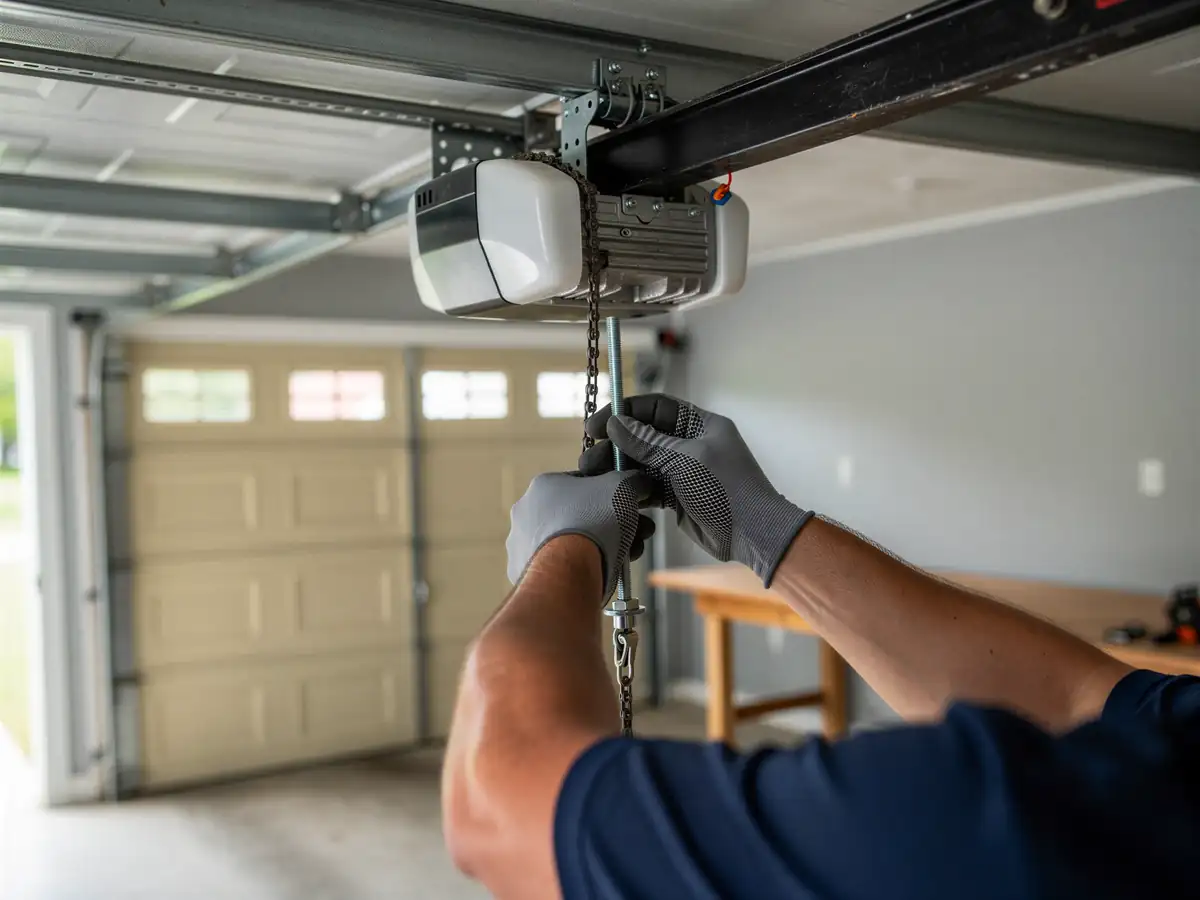
Most doors going up in Satellite Beach around 1975 run torsion springs mounted on a shaft above the opening, not the older side-mounted extension springs you'd find on an even earlier build. We pull the old spring, check the drums and cable for wear while the shaft is exposed, and wind the new spring to the door's weight and cycle count, not a generic chart number. On a double garage door, both springs usually get replaced together even if only one has broken, since the surviving one is close behind on cycle life. We also check the center bearing and set screws while we're in there - skipping that step is how a brand-new spring gets a comeback call in a year. We don't replace parts that don't need it; if the cable and drums are sound, they stay.
Stocked Parts
The truck carries the torsion spring sizes that match the door stock built from the mid-1960s through the 1970s and 80s, since that covers the large majority of garage doors across this part of the service area. That means a straightforward torsion spring job on a standard Satellite Beach house usually doesn't wait on a special order. Where we do have to order is an oddball spring wind or a door that's been retrofitted with non-standard hardware somewhere along the way - that happens, and when it does, the honest answer is a short wait, not a part that doesn't fit forced into place.
What Causes It Around Here
Springs fail two ways: they snap from metal fatigue after years of cycles, or they weaken slowly and lose lift without ever visibly breaking. In this area's mild temperate climate, we don't see springs crack from hard freezes the way colder regions do - the failures here are almost entirely cycle-driven, meaning age and use matter more than weather extremes. A door built around 1975 and still running its original spring is well past any reasonable cycle life regardless of how it looks. The other driver is a door that's gone out of balance over the years - a worn roller or a slightly bent track puts extra strain on the spring every time it runs, so the spring takes the blame for a problem that started somewhere else on the door.