Doing It Yourself
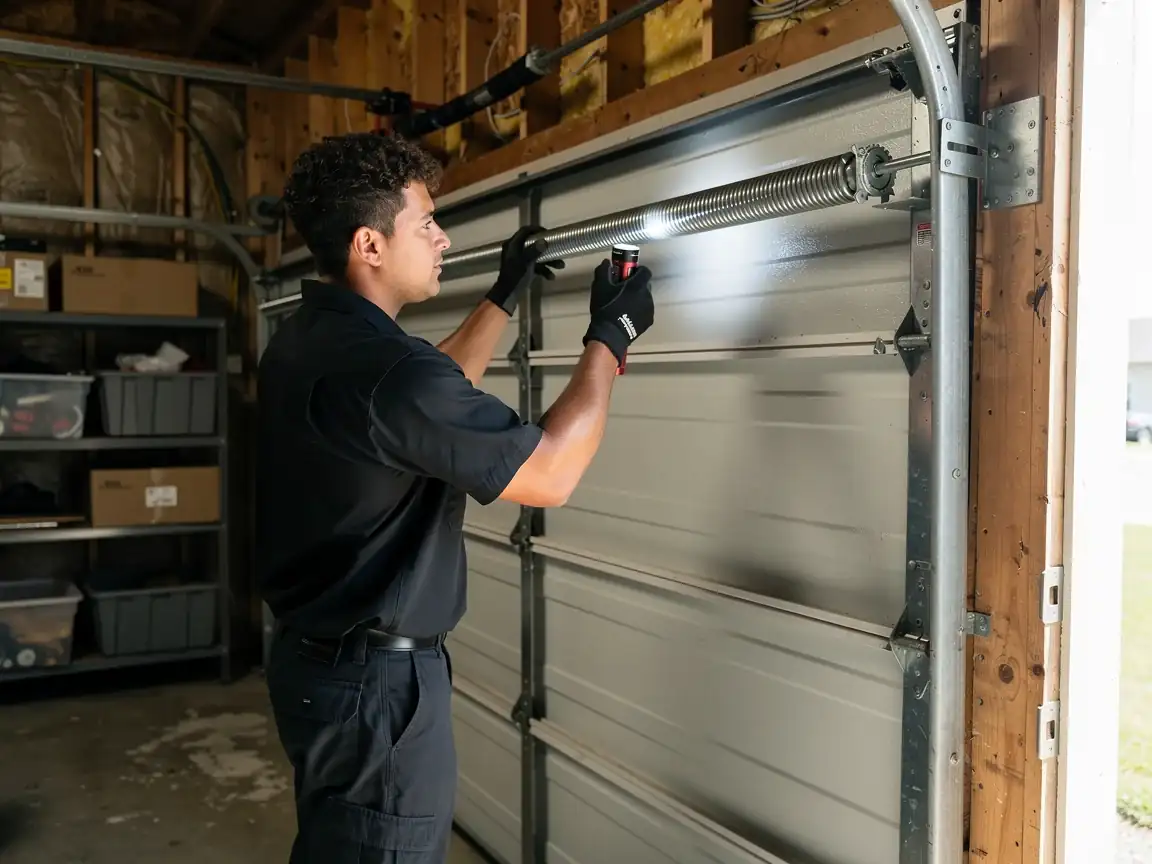
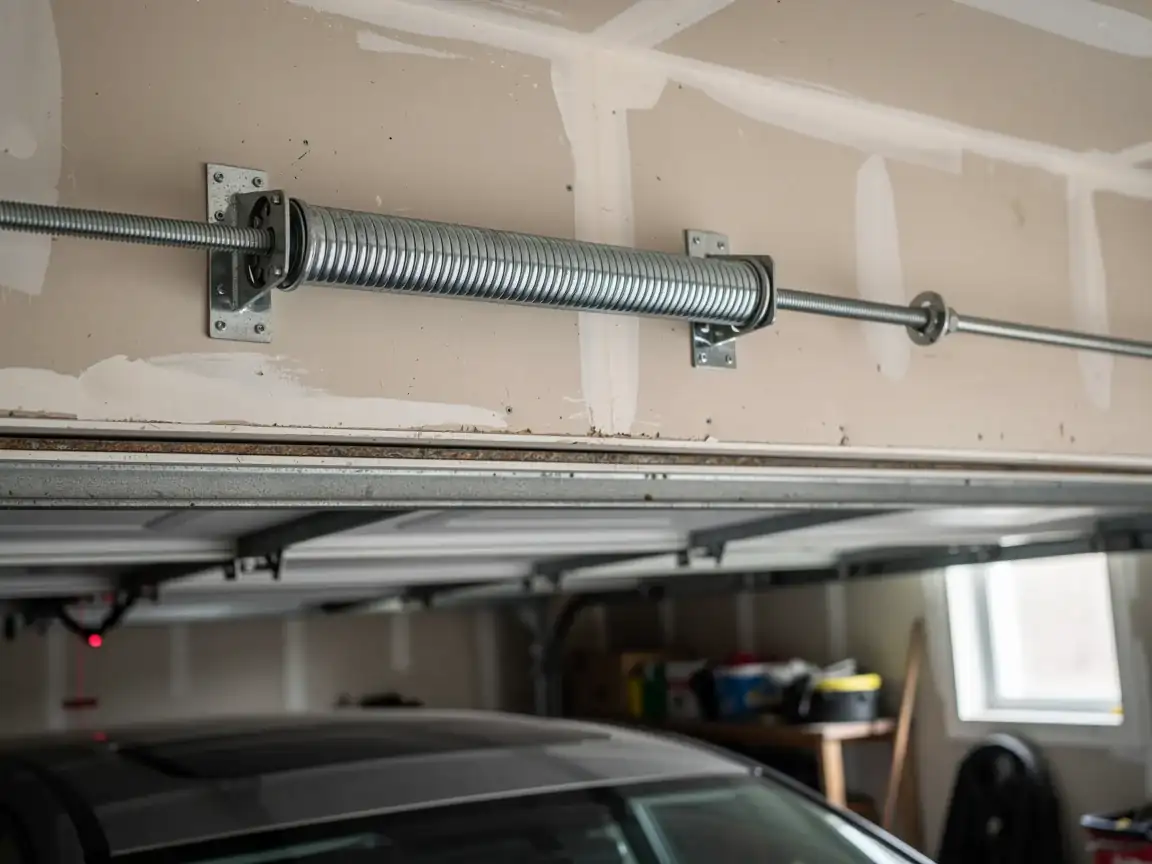
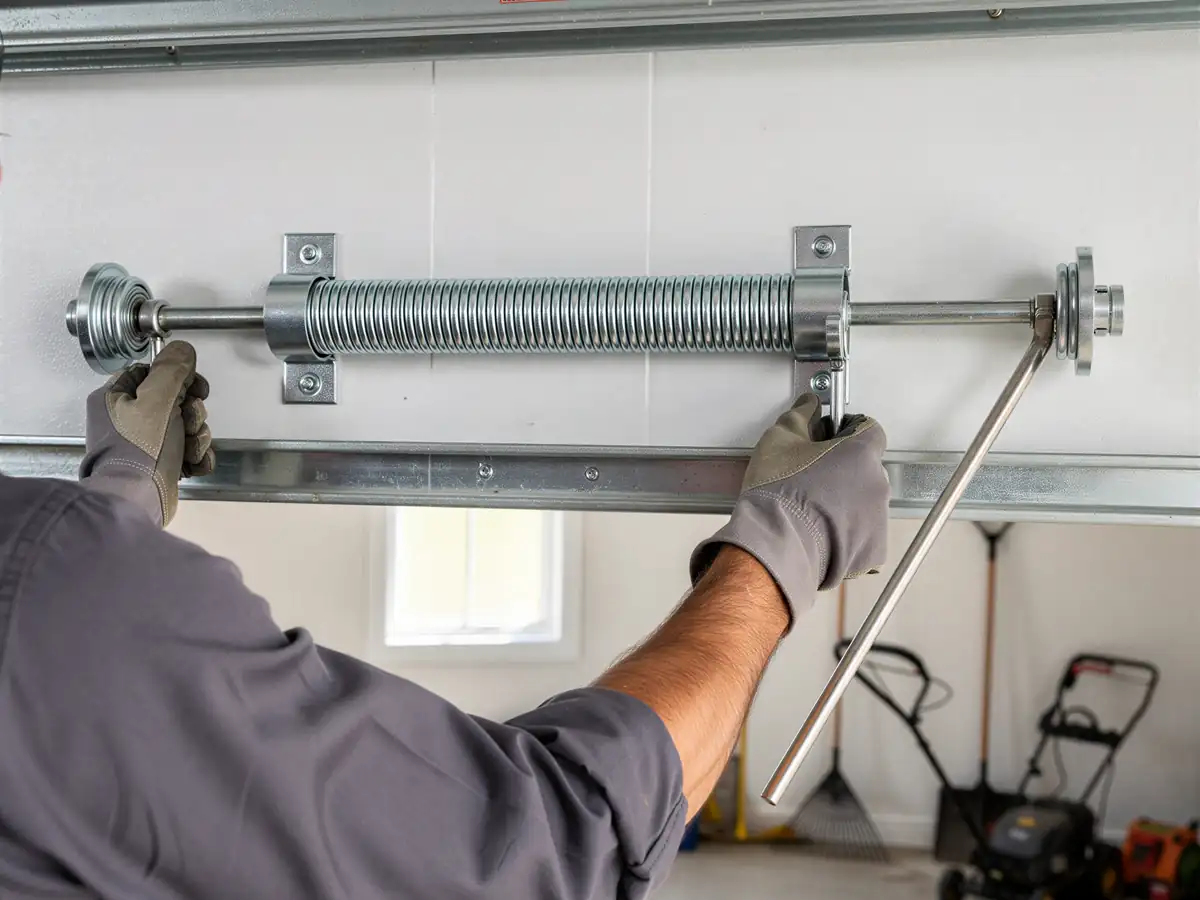
A single-car or double-car door install looks simple from a video - hang the panels, bolt the track, plug in the opener. It isn't, and this is the honest limitation we'll put up front: torsion spring tension on anything built for a standard 7-foot or 8-foot opening can put you in the ER if the bar slips while you're winding it. We don't sell you a kit and wave goodbye. If you want to handle the cosmetic end yourself - weatherstrip, window inserts, paint - that's fine and we'll say so when we quote the job. The spring, the cable drums, and the track alignment on a door going into a 1975-built opening are not a weekend project, especially since openings from that era weren't always framed to current tolerances. We'll tell you plainly when a part of the job is DIY-safe and when it isn't.
What the Fix Involves
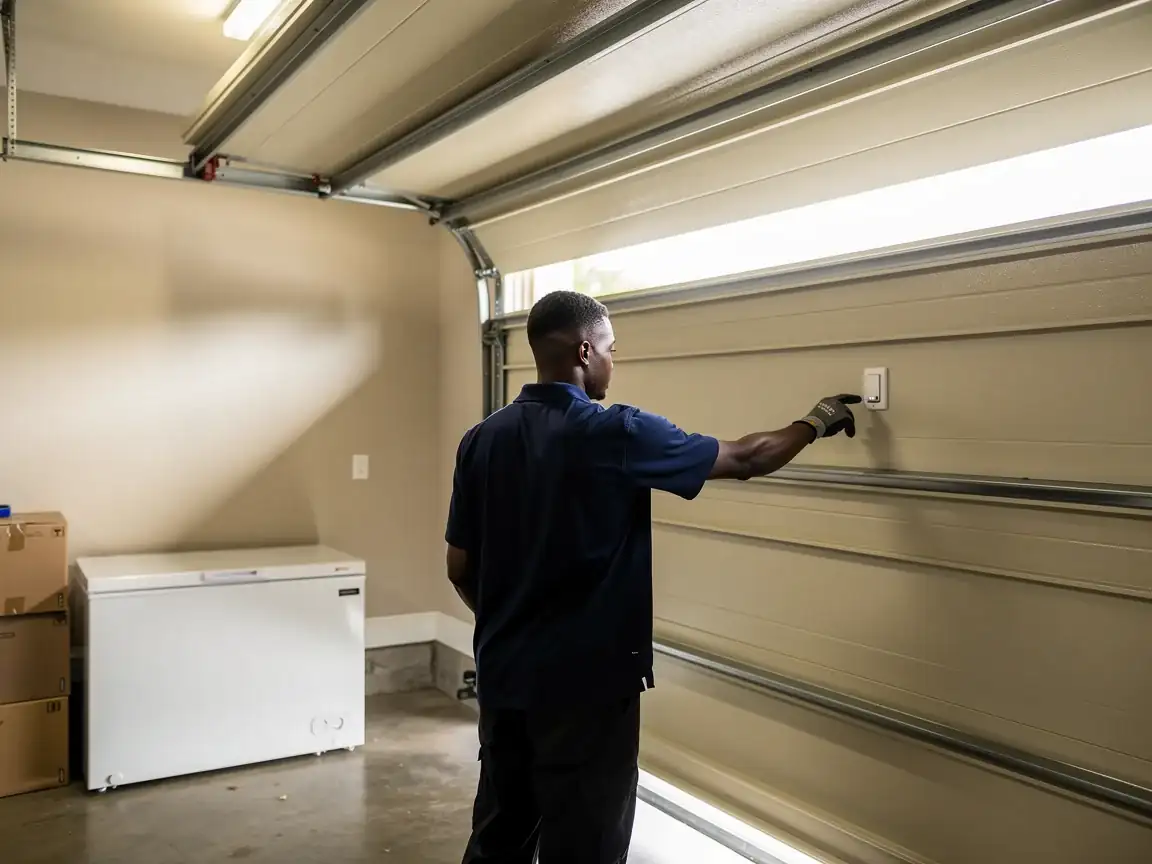
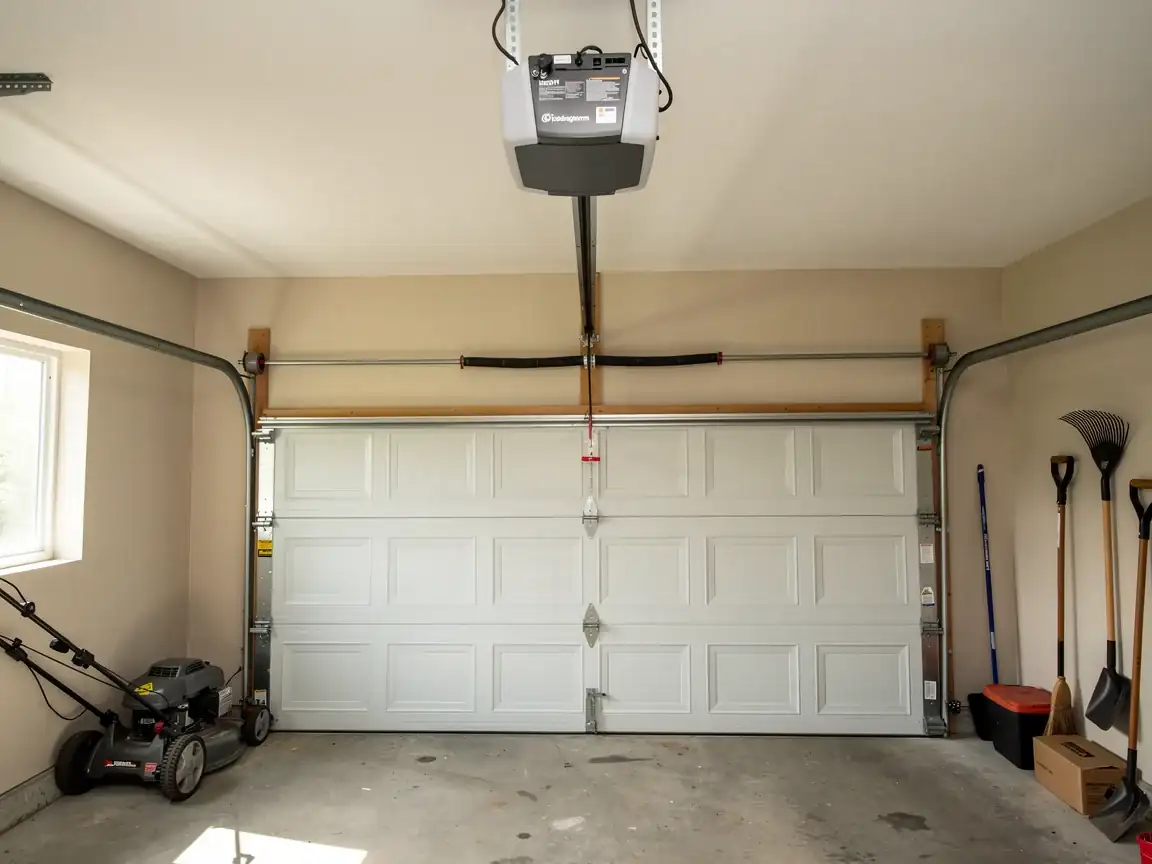
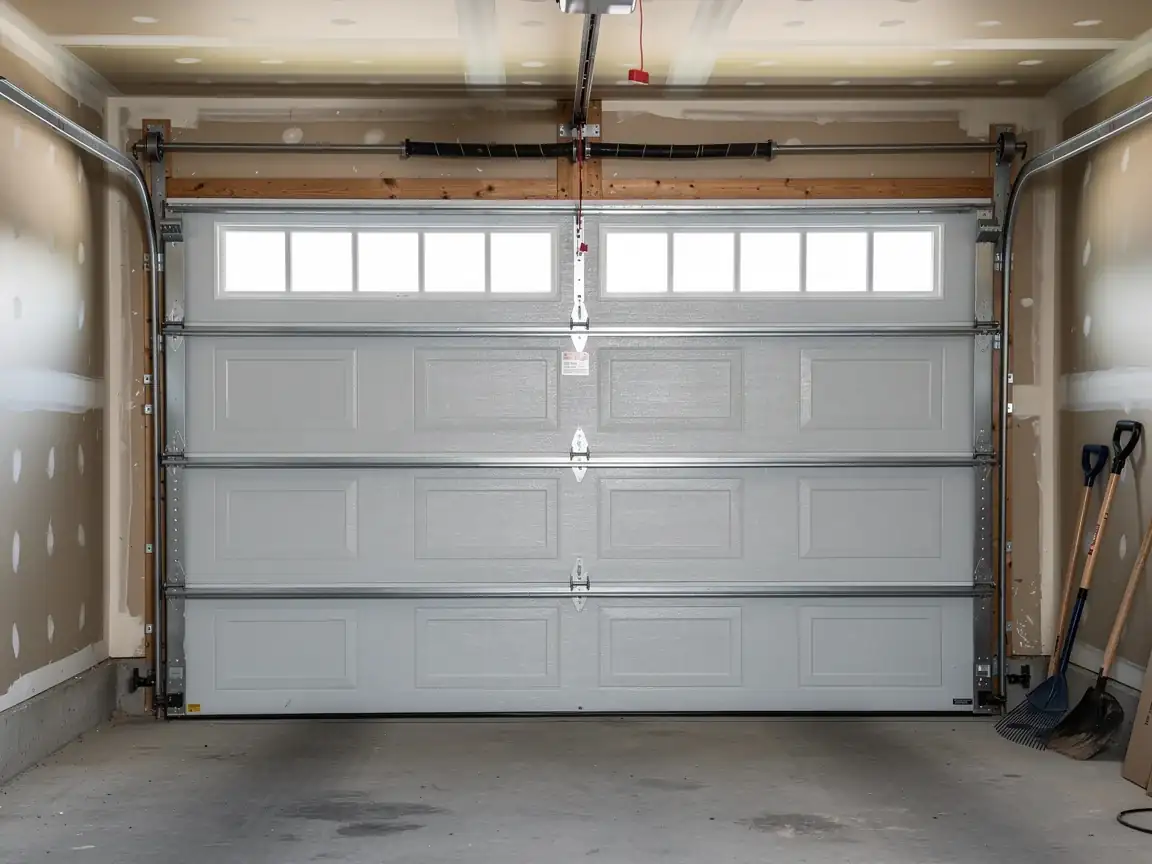
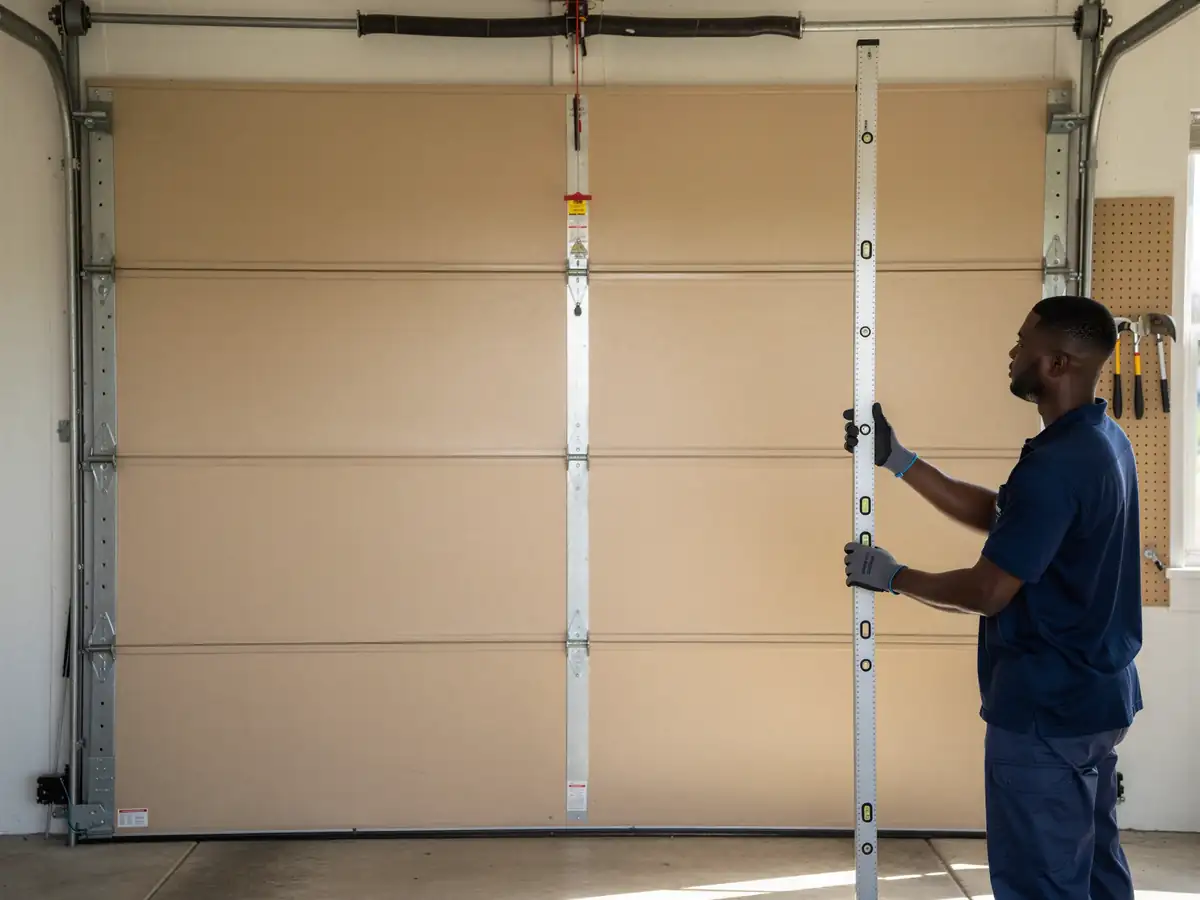
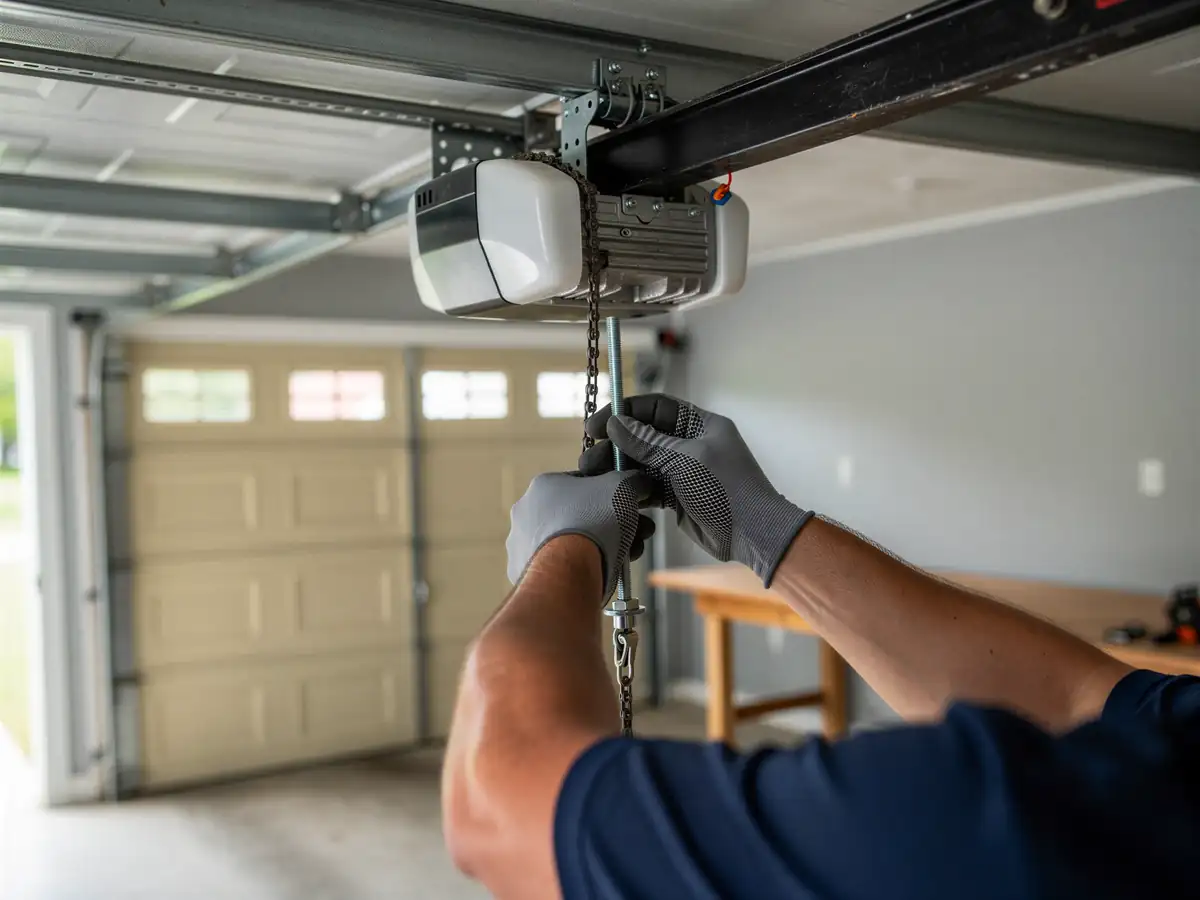
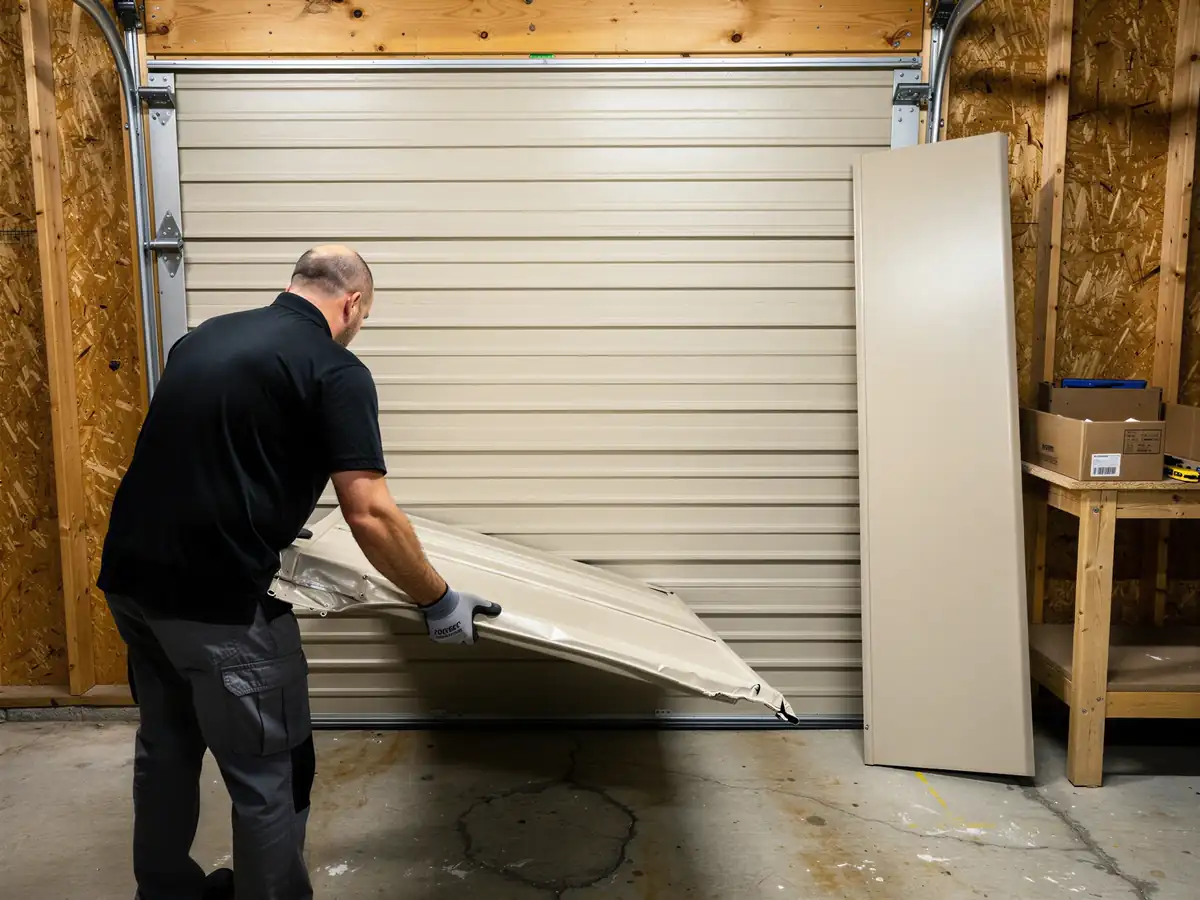
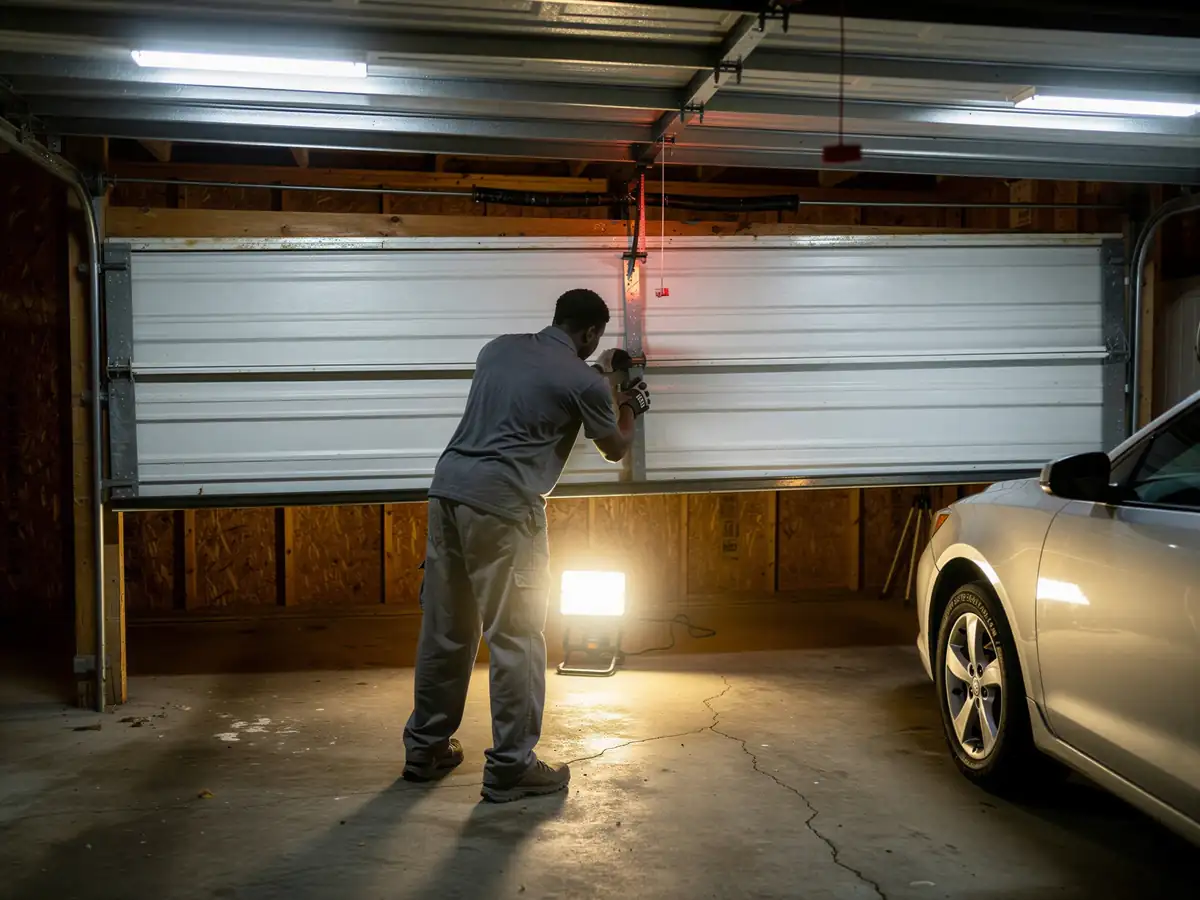
Most of the installs we do in Satellite Beach start with pulling a door that's original or close to it - the houses here center on a 1975 build date, which puts a lot of hardware at the edge of its working life. The job means stripping the old track off the jamb, checking the opening for square (older framing shifts over decades), and setting new vertical and horizontal track to match the new door's spring system. We size the torsion spring to the door's actual weight rather than reusing the old spec, because a heavier insulated panel on old spring hardware is how openers burn out early. Opener mounting, photo-eye placement, and a balance test close out the job. None of this is exotic work - it's the same sequence on any home of this age - but skipping the balance test is the single most common reason a brand-new door starts sagging at the top panel within a year.
Stocked Parts
We carry standard torsion springs, rollers, cable, and track sized for the door widths most common on homes from the 1966-2003 building wave this area sits inside, with Satellite Beach's housing clustering around 1975. That covers a lot of the single and double door openings we run into here. What we don't keep on the truck is anything custom - oversized doors, non-standard track configurations, or discontinued panel styles from older manufacturers. If a job needs one of those, the new door install still happens, but the matching hardware may take longer to source. We'd rather tell you that before the job starts than have you waiting on a truck that isn't coming.
What Causes It Around Here
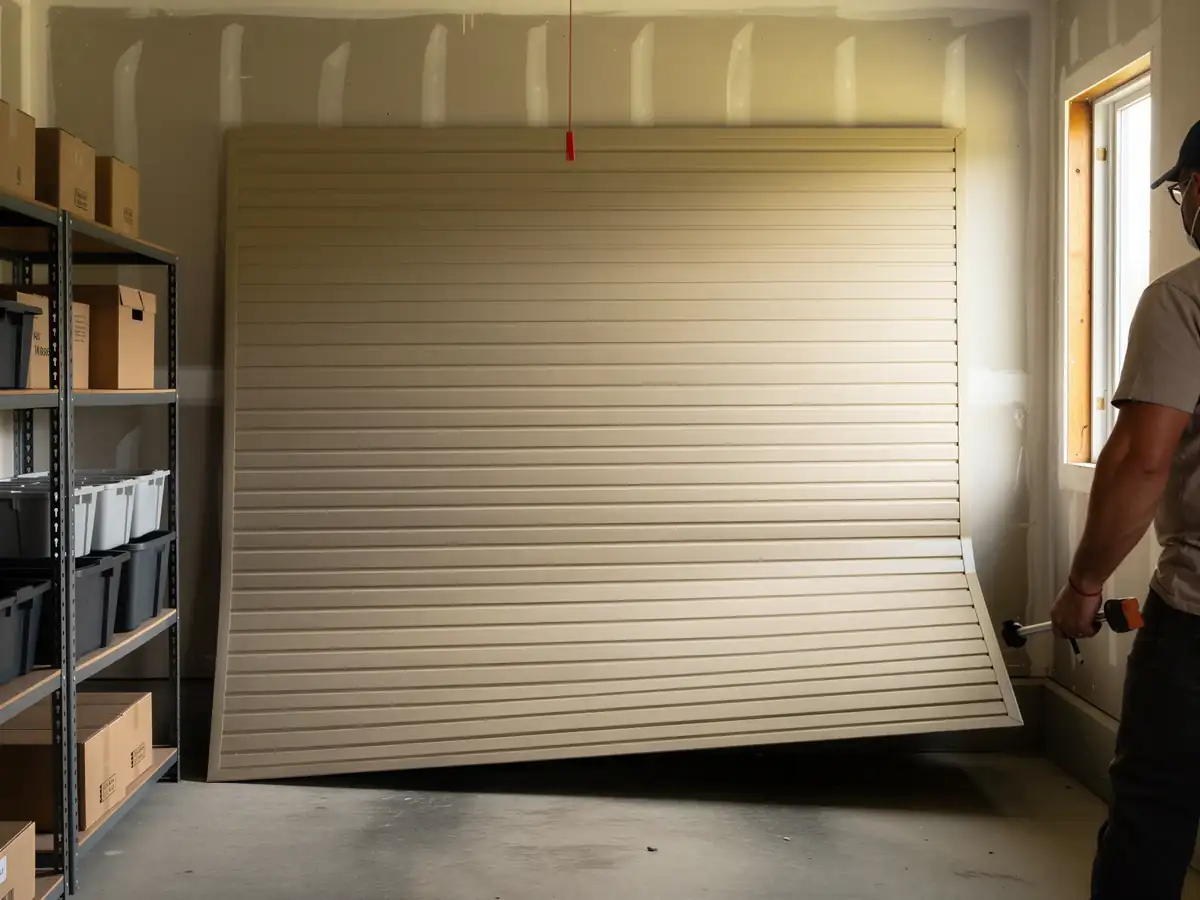
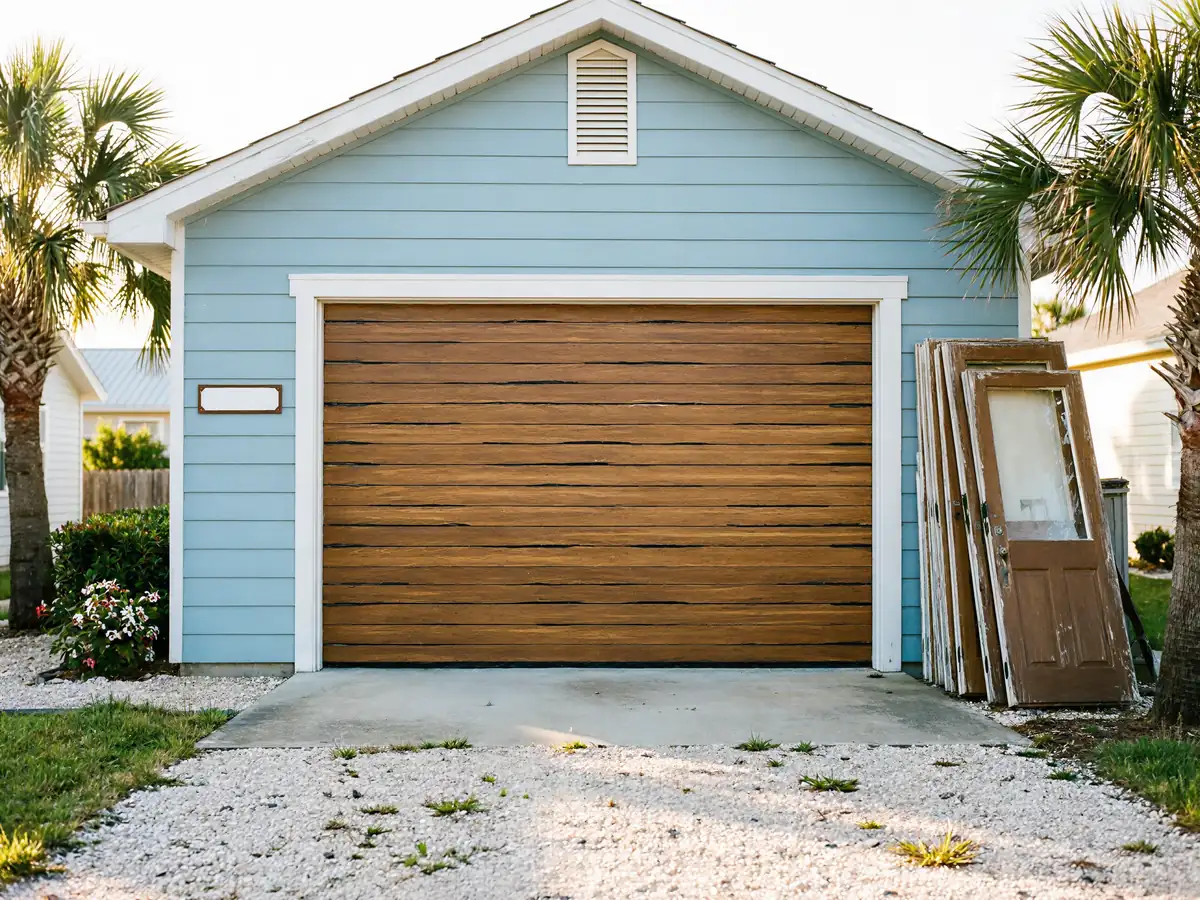
This area sits in a mild temperate climate band, which is a break compared to places with hard freeze-thaw cycles - the springs and track here aren't fighting winter contraction. The bigger factor is age. A door and opener installed when a house went up around 1975 is pushing fifty years of cycling on the same springs, same rollers, same cable, even if nothing ever looked broken. Steel panels from that era also tend to be thinner single-layer construction, which dents and sags under its own weight once the reinforcing strut starts to flex. We see more doors retired here for accumulated wear and outdated hardware than for storm damage, which is a different call than we'd make in a place with a harsher climate record.