Doing It Yourself
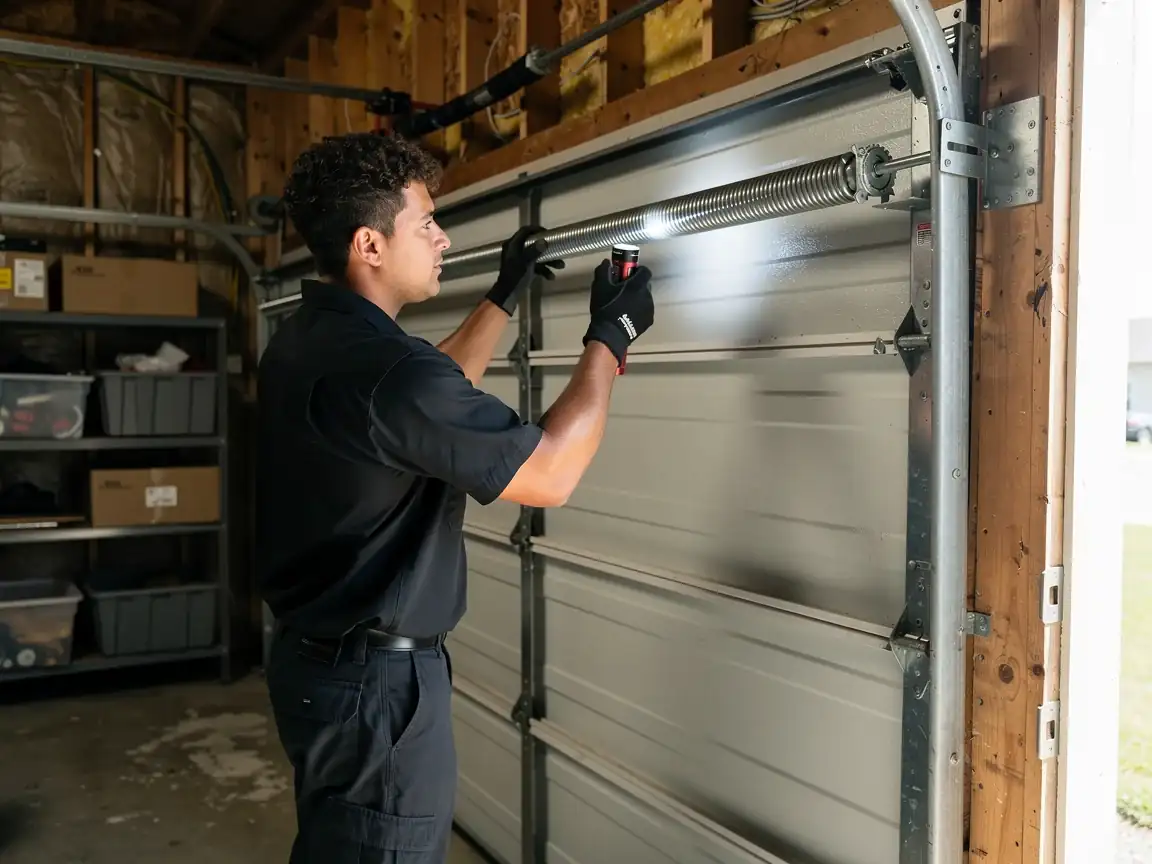
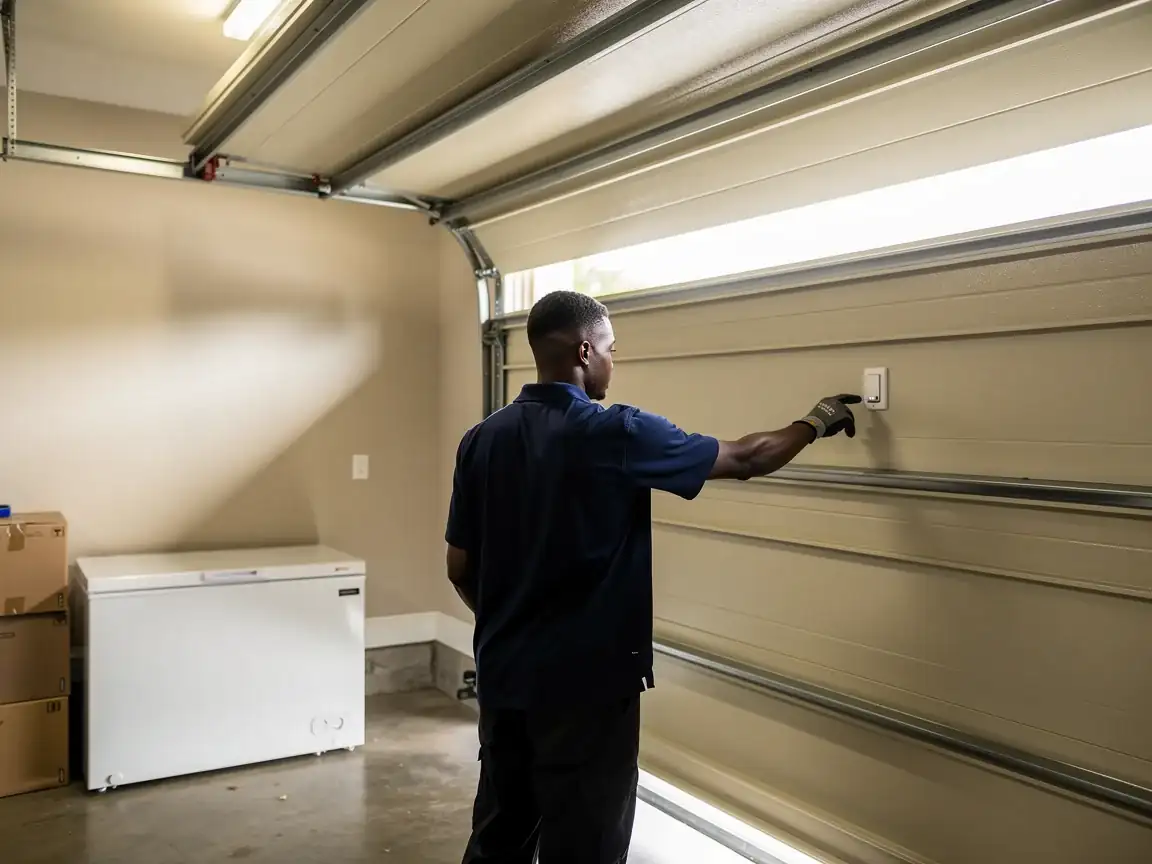
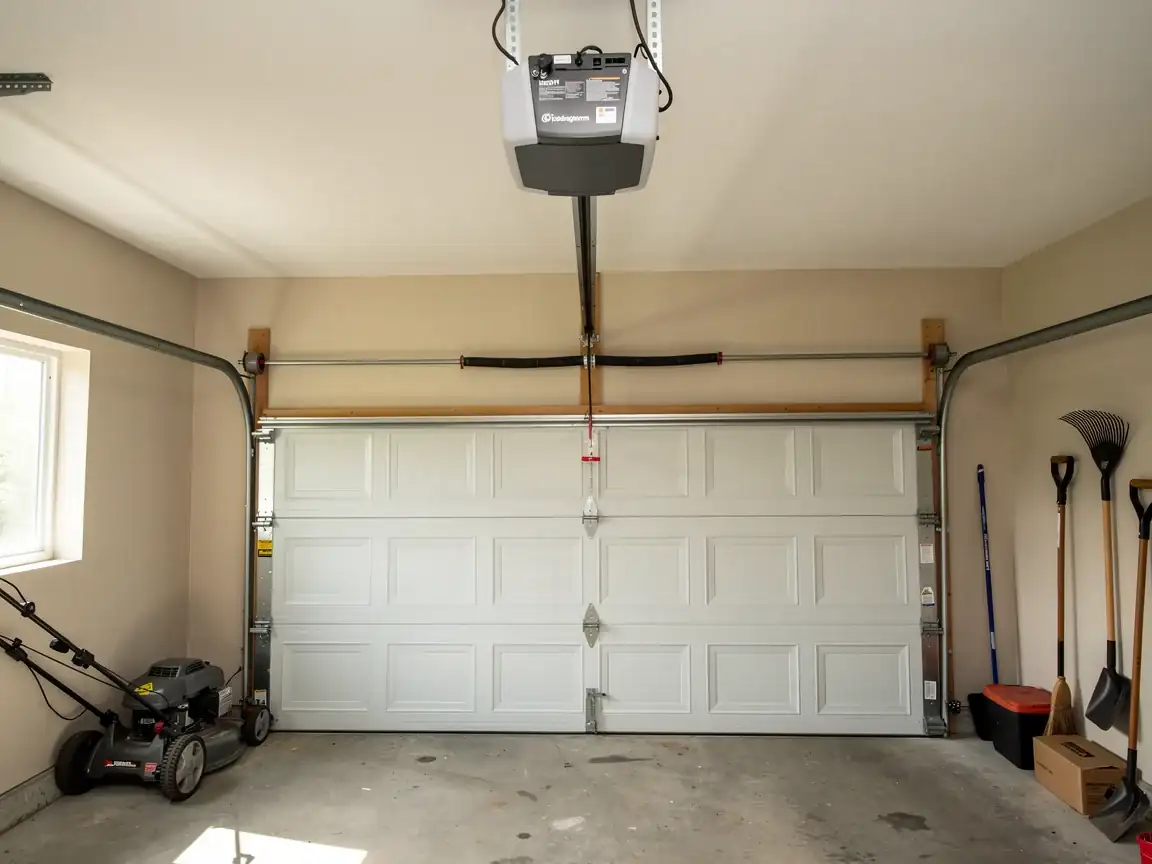
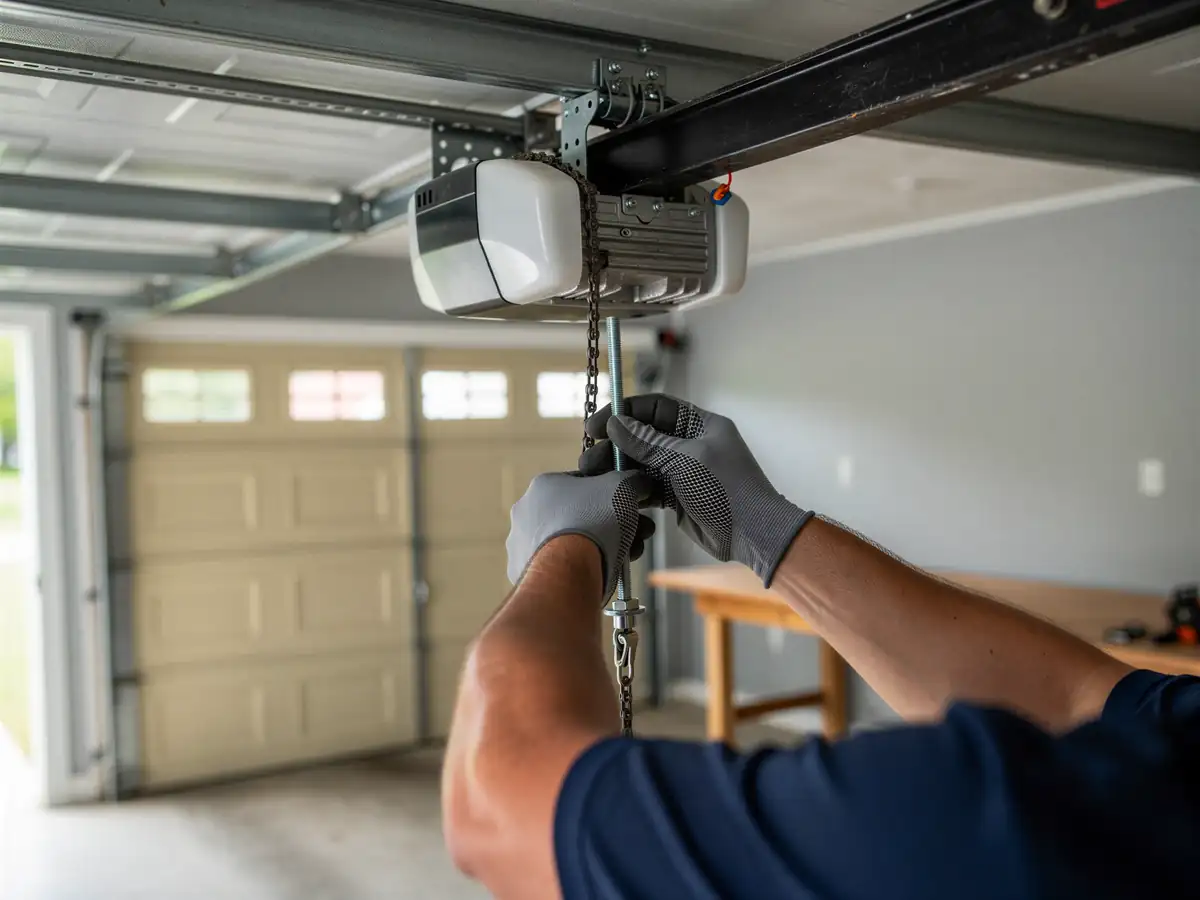
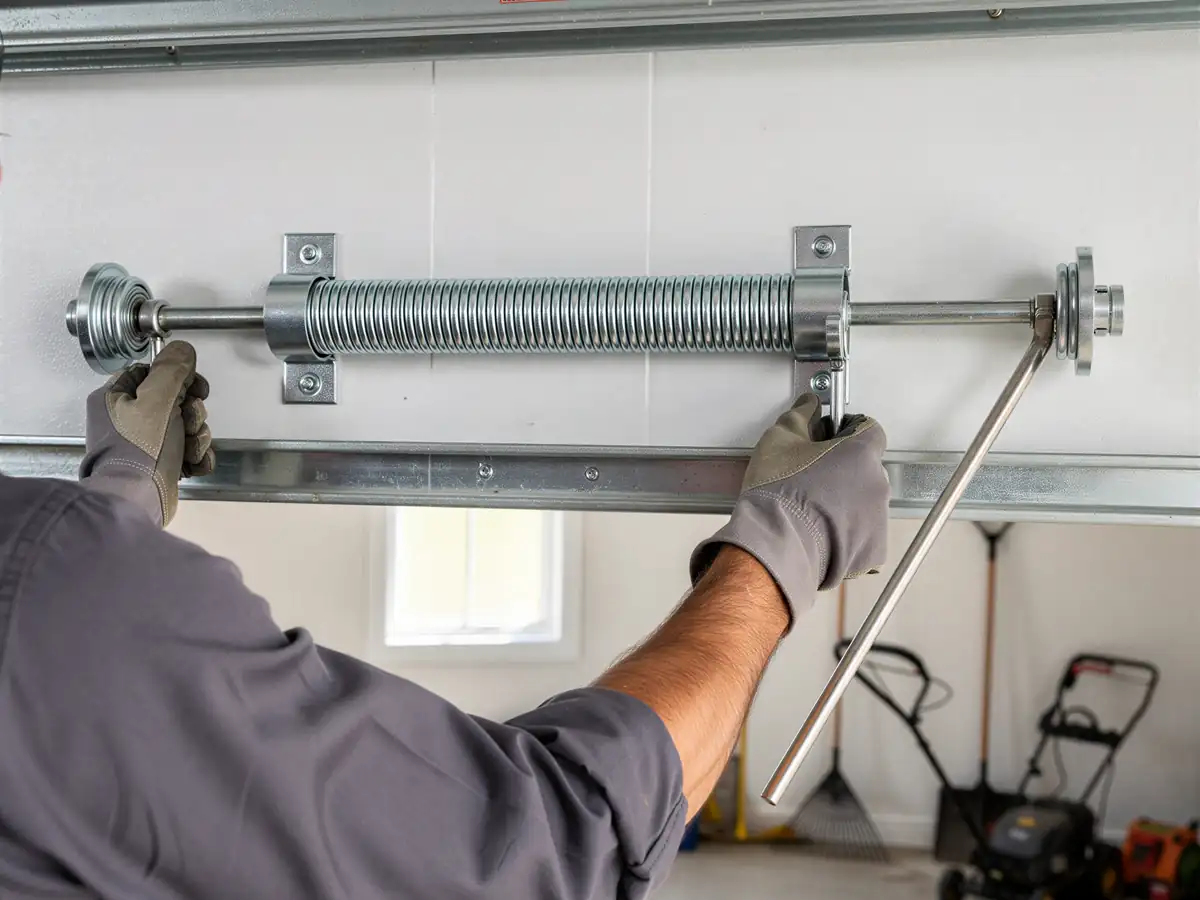
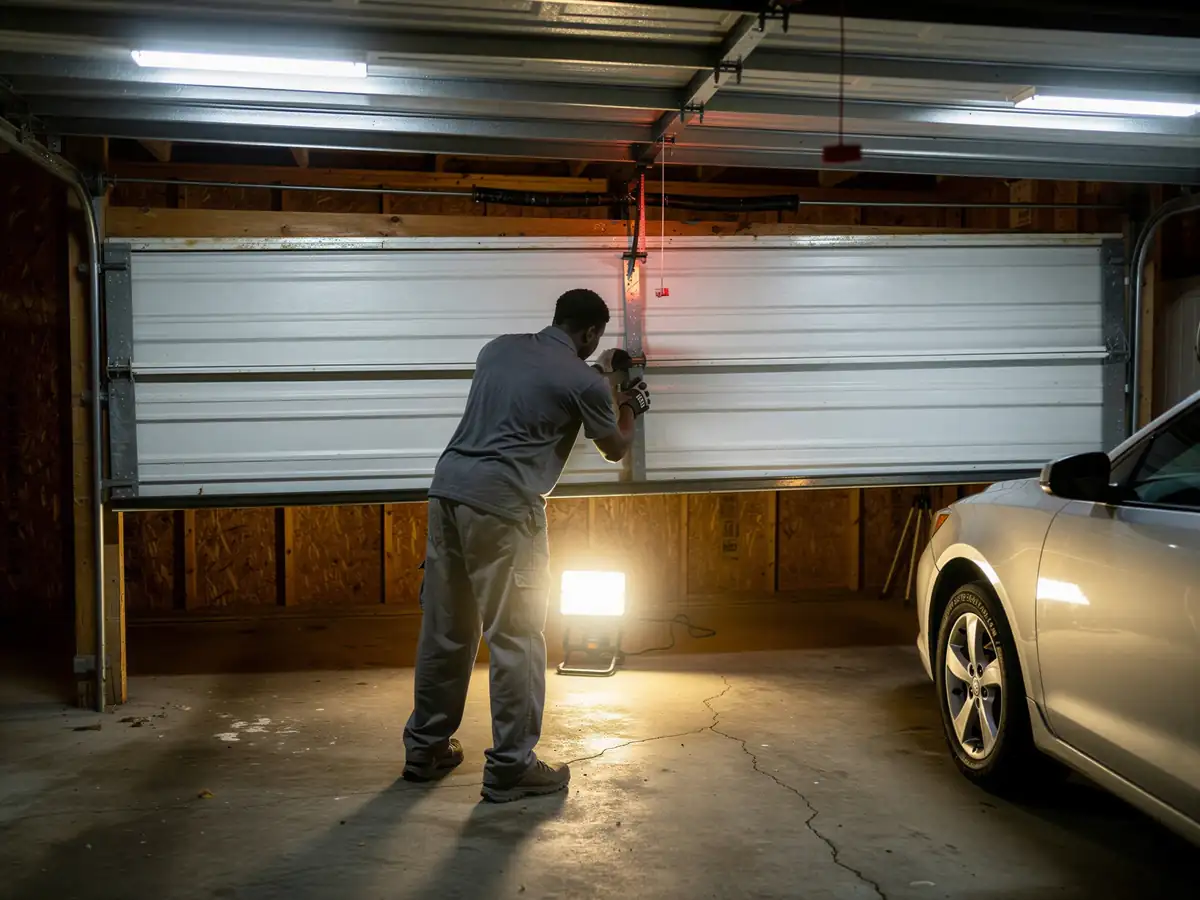
A door that won't open usually comes down to one of three things: a broken spring, an opener that's lost its mind, or a track that's bent enough to bind the rollers. You can safely check the opener's force settings, clear the photo-eye sensors of dust, and tighten loose roller brackets with a socket wrench. What you should not touch is a torsion spring under tension - on a door built around the median construction year here, 1975, that spring and its winding cones have had five decades to fatigue, and a cone that lets go under load can take a finger or worse with it.
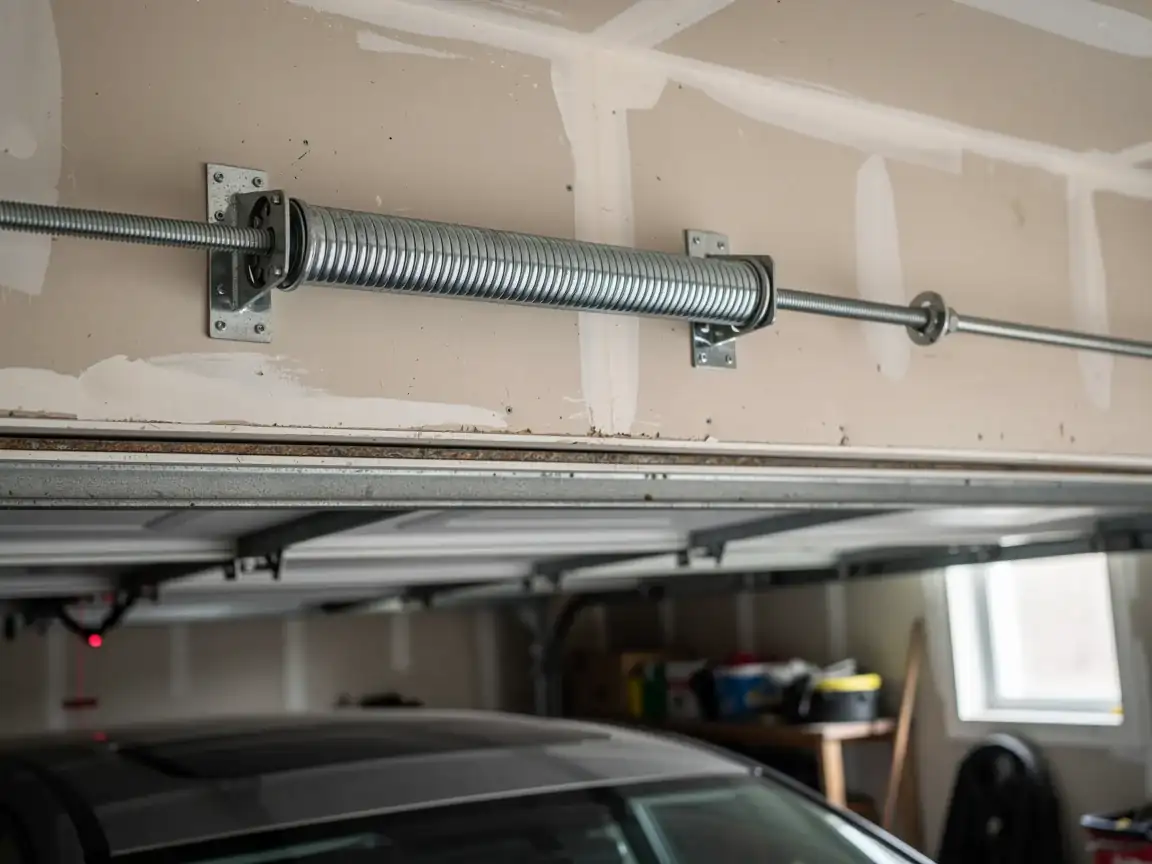
Extension springs are a little more forgiving to inspect but still hold enough stored force to hurt you if a cable has frayed. If your door came with the house and you don't know when the springs were last replaced, assume they're original or close to it and call rather than crack the winding bars yourself. This is the one honest limit we'll put in writing: spring work on an unknown-age system isn't a do-it-yourself afternoon, no matter how many videos make it look easy.
What the Fix Involves
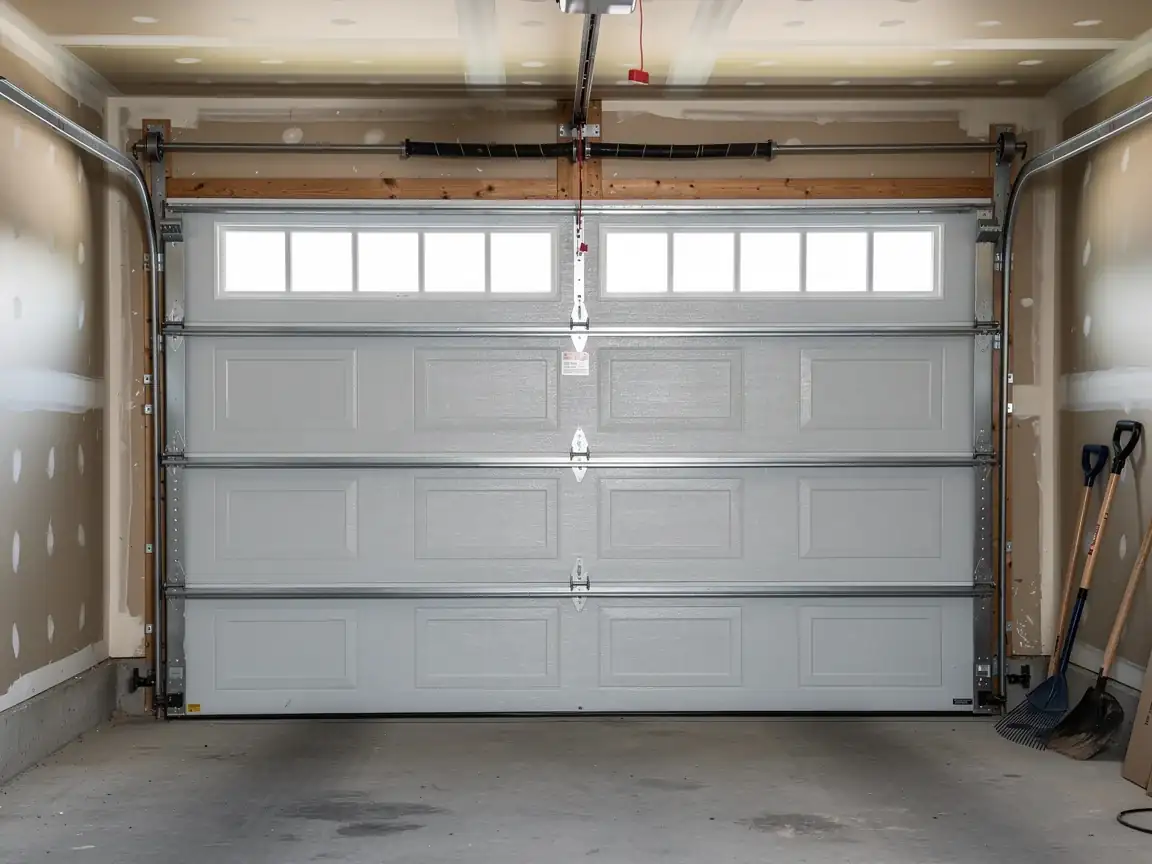
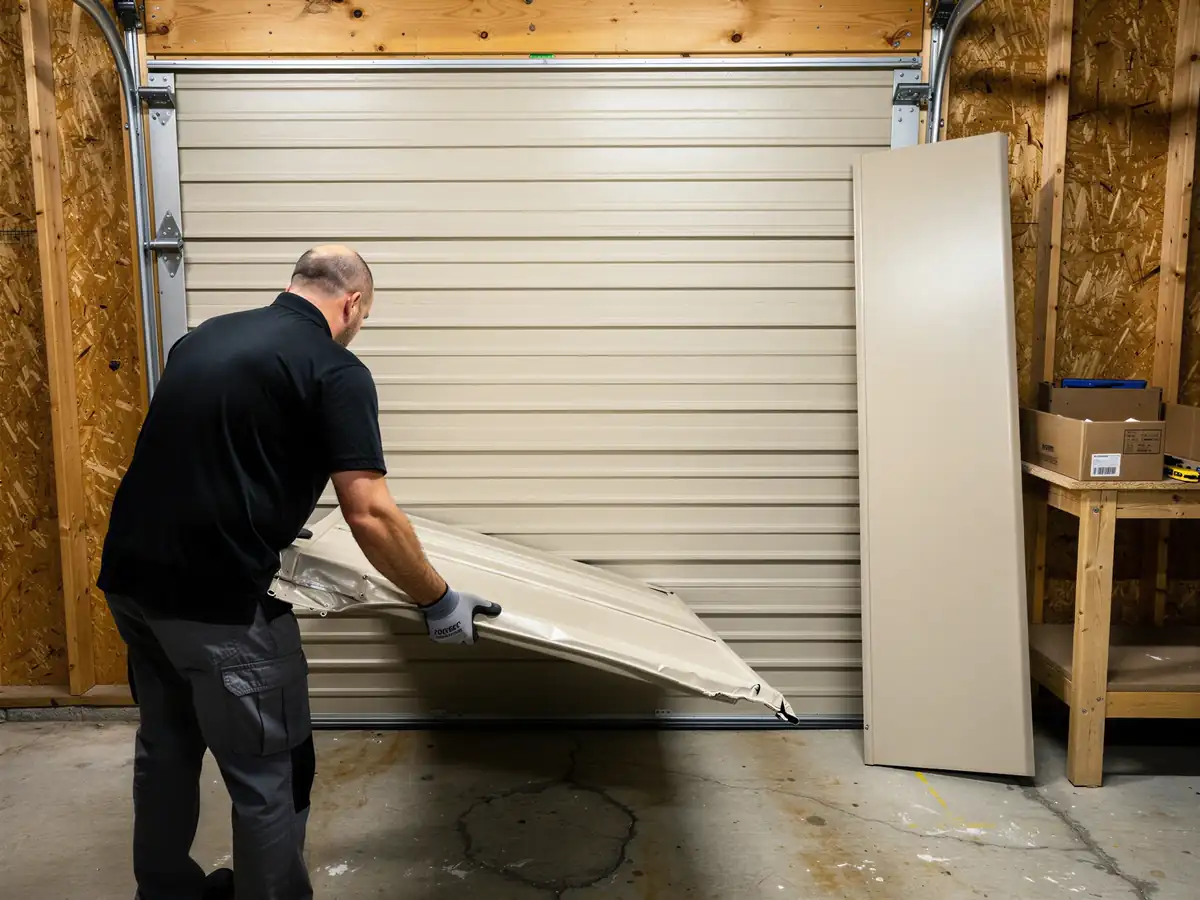
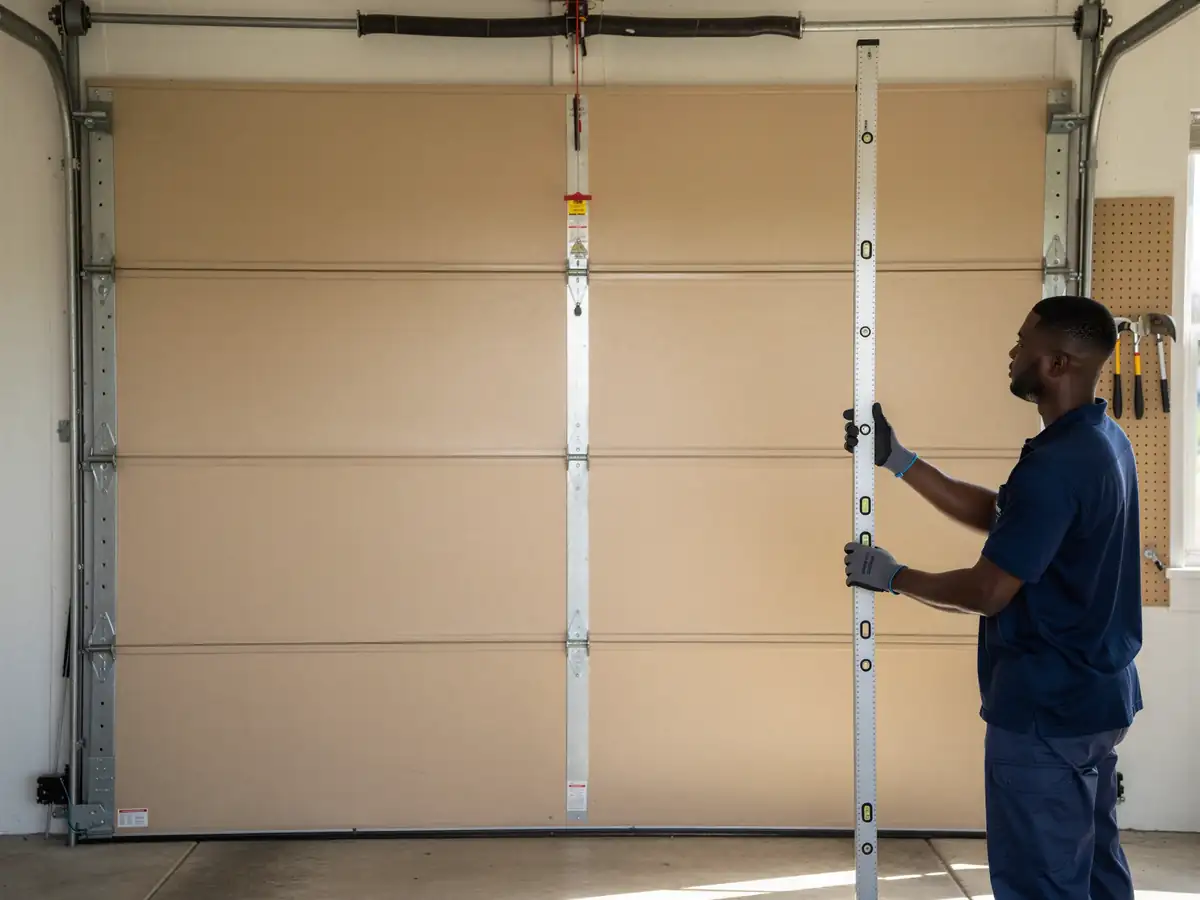
On a house built in the mid-1970s, the fix usually starts with figuring out whether the track and spring system still match the original door weight, because a lot of these doors have been swapped once already for a heavier insulated panel without anyone upgrading the torsion spring to match. We measure the door, check the drum and cable sizing, and confirm the opener's lift capacity before touching anything, since putting a new spring on old track geometry just moves the failure point somewhere else.
Mild coastal temperatures mean we're rarely dealing with ice-stiffened hardware or frozen tracks the way a colder climate would see, so most of what we find is mechanical wear and age rather than weather shock. That's a small mercy, but 50-year-old steel track and galvanized hardware still stretch, rust at the welds, and lose their factory alignment regardless of climate. The repair itself is usually a spring swap, cable replacement, or track realignment - a full door replacement only comes up when the panel itself has delaminated or the frame has shifted enough that realigning track won't hold.
What You Pay
We don't post a flat price here because a spring job on a single door and a full opener replacement aren't the same call
And quoting one number for both would be misleading. What we can tell you is what changes the price: whether it's one spring or a matched pair, whether the drums and cables need replacing alongside the spring, and whether your opener is original equipment or already a later replacement with different mounting hardware.
Satellite Beach's median household income runs well above the wider Melbourne service area
And we've found that homeowners here are more likely to ask for the higher-cycle commercial-grade spring upgrade instead of the standard replacement, since the extra cost is small against a job that otherwise has to be repeated every several years. We'll give you the actual number after we've looked at the door, not before - anything else is a guess dressed up as a quote.
Stocked Parts
Our truck carries the torsion and extension spring sizes that cover most of the housing built from the 1960s through the 1970s across this area, which is the range that includes the bulk of Satellite Beach's homes. Standard rollers, cables, and hinges for that era's track systems are stock items, so most spring and cable jobs get finished in one visit.
Where we run into a wait is less common original hardware - certain drum sizes or a discontinued opener model that the manufacturer no longer makes parts for. On those we'll tell you straight that it's a special order rather than pretend we can pull it off the truck. It doesn't come up often on a 1975-median neighborhood, but it happens, and we'd rather say so than have you wait around for a part we don't actually have.
What Causes It Around Here
With a median construction year of 1975, most garage doors in Satellite Beach are running original or first-generation-replacement torsion springs rated for a cycle count that maxed out years ago. Springs are rated in open-close cycles, not years, and a door that's been opened twice a day for fifty years has used up several times the life of a standard spring regardless of how well it looks.
The mild temperate climate here means we don't see the freeze-thaw cracking that stiffens tracks in colder regions, so when something fails it's almost always fatigue rather than weather damage - metal that's simply done its job too many times. Across roughly 4,219 households in this particular suburb, that means a steady, predictable pattern of spring failures tied directly to the age of the housing stock rather than to storms or cold snaps.
How It Shows Up
The most common first sign is a door that won't budge and an opener that hums or clicks without moving the panel
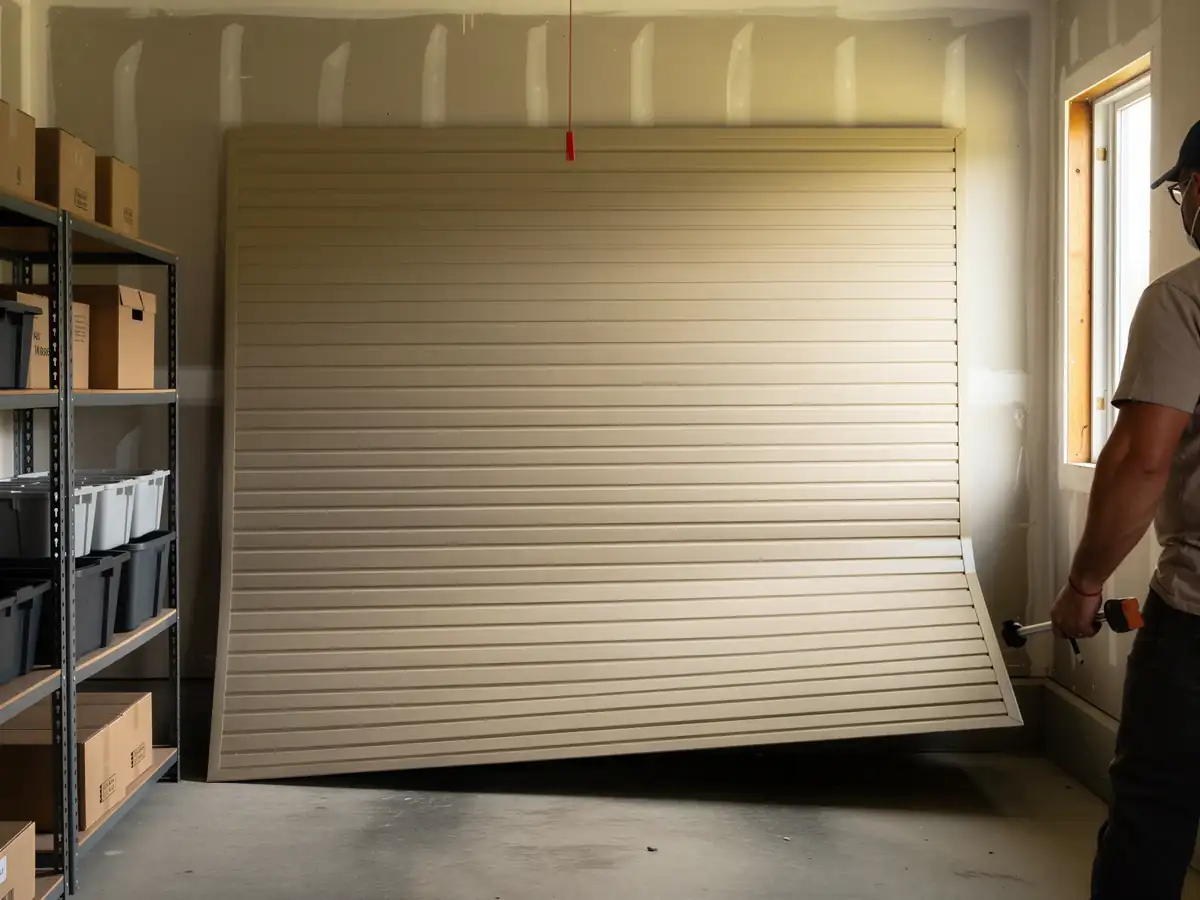
That's almost always a broken torsion spring, since the opener physically can't lift the door's full weight without spring assistance. A door that opens unevenly, with one side dropping lower than the other, usually points to one spring on a two-spring system letting go while its pair holds.
A loud bang from the garage followed by the door refusing to open is as close to a textbook spring failure as this trade gets
Grinding or scraping sounds during travel, instead, usually mean a bent track or worn rollers rather than a spring problem. If the door reverses partway through closing on its own, check the photo-eye sensors first - that's an opener safety feature doing its job, not a mechanical fault.