Doing It Yourself
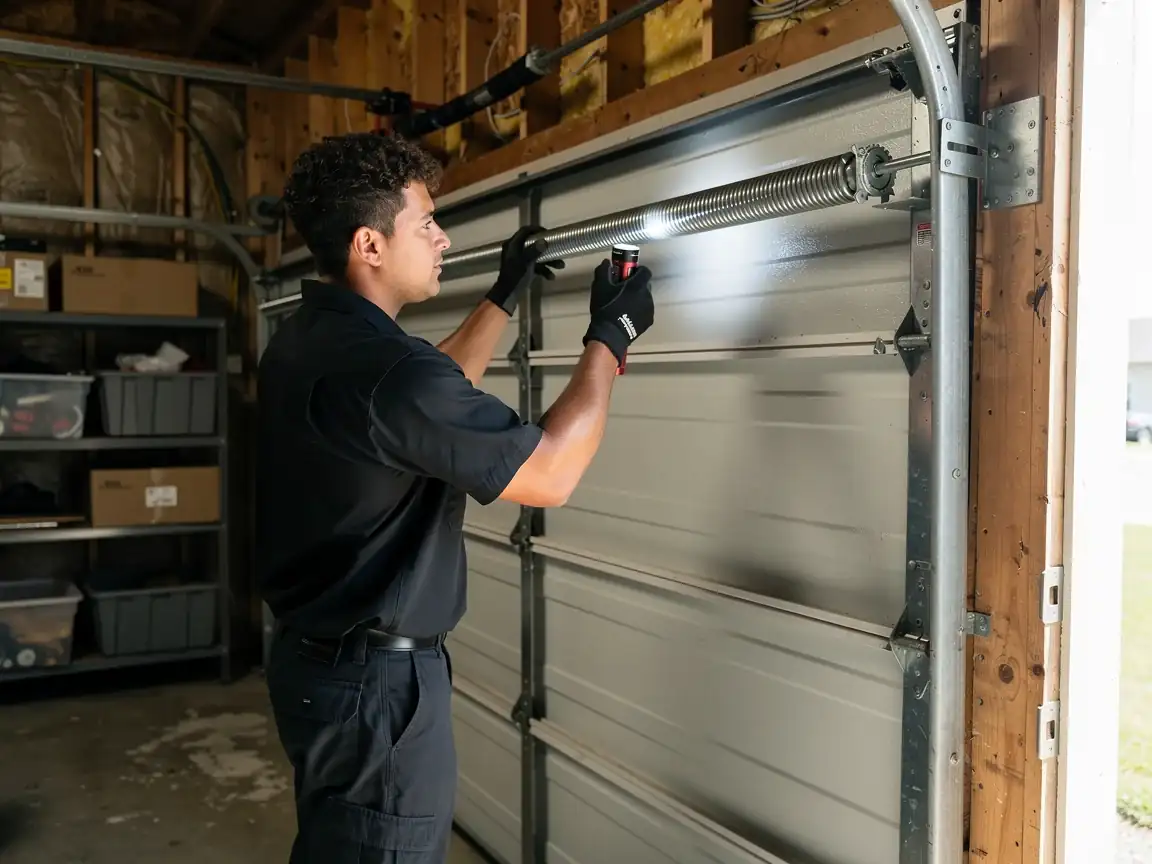
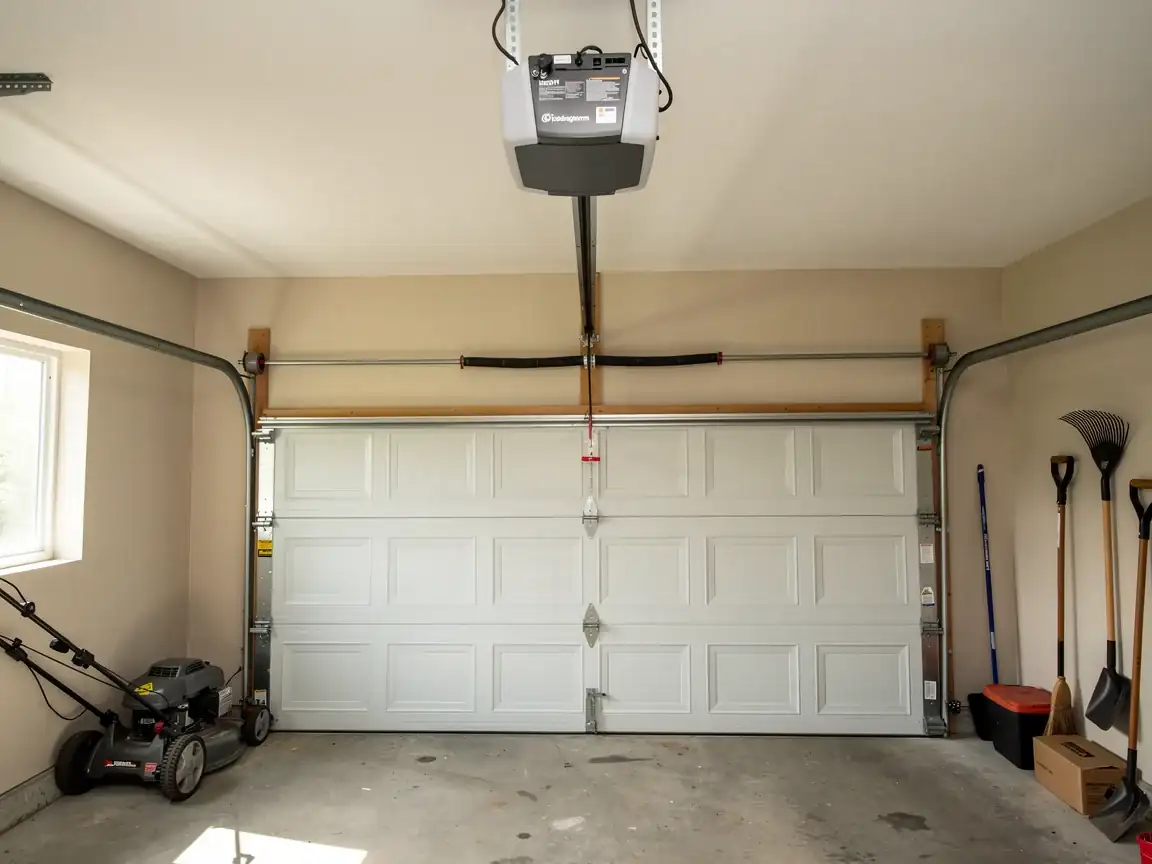
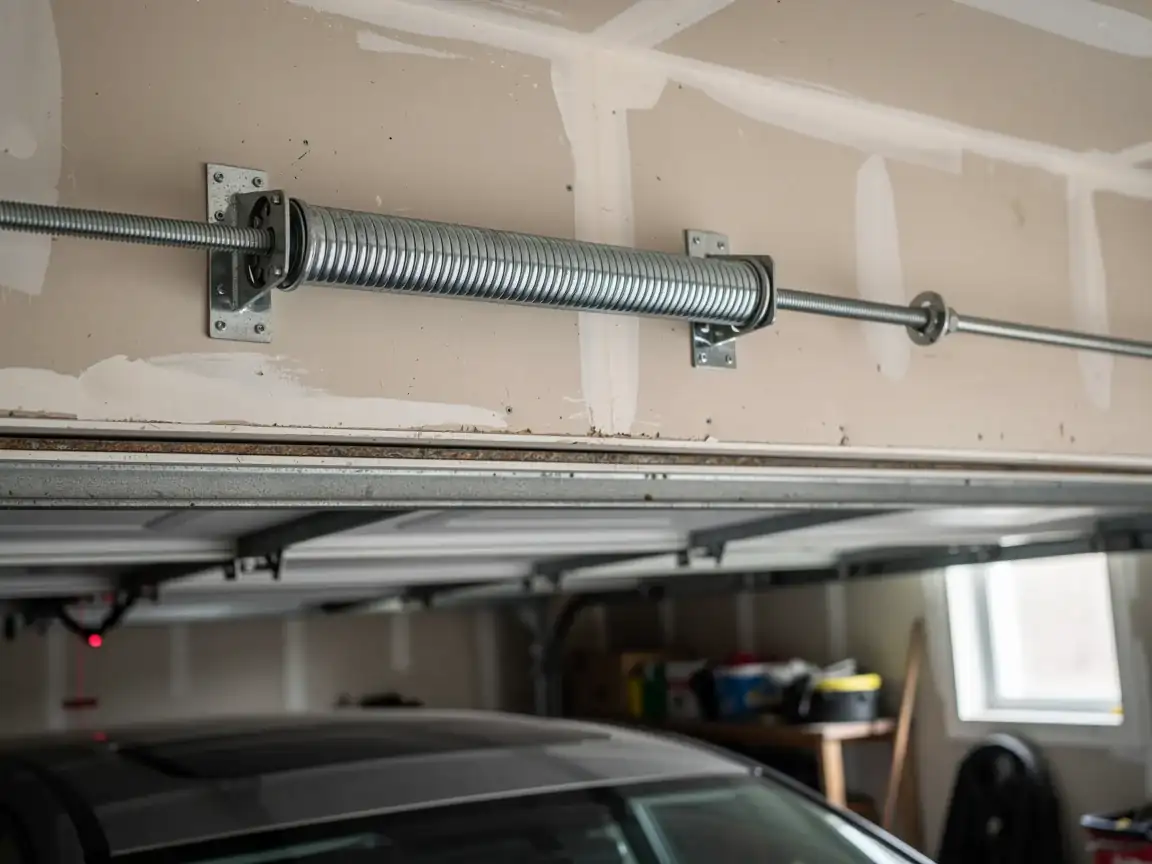
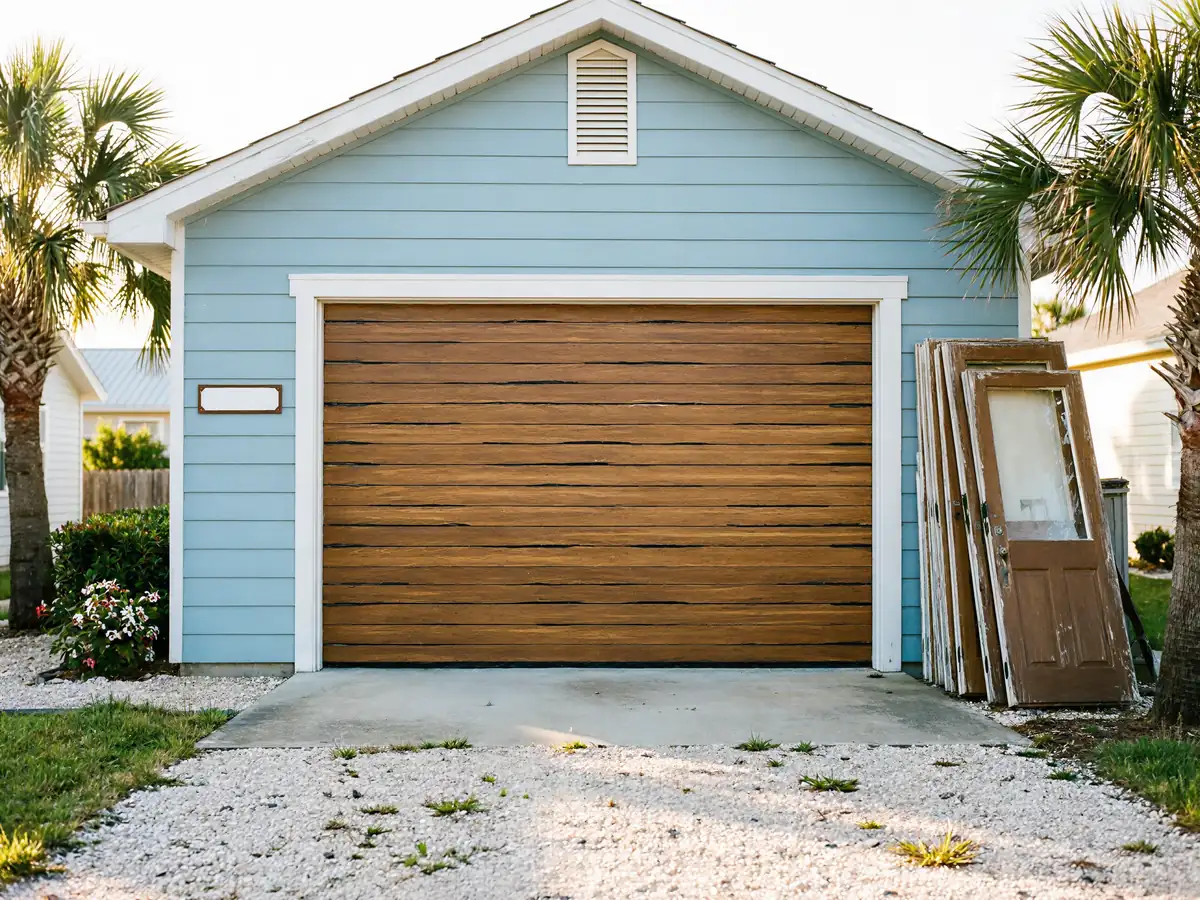
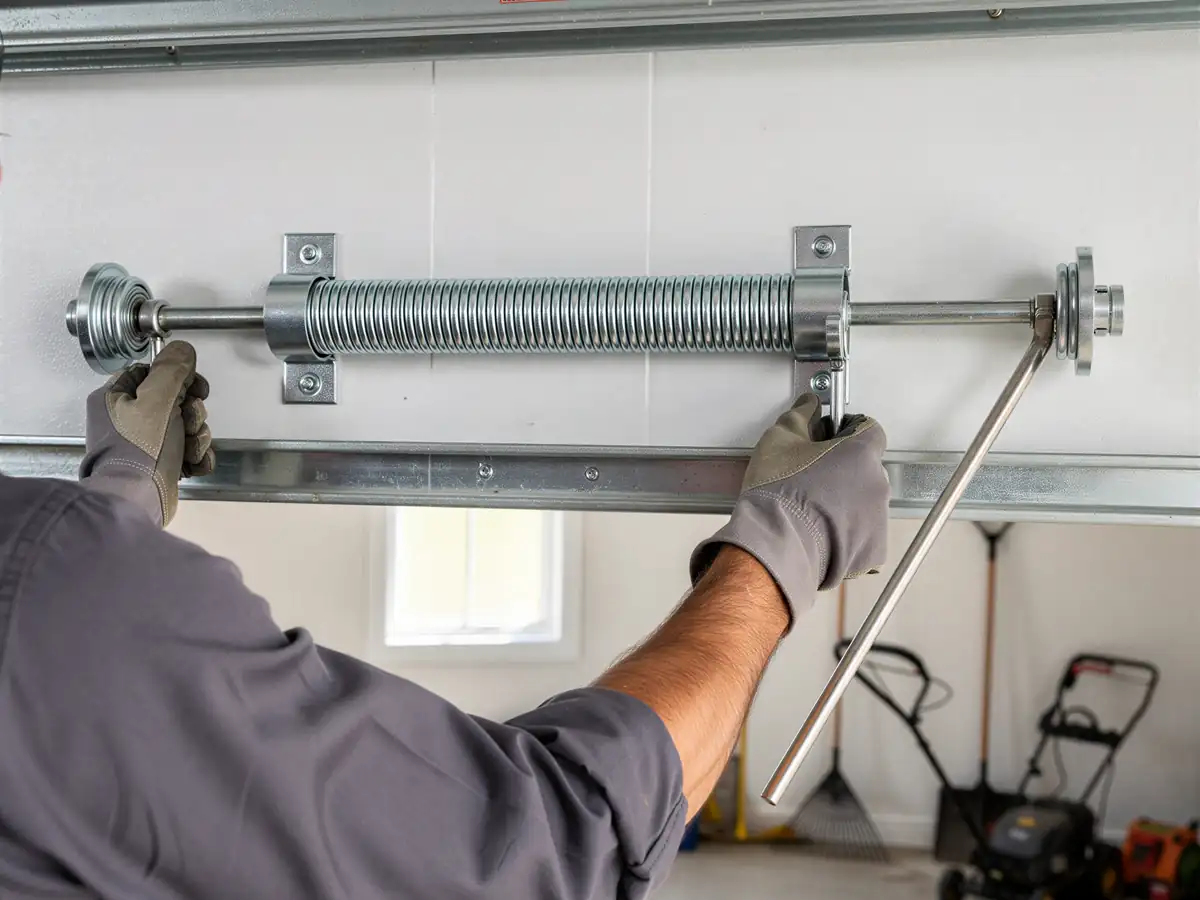
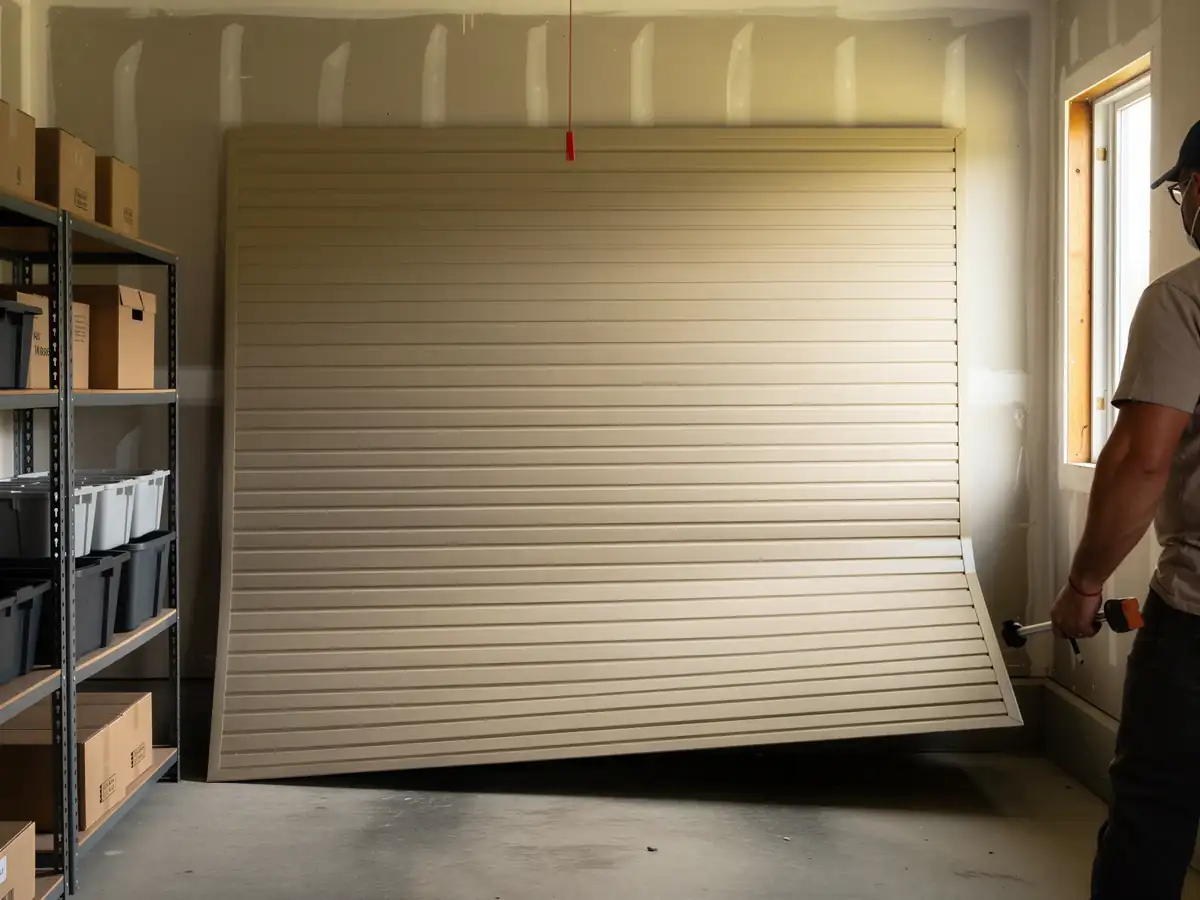
Most of Satellite Beach went up around 1975, and a lot of that original hardware has never been swapped out. If your door is binding, slow, or noisy, you can check a few things yourself before calling anyone. Pull the release cord and move the door by hand - if it's heavy or uneven, the springs are tired and that's not a DIY fix. You can also look at the rollers for cracking and check that the track bolts haven't worked loose, which happens on hardware this old. What you shouldn't touch: torsion springs under tension, and anything involving the cable drums. That's where people get hurt, and it's also where a fifty-year-old spring can let go without warning. If the door came with the house, assume the spring has never been replaced and treat it as due. We're honest that a lot of these calls end with us replacing parts rather than adjusting them - at this age, adjustment only buys a little time.
What the Fix Involves
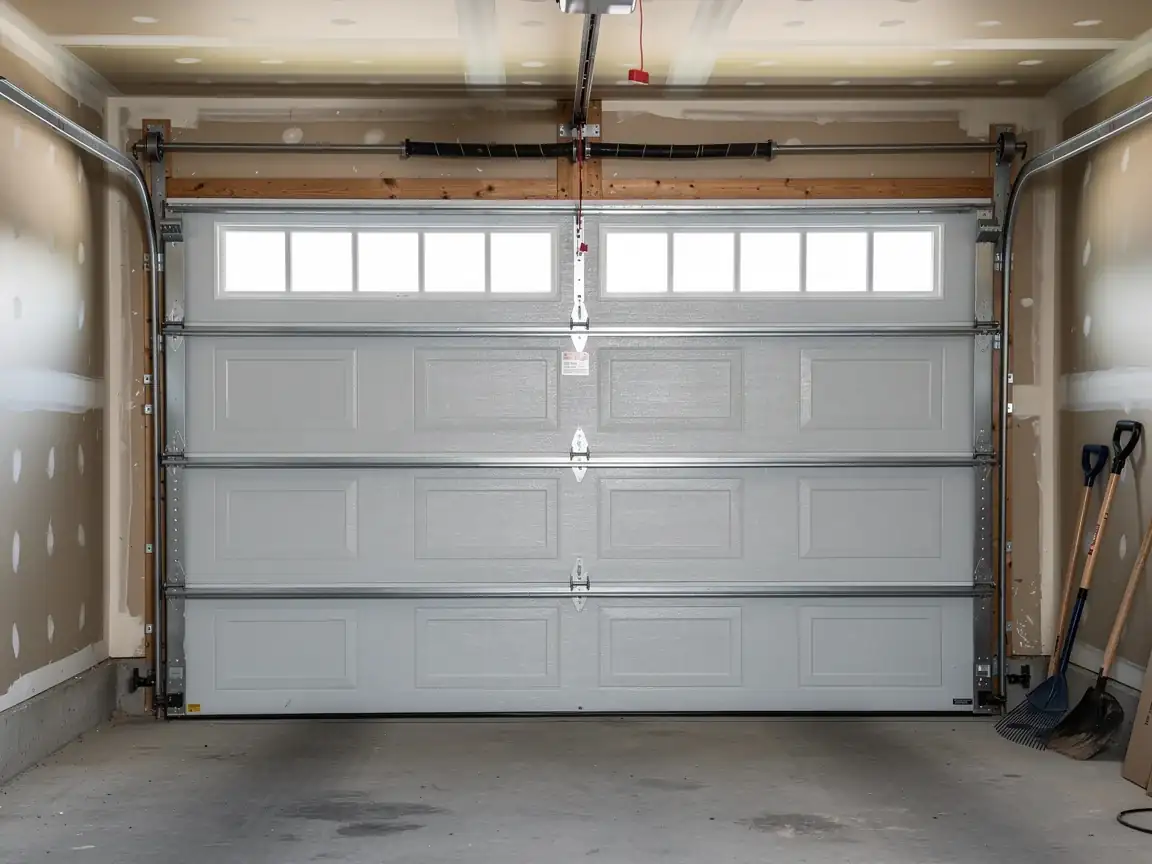
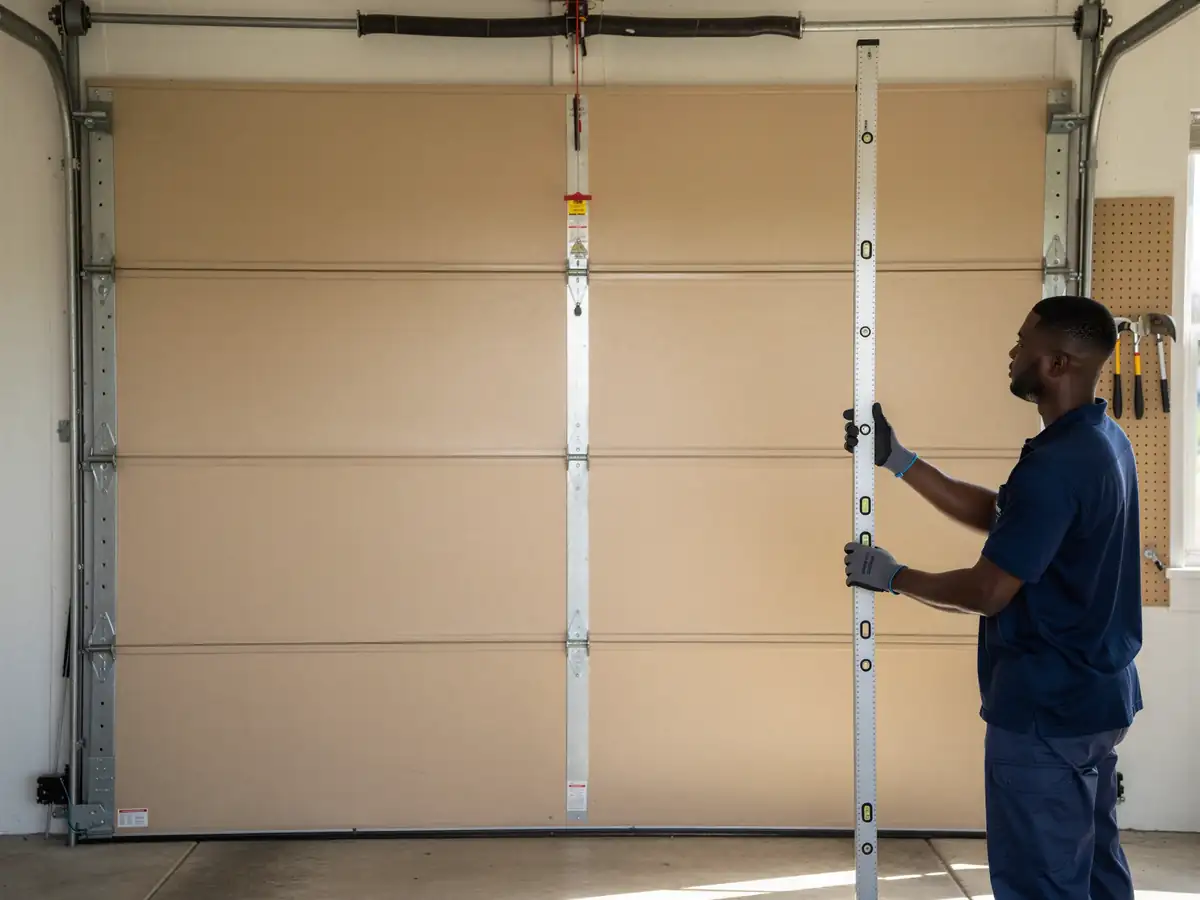
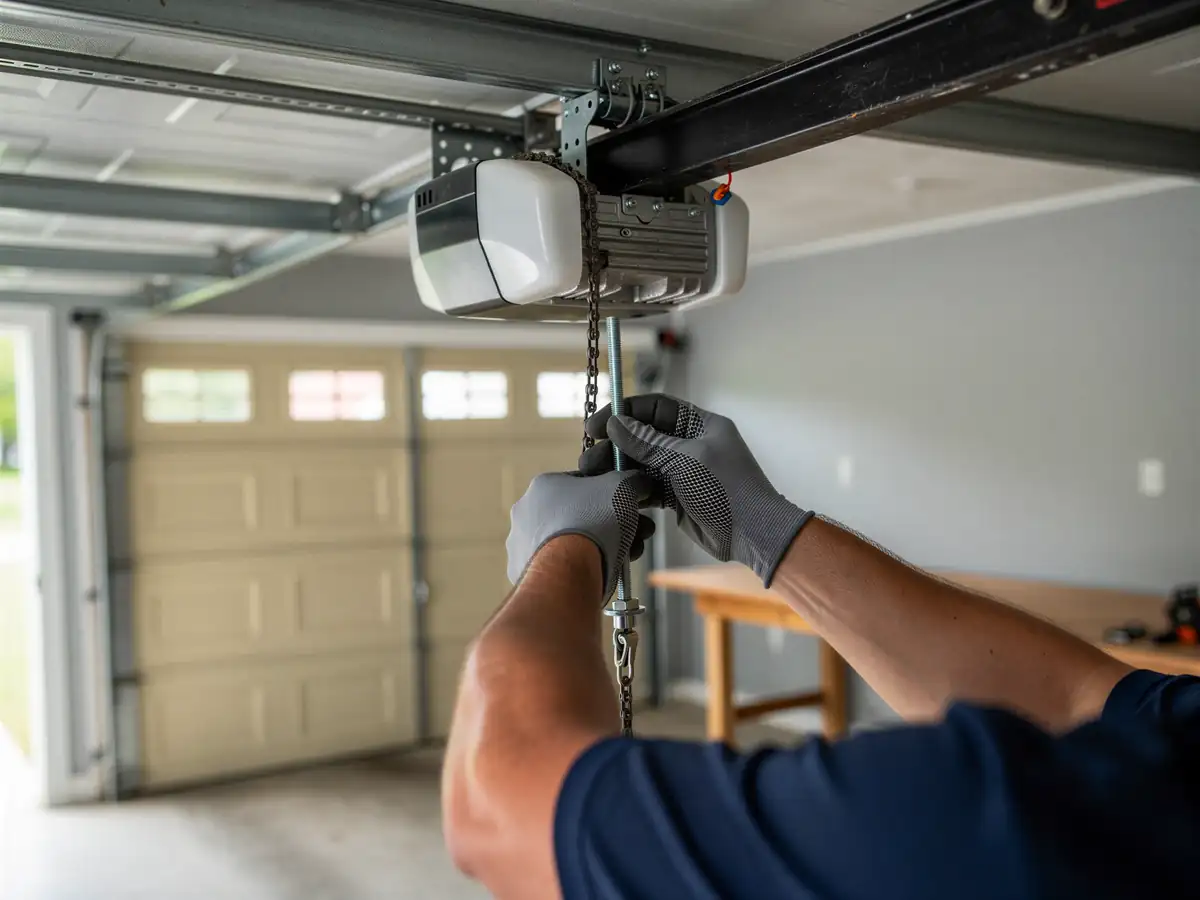
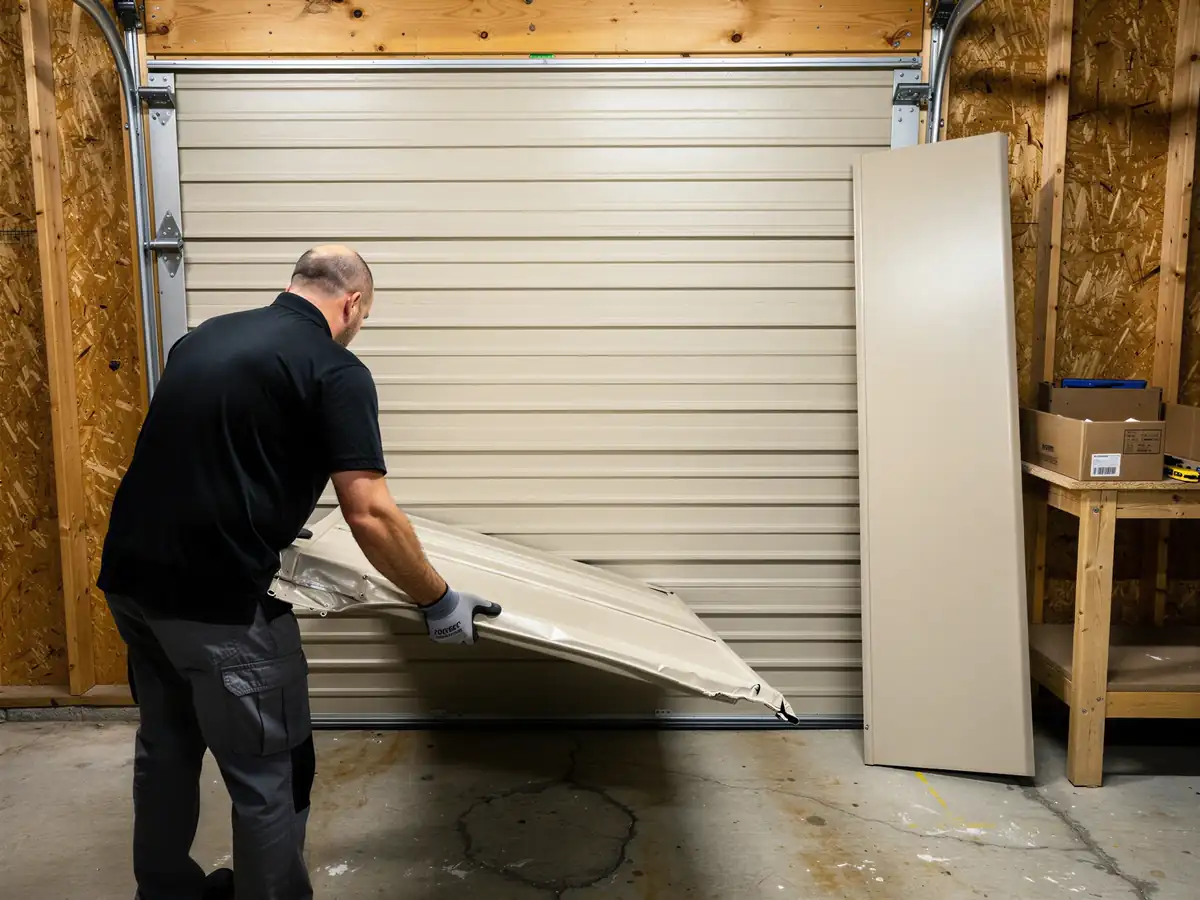
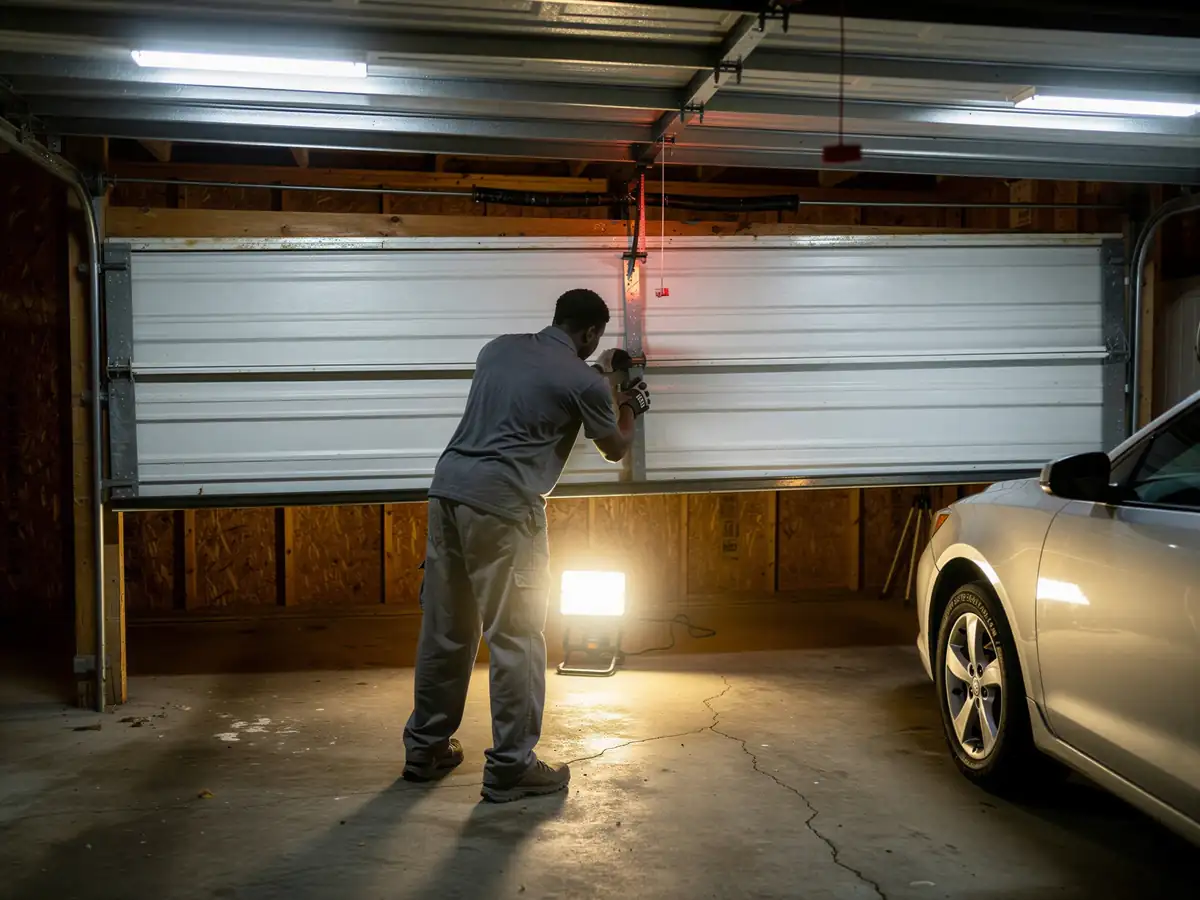
On a door from the 1975 era, the fix usually isn't one part - it's the whole spring and cable assembly together, because they wear at the same rate. We pull the old torsion spring, check the shaft and bearing plates for wear grooves, and replace the lift cables at the same time even if they look fine, since cable left on an old drum tends to fray where you can't see it. Track gets squared and re-anchored if the house has settled, which is common in homes this age. On openers, if the unit itself is original, the gear and sprocket assembly is usually the failure point rather than the motor - we check that before suggesting a full replacement. We don't replace a whole door just because one panel is dented unless the panel is structural or the door won't balance afterward. A straightforward spring and cable job on original hardware is usually a same-visit repair, not a multi-day job.
Stocked Parts
Because so much of the garage door hardware in this area dates to the 1966-2003 building wave, with a median around 1977 across the wider service area, the truck carries springs and drums sized for that era, not just current-production parts. That matters here specifically - a lot of the newer standardized torsion hardware doesn't bolt straight onto a door frame built when Satellite Beach was first platted. We also carry rollers and hinges in both the older steel-on-steel style and the sealed-bearing versions that replaced them, since we see both on the same street depending on whether a prior owner ever did a repair. One limit: some obsolete opener logic boards and specialty panel inserts aren't something we stock, and on those we're ordering rather than fixing same-visit.
What Causes It Around Here
The climate band here is mild temperate, which is gentler on hardware than a lot of the country, but it doesn't stop wear - it just changes what kind. Springs here fail from cycle count and age more than from rust-through, since there's no deep freeze-thaw to crack coatings the way you'd see further north. On a house built in the mid-1970s, that means the spring has likely done its full rated cycle count and then some, quietly, without ever being noticed until it lets go. Openers from that era, where they haven't been replaced, tend to fail at the gear rather than the motor - mild temperatures don't stress the electronics much, but decades of use wear the gear teeth down regardless of weather. We see fewer weather-driven emergency calls here than in harsher climates, and more calls that are simply age catching up with hardware nobody thought to check.