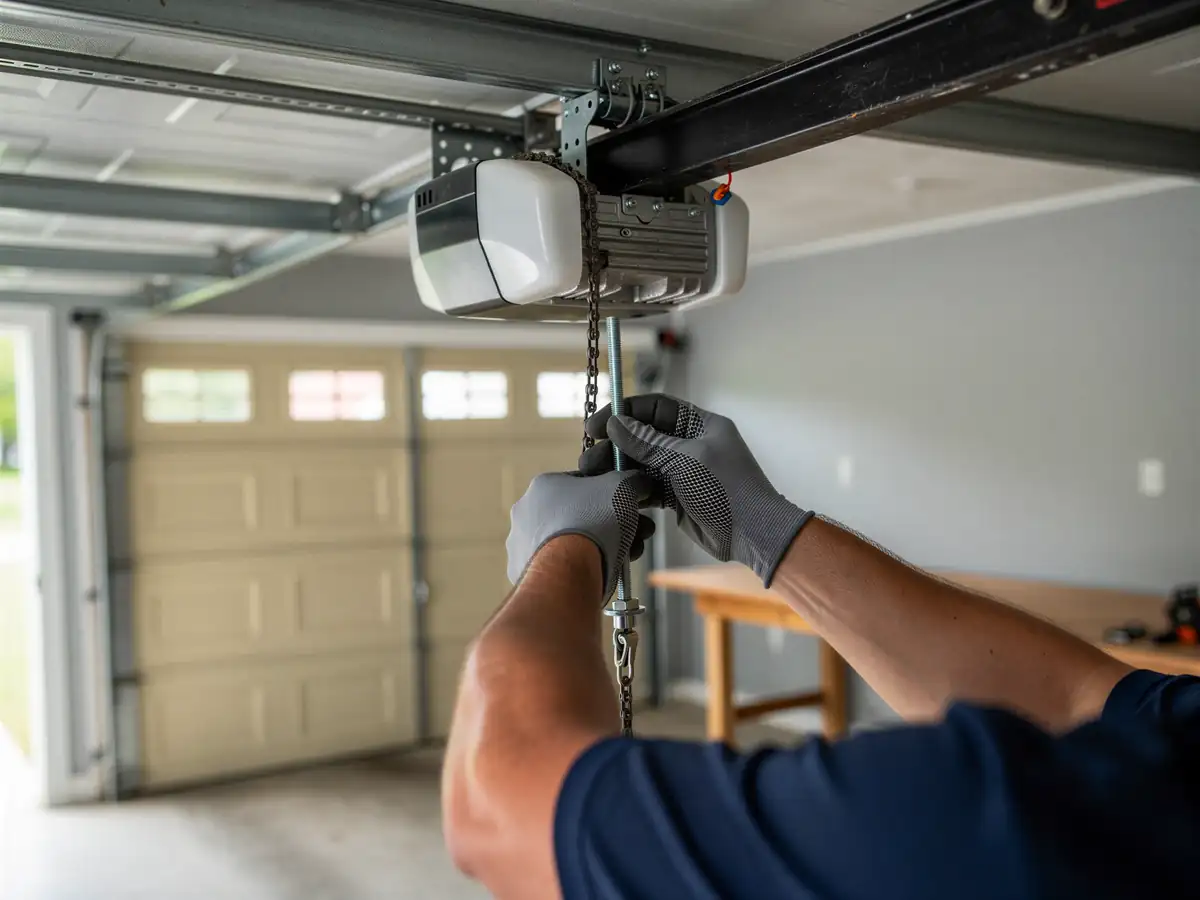
Doing It Yourself
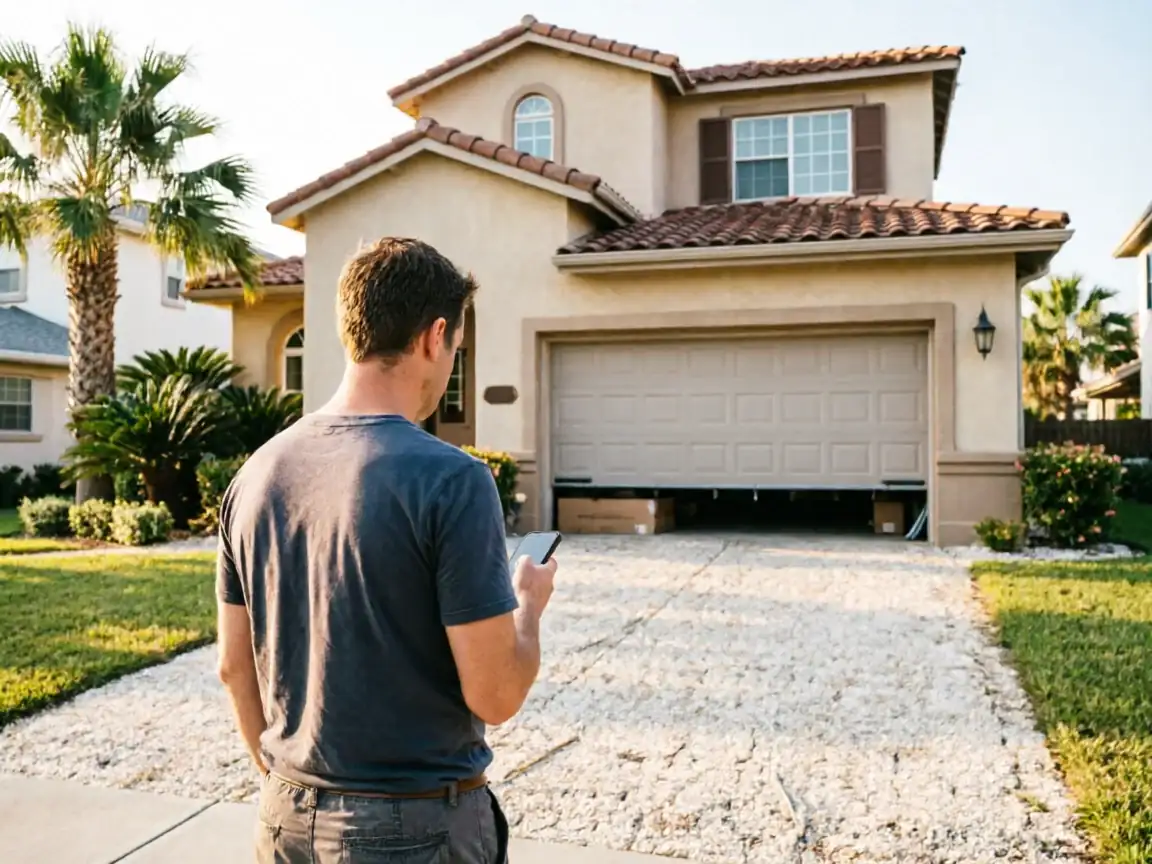
Satellite Beach is small by the numbers - about 4,219 households total, nowhere close to the volume of a big grid. That size works in your favor in one way: most of the houses on this stretch of the coast went up in the same stretch of years, with a median build year of 1975. If your opener is from a home in that generation, chances are the chain drive and the logic board inside it match thousands of others in town, which makes the failure easy to spot once you know what you're looking at.
Where this changes for you as a homeowner: resetting the travel limits, replacing a remote battery, or re-syncing a keypad are jobs you can do yourself with the manual, if you still have it. A dead circuit board, a stripped gear inside the motor housing, or an opener that reverses mid-close is not. Those need the unit open and powered, and working inside a live opener without knowing which wire carries the safety sensor circuit is how people get hurt. We travel to Satellite Beach from Melbourne, 6 miles out, so we don't keep a branch here - but a call gets a truck out with the parts that match your opener's era already on it.
What the Fix Involves
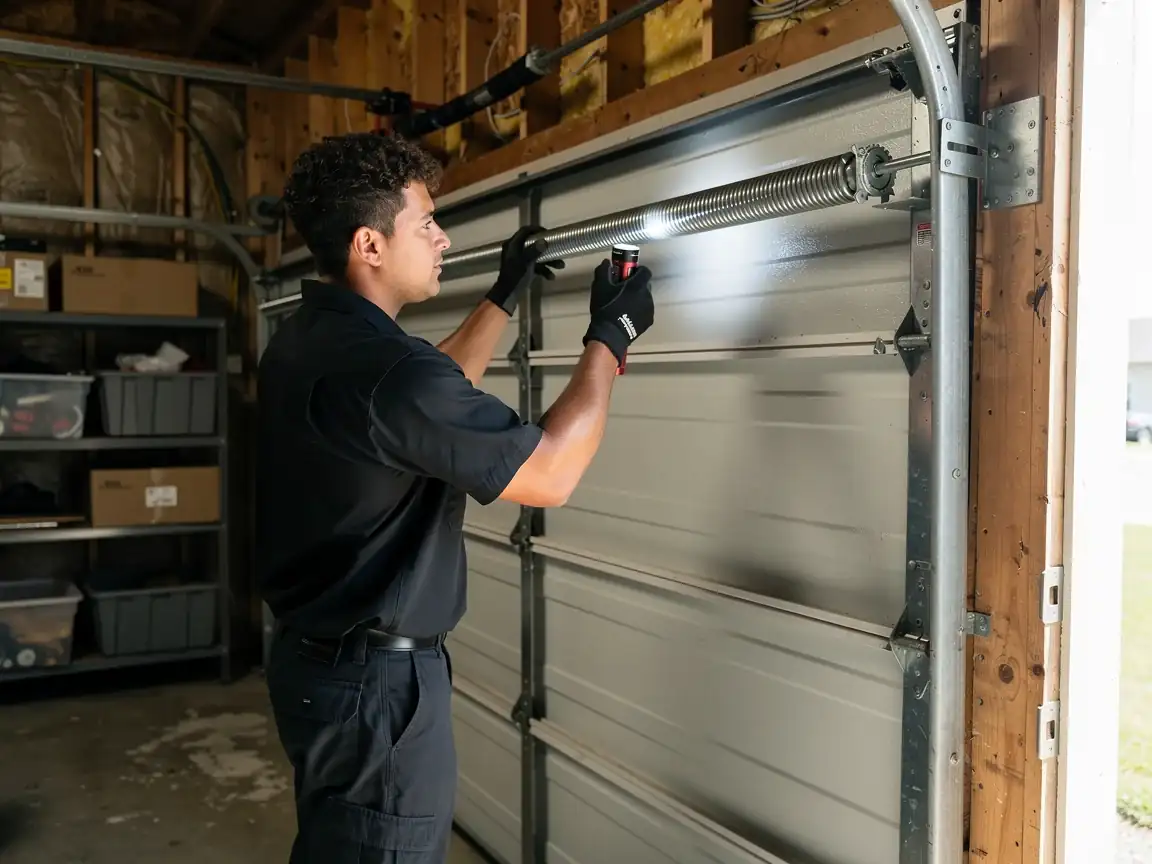
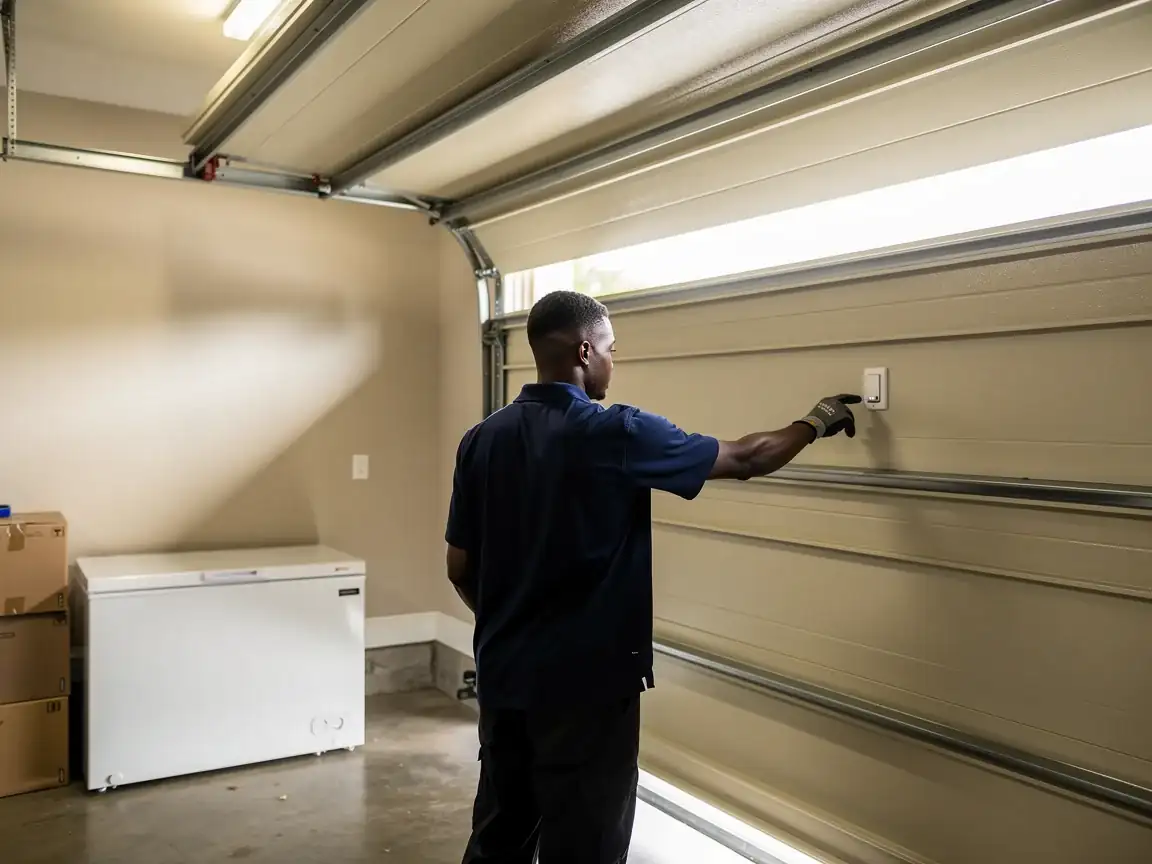
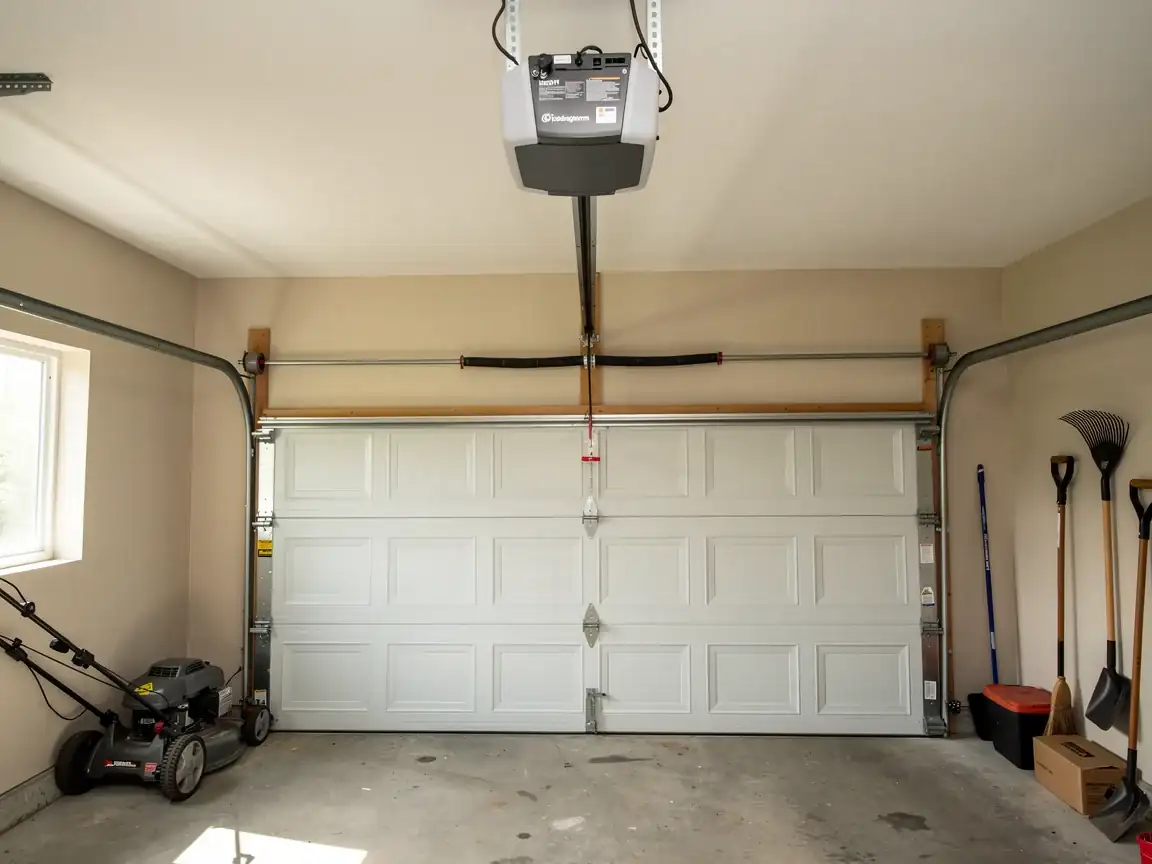
Most opener calls start the same way: we check the wall console, the sensors at the base of the track, and the motor unit itself before anything gets replaced. On a home built around 1975, the usual suspects are a stripped drive gear, a worn sprocket on the chain, or a logic board that's lost its memory of the remote codes. We test the travel limits and the force settings next, because an opener that looks dead is sometimes just miscalibrated after a power flicker.
If the board is bad, we swap it rather than chase a repair on the circuitry itself - these units aren't built to be soldered back to life, and trying usually costs more in labor than the part. Safety sensors get checked for alignment every time, since a door that won't close all the way is almost always a sensor problem before it's a motor problem. The whole diagnostic takes longer than the actual fix, most of the time.
What You Pay
We don't have a published price list broken out by suburb
And we're not going to invent a number for Satellite Beach specifically. What we can tell you: the cost on an opener repair depends on which part failed, not on where you live. A sensor realignment or a logic board swap costs less than a full motor and gear-assembly replacement, and if the unit is old enough that parts are getting hard to source, replacing the whole opener sometimes beats repairing it. We'll tell you which situation you're in before we start any work, not after.
Given the local median household income of $115,684
Well above the $86,305 median across the rest of our coverage area, most Satellite Beach calls skew toward full opener replacement rather than patched repairs - homeowners here tend to ask for the newer unit over stretching an old board's life. That's a pattern we see, not a rule, and we won't push a replacement on you if the repair is the cheaper, sound option.
Stocked Parts
The truck carries drive gears, sprockets, logic boards, and safety-sensor pairs sized for the opener generation that matches the area's housing stock - mostly units installed or replaced on homes built between 1966 and 2003, with Satellite Beach's own median landing at 1975. That covers chain-drive and belt-drive openers from the era most commonly swapped in during the 80s and 90s as houses here got upgraded.
What we don't carry on the truck: boards for openers from before that window, or parts for brands that stopped making replacement electronics years ago. If your opener falls into that category, we'll tell you straight that repair isn't realistic and a new unit is the better call. That's not a sales pitch - it's just where the parts supply chain stopped.
What Causes It Around Here
The climate band here is mild temperate - no deep freezes, no extreme heat swings - which means the motor and gearing don't take the kind of thermal stress that shortens opener life further north. What gets openers around here instead is moisture: humidity working into the logic board's connectors and the sensor wiring over years, especially in units original to a 1970s build that have never been opened up or serviced. Corrosion on a connector pin looks like a dead board from the outside, but it's often just a bad contact.
The other common cause is simpler: age. An opener installed when a house was new in the mid-70s has had decades to wear its gear down, and plastic drive components from that era are more brittle than what's made now. Combine the two - old plastic, slow corrosion - and you get openers that work fine for years and then fail all at once, usually on a day with no warning at all.
How It Shows Up
The most common call we get is an opener that runs but the door doesn't move
That's almost always a stripped gear or a broken drive chain link, not the motor itself. Next most common: a door that closes partway and reverses, which points straight at the safety sensors, especially if one of them has shifted out of alignment. A remote that used to work and suddenly doesn't, with the wall console still fine, usually means a logic board that's lost its memory.
Less common but not rare
An opener that makes the usual motor sound but never engages the carriage, which is a clutch or gear problem inside the housing. If you're hearing grinding rather than a clean hum, stop running the opener - continuing to cycle a stripped gear just means more to replace when the truck gets there.