What Causes It Around Here
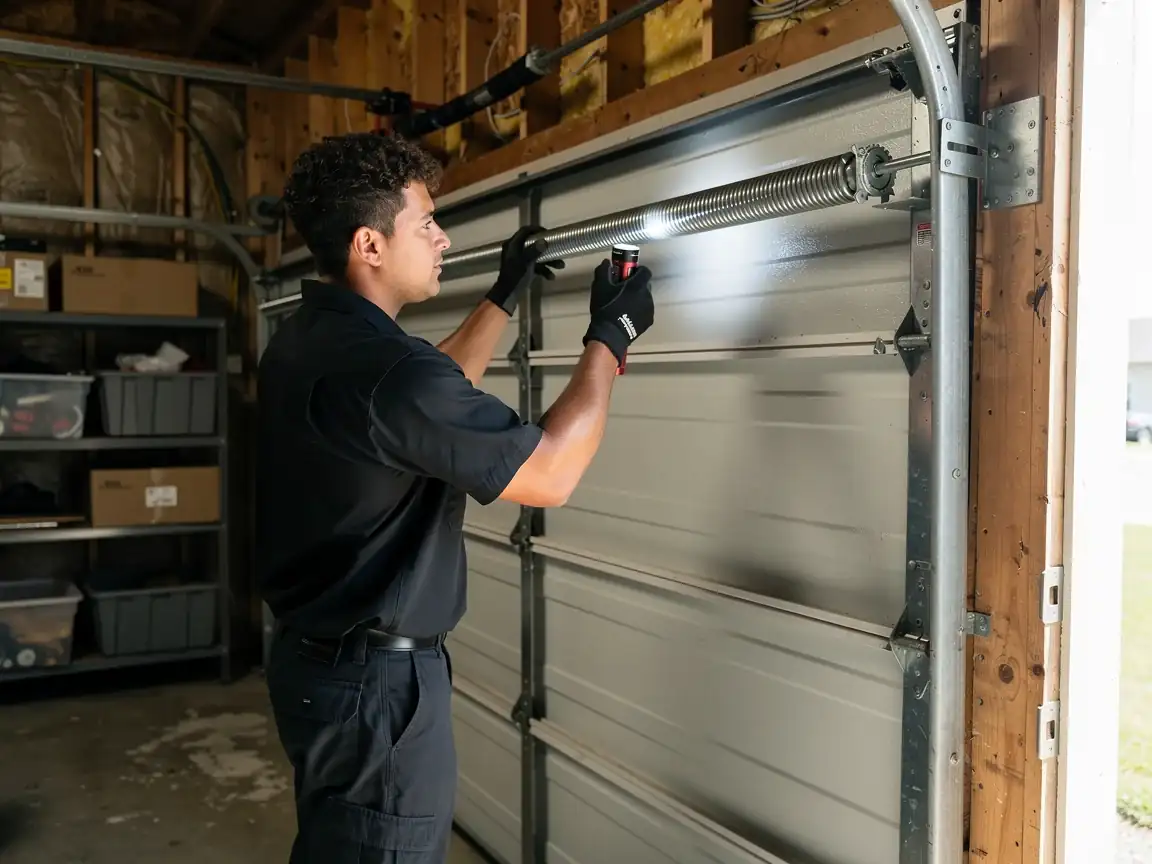
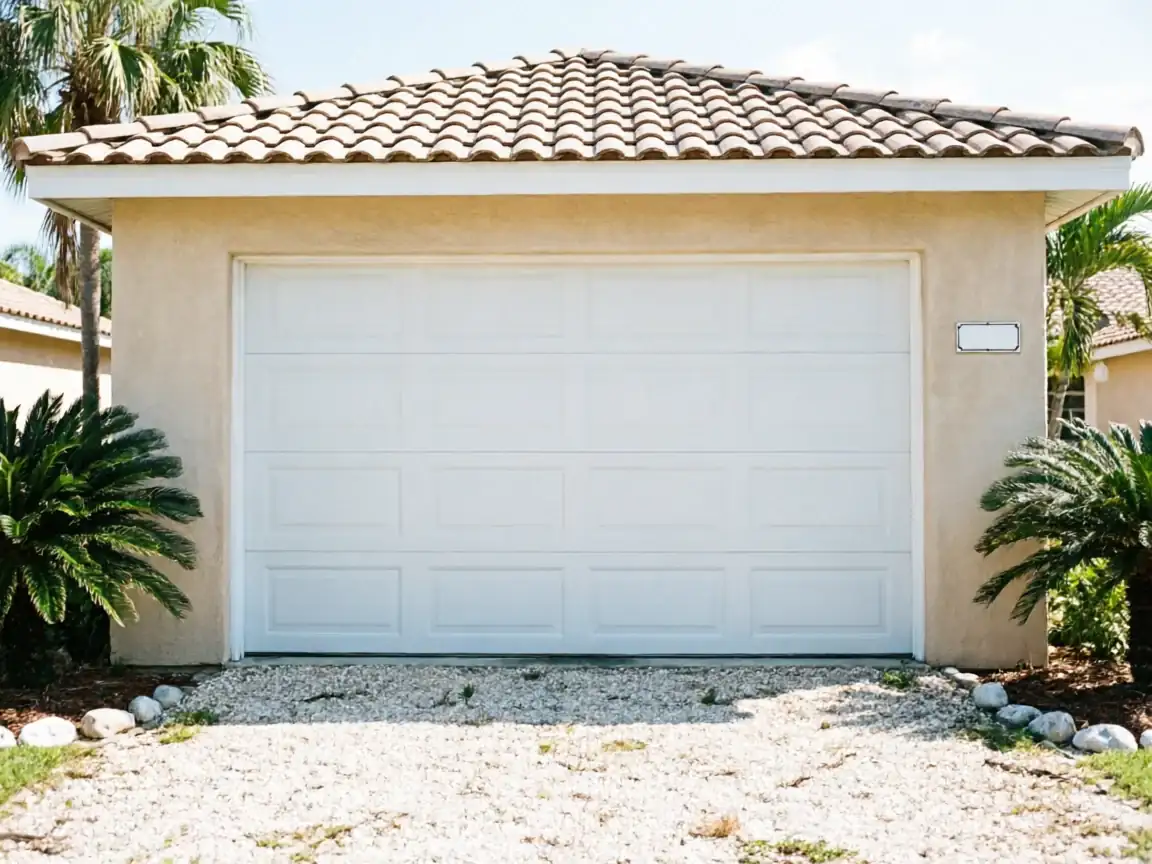
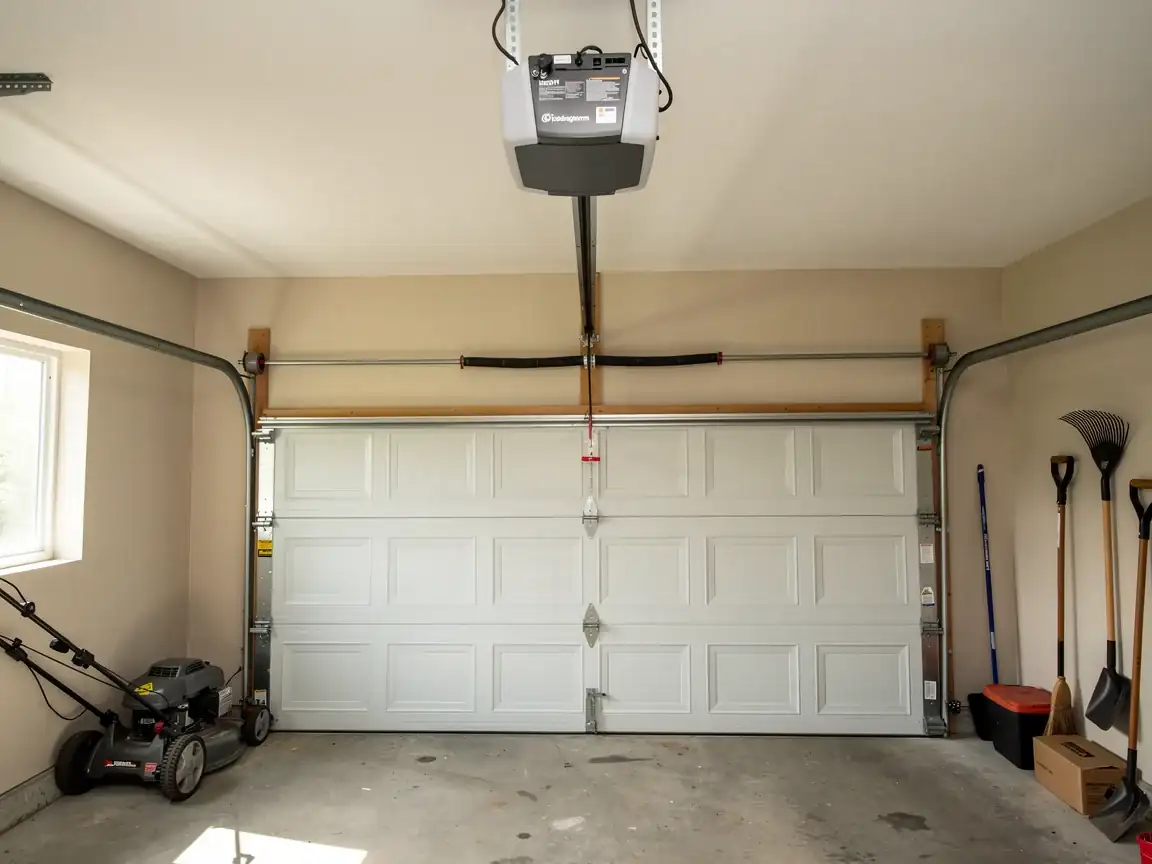
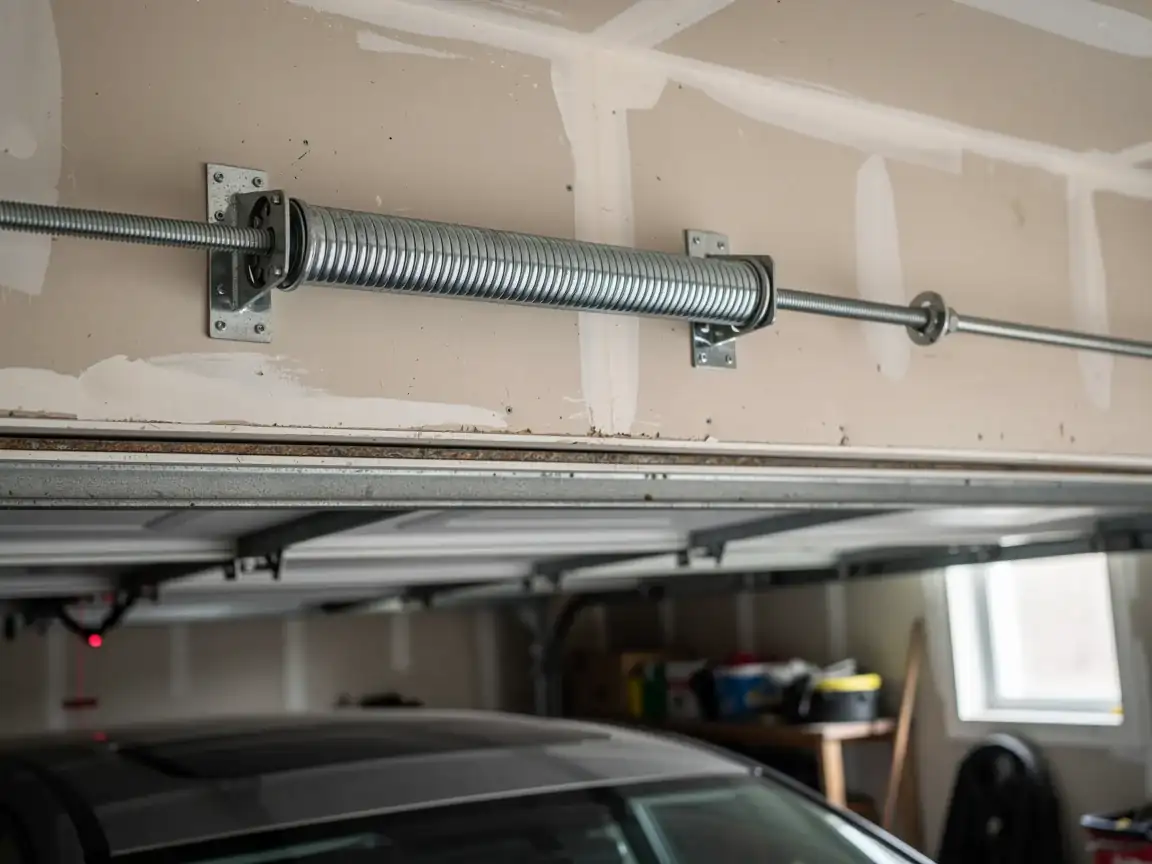
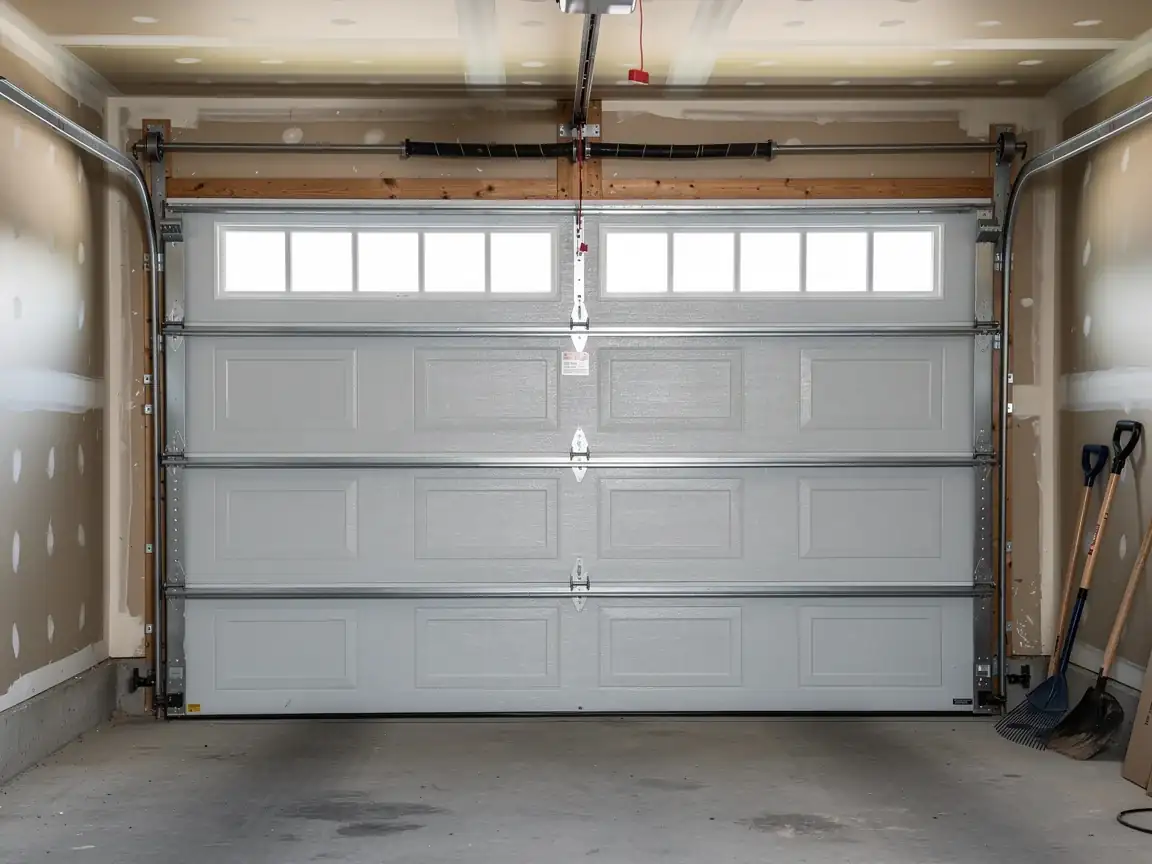
Most houses in West Melbourne went up around 2003, which puts the garage door hardware in a different bracket than the older stock closer to Melbourne proper. By 2003, builders were putting in factory-set torsion springs on a steel shaft, nylon rollers, and openers that came pre-wired with rolling-code remotes rather than the old dip-switch kind. That's the good news - the hardware is more standardized and parts are easier to match. The bad news is math: a torsion spring rated for a normal number of open-close cycles is now 20-plus years into service on a lot of these doors, which is right where springs start to give out without warning. We're not dealing with climate extremes here - the area sits in a mild temperate band, so you're not getting the hard freeze-thaw cycling that snaps metal up north. What you get instead is straightforward fatigue: the spring has just been wound and unwound enough times. That's the single biggest driver of repair calls in this part of our coverage area, and it lines up with when these particular houses were built.
What the Fix Involves
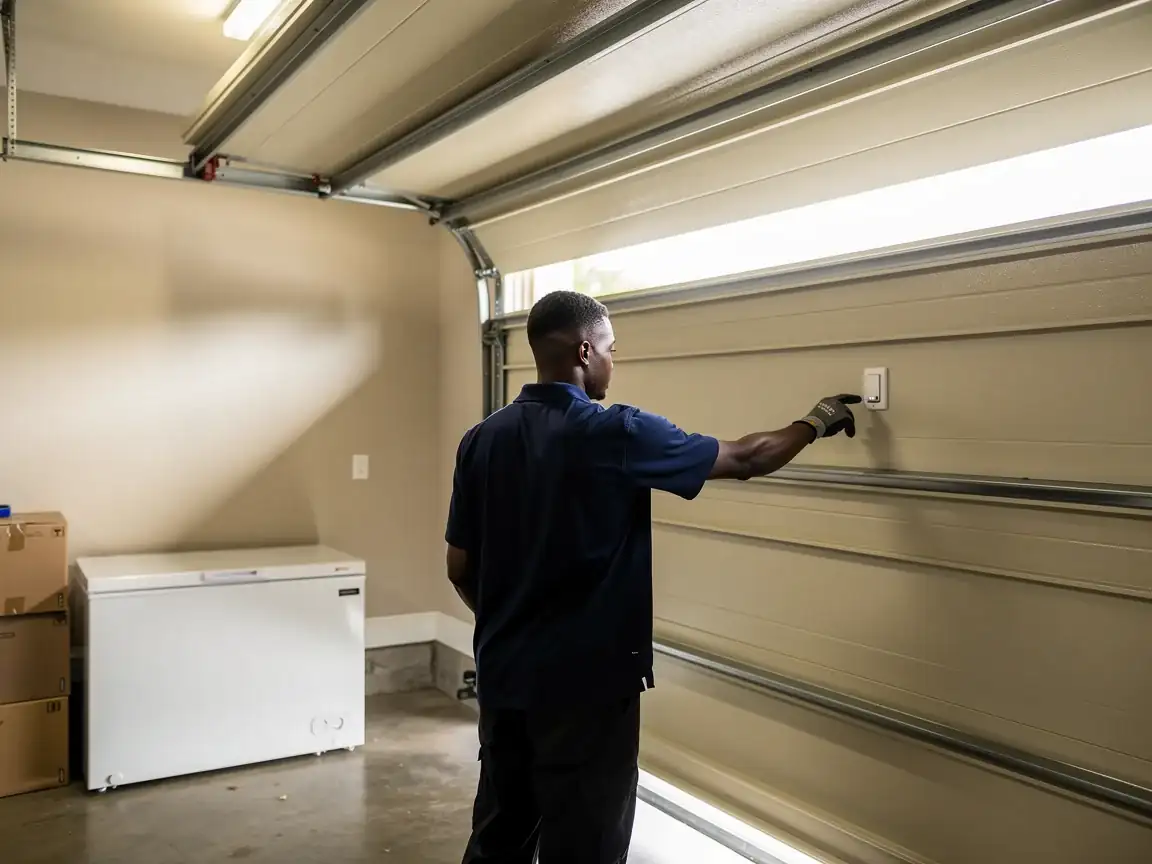
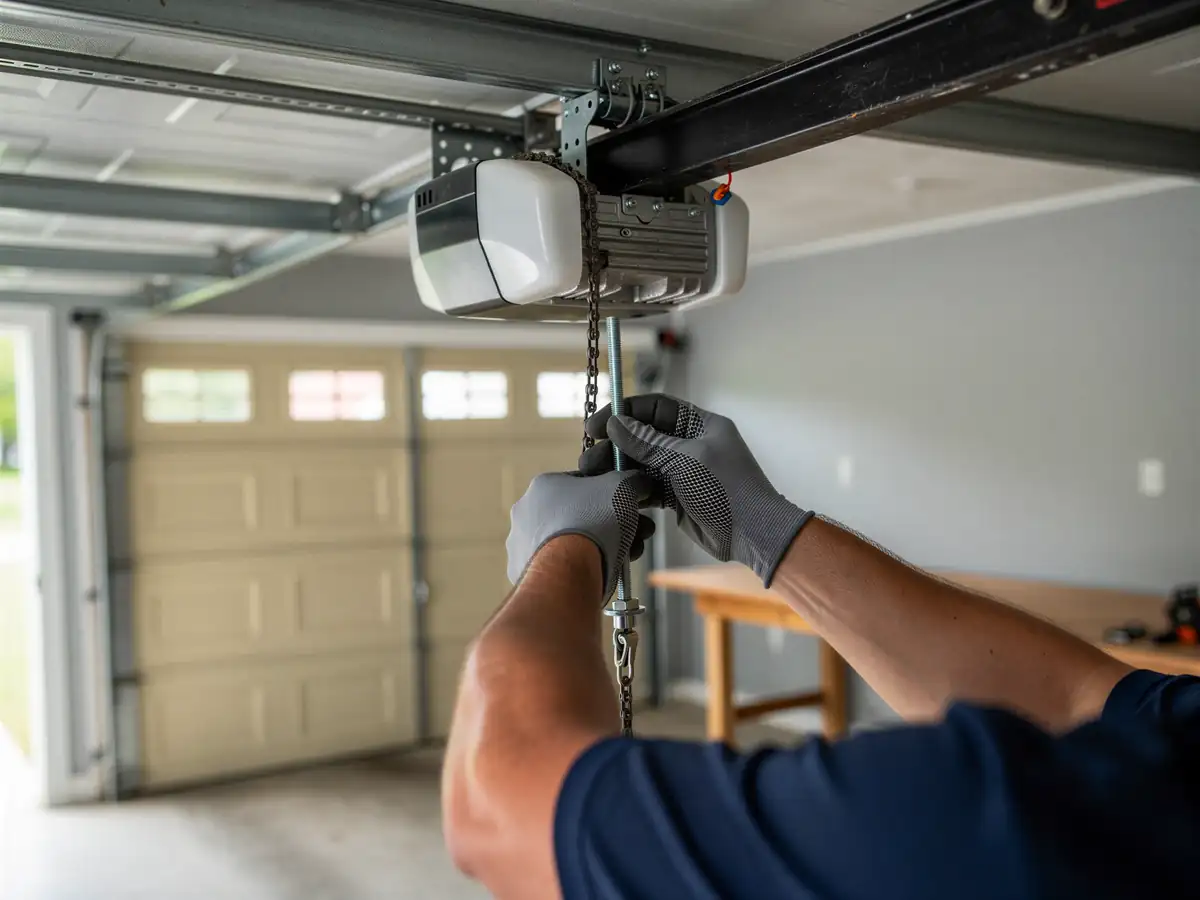
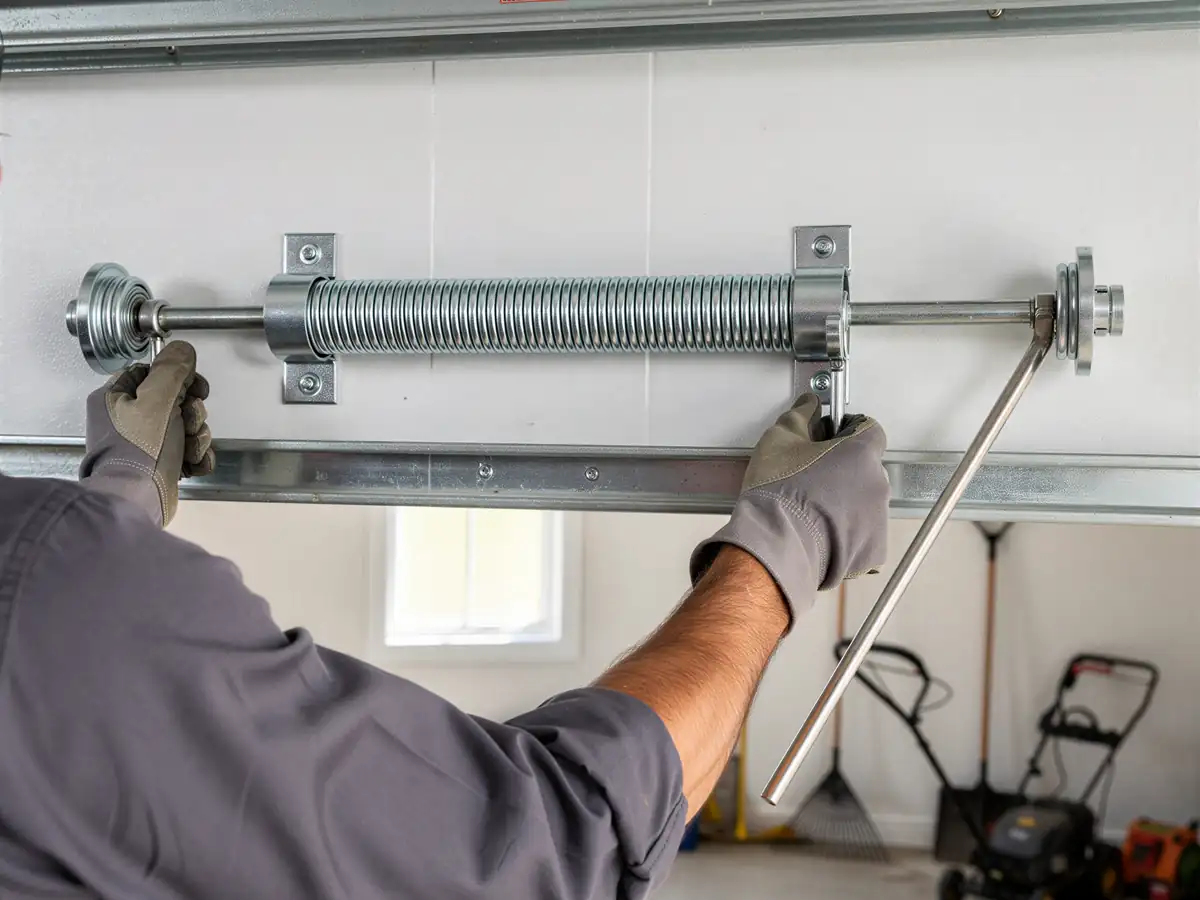
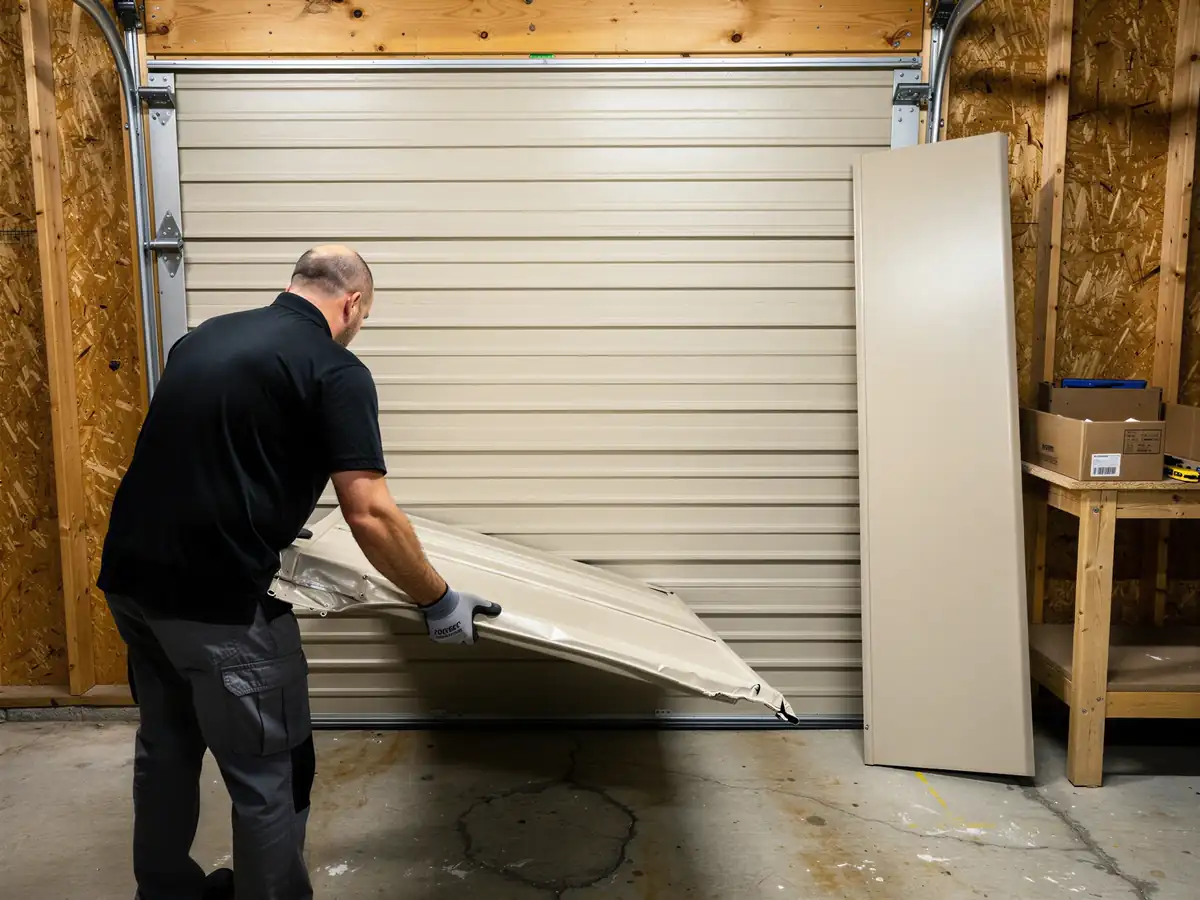
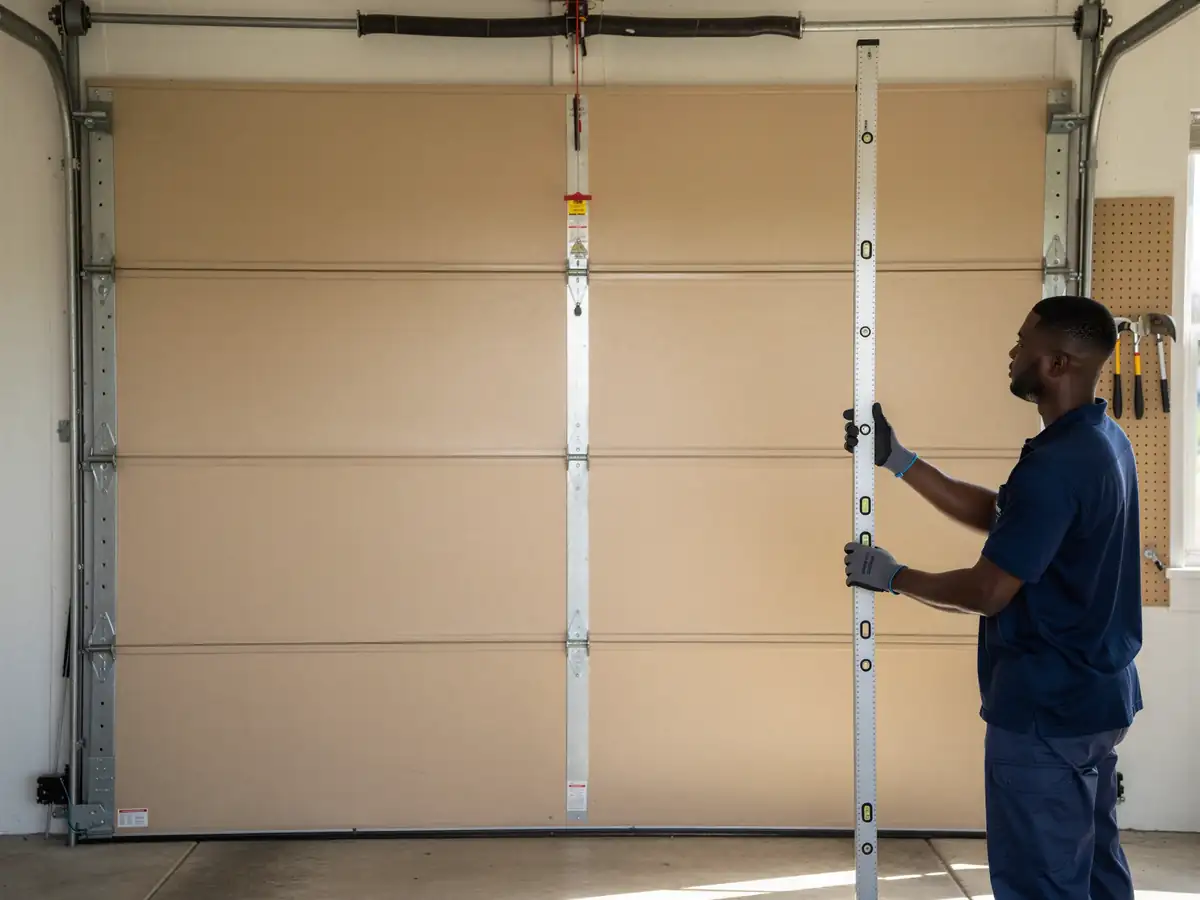
On a 2003-and-newer door, the fix is usually a straight swap: matching the torsion spring to the door's weight and the drum size already on the shaft, since the hardware was factory-matched when the house was built. We measure the wire gauge, coil diameter, and length off the old spring rather than guessing, because a spring that's close but not exact either feels wrong on the opener or wears out early again. If the opener itself is original to the house, we check the gears and the logic board before touching anything mechanical - a worn drive gear can mimic a spring problem and send you down the wrong repair. Cables usually get replaced alongside the spring on a torsion job, since they're cheap compared to a second truck trip. We don't push a full door replacement unless the panels or track are actually damaged; on houses this age, the door itself is rarely the problem - it's almost always the spring or the opener logic.
How Long You Are Without the Door
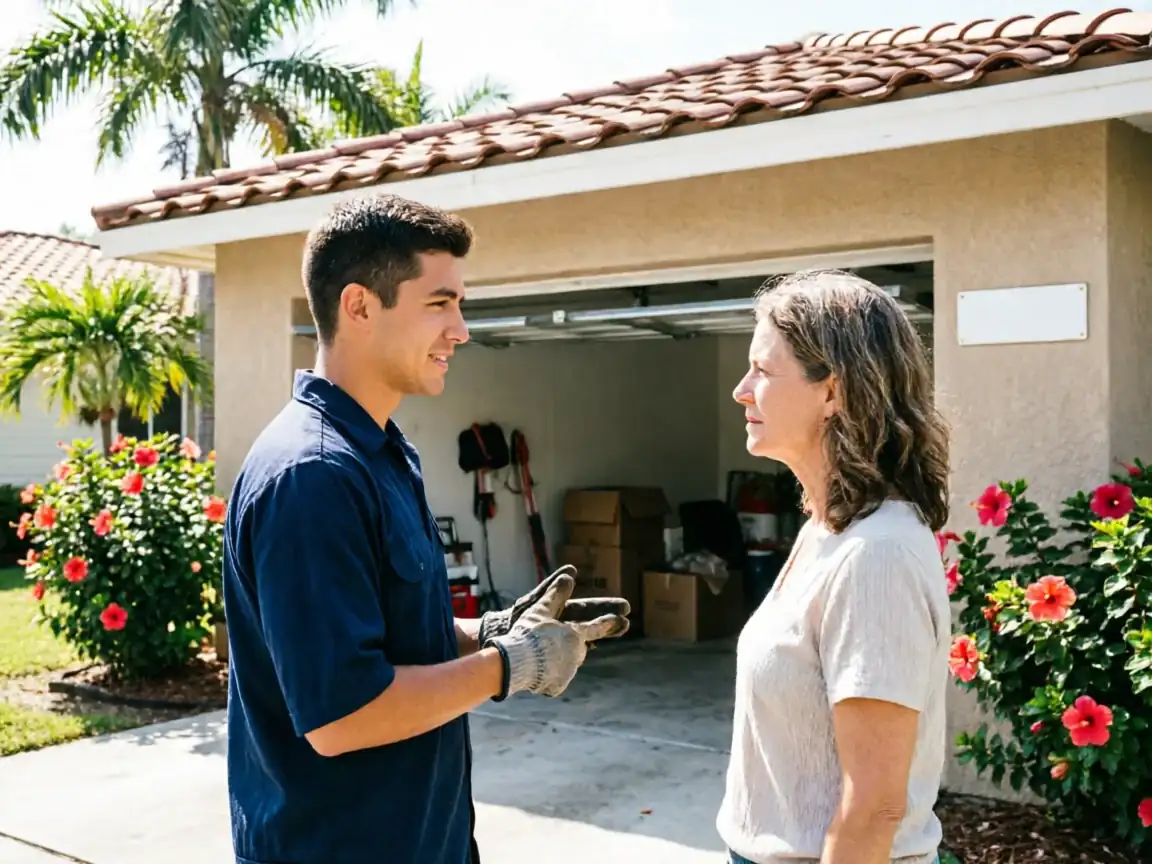
We're based in Melbourne, about 4 miles from West Melbourne, so the drive itself isn't the bottleneck - it's parts availability. A standard torsion spring sized to a 2003-era door is usually something we carry on the truck. If your opener's logic board or a less common extension spring size is the problem, that part sometimes has to be ordered, which stretches the job past a single visit. We'll tell you up front which situation you're in once we've seen the door, rather than quoting a timeline before we know what's actually broken.
How It Shows Up
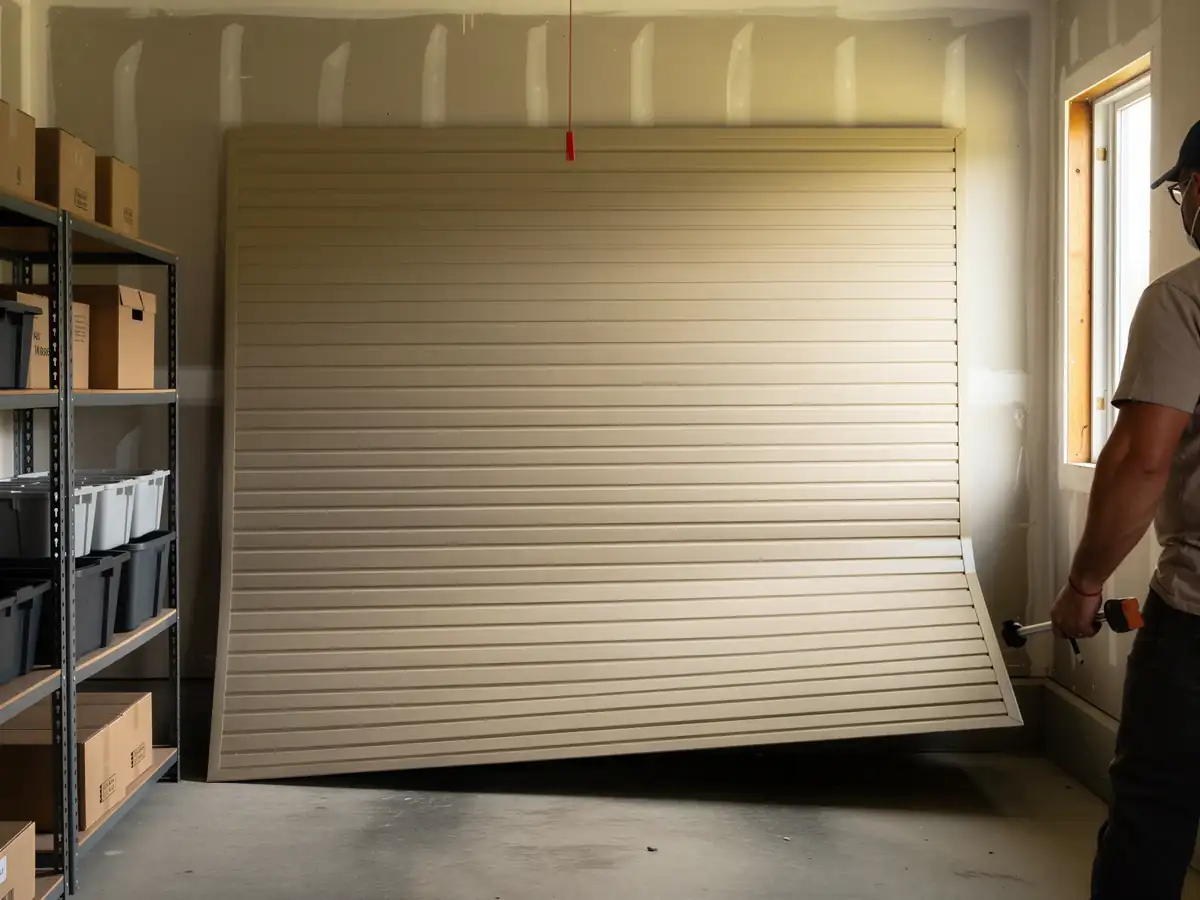
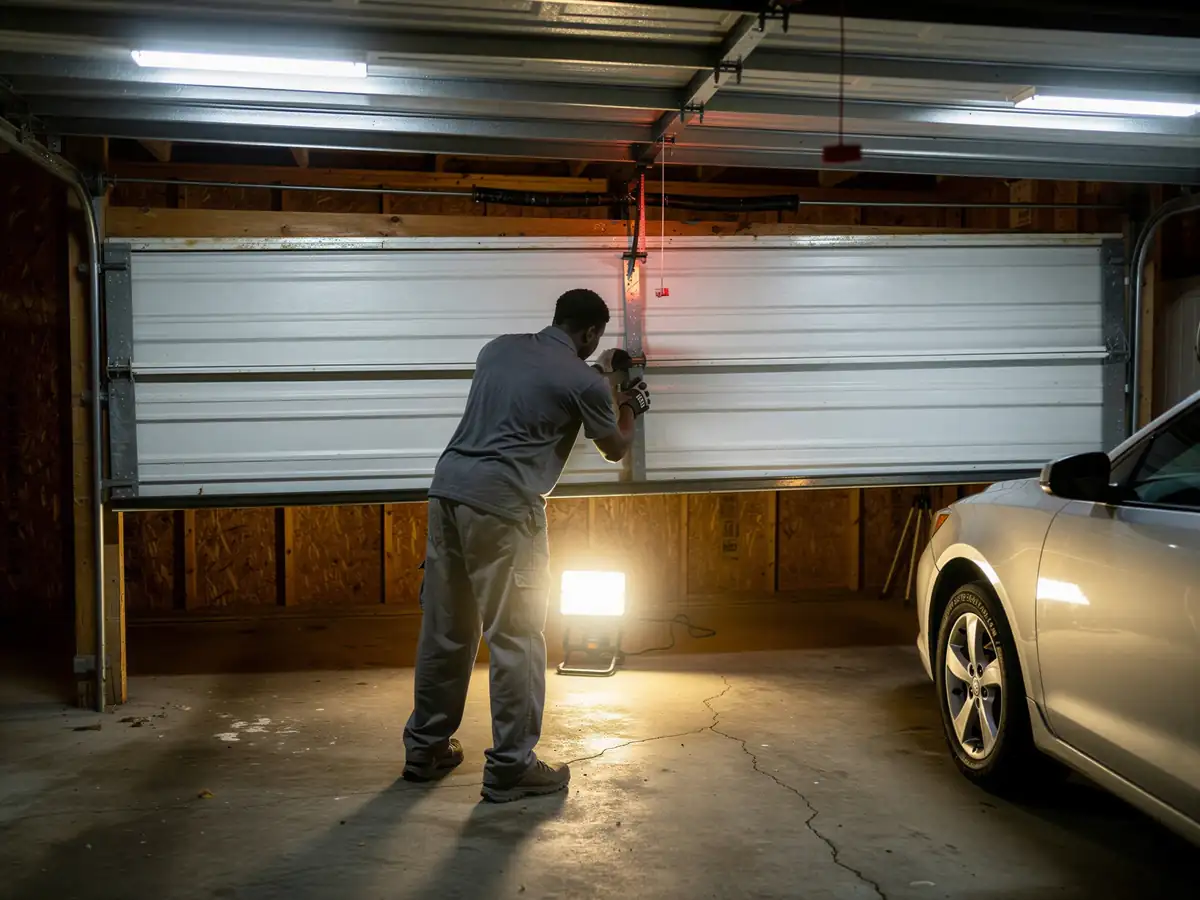
On houses built around 2003, the first sign is usually the opener straining - a motor that used to lift the door in one smooth pull now hesitates, grinds, or reverses partway up. That's the torsion spring losing its share of the lift, leaving the motor to do work it was never built to carry alone. Other owners notice the door hanging unevenly, one side higher than the other, which points to a spring that's lost tension unevenly on a double door with two torsion units. A loud bang from the garage, followed by the door refusing to move at all, is the spring actually breaking rather than just weakening - and that one always stops the door cold until it's replaced.