What Causes It Around Here
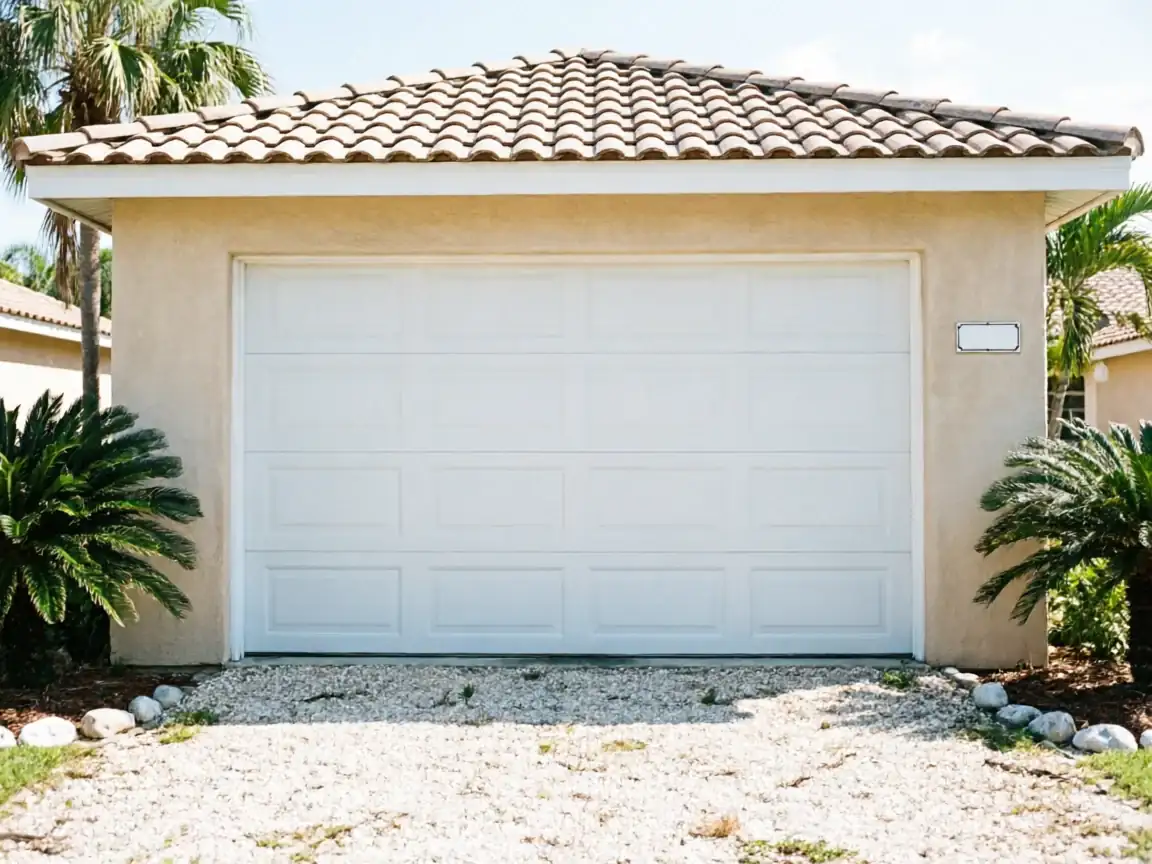
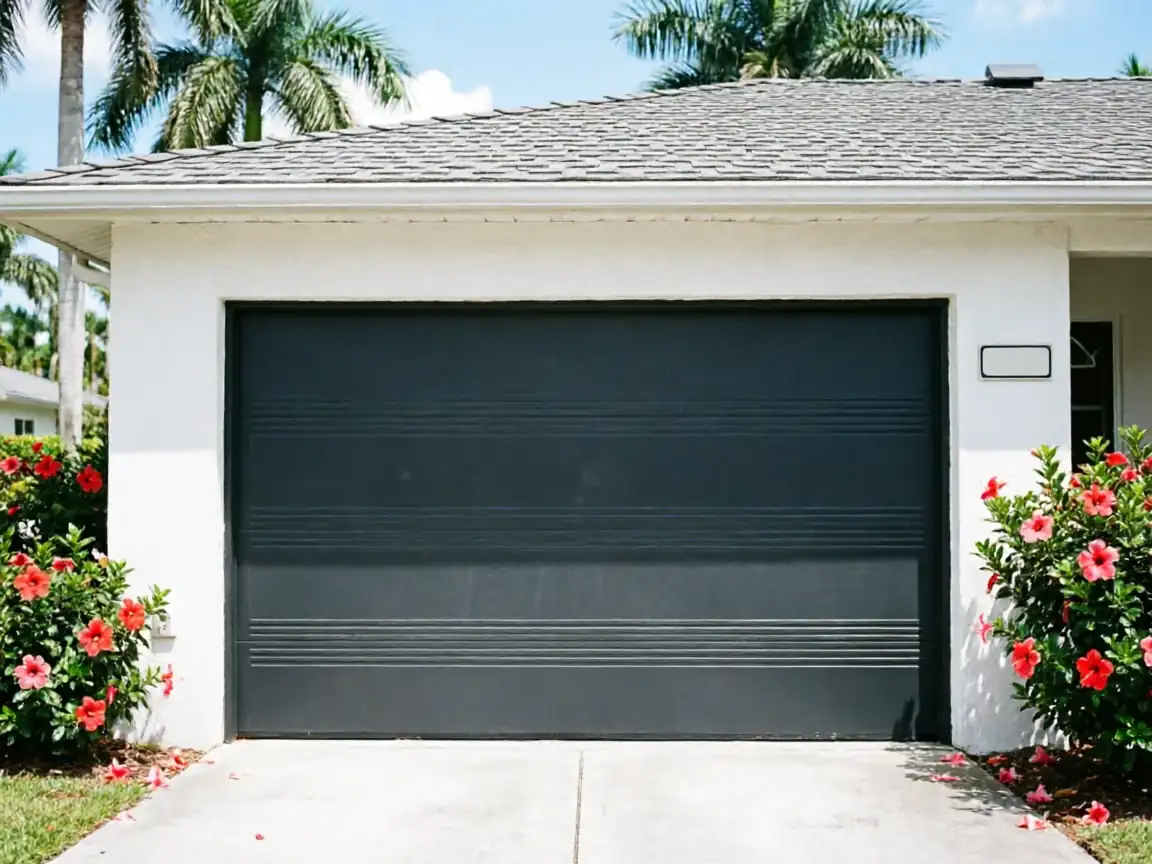
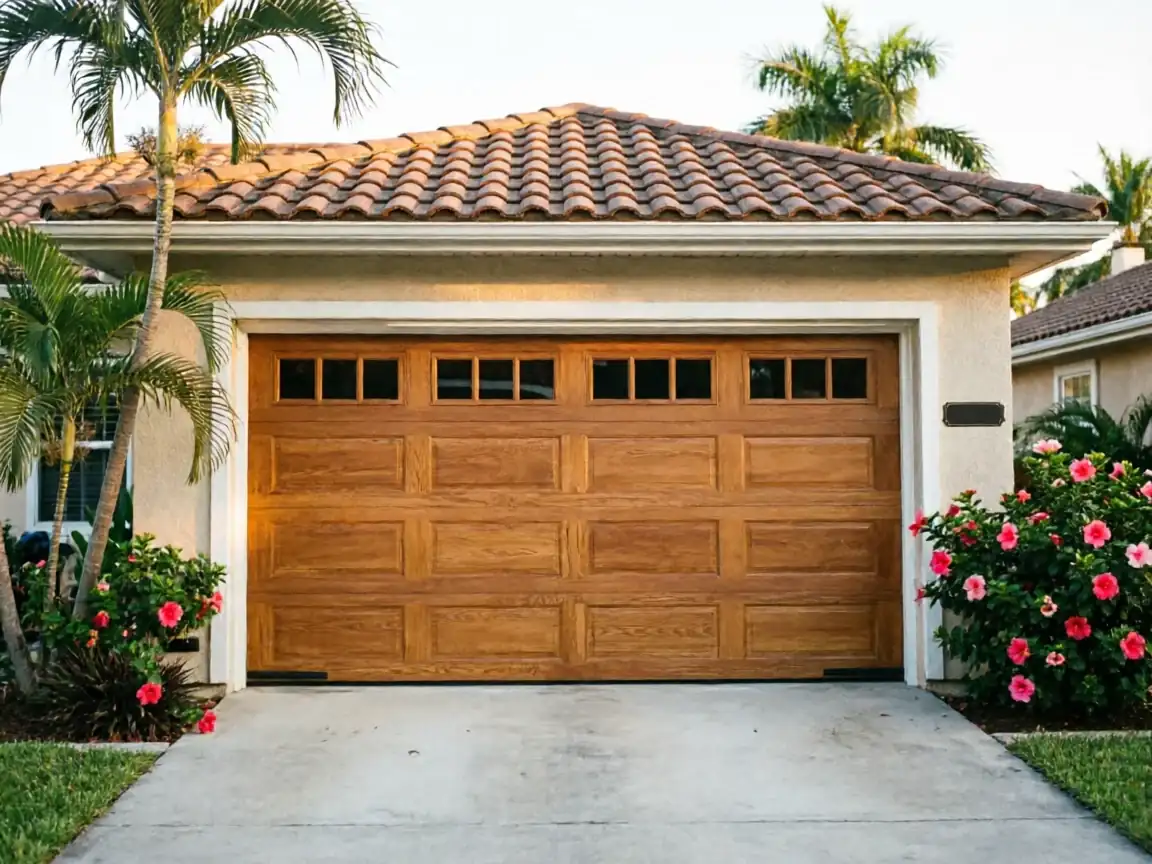
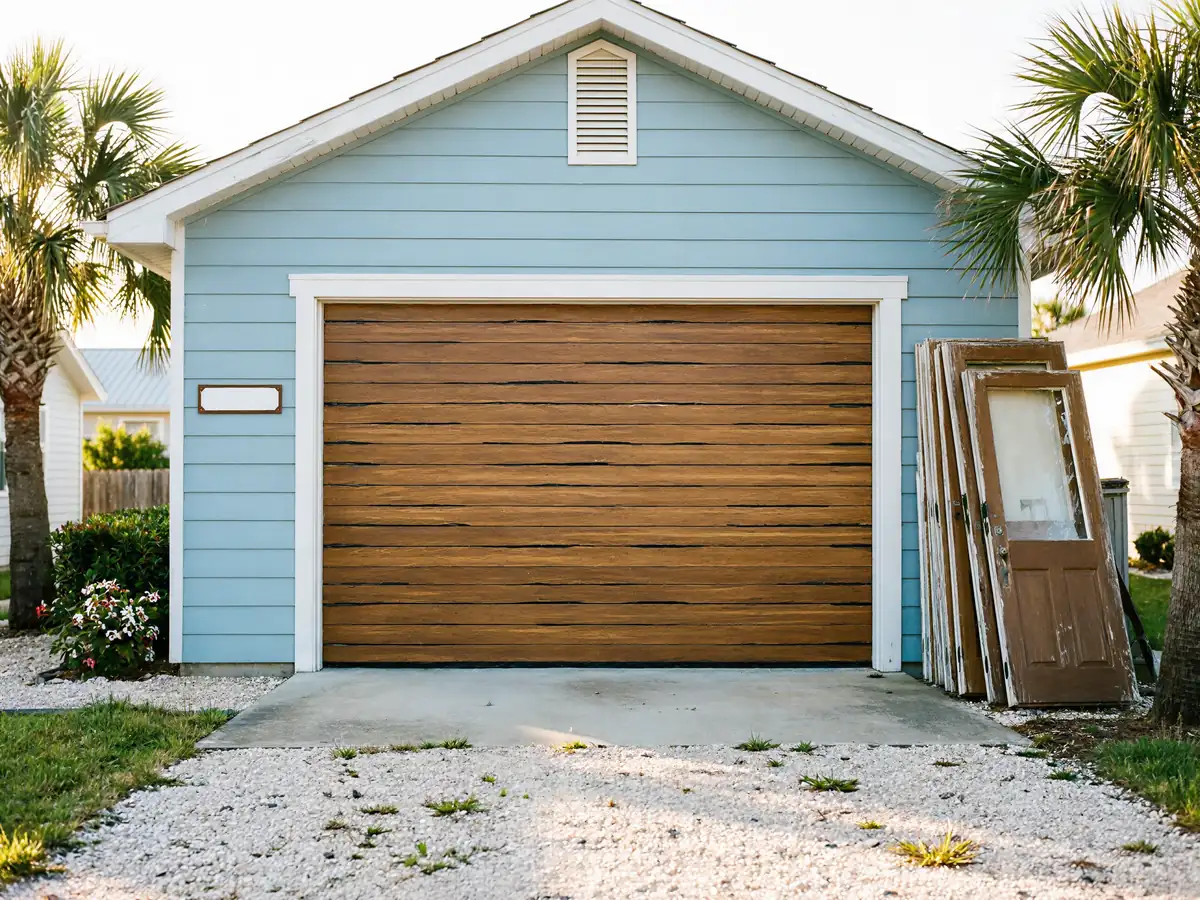
West Melbourne skews newer than most of the Melbourne service area. The homes here cluster around a median build year of 2003, a generation past the 1977 median that covers the wider area. That gap matters for installation work: instead of patching up decades-old one-piece doors, most jobs here are swapping out the original builder-grade steel door that came with the house when the subdivision went in. Those doors are now pushing twenty years old - fine steel, light-duty springs, openers sized for a lighter door than what's standard today.
With 10,278 households in town, the volume of replacement work is steady but not constant. This isn't a place where every block has a failing door; it's a place where a meaningful share of houses are hitting the point where the original door no longer matches the opener, the insulation standard, or the owner's expectations. The mild temperate climate here doesn't bring freeze-thaw stress, but humidity and salt air still wear down weatherstripping, hardware finish, and seals faster than a dry inland town would see. A median household income of $90,521 - above the $86,305 area average - also means more owners here are choosing insulated or custom-sized doors over the cheapest replacement available.
What the Fix Involves
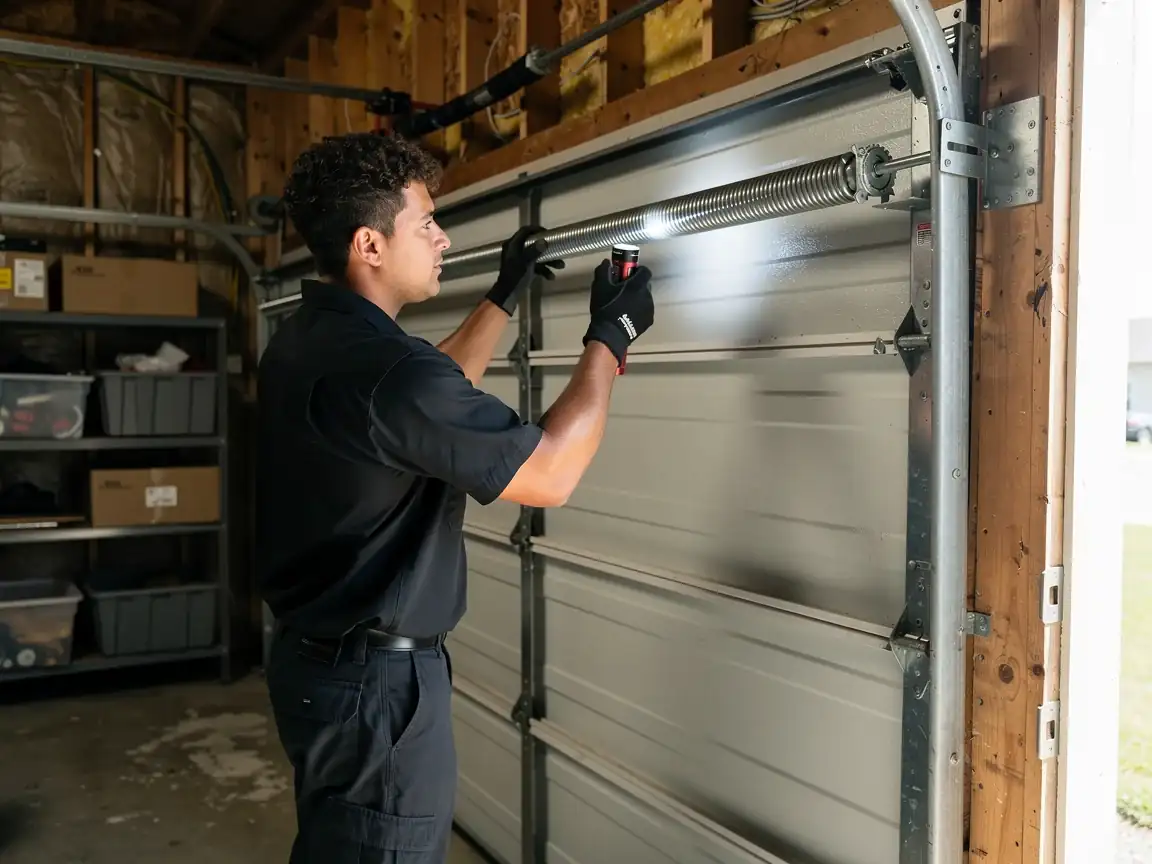
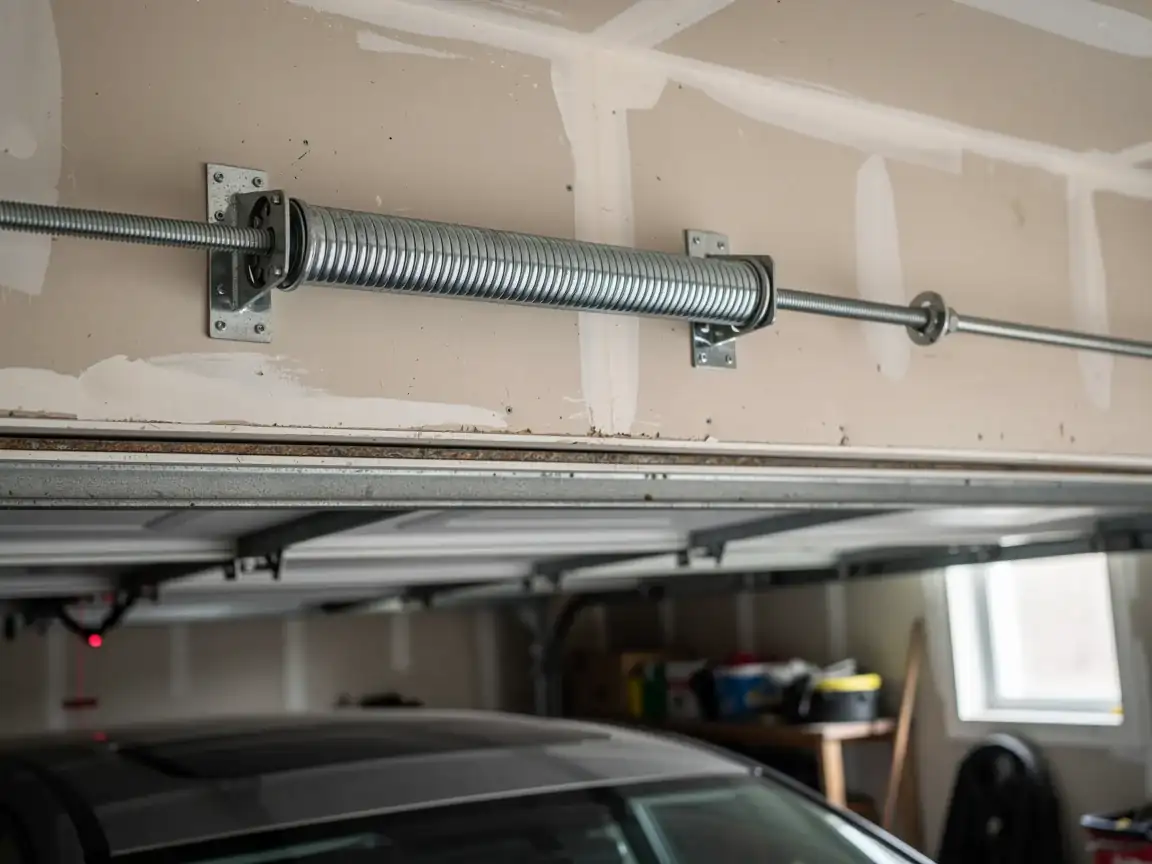
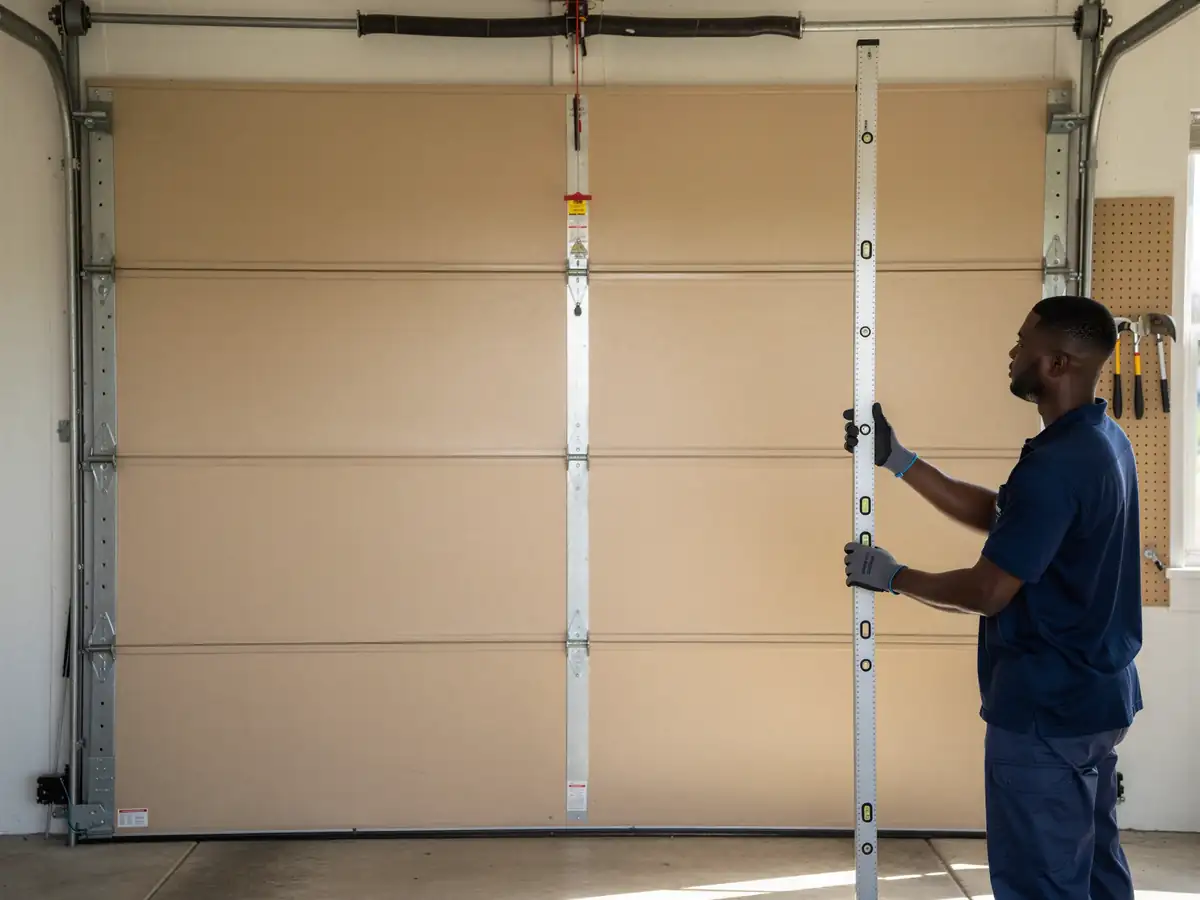
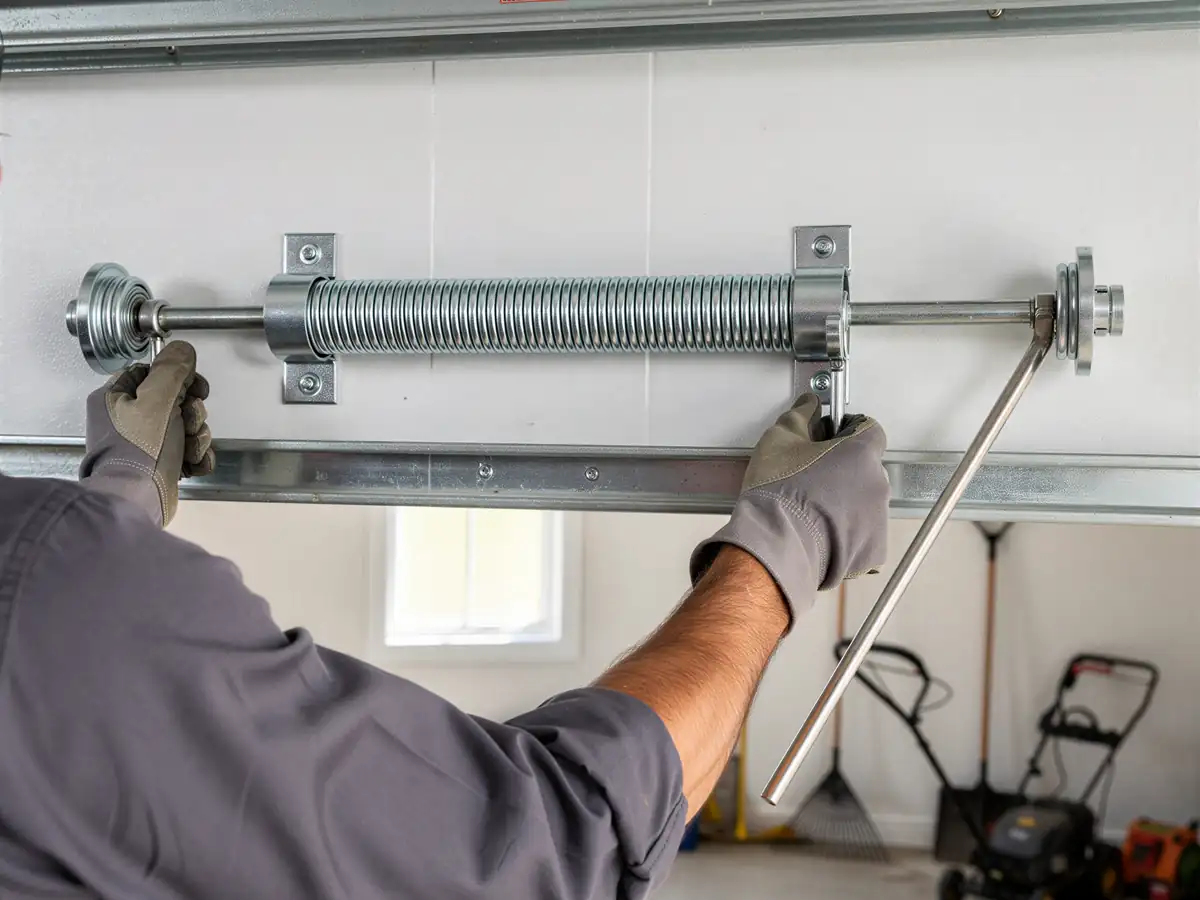
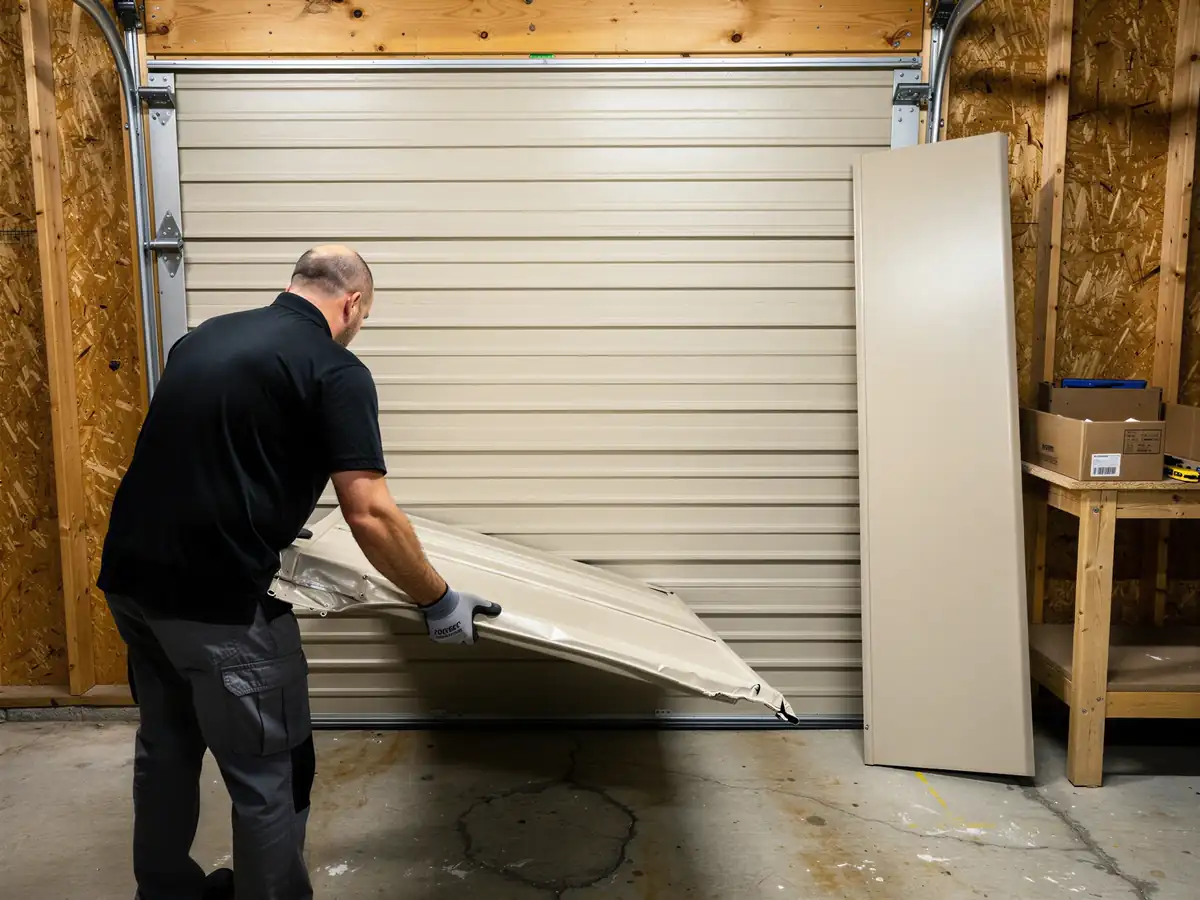
A proper installation starts with the opening, not the door. On a 2000s-built house, the rough opening is usually square and code-compliant, which simplifies the job compared to older stock where framing has shifted. We pull the old door, track, and hardware, check the header and jambs for square, then size the new door and springs to match its actual weight - not the weight of whatever was there before. Insulated doors are heavier than the original builder-grade panels, so torsion springs get re-rated, not reused.
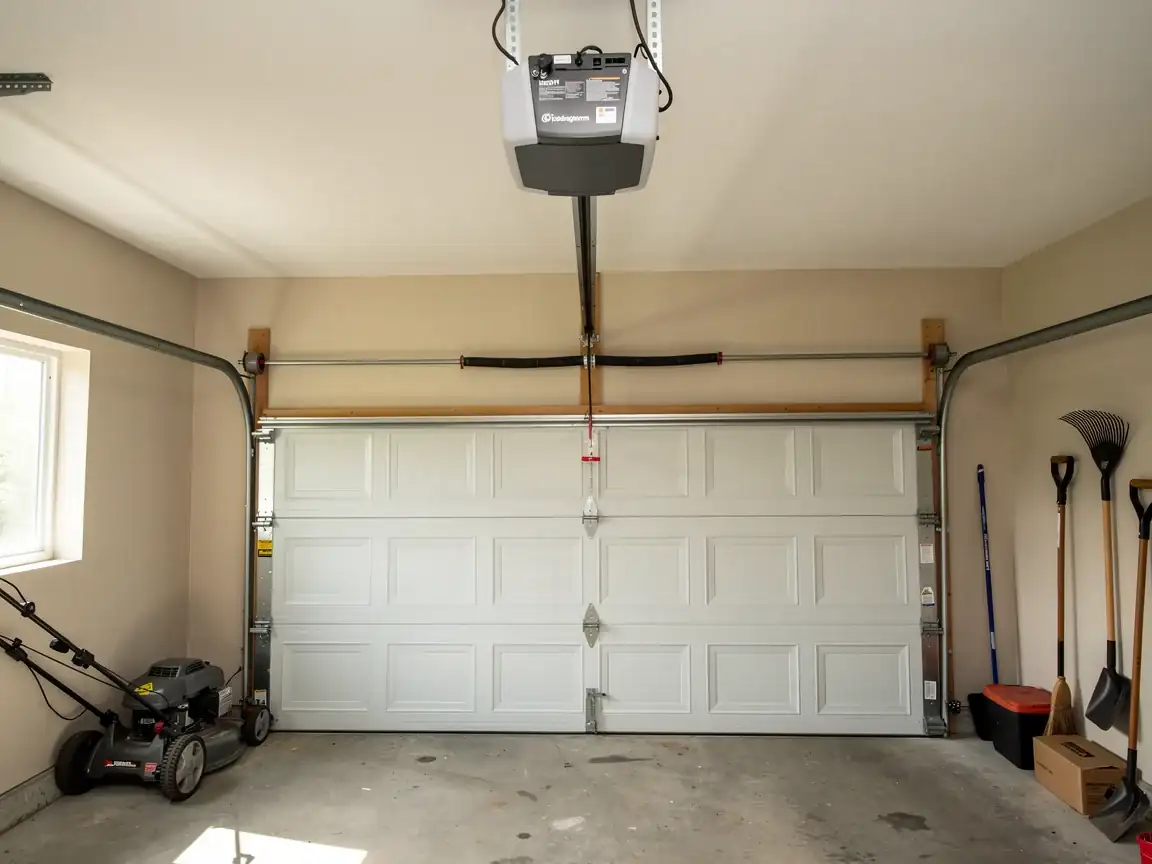
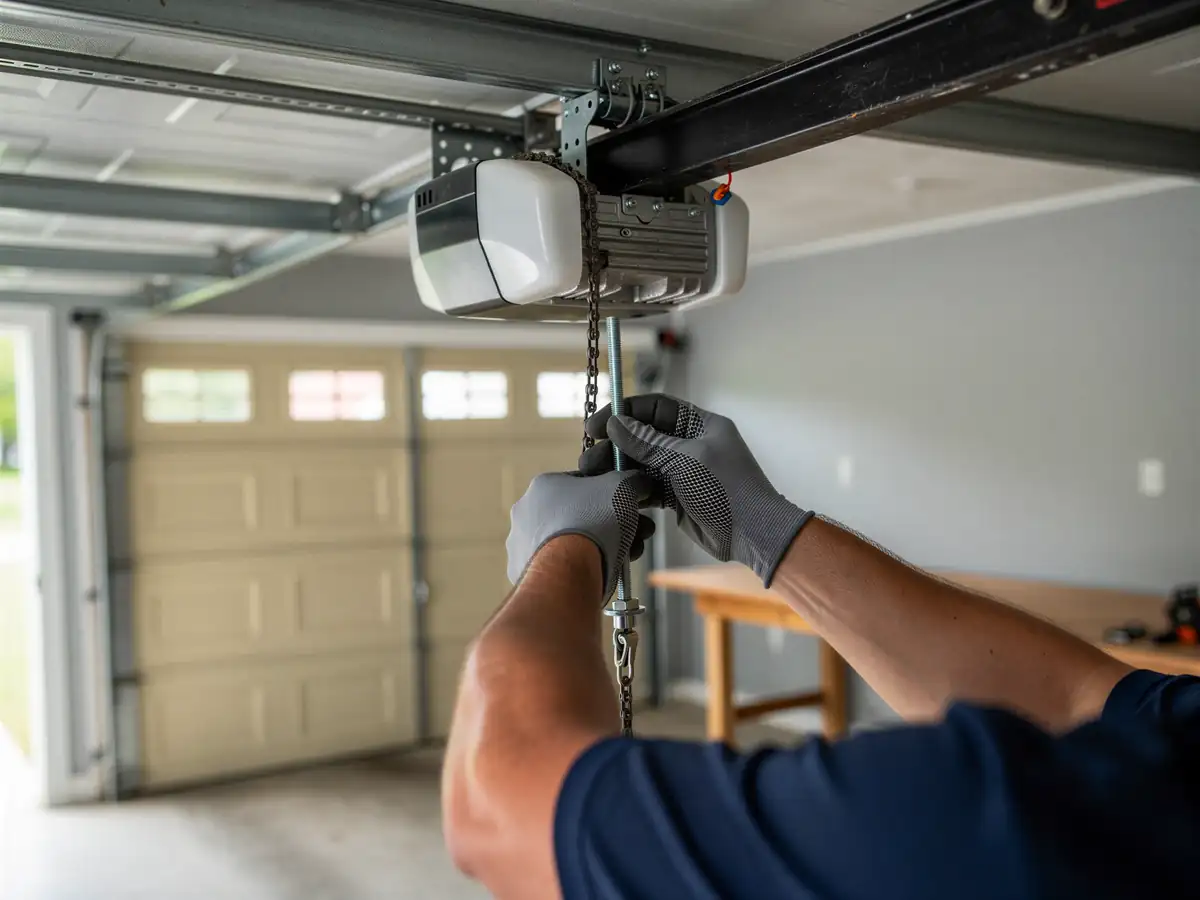
Opener compatibility is the other piece. A lot of these houses still have the first-generation chain-drive opener that shipped with the house. If the new door is heavier or wider, that opener often can't lift it safely, so part of the job is deciding whether to keep it or replace it alongside the door. We also check the bottom seal and weatherstripping against the mild climate here - humidity and salt air break down rubber seals faster than they'd wear in a dry inland town, so we don't install a door with seals that are already marginal for the conditions.
Doing It Yourself
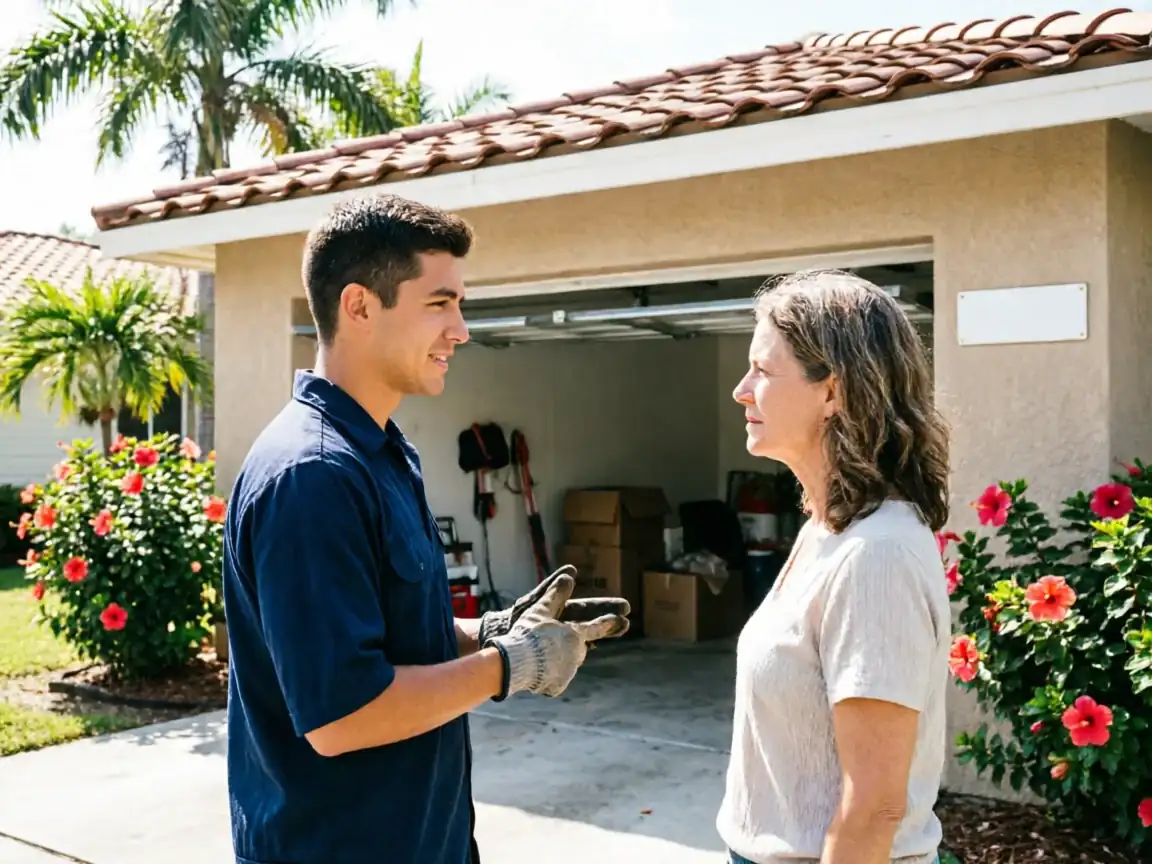
A new door is not a weekend project, and we'll say that plainly
A double garage door can weigh well over a hundred pounds before you add springs under tension strong enough to lift it - that tension is the part that puts people in the hospital, not the panel itself. On houses built around the early 2000s, openings are usually standard sizes, so a boxed kit door will often physically fit. The trouble is matching spring rate and opener horsepower to the actual door, which boxed kits size generically rather than to your specific setup.
We don't recommend a homeowner attempt the spring and track work alone
Even on a straightforward single door. It's one of the few jobs in this trade where a mistake doesn't just cost money to redo - it can break fingers or worse. If you're comfortable doing the cosmetic work, swapping a handle or repainting trim is fine to DIY. The spring, track, and opener mounting is where we'd rather you call.
How Long You Are Without the Door
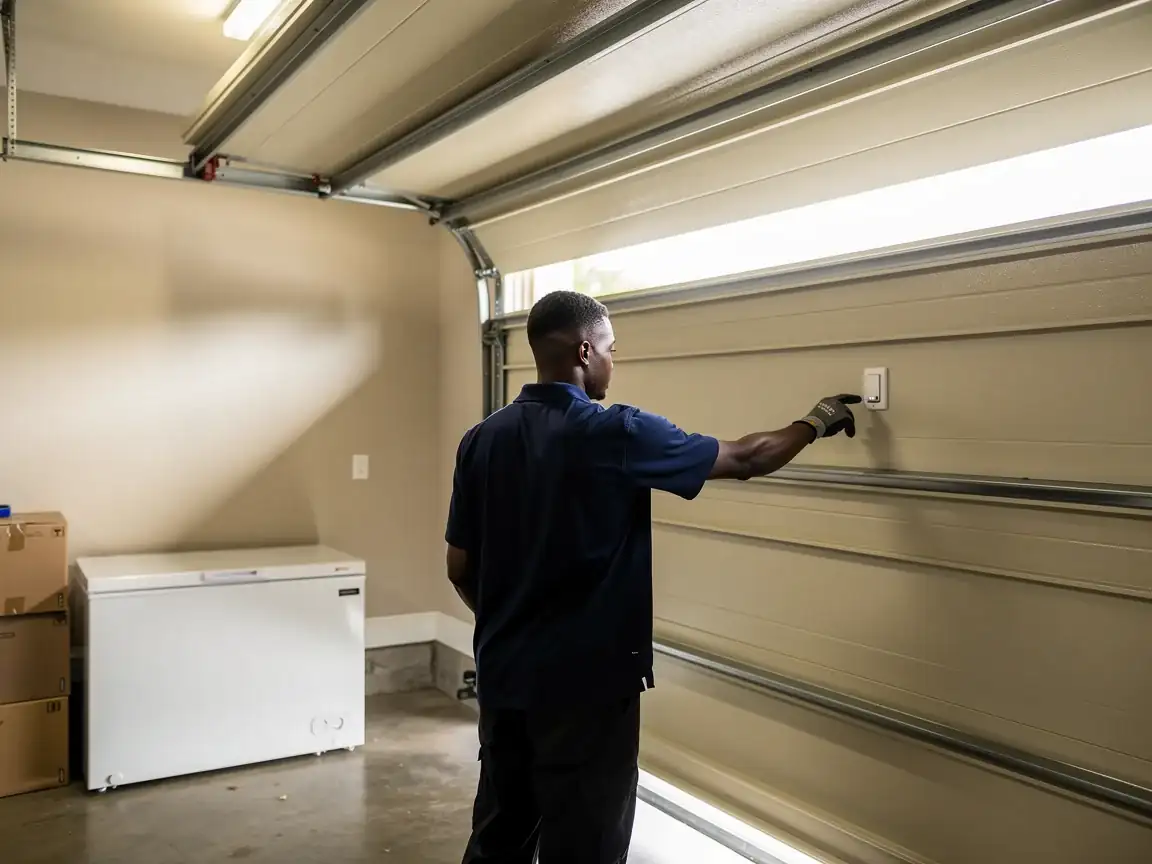
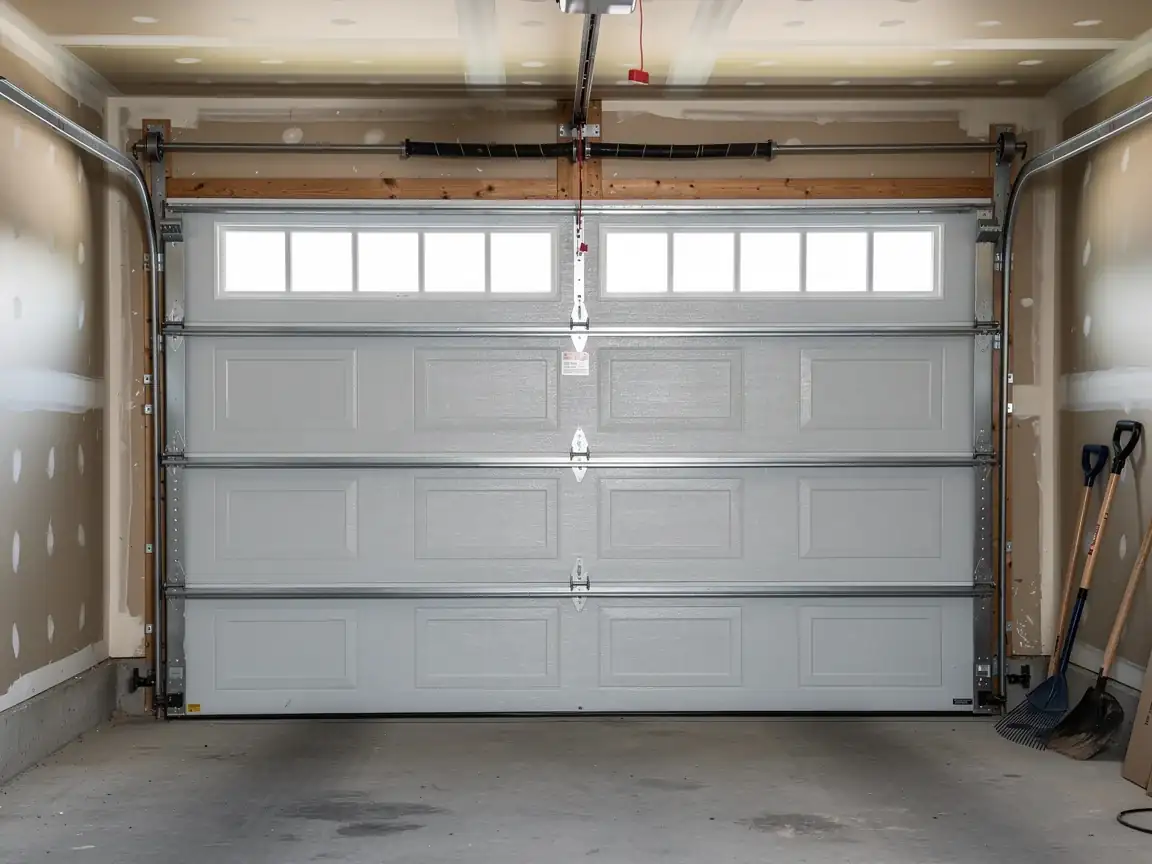
Most installation jobs on a single door run about half a day once the crew is on site - remove the old door, mount new track and springs, hang the panels, set the opener. A double door or a job that includes replacing the opener alongside the door takes longer, since the opener has to be re-mounted and the travel limits reset. Either way, the garage isn't usable for parking during the swap itself, though it's rarely an overnight gap.
The variable isn't the labor - it's the door. If you're ordering a custom size, color, or insulation spec rather than a stock door, the install date depends on when the door itself arrives, which is outside our control. We'll tell you up front whether what you want is a stock item or a special order before you commit to a date.
How It Shows Up
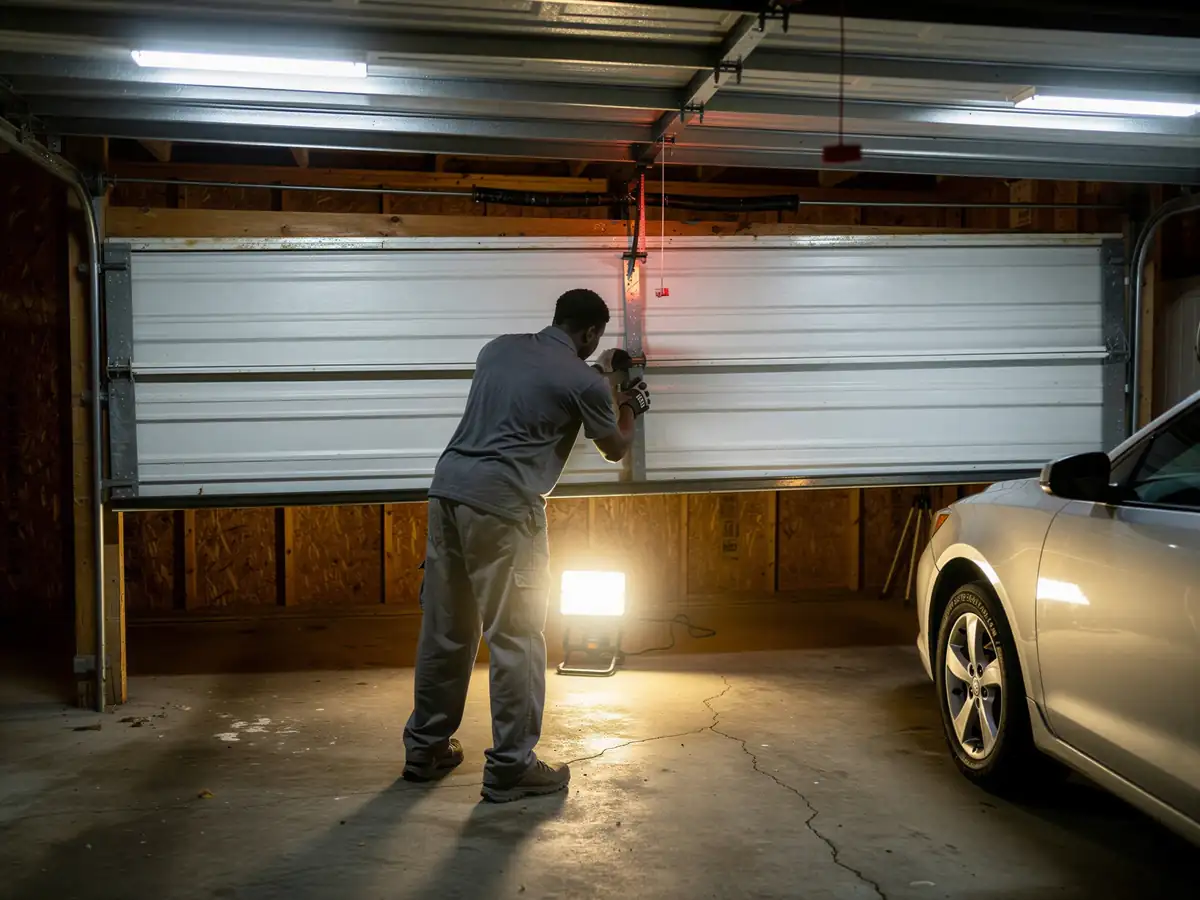
On a house with an original 2003-era door, the signs are usually mechanical before they're cosmetic. The opener runs longer than it used to, or it reverses partway up for no clear reason - both point to a spring that's lost tension relative to the door's weight. Panels that look fine up close but don't sit flush at the seams usually mean the track has worked loose or the rollers have worn out of round, common once a builder-grade door passes the fifteen-to-twenty-year mark.
Sometimes it's simpler than that: the door still runs, but the owner wants an insulated panel instead of the thin steel that shipped with the house, or a wider opener for a second vehicle. Given the income level in this part of town, that upgrade-driven replacement is at least as common as a true failure. Either way, the tell is usually the same - the opener straining, or the door looking its age next to a house that's otherwise been kept current.
What Can Go Wrong
The most common installation mistake on houses like these is sizing the spring to the old door's weight instead of the new one
Insulated doors run heavier than the thin steel many of these homes started with, and a spring rated for the original door will wear out an opener fast, or let the door drop unevenly. The fix is straightforward if it's caught at installation - re-rate the spring to the actual door weight - but it's an easy corner to cut on a rushed job.
The other issue shows up on houses where the foundation has settled slightly since 2003
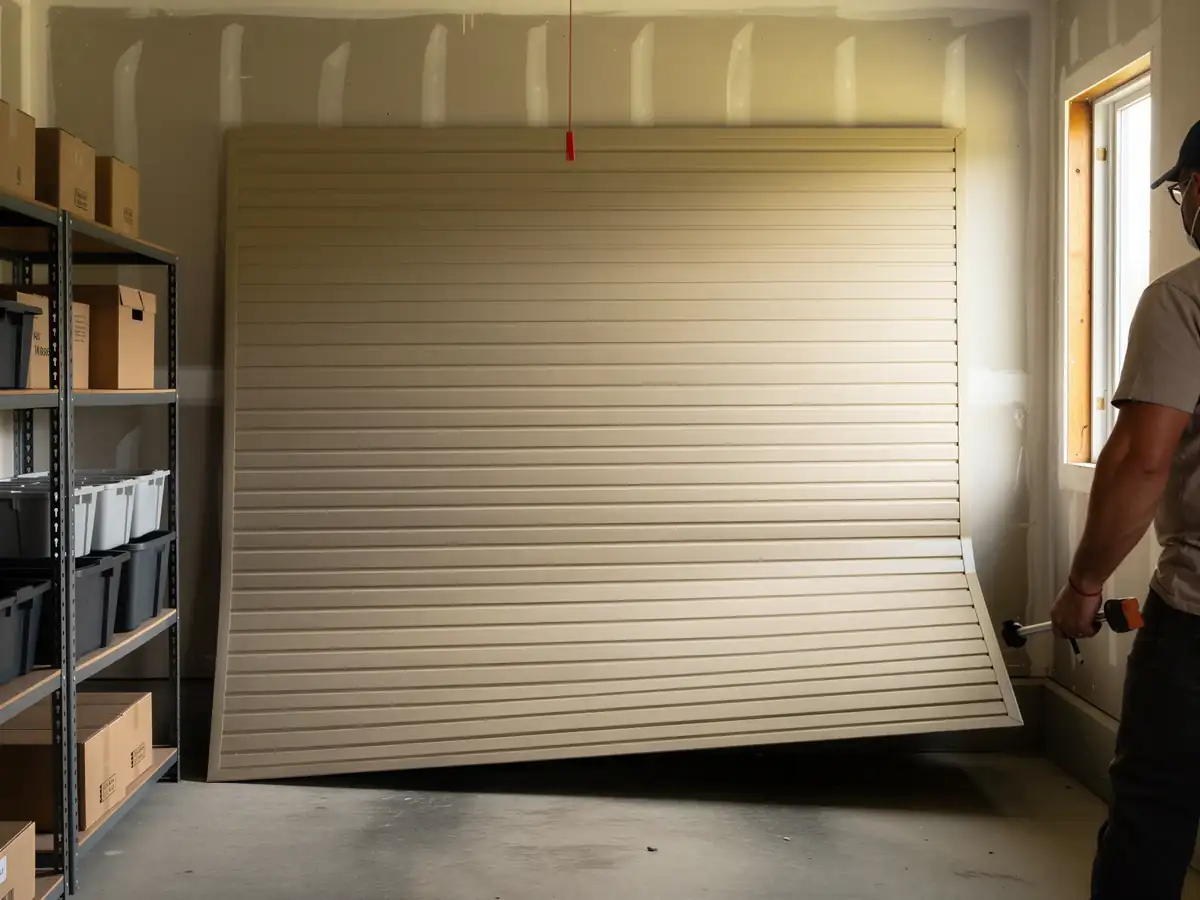
It's not dramatic, but a quarter inch of settling is enough to throw an opening out of square, and a door hung without checking that will bind on one side within a year. We check square before we hang anything, not after a callback. One honest limitation: if the opening itself needs framing work - not just a new door - that's a carpentry job we'll flag rather than paper over with shims.