What Causes It Around Here
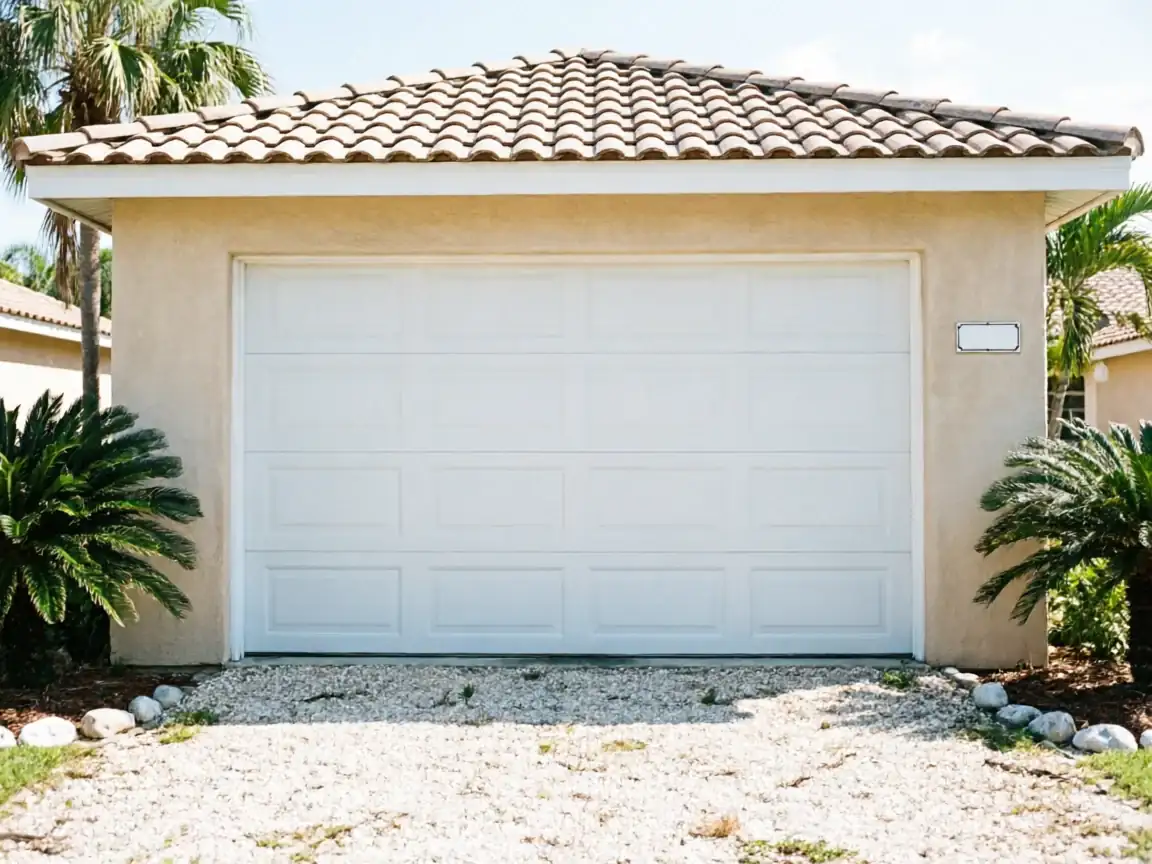
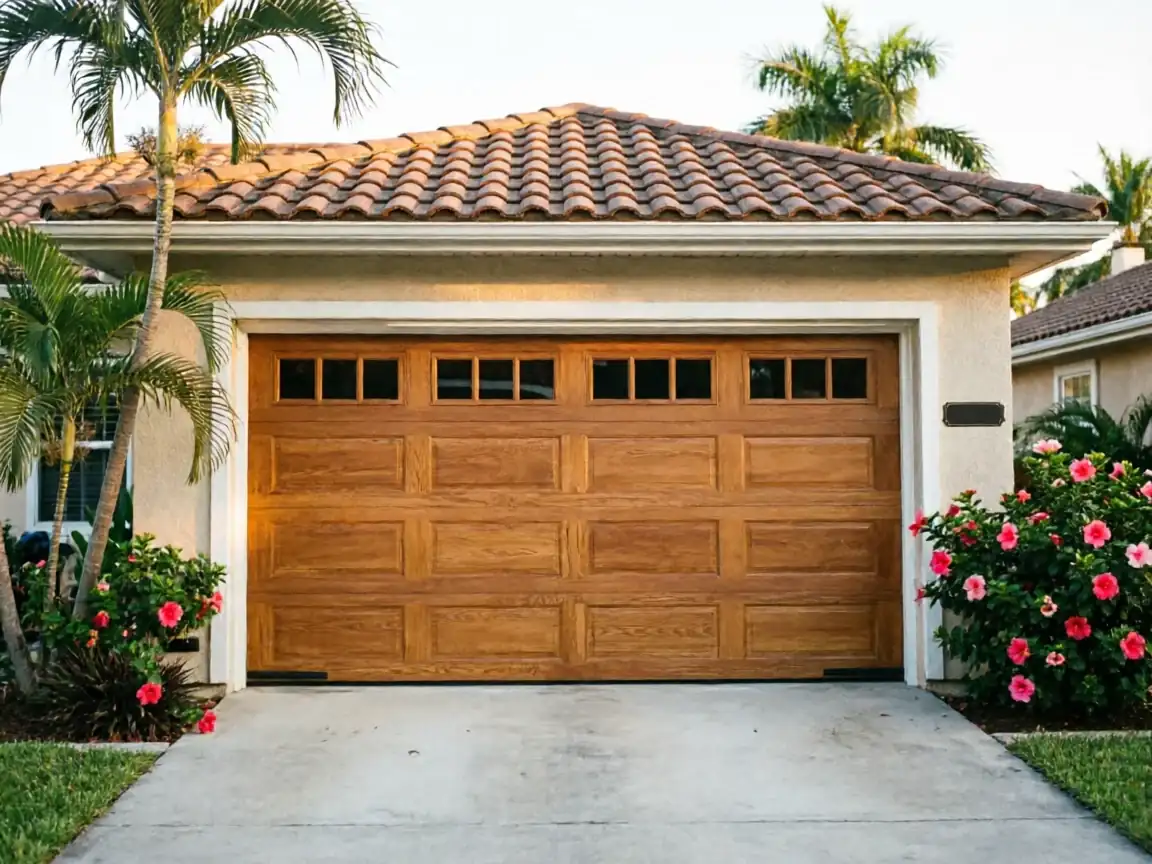
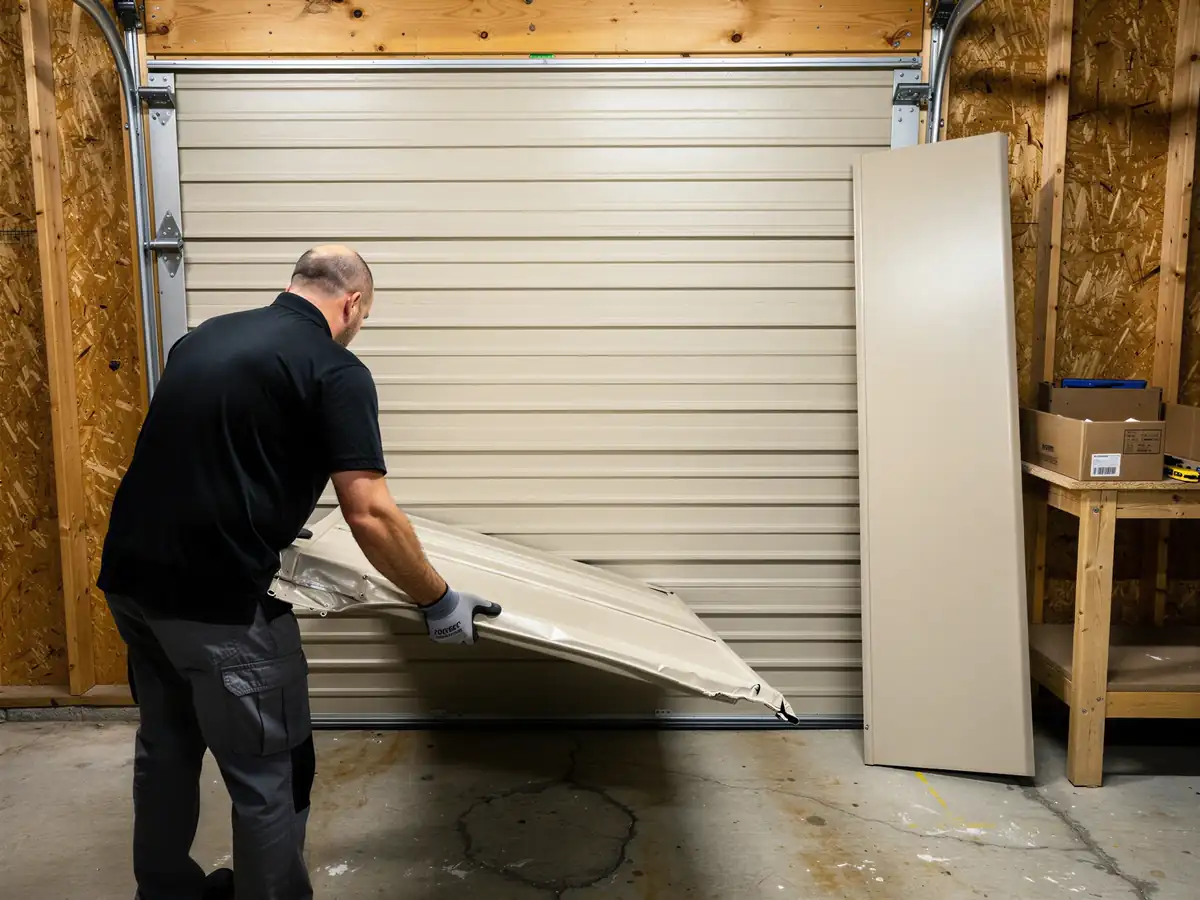
Most of West Melbourne went up well after the surrounding area's building boom - the median home here dates to around 2003, a good quarter-century newer than the 1977 median across the wider Melbourne service area. That gap matters more than people think. A door built in 2003 is almost always a heavier steel sectional, often with foam insulation sandwiched between the skins, and frequently sized for a two-car opening rather than the narrower single-car doors common on older streets nearby. Heavier, wider panels need springs wound to a tighter tolerance, and factory-installed torsion springs on these newer doors are usually sized right at the edge of their rated cycle count from the builder. After roughly two decades of daily use in our mild coastal climate, that factory spring is simply reaching the end of its life, not failing early. We don't see much rust-through on these newer doors - the failure here is wear, not corrosion.
What the Fix Involves
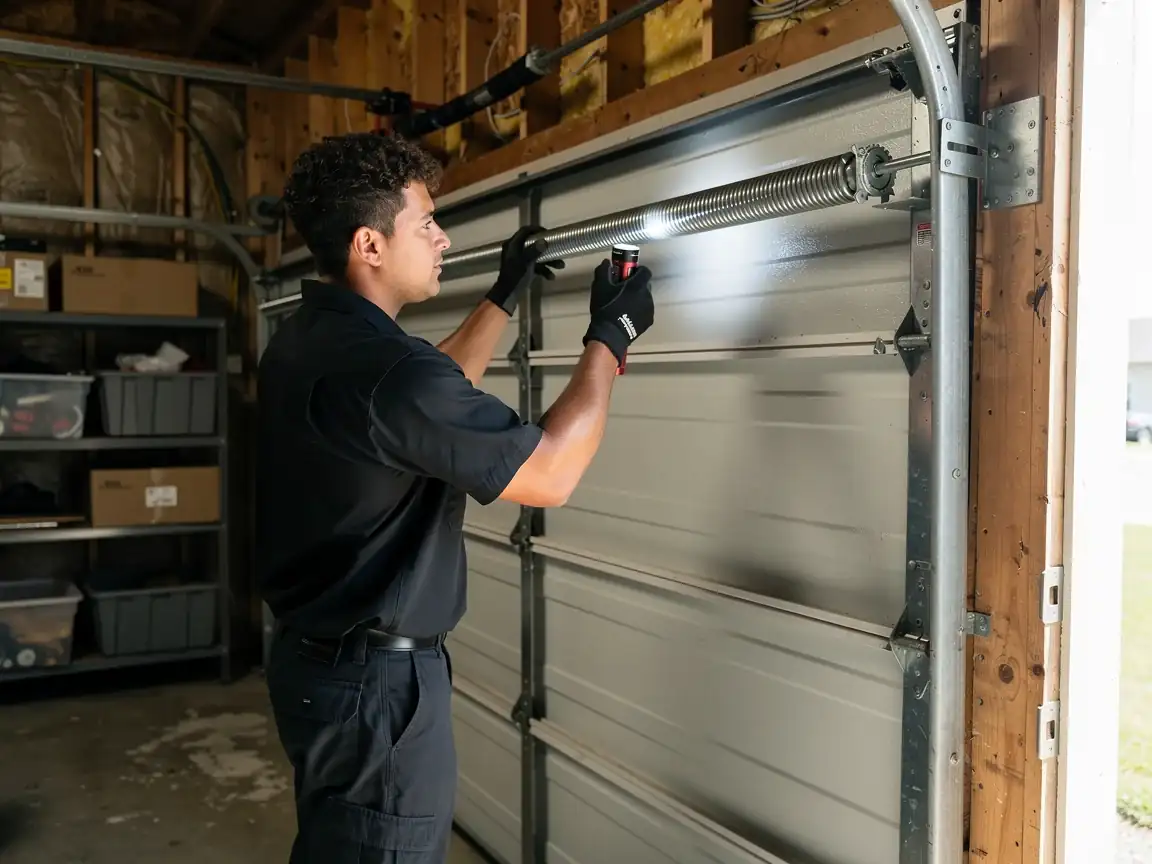
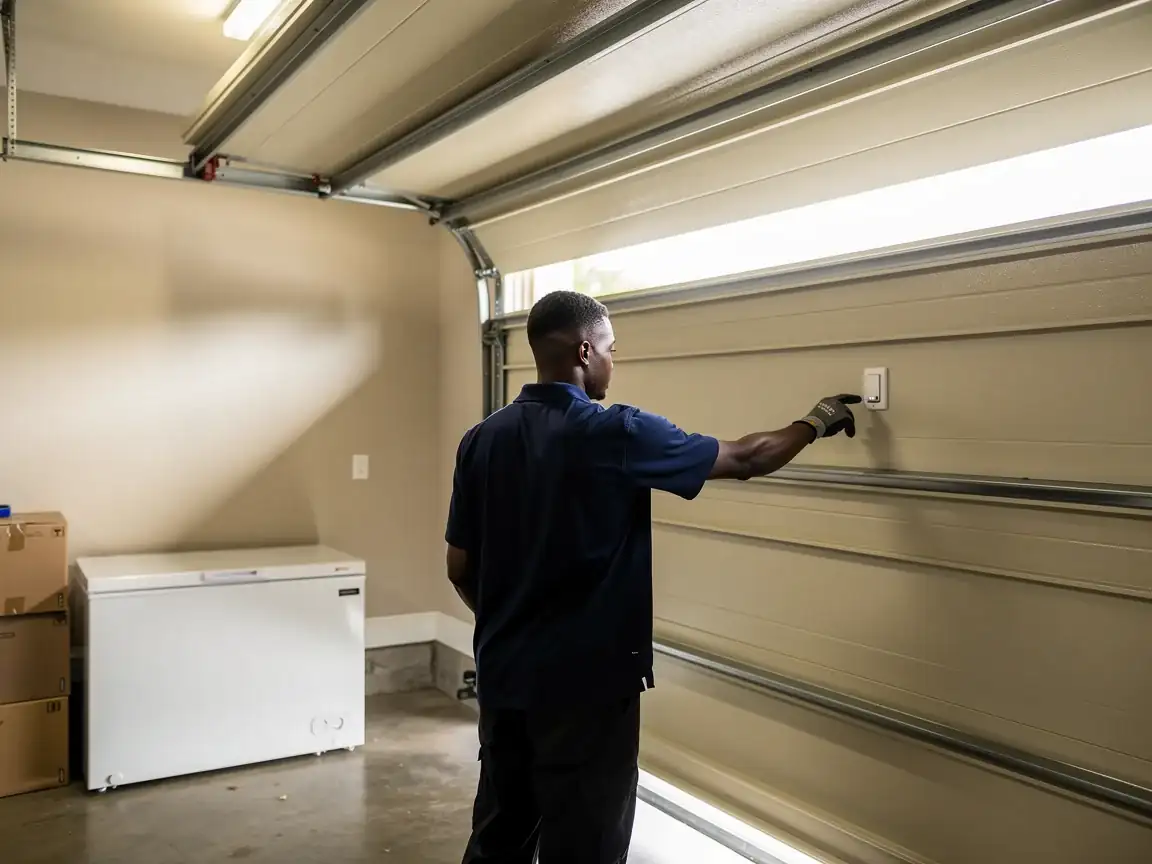
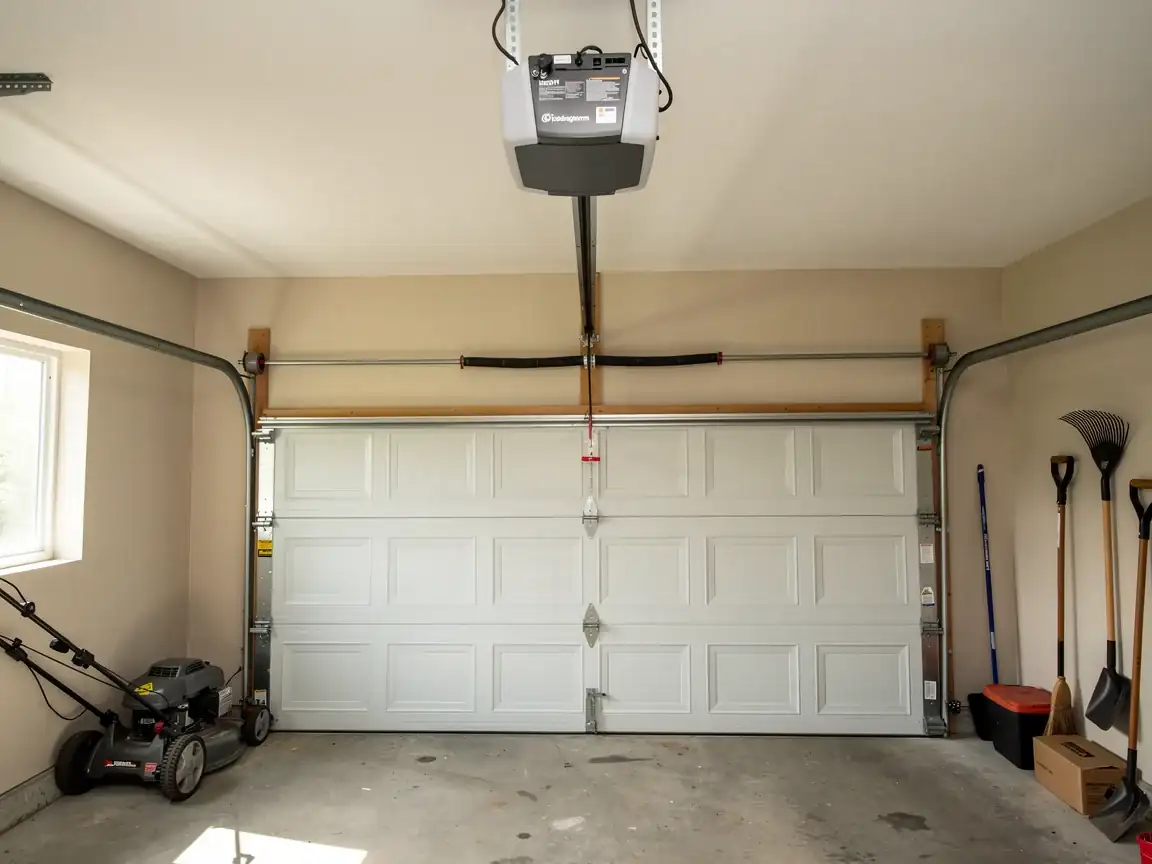
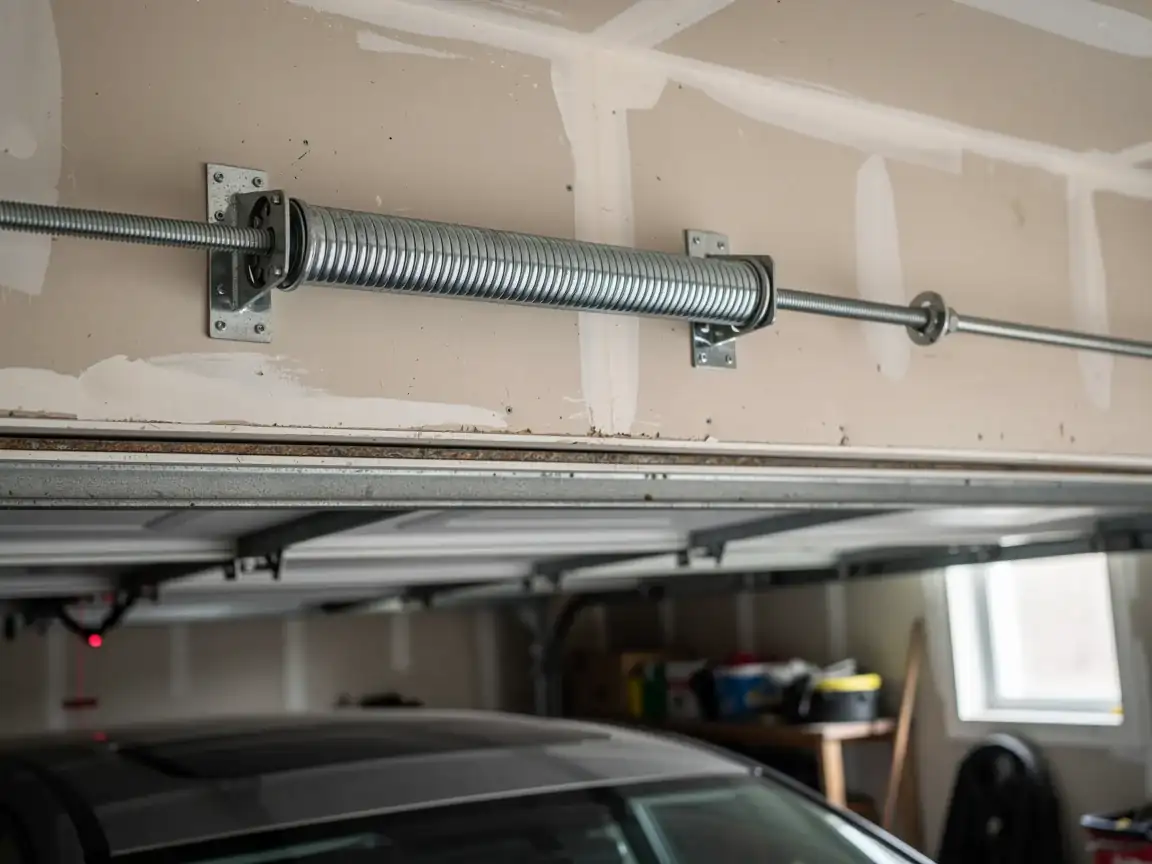
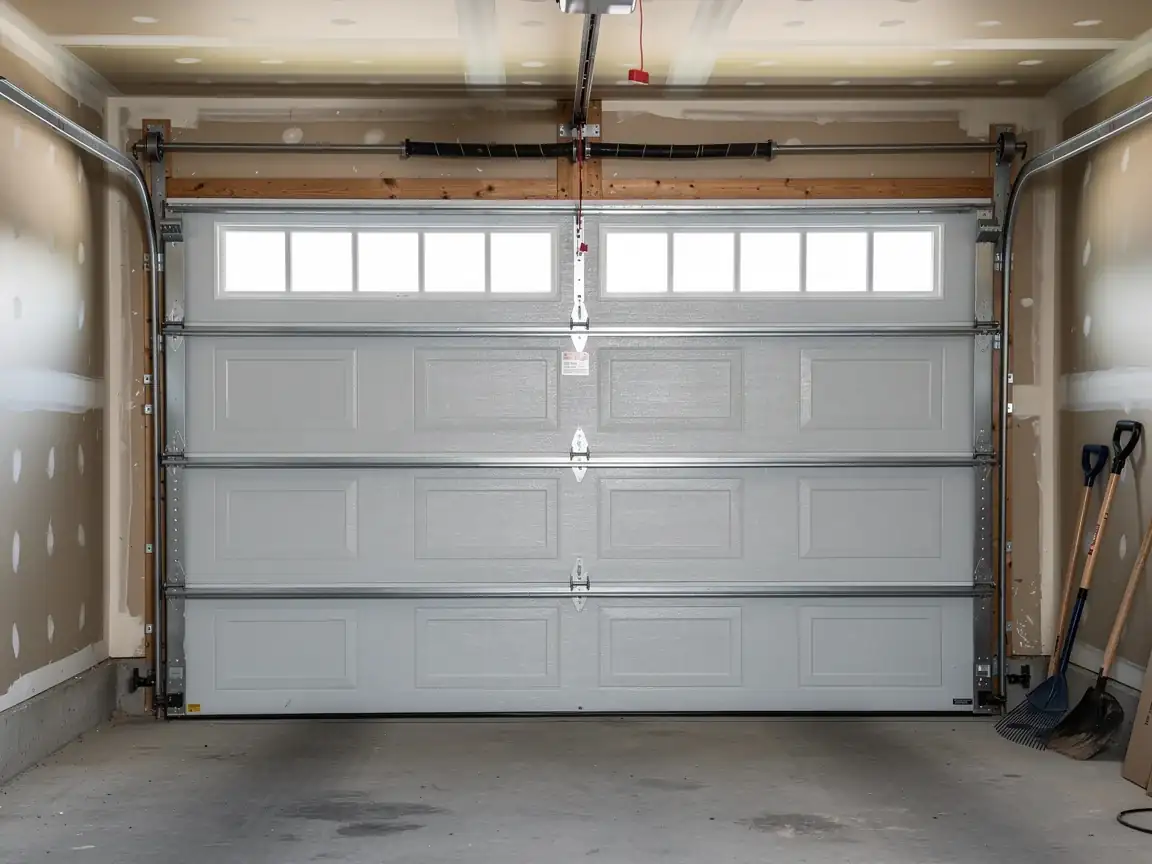
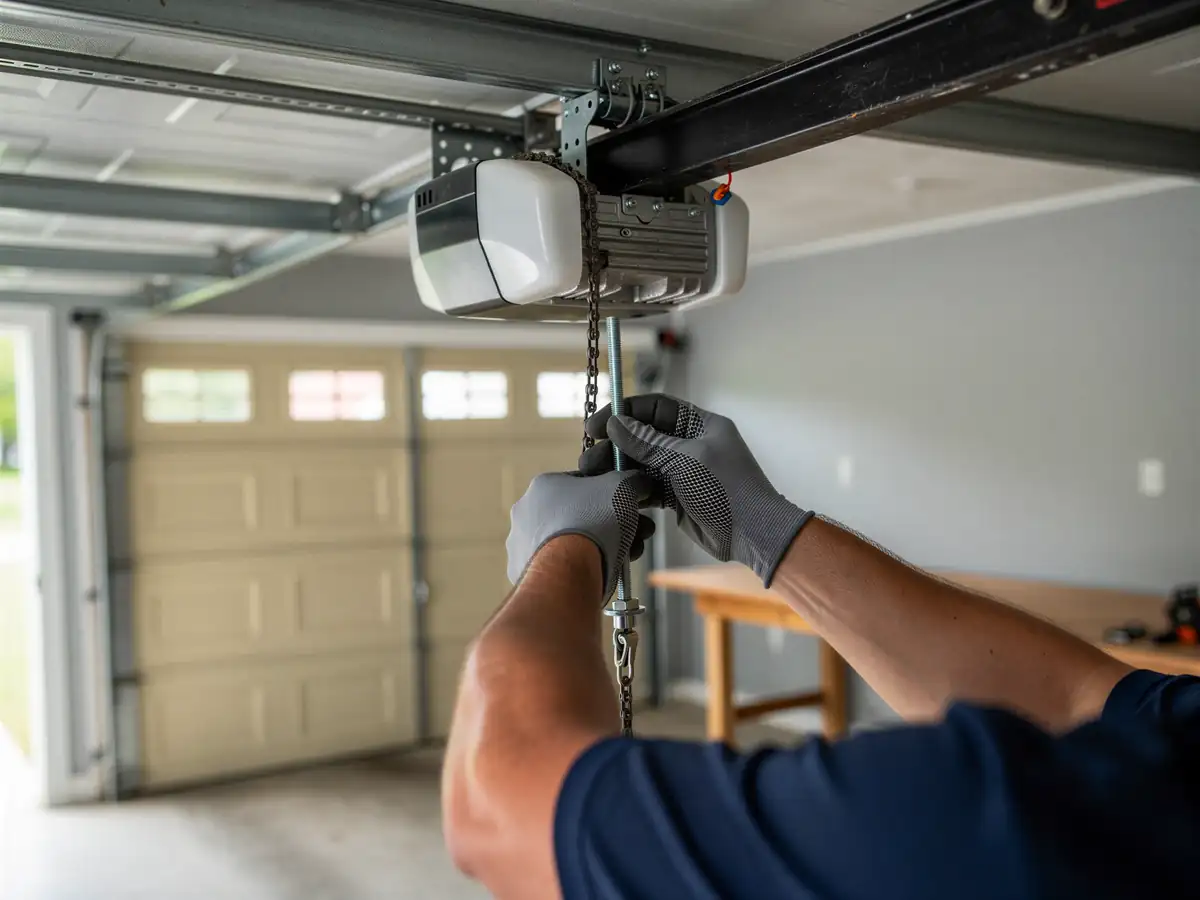
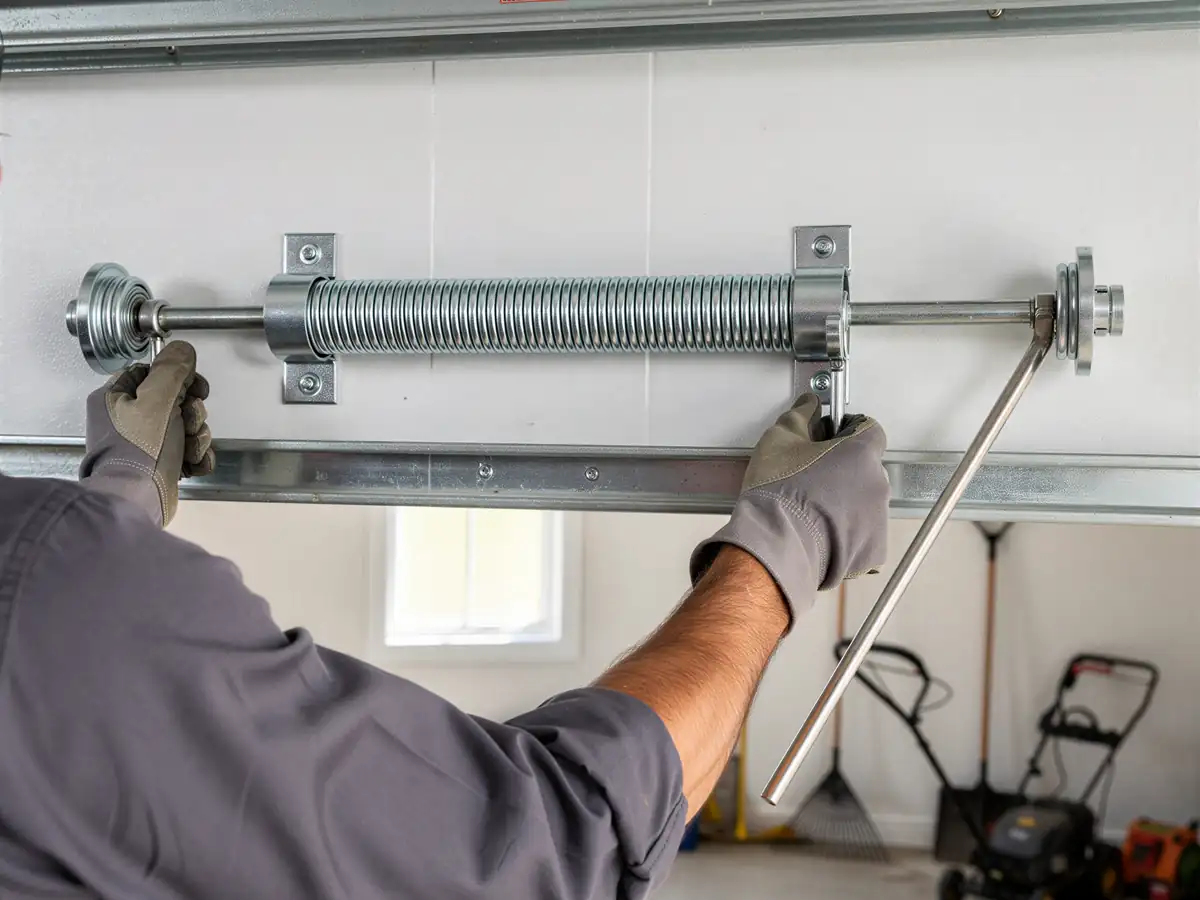
On a 2003-era insulated double door, we're almost always replacing a torsion spring mounted above the opening rather than the older-style side-mounted extension springs you'd find on an original 1970s single-car door. The heavier panel weight on these newer doors means we measure wire gauge and wind direction carefully before ordering - guessing on spring size with a foam-core door leads to a spring that's either too weak to lift it safely or so tight it shortens the life of the opener. We unwind the broken spring, set the new one to the correct number of turns for the door's measured weight, lubricate the bearings, and run the door through a full open-close cycle before calling it done. If the cables or drums show wear from running alongside a tired spring, we'll flag that separately rather than bundling it into the quote unasked.
How Long You Are Without the Door
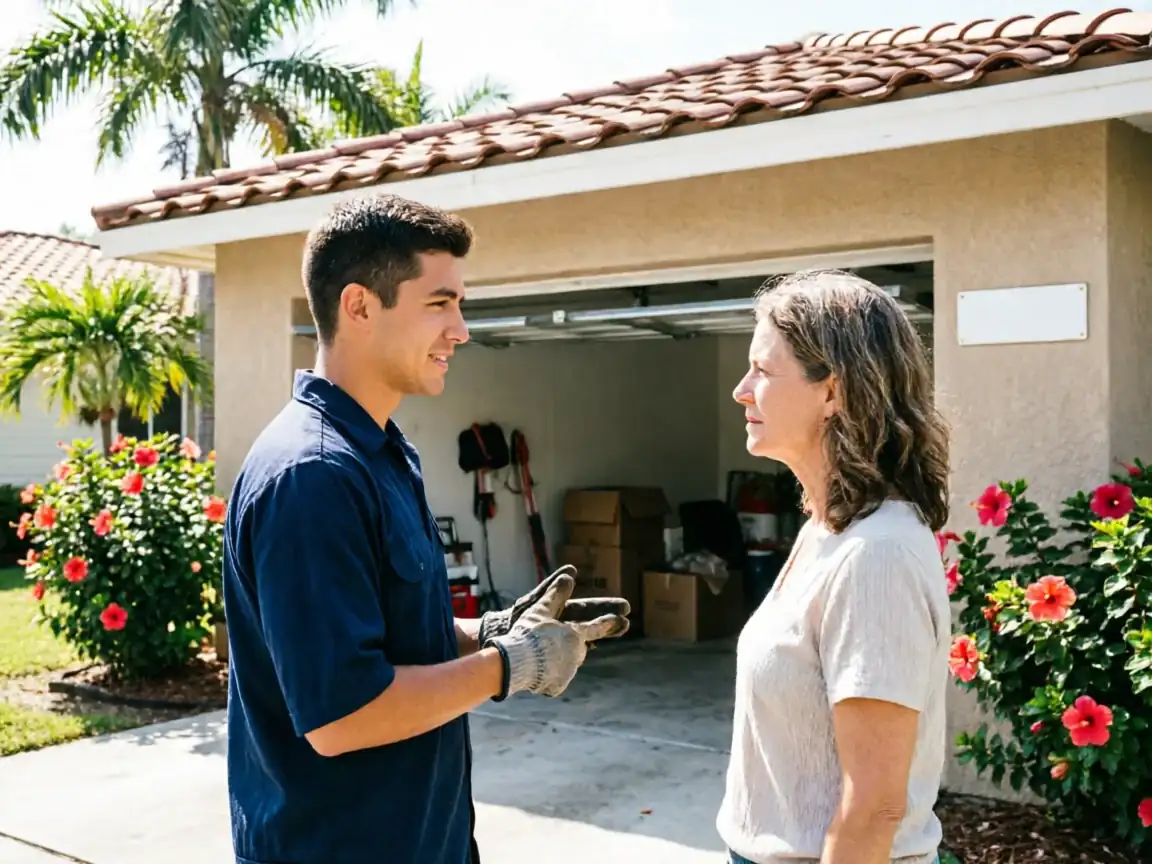
For most homes in West Melbourne, a single spring replacement on a standard double door is a same-visit job once parts are on the truck. We don't quote a fixed response time for this suburb since we travel the roughly four miles out from Melbourne to reach it, but once we're there, the repair itself doesn't take long. What can add time is parts - if the door takes an oversized or less common spring size because of its weight or width, we may need to confirm the exact spec before cutting a new one, which can push a job from same-day to next-day.
How It Shows Up
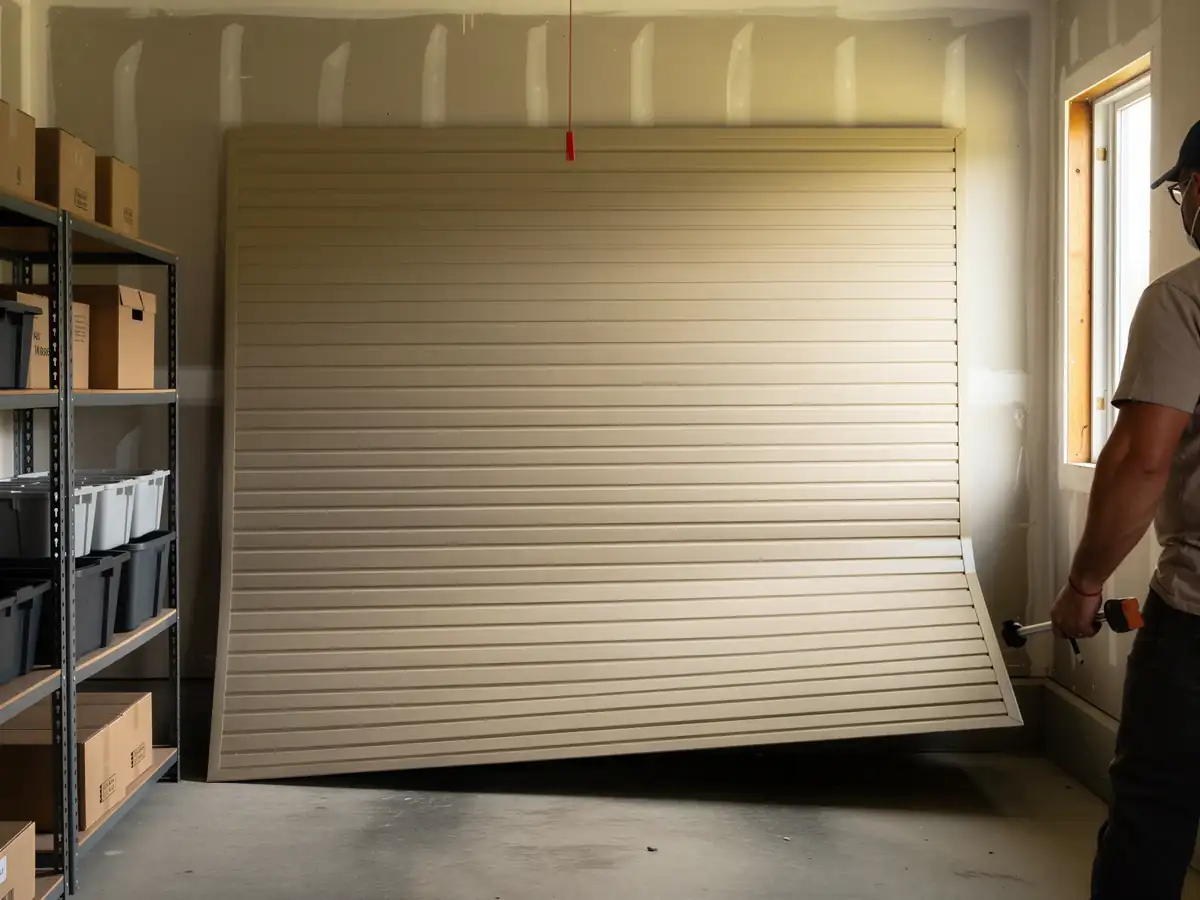
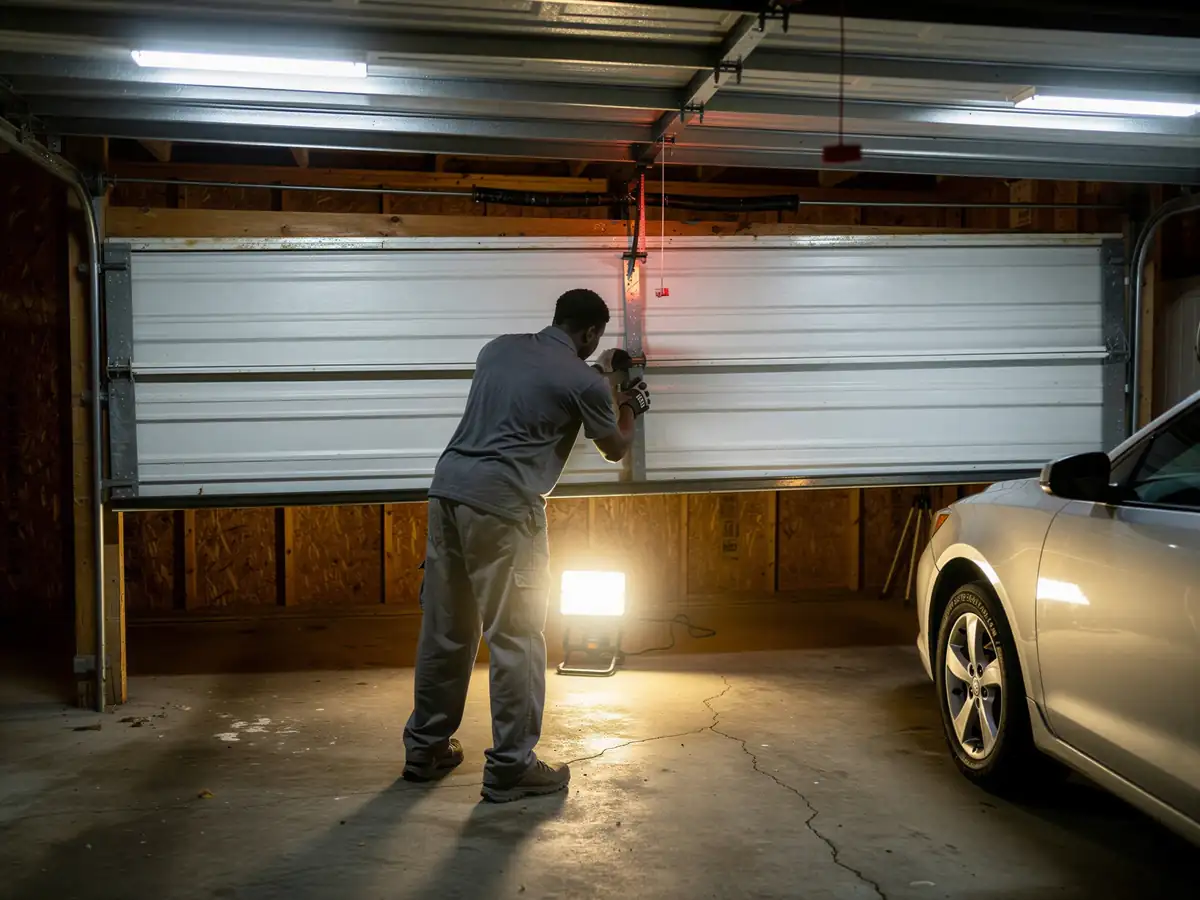
The door won't lift, or it lifts a few inches and stops. Sometimes the opener strains and reverses itself, the motor working hard against a spring that's no longer doing its share. On the heavier insulated doors typical of this area's newer housing stock, a broken spring often means the door feels unusually heavy if you try to lift it by hand - far more than the older, lighter single-car doors nearby. A loud bang from the garage, especially one strong enough to be heard inside the house, is usually the spring itself letting go.