What Causes It Around Here
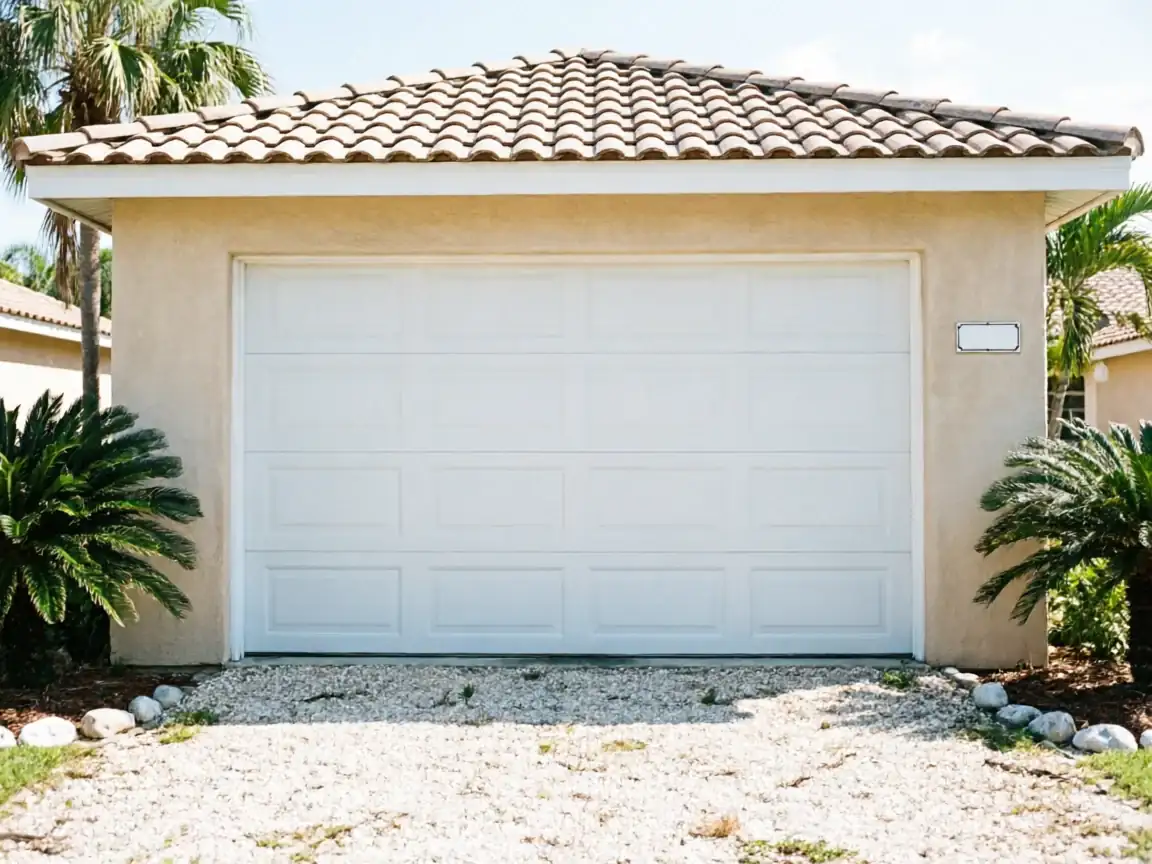
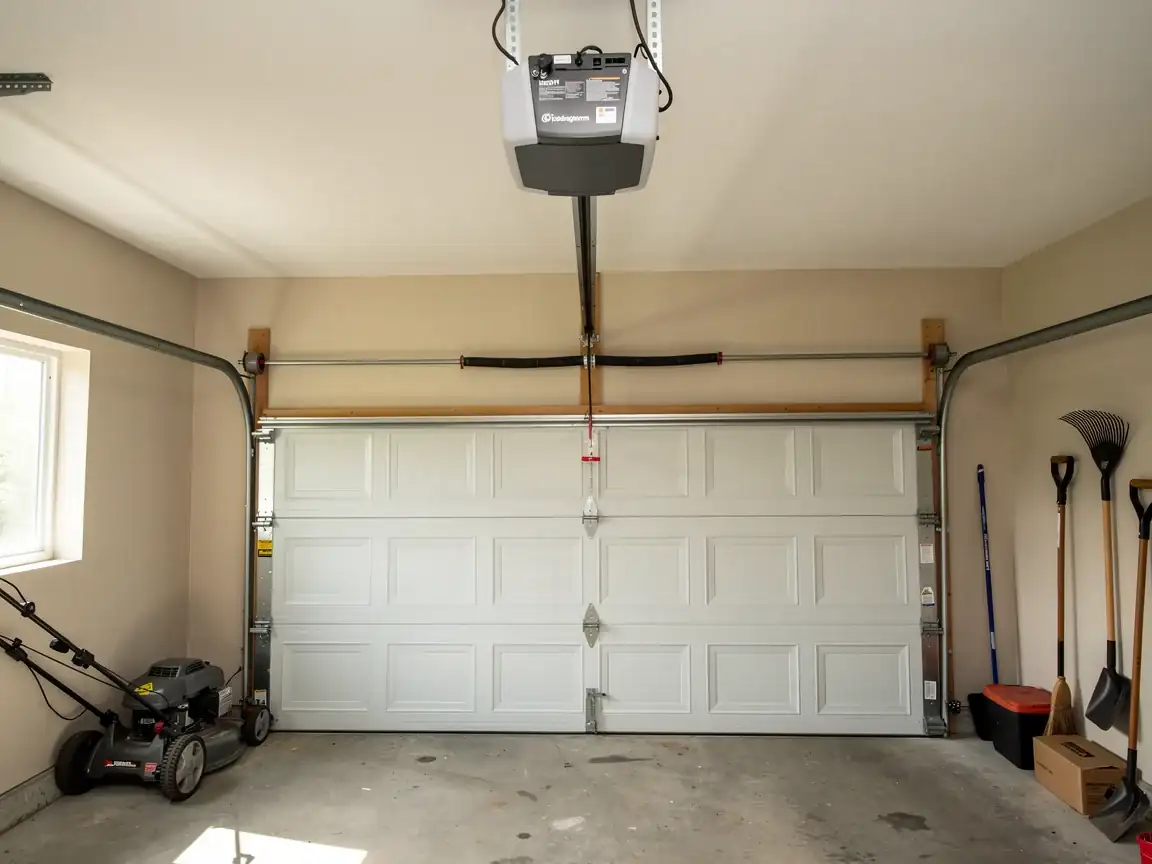
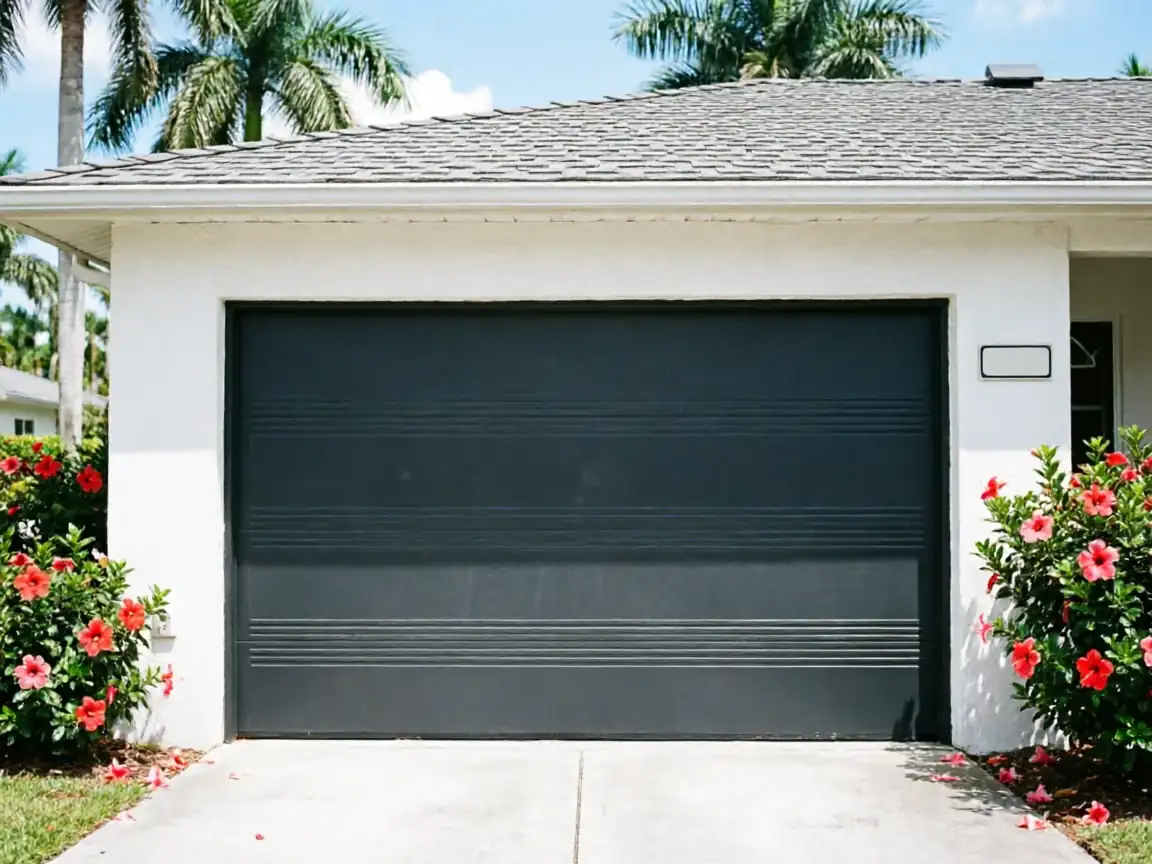
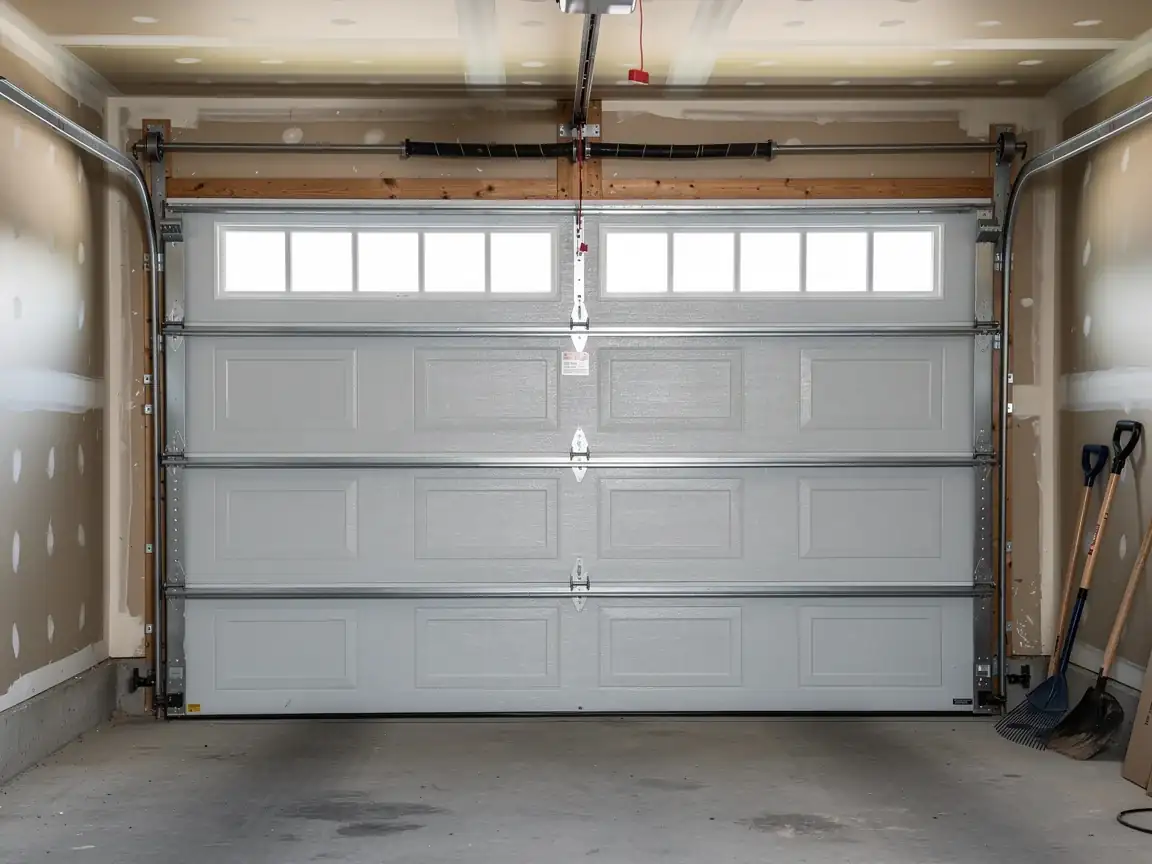
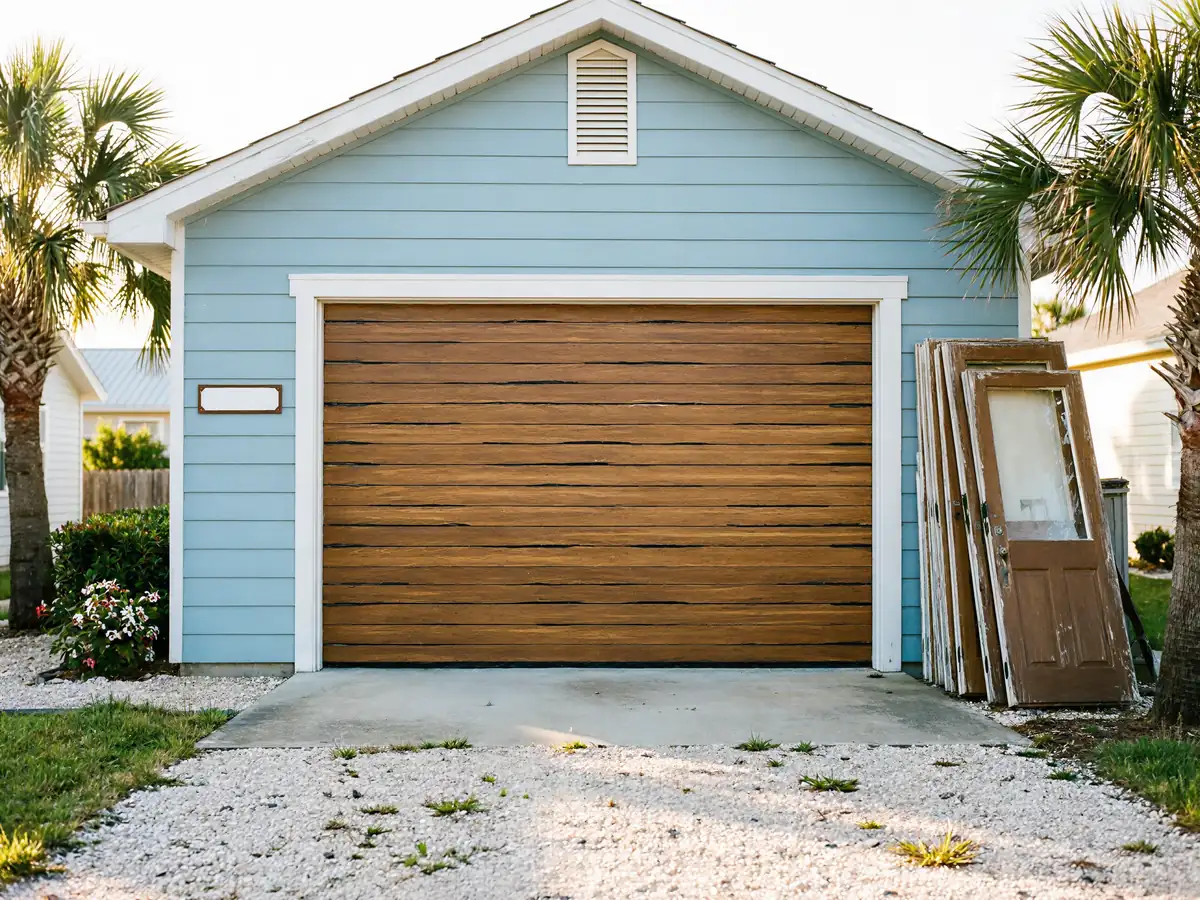
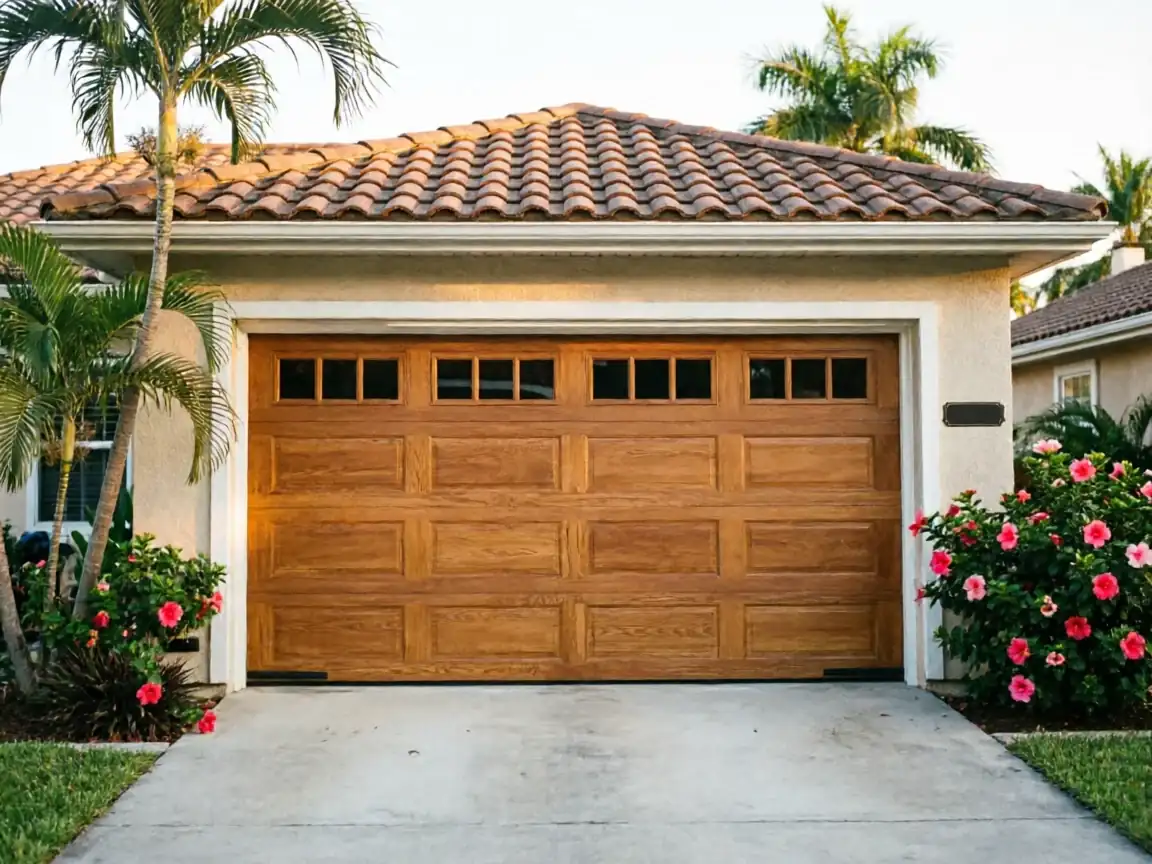
The drive from our Melbourne base out to West Melbourne is about four miles, usually a quick run down one of the main corridors, which matters less for how fast we show up and more for what we load on the truck before we leave. West Melbourne's housing stock skews newer than most of the rest of the area we cover - a lot of it went up after 1990, well past the 1966-2003 range that defines the broader service area, and newer than the 1977 median year built for the region as a whole. That means fewer houses out here running on original 1970s hardware. What we see instead are factory-installed steel sectional doors and openers that are fifteen to twenty-five years old, not forty. The springs are standard torsion units on factory brackets, not the odd side-mounted setups common in older stock. The failures still happen - torsion springs wear out on a cycle count regardless of the house's age - but the parts underneath tend to be more standard and easier to source, which is part of why a call here usually moves faster once we're on site.
What the Fix Involves
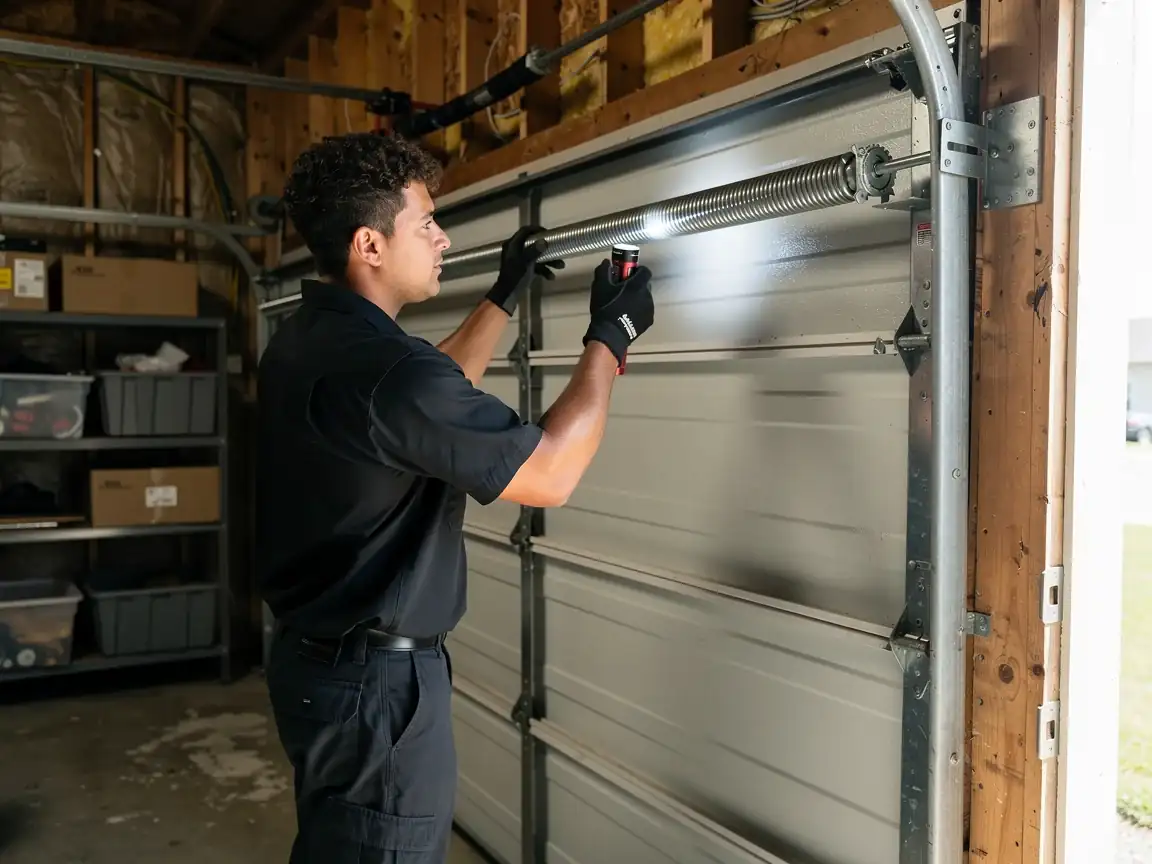
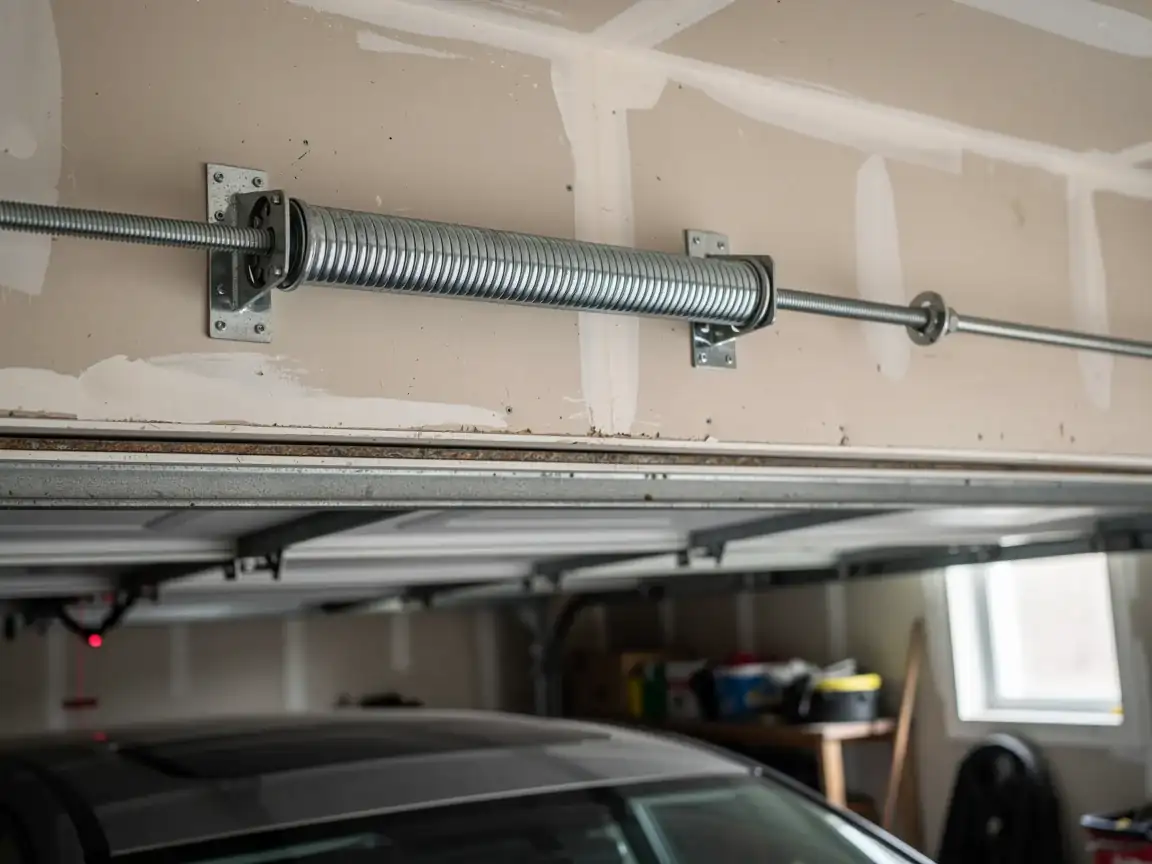
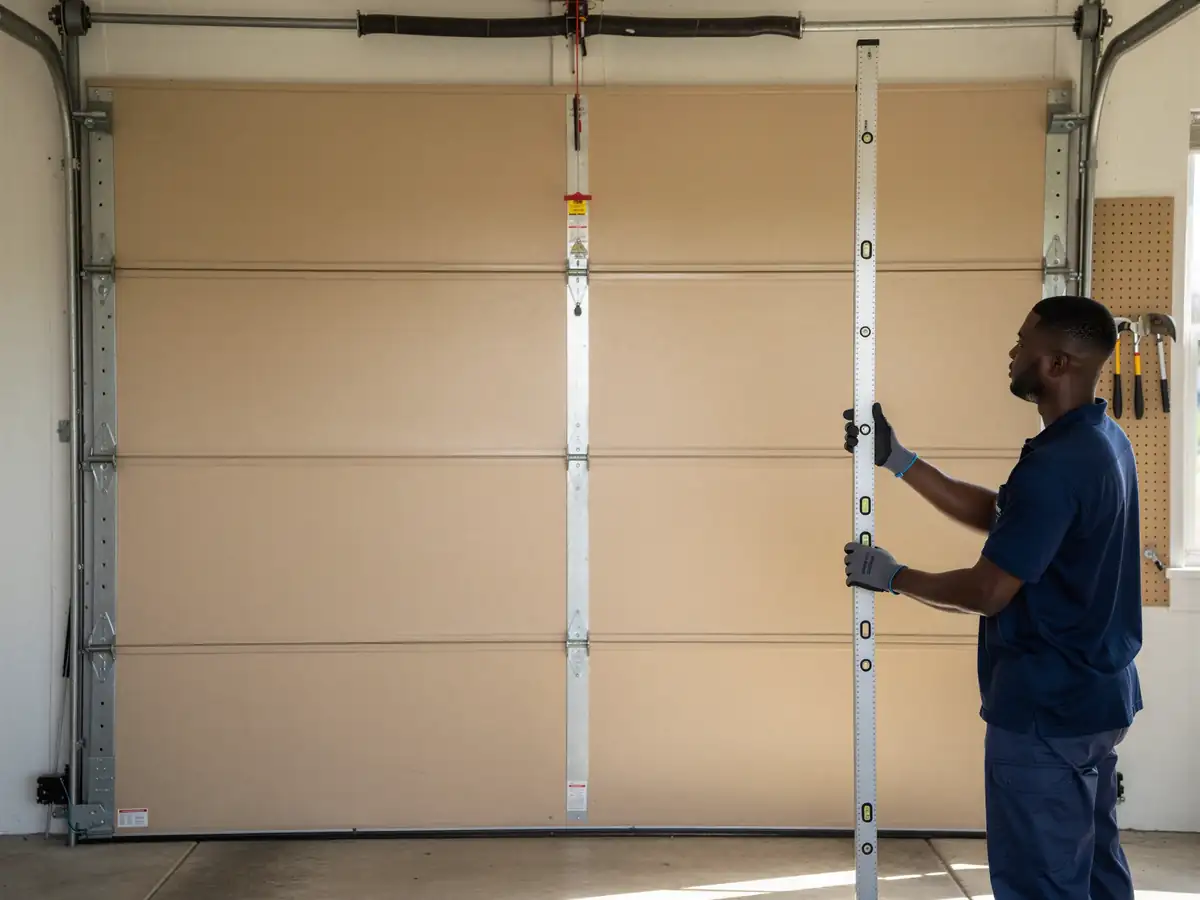
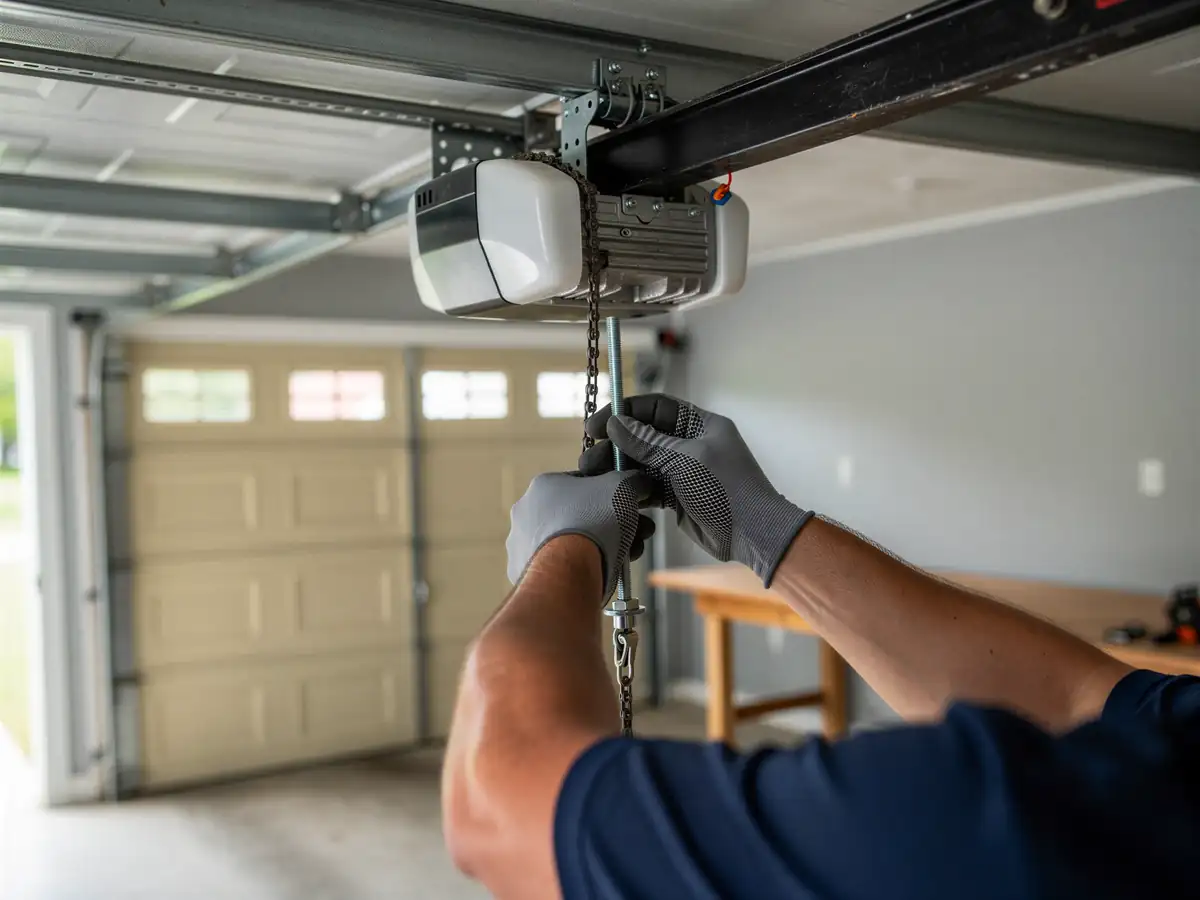
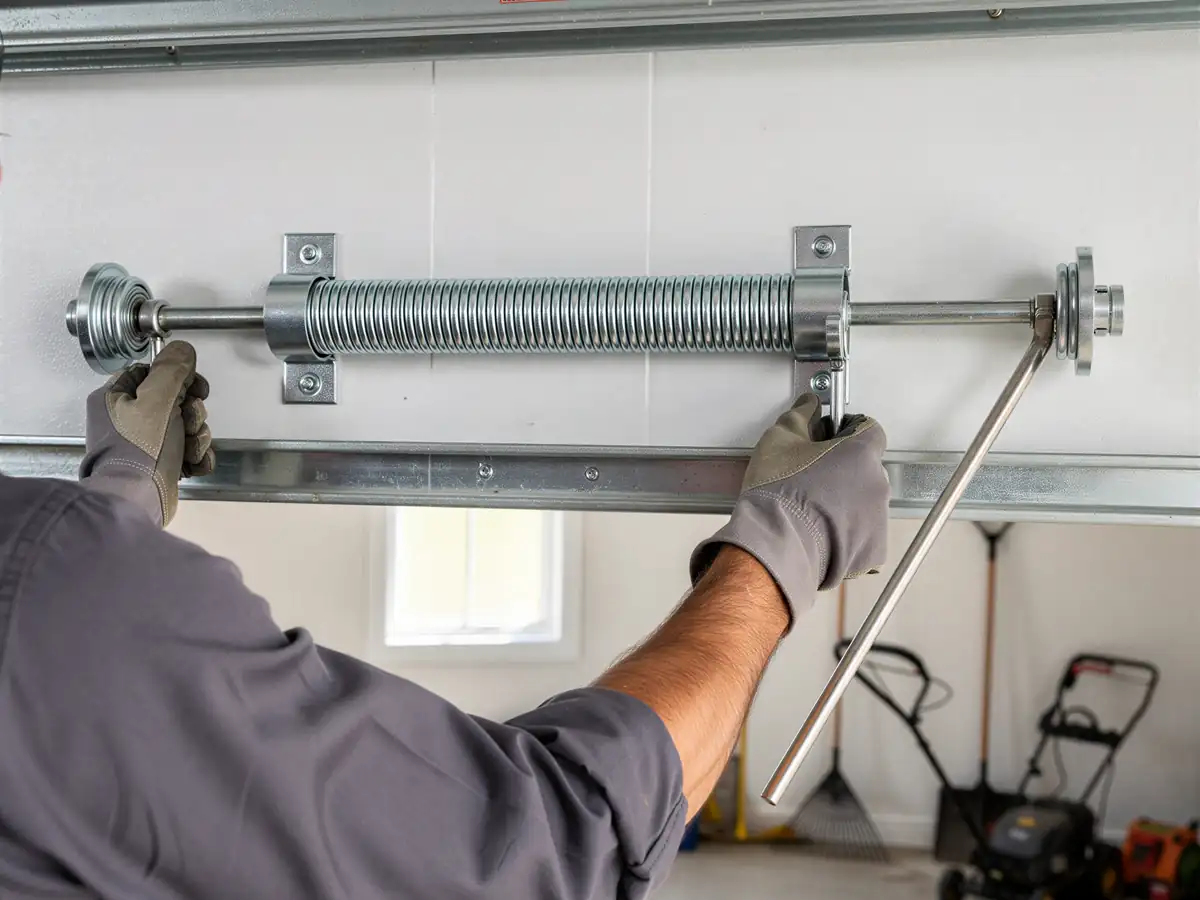
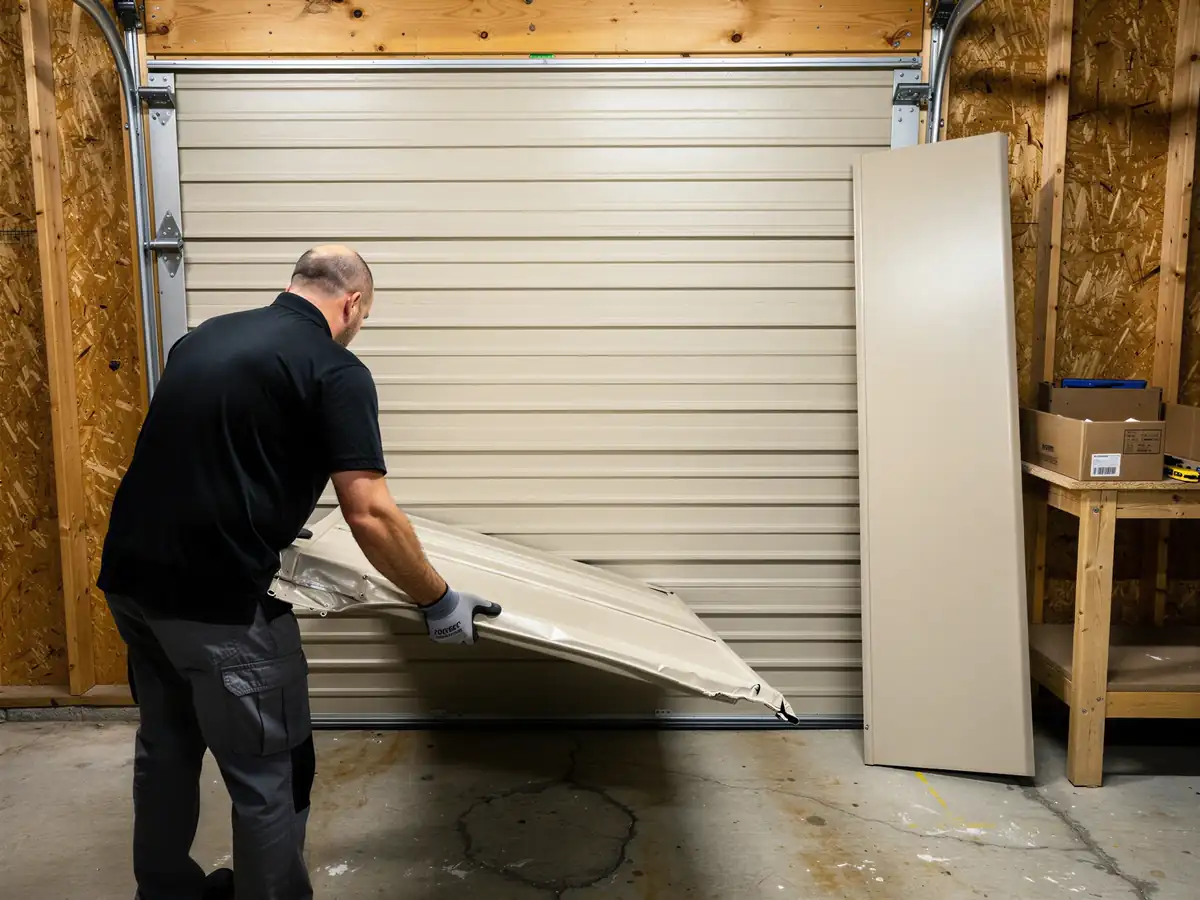
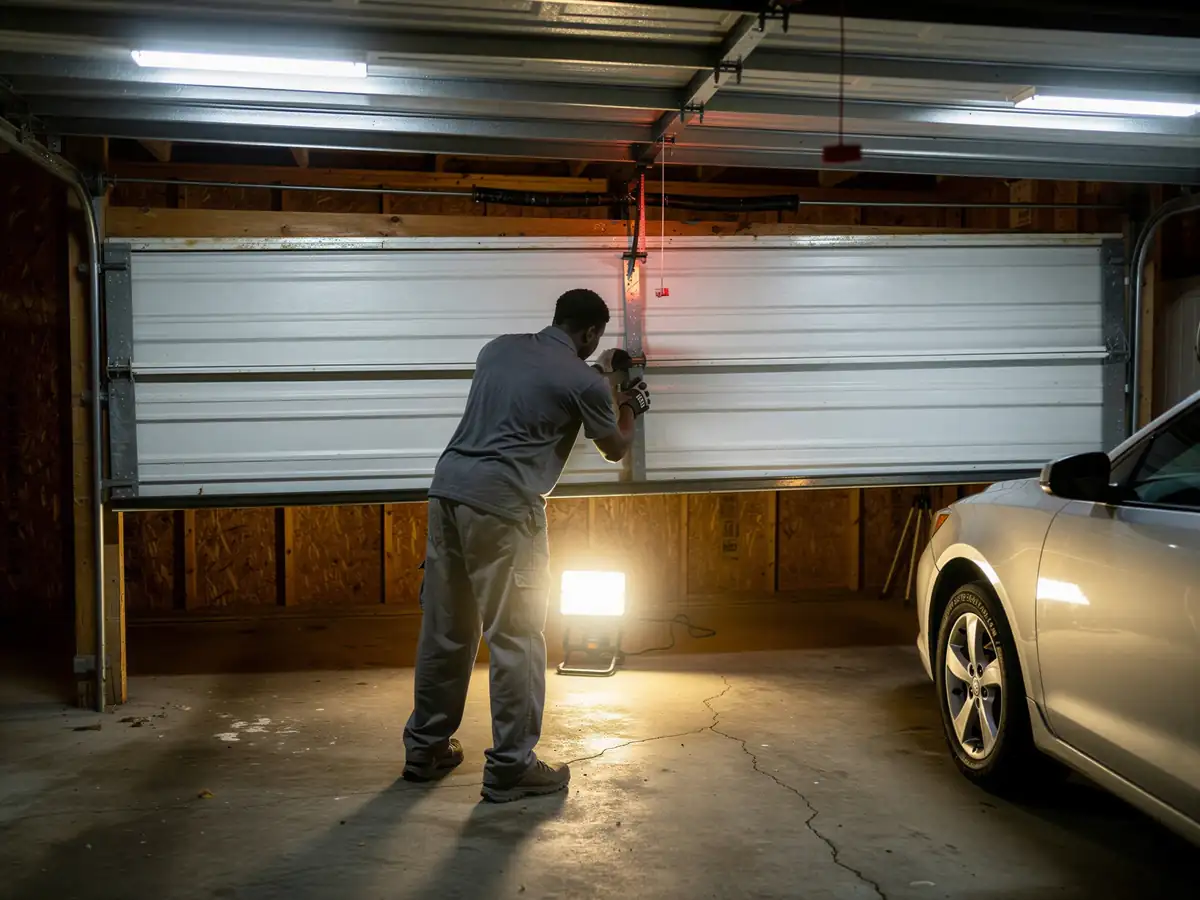
A torsion spring replacement on a door this age is usually straightforward: unwind the old spring, measure the wire gauge and wind count against the door's weight, and install a matched set sized to the opener and track already in place. Because West Melbourne's homes are newer, we're rarely fighting rust-seized set screws or a track that's been reworked twice by a previous owner. The opener is often original too, so parts and sensor wiring tend to match what's in current stock rather than requiring a workaround. We check the cables, rollers, and bottom brackets at the same time, since a spring failure puts extra load on all of it for however long the door's been run on one spring instead of two. If the opener's logic board or the keypad shows signs of age-related wear, we'll flag it, but that's a separate job and a separate quote.
How Long You Are Without the Door
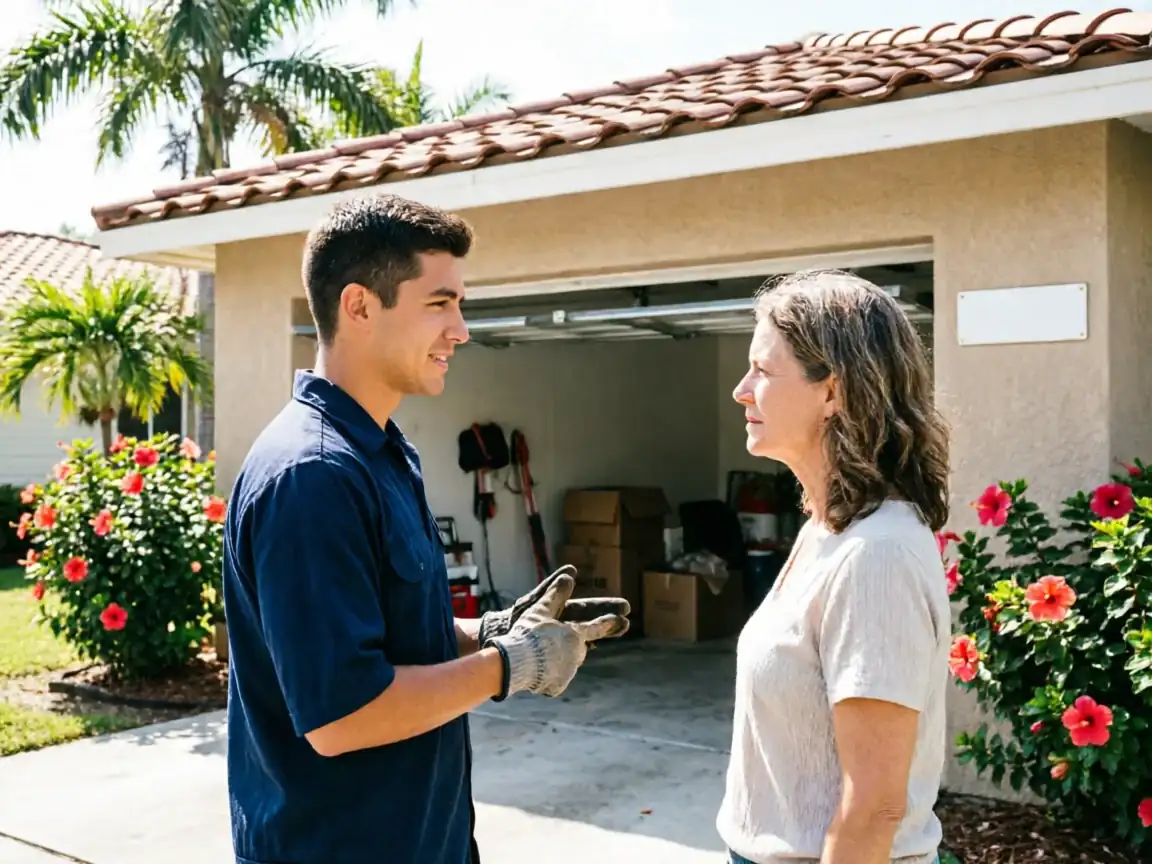
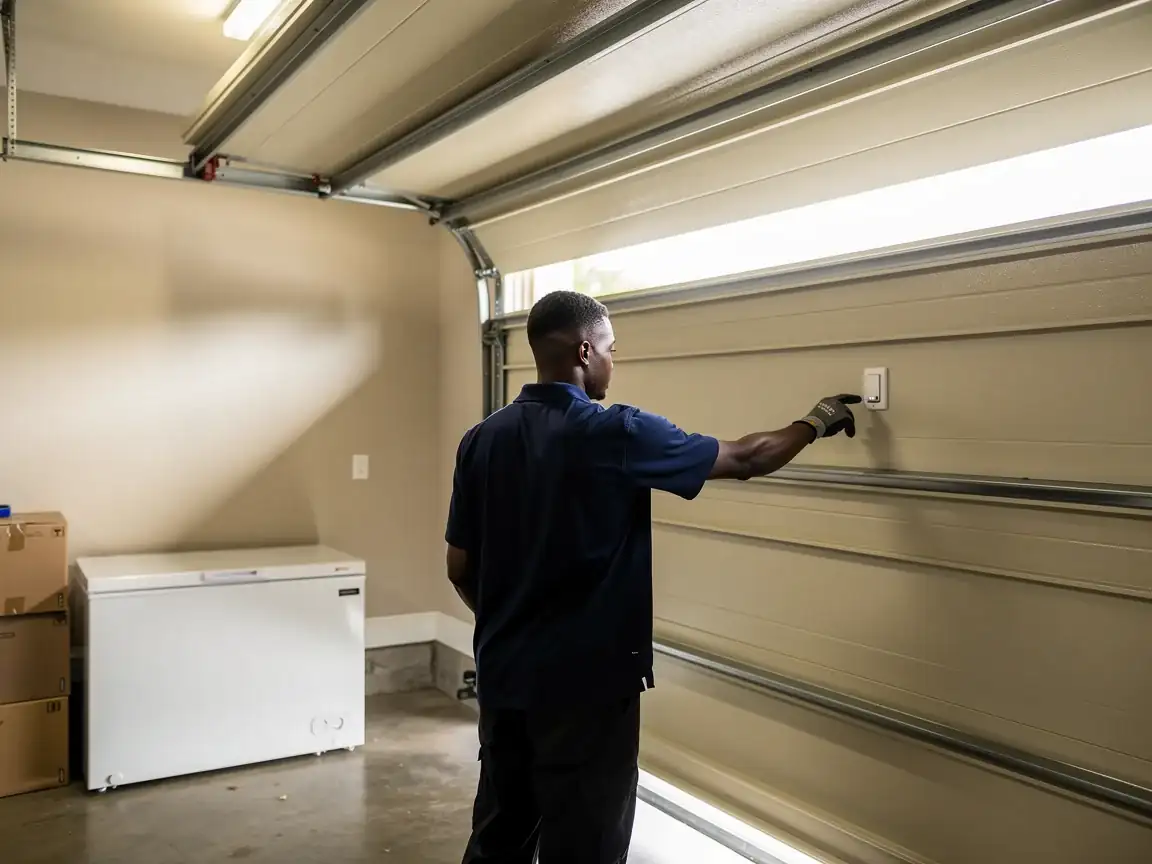
Most spring and opener repairs on a newer door like the ones common in West Melbourne are a same-visit job once we're on site with the right parts loaded - the standard hardware here means fewer surprises that turn a two-hour job into an all-day one. The honest limitation: if a part isn't something we carry on the truck, usually true for an obscure opener model or a specialty panel, that job waits on a supplier, and we'll tell you that up front rather than guess.
How It Shows Up
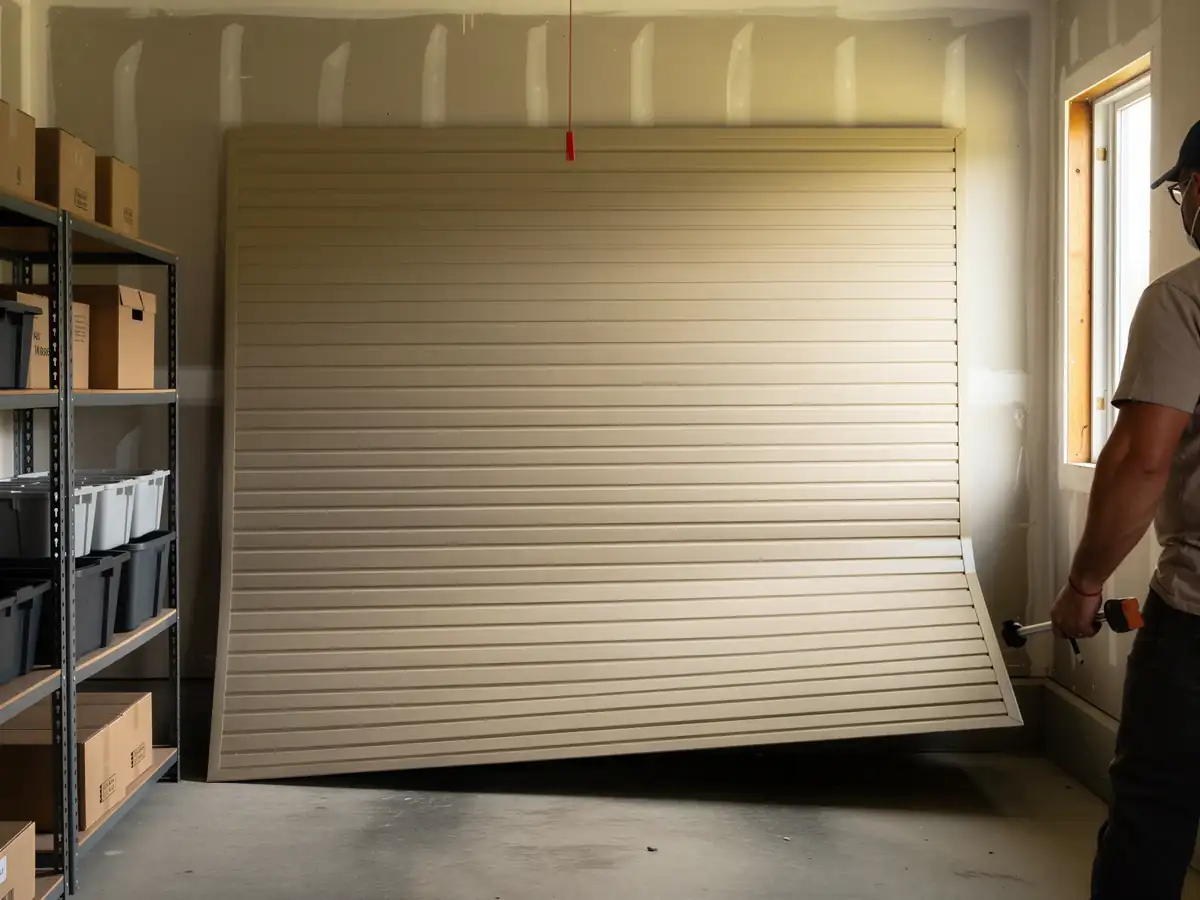
The door gets heavy to lift by hand, or the opener strains and groans partway up before stalling. You'll sometimes hear a loud bang from the garage - that's a spring letting go, usually on a door that's been cycled thousands of times without issue until it isn't. On newer installs like most of what's in West Melbourne, you're less likely to see the kind of warped or delaminated panel we find on much older doors elsewhere in the area; instead the early warning is usually mechanical, in the spring or the opener's drive, not the panel skin itself.